




Abstract
Purpose:
Initial coin offerings (ICOs) are gaining relevance due to their novelty. They refer to fund-raising activity related to cryptocurrency and blockchain. ICOs are offered through a new cryptocurrency token, which may represent a stake in the company or project. The primary objective of this study is to understand the current state of research in ICO by analyzing various aspects, including the most significant publications, leading journals, contributing authors, their affiliations, and the prevailing themes in the research domain.
Design/Methodology/Approach:
The dataset considered 353 articles from the Scopus database from 2002 to 2024. The current study employed bibliometric analysis and thematic analysis.
Findings:
The bibliometric analysis identifies the most influential research areas and authors within the field of ICOs, while also mapping the conceptual structure and impact of the domain. P. P. Momtaz emerges as the most prolific author with 12 publications, followed by C. Fisch and S. Vismara, each contributing 7 articles. The United States leads in author affiliation, accounting for 26 publications. Three primary research themes are identified: the role of artificial intelligence in the success of ICOs, ICOs as a financing mechanism for entrepreneurs, and the development of the financial services sector through ICO adoption.
Research Implications:
The present article shows potential information that helps in understanding the past, present, and future of research in ICO and creates a base for future research actions for practitioners and academic directions.
Introduction
New financial avenues are emerging in the investment field along with traditional avenues. Technological developments allowed more financing avenues, namely, initial coin offerings (ICOs). ICOs are gaining attention and expanding in the field of entrepreneurial finance. This avenue has attracted many ventures and businesses across the globe to raise funds. ICOs offers opportunities to new ventures and established businesses to sell tokens (Fisch, 2019; Momtaz, 2021). Tokens are the assets, which are cryptographically protected with the help of blockchain, which is a novel mechanism for investors along with security (Li & Mann, 2018). Blockchain technology has vast potential as a disruptive technological innovation (Yermack, 2017). ICO ventures became attractive targets for institutional investors with success reported (Howell et al., 2019). In addition, institutional investors’ fundraising through ICOs increased from $1.0b to $3.9b from 2017 to 2018. Sequoia Capital and Andreessen Horowitz invested worth $100m. While ICOs have emerged as a prominent trend in the digital asset landscape, much of the existing literature has concentrated on their role as an alternative financing mechanism (Adhami et al., 2018; Schückes & Gutmann, 2021). On the other hand, a number of studies examined the role of blockchain in ICO (Samieifar & Baur, 2021) and determinants in the success of ICO (Adhami et al., 2018; Gächter & Gächter, 2021). However, a recent review by Kijkasiwat (2022) indicates that a majority of these studies primarily emphasize the development and success factors of ICOs, with limited attention given to broader implications, evolving trends, or underexplored dimensions of ICOs within the digital asset ecosystem. Despite potential advantages, the research in the field of ICOs is limited. As the concept faces challenges and emerges as a fundraising method, the research in the domain of blockchain and ICO success is gaining attention from industry, academia, and researchers. Still, this concept and its understanding are at a nascent stage (Kher et al., 2021). This highlights the need for a comprehensive study in the field of ICOs to develop future directions. The current study aims to analyze the emphatic studies on ICO success. This new financial avenues era needs to develop through different interlinked streams. The current study provides a base for scholars and researchers to understand the progress of ICOs and their current status. The study provides future research directions in ICOs and its success.
Bibliometric analysis and meta-analysis were applied in the current study to understand the development of the research stream. This helps to provide a holistic view of the research stream and provides future research directions. The study contributes to the research on ICOs in two ways. First, the study applies a two-stage systematic analysis using bibliometric analysis followed by a meta-analysis that helps to cover an in-depth understanding of ICOs. Second, the study identifies major themes emerging in the research field and presents a descriptive literature review on themes. It provides a base for new researchers to develop research streams. The study aims to understand in-depth progression of ICOs and their present status. The following proposed questions are addressed:
RQ1: Which are the scientific publication trends, most influential documents, authors, sources, institutions, and countries in ICOs, and what is their success? RQ2: What are the intellectual structure and themes that evolve from the ICOs? RQ3: What are future research topics to provide future research directions?
Literature Review
Blockchain Technology and Cryptocurrency
Bitcoin has emerged over the past few years as the first currency which is decentralized. The acceptance of Bitcoin attracted not only digital currencies but also technology empowerment. Currency and tokens are considered to be major types of blockchain which are built upon cryptography (Nakamoto, 2008). Blockchain technologies create a base for cryptocurrencies through distribution and integration. They reply on hashing, a cryptographic system to provide safe and accurate registrations. They help users to store and transfer data. Blockchain and related technologies have shown positive contributions, which help to have better delivery (Yuan & Wang, 2016). They help to have tolerance and resistance (Adhami et al, 2018). The increasing attention for cryptocurrency also leads to increased cryptocurrency frauds at different levels that need to be analyzed using machine learning, which can help to detect the fraud at an early stage (Agarwal et al., 2024).
Initial Coin Offerings
ICOs are defined as follows: “It is open calls for funding promoted by organizations, companies, and entrepreneurs to raise money through cryptocurrencies, in exchange for a token that can be sold on the Internet or used in the future to obtain products or services and, at times, profits.” ICOs have evolved and gained popularity in raising funds using blockchain technology (Conley, 2017; de Jong et al., 2018). Businesses and startups are considering a new source of financing compared to traditional ones (Toma & Cerchiello, 2020). The success of ICOs opens a new window for researchers, investors, and entrepreneurs, as well as governing bodies. When businesses are at emerging or low capacity, ICOs are considered to be better than other financial avenues (Tao et al., 2023). When most investors are found to be risk-takers, the business will be wealthier. On the contrary, if investors are found to be risk-averse, the business will be stable or negative. The instrument encountered various issues that were addressed in past literature, namely, optimal technical design to prevent any type of fallacy and relationship between ICOs and regulation (Adhami et al., 2018). The entrepreneur technical experience team has a positive effect on ICO success, and it becomes stronger when the ICO projects are from the sectors with high technological requirements. The detailed study helps the readers to understand ICO and its success, which provides a base for future planning and strategies to have a better outcome (Tao et al., 2023).
The emergence of ICOs, grounded in blockchain technology, represents a transformative development in entrepreneurial finance. As an innovative form of crowdfunding, ICOs enable ventures to raise capital directly from a global pool of investors, bypassing traditional financial intermediaries. Despite their rapid growth and increasing relevance, the academic literature exploring ICOs remains relatively limited and fragmented. Given this gap, there is a pressing need for a comprehensive analysis that synthesizes the existing research on ICO. This study aims to address that need by systematically reviewing the literature on ICOs and cryptocurrency, highlighting emerging trends, theoretical contributions, and methodological approaches. Through this analysis, the research seeks to provide valuable insights and propose future directions for scholarly inquiry and practical application in the evolving domain of blockchain-based fundraising.
Research Methodology
Data Selection
Startup finance and ICO are gaining attention from different domains of researchers (Kher et al., 2021). The domain is emerging, and it requires extensive study (Kher et al., 2021). This study wishes to provide an in-depth and better understanding of ICOs by following the preferred reporting items for systematic reviews and meta-analyses (PRISMA) technique. It helps to improve the reporting of systematic reviews and meta-analyses. The bibliometric and SLR encapsulate the research domain most accurately and effectively (Belur et al., 2018; Snyder, 2019; Tranfield et al., 2003). In this methodology, the decisions and steps are guided by scientific manner and rationale for the study.
The study incorporated a three-step process for data extractions. In the first stage, it has reported about document identifications using the appropriate database. The study selected the Scopus database to retrieve all relevant studies on ICO success (Figure 1). Scopus covers a comprehensive research database published on ICO and its success (Linnenluecke et al., 2019). The next step is choice of keywords. Considering the ICO theme and previous articles published on ICO (Kher et al., 2021; Ofir & Sadeh, 2019), the study applied the keywords for documents acquisitions which includes “ICO,” “initial coin offering,” and “cryptocurrency,” using a string of keywords for searching the datasets. The study retrieves the data using keywords within “the title, abstract, keywords and full text of the articles” to acquire relevant documents. The study considered published full-text articles, conference proceedings, working papers, reviews, and book chapters. Further, this study included published articles only in the English language (Khan et al., 2021). This helped in arranging data for further analysis in the research domain (Linnenluecke et al., 2019). The study included published articles up to 2024. The data covered 2002–2024 data, which is almost two decades of research in the field of ICO. There were 353 documents carried forward for further analysis after arranging data (Figure 1).
Co-occurrence of Author-specified Keywords.
Methodology
Two stages were applied for a detailed analysis of the research stream. In the first stage, bibliometric analysis was performed. The analysis included publication trends, leading articles, authors, journals, institutions, and countries to measure their impact (Khan et al., 2021) and helped to understand the emerging themes from the research domain. The bibliometric analysis also covered cartography analysis, co-authorship, and bibliographic coupling. The thematic analysis was performed in the following stage, which provides a detailed progression of knowledge in the research theme over a period. The Biblioshiny package of R and VOSviewer was used for bibliometric analysis.
Analysis and Discussion
The study tallied the main data points, including the period, number of sources and documents, authors of single- and multi-authored papers, and author collaboration. The Biblioshiny tool was used to examine the links between the sample’s top contributing authors, author output over time, most referenced articles, most cited authors, and most relevant author-affiliated countries.
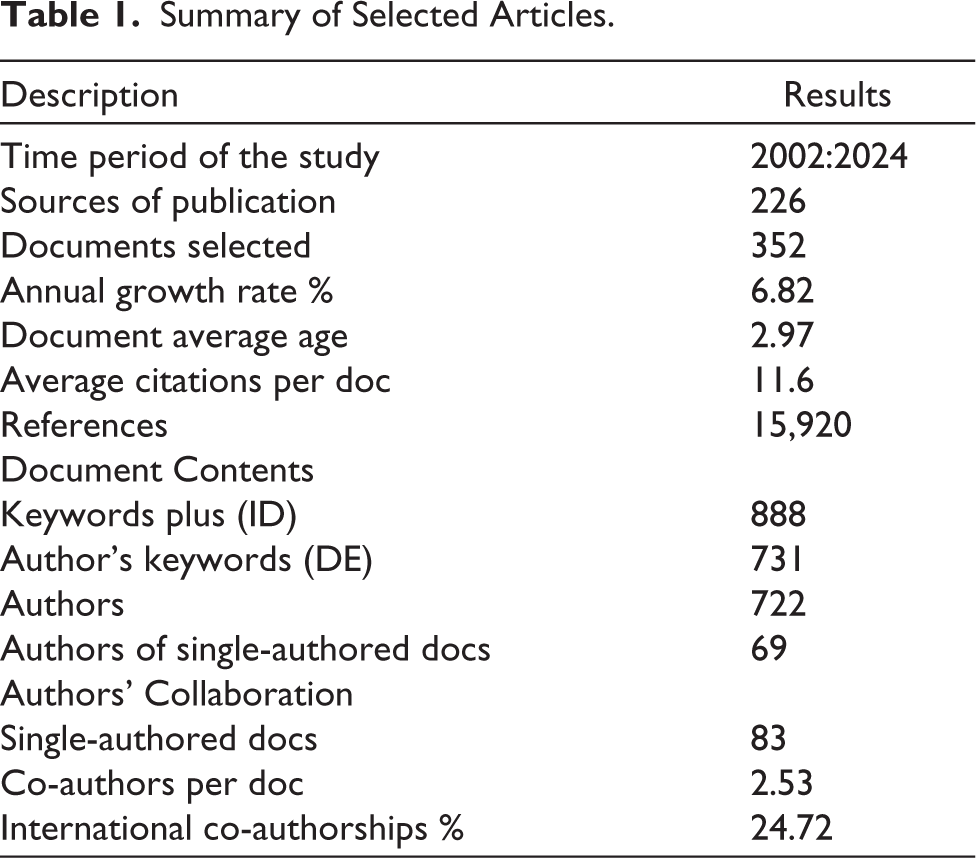
Table 1 shows that the bibliometric analysis included 352 publications published between 2002 and 2024 in 226 top journals. The average number of citations per document was 11.6, and the average number of citations per document each year was 10.8. Of the 352 articles, 83 (23.58%) were single-authored and the remainder were multi-authored. The collaboration index calculated was found to be 2.43 by dividing the total number of authors of the multi-authored articles (653) by the total number of multi-authored articles (269) (Elango & Rajendran, 2012; Köseoglu, 2016). The number of documents per author is the total number of articles divided by the number of authors to give the normalized author count for an article. The study then summed the normalized author counts across all articles to give the average number of articles per author. The number of authors per document is the ratio of the sum of the author counts across all papers to the total number of papers. The results show 2.53 authors for every manuscript published in the sample. Co-authors per document, also called the co-authors per article index, is the average number of co-authors per article. In this case, the index includes author appearances. By contrast, the measure “authors per article” counts an author only once, even if that author published more than one article. These measures help in understanding publications from different perspectives.
Summary of Selected Articles.
Authors and Journals
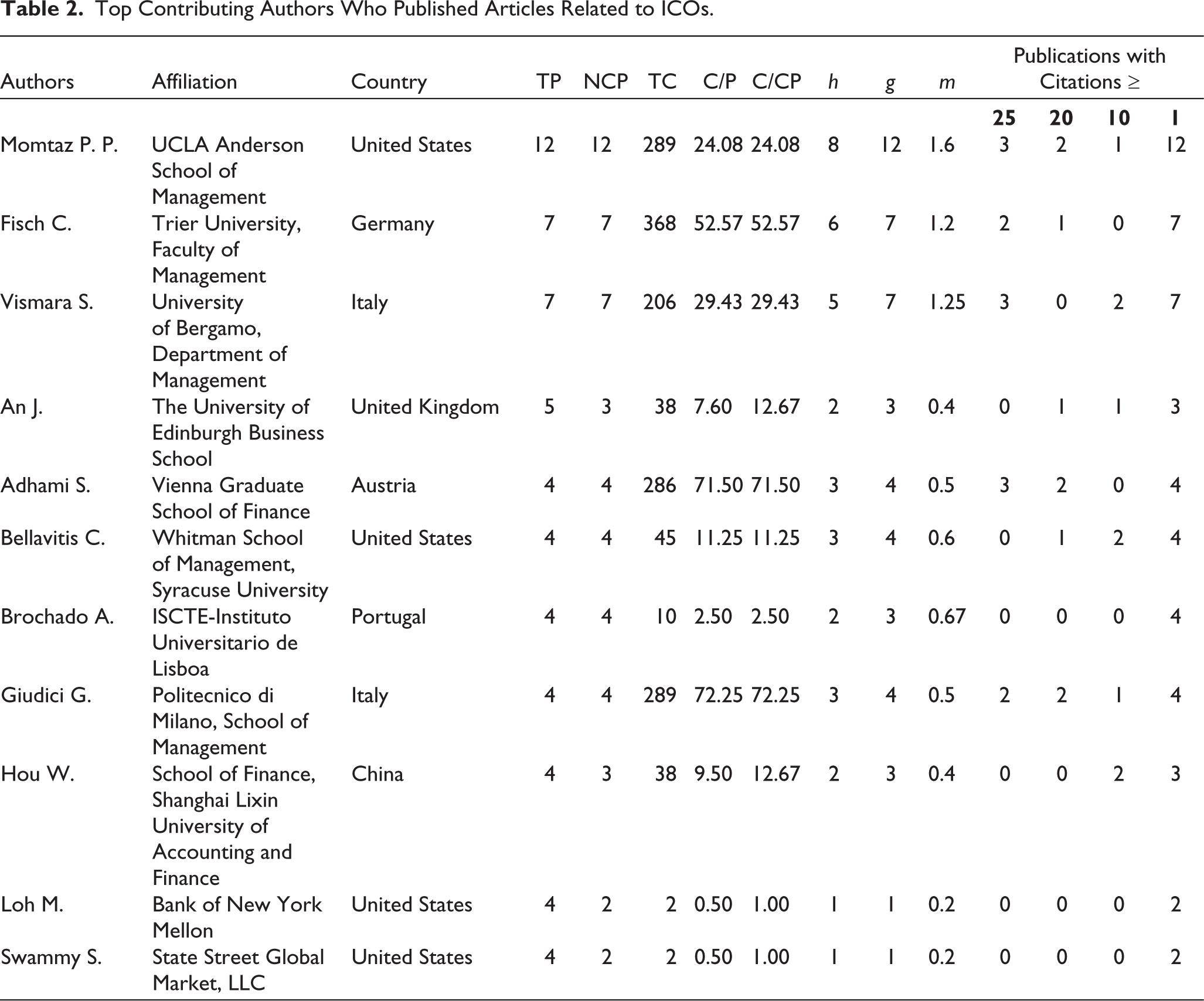
To address RQ1, Table 2 lists the authors with the most articles on ICOs. P. P. Momtaz is the most prolific author with 12 articles followed by C. Fisch and S. Vismara with 7 articles each. According to Van Eck and Waltman (2014), lists of the most significant publications and authors can help ambitious researchers collaborate and publish their work.
Top Contributing Authors Who Published Articles Related to ICOs.
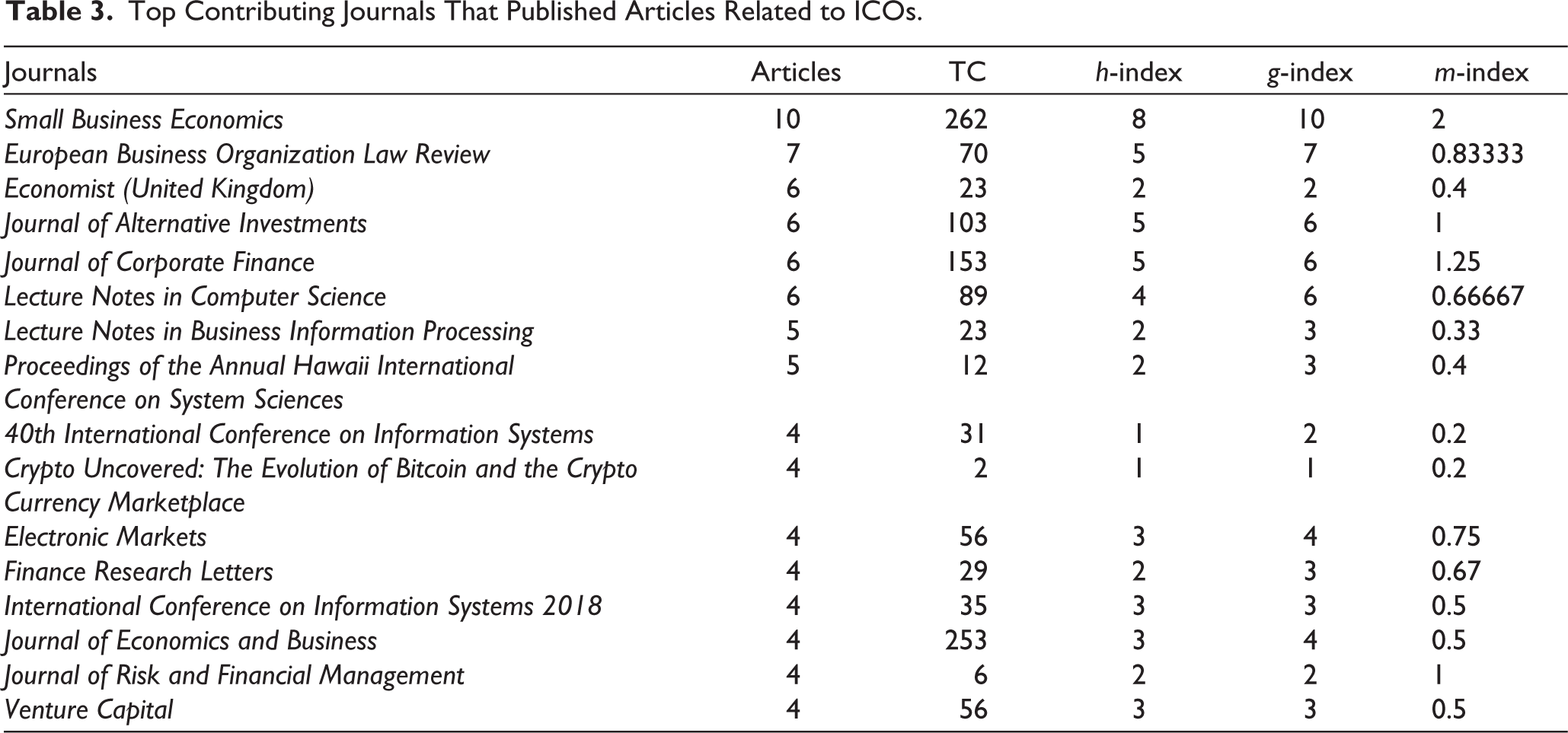
The study used Biblioshiny to find influential journals and writers. Table 3 shows the 16 journals that published at least four articles meeting our criteria. The Small Business Economics published the most articles (10), followed by European Business Organization Law Review (7). Economist, Journal of Alternative Investments, Journal of Corporate Finance, and Lecture Notes in Computer Science each published six articles.
Top Contributing Journals That Published Articles Related to ICOs.
Trending Articles
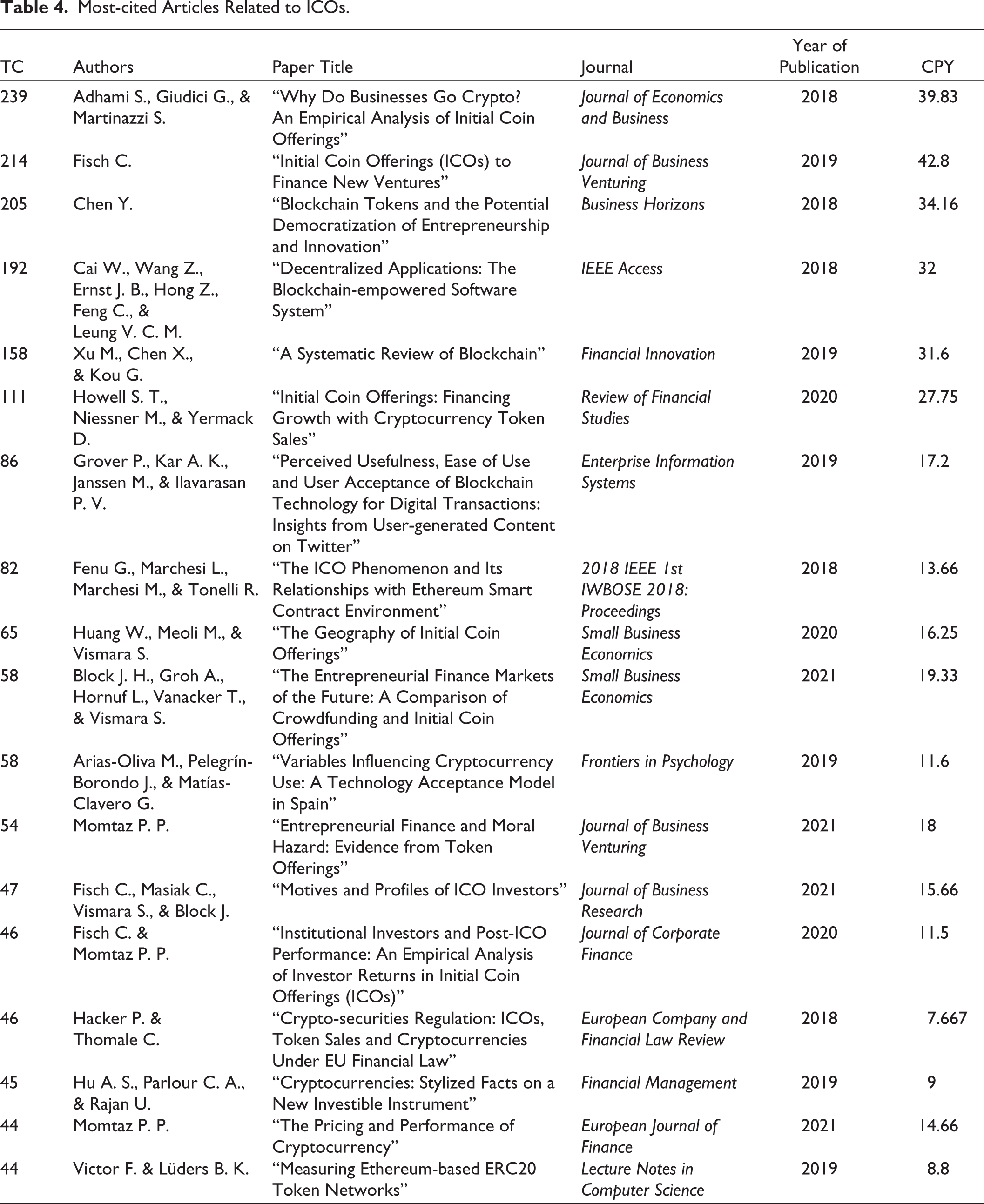
To address RQ2, the study used Biblioshiny to find the articles with the most impact based on total citations and citations per year. Identifying these articles may help authors become aware of important works on ICOs (Bahoo et al., 2020). As Table 4 shows, the three most impactful articles based on total citations are by Adhami et al. (2018) with 239 citations, followed by Fisch C. (2019) and Chen Y. (2018) with 214 and 205 citations, respectively. The order differs based on citations per year, with Fisch C. (2019) leading with nearly 43 annual citations, followed by Adhami et al. (2018) and Chen Y. (2018), with around 39.83 and 34.16 citations, respectively.
Most-cited Articles Related to ICOs.
Author-affiliated Countries and Institutions
Regarding RQ3, Table 5 shows the corresponding author-affiliated countries with the most publications on ICOs. Authors associated with 41 countries wrote 352 articles. The country with the most author-affiliated articles was the United States, with 26, representing 7.39% of our sample of 352. Other countries with at least four articles were Germany (24), Italy (20), China (17), United Kingdom (15), Netherlands (5), Australia, Finland, India, and Switzerland (4 each). Initially, ICO research mainly focused on developed markets, but lower-middle income countries have recently received more attention.
Most Prolific Author-affiliated Countries That Published Articles Related to ICOs.
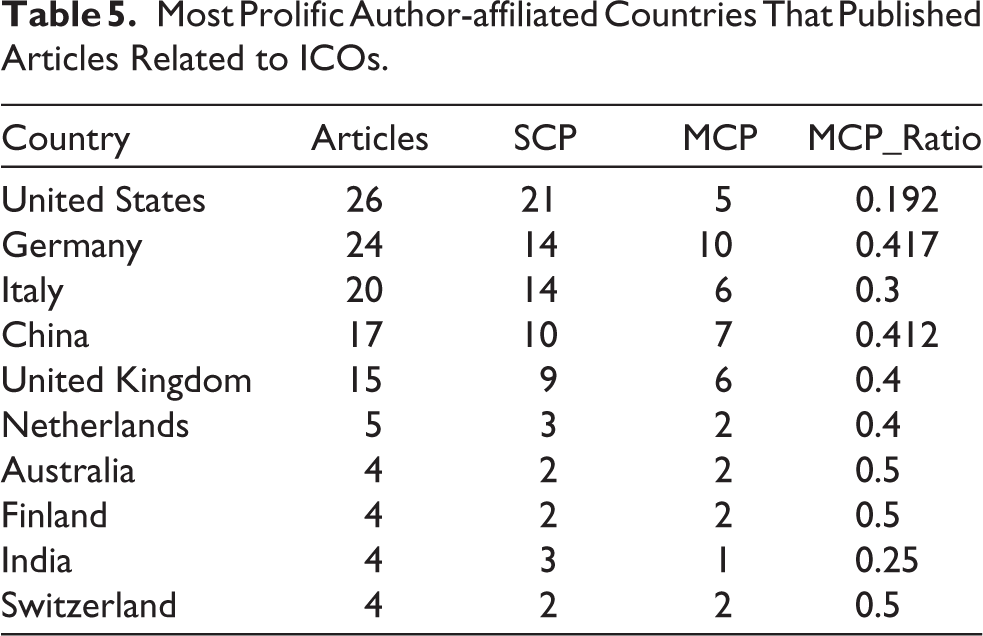
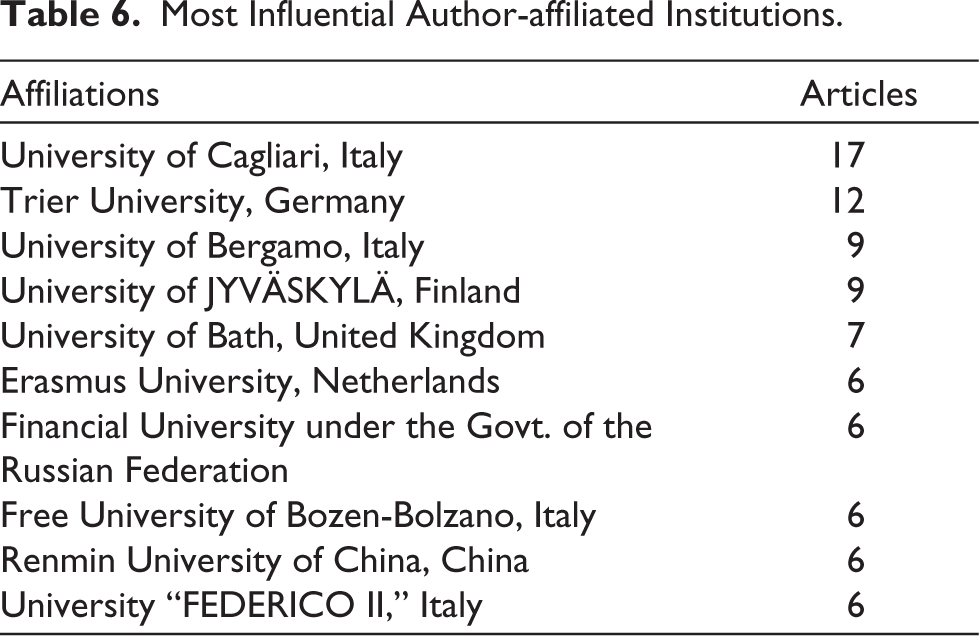
Table 6 shows the author-affiliated institutions with at least six ICO publications. University of Cagliari, Italy, had the most articles, with 17, followed by the Trier University, Germany, with 12 articles, and the University of Bergamo, Italy, and University of JYVÄSKYLÄ, Finland, with 9 articles each.
Most Influential Author-affiliated Institutions.
Keywords
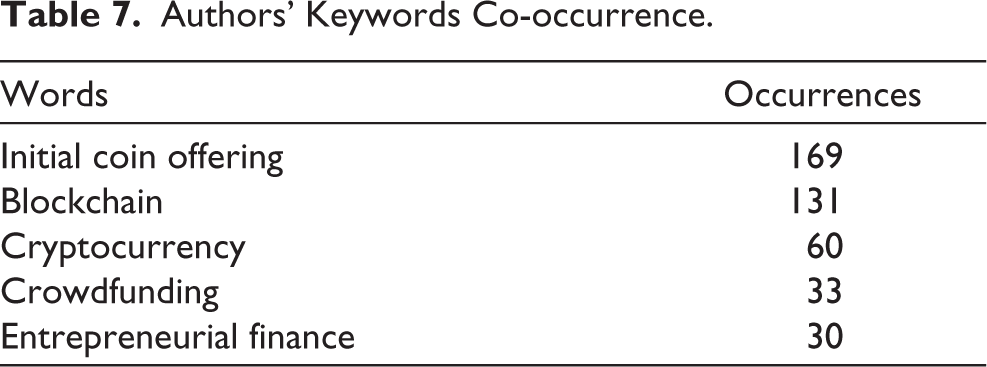
To address RQ4, the conceptual structures involving the ICOs, 597 keywords were extracted from the 352 articles. Table 7 shows the keywords appearing at least 30 times. An occurrence is the number of articles repeating a keyword. Not surprisingly, “initial coin offering” was the most frequently used keyword, with 169 occurrences, followed by blockchain (131), cryptocurrency (60), crowdfunding (33), and entrepreneurial finance (30).
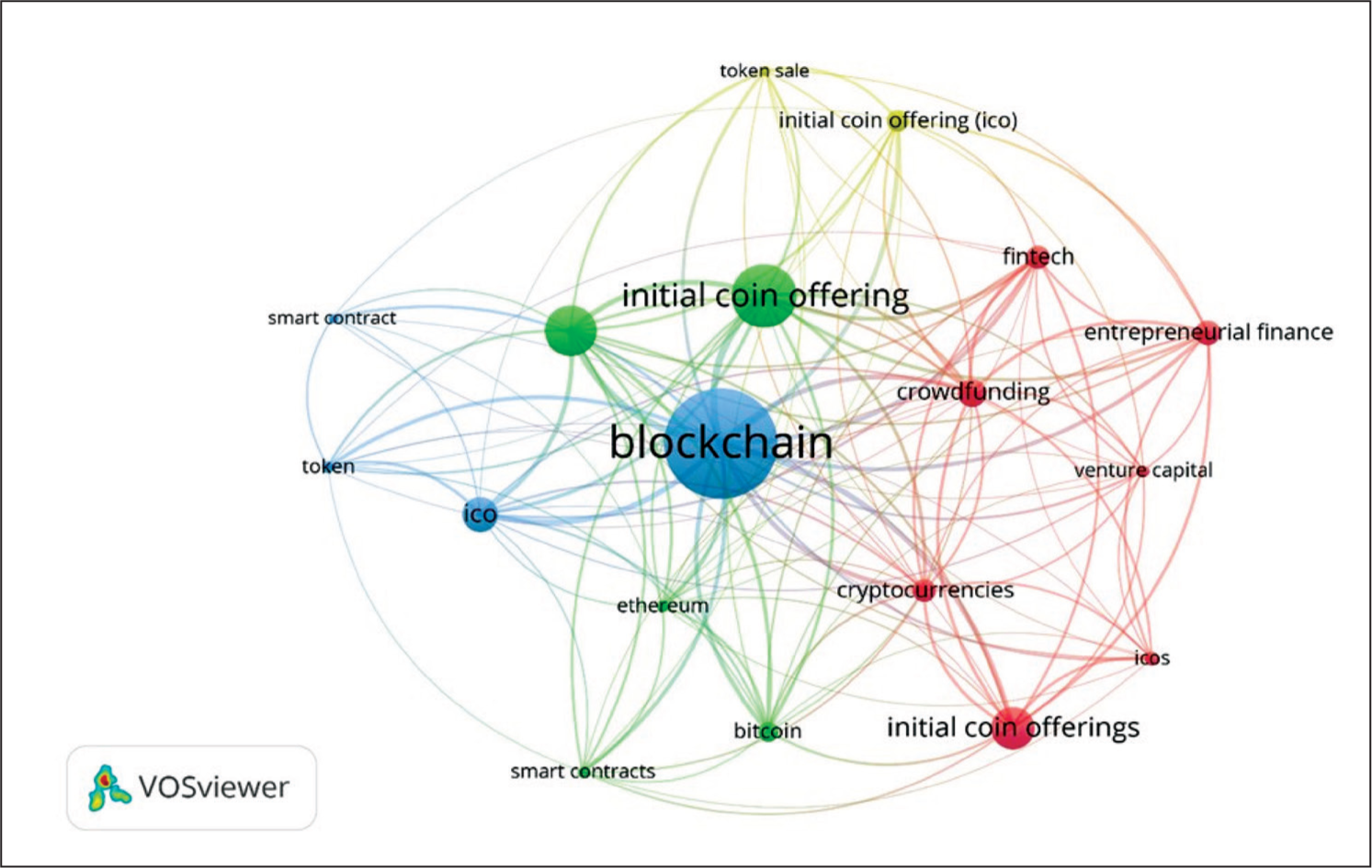
The study also generated a co-occurrence network or map for keywords with a co-occurrence greater than 10. Co-occurrence is when certain words co-occur or collocate regularly with certain other words. A co-occurrence network is a method used to analyze text that includes a graphic visualization of potential relationships between specific words within written material. Figure 1 shows the keywords that co-occurred the most often. Consistent with Table 7, “initial coin offering” and “blockchain” are the two most frequently occurring keywords.
Authors’ Keywords Co-occurrence.
The co-occurrence analysis of the most prevalent themes mentioned at least 10 times in ICO articles between 2002 and 2024 is shown in Figure 1. Between 2002 and 2024, word combinations including “Initial Coin Offering,” “blockchain,” “crowdfunding,” “entrepreneurial finance,” “cryptocurrencies,” and “bitcoin” show greater correlations and more co-occurrences.
Mapping ICO Articles with the VOSviewer Software
VOSviewer software is used for graphical mapping to further analyze the bibliographic data (Van Eck & Waltman, 2011). According to Small (1973), each source (document) that cites two or more sources is given a co-citation. Co-citations between articles show that the publications’ semantic contents are similar. Similar to this, co-authorship shows that academics from different institutions and countries have intellectual relationships.
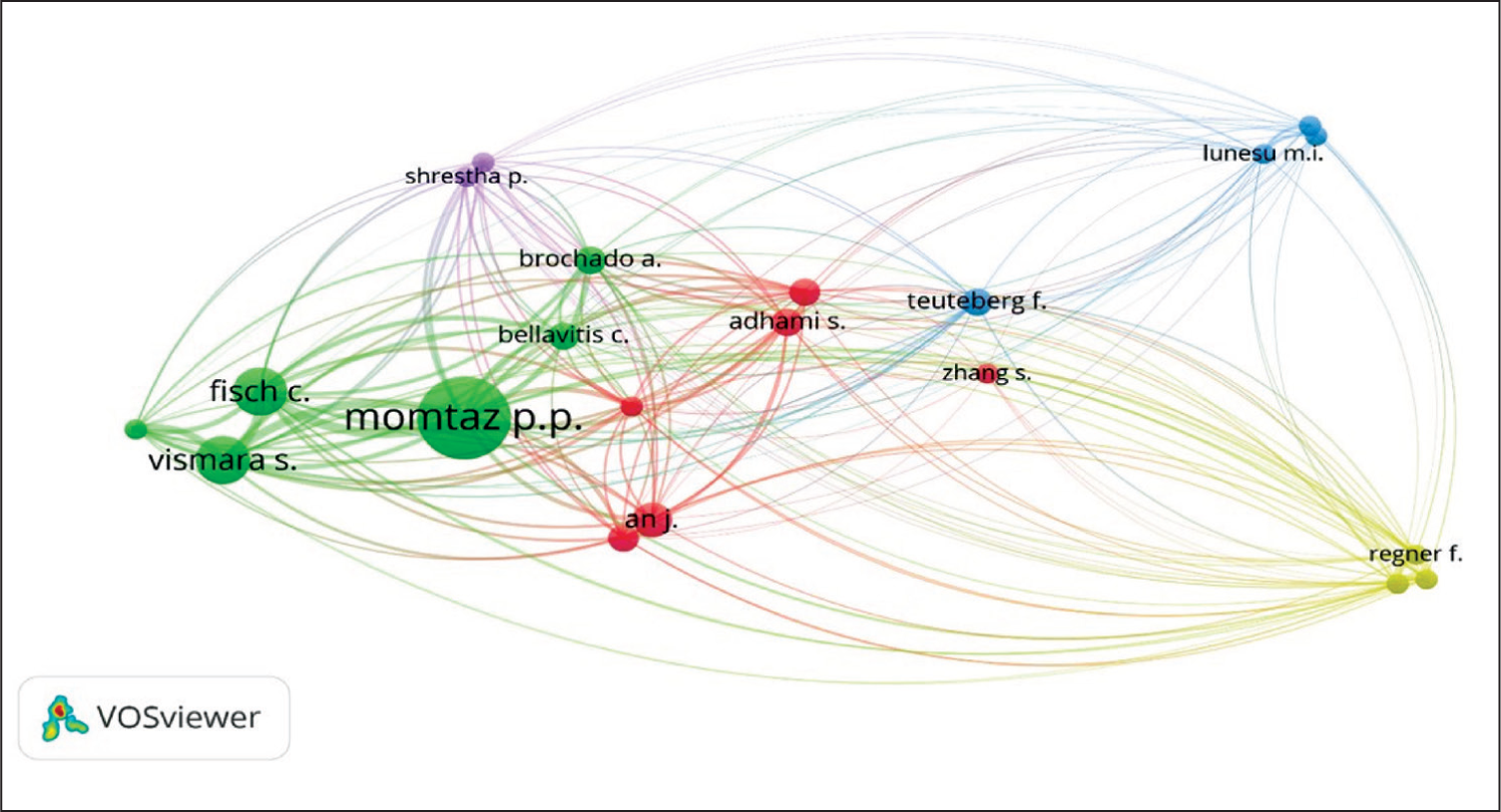
Figure 2 displays the co-authorship network of authors that published at least three publications together that were mentioned at least five times in relation to ICOs between 2002 and 2024. The authors with the most co-authored articles are C. Fisch and S. Vismara S., with 7, and P. P. Momtaz, with 12.
The co-authorship network of authors who published at least three documents together between 2002 and 2024 is depicted in Figure 2. With most co-authored papers, P. P. Momtaz, affiliated to UCLA Anderson School of Management; C. Fisch, affiliated to Trier University; and S. Vismara, connected with the University of Bergamo, Italy, form the largest co-authorship cluster. The co-authorships of organizations and nations connected to the authors are also significant components of co-authorship networks, in addition to the networks among individual authors.
Co-authorship Network for ICO Publications Between 2002 and 2024.
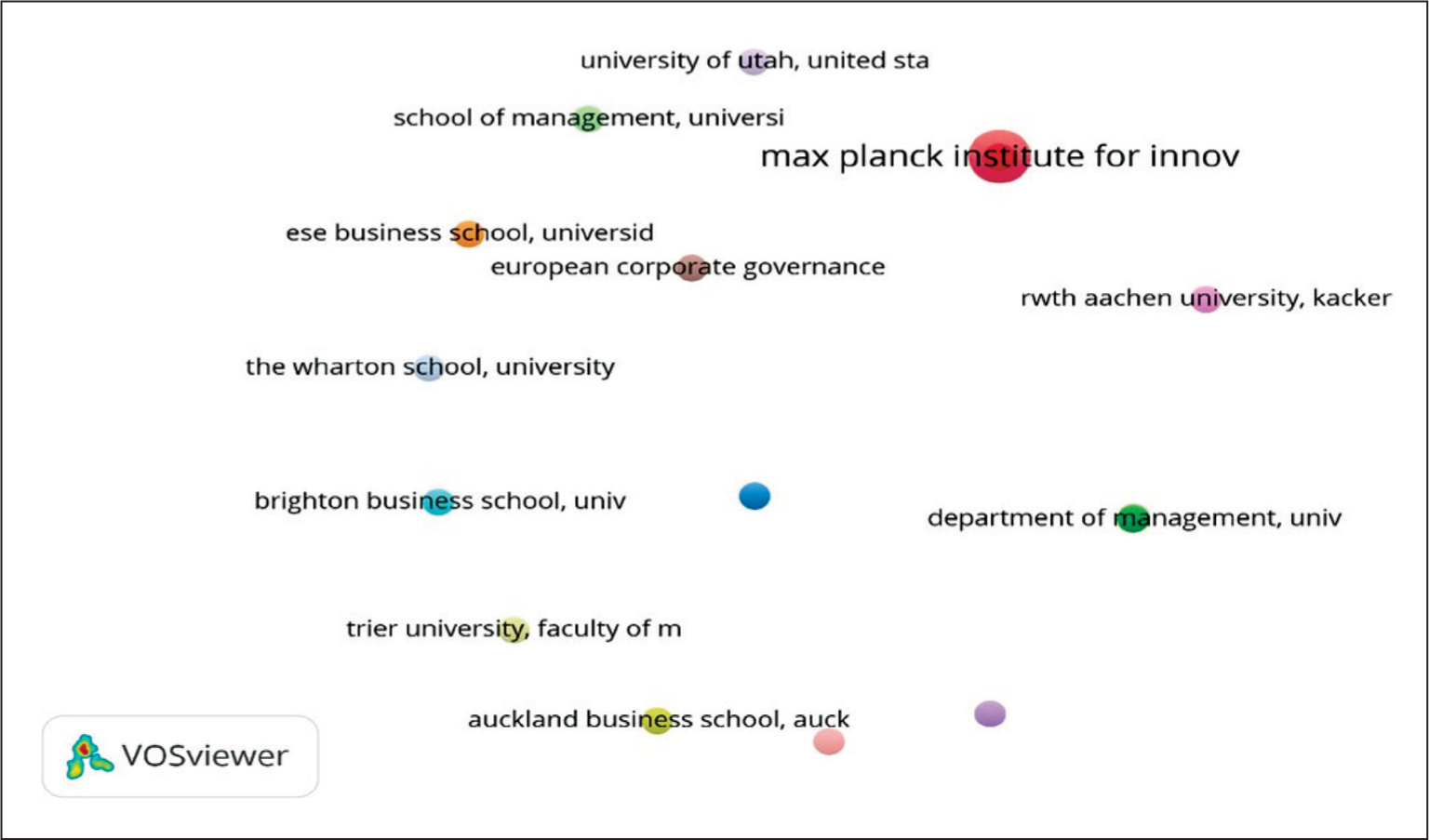
The co-authorships of institutions and nations linked with the writers are another essential component of the author co-authorship networks in addition to the author co-authorship networks themselves. The affiliation network of the authors’ connected universities is shown in Figure 3. The graph in Figure 3 displays the affiliation network of the institutions related to the authors. The universities of Bergamo, Italy; Trier, Germany; and the Max Planck Institute for Innovation and Competition, Germany, all have at least two articles with at least five citations, demonstrating strong co-authorship networks. The intellectual ties between authors, their linked institutions, and nations are another concern in addition to the networks of co-authorship. Using the bibliographic coupling of authors, we may see the relationships between authors (Kessler, 1963).
Co-authorship of Author-affiliated Institutions Between 2002 and 2024.
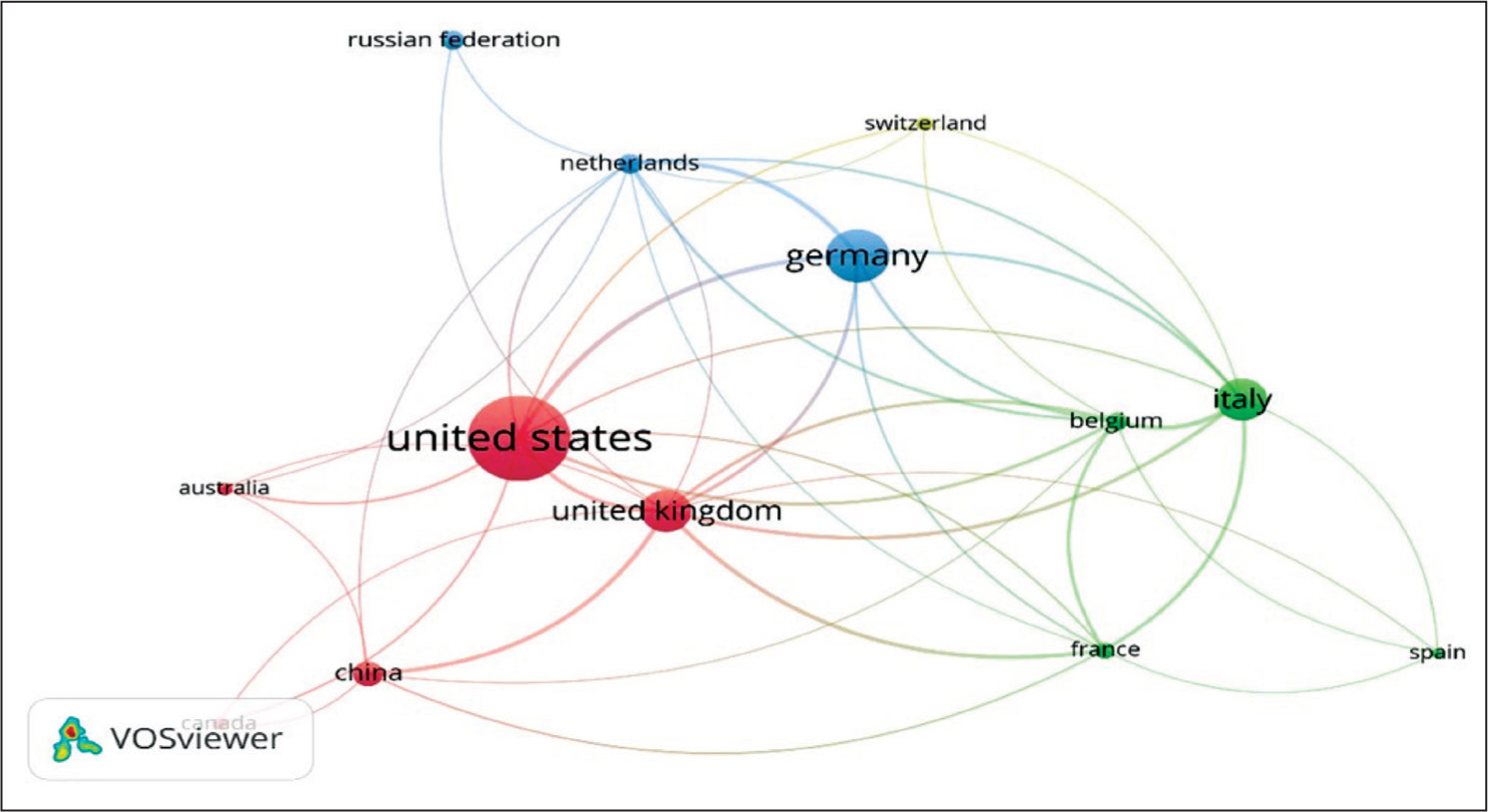
The co-authorship among the related nations of the writers is shown in Figure 4. These nations include the United States, Germany, Italy, the United Kingdom, and China among the top five contributing countries. This information suggests that the United States was the primary country for co-authorship publications for ICOs between 2002 and 2024.
Co-authorship of Author Affiliation Countries Between 2002 and 2024.
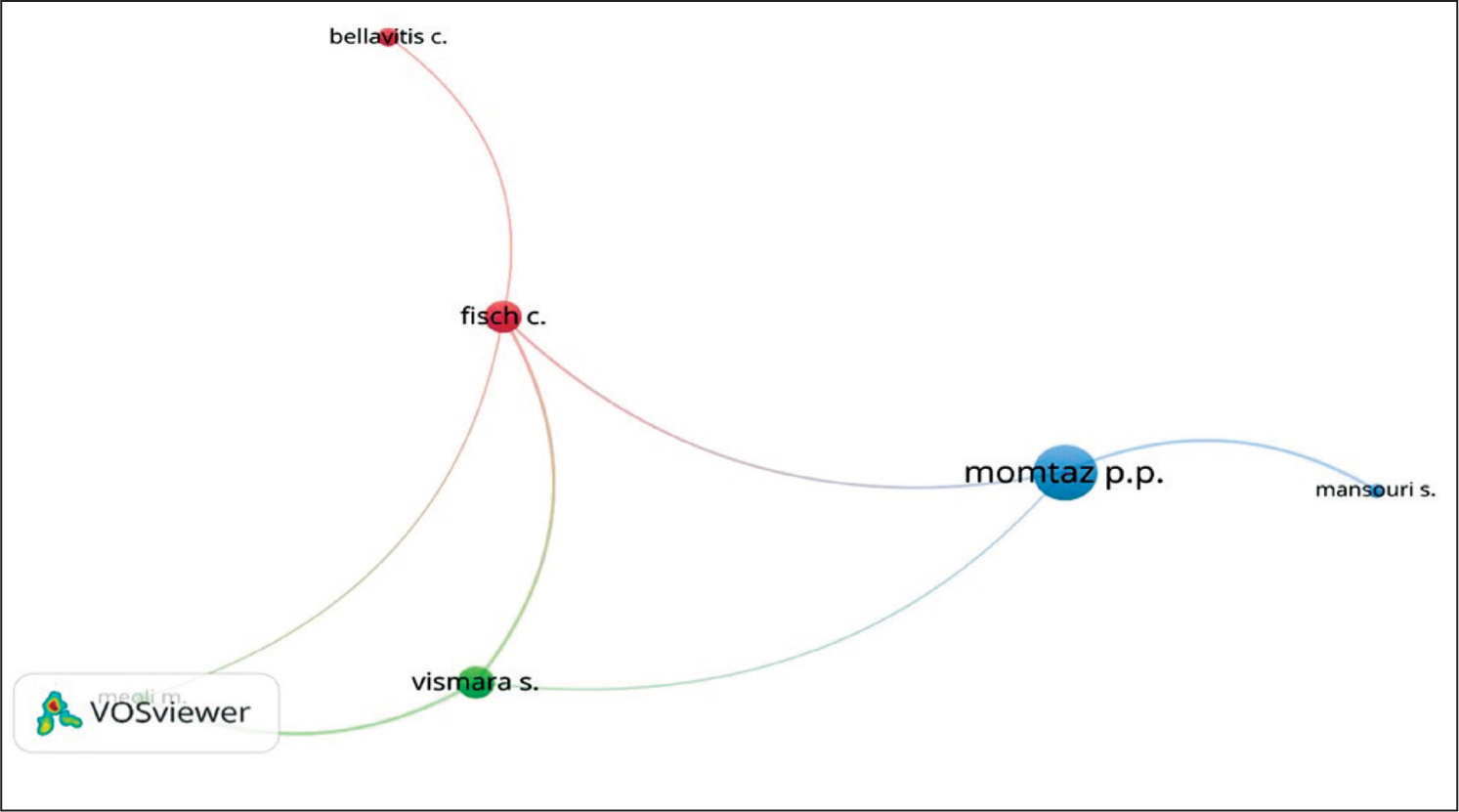
This linkage is shown in Figure 5, with at least three papers cited at least 10 times. The writers’ bibliographies are coupled into two significant clusters, which suggests that the highly influential authors belong to two distinct intellectual groups. The closeness or congruence of two authors’ ideas is reflected in their physical proximity to one another. The nodes of their bibliographic coupling, for instance, show how prominent P. P. Momtaz, C. Fisch, and S. Vismara are within the hub of the authors’ network.
Bibliographic Coupling of Authors Between 2002 and 2024.
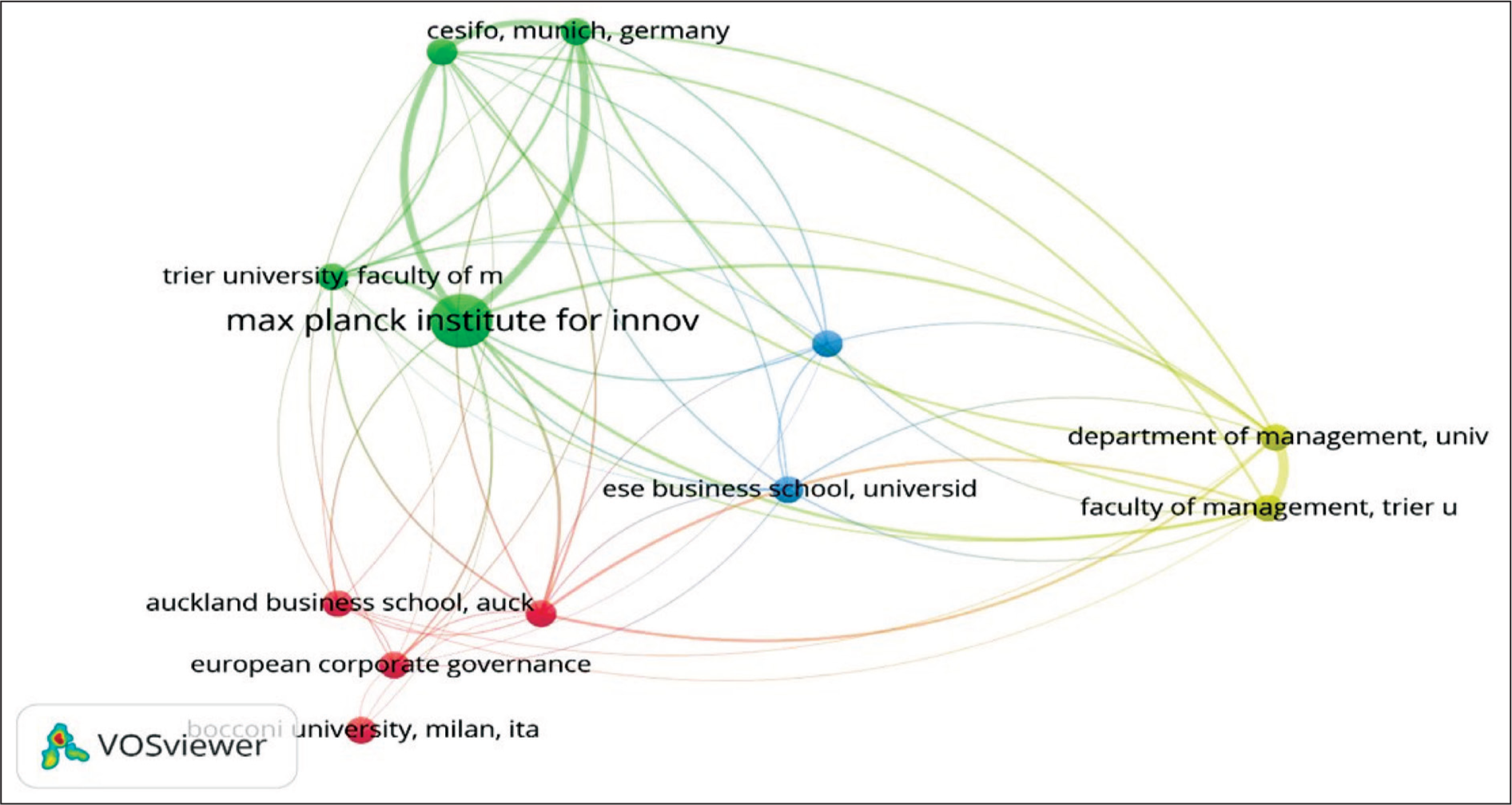
The affiliated institutions of the writers are shown bibliographic coupling depicted in in Figure 6, which we defined as at least 2 documents and at least 10 citations between 2002 and 2024. The strongest bibliographic link is shown by the Max Planck Institute for Innovation and Competition in Germany, Cesifo, in Germany; University of Bergamo in Italy; Trier University in Germany; and University of Exeter in the United Kingdom. The network shows that these institutions have the highest degree of intellectual influence from sources that are presented in ICO publications between 2002 and 2024.
Bibliographic Coupling of Author-affiliated Institutions Between 2002 and 2024.
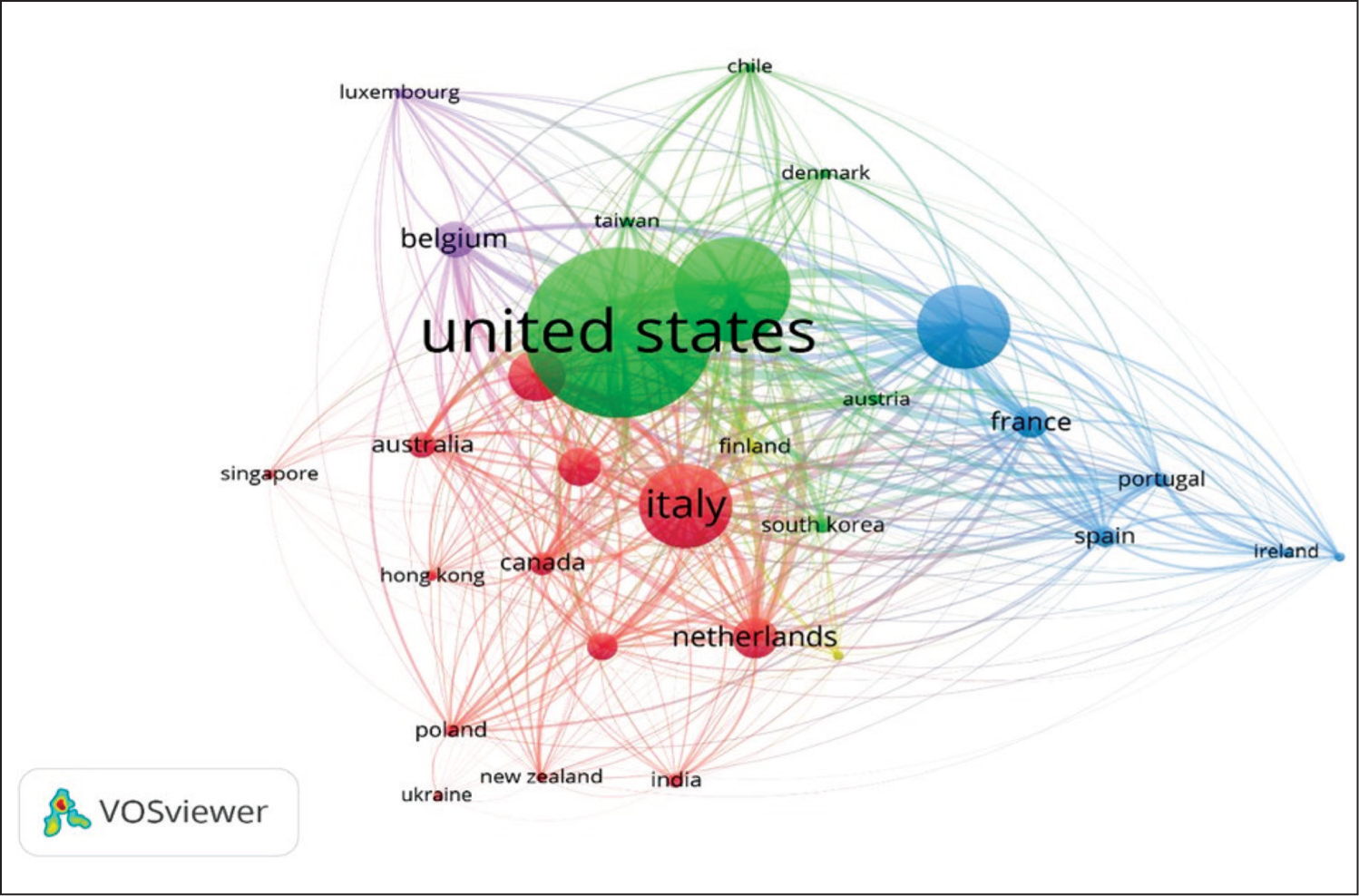
The bibliographic coupling of authors’ affiliated nations is shown in Figure 7. We fixed the coupling threshold as having at least 3 articles and 10 or more citations. The United States is the focal point of this diagram. The pairing strength of the American and British couples, along with Germany and Italy, is the strongest of the group of bibliographic couples. The authors who frequently collaborate in the field of ICOs and their shared patterns of referring in publications between 2002 and 2024 demonstrate the couple’s strength. These connections are in line with the findings of Table 5, which indicate that the two countries with which authors are most frequently associated are the United States and Germany.
Bibliographic Coupling of Author-affiliated Countries Between 2002 and 2024.
Thematic Analysis
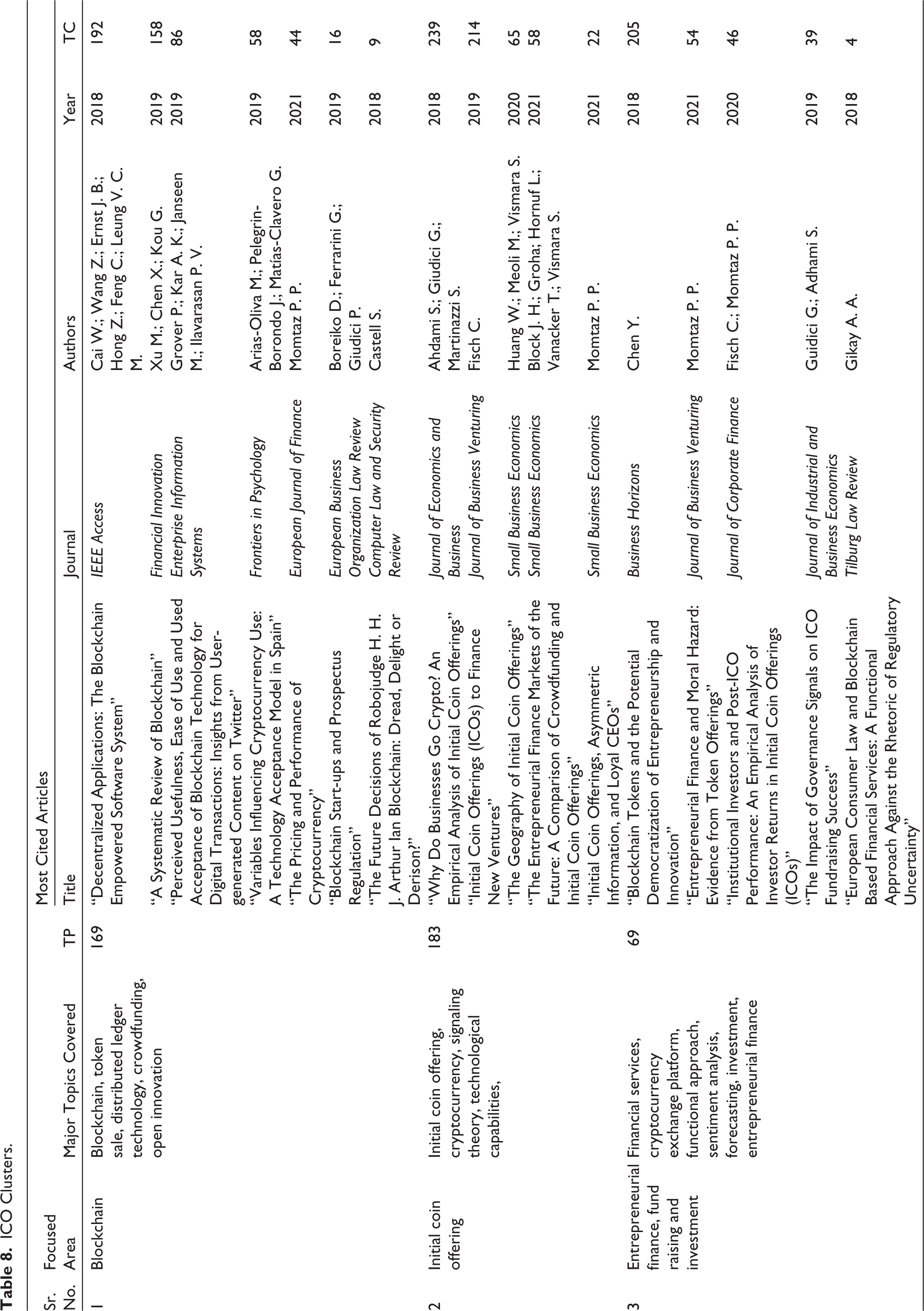
Table 8 provides an overview of clusters, highlighting the major focus and publications with the most citations for each cluster.
A total of 169 articles are included in Cluster 1: The Role of Blockchain, Machine Learning, and AI in the Success of ICOs. According to Nofer et al. (2017), a blockchain is a continuously expanding chain of blocks, each of which contains cryptographic information and conveys data. Data are stored in a blockchain with the use of a cryptographic hash. The majority of sectors have actually implemented blockchain technology, albeit the degree of spread varies by industry (Grover et al., 2019). In addition to being used with other applications such as cryptocurrencies, smart contracts, machine-to-machine communication, and many more, blockchain aids in the transformation of society from an economic, social, and political perspective (Grover et al., 2019). Blockchains can be used in a variety of fields, including the social sciences, decision sciences, the arts, energy, and many others. The next generation of Internet services will eventually be enabled by networked computer systems, which are on the cusp of a new era of the decentralized ecosystem (Cai et al., 2018). From the standpoint of consumer behavior, Arias-Oliva et al. (2019) evaluated crucial elements for the successful establishment of a cryptocurrency. In their article from 2021, Karimov B. and Wójcik P. stressed the need for AI-based and machine learning in predicting ICO scams in advance. Many authors emphasized the difficulties and early adoption of blockchain. Future research will focus on a more formalized and transparent methods for ICOs.
There are 183 articles in Cluster 2: ICO as a Tool for Entrepreneur Finance. Any new businesses might be viewed as a form of engine for dynamic, expanding economies. Startups have extremely few financing options, which severely limits their ability to grow (Klein et al., 2020). The expansion of each startup and subsequently the growth of an economy are constrained by the limited funding capabilities; it can be inferred that startups are necessary for growth in a dynamic and innovative industry (Korpysa, 2021). ICOs have concentrated on a single token that can be taken into consideration for initial project finance, according to ElMessiry et al. (2019). The actual implementation portion is lacking. The authors’ proposed dual-token model took both financial and non-financial factors into account. The dual-token architecture gives all stakeholders greater transparency. As financial technology continues to advance, Bellavitis et al. (2022) placed special emphasis on entrepreneurship and its financial aspects.
There are 69 articles included in Cluster 3: Financial Services Sector Development Through ICOs. Ventures, investors, and policymakers are becoming more interested in ICOs as a fundraising strategy (Fisch, 2019). Blockchain tokens, according to Chen (2018), may democratize innovation and entrepreneurship by allowing creators of innovative ideas new methods to engage stakeholders and generate capital, as well as new means to create, distribute, and utilize decentralized applications. The open innovation landscape may change as a result of blockchain tokens. Gikay (2018) used blockchain experiments to study the inflated regulatory authority and suggested a practical way to the rules. Additionally, he concluded that while cryptocurrencies and blockchain are new technologies, the legal transactions they enable are not wholly novel and could essentially be governed by the laws as they are now without the need for significant change.
ICO Clusters.
Implications
While the present study can trace the intellectual landscape and thematic trajectory of ICO-related research, an interpretive analysis reveals how these trends correlate with both theoretical and industry advancements. For example, the prevalence of terms such as “blockchain,” “entrepreneurial finance,” and “smart contracts” (Figure 1) indicates the increasing academic focus on ICOs as a hybrid financial–technical instrument that navigates across disciplines (Chen, 2018; Fisch, 2019).
Theoretically, themes of asymmetric information, signaling theory, and institutional investor involvement (Fisch & Momtaz, 2020; Momtaz, 2021) suggest that ICOs disrupt traditional capital market orthodoxies by technologically decentralizing trust mechanisms. These results are in accordance with the wider trend in entrepreneurial finance toward disinter-mediation and democratization of fundraising.
At a sectoral level, the evolution toward dual-token architectures from single-token architectures (ElMessiry et al., 2019) and the use of AI in fraud detection (Karimov & Wójcik, 2021) show that ICO projects are responding to market forces and regulatory oversight. The convergence of topics under machine learning, investor protection, and governance transparency in thematic analysis implies that the ICO segment is evolving and accepting more advanced working models.
Therefore, instead of seeing the thematic clusters as superficial topical aggregations, they may be understood as stages in the ICO life cycle: starting from technological foundation (Cluster 1), entrepreneurial deployment (Cluster 2), to institutional and financial system embedding (Cluster 3). This way of thinking not only situates the previous development but also predicts the probable future direction of ICO research and practice.
Limitations and Future Scope
Although it yields a systematic bibliometric and thematic overview of ICO research spanning a two-decade period, this research has some limitations that need to be mentioned. The analysis is based only on the Scopus database. Although Scopus is a well-established and popular indexing platform, it does not cover all scholarly publications, especially preprints, working papers, and regionally indexed journals (Linnenluecke et al., 2019). Adding sources such as Web of Science, SSRN, or Google Scholar to future research could provide a more comprehensive snapshot of ICO scholarship.
Second, the present study used a quantitative bibliometric method. Although it offers rich macro-level information, it tends to overlook the detailed findings and theoretical insights that qualitative content analysis might reveal (Snyder, 2019). Future work can incorporate qualitative or case-based studies to identify profound contextual and behavioral facets of ICO dynamics, including investor motivations, legal flexibility, or project organizational forms (Adhami et al., 2018; Momtaz, 2021).
Third, the bulk of the literature considered is prevalent in high-income countries (e.g., the United States, Germany, and Italy), which presents a problem of regional bias. Since ICOs are increasingly significant in emerging markets, subsequent research should examine region-specific regulatory regimes, institutional environments, and user adoption patterns to address geopolitical variations in their performance (Kher et al., 2021; Tao et al., 2023).
New research streams suggest an increased overlap with technologies including artificial intelligence (Karimov & Wójcik, 2021), decentralized finance (DeFi), and token-based governance. In addition, the movement away from ICOs to initial exchange offerings (IEOs) and security token offerings (STOs) opens new ground for academic research on regulatory, operational, and investor protection concerns. These new trends highlight the need to extend ICO research to related financial innovations and ecosystems.
This study highlights some of the promising areas for future research. Currently, most studies are concentrated in Western markets. Future studies should investigate ICO dynamics in lower-middle income countries to identify region-specific issues with investor behavior, technology adoption, and regulatory flexibility (Huang et al., 2020; Kher et al., 2021). As token classifications and legal treatments evolve (Hacker & Thomale, 2018), studies should examine the impact of regulation-by-design versus regulation-by-enforcement on the success of ICOs, investor trust, and project viability. Few studies examine the long-term performance of ICOs, specifically how governance structures—such as token holder voting, vesting schedules, and multi-signature wallets—impact long-term ICO performance (Fisch & Momtaz, 2020; Giudici & Adhami, 2019). Future research could incorporate behavioral finance and agency theory in analyzing ICO governance. The shift from ICOs to DeFi vehicles such as IEOs, DAOs, and staking-based funding offers an excellent context for broadening the scope of ICO research. Comparative studies on cross-mechanism tokenomics will advance theoretical work and market insights. The integration of technology adoption models (e.g., TAM, UTAUT) can illuminate user activity and community participation within ICO ecosystems (Arias-Oliva et al., 2019; Grover et al., 2019), particularly as retail investor participation increases. ICO literature is at a critical crossroads. As previous studies concentrated on the legitimation of the model used for fundraising, upcoming research needs to be more critically engaged with its technological, regulatory, and sociopolitical aspects.
Conclusion
A total of 352 articles are published on ICO and blockchain from 2002 to 2024. The number of publications has grown in the last 5 years. The years 2019 and 2020 were the most prolific with respect to the number of publications related to ICO with 84 and 76 publications, respectively, being the highest between 2002 and 2003. The year 2019 was the most influential in terms of the number of citations, with 1,377 citations. The year 2006 had the highest number of citations per cited publications.
P. P. Momtaz from UCLA Anderson School of Management, United States, is the most prolific author with 12 articles followed by C. Fisch from Trier University and S. Vismara from the University of Bergamo with 7 articles each. The article by Adhami et al. (2018) is the most cited publication with 239 citations followed by the article written by Fisch C. (2019) having 214 citations. The institutions most often affiliated with authors who published articles related to ICO and blockchain are University of Cagliari, Trier University, University of Bergamo, University of JYVÄSKYLÄ, and University of Bath. Among the authors’ affiliated countries, the United States dominates over Germany and others by a small margin.
The most influential journals that publish articles related to ICO were identified using Biblioshiny. The Small Business Economics published the most articles (10), followed by European Business Organization Law Review (7). Economist, Journal of Alternative Investments, Journal of Corporate Finance, and Lecture Notes in Computer Science each published six articles.
With most co-authored papers, P. P. Momtaz, affiliated with UCLA Anderson School of Management; C. Fisch, affiliated with Trier University; and S. Vismara, connected with the University of Bergamo, Italy, form the largest co-authorship cluster. The co-authorships of organizations and nations connected to the authors are also significant components of co-authorship networks, in addition to the networks among individual authors.
Co-authorship networks reveal that P. P. Momtaz, C. Fisch, and S. Vismara make the strongest cluster, with three co-authored publications. Strong co-authorship networks are displayed by the Cesifo, Germany; University of Bergamo, Italy; Trier University, Germany; and Max Planck Institute for Innovation and Competition, Germany, having a minimum of two articles with at least five citations. The co-authorship among the related nations of the writers is shown in Figure 4. These nations include the United States, Germany, Italy, the United Kingdom, and China among the top five contributing countries. The United States was the primary country for co-authorship publications for ICO between 2002 and 2024.
ICO has established itself as a highly acclaimed activity in the realm of finance and fintech studies over the past 20 years, typically pursued for its academic brilliance, which involves topics acknowledged as “new classics” in the relevant fields. It is clear from the diversity of publications and citations that this field is a leading academic field for increasing knowledge in the social sciences and financial fields. Our research sheds light on the significance of ICO as a newly developing field of study globally. Only bibliometric data from Scopus and journal websites were used in our analysis; therefore, adding data from other sources could modify the results and necessitate additional research.
Footnotes
Declaration of Conflicting Interests
The authors declared no potential conflicts of interest with respect to the research, authorship, and/or publication of this article.
Funding
The authors received no financial support for the research, authorship, and/or publication of this article.