




Abstract
Aim:
The purpose of this study is to look into the relationship between spirituality at work and performance and satisfaction with work. Workplace spirituality (WPS) is the main focus, which includes traits like compassion, meaningful work and alignment with organisation values.
Objective:
The study seeks to explore how WPS directly impacts job satisfaction (JS) and job performance (JP). It also examines the mediating role of JS in this relationship and ensures accuracy through structural equation modelling (SEM).
Method:
Quantitative data were collected using structured surveys from 1,039 employees in the education sector. The survey included validated scales measuring WPS, JS and JP. Statistical analyses, including descriptive statistics, reliability tests and SEM, were conducted using SmartPLS 4. Gender and qualification were used as control variables.
Findings:
JS significantly boosts JP (path coefficient = 0.754). WPS directly affects JP (path coefficient = 0.073) and has a strong impact on JS (path coefficient = 0.670). WPS indirectly enhances JP through JS (indirect effect = 0.505).
Keywords
Introduction
Background of the Study
Lots of writing has been written about spirituality at work since the 1990s, which shows how important it is. According to Cash and Gray (2000), People’s interest in workplace spirituality (WPS) grew out of the uncertain work environment brought on by reengineering, layoffs and new technology. Mitroff and Denton (1999) noted that employees facing stress and tensions seek spiritual solutions. Many forms of spirituality can manifest in the workplace, primarily on two levels: the personal and the organisational (Burack, 1999; Gotsis & Kortezi, 2008). At the organisational level, businesses stress spirituality to boost work output, knowing that workers bring their cultural backgrounds, religious views and personal morals to the workplace (Pfeffer, 2010; Rocha & Pinheiro, 2021). In their work, they try to balance spirituality with morals. Regarding a personal level, spiritually driven workers often think about how well their workplace fits with their spiritual life before taking a job (Garcia-Zamor, 2003; Paloutzian et al., 2010).
Defining Spirituality at Work
Building excellent relationships with coworkers and other individuals you work with, seeking out the meaning of life, and ensuring that your personal views and the organisation’s ideals align are all examples of WPS (Mitroff & Denton, 1999)
According to Cavanagh (1999), the idea is ‘the desire to determine one’s life’s ultimate purpose and live it accordingly.’
According to Ashmos and Duchon (2000), WPS is the awareness of one’s inner life, which is fostered by meaningful labour carried out in a society.
There are a lot of different kinds of faith in the world, and some people find that they can find transcendence in their work. It also helps them connect with others in a way that makes them feel whole and happy (Giacalone & Jurkiewicz, 2003; Robbins, 2016; Shankar Pawar, 2008). WPS refers to staff members’ encounters with meaning, community and self-transcendence at work.
He added that a firm, among other places, could be the source of these kinds of incidents.
The Rise and Significance of WPS in Modern Organisations
Spirituality at work does not mean adopting a new religion or set of values. Instead, it means building community and closeness among workers (Weiss et al., 2003). Individuals with a strong spiritual sense in their careers often succeed because they view themselves as part of a larger spiritual community (Brophy, 2015). Understanding that people have inner and outer lives and that taking care of one’s inner life can result in a more satisfying exterior existence is crucial to enhancing an organisation’s ‘triple bottom line’—financial performance, social and environmental responsibility and employee satisfaction.
Research on WPS has expanded rapidly, driven by factors such as an aging workforce, economic downsizing, distrust of management and a desire for longer working hours and higher earnings (Chawla & Guda, 2013; Houghton et al., 2016; Kolodinsky et al., 2008). Fry (2003) noted that individuals seek higher purpose and significance in their lives. Aravamudhan and Krishnaveni (2014) found that many employees prioritise integrating spirituality into their work practices. Milliman et al. (2003) discovered that people who feel like their lives have meaning and purpose are more likely to be loyal to their companies. Organisations should prioritise spirituality to enhance workplace morality, productivity, commitment, citizenship, employee satisfaction and competitive advantage (Rezapouraghdam et al., 2019). WPS emphasises the triple bottom line: people, earth and profit. Balancing business and spirituality is crucial for organisational relevance (Vandenberghe, 2011).
Since the 1990s, interest in WPS has grown, with numerous academic journals and publications emerging (Thompson, 2000). Oswick (2009) identified increasing interest in spirituality in the social sciences and management. Notable works include ‘Corporate America’, ‘The Stirring of Soul in the Workplace’ (Briskin, 1998), ‘Business People: The Spirituality of Work’, ‘The Soul of Business: Managing for Profits and Common Good,’ ‘Spirit at Work: Discovering Spirituality and Leadership’ (Conger, 1994), and ‘Spiritual Audit of Corporate America’. This interest is also evident in scholarly research.
Exploring the Spiritual Basis of JS
A lot of research has been done on job satisfaction (JS) as an employee attitude, but rarely have the results been consistent. Employees today care about self-actualisation, working for an ethical company, doing interesting work, making money and helping people and future generations. This implies that there might be a spiritual foundation for occupational contentment. According to this study, job satisfaction is a good feeling that comes from thinking about one’s work or work situation (Owoseni, 2015).
This approach draws heavily from two fundamental models: the needs fulfilment theory and the dispositional or genetic components model (Cummins et al., 2002). The dispositional perspective, which is linked to personality and emotional adjustment, suggests that JS is influenced by personal traits rather than situational factors (Fisher & Hanna, 1931; Staw & Cohen-Charash, 2005). Research indicates that personality variables, organisational status, seniority and life satisfaction impact JS. Traits like self-esteem, stress coping (Scheier et al., 1986), locus of control (Stout et al., 1987; Surrette, 1991), patience (Bluen et al., 1990) and social trust (Liou et al., 1990) are related to JS and well-being.
Being spiritual is important for health. Spiritually inclined people tend to be happier with their lives and see things differently than people who are not spiritually inclined (Reker, 1977; Young et al., 1998; Zika & Chamberlain, 1992).
Spirituality at work improves job performance (JP) by giving workers a feeling of purpose and meaning (Karakas, 2010). When employees feel like their job matches their values and views, they are more engaged, motivated and committed to their work (Greguras & Diefendorff, 2009; Meyer et al., 2004). This makes them more productive, creative and willing to work together within the company (Schaufeli, 2012). Spiritual workplaces encourage ethical behaviour, mutual respect and a supportive environment, all of which contribute to improved JP (Guillory, 2000). Also, spirituality at work improves JP by making people happier. Individuals who discover significance and direction in their professional endeavours are inclined to have more JS, leading to increased productivity (Judge et al., 2001, 2017; Lent & Brown, 2006). JS acts as a crucial link, translating the positive feelings and alignment derived from spiritual practices into tangible outcomes (Bhatti & Qureshi, 2007; Spector, 1997). Satisfied employees exhibit higher productivity, better quality of work and a greater willingness to exceed job requirements (Linz & Semykina, 2012; Sirgy et al., 2001). Therefore, WPS affects JP both directly and indirectly by increasing JS (Zhang, 2020).
In recent years, WPS has gained significant attention for its potential influence on JS and JP. Previous studies, such as Eliyana and Sridadi (2020), explored the effects of WPS and JS on individual performance among 200 government officers in Surabaya, highlighting positive relationships between these factors. Additionally, Sony and Mekoth (2019) examined the connections between WPS, JS and JP, identifying moderate relationships among them. Building on this foundational research, our study focuses on a larger sample size of 1,039 employees in higher education institutions in India, further investigating the role of WPS and its interplay with JS and JP.
This study’s main goal is to investigate the dynamic relationship between JP and WPS, with a particular emphasis on how JS functions as a bridge towards transformation. By delving into the spiritual fabric woven into organisational environments, this research aims to uncover its profound impact on employees’ fulfilment and dedication to their roles. It seeks to illuminate how nurturing a spiritual ethos can elevate JS, thereby energising employees to achieve heightened levels of productivity, creativity and commitment (Sarpong et al., 2024). Ultimately, this study endeavours to unveil new pathways for fostering organisational excellence through the lens of WPS. India’s deep-rooted spiritual values shape work ethics, JS and commitment. As workplace stress rises, integrating spirituality can enhance well-being and retention. With limited research in the Indian context, this study bridges a gap by exploring its impact on JS and performance.
Significance of the Study
This study is important because it shows how WPS affects the health and happiness of employees and the way an institution works. It aims to fill a gap in the field of organisational behaviour by looking at how spiritual values affect JS and success. The findings could provide practical insights for fostering environments that enhance employee engagement and effectiveness, addressing the evolving cultural and personal dimensions of modern workplaces.
Literature Review and Hypothesis Development
Workplace Spirituality
WPS (Kinjerski & Skrypnek, 2006) combines spiritual, mystical, interpersonal and cognitive traits (Krahnke et al., 2003). The following are WPS factors by various authors: (a) meaningful work (Ashmos & Duchon, 2000; Ashar & Lane-Maher, 2004; Beyer et al., 1999; bin Abdullah et al., 2013; Duchon & Plowman, 2005; Gupta et al., 2014; Hassan et al., 2016; Mirvis, 1997; Sheep, 2006), (b) compassion (Petchsawang & Duchon, 2009; Snyder & Lopez, 2001), (c) sense of community (Harrington et al., 2001), (d) transcendence (Dehler & Welsh, 1994), (e) alignment with organisational value (Pradhan & Jena, 2017; Rego & Cunha, 2008), (f) gratitude and embrace diversity (Fry et al., 2005; Saxena & Prasad, 2022), (g) inner life (Chawla & Guda, 2010; Charoensukmongkol et al., 2015) and (h) Interconnectedness (McGhee & Grant, 2008; Mitroff & Denton, 1999).
Job Satisfaction
JS encompasses a person’s good mental state that comes from assessing their job against organisational expectations (Cranny et al., 1992). It combines physiological, psychological and environmental factors to create a sense of satisfaction with one’s job (Locke, 1969). The most important factor in job happiness is always being happy with the work itself. This has strong connections to overall JS and can have effects like keeping workers (Deswal & Arora, 2025; Edwards et al., 2008; Frye, 2000; Rentsch & Steel, 1992).
Job Performance
There is also an evaluation part for JP. This means that performance is made up of actions that can be good or bad for the company or the person, and the level of how desirable they are can be scaled to tell the difference (Borman, 1997).
Task-related performance (Greenslade & Jimmieson, 2007; Hoffman & Woehr, 2009; Molefe, 2012; Ng & Feldman, 2009; Van Woerkom & De Reuver, 2009; Wang et al., 2008; Wisecarver et al., 2007) and contextual performance (Borman et al., 2001; Chan & Schmitt, 2002; Cheng et al., 2007; Mitchell Gibbons et al., 2006a, 2006b; Viswesvaran et al., 2005) are two different ways people act that affect the usefulness of businesses in their own way (Griffin et al., 2000).
Relation Between WPS and JS
Multiple pieces of research show that there is a link between being spiritual at work and being happy with your job in organisations. According to Sawatzky et al. (2005), spirituality at work has a big effect on job happiness (Belwalkar & Vohra, 2016; Clark et al., 2007; Fanggidae et al., 2016; Fatima et al., 2015). Krishnakumar and Neck (2002) say that spirituality at work makes a person better at their whole job, which leads to job happiness in the end. Various authors have studied the relation between WPS and JP, through which the hypothesis can be developed as,
JS and JP
A lot of study has been done in the organisation on the link between JS and JP. JS is thought to play a big role in how well people do their jobs (Chen & Silverthorne, 2008; Indarti et al., 2017; Judge et al., 2001; Platis et al., 2015; Pushpakumari, 2008; Shaikh et al., 2012; Syed et al., 2012; Ziegler et al., 2012; Zimmerman & Darnold, 2009). People who are happy at work tend to be more committed and get more done in less time than people who are unhappy at work. It shows that happy people work tough (Susanty & Miradipta, 2013). As a result, the study comes up with and tests the following theory.
WPS and JP
WPS encourages employees to excel in honesty, faith, personal fulfilment, commitment, creativity, process improvement and good customer service, thereby enhancing overall performance (Krishnakumar & Neck, 2002). Organisations are advised to foster spiritual experiences among employees to boost performance and profitability by empowering them to take on more responsibilities and deepen their commitment. Soha et al. (2016) suggest that Spirituality at work has a big impact on how well an organisation does its job on an individual level. Faro Albuquerque et al. (2014) underscore the role of WPS, including fostering community and meaningful work, in building performance.
Relationship Between WPS and JP with Mediator JS
A lot of studies have shown that faith at work can help people do their jobs better (Campbell & Yen, 2014; Tischler et al., 2002). Additionally, research shows a good connection between spirituality at work and JS (Van der Walt & De Klerk, 2014). People have also talked about the link between JS and job success (Jacobs & Solomon, 1977; Judge et al., 2001). Putting these three study trends together makes sense to suggest that a worker’s spirituality may be linked to their job happiness and how well they do their job (Deswal & Arora, 2024).
Research Gap
This study addresses a significant research gap by examining WPS in India’s education sector, an area that remains underexplored in existing literature. Methodologically, it stands out by employing PLS-structural equation modelling (SEM) with SmartPLS 4.0, a technique seldom applied in prior WPS research. Additionally, while most studies focus on a limited number of WPS dimensions (typically two to three factors), this study broadens the scope by analysing seven distinct factors. This comprehensive approach provides a more nuanced understanding of how WPS influences JS and JP, contributing significantly to the field’s advancement.
Conceptual Framework
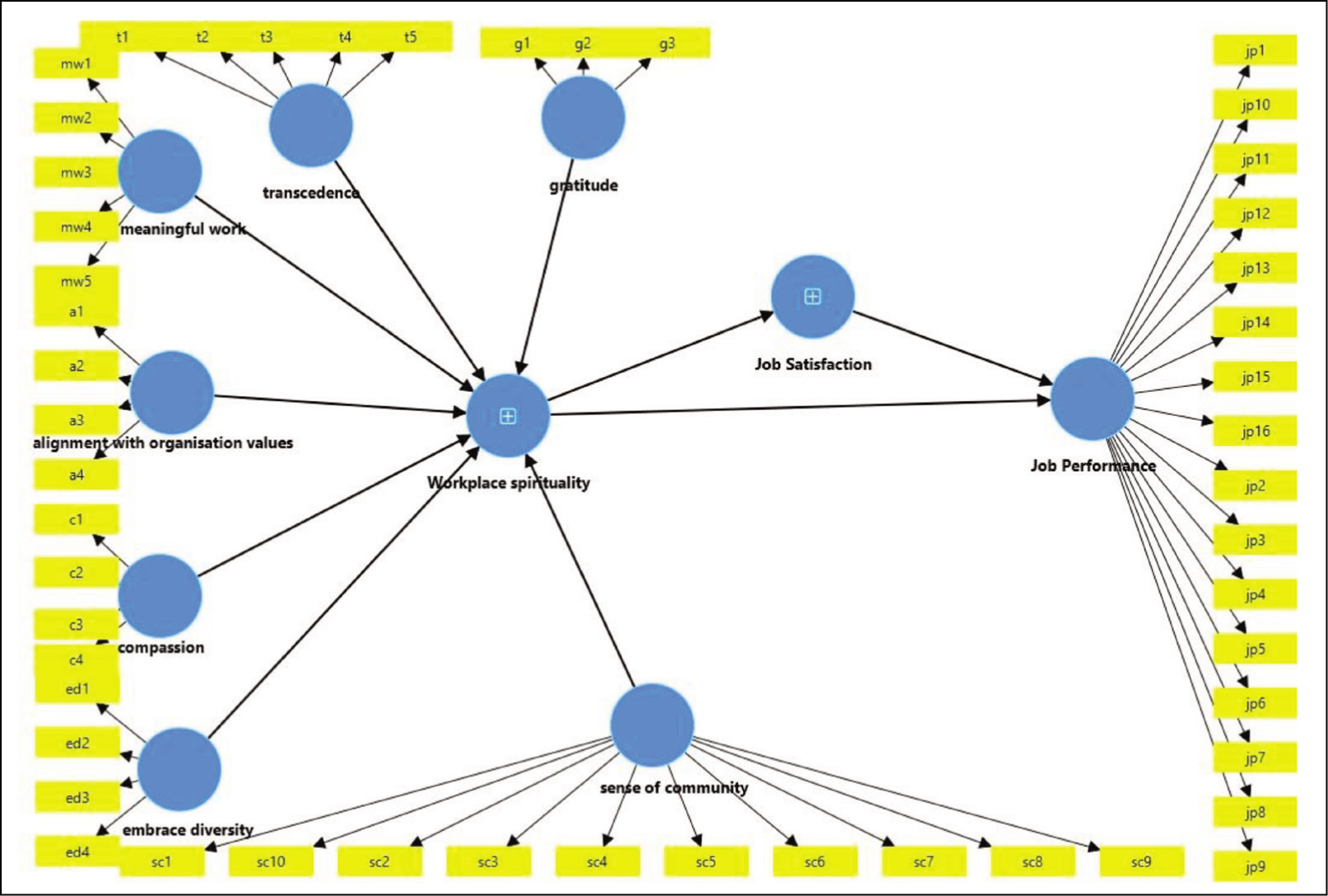
Figure 1 presents conceptual framework, which illustrates key variables and their inter relationships.
Objectives of the Study
Evaluate how WPS influences employees’ levels of JS.
Examine the connection between different aspects of JP and JS.
Explore how WPS directly affects JP metrics.
Determine how much JS influences mediation among WPS and the results of JP.
Research Methodology
This study uses a quantitative research methodology to provide findings about the relationship between WPS and JP, with JS acting as a mediator. This design involves the use of quantitative methods as a means of assessing relationship quantities as well as the use of insights in the pursuit of other underlying factors.
Population and Samples
The study targets employees within India, with a sample size of 1,039 individuals. The simple random sampling method was employed for participant selection. Given the focus on Indian institutes, the sample is expected to include diverse roles, from academic staff to administrative employees, across various higher education institutions. The choice of Northern India may reflect the researcher’s interest in a particular cultural or economic context that could influence workplace dynamics and spirituality perceptions among employees.
Measurements and Testing Research Variables
The research incorporates several key variables to examine the connections among WPS, performance in work, and JS. Independent variables (IVs) include aspects of WPS, such as alignment with the organisational value, transcendence, embracing diversity, meaningful work, sense of community, compassion and gratitude (Saxena & Prasad, 2022). WPS will work as a latent variable here. The dependent variables (DVs) that indicate the critical outcomes influenced by WPS include both JS and JP.
Procedure and Sample
WPS & JP in India’s colleges are examined in this study. The college under inspection is known for its quality management and administrative accomplishments. This choice offers a unique look into how spirituality in the workplace manifests in a top organisation. HR distributed hard-copy questionnaires to 1,500 randomly selected employees to collect data. With 1,039 questionnaires completed, the response percentage was 69.27%. An elaborate five-point Likert scale, with 1 denoting ‘strongly disagree’ and 5 denoting ‘strongly agree,’ was created to gather the opinions of college staff members regarding prayer in the workplace. The questionnaire used for the study is available in the Appendix.
Data Collection
Questionnaires were sent to teachers from various educational institutions in India to get first-hand information. Data collection for this study took over four to five months in 2023, with respondents being educators from various institutes across India. The process began in April 2023 and concluded in mid-August 2023. The time spent at individual institutes varied, with some institutions requiring the better part of a day to gather responses, while others extended over several days due to scheduling constraints and the availability of respondents.
Analysis Technique
The data collection process likely involves administering surveys or questionnaires to gather responses from participants about their perceptions of WPS, JP & JS. The data collection period is not specifically defined, allowing for flexibility in the duration. The analytical methods adopted in this study utilise a multifaceted approach. Correlation analysis looks at the connections between factors and gives us clues about how different concepts might be related. SEM is employed using SmartPLS4 software as the primary analytical tool, allowing for the testing of complex variables and their direct and indirect effects on each other. A mediation analysis is also done to look at how job happiness affects the link between WPS & JP.
Reliability and Validity
Reviewing the measurement tools’ dependability and validity is important before starting to look at the data. Ensuring the reliability and validity of variables is crucial to establishing the consistency and accuracy of the constructs being studied. Reliable and valid measurement scales ensure that the findings are robust, trustworthy and accurately reflect the underlying theoretical constructs. This step involves conducting pilot studies.
Pilot Study
A pilot study was carried out to guarantee the reliability of the variables in this investigation of the effect of WPS on JP, with JS acting as a mediator. WPS was treated as a latent variable, measured through various indicators. CA was used to check how reliable the forms were, and questions were thrown out if their values were less than 0.7. During the pilot study, certain factors did not meet this reliability threshold. Specifically, for WPS, the factors including ‘embrace diversity,’ ‘transcendence,’ and ‘compassion’ were eliminated due to their lower reliability scores. Similarly, within the JP construct, out of 16 questions, items 1, 2, 3, 4, 7, 8, 11, 12,13, 14, 15 and 16 were removed. For JS, out of 8 questions, items 2, 6 and 7 were excluded. These eliminations were necessary to improve the overall reliability of the measurement scales.
Data Analysis
All statistical analyses and model evaluations in this study are conducted using SmartPLS 4.0 software (Magno et al., 2024). This software is chosen for its robust capabilities in performing PLS-SEM, which is particularly suited for exploring complex relationships between latent variables (Ringle et al., 2014).
Respondents Profile
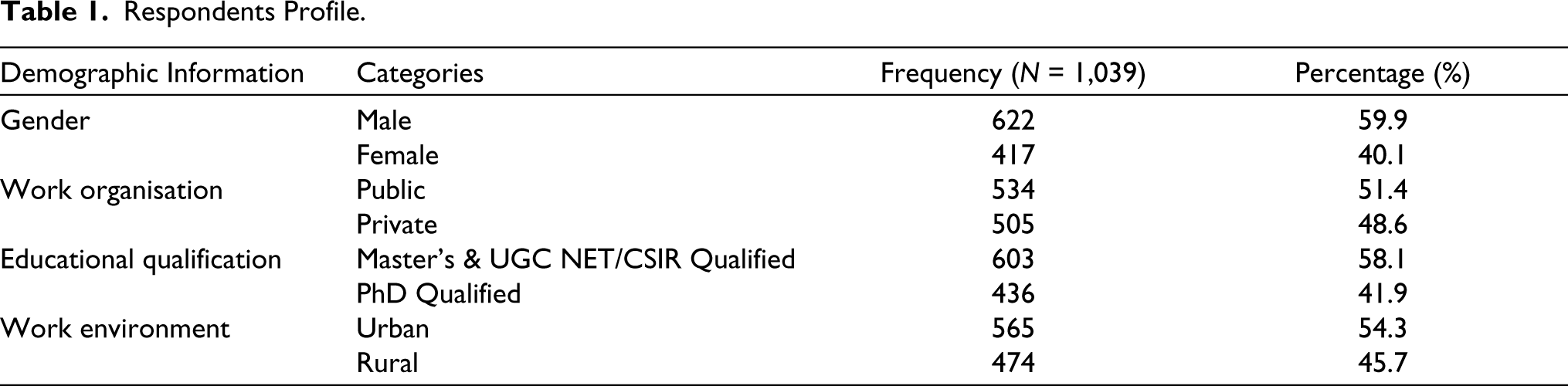
The respondent profile consists of 1,039 participants with diverse backgrounds in terms of gender, work organisation, educational qualifications and work environment. The detailed demographic distribution is shown in Table 1.
Respondents Profile.
Descriptive Statistics
Table 2 shows important statistics like mean, median and standard deviation. The descriptive statistics table provides key insights into the central tendency, dispersion and distribution shape of the indicators used in the study. The mean and median values for most indicators are very close to zero, indicating a balanced distribution of scores around the central value. SD ranges from 0.486 to 1.000, suggesting varying degrees of variability within the data. For JP, the standard deviation of 0.591 indicates moderate variability. Skewness values are mostly negative, indicating a left-skewed distribution. JS indicators exhibit moderate variability, with standard deviations ranging from 0.576 to 0.743. These indicators also display high kurtosis values, particularly js8 with a kurtosis of 10.282, suggesting a leptokurtic distribution. Skewness values are mostly negative, indicating a left-skewed distribution, except for js8, which has a slight positive skew. WPS, being a latent variable, is represented by its indicators with standard deviations between 0.486 and 1.000, indicating varying levels of dispersion. High kurtosis values, particularly for Sense of Community (3.322) and Alignment with Organisation Value (3.113), suggest distributions with heavier tails. Skewness values vary, with most indicators showing slight skewness in either direction.
Descriptive Statistics.
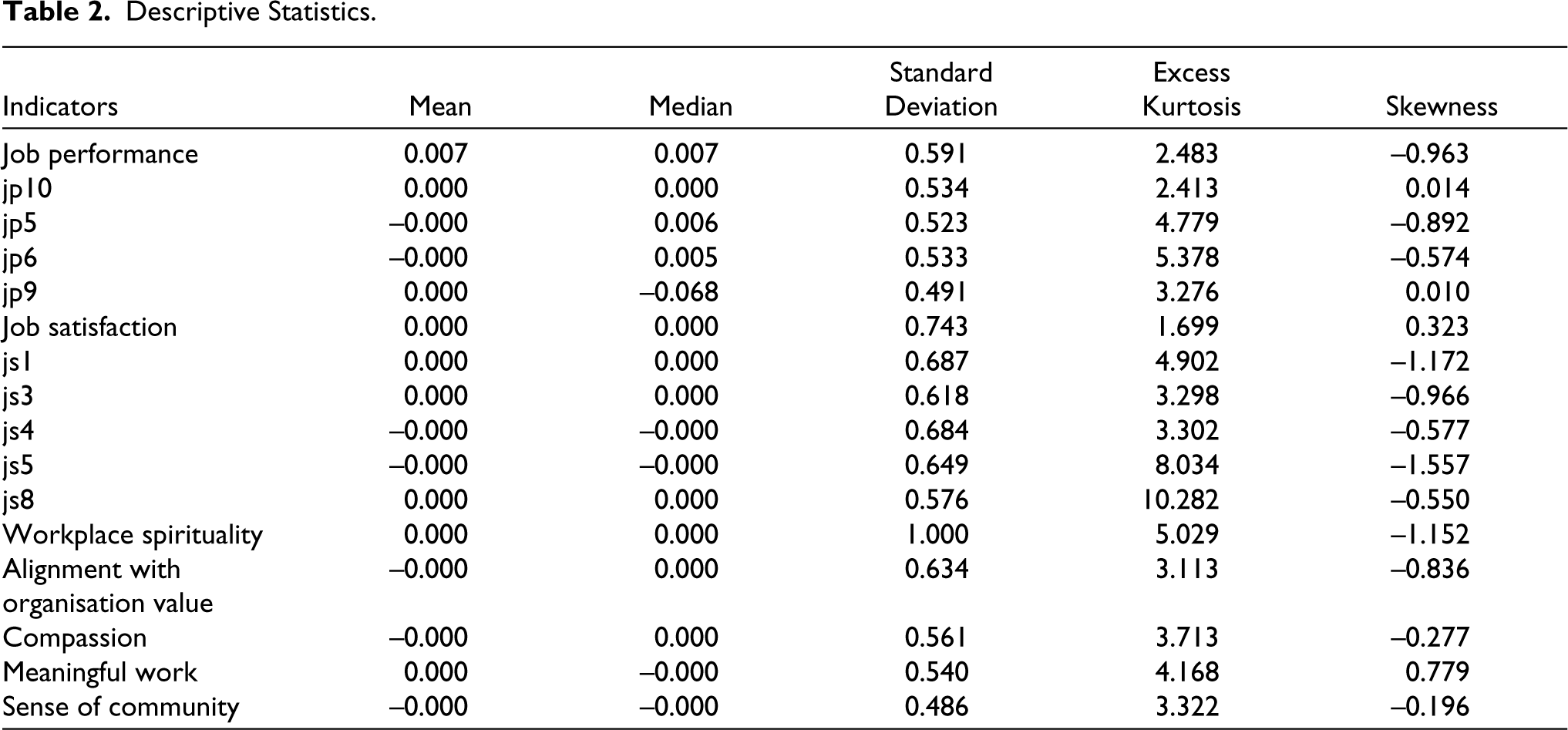
Table 3 lists the statistical measures used to assess the constructs. The findings regarding WPS indicate strong internal consistency and reliability, with an AVE of 0.689, composite reliability of rho_a = 0.889, rho_c = 0.898 and a Cronbach’s alpha of 0.853. However, no specific reliability measures in this dataset for traits like Alignment with Organisational Values, Compassion, Meaningful Work and Sense of Community. JP items had a middling Cronbach’s alpha score of .746 and a good CR score of 0.883 (rho_a) and 0.845 (rho_c), with an average value of 0.583. JS items exhibited robust reliability at 0.823 and composite reliability metrics (rho_a = 0.832, rho_c = 0.876), indicating reliable measurement of latent constructs. Control variables Q2 (Gender) and Q4 (Qualification) showed no multicollinearity issues with a VIF of 1.000. These findings underscore the importance of ensuring that measurement instruments meet rigorous standards to support valid interpretations and conclusions in the study of workplace dynamics.
Result of Reliability and Convergent Validity.
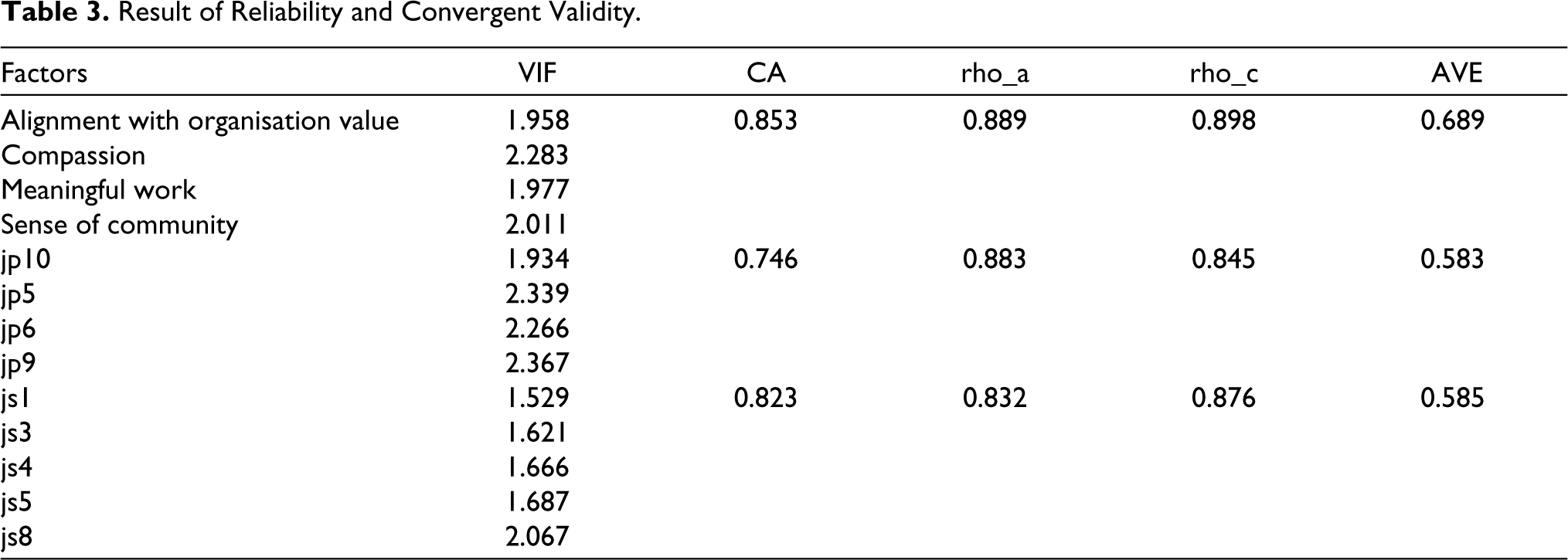
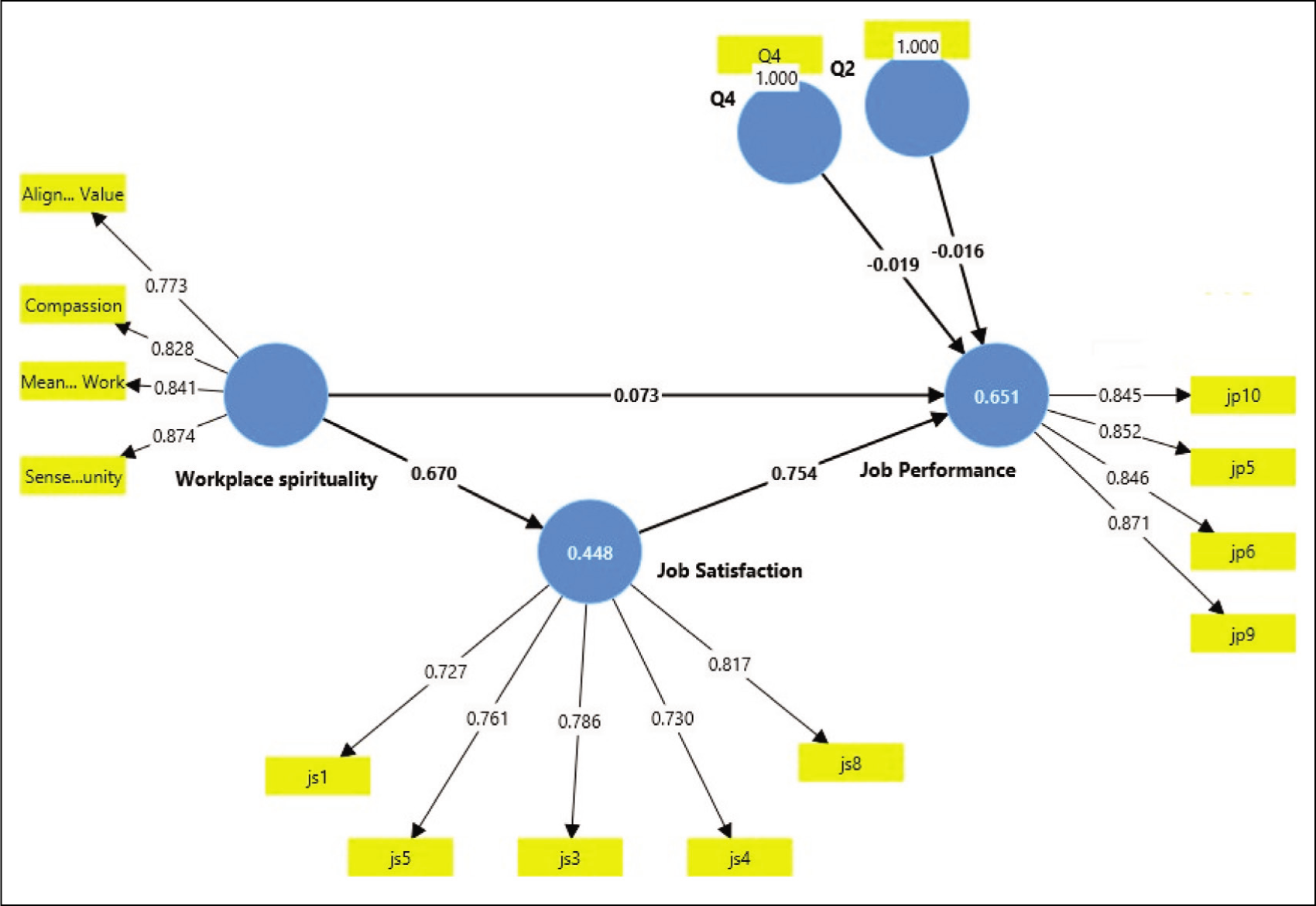
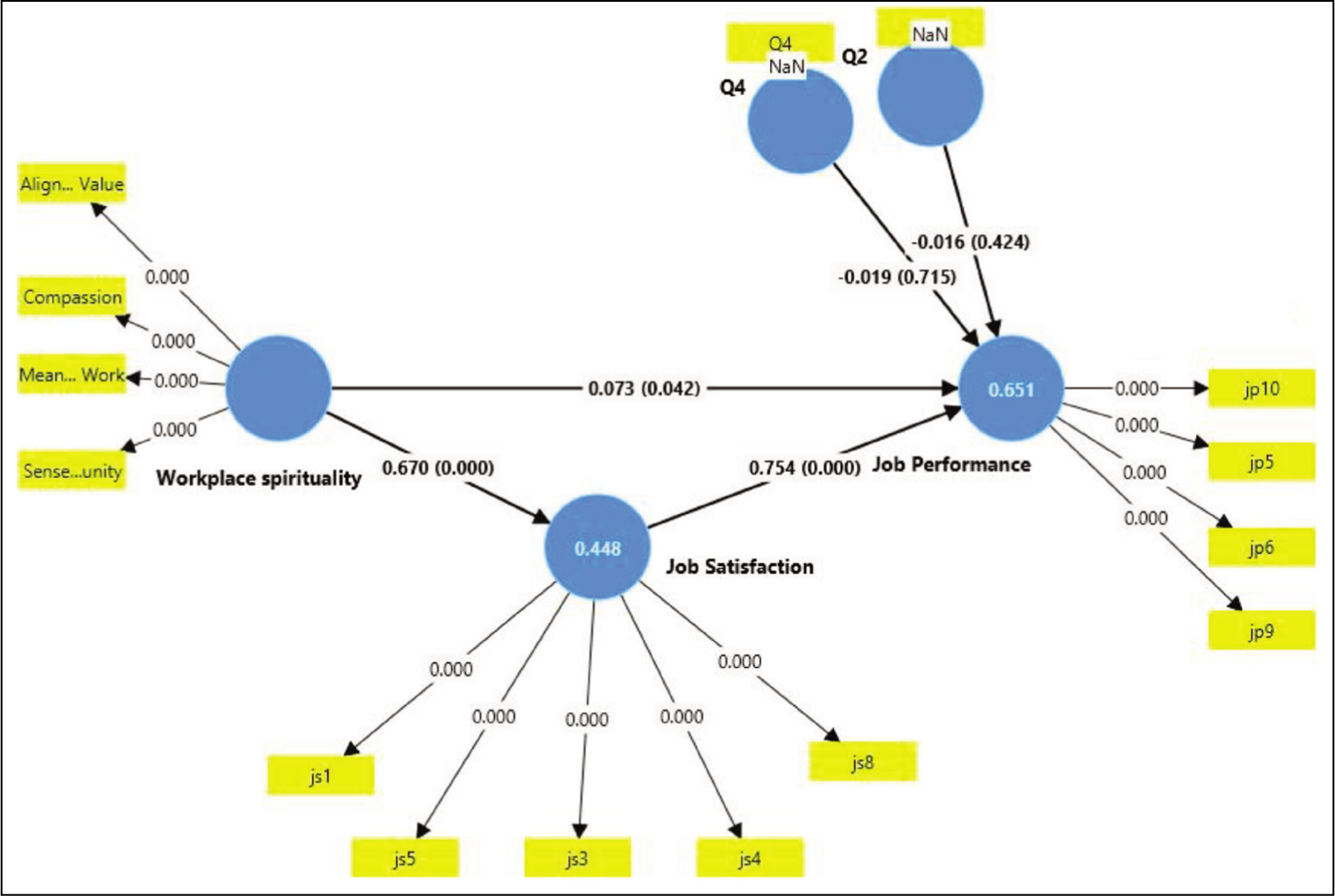
All the AVE values in Table 3 were greater than 0.5, which indicates that the convergent validity was decent. Figure 2 shows the PLS-SEM Model generated using SmartPLS 4.0 software, highlighting the path coefficients and structural relationships.
Structure Equation Modelling
Table 4 shows the VIF numbers that were found using the inner model. indicating the level of multicollinearity among these variables. VIF is a crucial measure used to detect multicollinearity, where values above 10 typically indicate significant multicollinearity issues. For the link between JS and JP, the VIF is 1.859, indicating low multicollinearity and suggesting that JS is a relatively independent predictor of JP. The control variables, gender (Q2) and qualification (Q4), have VIF values of 1.026 and 1.008, respectively, showing they are independent predictors of JP without interfering with the effects of JS and WPS.
VIF Inner Model.
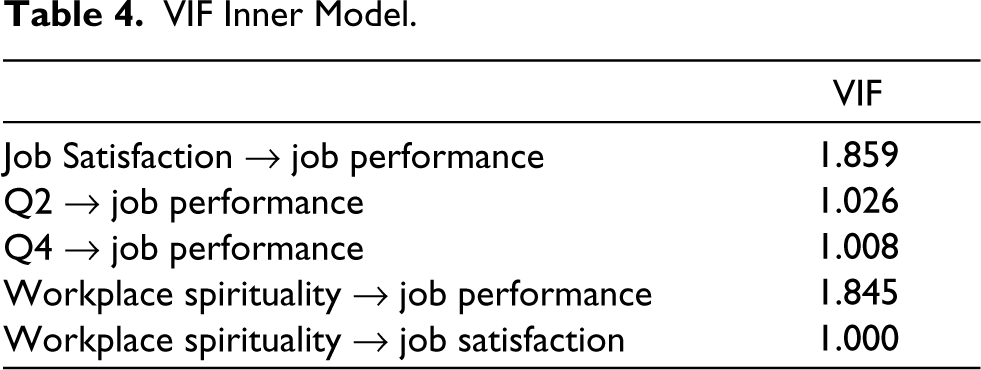
The VIF for WPS predicting JP is 1.845, also indicating low multicollinearity and confirming its role as an independent predictor. The VIF for WPS predicting JS is 1.000, showing complete independence. These low VIF values ensure that the relationships between WPS, JS and JP are reliable and not distorted by multicollinearity, enhancing the robustness and validity of the study’s findings.
Table 5 illustrates the outer-loadings of survey items across three key constructs.
Outer Loading.
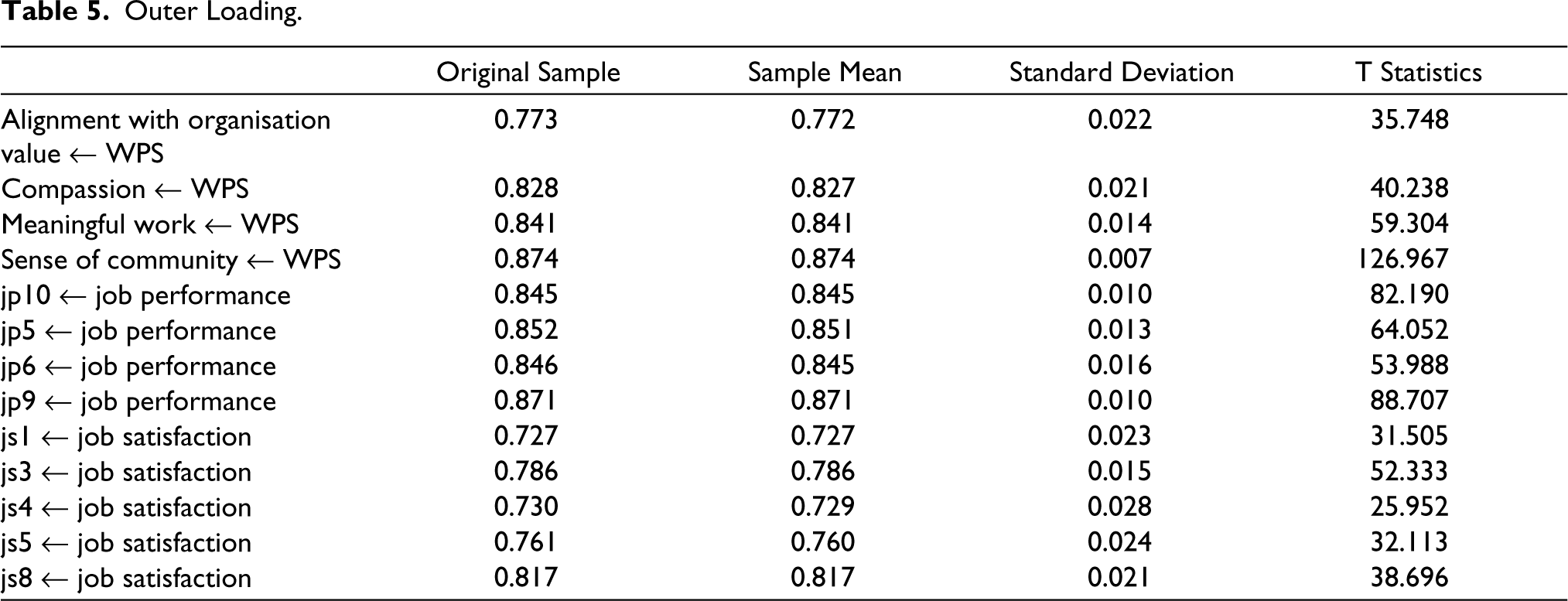
The table presents the outer loadings for various indicators related to WPS, JP and JS. These outer loadings represent the strength of the nexus among each indicator and its corresponding latent construct. For WPS, key indicators include Alignment with Organisational Value (loading: 0.773), Compassion (0.828), Meaningful Work (0.841) and Sense of Community (0.874). The high loadings suggest that these factors strongly reflect the concept of WPS. Notably, Sense of Community has the highest loading (0.874), indicating it is the most significant contributor to WPS.
In terms of JP, indicators like jp10 (0.845), jp5 (0.852), jp6 (0.846) and jp9 (0.871) all exhibit high outer loadings, showing that these items effectively measure JP. jp9 has the strongest loading (0.871), demonstrating its high relevance in assessing JP. For JS, indicators such as js1 (0.727), js3 (0.786), js4 (0.730), js5 (0.761) and js8 (0.817) reveal varying degrees of influence on JS, with js8 having the strongest loading (0.817), reflecting its critical role in explaining JS.
In the SEM analysis, Table 6 displays a comparison of the fit indices between the models. The SRMR, which measures the average discrepancy between observed and predicted correlations, is slightly lower for the Saturated Model (0.081) than the Estimated Model (0.084), indicating a slightly better fit for the Saturated Model in terms of residual variances and covariances. d_ULS shows a lower value for the Saturated Model (0.898) compared to the Estimated Model (0.963), suggesting a better fit in capturing observed covariances. d_G (Gamma Hat) values are the same in both models (Saturated Model = 2.171, Estimated Model = 2.177), indicating comparable fit in terms of covariance structure. However, Chi-square (χ²) values are high for both models (Saturated Model = 5435.407, Estimated Model = 5458.496), indicating poor fit in capturing covariance relationships.
Model Fit.
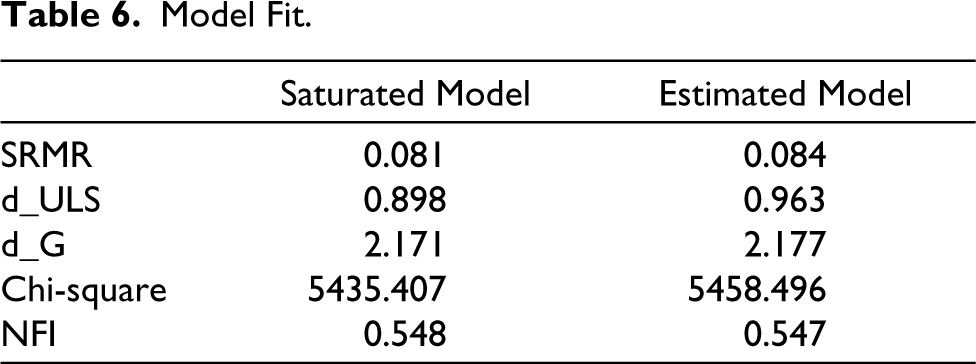
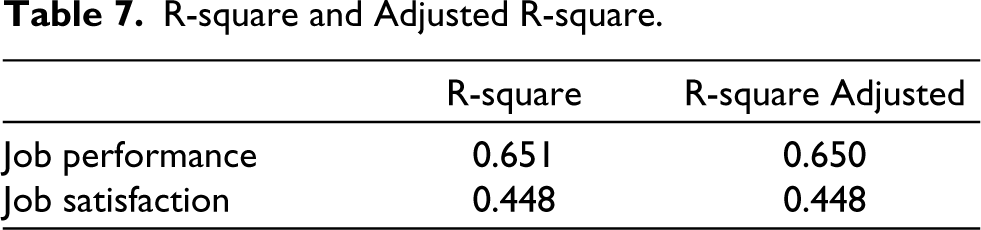
Table 7 provides insight into the percentage of variance explained by the model for JP and JS based on the R-square and Adjusted R-square values. JP’s R-square value of 0.651 indicates that the model explains 65.1% of the variance, and its Adjusted R-square score of 0.650 indicates little overfitting. The model explains 44.8% of the variance in JS, according to the R-square and Adjusted R-square of 0.448, which suggests a moderate fit.
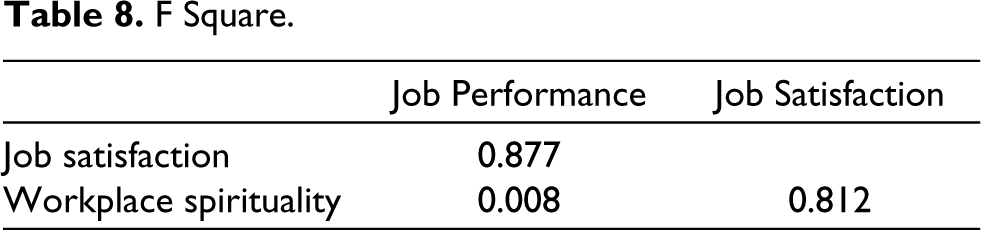
The effect size of the predictors on the DVs is shown by the numbers in Table 8. JS significantly impacts JP, as evidenced by an F Square value of 0.877, which indicates a substantial effect size. Control variables Q2 (gender) and Q4 (Qualification) have negligible effects on JP, with values of 0.001 and 0.000, respectively. With a low effect size of 0.008, WPS has a slight direct effect on JP. However, it significantly influences JS, with a substantial effect size of 0.812. These values highlight the significant indirect role of WPS through JS in influencing JP.
R-square and Adjusted R-square.
F Square.
The path coefficient table (Table 9) offers information about the importance and degree of correlations between the study’s major variables. JS shows a strong positive path coefficient of 0.754 to JP, indicating a robust direct effect. WPS also demonstrates a positive path coefficient to JP (0.073), albeit smaller in magnitude compared to JS, with a marginally significant p value (.042). Additionally, WPS significantly influences JS (0.670), indicating a substantial direct effect on employees’ satisfaction levels. Figure 3 displays the bootstrapping results derived from SmartPLS 4.0, which validate the significance of the hypothesized paths through t-values and P values.
Path Coefficient.

In Table 10, the total indirect effect analysis reveals that WPS exerts a significant total indirect effect on JP (0.505), primarily mediated through JS. This specific indirect effect pathway (WPS → JS → JP) reinforces the mediation role of JS in translating spirituality at work into enhanced JP outcomes.
Total and Specific Indirect Effect.

Table 11 focuses on the total effects, combining direct and indirect pathways. JS’s total effect on JP (0.754) remains strong and statistically significant, reaffirming its pivotal role in enhancing performance outcomes. Similarly, WPS demonstrates a substantial total effect on JP (0.578), underscoring its direct impact alongside its mediation through JS.
Total Effect.

Based on the analysis, the study provides robust support for most of the formulated hypotheses. H1, which posited a positive nexus among WPS and JP, is partially supported. While WPS does influence JP directly, its effect size is smaller compared to JS’s direct impact. H2 offers strong proof of a substantial and favourable relationship between JS and JP. This research emphasises how crucial employee satisfaction is in affecting performance results in businesses. H3 is also supported, confirming that WPS significantly affects employee performance metrics, albeit partially through its indirect influence via JS.
The findings from the indirect effect study (Table 10) clearly corroborate H4, which hypothesised that JS mediates the link between WPS & JP. The significant total indirect effect (0.505) indicates that JS indeed plays a crucial mediating role in enhancing JP through the mechanism of WPS. This is relevant to the research conducted by Antony (2022), which highlights that JS plays a mediating role between compassion, meaningful work and JP.
Findings and Conclusion
Based on the data analysis conducted, several key findings emerge regarding the relationships between WPS, JS and JP. A robust path coefficient of 0.754 supports the study’s finding that job happiness significantly improves JP (Katebi et al., 2022). WPS also exerts a direct influence on JP, albeit with a smaller effect size (0.073) compared to JS. Moreover, WPS significantly affects JS (path coefficient = 0.670), highlighting its role in shaping employees’ overall satisfaction levels (Aftab et al., 2023; Astuti et al., 2020). In line with the research by O’Leary-Kelly et al. (1996), employees with low WPS may experience stress, deviant behaviours and reduced JS. Conversely, increasing WPS can enhance JS (Dubey et al., 2022) by fostering a supportive and motivating environment, improving employee well-being and reducing stress. The direct impact of WPS on JP is relatively small (0.073), but a stronger, indirect effect is observed through JS (0.505). This implies that in educational institutions, fostering a spiritually supportive environment might not directly boost educators’ or staff members’ performance significantly, but it can greatly enhance their JS. When educators feel more satisfied in their roles, this satisfaction, in turn, significantly improves their JP (Judge, 2001). Salajegheh and Farahbakhsh (2010) come to the same conclusion that spirituality positively affects organisational performance. Also, Tayebiniya and Khorasgani (2018) found that WPS is the best indicator of staff’s JP. Future research could delve deeper into specific mechanisms and interventions that effectively cultivate WPS to optimise organisational outcomes.
Limitations & Practical Implications of the Study
The study highlights several key implications regarding teacher engagement and spirituality, emphasising that teachers’ spirituality and involvement significantly impact JS and performance, particularly in government schools where they face complex challenges and dual roles (Butts, 1999). Bento (1994) proposed that spiritually empowered employees exhibit qualities like trustworthiness and authenticity, which can positively influence their workplace behaviour and engagement. Teaching, unlike the business sector, requires managing diverse student needs and fostering motivation, making it a complex profession. Spirituality plays a vital role in helping teachers cope with stress, boosting creativity and improving overall performance (Milliman et al., 2018). However, the study has some flaws, its findings may not be generalisable beyond the studied industry and region. The cross-sectional design limits the ability to establish causality, and the model fit indices (e.g., NFI = 0.548) suggest the relationships may not be fully captured, indicating a suboptimal model fit. Additionally, the study mainly uses quantitative data, missing deeper insights into participants’ experiences, which could be gained through qualitative methods like interviews. Lastly, changes in the measurement of key variables could lead to different results, highlighting the sensitivity of the outcomes.
Footnotes
Acknowledgements
The author wishes to express their appreciation to co-author Dr Neha Arora for their invaluable expertise and insights that have significantly improved the quality of this article.
Declaration of Conflicting Interests
The authors declared no potential conflicts of interest with respect to the research, authorship and/or publication of this article.
Funding
The authors received no financial support for the research, authorship and/or publication of this article.
Appendix
Dear Participant,
We kindly request you to take a few moments to complete this questionnaire. Your responses will provide valuable insights for our study. Rest assured, all information collected will be kept confidential and used solely for research purposes.
Male Female
Public Private
Master’s & UGC NET/CSIR Qualified PhD Qualified
Rural Urban