




Abstract
The spatial integration of cross-border regions is a complex multidimensional process. Cultural integration across borders is a crucial element in broader cross-border regionalism and the intensification of economic transactions. While cultural integration has been viewed as a contingent ontological determinant for establishing cross-border integration and cooperation, there is a lack of empirical evidence on cultural integration. This study sets out a new methodological framework to measure the extent of spatio-cultural integration in cross-border regions. A P-ITEMS model containing six determinants of cultural integration was developed using primary data obtained through mixed methods of qualitative perceptual mapping and quantitative questionnaires. Two European Union cross-border regions – the Basque region and the Upper Rhine region – were selected as case studies, representing two different contexts with varied characteristics, to assess the extent to which the methodological framework can enhance understanding of the cultural integration process. The study shows that this new model can provide a range of findings and perspectives depending on the qualitative or quantitative methodological lens applied. The model revealed that the Basque cross-border region is strongly culturally integrated from both a qualitative and quantitative perspective, with high cross-border interactions, and its residents on both sides of the national border share a common perceptual image of the cross-border region despite its difficulty. In contrast, in the Upper Rhine cross-border region, this joint perceptual representation is missing from the qualitative data; however, the quantitative data indicates that considerable cultural interactions and integration take place.
Keywords
Introduction
Many scholars have studied cross-border regions (CBRs), primarily focusing on governance and economic dimensions (Beck, 2018; Cappellano and Rizzo, 2019; Kaucic and Sohn, 2022). Less emphasis has been placed on cultural integration. Culture is understood to be complex and multifaceted, encompassing a broad understanding of values, beliefs, behaviours and artefacts (Bakry and Growe, 2021). Culture manifests in both tangible and intangible dimensions and includes perceptual, spiritual, mental, interactive, expressive and togetherness aspects (Borer, 2006). As such, cultural proximities across borders can play a significant role in, and be a catalyst for, better cross-border cooperation. However, different cultures can also act as the main barrier to cooperation, hindering the ambitious aim of de-bordering (Capello et al., 2018a; Kurowska-Pysz et al., 2018).
In the European Union (EU), local and regional actors strive to dilute the effect of national borders and re-territorialise borders by forming new CBRs with alliances. To date, this has been achieved through cross-border territorial cohesion policies, funding cross-border programmes and delivering other initiatives. However, all of these actions are empirically questionable, particularly in relation to cross-border cultural integration (Durand and Decoville, 2019). Do these actions succeed in diluting the national border as a barrier in the minds of the people and increase the level of cultural integration?
To answer this question, we first need to identify a tool to measure the level of cultural integration, which can be replicated in different EU cross-border contexts with differing circumstances. Therefore, in this study, we descriptively examine the topic and process of cultural integration in CBRs. Due to methodological gaps and empirical shortcomings in previous studies, this study develops a new and innovative methodological framework to estimate the extent of cultural integration across national border regions using mixed qualitative and quantitative evidence obtained through perceptual mapping and quantitative questionnaires. The model (P-ITEMS) encompasses six determinants of cultural integration, based on a suite of six sub-questions. Through these six questions, the study examines how a cultural integration index for CBRs can be developed. These six sub-questions are as follows:
P: How do cross-border residents perceive the delimitation of their CBRs (qualitative)?
I: To what extent do the residents culturally interact (quantitative)?
T: To what level do the residents share togetherness and acceptance (quantitative)?
E: Do the residents communicate and express themselves easily across the border (quantitative)?
M: Are the residents confronted with mental border barriers (quantitative)?
S: To what extent do the residents spiritually feel and express common cross-border regional identities and place attachments (quantitative)?
The study focuses on two EU CBRs: the Basque border region between Spain and France, and the Upper Rhine (UR) border region between Germany, France and Switzerland. These CBRs represent distinct CBR typologies, with the UR CBR reflecting a cosmopolitan border society, while the Basque CBR represents a common ethno-cultural community. Each CBR has its own historical, cultural and cooperation trajectory; however, they also share some commonalities (Bakry and Growe, 2022). The selection of the case studies was based on the ‘Diverse Cases’ approach offered by Gerring (2009). At a national level, by selecting France as a common state within the two CBRs, insights could be gained on whether residents within the same nation-state – within the western and eastern national border regions of France – react differently on a cultural level.
In addition, the study examines the methodological model itself. Using qualitative and quantitative mixed methods, the study assesses the levels of understanding the model provides for the two different contexts and what we can learn from each method. Through the model, we explore the cultural integration status quo and seek to examine the regional cultural characteristics and differences in the two CBRs, which have already been described in the literature but without clear tangible evidence.
This article begins by examining the current debates in cross-border and integration literature, focusing on culture. In this context, the six determinants of cultural integration – the P-ITEMS in our model – are identified. Based on this, the qualitative and quantitative research methodology, which includes perceptual maps and questionnaires, is described. The final section provides the results and conclusions of the study.
EU between bordering and de-bordering
Borders classified as ‘Westphalian’ in the context of the classical model have been used to describe constructed political spaces (Popescu, 2008). These spaces form state territories where the state, through its political borders, manages its power and reflects its socio-cultural constellations (Blatter, 2003). Furthermore, borders have also functioned as a geographical delimitation where socio-cultural and political borders coincide. However, this is not the case for most border regions (Jacobs and Van Assche, 2014) The state territory is being challenged by globalisation and Europeanisation, which raises questions about de-bordering and what should or should not be contained within its capacity. One of the advantages of de-bordering is that it has diminished the differences between political and socio-cultural borders in CBRs. In modern history, border territories have been perceived as representing a process of re-territorialisation, which has been accompanied by a decline in the significance of the nation-state and the idea of a nation not being merely bound by national spaces (Hataley and Leuprecht, 2018; Paasi and Prokkola, 2008).
Recently, border regions that were considered to be marginal to regional development have become the cement for broader territorial cohesion and integration, and the resurgence of cross-border regionalism processes in the EU. These regions play a central position, territorially, at the heart of Europe (Hardi et al., 2021). In Europe, there are 140 CBRs – out of 362 regions (i.e. 40%) – in which 30% of the EU population resides (Beck, 2015). This has motivated the EU – through the European Structural and Investment Fund, European Regional Development Fund, European Spatial Development Perspective (ESDP), and the European grouping for territorial cooperation – to set up various cross-border cooperative policies and Interreg cross-border funding programmes, and has encouraged local, regional and national actors to establish 267 different cross-border Euro-regional organisations (Noferini et al., 2020; Perkmann, 2003; Wassenberg and Reitel, 2015). These structures strive to make the most of the border regions through cooperation across national borders, strengthen cross-border regional characteristics and intensify multidimensional cross-border networks and integrations (Bufon et al., 2014).
Cross-border integration process
The process of opening up borders – de-bordering – does not guarantee cross-border integration (Ratti and Reichman, 1993). However, de-bordering provides a fundamental platform for using the border as a resource and developing a dialogue between local and regional actors that may transform the border region into an integrated and functional territory. Cross-border integration is ‘understood as a regionally based phenomenon, which takes place along national borders across different domains, ranging from economics to politics and culture’ (Sohn, 2014: 590). Defining integration remains a complex question; however, it can be defined as ‘both linked to interactions that have developed between territories . . . and to phenomena of convergence and territorial homogenization which play a role in bringing border territories in closer contact’ (Durand and Perrin, 2018: 322).
Scholars have identified three approaches to understanding spatial integration based on the first report while introducing the ESDP (De Boe et al., 1999). According to Sohn (2014), the first approach towards enhancing cross-border integration is the ‘flow approach’, which emphasises the role of economic and social interactions and the flow of services, people, goods and knowledge. This approach is well adapted to the European context because it attempts to create functional networked cross-border metropolitan regions (Harrison and Growe, 2014). The second approach examines integration in terms of the ‘socio-cultural convergence’ between border regions because the interactions of the previous approach do not guarantee convergence. It is challenging to create a common sense of belonging, a shared regional identity, common imaginaries and perceptions, and dilute the socio-cultural differences and mental barriers. Following this approach depends mainly on the specific actors and their persistent national identities and cultures (Bakry and Growe, 2022). The third integration approach involves the ‘willingness and motives’ of the actors to participate in cross-border initiatives and cooperation in order to coalesce around common visions. Recently, Durand (2015) summarised cross-border integration as four sub-dimensions: structural, functional, institutional and ideational. The ideational dimension is the most significant for research concerned with mutual trust, common sense of belonging, common narratives and perceptions towards each other of cross-border populations.
Cross-border cultural integration
‘Cross-cultural differences are primarily responsible for integration failures . . . Differences in cultural values generate mistrust, misunderstanding or goal incompatibilities’ (Cui et al., 2016: 396–397).
Borderlands may share – or likely not share – common values, ethnicities, identities, perceptions and blood relations (Barwiński, 2017). At the same time, they can share several mental barriers and trust issues that may divide the border population more than physical barriers (Laganà and White, 2021). These spatio-cultural characteristics and difference levels influence the patterns of cultural proximities, economic growth, networks, regional development and cross-border regionalism (Capello et al., 2018b; Grosjean, 2011). Different cultural convergences play a significant role in the process of border integration. Conversely, a shared history, path dependencies, long-term relationships, and intense formal and informal networks can reduce these cultural gaps and increase acceptance levels.
At the EU level, several attempts have been made to reinforce cross-border cultural integration by supporting social cohesion and funding joint cultural projects (through Interreg), and by trying to create new cross-border metropolitan regional identities (Durand, 2014). As Sohn stated, ‘Motivated by identity-providing aims, cross-border cooperation seeks to build a shared vision and a territorial identity that transcends the border’ (2014: 600). However, this is empirically questionable because ‘border regions tend to be more integrated with national centers rather than with neighboring border regions’ (Makkonen et al., 2017: 806).
Scholars have also attempted to determine the elements and level of cultural integration across borders. Most studies integrate one or more indicators, such as cross-border language proficiency, degree of social contact, cultural activities, stereotypical attitudes towards neighbours, feeling comfortable around neighbours, mutual trust, cross-border commuting and cultural gravity models (Bisin et al., 2011; Cappellano et al., 2021; Decoville et al., 2013). All of these attempts have pitfalls in terms of measuring cultural integration across borders in a relatively comprehensive way, leaving a significant gap in academic and methodological thinking. In addition, some of these measurements have shortcomings in terms of encompassing the core anthropological understanding of culture (Algan et al., 2012; Painter, 2002).
Methodology
Case-study regions
The Basque and UR CBRs were chosen as they represent two different typologies, enabling a fuller examination of what the methodological framework and model can provide in terms of understanding cultural integration. In selecting these two cases – of all potential CBRs in Europe – we followed Gerring (2009), suggesting nine options for choosing case studies. We followed his ‘Diverse Cases’ approach that requires at least two main variables between cases and the ‘researcher usually chooses both extreme values’ (Gerring, 2009: 651). In this study, the first variable is related to ethnicity, with the Basque CBR representing a strong ethnic CBR, while the UR CBR reflects a non-ethnic background. The second variable is focused on governance and institutional collaboration. The Basque CBR has no clear institutional spatial delimitation and has a low level of cross-border cooperation (Markusse, 2004). The Basque CBR is historically rooted and can be culturally delimited within two governmental provinces in Spain and three historical provinces in France (Bakry and Growe, 2022). Furthermore, the cross-border territory spanning Spain and France shares common delimited EU border organisations (e.g. the New Aquitaine Euskadi Navarra (NAEN) Euroregion, the Basque Eurocity, and the Interreg POCTEFA cross-border funding programme); however, their official delimitation does not coincide with the Basque ethno-cultural CBR, and their limits are much bigger. The UR CBR is officially delimited and recognised by its national countries as a cross-border institutionalised territory. The UR CBR has a high level of cross-border cooperation, consisting of four transversal Euroregions that together form one Trinational Metropolitan Region, as well as the Interreg Rhin Supérieur–Oberrhein programme formed in 1989, the UR conference and the UR council (Blatter, 2004).
While these two CBRs have considerable differences, they still share some similarities in terms of being part of the EU and having open national borders, as well as similarities in terms of population and covered areas of the selected cities for the analyses, their regional competitiveness index and their EU social progress index. Moreover, the French state provides a common link between these two CBRs, allowing us to examine differences in how French cross-border residents in the east and west of the country react on a cultural level.
Against this background, the Basque CBR shares a common language – Euskara – spoken in both countries, albeit at various levels of proficiency. The Basque CBR shares a long history of connections and blood relations as one community divided by a national border (Ramirez and Sullivan, 1987). This common feeling and high level of regional identity has created a significant issue, with some people pursuing independence from the nation-states of Spain and France. This movement resulted in armed conflicts between 1969 and 2011 led by the separatist group Euzkadi Ta Azcatasuna (ETA) (meaning ‘Basque country and freedom’) until it announced a definitive cessation to armed activity and a call for open dialogue (Brescó, 2016; Zabalo and Saratxo, 2015). The post-conflict situation remains complex keeping the past historical legacies in mind. As such, various authorities, particularly on the French side, are concerned about secession and the political cleavage that may take place. This intense ethno-nationalism has made it a challenging task to create an institutionally recognised CBR and develop cross-border cooperation based on the ethno-cultural delimitation. Similarly, while the UR CBR shares several cooperative projects in various fields through its Interreg programme – which is one of the oldest cross-border initiatives in the EU – the region has faced a long history of conflict, particularly during the two world wars, and has been a heavily contested borderland. The process of state-building has adversely affected cultural and linguistic proximities across the border.
The Basque ethnic/fuzzy culturally delimited CBR and the UR non-ethnic/sharply institutionally delimited CBR are shown in Figure 1.
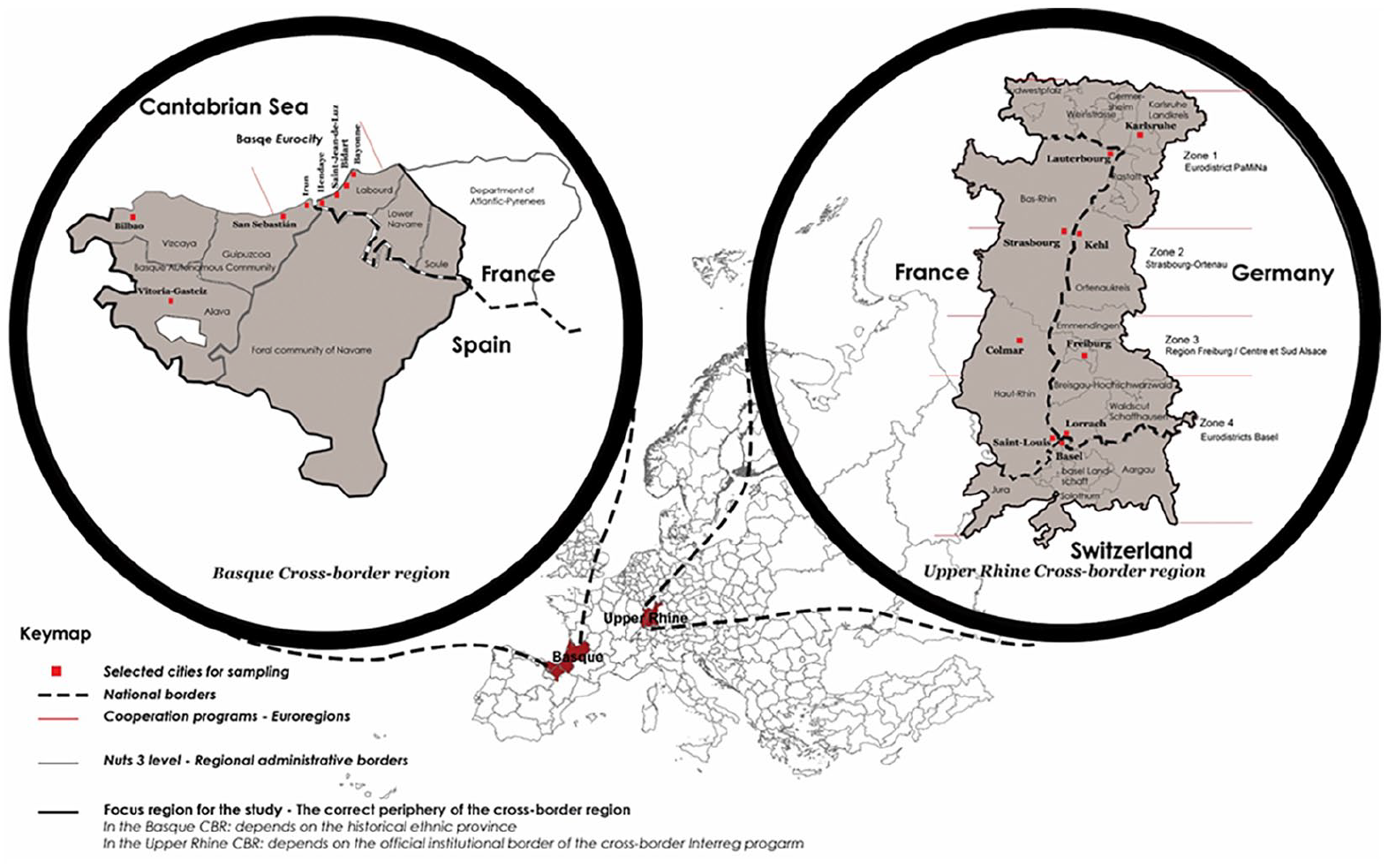
The locations and key features of the Basque CBR and UR CBR.
Methodological framework: six determinants of cultural integration
The anthropological meaning of culture relates to an intangible set of meanings, feelings, beliefs and values in people’s minds. In contrast, the sociological concept of culture is associated with tangible human behaviours and their interactions. This sociological perspective alone cannot identify what cross-border people share in their minds and what motivates them towards certain decisions. In this regard, Tharp (2009) emphasised that culture is what we think, do and make (Bakry and Growe, 2021). Therefore, to measure the extent of cultural integration, it is necessary to address all of these dimensions in a way that corresponds to borders. This tangible dimension of cultural integration is represented in the P-ITEMS methodological framework through its ‘interactive’ and ‘expressive’ determinants (I and E). In addition, the intangible dimension is represented in the model’s ‘perceptual’, ‘togetherness’, ‘mental’ and ‘spiritual’ determinants (PTMS). Figure 2 shows the conceptualisation of the P-ITEMS framework and the interrelations between its components. Where a CBR exhibits high proximity in both its tangible and intangible components, it is more likely to be integrated.
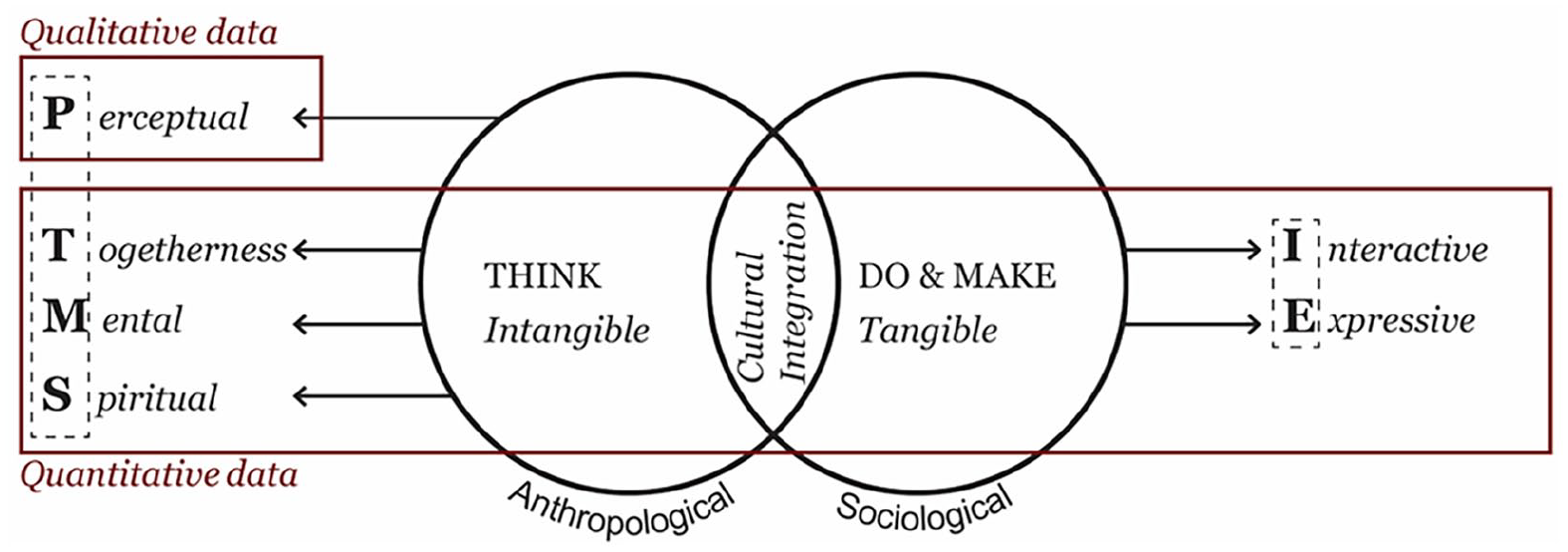
The conceptualisation of the P-ITEMS methodological framework.
Considering this from another perspective and through a different classification lens, the methodological framework comprises a mix of qualitative and quantitative approaches. The qualitative approach is represented by the perceptual determinant (P), which provides an opportunity to obtain hidden understandings of the delimitation of a CBR that cannot be obtained through typical quantitative methods. The quantitative approach is represented by the other five aspects (ITEMS), which capture the cross-border interactions and the intangible motives behind these interactions. This mixed methods approach is highly significant, particularly for research into cultural integration. While assessing cultural perceptions and interactions, the qualitative data provides an understanding of actor constellations and the quantitative data enables a comparison of structural differences and similarities. When incorporating both methods, broader cultural dynamics are captured, ensuring that any limitations in the data obtained through one method are balanced by the other method in a complementary manner (Bakry and Growe, 2021; Borer, 2006). By analysing this full range of factors and examining the methodological framework, a clearer perspective on the status quo of spatial–cultural integration can be gained and the significance of the methodological framework can be determined.
The following section considers the P-ITEMS framework in more detail.
‘P’ stands for the ‘perceptual’ aspect and represents how cross-border residents perceive and spatially recognise where the delimitation of their CBR lies. This can be used to determine whether the view of the CBR held by the EU is reflected – or not – in the minds of its residents (Kang et al., 2007). Sohn states that ‘Cross-border cooperation is mainly oriented toward symbolic activities intended to promote a shared spatial imaginary’ (2014: 602). Spatial imaginaries and cognitive mapping are considered to be an ‘internal representation of the spatial information, consisting in the acquisition, memorisation, recovering and decoding of environmental information’ (Troffa et al., 2009: 328). Moreover, Durand identified that the cultural perception and ‘ideational dimension can be grasped through other vectors such as cartographic production’ (2015: 21). Establishing a well-perceived territorial shape and border among its residents is one of the main conditions – possibly the most important – in the process of region formation. This aspect is encapsulated by Raagmaa, who stated that ‘The existence of boundaries of some kind as a basis for social classification is the fundamental requirement for the emergence of regional consciousness among inhabitants’ (2002: 58).
‘I’ refers to the ‘interactive’ aspects across a border. Interactions include cross-border travel for various reasons including work, education, shopping and tourism. In this study, we focus on cultural event interactions. Another kind of cultural interactions can take place when people on one side of a border have relatives or friends on the other side of the border. Interactions are effective indicators of the level of cultural integration across a border because they are where cultures, ideas, traditions, and behaviours meet (Bakry and Growe, 2021; Borer, 2006).
‘T’ stands for the ‘togetherness’ of the social constructs of the borderlands. Togetherness is represented in how similar the residents are on either side of a border and what they think about the similarities between their nations’ cultures. Togetherness is ‘as a kind of “being in one together” – with innerness resting on qualities such as trust, solidarity, openness towards and acceptance of the other’ (Joenniemi, 2017: 430). It is a measure of the extent to which people feel they belong to one or more communities, or if they feel comfortable and enjoy communicating with people on the other side of the border. Trust also plays a significant role in the togetherness of residents in border regions (Beck, 2015; Decoville and Durand, 2019).
‘E’ represents the ‘expressive’ dimension. Expression implies the ability to communicate across a border by sharing a common language or learning the language of the people on the other side of the border (Decoville et al., 2013; Gijsberts and Dagevos, 2007).
‘M’ refers to the ‘mental’ barriers in cross-border communities that act against cultural integration. Despite attempts at Europeanisation, borders can negatively impact the mental status of its residents (European Commission, 2017; Laganà and White, 2021).
‘S’ represents the ‘spiritual’ dimension of culture, which reflects both regional identities and place attachments (Raagmaa, 2002). These include positive feelings, bonds, belonging (to a particular place or region), and feeling comfortable and safe, which people associate with the space within their boundaries. In this sense, ‘Regional identity converts the space into a “spiritual place”’ (Bakry and Growe, 2022: 3), or we ‘call this part of the regional identity “spiritual space” or “genius loci”’ (Raagmaa, 2002: 59). While the power of identity can be measured according to spiritual fulfilment (Webster and Castells, 1998), Peng et al. (2020) emphasised that there is a direct relationship between regional identity and spiritual wellbeing. Several variables influence these feelings, such as length of residence, and shared meanings and narratives (Peng et al., 2020). The place attachment is defined as ‘this affective link which can be developed towards places that differ in size and function’ while regional identity is ‘the process by which, through interaction with places, people describe themselves in terms of belonging to a specific place’ (Hernández et al., 2007: 310–311). There is a lack of empirical clarity concerning the relationship between these two concepts – regional identity and place attachment – in terms of which one includes the other; for example, ‘place attachment is a component of place identity’ (Hernández et al., 2007: 311). From our understanding, there is a correlation and overlap between these concepts and so we deal with them as one block with several sub-components ‘as several authors consider them to be the same concept and either use both synonymously’ (Hernández et al., 2007: 311). Therefore, this block includes the sub-components of identification, external evaluation, general attachments, continuity with personal past, perception of familiarity and commitment (Lalli, 1992).
Data-gathering
Data for the analysis of cultural integration were gathered from primary data obtained through an interactive survey, which comprised qualitative mapping (P) and a quantitative questionnaire (ITEMS). Border residents from either side of the national borders in each CBR were surveyed. A total of 120 samples were collected from each CBR: 58 from the Basque Spanish region and 62 from the Basque French region, and 56 from the German UR region, 52 from the French UR region and 12 from Switzerland. In the Basque region, these samples were collected from eight cities located along the historical border of the Basque cross-border cultural region. In the UR CBR, the samples were collected from nine cities situated within the Trinational Metropolitan Region (see Figure 1).
The data were collected equally from both genders and from various age groups ranging from 15 years to over 60 years. There were 61 male and 59 female participants in the Basque CBR, while in the UR CBR, there were 59 male and 61 female participants. The surveys were only directed at residents of the chosen cities who had lived there for at least 6 months. The survey was conducted in the English language; however, support was provided by members of the survey team to residents in the UR CBR where German and French are spoken. A probability sampling method was applied using cluster sampling (double-stage sampling) to reduce variations in the data collection process. The sampling process was undertaken by selecting the three largest public squares in each of the selected cities, with samples collected randomly from people passing by between 10.00 am and 5.00 pm. Transport hubs were excluded to reduce the risk of time pressures on the participants.
We recognise that the data collected for each CBR is limited and the 120 samples cannot be considered a representative sample for each region; however, due to time and cost constraints, these samples were sufficient to examine the model and provide an example of this indicative study of how this methodological framework can be employed using combined qualitative and quantitative methods. As such, these samples provide a first test of the model. However, in the future analysis of other regions, larger and more representative samples should be obtained. The number of samples (120) in each CBR was chosen to balance the smaller number of samples needed for the qualitative analysis with the larger number needed for the quantitative assessment. Qualitative data is typically focused on small groups; however, given the nature of the interactive qualitative data needed for this study (perceptual mapping) larger sample numbers were required. This was particularly important given the need to undertake quantitative findings and aggregate the qualitative analysis with the quantitative methods. As such, 120 samples are considered to be the minimum number required.
P-ITEMS model
P: Perceptual aspects were measured by asking the participants to draw their understanding of the CBR boundary on a blank map (the largest cities and national borders were shown on the blank map for orientation purposes). To ensure that the participants understood this task, a concise explanation of the map was offered – the information provided was to ensure the task was clear and not to examine their cartographic capabilities. The participants were asked to draw the boundary themselves rather than select an answer from a set of predefined options (quantitative method) so as to obtain more depth from the qualitative data collected. The participants’ drawings for each region were then compiled into one sieve drawing and compared with the actual border of the CBR. We also analysed the different boundaries drawn by the participants and found that the more responses provided, the less awareness people had about the region’s border. Finally, we analysed the number of repetitions of each boundary to determine where the territory of the border region existed in the minds of the participants. The perceptual power of the CBR border was then calculated as the number of repetitions of the real boundary as a percentage of the total number of survey responses (120).
I: Interactions were measured using the positive counts from the answers to four questions designed to establish whether the participants travelled to the other side of the border, attended cultural events on the other side of the border and had friends or relatives on the other side of the border.
T: The level of togetherness was measured using five questions focused on the level of similarity and acceptance shared by people on either side of the border. First, we established if the participants realised that there were cultural differences between the two sides. Second, we asked if they had any feelings towards being part of a single cross-border community or part of several communities divided by national borders. Third, we established whether they felt comfortable having citizens from the other side of the border as neighbours or co-workers. Fourth, the participants were asked if they felt that trust was one of the obstacles between the two sides. Fifth, each participant was asked to identify the level to which they enjoyed meeting new people from inside or outside the border region, with similar or different nationalities to the defining region, which they indicated on a scale of 1 to 3 (where 1 was ‘enjoyed it less’ and 3 was ‘enjoyed it more’). We then analysed the mean numbers from this ‘enjoyment with company’ scale for each side of the border in tandem with the other possibilities. Positive answers and higher mean numbers suggested higher togetherness levels.
E: The expressive aspect was assessed by asking the participants whether they spoke the common language – Euskara in the Basque CBR – or if they spoke the language of the other side of the border. Positive counts indicated the level of shared communication.
M: The mental aspect was determined by asking the participants whether they felt they experienced a mental or physical barrier regarding the national border.
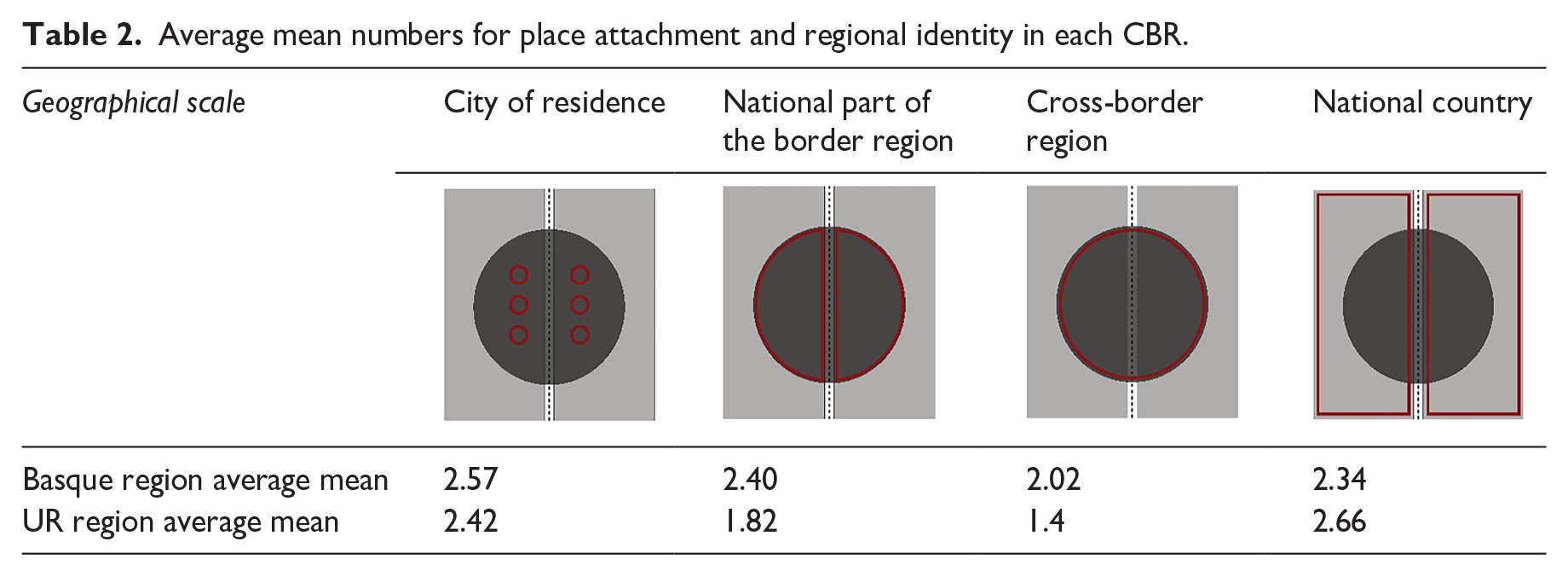
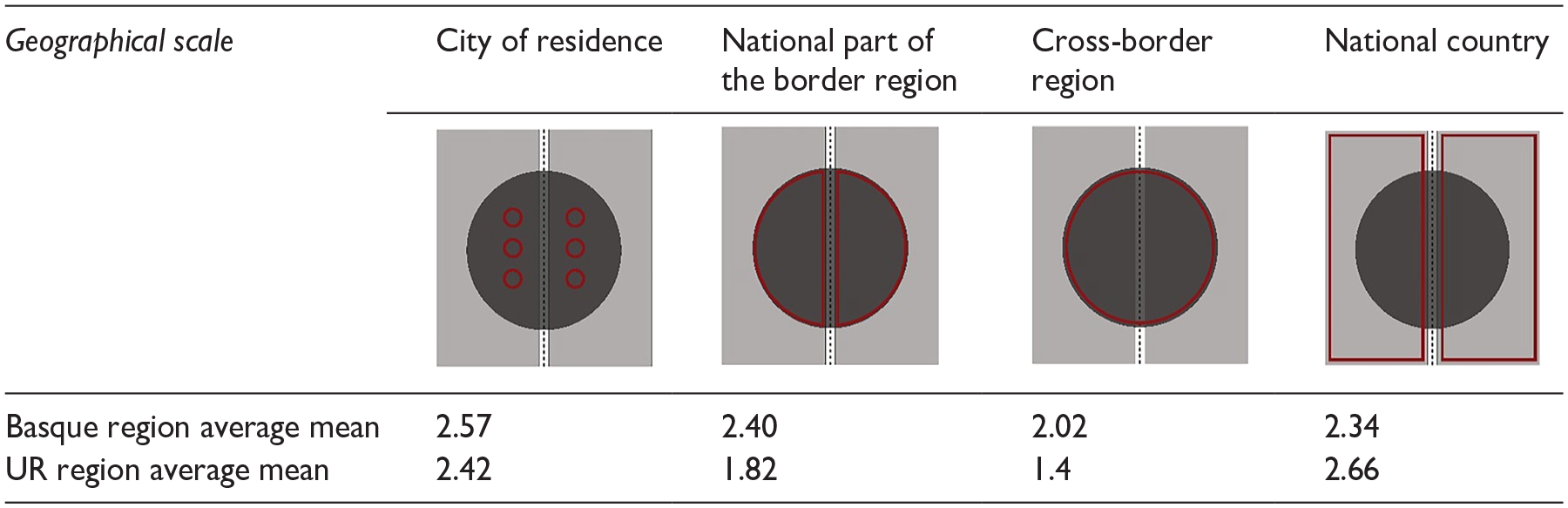
S: The spiritual aspect was measured through six complementary questions. Each question measured a sub-aspect (from the literature) regarding spiritual feelings connected to regional identity and place attachment. These questions were included with question number 14 in the questionnaire (the questionnaire is provided in Appendix 1). For each question, the participants responded on a scale of 1 to 3 for four different spatial territories with different geographical scales. These four spatial territories were their city of residence, the national part of the CBR, the whole CBR and the national country. The measurement of regional identity and place attachment as an index for each geographical scale was calculated by averaging the mean numbers for the six questions.
To produce a cultural integration index, we calculated the number of responses with positive connotations for each of the P-ITEMS determinants as a percentage of the total number of samples (120). For the determinants that had sub-items or sub-questions, an average percentage was used to represent each item. The spiritual aspect was measured using the cross-border geographical scale only and by assuming that 100% – the best-case scenario – had a value of 3. The fifth part of the togetherness aspect was also measured using a maximum value of 3. An average percentage was then calculated for each national part of a CBR in relation to the other parts of the CBR. The total cultural integration index for each CBR was measured as an average percentage of its six items.
Analysis
P: From a qualitative perspective, the perceptual mapping showed that people in the Basque CBR had a much higher perception and awareness of the delimitation of their region than people in the UR CBR. There were only 29 different delimitation responses to the boundary of the Basque CBR among the 120 questionnaires, and one of these delimitations matched the real boundary, which was repeated 33 times. In the UR CBR, the participants drew 69 different boundaries, none of which matched the real boundary. Figure 3 shows the number of different perceived boundaries for each region and the real boundary. In Figure 4, the territorial perceptual power of the cross-border boundaries, in terms of the number of repetitions for each response, is provided. As such, the perceptual power of the boundary of the Basque CBR – the cultural integration index of the perceptual component – was 27.5%, (33 * 100)/120. In contrast, in the UR CBR, this value was 0% (see Figure 5 summarising the main findings for all of the components of the P-ITEMS model). While the border of the Basque CBR may appear to be a relatively difficult boundary to perceptually memorise because it is not a formal institutionalised border – rather it is related to its cultural roots – the analysis showed that the Basque region was strongly perceptually identified as a geographical territory, while the UR region appeared to be fuzzy and was missing from the qualitative evidence.
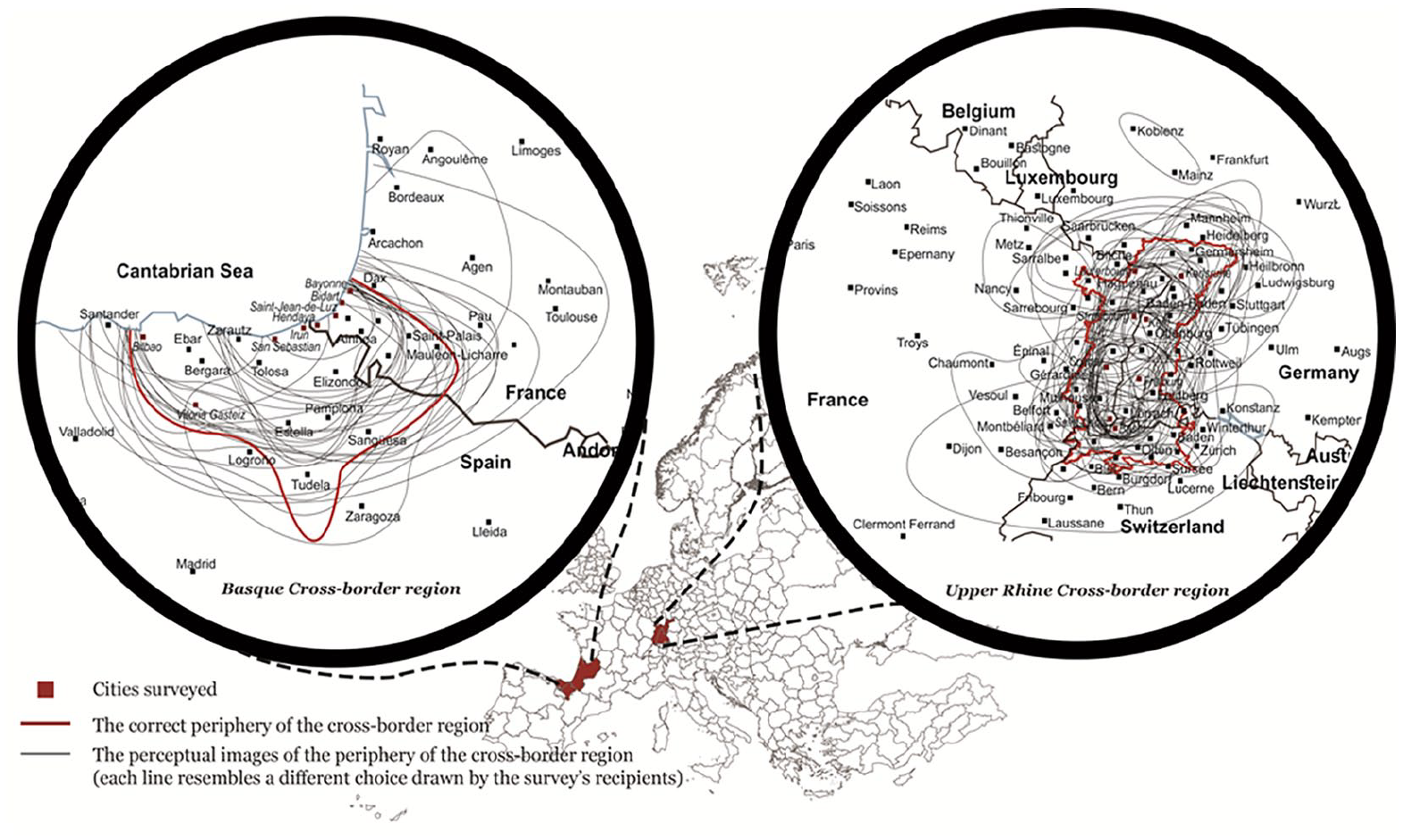
The different CBR boundaries perceived by the survey participants in the Basque CBR and UR CBR in relation to the actual CBR boundaries.
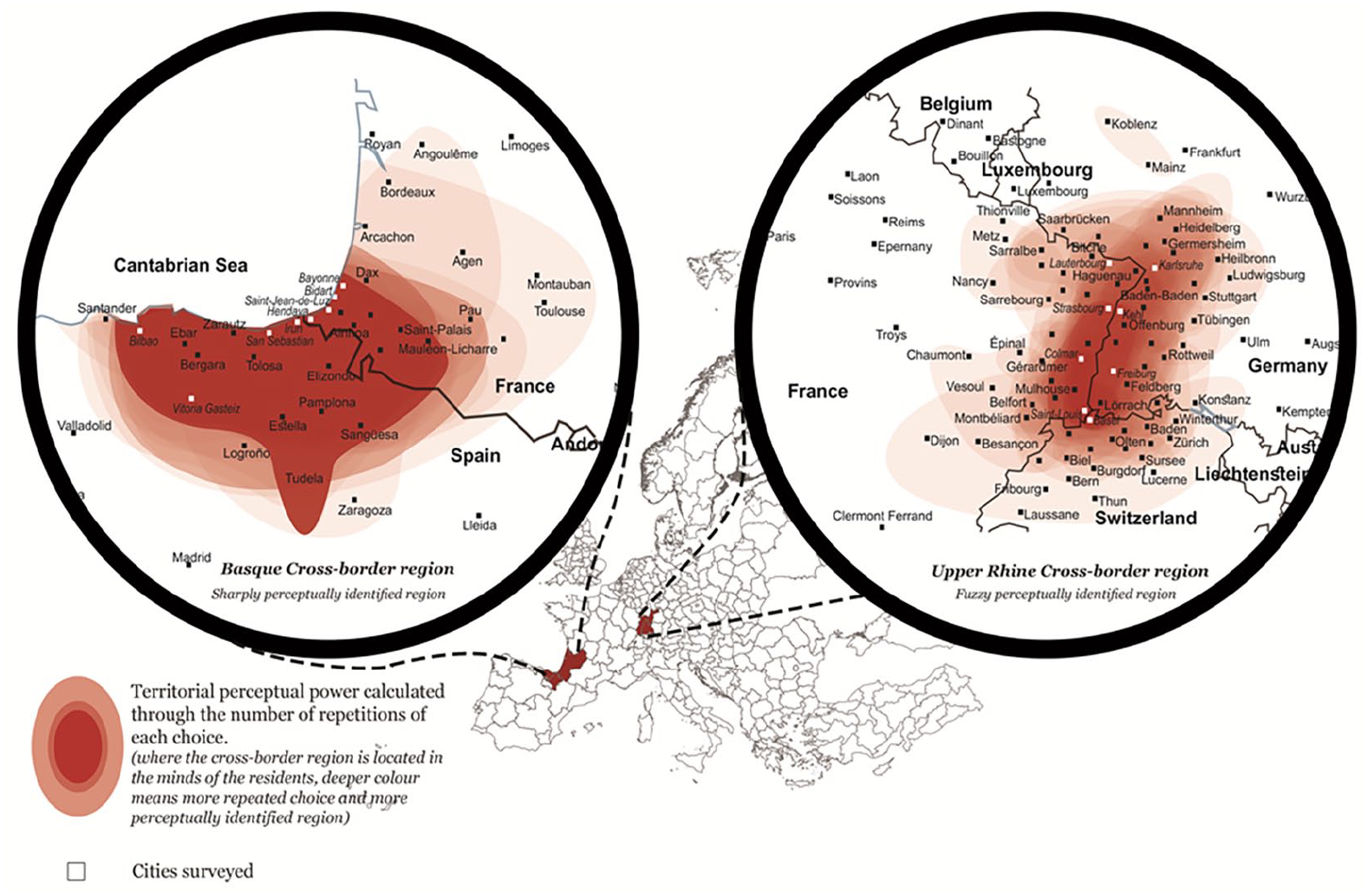
Relative perceptual territorial power of the cross-border peripheries.
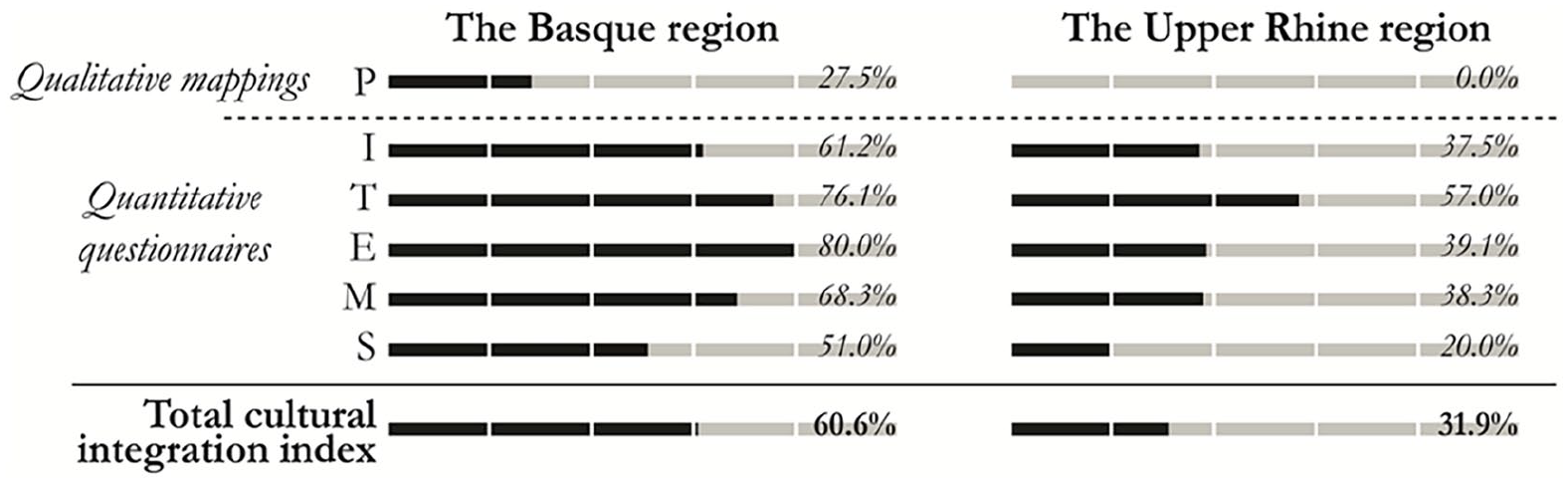
The cross-border cultural integration index for the two CBRs.
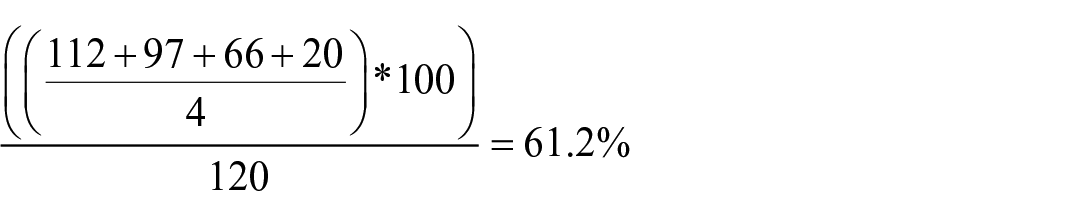
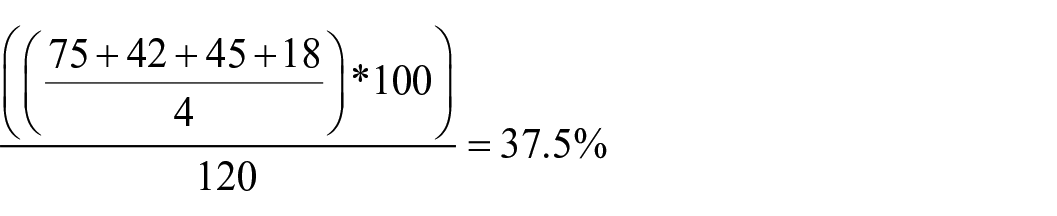
I: From a quantitative perspective, there was a noticeable level of cross-border interaction taking place in both the Basque CBR and the UR CBR. In the Basque CBR, 112 participants, from both sides of the border, crossed the border regularly for various reasons; in the UR CBR, this value was 75. A total of 97 participants crossed the border to attend specific cultural events in the Basque CBR, with 42 doing the same in the UR CBR. In terms of cross-border friends or relatives, the Basque CBR shared 66 cross-border friends and 20 relatives, while in the UR CBR, there were 45 cross-border friends and 18 relatives. As such, the cultural integration index for the interaction aspect (see Figure 5) was calculated for the Basque CBR as
and for the UR CBR as:
T: In the Basque CBR, 61 participants responded that there were cultural differences between either side of the border. In the UR CBR, this number was 89. A total of 84 participants recognised that the Basque CBR reflected a unified cross-border community, whereas 28 participants acknowledged this in the UR CBR, with a further 91 participants responding that there were several communities separated by national borders. In the Basque CBR, 105 participants felt comfort in having citizens from the other side of the border as neighbours or co-workers, while in the UR CBR, there were fewer positive responses, with 76 participants who felt comfort in this. Only two participants in the Basque CBR thought trust was an obstacle across the French–Spanish border, whereas 19 participants responded this way in the UR CBR. The calculation of the cultural integration index (based on responses to these four togetherness questions) for the Basque CBR was

and for the UR CBR was

On the ‘enjoyment of company’ scale, which describes how respondents felt when meeting people from the other side of the border, the Spanish Basque participants had a high mean score for encounters with people from the French Basque Country. This value was higher than for encounters with Spanish non-Basques. This suggests that the Spanish Basque participants preferred meeting people from the same ethno-cultural background than people with the same nationality. The same observation was noted for participants from the French Basque territory. In the UR CBR region, the situation was different. On each side of the border, the participants preferred meeting people with the same nationality rather than with people on the other side of the border in the same region. Table 1 provides the results of this analysis for each national part of the two CBRs. In terms of enjoyment in meeting others, the cultural integration index for the Basque CBR was

and for the UR CBR was
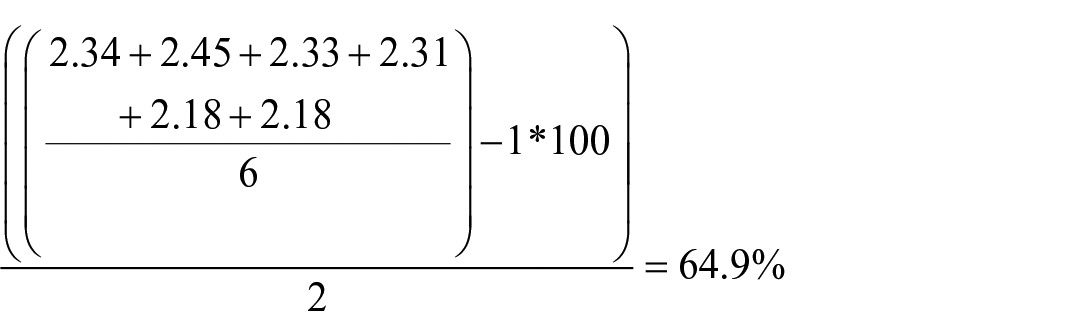
Results of the analysis of the enjoyment participants felt towards the company of others.
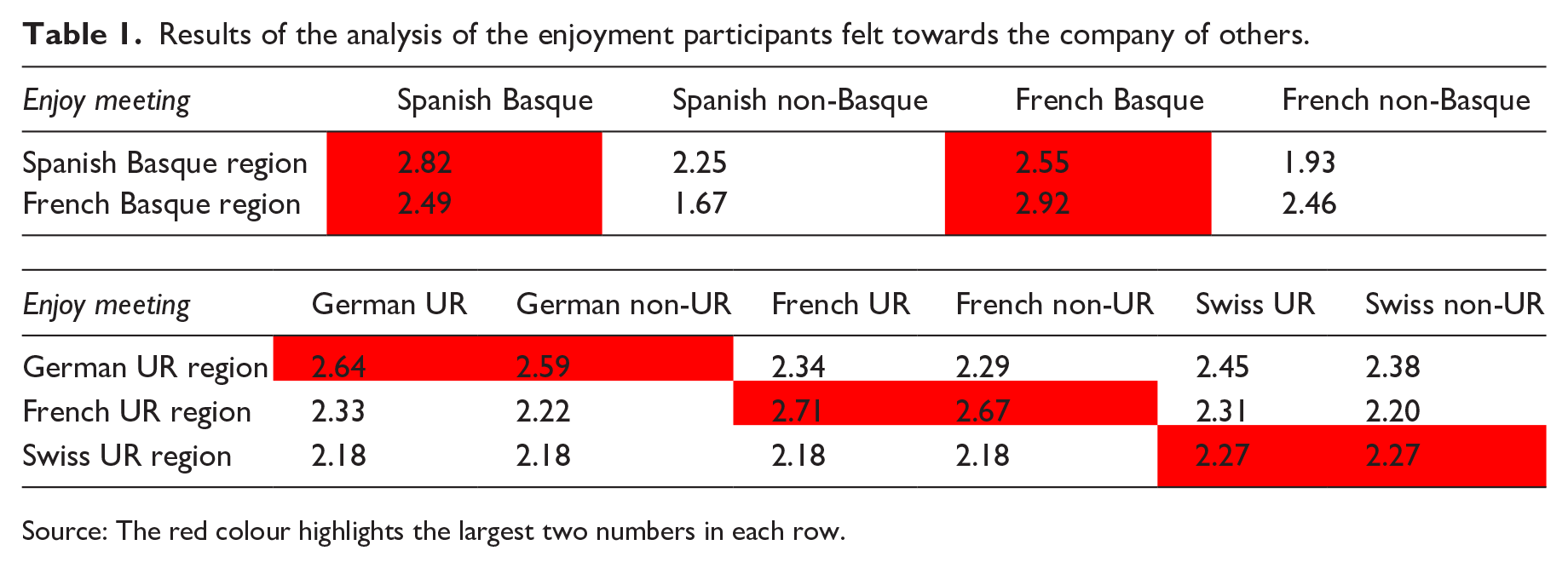
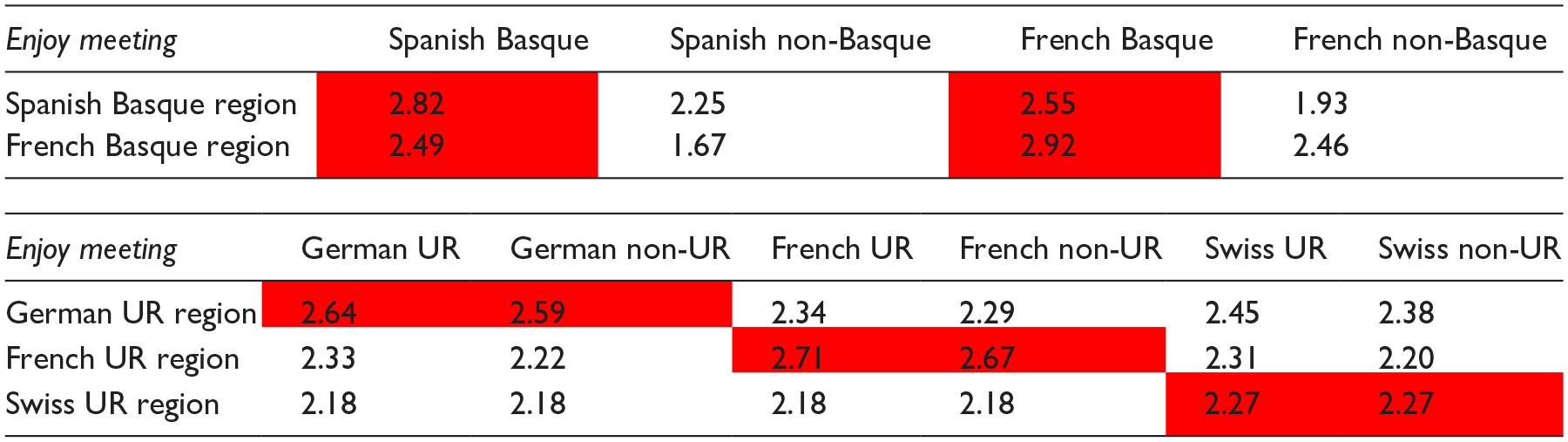
Source: The red colour highlights the largest two numbers in each row.
This equates to a total cultural index for the togetherness aspect for the Basque CBR of 76.1%, (76.2 + 76)/2, and for the UR CBR of 57.0%, (49.1 + 64.9)/2 (see Figure 5).
E: For the expressive aspect of cultural integration, in the Basque CBR, 88 participants spoke the common Euskara language to at least a moderate level – sufficient for communication – and 51 spoke the language of the other side of the border (French or Spanish). This means that only 24 participants (20% of the 120) did not speak either Euskara or the other language. As such, there is a high likelihood of border communication. In contrast, in the UR CBR, 73 participants could not speak the language (French or German) of the other side of the border. The cultural integration index for the expressive aspect in the Basque CBR was 80.0%, (96 * 100)/120, and in the UR CBR was 39.1%, (47 * 100)/120 (see Figure 5).
M: Regarding the mental barriers associated with negative perceptions of the border, in the Basque CBR, 38 participants responded that they felt threatened by the border, while in the UR CBR, 74 participants responded in this way. The cultural integration index for this mental aspect for the Basque CBR was 68.3%, (82 * 100)/120, and for the UR CBR was 38.3%, (46 * 100)/120 (see Figure 5).
S: The spiritual feelings gained from the regional identities and place attachments for the four geographical scales revealed several differences. In the Basque CBR, the participants were more attached to, and identified themselves with, their city of residence than their nationality. Participants from both sides of the border had higher connections with their part of the Basque border region than their national country. Therefore, it appears that national identity played a minor role in comparison with Basque cultural identity. In contrast, the sequence of spiritual attachments and identities in the participants from the UR CBR was highest for their national country, followed by their city of residence, and then their part of the border region. Regional attachment and identity for the CBR scale in the Basque CBR was 2.02, while it was 1.4 in the UR CBR (see Table 2). From another perspective, the low Basque national average mean may be problematic and may highlight the extent to which border cultural integration is useful and whether it exceeds the estimated border cooperation levels. The cultural integration index for the spiritual aspect in the Basque CBR was 51%, ((2.02 – 1) * 100)/2, and in the UR CBR was 20%, ((1.4 – 1) * 100)/2 (see Figure 5).
Average mean numbers for place attachment and regional identity in each CBR.
From the previous analysis of the P-ITEMS elements, it can be deduced that the Basque CBR has high cultural integration levels, with a total cultural index of 60.6%, while the UR CBR has a total cultural index of 31.9%. Figure 5 shows the cultural integration index for each aspect as total percentages.
Conclusion
Recently, border territories and the process of cross-border integration have received considerable attention. However, there is a lack of robust, tangible evidence, quantitative or qualitative data, and methods for measuring the extent to which cultural integration takes place in CBRs. The current status of cross-border cultural integration needs to be further investigated to provide evidence to support future decision-making by policymakers.
This study provides a new methodological framework (P-ITEMS), using six determinants and mixed qualitative and quantitative methods, to develop a cross-border cultural integration index that can bridge this significant evidence gap. The model is capable of examining two different contexts and regional typologies – in this case the ethno-cultural Basque CBR with its difficult historical delimitations and the UR CBR with its long history of border cooperation and a clear institutional delimitation. By measuring the cultural integration level through the qualitative mappings, the study shows that residents of the Basque CBR share a common perceptual mapping of their ethnic CBR and a high level of cultural integration. However, in the UR CBR, this representation was missing, with a very low cultural integration level. From a quantitative perspective, both CBRs demonstrate higher levels of cultural interactions and integration, with the highest levels in the Basque CBR, which may be related to several factors including a common language and ethno-cultural background.
In emphasising the Basque ethno-cultural border territories, nation-states may be sceptical about a potential increase in ethno-nationalism. However, as shown from this analysis, this could lead to continued efforts for secession and political cleavage (Markusse, 2004). One aim of border integration is to increase cross-border cooperation; however, the extent to which this cooperation is healthy may be questionable, and it may affect the creation of new bubbles and spaces isolated from their national roots. In the UR CBR, despite the perception of a fuzzy border, the cooperation initiatives there may be considered to have been successful in reaching a culture integration level following a long history of border cooperation. The low integration numbers in the UR CBR may be still seen as a success, while the higher numbers in the Basque CBR may represent a future threat that would need to be addressed sensitively.
Each method in the model – both qualitative and quantitative – is relevant and provides an understanding of various aspects in different contexts. The two diverse regional case studies selected to test the model suggest that the model can be replicated in complex situations. For example, the qualitative perceptual mapping succeeds in showing the missing cultural integration in the cosmopolitan UR CBR. This finding provides evidence that such regions still require the formation of a common cross-border cultural space in the minds of its residents, in which greater geographical awareness may be required. As such, this perceptual mapping method can be used by EU policymakers as an indicator for understanding the dynamics of the new cross-border delimitations. The quantitative indicators may provide a broad representation of the level of interaction, mental barriers, regional identities and feelings, and how people live in border regions. They can also be used to indicate the level of success in creating cultural CBRs in the Europeanisation era. Mixing both types of indicators in a P-ITEMS model provides a robust representation of the extent of cultural integration. Future research examining cultural integration in CBRs at the EU level may find the quantitative questionnaire method (ITEMS) useful and practical, while smaller studies investigating specific cross-border case studies may benefit from the use of the qualitative mapping approach (P).
Footnotes
Appendix 1
Survey for measuring the cultural integration for cross-border regions through P-ITEMS model
(They are two separated surveys, each is directed to one cross-border region of the Basque or Upper Rhine, yet they are compiled here for visual reasons.)
Acknowledgements
The authors are thankful for the helpful comments and suggestions of the two anonymous reviewers.
Declaration of conflicting interests
The author(s) declared no potential conflicts of interest with respect to the research, authorship and/or publication of this article.
Funding
The author(s) disclosed receipt of the following financial support for the research, authorship and/or publication of this article: A.B. thanks the Ministry of Higher Education and Scientific Research (MHESR) and the German Academic Exchange Service (Deutscher Akademischer Austauschdienst (DAAD)) for funding his PhD project at the Institute of Geography, Heidelberg University. He also thanks the University of Freiburg and Kassel University for funding the English proofreading for this manuscript.
