



Abstract

Born on February 9, 1926, Dr Lewis Hurwitz (Figure 1) was a renowned neurologist who played a significant role in Belfast's medical community. 1 Throughout his career, which began with his medical training at Queen's University Belfast and continued as a consultant neurologist, he demonstrated a strong dedication to the field of neurology, education, and the wellbeing of his patients.
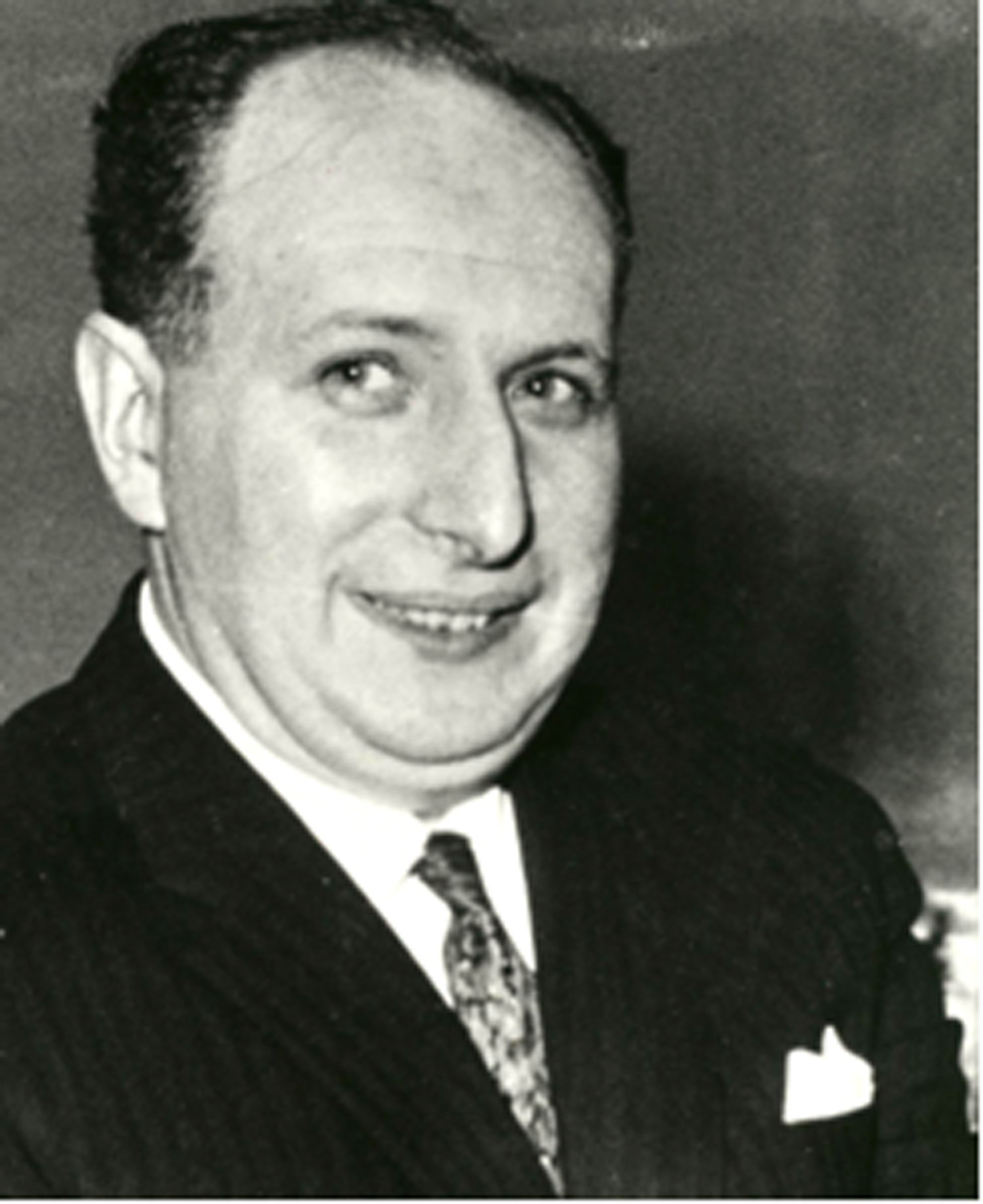
Dr Lewis John Hurwitz.
Hurwitz's early career was closely connected to Belfast, where he gained valuable experience in the field of neurology. He began his journey as a house physician at the Royal Victoria Hospital, working under the guidance of Dr Sydney Allison. It was during this period that he demonstrated exceptional skills in assessing and diagnosing neurological cases. In addition to his work at the Royal Victoria Hospital, he also held house physician positions at Claremont Street Hospital and Killowen Hospitals. To further his knowledge, he pursued additional training in pathology at Queen's University Belfast, earning a BSc in 1952 and an MD in 1953. 2 Seeking to broaden his expertise, Hurwitz ventured to Liverpool and Bradford, where he gained experience in general medicine through various appointments. However, his passion for neurology remained steadfast, leading him to London's National Hospital for Nervous Diseases, Queen Square. Here, he served as resident house physician for a period of 2 years, deepening his understanding of neurological conditions and their treatment.
In 1957, Hurwitz's career took an international trajectory when he was awarded a scholarship to conduct research on cerebral vascular disease at Bellevue Hospital in New York. During this time, he also served as assistant director of the Neurological Services at Cornell University, an opportunity that broadened his professional horizons. It was during his tenure at Cornell that he collaborated with John Foster Kennedy, a fellow Belfast native, further contributing to his knowledge and experience. Upon his return to Queen Square in 1959, Hurwitz assumed the role of senior registrar in the outpatient department. In 1960, he was granted a Ciba Travelling Fellowship, which facilitated his work with Professor Garcin at the Hôpital de la Salpêtrière in Paris. 3 This experience in Paris enhanced his clinical skills and teaching abilities, allowing him to grow as a medical professional.
In 1961, Hurwitz was appointed as a lecturer at the Institute of Neurology in London, where he collaborated with Dr J. Purdon Martin on researching postencephalitic Parkinson's disease at Highlands Hospital. Their collaborative efforts resulted in a publication in the journal Brain, 4 further adding to the body of scientific knowledge in the field.
In the subsequent year, Hurwitz returned to Belfast and assumed the position of consultant neurologist at the Royal Victoria Hospital, Claremont Street Hospital, and Belfast City Hospital. This phase of his career was significant, as it solidified his role as an important figure within Belfast's medical community. Colleagues and patients alike were inspired by his enthusiasm and intellectual vigor, which he brought to his work. One notable study that showcased Hurwitz's dedication was his research on subacute sclerosing panencephalitis (SSPE). His conviction that measles played a causative role in SSPE was supported by Dame Ingrid Allen's diagnostic confirmation. This led to a groundbreaking discovery of measles antigen and antibody, which represented a significant advancement in neuroscience research.1,2 In addition to his research contributions, Hurwitz held several esteemed positions. From 1962 to 1971, he served as honorary secretary of the Ulster Neuro-Psychiatric Society. He was also a founding member of the Irish Neurological Association and served as a council member of the Royal Society of Medicine of London and the Royal Academy of Medicine in Ireland. 1 These roles reflected his active involvement in professional organizations and his commitment to advancing the field of neurology.
Despite facing health challenges, including two minor coronary incidents in 1967, Hurwitz remained dedicated to his professional engagements. Even when unable to speak, he made provisions by bringing tape recordings of his presentations to ensure his continued participation in meetings. Tragically, Hurwitz's promising career was cut short by his untimely death at the age of 45 on October 19, 1971, 5 leaving a void in the medical community. However, the impact of his contributions has endured, leaving a lasting impression on his colleagues, students, and the wider medical field. Sir Derrick Dunlop, professor of therapeutics and clinical medicine at Edinburgh University, lauded him as an exceptional clinical teacher, recognizing his influence as one of the finest in the United Kingdom. In 1975, Michael Swallow compiled a collection of Hurwitz's scholarly works, titled “Selected Papers of Lewis J. Hurwitz”.6 This compilation serves as a testament to his intellectual contributions and ensures that his work remains accessible and appreciated by future generations in the medical community.
Dr Lewis Hurwitz's life encompassed more than just his professional accomplishments. Born into the Belfast Jewish community as the youngest child of Barney Hurwitz, a prominent linen merchant and community leader, he served as a vital link between Belfast's Jewish heritage and its future. 2 Notably, during his school years at Belfast Royal Academy, he showcased his athletic abilities by winning the Girdwood Cup for best all-round track events on two occasions, demonstrating his well-rounded talents beyond the realm of medicine. While Dr Hurwitz's contributions to neurology were significant, it is important to remember that he was not only an esteemed neurologist but also an exceptional lecturer. Respected by his peers and beloved by his students, he possessed a genuine passion for teaching. His dedication to the field of medicine, coupled with his research on SSPE and Parkinson's disease, left lasting impacts on neuroscience. These contributions solidified his status as a noteworthy figure in the history of neurology.
Following his untimely passing, Dr Hurwitz's wife, Natalie, relocated to Leeds where she continued to practice medicine and raise their children. In his memory, the family has established an annual lecture at Queen's University Belfast, ensuring that his legacy in medicine and neurology remains recognized and celebrated. All in all, it is important not to forget Dr Hurwitz's contributions as they serve as a reminder of the impact that dedicated individuals can have on their respective fields. By honoring his memory and acknowledging his achievements, we ensure that his work remains appreciated and that future generations can draw inspiration from his legacy.
Footnotes
Declaration of conflicting interests
The author(s) declared no potential conflicts of interest with respect to the research, authorship, and/or publication of this article.
Funding
The author(s) received no financial support for the research, authorship, and/or publication of this article.
