




Abstract
The Hebrew University of Jerusalem opened the first medical school in Israel in May 1949. One of the select 45 students of its first class was Bracha (Chweidan) Ramot. After completing her medical studies with distinction, she went on to specialize in internal medicine and hematology and soon became a central figure in the development of hematology in Israel. In 1958, Ramot established the Hematological Institute at Tel-Hashomer hospital and served as its director until 1991. She devoted much of her time and effort to researching environmental and genetic factors that influence hematological conditions: deficiencies in coagulation factors, glucose metabolism disorders, and especially leukemias and lymphomas, including the type known as Hodgkin’s disease. In 2001, Ramot, “The Doyenne of Israeli Hematology” as she was called in publications of the Albert Einstein Institute, was awarded the Israel Prize in Medical Sciences, the country’s most prestigious prize. Her biography personifies the ability to overcome obstacles and challenges in one’s personal life while concurrently becoming an exceedingly successful physician and researcher of extraordinary achievement.
Keywords
Early life
Bracha Ramot was born in Lithuania on 5 September 1927, as Brinalle Chweidan, to Margalit nee Finkelbrand (1890–1981) and Motel-Berl Chweidan (1895–1957). 1 Like their family, more than 40% of Raseiniai’s residents were Jews, primarily merchants who enjoyed a range of cultural opportunity and public openness. There were eight synagogues in Raseiniai and the Jewish community’s education system included a kindergarten, elementary school, library, gymnasium and small yeshiva (an all-male religious education institute). 2 Brinalle Chweidan’s peaceful childhood was interrupted by the Soviet invasion of Lithuania on 15 June 1940. 3
At the start of the Russian occupation, the Chewidans, a wealthy Jewish bourgeois family, lost their house and store; they continued to make a living by cultivating their land. 4 In June 1941, they were defined “enemies of the Soviet state” and exiled to the Siberian village of Syktyvkar, a housing city for deportees in northwestern Russia, where they lived with her father’s brothers and their families in a one-room rat-infested hut. 5 All their civil rights were revoked, and they were forced to produce mud bricks in exchange for bread and soup. Despite the difficulties, the nuclear Chweidan family survived the war thanks to their exile to Siberia whereas most of their extended family who remained in Lithuania perished during the Holocaust.
In response to a need to help support her family and despite Chweidan’s rudimentary command of the Russian language, she enrolled in a lice spray disinfectant course. Thanks to her strong intelligence and in the shadow of the manpower shortage during wartime, she was sent to nursing school at a hospital near Syktyvkar. 7 A year later, Chweidan was transferred to the feldsher track (junior medical therapist) where she continued concurrently with formal studies, cleaned the nurses’ school and did night shifts at the hospital, collecting leftover food from patients to slightly enrich the family’s poor diet. At the age of 16 and a half, Chweidan started working as a feldsher in the Syktyvkar area, making home visits with a horse and cart in extremely poor hygienic conditions. 8
Toward the end of the Second World War, Chweidan was able to leave Siberia thanks to her travel permit as a feldsher, together with her aunt’s brother who was in the Russian army. Upon arriving in Vilnius, the capital of Lithuania, she was admitted to the Vilnius Medical School but barely attended classes. She decided to immigrate to Palestine and found her way to the French port of Sette where she boarded a ship called the “Theodor Herzl”. On 13 April 1947, 11 days later, it was captured by the British Navy and all Jewish passengers were deported to Cyprus within the British Mandate’s policy of restricting Jewish immigration to Palestine. 9
In early 1948, Chweidan was allowed to enter Palestine and settled in Lehavot Habashan, a northern kibbutz in the Hula valley where she worked as a nurse and even replaced the kibbutz doctor during the Israel War of Independence. Later that same year, Chweidan served as a paramedic and commander of the wounded station on the southern front of the Palmach, a Jewish elite fighting unit (see figure 1). 10
It seems that her medical work during the war drew accolades and impressed Baruch Padeh (1908–2001), who served as a Palmach doctor and later became one of the founders and designers of Israeli medicine. Padeh encouraged her to enroll in the Hebrew University of Jerusalem Faculty of Medicine’s first class, which opened its doors on May 1949.
11
During a medical conference in Eilat on “Doctor-Patient, Institution-Community communication”, Chweidan wrote: The days are the days of the War of Independence, […] we live in tents, bathe once every few days when a tanker arrives with fresh water, sleep in clothes on stretchers, men and women soldiers together. […] one day, the very last day that the committee for medical students sits in preparation for the opening of the medical school in Jerusalem, Dr Baruch Padeh appears in his jeep, this time with a driver, and says to me: I remain here to guard the station and the wounded and you travel north […] to meet the committee members […]. Of course, it was an unusual surprise […]. It undoubtedly sealed my fate for the future.
12
The Hebrew University of Jerusalem
At the end of Second World War, Hadassah, an American Zionist Women’s Federation philanthropy organization, raised the necessary funds to establish a medical school at the Hebrew University of Jerusalem. 13 The Hadassah women’s stance that American medicine embodied modernity influenced the medical school’s decision to employ the American teaching method rather than the European one, despite its high cost. This method, which emphasized research on pathological conditions, limited the number of students who could be admitted. The first class of medical students formally opened on 17 May 1949, comprising only 45 students who had completed the first two and a half years of their studies abroad. 14
Chweidan was among the select group awarded a coveted spot in the medical school. Nevertheless, not all the committee members viewed her to be a worthy candidate. For example, Prof. Yosef Meir, head of the committee, told her that the young state needed nurses more than doctors. 15 It was commonplace for women applying to medical school to be redirected to nursing; they had to undergo an exhausting series of interviews and tests to prove that the field of medicine was indeed their life’s vocation. Many female interviewees underwent a “tear test” in which an interviewee was asked personal questions about a sensitive topic. A non-crying candidate was admitted to medical school whereas a woman who cried was sent to dentistry school. In the first year (1949–1950), the percentage of women accepted to the Hebrew University’s medical school was 31 and dropped to 15 in the mid-1960s, linked to the “Numerus Clausus” principle. 16
Chweidan was accepted despite a lack of certificate attesting to her formal medical education, a requirement for students who began their studies in the third year. This acceptance was thanks to a student association that intervened on her behalf and asked that she be accepted without any documentation regarding previous studies on probation. One member of the student association was Joshua Nuiberg, her future husband (see figure 2).
Joshua Nuiberg (later: Ramot, 1925–1971) was the son of two physicians, Dr Pearl Geller and Dr Lib Neuberger, an officer in the Austro-Hungarian army. When he was just a year old, Joshua emigrated with his parents from Austria and grew up in Tel Aviv. In 1947, Joshua Nuiberg began his medical studies in Switzerland. When the Independence War broke out, he returned to Israel and enlisted in the Palmach. Later he was accepted to the Hebrew University of Jerusalem’s Medical School and elected a member of the Student Association. Bracha Chweidan and Joshua Nuiberg married in Tel Aviv on 18 December 1949. 17 Around this time, in accordance to Israeli tradition at the time, the couple Hebraized their surname to Ramot.
Chweidan doubted her ability to succeed in medical school. Catching up on the first years of medical school and meeting the third-year requirements while working as a nurse was not easy. She was surprised to discover that she could handle all of it and even excel. 18
She described her student experience thus: …the change, studying 12 h and more, is difficult. We have eight lectures a day in five different courses, and these are only the outlines we have to go on studying so you can imagine that we don’t have pretty much time to go out. The atmosphere is very cultural and nice, but the cold bothers us very much. People are wrapped in blankets during lectures and at night our feet shiver because of the cold. You can imagine me writing now to you wrapped in three blankets. But nothing is important, apart from the ultimate goal.
19
During Ramot’s studies in Jerusalem, she spent weekends with a group of other students at Tel-Hashomer Hospital, close to Tel Aviv, upon the initiative of Baruch Padeh. She related her impressions of the experience: “At Tel-Hashomer Hospital, there was a completely different atmosphere than at Hadassah Jerusalem, which led our group of students to decide to do an internship at Tel-Hashomer. Some of us stayed there even after that.” 20 After graduating with honors, Ramot completed her internship and specialization in internal medicine at Tel-Hashomer under the supervision of its charismatic manager, Prof. Chaim Sheba, a pillar of Israeli medicine. 21 Sheba, a Jewish Austro-Hungarian physician who graduated from University of Vienna medical school and immigrated to Palestine in 1933, was Israel Defense Forces’ first medical officer, served as director general of the Health Ministry from 1951 to 1953, and helped found the Hebrew University of Jerusalem’s Faculty of Medicine and later also Tel Aviv University’s medical school. 22
Internship in hematology in the United States (1954–1957)
Ramot’s work as an Assistant at the Hematology Institute in Chicago
One feature of an American teaching style inculcated at the Hebrew University medical school was underscoring the importance of research in medical training. That tenet is apparent in Ramot’s extensive research that characterized her medical career.
In April 1954, after she completed her medical studies with distinction, Bracha Ramot did her internship and first year of residency in internal medicine at Tel-Hashomer Hospital. Later, she followed her husband to Chicago, for his specialization in psychiatry. She found a job as assistant at the Hematology Institute in Michael Reese Hospital in Chicago. That hospital was considered one of the most important health institutions in the United States, identified with high-quality medical care, education, and research, in part due to its Medical Research Institute (MRI) led by top researchers. 23
At Michael Reese Hospital, Ramot started working as an assistant at the Hematology Institute under the direction of Karl Singer, one of the greatest researchers of his time, in the field of blood transfusions and blood clotting. She was persuaded by the quality and strong reputation of Singer’s department to specialize in hematology, a field formally defined as a discipline in 1946 with the publication of the first issue of Blood. 24 Years later, Ramot stressed that “often people completely randomly choose the profession they will pursue throughout their lives. In my opinion, that is the way it should be. Young people do not exactly know what they really want to be”. 25 Under Singer’s tutelage, Ramot, began her research career with observations and experiments in the field of blood clotting. 26
Upon her arrival to Chicago, lecturers found Ramot “very intelligent and charming”. Her husband, Joshua, also impressed them with his common sense and stability, yet they claimed that she was “much more intellectual than him.”
27
Ramot mentioned the joy that she and her husband felt working in a hospital considered excellent alongside her reservations about life in the United States. In the eyes of Ramot: Chicago is certainly not the United States, but it is close to Sodom. It is difficult to describe wealth (not happiness) in conjunction with corruption. The key is to achieve and thus all means are acceptable. Education, culture and life aim to make you want more than your neighbor has.
She described the large number of Israelis and all kinds of “types who infest America”, noting that she and her husband made sure to meet with the few who talked about the day they would return “home”. In 1954, at the start of her studies in the United States, Ramot noted that she was growing tired of the United States “with the fancy shops full of all the good and extra virtues”. 28
Internship at the Albert Einstein School of Medicine, New York
From Chicago, Ramot moved with her husband to New York City. In January 1956, she started working as an assistant under Irving London’s tutelage at the Albert Einstein School of Medicine’s Internal Medicine Department. The institution was founded in 1953, thanks to an agreement between the President of Yeshiva University and New York Mayor Vincent Impellitteri, with the consent of Prof. Albert Einstein to use his name. 29 A year after arriving at the medical school, Ramot—‘The Doyenne of Israeli Hematology’ according to the Institute's publications, and the only woman among staff—was appointed instructor in internal diseases and placed in charge of the Clinical Hematology Laboratory (see figure 3). 30
In May 1957, during her internship in New York, Ramot gave birth to her eldest son, Arieh. In August 1957, the family returned to Israel and she found a job as a hematologist at Tel-Hashomer Hospital with the rank of independent physician while continuing to collaborate with Irving London. In February 1958, Ramot was appointed Associate Professor at Albert Einstein School of Medicine, which required spending a one-time 4-month stint in the United States. Her work included research on the metabolism of adenosine triphosphate (ATP), a molecule that stores and transfer energy in cells of all living things. The study of ATP metabolism sheds light on mechanisms that determine the lifespan of red blood cells. 31
While Ramot spent 4 months in New York, her husband Joshua and son, Arieh, less than a year old, stayed in Israel. The period spent away from the baby left an indelible mark. In later years, she avoided returning to New York to teach and leave her family for long periods. Ramot summarized it thus: There were no guilt feelings except for one period when I traveled for four months to study in the United States, leaving my six-month-old son with a caregiver. I definitely regretted it. […] Over the years, we always had helpers who slept in our home, and I tried to be at home a lot…
32
Establishing, managing, and developing the hematology institute
Ramot’s professional advancement and Tel-Hashomer Hospital’s progress are intertwined; in essence, Ramot built herself together with the creation and development of the hematology department. After the establishment of the State of Israel in 1948, Tel-Hashomer, which previously served as a British hospital of the Royal Air Force, remained a military hospital for the Israel Defense Forces for five years while continuing to serve the civilian population. In 1953, it became a civilian hospital, congruent with the vision of its head, Chaim Sheba Tel-Hashomer was intended to serve as a center of public health services as well as a center for biomedical research and clinical teaching. 33
In September 1958, Ramot began her work as a hematologist and founded the Hematology Institute in an old hut at Tel-Hashomer. 34 It grew into one of the most prominent hematological institutes in Israel, where Ramot developed a pediatric ward, an immunology lab, a division for leukemia and malignant diseases, a bone marrow transplant unit, and oncogenes studies. 35
On 8 August 1970, Joshua Ramot died suddenly of a heart attack at the age of 45 years. 36 Ramot was greatly affected by her sudden widowhood and was forced to adapt her roles to the new reality, as will be detailed hereafter. 37 She never remarried. 38
Research
Ramot’s scientific achievements and contribution to the field of hematology are reflected in more than 260 publications spanning the development of and advances in the field. She continued to investigate blood clotting disorders for many years and described the deficiencies of factors V, VII, and VIII, and manifestations and heredity of factor XI deficiency. 38 She invited heart surgeons to examine scientifically the efficacy of fresh blood transfusions versus platelet transfusions during surgery and published a series of articles that showed that fresh blood transfusions were indeed more effective. 39
Ramot had the great fortune to work at Tel-Hashomer, with a patient population that constituted a “living laboratory”, a diverse microcosm unique to Israel. This diversity was thanks to mass immigration in the 1950s of hundreds of thousands of immigrants from different ethnic groups. Tel-Hashomer's social mosaic comprised new immigrants as well as veteran urban inhabitants, members of kibbutzim and Arabs living in Israel as well as smaller minorities like Druze, Samaritans, and Karaites. It afforded a singular opportunity to conduct many genetic studies during the 1950s and 1960s. In these studies, which placed Tel-Hashomer at the forefront of global research, Ramot and other medical professionals, as well as geneticists and biochemists, examined the prevalence of common genetic traits such as blood groups, thalassemia and color blindness among different populations in Israel. 40
Ramot and her colleagues also investigated the prevalence of a disorder called glucose-6-phosphate-dehydrogenase deficiency (G6PD), which directly affects glucose metabolism, among various ethnic groups in Israel; she found a pattern that indicated it was an X-linked hereditary disease. 41 She even defined and described a new “Tel-Hashomer mutant” of the G6PD chromosome site that differed from all the Mediterranean mutants that had been defined up to that point. 42 In 1977, in recognition of Ramot’s contribution to the field, she was invited to join the International Committee for Standardization in Hematology that published two articles comprising guidelines for analyzing red blood cells and screening for G6PD deficiency. 43
Ramot also investigated Mediterranean lymphoma, a common syndrome in the Arab population and among Jews from Eastern and North African descent. In the early 1960s, Ramot suggested that the cause was infectious. Thirty years later, her hypothesis was confirmed when scientists determined that the bacterium Campylobacter jejuni causes the disease now known as Mediterranean lymphoma. 44 Ramot then showed the effect of environmental factors, with an emphasis on the infectious factor, and low socioeconomic status on the disease’s development, claiming that treating the infectious agent in its early stages could cure the disease. During this period, Ramot visited Iran several times with her colleague and former student, Prof. Isaac Ben-Bassat, to study the effect of socioeconomic factors on lymphoproliferative diseases and leukemia. 45 In 1979, on their last visit to Iran, shortly before the revolution, she was prevented from delivering a lecture to Iranian students and was told to enter the auditorium through the back door and address only the teachers. 46
Ramot was also interested in both clinical and scientific aspects of Hodgkin’s disease. Her primary contribution was recognizing the futility of using splenectomy to determine the stage of disease. Ramot was among the first to oppose the procedure 47 and engage in a public debate with Prof. Henri Kaplan, a world-renowned physician and researcher in Hematology, including Hodgkin’s lymphoma. 48 She suggested that in Hodgkin’s lymphoma and leukemia patients deficiencies of the immunological system antibodies leads to higher level of antibodies. 49
In addition, Ramot was keenly interested in the epidemiology of the most common hematologic malignancies in developed and developing countries. She conducted many epidemiological surveys on malignant diseases among various communities of Israeli Jews and also among Arab residents of the Gaza Strip. She proposed that the link she’d detected while studying Mediterranean lymphoma also existed across environmental factors and types of hematologic malignancies. Ahead of her time in recognizing the importance of environmental factors: socioeconomic status, nutrition, and infections at an early age that could, given a particular genetic makeup, play an important role in cancerous processes and in subtypes of leukemia. 50
Ramot indicated that a combined effect of genetic factors and viral or bacterial infections in early childhood could directly affect leukemia subtypes. She later referred to the presence of Epstein–Barr (EBV) antibodies as a marker of socioeconomic status because it indicated early and persistent exposure to other infectious agents that could influence a tendency to develop hematologic malignancies. 51 She reported a reversal in the relationship between subtypes for Arab residents in improved living conditions in the West Bank and the Gaza Strip after 1967, when Israeli administrative management assumed responsibility for medical care.
In tandem to Ramot’s research on the environmental effects of hematologic malignancies, she also examined the influence of genetic and familial factors. She showed that for family members of index cases, there was a greater probability of developing hematologic malignancies and educated her staff to include in a patient’s medical history their family history of hematologic malignancies. 52 In light of her findings in the field of acute leukemia and childhood lymphomas, especially among various ethnicities and among Gazan Arabs, Ramot was invited to be a researcher at the Fogerty International Center of the National Institutes of Health (NIH) from 1981 to 1983. This prestigious invitation is granted to only one Israeli scientist a year. 53
Ramot possessed the keen ability to understand and deal with changes in the field of research and adapt to them. In the 1980s, she laid the foundation for biomolecular research in the field of hematology in Israel. The first biomolecular research to be studied by her team was reorganization of antibody genes that occur in infant leukemia and chronic lymphocytic leukemia (CLL). 54
After Ramot retired, she continued to be involved in hematological research and acceded all requests for consultation in complex hematological studies from across the country. Her extensive research over four decades was an integral part of the judges’ decision to award her the prestigious Israel Prize in Medical Sciences in 2001. 55
A woman physician and researcher
Ramot’s attention and sensitivity to socio-economic background characterized not only her research but also her medical approach. She was habitually described by colleagues and patients as an intuitive “physician in the limbs” who saw the person behind the patient, holistically. She included her patient’s familial, social, and economic status in her research and medical thought, mindful that they impacted upon treatment options and chances of success. She excelled at diagnosing, and the combination of extensive professional knowledge, acute senses, and sincerity and tenderness with which she treated her patients facilitated a very good doctor–patient relationship. 56
Ramot’s humane attitude and integrity came to the fore especially when difficult questions arose about the continuation of treatment. She concluded that the stage when a child no longer responds to treatment should be limited because “beyond the erosion of the staff, which is in itself problematic, there is a very exhausted family that can completely collapse under the cumulative suffering and helplessness of the situation… It is very important to know when the road ends, and at that point, experience plays a significant part.” Ramot described the decision to discontinue child care as a “lengthy process in which the entire team formulates the decision after all attempts have been made”. In her opinion, the decision prevented patients and their family unnecessary suffering when it was clear from the outset that that suffering was pointless. Ramot would agree to continue treatment even when it was clear that they were useless only when a family demanded it. “Ultimately, the family is left with the loss and it is important to give family members the confidence that everything that could have helped was done,” she said. 57
Undoubtedly, Ramot’s professionalism, humanism, and integrity are among the qualities that fueled her rapid success. She experienced her advancement as devoid of gender influence; she did not indicate that she encountered difficulties being a woman. Like many women who attained the rank of full professor, Ramot attached little importance to gender in her personal progress and in promoting her subordinate physicians. 58 She refrained from treating gender as a disadvantage; she viewed it as a source of female power. 59 She “paved the way for many women,” knowing how to identify talented young women and support their personal and professional development. Ramot inspired female students and recognized that personally connecting with young female doctors boosted their confidence.
Ethically, Ramot seems to have acted intuitively in accordance with the feminist philosophical conception known as the Ethics of Care, an alternative approach that emphasizes relationships, needs, treatment, and social context. This female aspect of ethics, which is more common in women but not exclusive to them, stems from a willingness to receptivity and emotions of belonging, relatedness, and responsiveness. 60
It appears that Ramot conducted herself very dynamically in her search for the right career–family balance. After 1958, when she prioritized her career and traveled to New York, Ramot changed her approach and chose a more flexible one to the career–family balance. After losing her husband, Ramot showed even greater flexibility in balancing career and family. She combined her demanding profession and managerial roles with the shifting needs of her growing children. This combination required her to enlist caregivers and sometimes forego overseas sabbaticals and trips abroad.
In the academia
In 23 June 1961, Ramot was appointed clinical lecturer in internal medicine at the Hebrew University of Jerusalem’s School of Medicine. 61 She would travel weekly to Jerusalem for meetings and sometimes represented Sheba who viewed her as his “planning and executing hand.” 62
As part of Tel-Hashomer's team of doctors, Ramot was a partner in Sheba’s efforts to establish a second Israeli medical school at Tel Aviv University. 63 In 1963, Ramot was appointed a member of the fledgling medical school’s Faculty Council, prepared the syllabus of the Hematology studies and later chaired the Admissions Committee. 64 In 1965, Ramot was awarded the rank of Associate Professor of Internal Medicine; a year later, she advanced to the rank of professor. 65 After the establishment of the Hematology Section at the Tel Aviv University School of Medicine, Ramot was appointed to head it as Full Professor of Internal Medicine. In 1977, she was appointed to the University Board of Trustees. 66 In addition, Ramot helped create a medical school at Ben-Gurion University of the Negev. 67
Additional professional areas
Over the course of her illustrious career, Ramot promoted medical practice, research and teaching in many and varied settings, sometimes as a volunteer. She was a member of the Board of Trustees of the Israel Cancer Association and a volunteer manager of Blood Services at Magen David Adom, Israel’s national organization responsible for emergency pre-hospital medical care. Ramot was also invited to join committees focused on ethical and moral aspects of medicine and committees established in the Knesset (Israeli Parliament) to discuss medical issues, including the Public Committee to Expand the Basket of Health Services in Israel.
When she retired from Tel-Hashomer in 1990, Ramot joined Maccabi Health Services as the Medical Director. A year later, she was appointed General Medical Director, a position she held for five years. 68 In 1996, Ramot assumed the role of Vice Chairman of Maccabi and consultant in Hematology and chaired the Medical Committee of Complementary Medicine at Maccabi Health Services. 69 She also was a member of Acta Haematologica editorial board and some other prestigious academic journal in her area.
Conclusion
Bracha Ramot lived during a tumultuous time of great historical and political change. As a teenager in Siberia, after the rupture of leaving behind the comforts of her childhood, Ramot began to make her way in life, facing the challenges of emigration and war. From a young age, she showed intelligence, diligence, and resourcefulness. Whenever it seemed that Ramot had attained calm and stability, she knew how to bravely reach beyond her comfort zone to embrace new challenges. Her focus on the future helped her make complex decisions that impacted upon her life and the lives of her colleagues, patients and students.
Ramot uniquely combined in her professional life broad scientific knowledge with profound empathy, tenderness, and a holistic vision of patients and their environment, imbued with sensitivity and warmth. These traits became her signature, among her colleagues and patients. It seems that this blend helped her combine the roles of devoted doctor, researcher and single parent.
One of Ramot’s most important achievements was establishing and developing the hematology department at Tel-Hashomer Hospital, the first of its kind in Israel. Concurrent to establishing and managing the institute, Ramot engaged in and promoted hematological and genetic research. Over 40 years of medical practice and research, Ramot contributed to shaping the face of Israeli medicine. In addition, Ramot made a considerable contribution to hematological research internationally. As a researcher, Ramot benefited from optimal medical research conditions at Tel-Hashomer and published studies at an impressive rate.
Ramot was very dynamic in her search for the right career–family balance for herself and family members. Over the course of her career, she consistently sought a balance that would allow her to optimally combine both roles. While she decided to prioritize her career in 1958 and went to New York for four months, she was required to change her approach when she lost her husband and show greater flexibility to mediate the career–family balance. She decided to completely avoid taking any sabbatical year overseas when her children were young. Her wisdom and sensitivity found expression also in the way she combined motherhood, medicine, and medical research. She created a particular style in which all of her roles intertwined, enriching one another, simultaneously contributing to the rapid development of medicine in the nascent State of Israel and the area of hematology worldwide.
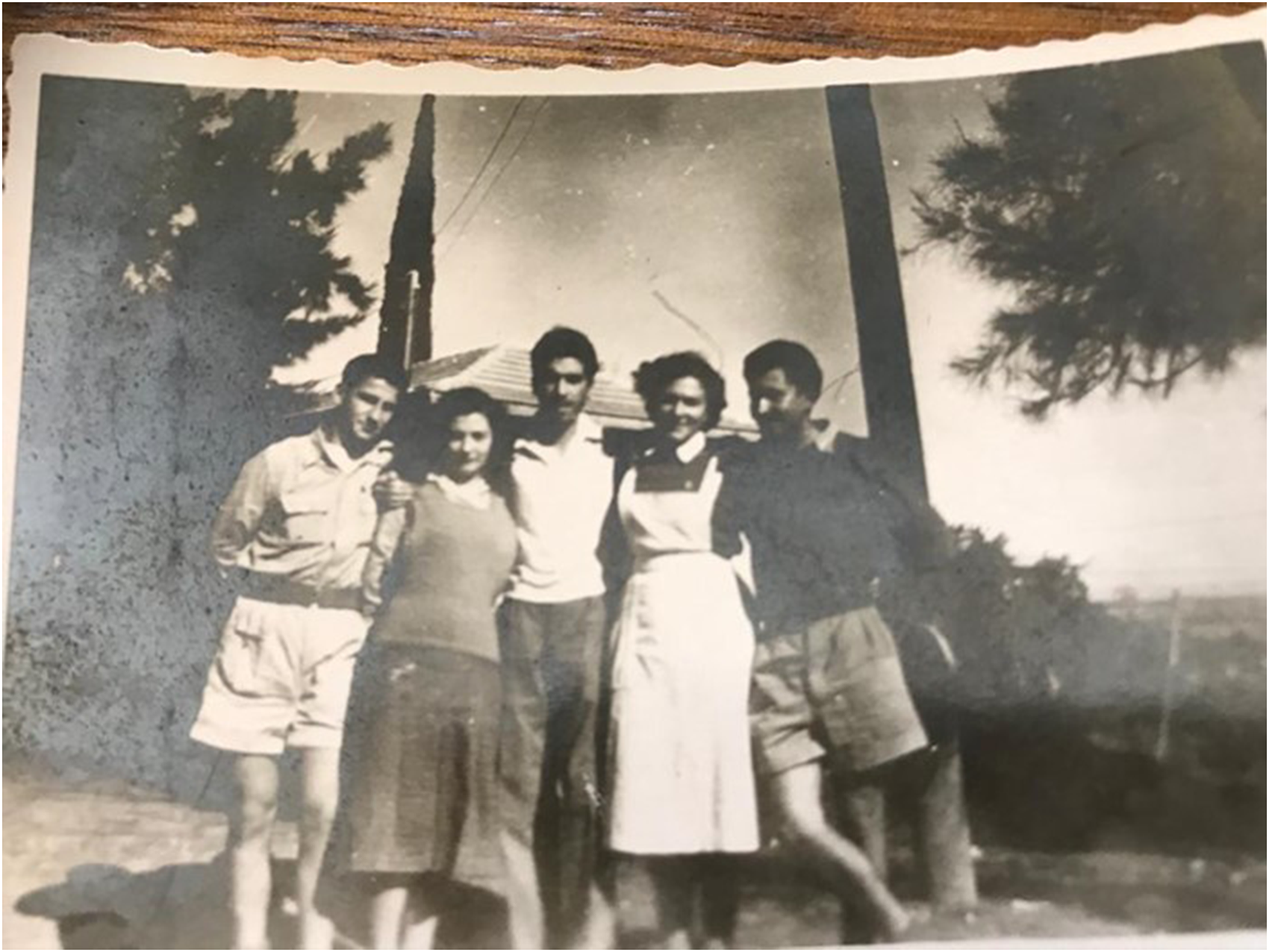
Bracha Ramot (second from the right) at a Palmach wounded station in the Negev in 194. Ramot Family Private Archive.
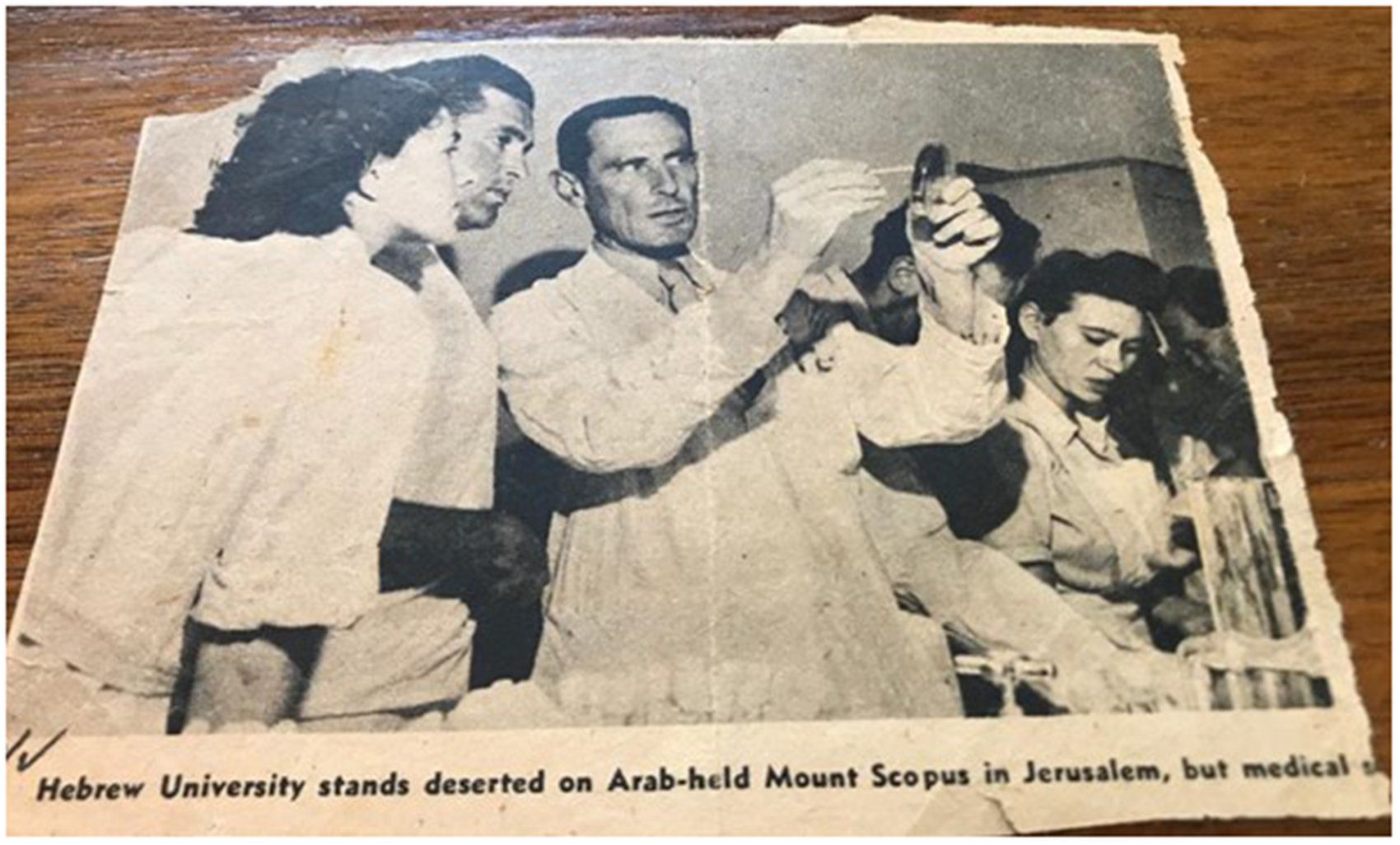
Joshua and Bracha Ramot (on the left) in a class at the medical school. Article in the press. Ramot Family Private Archive.
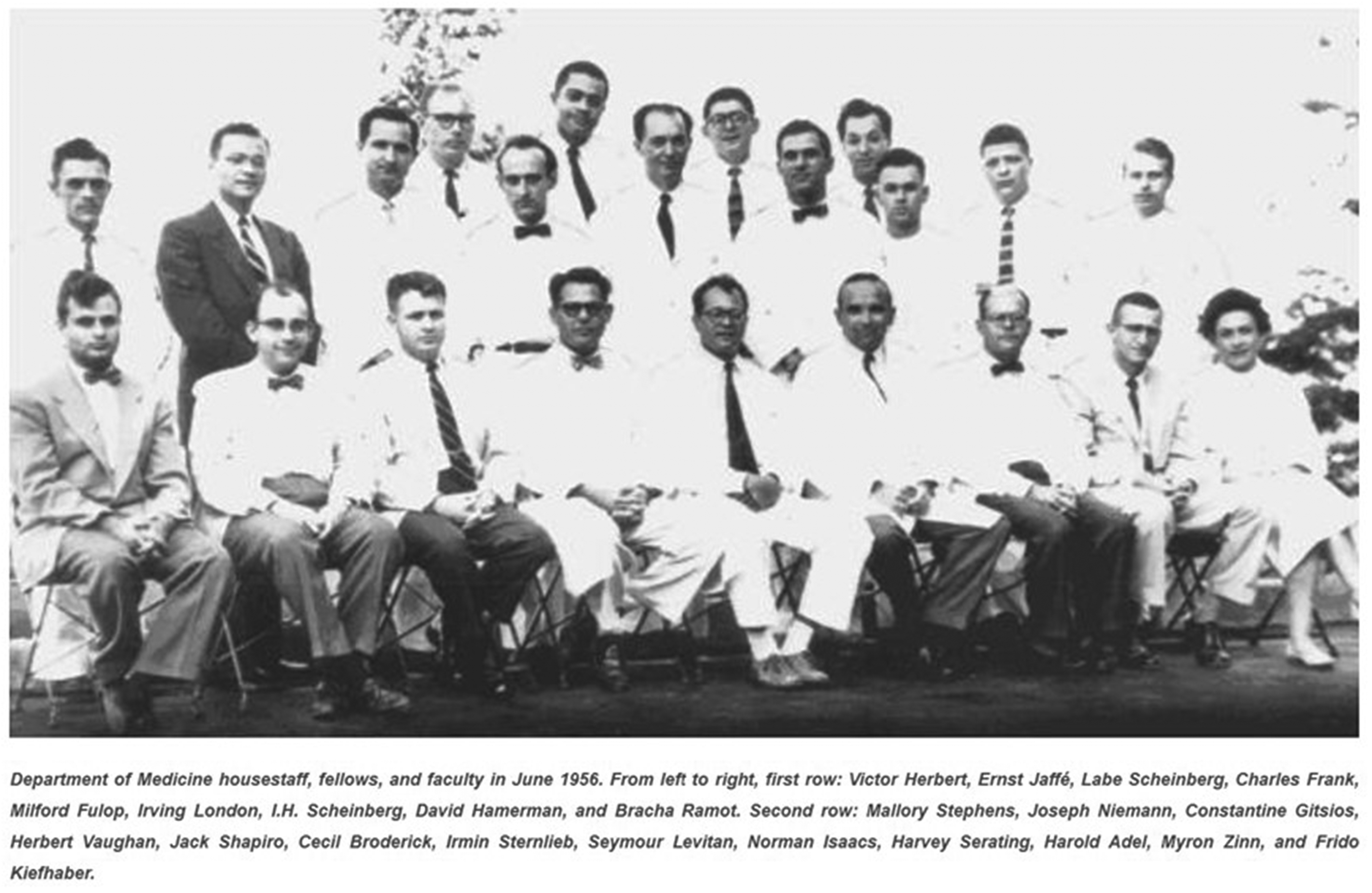
Ramot with her peers at the Albert Einstein School of Medicine.
Footnotes
Acknowledgment
The article is part of a project in which Dr Ari Barell is also a partner, and we thank him for his help and advice.
Declaration of conflicting interests
The authors declared no potential conflicts of interest with respect to the research, authorship, and/or publication of this article.
Funding
The author(s) disclosed receipt of the following financial support for the research, authorship, and/or publication of this article: This work was supported by the Israel Science Foundation (grant number 1258/18).
1.
The Hebrew University Archives (hereafter HUA), Personal File; Interview with Orna Ramot, 24 June 2020.
2.
Kantautiene L. Raseiniai region Jews. Their lives and fates. Klapeda: Saulius Jokuzys. Publishing and Printing House. 2018.
3.
Bracha Ramot's testimony, tape No. 033C-5848, Record Group 0.3, Testimonies of Yad Vashem Archives, 11140, p. 8 (transcription).
4.
Ibid.
5.
Balkelis T. Ethnicity and identity in the memoirs of Lithuanian children deported to the Gulag in narratives of exile and identity: Soviet deportation memoirs from the Baltic States. In: Davoilute Violeta and Balkelis Tomas (eds). Budapest-New York: CEU Press. pp. 41–63. 2018.
6.
Op. cit. ref. 5, p. 8.
7.
Op. cit. ref. 5, pp. 9–10 and Jewish Virtual Library.
8.
Op. cit. ref. 5, p. 12.; Anonymous, Bracha Ramot Macabi Spring 2001, p. 20, (in Hebrew); Op. cit. ref. 5, p. 13. The HaBricha (escape) movement, an organization of Holocaust survivors that aided the flow of masses of refugees in navigating their way to the West, and in preparation for their immigration to Israel between 1944 and 1948. https://www.habricha.org.il/?page_id=25&lang=en (accessed 4 July 2020);  (accessed 20 July 2021).
9.
Op. cit. ref. 5, pp. 15–16; Zeev Ofer and Thila Ofer Yiftah—Palmach Brigade in the War of Independence, Tel Aviv: Members of the Yiftah-Palmah Brigade, 2013, published by a group of members of the Yiftah-Palmach Brigade. Anonymous. op. cit. ref. 10.
10.
Anonymous. op. cit. ref. 10; Orna Ramot. op. cit. ref. 3. The Hebrew University of Jerusalem was founded in 1925. In the mid-1930s, Hadassah Hospital was built on Mount Scopus, near the Hebrew University campus, not before Hadassah organization and the Hebrew University signed an agreement to establish a medical school. Yet, the Hebrew University School of Medicine did not officially open its doors until 1949, Becker, Yehiel. 2009. “Development of the Hebrew University Microbiology Institute, 1924–1948.” In History of the Hebrew University of Jerusalem: academic progression in a period of national struggle, Hagit Lavski (editor). Jerusalem: Magnes Press, 2009 (in Hebrew), p. 206.
11.
Bracha Ramot, undated, Ramot Family Private Archive (hereafter RFA).
12.
Protocol—meeting with journalists, 20 December 1948, HUA, 24/II Medicine June to December 1948.
13.
Brochure for the Inauguration of the Medicine Faculty, 1949, HUA, 24 p. 15; Nederland, Doron, and Kaplan, Zohar. The School of Medicine of the Hebrew University and “Hadassah” in Jerusalem—preparations and first years. Department of History of the Land of Israel and its settlement. 1988; 48: 163–145; Katzburg-Youngman, Mira. Female Zionist Identities in America: Hadassah versus Oriental Women—1912–1948. Between religion, nationality, and country; The struggle for Jewish identity in modern times. Yossi Goldstein (editor). Interdisciplinary Yearbook 2014; A: H119-H135.
14.
Kirsh, Nurit. “Bracha Ramot”. Jewish Women Encyclopedia. Jewish Women's Archive. 2009; Op. cit. ref. 5, pp. 16–17.
15.
Geva, Sharon. What does the woman say? Women in Israel in the first years of the state. Jerusalem: Y. L. Magnes. 2020; Kozma, Liat and Nuriely, Benny. “Why Don't You Go to Nursing School?”: Hebrew University Medical School as a Gendered Experience, 1950–1970. Journal of Middle East Women's Studies. 2022; 18 (1): 81–104.
16.
Personal File. Op. cit. ref. 3; Interview with Arieh Ramot, 11 March 2020; Orna Ramot. op. cit. ref. 3; Official Certificate from 1927, Marriage Certificate of Yehoshua Neuberger and Bracha Chweidan, RFA 28. December.1949; Kirsh, op. cit. ref. 16.
17.
Anonymous. op. cit. ref. 10.
18.
Chweidan to Rina Dotan, 1949, RFA.
19.
A piece that Ramot wrote during a conference in Eilat on the topic “Doctor-Patient Relationship”, undated. RFA.
20.
Her grades during medical school included only one “very good”. All others were “excellent.” Op. cit. ref. 5, p. 17; Personal File. op. cit. ref. 3; Anonymous. op. cit. ref. 10.
21.
Levy N and Levy Y. Physicians of the land of Israel 1799–1948. Zikhron Yaakov: Itay Bahur Publishing, 2008.
22.
Gordon, Sarah, All our Lives: A centennial history of Michael Reese Hospital and Medical Center, 1881–1981, Hektoen International Journal, A Journal of Medical Humanities. 2013; Shapiro, Charles M. The rise and death of Chicago's Michael Reese Hospital. Hektoen International Journal, A journal of Medical Humanities. 2013.
23.
Coller BS. Blood at 70: its roots in the history of hematology and its birth. The American Society of Hematology. 2015; 126(24): 2848–2858.
24.
Roman, Tzipora, I will not be resuscitated or put in tubes, Laisha, July 23, 2001. (Hebrew).
25.
Ben-Bassat, Isaac and Raanani, Pia. In Memoriam: Bracha Ramot (1927–2006). Blood Cell, Molecules, and Diseases. 2007; 39 (2):135–139; Singer, Karl and Ramot, Bracha. Pseudohemophilia Type B: Hereditary Hemorrhagic Diathesis Characterized by Prolonged Bleeding Time and Decrease in Antihemophilic Factor, A.M.A. Archives of Internal Medicine. 1956; 96 (6):715–725.
26.
Dr Nacheles to Sheba, 1954, Chaim Sheba's Archive (hereafter CSA), File 1—1954–1958, N3768, N3769.
27.
Ramot to Rina Dotan., 6 December .1954 RFA.
28.
History | About Einstein | Albert Einstein College of Medicine (einsteinmed.edu) (accessed 13 June 2020); Fulop M. The Department of Medicine at the Albert Einstein College of Medicine, 1955-1980. The Einstein Journal of Biology and Medicine 2004 Mar 1; 20(2): 53-58.
29.
Personal File. op. cit. ref. 3.
30.
Lowy, Bertram A.; Ramot, Bracha and London, Irving M. Adenosine Triphosphate Metabolism in the Rabbit Erythrocyte in vivo. Nature. 1958; 181:324–326; Lowy, Bertram A.; Ramot, Bracha and London, Irving M. Adenosine Triphosphate Metabolism in the Rabbit Erythrocyte in vivo and in vitro. Annals of the New York Academy of Science. 1958; 75:148–155; Lowy, Bertram A; Ramot, Bracha and London, Irving M. The Biosynthesis of Adenosine Triphosphate and Guanosine Triphosphate in the Rabbit Erythrocyte in Vivo and in Vitro. The Journal of Biological Chemistry. 1960; 235(10): 2920–2923.
31.
Roman. op. cit. ref. 26.
32.
Schwartz, Shifra. Health insurance, the series, government. Kiryat Sade Boker: The Ben-Gurion Heritage Center, Ben-Gurion University of the Negev. 2000.
33.
Ramot to Prof. Zilberstein, details of the medical and research activities of the Hematology Institute, 22 March 1962, CSA, file 26—Various Correspondences 1–4. 1962, A7202; Bracha Ramot Recorded Interview, 1998, CSA; Barell, Ari and Kirsh, Nurit (in press) The Hospital as a Laboratory: Biomedical Research at Tel-Hashomer Hospital in Israel (1950s–1960s), Science in Context; Anonymous. op. cit. ref. 10.
34.
Dr Cohen to Sheba 24 February 1967, CSA, Folder 41, Document A6011.; Sheba to Dr Braff, 10 December 1967, CSA, file 45—1968–1967, documents N7382-N7383; Sheba to Dr Kishon, Mayo Clinic, 4 June 1968, CSA, file 46 1968–1969, documents A8305-A8306.; Bracha Ramot, 1998. op. cit. ref. 35; Interview with Prof. Gideon Rechavi, 12 October 2020.
35.
Eli (no surname) to Arieh Ramot, 22 July 2006, RFA.
36.
Bracha Ramot obituary by her daughter Orna, 30 May 2006, RFA.
37.
Roman. op. cit. ref. 26.
38.
Ramot B, Angelopoulos B and Singer K. Plasma thromboplastin antecedent deficiency. A.M.A. Archives of Internal Medicine 1955; 95:705–712.
39.
Ben-Bassat, Isaac and Raanani, Pia. “In Memoriam: Bracha Ramot (1927–2006)”. Blood Cell, Molecules, and Diseases. 2007. 39 (2): 135–139; Leiba, H.; Ramot, Bracha and Many, Amira. Heredity and Coagulation Studies in Ten Families with Factor XI (Plasma Thromboplastin Antecedent) Deficiency. Brit. J. Haemat. 1965; 2:654–665; Selighson, Uri; Shani, Mordechai; Ramot, Bracha; Adam, Avinoam and Sheba, Chaim “Hereditary deficiency of blood clotting factor VII and Dubin-Johnson syndrome in an Israeli family”. Isr. J. Med. Sci. 1969; 5:1060–1065; Selighson, Uri; Shani, Mordechai; Ramot, Bracha; Adam, Avinoam and Sheba, Chaim. “Dubin-Johnson Syndrome in Israel II. Association with Factor VII Deficiency”. Q. J. Med. 1970; 39:569–584; Selighson, Uri and Ramot, Bracha. “Combined Factor-V and Factor-VIII Deficiency: Report of Four Cases”. Brit. J. Haemat. 1969; 6:475–486.
40.
Interview with Prof. Isaac Ben-Bassat, 15 October 2020; Barell and Kirsh. op. cit. ref. 35.
41.
Sheba, Chaim; Szeinberg, Arieh; Adam, Avinoam and Ramot, Bracha. Distribution of Glucose-6-Phosphate Dehydrogenase Deficiency (G6PD) among Various Communities in Israel in Proceedings of The Second International Congress of Human Genetics. (Rome, September 6–12, 1961). Gedda Luigi (editor). Rome: Instituto G. Mendel. 1963; 1:633–634; Szeinberg, Arieh; Sheba, Chaim; Adam, Avinoam and Ramot, Bracha. A hereditary abnormality of the metabolism of glutathione in the red blood cells. Acta Genet. Med. Gemellol. (Roma). 1959; 8:151–157.
42.
Ramot, Bracha and Brok, Frida. A new glucose-6-phosphate dehydrogenase mutant (Tel-Hashomer mutant). Ann. Hum. Genet. 1964; 28:167–172.
43.
Ben-Bassat and Raanani. op. cit. ref. 41; Beutler, E.; Blume, K. G.; Kaplan, J. C.; Lohr, G. W.; Ramot, Bracha; and Valentine, W. N. International committee for standardization in Haemotology: Recommended methods for red-cell enzyme analysis. British Journal of Haematology. 1977; 35:331–340; Beutler, E.; Blume, K. G.; Kaplan, J. C.; Lohr, G. W.; Ramot Bracha and Valentine, W. N. International Committee for standardization in hematology: Recommended screening test for Glucose-6-Phosphate Dehydrogenase (G6PD) Deficiency. British Journal of Hematology. 1979; 43: 469–477.
44.
Rappaport, Henry; Ramot, Bracha; Hulu, Nora and Park, Jung K. The pathology of so-called Mediterranean abdominal lymphoma with malabsorption. Cancer. 1972; 29:1502–1511.
45.
Ben-Bassat and Raanani. op. cit. ref. 41; Ramot, Bracha et al. Primary intestinal lymphoma: Clinical manifestations and possible effect of environmental factors. Recent Results in Cancer Research. 1972; 39:193–199; Ramot, Bracha. Intestinal lymphoma with malabsorption in Mediterranean populations. Isr. J. Med. Sci. 1971; 7:1488–1490; Ramot, Bracha. Malabsorption due to lymphomatous disease. Annu. Rev. Med. 1971; 22:19–24.
46.
Bracha Ramot, 1998. op. cit. ref. 35.
47.
Prof. Miron Prokocimer to the Ramot family, 6 September 2006, RFA.
48.
Rechavi, op. cit. ref. 36.
49.
Ben-Bassat and Raanani. op. cit. ref. 41; Berkowicz, Miriam; Rath, Peter; Aghai, Esther; Many, Amira; Ben-Bassat, Isaac; Hulu, Nora; Ramot, Bracha and Brenner, Harry. Selective splenectomy in Hodgkin's disease, stages I and II. Results of treatment. Isr. J. Med. Sci. 1978; 14:1275–1282.
50.
Ben-Bassat and Raanani. op. cit. ref. 41; Ramot, Bracha; Ben-Bassat, Isaac; Brecher, Arieh; Zaizov, Rina and Modan, Michaela. The epidemiology of childhood acute lymphoblastic leukemia and non-Hodgkin's lymphoma in Israel between 1976 and 1981. Leuk. Res. 1984; 8 (4):691–699; Ramot, Bracha; Ben-Bassat, Isaac; Biniaminov, Miriam and Rosenthal, Esther. Observations on the epidemiology and subtypes of lymphatic malignancies in Israel. Leuk. Res. 1985; 9 (6):769–770; Ramot, Bracha and Ben-Bassat, Isaac. Environment and malignancies of the lymphatic system. Princess Takamatsu Symp. 1987; 18:87–94.
51.
Ramot, Bracha and Magrath, Ian. Hypothesis: the environment is a major determinant of the immunological sub-type of lymphoma and acute lymphoblastic leukemia in children. Br. J. Haematol. 1982; 50:183–189; Ramot, Bracha and Ben-Bassat, Isaac. Environment and malignancies of the lymphatic system. Princess Takamatsu Symp. 1987; 18:87–94; Ramot, Bracha; Ben-Bassat, Isaac; Many, Amira; Kende, George; Neuman, Yoram; Brok-Simoni, Frida; Rosenthal, Esther and Orgad, Shlomit. Acute lymphoblastic leukemia subtypes in Israel: The Sheba Medical Center experience. Leukemia Research. 1982; 6 (5):669–673; Ramot, Bracha; Ben-Bassat, Isaac; Many, Amira, Kende; George; Neuman, Yoram; Brok-Simoni, Frida and Rosenthal, Esther. Clinical and Epidemiological Observations on Acute lymphoblastic leukemia subtypes at the Sheba Medical Center, Israel. Haematol. Blood. Transfus. 1983; 28:67–69.
52.
Ben-Bassat and Raanani. op. cit. ref. 41; Shpilberg, Ofer; Modan, Michaels; Modan, Baruch; Chetrit, Angela; Fuchs, Zahava and Ramot, Bracha. Familial aggregation of haematological neoplasms: A controlled study. British Journal of Haematology. 1994; 87:75–80; Shpilberg, Ofer; Modan, Michaels; Modan, Baruch; Chetrit, Angela and Ramot, Bracha. Familial aggregation of Nonhematological malignancies in relatives of patients with hematological neoplasms. Acta Haematol. 1999; 101:21-; Anonymous. op. cit. ref. 10.
53.
NIH certificate. Fogarty Scholar Residence at the Fogarty International Center. National Institutes of Health (NIH) RFA.
54.
Ben-Bassat and Raanani. op. cit. ref. 41; Rechavi, Gideon; Brok-Simoni, Frida; Katzir, Nurit; Mandel, Mathilda; Umiel, Tehila; Stark, Batia; Zaizov, Rina; Ben-Bassat, Isaac and Ramot, Bracha. More than two immunoglobulin heavy chain J region genes in the majority of infant leukemia. Leukemia. 1988; 2:347–350; Rechavi, Gideon; Mandel, Mathilda; Katzir, Nurit; Brok-Simoni, Frida; Hakim, Itzhak; Holtzman, Fanny; Biniaminov, Miriam; Givol, David; Ben-Bassat, David and Ramot, Bracha. Immunoglobulin heavy chain gene rearrangements in chronic lymphocytic leukaemia: Correlation with clinical stage. British Journal of Haematology. 1989; 72:524–529.
55.
56.
Interview with Prof Pia Raanani, 30 March 2021; Rechavi. op. cit. ref. 36.
57.
Ramot interview, Cancer Society, issue 2, July 1984, pp. 10–13.
58.
Raanani. op. cit. ref. 58; Rechavi. op. cit. ref. 36.
59.
Interview with Prof. Orna Tal, 13 December 2020.
60.
Noddings, Nel. Caring: A relational approach to ethics and moral education. 2nd ed. Berkeley: University of California Press. 2013.
61.
Curriculum Vitae, Personal File. op. cit. ref. 3.
62.
Sheba to Prof. Strauss, Hebrew University School of Medicine. 31 January 1962. CSA, File A70 Sheba Various Personal Correspondence 1961–1962, Document A6855.
63.
Sheba to the Supreme Council of Tel Aviv University, 19 December 1963, CSA, File 6 1954–1964, Documents 3649–3650.
64.
Sheba to Henry Barnett, Head of the Department of Pediatrics at the Albert Einstein School of Medicine. 15 April 1962, CSA, File 26, Miscellaneous Correspondence 4-1 1962, Document 7074; Protocol of the meeting of the faculty council. 16 February 1964, CSA, File 6 1954–1964, Documents 3397–3399.
65.
Appointment letter signed by the Rector, Prof. Benzion Katz, 28 December 1965; and also The Dearest Citizen of Tel Aviv 2003 booklet, both from RFA.
66.
Appointment letter signed by the Rector, Prof. Katz, 15 May 1968, Tel Aviv University Archives (hereafter TAUA), File 155A 14/50—900.0349/70 Faculty of Continuing Studies in Medicine—Appointments; Appointment letter signed by the Rector, Prof. de Vries, 10 January 1971, File 14/70, AATA; Prof. Gitter, dean of the medical school, invitation letter to join the Damascus Foundation committee, 11 January 1971, TAUA.
67.
Dorian Goldman, to Ramot, 14 February, 2005; and Prof. S. Segal to Ramot, 5 September 1996, both from RFA.
68.
69.
The Dearest citizen of Tel Aviv. op. cit. ref. 67; Curriculum Vitae. op. cit. ref. 70; Mira Seltzer, Yaakov Seltzer's wife (CEO of the Maccabi Health Insurance Fund in Haifa and the North), to Ramot family. June 2006, RFA.