




Abstract
Sait Bilal Golem is an Albanian veterinarian who graduated from the Military Veterinary School in 1920. Golem started his doctorate in microbiology at Alfort Veterinary School. In this process, he worked as an assistant to the world-renowned French microbiologist Dr Gaston Ramon at the Pasteur Institute. After his doctorate, he returned to Albania and established the Veterinary Affairs Organization and made significant contributions to its structuring in international standards. Dr Golem returned to Türkiye in 1926 and started working at the Central Institute of Hygiene. Dr Golem, together with physicians and veterinarians at this institute, diagnosed brucellosis in animals and humans with serological methods for the first time in Türkiye. Moreover, he isolated Newcastle virus from embryonated eggs for the first time and prepared Komarov type attenuated dry vaccine against this virus for the first time in Türkiye. He conducted the first research on the diagnosis of Q fever and prepared the first intradermal BCG vaccine in Türkiye. Through his studies for both public and animal health in Türkiye, he has contributed to the One Health concept with an understanding that transcends time.
Introduction
One Health is a health approach that advocates considering human, animal, and ecosystem health, as well as interdisciplinary cooperation to achieve the highest level of health, as well as a concept that provides an understanding of the control and spread of zoonoses and infectious diseases.1–3 Since ancient times, this approach has interacted with elements such as veterinary medicine, human medicine, and public health. When animals began to be domesticated, they interacted with each other. This relationship and cooperation emerge as the One Health concept in today's world. Scientists advocating this cooperation state that there is no clear line between human and veterinary medicine and veterinary medicine and human medicine are complementary.1,4–7
The first veterinary school in Türkiye was opened in 1842 with the name Military Veterinary School to meet the Turkish army’ needs. 8 Due to the demand for more military veterinarians in the following years, it was decided to increase the number of students at the school. In this process, Military Veterinary Classes continued their education within the School of Medicine. 9 Toward the end of the 19th century, the first Civil Veterinary School was opened in 1889 due to the need for civilian veterinarians. 10 In 1920, Military and Civil Veterinary Schools were merged, and educational activities continued under Higher Veterinary School. 11 Hundreds of veterinarians graduated from the Military and the Civil Veterinary School. Among these graduates were scientists such as Adil Mustafa Şehzadebaşı (1871–1904), 12 Osman Nuri Eralp (1877–1940), 13 and Ord. Prof. Dr Süreyya Tahsin Aygün (1895–1981) 14 successfully worked in medicine and veterinary microbiology that could be claimed to contribute to the One Health concept.
The present study aimed to reveal the contributions of Sait Bilal Golem, who graduated from the Military Veterinary School and pioneered valuable scientific research within the framework of One Health concept by conducting significant research in the field of microbiology and the history of medicine in Türkiye, especially in his professional life and academic studies.
Material-Method
The material for the study consists of personal interviews with the surviving grandchildren of Sait Bilal Golem, Lale Beril Başman, and Cem Başman, first-hand sources such as documents and photographs obtained from the family archive, the Ministry of National Defense of Türkiye Archive, Presidency of the Republic of Türkiye, Directorate of State Archives, The Albanian State Archives, books, journals, newspapers giving information about the life and works of Sait Bilal Golem, and scientific articles published by him. The information obtained from the document analysis was written following the chronology with a retrospective approach.
Results
Biography and professional life
Sait Bilal Golem was an Albanian living in Ottoman-ruled region as in Istanbul and Albania. Golem was born on February 9, 1899, in Istanbul. After completing his primary and secondary education in Istanbul, he entered the Military Veterinary School in 1916. After graduating from the Military Veterinary School in 1920
15
he was given the rank of lieutenant on June 13, 1920.
16
He was appointed as an intern veterinarian on July 25, 1920, to the Military Practice Veterinary School, where those who graduated from the Military Veterinary School then did their internship for 1 year. He went to Anatolia on December 15, 1920, and joined The Turkish War of Independence (1919
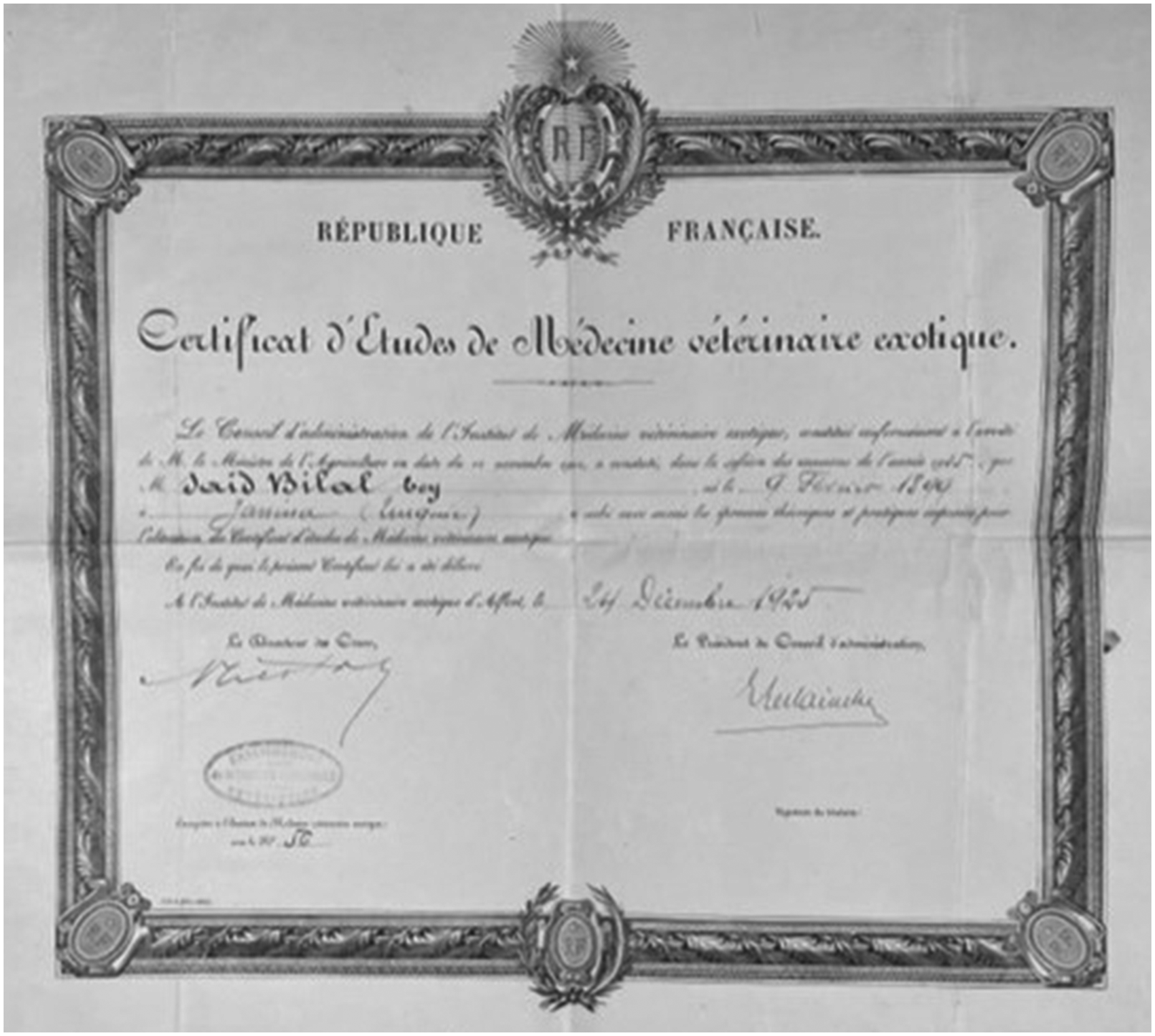
PhD diploma of Dr Sait Bilal Golem (Courtesy of grandchildren Lale Beril Başman ve Cem Başman archive).
Dr Golem returned to Türkiye in 1926 and was appointed as a bacteriology and serology assistant at the Ankara Bacteriology Institute. 17 He was awarded a red-striped Independence Medal for his services in the army during the National Struggle, with document number 4252, based on the 2nd article of law No. 869, dated 30 May 1926. 16
Dr Golem married Juliette Scherer (who took the name Nilüfer Golem after marriage) on November 8, 1927, whom he met while in France on military duty. However, he resigned from the army as it was forbidden to marry a foreign woman under Article 5 (1) of the Army Law No. 912 dated June 7, 1926.21,22
After leaving the Turkish army, Dr Golem went to Albania with the permission of the Government of the Republic of Türkiye at the request of the Albanian Government for an expert bacteriologist. 23 He established the Albanian Veterinary Affairs Organization and was appointed general director (Figure 2). Dr Golem has also opened a bacteriology laboratory in Albania. In honor of his successful work in Albania, in 1969, this laboratory he founded was named after him.17,24,25 The Albanian People's Assembly awarded the medal of labor (Urdhrin e Punës të Klasit I) for his achievements. 18 Golem was sentenced to prison for his opposition to King Ahmet Zogu by participating in the Vlora movement (Albanian patriotic movement organized against the Italian-backed government) in Albania, which had politically tough times in the first weeks of August 1932. He was released after some time in prison. 19
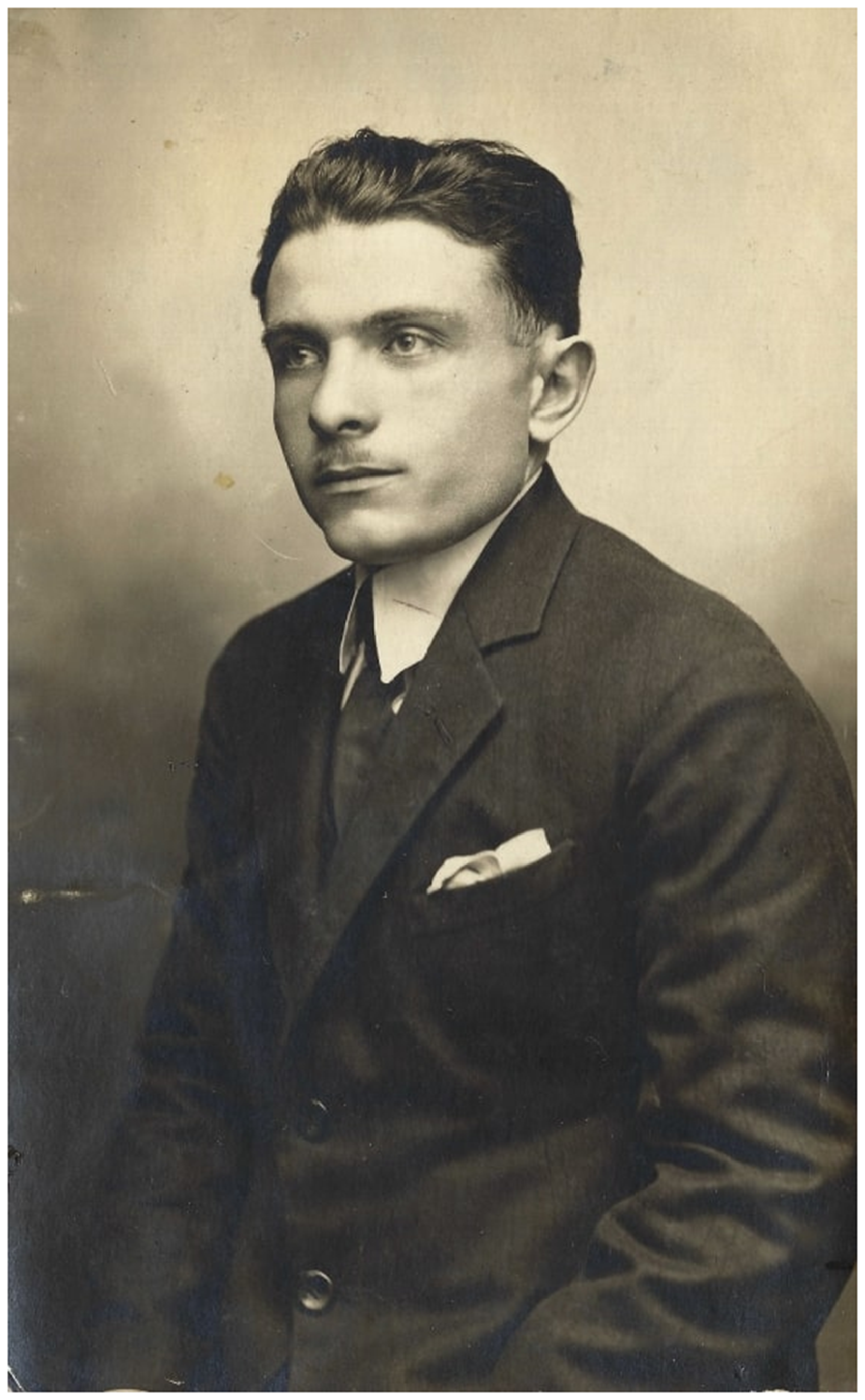
Dr Sait Bilal Golem in the late 1927s (Courtesy of grandchildren Lale Beril Başman and Cem Başman archive).
Dr Golem's studies in Türkiye
After Dr Golem was released, he was invited to Türkiye by the Ministry of Agriculture of the Republic of Türkiye and appointed as a veterinary bacteriologist at Karacabey Stud Farm.17,26 After working in this position until July 31, 1935, he was appointed to the Ankara Central Institute of Hygiene as a veterinary bacteriologist. He was promoted to Deputy Director of the Institute in 1948 and the General Secretary of the Institute in 1949 (Figure 3).17,18
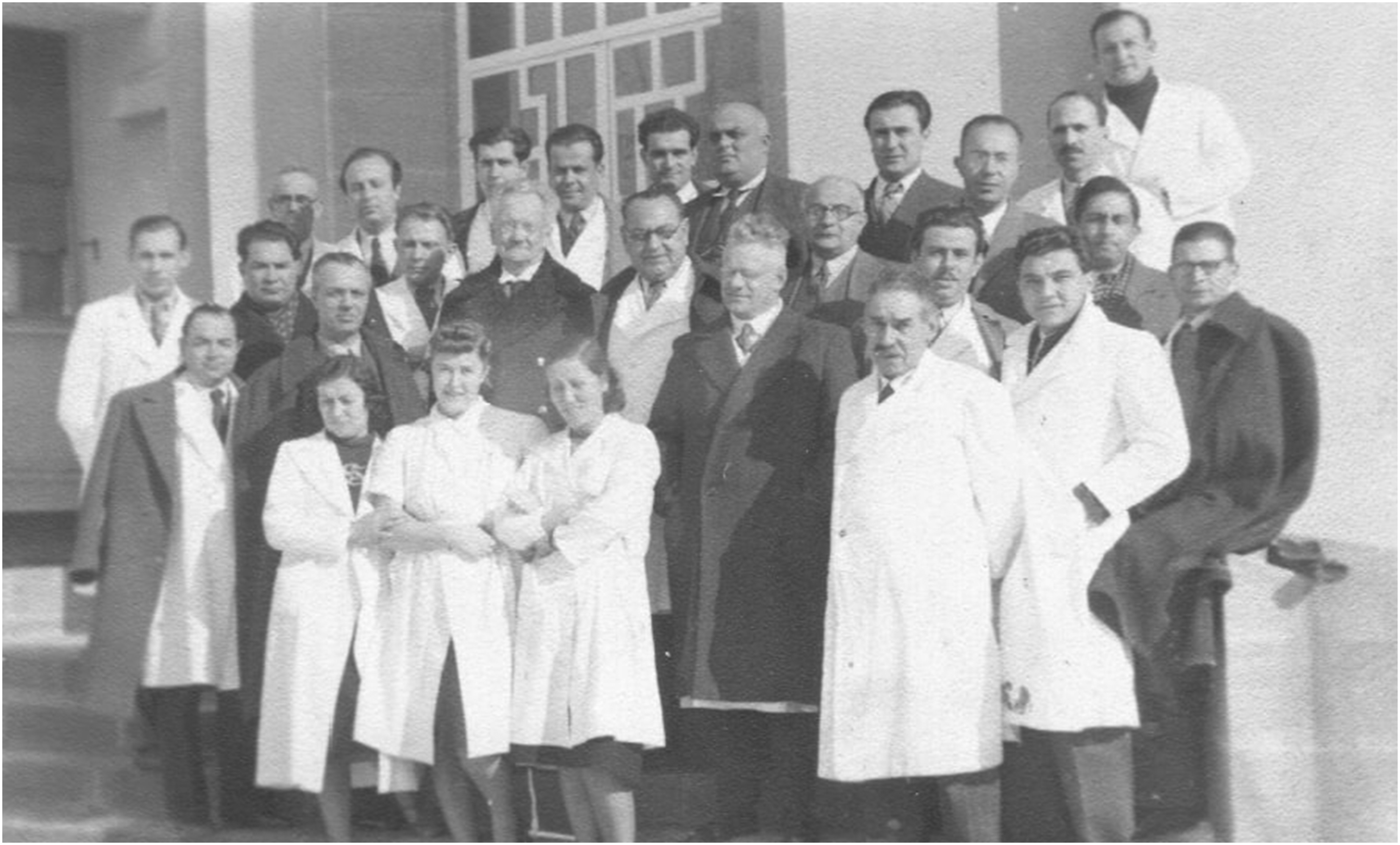
Dr Sait Bilal Golem with colleagues at the Ankara Central Institute of Hygiene (Courtesy of grandchildren Lale Beril Başman and Cem Başman archive).
Scientific studies at the Central Institute of Hygiene
In 1936, the Tularemia (a zoonotic diseases caused by bacteria named Francisella tularensis) epidemic occurred for the first time in Türkiye in the Thrace region and was first diagnosed by the internal medicine physicians of the Çorlu Military Hospital. 27 Dr Golem isolated Tularemia bacteria with Prof. Dr Server Kâmil Tokgöz (1881–1943) in 193728,29 and obtained successful results by performing vaccine studies on laboratory animals. Dr Golem and Dr Tokgöz produced immune serum for the treatment of Tularemia. With his agglutination test, Dr Golem reported that Tularemia and human plague are different diseases but like Brucella in coagulation.28–30 Dr Golem has also studied Tularemia in cold-blooded animals, showing that turtles and frogs can also get the disease. 31 According to previous studies on Tularemia, it was accepted that the disease existed in the Thrace region. With the disease outbreak in other areas of Türkiye, Dr Golem conducted a study across Türkiye and examined both human blood serum and the blood serum of cattle, sheep, goats, water buffalo, and horses. He reported that Tularemia antibodies were seen in the serum of humans and animals in all regions of Türkiye, with this examination being conducted in 1944. 32 In addition, an epidemic broke out in Thrace-Turkey in May 1945, and 18 people, 15 of whom were soldiers, were affected. In his study on the epidemic, Dr Golem identified the causative agent Tularemia in the samples taken from Kaynarca Stream water. 27
Dr Golem obtained tetanus antitoxin serum in his studies on cattle between 1937 and 1938. 33 In 1943, Brucella was first diagnosed in animals and humans by serological methods in Türkiye by Dr Golem.34–36 Dr Golem examined the Brucella cases reported to the Ministry of Health between 1930 and 1948 in his article titled “The Situation of Brucellosis in Our Country” (1949) and found that 10% of the cases occurred in the first four months of the year, 56% in the second four months of the year, and 34% in the last four months of the year. He said that since almost half of Türkiye's population was engaged in farming then, it was more common among people living a rural way of life. Still, the hospital admissions of the villagers were low. People living in the city caught the disease from buffalo and cow's milk. It also emphasized that the physicians and veterinarians of the period did not know enough about this disease and that there were not enough laboratories for diagnosis. In the same article, he reported that two strains were causing Brucella in Turkey (Brucella mellitensis and Brucella abortus), and Brucella mellitensis was the most common in Türkiye. Dr Golem said that since only bovine brucellosis was being fought in Türkiye at that time, it was necessary to fight against bovine brucellosis and other diseases and that it was essential for medical doctors and veterinarians to cooperate to protect human health. Dr Golem identified the Brucella agent from the cattle he examined in Kırklareli, Seyhan (Adana), and Sivas cities in Turkey.34,37 Dr Golem attended the “International Congress of Comparable Pathology” held in Istanbul between 13 and 19 May 1949 and presented a statement on the status of Brucellosis in Türkiye. 37
Emphasizing the importance of food in public health, Dr Golem demonstrated the bactericidal effect of milk and dairy products in Ankara against Brucella, Tuberculosis, and Typhoid agents between 1938 and 1944.38,39 Dr Golem thought that penicillin could be used against Anthrax, and in 1945 he applied penicillin treatment to 21 experimental animals with Anthrax and achieved successful results. 40
The first studies on Q fever disease in Türkiye were conducted by Dr Sabahattin Payzın (1916–1992) and Dr Golem.41,42 Two scientists isolated Coxiella burnettii bacteria in Türkiye by taking blood samples from people infected with Q fever and inoculating them into experimental animals. 43
In the autumn of 1944, a large epidemic resulted in thousands of chicken deaths in Türkiye. 44 For this reason, Dr Golem started to work to diagnose the disease that caused this epidemic. In 1949, Dr Zühdi Berke (1897–1979) and Dr Golem isolated the Newcastle virus from embryonated eggs and detected it. Thus, they prepared Komarov Type attenuated dry vaccine for the first time against this virus, which they isolated for the first time in Türkiye, and they obtained successful results in this vaccine study.44–46 Tevfik Seçkin conducted the first trial of the prepared vaccines, a farm veterinarian working at the Eskişehir Sugar Factory Seed Production Farm. In the report he wrote after the vaccinations, the veterinarian stated that no Newcastle cases were encountered after vaccinating chickens. 45
Dr Golem was among the founding members of the Turkish Association for Cancer Research and Control, established on February 18, 1947, to conduct cancer research, fight cancer, and engage in all kinds of education and training activities on cancer.47,48
Due to his work at the Pasteur Institute, Dr Golem was appointed as the director of the newly established BCG (Bacillus Calmette-Guerin) branch at the Central Institute of Hygiene in 1952, and he continued this duty until his death and prepared the first intradermal BCG vaccine in Türkiye.17,49 In the same year, he was awarded the title and medal of the “Order of Agricultural Merit” (Officier Du Merite Agricole) (Figure 4) by the French Government,17,18,26 and he was elected to the zoonoses expertise of the World Health Organization and continued this duty until his death by participating in the first expert committee convened in Florence. 17
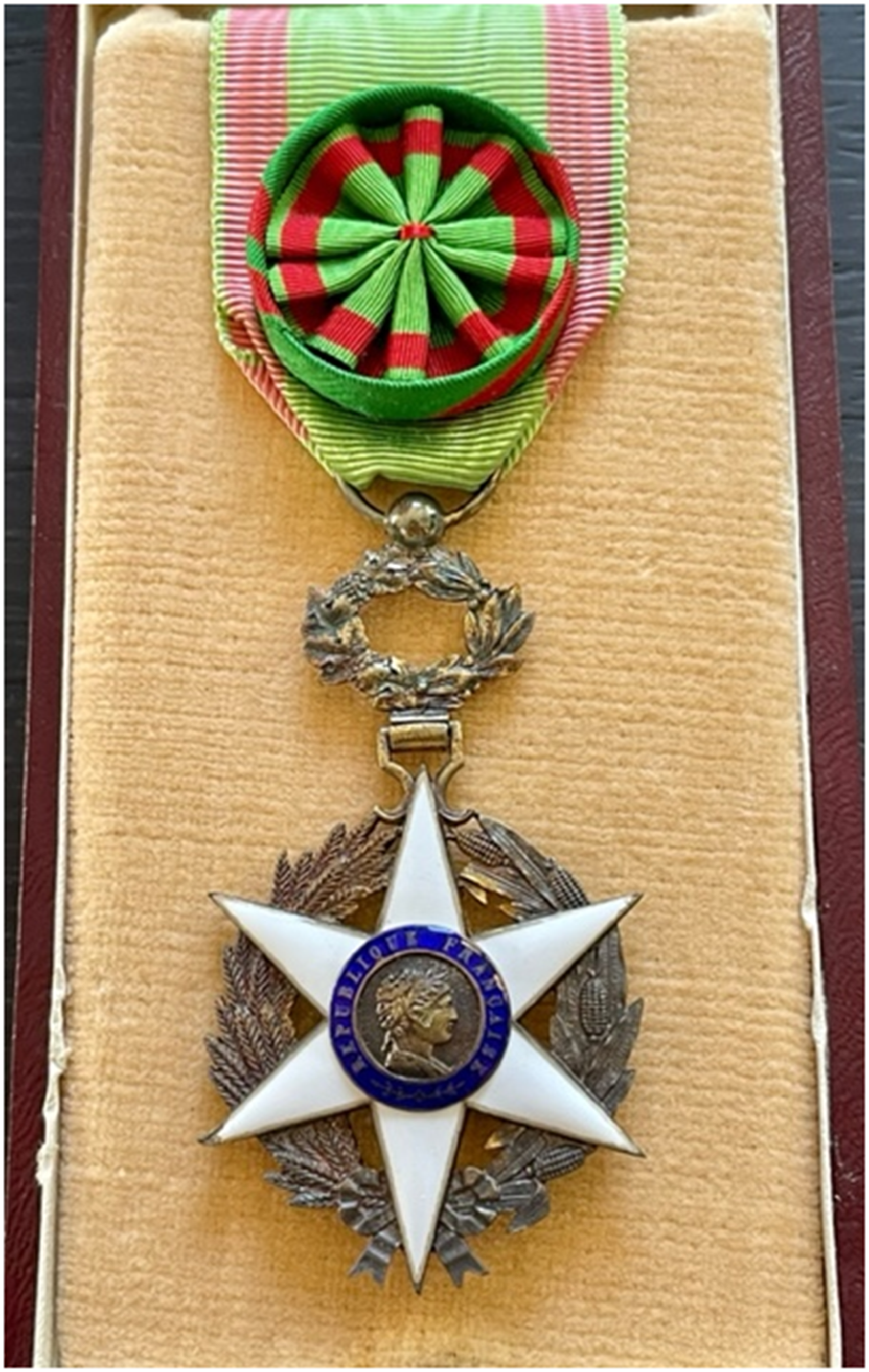
A medal awarded to Dr Sait Bilal Golem by the French Government for his works at the Pasteur Institute (Courtesy of grandchildren Lale Beril Başman and Cem Başman archive).
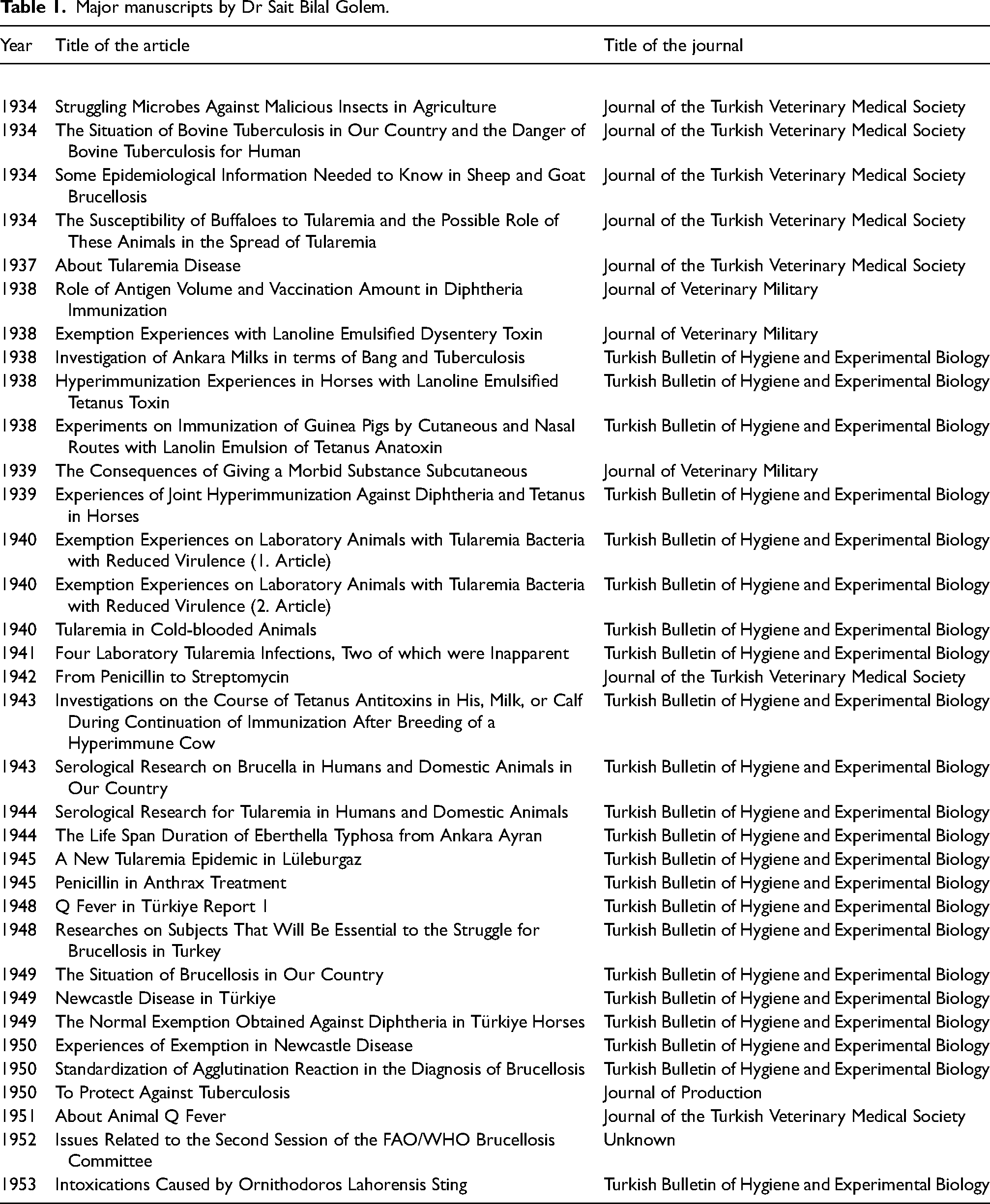
While working in the laboratory on March 24, 1937, Dr Golem got Tularemia 28 due to splashing samples in his eye, and on April 2, 1944, he fell ill with Brucella. Although these two infections plagued him for many years, he did not leave his laboratory and continued to work on the path of science until he died for love of his profession. 17 Having achieved significant success in his 35-year career, Dr Golem published many articles in human and veterinary medicine (Table 1). Dr Golem died on March 15, 1955, and was buried in the Feriköy cemetery in Istanbul.18,50
Major manuscripts by Dr Sait Bilal Golem.
Discussion
Brucellosis, one of the most common zoonotic diseases worldwide, was first isolated in 1887 by Dr David Bruce (1855–1931), who served in the British Army, from samples taken from the spleens of British soldiers who died in Malta. 51 The first detection of Brucellosis in Türkiye started in 1915 with the isolation of B. melitensis in a soldier who was treated at Kuleli Military Hospital by Dr Hüsamettin Kural and Dr Mahmut Sami Akalın.37,52,53 The first isolation of Brucellosis from cattle in Türkiye was made by Dr Zühtü Berke between 1931 and 1932. B. melitensis in sheep was first detected in 1944 on Bandırma Merinos farm.52,53 In parallel with these pioneering studies, the first detection of Brucellosis in humans and animals in Türkiye by serological methods by Dr Golem, the epidemiology of Brucellosis (determination of bacteria strains, the incidence of the disease in which months of the year, the incidence in cities and villages) can be interpreted as making significant contributions to the field of microbiology in particular, and the One Health concept in general.
Tularemia was first isolated in 1912 by George Walter McCoy (1876–1952) and Charles Chapin (1856–1941) in studies of squirrels in Tulare, California. 54 The first diagnosis of Tularemia in Türkiye was made in 1936 by military doctors and a bacteriologist from Çorlu Military Hospital in the Thrace region. 28 In this process, Dr Golem isolated Tularemia bacteria with Dr Tokgöz in 1937, performed immunization studies on laboratory animals, and obtained immune serum for treating Tularemia. In his studies, Dr Golem compared Tularemia with Plague and Brucella and stated that many animal species, including cold-blooded animals, could be infected. This has paved the way for further microbiology and epidemiology studies by revealing the Tularemia agent's presence in regional epidemics and by performing identification studies from serum samples of humans and animals in all regions of Türkiye.
Newcastle disease was first seen on the Indonesian Island of Java and Newcastle, England, in 1926. The name of the disease was given by the British scientist Doyle after the city where it was found. 55 Dr Golem isolated the Newcastle virus from embryonated eggs with Dr Berke in 1949. They prepared a Komarov type attenuated dry vaccine for the first time against this virus, which they isolated for the first time in Türkiye and obtained successful results in practice. The cooperation of these two veterinarians and their success in virus isolation and vaccine development can be counted among the critical developments contributing to the field of virology in Türkiye.
Edward Holbrook Derrick (1898–1976) gave the disease the name Q fever in 1935 after a febrile clinical manifestation in abattoir workers in Australia.36,56 The disease was discovered in 1937 when Frank Macfarlane Burnet (1899–1985) and Mavis Freeman (1907–1992) isolated the bacterium from one of Derrick's patients.56,57 Shortly after these scientists’ first isolation and identification studies, the first studies on Q fever in Türkiye and the isolation of the disease agent (Coxiella burnettii) by Dr Golem showed his innovative and intellectual personality in following current scientific developments.
Albert Calmette (1863–1933) and Camille Guérin (1872–1961) started vaccine studies for Tuberculosis at the Pasteur Institute in the 1900s and named the vaccine BCG in 1919. The first administration of the BCG vaccine to humans was in 1921 by Benjamin Weill-Halle (1875–1958) at the Paris Charité Hospital. While the first applications were oral in infants, Benjamin Weill-Halle carried out the first intradermal BCG vaccine trial. 58 In Türkiye, BCG vaccine was first administered orally in 1926 by Prof. Dr Refik Güran (1873–1963),59,60 and the first intradermal BCG vaccine was prepared by Dr Golem 49 and the first intradermal BCG vaccine was administered by Prof. Dr Tevfik Sağlam (1882–1963) in 1948.49,59,60 It can be argued that, in addition to the vaccine development studies mentioned in the discussion paragraphs above, Dr Golem's vaccine development against Tuberculosis is valuable in showing the competence of the period against zoonotic diseases, which overlaps with today's One Health concept.
In this context, when we look at practices worldwide, it is seen that the role of veterinarians is clearly understood, and they are at the forefront of protecting public health in epidemics. 61 The studies of Dr Golem, which exemplify this situation, can be considered a clear indication of the vital service of veterinarians in the One Health concept.
Conclusion
It is clear from the documents examined in the study that Dr Golem continued his studies with a passion for his profession and science, even during the most turbulent times in the Republic of Albania, following a successful education process that began with the Military Veterinary School and then continued with the Alfort Higher Veterinary School. Dr Golem, together with medical doctors and veterinarians at the Central Institute of Hygiene, conducted many studies on the epidemiology, diagnosis, treatment, and prevention of diseases such as Brucella, Tularemia, Q fever, Newcastle, Anthrax, Dysentery, Diphtheria, and Tetanus, and obtained successful results. The cooperation between physicians and veterinarians within the framework of One Health concept is an element that complements each other and brings successful results as demonstrated by Dr Golem's studies. As a result, it is thought that Dr Golem, who has served the One Health concept with an understanding beyond the period through his studies for both public and animal health in Türkiye, has a prominent place in the history of medicine. Examining and learning the history of science will make significant contributions to the development of science and that the lives and works of the scientists they have trained in the country will not be forgotten, which will support the progress of science in the country.
Footnotes
Acknowledgment
We want to thank Lale Beril Başman and Cem Başman, grandchildren of Dr Sait Bilal Golem, who helped by opening the family archive during the study, and the Turkish Association for Cancer Research and Control for their assistance with their hospitality and archives.
Declaration of conflicting interests
The author(s) declared no potential conflicts of interest with respect to the research, authorship, and/or publication of this article.
Funding
The author(s) received no financial support for the research, authorship, and/or publication of this article
