




Abstract
Many memes that emerged during the coronavirus disease-2019 (COVID-19) crisis were concerned with time and temporality. Understanding these memes as collective humorous sense-making of the uncertainty of the pandemic's first wave, we ask: how is temporality constructed in memes about the COVID-19 pandemic? Through a qualitative analysis of 117 memes from Brazil, Italy, the USA, and the UK, we identify four ways of constructing temporality. We call them temporal frames: Time Progression, Before and Now, Predictable Futures, and Future Gaze. Each frame uses humor to reflect on, and shape, meaning and experience in times of crisis, for instance by historical comparison or imagined futures. Given the centrality of memes in today's digital and popular culture, we argue that our findings contribute to discussions about how cultural practices (like humor) contribute to the cultural construction of time and how memetic internet culture structures reality construction (e.g. time construction) across the globe.
Introduction: Pandemic memes as temporal sense-making
The coronavirus disease-2019 (COVID-19) pandemic made evident how moments of crisis demand thinking and talking about time. Especially during the early stages of this crisis, people often invoked earlier pandemics, like the plague, or imagined dystopic futures, such as sci-fi movies, when talking about COVID-19. They contrasted the uncertainty of the present with memories of the more settled pasts or imagined future scenarios to calibrate their actions. Many such sense-making reflections were humorous, taking a very specific visual and digital form: internet memes. These memes were more than subjective reactions to uncertainty: they configured a culturally mediated form of collective sense-making through time reflections, what we call here temporal sense-making.
The matter of time during the pandemic has been examined from several angles, from how time was experienced in lockdown (Ogden, 2020), to subjective time-making practices responding to the new life flows created by counter-COVID governmental measures (Beynon-Jones et al., 2023). Thinking about and engaging with time through such practices allowed for the uncertainty of the future to be subjectively anchored (Coleman and Lyon, 2023; van Emmerik et al., 2024). Pandemic memes represent an opportune case study to expand such scholarship by moving from the subjective realms of temporal experiences to investigate collective constructions of temporality in popular culture during the pandemic. Doing so is an important step toward exploring the profound influence of popular culture in the collective construction of shared temporalities (Iparraguirre, 2016; Negus, 2012; Sharma, 2014), the social life of time and time-marking practices (Bastian et al., 2020).
Pandemic memes were investigated for their reflection on politics (Chłopicki and Brzozowska, 2021; Werneck, 2021), their coping function (Amici, 2020; Bischetti et al., 2021), and their portrayal of gender inequalities (Al-Rawi et al., 2021; Han and Kuipers, 2021). Besides Divita's (2022) study of chronotopes in pandemic memes, none of these studies have noted that time was a central topic of this global surge of (pandemic) humor. Still, many popular memes referred to historical references (the plague, the sinking of the Titanic), portrayed artificially aged faces of public authorities, still stuck in lockdown 20, 30, or 50 years into the future, and many other time-related visuals and notions.
In this article, we explore how time (in its various guises) is constructed and shared in the digital humor of the COVID-19 pandemic, and how this humor constructs temporality to afford sense-making, an extreme and opportune example of how humor helps us structure our perceptions of the world and (re)construct reality itself. We answer this question using qualitative content analysis of memes collected in four countries during the first wave of the pandemic (March–July 2020). Singling out 117 memes, we develop a typology of four temporal frames: Time Progression, Before and Now, Predictable Futures, and Future Gaze. Each represents a different form of thinking about and laughing at the pandemic experience by talking about time.
We bridge various theoretical approaches and substantive fields to understand this humorous construction of the temporal experience. First, we draw on time studies to delineate the importance that thinking and talking about time has for how we experience and navigate reality (Bastian et al., 2020; Dawson and Sykes, 2019; Sharma, 2014). We combine this with insights from humor studies, particularly on the phenomenological approach to humor (Berger, 1997; Mulkay, 1988), to conceptualize humor as a distinct form of meaning-making. Finally, we look at meme studies, a subfield of media and communication studies, to analyze the affordances (Chiaro, 2017; Nissenbaum and Shifman, 2018) of memes as means of meaning-making. Together, this allows us to understand pandemic memes as a specific form of temporal sense-making that was activated and cultivated during a crisis that sparked reflection on the past, present, and future.
Theoretical framework: Temporality, memes, and crisis
Alongside the Newtonian (atomic) time of watches and digits, there exists a cultural time: a repertoire of collectively shared temporal categories which give meaning to human experience. Concepts like “now” and “then,” “history,” “spring,” “the Eighties,” “Golden age,” or “death” are complex cultural abstractions whose meanings, widely understood, create a shared parallel “time” distinct from the Newtonian dimension. In this article, we refer to the experience, thoughts, and cultural expressions of time as temporality. Following Iparraguirre (2016), we define temporality as the awareness of “our constant state of becoming” (p. 2), which manifests itself through engagements with the past (e.g. remembering), anticipations of the future (e.g. foresight or speculation), or even culturally mediated measurements of time's passage, such as calendars or seasonal rituals.
Temporality is a site where multiple elements of social life converge and are laid bare. Indeed, Sharma (2014) conceptualizes temporality as the space where the politics of time and space converge under global capitalism. For her, temporality reflects how power relations are coordinated and negotiated across time, often through the rhythms of labor, mobility, waiting, and access to rest (Sharma, 2014: 4). Temporality thus registers not only when we are in time, but also how we are positioned within it. In parallel, Bastian et al. (2020) advocate for a view of temporality as “uneven and unequal relationality” (p. 291), arguing that temporal experience is never neutral but is structured by social forces that differentially allocate speed, delay, urgency, and stasis. Time, thus, has a social life, where temporal orientations (e.g. rushing, deferral, stalling) reflect and reproduce broader social hierarchies (Bastian et al., 2020).
Thinking about temporality in this way allows us to see memes not only as humorous expressions of subjective time but also as artifacts of how collective temporalities are produced, shared, and contested in the digital public sphere. They do not merely reflect time; they also construct temporality, offering culturally resonant ways of experiencing, imagining, and making sense of life during the pandemic.
Popular culture plays a profound role in reflecting and reinforcing shared temporalities. Storytelling, a fundamental cultural practice, illustrates this clearly: it relies on temporal structure to organize events into meaningful sequences. These narratives, in turn, help us collectively define time itself. For instance, Dawson and McLean (2013) showed how miners in Australia used storytelling to forge collective, retrospective stories about their pasts that helped them navigate uncertain futures. In corporate environments, Ybema (2004) observed that managerial visions of an “ideal” future often instill apprehension in employees by casting the present as a mere bridge to a more desirable tomorrow.
Nostalgia is another cultural practice deeply tied to temporal perception: engaging with nostalgic media reshapes our present, situating it as the counterpart to a glorified past and providing continuity that aids identity formation (Hartmann and Brunk, 2019). As Fred Davis (1979) argued, nostalgia is not merely sentimental, it is a means of reaffirming identity in times of cultural disruption, which can occur across a spectrum of sense-making strategies, what he terms “orders of nostalgia.” These range from uncritical longing for the past, to reflexive ambivalence, and ultimately to self-aware interrogation of why we long for the past at all (Davis, 1979: 20–25). Such layered uses of nostalgia reveal it as a collective tool for temporal orientation, especially in periods of uncertainty. Thus, time construction (both as a cultural phenomenon and as individual experience) emerges from specific practices that organize and give meaning to our daily lives (Dawson and Sykes, 2019; Jackson, 2018; Levine, 2022; Sharma, 2014). Popular culture not only engages with time but also actively forges and circulates temporalities.
Humor, taken as a tool for experience-sharing and sense-making, constitutes a prime practice to observe how popular culture forms and informs collective understandings of time. Humor plays an essential role in the social construction (and cultural representation) of reality. In humor, given-for-granted notions about the social world are evinced to us through incongruous, ridiculing, or linguistic mechanisms, allowing us to confront these aspects of reality and share our perceptions about what is going on around us (Marra, 2016; Sills, 2017). Humorous practices are, thus, sites of social reality construction (Lockyer and Weaver, 2022). What we laugh at shows what we find acceptable or not, what moral boundaries we abide by, and who is inside and outside of them (Kuipers, 2009). Hence, we might take on humor as a matter of phenomenological concern, a cultural practice ripe with information regarding how we relate to and collectively construct experiences of reality. This includes how we collectively construct and talk about time.
During the digital era, the advent of internet memes has solidified humor's central position in popular culture. Memes are often called a lingua franca by which different global cultures laugh at issues common across nations (Chiaro, 2017; Milner, 2018). Shifman defines memes as “digital visual objects that are created with awareness of each other, undergoing repeated transformation, imitation and iteration by internet users who circulate them in almost all social spheres of the internet” (Shifman, 2013: 7–8). Around 55% of internet users aged between 16 and 35 years old shared memes weekly in 2019 (Ypulse, 2019). Memes are a central communicative tool to (usually humorously) engage with, criticize, and construct multiple aspects of realities even outside the web, from gender issues to global poverty and climate change (Drakett et al., 2018; Moussa et al., 2020; Nissenbaum and Shifman, 2018).
The COVID-19 pandemic evinced this dynamic. The pandemic saw the emergence of an unprecedented amount of digitally shared, visual humor. In 2020, over 20 million memes were shared daily on Instagram alone (Instagram, 2020), and an estimated 20% of all viral tweets about the pandemic were memes (Thelwall and Thelwall, 2020).
Pandemic memes have been scientifically investigated from several angles. Most studies have argued that pandemic memes acted as coping mechanisms, helping relieve the psychological dread of the pandemic (Amici, 2020; Bischetti et al., 2021; Cancelas-Ouviña, 2021; Cauberghe et al., 2021; Strick, 2021). Research has also shown memes articulating political criticisms and negotiating public opinion during the pandemic (Chłopicki and Brzozowska, 2021; Sebba-Elran, 2021; Werneck, 2021). Divita (2022) conducted the only study we know of entangling temporality and pandemic memes. Our study differs from this by analyzing an exponentially larger sample of memes (117 instead of 10) which are explored without a preconceived framework of temporal thinking (i.e. the notion of chronotopes—Divita, 2022:5–7), thus allowing for the emergence of a novel typology of temporal thinking rooted in the semiotic affordances of memes themselves. We focus on this because we found that time was an important theme in these memes. This “unsettled time” (Swidler, 1986) offers a unique opportunity to investigate what cultural frames people draw on to make sense of time when normal sense-making is interrupted.
The need for temporal reflections during the pandemic has been highlighted by several studies. Ogden (2020) uncovered links between declining quality of temporal experiences and rising stress levels and life dissatisfaction. Drawing on qualitative accounts from individuals in the UK, Beynon-Jones et al. (2023) examined how evolving pandemic-related rules prompted people to develop anticipatory temporal strategies to cope with uncertainty. Similarly, Coleman and Lyon (2023) identified ways in which individuals adjusted their future outlooks as the pandemic progressed, revealing how these shifts shaped their daily lives. From these shifts emerged what van Emmerik et al. (2024) term “minor times”: moments reclaimed and subjectively redefined outside the rigid structures of clocks and calendars. In parallel, Damsholt (2024) examined how Danish students used diaries, routines, and affective moods to re-order temporal experience amid the breakdown of everyday time. Leinonen and Era (2024) contributed by showing how social isolation forced older adults in Finland to inhabit a “forced present” that was both anxiety-inducing and deeply entangled with memories of collective and personal pasts. Andersson et al. (2023) documented a similar slowing down, speeding up, or blurring together of time among Americans, often impacting emotional well-being. Butler and Lupton (2024) introduced the concept of “COVID time” to describe how people differently positioned the pandemic across temporal spectra, and how public health tools, such as calendars, mandates, and vaccine schedules, materialized those temporalities subjectively. These studies account for the daily practices through which individuals subjectively challenged and reconstructed time during the pandemic.
These studies, however, are focused predominantly on overlaps across individual temporal experiences and strategies, overlooking the broader cultural frames through which people collectively (particularly in the shared domain of popular culture) narrated and created time during COVID-19. Internet memes, especially those addressing temporal themes, offer a valuable lens to explore this cultural dimension of sense-making in times of crisis. Enabled by the interconnected nature of the internet and the ease of media reproduction, memes circulated globally at a fast pace during the pandemic, evolving alongside COVID-19. In doing so, they provided a means of engaging with various temporalities, collectively framing the crisis through popular culture.
Drawing on Boden (1997), we refer to the cultural expressions of temporal thinking found in memes as temporal frames, meaning time-related meaning structures which serve as ways of intersubjectively framing both individual and institutional experience in terms of time (p. 8). This concept captures both the social construction of temporal meanings and resonates with how memes are visually and semiotically patterned objects that provide shared templates for meaning-making. Deploying the notion of temporal frames thus allows us to identify not only what memes say about time, but also draws attention to how they offer structured, recurrent ways of thinking through temporal disruption during the pandemic. We ask: how is temporality constructed in memes about the COVID-19 pandemic? More specifically, what visual temporal frames are used in pandemic memes? What meanings do they construct, and how might these vary across contexts?
Data and methods
As the global spread of COVID-19 forced entire nations into lockdown, the pandemic saw the emergence of an unprecedented amount of internet memes. The humor of such memes drew attention from the public and scientific community for its sheer amount and for its properties (e.g. as a coping mechanism—Bischetti et al., 2021; Cauberghe et al., 2021; Williams, 2020). These features of pandemic humor are important characteristics of disaster humor (Blank, 2013; Kuipers, 2002), that is, humor that takes on highly mediated dramatic events or “disasters.” In both configurations of humor, anchoring and coping seem central, helping subjects navigate unsettledness and upheaval (Dundes, 1987; Liston, 2018).
The paradigm-shifting nature of the COVID-19 pandemic makes it an ideal case study to explore the entanglements of temporality and humor. This historical moment broke down given-for-granted notions of the social, evincing what the stability of “normality” often obscures. For instance, the imposition of social distancing rules made evident how much we rely on trivial rituals like handshakes or eye contact when interacting (Giolo et al., 2023). Thus, the pandemic represents a unique opening into how the “normality” of the status quo is constructed.
To analyze temporal meaning-making in digital humor, we use the Corona Humor 2020 dataset (Boukes and Kuipers, 2024), which catalogs over 12,000 humor items related to the COVID-19 pandemic, collected globally from March 11 to July 10, 2020. It includes memes, textual jokes, videos, and GIFs, with 91% being visual memes. The dataset was developed by Mark Boukes (University of Amsterdam) and Giselinde Kuipers (KU Leuven) with contributions from 31 researchers worldwide during the pandemic's first wave.
The open call for public submissions began in mid-March 2020, with humor initially sent via email to the researchers. On March 17, 2020, a Qualtrics survey was launched, enabling submissions in 30 languages. The survey also gathered demographic information about submitters and details about where the humor was encountered, facilitating geographic and contextual analysis. Approximately 60% of the dataset came from public submissions during this period, while the remaining 40% was contributed by researchers in larger batches. Data collection ended on July 10, 2020, and the dataset was subsequently anonymized, cleaned, and coded.
In this article, we strategically focus on a subset of humor items from the USA, the UK, Italy, and Brazil. These countries experienced significant impacts during the pandemic's first wave, but with contrasting timing and policy responses, ranging from Italy's early and stringent lockdowns to Brazil's absence of government-imposed restrictions (Forster and Heinzel, 2021). Spanning three continents, these countries also represent distinct humor traditions, providing a comparative framework for analyzing how cultural and contextual factors shape temporal humor. This diversity in pandemic responses and humor practices allows us to explore how humor, as a tool for sense-making, adapts to variations in the situations it reflects and critiques. Together, these national subsets amount to 1550 items (USA, N = 434; UK, N = 159; Italy, N = 475; Brazil, N = 482).
To decide whether a meme displayed temporal thinking for it to be included in the sample of this research, we started by identifying, within the subset of 1550 units, which items portrayed temporality. We deemed it necessary that pertinent units should present not just any type of temporal thinking, however unnuanced (e.g. mentions like “yesterday” or “today”), but direct engagement with time. This was discerned to occur when the meme displayed either (a) mentions of time measures (e.g. days, generations, personal age statements, the passing of seasons), or (b) mentions of certain time horizons (e.g. “the end of the pandemic” or “since the beginning of the pandemic”).
For example, Figure 1 represents a meme from the US corpus. Here, the passage of time is made central, with a temporal engagement that has the detail of measure (weeks). Figure 2, however, albeit mentioning a “never” and implying an idea of the past (i.e. going to school), does not address this temporal element directly through any sort of detailed attention.
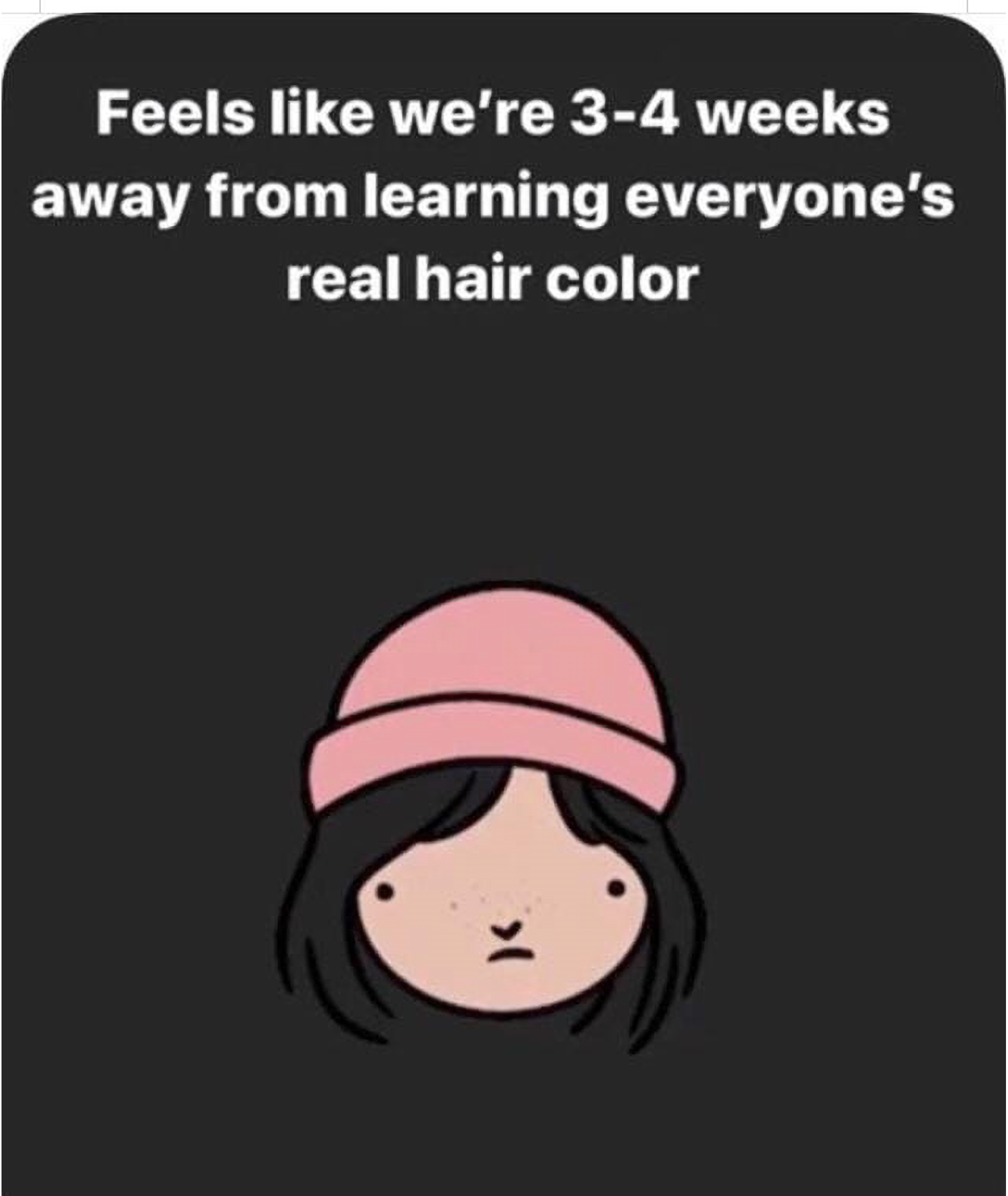
Example of a sampled unit.
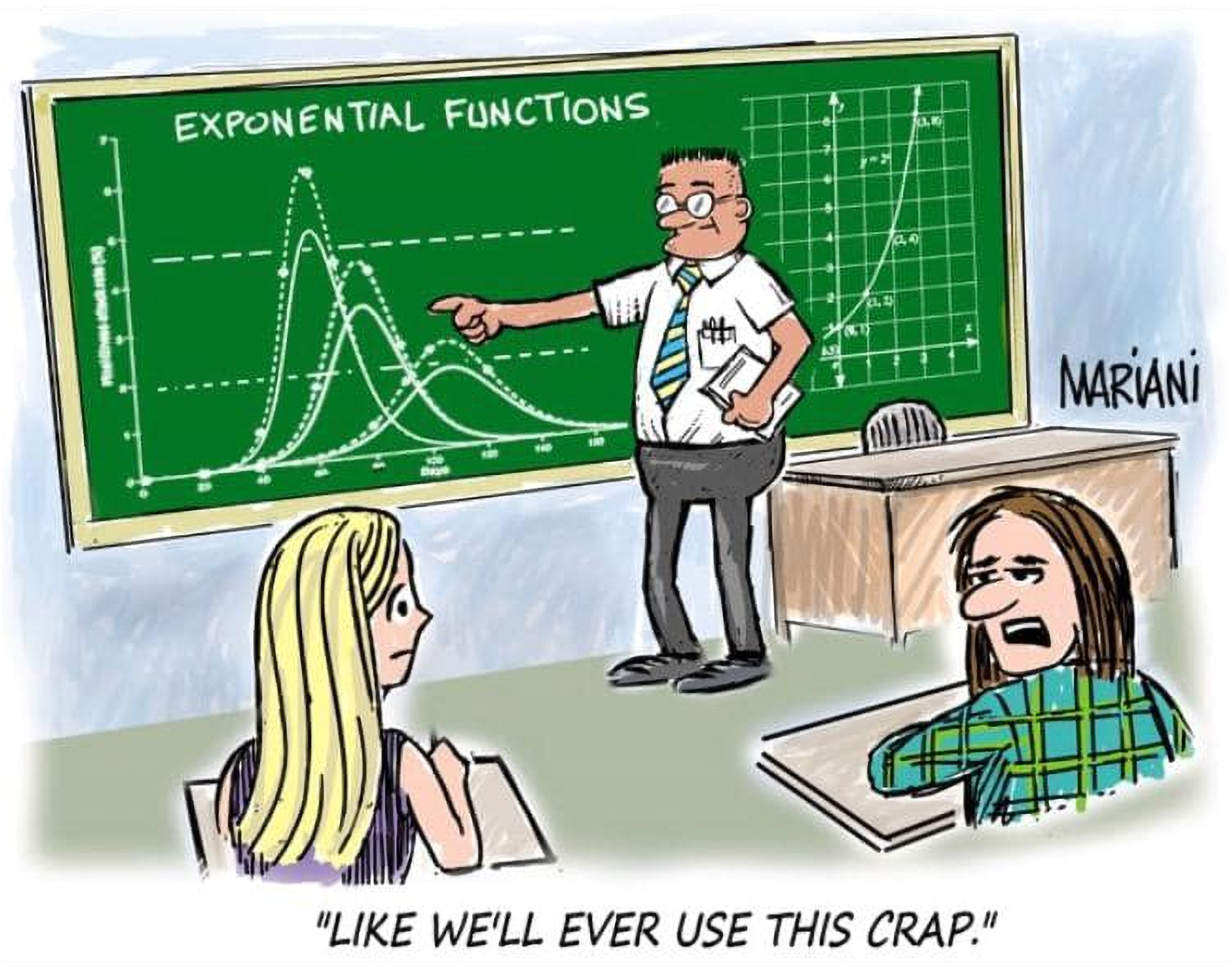
Example of a unit not included in the sample.
This sampling produced a corpus of 117 humor items: USA, N = 40; UK, N = 23; Italy, N = 29; and Brazil, N = 25. Together, these numbers represent roughly 7.5% of the total number of humor items initially considered for this sampling procedure (1550), averaging 8.5% of each national sub-dataset sampled. This average is a rather important figure. Let us consider that about 7% of the total share of tweets made by the average 18–19-year-old X (Twitter) users in the USA in 1 month is about politics (Pew, 2022). Based on this percentage and the cultural significance of this social media platform, X is broadly regarded as an important site of political opinion formation, and politics are seen as an important part of what makes up X conversations. Here, we observe temporal thinking featuring in roughly 8.5% of the total memes collected in the USA by this dataset during the first wave of the pandemic. Therefore, dimension-wise, temporal thinking stands for pandemic memes just as the topic of politics stands for Twitter.
The sample was analyzed in an open inductive process of visual and textual analysis. Inductive analysis was chosen considering the scarcity of previous research investigating temporal thinking in digital humor (Kyngäs, 2020). Data analysis started with an in-depth reading of the sample, seeking possible visual and semantic similarities across units. We observed that units were similar only to a small extent, with only a few meme “templates” reappearing across units (e.g. Figure 3).
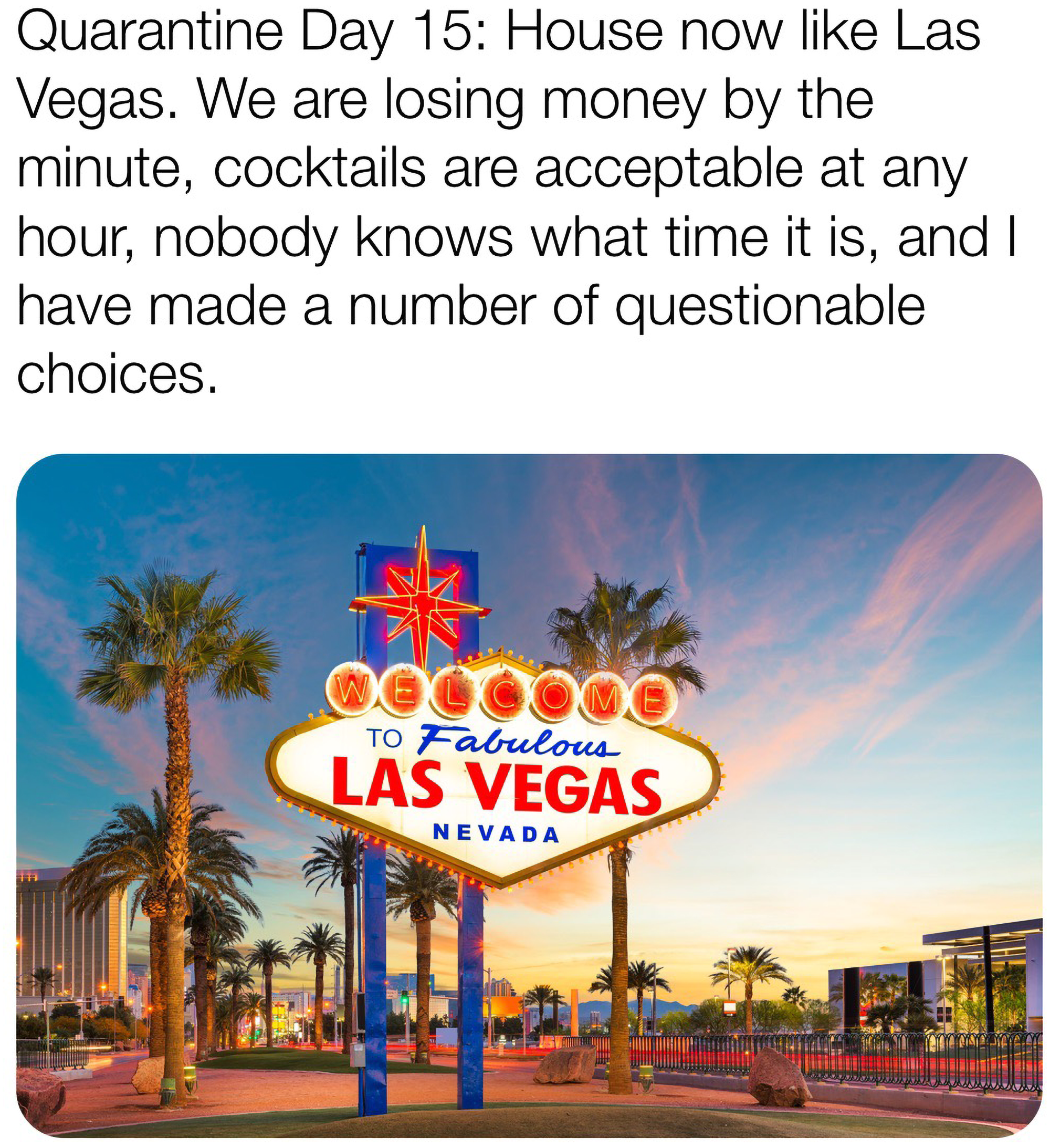
Example of recurring meme template.
Given the research goal of identifying temporal frames, we approached each unit of the sample as an encapsulated phenomenological reflection on experiences of time discussed by humorously framing the situation (Goffman, 1974). We sought common ways in which different experiences could be related to one another. Accordingly, we coded for each unit a summary of how temporality was articulated within the unit in question. This variable was called “Thinking type.” Initially, these were extensive and heterogeneous descriptions. For example, in the case of Figure 2, the value of “Thinking type” was “Bodily decay, which is bound to happen in time due to isolation.”
With all units coded, the resulting analytical matrix revealed that temporal thinking types could be refined further through a more inductive process of coding and recoding. To allow for commonalities to emerge, we returned to our coding matrix and, after closely re-reading our results, conducted a less specific re-coding of “Thinking type,” focusing on commonalities across the different values that this variable had for each sample unit. For example, returning to Figure 2, “Thinking type” could be re-coded as “Predictable Futures.” The same type of thinking could be applied to Figure 4, for instance. Thus, we were able to transform meme-specific descriptions into general commonalities representing different thinking types. This analytical procedure yielded four ways in which time was brought into memes: Time Progression, Before and Now, Predictable Futures, and Future Gaze, which we refer to as temporal frames.
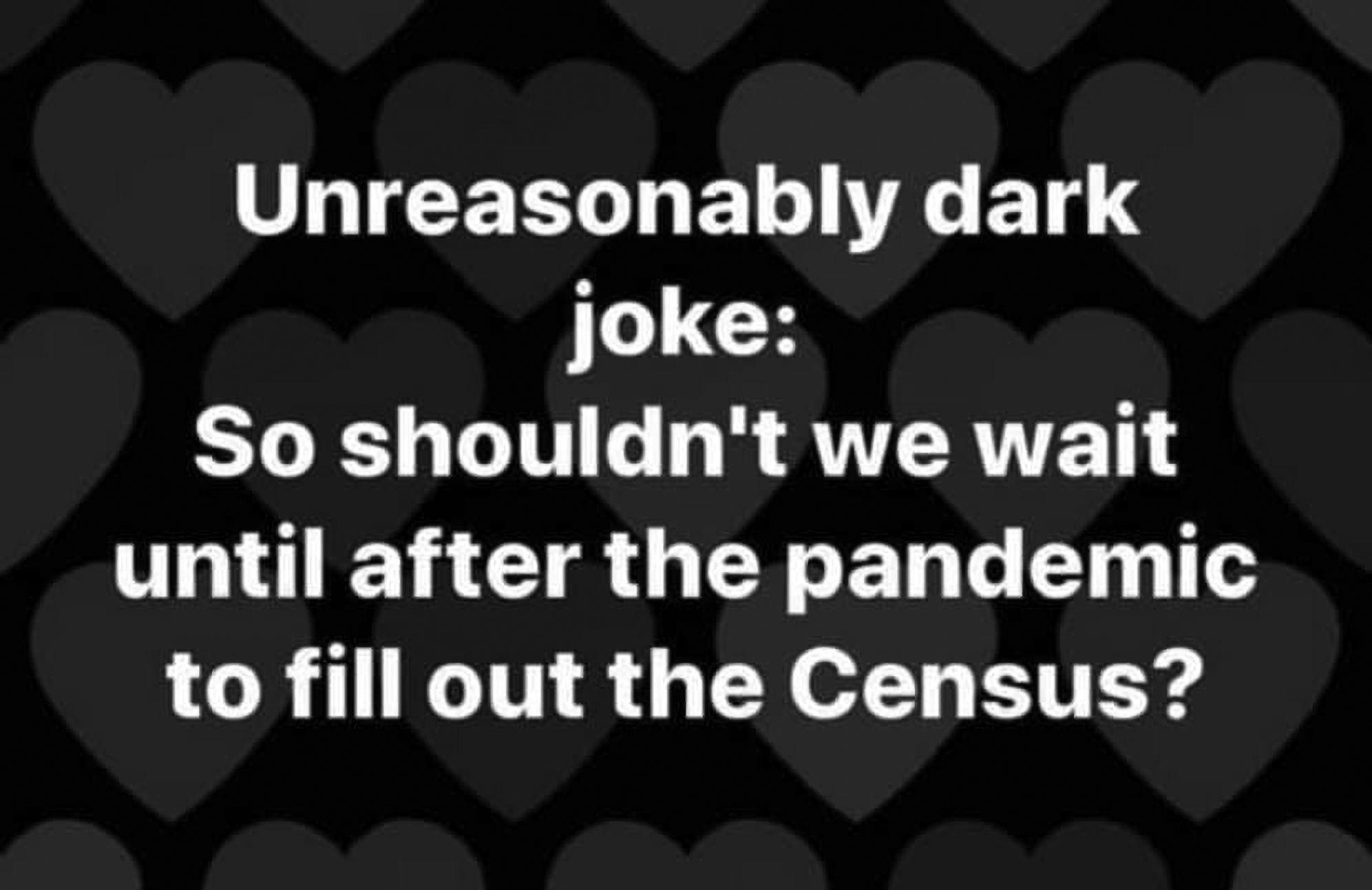
Example of a Predictable Futures kind of temporal frame.
We introduced two other analytical parameters to describe the temporal dimension of units somewhat further: “Timespan” and “Communicated message.” “Timespan” catalogued the amount of time each unit considered. “Communicated message” summarizes the message of the joke with regard to the pandemic and is similar to Shifman's (2013) notion of “stance.” For example, in the case of Figure 2, “Timespan” amounts to “weeks,” and “Communicated message” reads: “Time spent in quarantine leads to bodily decay.”
Results
From the content analysis of the 117 units, a typology of four temporal frames recorded in these memes emerged. These were called Time Progression (N = 51), Before and Now (N = 24), Predictable Futures (N = 22), and Future Gaze (N = 20).
We did not observe differences in the properties and meanings of temporal jokes based on nationality. This is likely attributable to memes tending to retain their visual and textual properties even as they circulate across national borders (Chiaro, 2017). Memes circulated in Brazil or the USA were rather like memes circulated in Italy, even though the populations in these countries were going through drastically different experiences of the pandemic at the time of data collection. While Brazil and the USA had more relaxed pandemic-containment rules, Italy had much stricter containment regulations. Yet, both the Brazilian and the US datasets presented a high number of memes related to spending time in lockdown. This lack of significant national differences in temporal pandemic memes is a finding in itself, which we discuss further on.
Time progression
The most common temporal frame, Time Progression (N = 51), reflects on the experience of the passage of time, usually explicitly noting how much time has passed. This observed (sometimes measured) progression of time is used to anchor observations and criticism regarding the lived reality of the pandemic, which changes (mainly deteriorates) as days, weeks, and months elapse. Figures 5 and 6 show examples of this temporal frame from the American and Brazilian datasets, respectively.
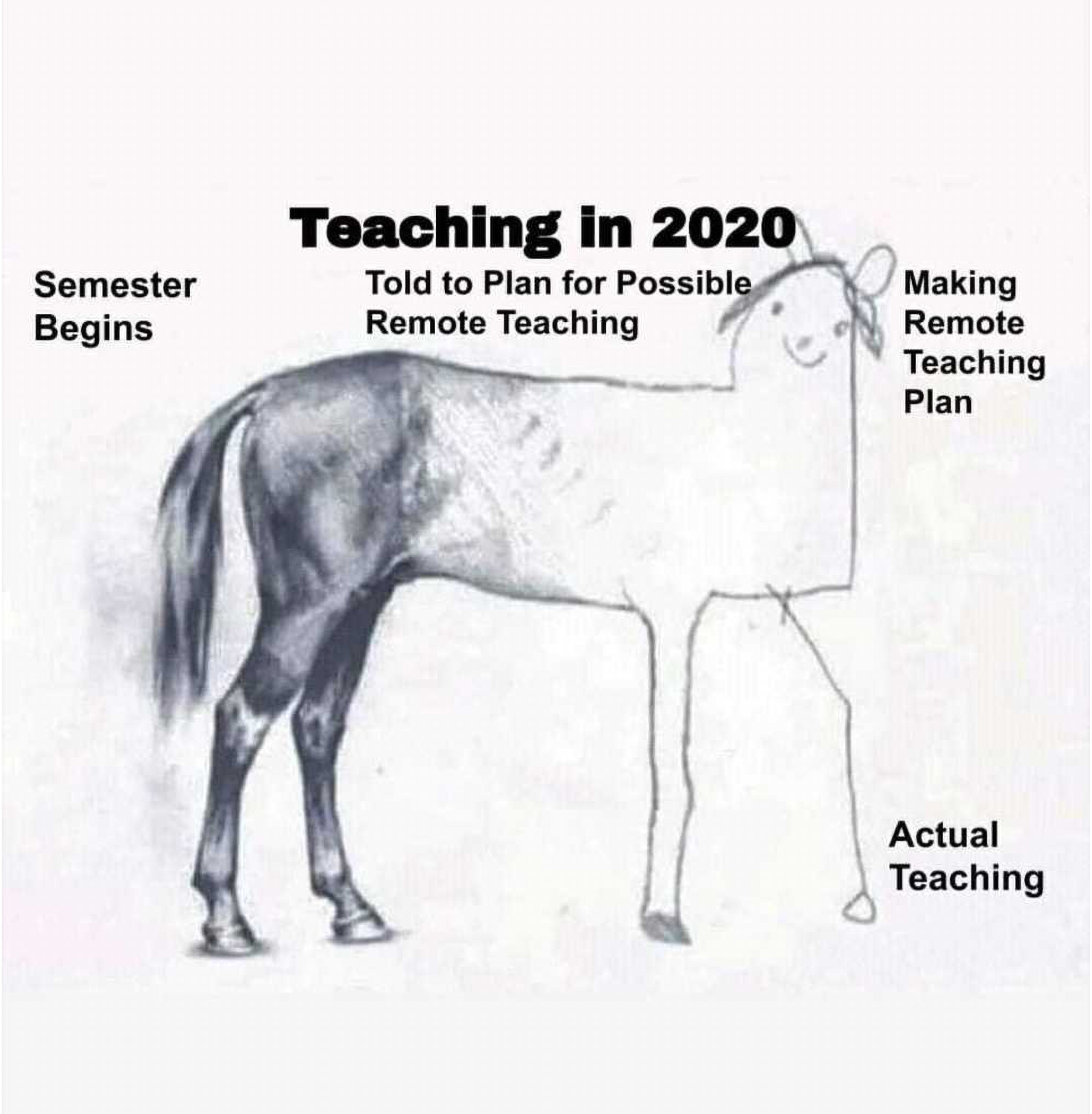
Example of a Time Progression kind of temporal frame.
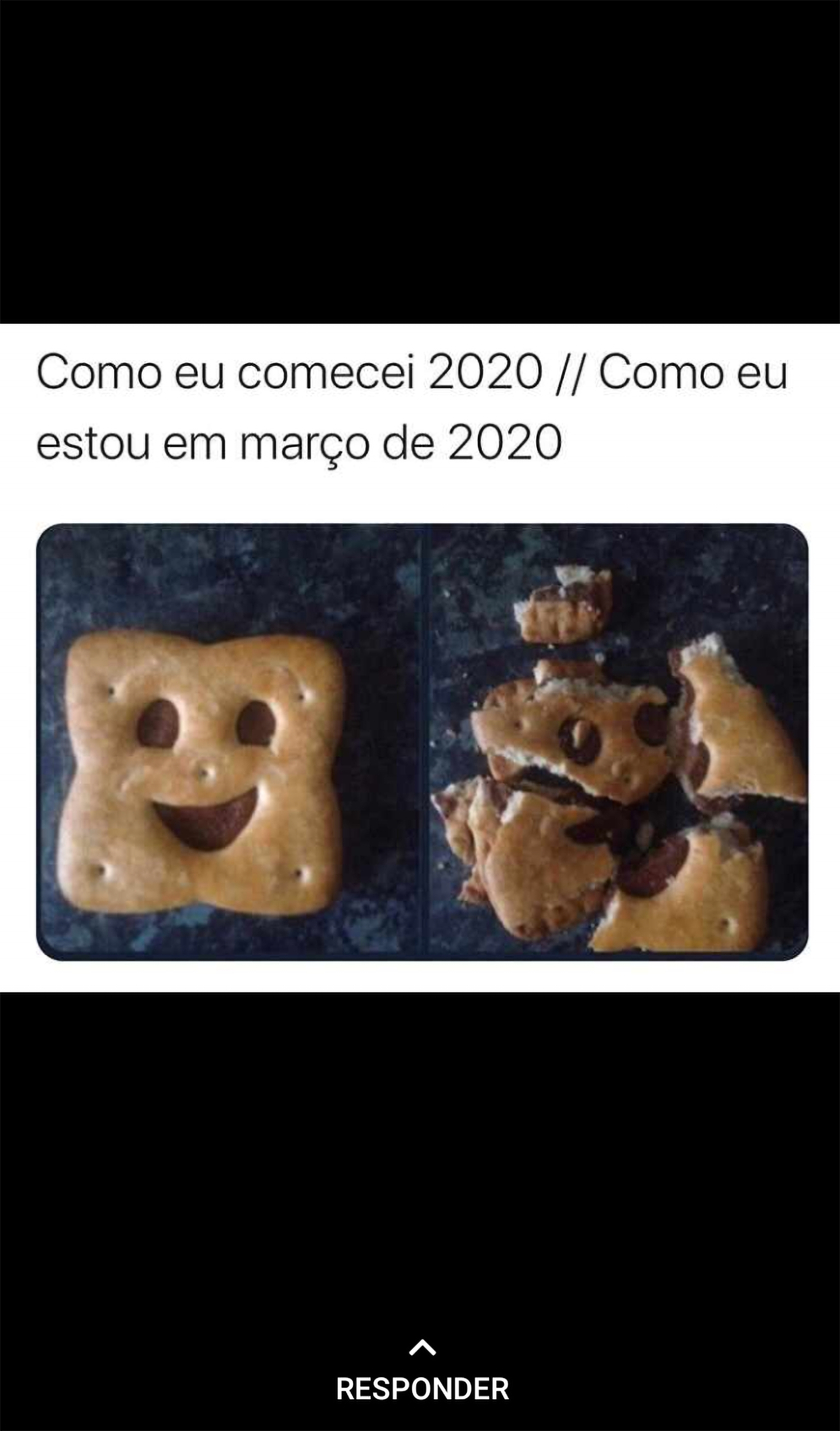
Example of a Time Progression kind of temporal frame. Translation: How I started 2020 // How I am in March 2020.
This experience of time, here humorously framed, shows time causing behavioral or material changes in subjects. Often, memes used time spent in quarantine or lockdown as leading to bodily decay or odd behavior, a popular humorous trope exemplified in Figure 7, collected in the UK. “Days in quarantine/lockdown” was a most common time measure in these memes.
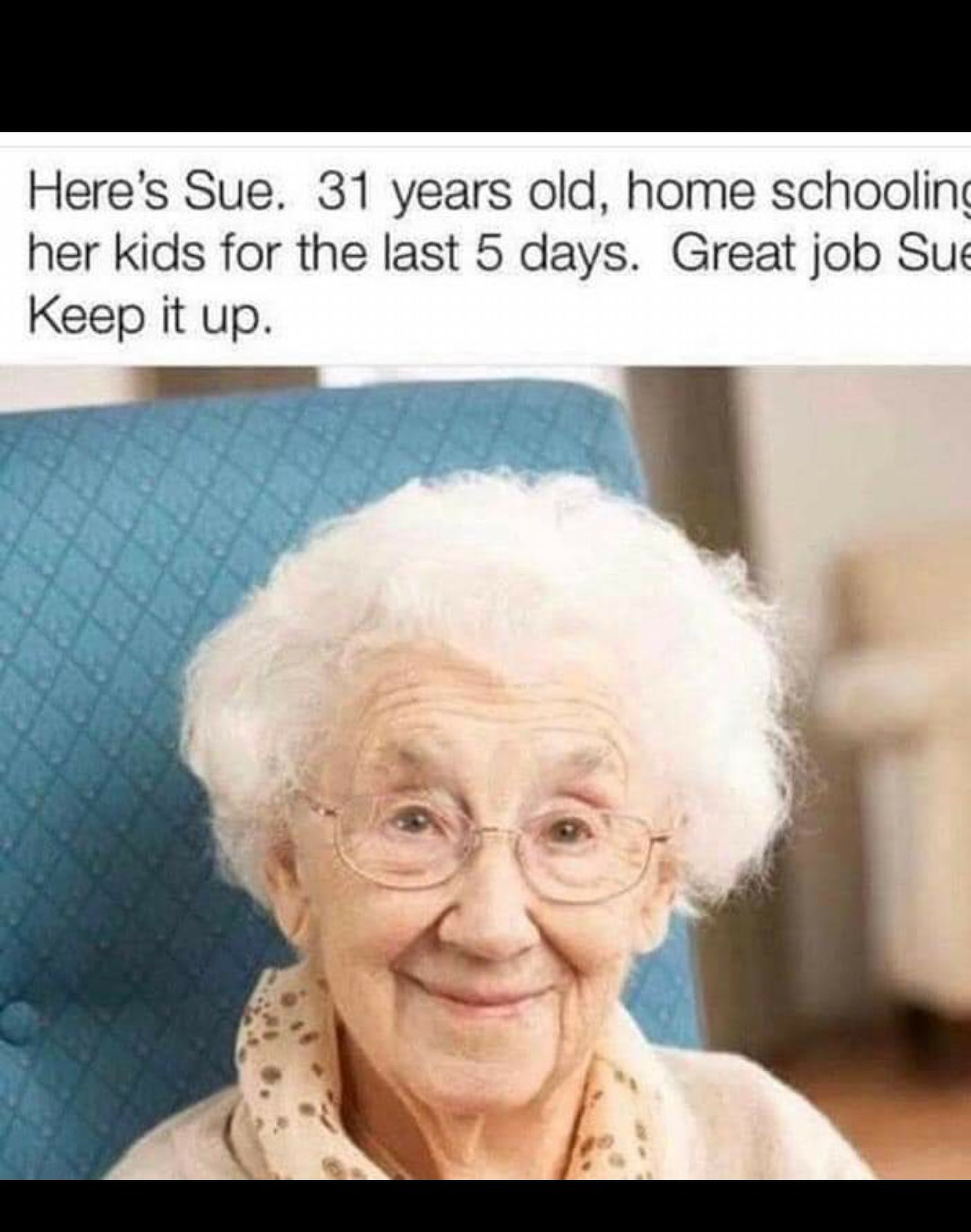
Example of Time Progression temporal frame: bodily decay.
Before and now
The second most common temporal frame in the sample was Before and Now (N = 24). Memes framing temporality through Before and Now actively engaged with events before the pandemic to comment humorously on difficulties related to COVID-19. These pasts could be historical events and circumstances, or the “normal” before the pandemic's onset. Figures 8 and 9 reproduce Brazilian and Italian examples of memes displaying this temporal frame.
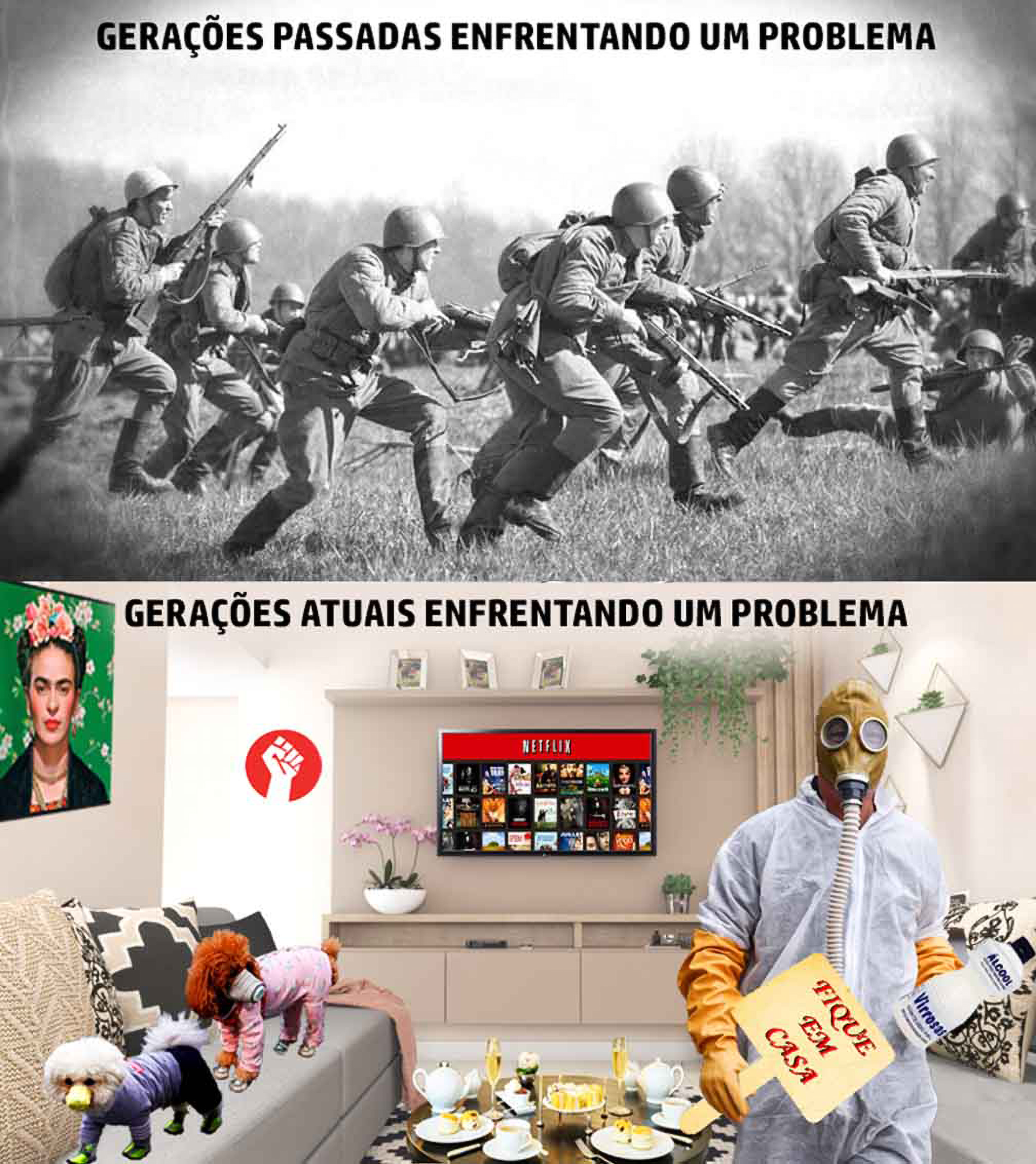
Example of Before and Now temporal frame: historical event. Translation: Past generations facing a problem / Current generation facing a problem.
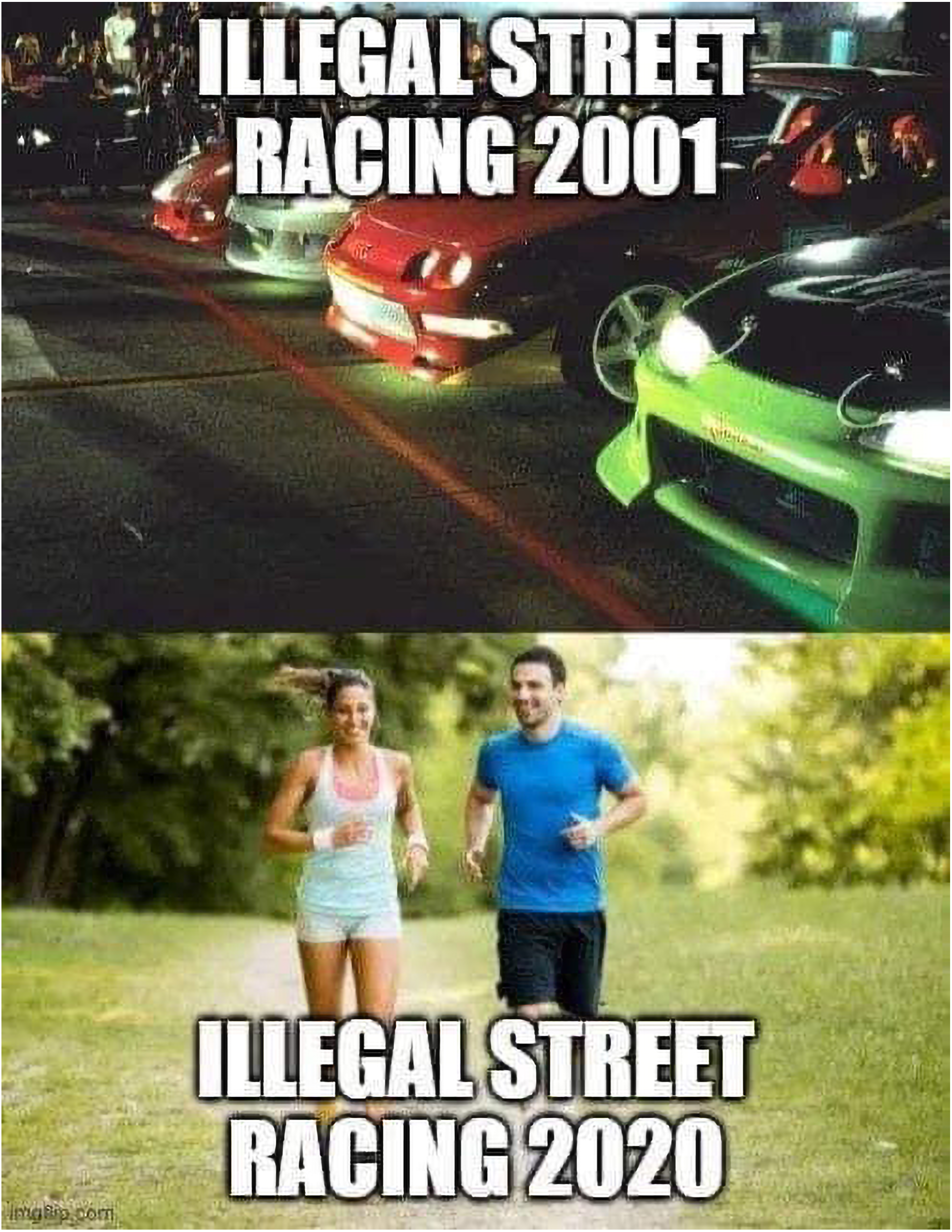
Example of Before and Now temporal frame: old normal vs. “new normal.”
Often, these memes displayed a comparative structure: a certain element of life affected by the pandemic (e.g. jogging in company, which was forbidden in certain nations due to social distancing measures) is juxtaposed with something in the past that would have looked like it. The humorous element within these memes resides in the very incongruency between past and present.
Predictable futures
The third temporal frame identified in the sample was Predictable Futures (N = 22). Through this temporal frame, memes predict happenings in a certain distance of time. By projecting the temporal gaze into the future, Predictable Futures is an almost complete counterpoint of Before and Now, which looked toward the past to anchor the present. The absurdity associated with these future scenarios is usually the comic core of the memes. Here, too, common tropes of previous temporal frames (such as bodily decay or mental insanity) are present, yet projected in a future scenario. Figures 10 and 11 show Italian and US examples of this frame.
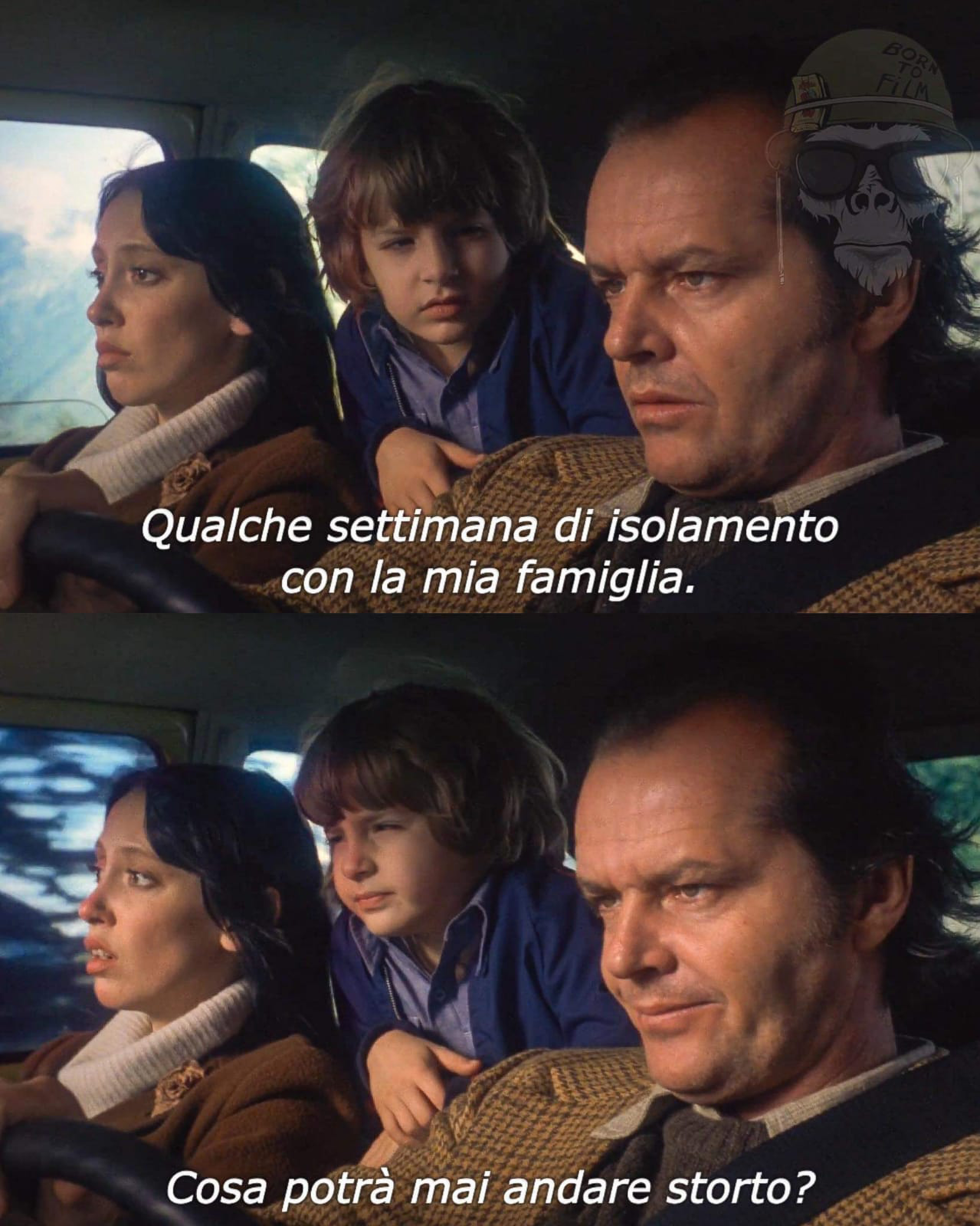
Example of a Predictable Futures kind of temporal frame. Translation: A few weeks in isolation with my family. / What could possibly go wrong?
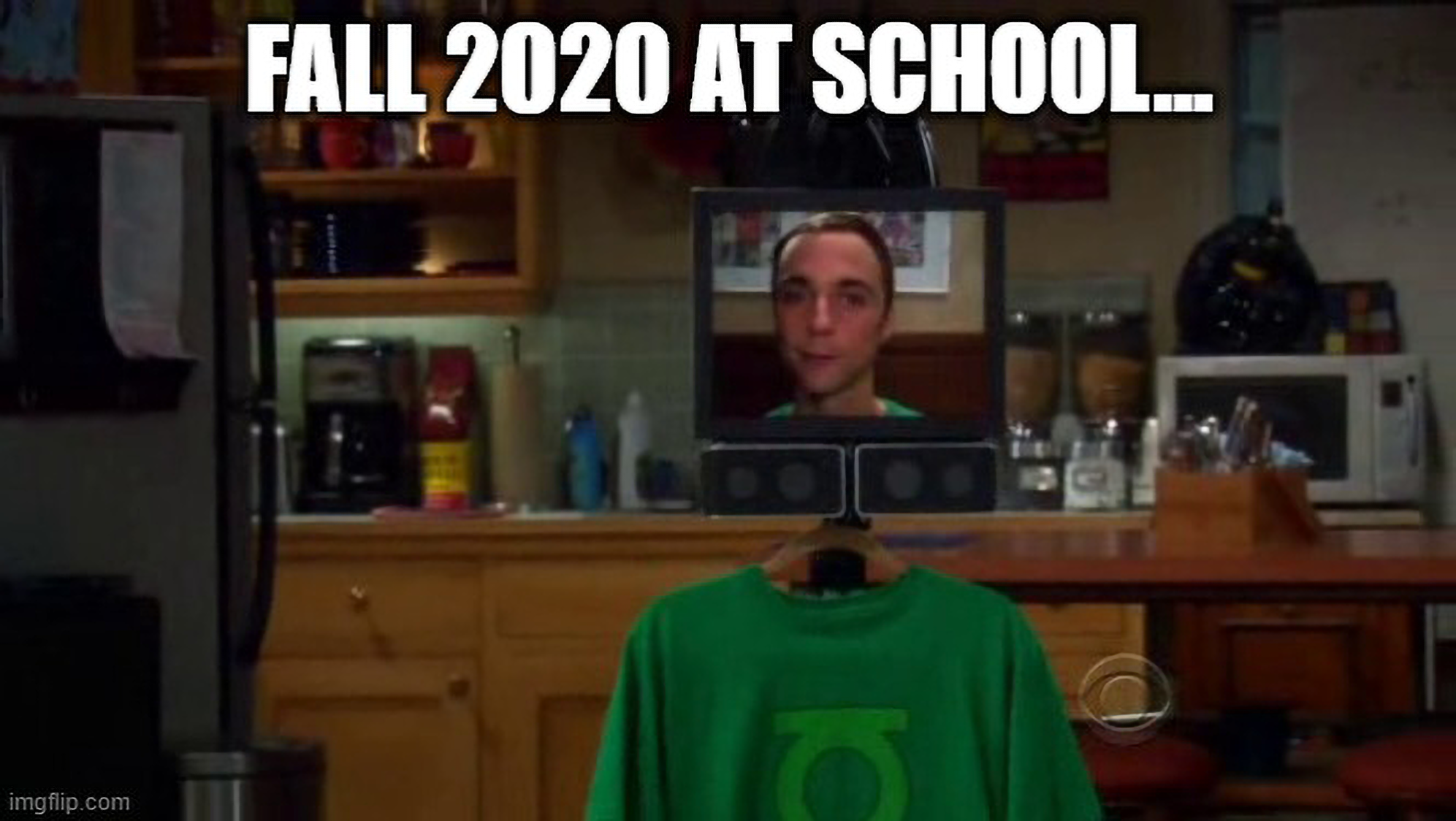
Example of Predictable Futures kind of temporal frame (note: all memes were collected between March and July 2020, so this was in the future at the time).
As with previous temporal frames, the timeframe in these memes varied between weeks and months to (sometimes) generations or seasons. Thus, reflecting an awareness of the epochal reach of the consequences of the pandemic. Compared with previous temporal frames in the sample, Predictable Futures displays a distinct prediction-type reasoning. This focus on actively imagining the future and laughing at it sets apart Predictable Futures from the final temporal frame analyzed.
Future gaze
Finally, Future Gaze (N = 20) was the least popular temporal frame observed in the sample. This temporal frame instrumentalizes the future as a viewpoint for critiques of the present. Such “future” gazed back at the present from anywhere between a few years to entire eras away. The future beholder could be, for example, a future Self, aliens looking at an extinct planet Earth, or a future generation. Figures 12 and 13 exemplify this form of temporal frame with memes collected in the UK and Brazil.
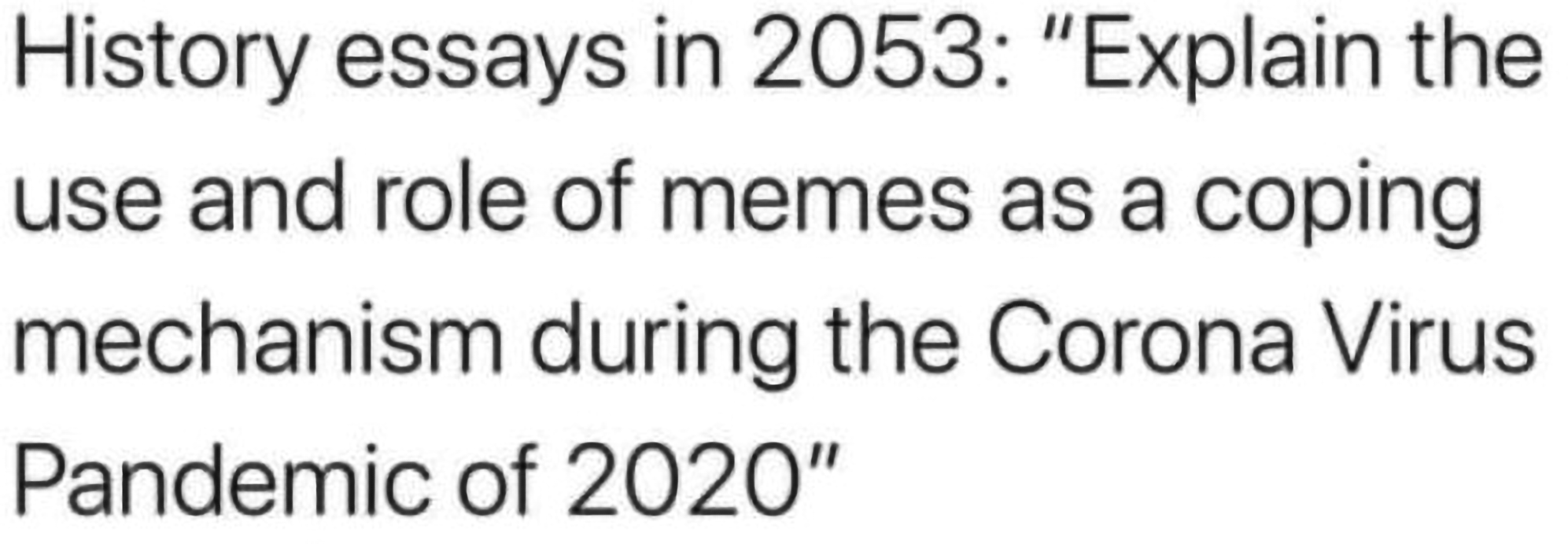
Example of a Future Gaze kind of temporal frame.
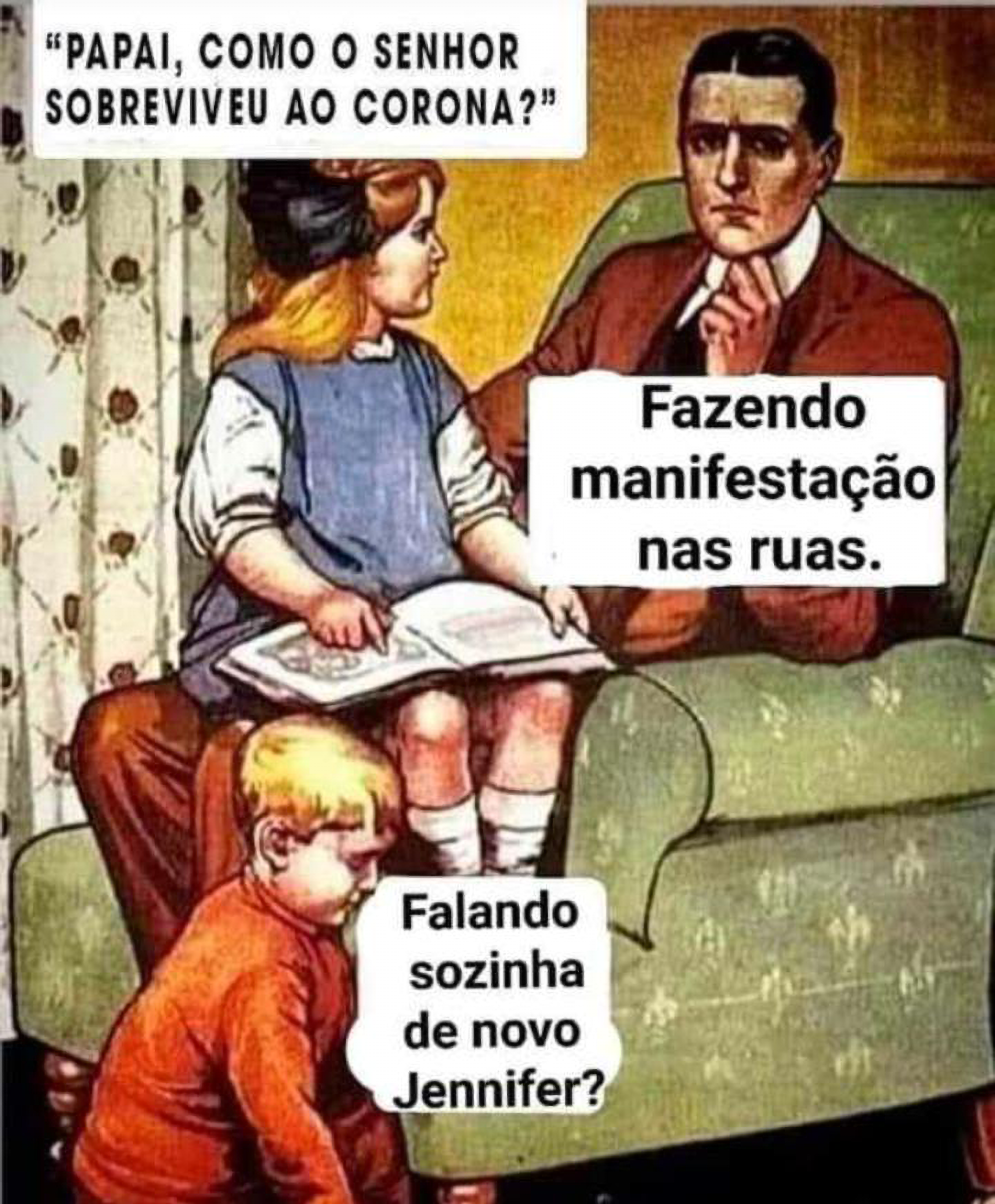
Example of a Future Gaze kind of temporal frame. Translation: Dad, how did you survive the coronavirus? / Protesting on the streets / Speaking alone again, Jennifer?
Unlike Predictable Futures, the future is not the object of these memes, but seems to act as a mere rhetorical device for the construction of (humorous) critiques of the present. The subjects in these memes seem moved by an impetus which could be summarized roughly as “this will look laughable when we remember it.” Imaginary viewpoints are constructed in the future (e.g. 40 years from now), from which exaggerated or incongruent reflections on current events of the COVID-19 pandemic are proposed.
Discussion: Humor and temporal strategies in pandemic memes
Previously, we argued that humor (being central for the social construction and cultural representation of reality) constitutes a prime practice to observe how popular culture forms and informs collective understandings of time. In this sense, our findings reveal pandemic memes attending to a “plurality of temporalities and futures that people experienced” during the pandemic, allowing these temporalities to collectively “explicate lived experiences” (van Emmerik et al., 2024: 5). What, more specifically, do these temporal memes seek to make sense of, and how?
The main temporal frame we found was Time Progression, within which certain timespans serve as mechanisms to introduce incongruous breaks from seemingly predictable patterns, unexpected resolutions to situations. For instance, bodily decay, individuals adopting odd behaviors after X amount of time spent in lockdown, or the loss of certain skills (e.g. speech or social skills). The messages most often communicated by these memes revolve around disappointments and frustrations brought by the passage of time, largely echoing findings by Ogden (2020) on the correlation between life dissatisfaction and decreased quality of temporal experiences during the pandemic. Figure 14 represents one such meme collected in the USA.
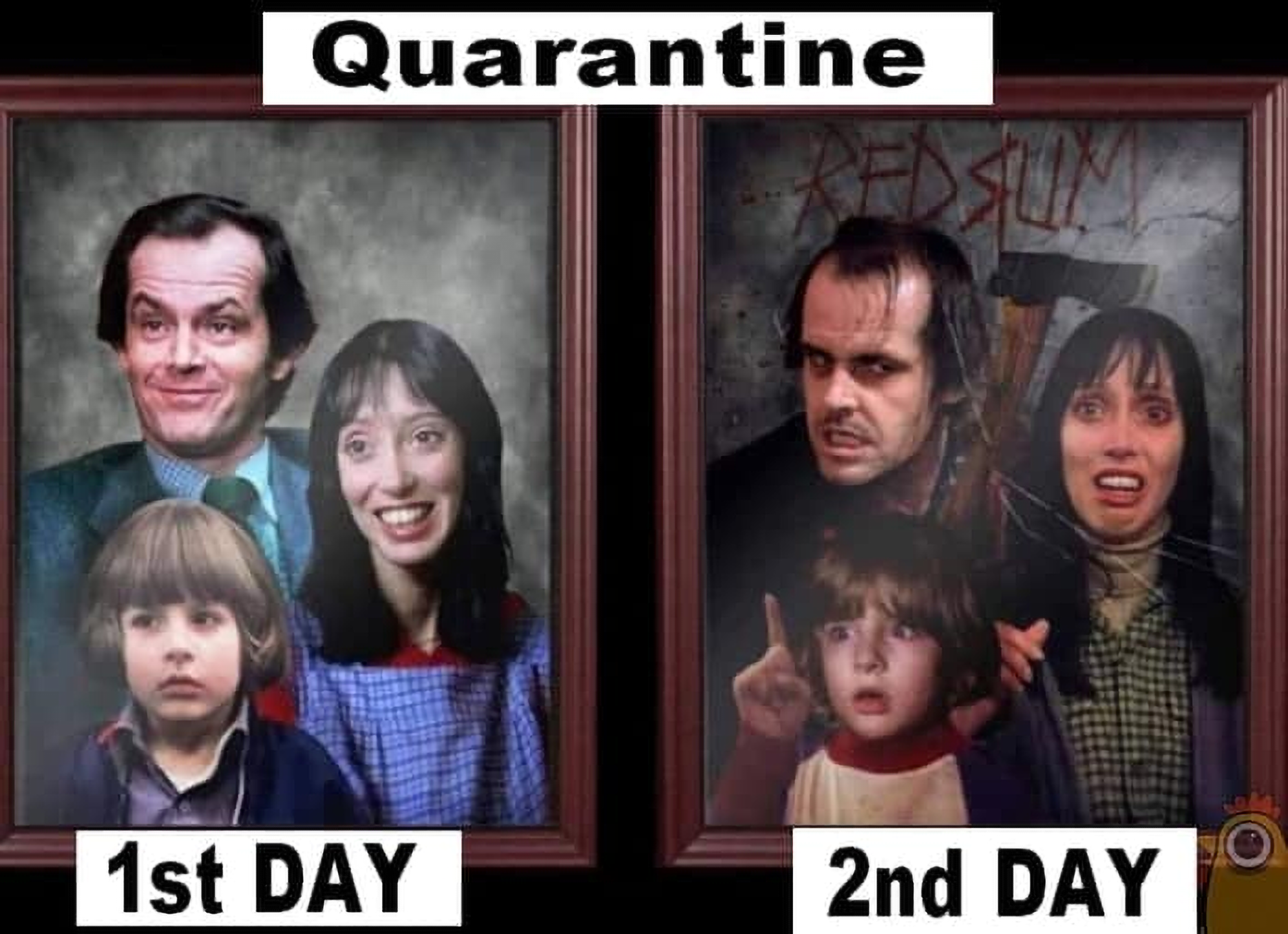
Example of Time Progression kind of temporal frame.
This meme conveys how quarantine led to anti-social behavior, with family members becoming over-sensitive to each other's omnipresence. Using visuals from the movie The Shining (also in Figure 10), it contrasts the Torrance family in a pristine state on the left panel with a distressed, violent depiction on the right, referencing the movie's plot where isolation drives the father to violence. The exaggerated depiction of distress after only 1 day of quarantine amplifies the incongruity, delivering a relatable message for those who experienced the challenges of lockdown with family: even a single day can feel overwhelming. Similarly, previously explored Figure 5 employs a Time Progression framework to humorously depict the declining quality of online teaching as time passes, with the left panel of the meme displaying a detailed drawing, while the right panel shows a poorly executed version, juxtaposed with a timeline spanning months. This visual incongruity humorously critiques the declining motivation and ability many experienced during pandemic-imposed restrictions like remote working and teaching. By juxtaposing time's passage with a progression into incongruity, this meme highlights a relatable reality: the constraints of lockdown often led to less ambitious outcomes over time.
The second most common temporal frame was Before and Now. Within these memes, the construction of incongruity can be observed in the juxtaposition between a broadly understood normal situation (e.g. what “Illegal racing” is usually understood as) and a seemingly incongruous break in the pandemic's “new normal.”
Through incongruous, exaggerated, and sometimes ridiculing comparisons with the historical past and with the “normality” of before the pandemic, the humor of Before and Now anchors the pandemic in a timeline, here comparing the “now” to the “before” or the “past.” These memes can thus be seen as acts of remembering: consciously resorting to memories of the past, they anchor the present unsettledness in the “known” events of times gone by (Dawson and McLean, 2013). Through this process, these memes highlight how our understandings of specific key categories of reality (e.g. “legality” in Figure 9 or “bravery” in Figure 8) change in light of the demands of a crisis like the pandemic.
The third most observed type of temporal frame, Predictable Futures, presents the passage of a certain amount of time as a catalyst for odd behaviors, bodily decay, and other disappointments popularly connected with the pandemic and lockdown. Incongruous propositions (similarly to Time Progression) are the main strategy through which these humorous items construct funniness: what will happen after a certain amount of time is often an incongruously exaggerated consequence of certain circumstances associated with the lockdown. Figure 15, for example, reproduces an example taken from the Italian dataset. In this instance, it is proposed (through rhetorical questioning) that excessive time in lockdown leads someone to regain their virginity.
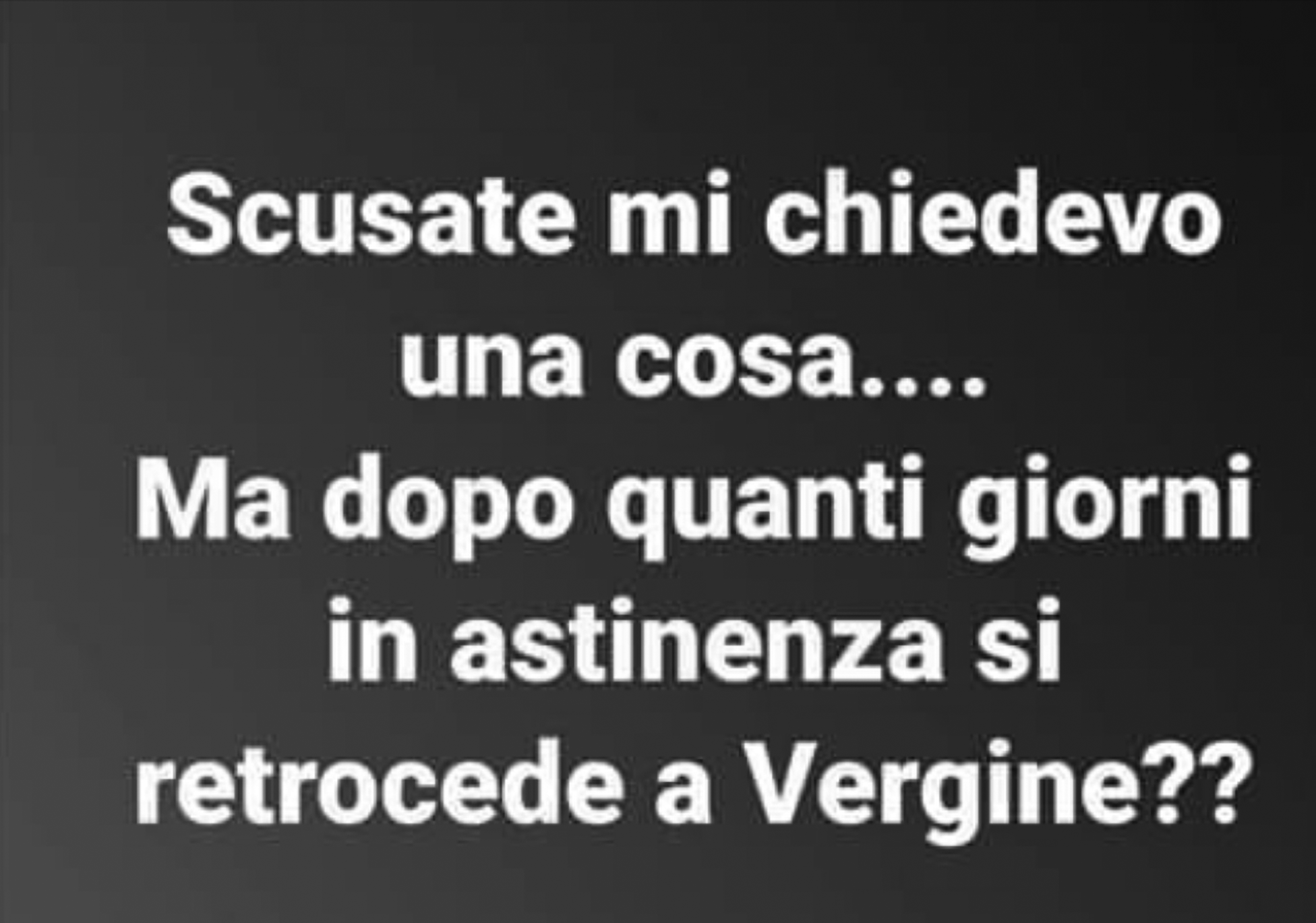
Example of a Predictable Futures kind of temporal frame. Translation: Sorry, I was wondering something… After how many days of abstinence do you revert back to being a virgin??
Predictable Futures memes humorously propose future consequences of present circumstances, exaggerated and impossible outcomes of rather relatable pandemic scenarios, such as lack of human contact, overworking, among others. Previous research on pandemic temporalities evinced how, amid ever-changing pandemic regulations and social circumstances, envisioning the future had become an almost impossible task for many individuals (Beynon-Jones et al., 2023; Coleman and Lyon, 2023). This seems largely reflected in the collectively shared messages of Predictable Futures: the very real difficulty of imagining a future is humorously translated into impossible, exaggerated (and, therefore, laughable) future versions of us and of what will happen to society.
Finally, Future Gaze looks at the present through the eyes of a certain “future” (months, decades, or ages away), from where certain present circumstances can be ridiculed in light of how we (supposedly) will remember them. These memes do not use the dual-panel structure, which relies on direct juxtaposition as a central mechanism. Instead, the humor associated with Future Gaze proposes to reduce, trivialize, and ridicule the present through a sort of detachment from it. This ridiculing is often self-deprecating, as we are invited to imagine ourselves, collectively, in the memories of a future someone looking back at our present. Let us consider two examples.
In Figure 16 (collected in Brazil), we see an artificially aged portrait of the then Brazilian president Jair Bolsonaro. The text reads that in 2035, after the virus is long gone, Bolsonaro is still trying to convince leftists to return to work. In Figure 17 (collected in the UK), a “time traveler” cringes at the discovery of ending up in the (apparently) disgraced year 2020 (his reaction illustrated with a face of awkwardness of The Office's Michael Scott). The Brazilian meme satirizes certain segments of the electorate, accusing them of being lazy and using the pandemic as an excuse to evade work. The UK meme seems to ridicule the pandemic year of 2020 as the “odd one out,” the year (out of many possible destinations for a time traveler) which brings one to cringe and smirk in awkwardness.
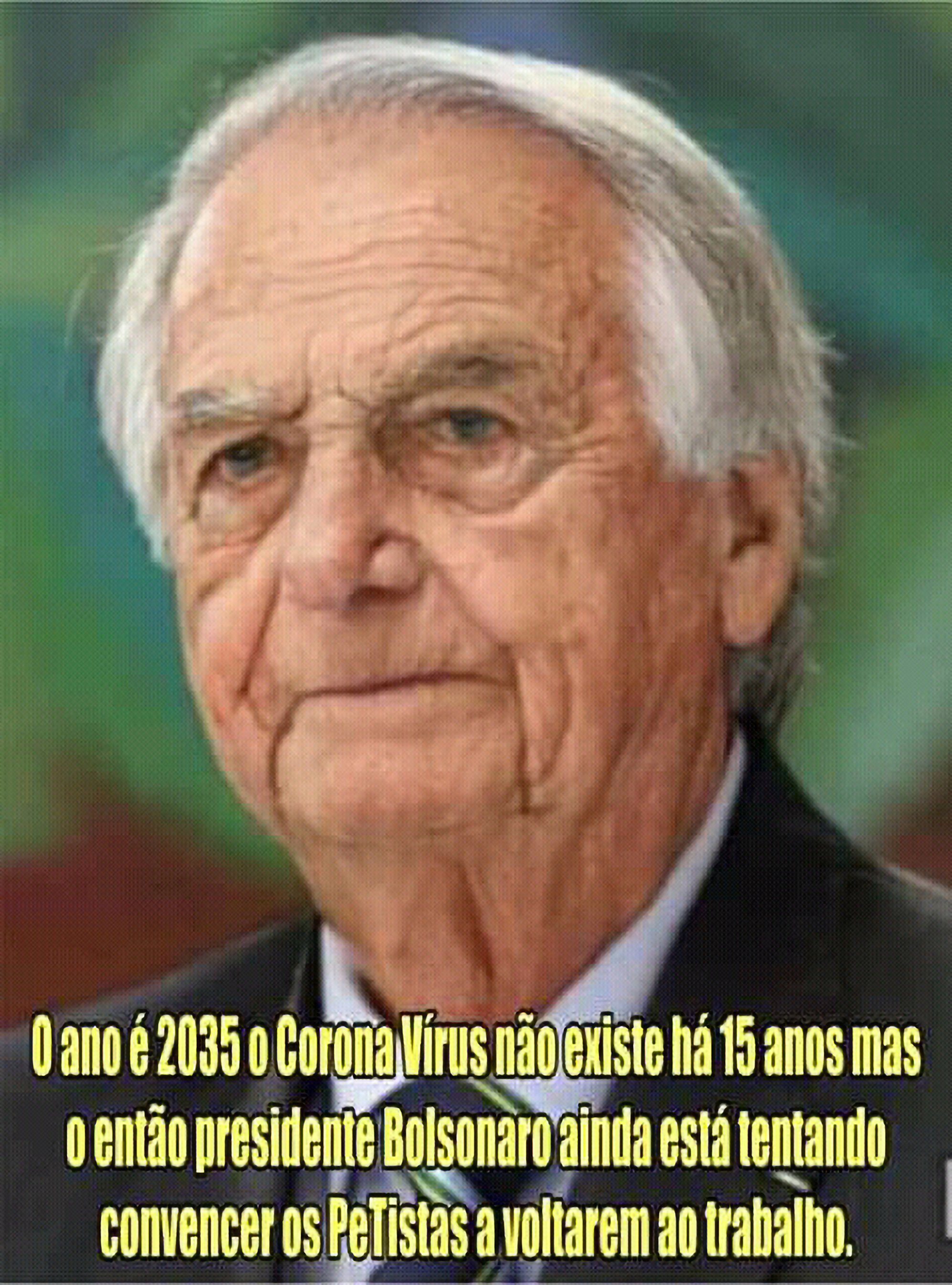
Example of a Future Gaze kind of temporal frame. Translation: The year is 2030, for 15 years the virus doesn’t exist, but the then-president Jair Bolsonaro is still trying to convince the Partido dos Trabalhadores voters to return to work.
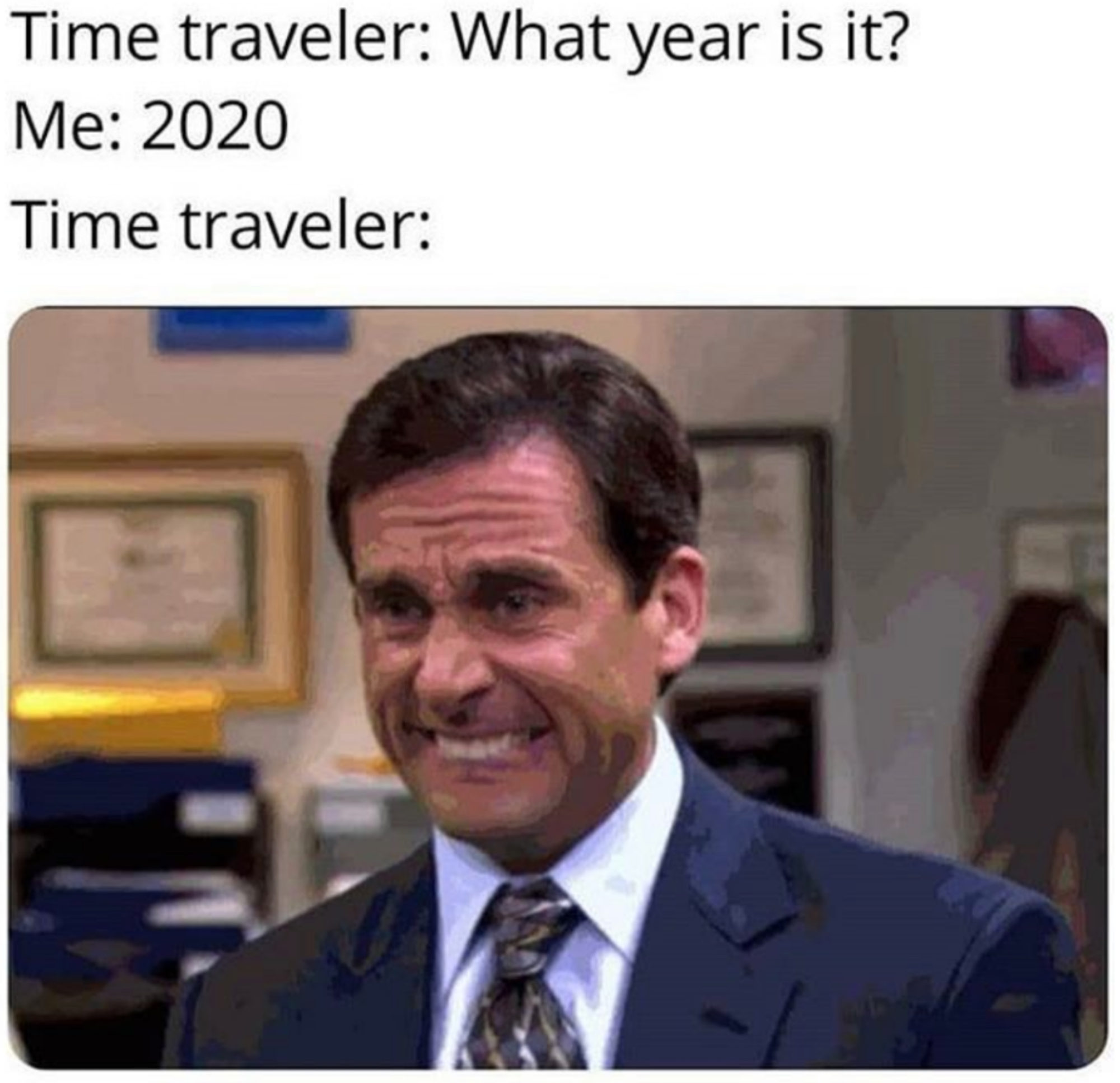
Example of a Future Gaze kind of temporal frame.
Thus, Future Gaze memes reflect a feeling of inappropriateness toward present situations, which is humorously proposed by attempts to position the pandemic in a timeline and look at it from after the fact. In these cases, humor relies on broadly shared cultural assumptions that “time will pass,” bringing distance and novel perspectives on what is currently unknown. This is a rather popular argument deeply embedded in everyday conversations, pop culture, and folklore across the globe: propositions like that “time will tell,” or “in time we will learn more,” “just wait.” In these memes, this broadly shared assumption is a way to make sense of what is going on in a rapidly changing reality, constituting a critical “anticipatory practice” in the face of “uncertainty and suddenness” (Beynon-Jones et al., 2023: 386). In this sense, the vantage point of the future also makes it easier to offer critique on the present: this temporal frame is more explicitly critical and less focused on self-deprecation than the other frames.
In line with the sense-making and reality-constructing roles of humor, the humor studied in this analysis, with its internal typology of temporal frames, uses the idea of time to propose and negotiate four understandings of the pandemic reality. Time Progression, Before and Now, Predictable Futures, and Future Gaze use humor to grapple with collective experiences of temporal disruption during the pandemic. Time Progression highlights how the passage of time in lockdown exacerbated frustrations, such as deteriorating mental health, loss of skills, and strained social dynamics, echoing Ogden's (2020) observations about the negative correlation between temporal experiences and life satisfaction. Before and Now situates the pandemic in a historical continuum, juxtaposing the present with a nostalgic or critical view of the past. This humor aligns with cultural memory theories (Dawson and McLean, 2013), suggesting a reevaluation of categories like bravery or normalcy in light of crises and collective challenges. Predictable Futures projects exaggerated and incongruous futures to address the difficulty of imagining realistic outcomes, reflecting studies on the strain of envisioning the future during the pandemic (Beynon-Jones et al., 2023; Coleman and Lyon, 2023). Lastly, Future Gaze detaches from the present, ridiculing it through imagined retrospective critique, employing time as a lens to trivialize the seriousness of the current moment while suggesting its eventual passage.
This typology illustrates how humor served as a narrative tool for negotiating temporal uncertainty. The humor strategies of incongruity, exaggeration, and ridicule allow for expressions of collective frustrations and anxieties in ways that might have been difficult to articulate outside a humorous frame (Goffman, 1974; Marra, 2016; Mulkay, 1988; Oring, 2016). For example, the progression of time in lockdown, as humorously depicted in memes, reflects an acute awareness of bodily decay and social strain. Similarly, Future Gaze memes build on the universal assumption that “time will tell,” employing this temporal detachment to critique present behaviors and norms. It acknowledges that the “adequate” and “normal” inside the COVID-19 bubble are likely to appear ridiculous once the circumstances justifying them are gone.
While these humor strategies facilitated coping and relief during the pandemic (Amici, 2020; Bischetti et al., 2021), they were also deeply engaged in constructing shared temporal understandings. This is shown by the stable transnational dispersion of these frames. The four countries considered in this study were undergoing drastically different pandemic circumstances at the time of sampling, from the largely unregulated and decentralized responses of Brazil and the USA to the extremely constricting lockdowns of Italy (Forster and Heinzel, 2021). Yet, we observed no significant differences in the dispersion of temporal frame types across these locations. To consider humor and internet memes as a coping mechanism implies that they are produced, shared, and consumed in response to lived experiences. Given the drastically different pandemic realities in our sample, the humor-as-coping thesis suggests that a nation-based variety of memetic themes should emerge. Our widespread and somewhat stable typology indicates otherwise: people were discussing the pandemic and lockdowns even in locations where they did not live that which they joked about. Such large-scale humor seems more aptly explained by striving for sense-making, as people voice experiences and communicate shared meanings through stylized (and humorous) ways of communication.
Conclusion
This research is informed by perspectives highlighting how time and temporality are constructed through cultural practices (Bastian et al., 2020; Jackson, 2018; Mellor, 1998; Munn, 1992). This literature evinces the opportuneness of investigating popular culture with a focus on framings of temporality (Boden, 1997) within cultural objects. Thus, we contemplated humor as encoded phenomenological experiences, which in turn illuminate reality itself and help us orient ourselves in the social world (Gordon, 2012; Marra, 2016; Sills, 2017). Taking the COVID-19 pandemic humor as a case study, we asked how temporality was constructed in memes about the COVID-19 pandemic. What temporal frames are present in pandemic memes, and what meanings do they construct?
Inductive content analysis of 117 digital jokes and user-generated memes has evinced four humorous frames used to discuss time online during the pandemic: Time Progression, Before and Now, Predictable Futures, and Future Gaze. They each represent a different form of collectively experiencing, thinking about, and laughing at the pandemic experience by talking about time, humorous “meditations on temporality” (Negus, 2012: 495).
These temporal frames (and, constructed through them, temporality) are humorously expressed in two main ways. First, the linearity and stability of time seem to serve as a narrative mechanism for the introduction of incongruity. Second, time appears to act as a device to create satirizing and (self)deprecating stances toward what is joked about. Incongruity is the central humor mechanism within jokes employing Time Progression, Before and Now, and Predictable Futures frames. Satire, critique, and (self)deprecating humor appear to be the main mechanisms within the Future Gaze frame. The findings of this research, thus, offer a typology of mimetic frames used to discuss time online during the pandemic and an account of the humor strategies most often associated with these acts of temporal thinking.
This typology of broadly shared temporal frames in digital humor shows sense-making collectively converging during the pandemic's first wave to construct collectively shared temporalities. Returning to the entanglement between time construction and popular culture, the emergence of or typology suggests two implications.
First, existing cultural studies into temporality often lack range of inquiry. They generally focus on specific cultural uses of time among rather circumscribed social contexts and communities of meaning, such as corporate narratives and employees of specific companies (Jackson, 2018; Levine, 2022; Sharma, 2014). Investigations of pandemic temporalities have greatly contributed to this literature, particularly by looking at temporal experiences within larger datasets of highly detailed, phenomenological reports of pandemic experiences (Beynon-Jones et al., 2023; Coleman and Lyon, 2023; Damsholt, 2024; van Emmerik et al., 2024). Our study adds to this scholarship by departing from subjective temporal experiences to look at temporalities constructed and shared through a central feature of popular culture, internet memes.
Second, previous contributions had looked at how internet humor and memes help form transnational collective meaning-making, serving as a transnational resource for the articulation of local issues (Drakett et al., 2018; Moussa et al., 2020; Nissenbaum and Shifman, 2018). This literature draws such understanding from exploring how transnational humor discusses circumscribed understandings of specific issues. In this study, we expand the reach of digital humor's implications in our construction of reality by exploring how a central category of experience (time) is created and shared through humor. Our findings indicate that people across different locations of the globe, albeit going through different subjective and collective experiences of an event (the pandemic), were still constructing shared temporalities.
As we observe digital humor constructing collectively shared understandings of time, a central element of how we experience the world, these findings challenge the widespread belief that humor is primarily a coping mechanism, a positive force for psychological relief. While coping and relief functions can surely be related to the memes we studied (Amici, 2020; Bischetti et al., 2021), the sense-making approach to humor (Kuipers, 2009; Lockyer and Weaver, 2022; Mulkay, 1988) seems more apt in explaining the emergence and spread of humor on larger scales, such as the global cycle of COVID-related humor. This is underscored by the co-emergence, for instance, of quarantine-themed temporal memes from countries undergoing drastically different pandemic experiences at the time of sampling (e.g. Brazil and Italy).
It can be argued that the typology of temporal frames we present here might be restricted to the case study of the pandemic. Yet, certain expressions of temporality (e.g. duration, comparison) seem to be rather stable configurations of temporality in scientific literature. Moreover, humor has a long-standing history employing temporal thinking to create funniness, as can be evinced by the enduring relevance of rather established forms of humor such as historical comedies or comparative political satire. Thus, we believe the central traits of our typology apply to time-related internet memes and digital humor at large, given the standardized traits of meme culture.
We invite future research to experiment with the applicability of the forms and characteristics of temporal frames observed here by looking also at other (digital) humorous themes, beyond pandemic-related humor. In this sense, classical art memes, medieval manuscript memes, and generational humor appear to be rather opportune case studies due to their popularity within the humor genre and for the whole of the internet.
Footnotes
Declaration of conflicting interests
The authors declared no potential conflicts of interest with respect to the research, authorship, and/or publication of this article.
Funding
The authors received no financial support for the research, authorship, and/or publication of this article.
