



Abstract

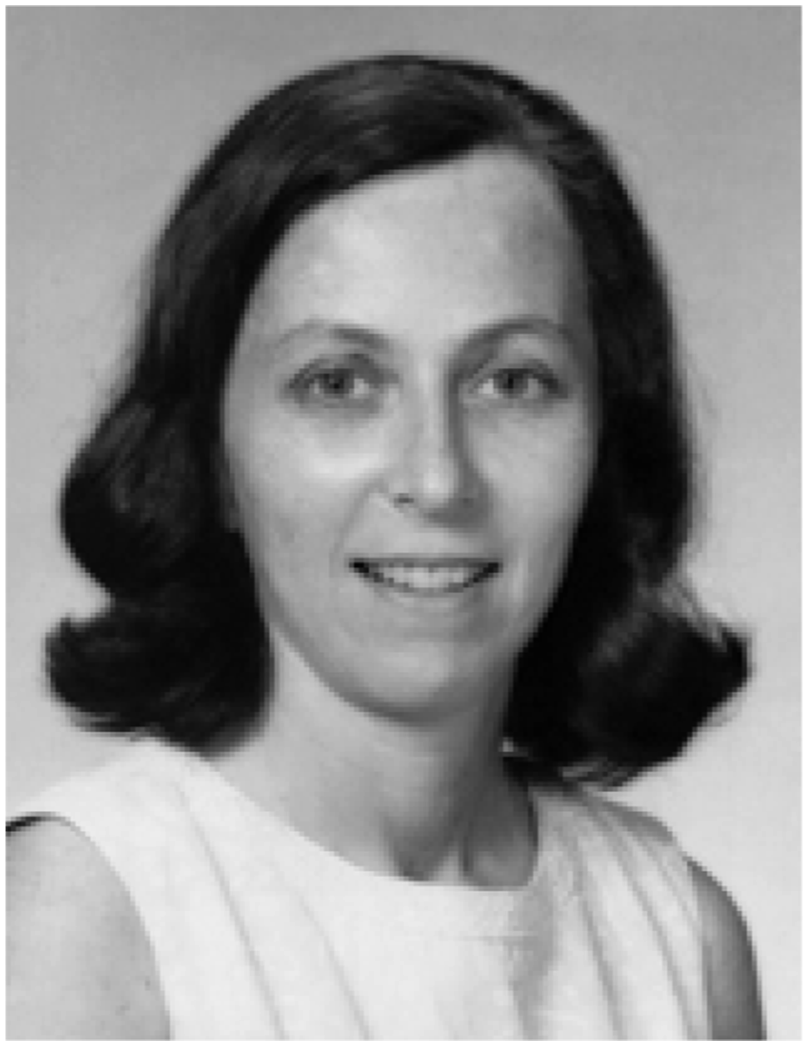
Naomi Rothfield, a renowned rheumatologist and lupologist, will be remembered by her many colleagues, trainees, and patients as a battler who propelled herself to the upper echelons of academic rheumatology in an era where few women were given the opportunities to advance their careers. She was a feisty advocate for women and led by example. A mother of four children, a wife of a highly respected academic microbiologist, she demonstrated that through drive, intelligence, penetrating curiosity, and persistence in the face of skepticism, academic success could be attained.
Her training at New York University in rheumatology and immunology, with established scientific mentors, paved the way for her scientific interest in autoantibodies and clinical interest in systemic lupus erythematosus (SLE). She became the first Rheumatology Division Chief at the University of Connecticut Medical Center and quickly built a federally funded Arthritis and Lupus Center, one of the few in the United States at that time.
Her main focus was to better study and document the clinical and laboratory features of SLE leading to more accurate diagnosis and assessment of clinical outcomes. She performed early investigations on the LE cell, ANA, anti-DNA and other autoantibodies, and serum complement levels in SLE. She described the variety of clinical features of SLE in children and adults and during pregnancy. She documented the usefulness of hydroxychloroquine and corticosteroids in its treatment, but also described adverse effects such as aseptic bone necrosis.
Naomi was extremely dedicated to her lupus patients and their welfare, and they knew it. She was involved in both their medical and personal lives. She was also instrumental in establishing the Connecticut Chapter of the nascent Lupus Foundation of America.
As a junior faculty member in her Division, I appreciated not only her advice, words of wisdom, and leadership but also her clear vision in recognizing important bedside features of SLE that were worth investigating in the laboratory. She was a great mentor to me and numerous others and a good friend.