



Abstract
In light of China's rapid urbanization and industrialization, adopting a spatial cooperation system that leverages cities’ comparative advantages is vital for efficient resource allocation. This paper investigates the impact of functional urban specialization on energy efficiency, considering the moderating role of market integration, using provincial panel data from 2000 to 2019. The findings underscore the importance of energy efficiency in China's development strategy, revealing a U-shaped relationship between functional urban specialization and energy efficiency. This indicates that only a few provinces have currently surpassed the critical threshold. The rationalization of industrial structures and technological innovation are identified as key mechanisms through which functional urban specialization enhances energy efficiency. Furthermore, enhanced market integration significantly amplifies this positive effect. Based on these insights, it is recommended that provinces promote specialized urban development and strengthen regional economic integration to optimize energy usage and facilitate sustainable growth.
Keywords
Introduction
The rapid industrialization in China has led to a substantial rise in energy demand and consumption. In 2021, China's energy consumption accounted for over 25% of the global total, marking a nearly 45% increase over the past decade. 1 This significant upsurge has widened the energy usage gap between China and other countries, posing risks to China's energy security, impeding the development of green economic and social programs, and causing environmental damage. Achieving a low-carbon development model in China hinges on addressing the challenge of low energy efficiency. 2 To this end, the Chinese government has prioritized the creation of a clean, safe, and efficient energy system, emphasizing energy efficiency as a key goal. 3
Industrialization and urbanization have highlighted agglomeration as a crucial factor affecting energy efficiency. Several studies4–6 have demonstrated that economic agglomeration enhances resource allocation efficiency through economies of scale and market competition. However, the concentration of economic activities in large cities has led to over-agglomeration, resulting in negative externalities and the spread of production factors to peripheral areas. With declining intercity communication costs, a specialized division of labor is emerging, where advanced service industries, which can make intensive use of land, concentrate in core cities, while more cost-sensitive manufacturing industries disperse to peripheral cities.7,8
In early 2022, China introduced a policy to promote the relocation of some manufacturing industries and the transfer of certain functions from megacities to large and medium-sized cities. This policy aims to improve energy efficiency by leveraging functional urban specialization. 9 a However, sufficient economic interactions between cities are necessary to fully realize the benefits of functional urban specialization. This paper explores how market integration moderates the effect of functional urban specialization on energy efficiency. Government intervention that leads to market segmentation can limit the interregional mobility of factors and hinder the beneficial effects of functional urban specialization.
Despite the well-established link between agglomeration, industrial specialization, and energy efficiency, the impact of functional urban specialization on energy efficiency has received limited attention. This is particularly pertinent given the structural changes in factor costs due to increased industrial agglomeration, which drive cities towards specialization based on comparative advantages. While Yu et al. 10 examined the linear effects of functional urban specialization on energy efficiency within 16 city clusters in China, our study investigates the non-linear effects of this specialization on energy efficiency over a longer period using provincial panel data across China. The key innovation of this paper is identifying the mechanisms underlying this effect from the perspectives of industrial structure rationalization and technological innovation and examining the synergistic relationship between market integration and functional urban specialization.
This study contributes to the literature in several significant ways. First, it explores the effects of industrial spatial layout on energy efficiency from the perspective of functional urban specialization, highlighting the critical role of market integration. Second, it employs instrumental variables using policy and geographical indicators to address endogeneity. Third, it finds that the impact of functional urban specialization on energy efficiency is nonlinear and that market integration among cities enhances this positive effect. The main policy recommendations of our work include promoting complementary urban functions, reducing energy inputs through technological innovation, and accelerating market harmonization and integration to achieve sustainable urban development.
Review of related literature
Formation of functional urban specialization and its economic effects
Most existing studies on functional urban specialization can be divided into descriptive and explanatory categories. Fujita and Tabuchi 11 conducted a descriptive study on Tokyo, discovering that service functions like R&D, finance, and business increasingly concentrated in the city while manufacturing relocated to peripheral areas. Audretsch et al. 12 and Brunelle 13 examined urbanization in highly developed countries such as Germany and Canada, observing an upward trend in functional urban specialization. This trend is especially evident in the concentration of the service sector in large cities and the manufacturing sector in small and medium-sized cities,9,14 facilitated by advances in information technology reducing the need for face-to-face communication. Moreover, globalization and trade liberalization have encouraged firms to establish headquarters and senior management in regional hubs, promoting functional urban specialization. 15
Existing studies have noted various economic effects of functional urban specialization, including higher productivity and income levels for workers in peripheral areas who, despite geographical separation from upstream and downstream sectors, maintain cooperation. 16 This process enables small- and medium-sized cities to achieve faster economic growth through technology spillovers from core cities, reducing income disparities.17–19 However, Combes et al. 20 found an inverted U-shaped effect of functional urban specialization on the economic gap between cities. A lower degree of specialization hinders coordinated development, with positive impacts only arising when specialization reaches a high level.
Deepening functional urban specialization can promote technological progress and economic growth through the synergistic agglomeration of productive services and manufacturing.21,22 The agglomeration of these sectors facilitates knowledge and technology flows, enhancing innovation and production efficiency.23–25 Additionally, productive service agglomeration can lower the cost of acquiring service factors for manufacturing, improving the technological complexity and market competitiveness of manufactured products.26,27 However, the nonlinear effect of producer service agglomeration on manufacturing productivity has been observed, with productivity declining as crowding effects exceed agglomeration benefits. 28
Agglomeration and energy efficiency
The specialized agglomeration of different industries in urban areas, a fundamental aspect of functional urban specialization, has produced mixed outcomes on energy efficiency. Conventional economic theory suggests that industrial agglomeration can optimize resource allocation, leading to energy savings, emission reductions, and better energy efficiency. For example, Glaeser and Kahn 29 and Gaigné et al. 30 demonstrated that a compact urban structure can reduce energy consumption by minimizing commuting distances and sharing resources. Other studies have shown that agglomeration contributes to energy efficiency at both city and firm levels.31–33 However, agglomeration can also generate negative externalities such as congestion effects.34–36
High concentration of agglomeration can overwhelm local resources, prompting some firms to adopt highly polluting production methods to minimize costs, disregarding energy conservation and emission reduction measures.37–39 Consequently, some studies have identified non-linear characteristics in energy efficiency changes with increasing agglomeration. For instance, Zhang et al. 40 and Hao and Peng 41 noted an inverted U-shaped effect of economic density on energy efficiency in terms of carbon intensity. Similarly, Zhao and Lin 4 found comparable results in the textile industry. In contrast, Martinez-Zarzoso and Maruotti 42 contended that emission reductions are evident only when agglomeration surpasses a certain threshold, suggesting a U-shaped relationship between agglomeration and energy efficiency. Chen et al. 43 proposed creating a polycentric city system to mitigate market congestion and maximize agglomeration's positive externalities on energy efficiency.
Further investigation is required in several areas. First, as manufacturing shifts from central cities to peripheral areas due to rising land rents and wages, modern service industries become more prevalent. However, most studies have primarily examined the impact of industrial density on regional energy efficiency, overlooking the aspect of functional specialization in cities. Second, while the productivity effects of functional urban specialization have been studied, its impact on energy efficiency, especially in the context of the green economy, remains unclear. Third, efficient resource utilization during functional urban specialization depends on the adequate flow of production factors, but the interaction between market integration and functional urban specialization remains unexplored. This study addresses these gaps by focusing on the nonlinear effects of functional urban specialization on energy efficiency, the underlying mechanisms, and the moderating impact of market integration, using instrumental variable estimation based on provincial panel data from China.
Research hypotheses
The advancement of regional energy efficiency through functional urban specialization depends on the collaborative energy intensification effect arising from cities working together based on their comparative advantages. This effect outweighs the resource mismatch effect from urban competition. At low levels of functional urban specialization, a vertical division of labor system and industrial organizational pattern are not established. Instead, cities are dominated by product-based division of labor, 9 with similar industrial structures leading to higher competitive effects than collaborative effects. This results in resource allocation distortions, such as duplicate construction and slow factor flow, undermining energy efficiency. 44 Additionally, manufacturing industries, requiring more land, lead to urban sprawl in peripheral cities during functional urban specialization.45,46 The rapid urban expansion converts significant natural environments into built environments, suppressing energy efficiency.47,48
An increasing level of urban functional specialization positively impacts energy efficiency primarily through the spatial concentration of skilled professionals in core cities. This creates an environment conducive to innovation, providing intellectual support for peripheral manufacturing cities, resulting in the development, diffusion, and application of green technologies, thus improving energy efficiency.49,50 Additionally, urban functional specialization reduces unnecessary energy waste from redundant labor division and production homogeneity, promoting more efficient resource and energy use.51,52
From an industrial ecology perspective, city specialization can foster symbiotic relationships between enterprises, facilitating the reuse of production factors by upstream and downstream enterprises and promoting energy efficiency. Based on these discussions, we have a hypothesis as follows:
The connection between functional urban specialization and energy efficiency is mediated by industrial structure rationalization and technological innovation. Industrial structure rationalization refers to coordinated industry aggregation, rational resource allocation, and dynamic equilibrium produced by industry interactions. As labor, capital, and other factors flow between industries, social resources are reconfigured, the industrial structure adjusts from relatively unreasonable to reasonable, and benign synergistic development of various sectors improves regional productivity and energy efficiency. Deepening functional specialization fosters vertical linkages between industries in core and peripheral areas, promoting industrial agglomeration and upstream-downstream linkages, thereby supporting enterprises to obtain stable, high-quality inputs or service supplies at lower costs based on forward linkages, and providing stable sales channels and consumer markets based on backward linkages. 53 Such coordinated functional division trends towards rationalized industrial structure, enhancing energy efficiency.
Technological innovation is a crucial driver of energy efficiency.54,55 Core cities with concentrated productive service industries promote technological innovation through technology spillovers, while peripheral manufacturing-dominant cities advance innovation through competition and learning effects. Specialization deepens city cooperation in industrial chains, enhancing core cities’ technological radiation-driving ability and promoting neighboring cities’ technological progress.19,56 As intelligent manufacturing develops in China, many manufacturing positions involve professional services like finance and R&D, provided by core cities. Thus, productive service industry agglomeration in core cities boosts peripheral manufacturing enterprises’ technology absorption and innovation capacity.
57
Interaction between technologically advanced core cities and peripheral areas accelerates innovation spillovers, improving regional innovation levels.
58
Therefore, we have a hypothesis as follows:
Promoting energy efficiency through functional urban specialization requires adequate economic interaction and free movement of production factors between cities in a region. Such interaction accelerates industrial structure optimization and technology spillover. However, in segmented markets, cities face limitations in market space and economies of scale, suppressing factor mobility, hindering industrial cooperation, and weakening functional urban specialization's energy-saving effects.
59
To address this, accelerating market integration is crucial. An integrated market enhances manufacturing industries’ market potential and scale economies,
60
increasing core cities’ influence on peripheries. This allows full utilization of production factors in urban specialization, improving energy efficiency. Thus, we have a hypothesis as follows:
To provide an intuitive explanation of the hypotheses, a framework has been constructed (Figure 1), showing how functional urban specialization directly affects energy efficiency (Hypothesis 1), the indirect mediating role of industrial structure rationalization and technological innovation (Hypothesis 2), and the moderating effect of market integration (Hypothesis 3). This framework facilitates explicit testing of these relationships in subsequent empirical analyses.
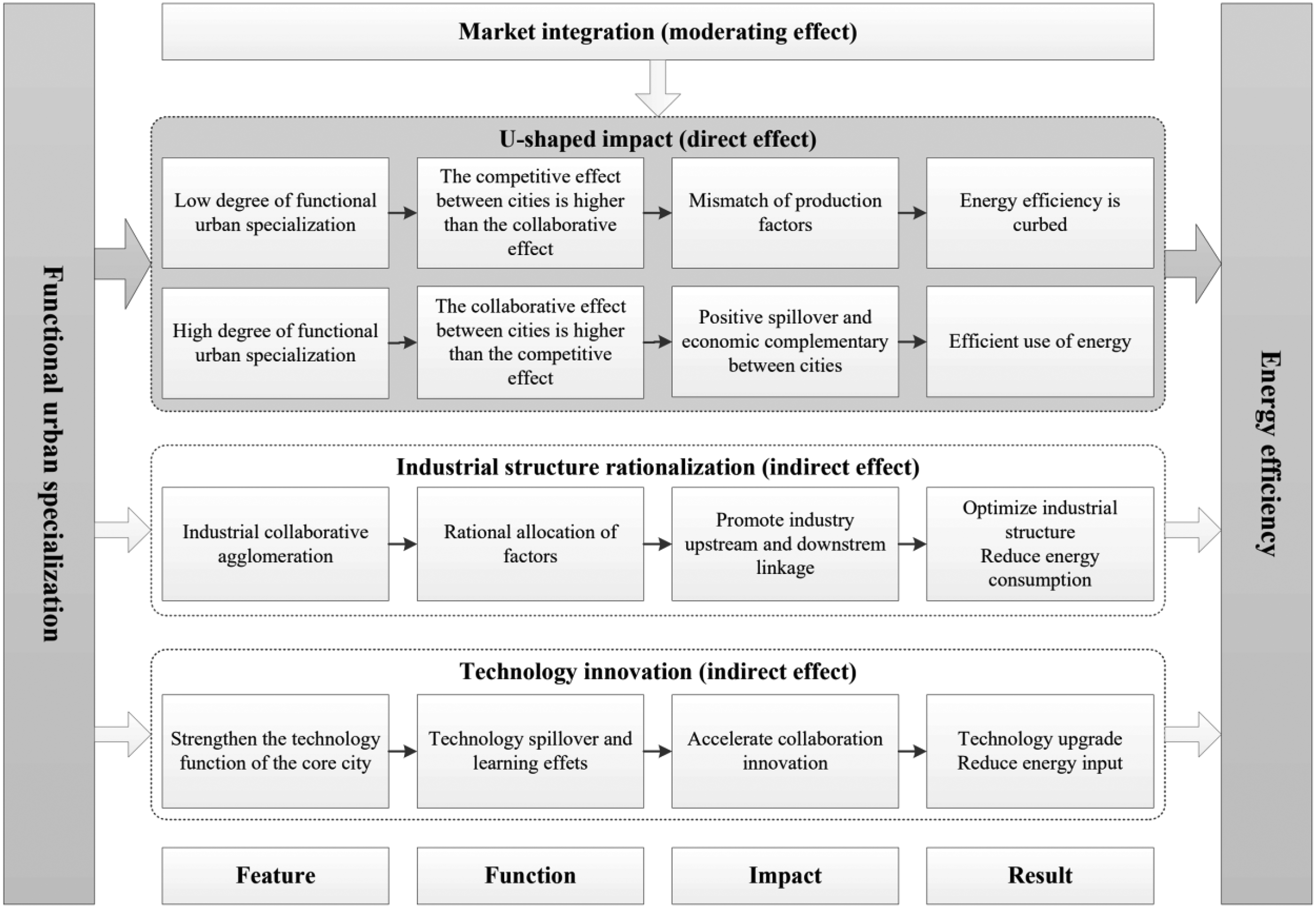
Conceptual framework.
Empirical design
Empirical model
Based on the conceptual framework presented in the Research hypotheses section, we specify an empirical model as follows:

Variable construction
Energy efficiency (EE)
Total factor energy efficiency is commonly employed as a measure of energy efficiency,61–63 with data envelopment analysis (DEA) models often used to calculate resource efficiency. Traditional DEA models, however, ignore energy inputs and undesirable outputs, such as pollution emissions, leading to biased measurement results. To address this issue, Tone 64 proposed non-radial and non-angular slack-based models (SBM) that integrate both desirable and undesirable outputs. DEA-SBM models fully account for input-output slackness and evaluate the efficiency of non-expected outputs.
We employ the super-efficient SBM model developed by Tone and Tsutsui 65 to estimate the total factor energy efficiency of each province in China. This estimation necessitates clarifying three key components: inputs, desired outputs, and undesired outputs. Specifically, labor, capital, and energy consumption are used as input factors, while real gross product serves as the desired output. Carbon dioxide (CO₂) emissions are considered the undesired output. Capital stock is calculated using the perpetual inventory method, following Chen et al., 43 and GDP is deflated to the 2000 base year to account for price changes. Figure 2 presents the trends in energy efficiency in China from 2000 to 2019. The data reveal a gradual increase in average energy efficiency across the country, with the Eastern region exhibiting significantly higher energy efficiency than the Central and Western regions. Moreover, the disparity in energy efficiency among these regions remains pronounced.
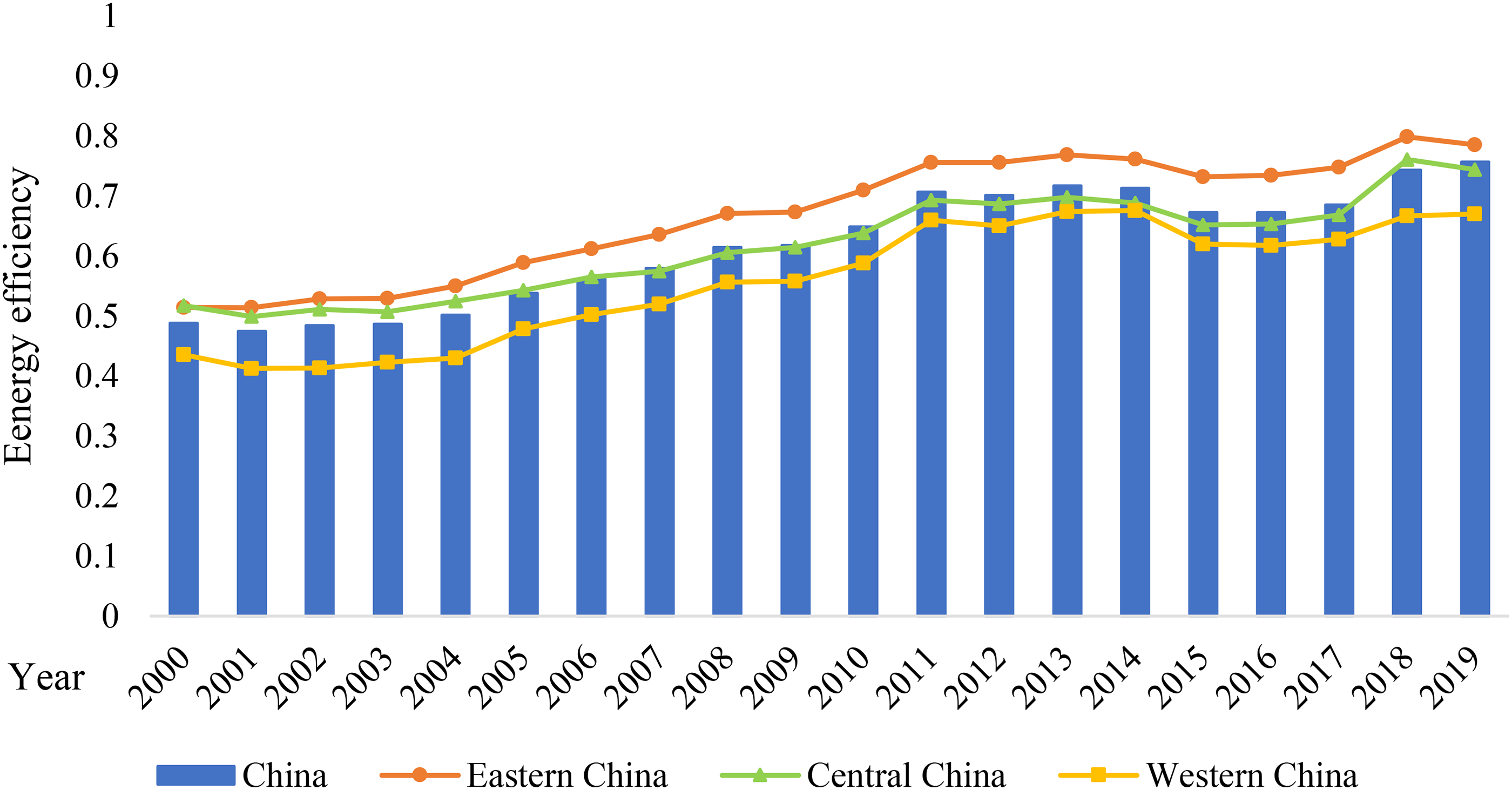
Energy efficiency trends in China (2000–2019).
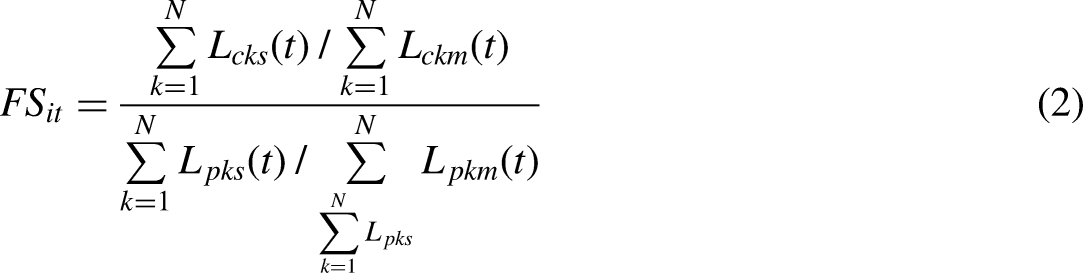
Functional urban specialization (FS). Following Duranton and Puga,
9
we measure functional urban specialization by the ratio of productive service employees to manufacturing employees in core cities relative to the same ratio in peripheral areas, as reflected in equation (2).
Intermediate variables.
Based on hypothesis 2, we treat industrial structure rationalization (ISR) and technological innovation (TI) as intermediate variables. Industrial structure rationalization captures the degree to which industries coordinate resource use.
66
This variable is constructed as follows:

A higher ISR value indicates a more rational industrial structure. Technological innovation (TI) is measured by the number of patents granted per 100 R&D personnel.
Control variables.
Economic development level (per capita GDP) is the first control variable. The environmental Kuznets curve theory posits that economic growth leads to higher energy use until the economy reaches a wealthier stage where energy efficiency improves. 67 Therefore, the logarithm of GDP per capita and its square term are included in the analysis. Energy structure (ES) is the second control variable, with the share of non-coal in energy consumption used to reflect the energy structure, given that coal use increases non-desired outputs and decreases energy efficiency.
Foreign direct investment (FDI) is another control variable, as foreign enterprises can introduce advanced production technologies that improve energy efficiency. However, regions with lower economic development might attract high-polluting foreign enterprises to increase GDP, resulting in lower energy efficiency. The share of foreign capital use in GDP measures this variable. Environmental regulation (ER) is the fourth control variable, with the ratio of industrial pollution control inputs to industrial GDP used to measure it. Strict environmental regulations can reduce crude production and improve energy efficiency. Industrial structure (IS) is the final control variable. The service industry, with its lower direct demand for energy, employs more advanced technologies and management systems compared to manufacturing and heavy industries. Consequently, the share of the tertiary industry in GDP is used to reflect the industrial structure.
Data sources
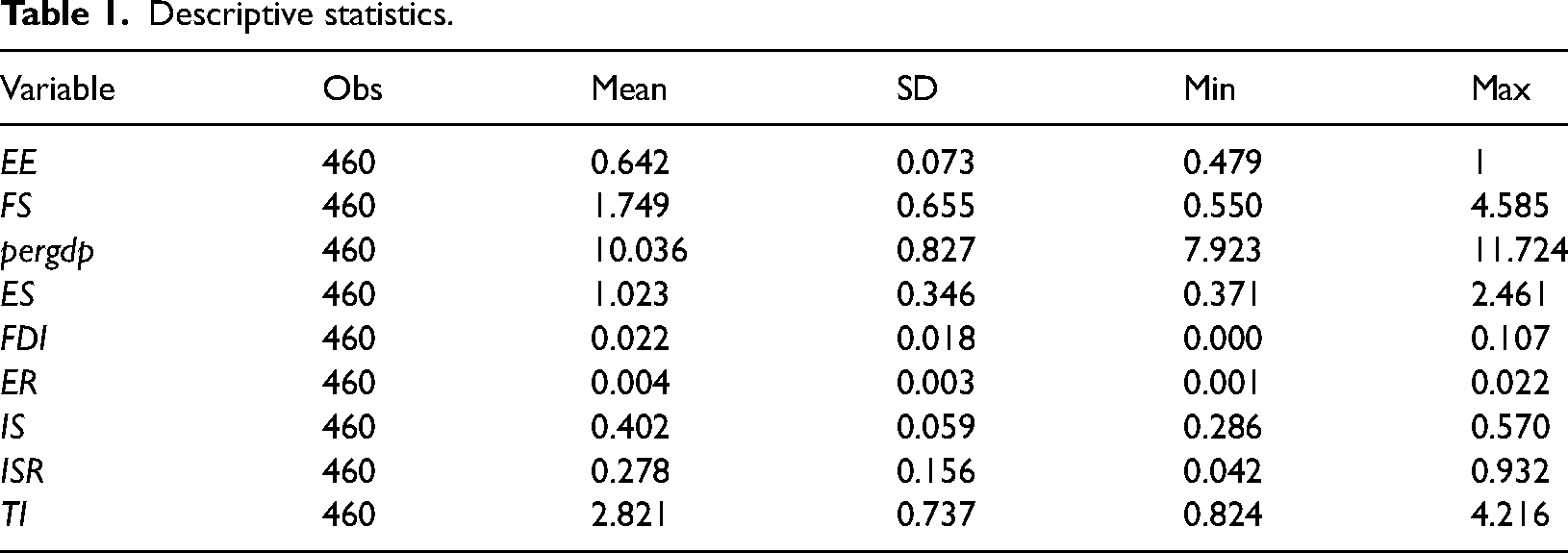
This study uses data from the China Energy Statistical Yearbook and the China Urban Statistical Yearbook. Due to data unavailability in some provinces and the inability of municipalities directly under the central government to measure functional urban specialization at the regional level, four provinces (Tibet, Qinghai, Xinjiang, and Hainan) and four municipalities were excluded from the sample. Consequently, the panel data for analysis includes 23 provinces over the period from 2000 to 2019. Descriptive statistics for the core, control, and mechanism variables are presented in Table 1.
Descriptive statistics.
After processing the data, a scatter plot with fitted lines was obtained, as shown in Figure 3. This figure reveals a clear U-shaped correlation between functional urban specialization and energy efficiency.
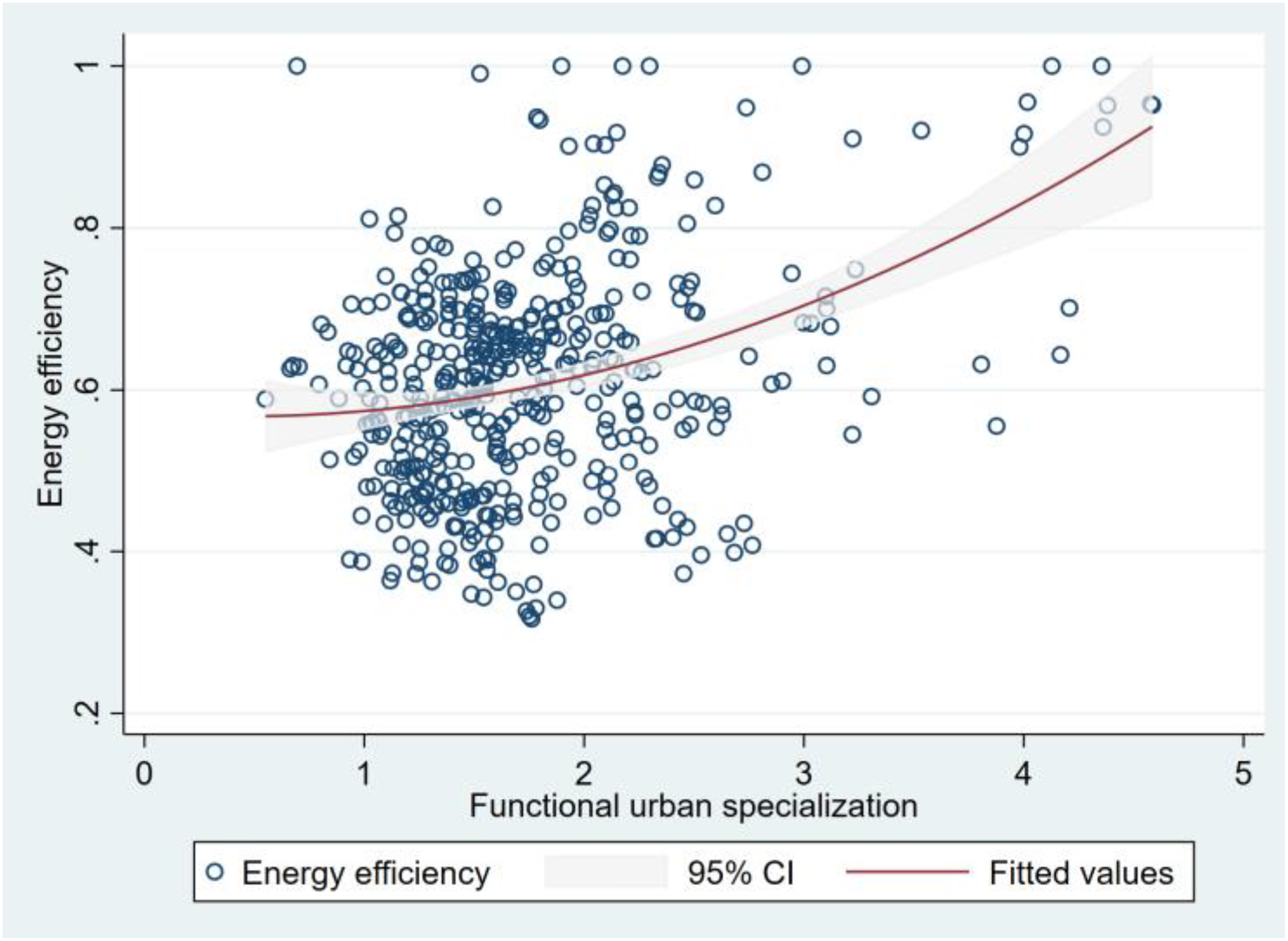
Fitted line between functional urban specialization and energy efficiency.
The observed U-shaped correlation indicates that at low levels of functional urban specialization, energy efficiency initially decreases. However, as functional urban specialization increases beyond a certain point, energy efficiency begins to improve. This pattern suggests that while initial stages of urban specialization may lead to inefficiencies, further specialization promotes more efficient energy use, possibly due to enhanced technological advancements and better resource allocation in highly specialized urban areas.
Empirical analysis
Full sample test and analysis
To investigate the impact of functional urban specialization on energy efficiency, we first employ ordinary least squares (OLS) estimation. The results are presented in Table 2. In columns 1 and 2, where time and region fixed effects have not been taken into account, we observe a negative and significant coefficient for functional urban specialization, along with a significantly positive coefficient for its squared term.
OLS estimation results.
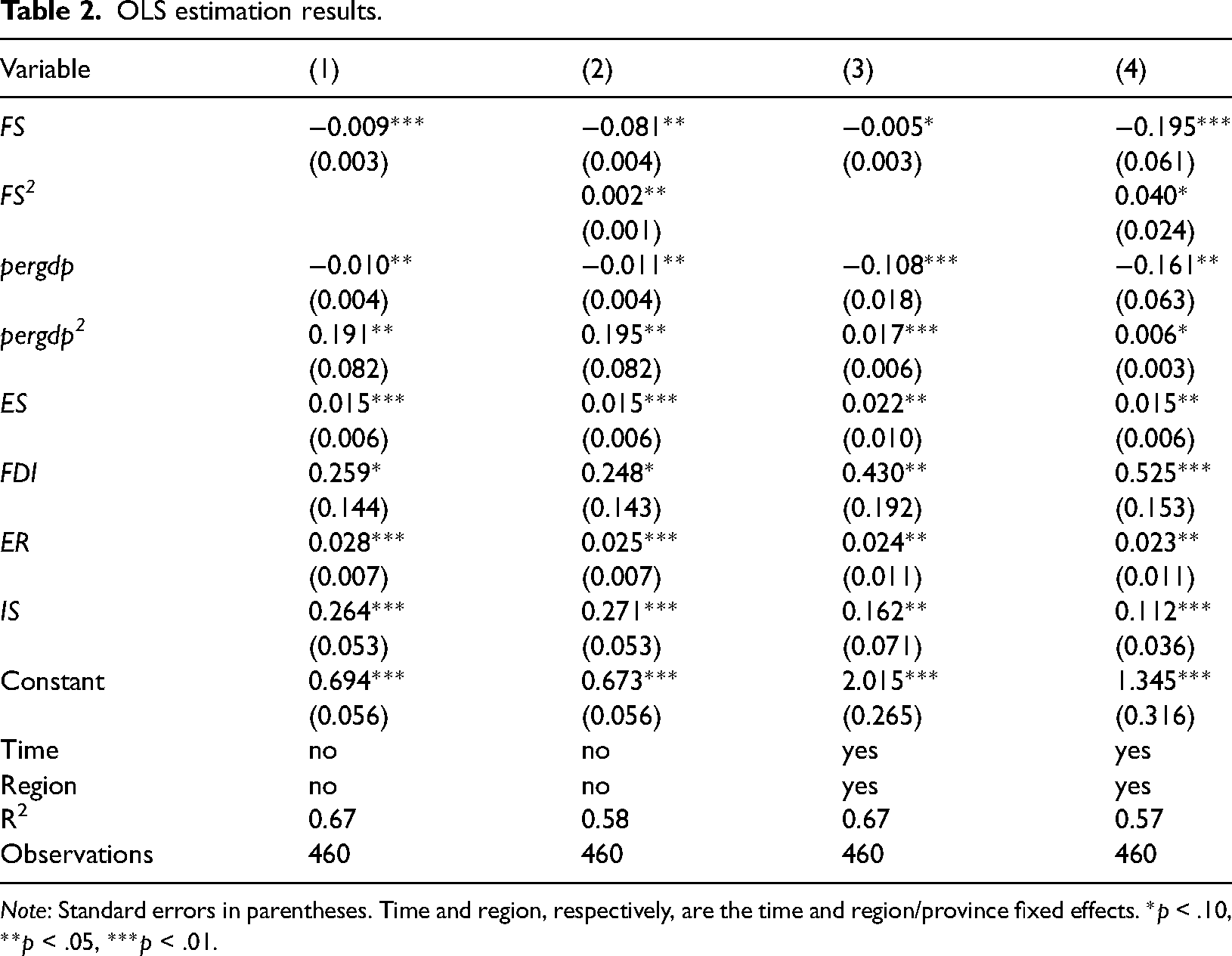
Note: Standard errors in parentheses. Time and region, respectively, are the time and region/province fixed effects. *p < .10, **p < .05, ***p < .01.
Estimation results after taking into account both time and region fixed effects are presented in columns 3 and 4. These results indicate that functional urban specialization continues to exhibit a U-shaped effect on energy efficiency. Specifically, during the initial stages of functional urban specialization, cities often specialize in various manufacturing industries with minimal technological variation and homogeneous competition, which inhibits energy efficiency. However, once functional urban specialization exceeds a certain threshold, the vertical division of labor becomes more pronounced. This leads to a collaborative effect between cities that surpasses the competitive effect, optimizing resource allocation and improving energy efficiency. Therefore, our analysis initially supports Hypothesis 1.
Regarding the control variables, the results are consistent with previous studies on the environmental Kuznets curve. The estimated coefficients of pergdp and pergdp2 suggest that economic development follows a U-shaped relationship with energy efficiency. Additionally, the use of clean energy is found to enhance energy efficiency, as indicated by the coefficients of ES. The introduction of foreign investment is also positively associated with energy efficiency, potentially due to technology spillovers. This finding aligns with prior research highlighting the role of factor mobility and technology spillovers in promoting energy efficiency.
Although the estimated coefficients for environmental regulation (ER) are insignificant in the uncontrolled models (see columns 1 and 2 in Table 2), they become significantly positive after controlling for time and region fixed effects. This emphasizes the importance of environmental regulation in energy conservation and emission reduction. Lastly, the coefficients of IS suggest that a service-oriented industrial structure contributes to improving energy efficiency.
Following the confirmation of Hypothesis 1, the focus shifts to identifying the Chinese provinces that have entered the stage where energy efficiency increases with functional urban specialization. Using the results from Table 2, column 4, we estimate the inflection point. Figure 4 displays the regions where the level of functional urban specialization is on the right side of the U-shaped curve. The results indicate a gradual increase in the number of provinces where functional urban specialization promotes energy efficiency. Specifically, in 2000 and 2005, only Inner Mongolia exceeded the inflection point in functional urban specialization, whereas by 2019, this number had risen to six. These findings suggest that the functional urban specialization in the majority of Chinese provinces remains at a relatively low level with respect to promoting energy efficiency.
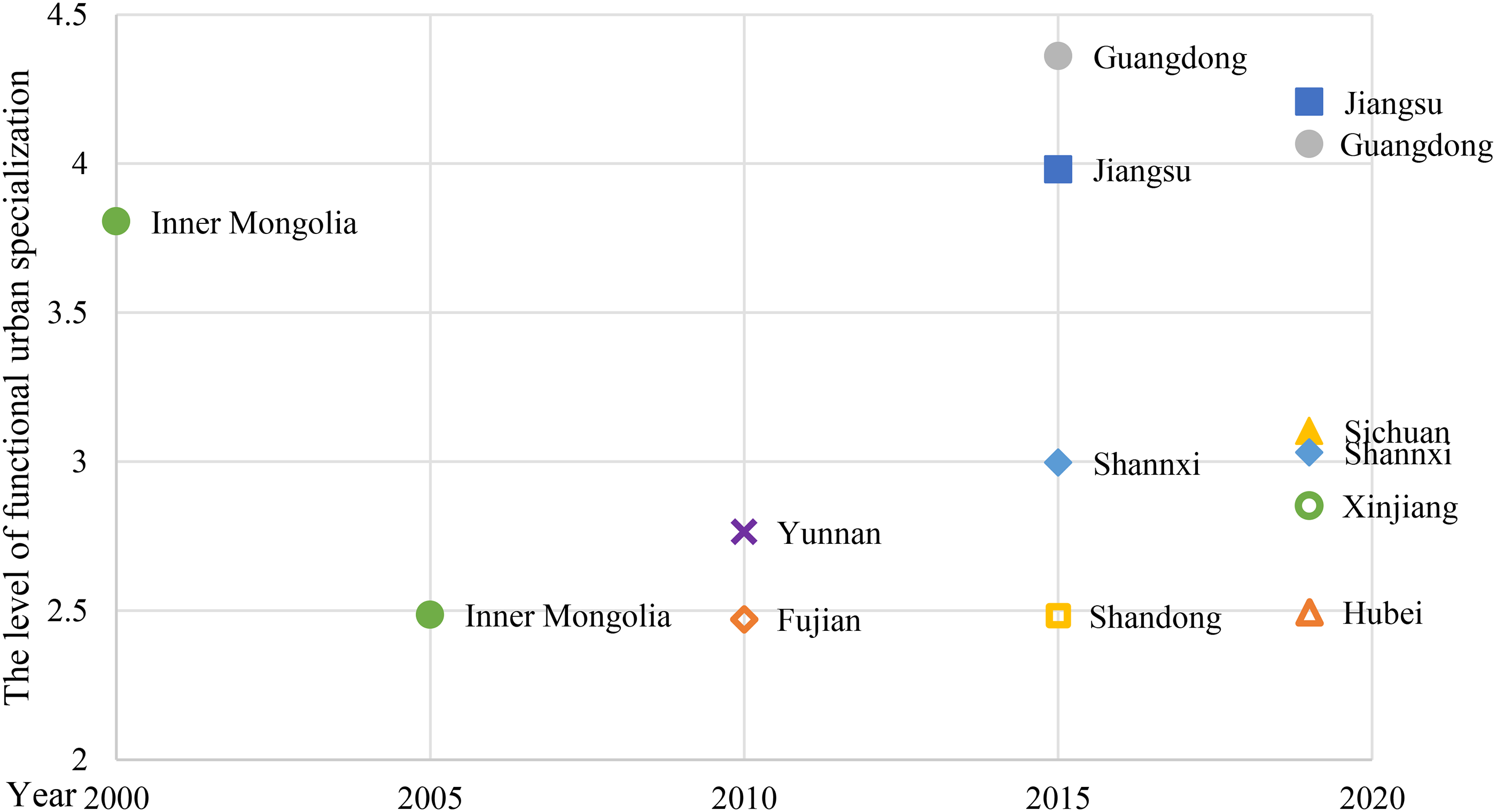
Provinces with functional urban specialization positioned to the right side of the U-shaped curve.
Robustness tests
The validity of the OLS regression results may be compromised by the presence of endogeneity in the model. To address this concern, we constructed instrumental variables and re-estimated Equation (1) using the two-stage least squares (2SLS) method. Specifically, two indicators were employed as instrumental variables for functional urban specialization: the ratio of core cities to peripheral cities in terms of land grant area per capita, and the distance between these two city types. The rationale behind these instruments is twofold. First, a substantial difference exists in land demand between service and manufacturing industries, which influences functional urban specialization through rental values. Moreover, since land transactions are regulated by the government, this factor introduces a degree of exogeneity. Second, the distance between cities can affect functional urban specialization through the cost of factor migration. Using ArcGIS software, we calculated straight-line distances based on the latitude and longitude of each city.
The 2SLS estimation results are presented in columns 1 and 2 of Table 3, and they indicate that the U-shaped relationship between functional urban specialization and energy efficiency remains robust. The p-value from the Hausman test is significantly less than 0.1, suggesting that the instrumental variable approach is more appropriate than OLS. Additionally, the results of the Kleibergen-Paap RK LM test are significant at the 15% level, and the Cragg-Donald Wald F test values exceed the 15% threshold of the Stock-Yogo test, confirming the validity of the instrumental variables. The first-stage estimation results for the 2SLS method are detailed in Appendix Table A1.
Robustness test 1 (instrumental variables test).
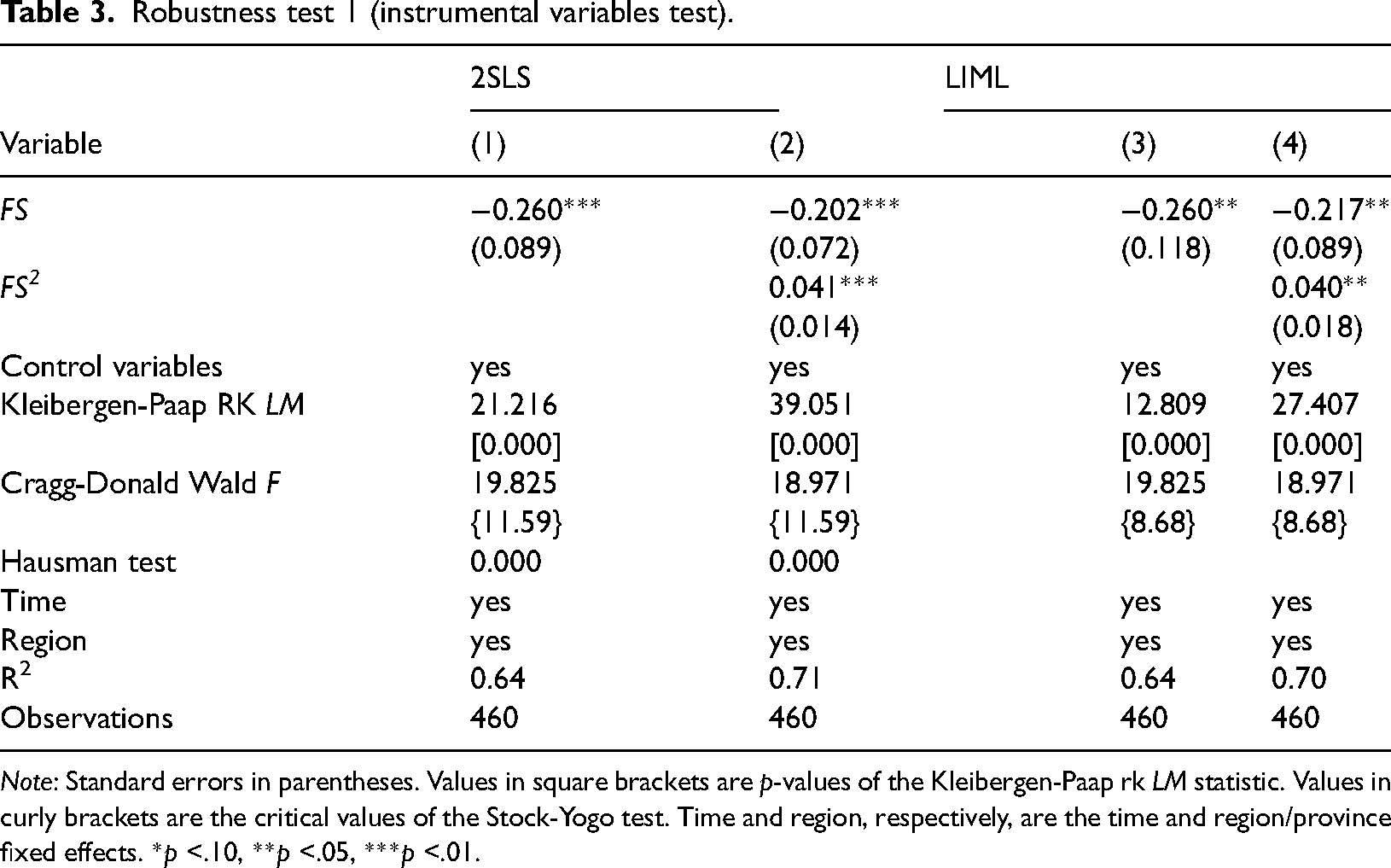
Note: Standard errors in parentheses. Values in square brackets are p-values of the Kleibergen-Paap rk LM statistic. Values in curly brackets are the critical values of the Stock-Yogo test. Time and region, respectively, are the time and region/province fixed effects. *p <.10, **p <.05, ***p <.01.
To further verify the robustness of our results, we applied the limited information maximum likelihood (LIML) estimation technique. LIML is recognized for its superior handling of weak instrumental variables compared to 2SLS. The main LIML estimation results, shown in columns 3 and 4 of Table 3, are qualitatively consistent with the benchmark results, underscoring the robustness of our empirical findings.
It is important to investigate whether the relationship between functional urban specialization and energy efficiency varies across the southern and northern regions, given the centralized heating during winters and the relatively abundant oil and coal resources in northern China. Estimation results are presented in Table 4, indicating that functional urban specialization has a U-shaped impact on energy efficiency in both regions. This finding suggests that the mechanism linking functional urban specialization and energy efficiency is highly similar in both the southern and northern regions of China. Additionally, there are significant differences in energy endowment and structure among the eastern, central, and western regions of China. To address this, we divided the sample into three regions. Estimation results, presented in Table A2 in the Appendix, reconfirm the robustness of Hypothesis 1.
Robustness test 2 (distinguishing between geographical locations).
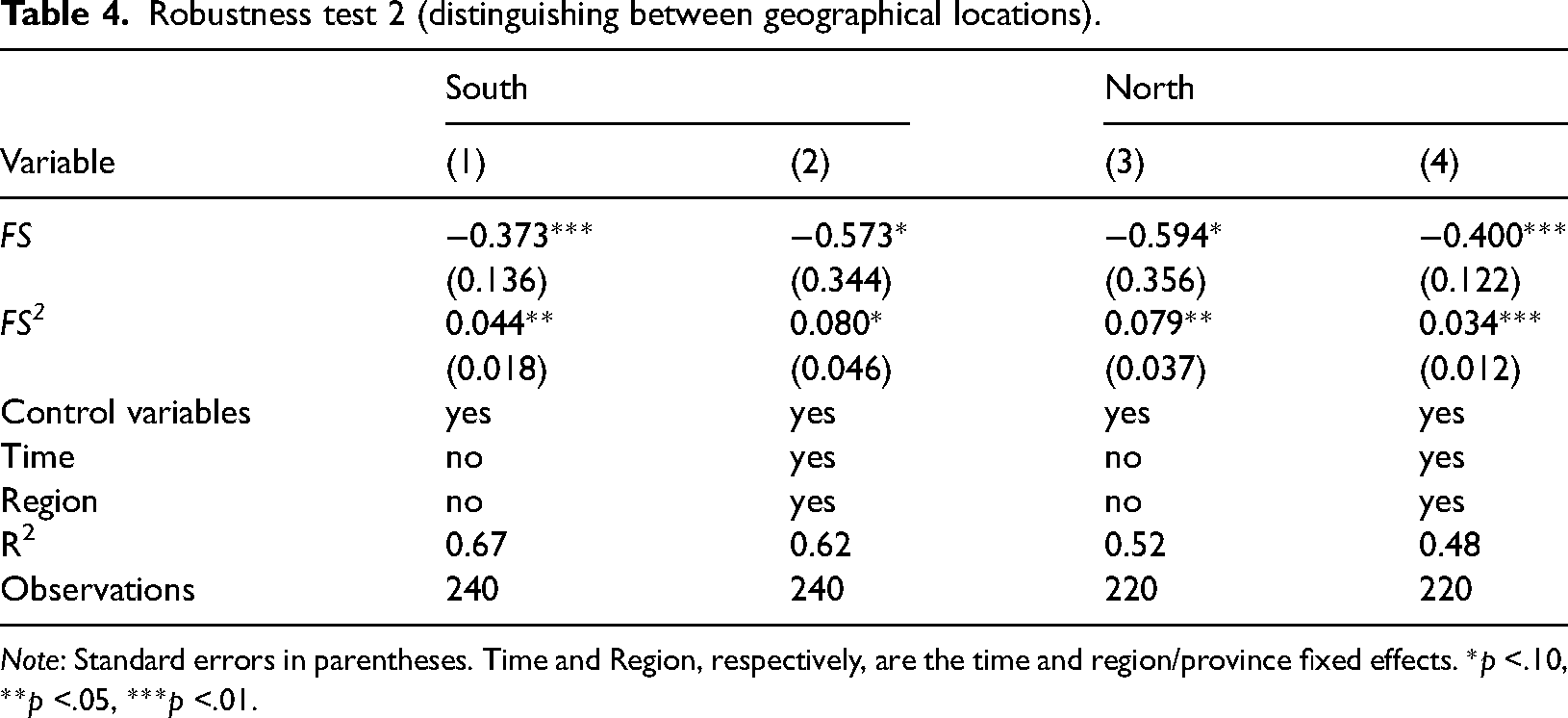
Note: Standard errors in parentheses. Time and Region, respectively, are the time and region/province fixed effects. *p <.10, **p <.05, ***p <.01.
In some provinces, the economic output of certain cities is comparable to or even exceeds that of the provincial capital. Examples include Qingdao and Jinan, as well as Suzhou and Nanjing. Therefore, relying solely on provincial capitals as core cities to calculate functional urban specialization may not accurately reflect the situation in these provinces. To address this issue, we first designate six provinces–Liaoning, Jiangsu, Zhejiang, Fujian, Shandong, and Guangdong–as dual-core regions, considering both the city with the largest economic output and the provincial capital as core cities. Second, we exclude the dual-core provinces from the sample and re-estimate the model. Table 5 presents the estimation results, showing that the estimated coefficients and statistical significance of functional urban specialization remain unchanged. This implies that empirical support for Hypothesis 1 remains robust even after accounting for the "dual-core" feature.
Robustness test 3 (accounting for the dual core feature).
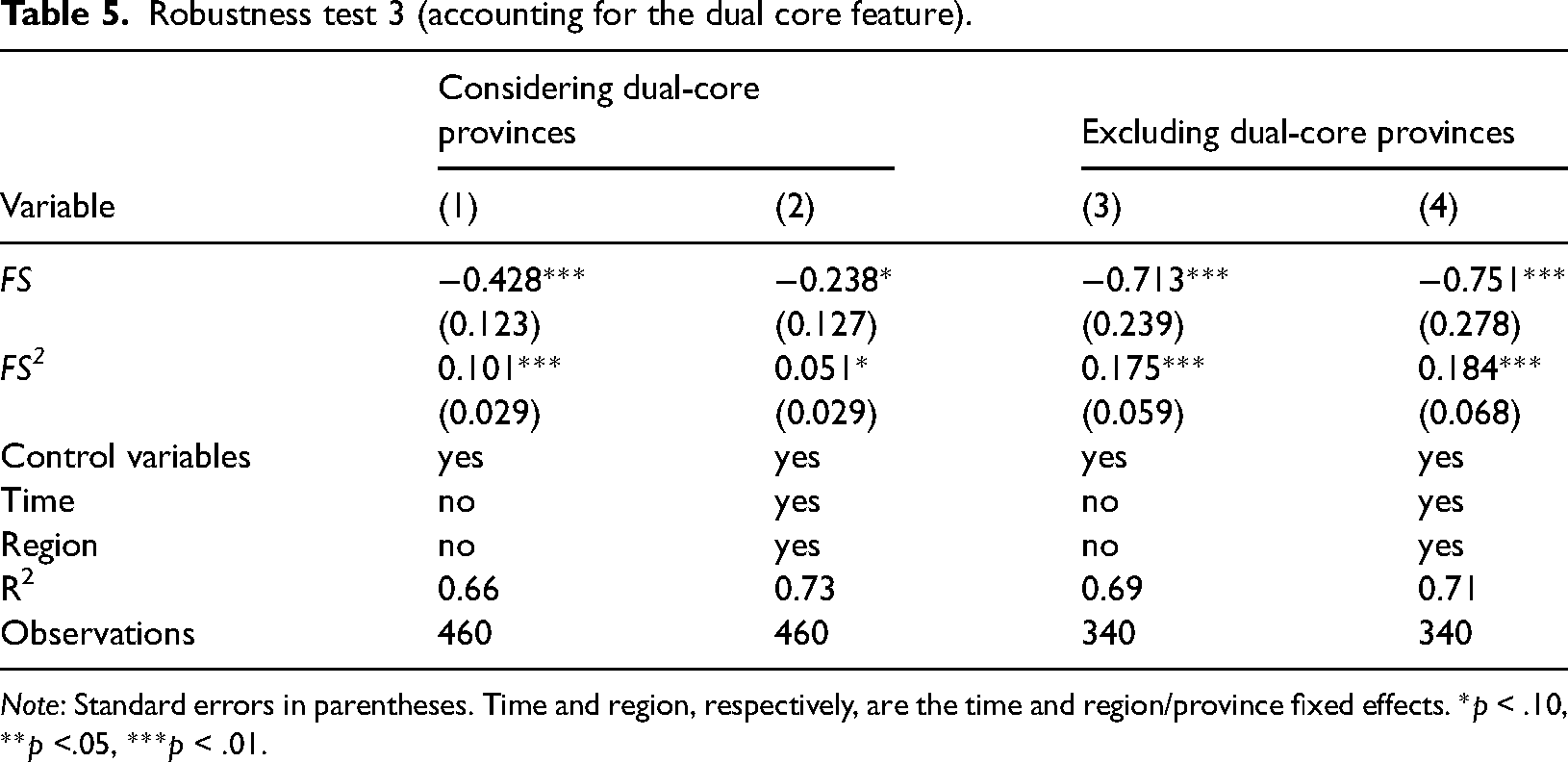
Note: Standard errors in parentheses. Time and region, respectively, are the time and region/province fixed effects. *p < .10, **p <.05, ***p < .01.
To further asses the robustness of our findings, we also used energy intensity (EI), defined as the energy consumed per 10,000 yuan of GDP, as a substitute for total factor energy efficiency. Higher energy intensity indicates lower energy efficiency. Table 6 presents the estimation results, showing that functional urban specialization has an inverted U-shaped relationship with energy intensity, both in the full sample and when considering differences in location and spatial patterns. Combining this finding with the negative correlation between energy intensity and energy efficiency, we can conclude that Hypothesis 1 is supported from the energy intensity perspective as well. In summary, our results remain robust under different regression methods, samples, and measures of energy efficiency.
Robustness test 4 (replacing the explained variable).
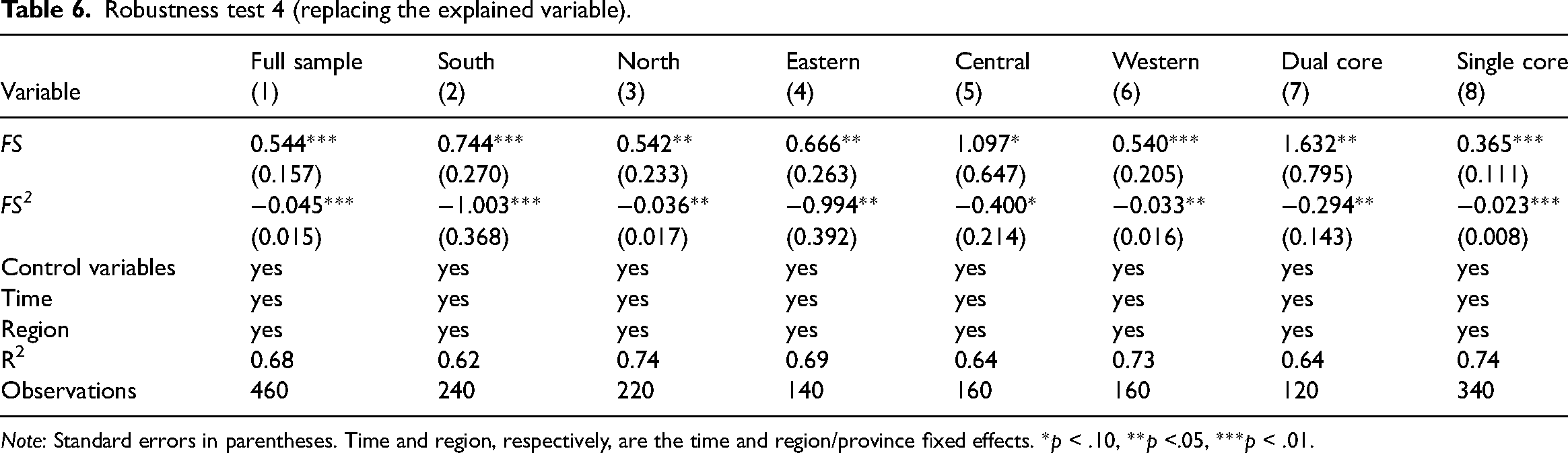
Note: Standard errors in parentheses. Time and region, respectively, are the time and region/province fixed effects. *p < .10, **p <.05, ***p < .01.
Mechanism analysis
In this section, the intermediary effect model is applied to explore the mechanism linking functional urban specialization and energy efficiency. The regression model used is as follows:
Estimation results are presented in Table 7. These results show that the effect of functional urban specialization on industrial structure rationalization exhibits a significant U-shaped characteristic, as demonstrated in columns 1 and 2. Similarly, the results presented in columns 3 and 4, with technological innovation as the dependent variable, show a U-shaped association between functional urban specialization and technological innovation. Therefore, if the goal of improving energy efficiency can be achieved through industrial structure rationalization and technological innovation, then these two intermediate variables can be considered effective channels for facilitating such improvements.
Mechanism testing using two intermediate variables.
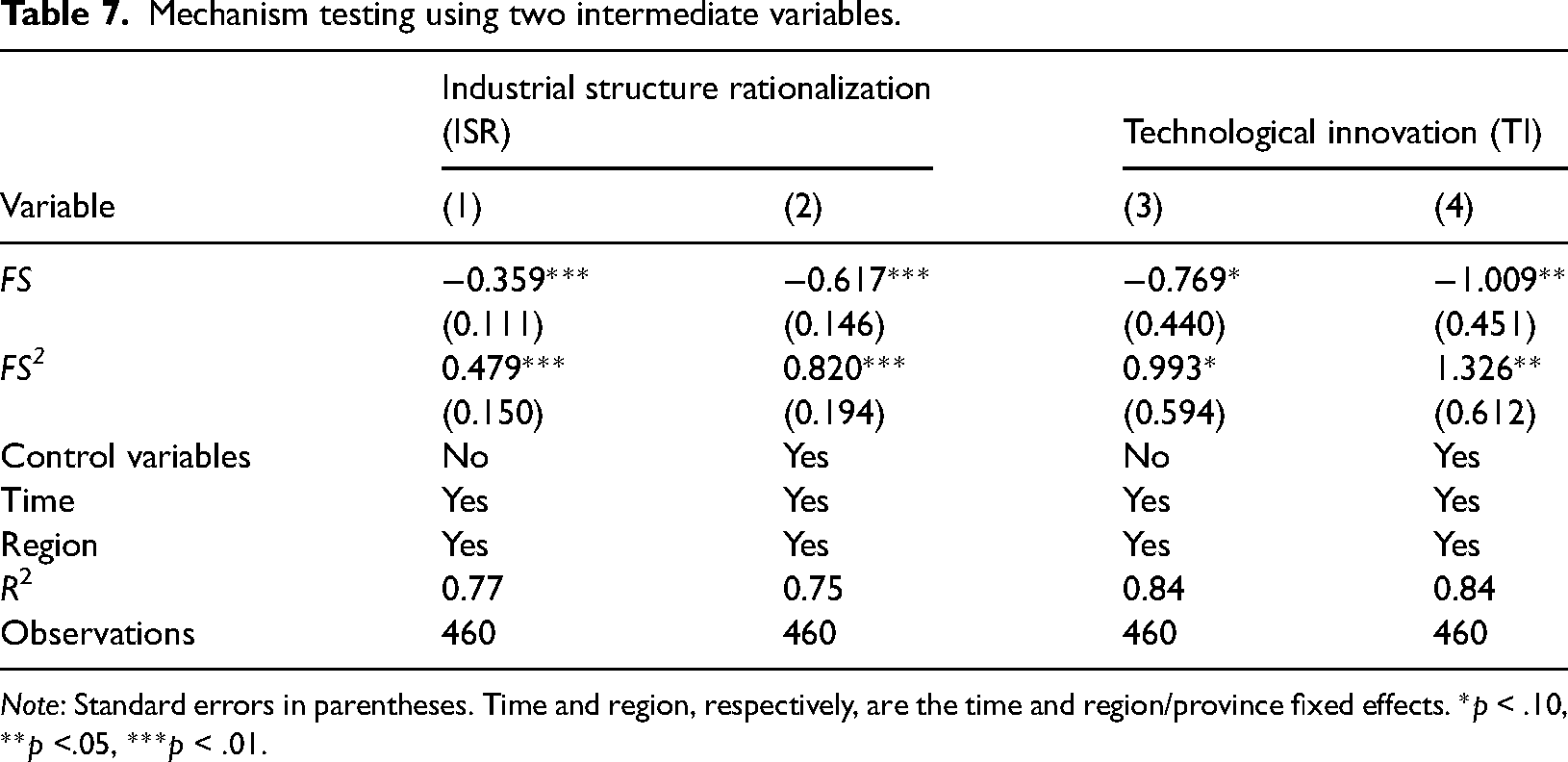
Note: Standard errors in parentheses. Time and region, respectively, are the time and region/province fixed effects. *p < .10, **p <.05, ***p < .01.
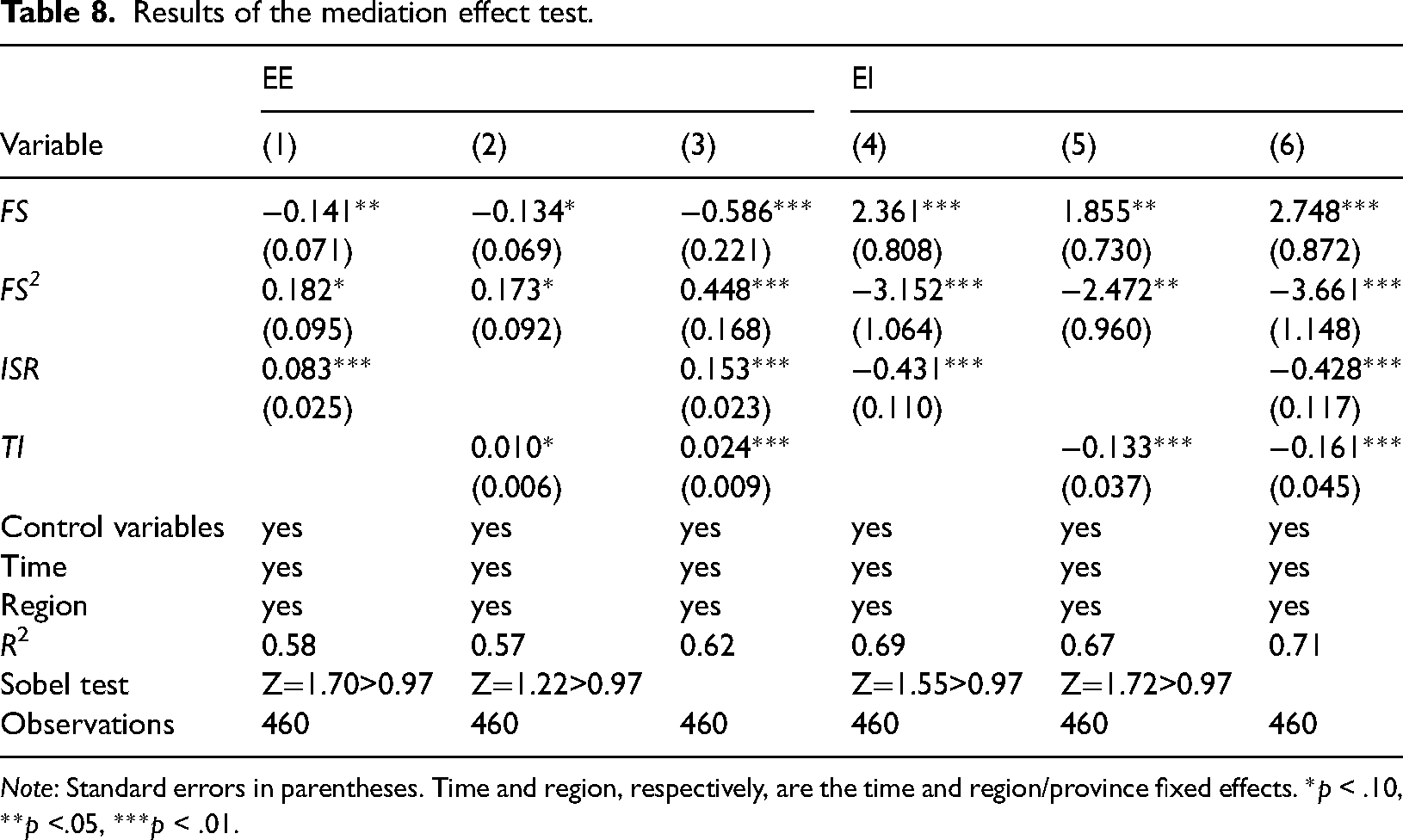
Next, the effects of industrial structure rationalization and technological innovation on energy efficiency are tested. In Table 8, the estimated coefficients for both industrial structure rationalization and technological innovation are significantly positive, indicating that both variables play an intermediary role in how functional urban specialization affects energy efficiency. Furthermore, the estimated coefficients presented in column 3 remain significant, suggesting that while industrial structure rationalization and technological innovation play a partial intermediary role, there are other channels yet to be identified.
Results of the mediation effect test.
Note: Standard errors in parentheses. Time and region, respectively, are the time and region/province fixed effects. *p < .10, **p <.05, ***p < .01.
Estimation results after replacing total factor energy efficiency with energy intensity are shown in columns 4–6 of Table 8. These results confirm our earlier conclusions, thus supporting Hypothesis 2. Additionally, the Sobel test yields a Z value higher than the critical value for the significance level, confirming the effectiveness of the intermediary variables.
Further discussion and analysis
As analyzed above, functional urban specialization can only play a positive role if there is sufficient interaction between cities. However, market segmentation caused by government intervention restricts the cross-regional flow of factors, thereby affecting the influence of functional urban specialization on energy efficiency. The Opinions on Accelerating the Construction of a National Unified Market, issued by The State Council in April 2022, identified key tasks for accelerating this construction. Therefore, this paper further explores the impact of market integration on the relationship between functional urban specialization and energy efficiency using the following regression model.
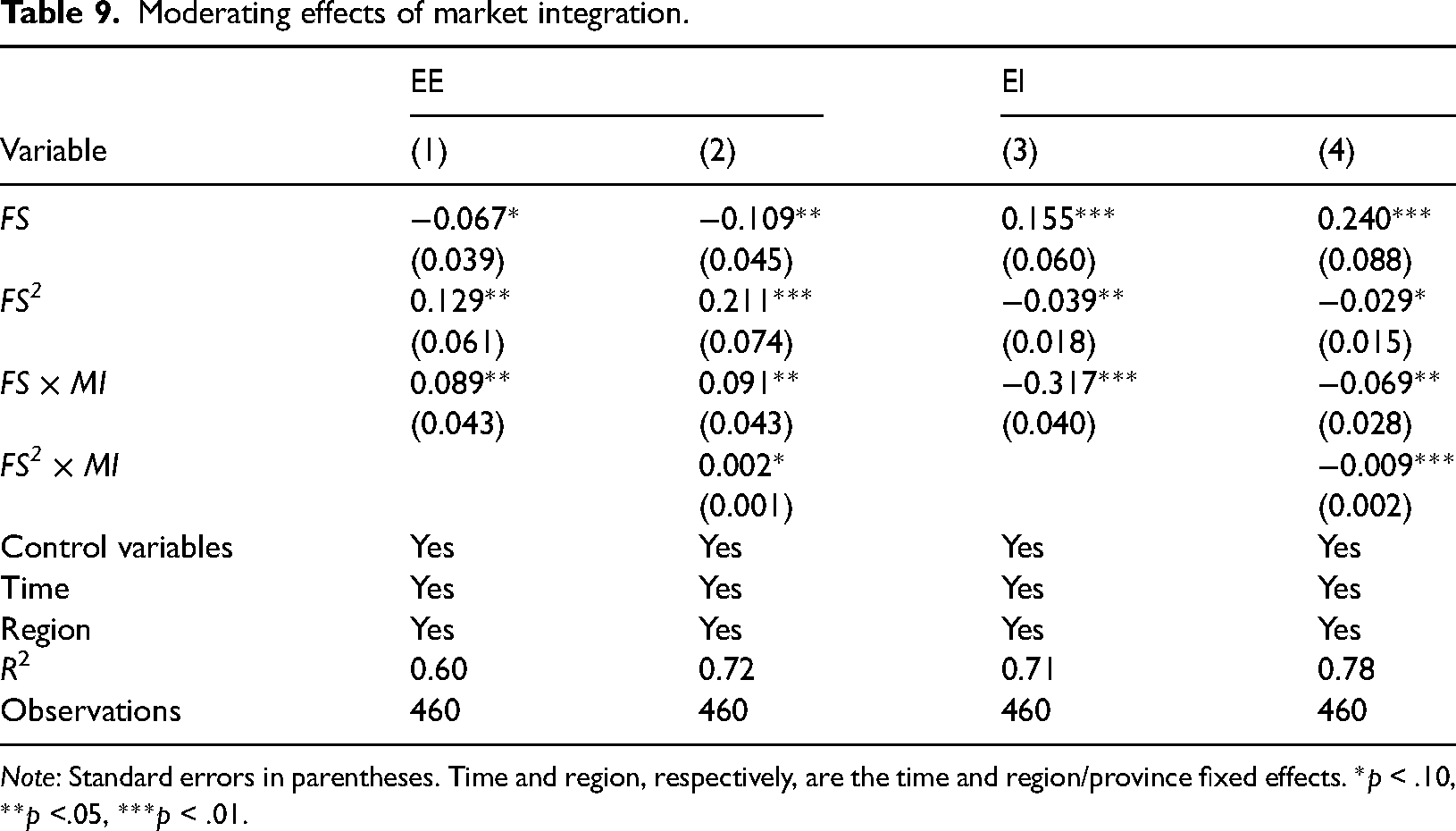
The approaches employed to measure market integration primarily encompass the trade flow method 68 and the relative price method. 69 Due to data availability, we adopt the relative price method to assess the level of market integration in each province, with a detailed calculation process provided in the Appendix. The regression results regarding the moderating effect of market integration are presented in Table 9.
Moderating effects of market integration.
Note: Standard errors in parentheses. Time and region, respectively, are the time and region/province fixed effects. *p < .10, **p <.05, ***p < .01.
In column 1, the significantly positive coefficient of FS×MI suggests that when the level of functional urban specialization is insufficient and compromises energy efficiency, increasing market integration can effectively mitigate this negative effect. Similarly, in column 2, the positive coefficient of FS2×MI indicates that when functional urban specialization exceeds the inflection point, its positive impact on energy efficiency is strengthened by higher levels of market integration. Columns 3 and 4 present results using energy intensity as a substitute for energy efficiency, illustrating that market integration enhances the energy-saving effect of functional urban specialization.
Moreover, the robustness of the moderating role of market integration is confirmed in sub-sample tests, as depicted in Appendix Table A3. Therefore, Hypothesis 3 is supported.
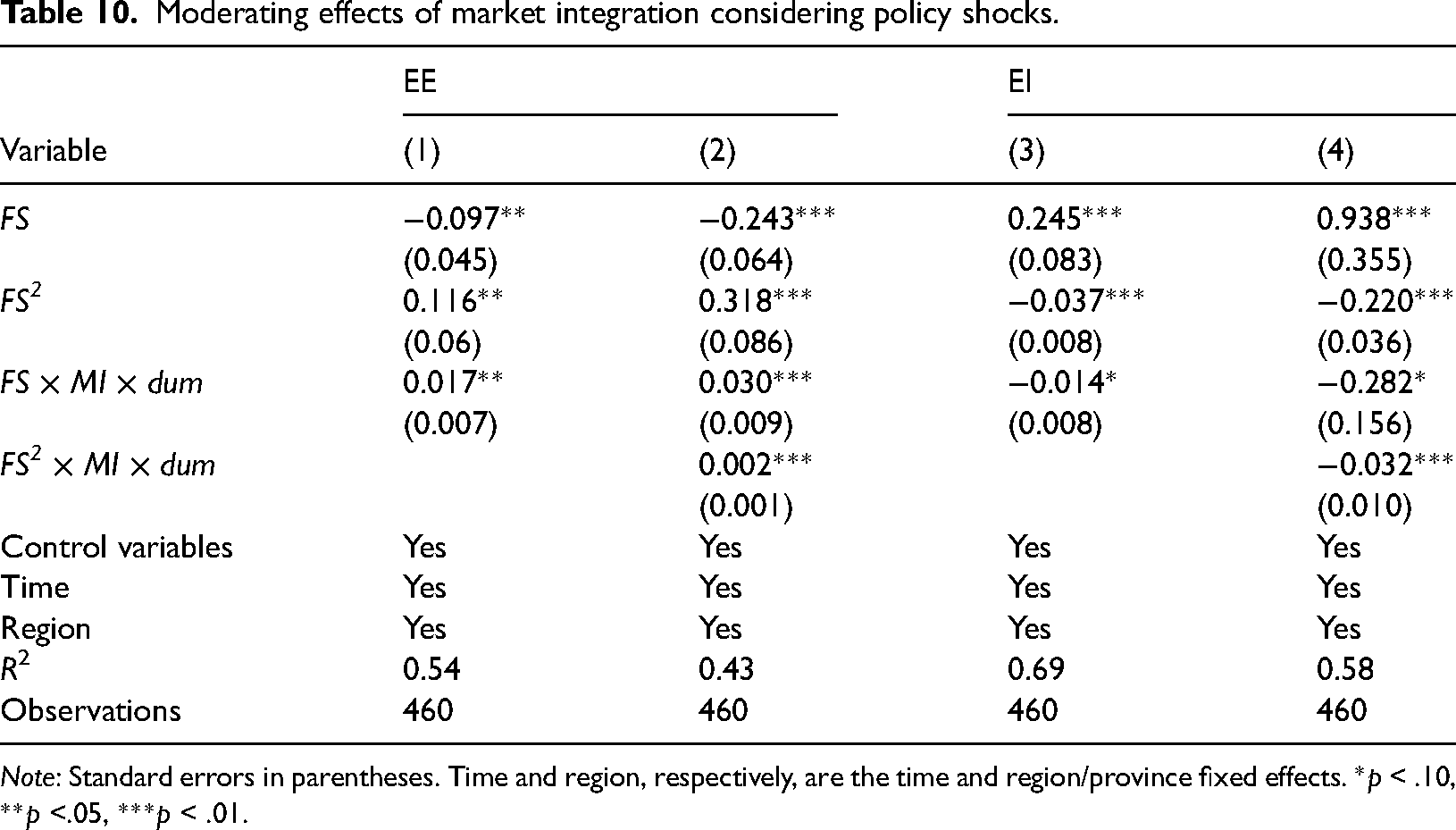
In recent years, China has emphasized the importance of reducing trade barriers and accelerating regional integration. In this context, we also consider the moderating effect of market integration on functional urban specialization before and after 2008, introducing interaction terms with time dummy variables. The time dummy variable is set to 0 before 2008 and 1 after 2008.
The results of stepwise regressions in Table 10 indicate that the coefficients of the interaction terms are significantly positive in columns 1 and 2. This finding underscores the role of market integration in enhancing the energy efficiency benefits of functional urban specialization in response to policy shocks.
Moderating effects of market integration considering policy shocks.
Note: Standard errors in parentheses. Time and region, respectively, are the time and region/province fixed effects. *p < .10, **p <.05, ***p < .01.
Furthermore, we conducted a robustness test using energy intensity instead of energy efficiency, which did not affect our main conclusion.
Conclusion and policy implications
This paper investigates the relationship between functional urban specialization, energy efficiency, and the moderating effect of market integration. Our analysis reveals that functional urban specialization exhibits a U-shaped relationship with energy efficiency, indicating that achieving optimal energy efficiency requires a certain degree of specialization, while insufficient specialization hinders it. This relationship holds true even after accounting for geographical location and spatial characteristics. Industrial structure rationalization and technological innovation emerge as critical pathways through which functional urban specialization influences energy efficiency. Furthermore, our findings highlight that market integration plays a significant positive moderating role, mitigating the negative effects of low-level functional specialization and amplifying the positive effects of high-level specialization.
Based on our empirical results, we propose three policy directions to strengthen urban functional specialization and market integration. First, enhancing the complementarity of urban functions is essential. This involves boosting the competitiveness and spillover effects of core cities, as well as facilitating the relocation of high-energy-consuming industries from core cities to peripheral areas. Second, reducing energy inputs in industrial production processes should be prioritized by leveraging the scientific, technological, and financial advantages of core cities to foster cross-regional cooperation in technological innovation. Establishing mechanisms for sharing and exchanging environmental technological innovations across regions and jointly developing industry-specific energy efficiency standards are crucial steps in this regard. Third, provinces should accelerate the establishment of a unified and open market. This can be achieved by leveraging the development of metropolises and urban agglomerations to jointly formulate industrial development plans. Simultaneously, eliminating regulations and practices that impede unified markets and fair competition, promoting the integration of product and energy markets, and prioritizing efficiency in allocating factor resources centrally are essential. Strengthening intercity transportation infrastructure, such as highways and railways, and enhancing policy coherence among local governments—particularly in energy policy, legislation, and industrial planning—are also crucial aspects of this policy direction. These measures can facilitate the efficient flow of factors between cities, thereby enhancing energy efficiency and promoting sustainable urban development.
While this study provides insights into the impact of functional urban specialization on China's energy efficiency within a specific geographic scope, it is important to acknowledge some limitations. First, existing research on China's functional urban specialization largely relies on employment data from the China Urban Statistical Yearbook, which may only capture employees in urban non-private units and exclude other economic activity participants, potentially limiting data comprehensiveness and representativeness. Additionally, changes in statistical criteria since 2020 have led to inconsistencies in data sources for calculating functional urban specialization in recent years, affecting research coherence and accuracy. Furthermore, the paper primarily focuses on the development trajectories of central and peripheral cities in functional urban specialization, without fully exploring the roles of medium and small cities in promoting energy efficiency. Future research should consider using broader datasets beyond industry employment figures to refine measures of functional urban specialization and explore additional analytical perspectives to better inform urban development strategies.
Footnotes
Acknowledgments
The authors are extremely grateful to two anonymous reviewers and an Associate Editor for very helpful comments and suggestions. All remaining errors are our own responsibility.
Availability of data
The data used in this study are available from the authors upon request.
Declaration of conflicting interests
The authors declared no potential conflicts of interest with respect to the research, authorship, and/or publication of this article.
Funding
The authors received no financial support for the research, authorship, and/or publication of this article.

Notes
Appendix
Table A1 presents the first-stage estimation results of the 2SLS method, highlighting the correlation between the instrumental variables and energy efficiency. The significance of the estimated coefficients in Table A1 shows that while the relationship between energy efficiency and the two instrumental variables is weaker compared to functional urban specialization, the instrumental variables fulfill the necessary condition. Specifically, they are sufficiently correlated with the endogenous variables and uncorrelated with error term in the regression equation, thus confirming their validity as instruments.
Table A2 presents the test results for distinguishing between eastern, central and western regions of China, confirming the robustness of Hypothesis 1 again.
We also conducted a sub-sample test to examine the moderating effect of market integration. The estimation results, as presented in Table A3, indicate that the positive moderating effect of market integration persists even after accounting for regional differences between the North and the South and considering the dual-core provinces.
Furthermore, we conducted a sub-regional analysis and observed that while the estimated coefficient of the interaction term remained positive overall, it was statistically insignificant in the western region. This outcome may be attributed to the longer urban distances in the west, which potentially weaken the contribution of market integration to urban interaction.
Overall, our findings suggest that market integration plays a crucial role in promoting energy efficiency through functional urban specialization, as evidenced by the significant moderating effect observed in our sub-sample analysis.
With regards to market integration, Parsley and Wei
69
argue that a region's degree of market integration can be inferred by examining the stability of price divergence for a particular product across regions. We use equation (A1) to illustrate the commodity price differential as a measure of market integration as follows:
The change in the price differences can be expressed as follow.
Equation (A4) is used to eliminate the commodity individual effect, and