




Abstract
In fact, current water supplies due to natural constraints or lack of infrastructure (or both) cannot be provided in a sustainable manner for all increasing and competing uses (e.g. residential, industrial, agricultural). While promoting Penghu's low-carbon islands, in a water-scarce environment, it is the motivation of this research to take into account the development of water resources and lower energy consumption costs. The seawater desalination plant water production technology is improved, the cost of water production is reduced. This research uses a genetic algorithm (GA) to optimize the recovery rate to solve the minimum Specific energy consumption (SEC) value, and then, according to the required water production, the optimal flow rate of raw seawater of the high-pressure pump is obtained, so as to minimize the energy consumption of the reverse osmosis (RO) system. The energy recovery device has a great effect on reducing the energy consumption of the RO system, and it can be seen from the results that the higher efficiency does greatly reduce the energy consumption of the SEC and water production under the different energy recovery device efficiency. Calculated using genetic algorithms, and the SEC is 3.275 and the recovery rate is 45.1%, and the water production energy consumption is 2.35 kWh/m3. Scheme B changed the efficiency of the energy recovery unit to 97.22%, resulting in a SEC of 1.819 and a recovery rate of 25.3%, and a water production energy consumption of 1.31 kWh/m3. Finally, challenges and research gaps are also proposed.
Keywords
Introduction
Water scarcity is a serious challenge, especially in arid and semi-arid regions such as Texas, 1 California and Baja California 2 or the Middle East. 3 With the rapid growth of the population, not only the demand for water and food consumption increases, but also the energy consumption increases at the same time. Since water has traditionally been used as a coolant in energy production, as well as as a coolant for food production, water consumption has increased further.4,5 However, water, food, and energy production are interrelated, which in turn means that these challenges need to be addressed through food-energy-water interrelationships. 6 Describe the food-energy-water relationship in which natural resources are interrelated, and when decisions are made about the use of resources (in this case, water), other resources (in this case, food and energy) are affected, and vice versa. 7 Thus, guide policymakers to think of food, energy, and water systems as connected and co-evolving. 8 In addition, the food-energy-water relationship includes not only water resources research. 9 Sustainability, 10 food waste management 11 or metropolitan-scale water management, 12 but even various other scientific fields such as psychology, 13 sociology, 14 etc.
In 2010, the United Nations made it clear that the supply of clean drinking water is essential to human rights, 15 however, in many cases such resources are not available in quantity or quality. In fact, current water supplies due to natural constraints or lack of infrastructure (or both) cannot be provided in a sustainable manner for all increasing and competing uses (e.g. residential, industrial, agricultural).16–18 Historically, the cost of water supply infrastructure has led utilities to resort to freshwater resources (such as surface water and groundwater); However, their depletion or overexploitation, pollution, or, in short, the relative cost of prior art, drives the development of countermeasures. In addition, marginal costs, limitations, and potential differences (e.g. location near source/water supply, energy costs) make their research meaningful and enable them to achieve policy-relevant contributions. 19
Water is an essential substance for the sustainable survival of human beings. It is estimated that two-thirds of the earth is covered by water, but only 1% is suitable for domestic and industrial use. 20 Currently, one in five of the world's population is facing a water shortage crisis. A quarter of the population has access to water, but lacks adequate purification facilities. 21 According to the United Nations World Assessment Program, 22 by 2030, 40% of the world's population will be affected by water scarcity. The reasons for the shortage of fresh water resources are climate change and pollution. 23 Since 97% of available water resources is saline, the clear option for obtaining sustainable fresh water is through desalination and water reuse techniques. 24 Simply put, desalination is a purification process that obtains fresh water or drinking water from available brine (seawater or brackish water). Over the years, seawater desalination systems have undergone continuous advancements, leading to the availability of different methods, which can be divided into membrane methods or thermal processes. Membrane desalination methods use selective and semi-permeable properties in membranes with unique chemical and physical properties, such as ion adsorption and desorption, capacitive deionization (CDI), electrodialysis (ED), and reverse osmosis (RO). Panagopoulos & Giannika 25 consider adding two heat-based technologies in two cases: (i) a minimum liquid discharge (MLD) system that combines RO and forward osmosis (FO), and (ii) a zero liquid discharge (ZLD) system that includes RO, FO, brine concentrator (BC) and brine crystallizer (BCr). Panagopoulos 26 argues that in addition to being a source of fresh water, brine can also be a source of salts, minerals, metals, chemicals, and even energy (called “ osmotic power,” “salinity gradient power,” or “blue energy.” MLD and ZLD systems can be used to treat and recover valuable resources.
However, in ZLD systems, BC and BCr are the most widely used brine treatments. Unlike common heat-based desalination procedures, such as multi-effect distillation (MED) and multi-stage flash (MSF), BC and BCr are heat-based programs that run in stages regardless of the stages. 27
In heat-based technology, thermal energy is required to achieve separation phenomena in distillation or evaporation. These techniques mimic the natural water cycle as the aqueous solution evaporates and the resulting steam condenses into fresh water. The most commercially successful heat-based technologies are MED and MSF. 28
In this research, we will focus on, diversified desalination technologies, emphasizing their dynamic importance depending on the inherent cost determinants. 29 In order to achieve this, it is essential to describe this industrial production process through its components (as suggested by Barak 30 ). These can be labeled as inputs, outputs, and processes themselves, and each has different characteristics and varies widely between alternatives with serious cost implications. In addition, the cost of the project also varies from location to location (i.e. site-specific exogenous diseases). For general properties of the desalination process, see Figure 1 (adapted from features of Ettouney, 31 Bleninger et al., 32 WRF 33 ).
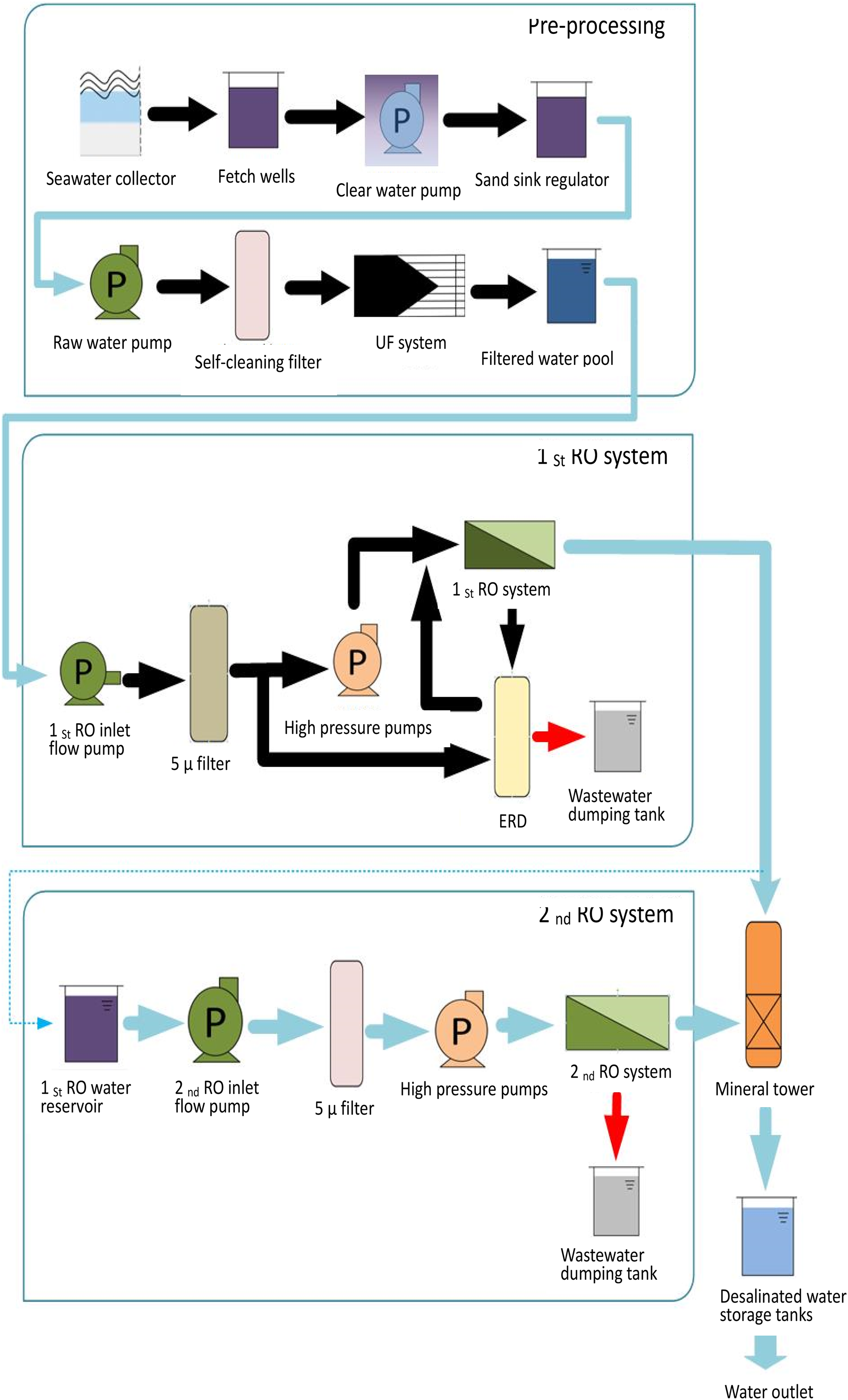
Desalination flowchart.
In Taiwan, the sustainable development of industry and commerce, water consumption continues to increase, in the water resources development is not easy and the cost is gradually rising, the seawater desalination plant water production technology is improved, the cost of water production is reduced, if it can be used for high-tech parks with strong water demand, stable water supply, reduce the pressure of existing water supply, not only can replace the existing water conservancy facilities water supply capacity, but also create opportunities for future economic development. There are currently nine desalination plants in Taiwan (including those under construction), except for the desalination plant built by the third nuclear power plant for cooling water, the rest are located on outlying islands.
The Penghu Islands (23°33′ N, 119°35′ E), located in the Taiwan Strait, are composed of 90 islands situated between mainland China and Taiwan. Their total area is approximately 127 km2, with a population of approximately 107,000, a sea area of 74,730 hectares, and a coastline of 320 km. In the Penghu Islands, a low-speed SW wind is present in summer (June through August), whereas a northeast monsoon occurs from October through March, with an average surface wind speed of at least 6 m/s, and 56% of its wind speed exceeding 10 m/s. Owing to the natural ecology, geology, and culture in Penghu, the main industries in summer are tourism and fishing. Penghu's low carbon island policy includes eight facets: renewable energy, energy conservation, green transportation, green building, recycling, green environment, low-carbon living, and low-carbon education. 34
Energy costs and environmental issues are challenges for the development of desalination, which accounts for about 40% of operating costs, and the current practice is mainly to improve the efficiency of energy recovery plants and co-construct and utilize green energy to power plants. Part of the improvement in the efficiency of the energy recovery device is that the RO method uses a high-energy-consuming high-pressure pump to make the water molecules in the seawater pass through the semi-osmotic membrane against the osmotic pressure. The energy recovery unit uses an unpaved film with a high-pressure brine of 50–60 kg/cm2, which recovers energy as a supplementary power for the high-pressure pump. The main methods are: pulsed turbine, power conversion and pressure energy exchange. In the 1980s, the average amount of electricity per ton of water used by the RO method was about 8 kWh, and as the recovery efficiency of energy recovery devices increased from 50% to 90%, the electricity consumption per ton of water was reduced to less than 2 kWh. If the electricity consumption of the desalination plant is evenly distributed to the sea fresh water, the average consumption of about 3–5 kWh of electricity per ton of water can be seen, which shows that the high-efficiency energy recovery device can greatly reduce the cost of water production. Therefore, improving the operating conditions of the unit is also a feasibility consideration for this research. While promoting Penghu's low-carbon islands, in a water-scarce environment, it is the focus of this research to take into account the development of water resources and low energy consumption costs.
Genetic algorithm (GA) is suitable for search algorithms for solving complex systems, mainly with several features, 35 (1) using decision variables as operational variables, (2) directly using the objective function as the search message, (3) using multiple search messages at the same time, and (4) using probability search techniques. Welding is one of the manufacturing processes that manufactures components or assemblies of great strength in the shortest possible time. Uppada et al. 36 also used a new optimization method of artificial immune algorithm (AIA) to find an optimal set of welding parameters to achieve an economical process that provides the highest load carrying capacity at low power consumption. In contrast to traditional metals and metal alloys, aluminum nanometallic matrix composites are used in the engineering and medical branches, among other things, due to their enhanced physical and mechanical properties. Subbarama et al. 37 analyzes the effects of process parameters on chip and burr formation by the Artificial Immune Algorithm technique and optimizing process parameters to better output the parameters of the experimental environment.
Desalination: Overview and configurations
Seventy percent of the earth is covered by water. However, freshwater accounts for 2.7% of the total, and the remaining 97.3% is seawater. But only 0.3% of freshwater can be used for different purposes.38,39 It is predicted that by 2050, about three-quarters of the world's population will face a shortage of fresh water. COVID 19), freshwater pollution is also a matter of great concern. In addition, during the rapidly changing earth or during pandemics such as COVID 19, freshwater pollution is also a matter of great concern. Seawater desalination is the technique of separating salt from seawater to produce fresh water. Desalination has been widely used in many countries located on islands and in extremely dry climates, including the Maldives, Singapore, Saudi Arabia, Israel, and the United Arab Emirates. 40 By 2020, the freshwater production capacity of desalination plants worldwide will be 9.72 × 10⁹ m3/day, and it is likely to continue to increase, as predicted. 41
Specific energy consumption (SEC) is a very important procedure in seawater reverse osmosis (SWRO) seawater desalination, as the energy consumption of the pump accounts for a major part of the total cost of the RO procedure.42,43 The invention of the Energy Recovery Device (ERD) reduced the SEC of seawater procedures by recovering hydrodynamic energy in high-pressure RO brine.44,45 There is much discussion in the literature about pressure hysteresis permeation (PRO) and can be used to partially recover the osmotic energy in RO brine for power generation,46–50 or to subsidize the pump energy consumption used by RO in integrated RO-PRO procedures.51–56 It has also been developed by high-performance flat and hollow fiber polymer membranes with structural, mechanical and permeable properties suitable for PRO applications.57–59 Another energy-efficient SWRO seawater desalination is a two-stage RO with an interstage booster pump that further recovers water from the first stage brine.60–65 While both configurations reduce the SEC, it is worth noting that additional membrane costs are involved if a second unit (RO or PRO) is added to the original single-stage RO system.66,67 In fact, if the same number of additional membranes are added to the single-stage RO, the SEC is also reduced.61,62
There are SEC in three different RO configurations: single-stage RO, two-stage RO (RO-RO), and integrated ROPRO, all with ERDs that follow the system's calculation methods. An optimized model with a specified water recovery and total membrane area value was developed and solved to minimize the SEC in each configuration for comparison based on its optimal conditions. Optimization allows optimal distribution of membrane area between two membrane units in RO-RO-ERD and ROBRO-ERD. It can also reveal the optimal operating parameters and relative size of energy consumption/recovery for each unit throughout the process.
In desalination technology, the reliability of the process is improved by reducing the principal and maintenance costs. Low-temperature thermal desalination (LTTD) is a progressive trend in the desalination process, which uses low temperatures and pressures in the range of ambient temperature and vacuum pressure. LTTD technology takes energy input from waste heat, thermoclines and renewable energy sources. 68 Thakur et al. 69 discussed various technologies of solar energy in agriculture, evaluating the progress of solar energy relative to agricultural applications through the greenhouse concept and photovoltaic methods in India. At the same time, various agricultural applications of solar energy are discussed, such as solar seawater desalination system, solar pumping system, solar crop drying system, etc. Suraparaju, Sampathkumar & Natarajan 70 believes that the current trend in solar desalination is to couple solar stills with photovoltaic systems for more benefits. This integration of photovoltaic and thermal (PV/T) technologies with desalination systems satisfies not only the need for clean water, but also the needs of remote and rural areas where electricity is in short supply.
The desalination process of the research is to extract water from the seawater by the water collector and the water intake well in a natural way, and after the water extraction is completed, the seawater is pumped into the sedimentation adjustment tank with a pump to remove the substances in the seawater, such as sand, glass fragments, and sludge. In the UF system, particulates and microbial contaminants in seawater are removed. Filtration is carried out in a 5μ filter, after which about 40% of the water is fed into the 1 st RO system by high-pressure pumping and pressurized, and about 60% of the water is fed into the energy recovery device. The pure water produced by the 1 st RO system after being pressurized by high-pressure pumping is sent to the mineral tower for dosing, and stored in the desalinated pool after dosing. 1 st RO water quality is abnormal, the 2 nd RO system is activated to ensure the water quality. The flow is shown in Figure 1.
Ultrafiltration (UF) removes seawater particles and microbial contaminants, without removing ions and small molecules during use. Membrane surface pore size classification and application range (Figure 2), according to the selection of appropriate membranes. Choose the appropriate membrane to give full play to the function of the membrane, improve efficiency and avoid waste of resources.
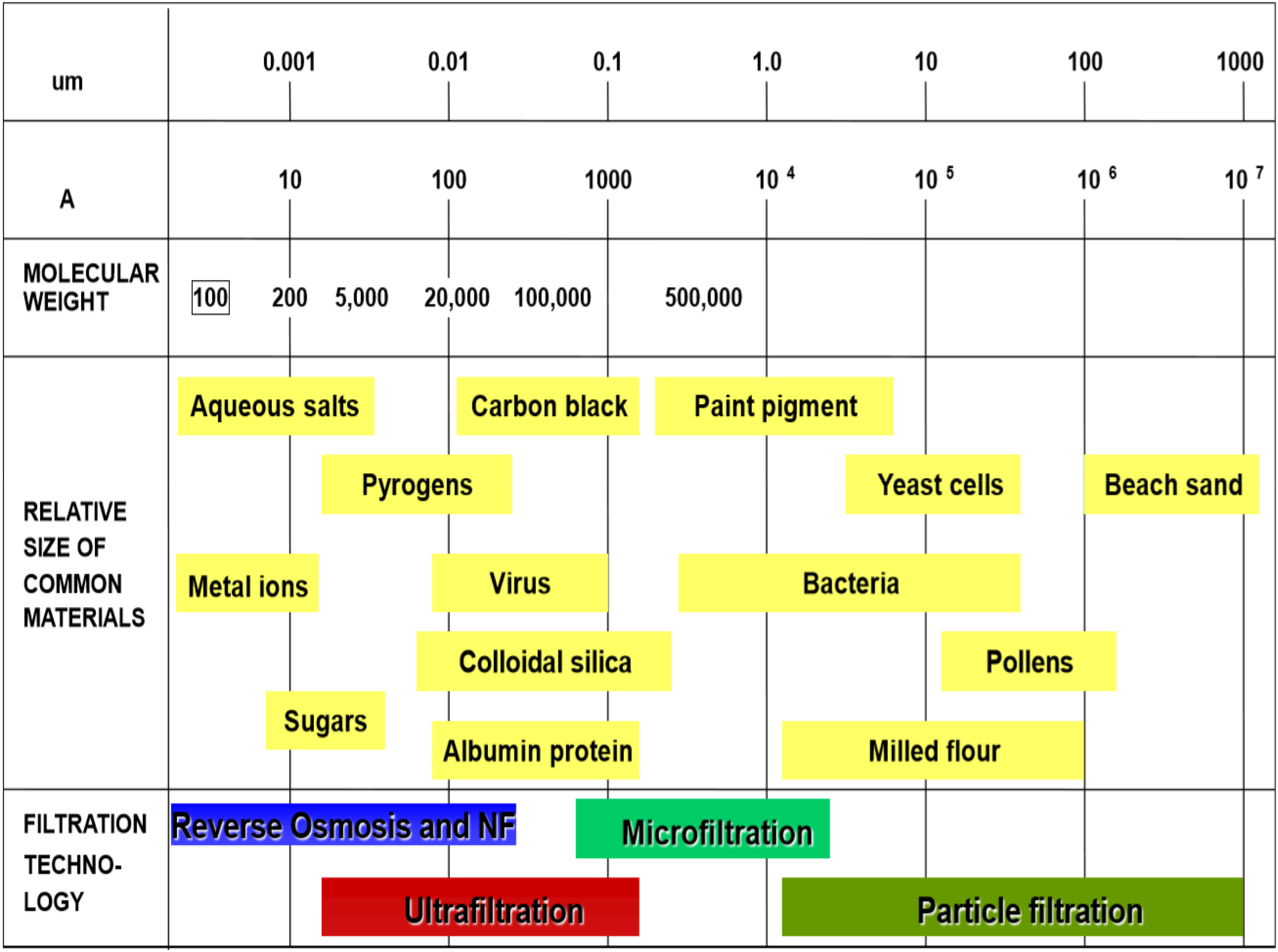
Membrane surface pore size classification and application range.
In seawater desalination RO systems, energy recovery devices are an important core of energy conservation. The energy recovery devices used in the desalination plant are a pressure exchanger made by ERI Corporation, called PX. The RO process in seawater desalination takes up 30–40% of the total energy consumption, and the use of energy recovery devices is currently the most effective way to save energy, which can reduce the energy consumption of the RO system by up to 60%. Figure 3 is the water flow and pressure exchange process between the energy recovery device and the RO system. The energy recovery unit has a rotor inside, the only movable part that drives the rotor to rotate with the force of the high-pressure water flow. High-pressure concentrated brine and low-pressure seawater feed in the rotor channel, high-pressure concentrated brine transmits pressure to low-pressure seawater feed for pressure exchange when the rotor rotates. Figure 3 is the water flow and pressure exchange process between the energy recovery device and the RO system.
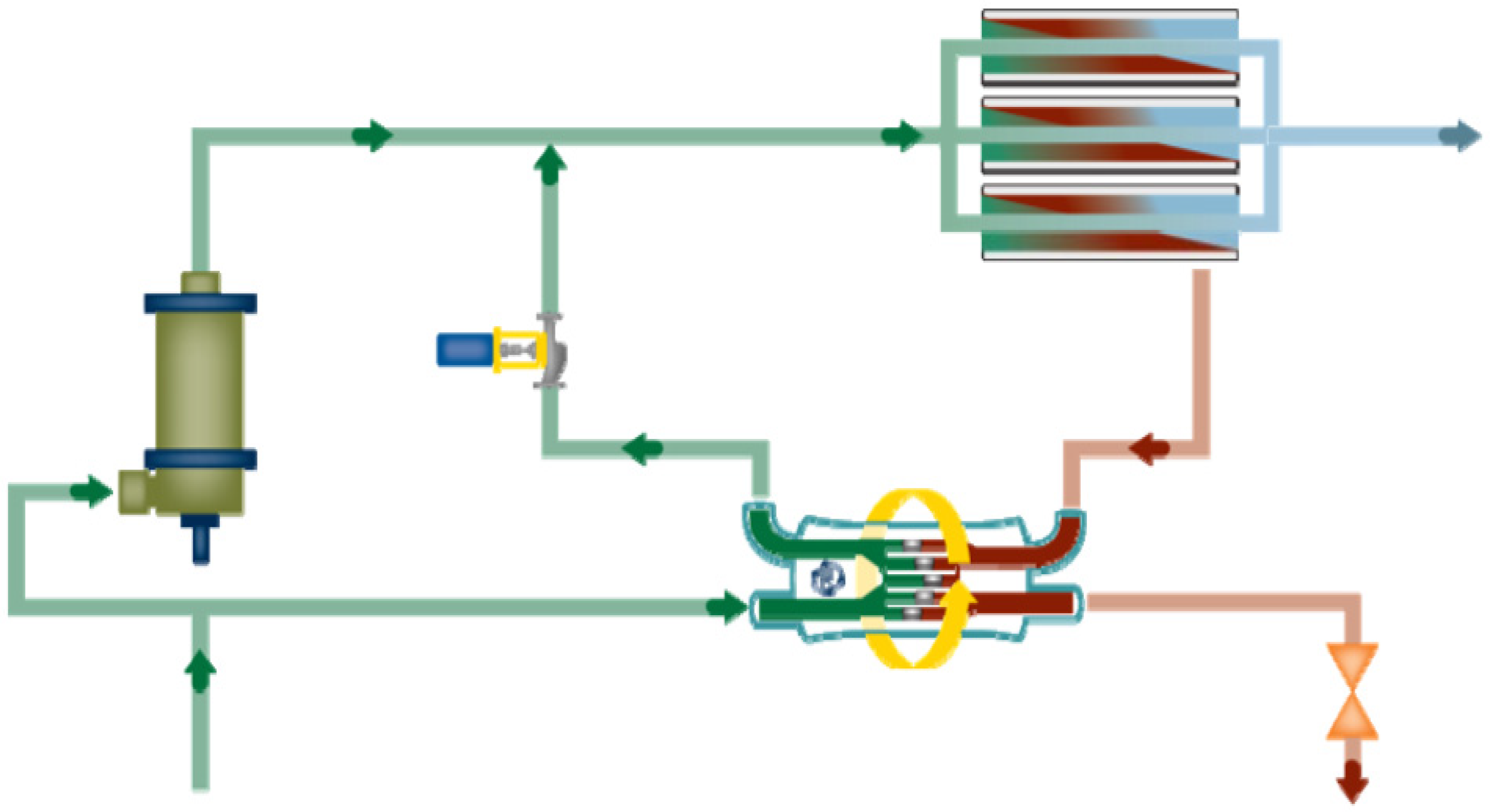
Water flow and pressure exchange between the energy recovery devices and the RO system. 71
Degree of mixing (DOM) is used to judge the benefit of the energy recovery device, high-pressure concentrated brine and low-pressure seawater feed in the rotor at high speed rotation, the collision to complete the pressure exchange, the two in the channel after the collision to form a mixing zone, to prevent the two fluids from mixing.
The formula for the available film feed end concentration and initial feed concentration is as follows:

The research uses equations to describe and analyze the filter behavior, and some values can be used to predict membrane use, such as recovery rate (RR), salt rejection (SR), concentration factor (CF), etc.
Figure 4 is a schematic diagram of a membrane filtration system to describe the flow, concentration and pressure.
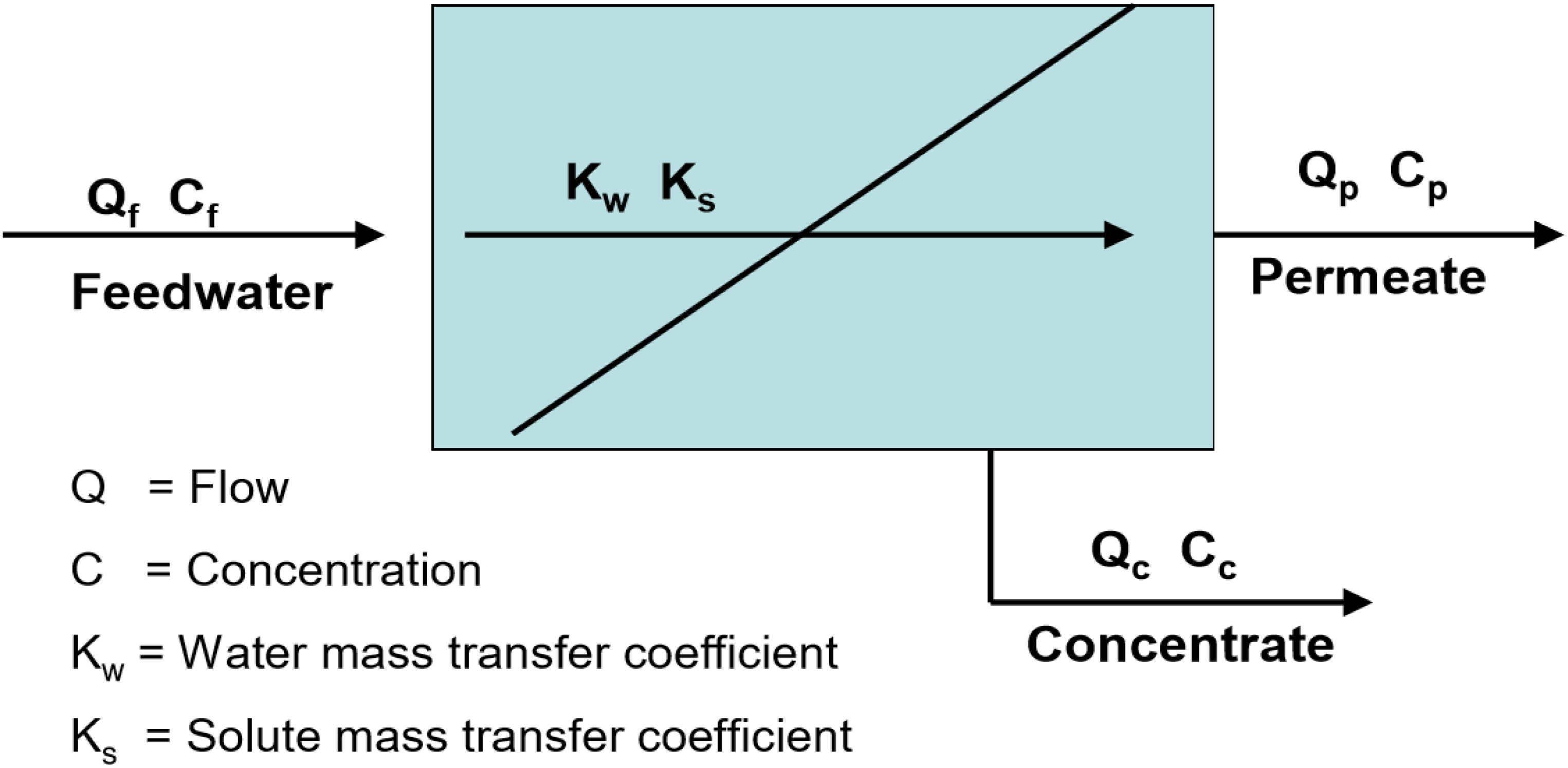
Schematic of a membrane filtration system.
According to the information provided by the desalination plant, it is summarized as shown in Table 1 and Figure 5. From Table 1, it can be learned that the total annual water production, total annual electricity consumption, and average electricity consumption per ton of water production from 2014 to 2021 of the desalination plant are calculated based on the purchase price of 1.17 US to obtain the total water purchase price for the year. Water production energy consumption is 4.31 kWh/ m3, and the amount of carbon dioxide emitted per ton of water production is 0.74 kg. From Figure 5, it is known that the average water production and power consumption of the RO unit from 2017 to 2021, and the 7RO-304B unit is not included in the figure due to incomplete data. From Table 1 and Figure 5, it can be seen that the average power consumption of RO water production accounts for 70% of the average power consumption per ton of water production, so improving the power consumption of RO units can effectively improve the overall power efficiency.
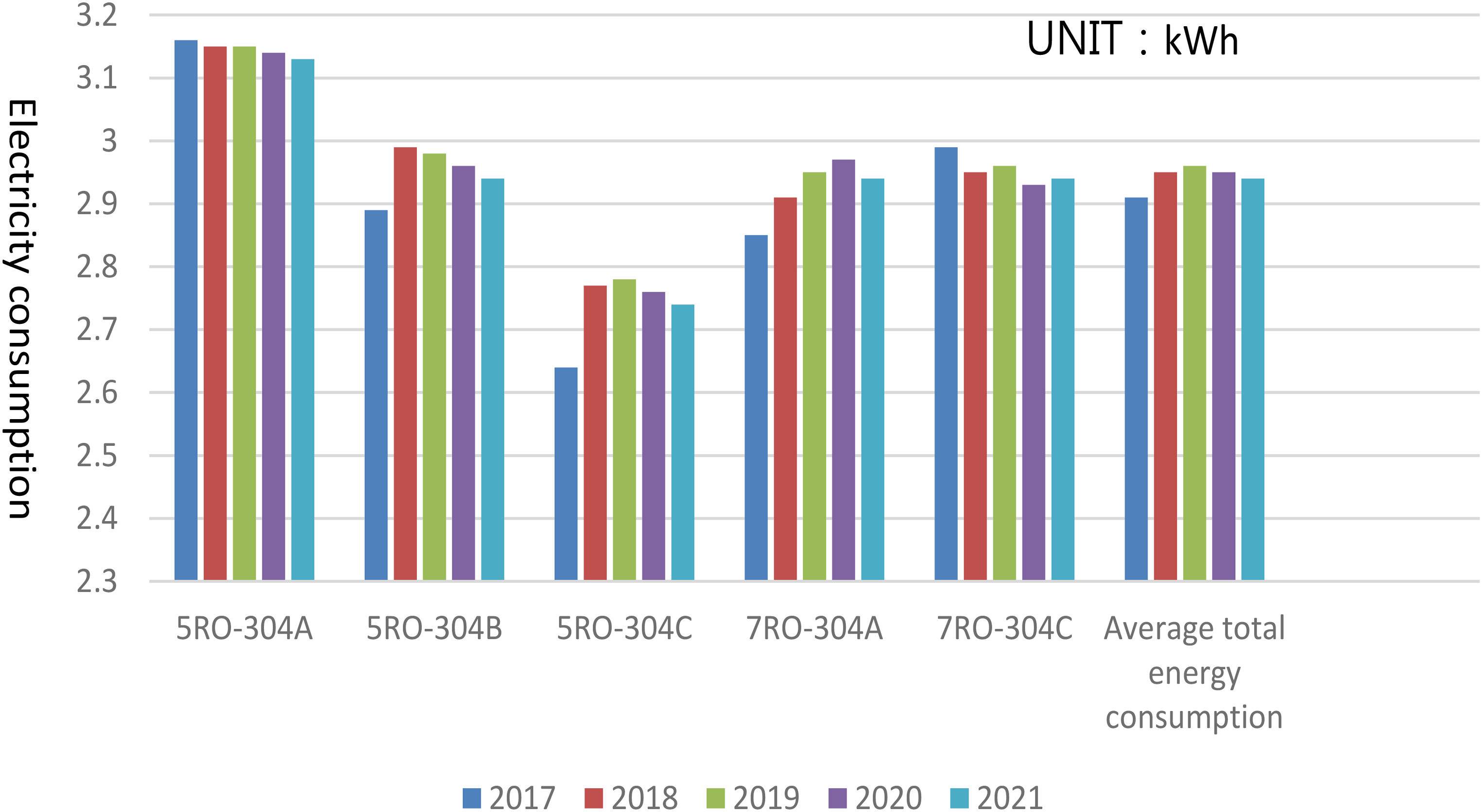
Average power consumption of RO unit production.
The average electricity consumption and annual water purchase price of seawater desalination plants.

Therefore, the SEC in kWh/m3 is the energy needed to desalinate 1 m3 of fresh water, so it varies depending on the desalination method. RO requires 2–4 kWh/ m3 of fresh water.72–74 Using the Reverse Osmosis System Analysis (ROSA) model to predict the optimal cost of the system, the results show that the cost of water ranges from US$2.96 to US$6.45/m3, and the cost of electricity using a 30 kW wind turbine is US$0.077 to US$0.155/kWh. In addition, using a 30 kW wind turbine for RO, the results are predicted to reduce CO2 emissions by 80.03 tons per year. 75
Challenges and research gaps
Seawater desalination technology has gradually reached commercialization, and the current operation of the seawater desalination plant on the outlying islands is smooth, but the cost of seawater desalination is much higher than the traditional tap water price, which is very precious for areas where natural water is not easy to obtain. At a time when the development of industry and commerce in Taiwan continues to increase, the water consumption continues to increase, and the development of water resources is not easy and the cost is gradually rising, the water production technology of seawater desalination plants is improved, the cost of water production is reduced, and the pressure on the existing water supply is reduced.
60–70% of the amount of brine in raw water, brine has always been a concern for environmental problems. In addition to the characteristics of high concentration of salt and the high temperature (under distillation), brine may also contain pretreatment coagulants, film anti-scaling agents, disinfectants and other solvents that have a potential impact on the environment. In addition to properly designing the discharge system to reduce adverse effects, brine can also be reused to increase the added value of desalination; The utilization of general brine is for natural aboveground brine, whose ion concentration is higher than that of brine produced by seawater desalination, so the reuse value is higher and can be used as a raw material for leisure health, industrial production and cosmetics.
However, in terms of desalination of RO film with a recovery rate of 50%, the total dissolved solid concentration of the discharged brine is still increased from 30,000 mg/L of raw water to nearly 60,000 mg/L, so the utilization value is still higher than that of general seawater. At present, the reuse of brine is mainly based on evaporation, crystallization and other concentration methods, and the new experimental direction is more common in salt production, aquaculture, solar storage tanks, production of hypochlorite, etc. The technical and economic research and evaluation of the value of brine shows that brine treatment can obtain profits through the sale of freshwater salts and solid salts, with profits as high as 357.8 US dollars / day, 76 due to the theoretical salinity gradient energy potential of seawater and seawater desalination brine, respectively, 0.5 kWh/m3 and 1 kWh/m3, Therefore, the energy collected from brine discharges can be used for salt/mineral recovery. 77 In addition, in recent years, the use of brine concentrated refining of lithium carbonate and magnesium oxide related research, lithium carbonate as the main raw material for lithium batteries, can be through seawater desalination of low lithium concentration brine through adsorption or electrodialysis concentration concentration, and then in addition to magnesium, calcium purification after production; The potential for regeneration and reuse of lithium-ion sieve adsorbents is limited by their properties. The use of a combination of adsorbents and electrochemistry to address these challenges is becoming increasingly popular.78,79 Magnesium oxide is used in semiconductor parts packaging, capacitors and substrate manufacturing, seawater desalination to produce brine containing magnesium ions, through electrodialysis film, CO aeration, high temperature sintering can produce magnesium oxide. It is worth noting that the Mg2+/Li+ quality ratio is an important key to lithium recovery. For example, NF can only effectively reduce the ratio of Mg2+/Li+at present, but cannot separate lithium from other monovalent ions. In addition, when SO42− or other anions are present, the traditional extraction process is ineffective.80,81
Methodology
This research uses a genetic algorithm (GA) to optimize the recovery rate to solve the minimum SEC value, and then, according to the required water production, the optimal flow rate of raw seawater of the high-pressure pump is obtained, so as to minimize the energy consumption of the RO system. The steps to find the recovery rate using GA to minimize SEC are as follows 35 :
Define the initial population
There are pop group genes in the initial population, each gene represents a set of chromosomes, the chromosome is the recovery rate, and the random number function is generated from 0 to 1.
Copulation
Each gene produces a random number between 0 and 1, followed by a comparison of the mating probability with the random number of each gene, if the random number is greater than the mating probability, mating is performed, and vice versa. The formula used in the mating process is as follows
The chromosomes of the ith and i1st genes produced by mating (
Mutation
Similar to mating, a random number between 0 and 1 is first generated for the chromosomes of each group of genes. Second, the random number of each chromosome will be compared to the mutation probability, if the random number is greater than the mutation probability, the mutation is performed, and vice versa. The mutation process uses the formula shown below.
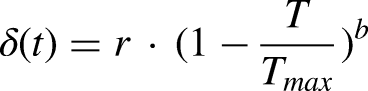
δ(t) is the formula for generating random numbers,
The newly created offspring of the mutation (
Choose
The result of mating and mutation will be placed in the expanded population, which contains genes with good adaptability from the previous iteration and new genes from this iteration. The pop number of genes will be preserved as a new population as the basis for the next evolution. When making selections, the adaptability of the newly generated genes is first generated, and then the sequence of genes within the expanded population is carried out, in which the genes with the optimal pop number will be retained and become the new population as the basis for the next evolution.
Stop evolving
When the difference between the average fitness of the population and the optimal fitness is less than the preset value, the evolution is terminated, otherwise steps 2 through 4 are repeated. Flow chart of GA application in this research is detailed in Figure 6.
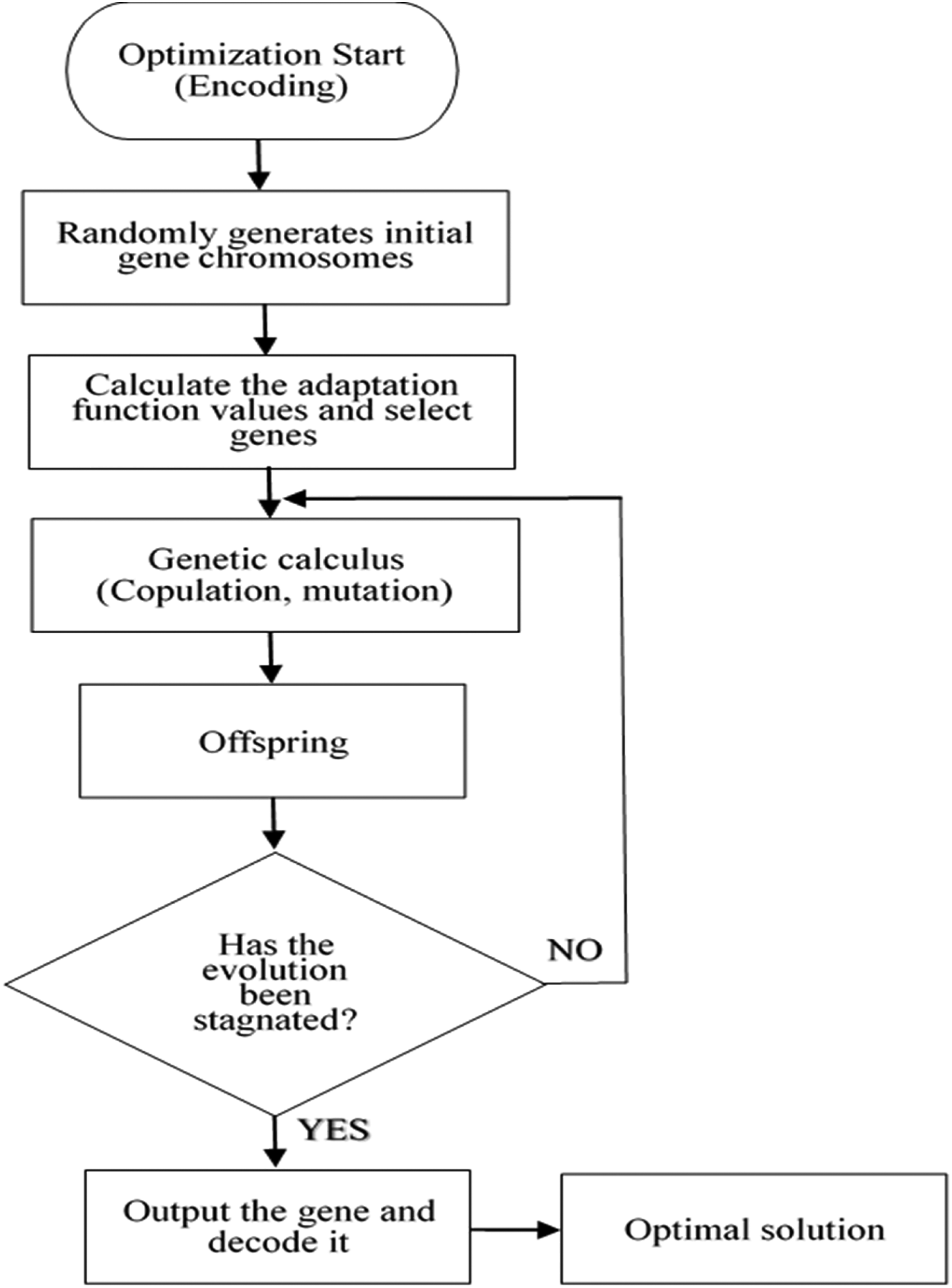
Flow chart of GA algorithm application in this study.
Results and discussion
Ref.
82
proposed an energy-saving method for desalination of reverse osmosis seawater, which proposes a formula for water production ratio energy consumption based on a single-stage reverse osmosis process as an example:
According to the formula (1) described in the reverse osmosis seawater desalination energy-saving method, which is characterized in:
Through the optimization of the SEC quantitative relationship, the optimal recovery rate design parameters can be obtained to determine the optimal inlet pressure of the mold assembly and minimize the process energy consumption. Type (1) is suitable for reverse osmosis systems equipped with highly permeable mold components. Since there are two control factors for the resistance of the reverse osmosis process: one is the transmembrane transmission resistance, the other is the thermodynamic limit resistance, which is the internal and external transmission resistance, respectively, due to the rapid improvement of the performance of the reverse osmosis membrane, thermodynamic resistance has become the main resistance of the reverse osmosis process. It can be expanded to suit composite reverse osmosis processes and reverse osmosis systems equipped with energy recovery devices. The energy saving benefits increase linearly with the scale of the reverse osmosis system, which is suitable for the parameter design of large-scale reverse osmosis seawater desalination system.
Recovery rate refers to the percentage of feed water converted into osmotic fluid in the RO system. The recovery rate is generally hoped to maximize and obtain the maximum water yield, but the RO system will not precipitate to its limit due to supersaturation of impurities such as salts.
Taking single-stage RO as an example, as shown in the left figure of Figure 7, seawater enters the membrane element after the pressure is raised by a high-pressure pump, and because the membrane element has a selective separation function, part of the seawater becomes product water through the RO membrane, and the rest is intercepted by the seawater. The main energy consumption of the seawater desalination process is the electrical energy consumption of the high-pressure pump, and under certain water production requirements and membrane element characteristics, according to the (3) formula, the recovery rate can be optimized to obtain the lowest energy consumption per unit of product water.
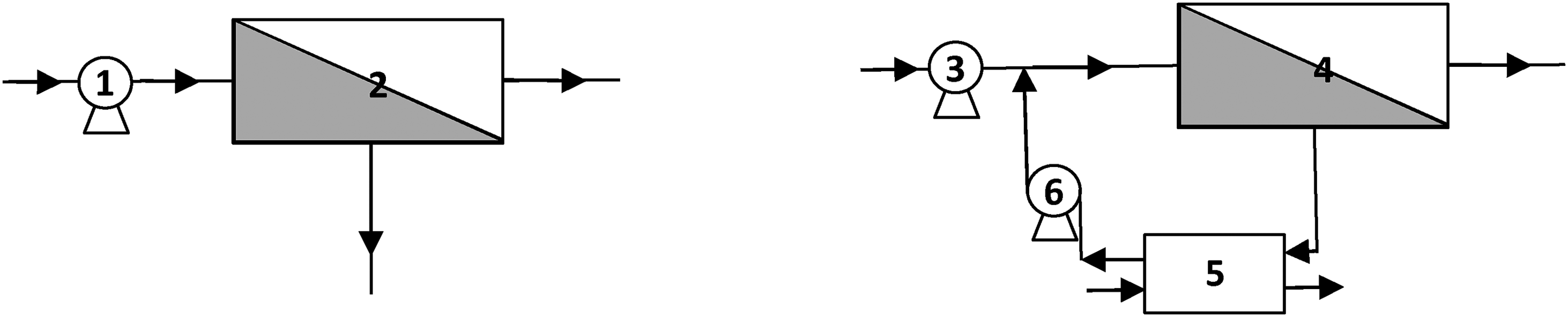
RO process steps.
Taking the single-stage RO process of the positive displacement energy recovery device as an example, as shown in the right side of Figure 7, the raw seawater enters the RO film after the pressure is raised by the high-pressure pump. Due to the selective separation function of the membrane element, part of the seawater becomes the product water through the RO membrane, and some of it is intercepted into the energy recovery device for pressure exchange. The hydrostatic pressure of concentrated brine can be transferred into part of the original seawater of the energy recovery device, and after completing the pressure exchange process, it is pressurized by the booster pump, and then mixed with the original seawater at the outlet of the high-pressure pump to enter the membrane element.
The main energy consumption of the above process is in the high-pressure pump and booster pump, and the (1) type can be expanded under the energy recovery device, water production requirements and membrane element characteristics:
GA is used to find the recovery rate to minimize the SEC value, and the relevant variables and results used are shown in Table 2, where the input parameters of Scheme A and Scheme B are provided by the desalination plant, including an osmotic pressure of 24 atm, an internal leakage rate of 8.5%, an average throttle rate of 98% for membrane elements, a high-pressure pump efficiency of 95%, and a water yield of 10,000 tons/day. After using the genetic algorithm, the efficiency of the energy recovery device of the optimal adjustment variable in Scheme A is 40%, and the SEC is 3.275 and the recovery rate is 45.1%, and the water production energy consumption is 2.35 kWh/m3. Scheme B changes the efficiency of the energy recovery device of the optimal adjustment variable to 97.22%, and the SEC is 1.819 and the recovery rate is 25.3%, and the water production energy consumption is 1.31 kWh/m3.
Optimize results.
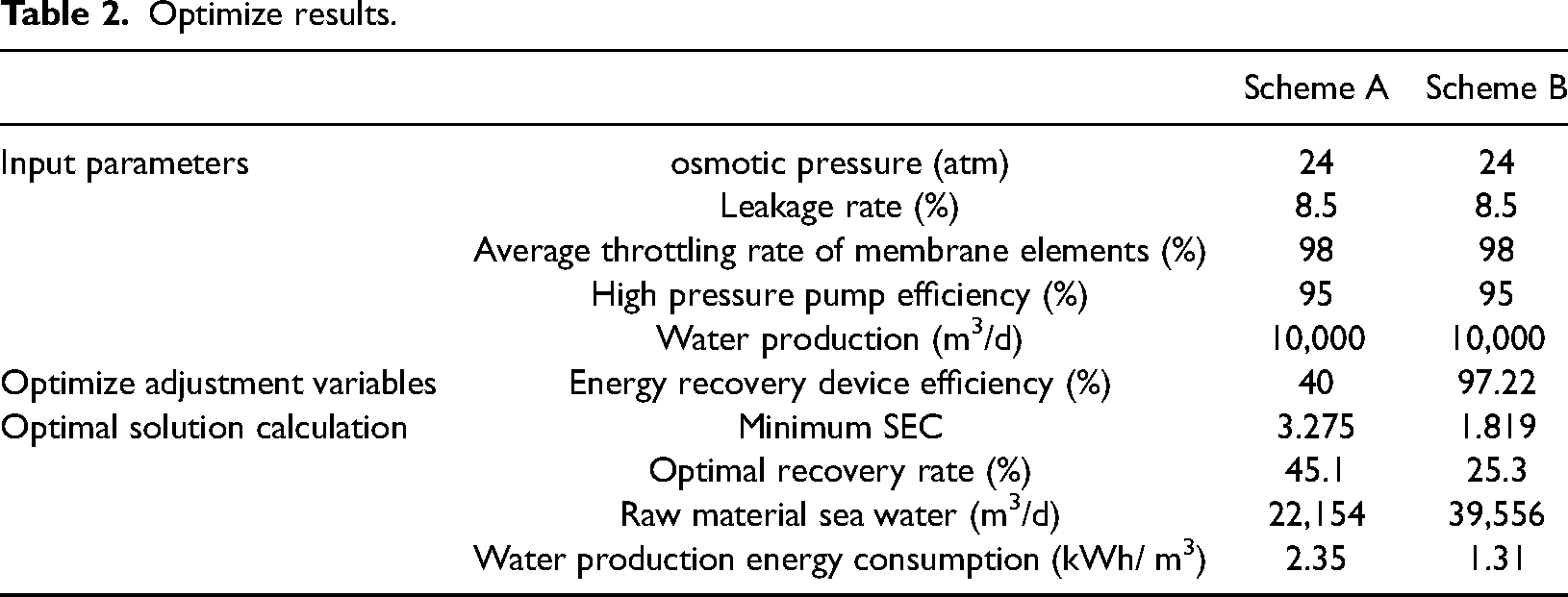
In the process of water production, the high-pressure pump is the main source of energy consumption, and the energy recovery device transmits the remaining pressure after the high-pressure pump is pressurized back to the infiltration process, which can reduce the energy consumption. B increases the efficiency of the energy recovery equipment, which can consume less energy than Scheme A. Scheme B increases the efficiency of the energy recovery unit so that the amount of energy consumed is lower than that of Scheme A.
In contrast, the energy requirements (up to 20 kWh/m3) for membrane-based technologies (except MD and MCr, which are thermally driven) are lower than for heat-based technologies (up to 70 kWh/m3) because non-phase transition procedures occur. Although the minimum energy requirements for the most prevalent desalination processes (i.e. RO) have been reduced from 16 kWh/m3 in the 1970s to 2 kWh/m3 in 2020, desalination is still an energy-intensive process. 28 In addition, Panagopoulos & Giannika 25 considered two scenarios: (i) an MLD system that combines reverse osmosis (RO) and FO, and (ii) a ZLD system containing RO, FO, BC, and BCr. The results show that due to the addition of two heat-based technologies, the energy in Case 1 (6.74 kWh/m3) is lower than in Case 2, and the energy consumption is 10.36 kWh/m3.
Conclusions and implications
Penghu is surrounded by the sea on all sides and is rich in marine resources, but due to the impact of terrain, rainfall, evaporation and other influences, water resources are scarce, in order to solve the problem of water shortage, a seawater desalination plant was built to maintain the stability of Penghu's water supply. The cost of water supply for seawater desalination is high, and the proportion of energy costs to the cost of the RO system is 40%, if the energy consumption can be reduced, it can effectively reduce the cost of seawater desalination, which is of great help to the improvement of water shortage problems on outlying islands.
The parameters provided by the desalination plant (osmotic pressure of 24 atm, internal leakage rate of 8.5%, average throttle rate of membrane elements of 98%, high-pressure pump efficiency of 95% and water production of 10,000 tons / day) were optimized using genetic algorithms, with the goal of minimizing SEC, the best recovery rate and the lowest energy consumption per unit of product water were obtained, and the optimal flow of seawater raw material of the high-pressure pump was calculated from the optimal recovery rate, and the energy consumption of the RO system could be minimized by adjusting the high-pressure pump flow according to the calculation results. The energy recovery device has a great effect on reducing the energy consumption of the RO system, and it can be seen from the results of Table 2 that under the different efficiencies of the energy recovery device, the higher efficiency does greatly reduce the energy consumption of the SEC and the water generation process. Scheme B increases the efficiency of the energy recovery device so that the amount of energy consumed is lower than that of Scheme A.
Therefore, in order to adjust the operating function and reduce energy consumption, this research recommends: (i) can improve the efficiency of the energy recovery device, (ii) according to the demand for water production, to find the recovery rate at the lowest energy consumption, calculate the optimal seawater flow rate of the high-pressure pump, and adjust the actual flow rate, (iii) increase the service life of the RO membrane, efficiency and reduce the blockage of the membrane.
In addition, it should be a favorable environment for the development of seawater desalination, but in the face of the shortcomings of high energy consumption and high cost, the future development trends and challenges can be summarized as follows: (i) reduce the erosion of seawater desalination plants to the surrounding environment and enhance the added value of brine. The original brine may be harmful to the environment, and after proper design treatment, in addition to reducing the impact on the environment, sodium chloride or high-quality table salt can be extracted as a byproduct; it is also possible to conduct research and development on ions in brine. (ii) The energy currently used in desalination and wastewater treatment processes is generally nonrenewable and has a large carbon footprint. Because fossil fuels are widely used, energy demand is linked to greenhouse gas emissions. To this end, while developing Penghu Low Carbon Island, it is recommended to use renewable energy sources (such as solar, wind, geothermal, tidal) to reduce the carbon footprint of brine treatment and value-added systems.
Footnotes
Declaration of conflicting interests
The authors declared no potential conflicts of interest with respect to the research, authorship, and/or publication of this article.
Funding
The authors received no financial support for the research, authorship, and/or publication of this article.
