




Abstract
The global economy is experiencing the most challenging era of climate change beyond what is evident in the pre-industrial age. Although Africa's share of global greenhouse gas (GHG) is minimal, the ensuing effects hit hard on the continent. Hence, the present study provides the first comprehensive empirical assessment of environmental sustainability in Africa within the novel STIRPAT framework. This study critically examines the impacts of natural resource dependence, renewable energy, urbanization, technological innovations, and structural transition on environmental pollution proxied by carbon emissions, ecological footprint, and PM2.5 air pollution from 1990 to 2019 in five top carbon-emitting African countries. The empirical evidence is based on advanced panel estimators comprising CS-ARDL, CCEMG, and AMG robust to cross-sectional dependence (CSD). The quantile regression efficient for exploring the conditional distribution effects is equally employed alongside Dumitrescu-Hurlin panel granger causality test. The preliminary tests reveal the presence of CSD and heterogeneity of the series, which led to the conduct of second-generation unit root and cointegration tests. The main empirical results show that renewable energy, technological innovations, and structural transition reduce environmental pollutants from surging based on the observable negative signs. By implication, these indicators support Africa's path to environmental sustainability. On the flip side, resource dependence and urbanization amplify the surge. The feedbacks from quantile regression provide sturdy support for the main estimators. The granger causality feedbacks support the existence of bidirectional and unidirectional causality among the variables. Based on the findings, policies that promote sustainable environment are formulated.
Keywords
Introduction
That the present era is witnessing the most devastating effects of global warming is undeniable. What remains the burning issue among scholars, policymakers, and international organizations is the inability of the worldwide community to proffer lasting solutions toward halting the surging trend in global greenhouse gas (GHG) emissions. This undesirable situation has constituted a concern for the sustainability of the present and future generations leading to the emergence of international treaties such as the Paris 2015 sustainable development goals (SDGs) targeted for 2030 and the United Nations Climate Change Conference held in November 2021 (COP26). The centrality of the agreements on COP26 bothers the importance of maintaining global warming below 2 degrees and achieving a benchmark within 1.5 degrees. Besides, COP26 emphasizes the need for charting new blueprints for achieving the net-zero targets by 2050. 1 For instance, commitments at the conference cover approximately 85% of global GDP within the net-zero agreement. More so, not less than 153 economies buy into the idea of taking practical actions on the Nationally Determined Contributions (NDCs), which account for approximately 80% of the world's greenhouse gas (GHG) emissions, with plans to restrategize towards cutting off GHG emissions of around 5 billion by 2030. 2 To achieve the new or modified commitments, emphases are laid on substantial reductions in coal power, significantly ending deforestation, fast-tracking the transition to electric vehicles, and phasing down methane emissions. Moreover, the agreements at COP26 specifically accentuate the need for an unconditional reduction in fossil fuel subsidies (estimated at around $5.9 trillion in 2020), contributing not less than 89% to global carbon emissions. 3 According to COP26, four key performance indicators (KPI) are jointly adopted as effective mediums for total involvement participation in achieving global net-zero emissions. These include mitigation, adaptation, finance, and collaboration. 1 Precisely, the mitigation target focuses on significantly cutting down carbon emissions globally. Adaptation aims to assist the victims of climate change in getting back on their feet or recuperating within the shortest time; finance implies providing financial assistance for countries to meet their commitments. Collaboration involves partnering to deliver on the targets.
Several factors account for the need to examine the roadmap to environmental sustainability in Africa in the aftermath of COP26. The preceding key performance indicators have significant implications for developing nations like Africa, plagued with the most devastating effects of global warming despite contributing less to the worldwide volume of GHG emissions. 4 For instance, significant arguments at COP26 regarding Africa's priority advanced that the developed nations must fulfill their promises at the 2015 Paris climate agreement of providing $100 billion in annual assistance for achieving adaptation measures across the continent. 5 This promise remained unfulfilled despite the developed nations raising $10 trillion to combat the Covid-19 pandemic in 2020. 5 Beyond the financial insufficiency, the issue of urbanization compounds the environmental challenges in Africa. The urban growth rate in Africa is estimated to grow at an average mean of 3.5% annually, with a projected increase from 40% in 2015 to 56% by 2050. 6 Besides, the environmental implications of urbanization in Africa have been documented from a negative angle. 7
Another motivation for the current study's focus on Africa is the apparent overdependence on natural resources. The African continent is endowed with natural resources comprising arable land, oil, natural gas, water, forest, minerals, and wildlife. 8 Despite a substantial economic boost from the rents in natural resources, their extraction constitutes a major environmental challenge for the continent. 9 This submission corroborates the view that resource-related growth and environmental problems affect most developing economies more severely. 10 To moderate the surging emissions in Africa towards the zero point by 2050, African countries are adopting proactive policy measures and taking pragmatic steps in the transition to renewable energy pathways. 11 The need to adopt renewable energy has become significant for Africa because of the abundance of renewable energy in possession of the continent. To this end, Africa has recorded unprecedented progress in increasing its renewable capacity. According to the International Renewable Energy Agency (IRENA), renewable energy sources could meet nearly 67% of the energy need in the continent by 2030. 12 Besides, the benefits attached to renewable energy in terms of affordability due to low price, compatibility with the environment towards net-zero emissions, and empowerment as a result of job opportunities it creates have made it the most favored in the drive towards carbon neutrality by 2050.11,13 The sustainable role of renewable energy in Africa can be complemented with investment in science and innovations because technology has become a fundamental driving force in all spheres of human endeavors. 14 Furthermore, asides from the fact that technology is one of the most effective tools adopted at COP26 towards delivering on the net zero emissions target, numerous empirical studies confirm the moderating effects of technology on environmental pollution.15–17 Based on the challenges and opportunities for the African continent in the post-COP26 event, ecological issues like urbanization and natural resource dependence and opportunities from the abundant stock of renewable energy and rising technological advancement can be explored to the advantage of the continent.
Research objectives/novelties
The primary objective of this study is to investigate the functional effects of renewable energy, urbanization, resource dependence, technological innovations, and structural transition on environmental pollution in the top five emitting African countries. Besides, to allow for a more comprehensive outreach of the policy implications in line with resolution at COP26 and the Africa growth agenda 2063, environmental pollution is decomposed to comprise carbon emissions, ecological footprint, and PM2.5 air pollution.
Drawing from the study's objectives, the following novelties are apparent in extending the frontier of knowledge in the literature. First, despite the plethora of empirical studies on environmental pollution in Africa, none has considered the heterogeneity of the variants of environmental pollutants for the top five emitting economies, let alone the continent. Hence, this study will be the first deliberate effort to examine the determinants of environmental pollution in Africa, focusing on carbon emissions, ecological footprint, and PM2.5 air pollution. These indicators are carefully selected because of their peculiarity to the African continent. Hence, the environmental pollution model in this study is African-centric in nature. Second, the combined roles of renewable energy, urbanization, resource dependence, and technological innovations in a single study of this nature are yet another novelty missing in the extant literature. Third, although most African countries are agricultural-based, recent years have seen an unprecedented transition towards a service-driven economy, with the service sector contributing the highest to GDP. For instance, the service sector's contribution to GDP is 67.5% in South Africa, 54% in Egypt, 56% in Morocco, 54.4% in Nigeria, and 47.4% in Algeria. Hence, examining how the service sector can help drive the move towards zero emissions becomes a novel inquiry.
Fourth, the choice of the five top-emitting countries is worth lauding because these countries contribute the highest to the continent's stock of carbon emissions in 2020. For instance, the countries and the volume of emissions are given thus South Africa (452 million metric tons (mt)), Egypt (213 million mi), Algeria (155 million mt), Nigeria (125 million mt), and Morocco (65 million mt). Other countries contribute from 50 million down, far lower than the top five. Fifth, the choice of robust estimation techniques for cross-sectional dependence comprising cross-sectional ARDL, common correlated effects mean group, augmented mean group, and quantile regressions provide the study the room for contributing sufficiently to the literature and filling the cavity left by previous studies.
The structure of the study is slated thus. Asides from the introductory section, section two reviews the relevant extant studies, section three focuses on the methods, section four presents and discusses the results, and section five concludes and provides policy insights.
Literature review
The rising advocacy on the need to address the pervasive impacts of global warming on the ecosystem and peaceful human coexistence has motivated the emergence of copious empirical studies. According to the previous findings, factors driving and moderating global greenhouse gas (GHG) emissions are technology/technological innovations, trade, energy sources (renewable and nonrenewable), urbanization, natural resources, and financial development. This section reviews the related studies according to the stated objectives.
On the energy-led environment nexus, Guney 18 examines the impact of renewable energy via solar energy on sustainable development in a panel of thirty-five economies based on yearly data from 2005 to 2018. The empirical evidence is anchored on the generalized two-step method of moments method due to the inherent issues of simultaneity and endogeneity in panel regression. The findings reveal that solar energy promotes sustainable development, whereas nonrenewable energy deters it. Adebayo 19 probes the extent to which renewable energy, fossil fuels, foreign direct investment, and economic complexity influence variation in ecological footprint in Spain. The study employs the novel wavelet coherence estimator on quarterly data from 1970Q1 to 2017Q4. Findings from the research show that renewable energy, foreign direct investment, and economic complexity reduce ecological footprint. On the other hand, fossil fuels significantly increase ecological footprint. The results vary according to the estimates reported in the short, medium, and long terms. Li et al. 20 examine the environmental impacts of renewable energy in a threshold panel regression analysis covering 120 countries from 2010 to 2019. The empirical model endogenizes economic growth and urbanization. Feedbacks from the research reveal renewable energy promotes sustainable development through its mitigating effects on ecological footprint and inducing impacts on economic growth. The study provides substantial evidence that carbonless growth is achievable with the effective engagement of renewable energy resources. This empirical evidence is corroborated by the fallout in the research conducted by Wang and Zhang 21 on the effectiveness of renewable energy in decoupling economic growth from carbon emissions. An analogous economic growth-enhancing role of renewable energy is confirmed by Wang et al. 22 for a panel of selected 104 economies and regions from 2002 to 2018.
Considering the criticality of technological innovations in the drive towards attaining a sustainable environment, Amin et al. 23 examine the nexuses of technological innovations and energy productivity on consumption-based carbon emissions from 1995 to 2019 focusing on the Next Eleven (N-11) countries. The study explores Westerlund cointegration test, cross-sectional autoregressive distributed lag model, and augmented mean group that is robust for the issue of cross-sectional and slope heterogeneity. The analyses reveal that technological innovations, energy productivity, and exports mitigate carbon emissions. In contrast, imports and economic growth significantly increase carbon emissions. Besides, unidirectional causality runs from energy productivity, technological innovations, imports, exports, and economic growth to carbon emissions. Yunzhao 24 estimates how technological innovations, environmental taxes, and renewable energy impact carbon emissions in seven countries based on annual data covering from 1995 to 2018. The study's analyses rely on the continuously updated bias-corrected and continuously updated fully modified estimators. The empirical findings show that technological innovations, environmental taxes, and renewable energy significantly reduce carbon emissions.
Ahmad and Wu 25 examine how technological innovations, economic globalization, and green growth interrelate to influence the drive towards environmental sustainability in 20 OECD countries using data from 1990 to 2017. The empirical outcomes from the novel panel quantile regression estimator reveal that renewable energy exerts inverted U-shaped effects on carbon emissions. Also, technological innovations substantially promote the sustainability of the ecosystem by reducing the various pollutants across all the quantiles. In contrast, economic globalization exerts varying effects across the quantiles. Hussain et al. 26 evaluate the impact of environment-related technology and renewable energy on consumption-based carbon emissions in Emerging Seven countries (E-7) from 1990 to 2016 based on CS-ARDL. The results reveal that environment-related innovations jointly work with renewable energy to moderate the surge in carbon emissions. On the flip side, economic growth complicates environmental tragedy in the E-7 countries. The enhancing role of technological innovation on environmental sustainability via a reduction in carbon emissions is empirically confirmed in the study by Ibrahim and Ajide 27 for the G7 economy.
Within the net-zero emissions advocacy, the need to exert conscientious efforts to explore natural resources and technically manage the rising influx of people in the urban areas has recently gained appreciable attention. In this line of view, Mehmood et al. 28 examine the joint impacts of natural resources and aging population on carbon emissions in a panel of the group of eleven economies utilizing annual data from 1990 to 2020. The empirical model is estimated based on the CS-ARDL method after subjecting the model to longrun test through the Westerlund cointegration test. The results show that while the ageing population reduces carbon emissions, natural resources, economic growth, and economic globalization increase carbon emissions. Similarly, Gyamfi et al. 29 find empirically-based evidence for the carbon-inducing impacts of natural resources in G7 economies. Focusing on top resource-rich and highly urbanized economies, Sun et al. 7 examine the nexuses among urbanization, renewable energy, economic growth, and carbon emissions in the Middle East and North African (MENA) countries from 1991 to 2019. The empirical model is evaluated based on continuously updated fully modified and constantly updated bias-corrected estimators. Findings reveal that the rise in the rate of urbanization and increasing growth rates instigate a significant increase in carbon emissions. Contrarily, renewable energy consumption significantly moderates the rise in carbon emissions. More so, Li et al. 30 find empirical evidence to advance the mitigating impacts of energy efficiency and urbanization on carbon emissions in 30 Chinese provinces.
A critical examination of the above studies reveals some major lacunas in the literature. For instance, the focus of the existing studies is more tilted towards carbon emissions and ecological footprint as proxies for environmental pollution. The choice of PM2.5 air pollution is hardly considered despite its devastating impacts on the environment. Besides, no study from the existing literature has investigated environmental pollution focusing on the varying outcome variables for the African continent. Similarly, the combined roles of renewable energy, technological innovations, resource dependence, urbanization, and structural transition on environmental pollution in a multiple regression model are rare among the extant studies. Consequently, the current study seeks to fill the identified gaps and provide policy insights for promoting a sustainable environment.
Method
The methodological approach adopted by this study is illustrated in the following subsections.
Data description and source
The analysis in the current study is based on annual data from 1990 to 2019 for a panel of five most emitting African countries. The non-availability of information influences the start date for the data before 1990 for most of the variables. Similarly, the end date being 2019 is influenced by the non-availability of key variables like carbon emissions, renewable energy, ecological footprint, and PM2.5 emissions in years beyond 2019. For each of the variables, we carefully select proxies to measure them from three collection sources. Variables such as service value added (% of GDP), total natural resources rents (% of GDP), and urban population (% of total population) are sourced from World Bank World Development Indicators available at https://databank.worldbank.org/source/world-development-indicators. Furthermore, variables like renewable energy measured by renewable electricity net generation (billion kWh) and CO2 emissions (MMtonnes CO2) are sourced from the United State Energy Information Administration available at https://www.eia.gov/international/data/world, and environmental-related innovation (technological innovations) is sourced from Organization for Economic Co-operation and Development (OECD) available at https://stats.oecd.org/.
A summarized version of the data and source is given in Table 1 below.
Description of variables and sources.
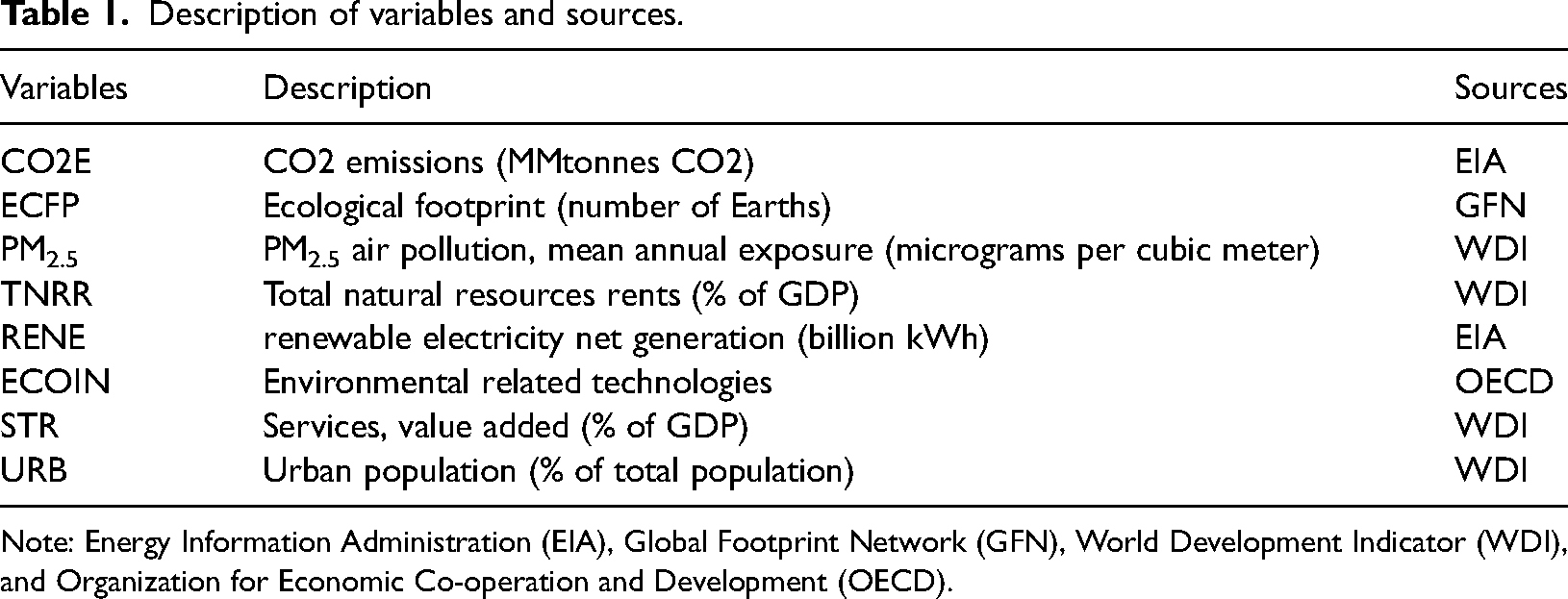
Note: Energy Information Administration (EIA), Global Footprint Network (GFN), World Development Indicator (WDI), and Organization for Economic Co-operation and Development (OECD).
Theoretical framework and empirical modeling
To estimate the functional relationship between renewable energy and environmental pollution amidst resource dependence, urbanization, structural transition, and technological innovations in the five most emitting economies in Africa, this study employs the novel stochastic impacts by regression on population, affluence, and technology (STIRPAT). The model, credited to Dietz and Rosa,
31
is one of the leading theoretical frameworks for analyzing the drivers of environmental pollution. The framework advances sturdy evidence for the criticality of population and affluence in the surge in global greenhouse gas (GHG) emissions. The three factors that make up the STIRPAT framework making up the model comprising population (P), affluence (A), and technology (T), are thus stated.


Theoretical hypotheses
The theoretical intuition guiding the nexus between the outcome and explanatory variables often relies on validated or refuted assumptions based on empirical findings. Consequently, this study explains the anticipated direction of nexuses among the variables of interest. To start with, the role of renewable energy in abating environmental pollutants has been empirically confirmed in the literature. The preponderance of the extant studies advances that renewable energy has the adequate capacity to moderate the surge in environmental pollution.34–36 Consequently, we hypothesize an adverse effect of renewable energy on environmental pollution thus;
Estimation procedures
The current study explores the standard estimation procedures necessary to provide reliable results for compelling policy insights toward addressing the pervasive issues surrounding environmental pollution in Africa. The procedures include; testing for cross-sectional dependence and homogeneity, conducting stationarity and cointegration tests, estimating the longrun relationship, assessing the heterogeneous nature of the effects through quantile regression, and conducting the causality test The standard procedures for the various tests and the choice of estimation techniques that follow are illustrated in Figure 1.
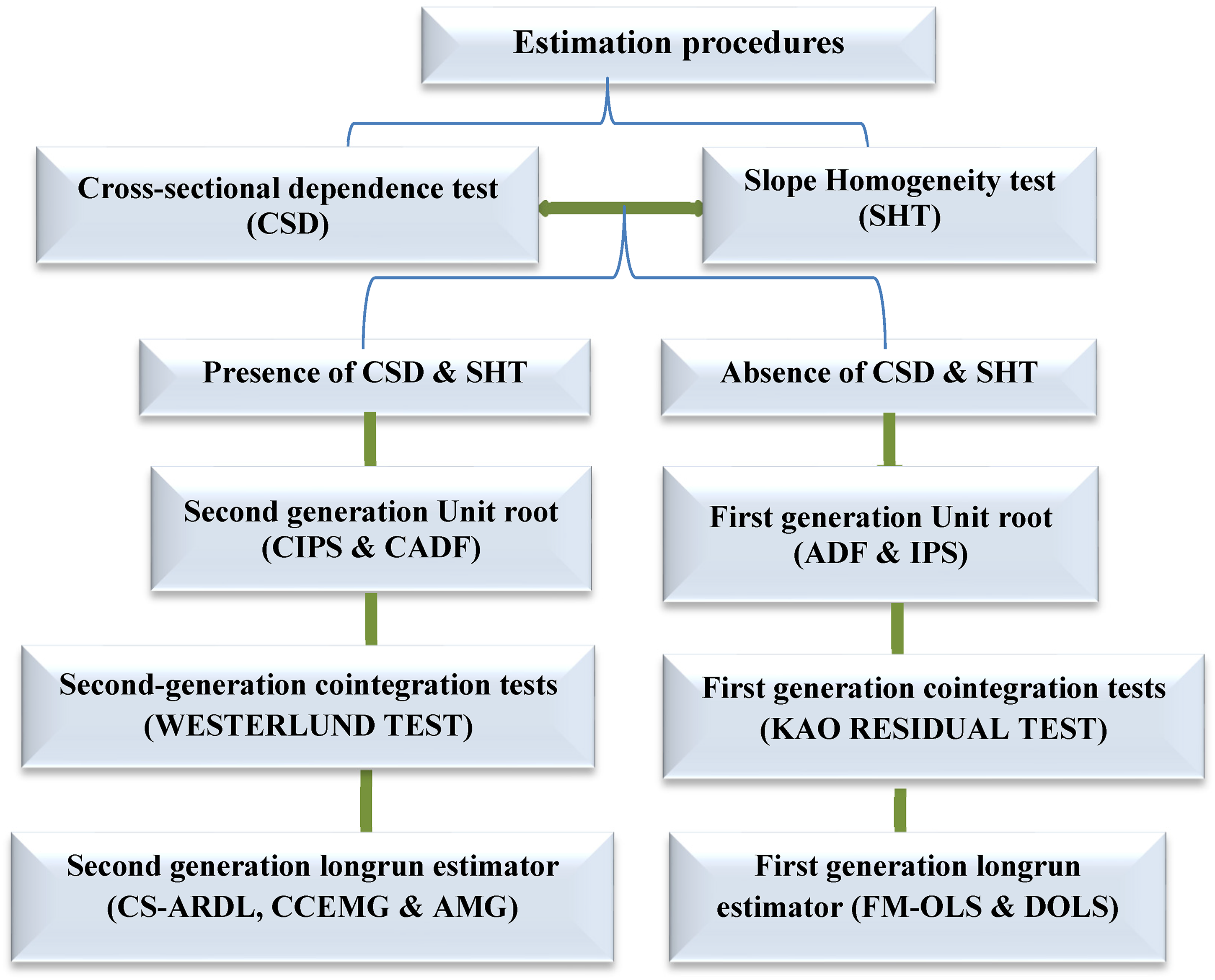
Conceptual framework for empirical procedures.
Following the rule of thumb in the literature, the procedures adopted in the current study are given below.
Cross-sectional dependence and homogeneity tests
Empirical evidence has shown the reality of the interdependence among economic indicators occasioned by the intensifying rates of integration and interconnection among nations. Consequently, changes or shocks in a variable could significantly influence other economies” trends. In that case, conducting cross-sectional dependence (CSD) test has been empirically advanced for most panel regression analyses.26,45 The current study conducts CSD test by employing the Pesaran's (2015) and (2004) CD test, which can be mathematically expressed thus;


Stationarity and longrun test
The need to avoid using spurious variables in empirical analysis justifies the choice of stationarity tests.
47
Besides, the existence of cross-sectional dependence, as reported in Table 2, suggests the inappropriateness of the first-generation unit root for stationarity tests. Consequently, the current study employs the cross-sectionally augmented IPS (CIPS) advanced by Pesaran.
50
Hence, the model explaining the CIPS unit root test can be stated as follow:
Cross-sectional dependence and homogeneity tests results.
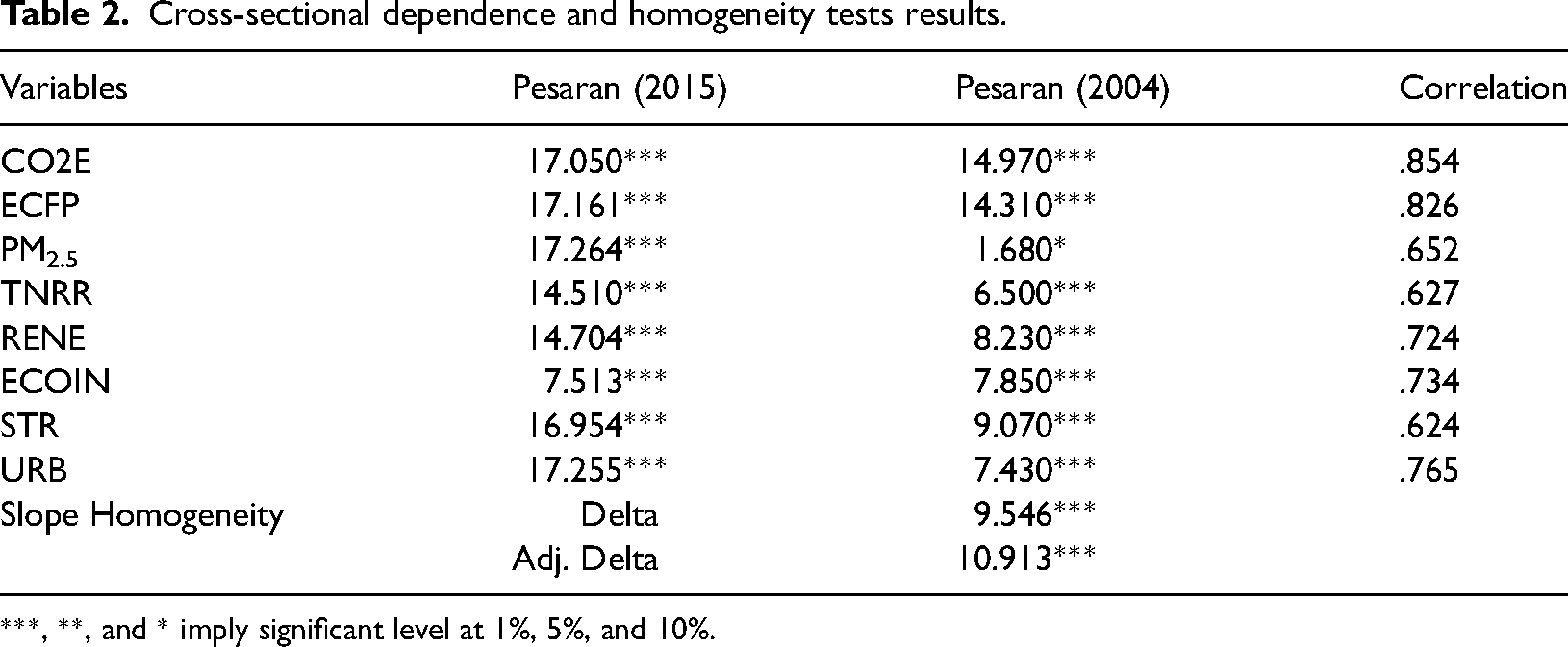
***, **, and * imply significant level at 1%, 5%, and 10%.
Eq. (7) 

Panel cointegration test
Following the confirmation of stationarity for each series, the standard approach is to conduct a cointegration test. Since the presence of cross-sectional dependence and homogeneity are confirmed in the previous test, the second-generation cointegration test becomes the most appropriate. Hence, we employ the Westerlund and Edgerton's
52
panel cointegration test to investigate the presence of long-run connections among the series in the panel model. The model explaining the equation is stated below.





Cross-Sectional autoregressive distributed lag (CS-ARDL)
The desire to explore the short-run and long-run impacts of the regressors on the outcome variables necessitates the adoption of cross-sectional autoregressive distributed lag (CS-ARDL) estimator proposed by Chudik and Pesaran.
53
Besides, CS-ARDL estimator accounts for the issues of cross-sectional dependence, slope heterogeneity, and endogeneity and provides reliable and unbiased estimates without precondition to the non-stationarity problem or mixed integration order. To illustrate the standard model for CS-ARDL, the equation states thus.
Causality analysis
It is pertinent to note that the significance of the impacts of an explanatory variable on an outcome variable does not imply the former causes the latter. This makes conducting a causality test important in a panel regression to ascertain the extent of causality among the indicators. Most often, the presence of cross-sectional dependence constrains the use of first-generation cointegration tests like Johansen Cointegration and Kao residual tests. Instead, a second-generation cointegration test is recommended, of which the present study adopts the Dumitrescu-Hurlin (DH)
54
panel granger-causality test Additionally, DH test is conventionally adopted when the cross-section units (N) are lesser than the period (T). In this study, the N = 5 is less than the T = 30, thus justifying the adoption DH causality test for the causal nexus among the indicators. The equation specifying the underlying model is as follows.

The alternative hypothesis goes thus;

Empirical results and discussion
Preliminary analyses
The current research explores three channels to provide a solid foundation for an in-depth understanding of the characteristics of the variables of interest within the African context. Hence, the preliminary analyses entail descriptive statistics, normality tests, and correlation matrix. As evident in Table 3, among the indicators of environmental pollution, carbon emissions have the highest mean value (154.9%), followed by PM2.5 (47.02%), while ecological footprint (1.10%) ranks lowest The mean value of carbon emissions being the highest among the proxies of environmental pollution corroborates previous empirical reports that the most significant component of global greenhouse gas (GHG) emissions come from carbon emissions.55–57 The general trend on carbon emissions and ecological footprint in Figure 2 for the selected African economies has increased in the last three decades. Besides, PM2.5 air emissions have been equally recording some significant rise but inconsistent in the trend (Figure 2). The mean value of total natural resources is 10.66%, with the trend displaying unstable movement, as evident in Figure 2. The mean value of renewable energy, 5.05%, witnessed a sharp increase in 2013 after a longtime drop since 1994 (Figure 1). Moreover, the mean values for technological innovations (10.62%), structural transition (47.71), and urbanization (52.07%) are among the macroeconomic indicators recording persistent increase in the last three decades, as presented in Table 3 and Figure 2, respectively.
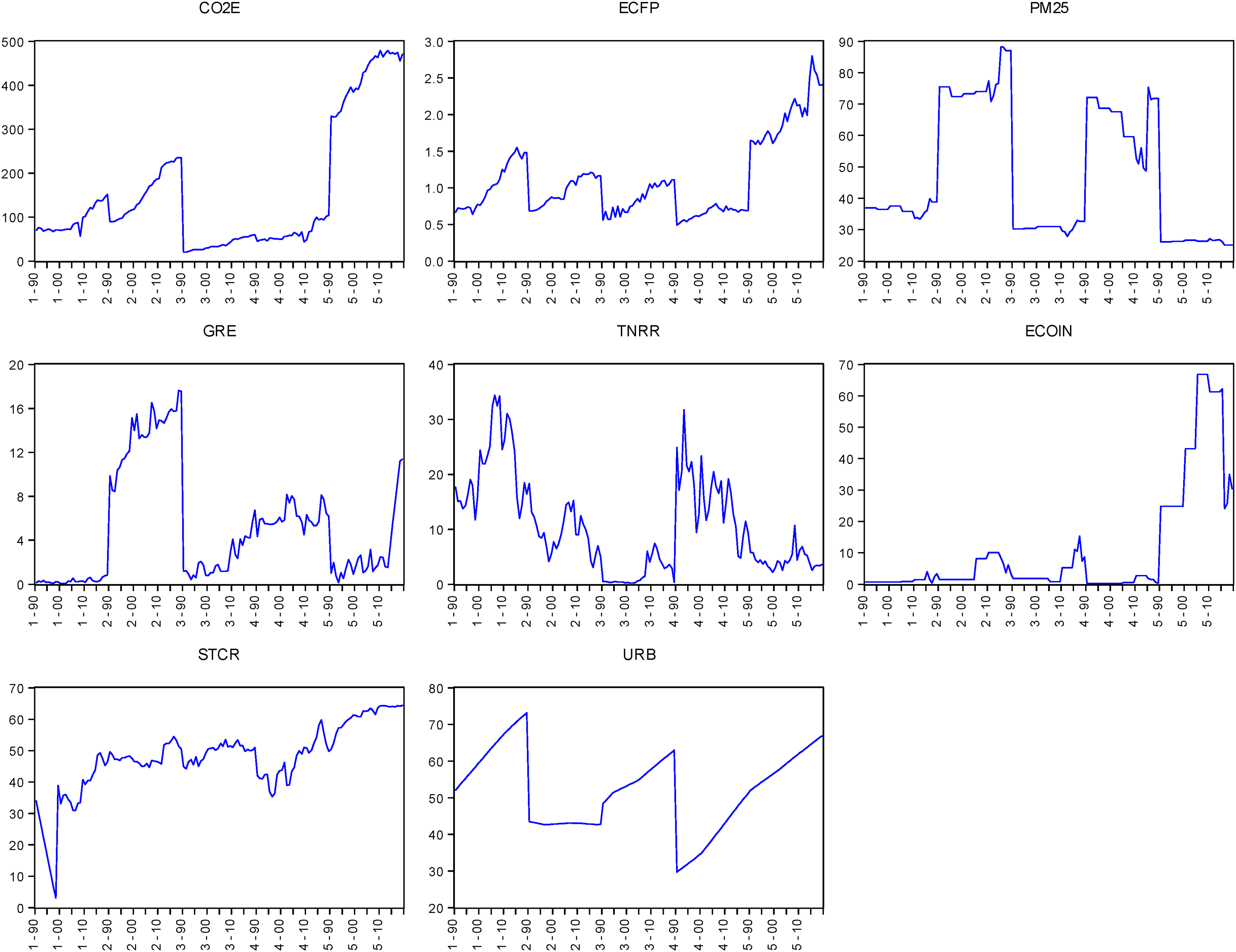
Trend in the indicators.
Descriptive statistics and normality tests.
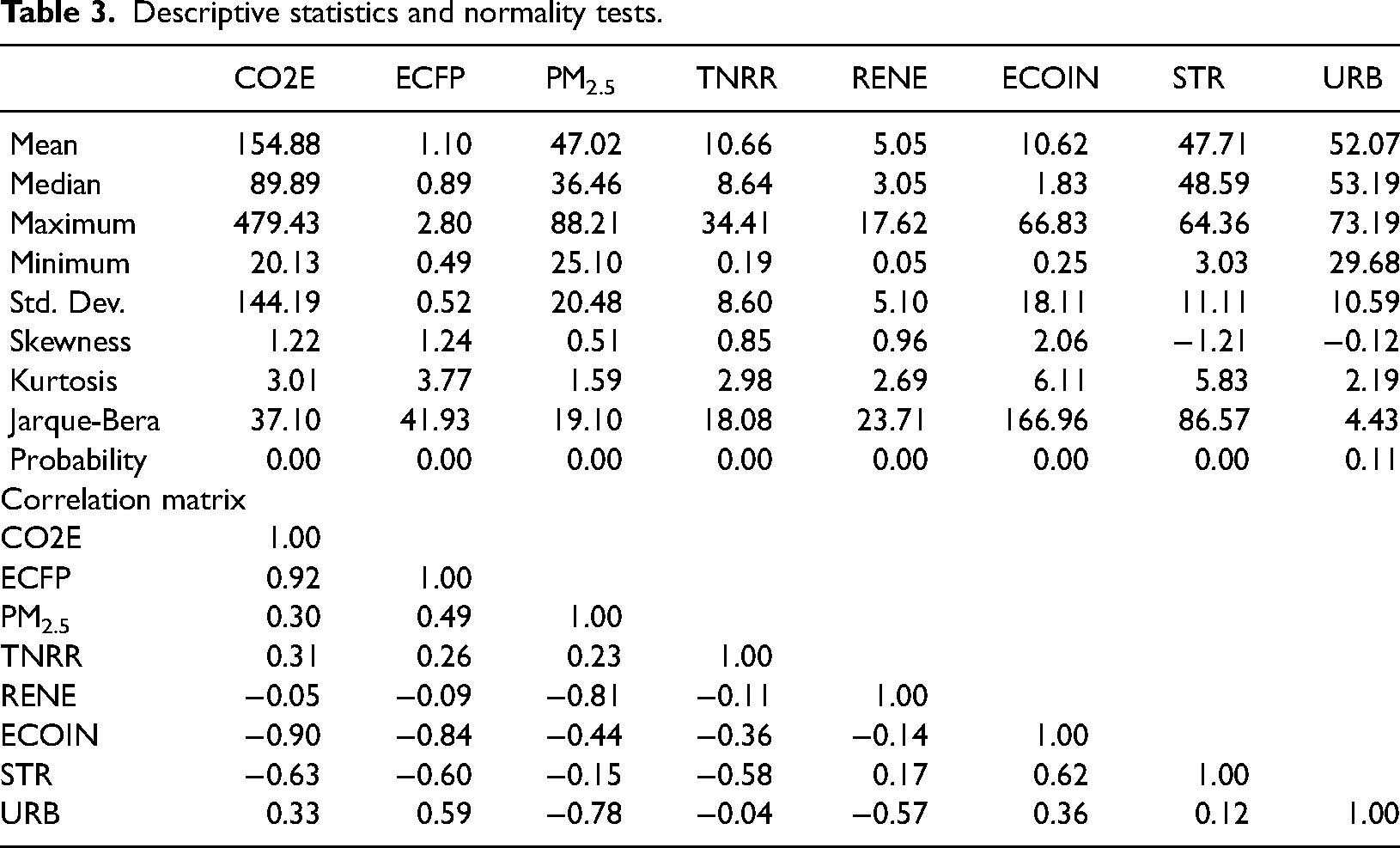
The normality test for the variables measured by skewness, kurtosis, and Jarque-Bera suggests that the series are not normally distributed. Furthermore, the outcomes of the correlation matrix revealed the model is free from the issue of multicollinearity. Besides, negative correlations between renewable energy, technological innovations, and structural transition with the three measures of environmental pollution are apparent.
Outcomes of dependency and homogeneity tests
The outcome of cross-sectional dependence, slope homogeneity, and correlation analyses are presented in Table 2. Based on the results revealed from both 2015 and 2004 Pesaran CD tests, it is apparent that the null hypothesis of cross-sectional independence across the cross-section units cannot be accepted, thus suggesting the series are interdependent across the observations. The results of the CSD tests are corroborated by the outcomes of the correlation results, which range between 62% and 85%, denoting a high level of correlation coefficients. Besides, the null hypothesis of homogeneous slope is rejected following the significant levels of the delta and adjusted delta tildes in Table 2. The results are plausible on two grounds. First, the interrelations among the selected emitting countries in Africa in terms of engagement in trade relations and membership in regional and international organizations could make shocks in one or two countries influence the trend in others, thereby justifying the CSD and correlation outcomes. At the same time, the difference in political structure, ethnicity, and production system among these countries support the reality of slope heterogeneity among the countries. More importantly, CSD and slope heterogeneity imply that first-generation unit root test cannot be employed to confirm the stationarity status of the series. Instead, the second-generation unit root tests are assumed to be the most appropriate. 58
Outcome of stationarity tests
The results of the stationarity tests for both second generation (CIPS) and first generation (IPS) are presented in Table 4. Going by the outcomes, it is apparent that the majority of the series is not stationary at level except for PM2.5. However, the indicators became stationary after subjecting them to first difference. Hence, we can infer the series are I(0) and I(1). The stationarity of the series at the first difference implies the need to conduct the presence of longrun tests among the variables. The current study conducts a panel cointegration test using Westerlund and Edgerton's 52 test, which accounts for the existence of cross-sectional dependence. The outcome of the test is evaluated based on the group (Ga) and panel (Pa) statistics with the null hypothesis of no longrun nexus. The results of the cointegration tests in Table 4 show that the null hypothesis cannot be accepted; instead, the alternative hypothesis positing the existence of longrun nexus is accepted. Hence, we conclude that a longrun relationship exists between renewable energy, resource dependence, urbanization, structural transition, technological innovations, and environmental pollution in the selected African countries.
Stationarity and cointegration test results.
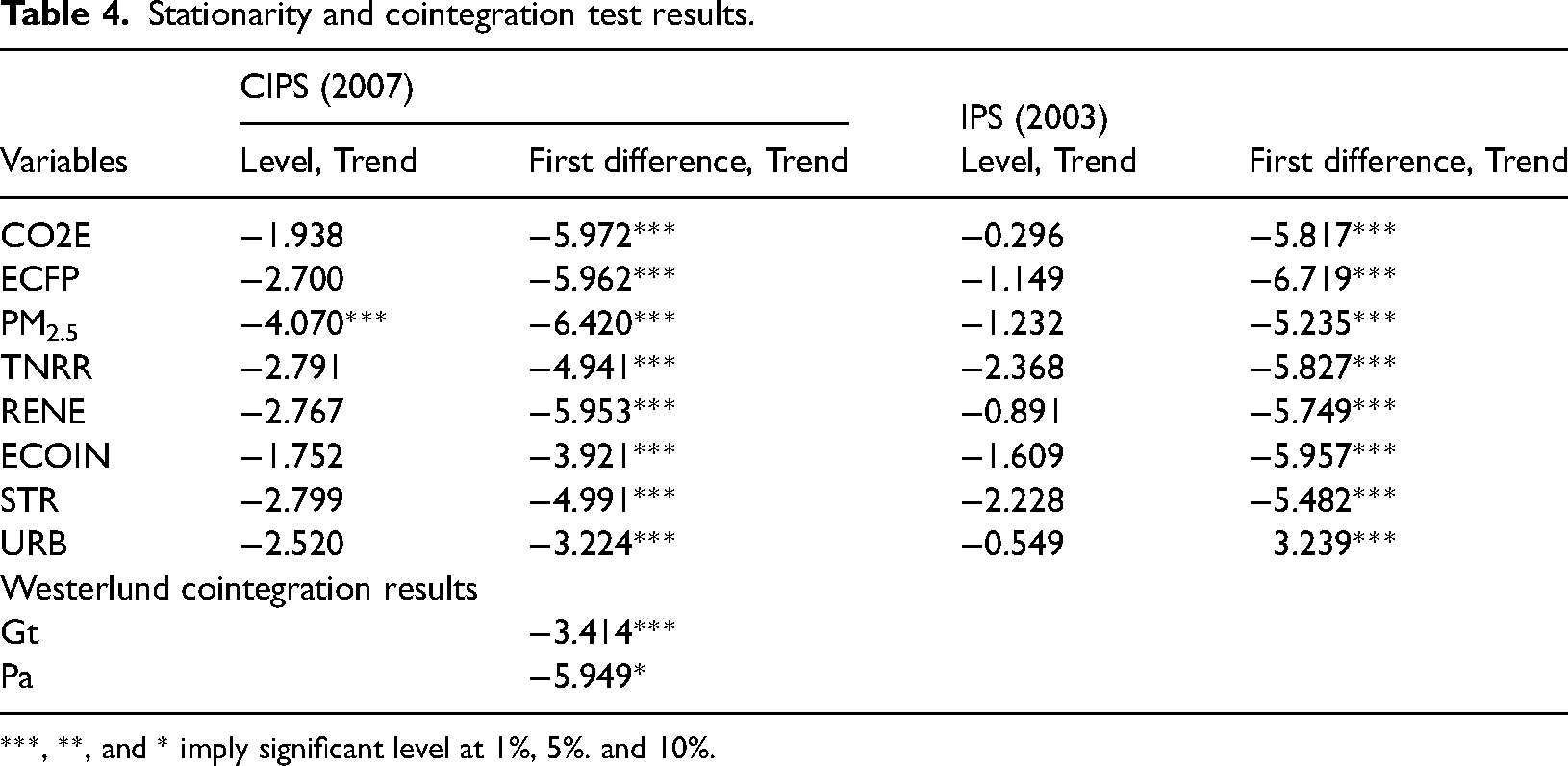
***, **, and * imply significant level at 1%, 5%. and 10%.
Longrun results
The outcomes of the longrun relationship based on CS-ARDL, CCEMG, and AMG are presented in Table 5. It can be observed that renewable energy exerts adverse and statistically significant effects on environmental pollution captured by carbon emissions in the longrun. By implication, a percentage increase in renewable energy will bring about a considerable reduction in carbon emissions. Similar long-term mitigating effects are noted from CCEMG and AMG estimators suggesting that increasing investment in renewable energy in a way that will make it affordable, accessible, and available in abundance would help reduce the surge in carbon emissions in the selected top emitting African countries. This result support previous findings reported by Yunzhao 24 and Ibrahim and Ajide, 45 which revealed that renewable energy significantly moderates the increasing volume of carbon emissions. The impacts of resource dependence measured by total natural resource rents (TNRR) on carbon emissions are positive and statistically significant in the short and long run. This implies that a percentage increase in natural resource dependence would substantially increase carbon emissions. The long-run inducing effects are robust for the feedback on both CCEMG and AMG estimators. The results are intuitional because every stage in the extraction of natural resources contributes to the pollution in the atmosphere, which adds to the existing stock of carbon emissions. Some notable empirical studies provide substantial support for the carbon-inducing role of natural resource dependence.39,58,59 When considering the high level of natural resource dependence in many African countries, it is not surprising to observe that natural resource dependence contributes significantly to the surge in carbon emissions.
Short-run and longrun with carbon emissions as outcome variable.
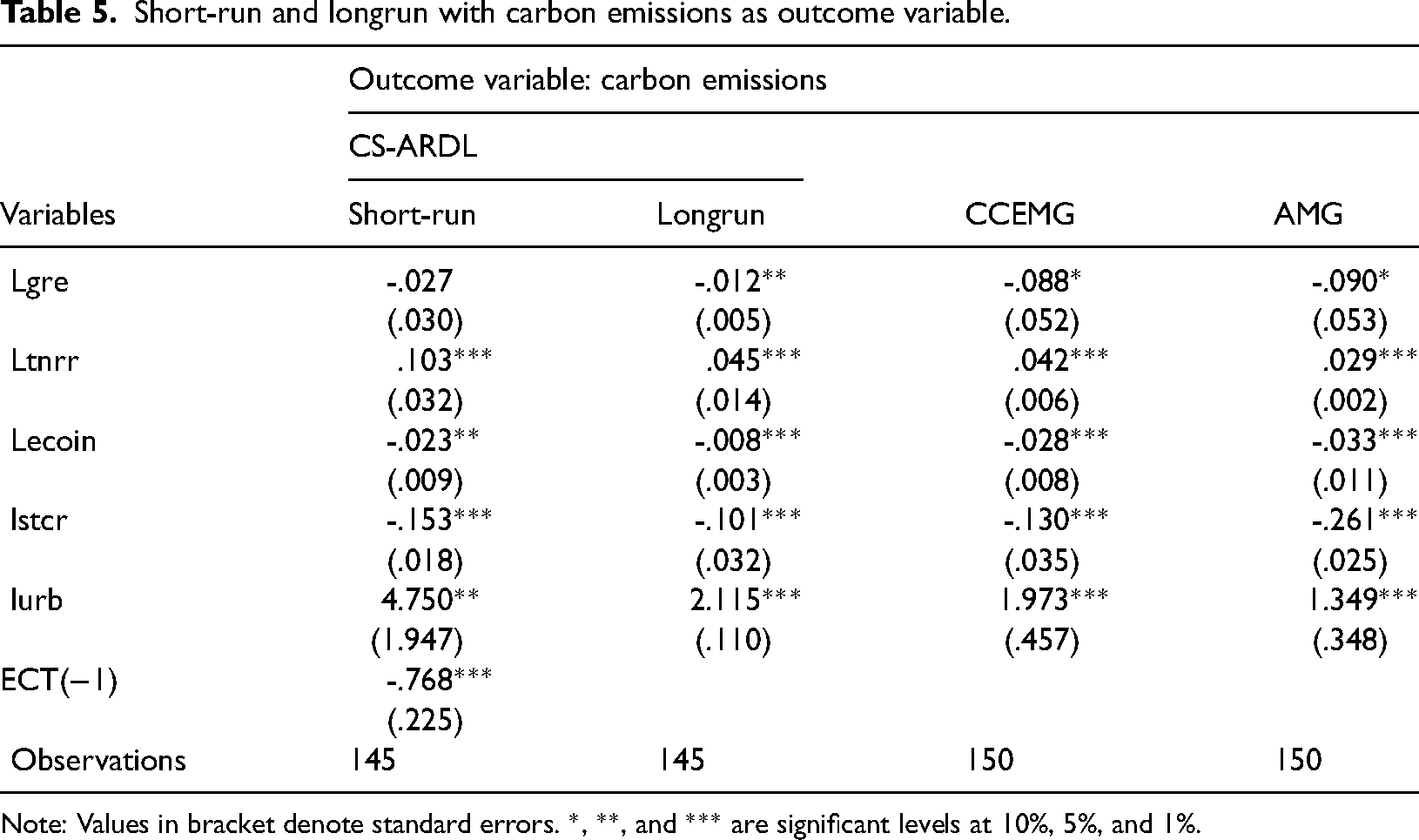
Note: Values in bracket denote standard errors. *, **, and *** are significant levels at 10%, 5%, and 1%.
The feedback on the technological innovations-carbon emission nexus uncovers negatively significant nexus between the two indicators in the longrun and short run, implying that advancement in environmental technology would help subdue the rising volume of carbon emissions. The devastating effects of global warming on the ecosystem and peaceful human coexistence propel conscientious efforts to discover an adaptive or mitigating solution for every economy. Among the various feedbacks from the efforts is the emergence of environmental innovation, which seeks to reduce carbon emissions and waste substantially. Most African countries are buying into this idea which could speak for the reported moderating effects of technological innovations on carbon in the selected African countries. Previous studies like Hussain et al. 26 , and Xu et al. 43 and Adebayo et al. 59 report that technological innovations significantly moderate carbon emissions.
Structural change exerts negative and statistically significant effects on carbon emissions, suggesting that the former mitigates the surge in the former. Hence, we can aver that structural change led by service sector, as evident in most African countries, is one of the effective channels of reaching the net zero emissions set for 2050. The outcome agrees with Ibrahim et al. 14 and Xu et al., 43 who provide empirically supported evidence to advance the mitigating impacts of structural transition on carbon emissions. Furthermore, the driving roles of urbanization on carbon emissions are empirically confirmed based on the outcomes provided in Table 5. Hence, we can conclude that urbanization in the selected African countries is carbon-inducing both in the longrun and short-run periods, as provided by CS-ARDL and supported by estimates from CCEMG and AMG.
The error correction term (ECT) uncovers the short-run distortions are corrected by the speed of 77%. This is apparent considering the significant and negative coefficient of the ECT. Intuitively, we can infer that the model's disequilibrium can be corrected within a year.
Robustness check results based on other indicators of environmental pollution
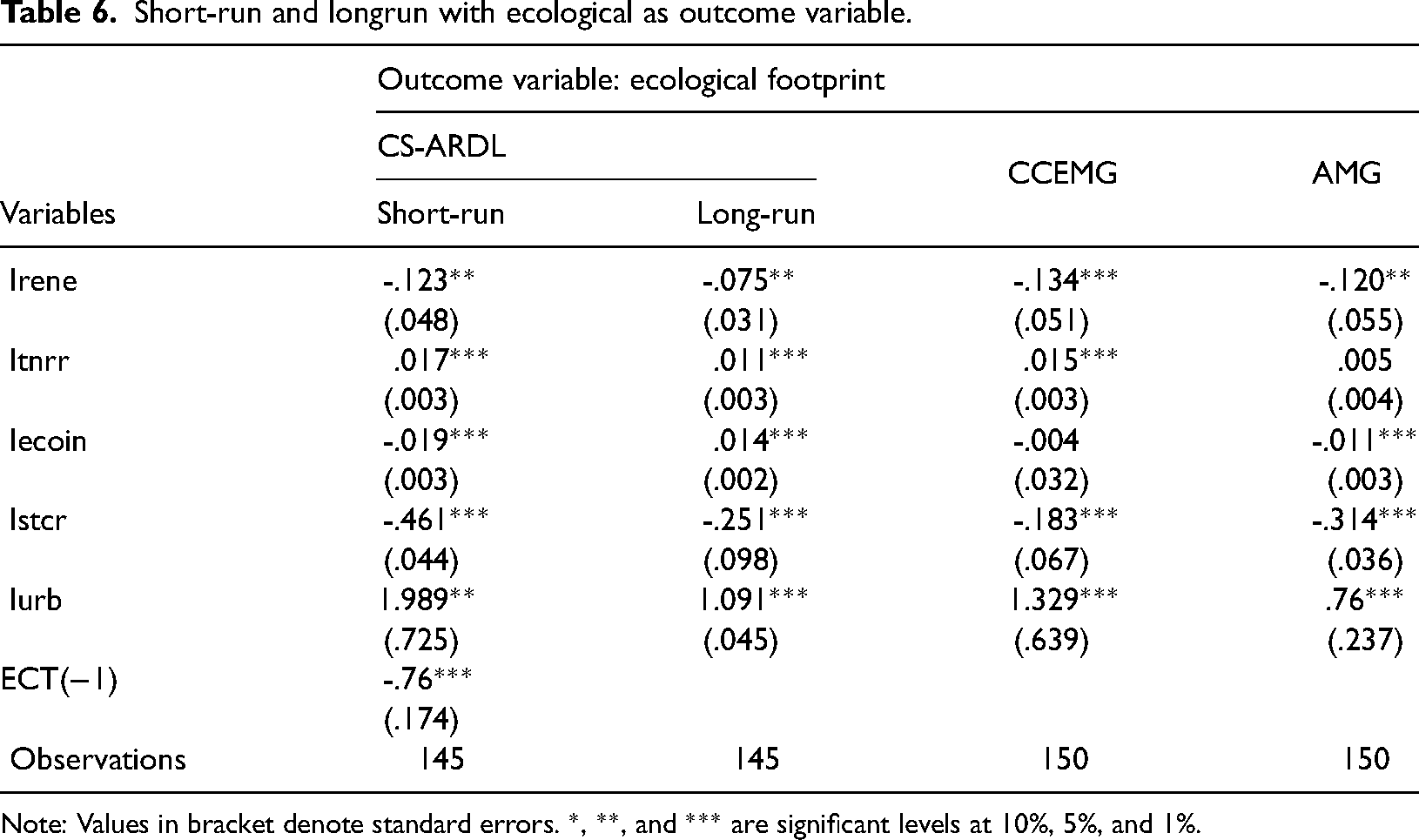
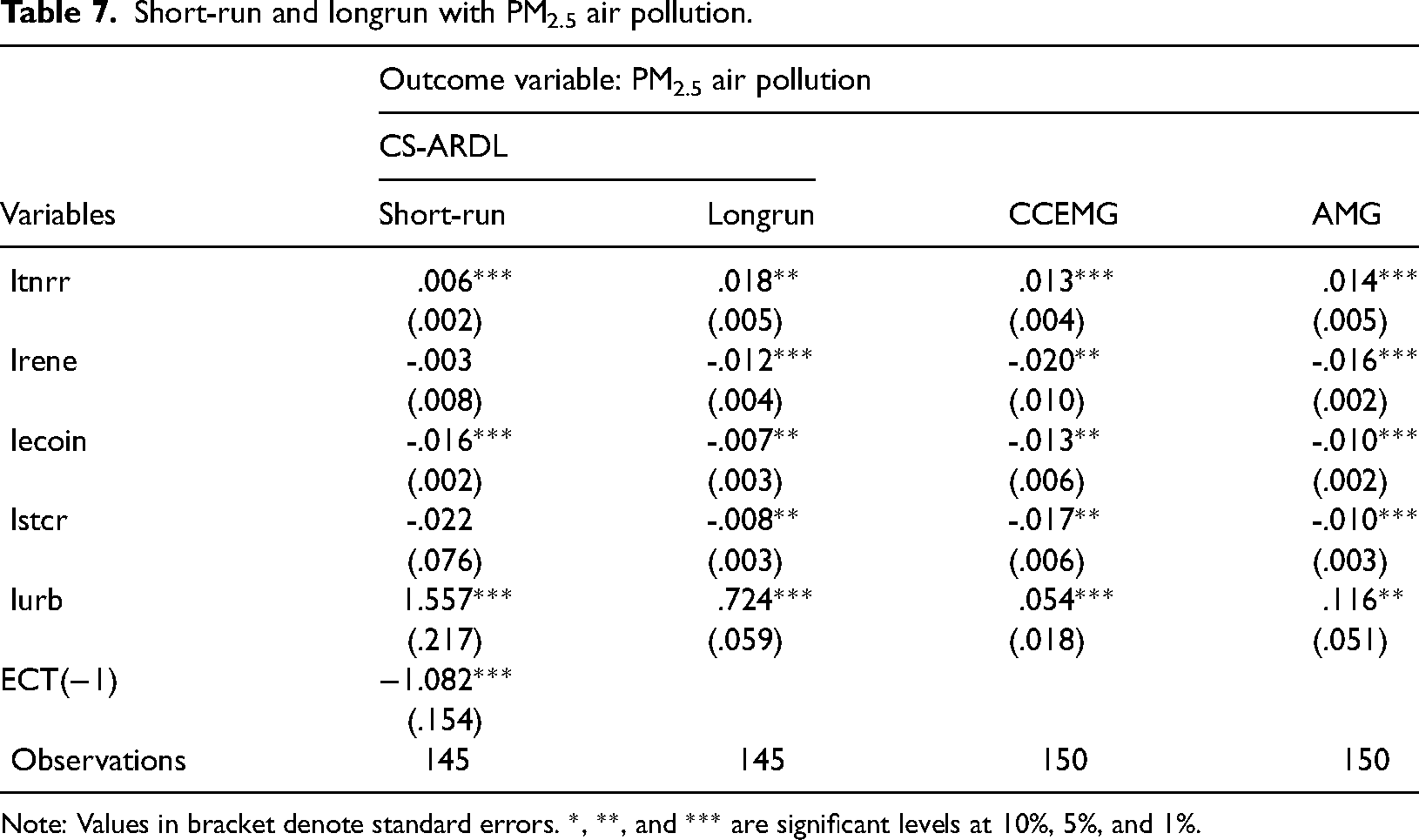
The need to extend the frontier of knowledge on the drivers of environmental pollution in Africa prompts the current study to adopt other pollutants besides carbon emissions. We adopt ecological footprint and PM2.5 air pollution to examine how the regressors would mitigate or induce the surge in environmental pollution in the selected African countries. The results for both indicators are presented in Tables 6 and 7 for ecological footprint and PM2.5 air pollution, respectively. The outcomes from both tables provide robust estimates with varying magnitude on the outcome variables. For instance, the moderating effects of renewable energy, technological innovations, and structural transition are potent on ecological footprint and PM2.5 air pollution. Similarly, the inducing impacts of natural resource dependence and urbanization are equally confirmed in the two tables. Consequently, we can confirm that the various forms of environmental pollutants respond similarly to Africa's mitigating and inducing factors of environmental pollution. The empirical outcomes on the nexus between the independent and dependent variables are presented graphically in Figure 3. As evident in the figure, the moderating roles of renewable energy, structural transition, and technological innovations are represented by negative flows to environmental pollutants (carbon emissions, ecological footprint, and PM2.5 emissions). In contrast, the inducing impacts of resource dependence and urbanization are represented by the positive flows.
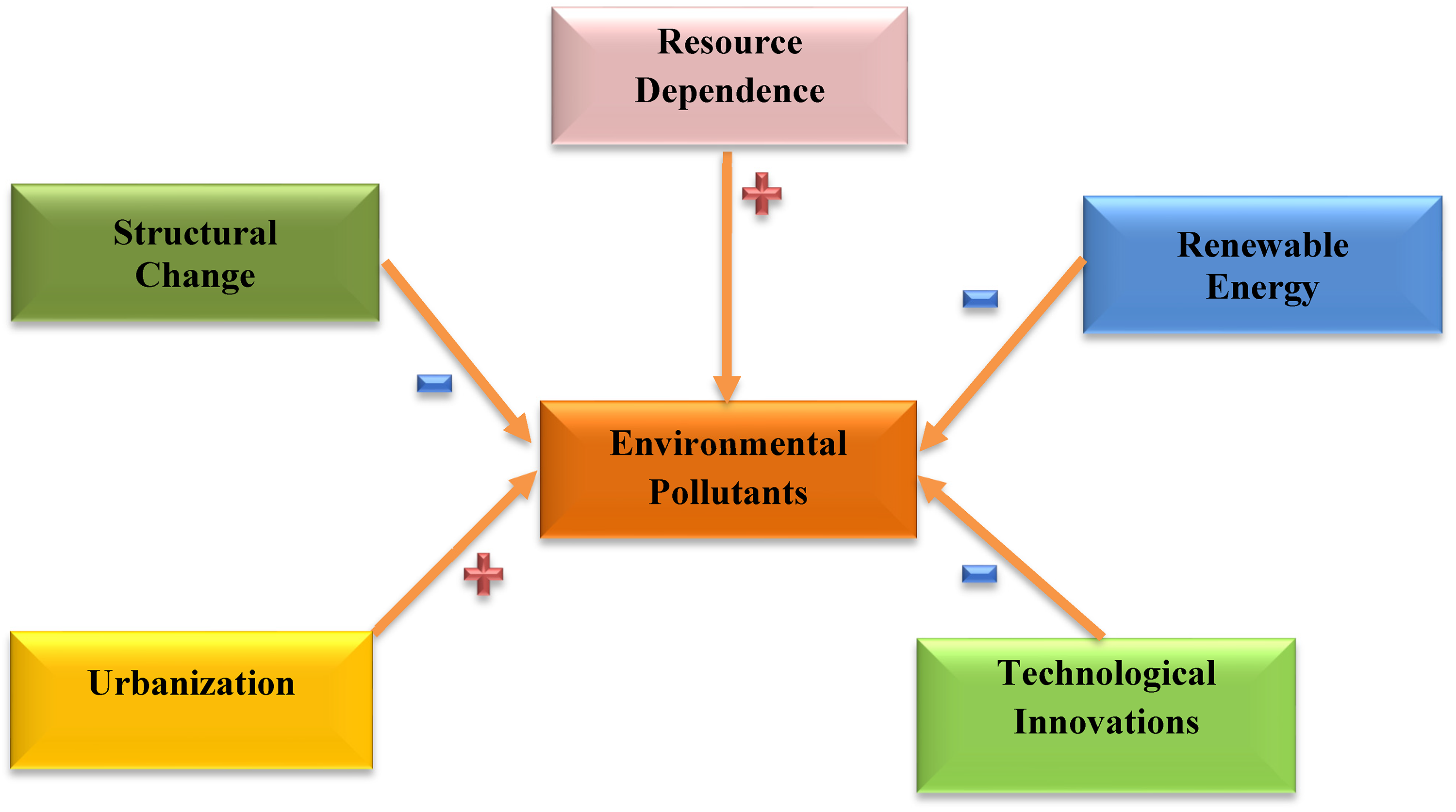
Graphical presentation of the empirical findings.
Short-run and longrun with ecological as outcome variable.
Note: Values in bracket denote standard errors. *, **, and *** are significant levels at 10%, 5%, and 1%.
Short-run and longrun with PM2.5 air pollution.
Note: Values in bracket denote standard errors. *, **, and *** are significant levels at 10%, 5%, and 1%.
Robustness check results based on method of moment quantile regression
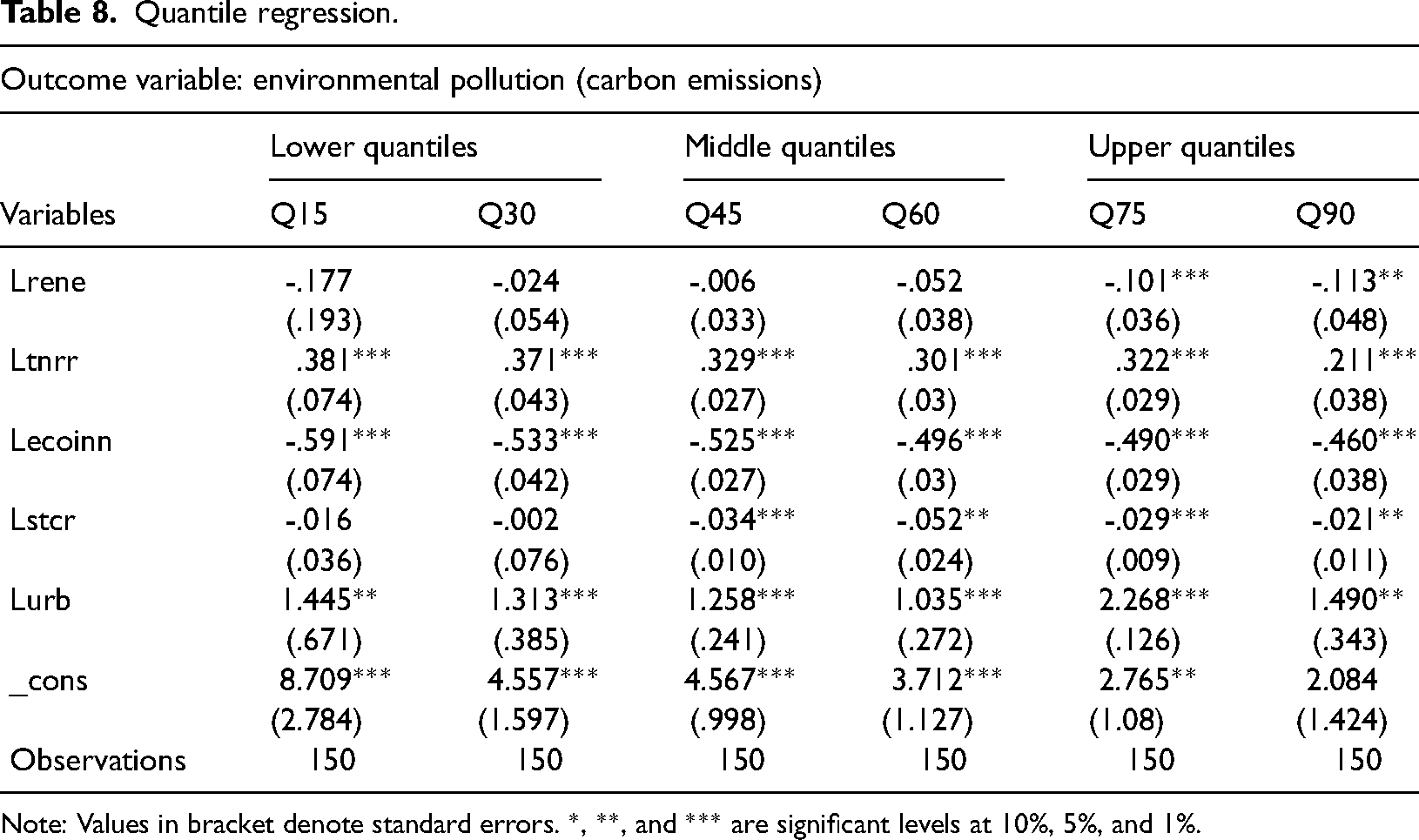
The current study explores the novel method of moment quantile regression estimator to examine how the regressors impact environmental pollution (carbon emissions) based on estimates from differing distribution points. 60 Among many other strengths, quantile regression provides estimates explaining how the effects of the independent variables influence the outcome variable in the presence of cross-sectional dependence. 61 Besides the recent popularity of quantile regression in energy-environment empirics, it has extensively proven to be efficient in applied science. 62 Consequently, employing quantile regression would enhance our understanding and accuracy in predicting how a percentage change in renewable energy, technological innovation, natural resource dependence, urbanization, and structural transition influence significant changes in environmental sustainability in Africa at varying levels. Moreover, three levels of effects comprising lower quantiles (Q15 and Q30), middle quantiles (Q45 and Q60), and upper quantiles (Q75 and Q90) are provided in Table 6.
The results presented in Table 8 show that the effects of renewable energy on environmental pollution are not substantial in the lower and middle quantiles. However, the effects significantly moderate environmental pollution in the upper quantiles. Consequently, we can infer that a higher volume of renewable energy is needed to curb the rising volume of environmental pollution in Africa. Besides, we can conclude that renewable energy does not have an instantaneous effect on environmental pollution but rather, renewable energy consumption over time would eventually moderate environmental pollution. The impact of natural resource dependence captured by total natural resource rents (tnrr) is significant in promoting environmental pollution across the three phases of the quantiles. Hence, we can say that the environment is polluted at the first point of extracting natural resources. A marginal increase in extraction leads to a further rise in environmental pollution. Technological innovations substantially moderate the surge in environmental pollution from the lower through the upper quantiles. We can infer that advancements in environmental-related technology would help enhance the drive towards zero emissions. The effects of structural transition are substantial from middle to upper quantiles suggesting that the shift towards the service sector is an effective means to reach zero emissions significantly. The pollution-inducing role of urban is robust across the three levels of quantile regressions.
Quantile regression.
Note: Values in bracket denote standard errors. *, **, and *** are significant levels at 10%, 5%, and 1%.
The quantile regression plot in Figure 4 provides information on the trend in the effects of the regressors on the outcome variable. As evident in Figure 4, resource dependence exerts decreasing returns to scale effects on environmental pollution. This implies the adverse effects of resource dependence on the environment are gradually declining with time. This is plausible because with increasing income from natural resource rents to a certain point, preference will be giving to utilizing the proceeds to promote green growth through investment in programs and initiatives that will significantly offset the emitted carbon emissions during the extraction phase. Renewable energy reveals increasing returns to scale with an upward slope in its mitigating effects on environmental pollution. Similar increasing returns to scale are apparent in the impact of urbanization on environmental pollution, suggesting that the rising influx of people to the urban area escalates the environmental tragedy in the selected African countries. The slope in the effects of technological innovations is on the downward side, while structural transition provides even or slightly diverging increasing effects.
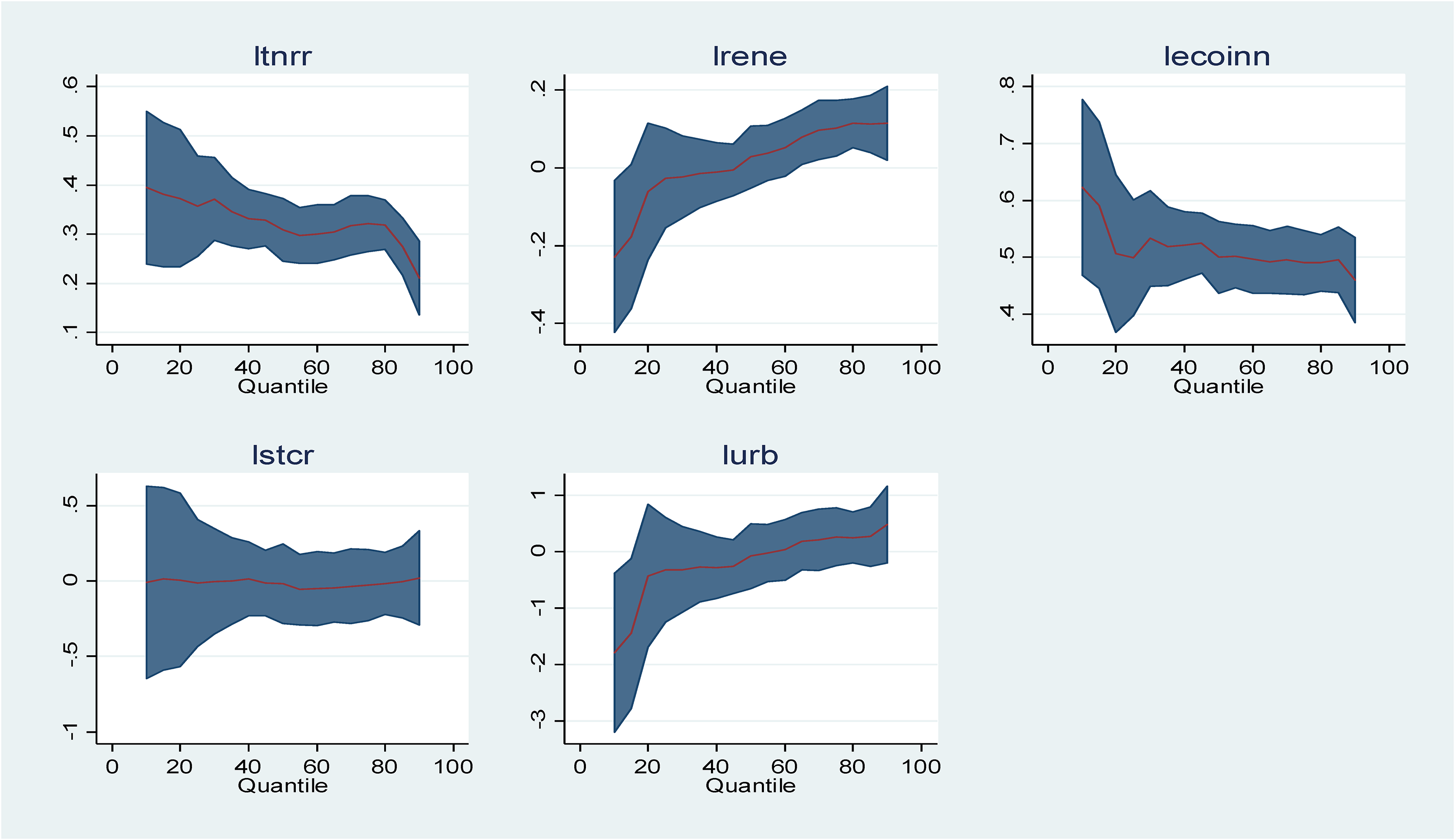
Quantile plot of the estimated relationship.
Panel granger causality effects
The outcomes of the causality test based on the work by Dumitrescu and Hurlin 54 are presented in Table 9. The results reveal bi-directional causality between renewable energy and environmental pollution (carbon emissions), implying that policy measures to improve renewable energy will improve quality of the environment. On the flip side, policy measures implemented to reduce carbon emissions could include expanding renewable energy consumption. Moreover, unidirectional effects are reported between natural resource dependence and environmental pollution. Similar unidirectional causality is reported running from eco-innovation, structural transition, and urbanization to environmental pollution.
Panel causality test results.
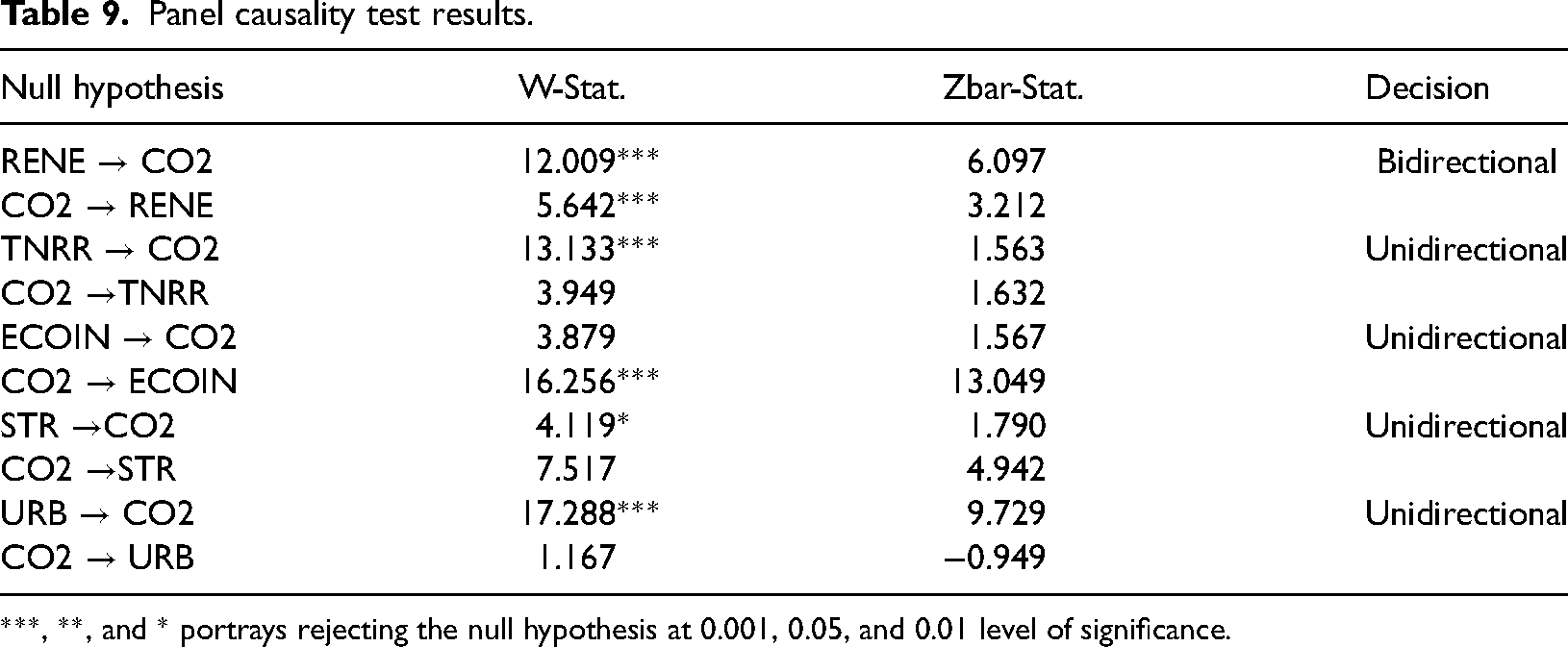
, and * portrays rejecting the null hypothesis at 0.001, 0.05, and 0.01 level of significance.
Conclusion and policy insights
The current study investigates the functional effects of renewable energy, resource dependence, technological innovations, urbanization, and structural transition on environmental pollution (carbon emissions, ecological footprint, and PM2.5 air pollution) from 1990 to 2019 in a panel of top carbon-emitting economies in Africa. The study adopts second-generation estimation techniques ranging from Pesaran's (2015) and (2004) cross-sectional dependence to slope homogeneity, cross-sectionally dependent IPS unit root, and Westerlund cointegration tests. The empirical model is evaluated based on a battery of estimators comprising cross-sectional ARDL (CS-ARDL), common correlated effects mean group (CCEMG), augmented mean group (AMG), and method of moment quantile regression (MMQR). The reported estimates are further strengthened based on the Dumitrescu and Hurlin's 54 panel granger causality test. The results reveal that renewable energy, technological innovations, and structural transition significantly reduce environmental pollutants. In contrast, resource dependence and urbanization ameliorate the environment by inducing a substantial rise in environmental pollutants. The results are found robust across the different estimators. Besides, bi-directional causalities are reported between environmental pollution and regressors such as renewable energy and resource dependence. On the contrary, unidirectional causality runs from technological innovations to structural transition and urbanization. Drawing from the empirical results, the following recommendations are found prominent.
First, the mitigating effects of renewable energy can be strengthened through government support of programs and initiatives that will drive renewable energy. Government can achieve this by providing subsidies for renewable products and tax reductions for companies operating at a reasonable rate of energy source. For instance, companies depending on renewable energy as power source of up to 60% can be granted tax waiver or reduction. Second, the negative environmental impacts of resource dependence can be mitigated through diversification to other sectors of the economy. Besides, the proceeds from resource rents can be invested into renewable energy to offset the emission generated at the extraction point. Third, the moderating impacts of technological innovations can be sustained through continuous investment in research and development. More so, investment in science and technology would also go a long way in advancing the stages of technological innovations in Africa. Fourth, the declining impacts of structural transition on environmental pollution can be sustained through policy focus on productive activities in the service sector. Also, the government should concentrate on infrastructural facilities in the rural areas to provide jobs and attract citizens back to the rural areas. This will help reduce the strain on the infrastructural facilities in the urban area and lessen the adverse effects on the environment.
As much as this study fulfills the standard procedures in the literature and dwells on crucial indicators of environmental pollution in the wake of COP26 resolutions, the study is limited to the five most carbon-emitting countries in Africa. An analysis of all the countries in the continent could provide divergent results. Hence, we suggest future studies should look into a panel study covering more African countries, if not all. Besides, leading global intergovernmental organizations such as G7 and G20 could be studied in line with the objectives in the present study.
Footnotes
Availability of data and materials
Data used in the present study are available upon request
Declaration of conflicting interests
The author(s) declared no potential conflicts of interest with respect to the research, authorship, and/or publication of this article.
Funding
The author(s) received no financial support for the research, authorship, and/or publication of this article
