




Abstract
Increased urban air temperature considerably affects the health, comfort and consequently the quality of life in urban spaces. Urban design and planning studies, therefore, face an increasing challenge as they aim to improve Outdoor Thermal Comfort (OTC) and microclimate conditions of urban environments. Analysing OTC is more challenging when compared to indoor thermal comfort since a wider range of interrelated parameters exists in outdoor environments. Therefore, this research aims to classify urban studies that investigate OTC by conducting a comprehensive review based on key metrics such as approaches taken, methodologies and spatial and temporal scales. By extracting the key findings, this research forms an integrated framework of these metrics that presents a thorough view of the OTC concept in the context of climate-sensitive studies. Furthermore, this research elaborates on the main two groups of parameters affecting OTC including environmental and human-based parameters. Exploring the intricate inter-relationships of these two groups of parameters clarifies their contribution to OTC. Results of this study help architects and urban planners to improve their climate-sensitive strategies and support the decision-making process by providing a comprehensive perspective about different aspects of OTC. Finally, recommendations for future research are outlined.
Introduction
Over the past few decades, urban environments expanded at a remarkable rate. This vast and unplanned growth of urbanization reduced the environmental qualities and increased the energy consumption of buildings. The construction and operation of built environments are major contributors to the quality of life within urban places. Studies revealed that the global mean surface temperatures in cities are likely to increase by 1.4–4.8°C before the year 2100. 1 As a result, urban areas are prone to the effects of urbanization such as climate change, increased urban temperatures, and pollutant concentration.2,3 Moreover, increased urban air temperatures considerably intensify the energy consumption of buildings.4,5 These negative effects threaten the health and thermal comfort of urban residents in outdoor environments. Outdoor Thermal Comfort (OTC) is a relatively new research field compared to thermal comfort studies for interior spaces.
The concept of OTC contributes to the liveability and vitality of these spaces by improving the physical, environmental, and social conditions of these spaces. 6 A lack of attention around climate-related priorities in urban planning studies will affect OTC and the health conditions of people. 7 Urban design and planning principles can create comfortable and healthy microclimate conditions, and reduce the energy demand of surrounding buildings.8,9 Therefore, many studies aim to analyse the OTC performance of urban settings and suggest mitigation strategies against the negative effects of thermal discomfort and heat stress.2,10
A vast majority of literature appeared over recent years, investigated the impact of urban design scenarios on the microclimate condition of urban spaces in both simulation and field studies. Several review studies reviewed the OTC concept in different climatic and spatial contexts. For instance, Johansson reviewed the instruments and methods used in outdoor field studies and investigated the requirements for the standardization of subjective assessment tools. 11 Chen et al. reviewed OTC studies in terms of the experience and perceptions of pedestrians 12 and Santos Nouri reviewed a number of assessment approaches to determine the local OTC thresholds with urban design. 13 Jamei et al. evaluated the impact of urban greening and building geometry to formulate mitigation strategies for improving OTC at the pedestrian level. 14 Lai et al. discussed the cooling effects of four mitigation strategies, namely, changing the form and geometry of built-up areas, green spaces, water bodies and cool surfaces and roofs. 6 Taleghani reviewed the effect of urban heat island mitigation strategies on human thermal comfort in urban spaces. 15 Azevedo evaluated the existing climate and comfort policies and identified the difficulties arising during the assessment of local actions and guides. 16 Aghamolaei et al. reviewed differences in OTC sensations and preferences between older people and other age groups. 17 Zhao et al. reviewed the adaptive thermal comfort models with a focus on data-driven techniques in both indoor and outdoor comfort modelling. 18 Lin et al. reviewed strategies and guidelines in the field of landscape architecture to create thermally comfort outdoor spaces. 19
Evaluating the previous OTC review studies mentioned above reveals that these studies mostly focused on reviewing OTC indices and metrics13,18 or mitigation strategies such as vegetation types and material properties.14,15,19 A challenge in studying OTC is to consider the wide variety of complex and confounding parameters affecting thermal comfort in outdoor areas. However, few studies have identified and reviewed these parameters to develop an integrated and holistic OTC assessment framework specifically for outdoor places. In this regard, this review addresses this gap by identifying the most effective parameters for OTC assessment including both environmental-or and user-related from recent literature to form a holistic OTC assessment framework. Identifying the role of these parameters in outdoor areas is critical since studying OTC in urban places is more complicated than indoor environments and, also a wider range of interrelated parameters exists in outdoor environments compared to indoor spaces.
Drawing mainly on recent publications, this study aims to develop a novel holistic framework composed of the most impactful parameters which provides a comprehensive perspective of parameters involved in the OTC assessment. In this regard, this review study focuses on two objectives: (1) to classify urban design and planning studies that investigated OTC by conducting a comprehensive review based on key metrics such as approaches, methodologies and tempo-spatial scales. By extracting the key findings, similarities and contrasts of these studies, this research forms an integrated framework of afore-mentioned metrics that presents a thorough view of the OTC concept in the context of climate-sensitive studies, (2) to elaborate on the main groups of these parameters including environment and human-based parameters. This framework explores the intricate inter-relationships between these two groups of parameters to clarify their contributions to OTC results. Results of this study will help architects, engineers and urban planners to improve their climate-sensitive designs and strategies by providing a comprehensive perspective on different aspects of OTC and related parameters.
The paper is structured as follows, section 2 discusses the search strategy and methodology used to conduct the comprehensive and inclusive review of the existing body of literature. Section 3 reviews approaches that influence the thermal comfort condition in urban studies at macro and micro levels and categorises the reviewed studies accordingly. Section 4 investigates factors affecting the acceptable range of thermal comfort in urban environments and as a result, introduces a holistic framework for OTC assessment. Finally, section 5 outlines the limitations and research gaps to prioritize the recommendations for future studies on OTC in urban environments.
Methodology
This paper used an organized search strategy for finding and reviewing the related literature as it is challenging to conduct a manual review for thermal comfort studies due to the broad scope of this field. The study used PRISMA methodology (Preferred Reporting Items for Systematic Reviews and Meta-Analyses-PRISMA) to be able to explore interactions between different dimensions and approaches and how they will form the research framework. 20
The suggested search strategy based on the PRISMA method incorporates four steps including identification, screening and eligibility and finally included studies which is discussed in more detail in the following paragraphs (Figure 1).
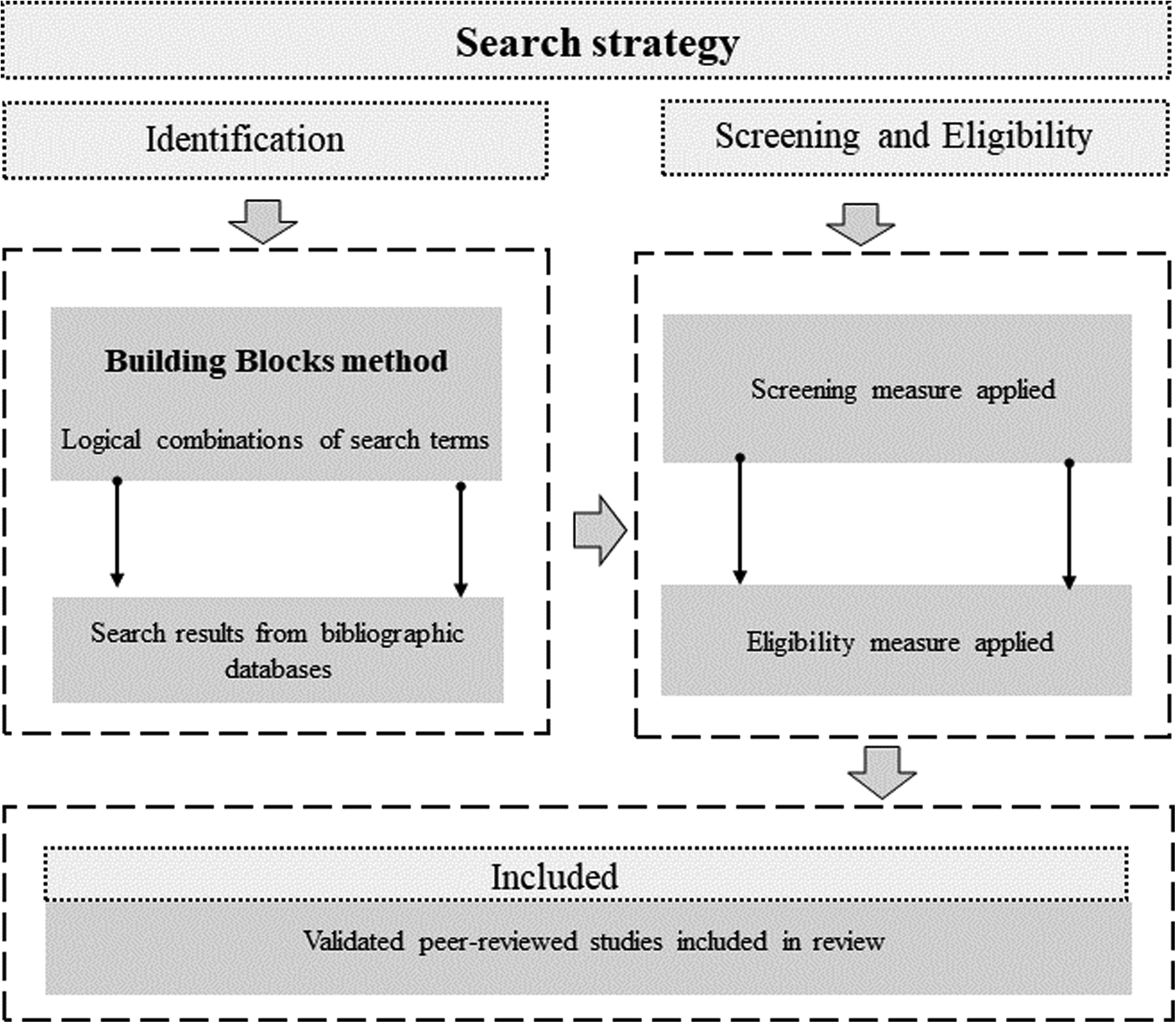
The search strategy for reviewing related literature in two steps.
In the identification step, to identify a broad but relevant range of studies, various search tactics and strategies such as ‘Building blocks’, ‘Successive fractions’ and ‘Berry picking’ are studied. 21 These strategies improve the effectiveness of the search process while reducing the required time. The most common strategy used in systematic reviews is the building block technique because of the simplicity of the method. 22 As such, this study uses this method to identify related resources and accordingly decomposes the research question into manageable sections. This method divides a query into several facets, which are considered as the basis for each query formulation and retrieves relevant document citations for each facet. To conduct the retrieval process, this study combined the facets using Boolean AND/OR operators. 21 The logical combinations of search terms facilitate the identification of relevant articles in the Scopus and Google Scholar, as the chosen bibliographic databases. Conducting the preliminary review of the literature and highly-cited papers identifies three main facets namely: 1) ‘comfort concept: thermal comfort, outdoor comfort, visual comfort’, 2) ‘climate-sensitive planning: climate-sensitive planning, urban planning, urban design, microclimate planning, microclimate design’ and 3) the ‘location of field studies: built environment, open spaces, public spaces, urban spaces’. These facets are subsequently combined to formulate search attempts in the selected databases.
In the screening and eligibility steps, two criteria are applied to refine the research results: first, the search results are screened based on the title and abstract to identify and exclude duplicate articles and irrelevant subject areas (for instance biochemistry, chemistry and so on). This study uses Mendeley software to facilitate refinement and screening of the search results by scanning titles, abstracts, and keywords of these papers. Second, the results are reviewed to identify the eligible research. Papers are limited to peer-reviewed journals (research and review papers) with the removal of conference papers. Also, eligible studies focused only on outdoor areas and no combination of both indoors and outdoors.
At the last step, as a result of these three steps, final studies are carefully selected to enter the review process. By applying the methodology, 390 studies were identified from the databases and after applying screening and eligibility criteria, 63 studies were included to start the review process.
Literature review
This section reviews the most important studies in the field of OTC and discusses the OTC concept in relation to urban design and planning studies to develop the research framework. Analysis of search results shows that as a recent interest, the field of OTC follows an exponential trend, with a considerable increase in publications over the last 10 years. Nevertheless, the number of journal papers published on OTC is considerably less than the number of indoor thermal comfort studies (Figure 2). The articles selected for the review process are mostly published in the last 10 years.
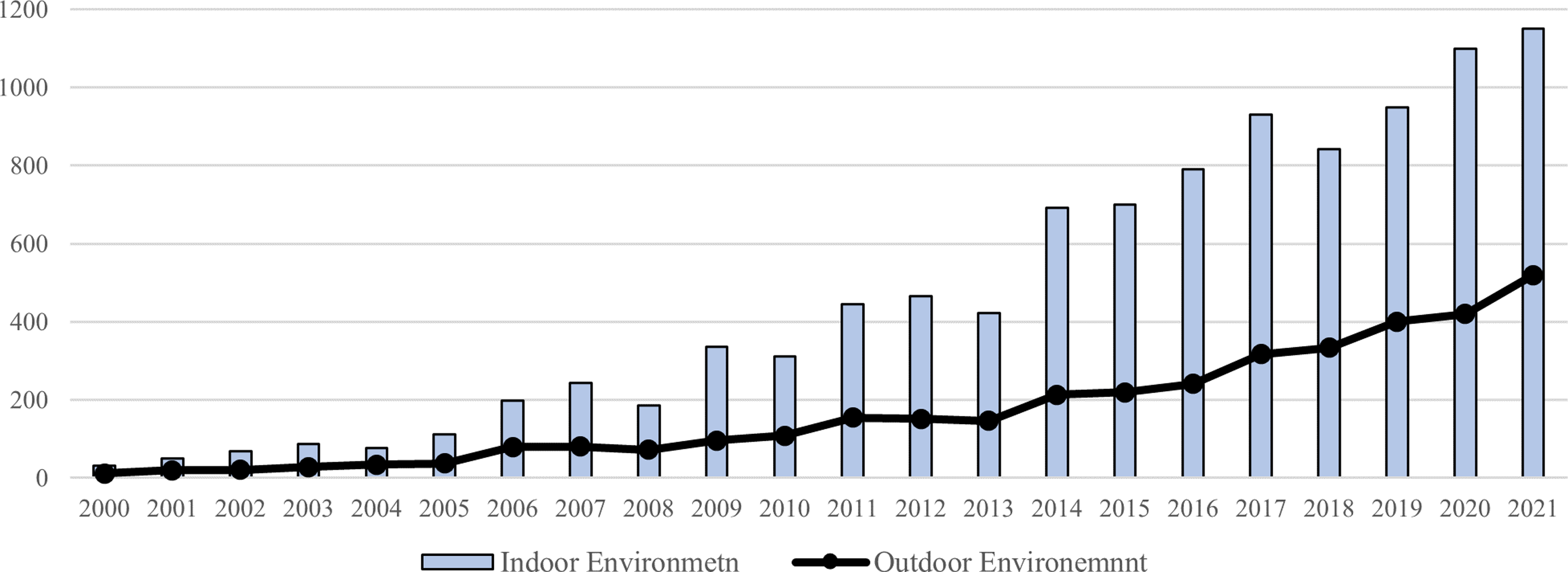
A comparison of indoor and outdoor thermal comfort studies between 2000 and 2021.
Thermal comfort approaches include a wide spectrum of research areas and goals. Concepts such as human-based or physical approaches and temporal and spatial scales of the built environments offer a stark separation between appropriate OTC solutions and strategies. Exploring these wide approaches can provide a better understanding of how climate-sensitive studies have addressed the OTC issue in urban environments.
This study reviews OTC studies in order to present a comprehensive categorisation framework over two scales, macro and micro. Macro scale studies focus on crucial factors that affect the early stages of the planning process including the goal of the study, human- or physical-and environmental-related approaches, and the temporal and spatial scales. These metrics determine the timetable, stakeholders, and the number and type of factors involved in the analysis. However, in micro scale studies, the main focus is on detailed strategies to achieve thermal comfort in urban environments. These two scales of study with their subtitles are depicted in Figure 3. Further discussion is presented in the following paragraphs.
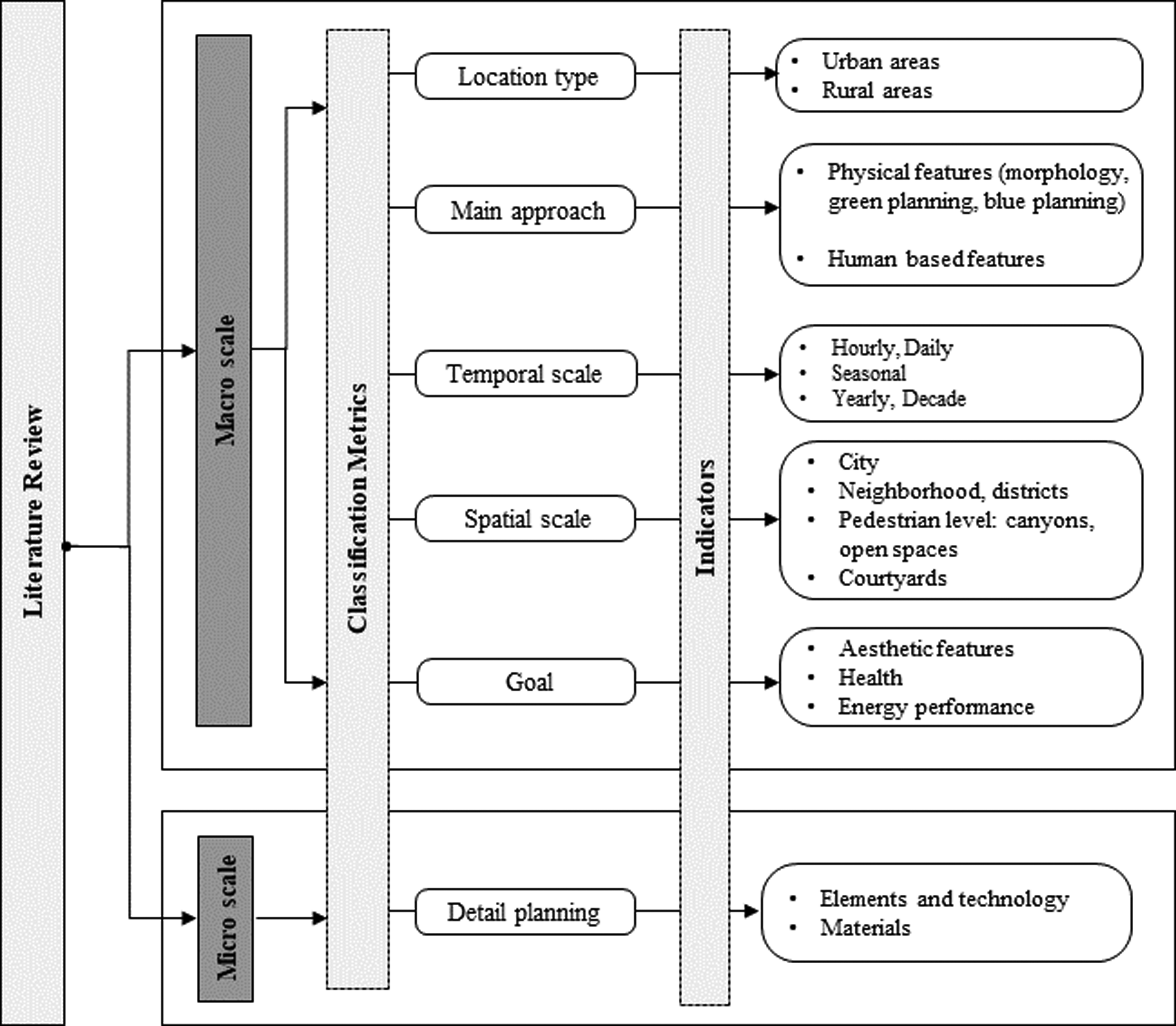
Different domains interacting with OTC concept in two main scales in urban environments.
Approaches
Thermal comfort concept is defined as a condition of mind that expresses satisfaction with the thermal condition of the surrounding environment. 23 As such, it is influenced by psychological and behavioural factors in addition to the physical condition of outdoor spaces.24,25 In this regard, two categories are defined based on the main assessment approaches of OTC. The first category presents the physical parameters (morphological and landscape planning) of the built environment while the second category, human-based approaches, focuses on the physiological and social characteristics of people.
Physical and environmental approaches
Analysing OTC based on physical features is as one of the most popular approaches to investigate OTC in urban planning studies. This approach mainly focuses on the built environment features including urban morphology and landscape planning. Different studies investigated the effects of morphological and physical parameters on OTC. As one of the main contributing factors to OTC, the geometrical and morphological characteristics of urban areas have been investigated in different studies at different scales, including streets, 26 urban open spaces,27,28 neighbourhoods and districts,29–31 and finally the city scale. 32 Geometrical characteristics of street canyons such as aspect ratio (height to width), orientation, and canopies change thermal comfort performance and airflow in the urban areas.2,12 In open spaces, trees, canopies, and morphological characteristics including spatial proportion and dimensions are among the most impactful design and planning strategies to enhance outdoor thermal comfort. 33 In the neighbourhood and district scale, form layout and built-up density are outlined as the important factors, changing the overall thermal performance. 34
The buildings’ height and the sky view factor, density and material of surfaces, directly influence the OTC indices.35,36 Rajagopalan et al. investigated the effects of different urban morphological scenarios on natural ventilation and wind flow. The results indicated that the chaotic geometry of built-up areas decreases ventilation in the streets. 37 In another study, it was shown that a high-rise building makes a ‘cool effect due to shading’, while low- rise buildings result in Urban Heat Island (UHI) due to the stagnated wind and the high intensity of short- and longwave solar radiation. 38 Jamei and Rajagopalan demonstrated that uniform heights, equal building separation, and plot sizes intensify the adverse effects of urbanization and increase the thermal discomfort. 4 In addition, material characteristics such as the albedo of surface materials play an important role in thermal comfort in outdoor spaces by reflecting a considerable part of solar radiation.39,40 Acero et al., evaluated the impact of urban geometry including block form, street orientation and aspect ratio and building heights on the outdoor thermal comfort (OTC) in Singapore, focusing on a new mixed-use high-rise development. 41 Aghamolaei et al. developed a modelling framework to assess the tempo-spatial thermal comfort performance of urban neighbourhoods on the basis of geometrical characteristics such as layout, aspect ratio, building height, overall open space to built areas and residential densities. 29
Landscape planning as a powerful physical strategy can improve OTC and microclimate planning by focusing on green planning (vegetation cover) and blue planning (surface water bodies or watercourses).42,43 When both features are used together in design scenarios, they can provide effective synergistic ecosystem advantages such as cooling the high-density urban areas.44,45 Green and blue planning as two main components of landscape planning are explained next:
Green planning is a critical mechanism for microclimate regulation, combating UHI and improving OTC and human health. In addition to microclimate regulation and OTC improvement, urban green planning improves the ecological networks and ecosystems and provides aesthetic and psychological advantages to different cultural groups.46,47 Green planning incorporates a wide variety of actions including increasing the coverage of higher trees for the uncovered sites in the urban parks, decreasing the hardened ground, improving the use of landscape parameters for aesthetic aspects and moderating the subjective sensation of the visitors by providing fine sceneries. 48 However, different trees result in different comfort conditions. Therefore, new methods are validating microclimate models to present better understanding of what kinds of trees to be planted in different places. 49 Height of trees, leaf area index and trunk height are the most important metrics in improving daytime and nighttime thermal comfort.50,51
Studies that consider the cooling effects of blue planning are fewer compared to green spaces as the mitigation effects of greenery strategies are stronger than water spaces. In this regard, a meta-analysis reported that the blue spaces can provide a cooling effect of 2.5 °K on surrounding environments. 52 However, their actual performance depends on the static and dynamic types of water bodies and respective fluid flow characteristics and climate parameters of surrounding areas.45,53
Human-based approaches
More recent studies focusing on human-based approaches, examined how OTC as a condition of mind is perceived by space users and residents.25,54 Studies showed that people in different regions have various thermal preferences resulting from the adaptation procedure 55 and as such their responses to the international OTC models and indices will be different. 56 In this regard, in human-based OTC studies, real votes of space users are collected via different techniques such as interviews and questionnaires surveys in field studies which are called Thermal Sensation Vote (TSV). For instance, Sharmin et al. investigated OTC conditions through field surveys in high-density urban areas. Results of this study showed that microclimatic conditions, which are affected by the urban geometry, are found to be statistically correlated with thermal TSVs. 57 Wei et al. analysed the relative importance of meteorological parameters on TSV through machine learning techniques. The research showed that TSV is mainly related to relative humidity and air temperature in winter and by air temperature in summer (accounting for more than 70% of importance). 58
Different parameters such as age and gender affect the thermal comfort condition in outdoor spaces. 17 Thermal comfort has significant impacts on the health and life of different groups of people and space users. In terms of gender-related differences, Amindeldar (2017) resulted from a field measurement study that women are more sensitive to the change of air temperature in cold weather condition, which can be used as a reference principle for designing spaces that accommodates gender-sensitive thermal comfort features. 59
In terms of age-related differences, a recent review study showed that existing comfort models do not fully consider the effects of both environment and human-based parameters for OTC assessment for older people. 17 Older people are vulnerable to climate-related diseases such as cardiac arrest, pneumonia, and dehydration. 60 Improving the quality of outdoor places, increase the chance of using outdoor spaces and as such enhances their health and social life by helping them to remain active and interact with other people.17,61 In other words, high-quality outdoor areas can improve the elderly's mental and physical health and well-being. 62 Therefore, it is important to identify the characterises that can enhance outdoor thermal comfort based on specific needs and requirements of the elderly people towards a healthy and active ageing society. Also, it is revealed that younger ages have a higher sensitivity to the cold weather condition, though this is less prominent in the group of men. 59 Recent studies indicated that the neutral and preferred comfort range for the elderly is not the same for other adults due to physical and physiological changes in their bodies.63,64 Larriva and Higueras (2020) showed the contrast between the subjective perception of older adults with real environmental measurements in outdoor places, highlighting their vulnerability to thermal stress and noise pollution, as potential health risk. 60
Applying international OTC indices and standards in different locations without addressing social and cultural backgrounds results in inaccurate results. But, due to the complex nature of human-based features and parameters, only limited studies have addressed them in OTC studies. Furthermore, the assessment and evaluation approaches for this group of parameters are challenging based on the uncertainties of the existing subjective assessment procedures and the number of different factors affecting the OTC results.
Temporal scale
Investigating the thermal comfort effect in microclimate planning largely depends on the temporal scale. Chronological studies with different scales such as decade, year, season, days, hours and sub-hours present the chronological changes during a specific time period. Studying the thermal comfort performance of an urban environment during a decade is considered a long-term temporal scale in this field. Seasonal studies are another frequently used time scale for surveying the microclimate data and outdoor thermal comfort. Chan et. al. revealed that correlations between the environmental features and perceived comfort are significant during summer periods when compared to winter periods, emphasizing the role of seasonal studies when planning outdoor spaces. 23 At the next scale, OTC studies focus on diurnal variations of microclimate parameters in which variable weather conditions significantly affect pedestrians’ sensitivity and preferences.65,66 More detailed studies use hourly and sub-hourly time steps of weather conditions to investigate the OTC for a specific timeframe. 29
Spatial scale
OTC studies in the context of urban studies highly depend on the spatial scale ranging from large urban scales such as cities to individual spaces like courtyards and buildings. Spatial scale determines the type of required OTC index and level of details (resolution) to conduct the OTC analysis. Different spatial scales applied in previous OTC studies are briefly discussed below.
The largest scales are cities that include various microclimates with different characteristics compared to surrounding rural areas. 11 The next scale includes neighbourhoods and urban blocks. Neighbourhoods include pedestrian-scale components such as open spaces and semi-open spaces, pedestrian areas, courtyards and finally individual buildings that must be studied separately. Detailed analysis is required for this scale in order to evaluate the effects of urban blocks in promoting OTC strategies as the urban heat profile of one neighbourhood cannot be generalized to the whole city.2,67 In this context, the concept of the Local Climatic Zone (LCZ) is introduced to measure intra-urban microclimatic variations. 68 LCZs are in the range of 100 to 10000 m2 on horizontal scale and represent homogenous climate regions. 69
At the pedestrian scale, urban spaces and streets are the most frequently used components in OTC studies. Various kinds of urban environments such as parks, city centres, public and semi-public spaces and open spaces of residential or commercial complexes are located in this category. 23 The semi-open places are also analysed at pedestrian scale OTC studies. These places that have features of both indoor and outdoor spaces, can provide significant advantages for enhancing the indoor thermal environment from the perspectives of building design and energy savings. 70
At the next scale, the courtyards of single buildings could work as a micro-climatic spatial scale and a common space between urban and architectural scales for OTC studies.71,72 Geometrical parameters such as height to width ratio, orientation and layout of courtyards are as the most important parameters to enhance the microclimatic conditions. These parameters can contribute to better shading during summer, allowing the solar radiation in winter and adjusting the natural ventilation.
Despite the important achievements of OTC research in terms of spatial and temporal scales, most studies especially the ones conducted on larger scales such as neighbourhoods, districts and city scales, reported OTC results at a certain time and at limited location points such as in the centre of street canyons or open spaces. These locations are the places where the field measurements were conducted or limited microclimate simulations were performed.73,74 Both these measurement or simulation-based results are scattered in time and space, and as such cannot provide a comprehensive picture of temporal variation and spatial distribution of OTC results.2,34,75 Moreover, as neighbourhood and district scales include a wide range of components such as streets, open and semi-open spaces, and courtyards; they have more complicated geometries and as such extensive tempo-spatial studies are necessary to provide a thorough assessment of neighbourhoods’ thermal performance. However, the number of OTC studies with a focus on comprehensive tempo-spatial analysis is still limited and highlights the gap of OTC studies in this regard.
Goals
OTC studies can present other goals than thermal comfort improvement such as energy-savings, health, and aesthetic features. Climate-sensitive planning can provide significant improvements in the energy savings of built environments. 67 Jamei showed that UHI increases a building's cooling energy requirements by 12% in the peripheral neighbourhoods of a city and by up to 46% in those located in the city centre. 4 As the air temperatures in UHI remain high even during night time, the excessive energy demand can stress the electrical grid. 4 Furthermore, warmer air that intensifies the formation rate of smog from airborne pollutants that increases the use of air conditioning systems. 76
Microclimate conditions can affect the health and well-being of people and accordingly studies investigating OTC's impact on productivity and well-being of people have gained more attention in recent years.9,77 Healthy urban planning focuses on creating healthy, equitable and sustainable cities and as such, climate-based planning strategies have to consider their application's adverse effect on the health and wellbeing of people in urban places.78,79
Aesthetic features are important for attracting people to public spaces and thus encouraging them to participate in different urban activities. As an operational definition, aesthetic approaches focus on an arrangement of elements to produce a pleasantly heightened intellectual and emotional awareness. 80 However, in some urban design projects, this point is neglected due to thermal comfort priorities. Considering aesthetic features transforms the public spaces into a visual asset and in this way, urban places become an interest of the municipality, designers and space users80–82
Detail planning
Detail planning strategies at the micro scale include a wide variety of actions such as the utilisation of different technologies and, also modifications of construction material used in the built environments. Materials of roofs, urban paving, and building envelopes as well as passive technologies such as wind catchers, solar chimneys are as cost-effective solutions for improving OTC performance when compared to the other strategies which require more changes to the physical environment such as geometrical and morphological modifications83–86 However, the counter-effects of these materials should be considered during the planning process.87,88 For instance, Rosso has shown that some kinds of materials proposed for application in cool roofing and paving can result in some visual discomfort due to glare issues, especially in sunny weather conditions. 66
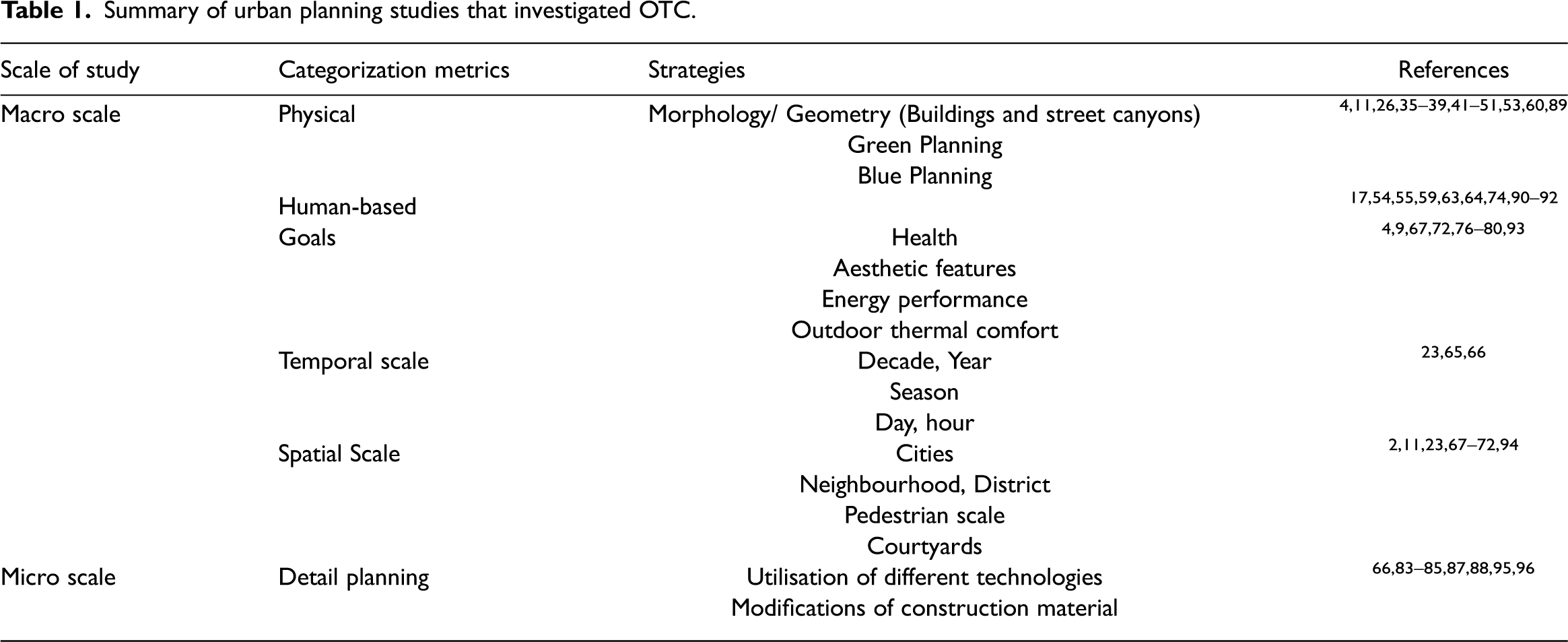
Table 1 shows a summary of the literature reviewed in this section. The next section discusses the similarities and contrasts among these studies and the relationships between the categories previously mentioned.
Summary of urban planning studies that investigated OTC.
Discussion
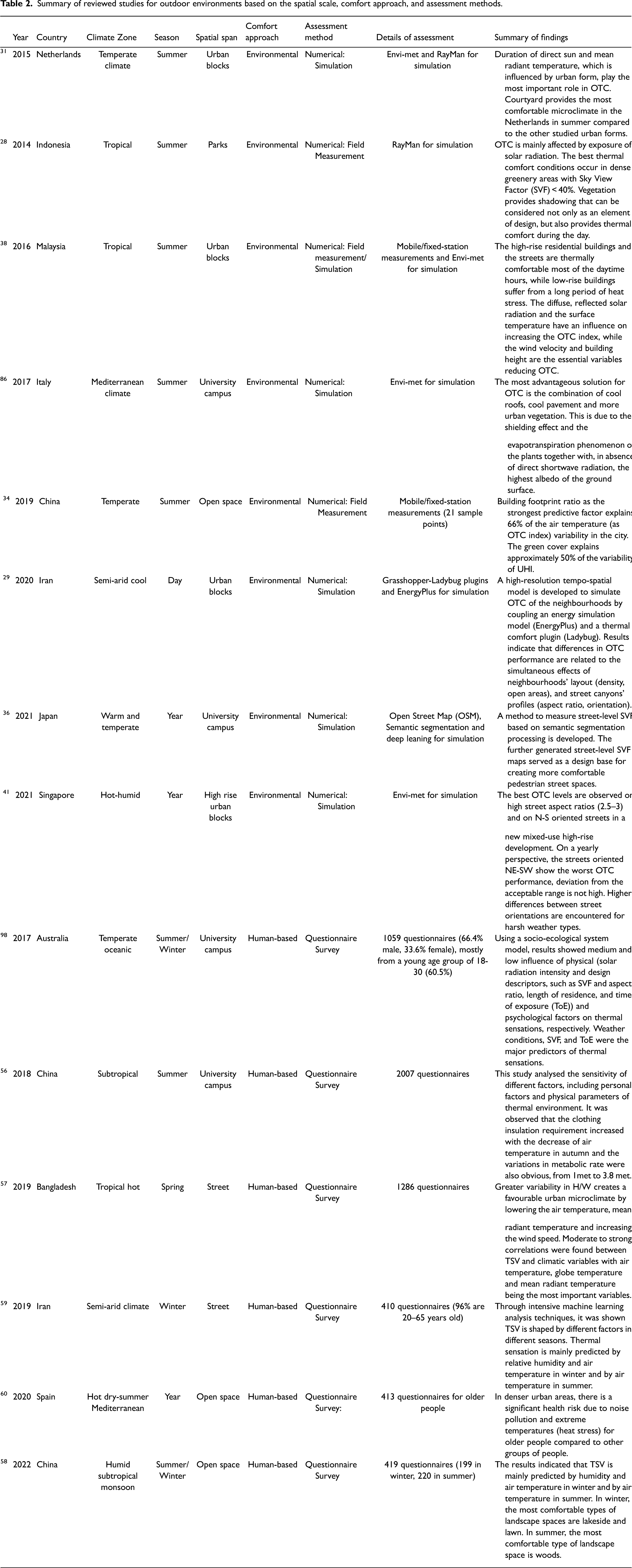
Reviewing the literature shows that urban spaces are necessary constituents of urban environments as they contribute to the character of a city and the quality of life by introducing a wide variety of functions and activities.27,97 OTC as one of the main metrics of environmental quality influences participation in outdoor activities and energy performance of surrounding built environments. Urban planning is an important tool that can improve OTC performance, attract different groups of people to outdoor spaces and increase the possibility for social activities in these spaces. Although there is a growing interest in OTC studies, uncertainties and challenges in OTC studies also persist due to the complex nature of space characteristics and people's perceptions and preferences. Reviewing the literature in section 3 results in two groups of factors associated with OTC namely: (1) environment-based parameters and (2) human-based parameters. The following section reviews these two groups in more detail by focusing on the most important studies (Table 2).
Summary of reviewed studies for outdoor environments based on the spatial scale, comfort approach, and assessment methods.
Confounding parameters in OTC studies
As mentioned in section 3, a wide range of parameters affects the performance of OTC in outdoor environments. These parameters are mainly categorized into two groups of environment-based and human-based parameters (Figure 4). Since these parameters directly affect the outdoor thermal environment, are further discussed in this section. Exploring these parameters can provide a better understanding of how different factors interact with OTC in urban areas.
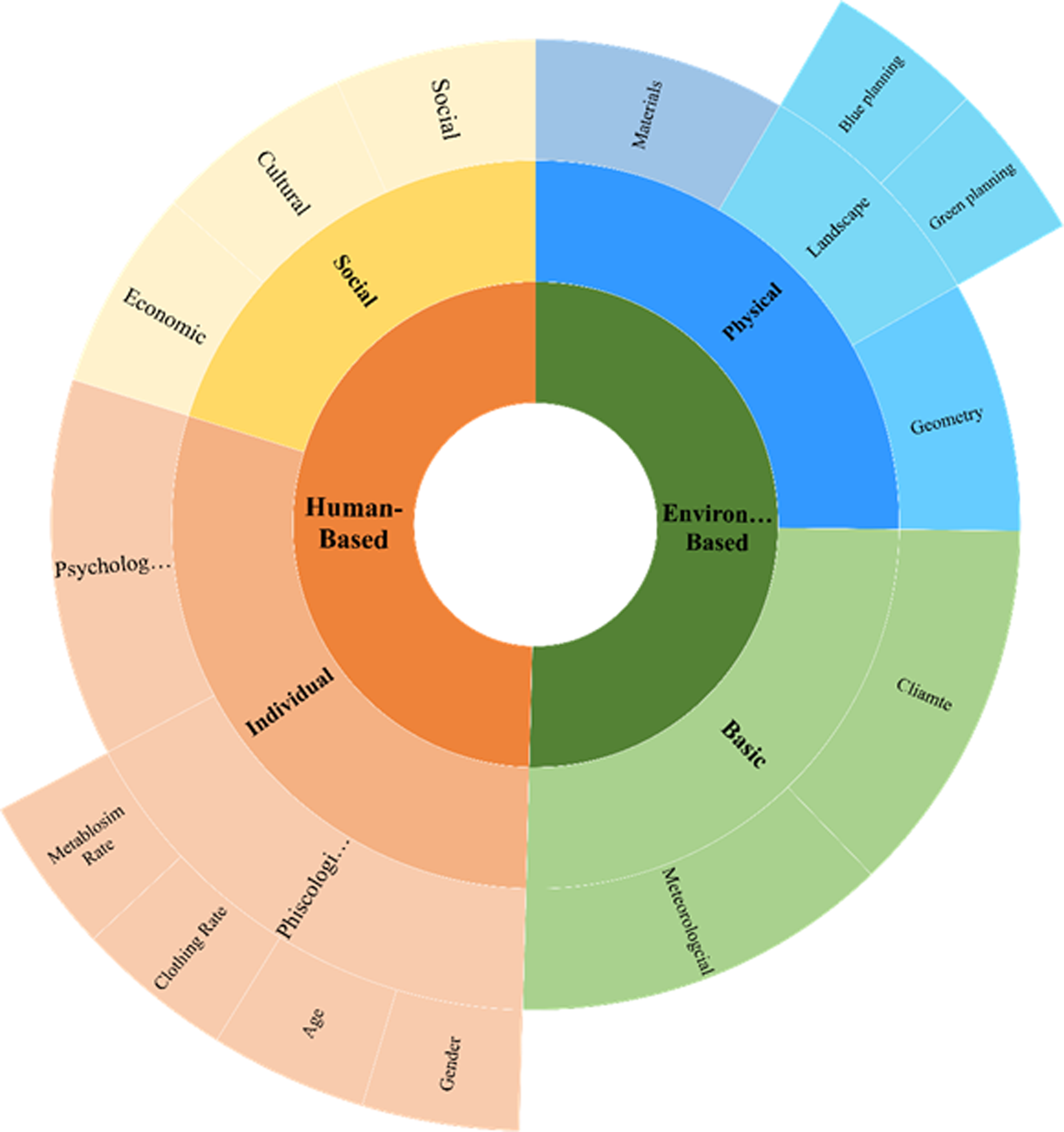
Two main domains of human-based and environment-based factors affecting OTC analysis in urban environments.
Environment-based parameters
The thermal performance of urban environments directly relates to the environmental characteristics including (1) basic parameters for the weather, climate and meteorological condition of places and (2) secondary parameters that mainly focus on the physical characteristics of built environments.
Basic elements are parameters related to the weather and climate condition of places including land characteristics (topography, altitude, latitude, longitude and surface coverage) and meteorological parameters (air temperature (°C), wind velocity (m/s), relative humidity (%) and solar radiation (W/m2)). Generally, field measurements in urban spaces capture records of these four basic parameters.6,99 Also, the weather data of the cities can be extracted from climate databases such as national meteorology organizations and other online databases. In instances that require a specific time scale not provided by public databases or when it is required to relate the behavioural and thermal sensation to the exact existing weather conditions, it is suggested to observe and record data by field measurements.
Physical characteristics are the second group of environmental parameters and include parameters related to morphology and geometry, landscape planning (green and blue planning) and material properties. Geometry as one the most important factors for thermal performance of urban environment includes form and layout of buildings, street canyon profile factors such as aspect ratio, orientation, and pedestrian sidewalk. The basic effect of urban geometry on the thermal performance of the environment is to regulate the heat exchange in outdoor spaces. As such, they influence the heat removal from the surfaces of building and consequently affect the microclimate condition and OTC in urban environments.
Landscape planning (green and blue planning) can regulate the urban microclimate condition. Green planning can directly affect the thermal condition by converting water to water vapour through transpiration. In addition to direct cooling by transpiration, green spaces can improve the microclimate condition indirectly by means of proving shading for pedestrians. In this way, the amount of short-wave solar radiation received in urban spaces will be significantly decreased. Blue planning also regulates the thermal comfort condition of outdoor spaces by cooling the air temperature through evaporation. The high thermal capacity of water bodies reduces the air temperature compared to the air temperature of surrounding buildings and surfaces. Furthermore, material properties such as albedo and reflectivity as another category in the physical parameters change the reflection of solar radiation, reduce the absorbed and released heat, and finally improve OTC conditions as well as thermal comfort within indoor spaces.
Human-based parameters
In addition to environment-based factors for measuring outdoor thermal comfort, human-based factors could modify OTC performance. In more recent studies, ‘Adaptive thermal comfort’ and ‘personal thermal comfort’ approaches were adopted to investigate the physiological and psychological reactions of people. Reviewing the studies focused on human-based approaches identifies two main categories of individual and sociological parameters.
Gender, age category, metabolic rate, and clothing insulation are as the most important individual parameters that influence the people examined in the comfort studies. Gender is an important factor for OTC acceptable range and as such thermal perceptions and preferences of males and females differ significantly. However, Fanger's model as the primary comfort model neglects the differences in acceptable comfort range between different genders and was established for air-conditioned office conditions. 100 Gender preferences can be achieved from subjective assessment techniques such as comfort questionnaires. Karjalainen by reviewing the subjective thermal comfort studies observed that females experienced more dissatisfaction and discomfort compared to males in similar thermal conditions. 101 The psychological state of people may influence their thermal expectation and satisfaction which is considered as a part of adaptation strategies in adaptive thermal comfort approach. 102 Psychological parameters have a close relationship with the thermal reactions of people in outdoor environments and their immediate experience in those spaces. Nikolopoulou and Steemers developed the concept of psychological adaptation to the thermal condition in outdoor spaces by investigating naturalness, perceived control, environmental stimulation, expectations, time of exposure and thermal history. 103
The other group of human-based factors is related to the relationship between people and the society they are living in. These parameters can be studied under three headings: social, economic and cultural aspects. Analyses of the effect of socio-economic factors are more recent compared to individual characteristics. 98 The application of thermal comfort indices in different climate and cultural zones are not accurate without considering the social and cultural differences. It is shown that culture has a significant impact on participants’ psychological assessments of public spaces, for instance, people with environmental-oriented priorities have a higher tolerance towards the thermal environment. For instance, Aljawabra and Nikolopoulou observed that those who consider themselves as outdoor persons could better adapt to severe thermal conditions and spend more time in the outdoor spaces. 24 Companionship with other people is also a social parameter that can regulate thermal comfort expectations and being unaccompanied results in thermal discomfort in outdoor environments (Pantavou et al. 2013). Economic status also can change the quality of thermal judgment, as the economic situation of individuals directly affects the psychological condition and their tolerance rate for thermal comfort and heat stress in outdoor spaces. 104
Consequently, among the reviewed OTC studies, some have analysed the comfort level of outdoor areas by means of environment-based parameters and empirical indices. This group provides OTC mitigation strategies by means of numerical simulation and field measurements. The other group of OTC studies with a focus on human-based approaches use survey and interview techniques to extract the thermal sensations and preferences of people and provide strategies based upon on them. These are attracting more attention in this decade compared to simulation-based studies.
However, as human-based characteristics include a wide variety of factors, only some of them are addressed in OTC studies. Moreover, the assessment methods of this group are more complicated due to the existing uncertainties in the subjective assessment procedures and a wide variety of parameters involving the sociological characteristics of people.
Conclusion
Thermal comfort can improve the quality of spaces, people's satisfaction, thermal performance, and energy consumption of surrounding buildings in built environments and consequently can attract more people to these spaces. Therefore, it is important to consider OTC principles in climate-sensitive urban planning and design projects.
A comprehensive review of the literature shows that these parameters mainly include two groups of the environment- and human-based factors. (1) Environmental parameters include basic (climate and meteorological) and physical parameters. Basic parameters related to the weather and climate condition of places including land features and meteorological conditions. Physical characteristics incorporate morphology and geometry, landscape planning (green and blue planning) and material properties. (2) human-based parameters focus on individual (physiological and psychological) and socioeconomic metrics (social, cultural and economic) which can change the results of OTC performance.
Existing comfort models are not fully developed to consider the effects of both environment- and human-based parameters for the assessment of OTC performance. More complicated techniques are necessary to include these two groups for reporting the OTC. This requires developing comprehensive analysis tools that can include the results of simulations, field measurements and surveys.
Moreover, most studies are based on environmental parameters neglecting human-based approaches, which are usually neutral to individual differences such as age and gender of users. Differences such as age and gender are among the most important issues that should be taken into consideration in the assessment of thermal comfort in public spaces. Attention to their comfort needs encourages a greater number of individuals, especially women, to participate in public urban areas. Due to the complex and unique climate characteristics of any urban areas, location-based studies are required to address climate and social conditions of thermal comfort studies.
Results of this research can help urban designers and planners to have a better understanding of effective parameters for OTC analysis. Also, by highlighting different aspects of OTC, it will support the decision-making process in future thermal comfort projects in urban environments. Future OTC studies should focus on evaluating and ranking the effects of these two groups of parameters in addition to their relative importance and combined effects that are not addressed in this study. The complex interaction between variables in open spaces is the main challenge for researchers; this makes the simulation process more complicated and hence requires advanced simulation models. Moreover, human-based approaches should be taken into consideration in the assessment of OTC in urban spaces.
Data availability statement
All data, models, and code generated or used during the study appear in the submitted article.
Footnotes
Acknowledgements
This publication also emanated in part from research conducted with the financial support of Science Foundation Ireland, under the SFI Strategic Partnership Programme Grant Number [SFI/15/SPP/E3125].
Declaration of conflicting interests
The author(s) declared no potential conflicts of interest with respect to the research, authorship, and/or publication of this article.
Funding
The author(s) disclosed receipt of the following financial support for the research, authorship, and/or publication of this article: This work was supported by the Science Foundation Ireland,
