



Abstract
This article examines how climate stress intensifies the housing and settlement deficits of seasonal agricultural workers (SAWs) in Bursa, Türkiye, and the implications for housing justice within this agri-food city-region. It advances a twofold agenda: first, to diagnose multi-scalar vulnerabilities linking unit-level shelter deficiencies with settlement-scale siting and infrastructure deficits under heat and flood risks; and, second, to propose a community-informed upgrading framework supported by responsive governance. Drawing on mixed-methods fieldwork conducted in the Yenişehir and Mustafakemalpaşa districts in 2023, the study integrates in-depth interviews, gender-segregated focus groups and institutional consultations. Findings indicate that poorly ventilated, flood-prone shelters, inadequate sanitation and precarious labour arrangements compound climate risks, disproportionately affecting women and children. In response, the article outlines a phased intervention model combining spatial design measures with rights-based governance approaches. By situating peri-urban SAW settlements within wider city-region governance dynamics, the study offers a transferable framework for climate-resilient housing interventions.
Keywords
I. Introduction
“Adequate shelter” was recognized as a fundamental human right in the Vancouver Declaration of UN Habitat I(1) and remains central to Sustainable Development Goal (SDG) 11 under the 2030 Agenda. Yet, more than 1.6 billion people still lack adequate housing – a deficit that is expanding among informal and highly mobile populations such as seasonal agricultural workers (SAWs).(2) For these groups, housing inadequacy is increasingly shaped by climate stress, as extreme heat, flooding and environmental exposure directly affect shelter quality and settlement viability. The 2030 Agenda’s commitment to “leave no one behind” constitutes an obligation to address the intersection of climate risk, housing precarity and access to basic services.(3)
Within climate policy, equity is ideally not a downstream add-on but a design criterion. Urban climate risks – heatwaves, intense rainfall/flooding, storm surges – affect informal and low-income groups disproportionately, while many ‘neutral’ adaptation or mitigation measures inadvertently reinforce inequities when take-up is low or tenure insecure.(4) This raises a core question for climate-resilient housing: how can these vulnerabilities be most equitably addressed?
SAWs, a group who rarely feature in urban climate discussions, but who are crucial to city-region food systems, are at the heart of this study from Bursa province in Türkiye. Bursa’s metropolitan economy and its surrounding production basins are tightly linked. SAWs supply labour to the agricultural districts of Mustafakemalpaşa and Yenişehir, which are governed through urban institutions. This city-region is challenged by climate change. In 2023, Türkiye’s mean temperature reached 15.1°C, 1.2°C above the 1991 to 2020 average.(5) The Intergovernmental Panel on Climate Change (IPCC) Sixth Assessment Report identifies the Mediterranean (including Türkiye) as a climate “hotspot” with increasing extreme heat and drought, and rising flood risks.(6) Bursa’s own records add local context: flood risk management plans for Susurluk and Sakarya basins map recurrent hazards,(7) and remote-sensing studies identify urban heat-island effects.(8)
For SAWs, climate exposure is immediate and has profound effects. Prolonged, outdoor, high-metabolic labour under intensifying heat and humidity reduces safe working hours and work capacity, driving income losses for piece-rate workers and elevating health risks, as elaborated in the next section. Basic upgrades to shelters such as shade structures, cross-ventilation, reflective roofing, raised floors and adequate drainage, reduce indoor heat loads, humidity and vector exposure, and can improve comfort and overnight recovery, thereby supporting next-day labour productivity. Siting camps away from flood-prone channels and ensuring safe water, sanitation and managed waste streams are core risk-reduction measures recognized in humanitarian shelter guidance. This prevents post-storm contamination cycles that propagate gastrointestinal and skin disease in temporary sites.(9) Taken together, climate-resilient shelter and settlement design support healthier workers and steadier earnings, aligning adaptation with elements of mitigation and reasonable work objectives in agri-food city-regions.(10)
This study examines the housing and settlement conditions of SAWs in Bursa through locally informed and multi-scalar research. Conceptually, SAWs are treated as knowledge holders and co-producers. Their housing is situated within city-region risk governance, and a three-phase intervention framework (Pre-Use / During-Use / Post-Use) is operationalized. In particular, the study emphasizes the need to make SAWs’ housing units and settlements climate-resilient. Ensuring that workers’ physical living environments are both resistant and adaptable to climate change impacts not only enhances their health, safety and overall quality of life, but also establishes a model for strengthening agricultural areas and rural settlements in Bursa. This model could be adapted to other farming regions, thereby informing broader strategies for climate-resilient and socially just rural development.
II. Conceptual Framework: Agriculture, Vulnerability and Inclusive, Locally Informed Climate Transitions
Agri-food systems remain central to global livelihoods, supporting an estimated 1.23 billion workers and their households.(11) Yet, agricultural labour, especially that of SAWs, is structurally marginalized through informality, weak labour protection and precarious housing. While agriculture contributes a modest 2–3 per cent to global value added (GVA), its indirect linkages to industry and associated services are substantial.(12) Major institutions continue to regard the sector as pivotal for poverty reduction and shared prosperity.(13)
From a socio-ecological systems perspective, sustainability transitions are understood here not as abstract regime shifts but as processes that materially shape workers’ housing, health and security under climate stress.(14) Critically, climate change, as noted, is already reshaping agricultural work. Evidence from occupational health shows that heat and humidity reduce safe work hours and labour capacity in outdoor, high-metabolic tasks. Using meteorological and thermal indices, Amini et al.(15) demonstrate strong, negative associations between air/mean radiant temperature, vapour pressure and a farm-labour productivity index, with the steepest declines under heavy workloads. These mechanisms are consistent with broader reviews on heat stress and labour productivity.(16) Recent projections further estimate that 2050 annual labour capacity losses could reach 20–30 per cent in tropical and subtropical regions, where most SAWs are concentrated.(17) Beyond productivity, exposure to extreme heat has been associated with acute and chronic health impacts, including heat stroke, dehydration, kidney damage, cardiovascular strain and, over the long term, chronic kidney disease, which has been reported among sugarcane workers in Central America and South Asia.(18) The United States Centers for Disease Control and Prevention (CDC)(19) has documented that crop workers experience heat-related mortality at rates 20 times higher than the national average, underscoring the acute danger posed by occupational heat exposure. These findings align with the International Labour Organization’s (ILO’s)(20) recognition that climate change represents a systemic occupational health and safety threat, disproportionately affecting agricultural labourers and undermining reasonable work objectives.
Risk factors identified across studies include piece-rate payment systems that encourage skipping rest and hydration,(21) lack of shade and sanitation(22) and poor housing that intensifies night-time heat stress and limits recovery. Migrant and child workers are especially vulnerable, with limited social protection and rates of heat-related illness.(23) SAW settlements – often informal and located in floodplains or hazard-prone rural peripheries – also face disproportionate risks from storms, heatwaves and flooding. These overlapping vulnerabilities highlight that housing justice is a prerequisite for climate resilience and sustained productivity in agri-food systems.(24)
Rather than advancing a normative theory of justice or transition, this framework focuses on how climate stress materially restructures housing, health and settlement conditions for SAWs. Situating them within broader debates on vulnerability and climate resilience highlights how integral their settlements are to the effective functioning of agri-food systems. Climate-resilient housing supports worker well-being and offers transferable insights for rural and peri-urban contexts in Türkiye. The following sections build on this conceptual foundation, reviewing comparative evidence on SAW housing, climate risks and health, and examining the specific situation affecting these key agricultural workers in Türkiye.
a. Comparative evidence: SAW housing, climate risks and health
Research consistently highlights inadequate and unhealthy housing conditions for SAWs. Drawing together the regional literatures reviewed below, comparative studies from the United States and Canada, Europe, Asia, Africa, Australia and New Zealand show that, despite regional differences, SAW settlements are commonly characterized by informality, overcrowding, insecure tenure, peripheral siting and limited access to basic services such as water, sanitation, electricity and waste management. These characteristics closely resemble those identified in the literature on peri-urban informal settlements exposed to climate risks, where infrastructural deficits and weak regulation amplify vulnerability.(25)
In the United States, Canada and Europe, SAWs commonly live in employer-controlled or on-site farm housing characterized by poor structural quality, overcrowding, limited privacy and inadequate sanitation and waste systems. These conditions restrict night-time cooling and recovery, increasing heat-related health risks.(26) Research on informal settlements shows similar housing and service deficits shaping climate-related health risks and producing cumulative vulnerabilities under extreme heat and flooding.(27) In Europe, these challenges are intensified by makeshift shelters, containers and self-built informal settlements, often located in isolated areas without access to clean water, sanitation or electricity, increasing exposure to fire, floods and disease outbreaks.(28)
Across Asia, Africa, Australia and New Zealand, SAW housing conditions share persistent shortcomings. In Asia and Africa, workers often reside in temporary tents, barracks or makeshift units far from urban centres and services, with shared sanitation, limited clean water and weak regulatory oversight.(29) Legislation often regulates only on-farm housing, leaving off-farm settlements without the protection of minimum standards. In Australia and New Zealand, accommodation is more formalized through employer-provided hostels or caravan parks, and some welfare requirements are met – however, conditions are inconsistent. Overcrowding, inadequate cooling or heating, and external sanitation facilities persist, especially for undocumented workers –reinforcing vulnerability to extreme weather and climate-related health risks.(30)
Regardless of geography, SAW housing undermines physical, psychological and social well-being and amplifies climate hazards. Exposing a workforce to extreme heat, combined with inadequate shelter, limited night-time cooling and flood-prone settlement locations, produces cumulative rather than isolated risks.
b. Türkiye context: Importance of agriculture and vulnerabilities of SAWs
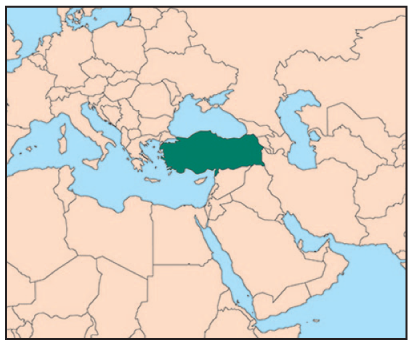
Türkiye’s strategic position between Asia and Europe, and its diverse climate, make it a global agricultural hub. About half of its 78 million hectares of land is cultivated, including 24 million hectares of farmland and perennial crops.(31) Türkiye ranks seventh worldwide in overall agricultural output and leads in exports of hazelnuts, figs, apricots and cherries, while ranking among the top five for tomatoes, apples, grapes and cotton.(32) In 2023, agriculture employed almost 15 per cent of the national workforce.(33)
However, the country faces increasing climate pressures, with an average temperature of 15.1°C, which is 1.2°C above the 1991–2020 average. Annual precipitation in 2023 was about 12 per cent above the long-term mean.(34) There have been sharp increases in the frequency and severity of extreme events since the early 2000s, with recurrent heavy rain and floods. At the same time, a severe drought is affecting the Marmara region, Türkiye’s most populous and industrialized area. In Bursa, reservoir water levels have fallen to a historic low of 0.67 per cent, and most natural springs on Uludağ Mountain have dried up.(35) These observations align with regional studies confirming that the Eastern Mediterranean and Middle East are warming 20–100 per cent faster than the global average, with major implications for agricultural water demand and urban cooling needs.(36) These conditions intensify agricultural volatility and household vulnerability in Türkiye,(37) translating climate change into everyday water insecurity, with particularly acute implications for SAWs living in settlements with limited infrastructure and unstable access to basic services.
Housing conditions intensify these risks, as most SAW settlements lack basic infrastructure and adequate structural protection. Worker accommodation typically falls into three categories: employer-provided units, public-sector supported facilities and self-constructed shelters.(38) Employer-provided housing often consists of repurposed barns or vacant buildings. Public facilities, established through municipal partnerships, usually involve tents that may remain in place beyond the harvest season. Self-built shelters are rudimentary structures of concrete blocks, timber, plastic sheeting, fabric or cardboard. These categories coexist within a fragmented governance landscape, leading to inconsistent standards between urban space and agricultural districts. The absence of basic housing standards collapses everyday domestic life into confined spaces, intensifying overcrowding, reducing privacy and undermining physical comfort and psychological well-being.(39)
While this study focuses on SAWs, similar patterns of vulnerability are documented among other seasonal and temporary workers in Türkiye. Internal seasonal labour migration extends beyond agriculture to sectors such as tourism, construction and services, where workers likewise experience temporary employment, insecure housing conditions and limited access to social protection in destination regions with high seasonal demand.(40) These shared conditions point to the broader structural issue of seasonal labour mobility and settlement precarity on a national scale.
Two gaps emerge in the literature. First, most studies rely on observational data and limited interviews, leaving SAWs’ perspectives underrepresented. Second, analyses typically focus on housing units rather than broader settlement dynamics and social networks that underpin resilience.(41) To address these gaps, this study applies a socio-ecological systems framework(42) to integrate environmental risks with social dimensions of labour and housing. By integrating workers’ testimonies with settlement-scale observation, the study demonstrates that resilience is shaped both by housing conditions and settlement organization, as well as by fragile, informal and often obligatory social networks that function as survival mechanisms under conditions of precarity.
For policymakers, these dynamics underscore the urgency of embedding SAW housing and settlement upgrading within broader climate adaptation and social protection agendas in Türkiye (and other agriculturally intensive countries). Climate-resilient design – ventilation, shading, drainage and safe siting – should be treated as essential infrastructure rather than as a welfare add-on. Improving these workers’ living conditions is not only a matter of social justice, but also a strategic requirement for sustaining food systems and rural economies under climate pressure.
Against this backdrop, the case example of Bursa demonstrates how locally informed, multi-scalar approaches can translate these broader principles into actionable, place-based strategies.
III. Case Study Background
Bursa, Türkiye’s fourth largest city, represents a unique convergence of agricultural productivity and industrial growth Historically characterized by fertile soils and a temperate climate, approximately 34 per cent of Bursa’s land is under cultivation.(43) It is the country’s leading producer of tomatoes, green beans, peas, Brussels sprouts, pears and medlars, and is an important hub for fruit and vegetable exports. At the same time, it has emerged as a major industrial centre, intensifying land-use conflicts between agriculture and urban expansion.(44) These dynamics make Bursa a primary destination for SAWs migrating from eastern and south-eastern Türkiye.
The reliance on SAWs is central to Bursa’s agri-food economy. Despite partial mechanization, planting, pruning, irrigation and harvesting continue to depend heavily on seasonal workers. The ethnically diverse Turkish workforce is further diversified by Syrian refugees. These dynamics produce a dual outcome: farmers(45) have become economically dependent on a flexible, low-cost labour force, while peri-urban and rural communities face tensions linked to overcrowding, pressure on limited local basic services and the seasonal emergence of informal settlements.
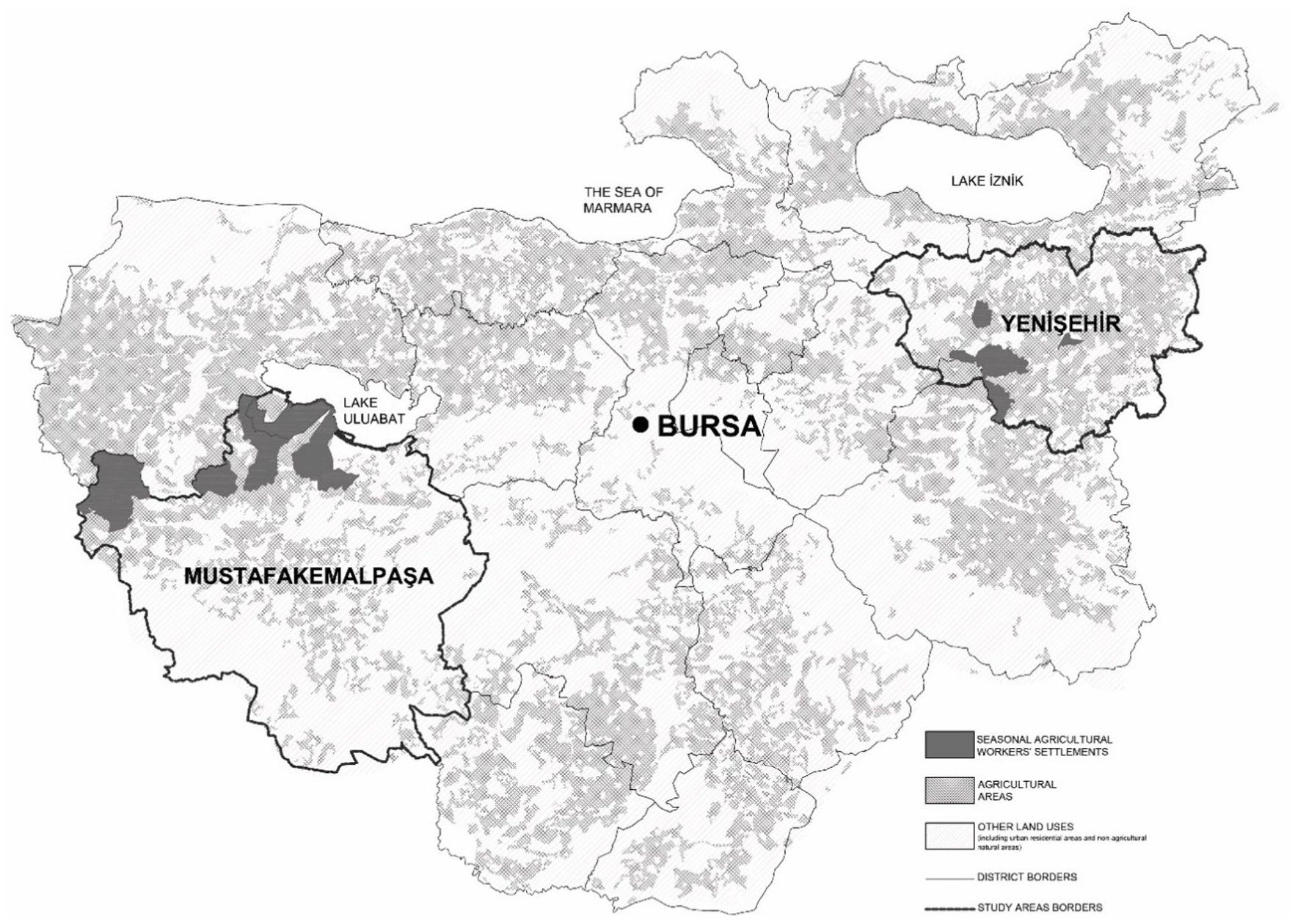
This study examines two districts: Yenişehir in the east and Mustafakemalpaşa in the west, which differ in crop diversity and production calendars (Figure 1). Yenişehir’s intensive vegetable and fruit production creates short but recurrent harvest cycles, leading to brief, cyclical stays and a demand for rapidly deployable accommodation and services. In contrast, Mustafakemalpaşa’s irrigated agriculture and field crops involve longer and more continuous production cycles, resulting in extended stays and a need for more stable housing, infrastructure and service provision.(47)
Agricultural areas in Bursa and SAWs housing in the study districts
a. Study districts: Yenişehir and Mustafakemalpaşa
These study sites share recurrent challenges. Their SAW settlements consistently lack basic infrastructure, including potable water, sanitation, waste management and electricity, resulting in ongoing health and hygiene risks. Settlements are often located on marginal or vulnerable areas such as floodplains, exposing households to environmental hazards, particularly flooding, water contamination and vector-borne diseases. Overcrowding, the absence of safe spaces for children, and limited access to education further intensify everyday vulnerability, especially during peak agricultural periods.
Yenişehir, which includes 71 villages with a population of 55,745, is intensively cultivated, with approximately 70 per cent of its land devoted to agriculture. SAWs account for about 37 per cent of the district’s 10,000 agricultural workers.(48) Proximity to major urban centres means strong market integration. Fragile, temporary SAW settlements are typically located in peri-urban areas where agricultural land intersects with expanding industrial, logistics and residential zones, meaning settlement vulnerability is driven primarily by urban expansion and land competition rather than remoteness or isolation.
Mustafakemalpaşa is larger, with 131 villages, and a population of 103,944. Agriculture is the main economic activity, with 42.4 per cent of land dedicated to farming, much of it dependent on labour-intensive and partially traditional practices. SAWs constitute approximately 19 per cent of the agricultural workforce.(49) Dominant forests and semi-natural landscapes shape a rural morphology in which SAW settlements are dispersed and often located along irrigation canals and riverbanks – areas increasingly exposed to flooding. Spatial pressures are lower than in peri-urban areas, and environmental exposure – including flooding, high humidity, and pests and water-borne diseases – is the primary source of vulnerability. This is reinforced by Türkiye’s land-use and planning framework, where agricultural zoning and floodplain regulations restrict permanent construction and the extension of basic infrastructure to seasonal settlements, effectively limiting physical protection and access to basic services.(50)
In both districts, SAWs typically work for four to seven months each year, participating in the full agricultural cycle – planting/sowing, weeding, pruning, spraying, irrigation, fertilizing and harvesting. This continuous labour inflow generates economic dependence in peri-urban and rural areas, while precarious settlement conditions intensify social and spatial tensions, and shape household living arrangements.
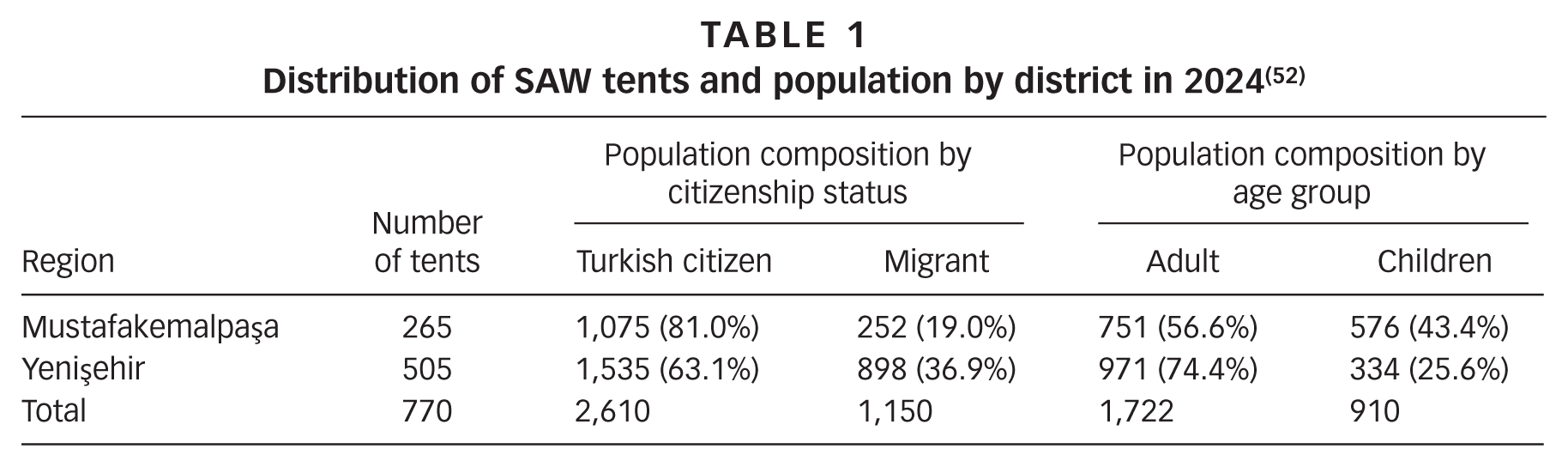
Distribution of SAW tents and population by district according to 2024 data obtained from İŞKUR(51) administrative records can be seen in Table 1. It should be noted that the figures for children reported in Table 1 refer to the total number of minors and provide no indication of the numbers engaged in work. Children’s involvement (or not) in agricultural labour, domestic work and caregiving, was assessed only through qualitative interviews and observations.
Distribution of SAW tents and population by district in 2024(52)
Distinct geographical and infrastructural conditions in Yenişehir and Mustafakemalpaşa shape differentiated climate risks. Yenişehir, situated in the flat alluvial Yenişehir–İnegöl basin, is prone to flash floods and waterlogging during heavy rainfall.(53) Mustafakemalpaşa lies within the Susurluk–Karacabey basin, where the Mustafakemalpaşa River and irrigation canals expose low-lying settlements to riverine flooding and drainage failures.(54) Settlement ecologies – peri-urban clusters with weak infrastructure in Yenişehir versus dispersed riverside sites in Mustafakemalpaşa – determine climate vulnerability. Heat exposure, limited night-time cooling and proximity to flood-prone areas, combined with temporary and fragile shelters, amplify physical and social risks. Flash flood exposure in the east and riverine inundation in the west mean that these districts provide a useful comparison to illustrate how topography, land use and infrastructural robustness shape SAW housing and settlement vulnerability under climate change. This analysis highlights that SAW settlements are not merely labour camps, but also complex socio-spatial systems at the nexus of agricultural production and urbanization.
b. Local governance and stakeholder engagement
Governance arrangements within SAW settlements are highly fragmented, largely informal and characterized by overlapping responsibilities. Accommodation is provided through multiple channels. Tents may be supplied by employers or municipalities, but are often purchased by workers themselves. Decisions regarding encampment siting are typically negotiated among dayıbaşı(55) (informal labour intermediaries), and occasionally mukhtars(56) (village heads), rather than guided by formal planning frameworks or disaster-risk assessments. Basic services such as water, electricity and waste collection are uneven and site-specific. Some municipalities provide temporary meters or water tanks, while elsewhere workers depend on improvised connections or shared wells. Institutional oversight remains limited and irregular, with only sporadic visits by agricultural and social service units. Consequently, responsibility for safe and adequate living conditions is dispersed across multiple actors, generating governance gaps that directly shape the precarity and environmental exposure of SAW settlements.
These fragmented governance practices stem from earlier policy frameworks in which responsibilities for SAW housing and services were weakly defined and poorly enforced at the local level.
Directives No. 6 of 2010 and No. 6 of 2017(57) were established to address seasonal agricultural labour across multiple domains but failed to establish a coherent governance structure. Responsibilities, implementation mechanisms and monitoring arrangements were framed in general terms, leaving inter-institutional coordination and local delivery unclear. By contrast, Presidential Directive No. 5 of 2024 represents a substantive institutional shift by designating İŞKUR as the central coordinating authority and introducing concrete instruments, such as the e-METİP system,(58) provincial and district coordination bodies, and monitoring and reporting mechanisms, to address these gaps.
Despite these regulatory frameworks, coordination remains weak in practice, producing a persistent settlement-level governance gap. As a result, dayıbaşı continue to play a central role in organizing everyday arrangements, while workers’ health, safety and housing conditions often remain secondary to labour supply priorities. Operating largely outside formal regulation, dayıbaşı recruit workers from their home regions, negotiate wages with landowners, arrange transportation and manage daily labour allocation. Their authority is grounded in long-standing social ties and trust rather than contractual accountability. For many SAWs, particularly those facing poverty, displacement or language barriers, dayıbaşı also provide essential logistical support, including guidance on settlement arrangements and informal mediation with landowners or local actors. While this intermediary role compensates for limited institutional presence, the lack of formal oversight leaves employment conditions, housing quality and access to basic services, uneven and weakly monitored. The dayıbaşı system thus operates as a double-edged structure – essential for labour mobility and agricultural production – yet reinforcing unregulated and precarious living conditions through the governance gaps it creates.
IV. Methodology
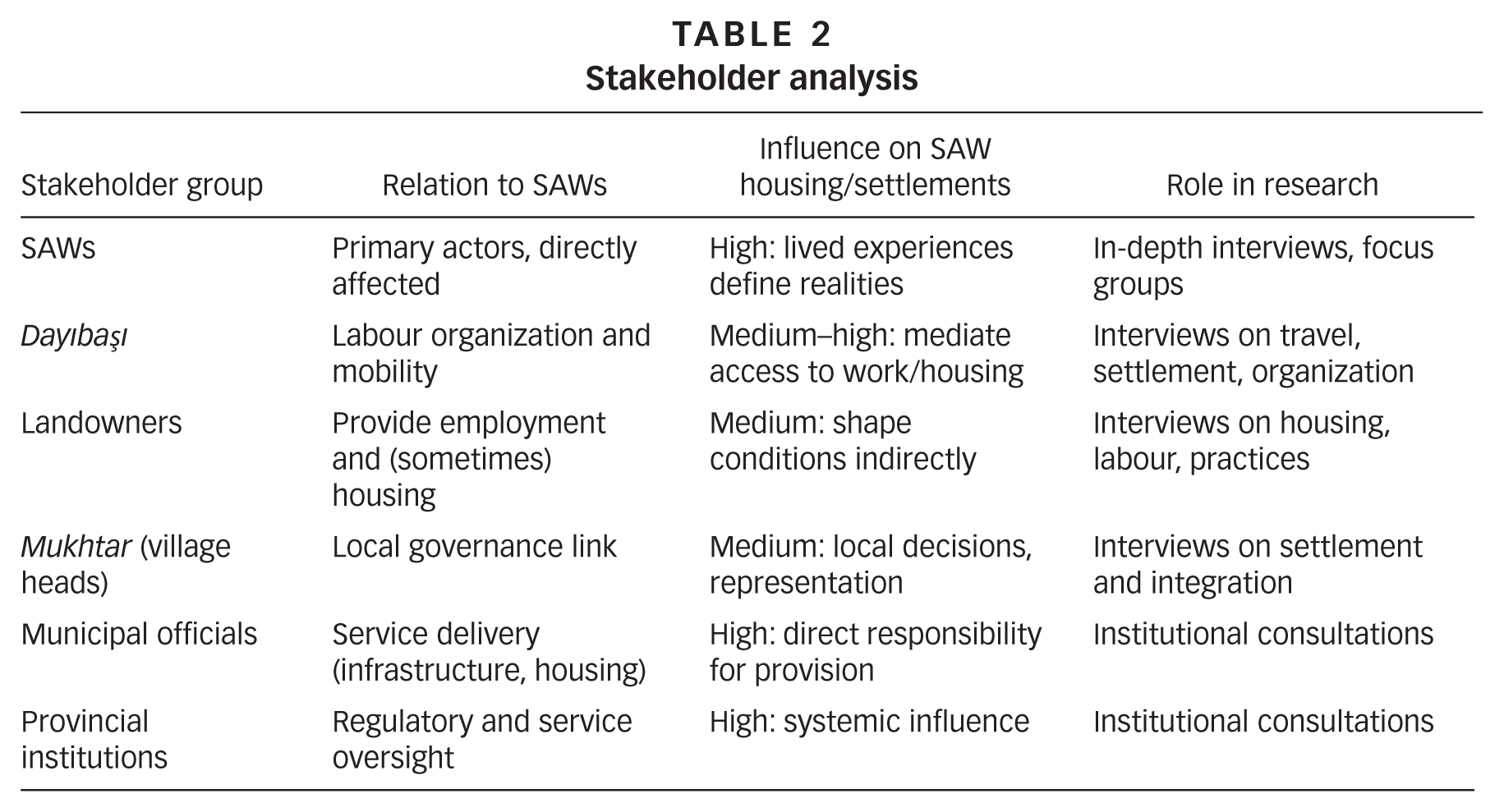
This study adopted a multi-stakeholder research design grounded in socio-ecological systems thinking (Table 2). This involved four steps: stakeholder identification; assessment of each stakeholder’s relationships to SAW housing and settlement conditions; evaluation of their influence; and definition of the research strategies used with each group. Stakeholders included SAWs, dayıbaşı, landowners, mukhtars, municipal officials and provincial institutions responsible for employment, health and education.
Stakeholder analysis
Interview questions were developed with academics from architecture, sociology and public health, and refined through consultation with local actors familiar with field conditions(59) to produce a context-sensitive interview guide.
Fieldwork was conducted by a multidisciplinary academic team. As team members were not resident in the study area, access and trust-building relied on collaboration with local intermediaries, including mukhtars, dayıbaşı and district-level agricultural institutions. These actors facilitated field entry and contextual insight. However, the research team retained full responsibility for data collection, documentation and analysis, strengthening data quality and reducing observer bias.
Fieldwork was conducted during the active agricultural season (July–October 2023) in both study districts. Interviews were carried out jointly by a professional research firm, academic researchers and trained postgraduate students. Participants were reached through district agricultural directorates, mukhtars and dayıbaşı networks, enabling access to both formal and informal settlement sites. In-depth interviews and focus groups with SAWs were held within settlement areas, while interviews and consultations with local stakeholders and authorities were conducted at district agricultural directorates and administrative offices.
As detailed in Table 3 below, data collection consisted of the following:
Housing-unit and settlement-level conditions were assessed through a qualitative, multi-source approach. Structured field visits were conducted across multiple sites and repeated over time to capture seasonal variation, with physical conditions documented through systematic observation and triangulated with interviews, focus groups and map-based analyses of topography and infrastructure;
In-depth interviews with SAWs captured personal narratives on housing adequacy, aspirations, health, and the psychological and sociological impacts of precarious living conditions;
Gender-segregated focus groups enabled men and women to discuss childcare, privacy, labour division and intergenerational issues – particularly children’s education and elder care – in settings where gender dynamics could be expressed more openly; and
Institutional consultations with municipal and provincial agencies, as well as with officials from İŞKUR, identified legal, technical and administrative gaps in infrastructure, water access, sanitation, safety and housing security – while clarifying inter-institutional roles and governance capacity, and highlighting the need for coordinated action. Dayıbaşı were included within the group of local stakeholders, as they function as informal labour intermediaries and key coordinators between workers and local authorities.
Data collection methods and stakeholder involvement by district
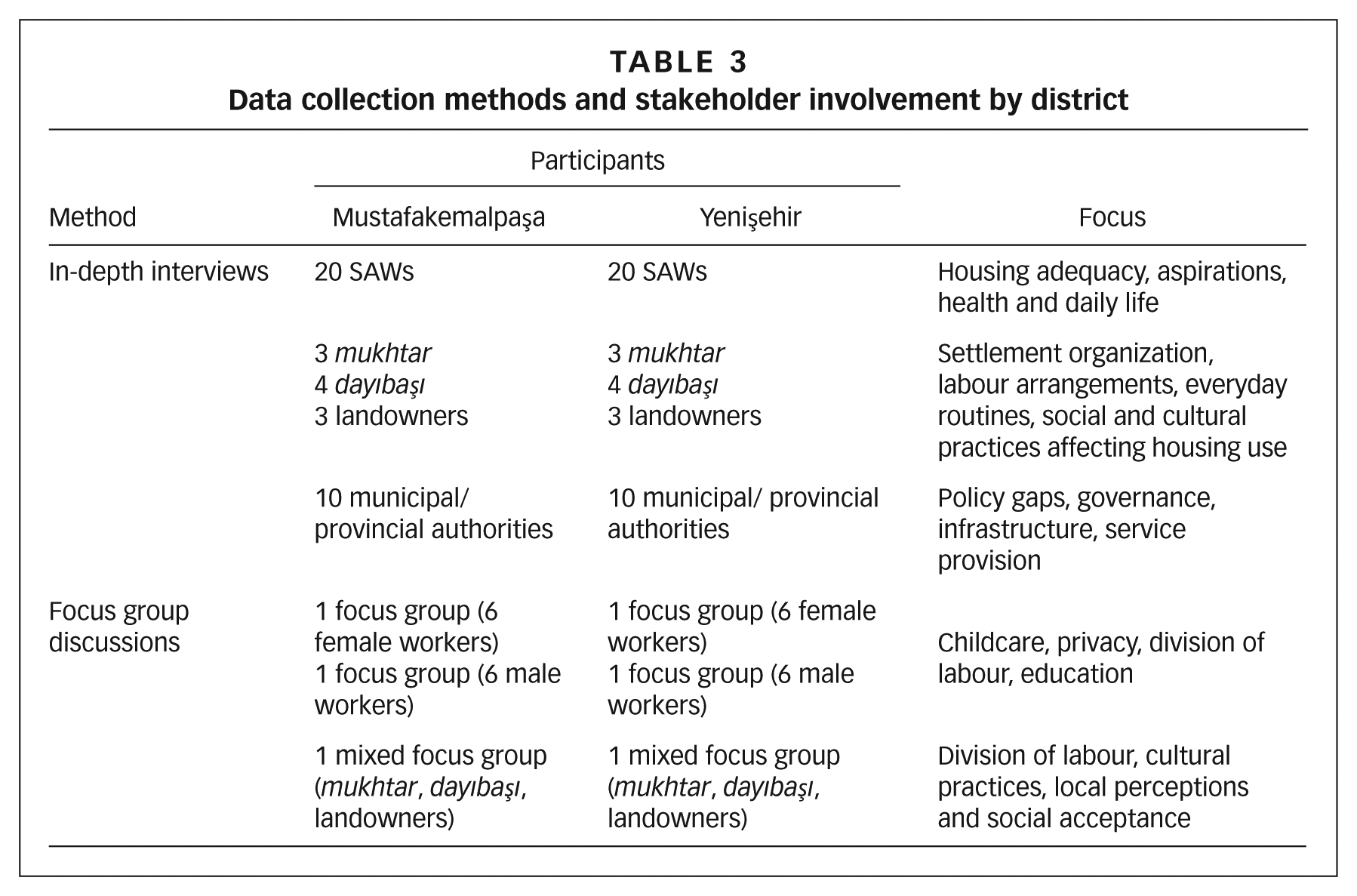
Individual interviews captured subjective and lived experiences, while focus groups reflected collective perspectives. Institutional consultations contextualized these within governance structures. Coding categories included housing adequacy (privacy, sanitation, durability), settlement dynamics (layout, siting, infrastructure), climate risks (heat, flooding, water scarcity), social integration (relations with local communities, ethnic diversity) and governance capacity (institutional roles, service provision).
This multi-level approach examined vulnerability across interconnected housing, settlement and livelihood scales. By embedding voices within a systematic framework, the study documented existing conditions while generating insights relevant to climate-resilient design and policy innovation.
V. Systematic Analysis of Findings
The dataset was analysed across three scales – housing units, settlement areas and livelihood systems – using component-based and thematic analytical framework (Table 4). Supported by qualitative testimonies, focus group discussions, institutional consultations and direct site observations, this approach illustrates how precarious housing, inadequate infrastructure and labour precarity intersect with climatic stresses in SAWs settlements.
Data collection and analysis process
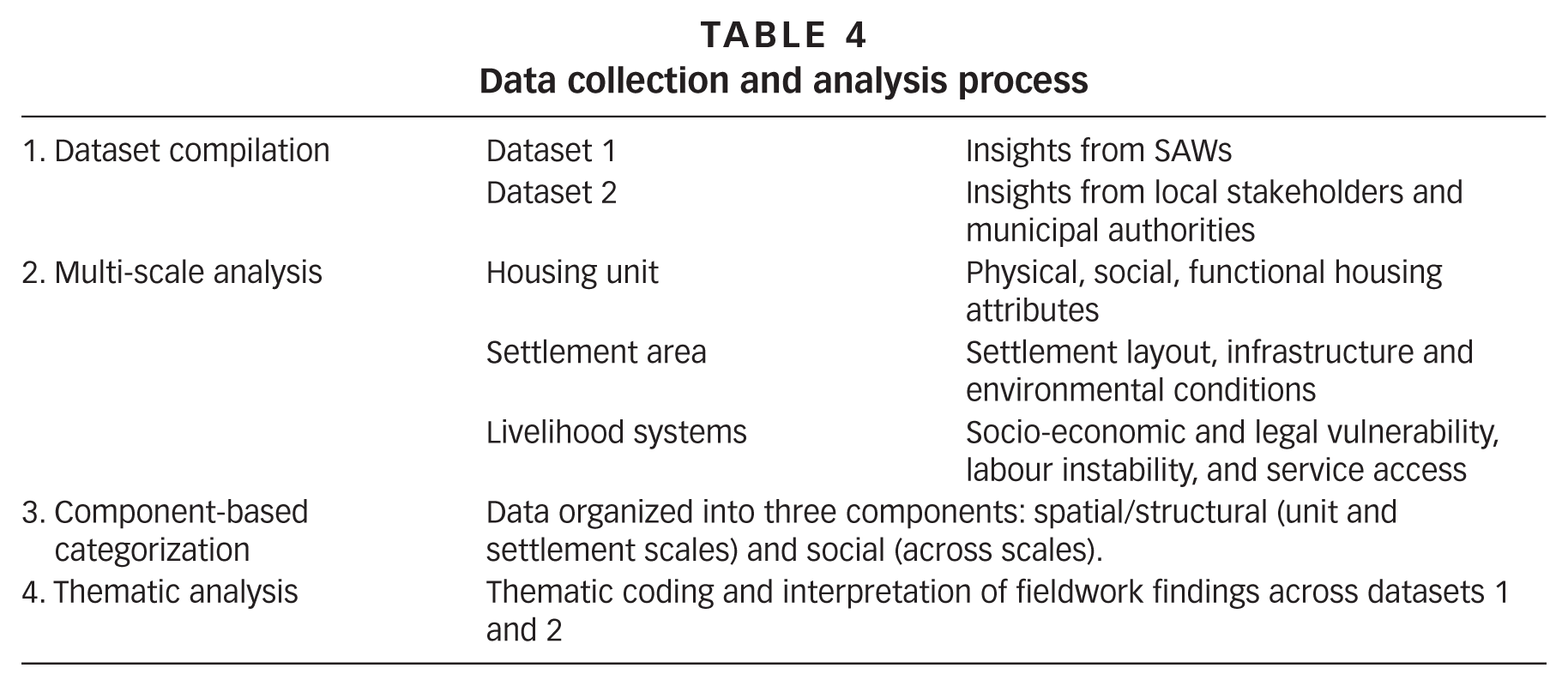
The findings presented below are based on a thematic analysis of interviews with SAWs and local stakeholders, including local and provincial authorities, in Yenişehir and Mustafakemalpaşa, using a multi-scalar, component-based framework. Data were generated through open-ended interviews, focus group discussions and systematic field observations. Early field observations and institutional consultations served only to establish a broad analytical frame, allowing participants to articulate experiences in their own terms. Institutional consultations provided contextual insight into housing, infrastructure, health and settlement governance.
The findings show that the same problem areas are interpreted differently by different groups. Workers often described physical living conditions as difficult but manageable, framing hardship as an expected aspect of seasonal labour, whereas authorities consistently assessed these conditions as severe and requiring urgent intervention. This divergence reflects not the absence of problems, but the normalization of hardship under structural economic constraint.
Most workers experience chronic poverty in their home regions, with limited access to stable employment or social protection. Seasonal agricultural labour is therefore a necessity rather than a choice. Under such conditions, income security takes precedence and housing conditions are frequently downplayed. Low expectations or silence should thus be understood as expressions of constrained agency rather than satisfaction.
Institutional assessments are shaped by bounded mandates: security actors prioritize public order, health authorities focus on illness and hygiene, agricultural directorates emphasize labour allocation, and municipalities limit involvement to temporary services. While internally rational, these fragmented approaches reveal the absence of an integrated governance framework for SAW settlements.
Against this backdrop, the following sections examine how these dynamics play out across housing-unit, settlement-area and livelihood-system scales under climate stress.
a. Housing-unit scale: fragile structures, sanitation deficits and privacy concerns
Across both districts, SAWs primarily lived in tents, either provided by dayıbaşı or local authorities, or constructed by the workers themselves. Regardless of whether they were provided or self-constructed, these tents were old, fragile and climate-incompatible. In summer, poor ventilation caused extreme heat and “suffocating nights”, leading to sleep deprivation and reduced next-day productivity. Heavy rains caused seepage and damp, damaging bedding and belongings, while direct placement on bare soil fostered mould and insect infestations (Figure 2). These conditions are reflected in workers’ own accounts: Look at our tent. It’s old and rotten. When it rains or there is a storm, water comes inside. Sometimes the place we sleep gets wet, but we still have to sleep there. Then the children get sick. Everything becomes dust and mud. This is not a place where a human being should live. (Male worker, Yenişehir)
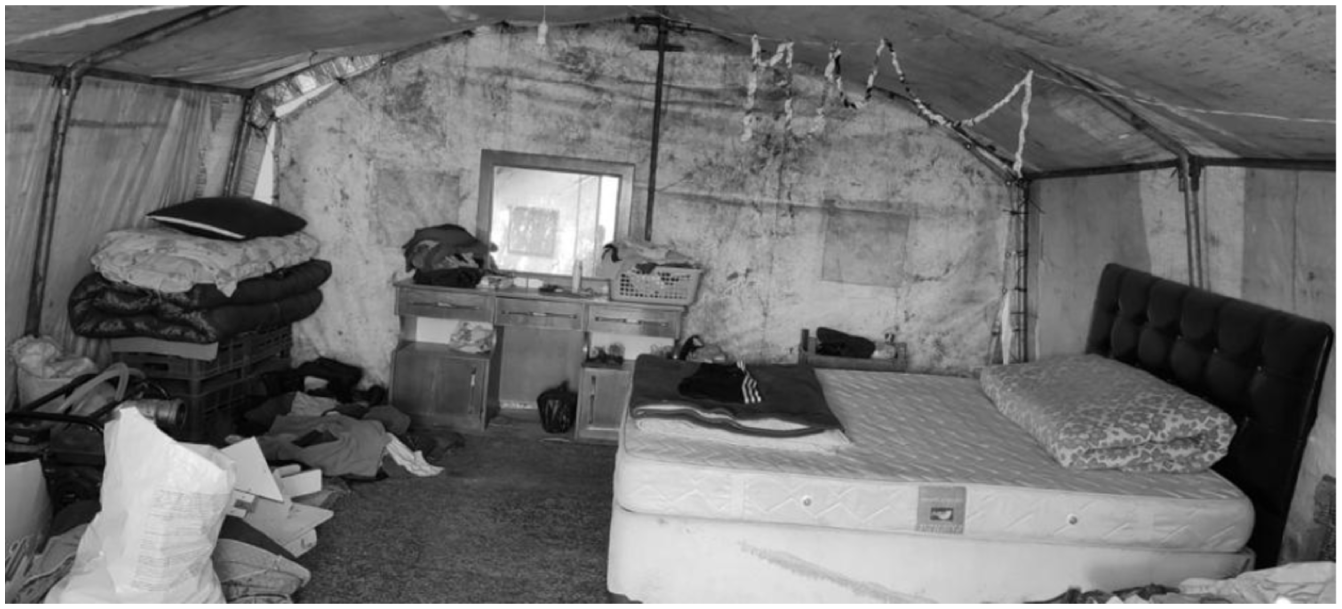
SAW housing in Yenişehir
Municipal toilet and shower facilities were often underused due to cultural norms against shared use with non-family members, and their distance from living areas. As a result, open-air or improvised sanitation prevailed, exacerbating hygiene and safety risks.
Privacy was a critical concern. Families lived, cooked and slept in single-room shelters without partitions. In overcrowded cases, multiple families shared one tent, divided only by curtains. In Yenişehir, sanitation services were distant. In Mustafakemalpaşa, dense clustering intensified crowding. Shared prefabricated WC and shower container units, although installed to improve conditions, failed to take account of cultural norms around privacy, and families often relied instead on pits they dug next to their tents.
Inside the tent, the areas for cooking, washing, and sleeping are all together. Who would want to live like this? It makes me feel trapped. I don’t live here alone; a whole family lives here. If there were at least some separation – different corners for cooking and washing – it would be better. I don’t think I’m asking for too much. (Female worker, Yenişehir) Because it’s a tent, this is what makes it the hardest. You come back from work and everyone is together in a three-metre tent. Your mother is there, your father is there, everyone is side by side, facing each other. There is nothing you can do. No space, no activity. (Male worker, Yenişehir)
Taken together, fragile structures, inappropriate sanitation and lack of space heightened exposure to heat stress, dampness and hygiene-related illness, so that unit-level problems extended into settlement-wide vulnerability.
The tents are very small. We can’t even sit properly inside. During the day it gets so hot that we cannot stay inside at all. We are exhausted from the heat and sweat. My son opened a small window so we could get some air, but then in the evenings we get cold. We don’t know what to do anymore. (Female worker, Mustafakemalpaşa)
b. Settlement-area scale: planning deficits, infrastructural gaps and hazard-prone siting
Settlement patterns in both districts reflected weak planning and infrastructural gaps. In Yenişehir, unregulated and dispersed sites limited service provision, with sanitation units located far from tents. In Mustafakemalpaşa, camps were frequently sited along rivers and irrigation canals, with increased flood risk. Heavy rains left stagnant water, mud and heightened vector-borne disease risk.
Infrastructure deficits were pervasive. Electricity was shared through unsafe cabling, creating fire and electrocution risks; water supply was irregular and of poor quality; and the absence of sewage, drainage and waste collection generated seasonal cycles of mud and foul odours after rainfall, dust and flies in summer heat. Workers described these problems as follows: When it rains, a very bad smell comes from the canal, and many animals come from there into the tent. This scares us – snakes, rats. The canal is already very dirty, like a place full of disease. Everyone throws their rubbish there. Children play around it, and I’m very worried because there is no fence or protection. It’s very dangerous for children. (Female worker, Yenişehir)
Spatial organization reinforced these vulnerabilities. In Mustafakemalpaşa, cramped and irregular clustering undermined safety and privacy. In Yenişehir, dispersed siting increased distances to communal facilities and discouraged their use. Across both sites the lack of communal spaces limited opportunities for shared childcare, social interaction and collective organization – deepening isolation.
These housing and settlement-scale deficits magnified climatic risks: exposure to floods and sanitation-related disease in wet periods; and intensified heat stress and dust hazards in dry seasons (Figure 3).
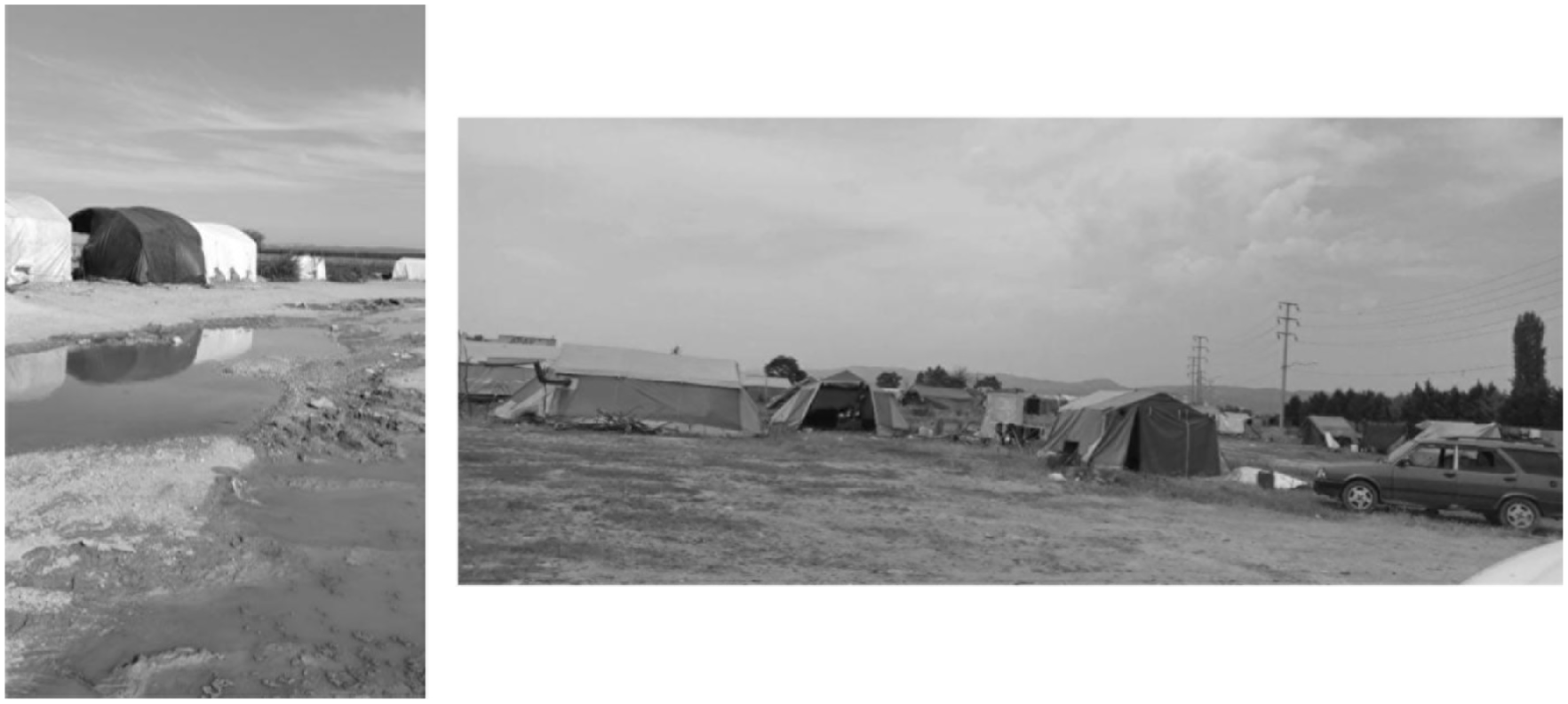
General views of the settlements
c. Livelihood-systems scale: precarity, gendered burdens, child labour and health risks
Vulnerabilities extended into livelihood systems. The dayıbaşı system shaped labour recruitment and organization, facilitating access to work but also reinforcing dependency and limiting direct negotiation with employers. Stakeholders identified this system as a key obstacle to effective regulation and social integration.
Across both districts, women experienced heavier workloads. Despite performing equivalent work, they consistently reported wages 15–30 per cent lower than men, varying by task and district. These inequalities were compounded by women’s near-total responsibility for domestic labour – cooking, cleaning, water collection and childcare. Many described it as “working two shifts”, resulting in reduced rest, interrupted sleep and limited social participation. Men more often used post-work time for rest or socializing.
Although limited forms of collective organization emerged, they did not substantially alter these inequalities. In Mustafakemalpaşa, women described informal rotating arrangements for shared cooking and cleaning, which modestly reduced daily workloads, but this was not the case in Yenişehir. In both settings, women carried out food preparation, cleaning and caregiving under cramped, unsafe and climatically exposed conditions (Figure 4).
We wake up at four in the morning and come back around four in the afternoon. At first it was very hard, but over time you get used to it. We come back from the fields exhausted, but we can’t rest because there’s no time. After all that work, we still have to make bread and cook. (Female worker, Mustafakemalpaşa)
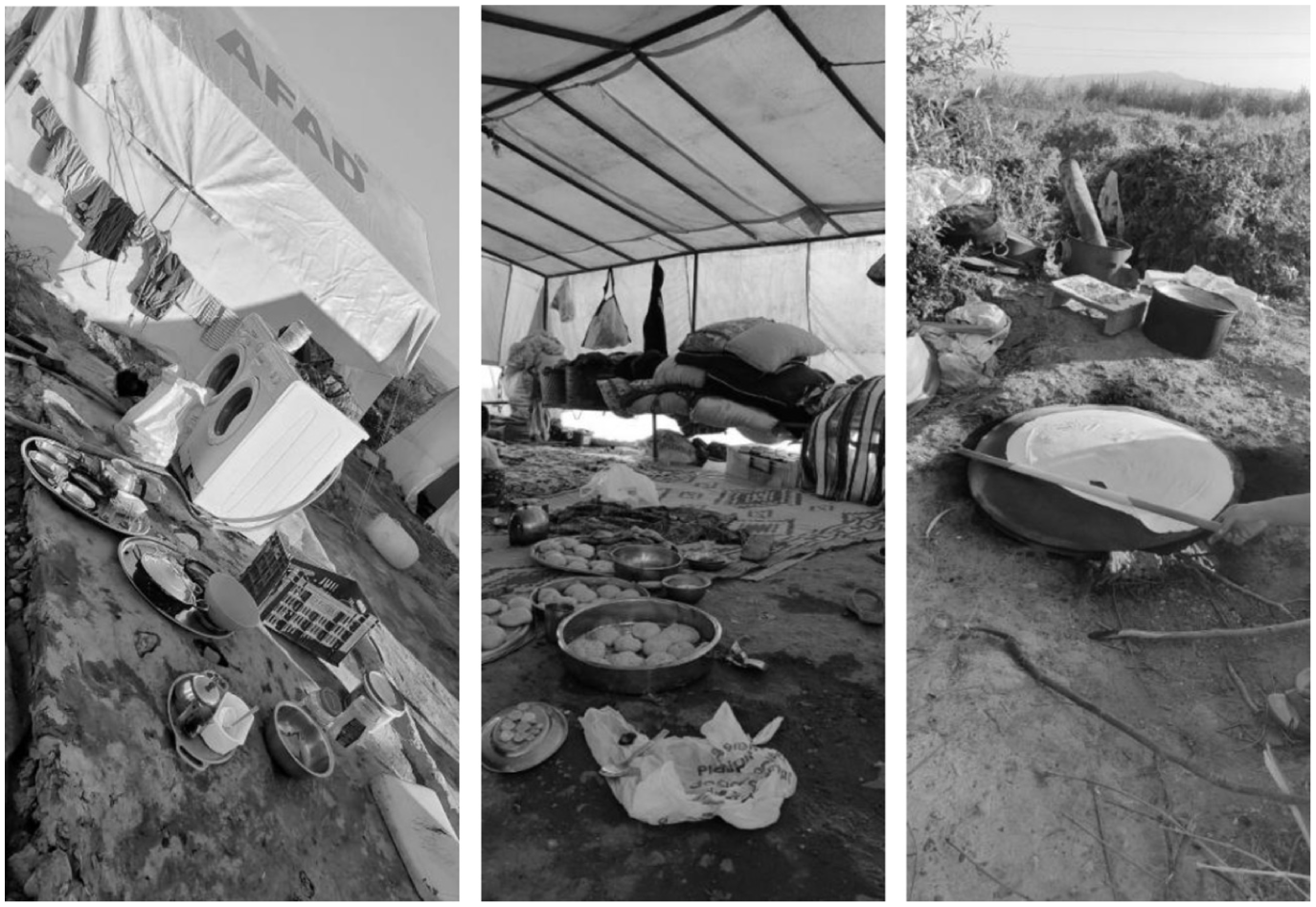
Domestic life under precarious settlement conditions
In both districts, older children often assume caregiving roles for younger siblings and many participate directly in agricultural labour. Although families seek to maintain school enrolment in their home provinces, regular school attendance in Bursa is impossible due to short stays and the inability to meet address registration requirements. For the few children who find a way to continue their education, inadequate lighting, overcrowding and the lack of quiet indoor spaces limit opportunities for study.
I have children who are of school age, but they don’t go to school so they can help us. They miss two or three months of school, and it’s very hard for them to catch up. If they can’t attend on time, they end up repeating the year. (Male worker, Yenişehir) I have a one-year-old son. We all go to work, so my older daughter looks after him. She is only eleven. Until we come back our minds are always here, worrying. But what can we do? We have no choice. We don’t want this either, but there is nothing else we can do. (Female worker, Mustafakemalpaşa)
Multiple health risks resulted from work as well as from living conditions. Workers reported gastrointestinal illness, skin infections, chronic fatigue and heat stress, complicated by limited access to healthcare and the consequent persistence of preventable conditions. These are often described as “a burden passed from parents to children”.
d. Synthesis: multi-scalar vulnerabilities under climate stress
Although local variations exist, shortcomings are consistent across all scales. At the housing-unit level, fragile tents and inadequate sanitation expose families to heat stress, damp and health risks. At the settlement scale, hazard-prone siting and infrastructural deficiencies magnify flood exposure, sanitation failures and vector-borne diseases. At the livelihood scale, labour precarity, gendered burdens and child labour intersect with climatic pressures, reinforcing intergenerational vulnerability.
We come back from the fields completely exhausted. Only when we sit down do we realize how tired we are. There is no energy left – mentally or physically – to care for the children. This year the heat was extreme. We work under the sun all day with only a short lunch break, so there is no real time to rest. (Female worker, Mustafakemalpaşa)
Workers’ testimony adds a critical longitudinal dimension. Many families have returned to these areas for years, enabling them to observe both the persistence of inadequate conditions and the increasing intensity of climate-related stresses. They consistently describe more oppressive heat and more frequent episodes of sudden and intense rainfall over recent years, with increased flooding, mud and damage to tents at the settlement scale. These experiences underscore that vulnerability is shaped not only by unit-level conditions but also by broader dynamics, and that accelerating climate pressures compound existing structural inadequacies. Extreme heat limits safe working hours and recovery, water scarcity intensifies hardship, and recurring floods damage belongings and disrupt children’s education. Disrupted schooling and the lack of vocational alternatives lead children to enter the same work as their parents, allowing ill health, poverty and precarity to persist across generations.
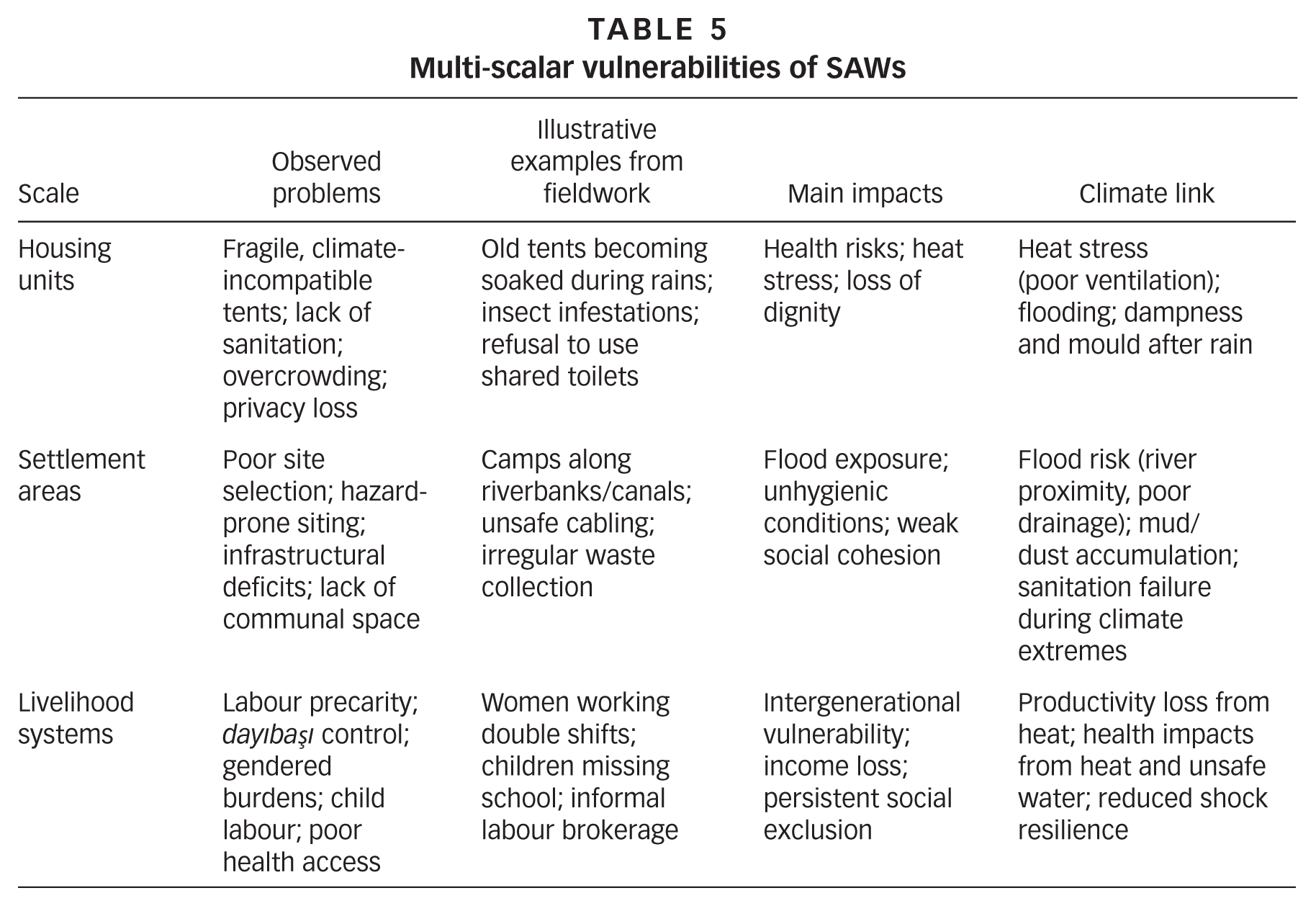
Taken together, these dynamics show how climate risks, settlement ecologies and labour precarity produce chronic cycles of exclusion for SAWs in Bursa – defined as exclusion from stable living environments, basic services and everyday social integration (Table 5).
Multi-scalar vulnerabilities of SAWs
These multiple deficits have unfortunately not catalyzed any forms of collective action. Across the cases examined, no sustained forms of grassroots organizing were observed within seasonal agricultural worker settlements. High levels of mobility, the temporary nature of residence, legal and institutional precarity, and strong dependence on labour intermediaries and employers significantly constrain the emergence of collective organization, further compounded by cumulative physical and emotional fatigue. Social relations within settlements instead take the form of fragile, informal and often obligatory support networks oriented towards everyday survival rather than collective claims-making or rights-based mobilization. While these networks play an important role in coping with immediate needs, they do not translate into durable forms of community organization or political agency.
Similarly, no sustained or formal partnerships with local authorities were observed. However, interactions that could be seen as an initial step towards cooperation began following the introduction of the rules set out in the 2024 Presidential Circular,(60) particularly through the establishment of provincial and district coordination bodies and the introduction of monitoring and reporting mechanisms. Engagements with local institutions remained largely consultative and facilitative, focusing on access, coordination and the resolution of immediate issues. The level of communication and mutual support varied considerably and was largely dependent on the initiative of individual institutional officials, resulting in more constructive engagement in some locations and very limited interaction in others.
VI. Recommendations
Three central findings emerge from this analysis:
(i) Conditions in these settlements violate the fundamental human right to adequate housing, and undermine health, safety and dignity;
(ii) Climate change intensifies the existing structural inequalities, compounding infrastructural neglect, and echoing broader evidence of the disproportionate exposure of marginalized populations to climate extremes;(61) and
(iii) Environmental interventions that ignore labour precarity, gendered burdens, child labour and exclusionary governance, risk exacerbating inequality. Rights-based governance is essential to legitimize transitions.(62)
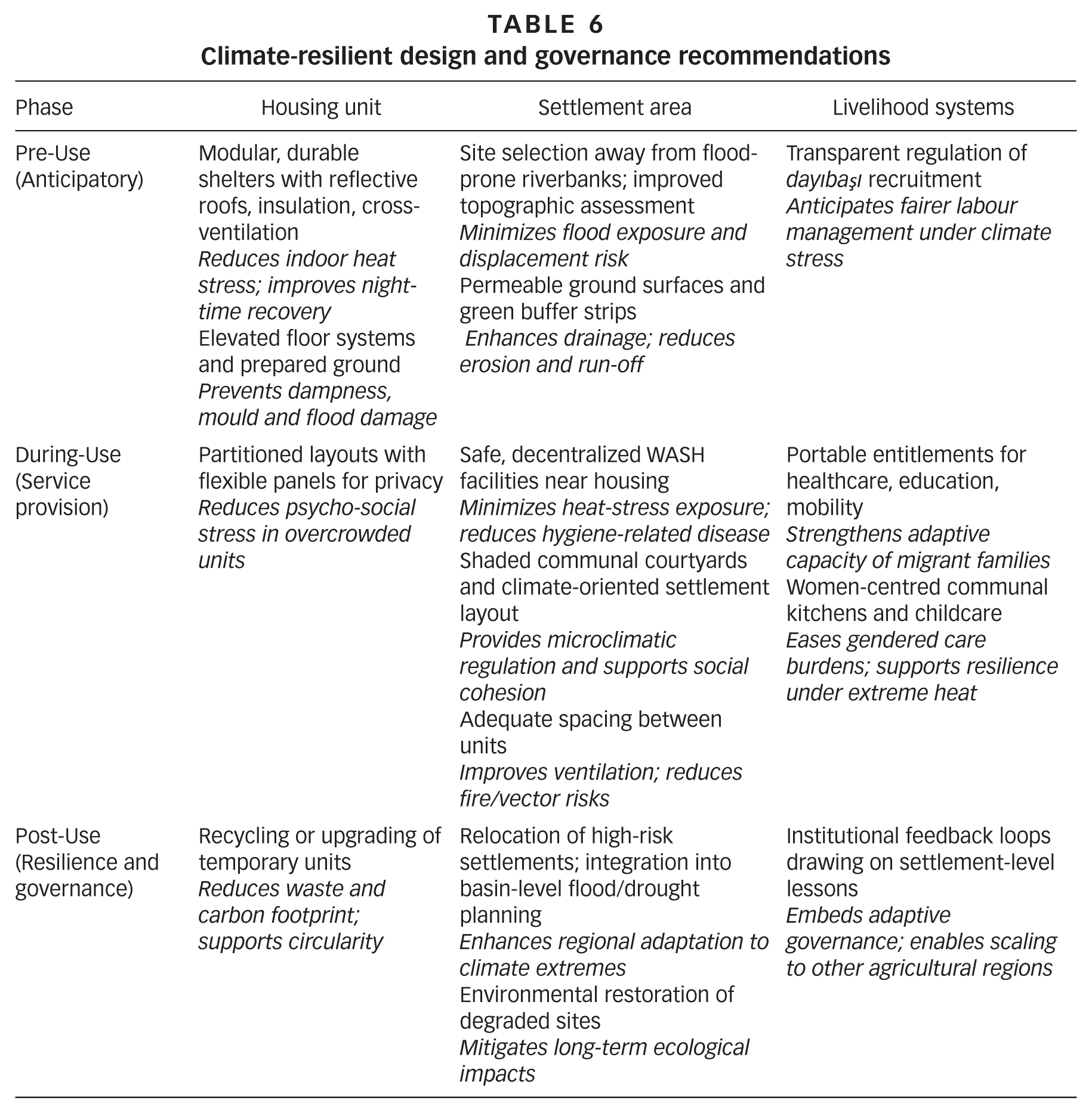
Building on these findings, the study proposes a three-phase intervention framework – Pre-Use, During-Use and Post-Use – that integrates climate adaptation into settlement upgrading while prioritizing social equity. The Pre-Use phase emphasizes preventive measures: including flood-safe site selection, soil preparation and drainage; modular climate-resilient shelters with adequate ventilation and insulation; and participatory planning aligned with cultural norms. During-Use interventions focus on: dignified service provision through gender-sensitive WASH facilities near housing; safe communal spaces; equitable access to healthcare and education and mobility via portable entitlements; and regulation of the dayıbaşı system. The Post-Use phase addresses long-term resilience by relocating high-risk settlements, restoring and recycling temporary units, and embedding feedback mechanisms in institutional planning.
The findings highlight the central role of climate-resilient worker housing – as summarized in Table 6. But while many of the observed risks to SAWs could theoretically be addressed through such adaptations, evidence shows that material adaptations alone are insufficient under existing conditions. This is because the social, institutional and governance conditions required to enable and sustain them are absent. Nevertheless, this study identifies a range of self-organized practices already present on the ground that enable people to cope with these harsh conditions. Rather than displacing these practices, the findings suggest that some can be strengthened, others regulated or adapted, and others clarified in terms of their limits and risks.
Climate-resilient design and governance recommendations
Social adaptation strategies – developed largely by women – such as rotating childcare and domestic arrangements, shared cooking and cleaning, and the collective organization of household labour, are everyday resilience mechanisms and can be strengthened through recognition and spatial support. Informal governance arrangements mediated through dayıbaşı, including job placement, allocation of settlement space, mediation with institutions, and support in overcoming language and cultural barriers, address immediate needs. However, these concentrate power and therefore require regulation or careful adaptation, rather than simple reinforcement. In addition, spatial micro-adaptations – such as better window design, adding shading, partitioning interiors with curtains, elevating living surfaces and reusing materials – demonstrate practical ingenuity in responding to heat, rain and overcrowding. However, their limits and risks, particularly regarding safety, health and durability, need to be clearly recognized. The recommendations for climate-resilient SAW housing are therefore grounded not in displacing existing practices, but in recognizing, working with and building upon them.
Embedding SAW housing within wider city-region resilience frameworks could reframe these settlements as integral components of regional food systems rather than temporary “labour camps”. In practice, however, responsibility remains fragmented among municipalities, provincial institutions, landowners and labour intermediaries. Municipal services are temporary and uneven, provincial monitoring is limited, and dayıbaşı continue to organize settlements informally without accountability. Effective intervention requires clear institutional coordination, with municipalities responsible for settlement planning and infrastructure, provincial authorities for oversight and social services, and labour intermediaries operating within regulated recruitment and settlement management frameworks (Table 6).
Within a city-region governance framework, local government officials and İŞKUR representatives actively supported the research and expressed strong interest in its outcomes. Based on the findings, a pilot site-planning exercise was developed and shared with District Agricultural Directorates for potential implementation in the next harvest season, while sponsorship discussions continue to support prototype housing units derived from the project.
This three-phase framework enhances the resilience and dignity of SAW housing and settlements in Bursa by integrating anticipatory safeguards, dignified service provision and long-term adaptive governance into climate-resilient planning, thereby strengthening both workers’ well-being and the adaptive capacity of rural settlements under intensifying climate risks.
VII. Conclusion
Taken together, the findings show that upgrading SAW housing and settlements is not merely a technical task but a critical nexus where climate resilience, labour justice and social equity intersect. The study identifies significant barriers to achieving SDG11 targets for inclusive, safe, resilient and sustainable living environments. Beyond Bursa, these insights offer a transferable governance and design matrix for other agricultural regions in Türkiye and across the Majority World, where climate change, informality and institutional weaknesses converge.
Future research should extend these findings by examining adaptive, locally grounded governance models for transitional settlements through comparative and interdisciplinary approaches. Integrating socio-ecological systems thinking, participatory planning and digital monitoring can enable dynamic frameworks to track housing, infrastructure and well-being over time. By positioning SAWs as co-producers of knowledge, such approaches can support community-informed climate action and reaffirm that sustainability transitions must be both ecological and socially just.
Footnotes
Acknowledgements
The authors wish to express their sincere appreciation to all participants who contributed to this research, particularly the seasonal agricultural workers who generously shared their perspectives and lived experiences. We also thank local stakeholders and public officials who devoted substantial time to the study and openly shared their views, insights and institutional knowledge throughout the fieldwork. In addition, we acknowledge the contribution of the research team involved in data collection and documentation, whose commitment was essential to the successful completion of the fieldwork.
Funding
The authors disclosed receipt of the following financial support for the research, authorship, and/or publication of this article: This research was supported by the Scientific and Technological Research Council of Türkiye (TÜBİTAK) under the 1001 Scientific and Technological Research Projects Funding Program (Project No. 222M231).
5.
MGM Turkish State Meteorological Service (2024).
11.
13.
14.
Folke (2006);  .
.
16.
17.
18.
32.
MoAF (2024); .
37.
IPCC (2023); .
38.
40.
45.
In this study, “agricultural workers” refers to seasonal wage labourers, whereas “farmers” denotes registered landholders or smallholders.
46.
According to interviews conducted with officials from the Bursa Provincial Gendarmerie Command during the 2024 production season.
47.
To ensure contextual accuracy, district-level employment figures, agricultural distribution data and SAW estimates were obtained through interviews conducted in 2024 within a TÜBİTAK 1001-funded research project with representatives from İŞKUR and municipal agricultural directorates.
51.
İŞKUR is Turkey’s public employment agency, responsible for employment services, labour market programmes, and the registration and placement of workers.
52.
İŞKUR (2024). Settlement areas of seasonal agricultural workers in Bursa Province (METİP) (Internal report).
55.
Dayıbaşı are informal labour intermediaries who recruit and coordinate seasonal agricultural workers, and mediate relations between workers and employers.
56.
Mukhtars are locally elected village heads who represent villages at the local administrative level.
57.
The 2010/6 and 2017/6 Directives were issued by the Prime Ministry of Turkey prior to the transition to the Presidential Government System (Prime Ministry of Turkey (2010, ).
58.
e-METİP (Electronic Seasonal Agricultural Workers Tracking System) is a national digital platform coordinated by İŞKUR to register, monitor and coordinate the employment, mobility and service provision of seasonal agricultural workers in Türkiye.
59.
These included the district governor, the district municipality, the district directorates of agriculture, health and education, the district gendarmerie commander and the district police chief.