




Abstract
The water, sanitation and hygiene (WASH) sector is facing a shortfall of several million appropriately skilled professionals. Massive open online courses (MOOCs) can play a crucial role in addressing this. This paper presents the case study of the MOOC series “Sanitation, Water and Solid Waste for Development”, which has reached over 120,000 learners within six years. It has attracted mainly well-educated, employed learners, under 34 years old, from Asia, Latin America and Africa. Underrepresentation of female learners remains a challenge. While MOOCs have proven excellent for delivering WASH education at scale, some alternative formats (e.g. blended learning, small private online courses) allow more collaborative, interactive learning environments. Three practical examples from Nigeria, Indonesia and Mozambique indicate the potential for synergies among MOOCs and further learning formats. With the global shift towards digital learning due to the COVID-19 pandemic, MOOCs have gained further traction.
I. Introduction
The immense capacity gaps in human resources in the water, sanitation and hygiene (WASH) sector(1) are a longstanding issue. In 1991, the UN Development Programme (UNDP) and UNESCO-IHE Institute for Water Education in Delft organized a symposium on water sector capacity development, which highlighted the gaps in education and training opportunities for WASH professionals in low- and middle-income countries (LMICs).(2) In 2007, the United Kingdom’s International Development Committee argued that the lack of institutional, organizational and individual capacity at the national and local levels is a more serious issue for sustaining sector targets than the lack of financial resources. Likewise, the 2012 United Nations GLAAS report found that only 27 of 67 countries analysed had sufficient staff to operate and maintain their urban drinking water systems (and only 11 countries had enough employees for their rural systems).(3) Clearly, capacity development in most LMICs has not kept pace with the rising need for human resources and well-trained staff for both rural and urban WASH services.
The most relevant and up-to-date research on human resource capacity gaps in the sector was published by the International Water Association (IWA) in 2014 as an outcome of the multi-year research project known as the Human Resources Capacity Gap Study. The final report(4) provided an in-depth analysis of human resource gaps in Africa and the Asia-Pacific region, using a consistent methodology. The study was a wake-up call for the sector to address the serious shortages of human resources that risk undermining progress in increasing access to safe water and sanitation for all. The poor situation surrounding the capacity of institutions involved in water provision and sanitation services is most severe in sub-Saharan Africa, and the report estimates a staff shortfall of almost 800,000 professionals to meet universal WASH coverage in the 15 countries included in the study. A key message of the report is that there can be no sustained progress in achieving Sustainable Development Goal 6, on clean water and sanitation for all, without effective human resource management and training of the right number and calibre of people.
For urban areas, the latest report on “Progress in Drinking Water, Sanitation and Hygiene” by the Joint Monitoring Programme estimates a current coverage of 85 per cent for basic sanitation services and 97 percent for basic drinking water services. (These figures, however, often fail to reflect the lack of acceptable provision in the informal settlements that can house large proportions of the urban population in many towns and cities in LMICs, and the water indicators fail to take account of quality.(5)) Despite the progress made in recent years, the current pace does not suffice to achieve universal coverage by 2030.(6) Urban poverty, increasing population density in cities, and rapid urbanization outpacing infrastructure and service provision are some of the key challenges calling for an integrated approach providing sustainable solutions for basic urban services, such as sanitation, water supply, solid waste management and stormwater drainage.(7) The planning and implementation of these solutions in the coming decade requires reaching professionals and students at scale.
Massive open online courses (MOOCs) entered the global educational landscape in 2012 with the revolutionary promise of offering free access to higher education for anyone with internet access. With their scale-independent design and open philosophy, they seemed predestined to make an important contribution to closing the capacity gap in the WASH sector. However, the transition from ideal to reality has raised legitimate questions, specifically on whether the scalable format of MOOCs has been achieved at the expense of equity.
This article provides an overview on the history of MOOCs and discusses their potential for the WASH sector with a case study of the MOOC series “Sanitation, Water and Solid Waste for Development” (WASH-MOOC series), developed by Eawag-Sandec, the Swiss Federal Institute of Aquatic Science and Technology. The case study analyses the learner demographics of this globally available WASH programme, which has attracted over 120,000 enrolled learners within six years, and critically reflects on challenges, such as low completion rates, overrepresentation of already privileged learners, the relatively low number of MOOCs produced in LMICs, and the trade-off between scale-independent design and contextualized learning. The article concludes with a discussion about the future of MOOCs in light of the current shift towards digital learning in the context of the COVID-19 pandemic.
II. Methodology
A case study approach has been selected to gain a better understanding of the opportunities and challenges of MOOCs for the WASH sector, because it allows for investigating a contemporary phenomenon in depth and within its real-life context.(8) With its broad range of topics (water treatment, sanitation, faecal sludge management, solid waste management), global reach and continuous high enrolment numbers over several years, the WASH-MOOC series is well suited to provide a thorough insight into the MOOC phenomenon and its implications for the WASH sector. The data used in the case study are drawn from Coursera’s(9) course dashboards between April 2014 and May 2020, as well as from surveys answered by learners at the beginning (n = 4,300) and the end (n = 3,143) of all courses of the WASH-MOOC series.(10) An important limitation of the case study is the lack of post-course data measuring the impact of the series on WASH professionals and learners.
III. Moocs – A Brief Overview
When MOOCs emerged in 2012, they challenged the existing educational models by promising free access to education and equal opportunity to learners globally. Within months, the first courses offered on newly founded MOOC platforms reached over one million learners.(11) The rapid development triggered a debate about disruption and democratization of education, and by the end of the year, the New York Times famously declared 2012 to be the year of the MOOC.(12) Enthusiasts highlighted the “potential to unlock a billion more brains to solve the world’s biggest problems”,(13) while sceptics identified MOOCs’ essential feature as “short, unsophisticated video chunks, interleaved with online quizzes”(14) and considered them a threat to academia.
The sudden rise of MOOCs is based on experimentation over several years with technologies and pedagogical concepts for online learning. Two early initiatives deserve special attention. In 2008, Downes and Siemens explored new approaches enabled by the internet and social media. They offered a course on “Connectivism and Connectivity Knowledge” at the University of Manitoba, Canada to 24 paying students on campus and 2,700 non-paying online students in parallel. The instructors set up several course sites, including Moodle forums, video streaming channels and a Wiki. In addition, learners established their own learning spaces, such as blogs and Facebook groups. This course coined the term “massive open online course” and is regarded as the pioneer for “cMOOCs” (connectivist massive open online courses) that focus on interaction and connectivity by, according to McAuley et al., building “on the active engagement of several hundred to several thousand ‘students’ who self-organize their participation according to learning goals, prior knowledge and skills, and common interests”.(15) In 2011, Stanford University created the first “xMOOC” (eXtended massive open online course) by successfully exploring the potential of reaching a global audience at scale with free online courses. Three almost simultaneously launched courses on artificial intelligence, data science and machine learning reached over 100,000 learners within two months. The courses focused on knowledge transfer from teacher to learner and were offered on centralized platforms where students could access new videos every week, and complete automated multiple-choice quizzes and programming assignments.
Porter’s definition of MOOCs exemplifies early MOOC definitions, emphasizing the scale-independent design of MOOCs and the intention of offering open education:
As MOOCs have grown in popularity, several alternative definitions and taxonomies have been proposed in the literature. Clark expanded Siemens’ distinction between “cMOOCs” and “xMOOCs” into eight not mutually exclusive categories of MOOCs according to their pedagogy (e.g., groupMOOCs that aim to increase student retention, adaptiveMOOCs using adaptive algorithms to offer personalized learning experiences, transferMOOCs mimicking a traditional lecture).(17) Conole’s classification scheme is based on 12 dimensions, such as degree of openness, scale of participation, or use of multimedia.(18) Pilli and Admiraal propose a taxonomy that positions MOOCs according to their level of openness and massiveness. They differentiate between large-scale, more open courses and small-scale, less open courses.(19) Liyanagunawardena follows a more learner-centred approach and proposes a taxonomy with 13 categories covering information provided to learners before entering a course (e.g., mode of assessment, ratings, use of multimedia).(20) The diversity of taxonomies underlines the difficulty in accurately classifying MOOCs.
The costs for production and delivery of MOOCs are highly context-specific. In a study focusing mostly on MOOCs produced in the US, Hollands and Tirthali found overall costs ranging from US$ 38,980 to 325,330 per course and costs per completer of US$ 74 to 272.(21) Human resources, video production and acquiring access to a MOOC platform are considered key cost drivers.
After an initial debate about MOOCs, which was based on anecdotal evidence rather than on robust data, a growing number of empirical studies has started to provide insight on what happens when thousands of people are learning with the same educational material. Three challenges of particular relevance are low completion rates, overrepresentation of already privileged learners and the relatively low number of MOOCs produced in LMICs.
According to Jordan, the completion rates for MOOCs are 6.5 per cent on average, consistent across university rank and total enrolment, and completion is negatively correlated with course length.(22) A study by Reich and Ruipérez-Valiente, analysing 261 courses with 5.63 million learners, offered between 2012 and 2018 on edX, reveals that completion rates did not improve over time and only 52 per cent of enrolled learners actually started the course.(23) MOOCs have been repeatedly criticized for their low completion rates when compared to traditional university courses. However, critiques focusing exclusively on completion rates tend to overlook the fact that auditing a MOOC or other forms of non-completion might still offer a valuable learning experience, and one that suits the learner’s intention. Low completion rates of MOOCs are not problematic as long as learner feedback is good. A simple comparison of dropout rates between MOOCs and traditional lectures, without considering learner intention and format-specific incentives, can be misleading.The well-documented overrepresentation of more affluent and better-educated MOOC learners(24) is challenging the initial promise of MOOCs to democratize education by removing such hurdles as wealth, credentials or geographic location. There is an estimated global digital population of 4.1 billion persons, yet a large proportion of global learners are currently unable to learn with MOOCs or other digital learning formats, due to the lack of affordable broadband internet, technology issues or deficiencies in digital learning literacy.(25) The trend towards monetizing MOOCs with paywalls for course content and certificates, micro-credentials and degrees is creating additional hurdles for less affluent learners. At the same time, organizations have successfully designed and offered MOOCs for disadvantaged learner populations. Based on an analysis of a globally diverse set of studies and reports, Lambert provides an overview of promising approaches tackling inequity in MOOCs, including learner-centred and multilingual course design, courses offered at no cost and personal support provided to learners.(26)
A repeatedly published critique refers to the tendency of MOOCs to embed Western-centric epistemologies; this perspective calls for a more pluralistic approach, including increased MOOC production in LMICs.(27) Zhang et al. identify the concentration of MOOC production in high-income countries and the misalignment with local cultures, languages, pedagogies and contexts as the most critical challenge of MOOCs.(28) In 2016, Abidi et al. expressed their surprise regarding the small number of MOOCs produced in LMICs and, based on their practical experience gained as MOOC producers at the Aga Khan University in Pakistan, published a roadmap for offering more MOOCs from LMIC institutions.(29) In recent years, universities and training institutes in LMICs have increasingly positioned themselves as content producers. The proliferation of affordable smartphones and mobile data plans have enabled learners at scale to access MOOCs also in the absence of reliable landline infrastructure. Today, MOOC platforms based in LMICs (e.g., SWAYAM in India, MéxicoX, ThaiMOOC, IndonesiaX, etc.) are offering thousands of courses, which are reaching millions of learners. Highly popular learning apps (e.g., Byju’s in India, Kytabu in Kenya) further underline the trend towards digital learning.
Over the course of 2020, the COVID-19 pandemic has changed education on a global scale and led to a distinctive shift towards digital learning. The UN estimates that over 90 per cent of global learners on all levels have been affected by school closures caused by COVID-19.(30) During the crisis, enrolment numbers for MOOCs have drastically increased worldwide;(31) universities that produced COVID-19-dedicated MOOCs for a broader audience (e.g., Imperial College London), or specifically for health professionals (e.g., Javeriana University School of Medicine in Bogotá), have reached thousands of learners. According to the World Bank, the crisis is an unprecedented shock to education, but also provides an opportunity to build stronger and more equitable educational systems.(32) At the same time, there is also a serious risk that the pandemic and the predicted global recession will further increase the digital divide, and severely impede achieving SDG 4, which seeks to “Ensure inclusive and equitable quality education and promote lifelong learning opportunities for all”.
IV. Case study – Mooc Series “Sanitation, Water and Solid Waste for Development”
In 2014, Eawag-Sandec launched the WASH-MOOC series with the goal of providing free access to high-quality WASH education at any time and in any place. The series is primarily designed for WASH professionals and students in LMICs and consists of four courses on water treatment, sanitation planning, solid waste management and faecal sludge management:(33)
The courses are managed in close collaboration by content and digital learning experts at Eawag-Sandec. They have been produced in partnership with Ecole Polytechnique Fédérale de Lausanne (EPFL) and its Center for Digital Education, which spearheaded MOOC production in continental Europe. Inclusiveness is a priority of the courses and is being targeted through consistent efforts to make the courses accessible to a multilingual and culturally diverse group of learners, as well as a collaborative effort to engage with global sector specialists (Photo 1). Course content is continuously updated in order to promptly embrace new sector developments (Photos 2 and 3). Free access to the complete educational material is offered to all institutions that aim to use the WASH-MOOC series for educational purposes.
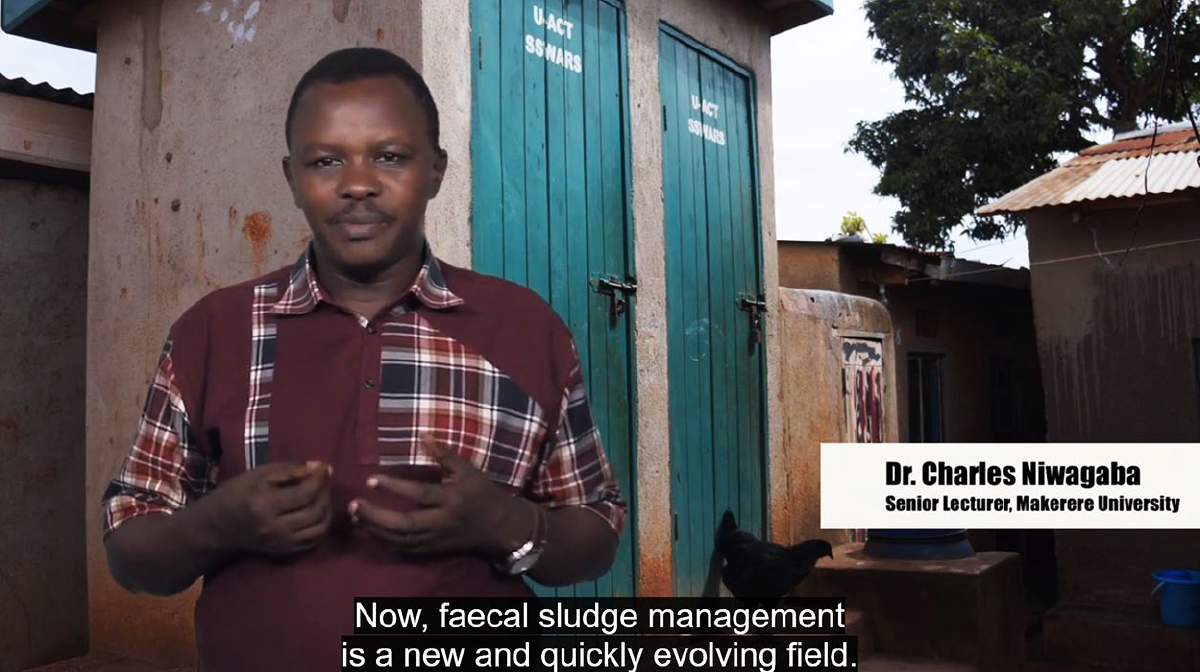
Charles Niwagaba from Makerere University, Uganda presenting a video lecture on non-sewered sanitation in sub-Saharan Africa

Rick Johnston and Sara Marks in the video studio at EPFL recording a module on water treatment methods
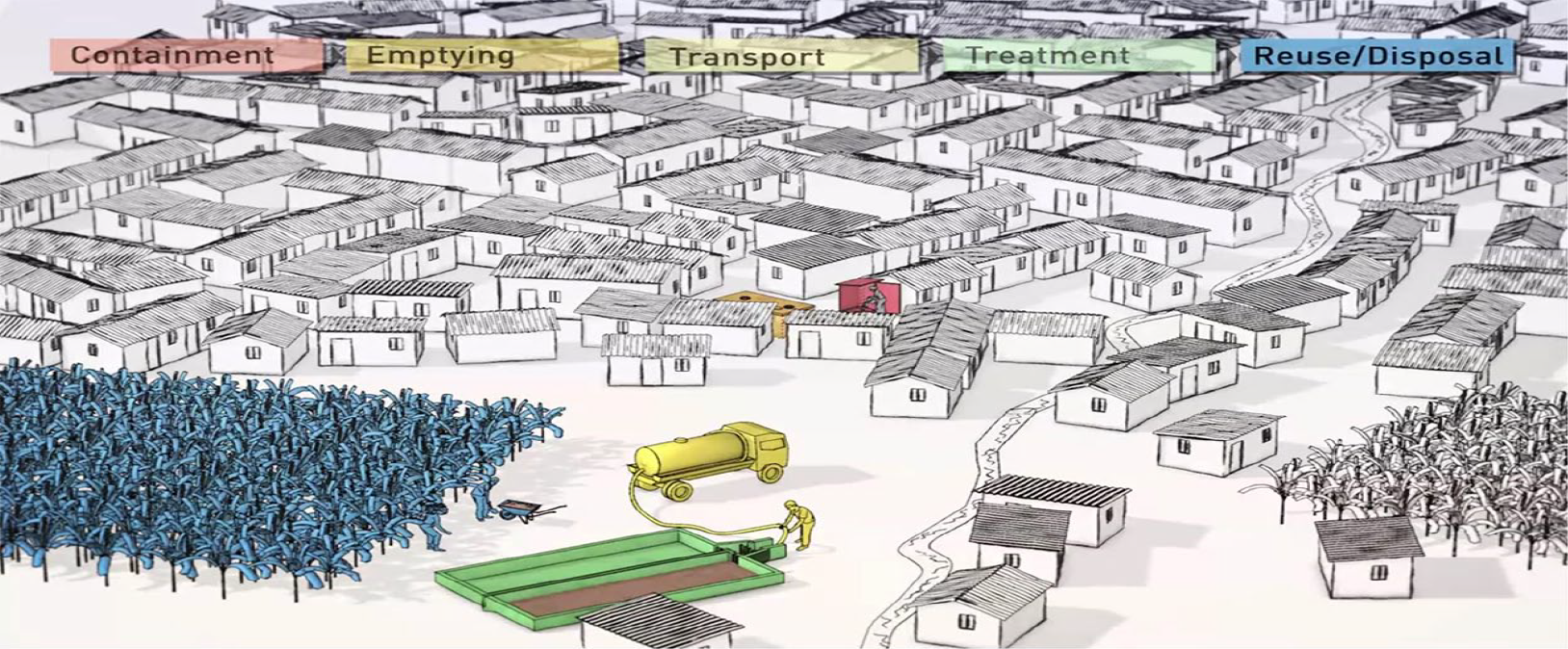
Animation in the Sanitation-MOOC illustrating the sanitation service chain
The WASH MOOCs are available for free on the learning platform Coursera as five-week courses with an estimated workload of 25 hours each. During the first two years, courses were available exclusively during the course period of five weeks plus an extra week to prepare for the final exam. Course materials were uploaded afresh at the beginning of each week. Since 2016, the courses have been continuously offered in session format, allowing learners to join a course throughout the whole year. Each session has fixed start and end dates with suggested deadlines, incentivizing learners to progress through the course together. Enrolled learners get immediate access to the full course including videos, readings, discussion forums and assessments. Due to the short average attention span in video-based learning, the video lectures are split up into modules of 6 to 10 minutes and enriched with interactive elements (e.g., quiz questions, discussion prompts).(34) Learners can test their progress online with multiple-choice quizzes, practical assignments and a final exam. Discussion forums serve as interaction platforms. Learners who complete the full series receive a free Statement of Accomplishment from Eawag-Sandec. In addition, Coursera offers an optional course certificate for US$ 49. The courses are offered in English with subtitles in English, French, Spanish and Portuguese. Further subtitles (e.g., Hindi, Bangla, Russian) have been added to individual courses.
a. Reaching WASH learners at scale
Overall, the series has reached 121,649 enrolled learners within six years. Three courses launched in 2014 and 2015 attracted several thousand learners within a limited period of six weeks.(35) The full potential of the WASH MOOCs, though, came into play when the courses were offered continuously from 2016 onwards. Since then, the growth rate has been constantly high, reaching on average 1,581 new learners every month from January 2016 to February 2020. In March 2020, the COVID-19 pandemic led to a sudden expansion of enrolment numbers, increasing them fourfold. It is yet unclear if the current growth rate of 5,000 to 6,000 new learners per month is temporary or the beginning of a long-lasting trend.
Figure 1 represents the substantially different enrolment numbers per course. Most learners have enrolled in the Solid Waste-MOOC (59,995 learners). This is followed by the Sanitation-MOOC in English (25,908 learners) and HWTS-MOOC (24,873 learners). The FSM-MOOC covers a more specialized topic, and, hence, has attracted a smaller audience (6,909 learners). Compared to its English counterpart, the Sanitation-MOOC offered in French is reaching considerably fewer learners (3,994 learners).
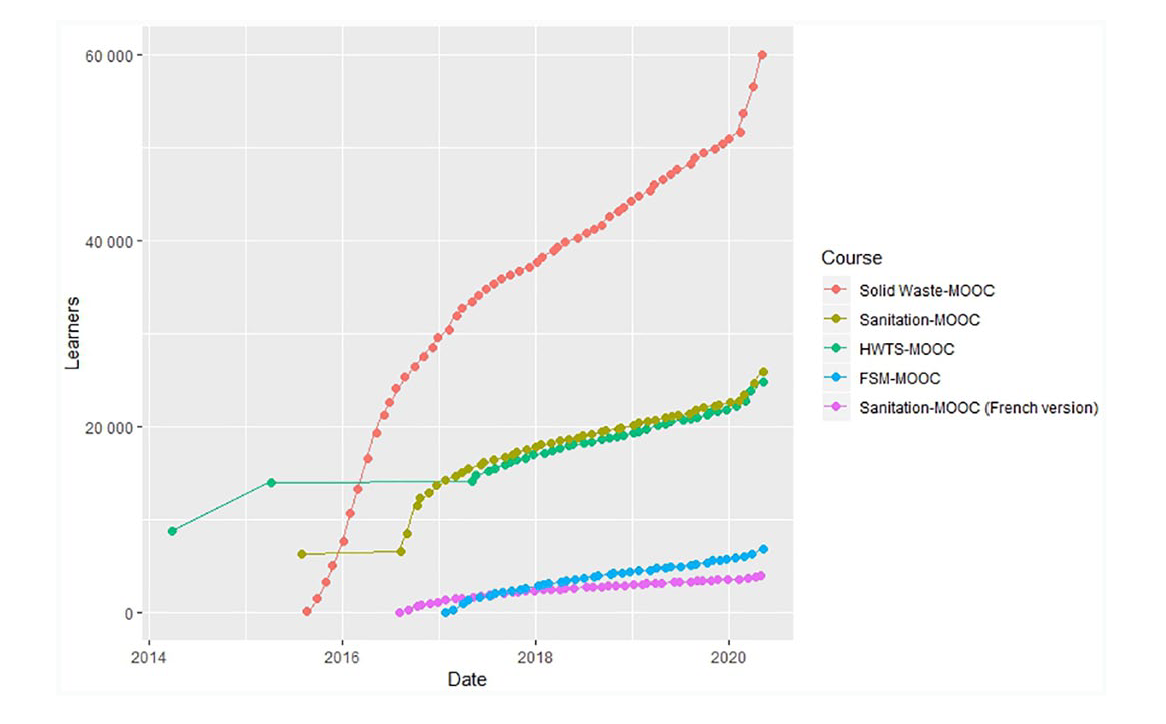
WASH-MOOC series – cumulative enrolled learners per course
b. WASH MOOC learners = young, well educated, employed, male and from LMICs
Glass and colleagues, along with other observers, describe typical MOOC learners as young, male, well educated, employed, and originating from a high-income country.(36) This description supports the argument that MOOCs contribute to the digital divide rather than democratizing education. The analysis of the learner demographics in the WASH-MOOC series shows that this description is an accurate representation of learners in terms of age, gender, education and work status. Between 76 and 80 per cent of learners have completed a bachelor, master or doctoral degree, and the majority are younger than 34 years of age. Female representation ranges between 26 and 39 per cent among the courses, which is even lower than the average on Coursera. A majority of learners are professionals. Only about one-third of learners are categorized by Coursera as full-time students (32.7 per cent).
In terms of learner origin, however, the data of the WASH-MOOC series fundamentally contradict the Glass et al. description of typical learners. In all courses, the vast majority of learners are from LMICs. Most learners are from Asia (36.8 per cent), followed by Latin America (20.6 per cent), Europe (17.3 per cent) and Africa (15.3 per cent). With over 25,000 learners, India is the country with most enrolled learners. At the course level, the reach per country and world region vary substantially. The Solid Waste-MOOC features high enrolment among Latin American learners (26 per cent versus 11–14 per cent in the other courses). The HWTS-MOOC and FSM-MOOC have above-average learner numbers from Asia (47 per cent and 45.6 per cent respectively); and the majority of the learners in the Sanitation-MOOC offered in French are from francophone Africa (52 per cent).
The greater representation of learners from LMICs underlines the attractiveness of the content and format for the primary target group of the WASH-MOOC series. At the same time, surveys completed by learners at the end of all four MOOCs(37) revealed that learners from LMICs still consider internet access, financial resources and languages to be hurdles. Course learners particularly highlight the need to offer improved access for learners without reliable or affordable broadband internet (e.g., by reducing file sizes, by offering user-friendly download options of the full courses), to issue free certificates at the course level and to make courses available in more languages. Learners from LMICs further recommend expanding the content, mainly by adding more case studies and practical examples from their respective world regions and countries, and increasing collaboration with local partners (e.g., universities, companies, NGOs, local authorities) to create contextualized learning offers with credentials.
In the absence of long-term studies measuring the impact of the WASH MOOCs, final survey answers from course completers provide some insights on the extent to which the courses can foster students’ ability to get jobs in the WASH sector and broaden the skills of currently employed professionals to respond to WASH challenges. Most course completers stated that they were able to use the gained knowledge in their profession right away (55.4 per cent) or expected to use it in the next five years (39.5 per cent).
c. Completion rates – the bane of MOOCs?
Compared to other MOOCs, the WASH-MOOC series has above-average completion rates. Out of 121,649 enrolled learners, 79,642 (65 per cent) have started and 14,796 (12.1 per cent) have completed a course (Figure 2). However, the completion rates have only limited information value if learners’ intentions are not taken into account. The “easy-in, easy-out” options of most MOOCs allow learners to enrol without lengthy application protocols or initial payment, and to drop out with two mouse-clicks. Low completion rates are, therefore, not a bane, but a logical consequence of a format that also attracts learners who might be only interested in specific course offerings (e.g., technical aspects of treatment methods, case studies).
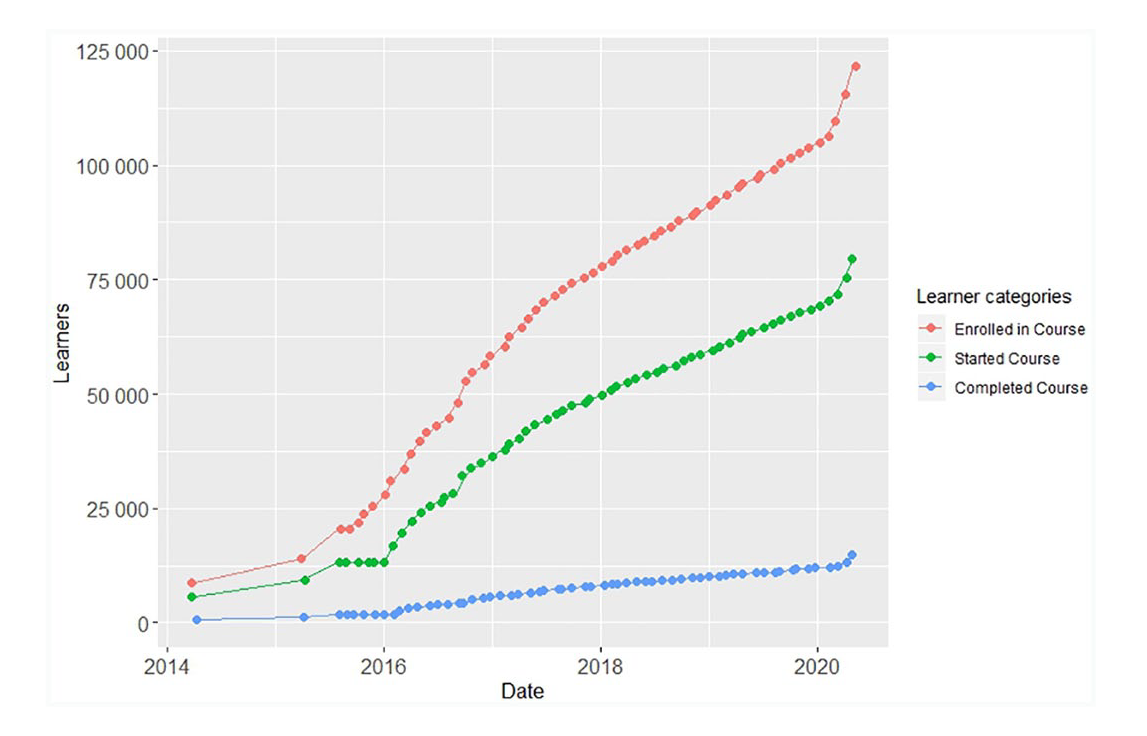
WASH-MOOC series – cumulative learner numbers per learner category
A progress funnel (Figure 3) provides more detailed information than the completion rate, which simply divides enrolled learners by course completers. All courses feature the typical high dropout rate at the beginning and a relatively flat curve from week 2 onwards. Measuring the number of active learners per month (Figure 4) offers a complementary indicator to learner engagement. This figure illustrates that the COVID-19 pandemic has not only led to a massive increase of enrolled learners (Figure 1), but also caused a steep rise in learner engagement.
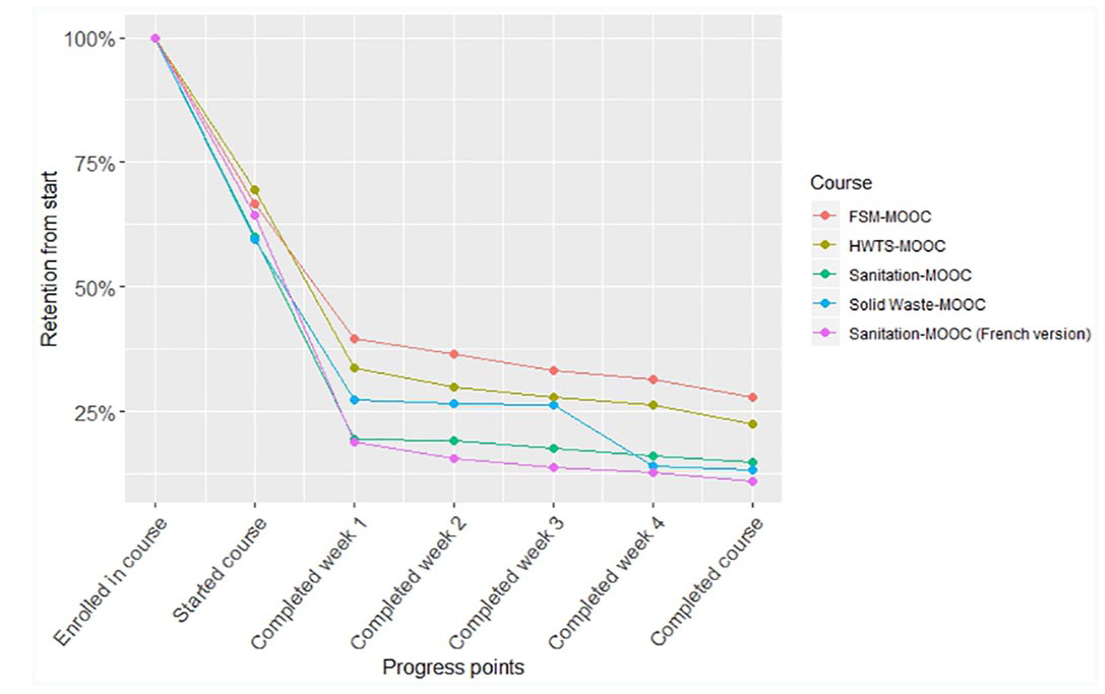
WASH-MOOC series – progress funnel
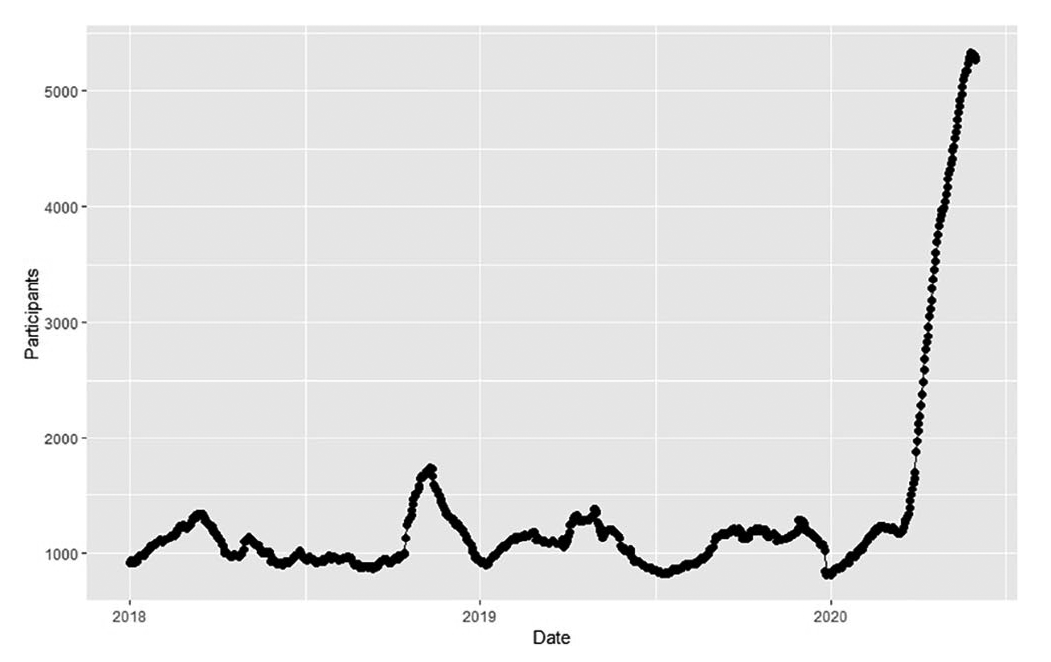
WASH-MOOC series – learner engagement per month
d. Digital learning formats beyond MOOCs
According to Torrisi-Steele and Drew, higher education in the 21st century “faces the challenge of providing cost-effective, high quality learning experiences appropriate to the needs of an ever-increasing, culturally diverse student population and to meet the competency demands of a digital, knowledge driven society”.(38) While MOOCs have proven to be beneficial for delivering WASH education at scale, they can fall short in providing a more contextualized learning experience. Blended learning initiatives(39) and so-called SPOCs (small private online courses) have emerged as more targeted formats that allow more collaborative and interactive learning environments. In practice, there is a high synergy potential among these formats.
The following three examples from universities and training centres in Nigeria, Mozambique and Indonesia illustrate the versatile application potential of MOOCs as a component of online, onsite and blended learning formats:
- The most common approach chosen by partner institutions is the integration of selected video modules into an existing onsite lecture. Photos 4A and 4B show Elizabeth Oloruntoba using a video module in her “Water Supply and Quality Management” course at Ibadan University in Nigeria. After an introduction to the topic, she watches the videos together with the learners, followed by a discussion about the content. Alternatively, partners apply the “flipped-classroom” mode whereby students learn content by watching video modules of the WASH-MOOC series outside of the classroom and then come to class prepared to engage with the content.
- An instructive example of a full-fledged programme based on the WASH-MOOC series is the ZAMADZI capacity-building initiative in Mozambique. Directing the learners to the MOOCs on Coursera was not considered a viable option, due to the language barrier and the lack of affordable internet. Therefore, the complete series was transferred to a locally hosted Moodle platform, translated into Portuguese and merged with onsite activities focusing on the contextualization of content (e.g., field visits, student presentations, group assignments, roleplays). The overall learner feedback has been positive. Remaining challenges are the high costs of data bundles, video-based preparation for the classes, and the language barrier that continues to exist in courses, which are subtitled but not fully delivered in the learners’ native languages.(40)
- The course “Kuliah Online Pengelolaan Sampah di Indonesia” (“Online Lecture on Waste Management in Indonesia”) exemplifies the development of a more contextualized online course based on a MOOC. The course was created jointly by Eawag-Sandec and the Institute of Technology Bandung (ITB), after local stakeholders expressed a demand for easily accessible knowledge on solid waste management issues in Indonesia. The complete Solid Waste-MOOC has been subtitled in Bahasa Indonesia, and local experts have provided additional video modules on the specifics of solid waste management in Indonesia. The contextualized course is hosted by ITB and offered completely online.(41)
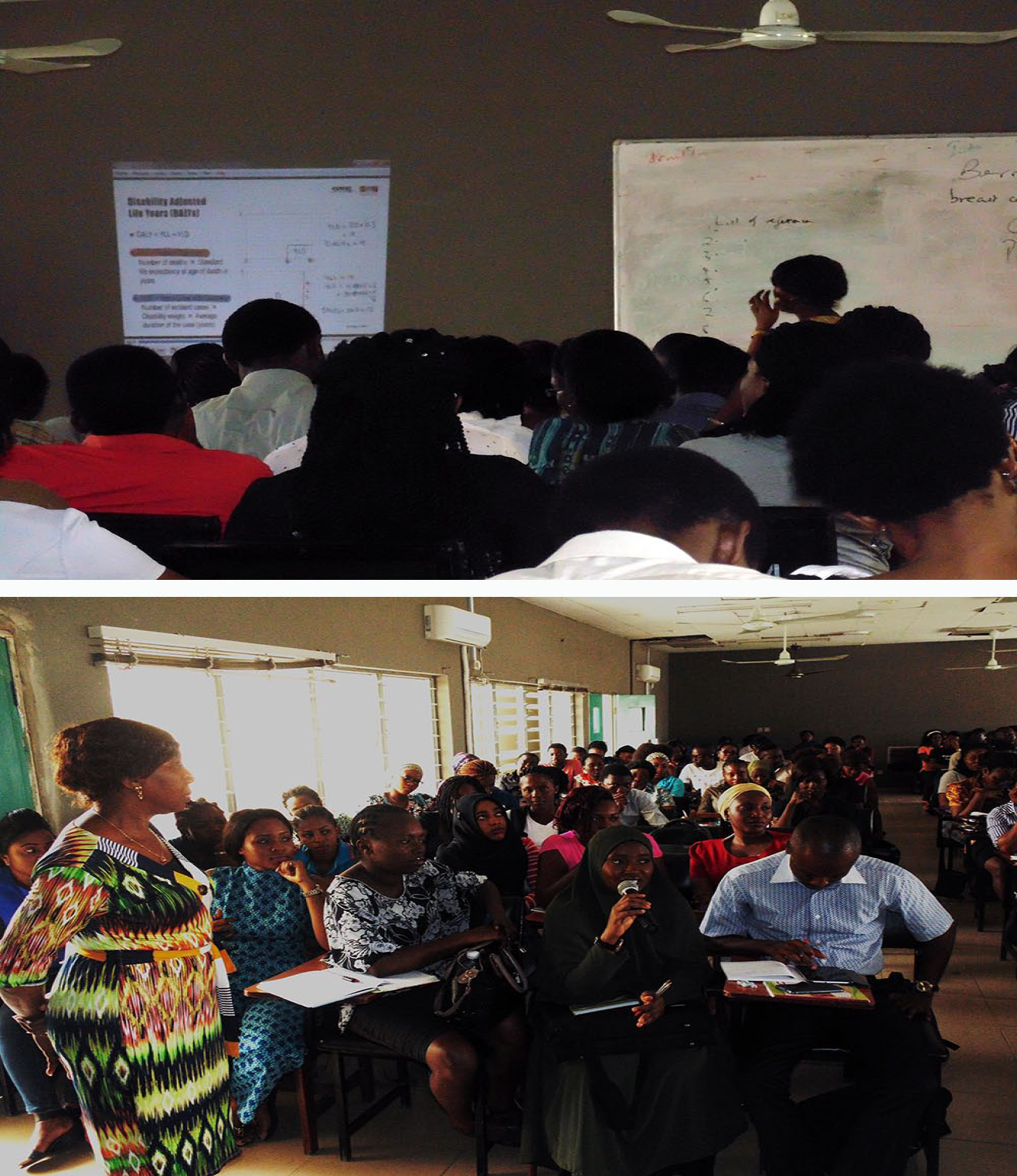
Elizabeth Oloruntoba of Ibadan University in Nigeria integrates MOOC modules into her lecture by jointly watching the videos (4A) followed by a discussion (4B)
V. Discussion
Although MOOCs have not fully lived up to the high initial expectation of democratizing education, they have enriched the educational landscape by offering free or affordable education to millions of learners globally. The continued growth in the number of MOOC learners, courses and platforms indicates that MOOCs are here to stay.
This article has critically examined the opportunities and challenges of MOOCs for WASH practitioners and students based on the case of the WASH-MOOC series. The series has reached WASH professionals and students at an unprecedented scale, with a majority of learners coming from LMICs. The monthly growth rate of around 1,500 new learners in normal times, and 5,000–6,000 new learners since the outbreak of COVID-19, indicates a continuous high demand for online courses in the WASH sector. The analysis of the students’ demographics shows that WASH MOOCs can reach learners who will play a crucial role in closing the capacity gaps in the sector – well-educated and young professionals in LMICs.
With the explicit formulation of a standalone goal on education (SDG 4: “Ensure inclusive and equitable quality education and promote lifelong learning opportunities for all”) and the integration of numerous education-related targets within other goals, education is considered a key driver for the overall achievement of the SDGs by 2030. Can a dedicated MOOC series make a viable contribution? The transdisciplinary character of the SDGs is represented in the WASH-MOOC series, which, besides its strong focus on SDG 6 (“Ensure availability and sustainable management of water and sanitation for all”), embraces aspects of other goals, such as no poverty (SDG 1), good health and wellbeing (SDG 3), gender equality (SDG 5), and sustainable cities and communities (SDG 11). The series can offer learners new perspectives and knowledge they would otherwise not have access to. As a case in point, many engineering schools in sub-Saharan Africa and South Asia continue to teach over-engineered, conventional sewer systems as the best urban solution for environmental engineering, even though these systems have failed to reach the vast majority of citizens in the past decades. The Sanitation-MOOC and the FSM-MOOC presented in Section IV offer in-depth alternative content for participants to learn about non-sewered solutions that they would otherwise not have access to. This leads to the question of whether MOOC learners can convert the offered learning experiences into practical actions contributing to the SDGs. Feedback collected from learners at the end of the courses indicates that a vast majority of course completers are using the gained knowledge in their profession right away or are expecting to use it in the next five years. In addition, there is some anecdotal evidence from WASH-MOOC learners and universities using the courses that the MOOCs are fostering students’ employability in the WASH sector. However, getting a better understanding of the extent to which WASH MOOCs are actually contributing to the SDGs will require further research that entails a systematic impact assessment.
With a format designed for delivering education at scale, providing a contextualized learning experience is only possible to a certain extent. It is, therefore, important to highlight the suitability of MOOCs to serve as a starting point for high-quality, cost-effective blended learning formats. This potential for synergies does not come as a surprise, because the initial experimentation at Stanford University that continues to shape MOOCs was strongly driven by the aims of making on-campus education more engaging and making better use of time by enabling students to learn the core material online and using class time for discussions or experiential activities. An alternative digital learning format that addresses some of the shortcomings of MOOCs are SPOCs, which have emerged as a more targeted format, encouraging cohort-based experiences with smaller learner groups and defined start and end dates. Their scaled-down approach allows for the design of content that is tailored to a usually more homogeneous cohort (e.g. staff from Tanzanian municipal utilities). SPOCs offer “face time” between instructors and participants, e.g. in-person orientation, webinars, Q&As, group work, quizzes, capstone exercises and a reliable mentoring system – in short, a challenging learning experience that allows participants to acquire new competencies. Like MOOCs, SPOCs can be sequenced to allow for on-the-job training, without learners having to take time off.
In the coming years, escalating population growth, exploding demand for education, diminishing technological hurdles (e.g., rapid spread of smartphones, fast penetration of landline and mobile broadband internet), and a growing number of universities that are discovering the potential of MOOCs as an integral component of their curriculum, are increasingly turning WASH MOOCs into an important and viable option for learners in LMICs across the globe. Reaching such a diverse learning population at scale requires a continuous effort to adapt content and format.
Recommendations from course completers in LMICs particularly point out the importance of improved access for learners without affordable broadband internet, additional translations, more case studies from LMICs, and increasing collaborations with partners in LMICs to offer contextualized learning offers. Providing free credentials and course validation is frequently requested by learners but remains a thorny subject. More development work is needed to create internationally recognized certification standards for verified achievements. Future digital learning offers will need to address three distinct issues to become a driving force in WASH education in the next decade: (i) strengthening inclusion and equity, particularly by improving the current gender imbalance of MOOC learners; (ii) gaining a better understanding of learners’ needs, intentions and behaviours, e.g. by using emerging analytical methods based on artificial intelligence; and (iii) improving learning experiences by combining MOOCs with more tailor-made online and blended learning formats for targeted learning cohorts.
The COVID-19 pandemic has further accelerated the trend towards digital learning and has forced educational institutions in the WASH sector to build up or expand their digital learning offer in a very short period, leading to a wealth of first-hand experiences with challenges and opportunities related to digital learning. The practical experiences gained during the pandemic will influence the design of the post-pandemic educational systems and raise the expectation that an increasing number of WASH MOOCs, SPOCs and blended learning initiatives produced by universities in Asia, Latin America and Africa will reduce the capacity gap in the WASH sector.
Footnotes
Acknowledgements
We thank Christian Riuji Lohri and Abishek Sankara Narayan for their helpful comments on an earlier version of the manuscript. We would also like to express our gratitude to Elizabeth Oloruntoba from the University of Ibadan, Nigeria and André Arsénio from the ZAMADZI-programme in Mozambique for sharing their insights on usage and contextualization of the MOOC series. Many thanks to all instructors of the WASH-MOOC series (Rick Johnston, Sara Marks, Christian Zurbrügg and Linda Strande) and their teams for their passion for digital learning, as well as to the colleagues at the Center for Digital Learning at EPFL for the fruitful collaboration during the production of the MOOC series.
Funding
The MOOC programme was supported through funding by the Swiss Agency for Development and Cooperation (SDC) and the Swiss Federal Institute of Aquatic Science and Technology (Eawag).
