




Abstract
This article explores the way land tenure, water flows, and water quality are legally, politically and socially framed in a site in Ouagadougou. It shows that urban agriculture is an important source of revenue for various individuals and groups, and a socio-political arena for state representatives, experts and farmers. The main stakes in these power relationships are the regulation, control and use of natural resources (especially water and land), but also residents’ nutrition and health interests. Public authorities produce and monitor the enforcement of legal standards of water use and hygiene, while farmers struggle individually and collectively to ensure efficient use of land and multiple water sources, sometimes challenging official norms. These competing interests lead sometimes to conflicts – over the use of the resources or the legitimacy of rules that regulate urban farming processes – that are negotiated through institutional or informal bargaining. Urban farming is thus a marker of socio-political and economic dynamics in Ouagadougou.
Keywords
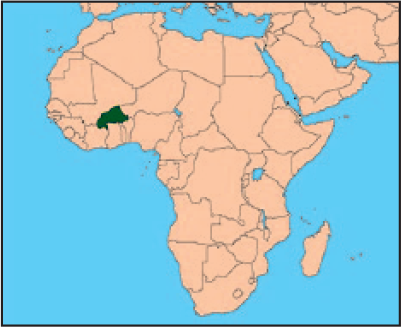
I. Background and Rationale
Rapid urbanization in Burkina Faso is a threat to the environment as a result of pollution and increasing demands for water.(1) As a consumer of water and a source of pollution, urban agriculture (UA) has crystallized debates and criticism in the public sphere, with concerns about UA’s environmental standards and its potential health risks.(2) Although UA is broadly defined as the growing of plants and the raising of animals within and around cities,(3) it also involves a range of related activities within a complex context with many diverse stakeholders. Land and water are scarce resources in Ouagadougou, Burkina Faso, and their management as well as actors’ perceptions of them can strongly influence productivity and the quality of vegetables. These common-pool resources are at the root of many conflicts, yet are also sources of cooperation. Producers, marketers, consumers, water engineers, municipal officials, and associational networks in Ouagadougou interact to define norms for policing the quality and flow of water and vegetables, as well as patterns of landholding. If stakeholders fail to find cooperative responses, bargaining processes can collapse and lead to conflicts. The literature regarding human and ecological disasters attendant on the global water crisis confirms that competing water demands can lead to intense political pressures.(4)
Governance of water resources is intimately embedded in land tenure systems and concerned with the flows of water for irrigation. In Ouagadougou, changes in the politics of water and urban landholding patterns – marked by the Agrarian and Land Reform Law (Réorganisation Agraire et Foncière or RAF), rising competition, and commodification – have led to shifting norms and technologies of land and water use in UA. In previous land tenure systems, national land rights were handled by the central state, which delegated individual and collective use rights. The current land tenure system, by securing market-based private property rights, enhances investment incentives. Nonetheless, these new land rights are challenged by endogenous land systems, and many thousands of urban agriculturalists with land use rights acquired under the customary regime still use their farmland but lack formal title.
This paper analyses the practices of actors and strategic groups relating to land and water control in this competing landscape, and it will also explore how urban farmers perceive their environment as they consider, manipulate and contest official rules regarding land tenure and water. In particular, it explores how urban farmers produce “a legitimate normative consensus around a plurality of interests and positions”.(5) Norms – whether legal or customary – are seen as competing sets of values and codes. They regulate social interactions and opportunistic behaviours, recognized or contested in the socio-political arena of vegetable production in Ouagadougou. This paper: i) provides a brief history of UA in Ouagadougou, ii) analyses how actors and strategic groups draw on different governance institutions to bolster their claims to legitimacy, and iii) examines how people refer to different institutions to solve or manage land- and water-related conflicts.
II. Methods
This research is a part of an international interdisciplinary research programme exploring the ongoing status and production patterns of urban and peri-urban agriculture in West Africa (Ouagadougou, Burkina Faso; Tamale, Ghana; Bamako, Mali; and Bamenda, Cameroon).(6)
In Ouagadougou, where UA is practised in both the city centre and peri-urban areas, Paspanga, an inner-city area, was chosen for this study because it was the site of a controversy that featured in national newspapers and public debate. This controversy centred upon the quality of Paspanga’s agricultural water, which draws upon different sources including the dam that it adjoins, traditional and modern wells, and a canal, contiguous to the adjoining national hospital, in which medical and domestic wastewater flows. Paspanga is therefore subject to interventions by many stakeholders: farmers, traditional land rights owners, the municipality, land and water experts, and such international institutions as the Food and Agriculture Organization (FAO).
The farmer informants in this study, similar in social terms to those in the other regional studies, are dominantly Moose (the main ethnic group of Burkina Faso and of Ouagadougou), polygamous migrants from villages, without formal education, and their household size is around nine members. They typically produce vegetables on farmland averaging less than 1 hectare, borrowed from traditional landholders between one and three decades ago, and these crops are the farmers’ main source of revenue.(7)
This qualitative research was conducted in June 2015 in Ouagadougou. A total of 50 in-depth interviews (open-ended, informal and semi-structured) were completed with 40 farmers and 10 other stakeholders (engineers, agricultural extension officers, municipal and NGO workers). At least 20 interviews with farmers, experts, and state representatives were repeated two or three times to enhance understanding of key themes. Interviews were conducted at workplaces (gardens and offices) and in farmers’ residences, according to informants’ convenience. In addition, two focus group discussions (with four and seven participants respectively) and eight informal conversations were carried out with farmers and vegetable marketers. Interviews and conversations lasted between one and three hours; to maintain anonymity, each informant was designated by a nickname. Interviews typically explored the farmers’ background and motivations, how they access land and water, the constraints upon such access, their knowledge and perception of official rules and the institutional landscape, how land or water conflicts arise, and how they interact with other individuals and networks (the farmers’ association, interpersonal relations, informal networks). Interviews were recorded, transcribed and coded in explanatory categories while the fieldnotes were organized into readable narratives.
In addition to the interviews and focus groups, the study drew on observations conducted in gardens and marketplaces, as well as archival evidence (historical–official documents, reports and newspapers).
III. Ecology, Urbanization, and Vegetable Production
a. Brief urban history of Ouagadougou
Ouagadougou, the capital city, is located in central Burkina Faso. Created in the 15th century by the Moose people, Ouagadougou was conquered by the French colonial army in 1896. The colonial experience significantly modified the city’s political, economic and social landscape.(8) The construction of “places of power” (such as administrative buildings, military barracks and churches in the inner city), as well as the exclusion of poor neighbourhoods, helped to legitimize colonial hegemony. This exclusionary socio-spatial and political process was formalized by the introduction of the French Code Civil,(9) which enabled the colonizers to rule and legally exploit the territory’s resources. To promote economic development, colonizers encouraged private and individual investments in land development and other economic projects. The liberal land tenure policy has generated socio-spatial discrimination as well as social differentiation among Ouagadougou’s residents.(10) Within this complex social, spatial and political configuration, UA practitioners must negotiate their daily existence.
b. Genesis and current trends of vegetable production
Home vegetable gardening between dwellings is a traditional (pre-colonial) practice in the Moose agrarian system, reserved for Moose aristocracy. A Minister of the Mogho Naba (Moose emperor) – the Baloum Naba (the Minister of Finances) – holds the title of zin-naaba (chief of vegetables) of the empire.(11) Vegetable production was expanded between 1920 and 1930 under the umbrella of the Catholic Church. As in other African cities, colonial officials introduced exotic vegetables like lettuce, tomato, cabbage, carrot and potato(12) for the use of colonizers and missionaries. They were then adopted by African civil servants whose dietary habits were transformed by the Europeans. The first local resident gardens were established in 1957, and subsequently expanded due to the harsh drought and grain shortages in the 1970s.(13)
In postcolonial Ouagadougou, traditional officials are still influential in the spread and control of vegetable production and land tenure, as well as in local politics. The ruling parties typically collaborate with these officials to benefit electorally from their traditional legitimacy and build upon their political experience. During the transition in Burkina Faso’s land management regime, land already occupied by traditional authorities, their relatives and their political clients (subjects and supporters) has been legally allocated to them, along with new plots. State and municipal representatives have thus respected traditional use rights of the Baloum Naba on urban land. This is also the case in Paspanga, where the Baloum Naba and his protégés used to produce vegetables.
Nowadays, vegetable production in Ouagadougou performs two essential functions: promoting household food supply and also generating income for various actors (producers, experts, transporters, marketers) involved in its value chain.(14) While some of Ouagadougou’s UA is rain-fed, irrigation is also practised, especially for vegetables, in the dry season. This research focused on open-space farms,(15) with farmers living elsewhere in Ouagadougou; only one case could be defined as a backyard farm or home garden because both the farmer’s household and his vegetable gardens were located in Paspanga. Paspanga, like other UA sites, is located in a flood-prone and otherwise undeveloped zone. Ouagadougou’s rainfall, low in volume, is characterized by annual fluctuations.(16) The rainy season extends from June to mid-September, and heavy downpours in August can flood farms for days at a time.
In UA, land and water issues are embedded. The spatial dispersion of Ouagadougou’s farming sites is linked to the location and availability of water along dams, canals and lowland, as well as around wells and wastewater discharges (Figure 1).(17) In open-space sites, farmers typically use different water sources: dam, well, wastewater, rainfall, river and pond, etc.(18) In this particular study site, the first four sources are mainly used. During the rainy season, farmers also take advantage of surface water from rainfall and occasional flooding of the channel of the three reservoirs (Nos 1, 2 and 3) that traverse the city from West to East. Paspanga is located next to Dam No 3. The most important farming sites occupy more than 55 per cent of the total farmed area. These are located in Boulmiougou, near a reservoir; in Tanghin, next to the Central Canal, near the Abattoir; and near two industrial sites (the national brewery called SOBBRA at Kossodo and the Tannery at Tanghin) where there are wastewater runoffs (Figure 2). Given their dependence on land and water, Ouagalese urban farmers are strongly influenced by local ecologies.
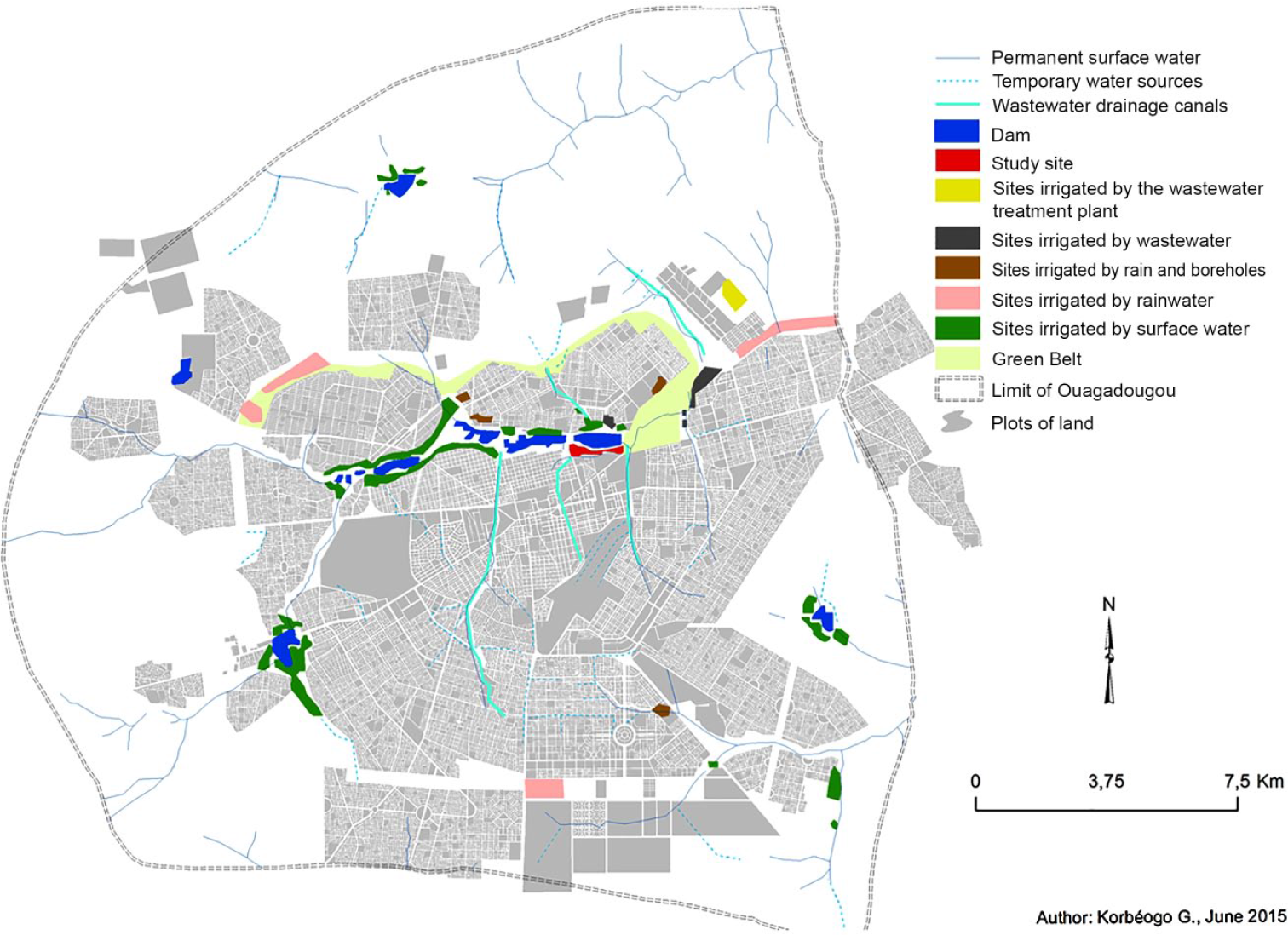
Water and agriculture sites in Ouagadougou, Burkina Faso
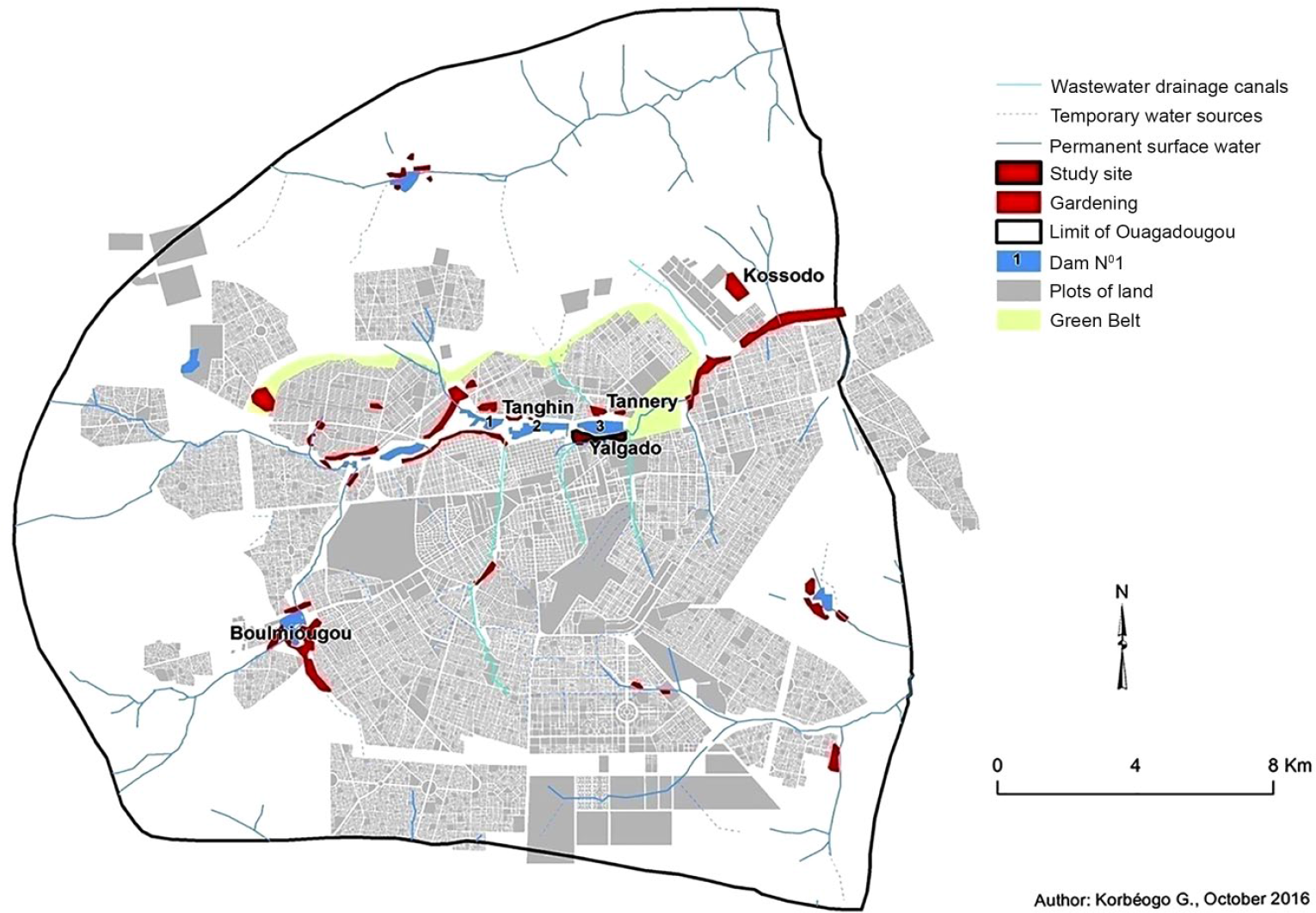
Main open-space farming sites in Ouagadougou, Burkina Faso
The main vegetables grown in Ouagadougou are lettuce, onions, tomatoes and potatoes (mainly cultivated by men), while women usually grow sorrel and amaranth. Men have better access to the means of production, so they can cultivate longer-term vegetables that require three months to ripen before they can recoup the costs of production and reinvest in a subsequent crop. In contrast, women have tiny plots and precarious use rights; they are pushed to multiply the harvests with short-term vegetables. Land tenure insecurity has further discouraged long-term agricultural investments.
Estimates of the numbers of Ouagadougou residents involved in UA vary widely, most likely because classifications vary from survey to survey. A 2009 survey carried out by the Commune of Ouagadougou listed 71 farming sites in 28 zones scattered over about 580 hectares, involving nearly 75,000 people or around 7 per cent of urban residents, mostly rural migrants with limited education.(19) Earlier research showed 36 per cent of Ouagadougou households involved in agriculture (production, transportation and marketing).(20)
Indeed, many Ouagadougou residents derive secondary or occasional incomes from agricultural products. For example, some rural migrants are hired in vegetable fields as daily or periodic labourers; and some young people (especially female street vendors) sell salad vegetables in markets, in front of their houses or near major roads, under public lighting, or with oil lamps.
UA’s development is related to urban expansion – with the corresponding rise in urban elites’ demand for fresh, nutrient-rich foods. Technological innovations also play a role, along with the broader national and international narratives and policies on nutrition and food security.(21) However, UA is still hampered by several constraints, including the inadequacy and poor control of irrigation techniques, limited access to inputs, and land insecurity induced by social competition, eviction threats, and official regulatory restrictions. As discussed below, these challenges are principally due to and reinforced by the absence of specific rules on UA in both previous and current land tenure systems.
c. Land and water rights
Despite its demographic and socioeconomic importance, agriculture is an overlooked activity in urban Burkina Faso. The Eighteenth Article of the Réorganisation Agraire et Foncière states that urban space should be devoted to housing, trade, industry, craft industry, public services and other forms of urban life.(22) However, even if UA is not legally recognized, it is tolerated by the national government and the Commune of Ouagadougou. This study revealed four types of land tenure regimes in Paspanga: periodic loan, illegal occupation of land belonging to the Commune of Ouagadougou, customary land ownership, and usufructuary rights without defined compensation.
Access to land was traditionally based on patron–client relationships, and was negotiated with the customary landowner through an intermediary official, known as a patron. When a farmer died, if he had a good relationship with his patron, his children could continue to use the borrowed plots, so the use rights were transferred from father to son. In Paspanga, the first patron, known as Mister Sam, was a bodyguard of the Baloum Naba, the site’s customary landowner. Because of Mister Sam’s loyalty, the use and monitoring rights of the farmland were delegated to him. Over two decades, through the mediations regarding land access, he successfully established himself as the only legitimate intermediary for handling requests and negotiations regarding the farmland, as well as setting the rules that the land borrowers must follow. After Mister Sam’s death, his son (Mister Ouédraogo) became the new patron, in charge of managing and allocating this land on behalf of the Baloum Naba.
Women are not allowed to access land without the patronage of their husbands or other male relatives, who can negotiate land use rights before transmitting them to their wives or sisters. This is one example of how access to urban farmland is ordered by local power structures such as kinship, gerontocracy, money, and gender inequality.(23) The following statements by respondents, one a patron and one a female farmer, describe the different processes of settlement and relationships between a customary landowner and land borrowers:
Most of the farmers who are here are not from our lineage. When my father gave land use rights to people, he didn’t ask something in return. But if someone was happy after his harvest and decided to give him presents he accepted them […] Land borrowers should not plant trees because if someone does it means one day he will claim land ownership. They must not also dig big holes in order to take the soil away from here; this could weaken land fertility. Furthermore, we do not want fighters among us because we are living here like family. (Mr Ouédraogo, June 2015) My father-in-law got the land use rights for gardening, then when he passed away his children, including my husband, inherited the use rights. Every year during harvest, each farmer contributes vegetables to thank Baloum Naba. Moreover, he celebrates annual rituals; when the period gets closer, our representative collects money and vegetables from each farmer for him. Apart from that, he never asked someone to pay. The old man [Ouédraogo’s father] also never told anyone to pay something. (Mrs Rosa, June 2015)
Usufructuary rights-holders are expected to maintain and renew their moral and social allegiance to the landowner, who assists the farmers both morally and materially during social ceremonies. Dealing together with shared concerns or contingent events has generated and legitimated patron–client connections, establishing a trust relationship that operates as a bridge between collective or conflicting interests. This implies engagement or moral investment(24) or legitimation of “generalized morality”(25) by all the cooperating actors and strategic groups.
With regard to water rights, a number of provisions are also enshrined in law. There is a distinct gap, however, between legal provisions and their enforcement. According to the country’s water management law,(26) water is a precious “common-pool resource” whose sustainable use is a national imperative. Article 27 stipulates the control of installations, works and activities that potentially threaten public health and safety, availability of water, or the quality and diversity of aquatic ecosystems.(27) However, official(28) and scientific reports(29) show that the use of pesticides and untreated wastewater in UA has caused the pollution of the dams; potential impacts on soils, groundwater and plants; and potential risks of waterborne diseases for vegetable consumers.
There is also the matter of cost. Article 48 authorizes payment of a “financial contribution” for water used for non-domestic purposes.(30) The law on water management does not precisely indicate the volume at which water is subject to the fees. However, a significant percentage of the Ouagalese farmers (41 per cent) use water from the dams(31) and a significant proportion of this dam water (60 per cent of Dams No 2 and 3) is used by farmers.(32) Presumably, farmers in Paspanga should be subject to these legal requirements, yet there is still a major gap in enforcement.
The expansion of UA in Ouagadougou was encouraged by population growth, the increasing demand for leafy vegetables, and the promotion of food security by national government and international development agencies (e.g. FAO). Nevertheless, UA has faced many constraints including the “legal vacuum” in the land tenure systems, access to land and water, and the need for hygiene and sanitation that complies with official norms. To deal with sustainable UA, strategic groups cooperate with one another or confront each other in order to define and apply best practices. In this arena, farmers are concerned by strategies to secure tenure and rights concerning land, water, and technologies, whilst the state’s representatives (officials or engineers) aim to uphold official rules on behalf of the public interest.
IV. Policing Water Hygiene: Roots and Legitimacy
The development of UA in Ouagadougou is linked to such technological innovations as water infrastructure with enhanced rainwater retention capabilities, and the processing and use of domestic and industrial wastewater. For instance, the construction of hydraulic infrastructure – including modern wells, boreholes, and the three dams built between 1950 and 1963 by the colonial and postcolonial state as well as international donors and NGOs – has increased the capacity of water conservation and strengthened UA in Ouagadougou. Similarly, public companies and NGOs have extended the potential volume of agricultural water in Ouagadougou.(33) Such interventions have also affected Paspanga (this study site), and these farmers have attended various meetings with agricultural technicians and partners.
Technological innovations have increased opportunities for vegetable production – spatially through diversification of farming sites and temporally through greater availability of water in the dry season. Nonetheless, the available wastewater is still insufficient for the needs of UA in Ouagadougou: “The annual quantity of wastewater produced in Ouagadougou represents only 4.2 per cent of the projected annual wastewater demand for urban agriculture”.(34) Wastewater used in this study site is provided by households, the Office National de l’Eau et de l’Assainissement (ONEA – the public water utility), the Société Nationale d’Electricité du Burkina (SONABEL – the National Electricity Company), and military barracks (Gendarmerie of Paspanga), situated around 100 metres from the site. This wastewater flows through a large canal and is stored in holes dug by farmers on their farms. Wastewater is mainly used during the hottest months (April–June) when well water is scarce and water from Dam No 3 is subject to competing uses (building, brickmaking, livestock rearing, fishing, etc.).
To improve water governance in a context of scarcity and competing or conflicting uses, a set of rules and organizations has been created. Under colonial and postcolonial regimes, many hydrological laws and cultural institutions were formed, although not all specifically affect UA. A study carried out by the Ministry of Environment and Water in 1997 listed more than 2,000 laws relating to water management in Burkina Faso. Of these, only the RAF of 1996 specifies the legal procedures for accessing water resources. To cope with this politico-legal uncertainty, the government of Burkina Faso adopted the Integrated Water Management Programme (PAGIRE) in May 2003, inspired by international water management law and standards. PAGIRE received financial and technical support from international partners (International Monetary Fund, World Bank, etc.), whose influence has grown in West Africa with structural adjustment programmes and decentralization. Many stakeholders are involved in this adaptive and participatory governance plan,(35) including ministries (mainly the Ministry of Environment, Ministry of Economy and Finance, and Ministry of Health), municipalities, customary chiefs, community-based groups or users’ associations, NGOs, and civil servants. Along with the decentralization process, Burkina Faso has implemented normative and organizational reforms of water supply and sanitation. As a result, corporatized utilities for water supply and sanitation have been created, particularly in urban zones like Ouagadougou.
PAGIRE aims to ensure conservation of and sustainable access to water resources by reconciling public interests and private or collective needs. Even though the water management law does not specify the rules for UA, statements have been made concerning private or non-domestic uses of water, as explained in Section III. Concerning UA, the main threats to public interests (public health, conservation and sustainable use of water resources) are water pollution by chemical inputs (e.g. pesticides), contamination of crops by pathogens from untreated wastewater, health problems for vegetable consumers, and misuse of water resources, which should primarily serve non-commercial needs, according to the national water laws (cited above). To enforce water rules as well as for punishing deviant users, a “water police” force was created in 2008.
The urban irrigation domain is a battlefield for competing stakes and actors (Figure 3): farmers struggling to access water; policymakers and urban planners empowered to produce rules, monitor their application, and apply sanctions; and international agencies that impose norms regarding water quality and its commodification. Before the implementation of the national law, the global norms defined by the World Health Organization (WHO) were supposed to regulate UA in Burkina Faso, but farmers largely ignored them.(36) Since 2005, the Code de l’hygiène publique,(37) which owed much to the norms of the WHO,(38) has been the legal framework governing public and private hygiene and sanitation, including the quality of irrigation water. The following prescriptions are relevant to UA:
“Wells shall be kept in a constant state of cleanliness. They shall be disinfected by the operators under the supervision of the competent authorities.” (Article 75) “It is forbidden to use industrial, hospital or commercial hazardous waste for any purpose without treatment.” (Article 108) “The use of chemical or natural fertilizers and pesticides may only be tolerated under the conditions laid down by the current regulations. Arrangements must be made to prevent runoff and percolation from reaching source water protection areas…The disposal of obsolete or unused pesticide stocks must be carried out in accordance with the current regulations.” (Article 116) “Spreading of domestic wastes on the soil surface is prohibited on all land where low-growing fruit and vegetables are grown and intended for raw consumption. The irrigation of vegetables and fruit by untreated waste or polluted water is prohibited.” (Article 117)
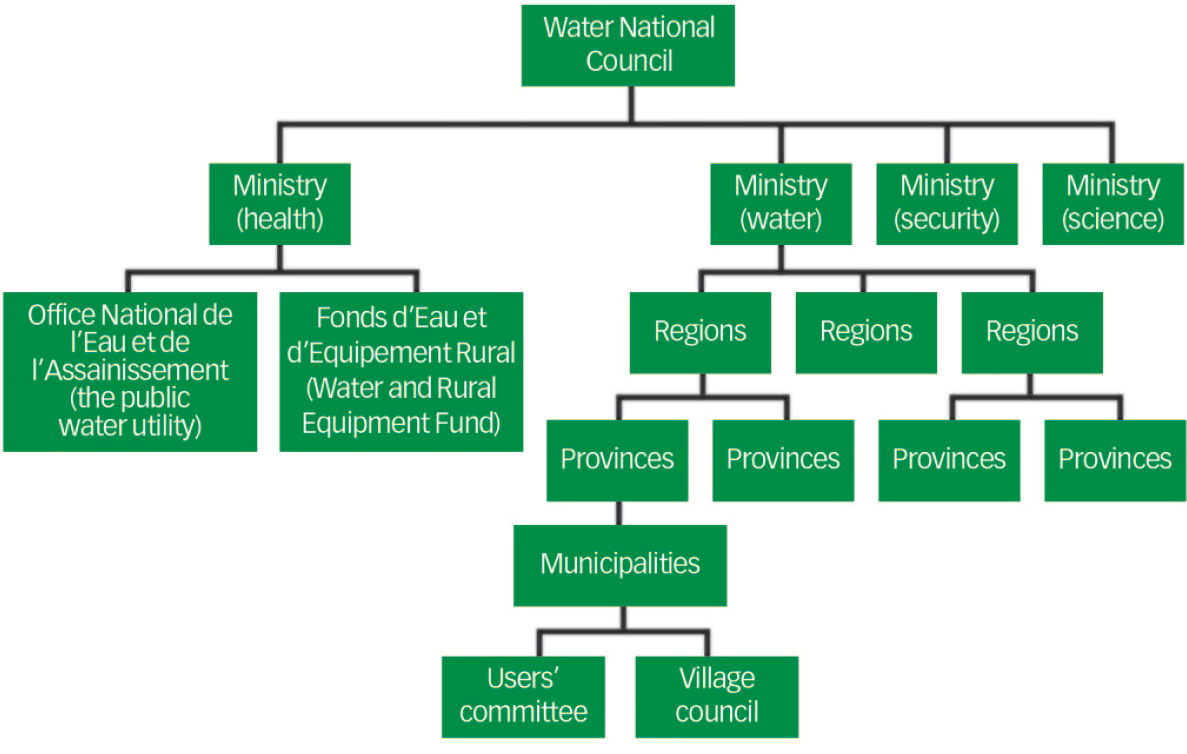
Institutional network and hierarchies of water governance
However, these institutional rules are mostly ignored and do not significantly shape the day-to-day practical realities around irrigation water use and control. Regarding the rules mentioned above, I observed the following conditions in this study site:
Wells are rarely disinfected under supervision of competent authorities (ONEA, agricultural extension agents, or the municipality).
Wastewater is used for irrigation without treatment because the technical processes are unaffordable and poorly understood, according to interviewed farmers.
Pesticides and other chemical inputs are used with insufficient protection for either farmers or for the surface water sources (Dam No 3, canal and wells).
Wastewater is used for irrigating low-growing vegetables (lettuce, onions, tomatoes).
Some farmers declared their ignorance of legal rules, whilst others referred to “poverty” to explain the violation of institutional rules.
According to Wittfogel,(39) large-scale irrigation requires centralized and despotic institutions to control and provide water to multiple users. In this sense, irrigated agriculture could be viewed as an institutional and political machine within society. To view it thus is to highlight how water rules (access and sanitation standards) are defined and perceived by policymakers and the institutions tasked with implementing policies. Two civil servants described the following environmental hazards and socio-political challenges associated with Ouagadougou’s UA:
“Vegetables are produced in dangerous conditions, especially because of water quality and pesticides. SONABEL discharges wastewater [Photo 1] with liquid and solid hydrocarbons that flows in the farmland, this water is unfortunately used by vegetable producers. The water used for vegetable production is not in conformity with legal norms. Normally this problem should concern the municipality and the Ministry of Environment. Our health is seriously in danger. But it is not just a technical matter, the farmers are potential voters, then it is also a political stake.” (Biochemist at ONEA, June 2015) “Sometime you can see female farmers put the chemicals into buckets and use brushes to spray lettuce or other vegetables. These chemicals are drained by rains in the dam. Then, farmers use unsafe water for vegetables. But if we try to advise them, they do not always accept. To reduce the risks, the FAO funded the digging of wells, but some farmers continue to use the canal water. They need more and more training and sensitization.” (Agricultural extension agent, June 2015)
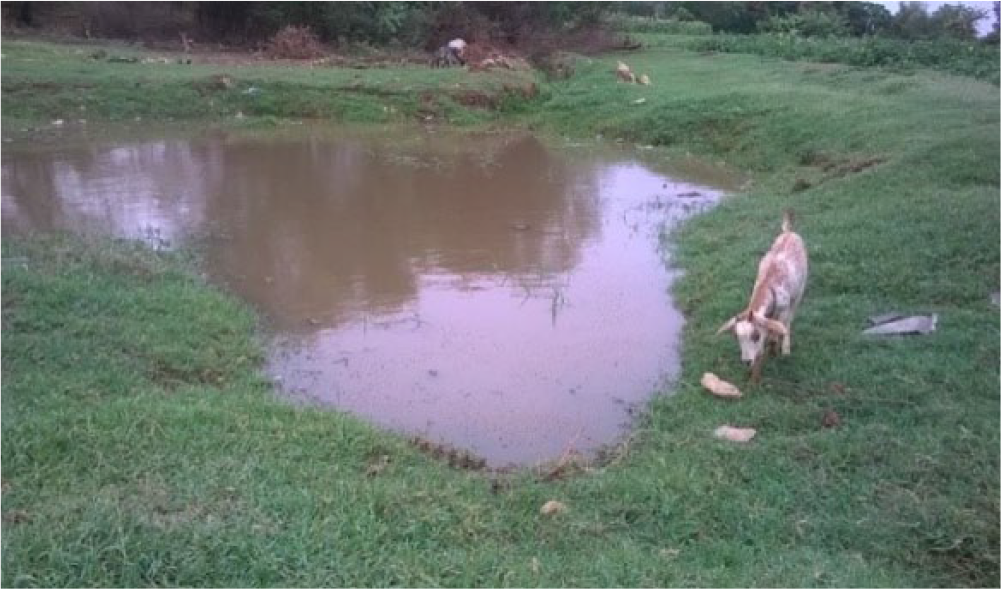
Wastewater from SONABEL in the middle of the study site
The experts focused on diseases and health risks relating to polluted irrigation water. Two main concerns supported their framing of the problem: threats to water and threats to human health. An official meeting bringing together a range of official stakeholders as well as farmers revealed that the water in the three dams is degraded up to 7 per cent, more than the legally accepted limit. This water degradation is due to the farmers’ use of fertilizers and pesticides, evacuation of wastewater and lubricants, discharge of domestic waste, and the proliferation of water hyacinth.(40)
In Paspanga, farmers have dug a large pit to store wastewater from ONEA, SONABEL (Photo 1) and the military barracks (Gendarmerie of Paspanga). This untreated wastewater is used for irrigating vegetables. To address the problem, on the one hand, experts interviewed for the study have formulated public actions and a socio-technical agenda, which not only entails training, sensitization, and field-monitoring sessions by experts (civil servants), but also is rooted in the organizational network through which the experts interact with farmers on an ongoing basis around hygiene issues. One of these civil servants proposed that I assist him in creating an association to train and sensitize urban farmers on sanitation and health risks. The state, he felt, did not offer the means for his office to achieve its tasks, and he felt an association could be an alternative solution.
In contrast with these official stakeholders, farmers described their frustration with official criteria and rejected the notion that they were using unsafe practices. In the words of Mr Ouédraogo, the customary landowner’s representative, and also the president of the farmers’ association (Reel Taaba):
“Regarding waste water from the hospital, this is a false problem to harm us. The water flows in one direction; wastewater from the hospital does not come here. We do not know the technical criteria for assessing the quality of the water. We cannot be sure if their [experts’] method is reliable or not. Denouncing the water quality could be a good deal for them; it may mobilize public attention and resources or benefits. It is sure that if the water was not good, we would have been concerned by health issues and customers’ complaints. We are morally conscious, so we cannot use unsafe water to grow vegetables. Anyway, we are also consumers [laughs]. We are doing our best to live and to contribute to the development of our country.” (June 2015)
The farmers’ actions were represented by the association Reel Taaba, meaning “to lean against each other” or “solidarity” in the Moose language. Created in 1998 to promote farmers’ interests in Paspanga, the association was officially recognized in 2002, when it had 30 male members. Exclusively reserved for male farmers at the beginning, the association was subsequently opened to female farmers when their numbers increased. It currently has around 120 members, all from Paspanga. Mr Ouédraogo, who is a farmer himself, was elected in 2013 as president of Reel Taaba. The farmers – without denying water safety issues – question the reliability and the trustworthiness of ONEA experts’ technical processes to analyse the wastewater quality. While civil servants refer to the formal pathways prescribed by official rules, some surveyed farmers – even those suspecting that irrigation water might be contaminated – rely on God for protection from health hazards. Furthermore, their low cultural capital (due to illiteracy or limited schooling), fragile social integration, and limited assets may help explain why farmers are less concerned with legal rules. The following quotes illustrate the perceptions of safety regarding Ouagadougou’s produce and how these views starkly differ among farmers, customers, and municipal officials:
“Sometimes our clients can complain after buying the vegetables; they complain when the pests perforate the vegetables’ leaves. You know, Ouagalese like very clean products, mainly vegetables. So, we are obliged to use much pesticide against the larvae. This morning I bought insecticides for 500,000 CFA francs [760 euros]. God protects us!” (Nik, farmer, June 2015) “During the hot periods, it is difficult to find any clean cabbages in the old farming sites [like this study site]. If a technician goes to the market at this moment he will buy cabbages that are much attacked, very ugly, I will jump on it. I chose this because I know that they have been less touched by the pesticides or chemicals. This means less clean the leaves are, safer they are. Once I paid for cabbages like that but my wife wanted to complain, so I told her why I chose them. But she cannot understand.” (Technician at the municipal hygiene service, June 2015)
The two quotations show how city-dwellers’ perceptions of safety in UA are socially and culturally embedded. When the experts prioritized the health risks over the vegetables’ appearance, farmers and some of their customers were concerned with the external (visible) appearance (of vegetables’ leaves) as a marker of vegetable quality. So the perceptions about safety have led to the development of conflicting and complementary norms, stemming from different institutions, associated with formal, state, cultural and moral systems.
Because of the contradiction in the values and objectives considered relevant by individuals and different strategic groups, conflicts and violence can arise in UA, mainly in the context of scarce water resources. The meanings and uses of natural resources reflect the interrelations between urban residents. The definition of irrigation water quality – rather than being simply a matter of quantification of biological properties of water based on codified and impersonal schemes – reflects a complex social process. The regulatory system of UA does not only make use of objective measures; there are also key subjective values (such as farmers’ religious beliefs), as well as the state’s tolerance of farmers’ use of potentially contaminated water, for both political and cultural reasons.
V. Conflicts Over Land and Water
With different actors and strategic groups interacting at different scales, Ouagalese UA is an arena of battle and conflict over scarce resources. “Conflict over land or water” refers to disagreements, discursive or physical confrontations between actors concerning the processes and norms around land or water use and control. I will distinguish different types for analytical purposes – that is, conflicts between farmers, and conflicts between farmers and the state.
Water conflicts between farmers occur especially around the scheduled distribution of water. For instance, some farmers come early in the morning to water their fields before the arrival of those who are supposed to access water at that time. The individual farmer’s rejection of collective norms on compliance (when the behaviour does not fit into the shared moral standard) generates conflict that the farmers’ organization has to manage.
“Before the implantation of modern wells by the FAO, there were many water conflicts between farmers. During the warm months, April to June, some farmers stayed in their fields during the whole night or came too early in morning in order to steal water from other farmers; they did not want to respect the water distribution programme decided by the group. If you want to prove that you are more clever, conflicts could arise. Sometimes people wanted to fight with knives. Then, the association has to manage the conflicts. But since we had these wells, there are fewer conflicts.” (Tonde, general secretary of the farmers’ association, Teel Taaba)
Through technical training and digging wells, the FAO has supported UA in Ouagadougou. In 2010, just after the great floods, they funded the installation of around 20 wells on the farmland of Paspanga. This improvement of water infrastructure, according to this study’s informants, helped reduce water conflicts between the farmers.
Conflict between farmers and the state, through state institutions like the Office National de l’Eau et de l’Assainissement (ONEA) in 2011, involved the use of both land and water. Following ONEA’s attempt to build water infrastructure in Paspanga, conflict erupted among the farmers, ONEA and the Commune of Ouagadougou. The farmers resented the disturbance of their activities by the site visits and topographic surveys that ONEA instigated without informing them. Subsequently, the farmers learned that ONEA wanted to invest in their farmland, with the agreement of the mayor. The officials stated that the land belonged to the state, but the farmers argued that the traditional chief still protected their land use rights.
The conflict has led to a large mobilization and a large protest movement of at least 300 farmers, vegetable and flower growers directly concerned by the land issue, who categorically refuse to be moved to a new site in the peri-urban zone. After long bargaining, a new site was proposed in Kossodo. The officials (the mayor and the state representatives) promised to provide farmers with materials and treated industrial wastewater for irrigation. But after internal debates in their association, site visits, and tests of treated water quality, farmers have refused to move to the new site. Their experiments indicated that the industrial wastewater is unsuitable for agricultural use because it corrodes the vegetables’ leaves. Farmers engaged in collective actions (meetings and protests) in order to guarantee their continued use rights to the land and water in Paspanga. This proposed displacement has mobilized farmers beyond the association; some non-members who were interviewed also considered it a “vital issue” or “life issue” that deserved their “spontaneous mobilization and commitment”. The mobilization and the direction of the movement went beyond the efforts of the association Reel Taaba, whose leaders were part of the negotiation committee that carried out the meetings and negotiations between farmers and other stakeholders (the municipality and ONEA). This conflict was featured in a national newspaper:
“The anger is growing among the urban farmers established around the dam no. 3. Some people reported that the ONEA and the municipality have signed an agreement of 5 billion CFA francs with European partners for the treatment of the wastewater of the new farming site. Until now nothing has been done but these institutions require their relocation to the new site. Those who went to the new site returned because the wastewater has not been well-processed and burned their plants.”(41)
The farmers ultimately never moved from Paspanga, and the surveyed technicians unanimously agreed that the water from the proposed site was unsuitable for agriculture. Then the farmers requested support from their land patron to remain on the Paspanga site. The chief initiated a meeting with ONEA to assert that he was the real landowner. This conflict has had some benefits for the chief and the farmers, and immediate negative outcomes for the state representatives. After these negotiations, farmers were allowed to keep the use rights to their farmland. The traditional chief, who is the customary owner of common property rights, used the conflict to renew and reaffirm his rights over the disputed land. According to respondents, the key political role played by traditional Moose chiefs in Ouagadougou explains the silencing of the mainstream political actors. Meanwhile, by supporting this project, the municipality aimed to purchase some of the land to initiate its own economic development projects. It was also an opportunity for the commune to sanitize and police the inner city by relocating agriculture, often seen as a hygiene nuisance by some citizens. ONEA was mainly concerned with the pollution of the dam water by gardening inputs (chemicals, pesticides, etc.), but also by the uncontrolled water use by farmers around Dam No 3.
Farmers were allowed to keep using the land, and they agreed verbally during the meetings to reduce their use of pesticides and chemicals. In the process of resolving these conflicts, the farmers’ association, Reel Taaba, took the lead role in representing the interests of its members, and served as the institutional interface between the insiders (farmers) and outside institutions. The positive outcomes made Reel Taaba a more legitimate player in this farming landscape. Despite the high membership fees, being an association member has its benefits, reducing the costs of face-to-face personal transactions in times of conflicts. Many non-members are free riders, profiting from the outcomes of the mobilization without paying the high fees.
UA in Ouagadougou is thus an arena of hydropolitics.(42) In the processes of negotiation of access to land, water resources, inputs and technology, local individuals and strategic groups use cooperative or conflicting resources. In these institutional or informal arrangements, the opponents often use competing resources as narratives or discourses, social capital, or economic capital. There is the potential for conflict and violence over water to emerge if the local or supra-local institutions fail to manage the “shared water” in ways that ensure sustained buy-in from all stakeholders.
VI. Conclusions
The scope of this paper was to analyse how UA is framed and how different parties perceive and negotiate access to or control of land and water as well as the quality of water, on the one hand, and how they refer to different institutions to solve these resource-based conflicts, on the other hand. Both water and land are scarce, disputed resources in Ouagadougou’s UA. This vulnerability is amplified by the fact that most of the interviewed farmers work under a usufructuary rights regime and therefore are discouraged from making long-term investments. Because of land scarcity and insecure use rights, farmers promote vegetable productivity by increasing the volume of irrigation water and pesticides. The current use of new technologies (pesticides and chemical inputs) – rather than organic manure – is linked to the demand for fresh vegetables with green and non-perforated leaves, which are aesthetically attractive for urban consumers. In fact, according to the experts, such leafy vegetables are potentially contaminated by chemical inputs and may cause foodborne illnesses. This issue of water and vegetable hygiene is subject to controversy, negotiation and conflict among the state representatives, experts and “incriminated” farmers. There is a rising discourse on the “vital” objective of consumers’ heath, based as much on a biological thesis as on a socio-political one. In reaction to this, interviewed farmers are trying to conform (or not) to the hygiene norms established at national level, and to global standards.
Farmers are most concerned with sustaining their traditional norms, whereas the state focuses on the hygiene-focused code of water quality. Social bargaining at different scales seeks to reconcile the interests of individuals and strategic groups. If negotiations fail on the institutional landscape, water conflicts emerge. To resolve the conflicts, people refer to different institutions and may mobilize through official organizations, civil society groups like the farmers’ association, and traditional bodies, depending on their social, cultural and economic capital. Different institutions and bodies use contrasting norms that influence water use in Ouagadougou’s UA. These processes highlight the embeddedness of UA in land and water access, the development of discourses around water safety, and the conflicts that occur over access. Diverse actors draw on different governance institutions to justify their claims to legitimacy, and those institutions may include formal, legal, moral and traditional bodies. Urban agriculture is thus deeply embedded in politics, economy and culture. In this sense, the characteristics and evolution of UA are markers of social dynamics and changes in urban Burkina Faso.
Footnotes
Acknowledgements
This work was carried out as part of the UrbanFoodPlus Project, funded by the German Federal Ministry for Education and Research (BMBF) under the initiative GlobE – Research for the Global Food Supply, grant number 031A242-C. I wish to thank Karim Ouédraogo, who assisted with data collection, Dr Imogen Bellwood-Howard, Prof. Dr Nikolaus Schareika and the two anonymous reviewers of the Journal for their useful comments.
1.
International Monetary Fund (2012), Strategy for Accelerated Growth and Sustainable Development 2011-2015, Country Report No 12/123, available at  .
.
2.
Dreschel, P, U Blumenthal and B Keraita (2002), “Balancing health and livelihoods adjusting wastewater irrigation guidelines for resource-poor countries”, RUAF Magazine No 8, pages 7–9; also FAO (2009), Food for the Cities, Food and Agriculture Organization, available at ftp://ftp.fao.org/docrep/fao/012/ak824e/ak824e00.pdf; and Ouédraogo, B (2002a),”Perceptions of Ouagadougou Market Gardeners on Water, Health and Hygiene, and Disease”, UA-Magazine No 8, pages 24–25.
4.
Wolf, A (2007), “Shared Water: Conflicts and Cooperation, Annual Review of Environment and Resources Vol 32, pages 241–269.
5.
Edwards, M (2009), Civil Society, Polity, Cambridge/Malden, page 69.
6.
Bellwood-Howard, I, V Häring, H Karg, R Roessler, J Schlesinger and M Shakya (2015), “Characteristics of urban and peri-urban agriculture in West Africa: results of an exploratory survey conducted in Tamale (Ghana) and Ouagadougou (Burkina Faso)”, International Water Management Institute Working Paper 163.
7.
See reference 6, pages 6–7.
8.
Tinguiri, M (2010) Brief history of Ouagadougou, Le Centre des Ressources Urbaines du Burkina Faso, available at http://www.burkinaurbanresourcecenter.net/history-of-ouagadougou.html; also Skinner, E P (1974), African Urban Life, Princeton University Press, Princeton.
9.
Lentz, C (2006), “Land and politics of belonging in West Africa: An introduction”, in R Kuba and C Lentz (editors), Land and Politics of Belonging in West Africa, pages 1–34, Brill, Leiden/Boston.
10.
Coquery-Vidrovitch, C (1993), Histoire des villes d’Afrique noire : des origines à la colonisation, Albin Michel, Paris; also Dupuis, B et al. (2010), « La mondialisation des formes urbaines à Ouagadougou », Third part, available at .
11.
Dim Delobsom, A A (1932), L’Empire du Mogho Naba : Coutumes des Mossi de la Haute-Volta. Domat-Montchrestien, F. Loviton et Cie, Paris.
12.
Ouédraogo, B (2002b), « Avantages sociaux et économiques du recyclage des eaux usées dans l’agriculture urbaine dans des villes ouest-africaines », in CREPA and ETC-RUAF (editors), Visite d’étude et atelier international sur la réutilisation des eaux usées en agriculture urbaine: un défi pour les municipalités en Afrique de l’Ouest et du Centre, Ouagadougou, 3–8 June, pages 25–45.
13.
Kêdowidé Mevo Guezo, C G (2011), « SIG et analyse multicritère pour l’aide à la décision en agriculture urbaine dans les pays en développement, cas de Ouagadougou au Burkina Faso », Doctoral thesis, Université Paris 8, Vincennes–Saint-Denis.
14.
See reference 12; also Drescher, A W (2002), “Food for the cities: Urban agriculture in developing countries”, in International Conference on Urban Horticulture 643, pages 227–231.
15.
In the larger regional study, Bellwood-Howard et al. discovered among a total of 269 farmers in Ouagadougou and Tamale, randomly sampled, 39.3 per cent open-space farms, 22.5 per cent isolated farms (located in the urban interstitial spaces), and 38.1 per cent peri-urban farms (in the surrounding villages). See reference 6, pages 2–4. Open-space farming refers to the practice of agriculture on open space reserves – unused community and public lands – within an urban setting.
16.
See reference 13.
17.
18.
See reference 6.
20.
Arku, G, P Mkandawire, N Aguda and V Kuuire (2012), Africa’s Quest For Food Security: What is the Role of Urban Agriculture?, Occasional Paper 19, The African Capacity Building Foundation, Harare.
21.
See reference 20.
23.
Korbéogo, G (2016), « La culture florale à Ouagadougou (Burkina Faso): Les fleurs comme marqueurs d’identités et de mutations urbaines », Anthropologie et Societés, Vol 40, No 2, pages 227–248.
24.
Luhmann, N (2000), “Familiarity, Confidence, Trust: Problems and Alternatives”, in D Gambetta (editor), Trust: Making and Breaking Cooperative Relations, Chapter 6, University of Oxford.
25.
Granovetter, M (1985), “Economic action and social structure: The problem of embeddedness”, American Journal of Sociology Vol 91, No 3, pages 481–510.
26.
27.
See reference 26, page 9.
28.
30.
See reference 26, page 12.
31.
See reference 13.
32.
See reference 28.
33.
Wéthé, J, M Kientga, D Koné and N Kuéla (2002), « Etude de cas Burkina Faso : Profile de recyclage des eaux usées dans l’agriculture urbaine à Ouagadougou », in CREPA and ETC-RUAF (editors), Visite d’étude et atelier international sur la réutilisation des eaux usées en agriculture urbaine: un défi pour les municipalités en Afrique de l’Ouest et du Centre, Ouagadougou, Burkina Faso, 3–8 June, pages 95–109; also personal data.
34.
Cissé, O, N F D Gueye and M Sy (2005), “Institutional and legal aspects of urban agriculture in French-speaking West Africa: from marginalization to legitimization”, Environment and Urbanization Vol 17, No 2, pages 143–154, page 145.
35.
Morinville, C and L M Harris (2014), “Participation, politics, and panaceas: exploring the possibilities and limits of participatory urban water governance in Accra, Ghana”, Ecology and Society Vol 19, No 3, page 36.
36.
Bagré, A S (2002), « Aspects réglementaires, institutionnels et financiers de l’utilisation des eaux usées en agriculture urbaine en Afrique de l’Ouest », in CREPA and ETC-RUAF (editors), Visite d’étude et atelier international sur la réutilisation des eaux usées en agriculture urbaine: un défi pour les municipalités en Afrique de l’Ouest et du Centre, Ouagadougou, 3–8 June, pages 46–58.
38.
See reference 36.
39.
Wittfogel, K A (1955), “Developmental Aspects of Hydraulic Societies”, in J H Steward (editor), Irrigation Civilizations: A Comparative Study, Pan American Union, Washington, DC, pages 43–52.
40.
See reference 28.
41.
Le Pays (2008), “Jardinage aux abords du barrage: Une activité lucrative menacé”, 23 July.
42.
See reference 4.