




Abstract
This study examines a closed-loop sanitation system (CLSS) in the ger areas (informal peri-urban settlements) of Ulaanbaatar, Mongolia in order to evaluate system feasibility and to identify the future prospects of CLSS as an alternative to conventional sanitation and drainage options. Results show that the CLSS concept is well understood and accepted by users and that services are being scaled up. Over 50 per cent of respondents used CLSS technologies during both winter and summer, testifying to the potential for scaling up these technologies and services. Moreover, all users responded positively in their evaluation of the emptying services. Despite some problems and challenges, the system proved to be feasible, replicable and acceptable in the study area. It is recommended that the entire CLSS approach be tested through scientific validation to convince more communities, government and other stakeholders about scaling up the system beyond the study area for better health, environmental conservation and resource recovery.
Keywords
I. Introduction: The Closed-Loop Sanitation System
This paper reports on a study exploring the use of a closed-loop sanitation system (CLSS) in an area of Mongolia, in order to evaluate the feasibility of the system in this context and to identify the prospects for its wider use as an alternative to conventional sanitation and drainage systems.
A CLSS (Figure 1), also called ecological sanitation (ecosan), is defined as a circular as opposed to a linear system, that treats all sanitation products as resources rather than wastes, while ensuring protection of public health and the environment.(1) This resource recovery and reuse-oriented sanitation system considers both human faeces and urine as potential sources of nutrients, which are returned to the soil instead of being discharged as wastes to water bodies, deep pits or open spaces. Central components of the human waste disposal process include emptying, collection, transportation, storage, treatment (e.g. composting) and utilization, as illustrated in Figure 1. Dagerskog and Bonzi have described the system as productive sanitation, whereby human urine and faeces are sanitized and converted into fertilizers for local nutrient management, addressing food security and improving health.(2) Other benefits include reduction of greenhouse gases, reduction of water contaminants, reduction of health and environmental risks, increase of employment opportunities, and greater sustainability.(3)
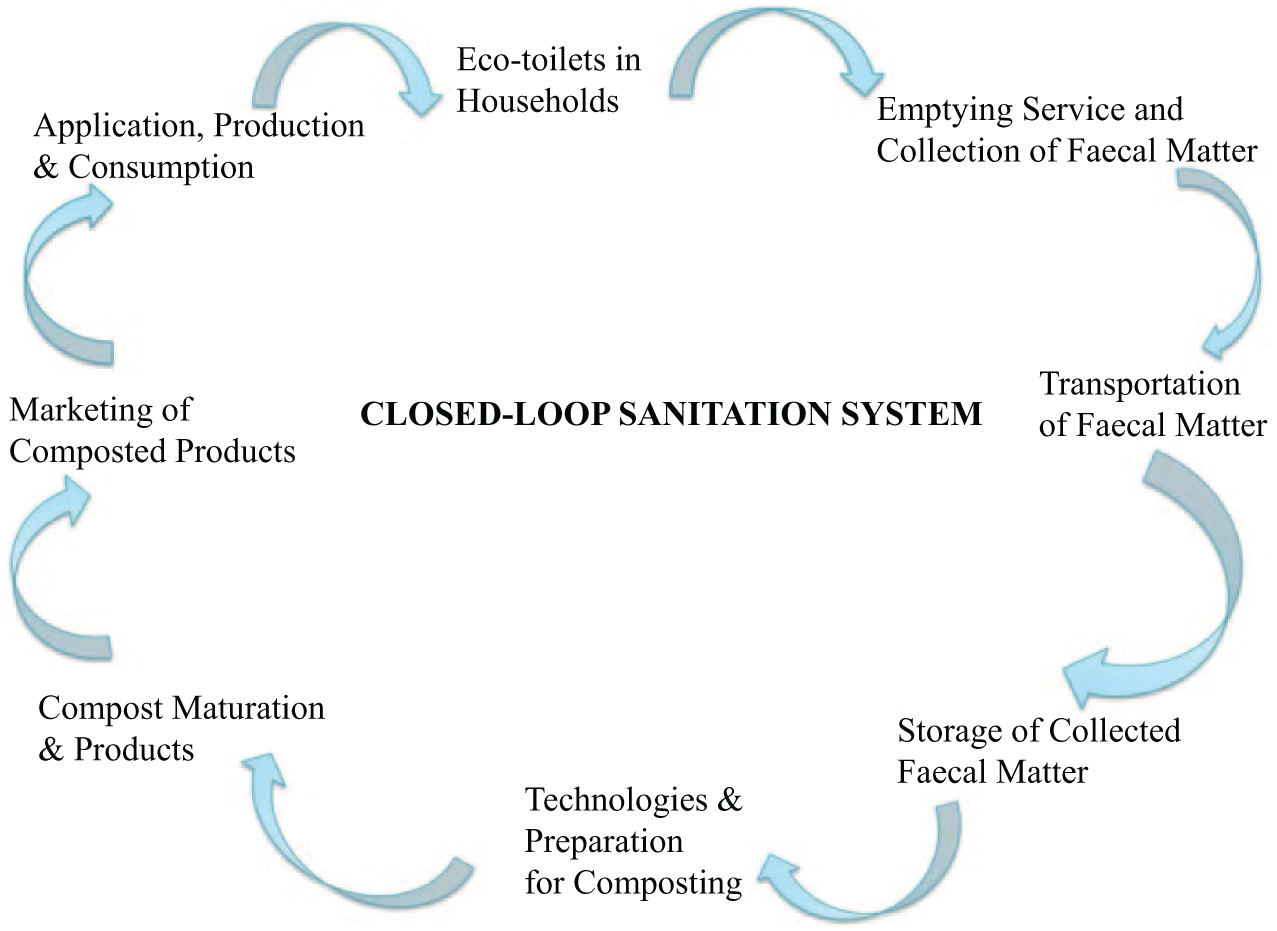
Steps of a closed-loop sanitation system
The system has been implemented in many countries and regions of the world, in different climatic, geological, socioeconomic and sociocultural contexts. Many projects have been successful while others have faced numerous challenges.(4) There have been accounts of social acceptance and effective scaling up of CLSS in tropical countries (for instance, in parts of Kenya and Bangladesh(5)) as well as in the cold climate of Sweden.(6) However, CLSS was not compatible with the sociocultural preferences of rural residents in Pakistan,(7) nor did it work out in apartments in China, where residents were averse to the technical challenges.(8) This study of CLSS implementation in Mongolia’s cold climate is an important addition to the existing literature.
II. The Sanitation Situation in Mongolia
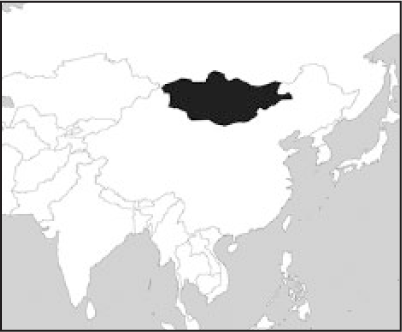
Ulaanbaatar, the capital of landlocked Mongolia, faces a range of environmental problems.(9) Recent studies show for instance that the city faces considerable pollution in its soils and water bodies(10) and that, particularly in the surrounding peri-urban ger area (unplanned, informal settlements), there are a number of challenges in the water, sanitation and hygiene (WASH) sector and in the health sector.(11)
Uddin and colleagues have identified several threats to a safe water supply and sustainable sanitation in the ger area, including approximately 80,000 unhygienic pit latrines,(12) a high prevalence of waterborne diseases and rapid urbanization.(13) E. coli has been reported in household drinking water, with higher levels in the summer than winter, which might be due to pathogenic contamination and cross-contamination in the unsafe water collection, transportation and storage system and the unimproved sanitation technologies in the area.(14) Pit latrines are emptied occasionally by conventional vacuum trucks in the ger areas during the summer; however, during the winter, when the temperature goes below 10o C, vacuum trucks cannot be used(15) and alternative solutions need to be explored. Rather than using vacuum trucks, however, most households simply dig a new pit when the existing pit is filled.(16) This will become a challenge in the near future due to the rapid migration of people into the area and also the rocky soil conditions. Household greywater has been routinely disposed of in the pit latrines, soak pits (soakaways) or yards, which also has potential health and environmental hazards and risks due to the high concentration of chemicals (e.g. NH4+, NO3-) and pathogens (E. coli).(17) Most people in the ger area are very interested in appropriate emptying services in order to eliminate the problems related to digging pits and disposing of faecal matter.(18)
III. ACF CLSS Initiatives in Mongolia
Ulaanbaatar has seen very few systematic research projects conducted in relation to WASH, and none related to the potential for achieving sanitation improvements utilizing all steps of CLSS suggested in Figure 1. In 2006, GTZ, the German international aid agency, constructed 40 eco-toilets in the ger areas of Ulaanbaatar. However, the implementation of the system did not focus on the entire CLSS process, but only on the toilet component. A rapid appraisal in 2008 concluded that in the majority of cases, the system was not accepted by Mongolian users due to technical problems, limited and infrequent collection, and high construction costs.(19) As a result, the project was discontinued. In its 2008 report, GTZ used the term ecosan to refer to the urine-diverting dry toilets (UDDTs) it had installed. In fact, ecosan is much more than a certain type of toilet. The term refers to any form of recycling of any wastewater products, including compost produced from faeces or urine stored and sanitized and subsequently used as liquid fertilizer.
To focus on the absence of research on interventions using all the CLSS steps, and to find sustainable solutions for health, environment and sanitary improvement in peri-urban ger areas of Ulaanbaatar, Action Contre La Faim (ACF) Mongolia drew from the lessons of the GTZ project and initiated a programme using the full CLSS process, funded by ACF International. This international non-governmental organization, with the collaboration of the University of Science and Technology Beijing (USTB), has focused in Mongolia on preventing acute malnutrition and environmental diseases, through ongoing research and development programmes.
This CLSS programme was initiated in 2009 at a small scale (120 toilets and the related support) to test the feasibility of the components in one of the ger areas’ administrative regions, called Songinokhairkhan District. In this district people have migrated from rural areas and live, for the most part, in traditional yurts (felt tents with a wooden substructure). All initial financial support for the CLSS services, including toilet installations, emptying services, collection and transportation, storage and treatment, was provided by ACF International in order to test the technical feasibility, social acceptability and future replicability of the system. This pilot was also intended to develop the capacity of local partners for handing over the project in the future. This study was carried out in the peri-urban ger areas of Ulaanbaatar in 2012 and 2013 to assess the system feasibility and to identify the prospects for scaling up CLSS at the household or community level in the future.
At present ACF Mongolia implements and maintains the system and its staff are responsible for operating it. However, the private company MonESIK, a local partner of ACF Mongolia, will be taking over the future operation and maintenance of the whole system. This company will also work with the local companies that make the CLSS toilets and will advocate with the government for future scaling up of the system in both the ger areas and other parts of the country. The research has revealed a demand for CLSS toilets in the ger areas, and potential to create a market for this system.
IV. Research Design and Methods
The study was carried out as an ongoing operational research project (2011–2015) entitled “Sustainable Sanitation for Vulnerable Peri-urban Population”, jointly executed by USTB and ACF Mongolia, and funded by ACF International France.(20)
The evaluation was carried out through observation of all technical CLSS components and steps (CLSS toilets, emptying services, collection–transportation–storage system, treatment facilities and application of the products), using 10 transect walks in the study area; 72 out of 120 eco-toilets built by ACF were investigated and observed in order to assess technological benefits and shortcomings and the status of maintenance and operation. All the CLSS toilets had been installed outside the ger houses but inside the compounds where houses were located. Toilets are kept separate from houses for sociocultural reasons. Most pit latrines in the ger areas are also separate from the house for this reason.
The emptying of service systems and activities was observed and the emptying service staff were interviewed as key informants to identify the problems encountered during the rollout of the services, seasonal suitability and frequency of emptying cycles during a one-year period. Collection, transportation, storage and treatment systems of faecal matter were monitored to evaluate the processes and to address any challenges and opportunities for future improvements.
A structured questionnaire was administered among the users of CLSS technologies and services using a cluster random sampling method since households were scattered throughout ACF Mongolia’s intervention area. 72 households (out of 120 CLSS toilet users) were interviewed. The ACF and World Health Organization (WHO) cluster sampling standard and methodology were followed, in which a 10 per cent margin of error is targeted. SPSS software was used to analyse the data collected through the structured questionnaire-based survey. In addition, a focus group discussion (FGD) was undertaken during the ACF WASH Forum on 26–27 September 2013 with government officials and representatives of private companies and non-governmental organizations to determine the acceptability of CLSS in their minds and the likelihood that it would be scaled up. An additional policy dialogue among these stakeholders was organized at the same forum to discuss the faecal compost applicability, policy formulation and future opportunities. The summary and key outcomes of these discussions were analysed.
Finally, a social marketing study on organic compost utilizers was carried out by ACF in 2010 with a range of potential customers including silvicultural specialists, gardeners, land reclaimers, retailers, agricultural companies and NGOs, drawn from 54 establishments listed in the Business Register of the Agriculture Department & Forestry Division of Mongolia. The aim was to assess the existing market for organic compost and to determine how marketable faecal compost would be in Mongolia.
V. Research Results
a. Problems and actions by ACF
FGDs with the stakeholders, including ACF internal officers, revealed a range of pre-existing problems when the project began, which ACF aimed to solve gradually. The sanitary problems in the study area included, for instance, very poorly sealed and ventilated pit latrines, bad odour, rocky ground and a high water table, difficulty in digging pits, an extremely cold climate in winter, limited space to create new pit latrines, complaints from neighbours, waterborne diseases, pit latrines that filled with rain water, and a waste of resources. ACF started to test various technological (hardware) and non-technological (software) options to reduce the risks and hazards related to local sanitation problems in holistic or integrated ways. The initial aims of the programmes were to improve the pit latrines through different interventions, community activities and school sanitation programmes; develop toilets that could be emptied such as ventilated improved pit latrines (VIPs) or raised toilets (due to the high water table); and introduce other components of CLSS, including resource reuse and nutrient recycling, treatment of faecal matter through composting, and other potential actions towards resource recovery and better human and environmental health.
b. CLSS technologies: toilets
The construction of CLSS toilets around the ger areas was part of the ACF WASH programmes. Several toilet models have been constructed and piloted by ACF since 2009, including raised and non-raised UDDTs; bucket dry toilets; single- and double-vault solar toilets, and Zip-Zap toilets (described below).(21) Three VIP toilets were also installed to test. These are not properly CLSS toilets, but are an improvement over the traditional pit latrines.
The CLSS concept of human wastes (faeces and urine) as resources to be conserved and recycled to increase soil fertility and water-holding capacity rather than as wastes to be discarded was fully accepted. People easily understood the reuse and recycling concept as a result of the awareness programmes and other activities in the intervention areas. In addition, faecal matter was collected from the toilets frequently and households experienced no bad odour or flies. Digging pits for pit latrines is a difficult task due to the specific hydromorphic characteristics of the mountainous terrain of the study area; this also encouraged the choice of CLSS toilet models, most of which do not require a pit. This was the major driver towards the acceptance of CLSS toilets by the ger residents. The Zip-Zap toilet (which can be moved during the emptying services) in particular needs only a shallow cavity to set the container in (Figures 2A, 2B, 2C and 2D).
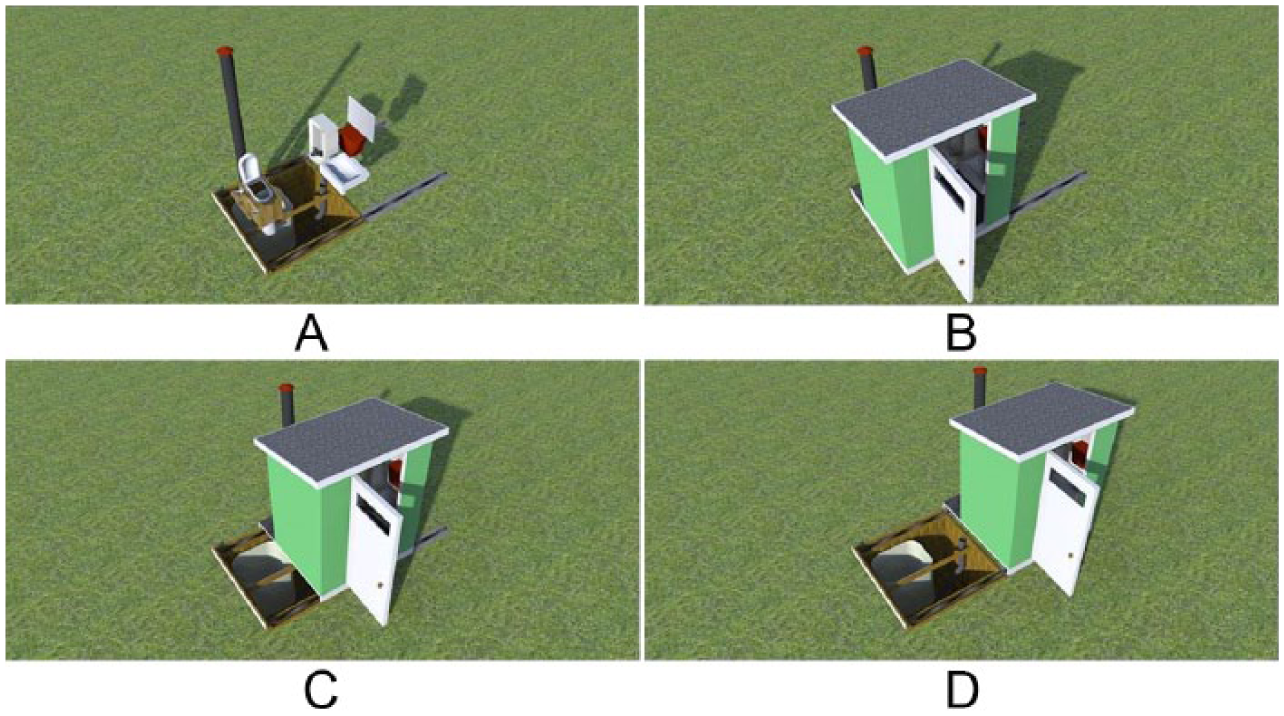
Sketches of a Zip-Zap toilet
The original 120 CLSS toilets constructed in the study area were more recently supplemented by 250 additional toilets to scale up the system and to move local residents further up the technological ladder (Figure 3 and Figure 4). Field investigations have indicated a range of advantages and shortcomings of the different CLSS toilet models, as described in the following pages and summarized in Table 1.
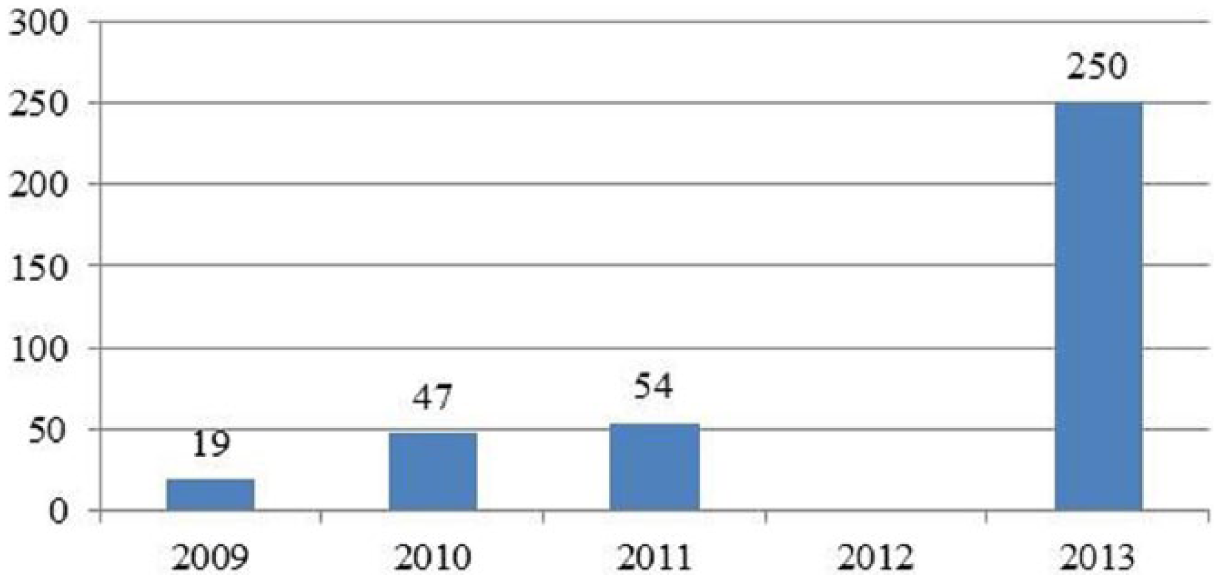
Number of CLSS toilets constructed by ACF Mongolia during the period from 2009 to 2013
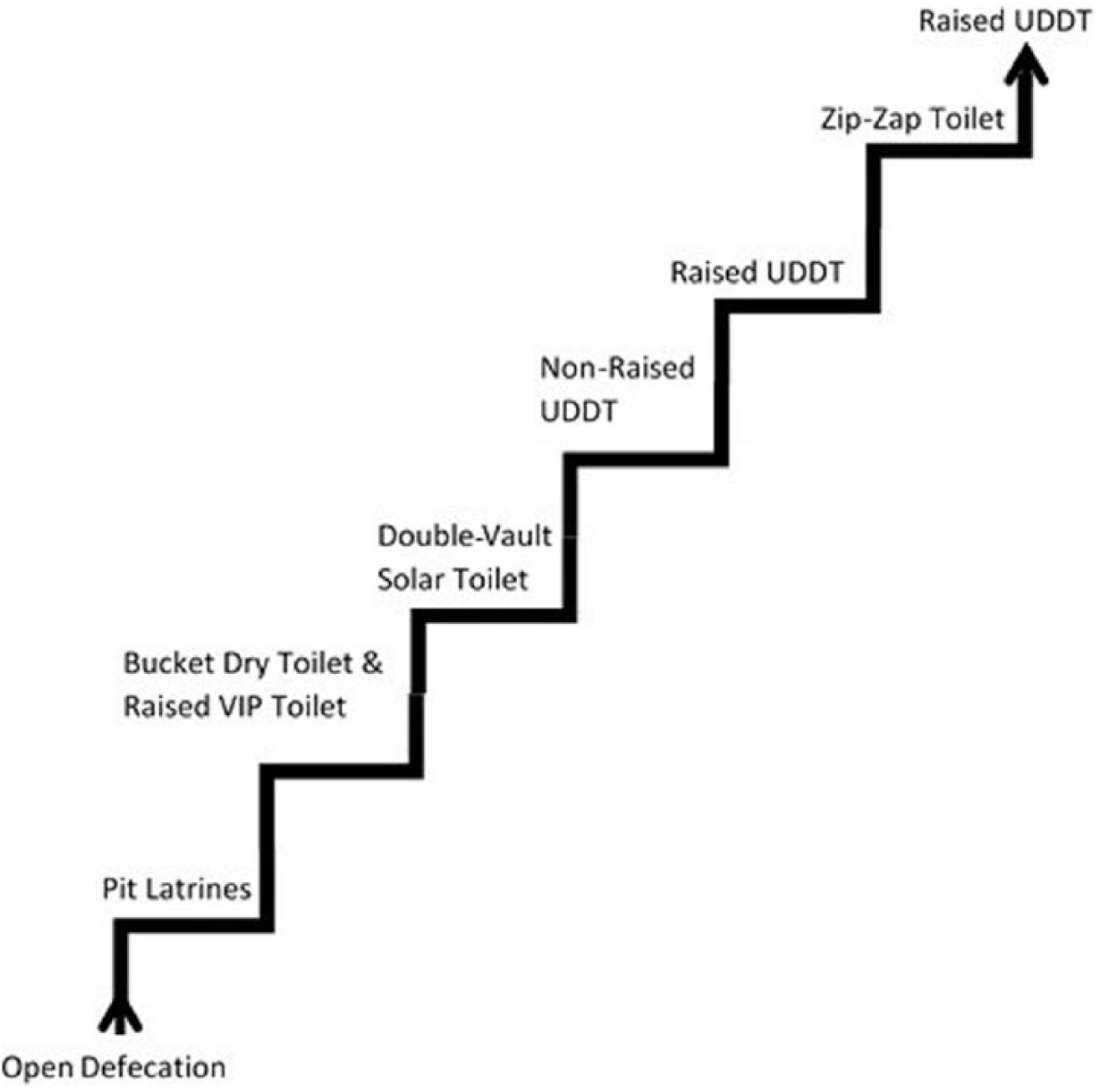
Technological ladder including CLSS toilets in the study area
ACF CLSS toilets, their advantages and their shortcomings
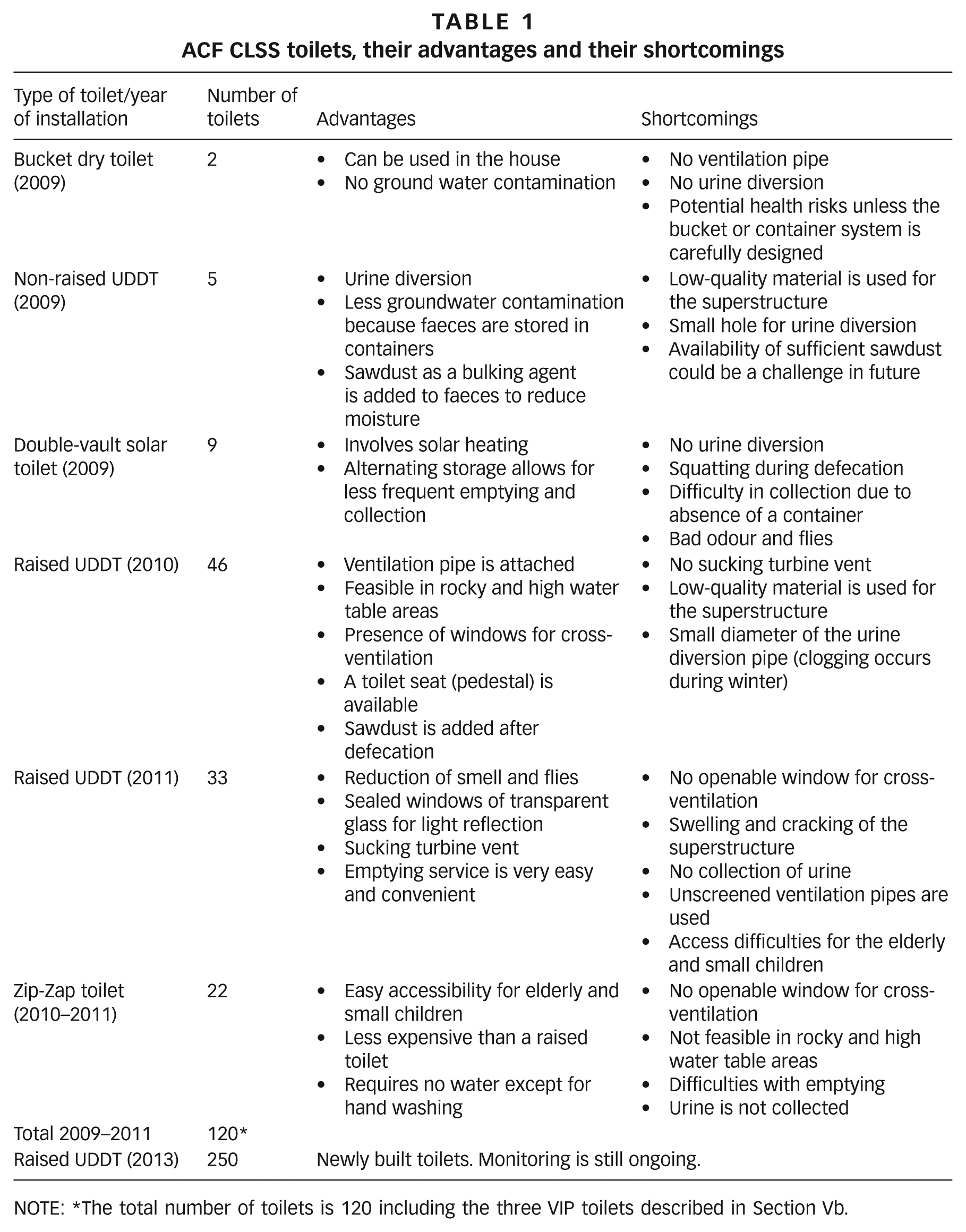
NOTE: *The total number of toilets is 120 including the three VIP toilets described in Section Vb.
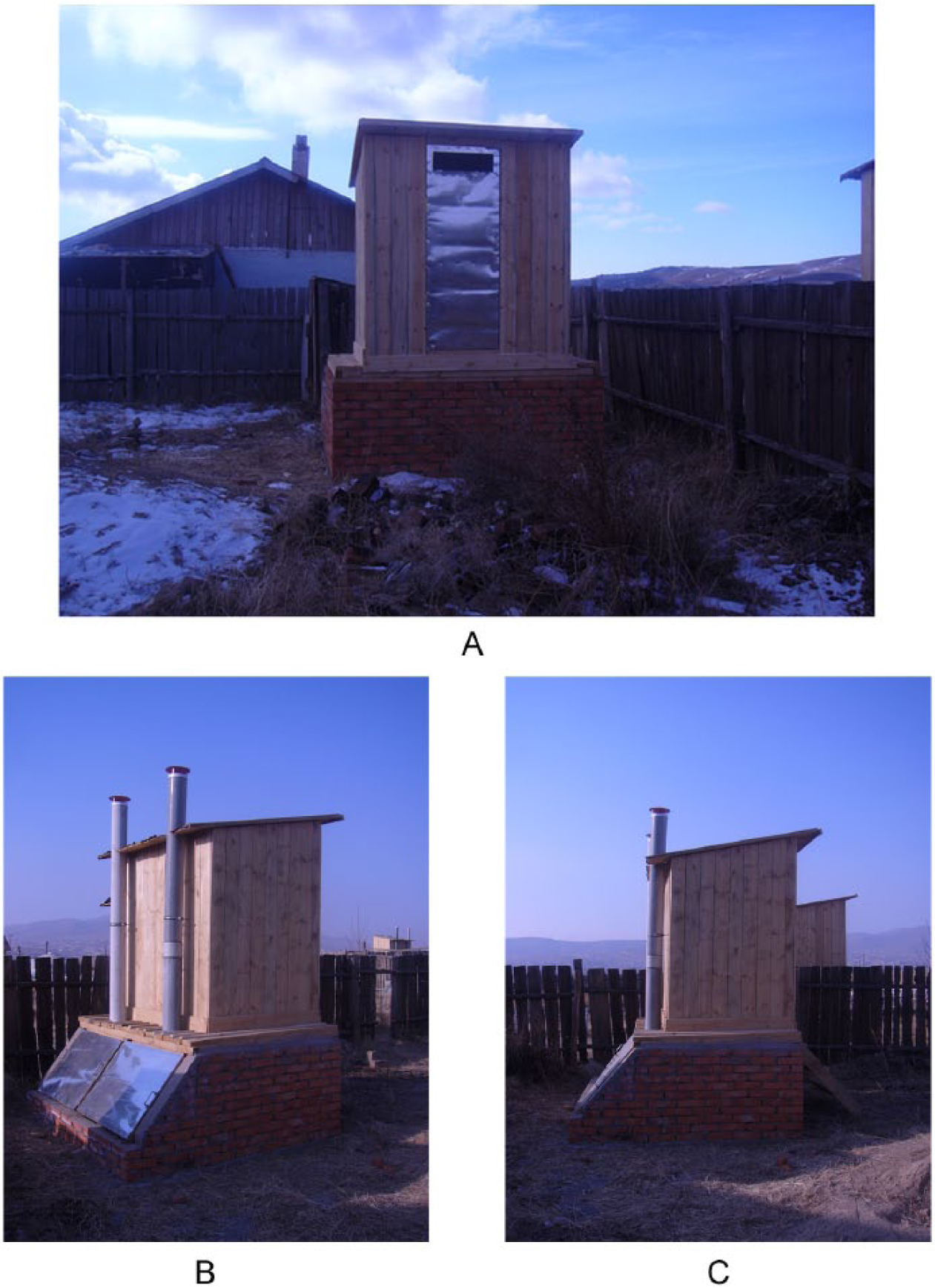
Views of a double-vault solar toilet
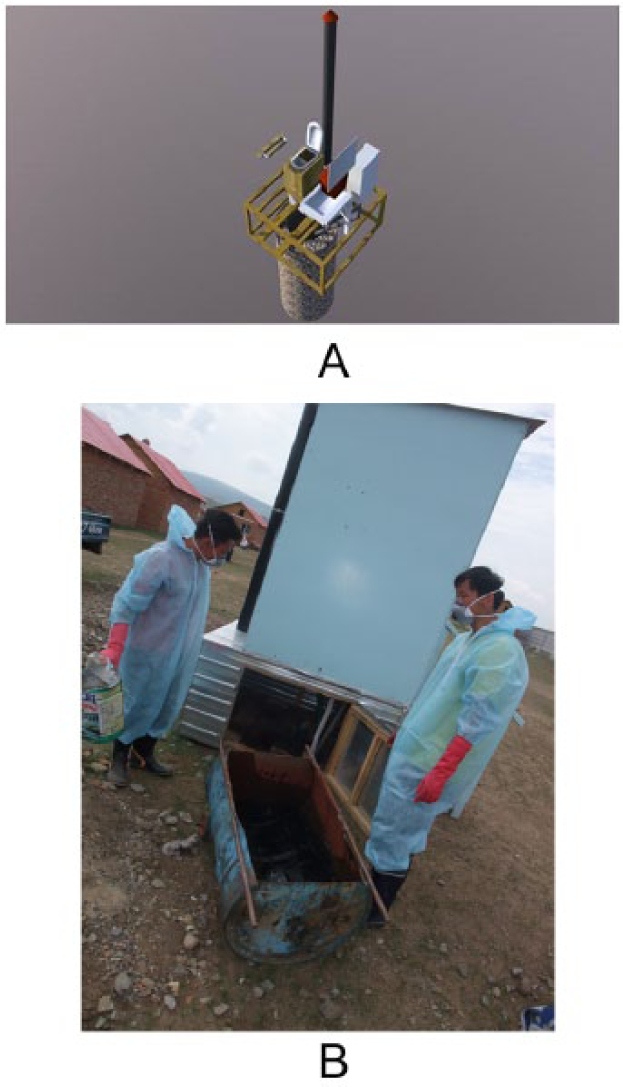
Raised urine-diverting dry toilet
c. Emptying, collecting, transporting and storing
At three-month intervals, emptying services are carried out in each household by ACF. Clean and empty containers are exchanged for the filled ones, which are transported to the composting site for further hygienization. A recent improvement, as noted, includes the use of plastic containers with handles for easier emptying. The emptying service addresses the various disadvantages of existing CLSS toilets. Emptying service officers have been trained and are aware of personal hygiene and the steps needed to avoid pathogen transmission during the services, including the use of protective, synthetic lotion, and the avoidance of food consumption, smoking/drinking or excessive communication to prevent transmission of disease. Operators use washable clothes, latex gloves, strong work gloves, boots, and masks with carbon filters. Despite these precautions some shortcomings were observed during the service, including traces of faeces left in containers, leaking containers, containers with no handles, and splashing of faeces on the ground due to poorly fastened screws or clamps. A major problem in the summer is the strong odour during the process of emptying and collection. This can be addressed by proper maintenance and the use of sufficient bulking materials after each defecation. In winter, there is no odour problem, but the faeces turn into ice blocks and are much harder to break up, requiring the use of shovels and crowbars.
Results from the household survey showed that 90 per cent of respondents among the CLSS toilet users receive manual emptying services and 5 per cent use mechanical vacuum tankers. No respondents currently pay for emptying services, as they are provided by ACF Mongolia. However, 77 per cent of respondents were willing to pay MNT 10,000 (US$ 5 as of October 2013) for each emptying service; the rest were unwilling to pay any money, perhaps due to their low income level. This suggests that the whole system might reasonably be handed over to a private company for operation and maintenance, with user fees supporting the service.
Faecal matter in the collecting containers is typically very dry, particularly faeces from UDDTs, and thus conventional suction pumps cannot be used to suck the faeces out of the container. As for the non-UDDTs, the faeces are in liquid form in the container and in the vaults during the short summer (April/May to August/September), and need to be transported carefully and safely to the composting site, given the rough, mountainous roads in the ger areas. However, during the winter, faeces turn into ice blocks in all of the toilets. Two officers are needed to manually lift the faeces collection container out of the toilets, a highly labour-intensive task. They cover the container with a lid, move it onto the truck platform and replace it with an empty container. The truck can safely hold eight containers.
During the summer, operators remove their boots when boarding the truck and place them on the truck platform; in the winter they cover them with plastic. After use, they store the tools in the dirty tools box on the truck platform. Upon arrival at the treatment unit, the staff unload the full containers and manually empty them into 220-litre barrels, using the shovels and crowbars. Trucks, equipment and tools are cleaned on a daily basis, with clean water and chlorination to disinfect the tools. A concrete slab is used for washing the emptying equipment. The greywater after washing goes to a filtered soak pit for treatment. Generally no significant cleaning is undertaken during the winter due to low risk of contamination.
The collected faeces are kept in a storehouse at the composting site during the summer and outside when there is insufficient storage space during the winter. The amount of space required to accommodate the entire system when it is scaled up will become clearer as ongoing research is completed. Figure 6 shows the emptying services, including the collection, transportation and storage at the composting site.
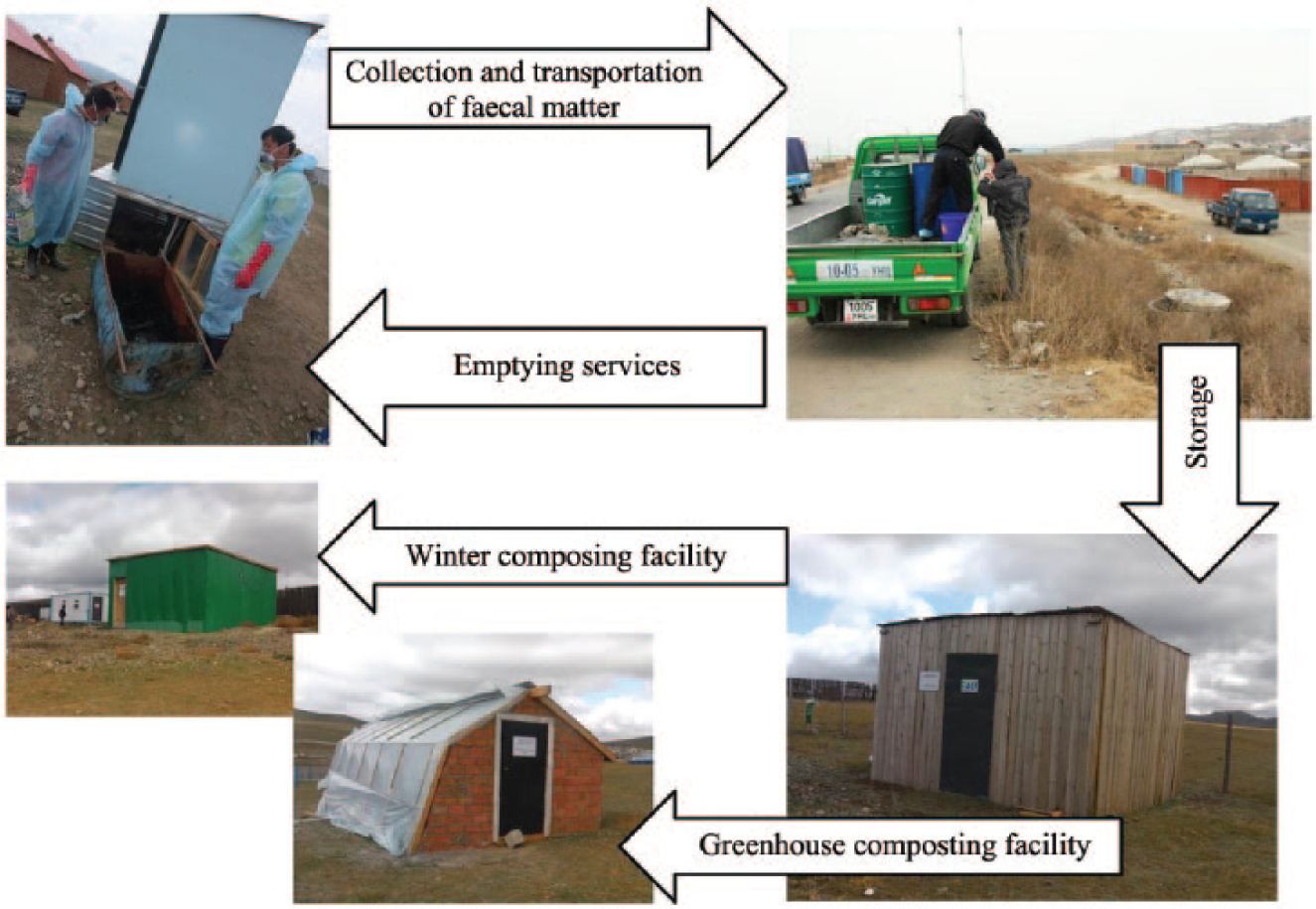
Collection, transportation and storage system for human faeces
d. Treatment through composting
ACF has been testing three types of compost production to treat the collected faeces for pathogen reduction. These include indoor winter composting, greenhouse composting and outdoor summer composting.
For winter composting, human faeces were co-composted with various substrates including sawdust, straw and wood chips in a semi-contained winter composting facility. The winter composting system is an airtight and fully controlled system requiring an energy supply. The temperature in this facility was monitored to evaluate the effect of the ambient temperature. Figure 7 shows temperature readings from 27 January to 27 February 2012. The average outdoor low temperature during this period ranged from -32°C to -25°C and average high temperature ranged from -15°C to -7°C. The average ambient temperature in the facility was over 20°C, and the core compost heap temperature reached over 70°C for over a day and over 50°C for nine days, which meets the international standards in terms of temperature.(24) This confirms the practicality of composting human faeces in a cold climate, particularly in the Mongolian context.(25)
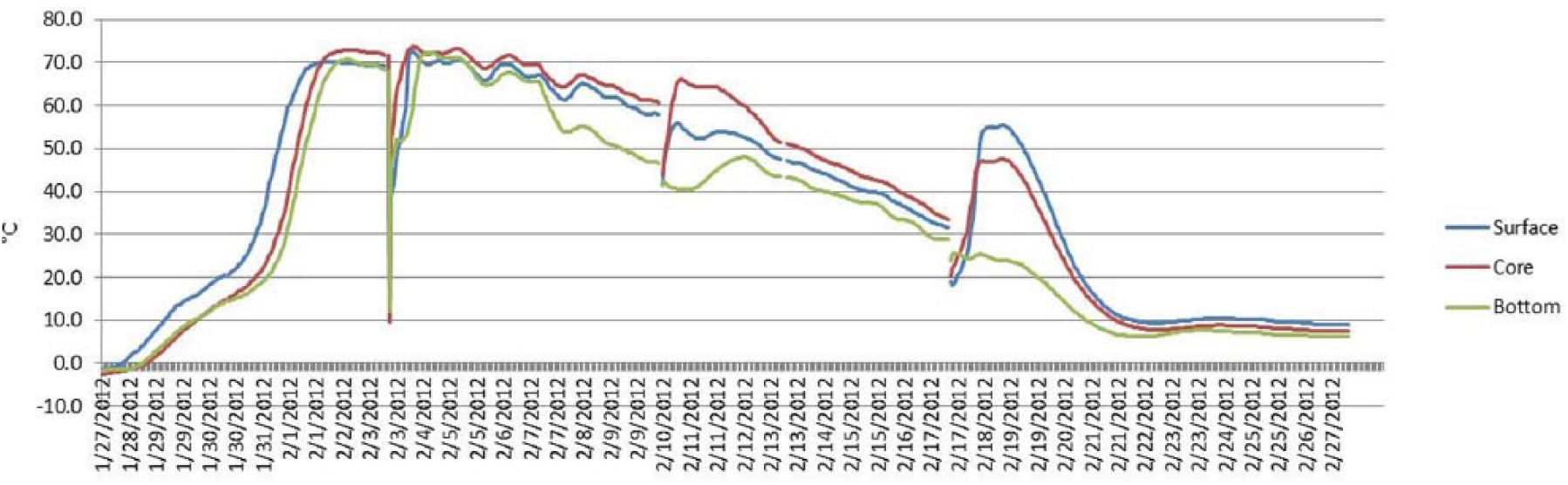
Temperature readings of composting in the winter facility (in °Celsius)
Research conducted by Uddin et al. and Mahmood et al. using both the winter facility (July–August 2013) and the greenhouse (September–November 2013) has shown that the process meets the composting standards of many developed countries, including WHO guidelines, in terms of temperature. The study on greenhouse composting indicated that the ambient temperature in the greenhouse dropped from 39 to 4°C. The outside average day temperature was 13 to -3°C and the average night temperature ranged from 0 to -15°C. The temperature even reached 70°C during the thermophilic stage; this high temperature could be influenced by either the ambient temperature of the greenhouse or the easily digestible carbon source that was added, i.e. food waste. Temperatures above 55°C and 65°C were maintained for two weeks and more than one week respectively, which satisfies all the sanitation requirements and standards.(26)
Outdoor composting and greenhouse composting both come under the category of “open – hot composting”. Neither process takes place in an airtight controlled container, and no energy consumption is necessary in either case. Greenhouse composting simply extends the months during which compost production is possible. Windrows (long rows of organic material that are turned regularly to produce compost) are used outdoors, and block composting in the greenhouse, where several blocks/slots are built for ease of aeration and monitoring.(27) After the compost is mature, a winter hygienization process takes advantage of the country’s cold winter temperature outdoors, allowing for pathogen die-off.
Currently, sufficient sawdust and wood chips are readily available as bulking material for co-composting, since ger houses are constructed from wood (including the structure beneath the felt yurt cover). Further research is needed to investigate whether sufficient bulking materials (e.g. sawdust, wood chips and straw) for co-composting will be available when the system is scaled up for the entire ger area. There is also the possibility of using alternative and available materials such as food waste or green/brown waste (nitrogen-rich/carbon-rich biodegradable waste) for co-composting faecal matter.
e. Safety, productivity, marketing and regulations
The compost resulting from the process was found to be both hygienic and effective. A joint study conducted with the Mongolian State University of Agriculture in 2012 indicated that there was no Salmonella or E. coli in the compost produced by ACF. In addition, no indicator bacteria were found in the products (e.g. spinach) produced using the faecal compost. The use of compost had positive effects for productivity. A field experiment conducted by the Mongolian State University of Agriculture comparing the application of ACF faecal compost and mineral fertilizers to produce spinach indicated that the compost use resulted in slightly higher yields than the mineral fertilizers. It is hoped these results will pique the interests of both government and non-governmental agencies in scaling up CLSS. Still ongoing is a study to assess the economic feasibility of the compost and the composting systems, which to date has shown that the demand for organic compost is considerably higher than for chemical fertilizers – with 80 per cent of those interviewed confirming their interest in organic compost. The price of one kilogram of compost was MNT 800–1,000 (equivalent to US$ 0.46–0.58).(28) Since arable land and permanent crops cover 1.3 million hectares in Mongolia,(29) there is significant potential for the marketing of compost. The current research has focused, however, not only on agricultural applications, but also such uses as city greening, home gardening, horticulture, production of animal fodder, and the improvement of polluted soils and mining areas.
Currently Mongolia does not regulate faecal composting and compost application. ACF and USTB are advocating regulation on the basis of evidence from this research. Policy dialogue during the FGD revealed a strong interest in our findings on the part of various stakeholders and users. This research may convince the Mongolian government to formulate policies and regulations on faecal compost and its application, which could enhance the scaling up of the system in the ger areas and other parts of the country for better health, environment and resource recovery. There are standards and guidelines from various countries, including China, Canada and the USA, as well as WHO guidelines, that could be followed.(30)
f. Social acceptance of CLSS
Survey results indicated that technologies and the services of CLSS are socially accepted by all users of CLSS toilets in the study area. The results regarding users’ preferences for CLSS toilets relative to pit latrines indicated that 72 per cent of respondents were in favour of CLSS, because of the benefits/advantages listed in Table 1 in Section Vb. The remainder of the respondents (28 per cent) preferred a pit latrine because of the kinds of shortcomings described in Table 1. The reasons most often cited by users for liking the CLSS toilets were the benefits for the environment, the user friendliness, and the absence of flies and bad odours (Figures 8A and 8B). Sixty-two per cent of respondents also felt the toilets were convenient during the winter, although the remainder still faced problems.
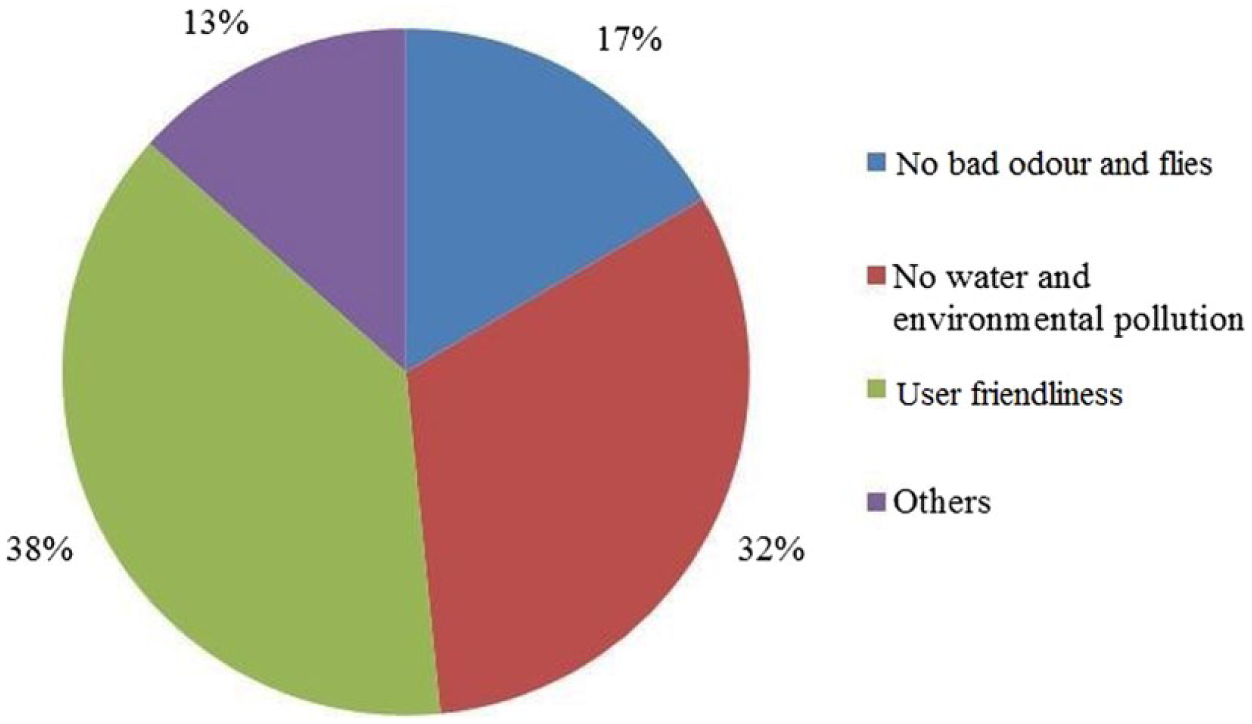
Reasons for using the CLSS toilets
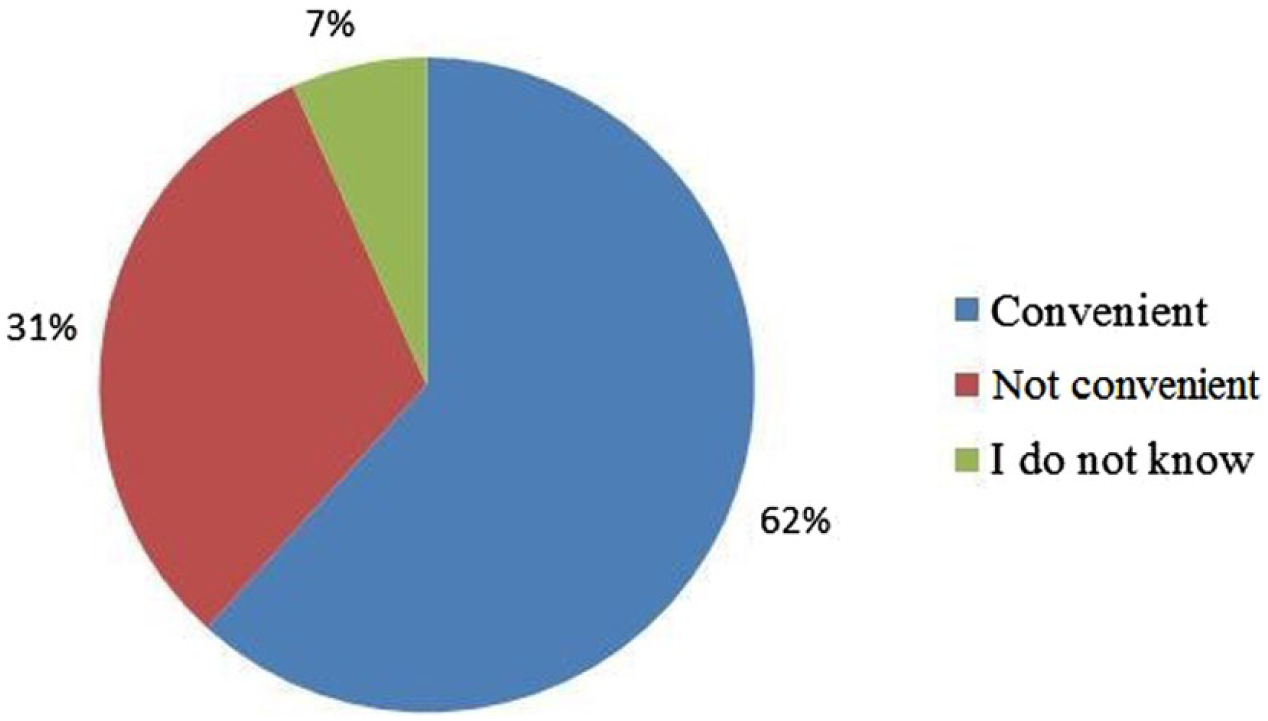
Convenience for users during the winter
A large percentage of the respondents (73 per cent) were eager to recommend CLSS toilets to their neighbours or non-users, provided improvements were made to their convenience and the disadvantages were addressed. A number of respondents noted that visitors from more rural areas frequently inquired about how to obtain a CLSS toilet. Nearly all the visited households with CLSS toilets had ACF contact numbers in case of emergencies, the need for emptying services or requests for new toilets. Eighty per cent of the respondents received training and were involved in ACF sanitation programmes to maintain the toilets and operate them properly. Seventy per cent of respondents cleaned their toilets weekly, 10 per cent daily, and the remainder on an as-needed basis. Ninety-three per cent of respondents faced no difficulties with maintenance, and all felt that maintenance costs were reasonable.
Results from the focus group discussion with representatives of the government, private sector and NGOs suggested that the majority accepted the CLSS and felt the need to improve the health and environmental conditions of the ger areas. However, government officials were reluctant to have compost used on food products given the lack of policy in this regard, and suggested the need for more discussions and evidence to formulate such a policy. They suggested initially using the compost only for non-consumable ends such as horticulture. The marketing of the faecal compost still requires further research.
VI. Conclusions and Recommendations
Water, sanitation and hygiene are global concerns, together responsible for millions of deaths every year. There is an urgent need for sustainable alternative sanitation solutions in order to protect human and environmental health from WASH-related risks and hazards, from the local to the global level. Based on results from the study area, CLSS and its technologies can be considered viable alternative sanitation solutions with high potential for diminishing human and environmental health risks and hazards.(31) The evaluation presented in this study illustrated that, despite some challenges, the CLSS concept is well accepted by users in the ger areas and is clearly replicable, given the positive responses of all users of the technologies and services. In particular, the study proved that CLSS and its technologies are feasible in Mongolia’s cold climate and an asset for its water-stressed regions. There is a strong potential for scaling up these services across ger areas and beyond. Over half of the interviewed CLSS toilet users testify to the convenience of the systems during both winter and summer. In every step of the CLSS process, the system proved to be feasible, replicable and acceptable in the study area. A detailed survey among the users of CLSS technologies and services is still needed to determine the extent of the reduction of WASH-borne diseases and environmental contamination in places utilizing the CLSS process.
In addition to these benefits, the recovery of resources or nutrients from these CLSS solutions could reduce the usage of chemical fertilizers in agro-production processes, decrease dependency on natural mineral resources and reduce food insecurity. The composting side of the process also requires further research, but preliminary results indicate that it is a practical direction to move in. Different composting options appear feasible. While greenhouse composting was found to be more practical than winter composting in terms of energy consumption, winter composting is preferable in terms of productivity and technology. The safety of the compost and the agro-products that resulted from its use were demonstrated in an effort to convince more communities, government officials and non-governmental agencies. A further detailed social study is recommended to assess the social acceptability of faecal compost and agro-product consumption. Guidelines are required for the formulation of regulations and policy towards the wider implementation and replication of these systems. If the use of the compost for food products is deemed unacceptable, alternative options for the application of faecal compost also exist for horticulture, the production of non-consumable agro-products, animal fodder, urban gardening, home gardening and soil improvement for peri-urban polluted soils. In addition, compost products can be applied for land reclamation in mining areas. The marketability of the compost and the financial feasibility of transport still have to be investigated. Based on the wider compost standards and guidelines, processes of composting should be tested for standardization rather than testing products produced by using faecal compost. Suitable prototypes for composting should be tested in both the summer and winter seasons. More research on the assessment of helminth (parasitic worm) numbers in the compost is highly recommended for the safety of the products. Mongolia also needs greater capacity development within local laboratories for testing for pathogens.
Footnotes
Funding
We thank ACF International France and ACF Mongolia for the support provided.
1.
Esrey, S A (2001), “Towards a recycling society: ecological sanitation - closing the loop to food security”, Water Science and Technology Vol 43, No 4, pages 177–187; also Esrey, S A, I Andersson, A Hillers and R Sawyer (2001), Closing the loop: Ecological sanitation for food security, Swedish International Development Cooperation Agency, Mexico; and Uddin, S M N, V S Muhandiki, J Fukuda, M Nakamura and A Sakai (2012), “Assessment of Social Acceptance and Scope of Scaling Up Urine Diversion Dehydration Toilets in Kenya”, Journal of Water, Sanitation and Hygiene for Development Vol 2, No 3, pages 182–189.
2.
Dagerskog, L and M Bonzi (2010), “Opening minds and closing loops – productive sanitation initiatives in Burkina Faso and Niger”, Sustainable Sanitation Practices Vol 3, pages 4–11.
3.
Nakagawa, N, M Otaki, S Miura, H Hamasuna and K Ishiki (2006), “Field survey of a sustainable sanitation system in a residential house”, Journal of Environmental Science Vol 18, No 6, pages 1088–1093; also Langergraber, G and E Muellegger (2005), “Ecological sanitation—a way to solve global sanitation problem?”, Environment International Vol 31, No 3, pages 433–444; and Zhou C, J Liu, R Wang, W Yang and J Jin (2010), “Ecological-economic assessment of ecological sanitation development in the cities of Chinese Loess Plateau”, Ecological Complexity Vol 7, No 2, pages 162–169.
4.
See reference 1, Esrey (2001) and Esrey et al. (2001); also see reference 3, Langergraber and Muellegger (2005); Austin, A (2002), Health aspects of ecological sanitation, EcoSanRes, South Africa, accessed February 2014 at http://www.ecosanres.org/pdf_files/Nanning_PDFs/Eng/Aussie%20Austin%2028_E25.pdf; Werner, C, P A Fall, J Schlick and H P Mang (2003), Reasons for and principles of ecological sanitation, 2nd International Symposium on Ecological Sanitation, Eschborn, April; Nawab, B, I L P Nyborn, K B Esser and P D Jenssen (2006), “Cultural preferences in designing ecological sanitation systems in North West Frontier Province, Pakistan”, Journal of Environmental Psychology Vol 26, No 3, pages 136–246; Stintzing, A R (2007), Urine Diverting Toilets in Climates with Cold Winters: Technical considerations and the reuse of nutrients with a focus on legal and hygienic aspects, Women in Europe for a Common Future (WECF), Munich; Karak, T and P Bhattacharyya (2011), “Human urine as a source of alternative natural fertilizer in agriculture: A flight of fancy or an achievable reality”, Resources, Conservation and Recycling Vol 55, No 4, pages 400–408; and Apkan-idiok, A U, I A Udo and E I Braide (2012), “The use of human urine as an organic fertilizer in the production of okra (Abelmoschus esculentus) in South Eastern Nigeria”, Resources, Conservation and Recycling Vol 62, pages 14–20.
5.
See reference 1, Uddin et al. (2012); also Uddin, S M N, V S Muhandiki, A Sakai, A A Mamun and S M Hridi (2014), “Socio-cultural acceptance of appropriate technology: Identifying and prioritizing barriers for widespread use of the urine diversion toilets in rural Muslim communities of Bangladesh”, Technology in Society Vol 38, pages 32–39.
8.
Rosemarin, A, J McConville, A Flores and Z Qiang (2012), The Challenges of Urban Ecological Sanitation: Lessons from the Erdos Eco-Town Project, China, Stockholm Environment Institute, Practical Action Publishing Ltd, UK.
9.
Batjargal, T, E Otgonjargal, K Baek and J S Yand (2010), “Assessment of metals contamination of soils in Ulaanbaatar, Mongolia”, Journal of Hazardous Materials Vol 184, Nos 1–3, pages 872–876; also Luvsan, M E, R H Shie, T Purevdorj, L Badarch, B Baldorj and C C Chan (2012), “The influence of emission sources and meteorological conditions on SO2 pollutions in Mongolia”, Atmospheric Environment Vol 61, pages 542–549; Uddin, S M N, Z Li, H P Mang, E M Huba and J Lapegue (2014), “A strengths, weaknesses, opportunities, and threats analysis on integrating safe water supply and sustainable sanitation systems”, Journal of Water, Sanitation and Hygiene for Development Vol 4, No 3, pages 437–447; and Uddin, S M N, Z Li, J C Gaillard, P F Tedoff, J Lapegue, H P Mang, E M Huba, O Kummel and E Rheinstein (2014), “Exposure to WASH-borne hazards: A scoping study on peri-urban ger areas in Ulaanbaatar, Mongolia”, Habitat International Vol 44, pages 403–411.
10.
See reference 9, Uddin, Li, Mang, Huba and Lapegue (2014).
11.
See reference 9, Uddin, Li, Mang, Huba and Lapegue (2014) and Uddin, Li, Gaillard et al. (2014); also Uddin, S M N, Z Li, H P Mang, T Ulbrich, A Schubler, E Rheinstein, E M Huba and J Lapegue (2014), “Opportunities and challenges of greywater treatment and reuse in Mongolia: Lessons learnt from piloted systems”, Journal of Water Reuse and Desalination Vol 4, No 3, pages 182–193.
12.
Girard, C (2009), “Feasibility of pit-larine emptying services, ger areas, Ulaanbaatar, Mongolia”, Master’s thesis, Cranfield University, Cranfield.
13.
See reference 9, Uddin, Li, Mang, Huba and Lapegue (2014).
14.
See reference 9, Uddin, Li, Gaillard et al. (2014).
15.
16.
See reference 12.
17.
See reference 11, Uddin, Li, Mang, Schubler et al. (2014); also Uddin, S M N, Z Li, H P Mang, J F Adamowski, T Ulbrich, R Ryndin, J Norvanchig and S Cheng (2014), Greywater treatment in peri-urban nomadic communities: A case study on ‘greenhouse system’ in Ulaanbaatar, Mongolia, 12th IWA Conference on Small Water & Wastewater Systems & 4th Specialized Conference on Resource Oriented Sanitation, 2–4 November, Muscat.
18.
See reference 15.
19.
20.
Uddin, S M N, Z Li, H P Mang, E M Huba, J Lapegue and J Eyrard (2013), Sustainable sanitation for vulnerable peri-urban population in Mongolia: An introduction of a multi-lateral cooperation project, Proceedings of the 12th JADE Conference, Japan Association of Drainage and Environment, Tokyo, 9 November.
21.
22.
Esrey, S A, J Gough, D Rapaport, M Simpson-Herbert, J Vargas and U Winblad (1998), Ecological sanitation, Swedish International Development Cooperation Agency (SIDA), Department for Natural Resources and the Environment, Stockholm.
23.
Onyango, P, O Odhiambo and A Oduor (2009), Technical Guide to EcoSan Promotion, EU-GTZ-SIDA, Nairobi, 121 pages.
24.
25.
Liu, X and J Mertens (2011), Human feces composting: Pilot options & reinforcing local capacities to improve access to water, sanitation and hygiene in Ger areas of Ulaanbaatar, Mongolia, Trial report, Ulaanbaatar.
26.
Uddin, S M N, Z Li, H P Mang and J Lapegue (2014), “Sustainable sanitation towards eco-city Development”, Second Symposium on Urban Mining, Bergamo, 19–21 May; also Mahmood, I B, Z Li, S M N Uddin, H P Mang and J Germer (2015), “Co-composting of fecal matter in Mongolia using two different technologies”, Journal of Water, Sanitation and Hygiene for Development Vol 5, No 1, pages 165–171.
27.
See reference 26, Uddin, Li, Mang and Lapegue (2014) and  .
.
28.
29.
FAO (2001), Seed Policy and Programmes for the Central and Eastern European Countries, Commonwealth of Independent States and Other Countries in Transition, Food and Agriculture Organization, Proceedings of the Regional Technical Meeting on Seed Policy and Programmes for the Central and Eastern European Countries, Commonwealth of Independent States and Other Countries in Transition, Budapest, 6–10 March, accessed March 2015 at .
30.
See reference 23; also see reference 24; U.S. Environmental Protection Agency (1993), Standards for the Use or Disposal of Sewage Sludge (40 Code of Federal Regulations Part 503), Washington, DC; CCME (2005), Guidelines for Compost Quality, PN1340, Canadian Council of Ministers of the Environment, Winnipeg; and , Bioabfallverordnung (Verordnung über die Verwertung von Bioabfällen auf landwirtschaftlich, forstwirtschaftlich und gärtnerisch genutzten Böden), Bundesgesetzblatt.