




Abstract
The study investigates the use of Information and Communication Technology (ICT) in managing land administration information in Tanzania. The study specifically established the status of available ICT facilities and assessed the extent of their application in managing land administration information. The research involved a cross-sectional survey and interview with 422 stakeholders, revealing the presence of ICT facilities in land administration authorities and individuals. The result revealed the presence of ICT facilities in land administration authorities and among individuals. These technologies are used for planning, designing, surveying, and processing land documents. However, a lack of knowledge about certain ICT services hinders the government’s efforts to enhance land services. Online services in land administration, such as search, building permits, and land application, can reduce bureaucracy and increase revenue. The potential of ICTs is significant, prompting land authorities to develop strategies and invest in their efficient use. The study recommends investing in modern ICT infrastructure in land offices to modernise land services, increase client satisfaction, and achieve the land sector’s goals. Furthermore, it suggests providing online land-related services and integrating them with online payment systems to increase revenue and reduce travel time. The study also recommends improving government online platforms for land information communication, enhancing stakeholder self-service, and introducing SMS, mobile applications, and AI for land administration information services. Lastly, the study recommends reviewing the MLHHSD ICT Policy and providing training to adapt to technology trends.
Keywords
Introduction
Land is a crucial asset that contributes to the economic prosperity and governance capacities of nearly all governments worldwide (Besley and Ghatak, 2010; Deininger et al., 2014). Land is an essential requirement for the survival of all living beings. Therefore, everyone must understand and appreciate its significance, quality, and worth for their well-being and personal growth (Olokesusi et al., 2017). Land ownership instils assurance in several sectors, encompassing housing, agricultural cultivation, industry, and forest reserves. The escalating need for land and urban expansion presents numerous issues regarding effective and high-quality land administration, jeopardising cities’ physical environment and sustainability (Neirotti et al., 2014; OECD, 2012). Africa’s vast land, including rural and informal settlements, is often governed by customary tenure systems or subject to disputes, leading to conflicts and a lack of property ownership security (Ansoms and Hilhorst, 2014; Byamugisha, 2013). Accessibility and the implementation of suitable land information systems in their respective areas significantly influence the interaction of ownership among stakeholders, posing a challenge. Existing studies have also reported this; for instance, Bibri and Krogstie (2017) highlighted the increasing trend of urbanisation and its challenges to modern city management systems, including land allocation, infrastructure, public services, and administration.
There needs to be more clarity regarding issues relating to land information. For instance, Klimach et al. (2018) identified specific land information-related issues that require attention to assess the effectiveness of the Polish land administration system in promoting good governance. The issues include registration of land information by non-statutory administrations, editing errors, complexity of modifying content procedures, difficulties in real estate data transactions between legal authorities, and diverse data formats. Ali (2013) highlights the challenges of retaining the Land Administration System (LAS) due to technological advancements and societal needs, focusing on factors like administration processes, data organisation, tenure security, and data standards. Global initiatives are in progress to address these difficulties, mainly through technology, particularly information and communication technology (ICT), to different degrees.
Technological advancements, including the Internet, powerful computers, mobile devices, and social media, are significantly impacting modern life and social economics, particularly the Internet of Things (Hoffman and Novak, 2018) and artificial intelligence (Huang and Rust, 2018), leading to increased dependency on ICT applications. (Njelekela and Sanga (2015) concluded that contemporary society increasingly relies on ICT for various activities. ICT can provide stakeholders with comprehensive information on land availability, prices, uses, market data, ownership, development projects, and laws and regulations. Access to reliable and timely information for land stakeholders can enhance land security, livelihood, production, and economic stability. Bifulco et al. (2016) highlight the importance of ICT in sustainable land administration, arguing that it can enhance services, quality of life, and economic stability for land stakeholders.
McNamara (2008) report on Tanzania highlights the potential of ICT in facilitating virtual connections, social interactions, and trading without physical contact. It emphasises the importance of effective land management for socio-economic development, suggesting ICTs can efficiently manage these processes. Yonazi (2011) highlights the importance of effective land management for socio-economic development, highlighting the potential of ICTs to streamline land management processes if managed efficiently. Tanzania, a land-rich country, has implemented initiatives for land administration, including laws, policies, and ICT systems. Despite progress, challenges remain in accessing land, land ownership information, invasion issues, tax difficulties, and stakeholder complaints. The continuation of challenges in land management in Tanzania may be caused by the deficiency or insufficiency of land information, as highlighted by (Kironde, 2009). This circumstance gave rise to numerous land-related issues, such as miscommunication among those involved in land matters, displacement from homes and properties, and even fatalities (Kombe, 2010; Nyanje, 2014). Despite technological advancements, existing land ownership and investment search information systems are manual and require user-friendly improvements (OECD, 2013).
Studies in Tanzania reveal limited ICT application and land administration information sharing, with the Ministry of Lands, Housing, and Human Settlements Development possessing all land information and know-how. Makupa and Alananga (2019) found that many local government authorities in Tanzania need more critical facilities, leading to poor record-keeping and insufficient capacity among workers, resulting in poor land administration performance and output. The study further revealed a significant demand for the technology despite concerns about its sustainability. Kabigi et al. (2021) on Tanzania’s alternative land registration system highlights challenges such as poor filing, insufficient human resources, and interoperability issues. Despite institutional changes, these have not significantly reduced transaction costs or improved tenure security. However, due to unrealised formalisation benefits, expenses have not persisted in terms of monetary value but rather in uncertainty (Kabigi et al., 2021).
Regardless of its clearly defined structure, Tanzania’s land management sector faces challenges (OECD, 2013). However, the Ministry of Lands, Housing, and Human Settlements Development has implemented ICT initiatives to address these issues, including establishing the Land Information System and Management Information Systems units and developing the Ministry’s ICT operational policy and guidelines (Yonazi, 2011). Despite implementing several programmes, land administration issues persist, particularly in identifying and obtaining land-related information in land registration, cadastral surveying and mapping, land valuation, and land-use planning (Kironde, 2009; Laseko et al., 2018). Utilising modern ICT facilities for registry services remains difficult for land officials and the general public. The primary mode of access is physical, and the integration of land information to facilitate sharing with other land stakeholders is similarly limited (Tenga and Mramba, 2015). Nevertheless, there is still a need to enhance access to and promote sharing among land stakeholders (Pedersen, 2010). The United Nations Committee of Experts on Global Geospatial Information Management (UN-GGIM) recommends raising awareness and implementing geospatial information technologies for sustainable land administration, aiming to achieve the 2030 Agenda for Sustainable Development Goals (UN-GGIM, 2019).
The current literature needs more evidence to demonstrate the impact of ICT initiatives on addressing the issues above. Given that land is a crucial industry and a significant contributor to the global economy, it is essential to establish how ICT can ensure a fair and balanced distribution of land management information among all parties involved. The present study examined the utilisation of ICT in managing land administration information in specific regions of Tanzania in light of this context. The specific objectives of this study are: first, to establish the status of ICT facilities available for managing land administration information; and second, to assess the extent to which ICT is applied in managing land administration information in Tanzania.
Literature review
This section provides a comprehensive analysis of the scholarly literature about the status of ICT facilities available for managing land administration information and the extent to which ICT is applied in managing land administration information.
Land administration: a brief overview
Various perspectives, contexts, and disciplines have elucidated the concept and interpretations of land administration, converging on similar ideas. It is perceived as a mechanism, structure, or tool to guarantee equitable land access to all parties involved in a nation’s legal procedures and guidelines. According to the United Nations Economic Commission for Europe (UNECE), “Land administration is the process of determining, recording, and disseminating information about land ownership, value, and use when implementing land management policies” (UNECE, 1996:108). Other scholars, such as Dale and McLaughlin (1999), conceptualise land administration by highlighting the significance of revenue in different land deals and the resolution of land conflicts, regardless of the reasons behind them. Belay et al. (2017) and other scholars emphasised the importance of land users’ obligations and the utilisation and advancement of land, using information that connects land users, policymakers, and other interested parties. Previous studies, including Mitchell et al. (2016) and Reynolds et al. (2017), highlighted the potential of technology in land tenure systems to identify existing ownership structures and formalise traditional land management operations.
The status of ICT facilities available for managing land administration information
Infrastructure, equipment, software, systems, and internet connections are all critical components of the ICT environment for managing land administration information. The ICT industry plays a crucial role in driving economic development. In recent years, numerous studies have endeavoured to reveal the impact of ICT on economic development and productivity enhancement. A dependable ICT infrastructure is necessary for providing trustworthy information services. However, its availability is greatly influenced by the economic and technological capacities of individuals, organisations, or countries. Velaga et al. (2012) warned about the condition of ICT infrastructure, as it directly influences the existence of the digital divide. The EU’s most effective ICT industries are older equipment and infrastructure. In contrast, newer activities like computers and associated services like the Internet and software have lower efficiency but more significant value-creation potential (García-Muñiz and Vicente, 2014).
According to research by the OECD (2012), Spain’s budget for ICT expenditure increased consistently from 2005 to 2010, rising from 1,343,286 to 1,730,636. It implies that ICT is used extensively in different services and that demand continues to grow.
South Korea has successfully implemented e-government and high-quality ICT infrastructure worth approximately USD 8.6 billion (Suh, 2007), connecting rural and urban populations with fibre-optic cables and high-speed broadband (Chung-hae and Chen, 2007). The implementation suggests the level of accomplishment in ICT, regardless of constraints and across different locations. Rwanda is enhancing infrastructure with new technologies, including UAV-based surveys, blockchain-based land recording systems, and geo-cloud computing, to optimise government services and utilise ICT potential (Casiano Flores et al., 2020).
Tanzania’s population is over 42 million individuals, and its ICT industry is experiencing exponential growth, with 40% of its citizens using mobile phones for money transfers, ranking second in East Africa (Afrobarometer, 2013). However, technical and non-technical challenges persist, resulting in the poor or absence of public infrastructure for more than 70% of the population (Sedoyeka and Hunaiti, 2009). The Internet is another crucial measurement of ICT growth, and it is among the strong pillars for efficient land information transactions, requiring ICT devices like computers and mobiles connected to a functional network for an active Internet connection. Roughly 45% of Tanzanians are Internet or mobile customers (Kasumuni, 2012). Social media technologies are another significant development of ICT that has also shown its extensive usage. Osatuyi (2013) elaborated that social media technology is a computer-mediated communication tool that connects individuals and facilitates content generation and sharing, supplanting traditional information sources like television, newspapers, and radio.
Huggins and Frosina (2017) study revealed that social media platforms enhance land sector capacity building, promote land rights, and improve governance quality by enabling individuals and local organisations to share ideas and opinions. Mercycorps (2015) and Huggins and Frosina (2017) introduced South American best practices for land networks, enabling land rights information transactions in Bolivian mobile phone systems and promoting shared experiences among trained individuals.
Application of ICT in land administration information
The world is witnessing extensive ICT application use in various sectors, including land. Reynolds et al. (2017) identify 38 global land administration technologies that operate through computers, mobile phones, smartphones, and the Internet, with 27 used explicitly for enabling and titling operations. For instance, the land sector in Africa employs ICT in Nigeria and Ghana (Akingbade, 2012; Karikari et al., 2005). Natural resource management in Egypt employs ICT (Willard et al., 2005). Similarly, in Tanzania, the agriculture sector benefits from ICT, as farmers can now communicate with researchers and monitor their crops using mobile devices (World Bank, 2017a). Lohento and Ajilore (2015) pointed out that USAID provides the strategic and cost-effective use of ICT in agriculture, highlighting its ability to provide access to extension services and market information for agricultural produce. Mitchell et al. (2016) and Reynolds et al. (2017) highlighted the potential of technology in land tenure systems to identify existing ownership structures or formalise customary occupancy rights. Furthermore, Balas et al. (2021) highlighted Mozambique’s benefits from the Fit for Purpose Land Administration Approach (FFPLA-MOZ), which improved data quality, reduced costs, and increased community satisfaction through participatory land registration. The technology promotes robust community engagement through participatory land registration and community-based cloud sourcing.
The adoption of ICT services in Tanzania appears to be substantial, as it encompasses the country’s rural areas. Despite their education, Mbozi’s population, according to the study by Lwesya and Kibambila (2017), primarily uses mobile phones for audio conversations and SMS for agricultural information, with the majority also using the Internet. The study further revealed that farmers predominantly use ICT for agriculture and market knowledge, with mobile phones (53.88%), radio (23.6%), television (14.69%), and the Internet (7.75%) being the most commonly used tools. Contrariwise, the utilisation of ICT in Tanzania’s land sector is relatively low compared to its potential benefits (Esselaar and Adam, 2013; Wangwe, 2010). In addition to the office operations and current systems that primarily support land rent transactions, MLHHSD Tanzania employs a mobile SMS service to verify rightful owners and land rent (Bwalya and Zulu, 2012). In examining the technology and resources in land administration activities, namely land titling registration in the Local Government Authorities (LGAs) of the Dodoma region in Tanzania, Makupa and Alananga (2019) found that LGAs struggle with land administration due to a lack of technology and resources, including equipment and staff, and inadequate training programs. Limited budget resources also contribute to poor performance.
Nevertheless, Bishop et al. (2000) cautioned that the lack of comprehensive training programmes while adopting technology requirements is the reason behind the failure of a land administration system. In addition, the Ministry is carrying out a pilot project for the Integrated Land Management Information System (ILMIS) in 2016. This project aims to improve the security, accessibility, and dependability of land information. This implementation aims to improve the efficiency of land registration and land title issuance compared to the existing state (Kombe et al., 2017; World Bank, 2017b).
According to the aforementioned empirical studies, Tanzania’s current implementation of ICT for land information administration falls short of its potential benefits. Hence, examining the current condition and use of ICT is imperative to determine the most effective way to offer land information services in Tanzania.
Methodology
This study employed a mixed-methods research technique, which entails the integration of qualitative and quantitative research approaches. An advantage of this strategy is that it can simultaneously address both exploratory and confirmatory issues within the same research inquiry (Venkatesh et al., 2013). Between August 2019 and August 2020, the study involved land beneficiaries, including landowners, users, and those interested in land-related issues from five regions of Tanzania: Dar es Salaam, Mwanza, Dodoma, Mbeya, and Morogoro. The five selected regions are influenced by Dar es Salaam, the largest commercial city with a dense population, ongoing land-related projects, land administration visibility, ICT development, ongoing land disputes, and the capital city of Dodoma, which serves as the headquarters for government institutions.
The study population, therefore, involved land beneficiaries, including owners, users, and land professionals, who are considered crucial for the land information system and its technological interventions. Land professionals, including planners, surveyors, land officers, and valuers, are responsible for land development, controlling changes in land use, and transforming survey data. They are responsible for land administration issues such as land allocation, document processing, dispute resolution, rent estimation, ownership transfer, district land registry administration, and valuation. Land Record Officers, who are records specialists, manage various land records, including maps, certificates, correspondences, and related files. ICT experts were involved in a study focusing on their roles in ICT infrastructure, technical support, digital content administration, and coordination of information sharing. Legal experts provided clarifications, translations, and limitations on land administration laws and regulations and the implications of ICT usage in managing land-related information. Other potential experts are bank loan experts who use clients’ properties and land resources as collateral and confirm important land information from government institutions.
The study employed a non-probability sampling technique to choose a sample size of 422 from the population of 463,924, and the study area included six districts, 21 wards, and 15 institutions. The study employed a cross-sectional survey and interview as the primary methods for data collection. Furthermore, a questionnaire guide with closed-ended questions was used as the primary data collection tool to gather quantitative data from land beneficiaries about the availability of ICT facilities for managing land administration information. Qualitative data on the application of ICT in land administration was collected from 21 management team members within institutions through face-to-face interviews using a semi-structured interview guide. The study analysed quantitative data on ICT status using MS Excel and SPSS and transcribed and analysed qualitative data from interviews and observations using Atlas Ti. Application and satisfaction data were analysed using quantitative and qualitative software, identifying central themes through content analysis techniques. The study simultaneously presents qualitative and quantitative data analyses, using qualitative results to clarify or complement the quantitative findings.
Research findings
Demographic characteristics of respondents
Demographic characteristics of respondents.
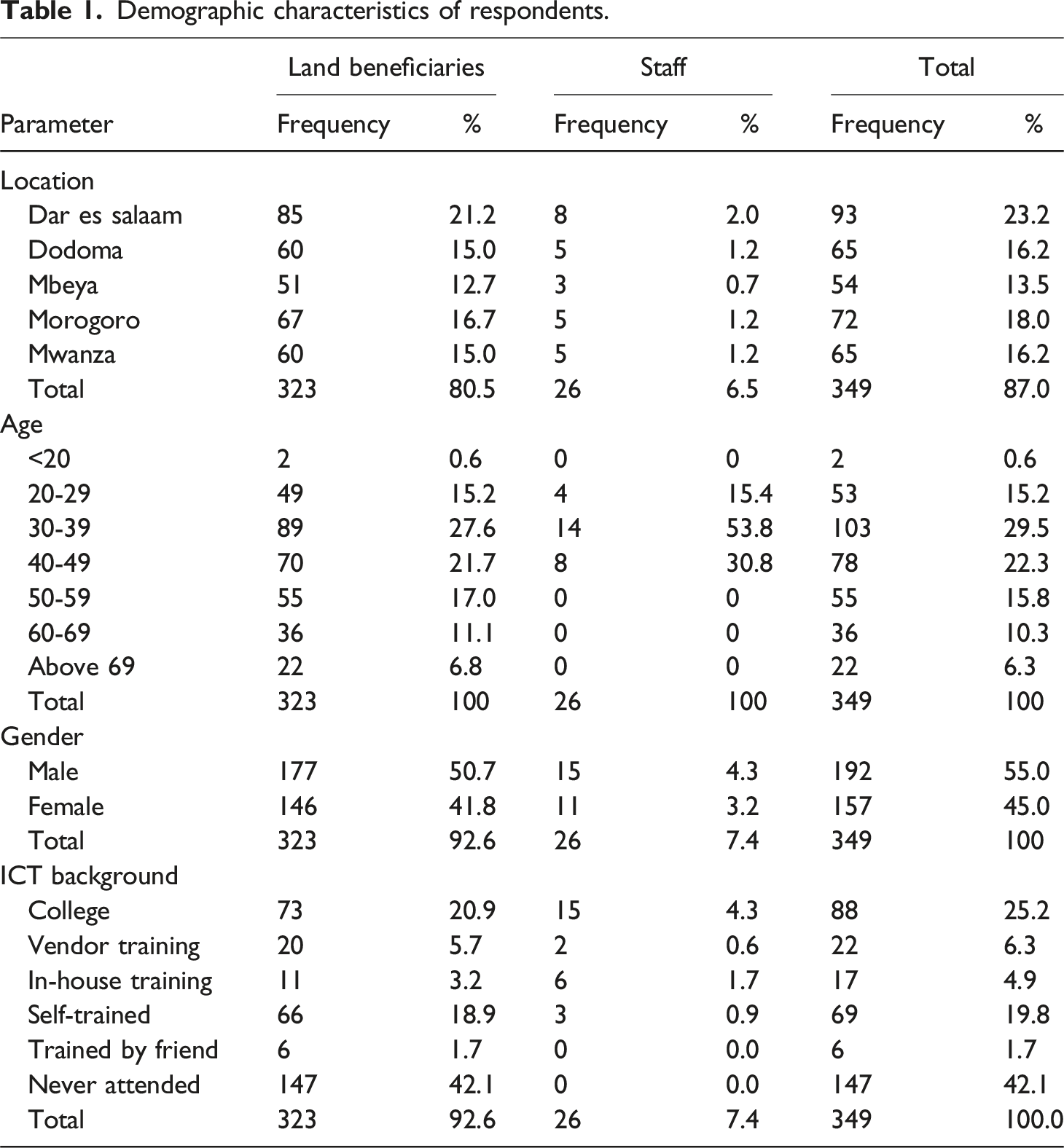
Table 1 indicates that 349 (87%) respondents out of 401 completed and returned the questionnaire. Of these respondents, 26 were land authority staff members. We determined the proportion of respondents from each region by estimating the sample size based on the population size of each involved district. Most respondents were from Dar es Salaam (23.2%); the percentage is higher than other regions because it covers two districts. Morogoro (18.0%), Dodoma and Mwanza (16.2%), and a few from Mbeya (13.5%) follow.
The analysis reveals that most respondents are in their thirties, which is 27.6%; the second-largest group is within the age group of their forties, followed by an appreciable age group in their fifties. The youngest group is under 20, less than one per cent, and the few in the post-retirement group are aged 69 and above. The data show that most respondents were male, accounting for 55%, while females comprised 45%. Both genders were present on average. Within this group, 22% obtained ICT skills via colleges, while nearly 20% got their skills through self-training. Over six per cent acquired expertise from vendor training, while about five per cent obtained it from in-house training. Nearly two per cent of the population acquired ICT skills through friends. These numbers suggest that over 25% of the population has acquired formal ICT skills. Over 40% of the population does not possess ICT abilities.
The status of ICT facilities available for management of land information in Tanzania
Individuals and institutional land stakeholders assessed the status of ICT, focusing on critical components such as communication devices, document processing devices, internet applications, services, and application software.
Access to ICT: Communication devices
Individual land stakeholders were queried about their access to ICT communication devices such as computers, smartphones, tablets, and ordinary cell phones. Figure 1 shows individual access to various ICT communication devices. Access to ICT: Communication devices (N = 323).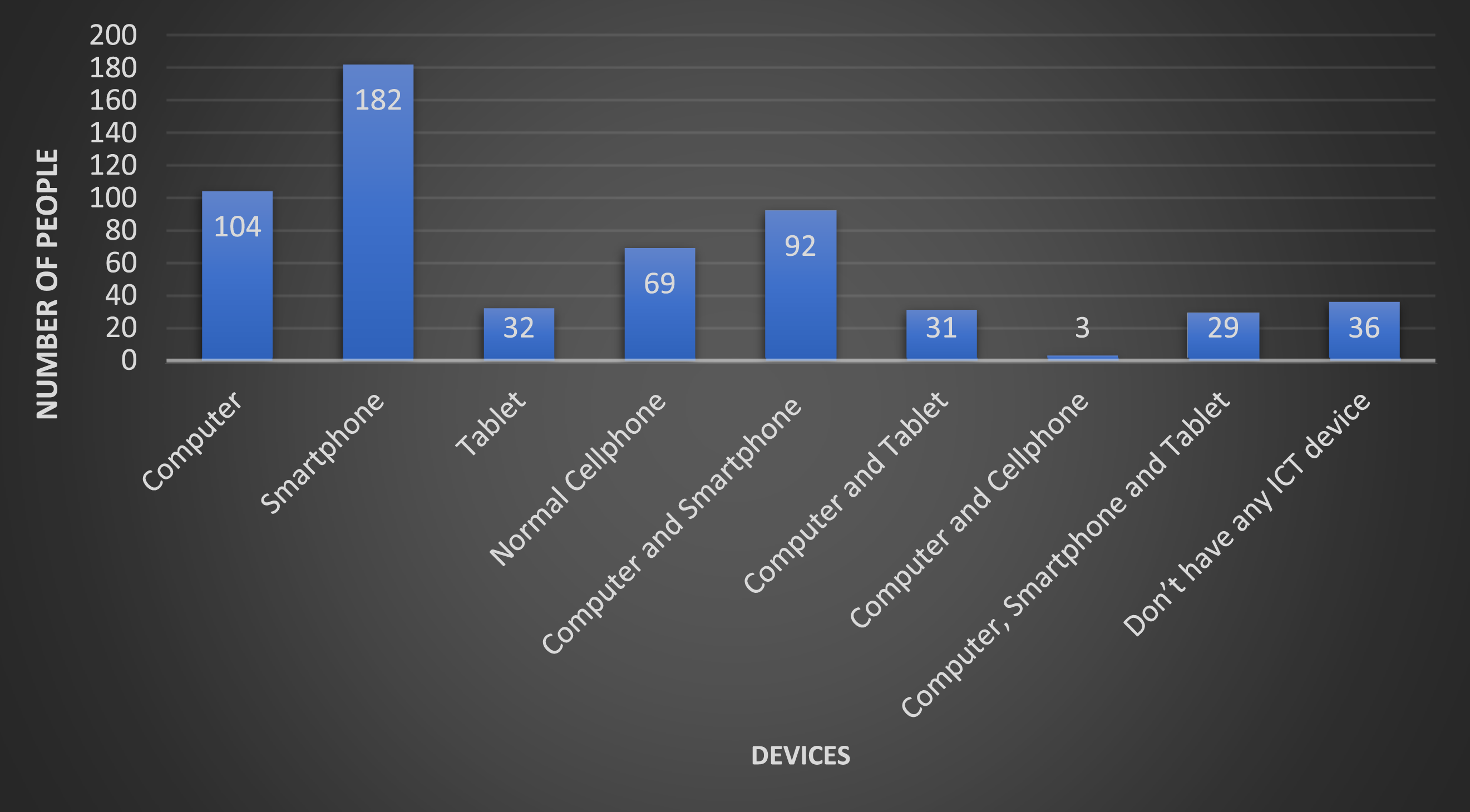
Status of ICT facilities in land administration offices (N = 26).
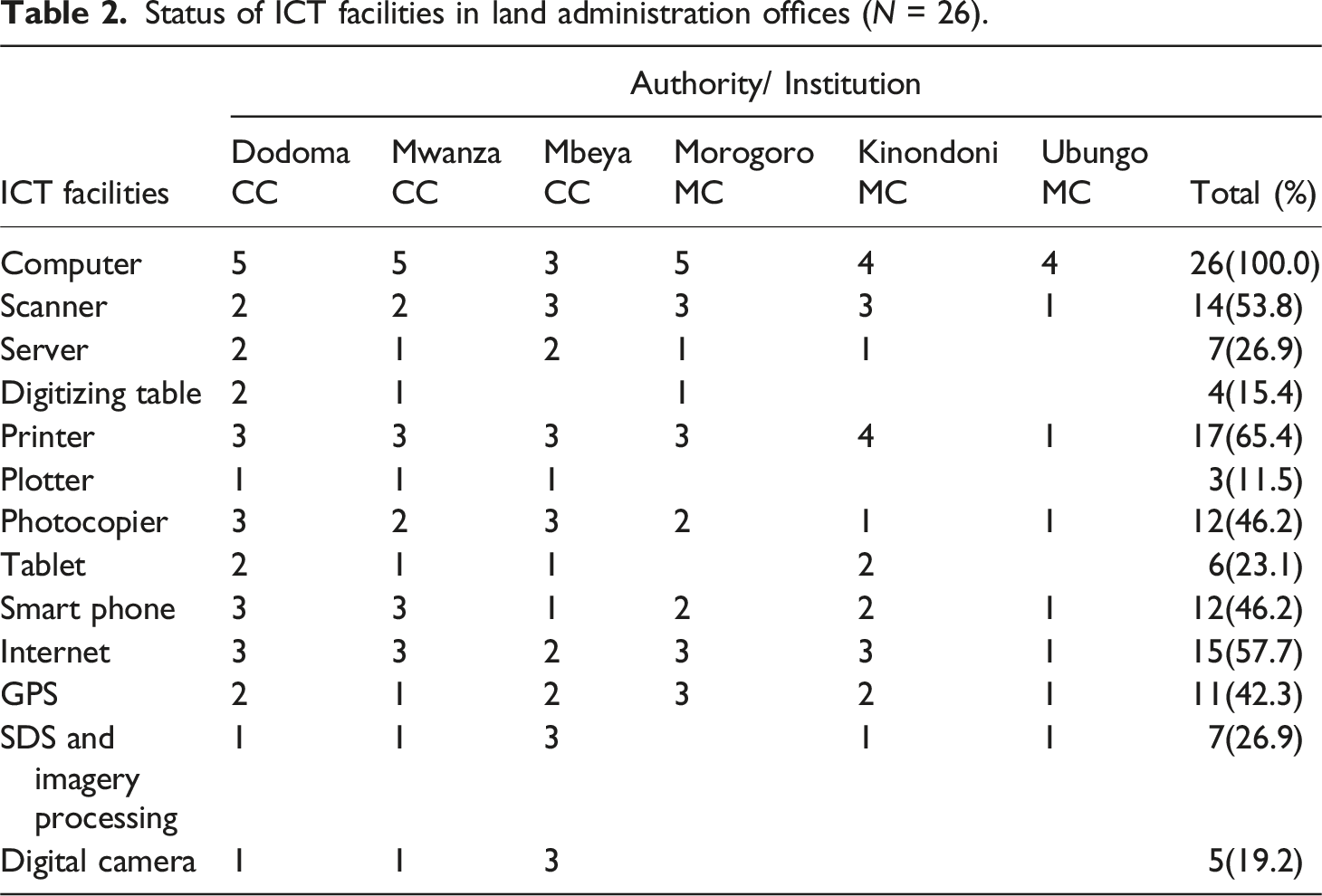
All respondents acknowledging the presence of computers at land authorities suggest that computers are indeed available. However, concerns may arise regarding accessibility, efficiency, sufficiency, and dependability. Additionally, there is evidence that all authorities own printers, scanners, smartphones, and GPS devices and have Internet access. There was also a concern about the presence of a camera throughout the interview. The valuer from the land office in Morogoro expressed his concern. “We do not have many ICT facilities here, and we normally share a few that we have, at least for cameras. I am using my phone, and for most staff here, the situation is the same.”
Valuers use digital cameras for property analysis and reports. However, the use and dependency on privately owned mobile phones indicate insufficient ICT resources by the authorities despite the widespread use of privately owned devices.
Observations revealed that most land offices’ computers need updating and fixing, yet they remain on desks despite their need for maintenance. The maintenance schedule is complex, with some computers beyond repair. Staff use personal laptops to store essential land data, necessitating backup data. Upon further investigation into the reasons, a council staff member from the Urban Planning section in Mbeya City stated, “Our section is facing a computer shortage, so we rely on the few available in the land section. Fortunately, I have a personal laptop for office assignments.”
The explanation emphasises the inadequacy of ICT facilities, such as computers, in some land departments and sections, which leads to sharing and amplifying the use of personal computers for sensitive information. Furthermore, it presents challenges in data management, including security, and may need to be improved when retrieving office data during staff transfers or job changes.
The study analysed the primary requirements of land stakeholders for access to internet applications and services, including social media and the Ministry of Land’s or District Council’s website. Figure 2 summarises the findings for access to internet applications and services. Access to ICT: Internet application and services (N = 323).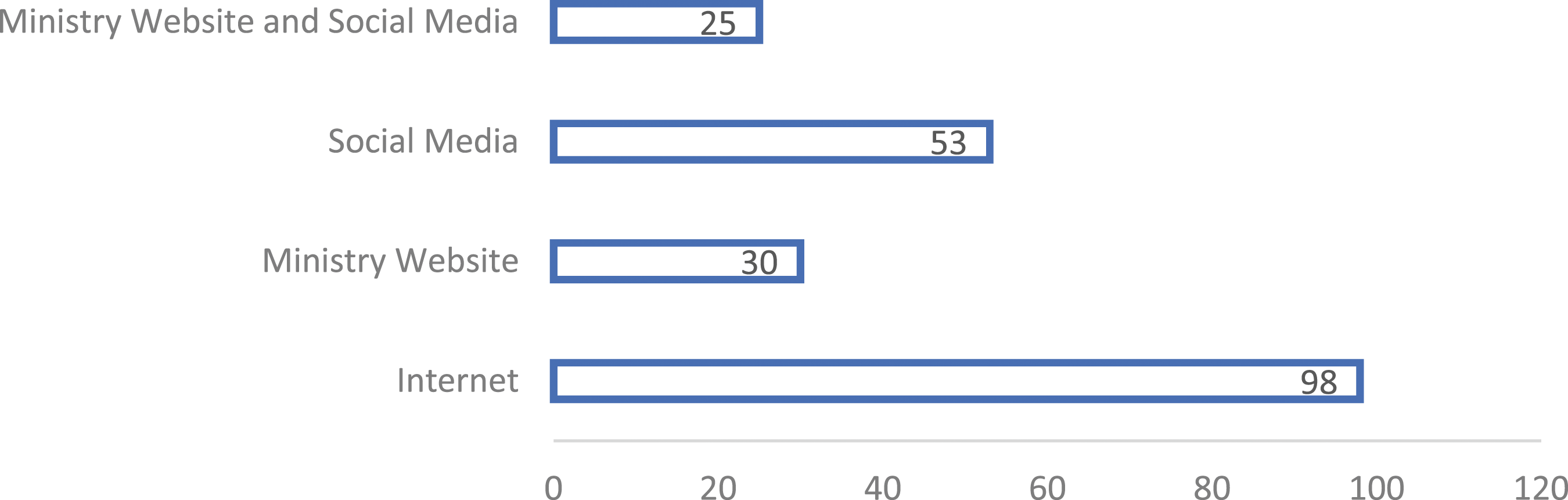
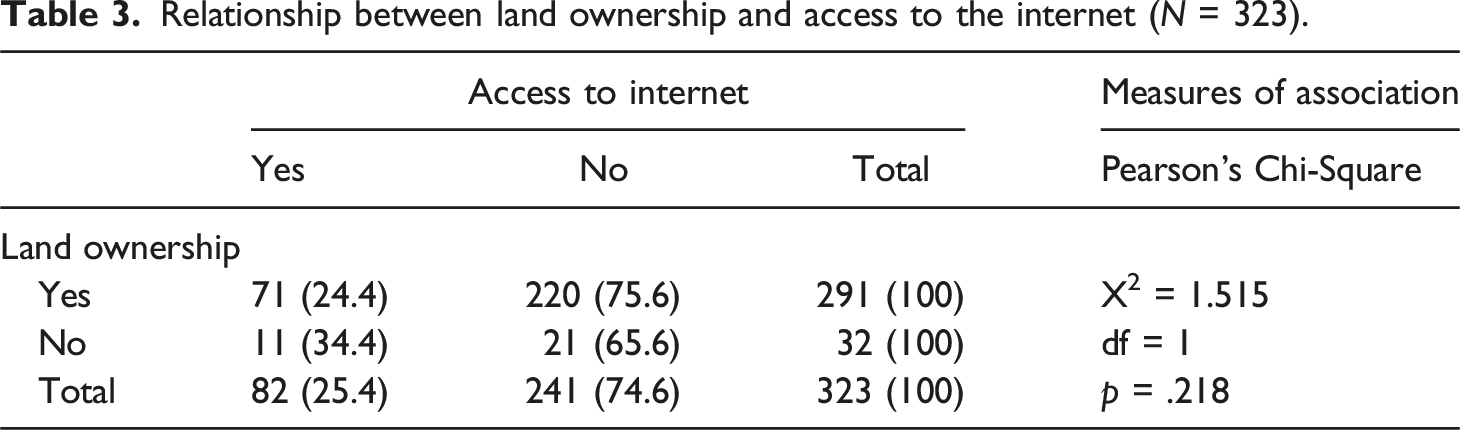
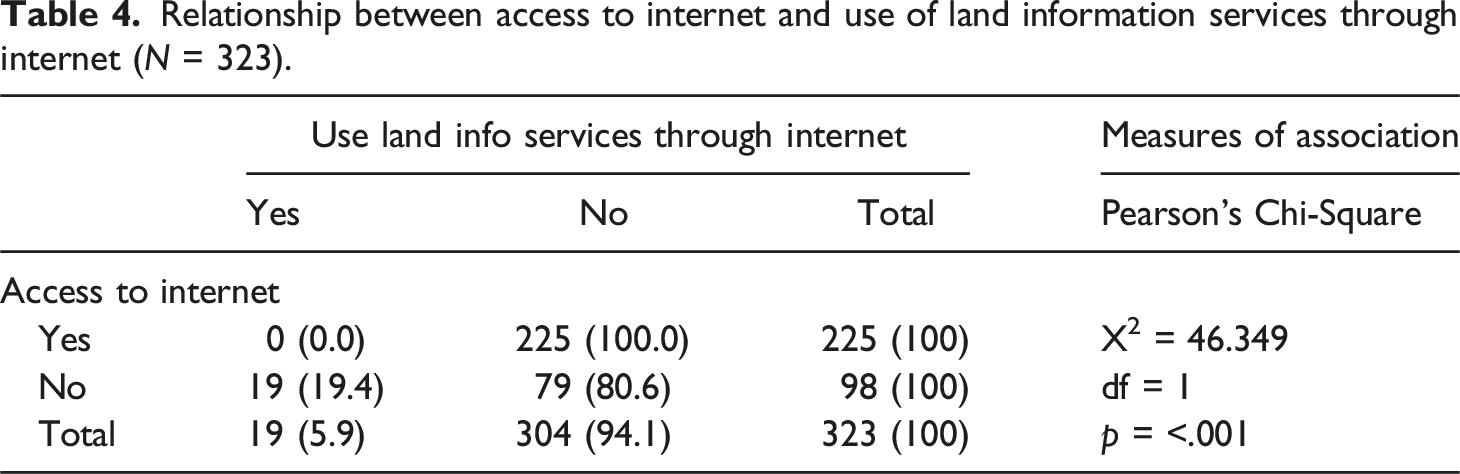
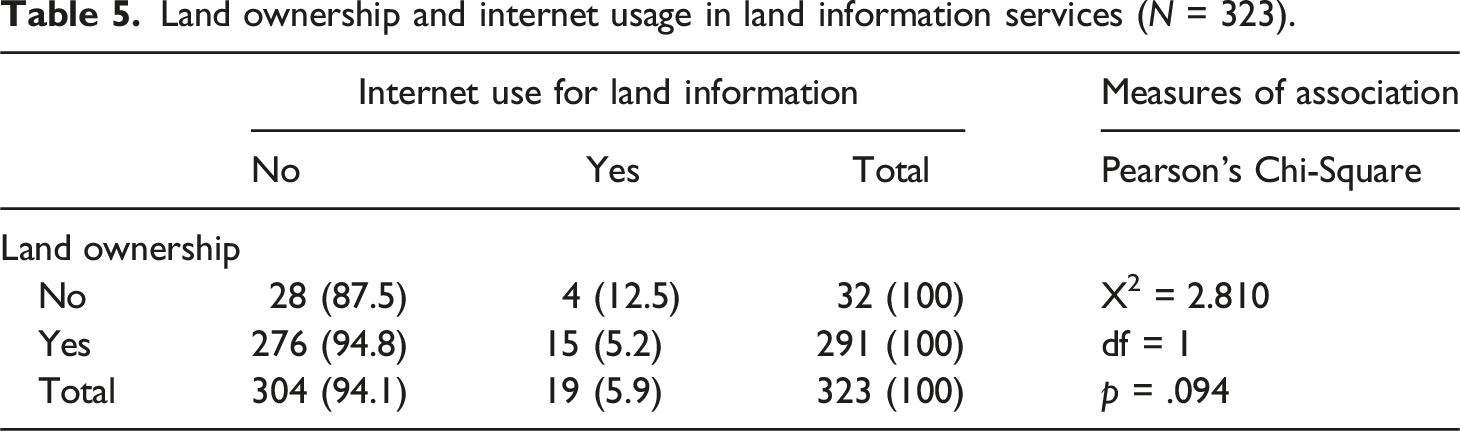
As Figure 2 illustrates, the majority of the population, 30.3%, has access to internet applications and services, with 16.4% using it for social media and 9.3% accessing the Ministry of Lands website. In contrast, less than 10% have access to both. Additionally, the analysis looked into the connections between land ownership, internet access, and land information services.
Relationship between land ownership and access to the internet (N = 323).
Relationship between access to internet and use of land information services through internet (N = 323).
Land ownership and internet usage in land information services (N = 323).
The survey reveals that most district and city councils have internet infrastructure, but some land offices are far from the main compound. For example, the Morogoro land office utilises wireless devices close to its principal office. However, issues like restricted internet connectivity persist despite the current infrastructure. Some land departments and registration offices do not have internet access or require ICT equipment.
The application of ICT in land administration information
Land information services offered through ICT - Individual feedback (N = 323).
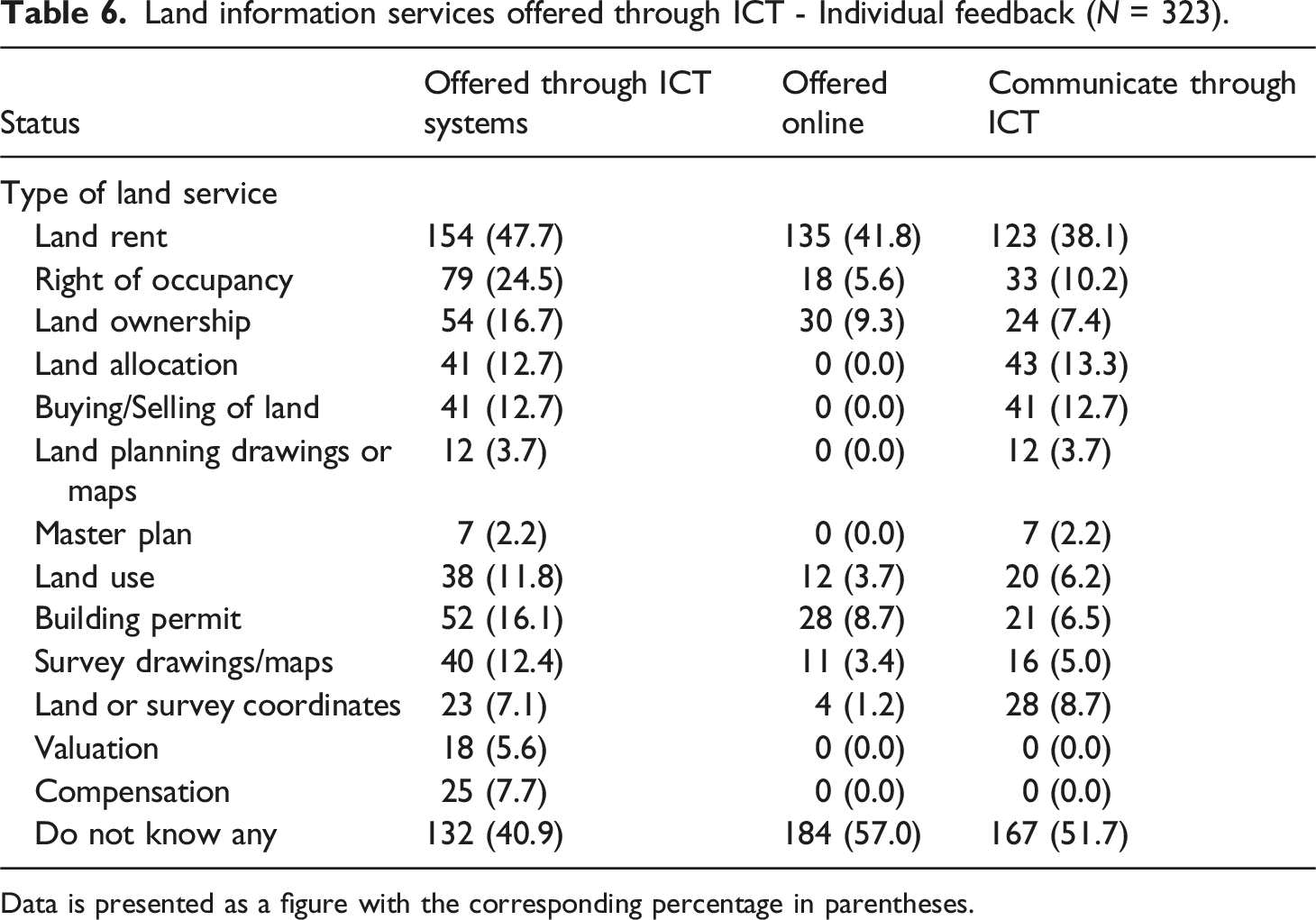
Data is presented as a figure with the corresponding percentage in parentheses.
Table 6 indicates that 47% of respondents mentioned land rent payment services, 42% were unaware of ICT land information services, and a quarter mentioned occupancy rights. 16% mentioned land ownership and building permits. The table also indicates a low level of online land information services, with land rent payment being the most accessible, followed by building permits, land use, and survey maps; over half need to be made aware of these services. Furthermore, the table reveals that over half of the population uses ICT for land rent-related issues, while over one-third communicates land-related matters. Few use ICT for buying or selling land, occupancy rights, survey coordinates, land ownership, building permits, or survey drawings. According to the statistics, there is no evidence of internet usage for land valuation and compensation communication, but some customers use mobile phones and emails for correspondence.
The study explored the use of ICT in land administration, requiring respondents to select their preferred land information sources from a list of popular sources. Figure 3 displays the statistics of sources for land-related information and the corresponding number of each source reported by respondents. Sources of land-related information (N = 323).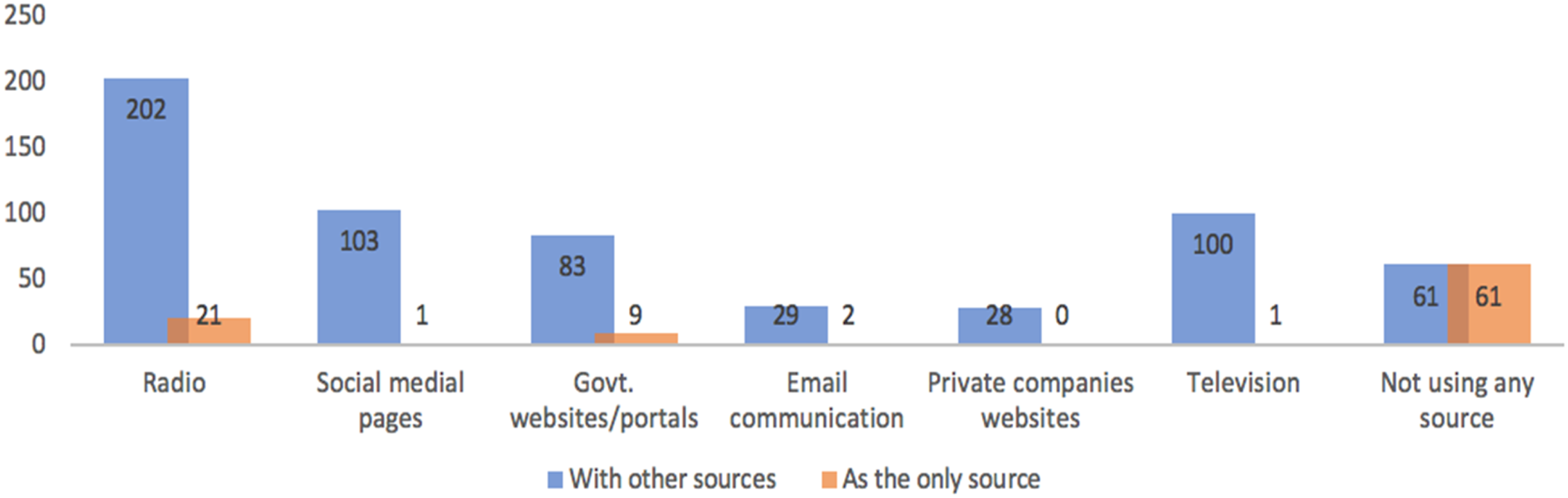
Approximately 66% of the participants use radio as a primary source for land-related information, with other sources needing to be more frequently used. Less than one-third of respondents used social media as a source, whereas a quarter mentioned government websites. Simultaneously, a small number admitted using emails and private company websites to communicate land information. More than 20% of the participants do not use any resources to obtain land information.
Communication feedback on land information services through ICT (N = 323).
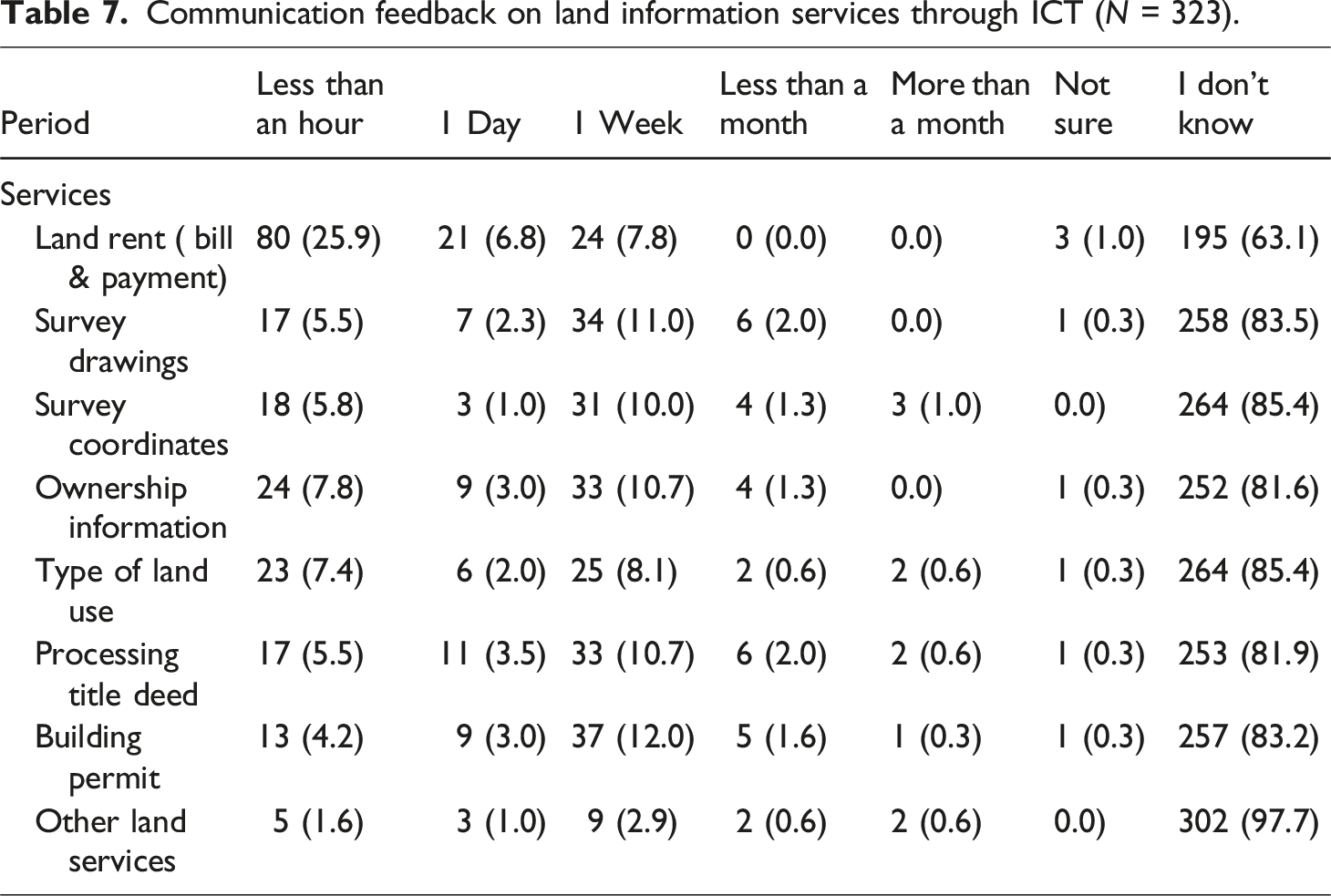
Table 7 shows that most land stakeholders need to be made aware of online land-related services, and a quarter of the population reported spending less than an hour waiting for feedback on land rent payments. About 6.8% of the population said receiving service feedback could take up to 24 h, 7.8% a week, and less than 1% needed certainty on the time. According to the analysis, mobile money services influence ICT usage in land rent payment services, making them accessible through mobile money transactions and bank service agents. The rest of the services, except land rental, are unavailable online. Respondents suggested a feedback period for email correspondences or mobile or telephone conversations related to those services.
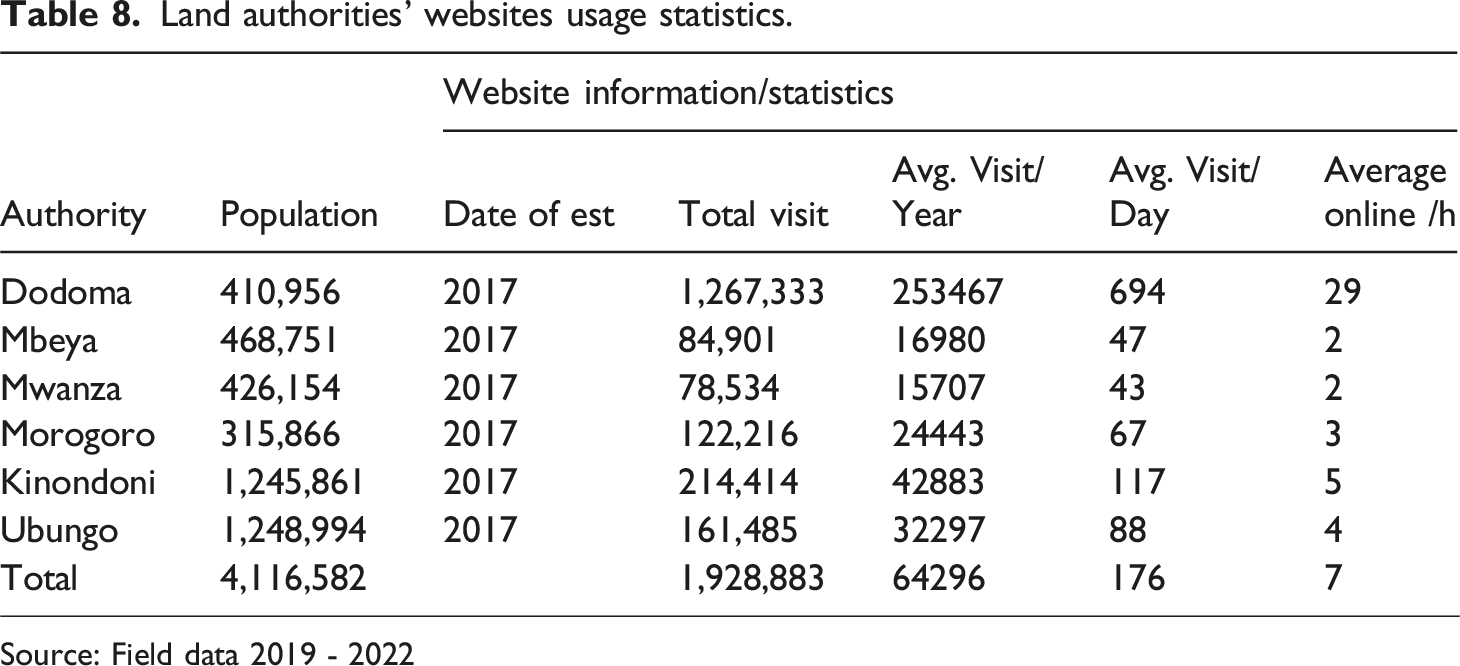
Land authorities’ websites usage statistics.
Source: Field data 2019 - 2022
Since 2017, six council websites have saved 1,928,883 visitors, with an average of 176 daily visits. The CCD website has the highest number of visitors, with an average daily visit of 694 and 29 visitors per hour. Dodoma City’s growing popularity and recent capital city shift from Dar es Salaam to Dodoma attract more visitors seeking land opportunities. Mwanza has the most minor daily average visits, with 43 daily visits and an average of two hourly visitors. The website’s timely and updated content justifies the situation.
The MLHSD website provides information on Tanzania’s land administration, laws, policies, and guidelines. It links other vital websites and organisations, including the Integrated Land Management Information System, NLUPC, and NHC. The website also links to Land Rent Assessment, the only online service available through the Ministry’s website. The analysis revealed that most land authorities’ websites lack essential land administrative information, such as land development size and statistics, and do not promptly address all land queries.
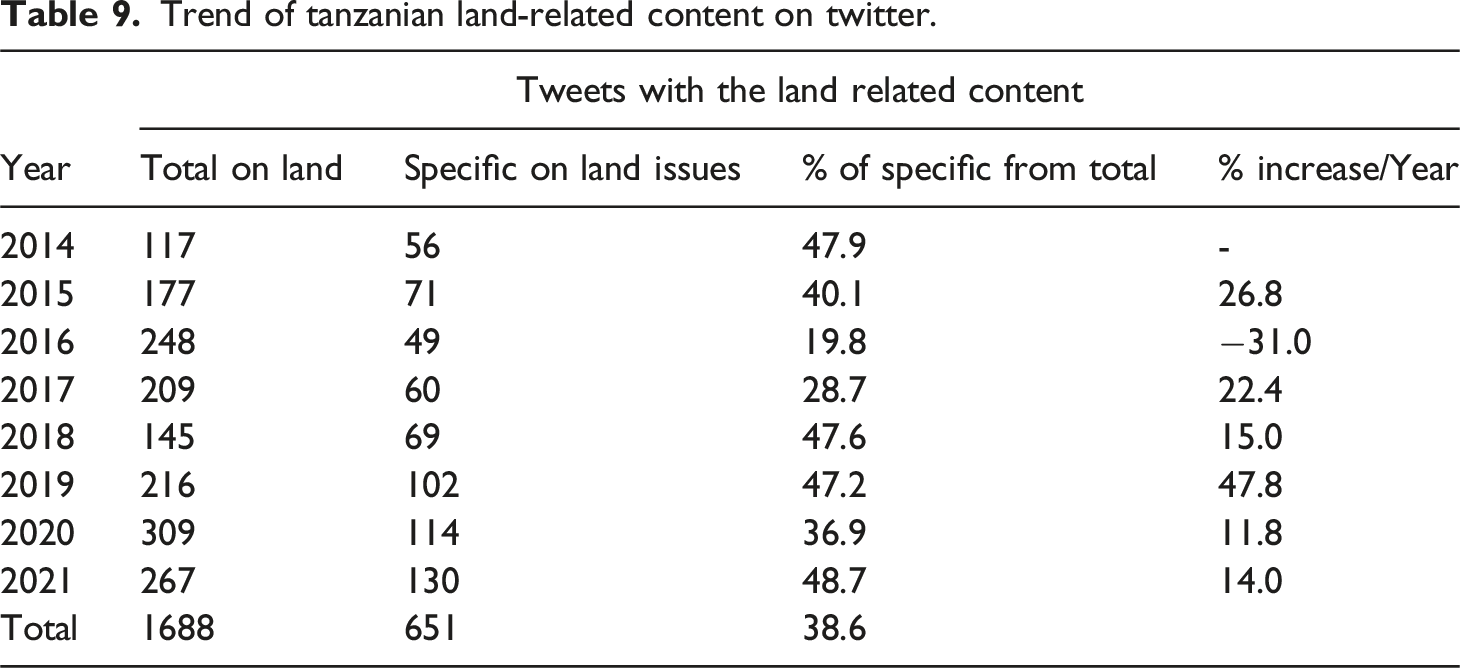
Trend of tanzanian land-related content on twitter.
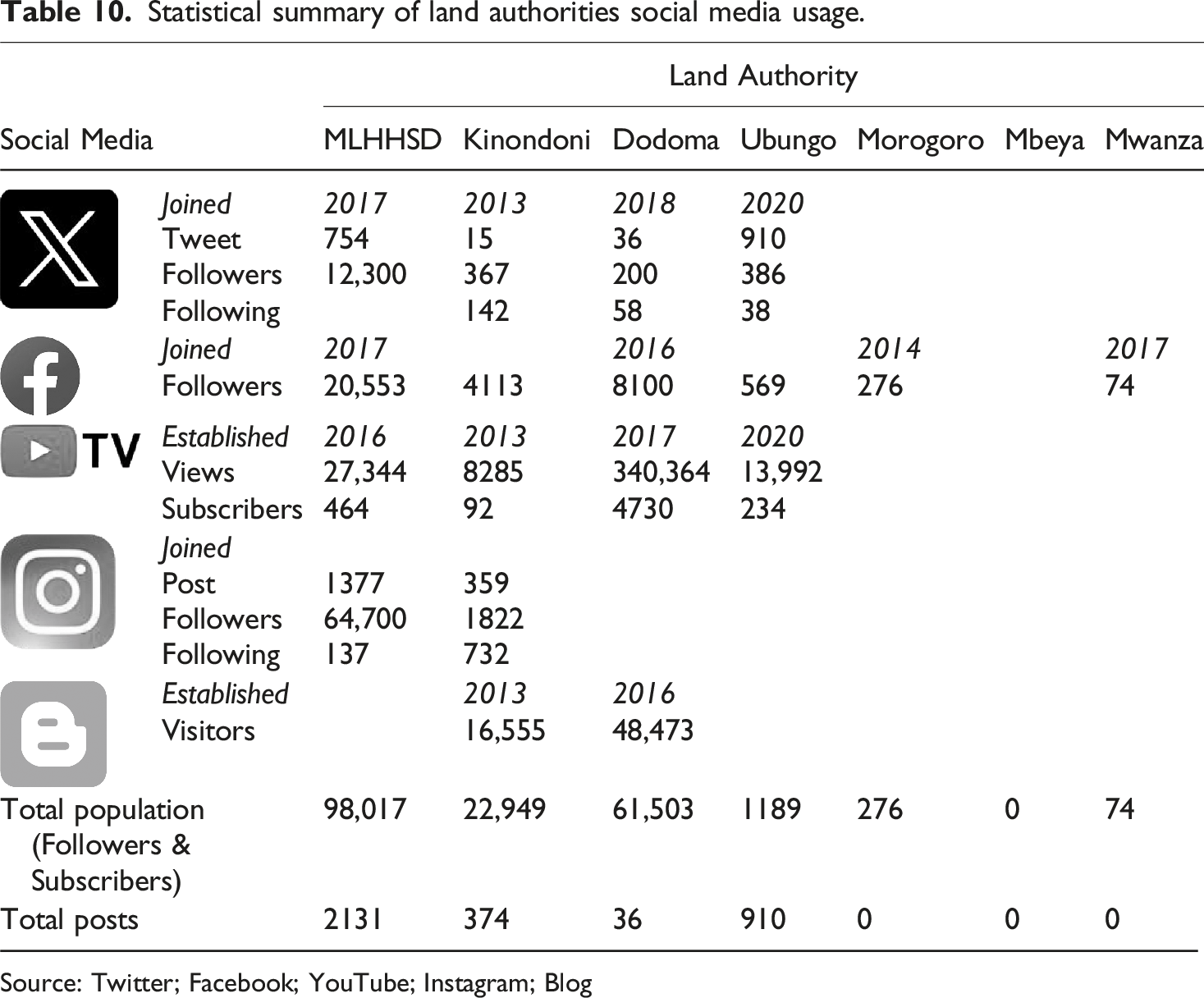
Statistical summary of land authorities social media usage.
Source: Twitter; Facebook; YouTube; Instagram; Blog
The Ministry’s social media engagement on Twitter, Facebook, YouTube, and Instagram, initiated in 2016, has reached 98,017 as of June 2022. Dodoma leads with 61,503, while Mbeya City Council has no official content. Mwanza has a small population because of its single platform and lack of content. It has been observed that Online platforms, mainly social media, must respond more quickly, especially when handling client requests and queries from land stakeholders.
Discussion
The study indicates that most land stakeholders in the study area have access to ICT communication devices like computers, smartphones, tablets, and cell phones. Almost 78% of the study population own mobile phones, with 56.3% having smartphone access. The findings align with the Tanzanian Mobile Phone Survey (TCRA), which suggests an 85% subscription rate. Mothobi and Moshi (2017) and De Lannoy (2018) also found that 57% of Tanzanians own mobile phones. Makauki (2014) states that smartphone ownership is rising, particularly among young adults, by 45%. The study and TCRA data indicate a growing mobile phone penetration trend, indicating a higher likelihood of reliable land information services via mobile phones. Most smartphone users can receive, share, or exchange land information in various formats.
Contrary to popular belief, regions with insufficient local infrastructure can construct systems that efficiently manage data storage and management on the cloud (Brent Jones of Esri, cited in Huggins and Frosina, 2017). Technological ‘leapfrogging’ occurs in countries without significant investments in data infrastructure, which requires substantial resources (Huggins and Frosina, 2017). Having sufficient ICT infrastructure and facilities alone does not guarantee the supply of quality and reliable land administration information services. The studies by Kisanjara (2020) and Mollel et al. (2023) postulate that the successful application of any technology in an organisation relies on the commitment and support of top management. Recent evidence indicates that there are limited land-related services available through mobile phones.
The findings show that only 11% of the population requires ICT communication devices, primarily due to age and language barriers. The situation suggests they require more knowledge and motivation to use these technologies. Fateye et al. (2020) noted that it is imperative to not only enhance the knowledge of innovative technology in land administration systems alone but also promote their utilisation. Despite having access to ICT, only a fifth of the population is aware of its use for land-related services, suggesting that traditional methods still perform or acquire most land-related tasks. Despite potential revenue gains, the land sector only partially benefits from existing ICT infrastructure, unlike tax administration, as Chatama (2013) demonstrated.
Furthermore, Aihie (2019) study in Nigeria revealed that training technology users significantly impacted land fields, particularly surveying and valuation. The adoption of ICT seems to vary among diverse groups of organisations and individuals. The findings also reveal that the land sector faces difficulties in achieving the desired goal of ICT application. The study by Girollet (2023) on the digital divide has also highlighted the variation of new technologies, regardless of their potential benefits, and how their uneven distribution may exacerbate existing inequalities instead of fostering new chances for inclusion.
In the modern era, access to reliable internet services is crucial for the efficient communication and transaction of information, including land information. A previous study by Sedoyeka (2012) found limited internet access due to infrastructure and associated costs. The current research reveals that nearly 25% of the population, including some older adults, utilise the Internet for various services. The study supports TCRA (2021) report on an overall increase in internet access and usage, possibly due to technological advancements in the communication industry. The Internet is now accessible through subscribed mobile phones or SIM cards, with providers revolutionising services like DSL, wireless, satellite, fibre optic, and mobile Internet, transforming the majority’s traditional dialup and cable-based experience. While most land offices have internet infrastructure, unreliable internet connections pose a challenge, especially in the land department. Battersby and Farivar (2004) emphasised that inadequate consideration of critical factors like service provider, cost, technical support, and speed during installation can lead to unreliable internet connections. However, it can also be attributed to the insufficient support and commitment of the top management (Kisanjara, 2020; Mollel et al., 2023).
The study reveals that land authorities have websites and social media platforms, but most information needs updating. Authorities primarily use these sites to disseminate one-way information to the public, such as institutional events, public announcements, tender advertisements, job opportunities, and tax information. It aligns with Saebo (2012) findings on the underutilisation of online platforms in Tanzania’s e-government. MLHHSD offers land rent services on its website, which is a unique experience compared to other land authorities, but it should be accessible to all land authorities. Some websites allow users to download applications or forms without visiting offices, allowing stakeholders to print, fill out, and submit them to the appropriate authorities’ offices. Online services are available, but there are challenges, such as being unable to fill out forms for various services and receiving decisions online. The scenario has also been noted as a gap in previous research; for instance, Saebo (2012) emphasised the cruciality of finishing the process and the online decision for efficient service delivery.
The Internet has potential for information transactions, but its full potential lies in simplifying transactions and sharing land information and services with stakeholders. Currently, MLHSD has the Integrated Land Management Information System (ILMIS) in place, which is online-based, though the land sector has yet to reach its full potential. A previous study by Mahmud (2013) proposed a digitalised land management system to enhance surveying accuracy, expand land databanks, and enhance tenure system quality. Furthermore, Rahman and Talukder (2016) analysed the expenses and benefits of digitising land records in Bangladesh, highlighting the potential cost savings and benefits of a technology-driven land administration system, which could facilitate land contract enforcement and promote property development.
Mollel et al. (2023) highlighted vital factors such as the presence of ICT policy, ICT infrastructure, and training as significant influences on the successful deployment of ICT, particularly ILMIS, in Tanzania. Furthermore, they suggested that MLHSD revise its ICT policies to define implementing and deploying ILMIS and other land-related services explicitly.
This study emphasises the quality of land information available in addition to the identified internet services. Tanzania’s land sector, despite internet availability, primarily benefits from land rent-related services, with most land services still provided in traditional ways. Jacobs (2015) evaluated the use of technology in Uganda and Ghana’s land administration systems for sustainable development. They found that digitalisation improved ownership structures, reinforced institutional land policies, and improved communication among relevant organisations and authorities.
Conclusion and recommendations
The study explores the use of ICT in Tanzanian land administration information, examining the availability, ownership, and access of ICT facilities and the capacity of individuals to utilise them. The study reveals that ICT facilities exist among land administration authorities and individuals, facilitating land information generation, planning, designing, and surveying. These technologies also process land documents to facilitate communication. However, there is limited awareness of some ICT services, hindering government efforts to improve land services. Despite these challenges, most of them can be solved with less effort, thereby enhancing the efficiency of ICT in the land sector. Clients increasingly use modern ICT facilities, but there needs to be more innovation in engaging land stakeholders, particularly on the Internet and social media, which are essential for modern information flow. Allowing the majority to access online services such as search, building permits, and land applications could reduce bureaucracy and increase authority revenues. There is potential for ICTs in land administration, urging land authorities to develop strategies and invest in their practical use.
Thus, the study recommends the following: First, the MLHSD and councils should invest in modern ICT infrastructure in all land offices to enhance land-related services, thereby enhancing the modernisation of land services, providing timely information, and increasing client satisfaction while achieving the land sector’s goals. Secondly, the MLHSD and councils should prioritise providing online land-related services and integrate them with online payment systems, such as building permits, land applications, and information search, to boost sector revenue from the district to the Ministry while ensuring easy accessibility. It can save time and resources by ensuring efficient, reliable, and quality services, eliminating the need for round-trip trips from land offices.
Third, enhance the management of the government’s online platforms for land information communication to improve client communication and ensure the reliability and availability of land-related information. Land authorities should actively engage on social media platforms to share information and receive timely feedback on land-related issues. It should go parallel with the digitisation and sharing of land information to enhance stakeholder self-service and reduce the workload of land authorities, enabling more clients to access land information through digital platforms in collaboration with the existing land system.
Fourth, there is a need to introduce SMS, mobile applications, and artificial intelligence (AI) for land administration information services to facilitate land services through ensuring immediate responses to most client inquiries, providing land information, raising awareness, offering training, and serving as a mobile land library. It will also enhance land security and ensure all landowners maintain active status. Finally, the study recommended the review of the MLHHSD ICT Policy to adhere to the international and national government policies that control ICT advancement and the provision of training to acquire knowledge and skills to adapt to changing trends in technology in routine activities.
Footnotes
Declaration of conflicting interests
The author(s) declared no potential conflicts of interest with respect to the research, authorship, and/or publication of this article.
Funding
The author(s) received no financial support for the research, authorship, and/or publication of this article.
