




Abstract
A large number of plastic clips are used in an automotive vehicle to connect the trim to the structure. These are small clips with very small masses compared to the structural elements that they connect together; however, the uncertainty in their properties can affect the dynamic response. The uncertainty arises out of their material and manufacturing tolerances and more importantly the boundary conditions. A test rig has been developed that can model the mounting condition of the clips. This allows measurement of the range of their effective stiffness and damping. Initially, the boundary condition at the structure side is replicated. The variability is found to be 7% for stiffness and 8% for damping. In order to simulate the connection of the trim side, a mount is built using a 3D printer. The variability due to the boundary condition on both sides was as large as 40% for stiffness and 36% for damping. A Monte Carlo simulation is used in order to assess the effect of the uncertainty of the clips’ properties on the vibration transfer functions of a door assembly. A simplified connection model is used in this study where only the axial degree of freedom is considered in connecting the trim to the door structure. The uncertainty in the clip stiffness and damping results in a variability in the vibration transfer function which is frequency dependent and can be as high as 10% at the resonant peaks with higher values at some other frequencies. It is shown that the effect of the uncertainty in the clips effective damping is negligible and the variability in the dynamic response is mainly due to the uncertainty in the clip’s stiffness. Furthermore, it is shown that the variability would reduce either by increasing or decreasing the effective stiffness of the clips.
Keywords
Introduction
The level of noise and vibration in automotive vehicles is a major concern where the level should be kept low to ensure the satisfaction of customers. Variability in noise and vibration is common in identical vehicles due to manufacturing tolerances, variations in material properties and operational conditions,1–7 which can result in vehicles with a frequency response function (FRF) that exceeds the threshold set at the design stage.
A large number of researchers have focused on modelling the variability in structural dynamics in recent decades, for example refer to Manohar and Ibrahim, 8 Mace et al., 9 Moens and Vandepitte, 10 Soize, 11 Daouk et al. 12 and also Ibrahim and Pettit 13 for uncertainty in bolted joints and fasteners. Fewer researchers have tried to model the effect of different components on the variability of noise and vibration response of automotive vehicles. For example, Resh 14 investigated the uncertainty in the dynamic properties of engine mounts while Donders et al. 15 used a Monte Carlo simulation to study the variation in the natural frequencies of an automotive vehicle body-in-white arising from the uncertainty in the spot welds characteristics. The variability in the natural frequencies of a car windscreen due to temperature is studied by Scigliano et al. 16 More recently, Kwon and Lee 17 modelled the uncertainty in the elastomeric joints and used the eigenvector dimension reduction method in order to obtain the variability in the dynamic response of the vehicle. They showed that the acceleration on the seat track can vary up to 6 dB due to the uncertainty in the sub-frame elastomer mounts.
All the components of a built-up structure can contribute to the overall variability in its dynamic response although their contribution would not be the same in terms of modifying the amplitude and location of natural frequencies.
18
As an example, the interior trim panels of an automotive vehicle can be attached to the vehicle body using small plastic clips. Ideally, the stiffness and loss factor of these clips would be highly consistent, however this can often contradict with the need for high volume manufacturing or speed/ease of assembly. The door of a luxury sedan vehicle is shown in Figure 1(a) and the associated trim in Figure 1(b). In this case four bolts are used to connect the trim to the door structure, while there are also five metallic clips that connect the top of the trim to the window edge. The focus of this study is on the 11 plastic clips that are used to connect the trim to the door, whose locations are marked with arrows in the figure. These clips are pushed through a hole in the door structure which keeps them firmly in place and ensures a tight connection at the door side (see Figure 1(c)). There is no flexibility with the clip location at the door side connection. A completely different connection mechanism is used in order to connect the clip to the trim. The clip slides in a slot at the trim side as shown in Figure 1(d), ensuring easy assembly and also to compensate for any misalignment that may arise during the assembly. However, such flexibility in the mounting position causes uncertainty in the boundary condition resulting in a variation in the dynamic response.
Photographs of the vehicle door and the trim: (a) the door when trim is removed. Clip mounting points are marked by arrows; (b) door trim, clip mounting points are marked by arrows; (c) the close-up view of the mounting point of the clip in the door; (d) the close-up view of the slot in the trim which allows compensation for positioning of the trim during assembly.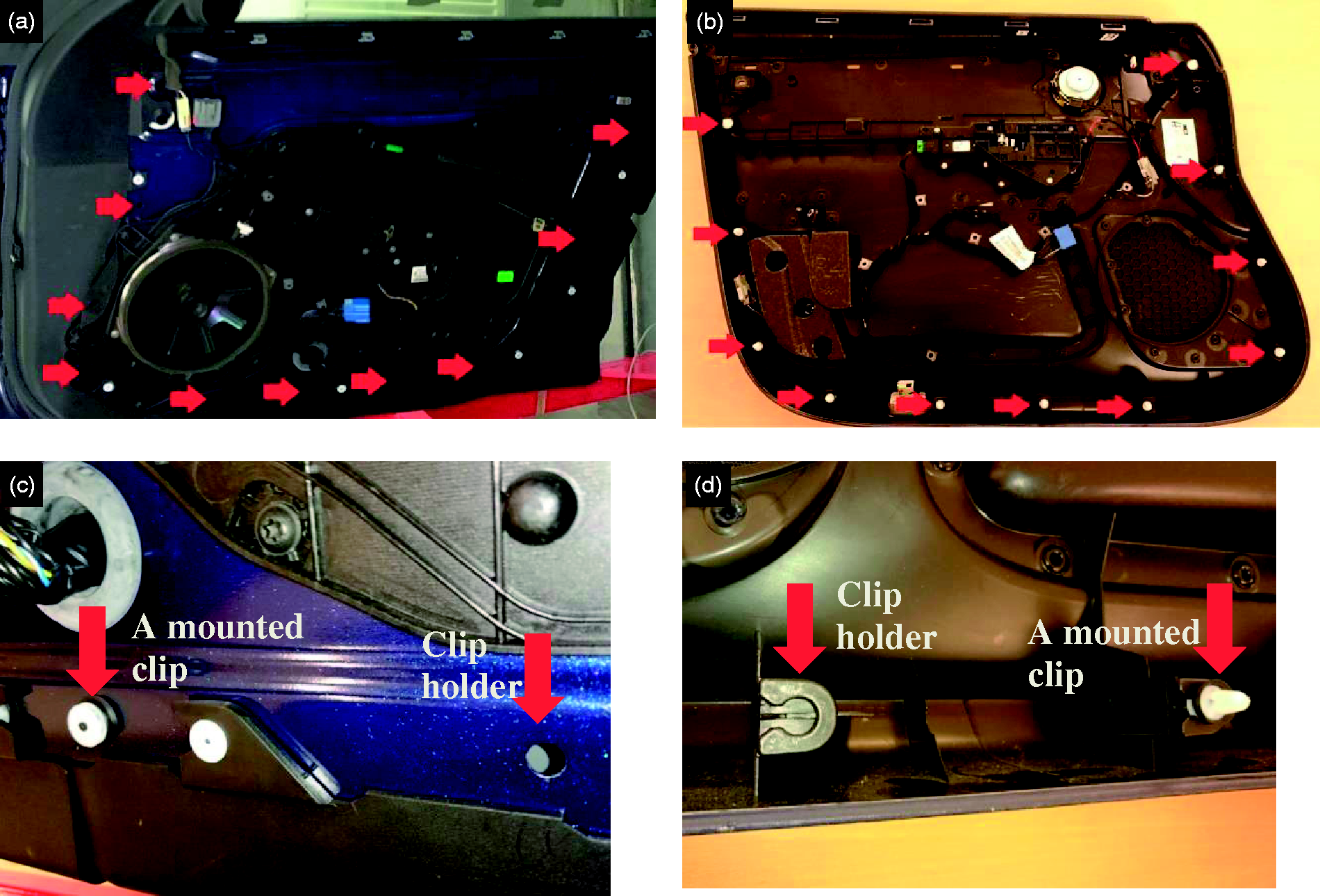
Clips can be modelled by rigid connectors in finite element (FE) models of the automotive vehicles (for example, RBE2 element in MSC-Nastran). 19 When they are modelled by spring elements a dynamic pull-out simulation is usually implemented in which the stiffness is approximated by the slope of the force–displacement curve for a clip that is removed from its mount. 20
Here, the effective stiffness and damping of the clip are measured through a dynamic test. An experimental rig has been designed which resembles the boundary condition of the clip in the real working condition, allowing an evaluation of their effect on the uncertainty in clip’s properties. The methodology and initial results have been previously presented in Abolfathi et al. 21 The effect of uncertainty in the stiffness and damping of the clips on the variability of the dynamic response is assessed through a series of Monte Carlo simulations. The effect of uncertainty in damping alone and stiffness alone are also evaluated which confirms the conclusion of a previous study. 18 It is also shown that varying the mean value of the clip’s stiffness can change the variability in the vibration transfer function.
Variability in the clip’s properties, effect of the door side connection
Experimental methodology and apparatus
The un-mounted clip is shown in Figure 2(a). Pushing it into the hole of the metal door frame applies a force to the rubber bush on the base of the clip. While the free rubber bush has a low stiffness when not assembled in the door, as soon as it is mounted in the door structure, the pre-loaded rubber ring forms a relatively stiff connection which is assumed to have less variability due to its connection design. The clip can be modelled as a parallel spring-damper in the low and medium frequency range which is the region of interest in this study. The simplest way to obtain its properties is to support a mass on the clip and to measure the FRF. Such an experimental setup allows an evaluation of the stiffness and damping of the clip.
In order to resemble the boundary condition of the clip connected to the door, a profile with the same thickness as the door structure is used, where the profile acts as the supported mass in the single degree of freedom (SDOF) model. The hole in the profile has the same diameter as that of the door structure while the closed box shape of the profile ensures high enough internal resonances to consider it as a rigid mass in the frequency range of interest (the profile has been modelled in NASTRAN and it was found that the lowest natural frequency was above 4 kHz). The clip mounted on the bracket is shown in Figure 2(b) and the entire experimental arrangement is shown in Figure 2(c). Accelerations at the two points ( The experimental setup used to measure the variability in stiffness and damping of a vehicle’s trim-structure mount, door side boundary condition; (a) a photograph of a test clip; (b) a clip mounted in the profile that resembles the door side boundary condition; (c) the experimental setup mounted on an electro-dynamic exciter.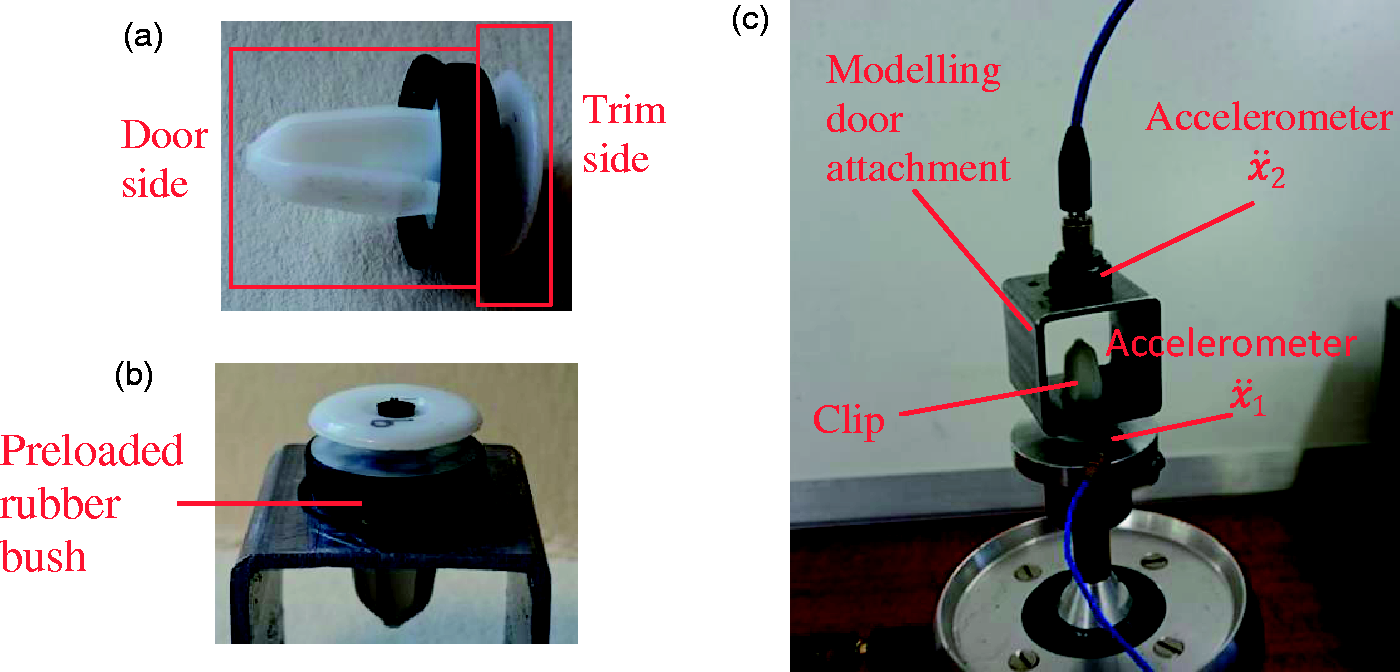

Results
The amplitude of the transmissibility is shown in Figure 3(a). There is a dominant peak at approximately 1000 Hz which make it possible to model the rig as a SDOF system. The transmissibility phase is shown in Figure 3(b) where a 180° shift in the phase is visible at the frequency corresponding to the main peak. There is a local maximum before the main peak at about 500 Hz which is due to a coupling with the rotational degree of freedom and is neglected for the purpose of this study. In order to estimate the measurement error, a series of measurements were conducted where the accelerometers were removed and mounted again (performed in order to separate out the measurement errors from the natural variability of the clip properties) and used to calculate the stiffness and damping of the clips. The supported mass was 29.5 g. The standard deviation is used to quantify the variability

In the second series of tests, a single slightly worn clip is mounted and dismounted in order to simulate the effect of wear and ageing. Each time the transmissibility was measured three times with the profile being rotated slightly each time. The amplitude of the transmissibility is shown in Figure 4. The resonant frequency of the system occurs at a range between 750 Hz and 850 Hz. The estimated average stiffness is 724 kN/m with a normalised standard deviation of 8%. The estimated damping ratio is 0.04 with a normalised standard deviation of 15%. Although this stiffness is relatively high, it is not as rigid as the metal structure and thus, modelling the clip using FE programs should be undertaken using spring elements and not rigid connectors, as typically is the case.
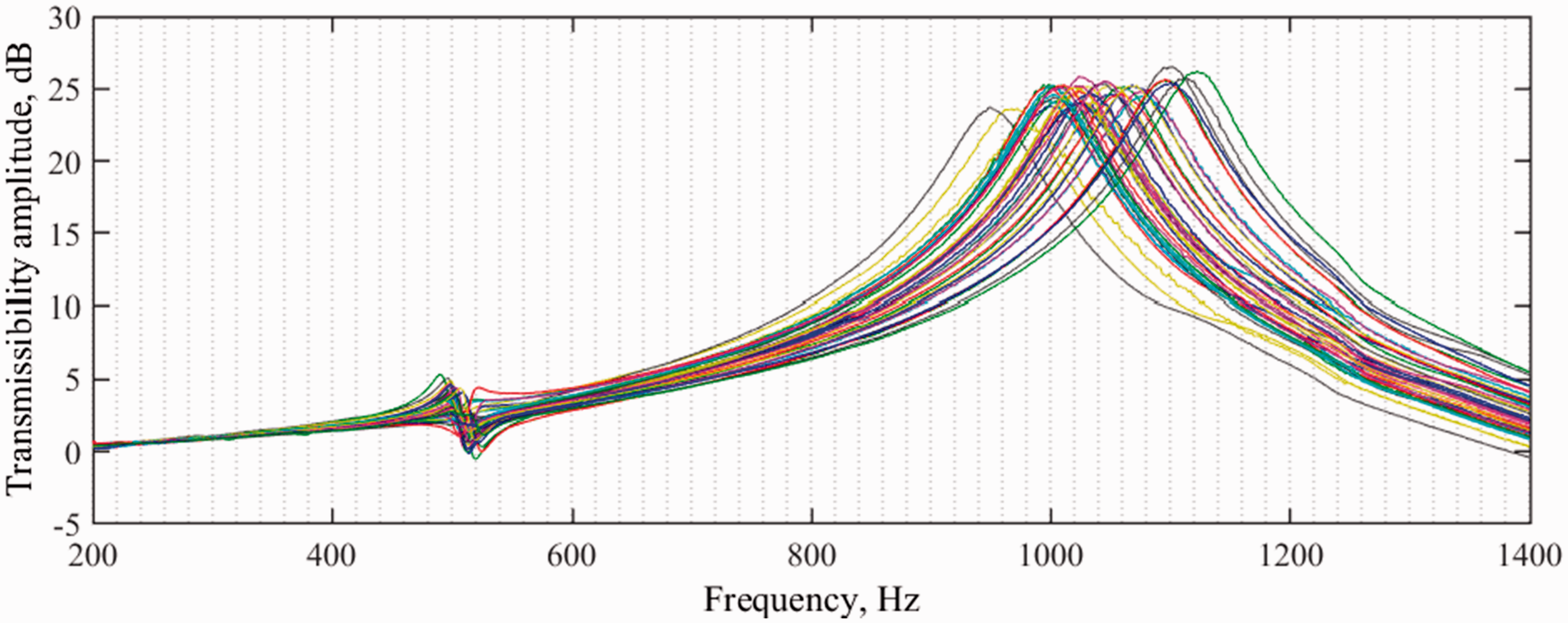
The third series of measurements were conducted on new clips with no wear or only slight signs of wear. These clips were used in order to simulate the variability in the stiffness of the mounts of a new vehicle. Five measurements on each clip were conducted with the supporting profile being rotated between each measurement. The measurement results are shown in Figure 5. The resonant peaks cover a frequency span mainly between 1000 Hz and 1080 Hz which is higher than the resonance frequency range of the worn clip shown in Figure 4. This suggests a reduction in stiffness for a worn clip and could be due to a decrease in the preload, as the mounting becomes looser due to usage. The average estimated stiffness is 1250 kN/m with a normalised standard deviation of 7% which is slightly less variation than that of the worn clip. The estimated damping ratio is 0.03 with a normalised standard deviation of 8% and, thus, exhibits significantly less variation than that of the worn clip.
Variability in the clip’s properties, effect of the connection on both sides
Experimental apparatus and methodology
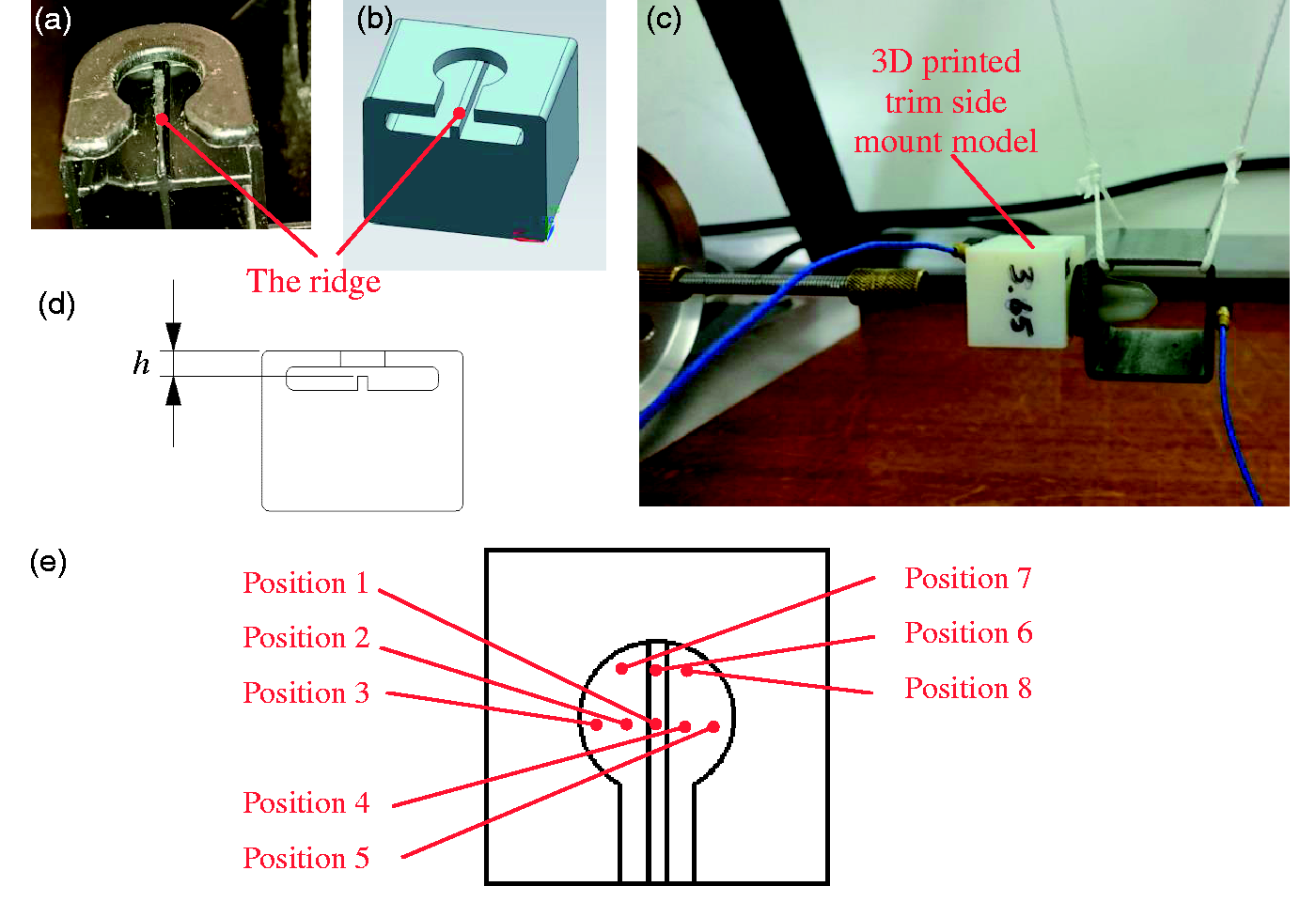
In order to accurately replicate the attachment of the plastic clips in the plastic trim holders, a 3D printer was used to manufacture controlled samples with known tolerances. The controlling parameter of the clip property on the trim side is a ridge, marked with a red pointer which is shown in the photograph in Figure 6(a). The design of the clip mount for the experimental rig is shown in Figure 6(b) and the experimental setup is shown in Figure 6(c). Any variation in the clearance between the ridge and the mounting surface will form a different fit in practice. The equivalent distance on the mounting block is shown in Figure 6(d) and is marked with the h symbol. Measurements made on the different mounting points of an existing door trim showed that the distance h varies between 3.2 mm and 3.6 mm. For those mounting points with the widest opening, the fit can be described as loose which results in a reduced effective stiffness. The clip may rattle in extreme cases (although this means that it is easier and quicker to assemble the door in a factory). A set of mounts with different tolerances were produced in order to model the different boundary conditions of the clip. The tolerances on the distance h were measured and a block with a tighter fit (
The design of the clip holder in the door trim ensures that the clips can be located in slightly different positions thus allowing compensation for a possible misalignment. In order to determine the effect of the uncertainty in the clip position, a clip is moved slightly between each measurement in order to cover a range of positions on the mounting block. The approximate positions of the centre of the clip location on the mounting block are shown by points 1 to 8 on Figure 6(e). The effect of this variation in location on the effective stiffness and damping is then determined.
Three set of measurements were conducted in order to examine the effect of the distance h on the effective stiffness and damping of the clips. First, measurements were conducted on the tightest fit of the mounting block (
Results
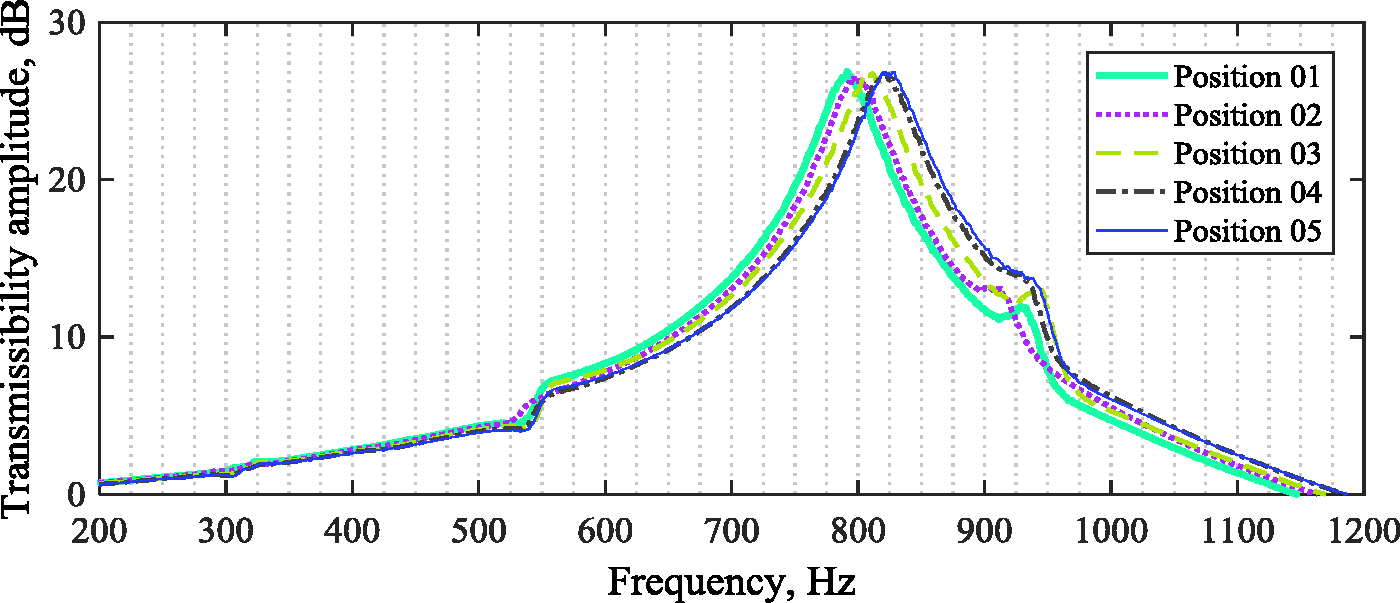
The amplitude of transmissibility for the five measurements with the extra tight fit at the trim side is presented in Figure 7. The clip was moved slightly for each measurement inside the mounting block of the trim side connection, i.e. positions 1 to 5 in Figure 6(e). It can be seen in Figure 7 that there is another small resonant peak at a frequency of about 940 Hz which is due to a rotating degree of freedom. This resonant peak is more visible in Figure 7 when compared to the previous cases shown in Figures 3 to 5 as the mounting block is no longer symmetric and the clip is not placed exactly at the centre of the mounting block. However, there is still a dominant peak at approximately 800 Hz. This means that the structure can be modelled as a SDOF system and the stiffness of the mount and the damping can be estimated from the data with the same method as used before. From this data, the average estimated stiffness is 760 kN/m with a normalised standard deviation of approximately 4%. The stiffness is nevertheless lower than the average stiffness value obtained when only the door side connection is considered. This is due to the flexibility of the trim side mount.
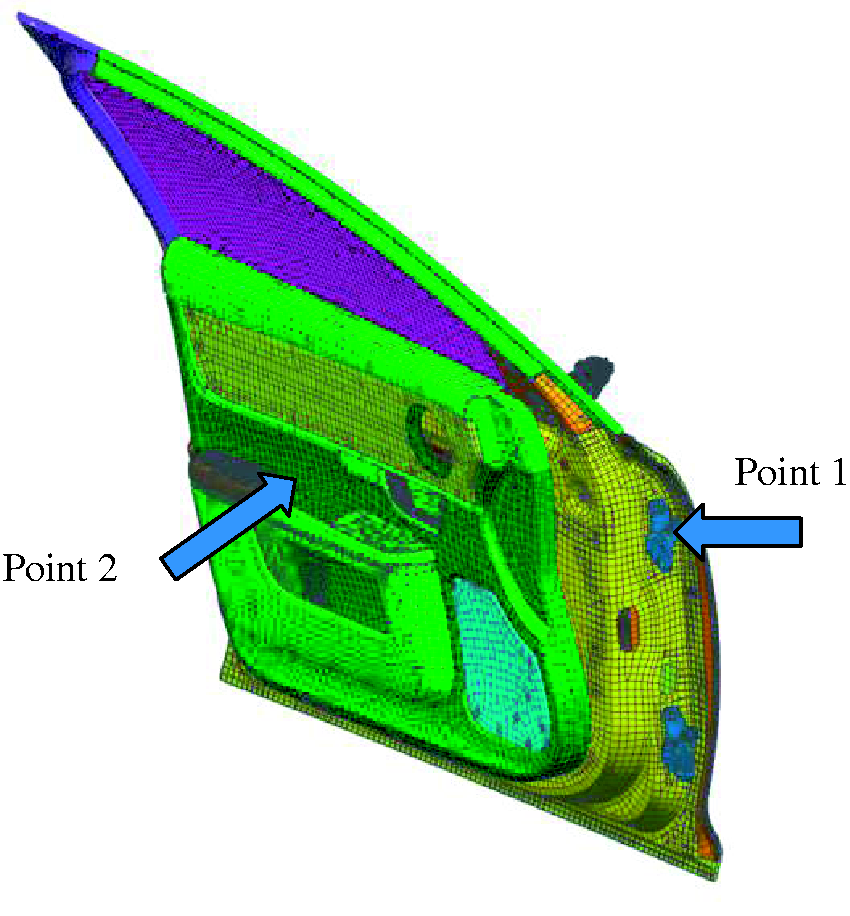
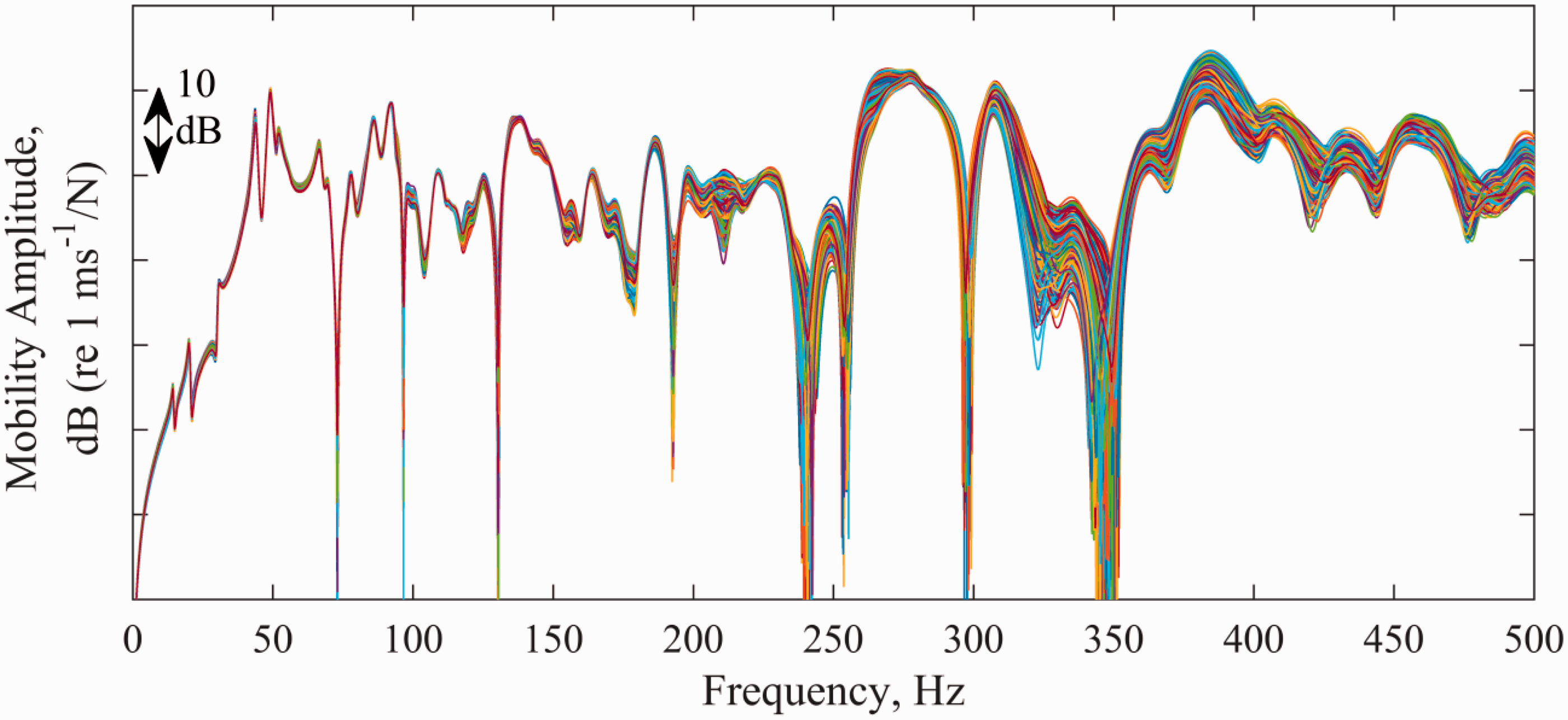
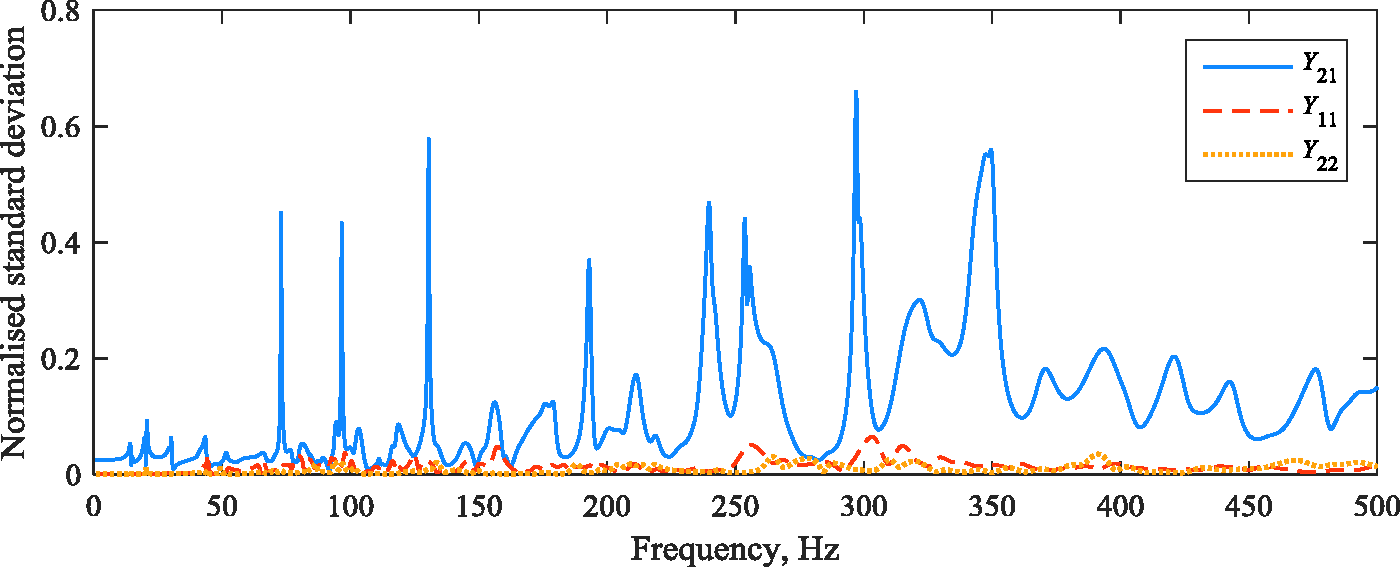
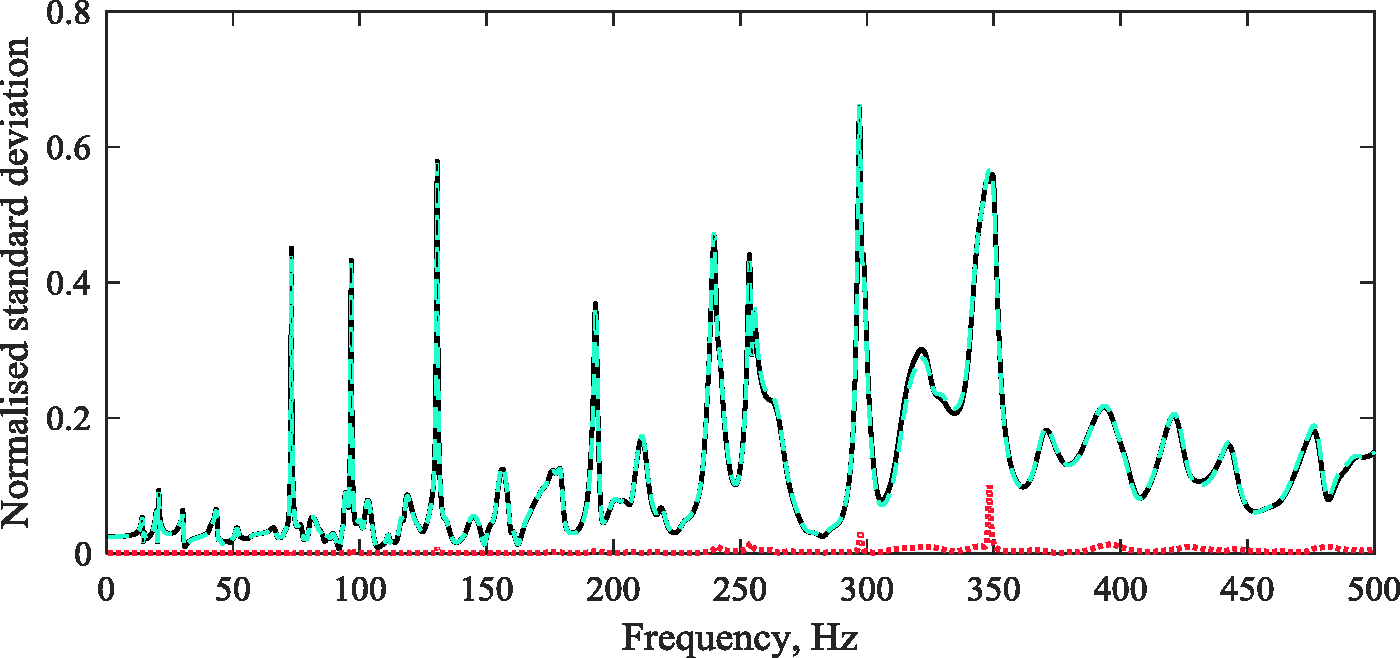
Measured transmissibility from the experimental setup used in order to estimate the stiffness and damping of the clip: (a) the amplitude of the transmissibility; b) the phase of the transmissibility. The amplitude of the transmissibility for a worn clip for a series of measurements where the clip is mounted and dismounted and the measurement conducted three times, each time with a small rotation in the supporting profile. The amplitude of the transmissibility for ten different clips, each one measured five times with the supported profile rotated between measurements. The experimental setup used to measure the variability in the stiffness and damping of the clip with both boundary conditions is replicated: (a) photograph of the mounting boundary condition of the clip on the door trim; (b) experimental mount model of trim side connection; (c) experimental setup used to measure the variability due to both boundary conditions; (d) front view of the mount showing clearance distance, h; (e) approximate positions of the centre of the clip on the clip mount. The amplitude of the transmissibility for the extra tight fit ( The amplitude of the transmissibility for the tight trim side fit ( The amplitude of the transmissibility for the loosest trim side fit ( Finite element model of the door and its trim. Excitation and measurements points are shown by arrows. Lumped parameter model used for a single clip. Transfer mobility Normalised standard deviation Normalised standard deviation 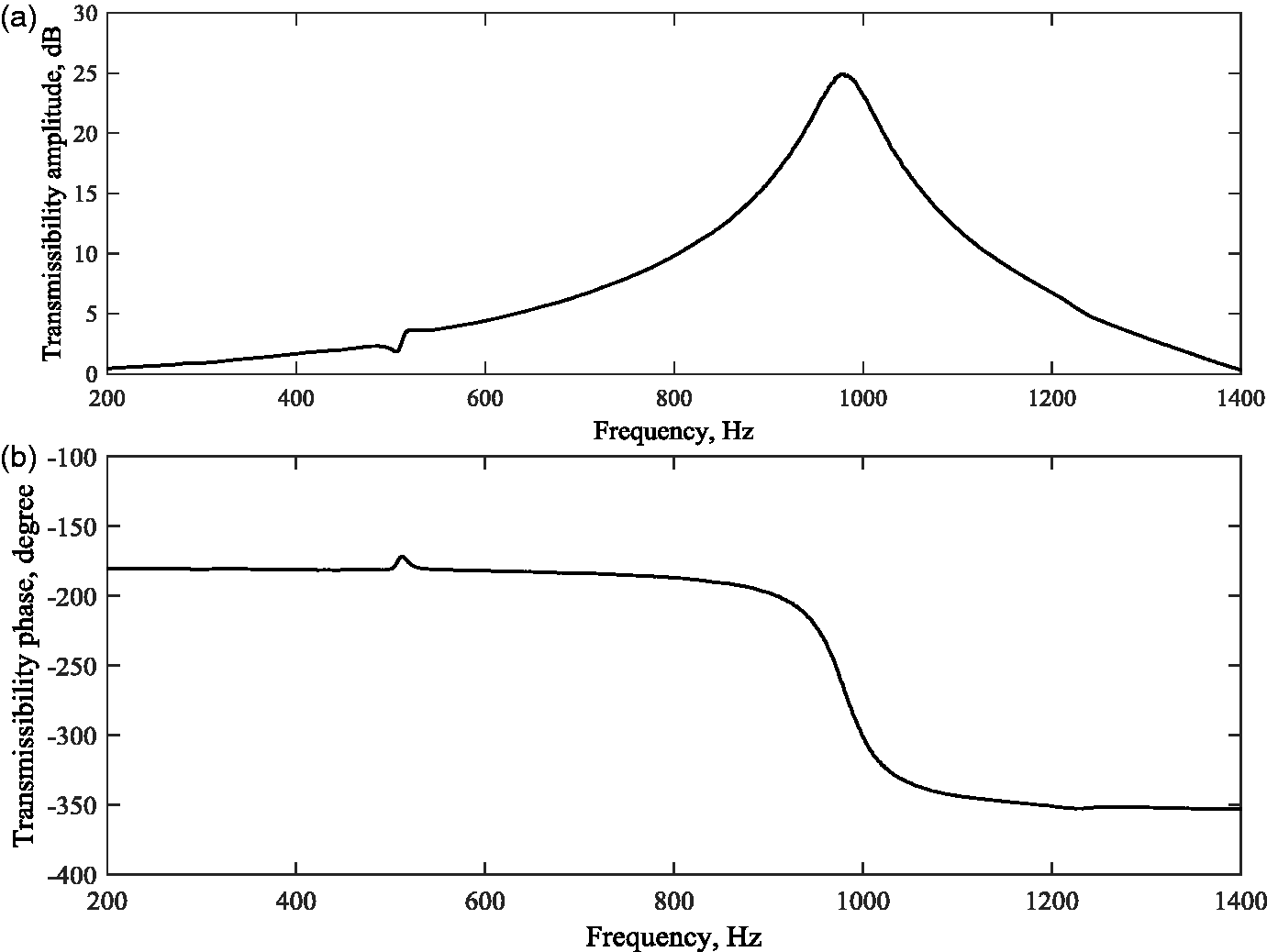
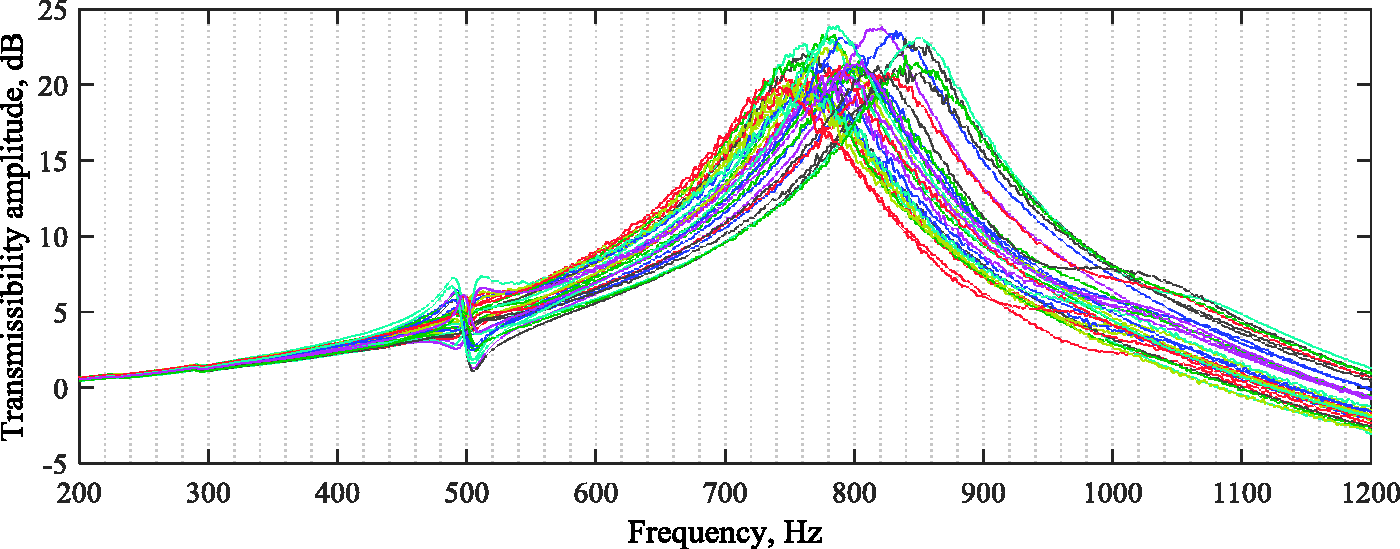
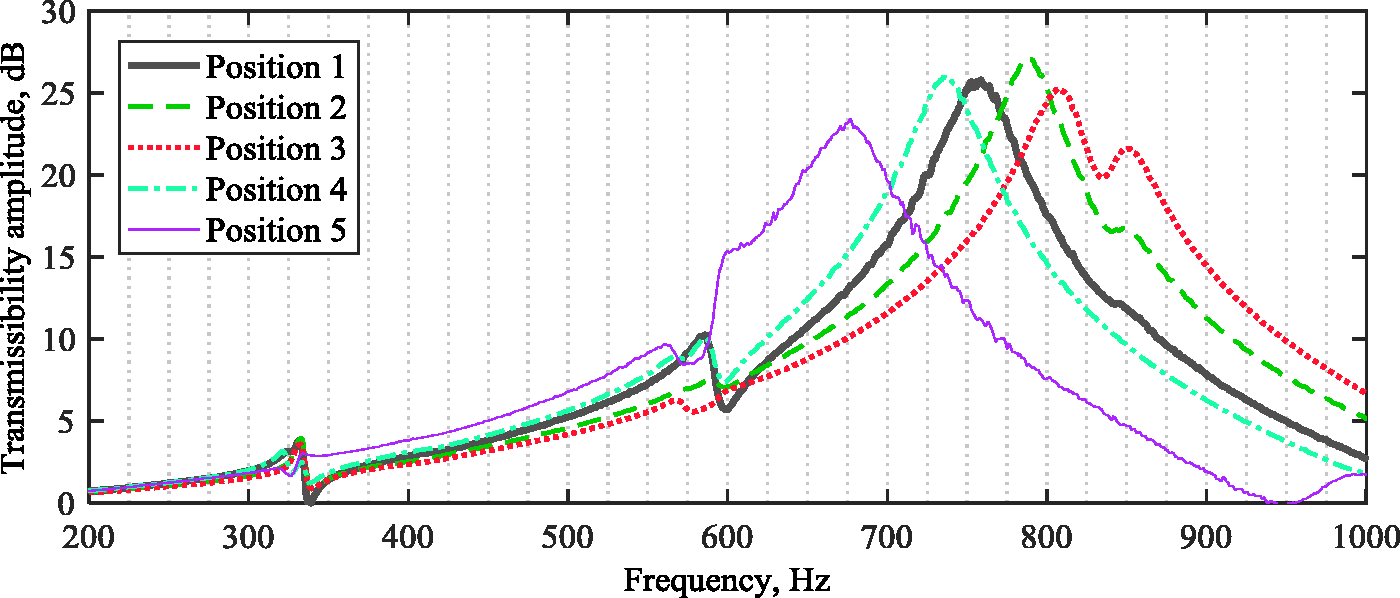
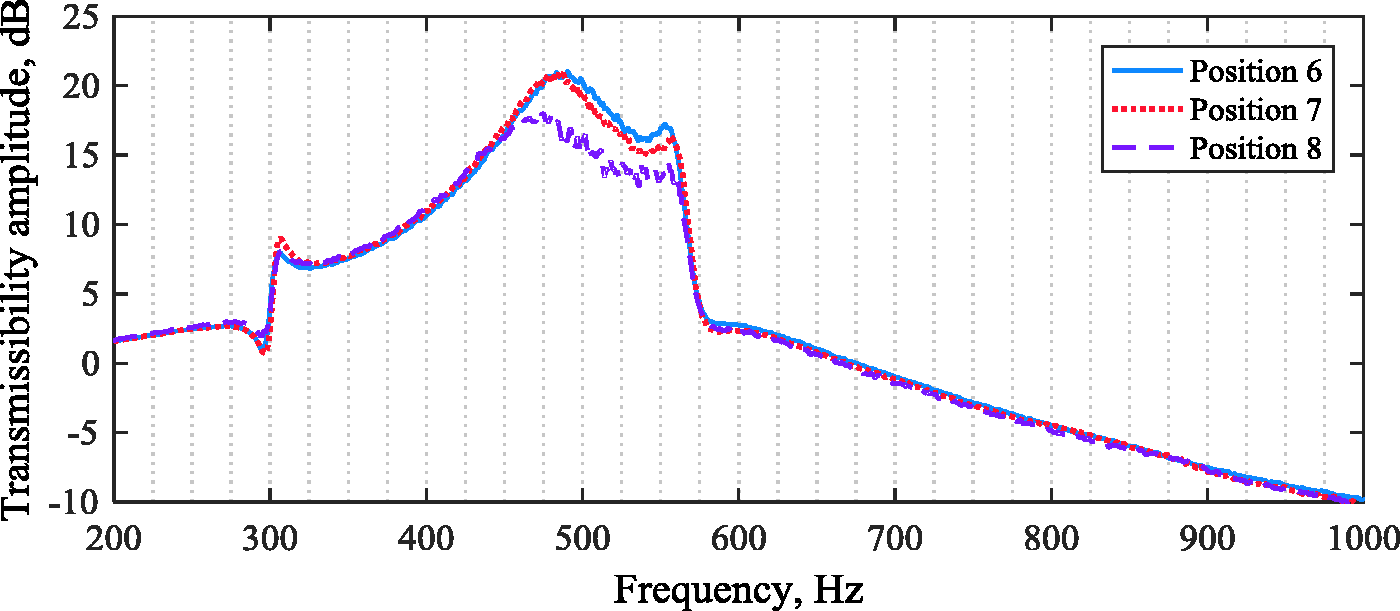
The measurements on the tightest fit of the clip that were measured on the existing door are presented in Figure 8. The FRFs are obtained by positioning the clip in the trim side mounting block at five different positions in a mount similar to the previous case. The spread of the fundamental resonant frequencies is wider in this case. There is an additional peak at approximately 850 Hz in two of the sets of measurements which is due to a rotational degree of freedom. For positions 4 and 5, where the centres of the clips were moved to the other side of the block, the connection formed a softer bound and resulted in a lower resonant frequency (the additional resonance at about 850 Hz was no longer apparent). Furthermore, it can be noticed that the effective stiffness decreases as the centre of the clip moves away from centre of the mount. The main resonant peak can still be distinguished as its amplitude is higher than the other resonant peaks. Also, the phase angle changes by almost 180° for this peak which does not happen for the other peaks. The estimated average stiffness of the clip is 670 kN/m with a normalised standard deviation of 12%. The estimated average damping ratio is 0.025 with a normalised standard deviation of 21%.
The clip with the loosest fit (
An estimate of overall variability in the stiffness and damping ratio of the clip is obtained by conducting a series of measurements on the test rig where both door side and trim side boundary condition are modelled. The rattling in these measurements is eliminated by preloading the threads and different fits are used for the trim side boundary condition. The estimated average stiffness is 520 kN/m with a range between 208 kN/m and 829 kN/m and a normalised variability of 40%, although this does not imply a normal distribution. The stiffness is lower than where only the door side boundary condition is considered and the variability is much higher as a result of the effect of variation of fit on the equivalent stiffness. Excluding measurements with two close peaks, the estimated damping ratio is 0.03 with a normalised standard deviation of 36%, with a range between 0.02 and 0.06. The damping ratio is equivalent for the average that has been obtained for the door side but its variation is much higher. The variation in damping ratio is obtained by excluding some measurements for the loose trim side connections and it should be treated carefully.
Variability in the vehicle door’s vibration transfer functions
In the previous experiments, the variability in the stiffness of the connected trim clip was obtained. In the following section, this data is used to illustrate the effect of this variability on a realistic example that of a trim panel connected to a vehicle door. The objective is to determine the change in the global FRF that can be produced by a small change in the trim clip’s boundary conditions.
Methodology
The effect of the variability is assessed by conducting a Monte Carlo analysis on the vehicle door model which is shown in Figure 10. FRFs, in the form of mobility, are used for this purpose which are given the notation
The door model is a detailed FE model which consists of 102,524 elements of different kinds. The door is divided into the structural part and the trim part and the mobilities are obtained using NX-NASTRAN. The response of the built up structure can be obtained using a mobility-impedance approach 22 (FRF coupling). This allows the response of the complete door to be obtained by synthesising the mobilities of the door structure and the trim structure with the impedances of the mounts. As the variability at the mount is only considered, the models of the door structure and the trim structure need to be solved only once to obtain their dynamic response.
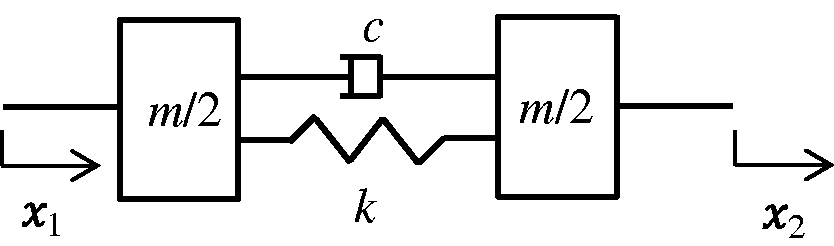
A simplified model is considered here where only the axial direction is considered when connecting the trim to the door structure and other degree of freedoms in the linkage are ignored. Furthermore, the four bolts and five metallic mounts, connecting the top of the door trim to the window edge, are modelled as rigid links. A lumped parameter model is used for the clip which is shown in Figure 11. The mass of the clip m is divided equally between two lumped masses which are connected by a spring and damper in order to model the effective stiffness and the effective damping of the clip.
Mobilities of the door structure and the trim are obtained by considering the normal modes up to a frequency of 1000 Hz. The effects of the assumptions of this study on the response obtained by the mobility impedance method have been studied in detail, e.g. refer to Avitabile. 23 However, the focus here is on the variation in the vibration transfer function which justifies the assumptions made in order to reduce the computational costs and other practical limitations of the study.
A uniform distribution is considered here for the variability in the effective stiffness and damping. This is due to the fact that the real distribution of the effective stiffness and damping of the clips depends on the statistical properties of the mounting position which are not known. The stiffness of the mount varied in a range of values between 208 kN/m and 829 kN/m. The estimated damping ratio varied between 0.02 and 0.06. These ranges are estimated in the experimental measurements reported in “Variability in the clip’s properties, effect of the connection on both sides” section and are used in order to obtain the results in the following section.
Results
Results of the Monte Carlo simulation for the mobility
The standard deviation of the mobility amplitude at each frequency
24
can be obtained


A normalised standard deviation is used here as a measure of the variability which is obtained by dividing the standard deviation by the mean of the mobility amplitudes at each frequency

The effect of the uncertainty in the damping and the stiffness of the mount on the dynamic response is not the same.
18
To distinguish their separate effects, the Monte Carlo simulation is repeated whilst the uncertainty only in stiffness is considered and the damping ratio kept constant. The uncertainty in the damping is then investigated whilst the average stiffness is used as the constant stiffness value of the mount. The resulting normalised standard deviation of the mobility
Furthermore, it is shown in Abolfathi et al. 18 that there is a specific range of the mount’s stiffness for which the vibration transfer function between connected structures is sensitive to the properties of the mount. This stiffness range is a function of frequency and the flexibility of the connecting structures. At high stiffness values of the mount, the vibration transfer function becomes insensitive to the mount’s properties. At low stiffness, the dependency becomes very low although there is still a direct relationship between the mount properties and vibration transfer function. In order to evaluate these effects here, the simulated stiffness of the mount is increased by multiples of 10 and 100. Thus, the stiffness values are uniformly distributed in a 2080–8290 kN/m range and a 20,800–82,900 kN/m range, respectively. The normalised standard deviation resulting from the uncertainty in the stiffness is shown in Figure 15(a). The results clearly show how the variability reduces by increasing the stiffness. When compared with Figure 15 (solid line), it can be noticed that even an increase of an order of magnitude in the stiffness (solid line in (a)) has already reduced the variability considerably. The effect of a soft mount on the variability is shown in Figure 15(b) by decreasing the stiffness by dividing it by 10 and then by 100. Thus, the stiffness values are uniformly distributed in a 20.8–82.9 kN/m range and a 2.08–8.29 kN/m range, respectively.
By comparing Figure 15(b) with Figure 14 it can be noticed that decreasing the mount stiffness reduces the variability in the vibration transfer function as a result of the uncertainty in mount properties but the variability in the dynamic response would not eliminate completely. The disadvantage of this is clearly that the trim would deform to a static touch and would feel poorly attached. These results confirm the findings reported in Abolfathi et al.,
18
i.e. that there is a specific range of stiffness values of the mount for which the vibration transfer function between the connected structures is most sensitive to variability in the properties of the mount. Thus, it is possible to make the vibration transfer function less sensitive to variation in the properties of the mount by increasing or decreasing the mount stiffness to move it out of this sensitive range of stiffness values. For more detail on the effect of mount stiffness on the variability of vibration transfer functions, an interested reader can refer to Abolfathi et al.
18
Normalised standard deviation 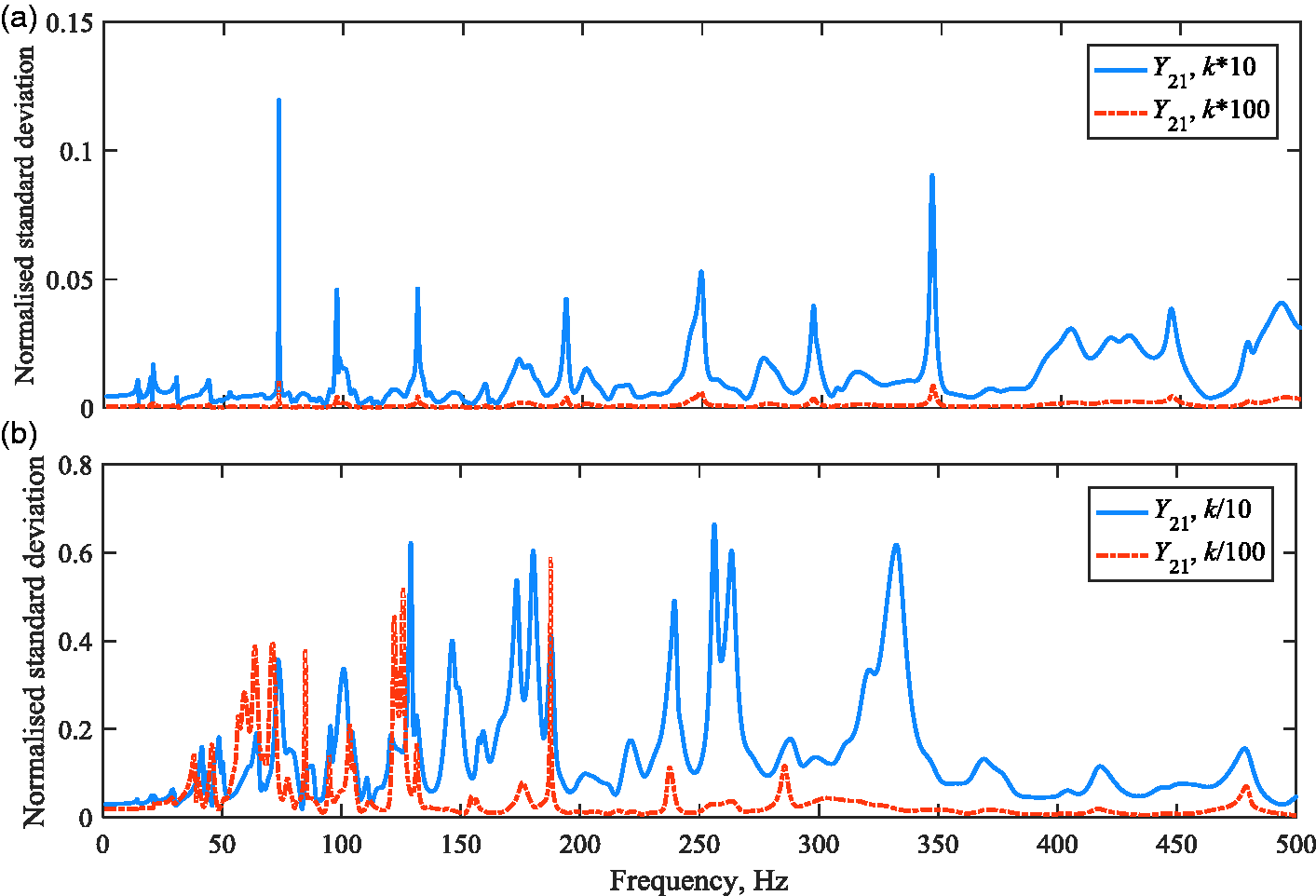
Conclusions
The uncertainty in the stiffness and damping of an automobile’s trim-to-structure mounts has been assessed through a series of measurements. The test setup was designed in a way that allowed modelling of the structure as a SDOF system in the frequency range of interest. It was shown that the boundary condition that forms within the connection of the clip to the vehicle structure and the trim is causing uncertainty in the effective stiffness and damping of the clip. This uncertainty was much lower when only the door side boundary condition was considered. The average estimated stiffness in this case was obtained as 1250 kN/m with a normalised standard deviation of 7%. The estimated damping ratio is 0.03 with a normalised variation of 8%.
The mounting point of the clip on the trim provides some degree of adjustment through its design, which results in a higher level of uncertainty in effective stiffness and damping of the clip. The boundary conditions were replicated by building a mounting block with a 3D printer with different gaps that allowed a variation in the resultant fit. The average estimated stiffness for the clips with both boundary conditions replicated was 520 kN/m with a normalised variability of 40%. The stiffness was considerably lower than the average estimated stiffness when only the door side boundary condition was considered.
A series of Monte Carlo simulations allowed modelling of the effect of the uncertainty in the clip’s properties on the vibration transfer function of a vehicle door. The results showed that at troughs of the FRF a normalised standard deviation of up to 0.6 can result from the uncertainty in the clip properties. The normalised standard deviation at the peak resonance frequencies of the FRF, which is of more concern can be as high as 0.1. Results also showed that the effect of uncertainty in the clip’s damping is negligible although the level of uncertainty in its property is the same order as the clip’s stiffness. These results confirmed the findings of a previous study 18 which found that increasing the clip stiffness can reduce the variability in the vibration transfer function. Reducing the stiffness will also reduce the variability in the vibration transfer. However, the variability in the vibration transfer function is higher than that of the former case where the clip’s stiffness is increased.
Footnotes
Authors’ note
All data from this paper is available in the Loughborough University repository.
Declaration of Conflicting Interests
The author(s) declared no potential conflicts of interest with respect to the research, authorship, and/or publication of this article.
Funding
The author(s) disclosed receipt of the following financial support for the research, authorship, and/or publication of this article: Jaguar Land Rover and the UK-EPSRC grant EP/K014102/1 as part of the jointly funded Programme for Simulation Innovation.