




Abstract
The effect of strength and toughness on the weldability of high-strength steels is very vital consideration in the offshore oil and gas industries. Improved impact toughness of high-strength steels in offshore structures enables viable exploitation of hydrocarbons in technologically challenging conditions. This article reviews improvements in the weldability and impact toughness of high-strength steels. Steels with high strength are associated with high carbon content and addition of alloying elements as they induce hardness which leads to a higher risk of brittle fracture and hydrogen-induced cracking needs. The combination of high strength with high toughness was studied by examining the toughening mechanism of thermomechanical-controlled processing steels, which have higher strength than conventional steel plates but meet the conflicting requirements of strength, toughness and weldability. The thermomechanical-controlled processing production process entails controlled rolling process combined with accelerated cooling or direct quenching to ensure stable mechanical properties of thermomechanical-controlled processing products in welded constructions. It is concluded that due to their very fine grain size and refined heat-affected zone structure, thermomechanical-controlled processing steels can be an effective cost-saving means for fabrication of offshore structures, particularly in shipbuilding, offshore platforms and pipelines for high-operating pressures.
Keywords
Introduction
The need for toughness in high-strength steel (HSS), and the effect of impact toughness enhancement measures on the weldability of carbon steels, is an important property in materials used in offshore structures. This ensures adequate energy to resist fracture. High toughness in HSS used in offshore structures would increase efficiency and productivity. Furthermore, it would reduce problems of fractures resulting from sudden impact as well as reduce repair and rework of welding, which would save costs and time.
Previously, heat treatment process for conventional steels was to achieve high toughness for HSS in welded construction. As the demand for quality requirement became severer and more critical, there has been a conflict between those properties to be attained as it has been futile. Conventional steels suffer reduced mechanical properties when the tensile strength of the steel is increased by raising its carbon content and introducing alloying elements. These deteriorate toughness as does weldability, thereby limiting the extent of possible applications. In ferrite–pearlite steel, the change in properties may be attributed to the formation of carbides and elements that prevent dislocation motion. Such microstructures may lead to a risk of brittle fracture and hydrogen-induced cracking during welding. 1
This article reviews the improvements in the toughness of steel plates and increase in service of life using thermomechanical-controlled processing (TMCP). The TMCP is an effective means to overcome issues related to conventional heat treatments and allows steels to meet industrial demands for stable mechanical properties offering long service of life.2–5 In TMCP steelmaking, hydrogen is removed and a hydrogen crack is prevented; thus, preheating is not necessarily needed. 3 It also highlights on its properties and characteristics; the effect of welding heat input, welding procedure and measures to ensure weld quality on the effect of toughness and weldability are also discussed. It is found that the TMCP solution restricts the increase in carbon equivalent (CE (IIw)), exhibits excellent low-temperature toughness, improves heat-affected zone (HAZ) microstructures and demonstrates better weldability.
TMCP
The concept of TMCP steel plates
TMCP is a method which involves a combination of thermomechanical rolling (TMR) and accelerated cooling (AcC) or a combination of controlled rolling (CR) and AcC to increase strength and toughness.6,7 The aim of TMCP is to develop a microstructure of fine and uniform acicular ferrite, which exhibits better properties than ferrite/pearlite microstructure found in conventional steels. 7 TMCP steel plates have been recognized as a successful and appreciated industrial product for the offshore structure industry for the following reasons:3,6
Advantageous physical metallurgy at the high temperatures associated with hot working processes;
Good performance as regards to low-temperature toughness, on-site weldability and economic efficiency;
Mechanical properties offering long and stable service of life;
Superior properties compared to conventional steels (i.e. low CE (IIw));
No heat treatment required, therefore simplifying subsequent processes.
Reduced environmental impact (low carbon content) and reduced use of alloying elements.
Stable mechanical properties.
Manufacturing technology of TMCP steels
TMCP steels acquire the strength and toughness of the grain refinement and microstructure resulting from the AcC process, in which ferrite–pearlite is transformed to very fine ferrite–bainite.6,8 Figure 1 shows the comparison of TMCP treatment routes with conventional heat treatment.
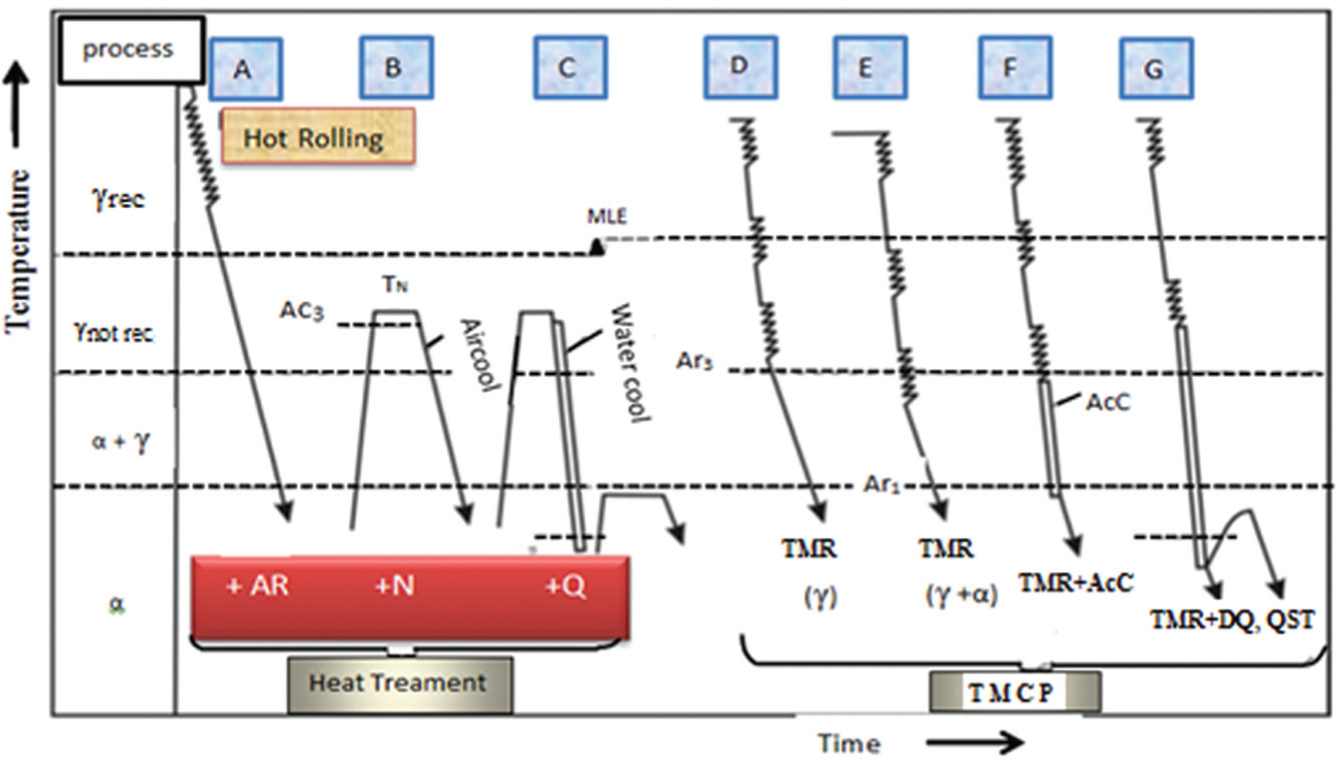
Until the direct quenching (DQ)–tempering process was established and industrialized, the processing routes of TMCP production of HSS were generally TMR and TMR + AcC. In TMCP, some micro-alloying elements such as niobium (Nb) and titanium (Ti) are considerably added to achieve higher strength and toughness of the base metal and the welded joints and improved weldability.3,12 In Figure 1, temperature is on the vertical axis, γrec denotes recrystallized austenite, γnot rec denotes non-recrystallized austenite, α + γ denotes the temperature range for austenite + ferrite and α denotes the temperature region for ferrite and pearlite in conventional steels. Maximum likelihood estimator (MLE) shows the increase in temperature for recrystallization due to micro-alloying and is the normalization temperature (TN).
In the TMCP production process, microstructure control begins with the slab reheating stage, where prior austenite grain size is controlled. The next stage is the hot rolling stage (rough and finish rolling). In the third stage (AcC), fine and worked austenite grains are formed and are transformed into fine acicular ferrite or upper bainite to eliminate the pearlite.3,7
DQ plus auto-tempering is an approach that uses plate surface reheating flow from the core which is still hot following AcC to stimulate a direct tempering of the metal. The replacement of a conventional normalizing heat treatment by AcC decreases the plate grain size from 8–9 to 10–11 ASTM units, changing the microstructure from ferritic–pearlitic to a mixture of ferrite, pearlite and bainite. Grain size is further reduced, using DQ, to 11–12 ASTM units.10,11
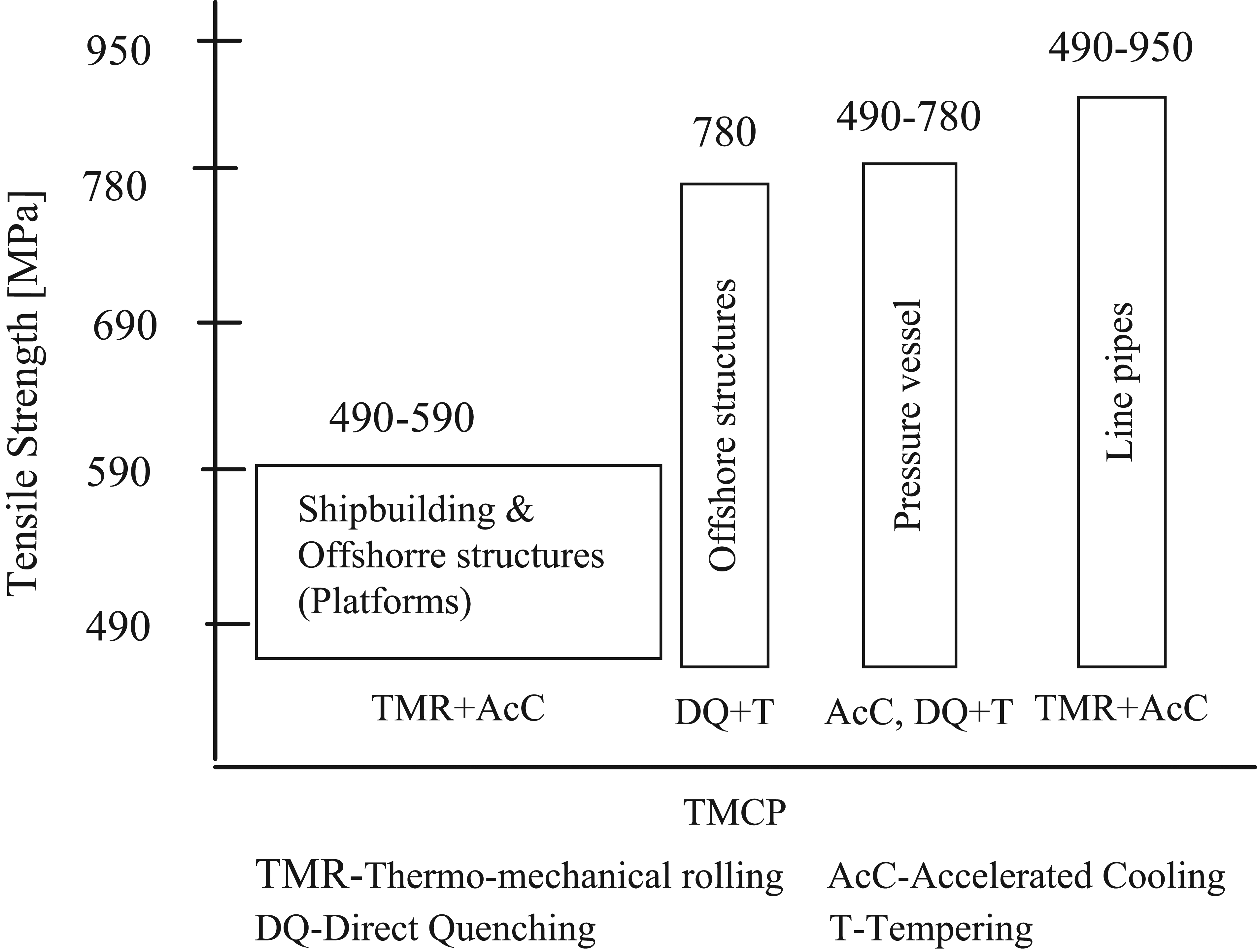
Steel plates manufactured by TMCP including DQ are available for thick sections (30–100 mm).13,14 The different applications of TMCP steel plates with their various tensile strength classes are shown in Figure 2.
Optimizing methods of steels
Previously, the mechanical properties of offshore steel plates were optimized by hot rolling to achieve the desired carbon steel strength for the plate thickness, but as quality requirement became more exacting, heat treatments such as normalizing (N) and quenching and tempering (QT) were added.
With more demanding and stringent performance, requirements became higher and more critical for crack resistance at low temperatures, high toughness and improved weldability; TMCP steel plate was developed without any increase in alloying content and the risk of brittle fracture. The quality and mechanical properties generally remained high and stable. Figure 3 shows a schematic diagram of the processing of both TMCP and conventional steels. The optimization trade-off between strength, toughness and weldability is favorable for TMCP when compared to the conventional hot rolling, and this topic is discussed in detail in subsequent sections.
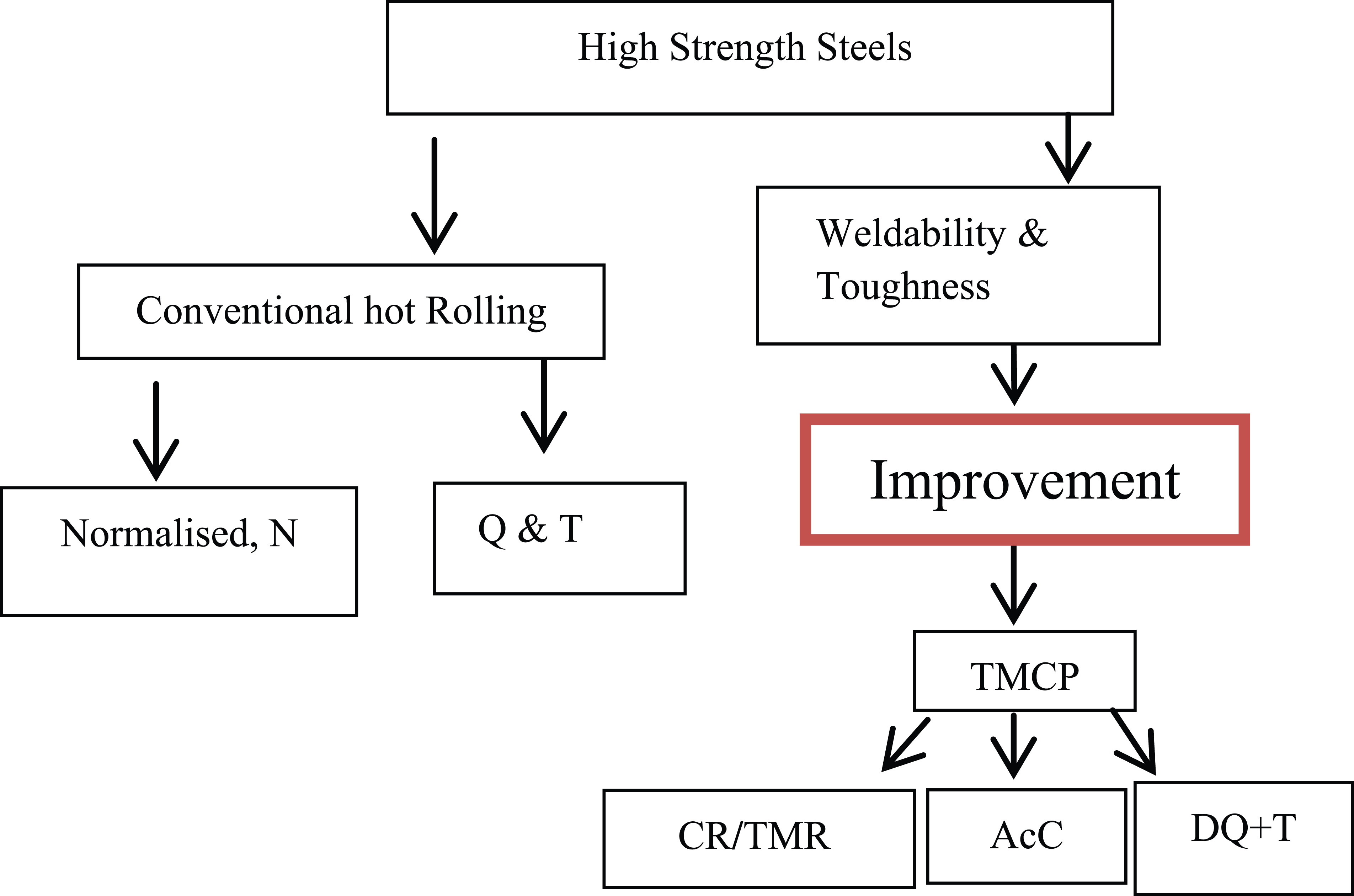
Schematic diagram of processing routes of steel.
Metallurgical features of TMCP steels compared to steels produced with conventional processing methods
Through TMCP steels, the weldability of structural steels is of major interest for fabrication which ensures a high safety of the weld even after suboptimal welding conditions on-site, with excellent weldability. A comparison of key characteristics of TMCP with those of conventional steels is presented in Table 1.

TMCP: thermomechanical-controlled processing.
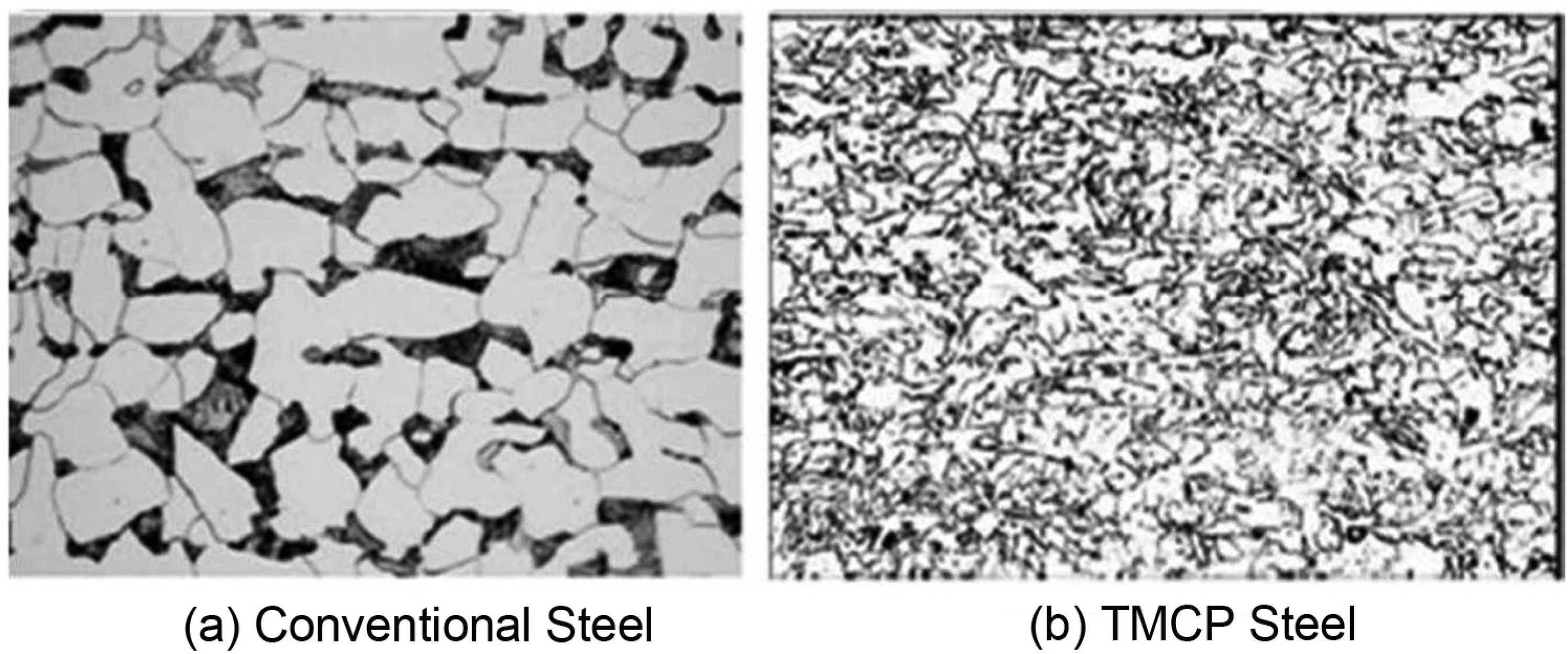
Figure 4 shows the microstructures of TMCP steels compared with steel plate from a conventional rolling process. It can be seen that the microstructure of conventional steel is dominated by ferrite and pearlite, whereas the TMCP steel has less pearlite and a fine bainite structure which results in lower carbon content and smaller grain size. The fine and uniform acicular ferrite microstructure of TMCP steels gives them their higher strength and better toughness.9,16
Factors affecting the weldability and toughness of steel optimized by TMCP
Problems and causes of poor weldability and low toughness associated with conventional heat treatment steels are attributed to unwanted trace elements, high carbon content, martensitic formation, grain coarsening, hydrogen cold crack and so on. This can be prevented or lessen in severity by the development of TMCP plates. Figure 5 presents possible mitigation solution by TMCP steels to common problems of weldability and their causes, which were severer before in welded construction, for example, addition of acicular ferrite in TMCP by controlling the alloy elements reduces grain size and thus improves weldability. Again, maintenance of the impact toughness of the weldment after high heat input welding is achieved by TMCP plates. TMCP steel is thus less susceptible to cold cracking and hydrogen cracking, resulting in smooth weld joint beads.
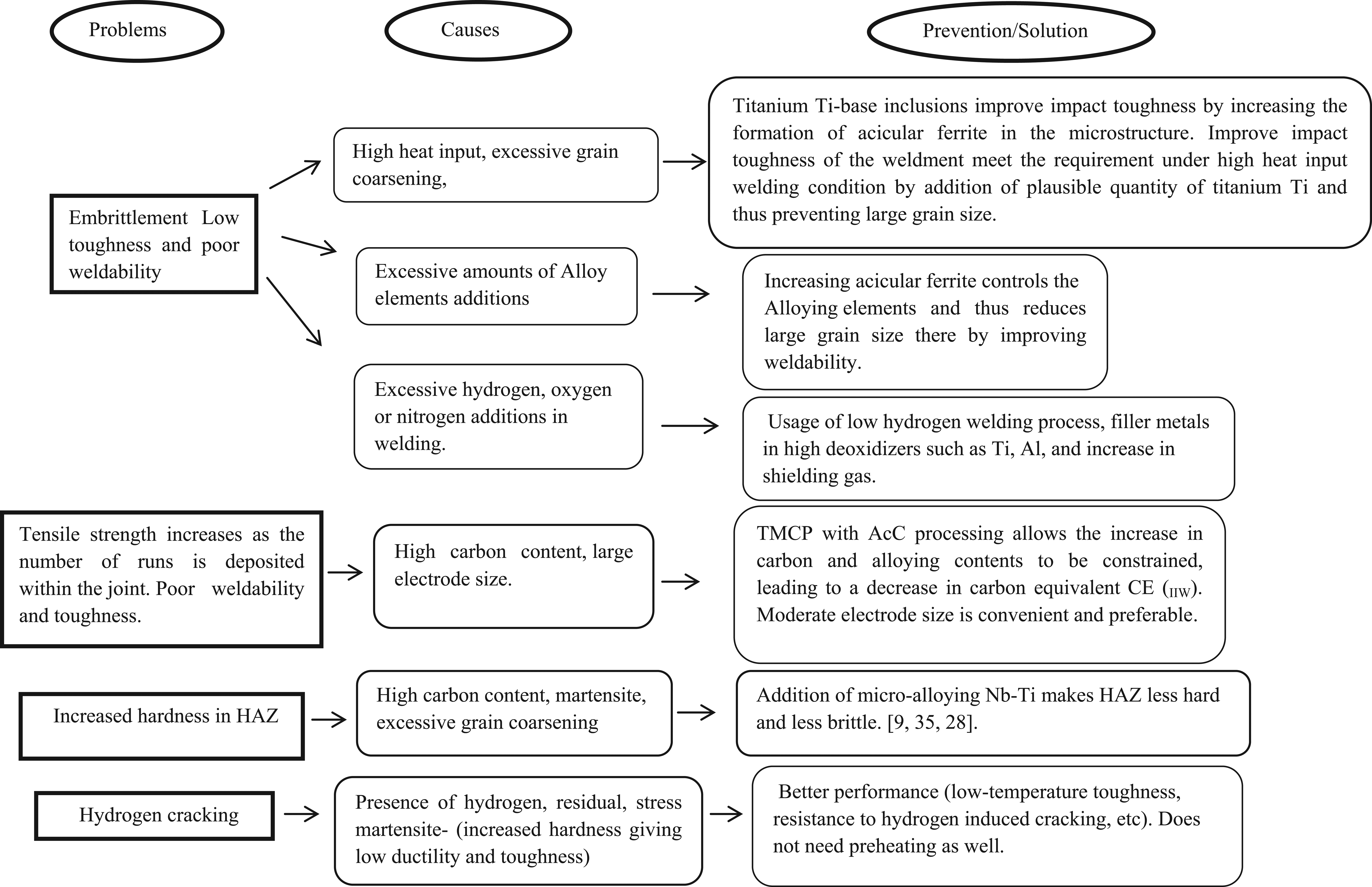
Properties and characteristics of TMCP compared to conventional steels
TMCP plates are widely utilized due to their excellent behavior. They offer the following advantages compared to conventional steels:3,11,14
Excellent toughness of HAZs of welded joints which meets the requirements of high heat input welding, high strength and high toughness; 3
Higher strength and toughness with excellent weldability without increase in carbon content and alloying elements;
Significant reduction in preheating of thicker TMCP plates, which saves fabrication time and production cost; 26
Improved toughness of welded joints;
High toughness values and low hardening in the HAZ after welding;
Higher arrestability than conventional steels.
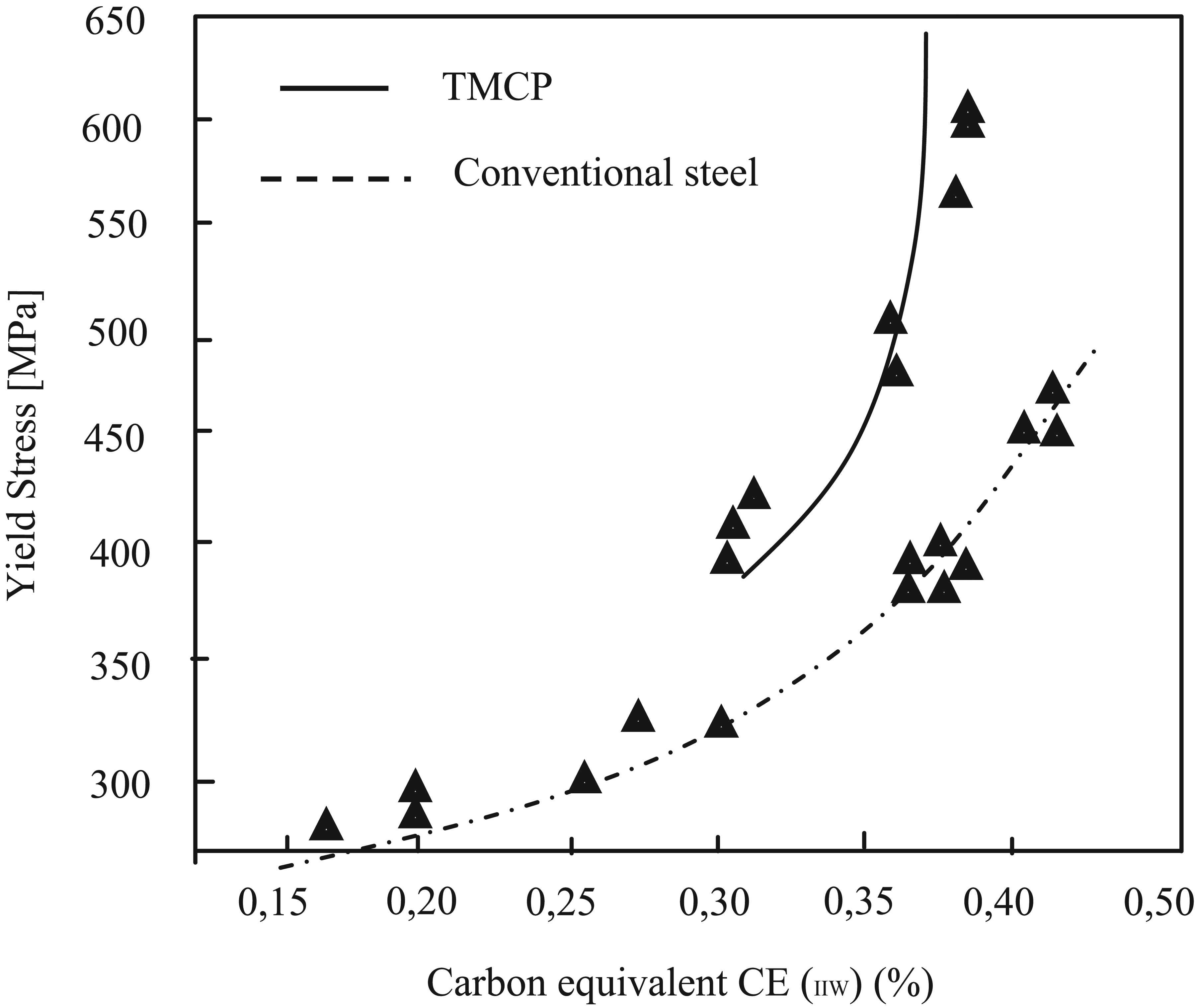
TMCP with AcC processing allows the increase in carbon and alloying contents to be constrained, leading to a decrease in CE (IIW) which results in improved weldability, compared to conventional steel. It can be seen from Figure 6 that the reduction of carbon content in carbon equivalent(CE (IIW)) in TMCP steel virtually eliminates the need for preheating, which improves welding efficiency.
Grain size has a considerable influence on the mechanical properties of steel. Strength and toughness increase as the grain size is reduced. Controlling the ferrite grain size of TMCP enhances grain refinement size. Thus, the decrease in grain size increases HAZ toughness in HSS as shown in Figure 7. Improved toughness improves resistance to brittle crack propagation.
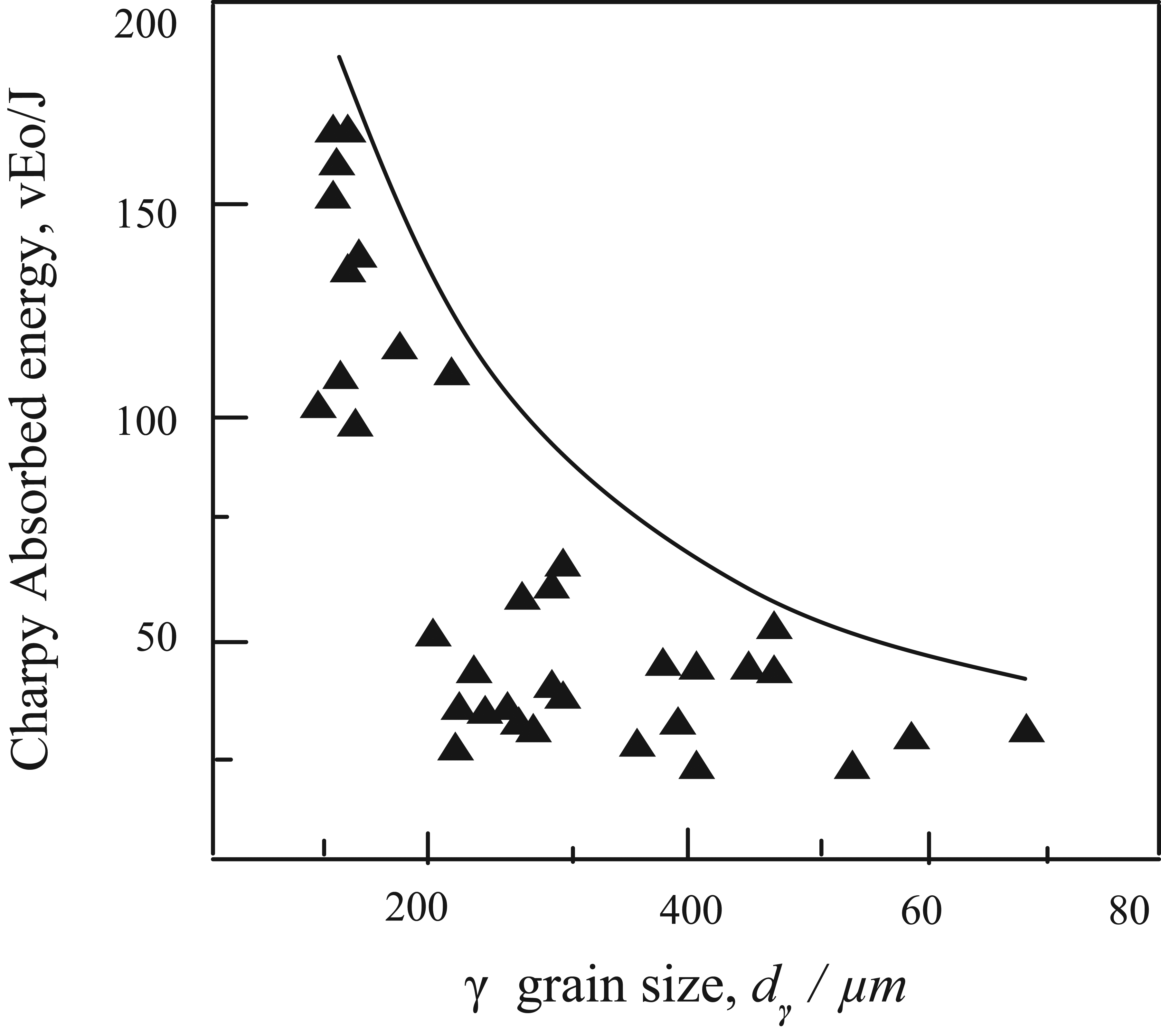
Relationship between γ grain size and HAZ toughness. 27
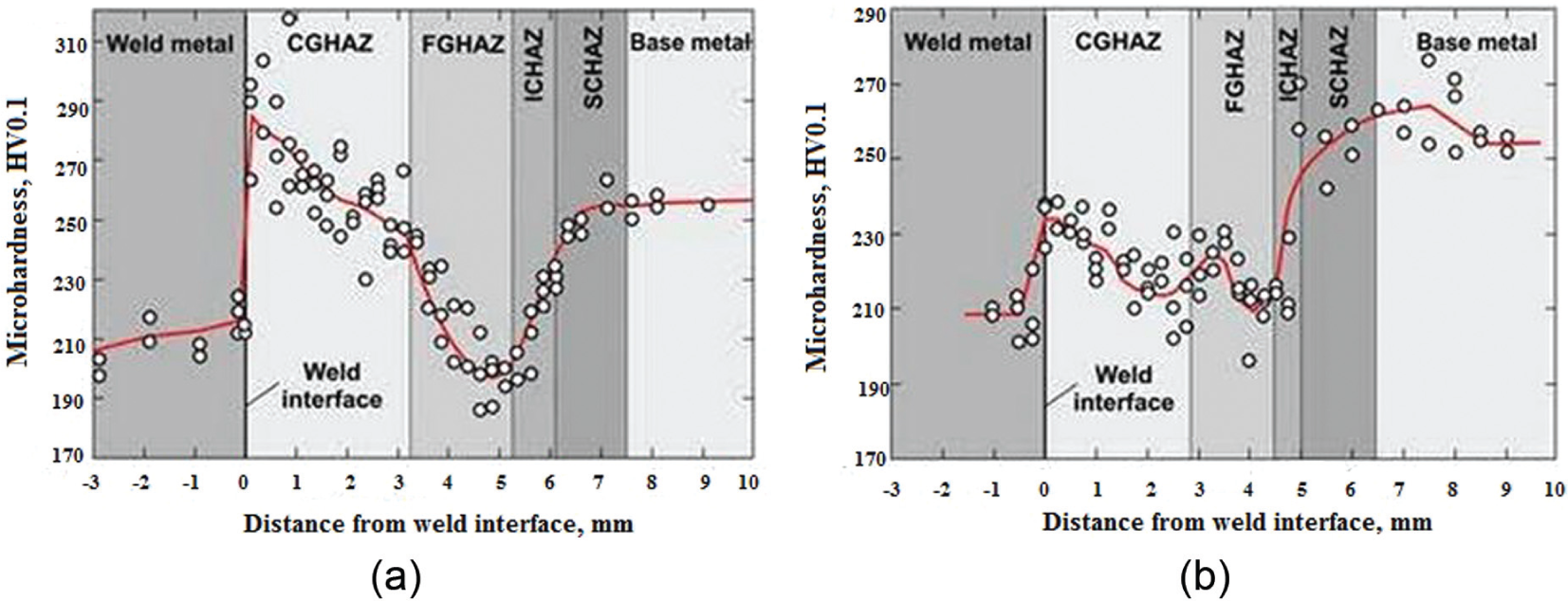
From Figure 8 it can be seen that the hardness level of the welded joints of TMCP steel is lower than that of conventional HSS. It can also be observed that the HAZ of a QT welded steel joint has higher hardness in the coarse-grained heat-affected zone (CGHAZ), reaching 290–317 HV, than a TMCP steel welded joint, which has 230–240 HV. The higher hardness of the conventional steel is a result of the increased carbon content in the base metal and strong grain grow due to the welding thermal cycle. The lower hardness of the TMCP steel HAZ relative to the base metal is due to the low level of alloying elements and the low carbon content. The lowest hardness in the HAZ of both steels corresponds to the fine grain part of heat-affected zone (FGHAZ). 28
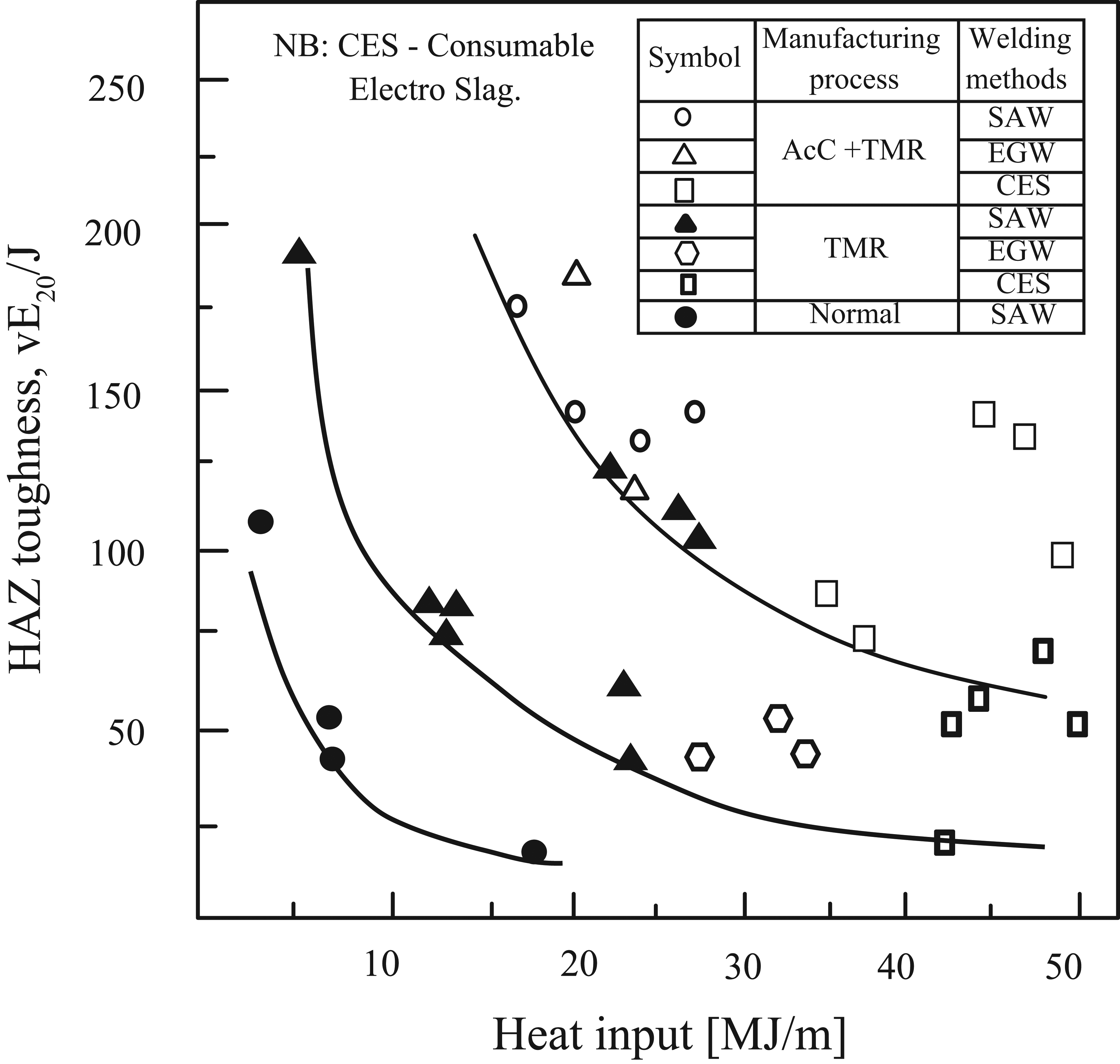
The effect of high heat input welding methods on the toughness of HAZs of welded joint shows excellent outcomes for TMCP compared to conventional steel, as seen in Figure 9. 3 As the heat input increases gradually, the toughness of conventional process reduces, whereas with respect to TMCP process, HAZ toughness increases. It can be seen that AcC-type TMCP steels show further improvement in toughness that makes high heat input welding possible with such steels.
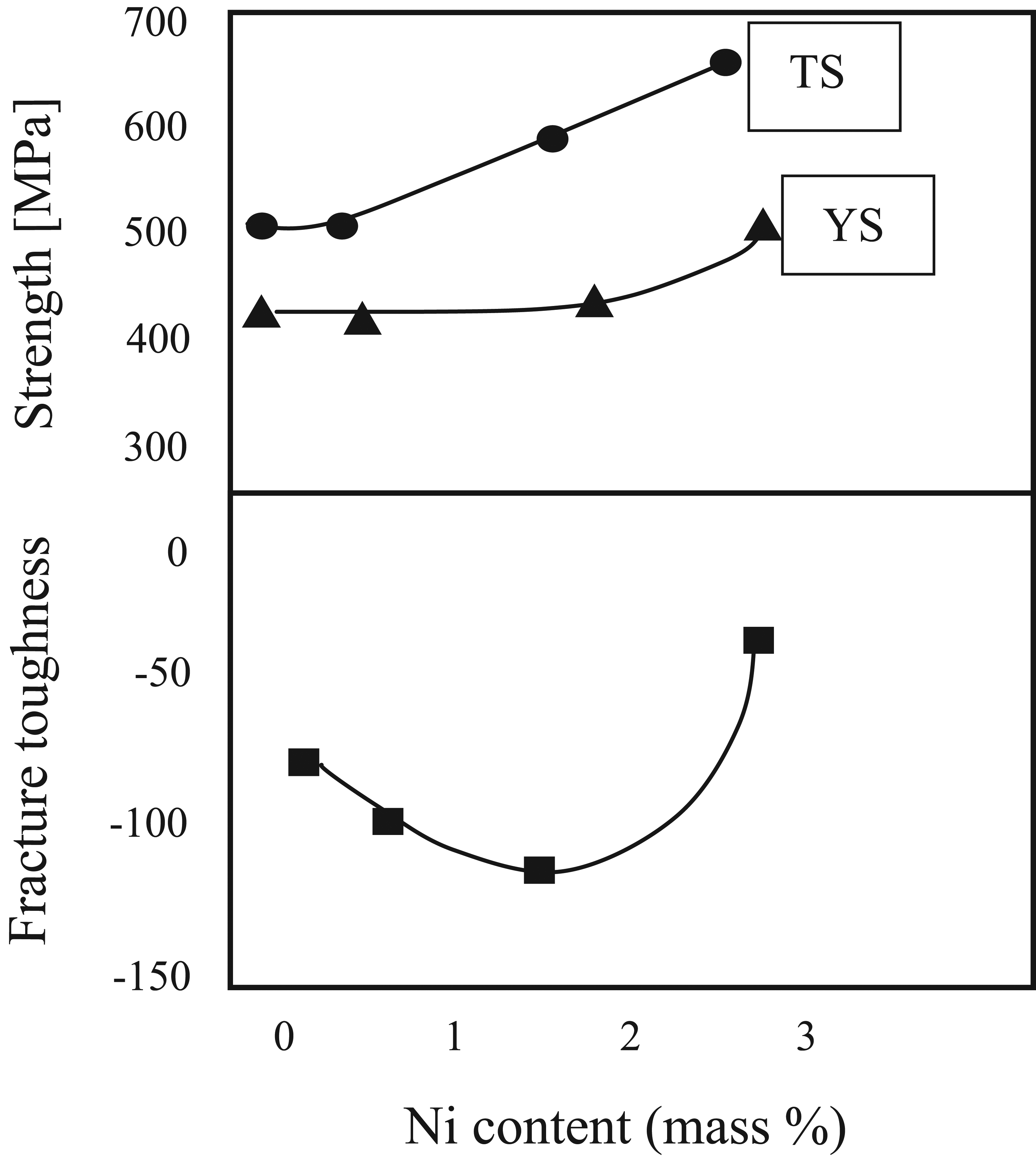
Addition of Nickel (Ni) in the chemical composition of the TMCP steel influences the mechanical properties and improves matrix toughness, as seen in Figure 10. Although Ni content improves strength, the amount should not be too large to make the material excessively hard as this would worsen the toughness. Improved toughness of the base matrix requires the addition of considerable amount of Ni.27,30
Measures to be considered to ensure weld quality
Although the safety of structures can be enhanced by employing TMCP steels, aspects essential for weld quality, as shown in Figure 11, need to be considered. Procedures need to be implemented to ensure the integrity of the welded steel structures, both the metal base and the welded joint, and maximize the occurrence of brittle cracks and crack propagation. When a sound weld is produced, the fusion of the base metal and the filler metal is promoted without the formation of cracks, sudden impact failure and other imperfections,31–33 thus optimizing strength and toughness properties.
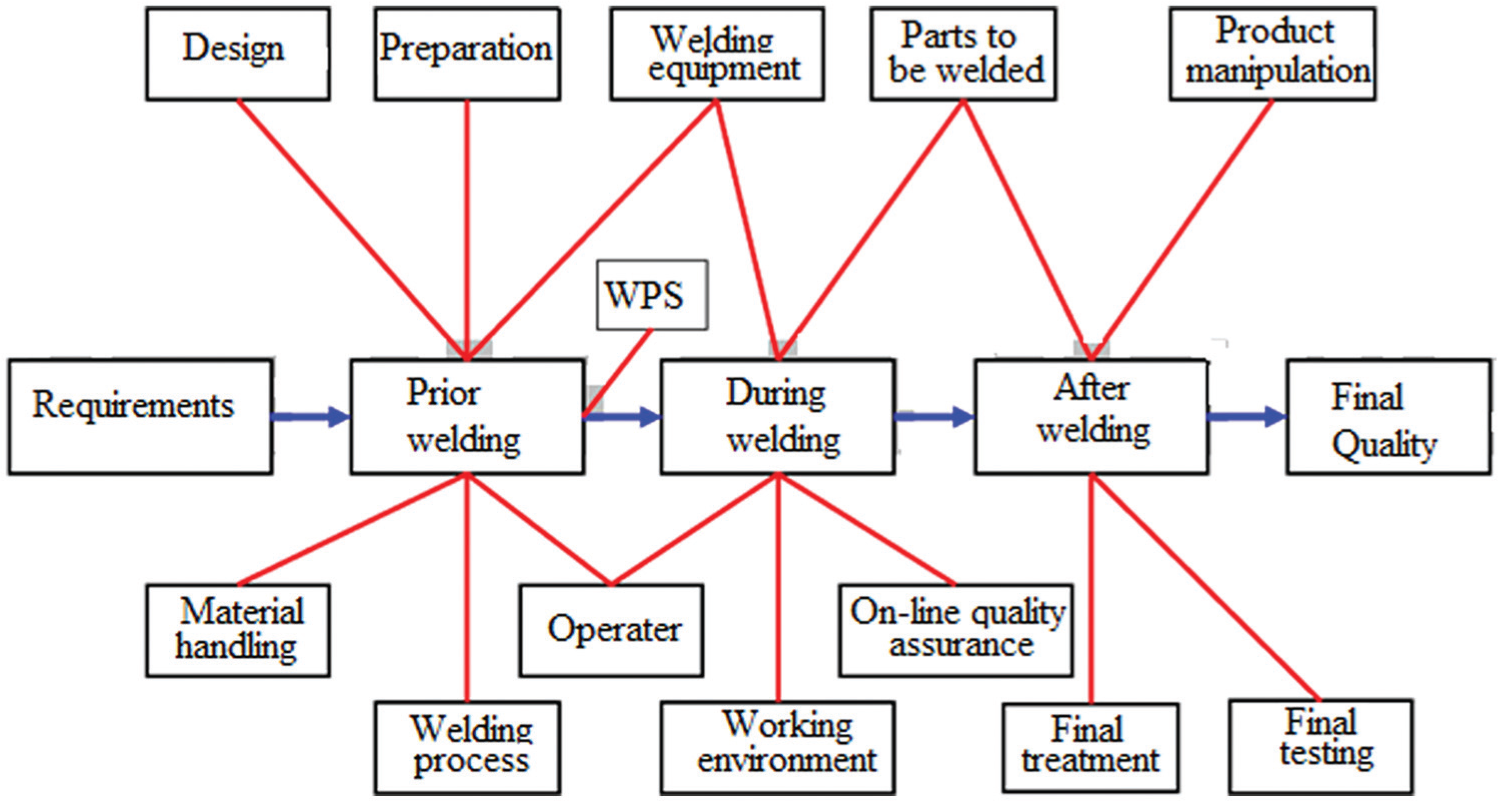
Procedures to ensure the integrity of weld quality. 34
Applying and maintaining the standard procedures above bring about accuracy of welded joints as well as better penetration. This ensures better behavior of welded structure requirements such as strength, high toughness and HAZ regions for efficiency.
Conclusion
This article considers the improvement in high strength and toughness of weldable HSS and TMCP steel plate mass produced for offshore structures. The range of applications of TMCP steels is constantly widening and the steels have met with good market acceptance due to their good overall properties that enable easy fabrication (because of the high toughness), excellent weldability and good formability. In-depth investigation in offshore construction has shown the superiority of TMCP steels, particularly for welding as regards safety, efficiency and cost.
A mixed microstructure containing acicular ferrite, which can be optimized by TMCP treatment, enhances both strength and toughness. The more acicular ferrite in the mixed microstructure, the better is the mechanical properties of the steel. This substantially improves welding productivity, which has been the greatest drawback in welding HSS.
The addition of niobium (Nb) and titanium (Ti) has considerably achieved higher strength and toughness of the base metal and the welded joints and improved weldability. HAZ fracture toughness is more refined and is generally better in TMCP steels than conventional steels. It should be noted that some “high heat input resistant” grades of steel are made by a TMCP route. The excellent weldability of these steels in connection with high safety in processing, especially in on-site conditions, makes TMCP steels more and more essential in steel constructions.
Footnotes
Declaration of conflicting interests
The author(s) declared no potential conflicts of interest with respect to the research, authorship and/or publication of this article.
Funding
The author(s) received no financial support for the research, authorship and/or publication of this article.