




Abstract
To better understand the development of advanced manufacturing modes in the competitive diffusion, this article analyzes and identifies the parameters of the multiple-advanced manufacturing modes diffusion model. First, considering the diffusion characteristics, the competitive multiple-advanced manufacturing modes diffusion model is described. Second, various parameters of the diffusion model are analyzed to reveal their influence on the diffusion process. Third, a parameter identification model and a further parameter identification algorithm based on an improved genetic algorithm are proposed. Finally, based on a practical application of the diffusion model, the parameter identification model is constructed, and optimized parameters are obtained for the multiple-advanced manufacturing mode diffusion model. And the resulting model output is compared and contrasted with real data. The proposed model and algorithm provide a new approach to the identification of parameters in the diffusion model, which allows us to better understand the diffusion rules, help enterprises to predict the diffusion status of advanced manufacturing modes, and provide a decision-making basis for enterprises and governments.
Keywords
Introduction
With the ongoing development of information and scientific technologies, advanced manufacturing modes and advanced manufacturing technologies (AMTs) have developed rapidly. To date, a variety of advanced manufacturing modes have emerged, such as remanufacturing/green manufacturing, Just In Time (JIT), network manufacturing, supply chain management, computer-integrated manufacturing systems (CIMSs), synchronous manufacturing, virtual manufacturing, and total quality management (TQM). Most studies have focused on the theory and implementation of advanced manufacturing modes, and have advanced their deep development. However, there has been little reference to quantitative studies on the implementation status of advanced manufacturing modes.
The implementation of advanced manufacturing systems involves the acceptance, adaptation, and application (collectively, the diffusion process) of advanced manufacturing modes. In practice, the diffusion of advanced manufacturing modes is not the proliferation of a particular mode, but a competitive diffusion process among various modes. Meanwhile, the capability of an enterprise directly determines their likelihood of implementing advanced manufacturing modes. Therefore, it is necessary to consider the enterprise capability and the competition between various advanced manufacturing modes to further clarify the diffusion rules of advanced manufacturing modes.
The diffusion process of advanced manufacturing modes is a competition between multiple modes. To better reveal the diffusion rules of advanced manufacturing modes, the parameters of the multiple-advanced manufacturing mode diffusion model must be analyzed and identified. System parameter identification involves choosing those parameters that best fit the data, so as to make the mathematical model accord with the real system.
Thus, in this article, based on a competitive diffusion model of advanced manufacturing modes, the influence of parameters on the diffusion model is analyzed. Then parameter identification model of the multiple-advanced manufacturing diffusion is proposed and solved based on an improved genetic algorithm (IGA) to obtain the optimal values. Utilizing system parameter identification will allow the model to be more representative of the real system, thus enabling more accurate predictions of the future implementation of advanced manufacturing modes. This study is intended to help enterprises and governments to better understand the diffusion rules of advanced manufacturing modes, and thus allow them to more accurately predict the implementation status and make reasonable decisions.
Related work
With expanding markets and global competition, it has become an ongoing trend for enterprises to adapt to various targeted markets and enhance their core competitiveness by implementing new manufacturing modes. Studies of manufacturing modes have focused on the following aspects: (1) the concept, classification, and characteristic study of the manufacturing mode; 1 (2) knowledge representation and operation of manufacturing modes;2–5 (3) relative technologies involved in the various manufacturing modes; 6 and (4) case studies of advanced manufacturing mode applications.7,8 As an example of (1), Sun and Cao 1 classified the advanced manufacturing modes from the perspective of the manufacturing philosophy, system method, and detailed technologies according to the mode characteristics. In terms of (2), Yan 2 proposed a formal representation approach to manufacturing mode, that is, knowledge mesh, which solved the representation and reconfiguration operations of manufacturing modes. In terms of (3), Davrajh and Bright 6 seek to propose a method of holistically managing product quality in a manufacturing environment with high customer input and product variety. In terms of (3), Thomas and Barton 7 provided details of a survey conducted into 260 manufacturing small and medium enterprises (SMEs) operating in a range of industrial sectors. The survey is a follow-up to a survey performed 3 years earlier on the same companies, and it is targeted in this case on investigating the migratory characteristics of AMT implementation in manufacturing SMEs. These studies have laid the foundations for advanced manufacturing modes, meanwhile, and it is also meaningful to understand the application status of advanced manufacturing modes.
Although the acceptance and implementation of the advanced manufacturing mode are also an innovative diffusion, it is the innovation of recognition and concept, which is very different to product innovation.9–12 Various studies on new production and technology diffusion have been studied, which have mainly focused on the following aspects: (1) diffusion concepts; (2) diffusion models; (3) related aspects of diffusion models such as parameter evaluation methods, and so on; and (4) application of diffusion models in different fields. As an example of (1), Everett M. Rogers proposed the typical innovation diffusion theory, in which diffusion rules for the innovation in a social system and the famous “S” curve were presented. In terms of (2), different diffusion models have emerged since the first presentation of the diffusion model (Bass model) by Bass in 1969. For example, Yan and Ma 9 proposed the competitive diffusion model of repurchased products in knowledgeable manufacturing. In terms of (3), Wang et al. 11 studied the mechanism and laws of products diffusion in multiple markets in terms of substitute products diffusion. In terms of (4), Zhang and Lu 12 proposed a repeat purchase model to predict the development of the Chinese mobile phone market in the next period. Thus far, most research on the diffusion of advanced manufacturing modes has taken the form of qualitative studies. For example, Li et al. 13 studied the advanced manufacturing mode implementation in Huawei Technologies Ltd. The aim was to build an advanced manufacturing model for the global value network path, and also to put forward countermeasures and suggestions for developing a world-class advanced manufacturing mode. There is little in the literature concerning quantitative studies on the implementation of advanced manufacturing modes. Xue and Cao 10 first studied the acceptance of CIMS, but gave only a simple multi-stage diffusion model in which competition between manufacturing modes was not considered. On this basis, Xue and Cao 14 further discussed diffusion characteristics and mechanisms in advanced manufacturing modes, and built a diffusion model of an advanced manufacturing mode in which the competition between the prototype and improved mode was considered, although the capability of the enterprise was not considered. Then, considering enterprise capability and competition between manufacturing modes, Xue et al. 15 proposed the competition diffusion model of multiple-advanced manufacturing modes in cluster environment. However, as there are many parameters in the diffusion model, the influence of various parameters is not analyzed, and the parameter identification is not considered.
At present, the system parameter identification research falls into two categories: (1) system parameter identification methods and (2) applications of system parameter identification. As an example of (1), the infinite impulse response (IIR) system identification task is formulated as an optimization problem, and a recently introduced cat swarm optimization (CSO) is used to develop new population-based learning rules for the model in Panda et al. 16 In terms of (2), Kim and Lynch 17 proposed a system identification strategy for single-input multi-output (SIMO) subspace system identification based on Markov parameters. The method is specifically customized for embedment within the decentralized computational framework of a wireless sensor network. System parameter identification has been successfully used in different application environments, but the identification of diffusion model parameters has not been attempted.
Parameter analysis on the multiple-advanced manufacturing mode diffusion model
The diffusion of advanced manufacturing modes is a process with limited rationality. Similar to the diffusion model in Xue et al.,
15
under the influence of current adopters, the government, and the external environment, potential enterprises (those that have not implemented the advanced manufacturing mode) may transfer to different advanced manufacturing modes. Also, if one mode has advantages over the others, those using the first mode may transfer to the more advanced one. Based on the similar assumptions and analysis in Xue et al.,
15
enterprises are divided into
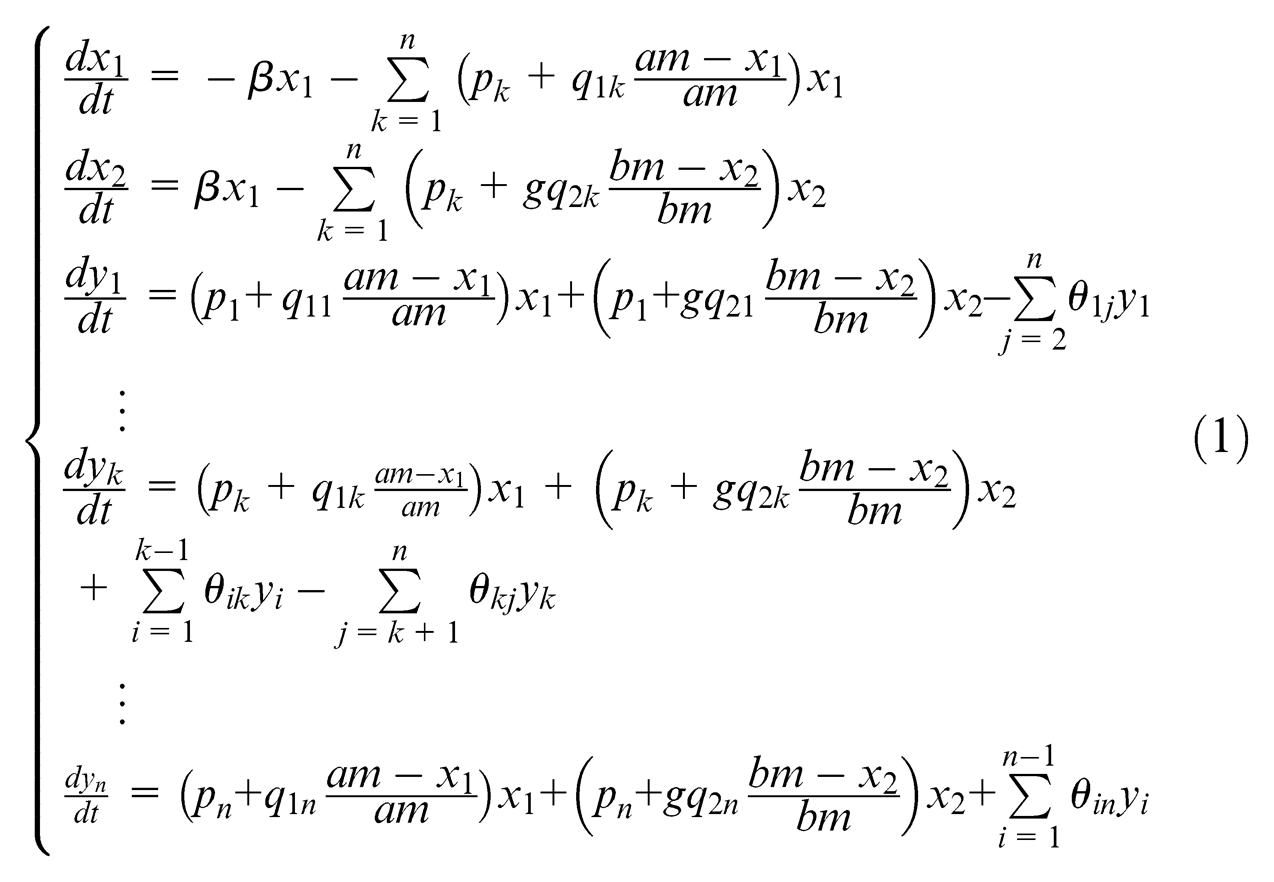
From the multiple-advanced manufacturing mode diffusion, the following analytic conclusions can be obtained.
Theorem 1
When
Proof
Suppose the maximum number of each potential adopters is
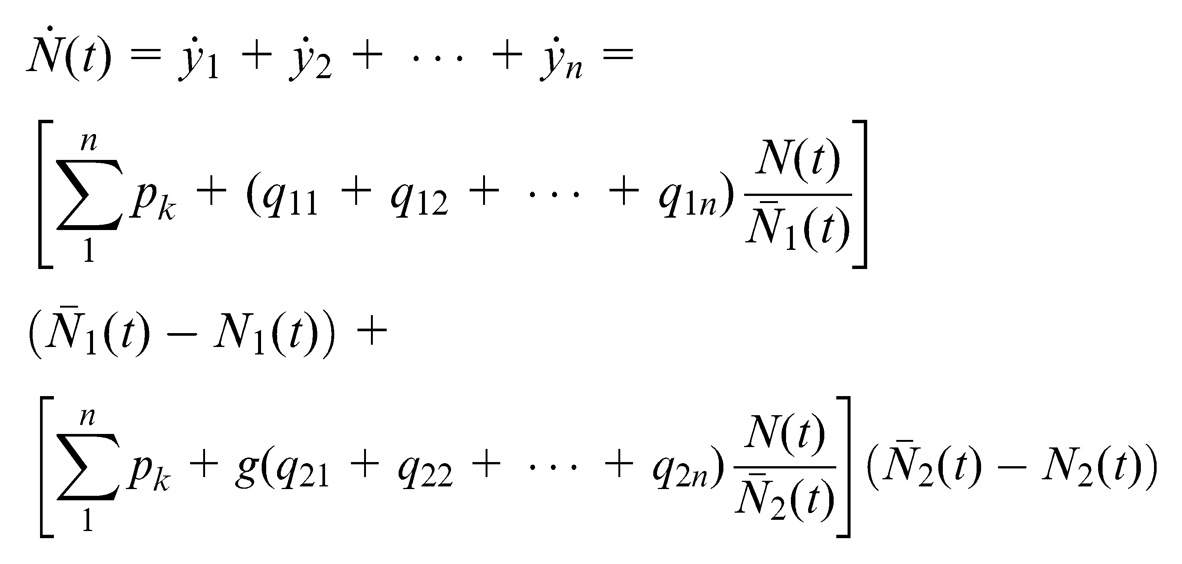
This is the similar form of the Bass model, which completes the proof of the Theorem 1.
Theorem 2
When
Proof
According to the definition of balanced points, the balanced point of system (2) is
As for
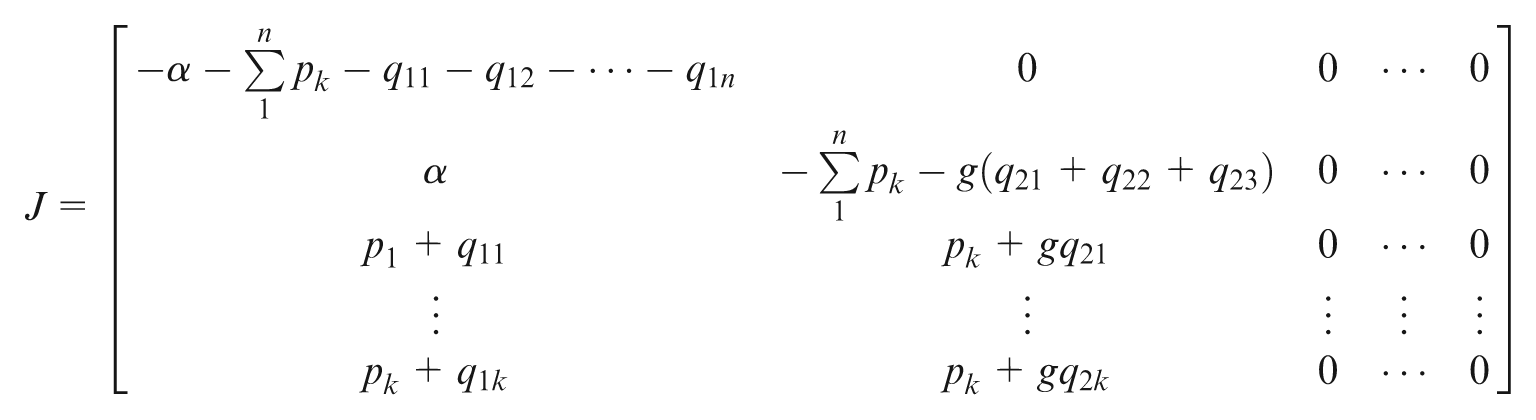
The eigenvalue of the matrix can be obtained, that is,
Theorem 3
In system (1),
Proof
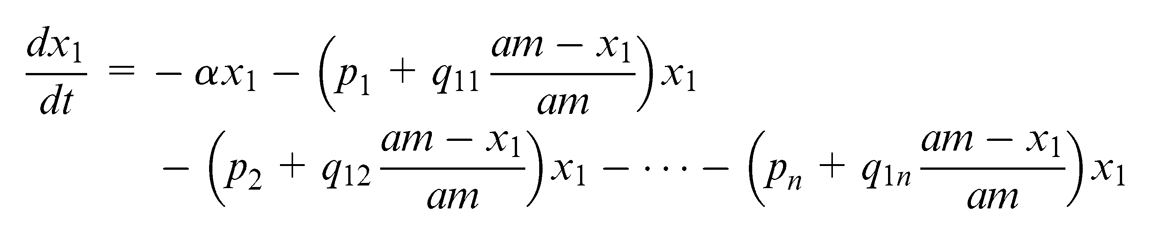

thus
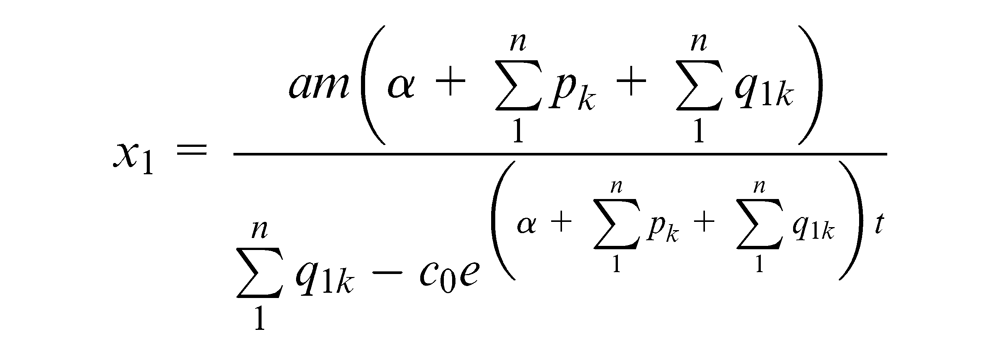
As
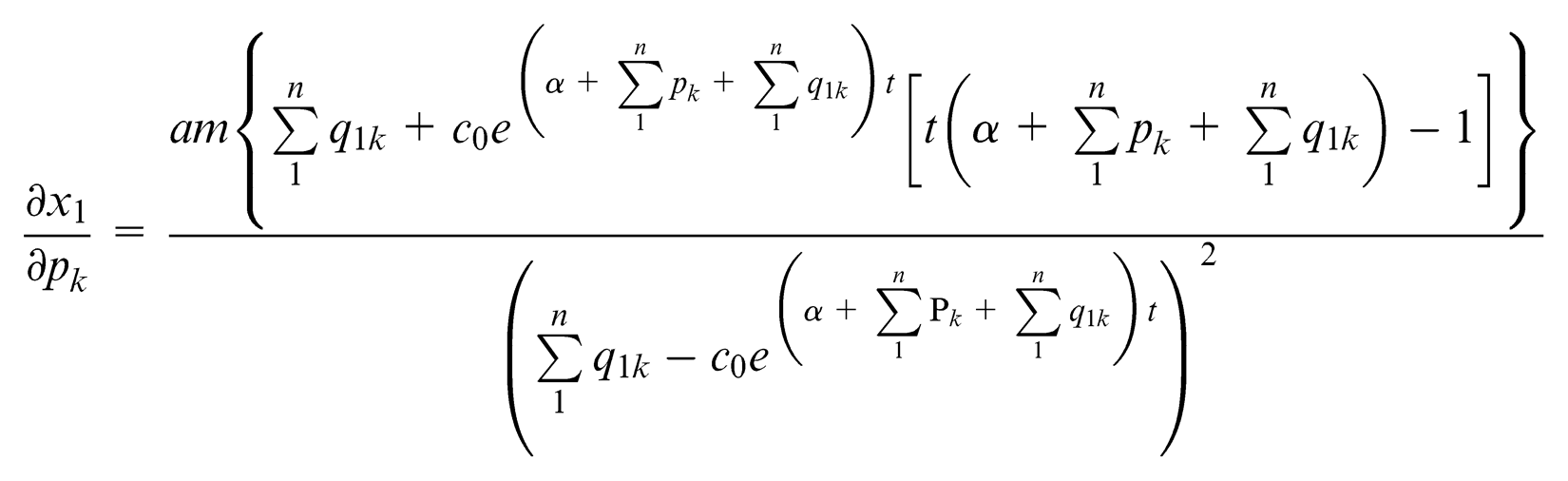
As the competition diffusion model is differential equations, it is difficult to obtain its analytic solutions. Thus, MATLAB 7.1 was used to simulate the diffusion model. To analyze and discuss the influence of relevant parameters on the diffusion process, we use supply chain management (labeled as mode A), green manufacturing (labeled as mode B), and TQM (labeled as mode C) in Xue et al. 15 to discuss the parameter influence of the diffusion model. For quantitative results, other parameters of the model are given as shown in Table 1.
Parameters of the model.

1. Influence of
Different values of
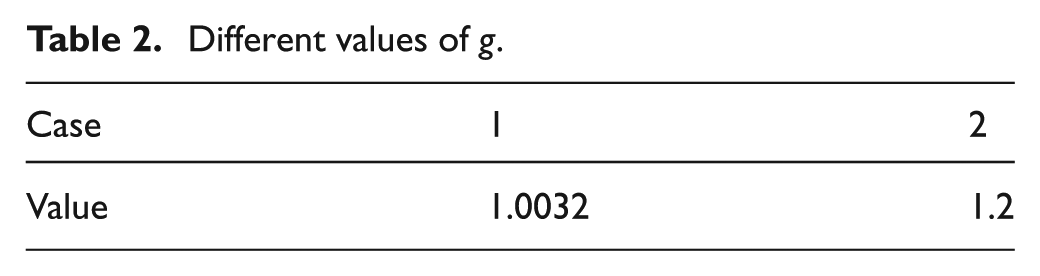
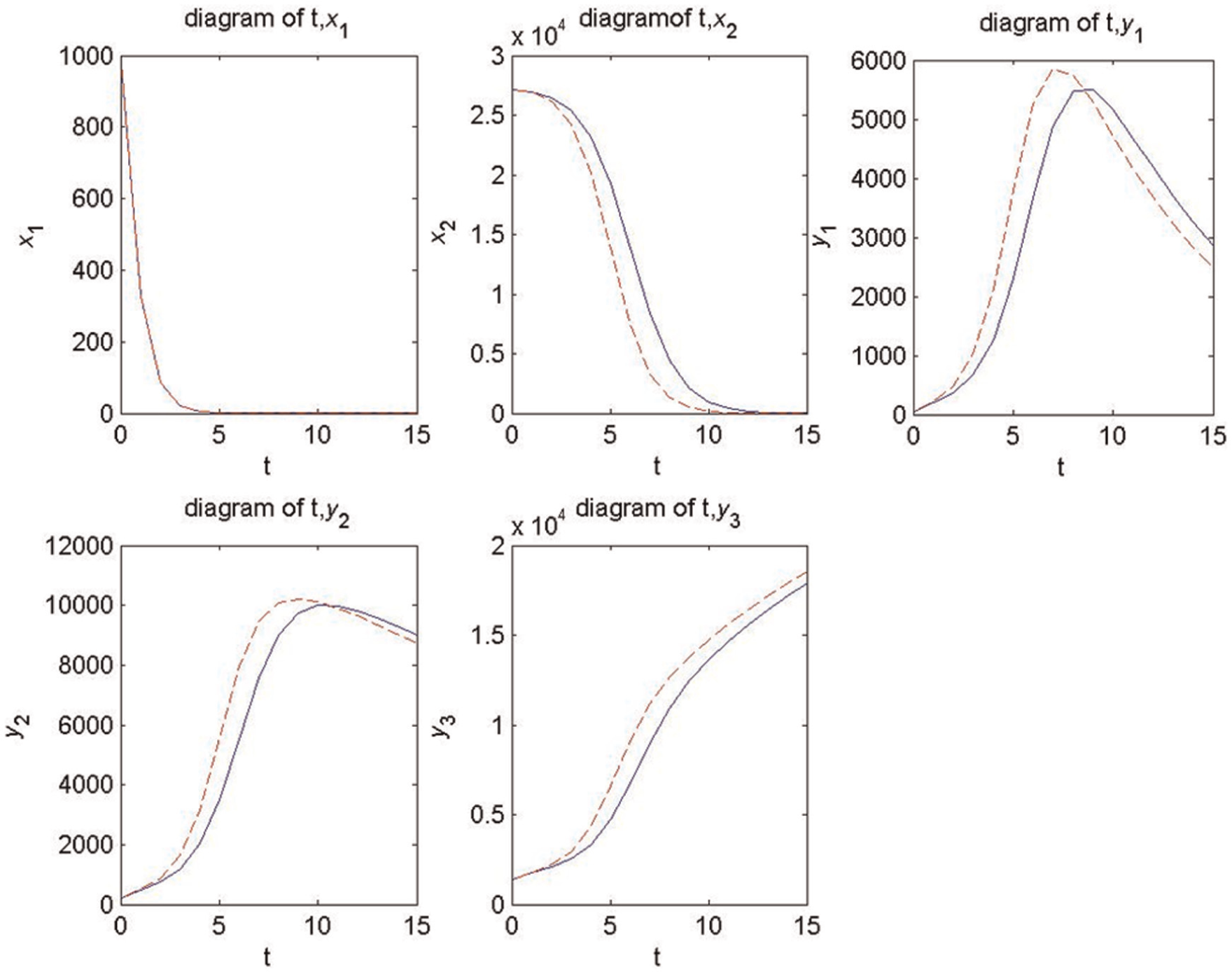
Influence of
In Figure 1, the solid lines represent case 1, and the dotted lines represent case 2. As
The discuss on the influence of
2. Influence of
The discuss on the influence of
3. Influence of
The discussion on the influence of
4. Influence of
The discussion on the influence of
5. Sensitivity analysis. The sensitivity

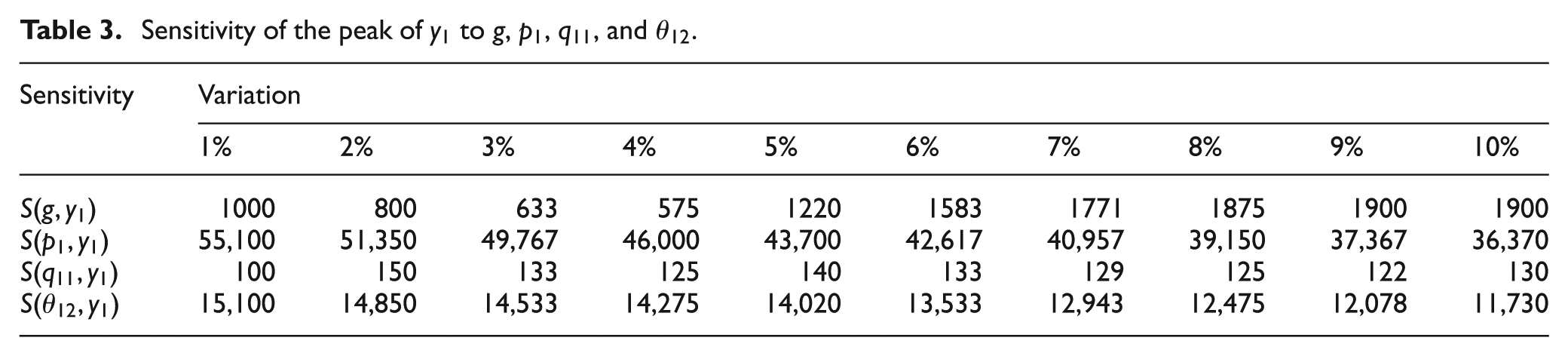
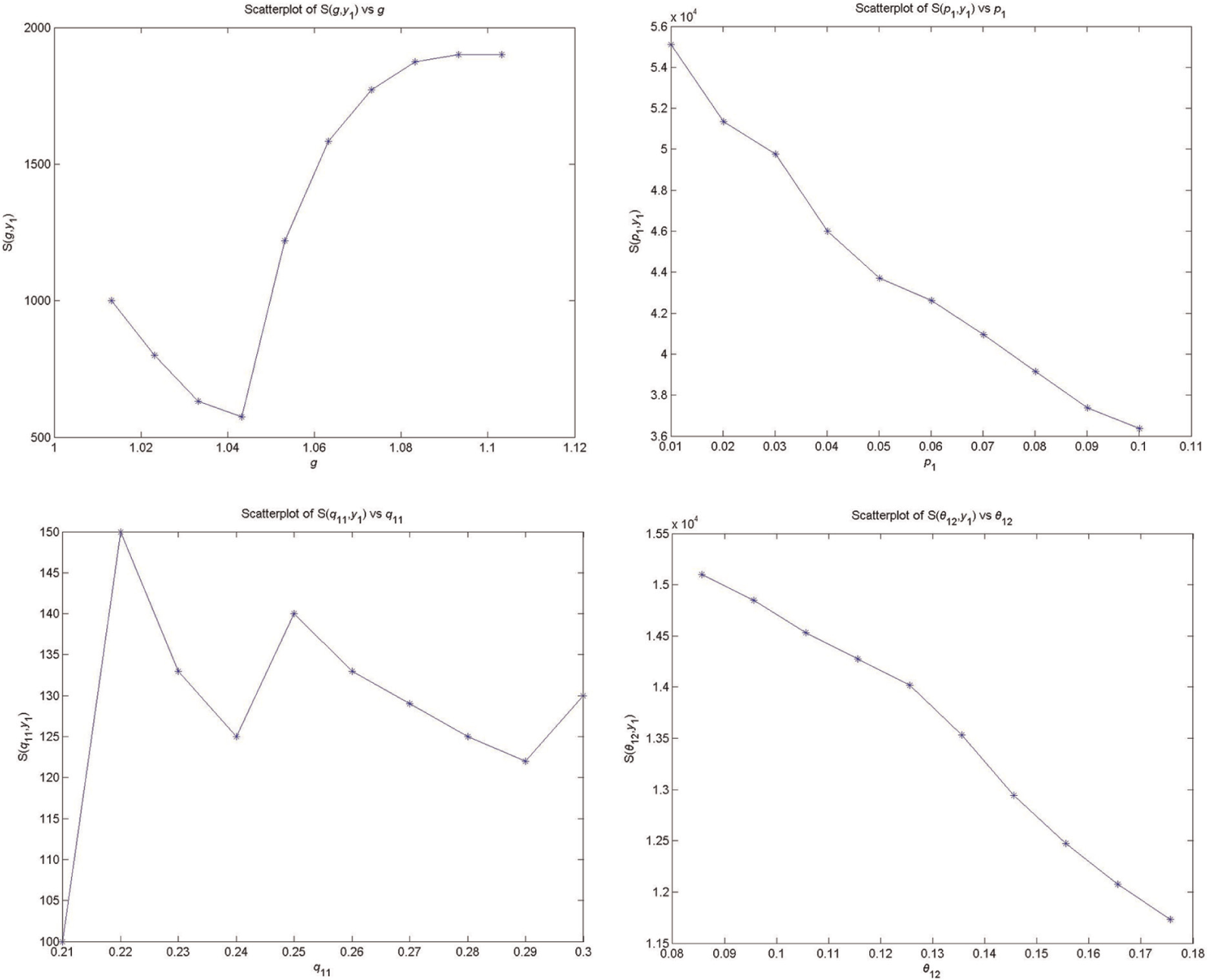
The sensitivity of the peak values of
Sensitivity of the peak of
Sensitivity of the peak of
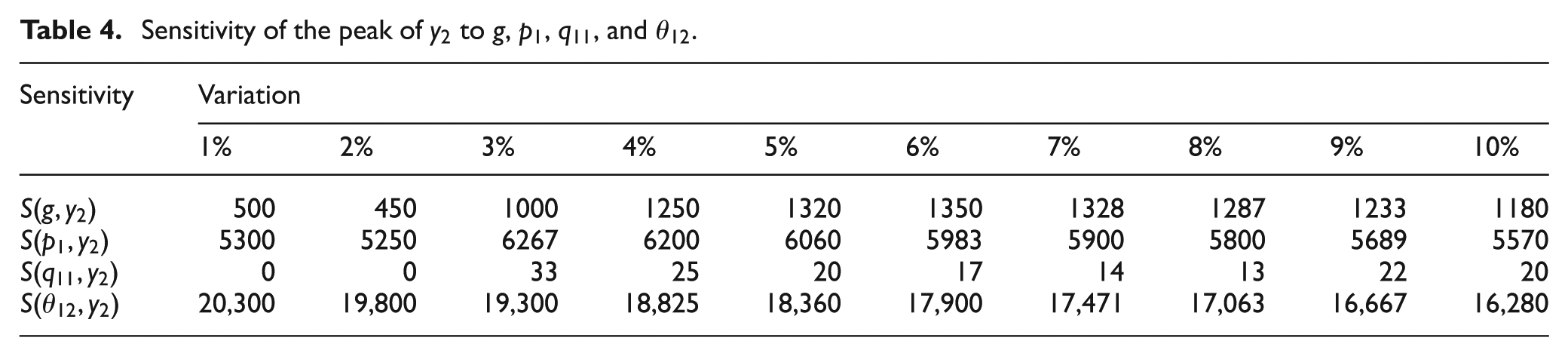
Sensitivity of the peak of
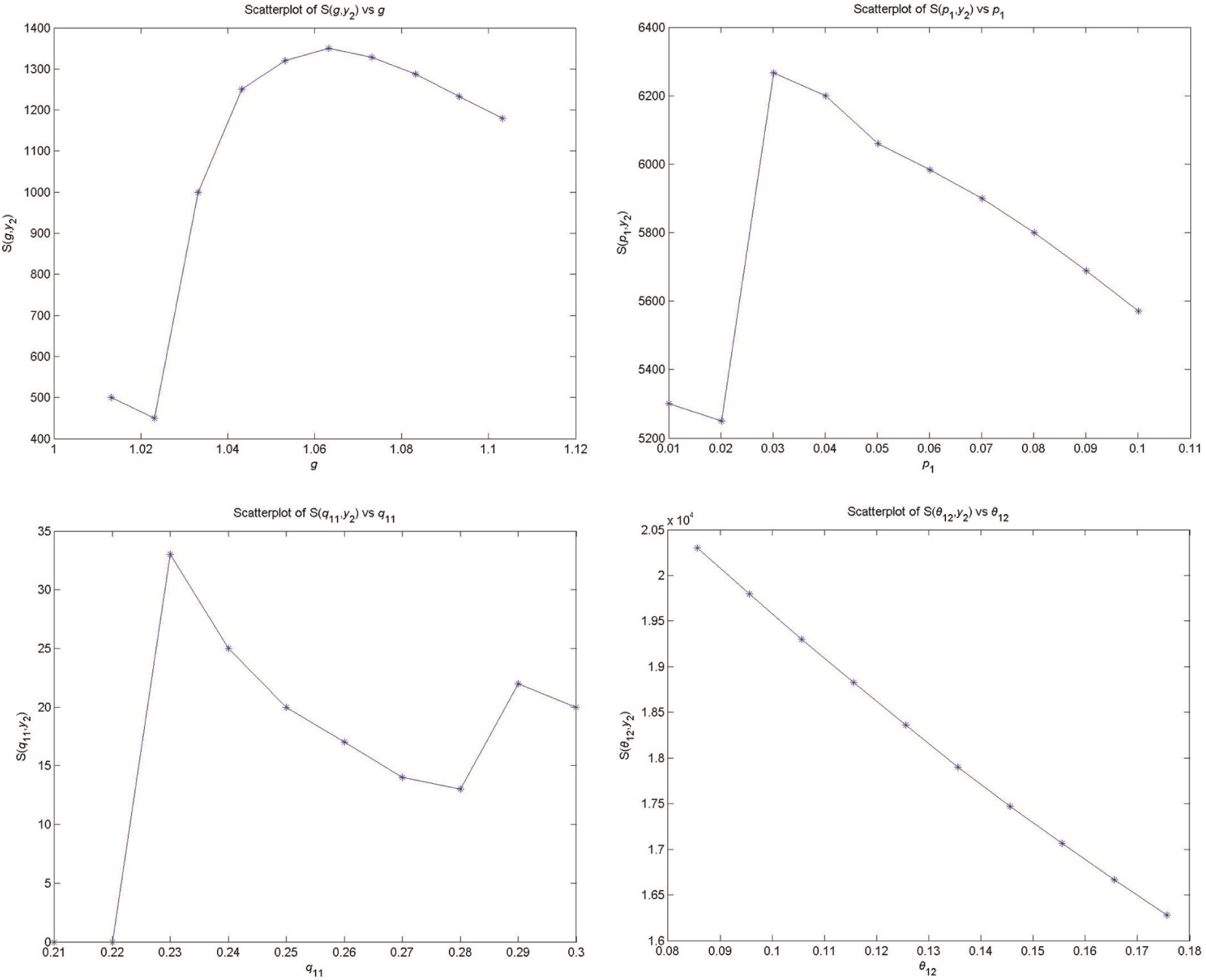
Sensitivity of the peak of
From Table 3 and Figure 2, we can see that the sensitivity of the peak of
Our analysis shows that the impact of various parameters on the diffusion of the advanced manufacturing mode is obvious. Changes in parameter values have a significant impact on the diffusion process of the advanced manufacturing mode, and the impact of different parameters on the diffusion process varies. Therefore, it is necessary to obtain the suitable parameters so as to better reveal the diffusion rules in the implementation of advanced manufacturing modes.
Parameter identification of the diffusion model
Parameter identification model
System parameter identification involves choosing those parameters that best fit the data, so as to make the mathematical model accord with the real system. System parameter identification methods include value function, least square method, and so on, and the least square method is widely used in different fields. Based on the thought of least square method, the square of the distance between the value in the diffusion model and their practical values is taken as the objective function. However, the relation in the diffusion model satisfies the differential equation, which cannot be solved by directly using the least square method. Fortunately, the parameter identification model is an optimization model which can be solved by the enumeration search methods. Therefore, to identify the parameters in the multiple-advanced manufacturing mode diffusion model, parameters are taken as decision-making variables, and the square of the distance between the estimated values by diffusion model and their real values is taken as the objective, thus, parameter identification problem is an optimization problem as follows.
Objective function

where
Constraints
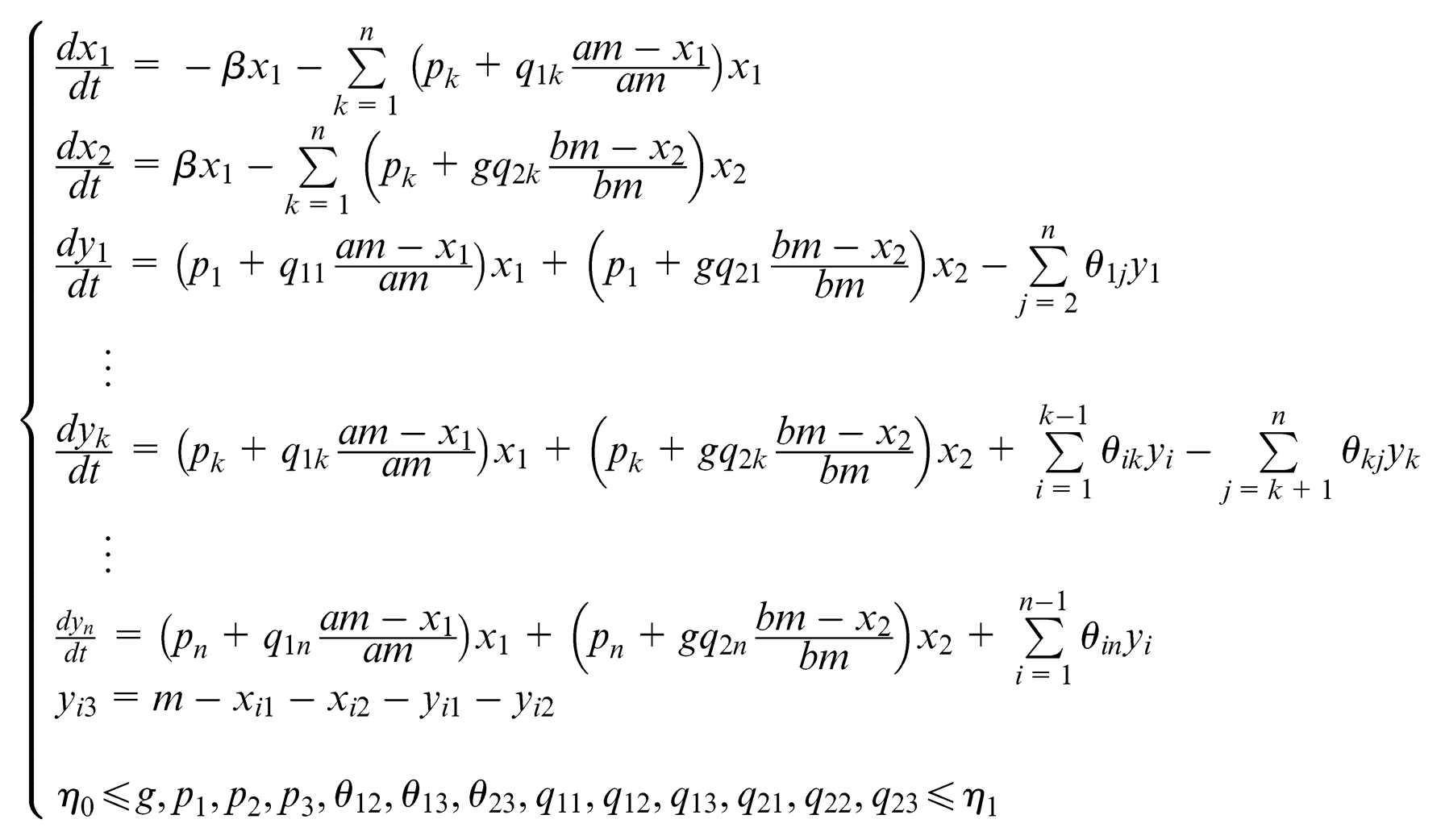
Model solution by IGA
To optimize parameters of diffusion model, the proper optimization model solution must also be studied. As constrains of parameter identification model are differential equations, the parameter identification is not the general linear programming, nonlinear or dynamic programming problem, thus, the model cannot be solved by common linear programming methods or nonlinear programming methods (e.g. Newton method and gradient method). Fortunately, implicit enumeration search methods like genetic algorithm (GA)18–20 can be utilized to solve the parameter identification model. As the general GA has the shortcoming of low searching speed, long search time, an IGA is proposed to solve the parameter identification problem. The detailed chromosomes and genetic operators in this article are as follows:
The chromosomes adopt symbolic coding, and all parameters are used to describe solutions, as shown in Figure 4. The chromosomes represent the value of each parameters to be identified, and they are arranged in the order shown in Figure 4. With the genetic operations, the chromosomes are changed, and different parameter values are obtained, which satisfies the differential equations as well as other constraints.
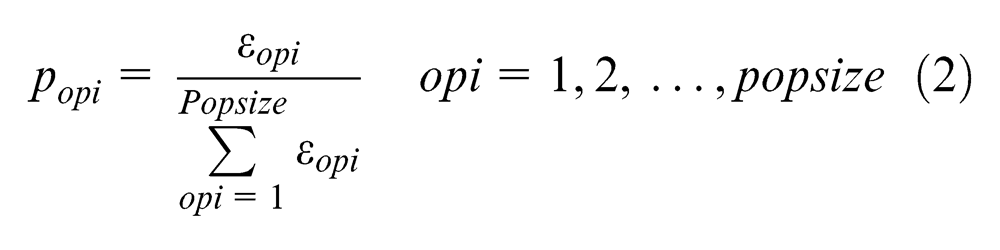
Selection. Selection operator in IGA utilizes the roulette wheel selection; parents are chosen on the basis of their fitness rate as shown in equation (2)

Chromosomes in parameter identification model (.vsd drawn by Visio).
where
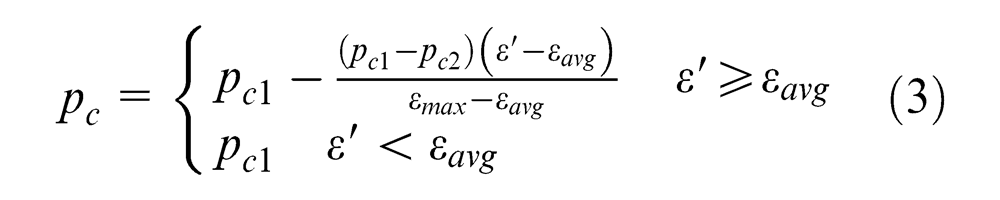
Crossover. Crossover operator adopts two-point crossover, as shown in Figure 5. And self-adaptive crossover probability is introduced to avoid its dependence on the initial value, as shown in equation (3)
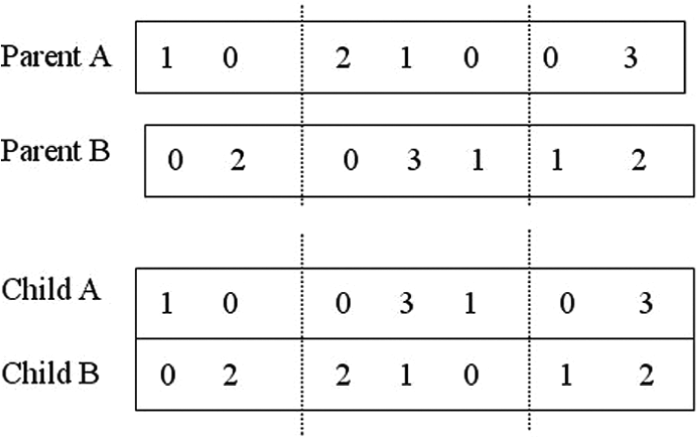
Crossover operation (.vsd drawn by Visio).
where
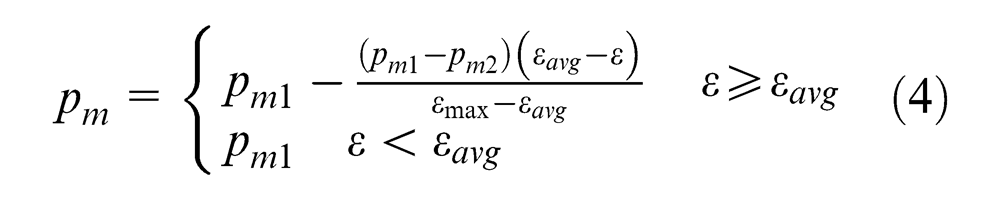
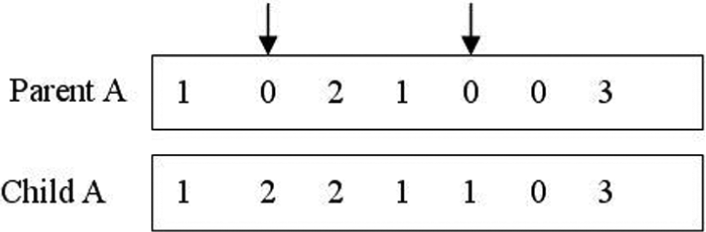
Mutation. Mutation operation is shown in Figure 6. Similar to crossover operation, self-adaptive mutation probability is adopted, as shown in equation (4)
Mutation operation (.vsd drawn by Visio).
where
Based on the above improvements, IGA is utilized to obtain the optimal parameters in the multiple-advanced manufacturing mode diffusion model.
Algorithm 1
Parameter identification algorithm based on IGA
Step 1. Parameters of the IGA are initialized, which include initial iteration
Step 2. The initial population is generated randomly, which include the generation of
Step 3. The population is divided into
Step 4. The mmth sub-populations are conducted the following operations
Selection. According to roulette wheel selection as shown in equation (2), the chromosomes with better fitness are obtained until the number of individuals reaches
Crossover. According to equation (3), the
Mutation. According to equation (4), if the The sub-population is updated. The best chromosomes in sub-population are compared, and the best chromosome in the population is reserved.
Step 5. The present generation is judged when each sub-population is calculated. And if it’s greater than or equal to
According to the IGA, the optimal parameters of the multiple-advanced manufacturing mode diffusion model are obtained.
Examples
Background
Parameter identification is related to real applications. We use supply chain management, green manufacturing, and TQM in Xue et al. 15 to discuss the simulation of the diffusion model and its parameter identification. Related data are given in Table 5.
Number of enterprises implementing the modes.
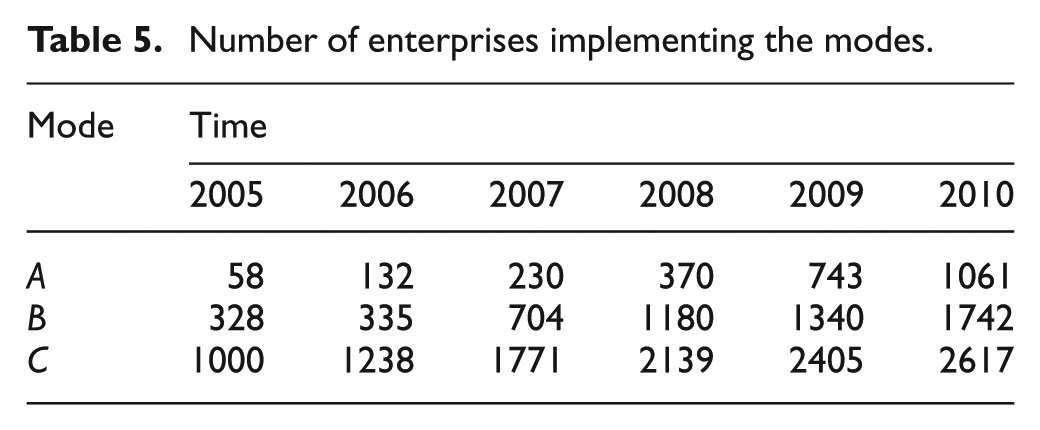
From the above background, the initial time of the system is set to 2005. From the data in Chinese industrial economy statistical yearbook in 2006, the number of enterprises with the potential to implement advanced manufacturing modes was found to be
Parameter identification using an IGA
The parameters in the diffusion model in section “Parameter identification of the diffusion model” include
1. Objective function

2. Constraints
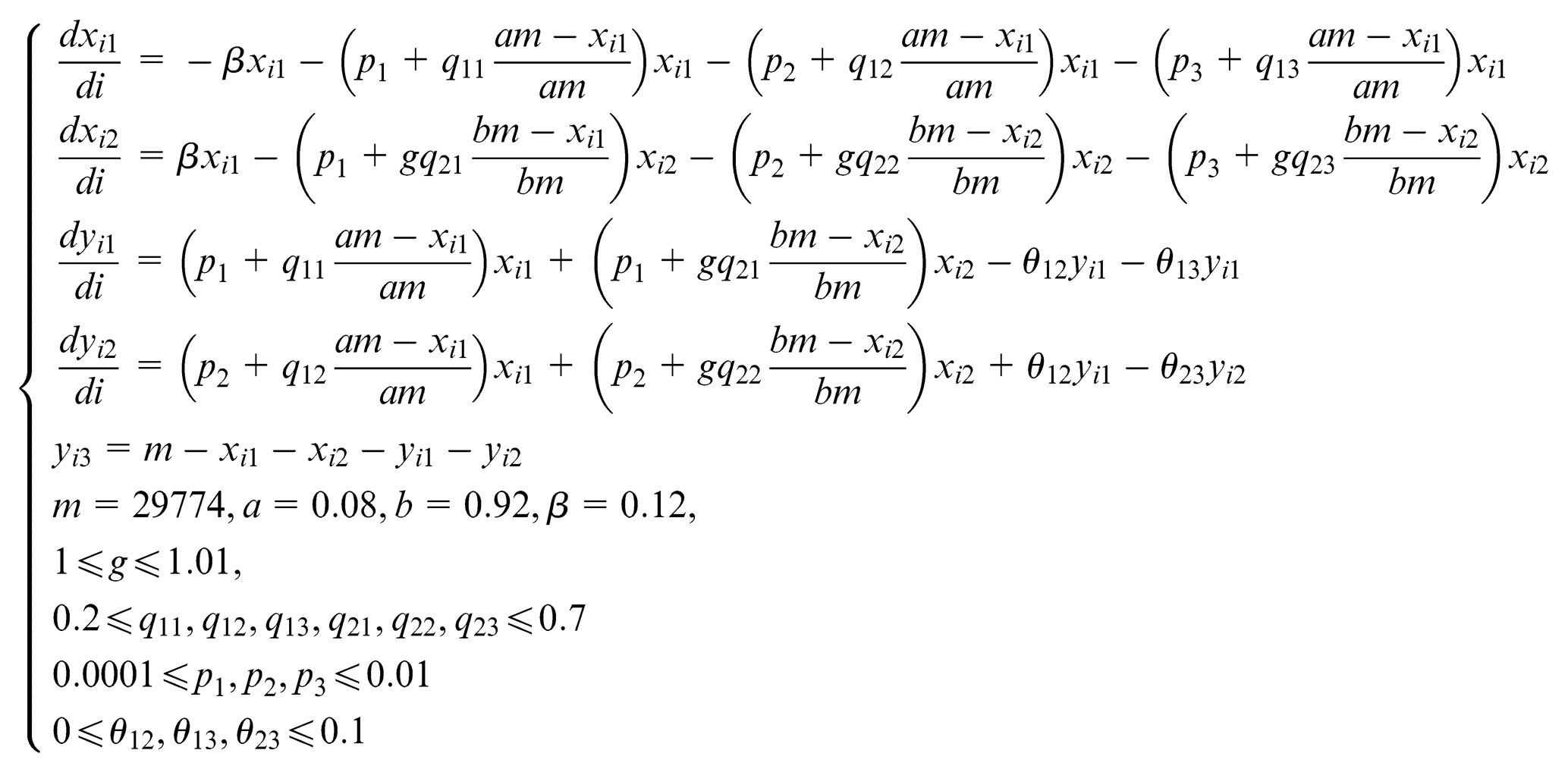
The initial values of
and
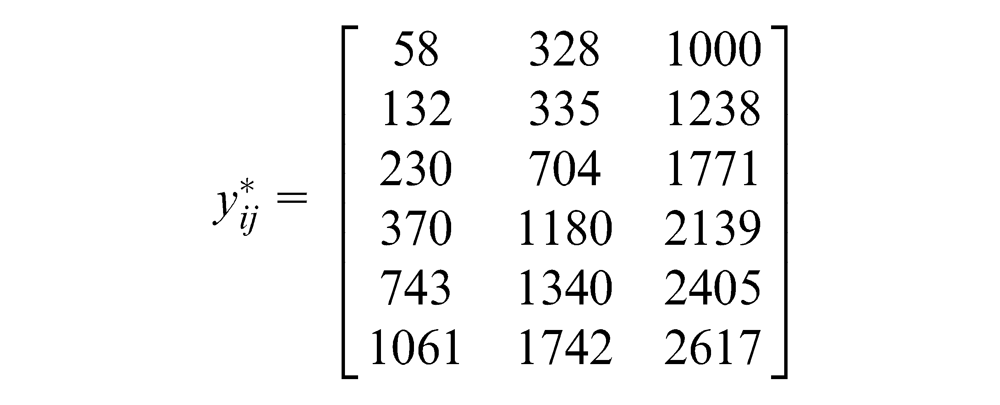
3. According to the above objective function and constraints, Algorithm 1 is utilized to obtain the optimal parameter values using MATLAB 7.1. The values obtained are shown in Table 6.
Optimal parameter values.
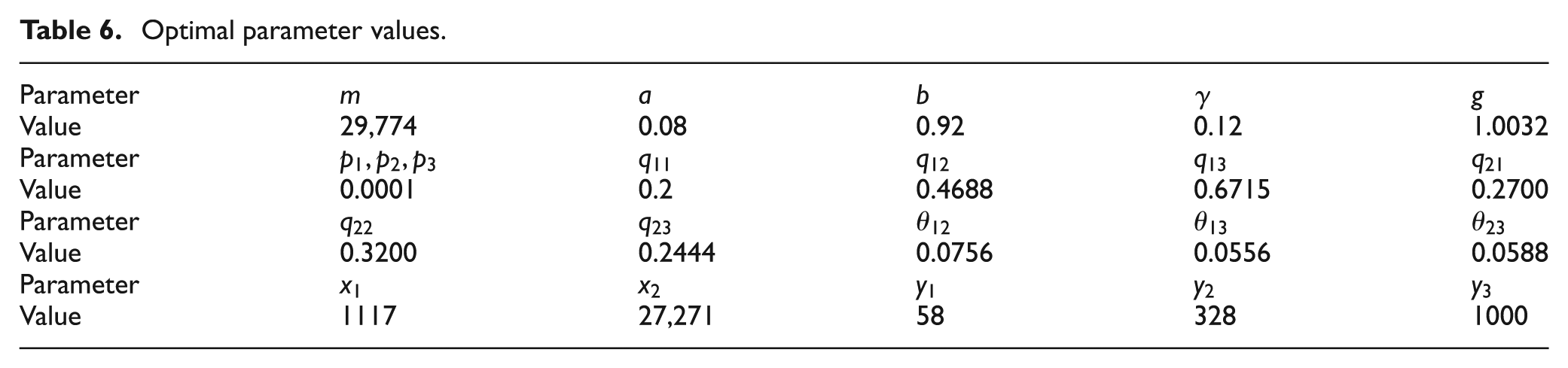
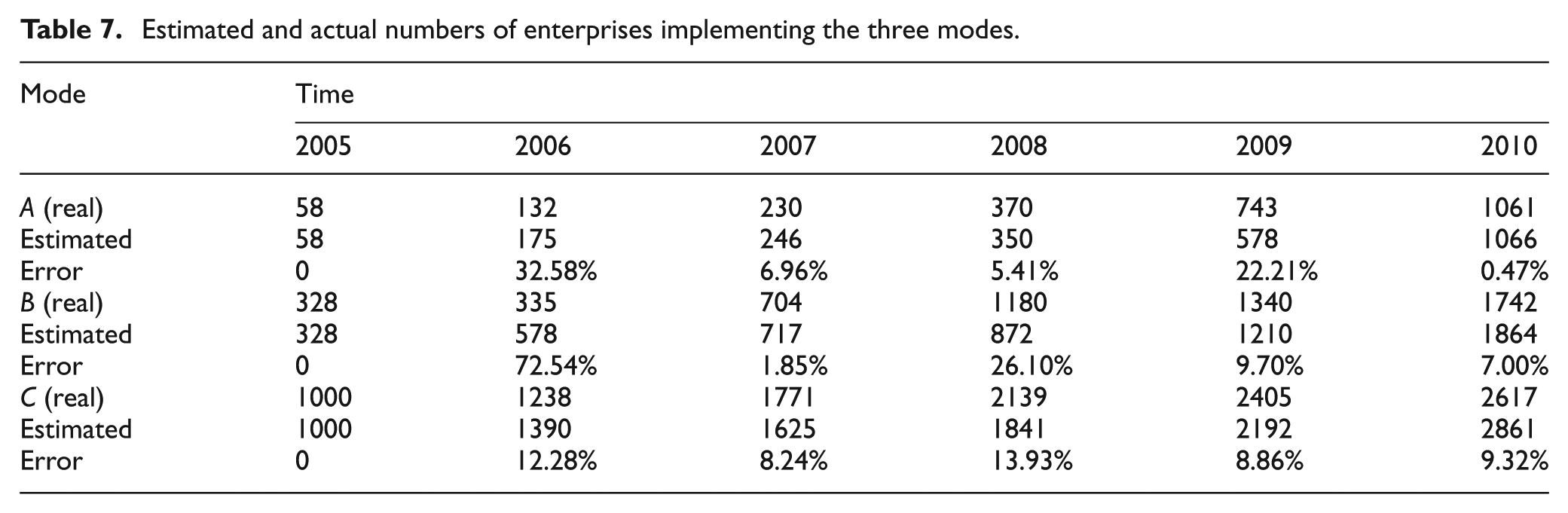
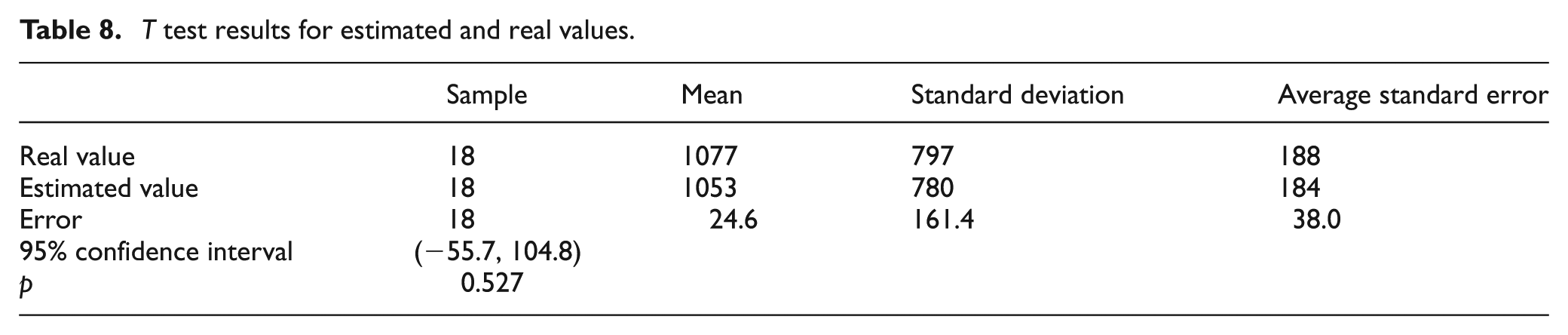
Based on the data in Table 6, the number of enterprises implementing the three modes can be estimated, as shown in Table 7. Table 7 shows the results of using the diffusion model to estimate the number of enterprises implementing each advanced manufacturing mode, using the parameters identified through the GA. There is some error between the estimated and real values, but this is controlled below 15% in average, which is feasible in practice. To show the effectiveness of the model, the results were subjected to a T test, and the results are shown in Table 8. From Table 8, the confidence interval of the mean difference between the actual and predicted values includes zero, which indicates that the difference between actual and predicted values is small. A
Estimated and actual numbers of enterprises implementing the three modes.
T test results for estimated and real values.
Applying strategies
The competition diffusion model and its parameter identification model disclose the diffusion characteristics and rules of the multiple-advanced manufacturing modes. In reality, enterprises can combine the principles, methods, and conclusions with their own conditions, to fully understand the developing rules of advanced manufacturing modes, and to make the best decisions concerning when to implement the advanced manufacturing mode and which mode to implement. Moreover, enterprises should understand the influence of the different parameters so as to better implement advanced manufacturing modes.
As to the strategies of government regulation, government can make corresponding strategies to change relative parameters so as to regulate the diffusion of advanced manufacturing modes, for example, to accelerate the diffusion, the following strategies can be adopted:
Set technological transferring and applying centers of advanced manufacturing modes. Government can promote the implementation of advanced manufacturing modes by providing relative technologies and implementation guidance for enterprises.
Establish demonstration enterprises so as to obtain the demonstration effect on related industries.
Provide preferential loans for enterprises. Preferential loans can greatly promote the implementation of advanced manufacturing modes.
Conclusion
The development of advanced manufacturing modes and technologies provides a powerful conceptual method for enterprises. In order to make rational decisions, enterprises must not only understand the philosophies and technologies of the advanced manufacturing mode, but also know the applicable diffusion rules.
In this article, we proposed parameter identification methods based on a GA to obtain a more reasonable diffusion model. The model provided a better explanation of the diffusion mechanism of the advanced manufacturing modes, thus predicting their future application more accurately. In tandem with this, a parameter analysis and identification can help enterprises and governments to understand the advanced manufacturing diffusion processes. Governments can develop appropriate policies to influence the relevant model parameters, thereby influencing the diffusion of advanced manufacturing modes.
Footnotes
Appendix 1
Declaration of conflicting interests
The authors declare that there is no conflict of interest.
Funding
This research is supported by the National Natural Science Foundation of China under Grant numbers 71371173, 70901066 and 70971119.