




Abstract
This paper opens up the black box of agencies’ accountability relationships and zooms in on their top managers and the perceptions of accountability thereof. So far, very few studies have examined how agency managers perceive and experience attempts to control the public sector organizations that they manage. The paper seeks to address this gap through a focus on “felt” accountability, denoting (1) a manager’s (more or less high) expectation to have to explain substantive decisions to a parent department perceived, (2) to have (more or less) the expertise, and (3) to be (more or less) in a legitimate position to assess those decisions. We empirically explore in two steps (using quantitative and qualitative data) agencies’ felt accountability to the parent department in Switzerland, which presents a puzzling case of relatively low accountability according to a survey of agency managers in seven established democracies (Australia, Denmark, the Netherlands, Norway, Sweden, Switzerland, and the United Kingdom). Our findings point to the differences between regulatory and non-regulatory agencies and show that the former’s perception of being weakly accountable largely stems from the passive attitude of the parent ministry as official accountability forum. Agency managers interpret this attitude as a manifestation of respect for the agencies’ independence, but also as a consequence of the forum’s lack of time and expertise. In some cases, the parent ministry is not even considered to be the relevant accountability forum, suggesting that this accountability relationship is just one facet of the accountability regime in which agencies are embedded.
Introduction
The accountability of political officials and public managers is a positive public value. It is also a multidimensional concept: those who study it need to flesh out who is accountable to whom, for what, through what kind of processes and with what kind of standards, and possibly with what consequences (Mashaw 2006). For analytical purposes it is helpful to view accountability as a social mechanism of relational and communicative nature that connects individual or collective policy actors to accountability “forums” (Bovens 2010) in deliberative (sometimes also bargaining) processes, usually under the threat of sanctions by the forums in case of estimated misconduct or poor performance of the policy actors. Even if the forums’ monitoring of actors may be concomitant to their action and if rule-makers anticipate the accountability phase, accountability fundamentally takes place ex post.
The “agencification” phenomenon and the related growth of a “state of agents” (Heinrich et al., 2009) have led to a redefinition of issues related to the accountability of public administration organizations and agents. Semi-autonomous and formally independent agencies—situated outside the traditional chain of delegation (Strom & Wolfgang, 2006) and having received a mandate to deliver public services, to regulate certain sectors or to make critical decisions about the distribution of public resources—are especially regarded as “trustees” engaging in a “fiduciary” relationship with their political principals (Majone 2001). This justifies their independence from their principals, but also raises the question of the possible accountability gap caused by the rising power of the unelected (Tucker 2018; Vibert 2007).
Such issues are addressed by the burgeoning literature on agency accountability (Bianculli et al., 2015; Biela & Papadopoulos 2014; Busuioc 2010; Koop 2014; Koop & Hanretty 2018; Maggetti & Papadopoulos 2018; Schillemans & Busuioc 2015; Tucker 2018; Verhoest & Paul 2010). The literature qualifies the existence of a general accountability deficit of agencies. Being typical examples of “output-oriented” organizations, they quickly appeared to need to justify their choices and to convince various audiences about their contribution. It would therefore be wrong to necessarily equate their independence with a lack of accountability: reporting and auditing can be important aspects of agencies’ agendas. Moreover, there seems to be an “autonomization paradox”: autonomy is frequently accompanied by more stringent results-based controls, so that agencies may actually be more controlled than before (Verhoest & Paul 2010: 263).
However, this article concentrates on an aspect of agency accountability that has remained largely unexplored so far. It focuses on “felt” accountability (Hall et al., 2015; Hochwarter et al., 2017), in other words accountability as it is perceived by the top managers of agencies. It is important to understand to what extent managers feel they are accountable because although their perceptions may be influenced by the degree of de jure and de facto accountability of their organization, they are not fully determined by their “external” accountability requirements. The concept of felt accountability denotes more precisely the (1) expectation that one’s important decisions will have to be explained, to (2) an accountability forum with the substantive expertise to pass meaningful judgment on those decisions, and (3) the legitimacy to do so. We scrutinize accountability as it is perceived by the managers of agencies in the puzzling case of Switzerland. Swiss agencies scored relatively low in terms of their felt accountability in a recent survey that included agencies from seven established democracies (Australia, Denmark, the Netherlands, Norway, Sweden, Switzerland, and the United Kingdom; see Schillemans et al., 2021). Yet, Swiss public administration is typically considered an exemplary bureaucracy, which enjoys high support among citizens, is politically neutral, and is regarded as efficient and performant in international comparison (Giauque 2013; Schedler & Eicher 2013). Besides, the Swiss political system offers many opportunities for participation to control rule-makers (Ladner 2019). Thereby, our main research question is twofold: how to account for the relatively low overall level of felt accountability of Swiss agencies, and for inter-organizational variations in their felt accountability.
To examine this question, we first sketch the particularities of an approach to accountability that highlights its subjective dimension. We then present the puzzle posed by agencies that (in comparative terms) appear—at least in the eyes of their managers—as relatively weakly accountable. We next outline our research strategy and develop hypotheses – partially of exploratory nature – to account for that phenomenon. We then seek to better understand the issue via a within-case empirical analysis in two steps, using quantitative and qualitative data on Swiss agencies. Our contribution is twofold: it allows to acquire a fine-grained understanding of how accountability is “felt”, and to nuance thereby the apparent paradox of the weak accountability of agencies in a well-functioning democratic political system.
Conceptual framework: the study of the subjective dimension of accountability
Accountability is usually defined as a relationship between an actor and a forum, in which (1) the actor has an obligation to explain and to justify his or her conduct to the forum by providing information about procedures, performance, or outcomes (answerability); (2) a debate may ensue and the forum can pose questions and pass judgment (the relationship has a dialogical component that may be more or less prominent); and (3) at the end of this process the actor may face positive or negative consequences depending on the forum’s evaluation (enforceability) (Bovens et al., 2014: 9). Obviously, accountability does not always function in practice as formally prescribed on paper, which applies to all sequences of the accountability process, and forums endowed with formal oversight tasks may prove to be “paper tigers,” while forums—such as the media or NGOs—that only informally perform a monitory function may prove not to be toothless and act as “fire alarms.”
Basically, two sources legitimize a forum to exercise prerogatives with respect to political accountability. The first source is when the forum is a principal (e.g., the parent department) that has previously delegated (some of its) prerogatives to an agent. Being in such a delegation relationship, the agent is accountable to the principal and accountability is then based on “ownership” (Bovens et al., 2014: 5). The second source is affectedness: those who are (deliberately or not) affected by the outcomes of policy outputs can claim that they have a legitimate right to hold output producers to account. 1 Apart from these forms of political accountability, respectively, based on authority and on stakeholder legitimacy (Bovens et al., 2014: 3), public decision-makers may be held to account by (in principle) independent and impartial third parties, such as courts.
Although the accountability regime of each agency differs, agencies are part of an accountability web in which various forums hold them to account on different matters (Page 2006; Byrkjeflot et al., 2014). 2 Most notably, they are subject to managerial surveillance by agency boards, to financial surveillance by auditing institutions, and to legal surveillance by courts. One should add to these formal aspects a de facto obligation to justify policy to multiple forums, such as stakeholders (e.g., firms from the regulated sector or consumer associations) or the media in the case of salient issues, whose support is necessary for agency legitimacy. Precisely because agency members are legitimacy-seekers and seek to establish relationships based on trust within the ecology of actors that is part of their environment, they become proactive in voluntarily seeking accountability (Busuioc 2010; Koop 2014). On the other hand, the accountability forums may not be willing (because of low issue priority) or able (because of lack of expertise) to perform their monitory role: hence, accountability gaps may not be due to agency drift but to forum paralysis (Maggetti & Papadopoulos 2018; Schillemans & Busuioc 2015).
As noted above, this article opens up the black box of the agencies and zooms in on the perceptions of top managers. It focuses on their “felt” accountability, which denotes the (1) expectation that important decisions will have to be explained, to (2) an accountability forum with the substantive expertise to pass meaningful judgment on those decisions, and (3) the legitimacy to do so. Felt accountability in the public sector, thus, couples an awareness dimension (expectation) to a cognitive dimension (expertise) and a normative dimension (legitimacy) (Schillemans et al., 2021). That concept has been derived from social psychological scholarship in the area of human resources management in organizations, where it has been found in a great number of experimental studies that felt accountability has profound effects on decisions and behaviors of individuals (Hall et al., 2015; Harari & Rudolph, 2017). It has even been argued that felt accountability may be “the most pervasive (and perhaps even the most powerful) single influence on human social behavior” (Hall et al., 2015: 208). Felt accountability was originally defined as: “The implicit or explicit expectation that one’s decisions or actions will be subject to evaluation by some salient audience(s) with the belief that there exists the potential for one to receive either rewards or sanctions based on this expected evaluation.” (Hochwarter et al., 2007: 227)
In this basic definition, felt accountability refers to all those situations in which actors expect that some relevant “other” will observe them or demand information when they take decisions and retains the option to sanction them positively or negatively. As felt accountability denotes expected or anticipated accountability to someone, it is clearly a relational concept. Although we do acknowledge that public managers may feel accountable to various accountability forums, the more limited goal in this article is to understand the felt accountability of agency managers to their agency’s parent department. In other words, we scrutinize accountability as a consequence of delegation, not of affectedness. With regards to the delegation chain, which runs in parallel but in the opposite direction of the accountability chain, we focus on the most direct political principal and official accountability forum of agencies: as we shall show below, we develop some expectations on the perceptions of the accountability relationship between agencies and their parent ministry.
Items of accountability indices.
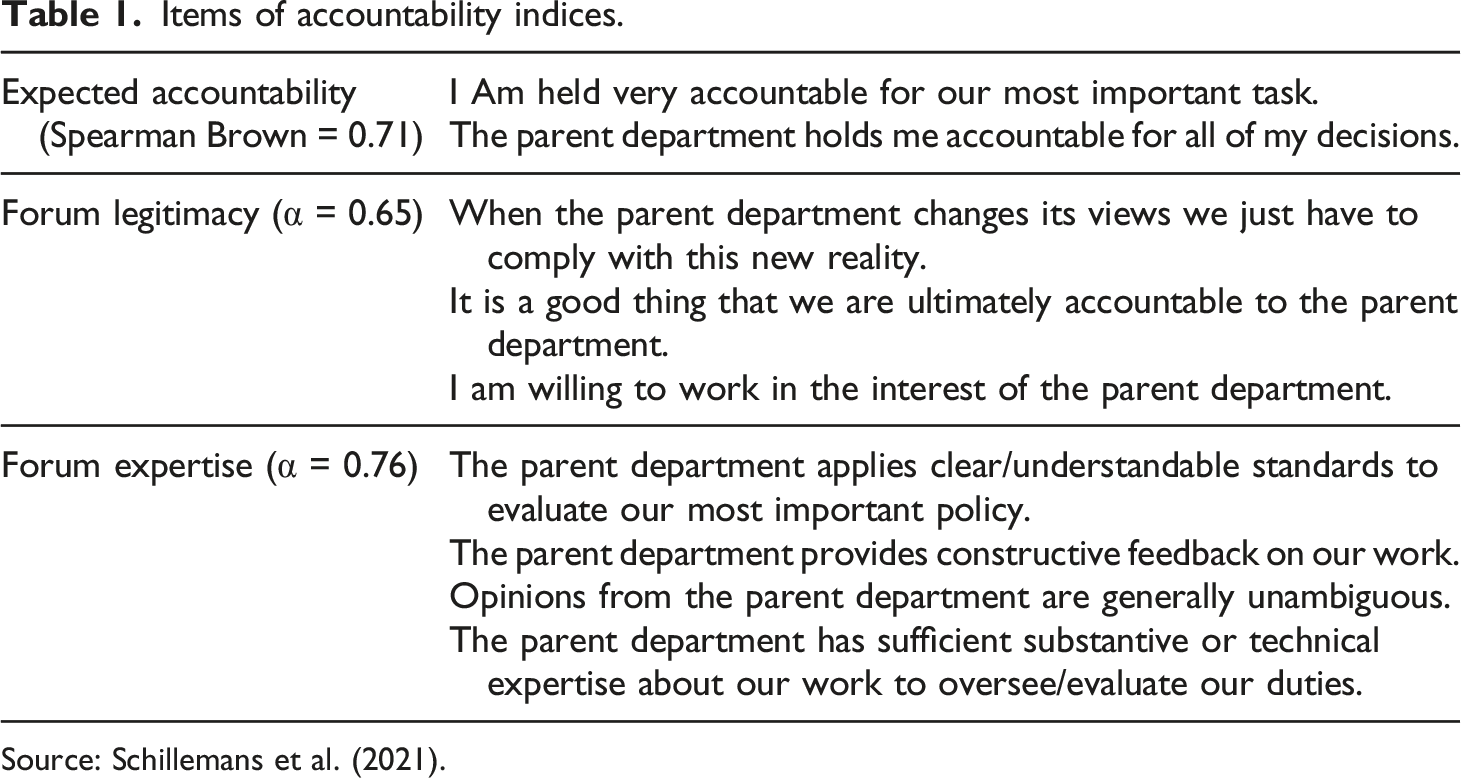
Source: Schillemans et al. (2021).
The research puzzle
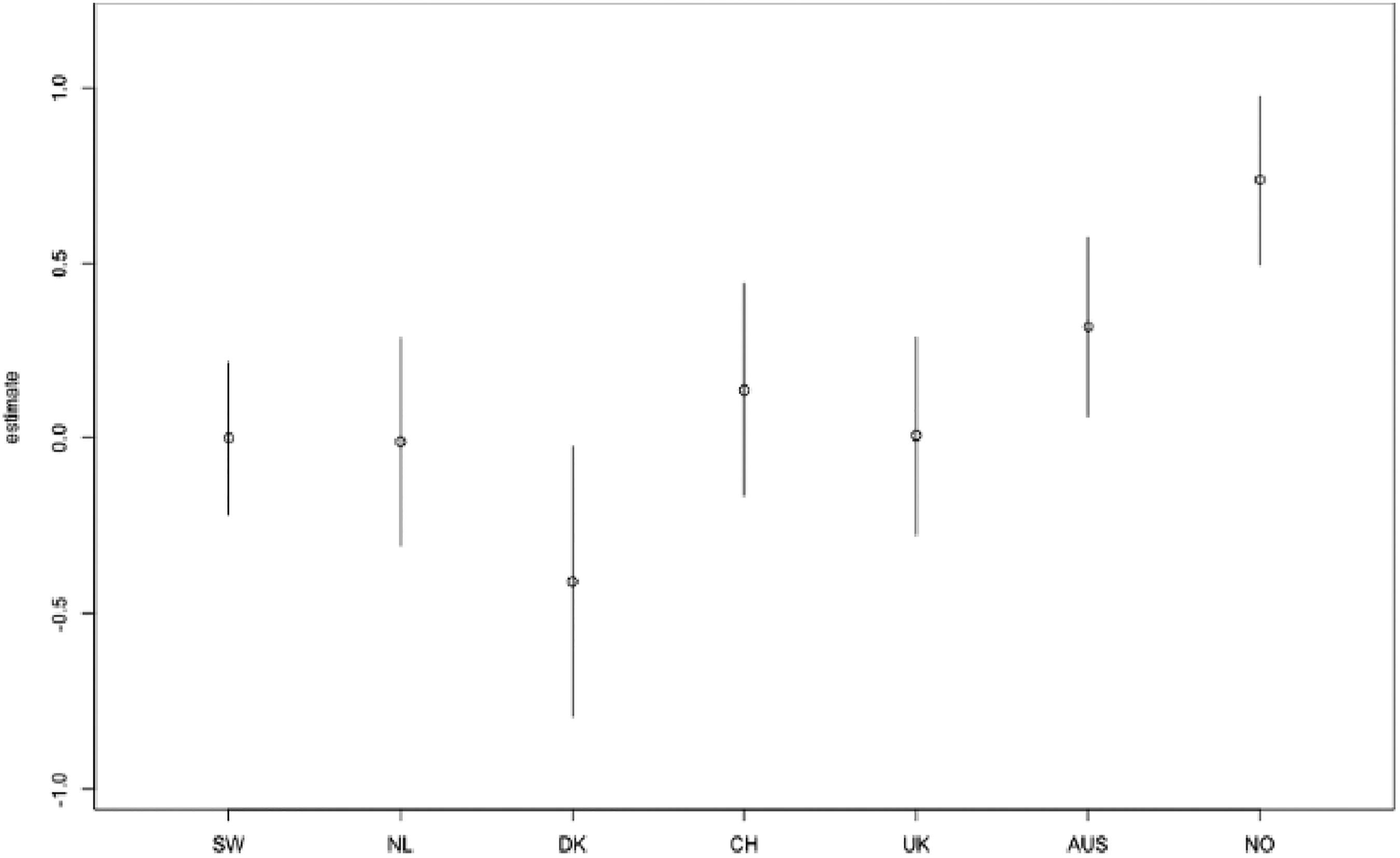
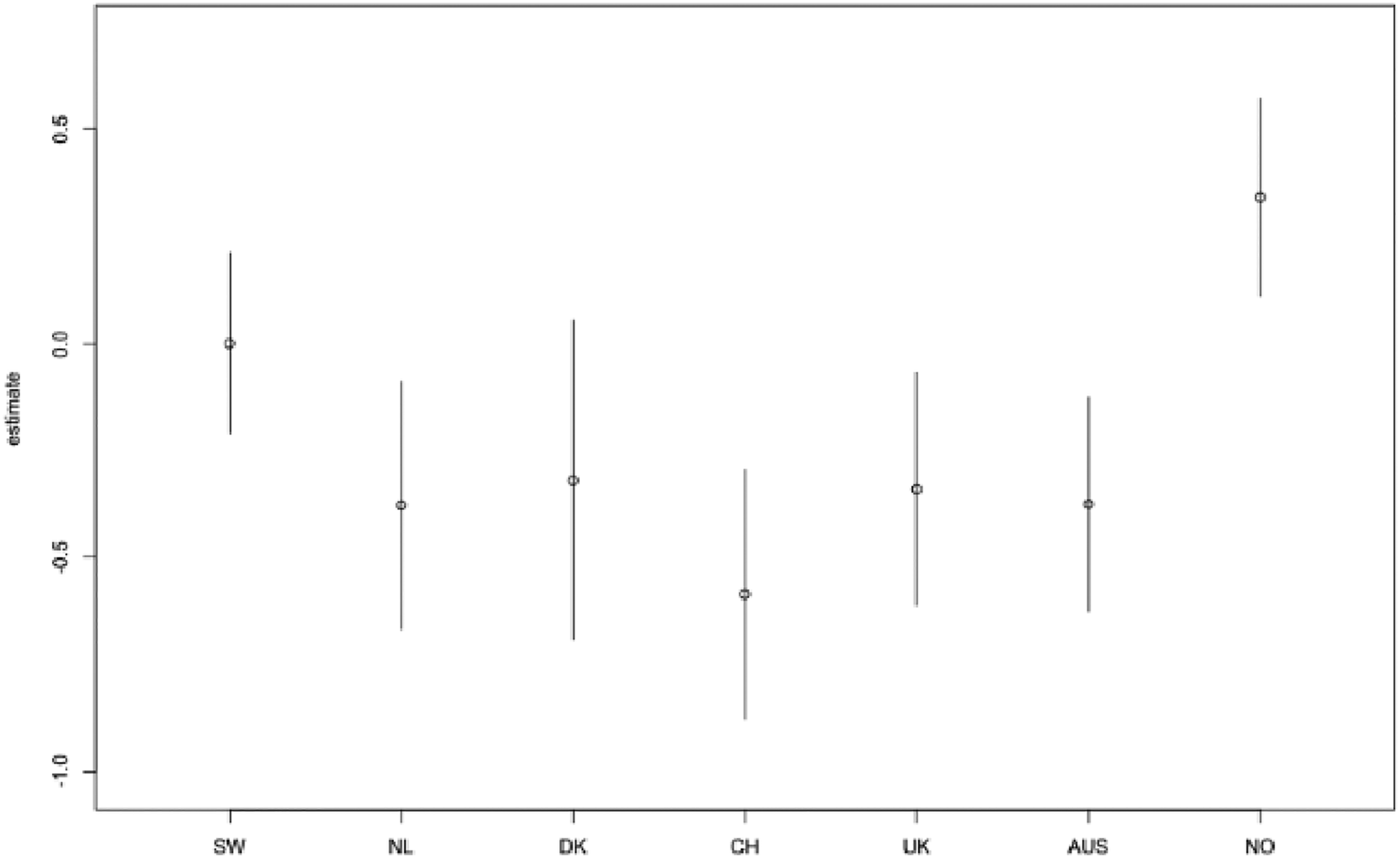
The empirical starting point of our inquiry is a comparative survey distributed to the highest-ranking managers of agencies in seven established democracies: Australia, Denmark, the Netherlands, Norway, Sweden, Switzerland, and the United Kingdom (Schillemans et al., 2021). All data were collected between May and December 2017. A total of 661 managers responded to the survey (response rate of 59%), of which 499 fully completed the survey. The Swiss part of the survey was addressed to all agencies of this country, resulting in an original dataset (N = 73; response rate = 61%, 50 complete responses). Descriptive results have shown that the study of Swiss agencies is particularly interesting, as, on average, these agencies rank relatively low on expected accountability with respect to the parent ministry (only Australian agencies rank lower) and even more on the legitimacy thereof, while the attributed forum expertise ranked average (Schillemans et al., 2021.; see CH in Figures 1–3 reproduced here). Expected accountability in international comparison. Forum expertise in international comparison. Forum legitimacy in international comparison.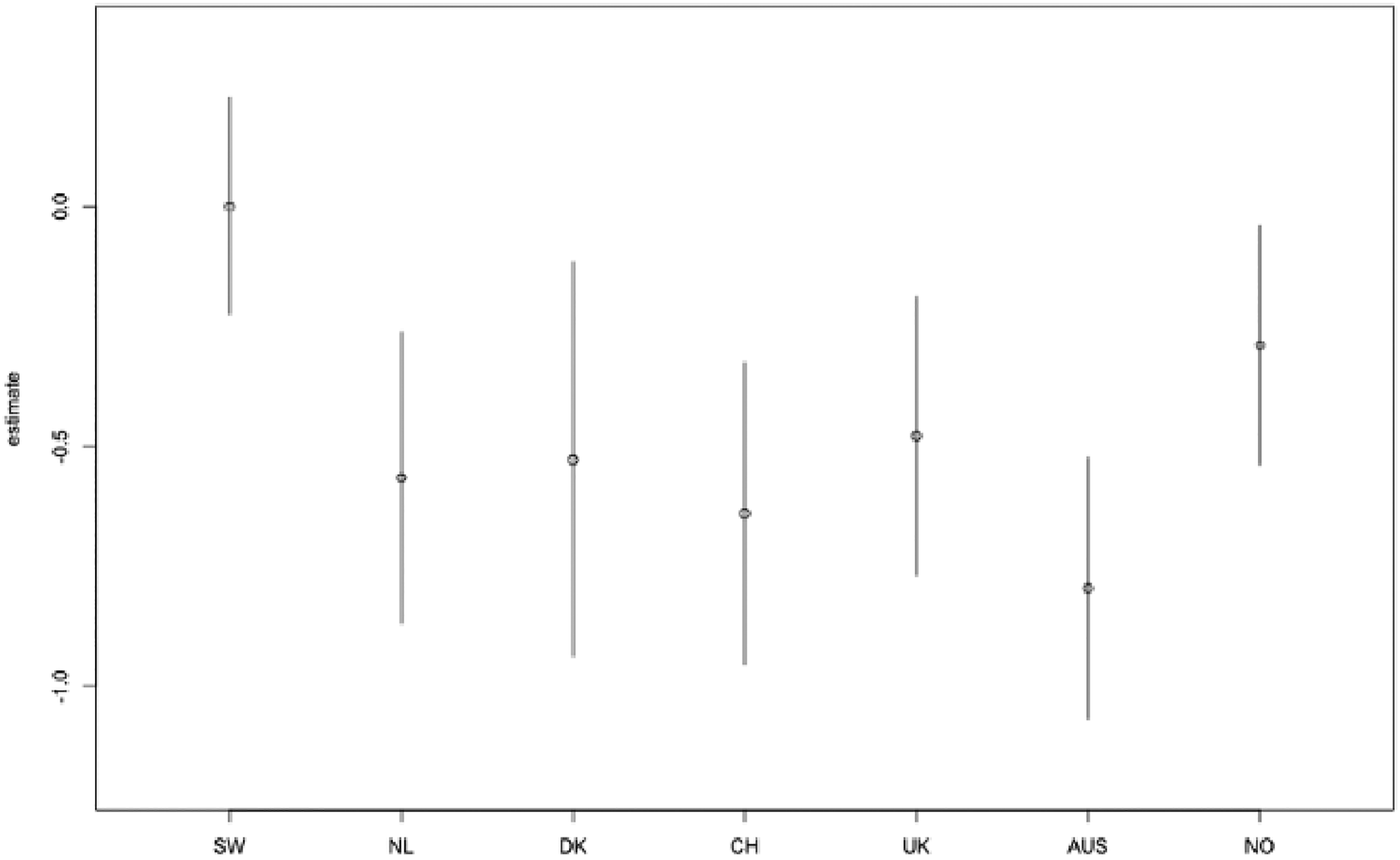
The weak accountability of public sector organizations to their political principals may indicate a limited political control by democratically elected representatives. This state of affairs is particularly puzzling for Switzerland as public administration in this country is usually considered an exemplary bureaucracy. In comparative perspective, the Swiss public administration model is hybrid, combining the features of different traditions (Giauque 2013; Ladner 2019). Switzerland is considered to be to some extent similar to continental European federal states, such as Germany and Austria, due to its decentralized organization. The Swiss model also shares some key features with the Scandinavian model such as the openness of the recruitment process, the transparency towards citizens, and a user orientation. Civil servants being regarded as part of society rather than above it, a utilitarian understanding of the public service, and the absence of a strict separation between public and private professional roles are additional features that make Swiss administrations also somewhat close to the Anglo-Saxon model. Such a hybrid model apparently offers many advantages. First, Swiss public administration is highly legitimate in the eyes of Swiss citizens. According to European Social Survey data (2016), the level of citizens’ satisfaction with government and with democracy and their level of trust in public authorities are among the highest in Europe (Ehrler et al., 2018). More specifically, Swiss citizens are satisfied with administrative service provision to an exceptionally high extent, even when compared to other wealthy advanced democracies (Denters 2016). Second, public administration is assumed to be politically neutral. There is neither a spoil system nor a bureaucratic turnover, civil servants usually do not take a political office, and vice versa (Schedler & Eicher 2013). Third, Swiss public sector organizations are perceived as efficient, performant, and accessible, also because direct democracy instruments can be used to check ruling bodies (Ladner 2019). Finally, it is worth noting that, although a low level of accountability might be related to a high degree of formal agency autonomy, Swiss agencies do not rank particularly high in terms of formal autonomy (Bach & Huber 2012; Huber 2012).
Against this background, how can top managers of Swiss agencies perceive themselves as scarcely accountable and confer only little legitimacy to their political principals? In the next section, we will formulate some expectations based on differences in the main organizational features of these agencies.
Empirical strategy and expectations
To investigate this puzzle, we engage in within-case analysis in two steps. With the first one, we examine whether there are variations among Swiss agencies and how could they be explained. This investigation will give us clues on whether the phenomenon mentioned above is driven by specific inter-organizational differences. In particular, we focus on the possible impact of structural features on the behavior and perceptions of their managers (Egeberg 2007). To do so, we used the survey data to explore the population of agencies according to a key distinction between two types: regulatory and non-regulatory agencies. These two types refer to two distinctive ways of structuring political-administrative relations in public sector organizations and imply a different range of tasks and powers. Regulatory agencies are (semi-) autonomous public sector organizations that are in charge of implementing, monitoring, enforcing, and/or sanctioning non-compliance with rules, whereas non-regulatory agencies are those with merely an advisory role and consultative tasks. The formers are usually more powerful than the latter, as they not just become crucial players in their field, but they also become bargaining partners and may play a central law-making role in their area of competence (Carpenter and Krause 2015). Since accountability should increase with the attribution of more powers to public sector organizations (Majone 1994; Mulgan 2003): 1. We expect felt accountability to be higher for regulatory agencies compared with non-regulatory ones.
We also expect some other features related to political-administrative relations to be associated with differences in felt accountability. On the one hand, autonomy should matter. While independence and accountability are not mutually exclusive, and granting more independence to a public sector organization even ideally requires a stricter accountability framework at the system level, one could expect that, ceteris paribus: 2a. More political and financial autonomy will be negatively associated (Christensen and Laegreid 2007) with the individual perception of accountability.
Indeed, the behavioral consequences of strategic and operational autonomy include loose accountability (Hammond et al., 2019). On the other hand, actual accountability is a social relation whereby the “agent” anticipates having to face negative consequences in case of misconduct. Thus: 2b. The existence of credible sanctions should be correlated with the perceived strictness of the accountability framework.
To examine these expectations, we perform a bivariate correlational analysis of the association between the dimensions of felt accountability and their above-mentioned possible structural determinants.
Second, we aim at understanding how the concerned actors interpret their (weak) felt accountability. Agencies construct the various facets of their autonomy through “micro-practices” (Korinek & Veit 2015), so we believe that the study of the micro-foundations of felt accountability as an eminently subjective property is crucial. We therefore want to capture at a fine-grained level of analysis how actors perceive and justify the reasons for being weakly accountable. Several factors that could be invoked as explanations can be found in the literature besides the above-mentioned (perception of a) trade-off between formal independence and accountability (Christensen & Laegreid 2007); (the perception of) bureaucratic efficiency and performance making the use of accountability mechanisms superfluous, whilst control in itself does not secure performance (Koop & Hanretty 2018); and/or (a perceived) lack of expertise and capacity by the official accountability forums (Maggetti & Papadopoulos 2018; Schillemans & Busuioc 2015). However, since the literature usually does not deal with the individual level, our approach is of a more exploratory nature. We refrain from putting forward precise expectations, apart from the general assumption that contingent factors related to the perceptions of individual actors (e.g., concerning the ways they interpret and bring about organizational routines) ultimately play a role in determining felt accountability. In this view, we proceed inductively by reporting findings from follow-up qualitative interviews conducted after the survey inquiry on the subset of Swiss regulatory agencies (see below).
Within-case analysis (first step): the distinctiveness of regulatory agencies and the shadow of sanctions
Although the term “agency” is somewhat extraneous to the official Swiss terminology, public sector organizations with some degree of autonomy from the political-administrative hierarchy have long existed and come in great variety (Pasquier Fivat 2013). Traditionally, the major types of Swiss agencies consist of federal government units that enjoy some autonomy from the parent ministry (Swiss National Library, Swiss Meteo, etc.); legally autonomous public bodies (Swiss Federal Institute of Intellectual Property, Swiss National Parks, etc.); and public companies and cooperatives (Skyguide, Swiss Institute for Accident Insurance, etc.). In addition to these bodies, we also need to consider extra-parliamentary commissions with decision-making and executive competencies (Examination Commission for Human Medicine, Federal Coordination Commission for Work Security, etc.). Furthermore, it is important to mention a more recent, partially overlapping subtype of agency: legally autonomous public bodies with regulatory powers; in other words, independent regulatory agencies (Financial Market Supervisory Authority, Swissmedic, etc.).
Independent regulators have diffused widely across countries and sectors since the 1990s (Gilardi 2008). They arguably represent the most autonomous type of organization that exercises some amount of public authority. More specifically, independent regulators enjoy considerable rule-making powers and at the same time they have their own budgets, are defined as legal entities under public law, are structurally disaggregated from the ordinary civil service, and are constitutionally separated from the electoral cycle. In Switzerland, independent regulators were established following a double process of “layering” and “displacement”; that is, the progressive growth of new regulatory arrangements along with old ones and the importation of exogenous institutional models (Maggetti 2014). The outcome is a hybrid variety of regulatory state that incorporates the essential elements of the standard model but that is sectorally fragmented and partially built around existing institutional structures, such as extra-parliamentary commissions.
Therefore, it is interesting to explore the Swiss population of agencies by distinguishing between non-regulatory agencies (i.e., the vast majority: 43) and the seven regulatory agencies that responded to the survey in full, using a within-case analysis design. 3 In accordance with our first expectation, we might presume that these two types behave differently with respect to their felt accountability. In the case of regulatory agencies, the attribution of considerable regulatory powers is likely to make accountability more necessary as it should come with more responsiveness and answerability. To this aim, in what follows, we present quantitative analyses from our survey.
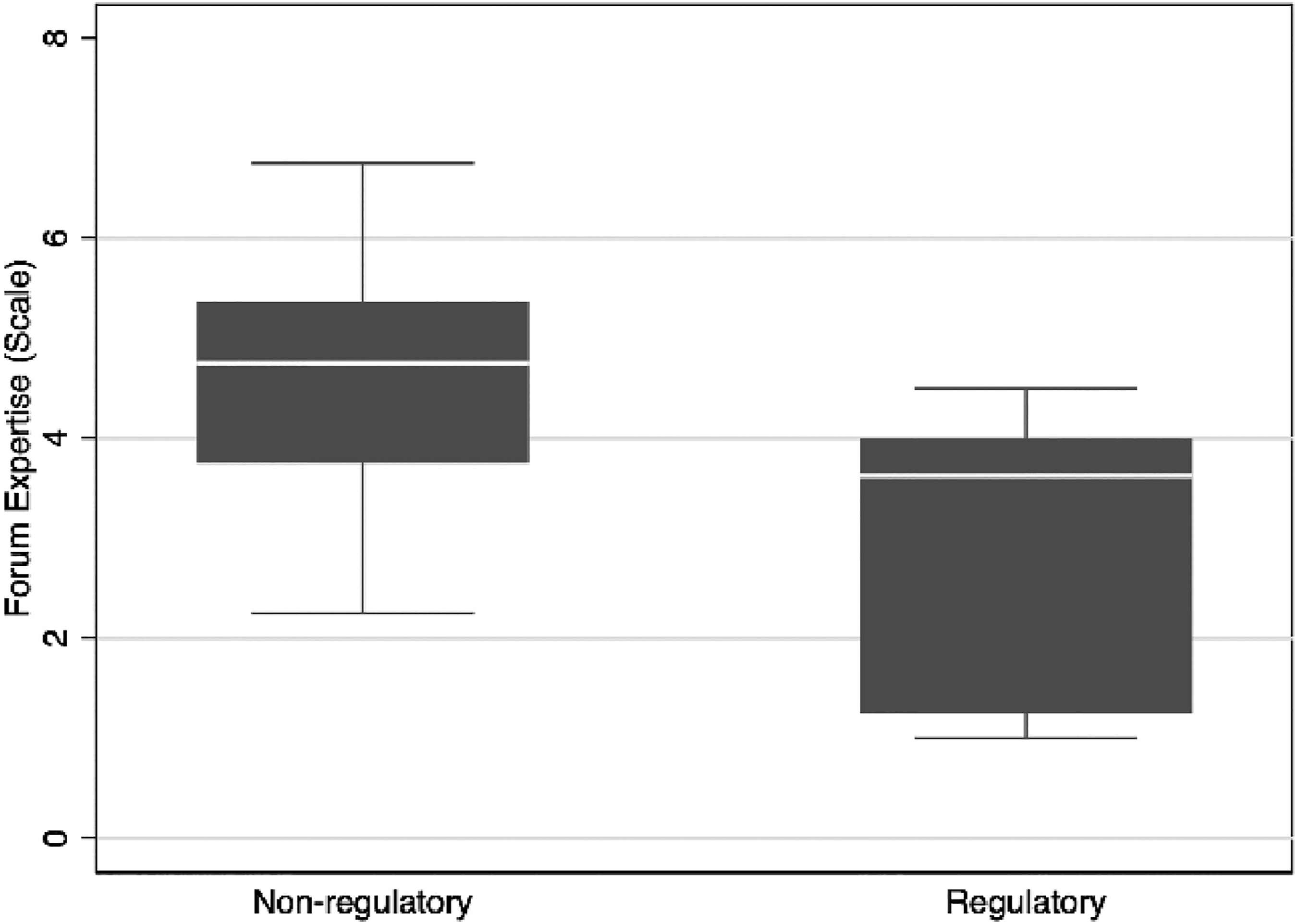
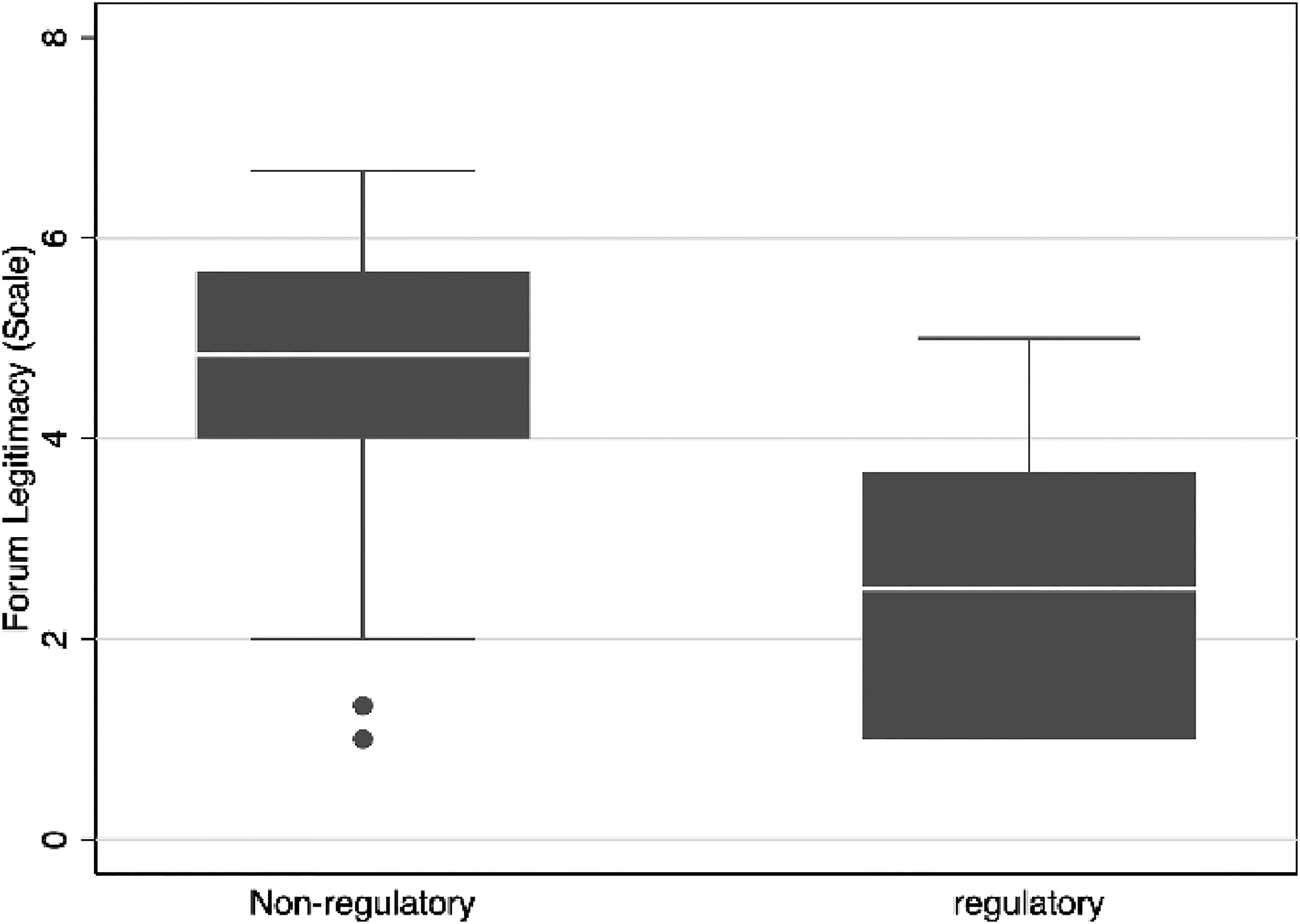
To begin with, the comparison of felt accountability of Swiss agencies between the majority of them and those with regulatory powers shows a clear pattern. There is substantial heterogeneity among regulatory agencies; however, overall, their felt accountability along all its dimensions (expected accountability, forum expertise, and forum legitimacy) is significantly lower than the felt accountability of the other agencies, contrary to our first expectation (cf. Figures 4–6). Expected accountability of non-regulatory and regulatory agencies. Forum expertise of non-regulatory and regulatory agencies. Forum legitimacy of non-regulatory and regulatory agencies.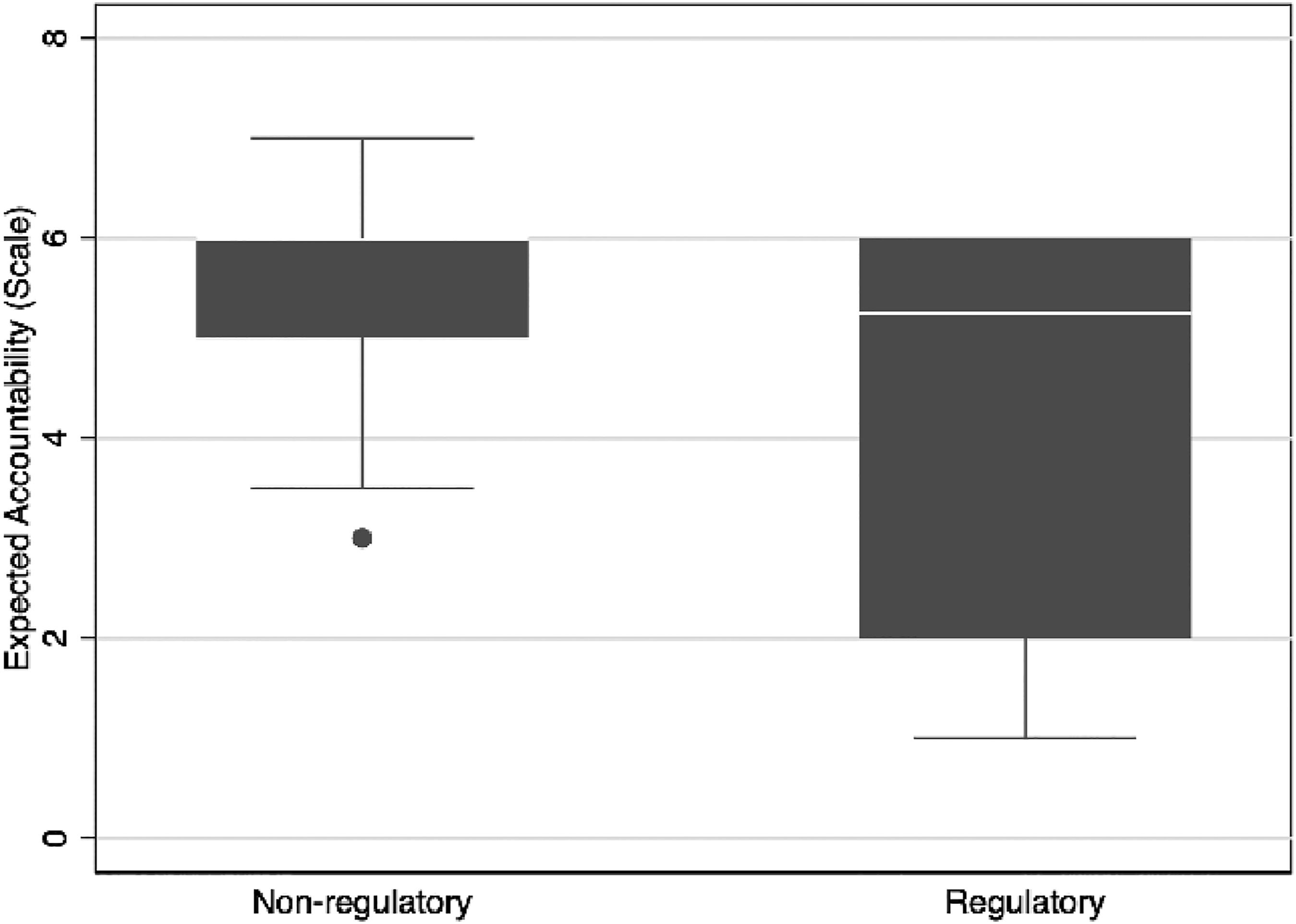
Bivariate correlations (Pearson’s r).
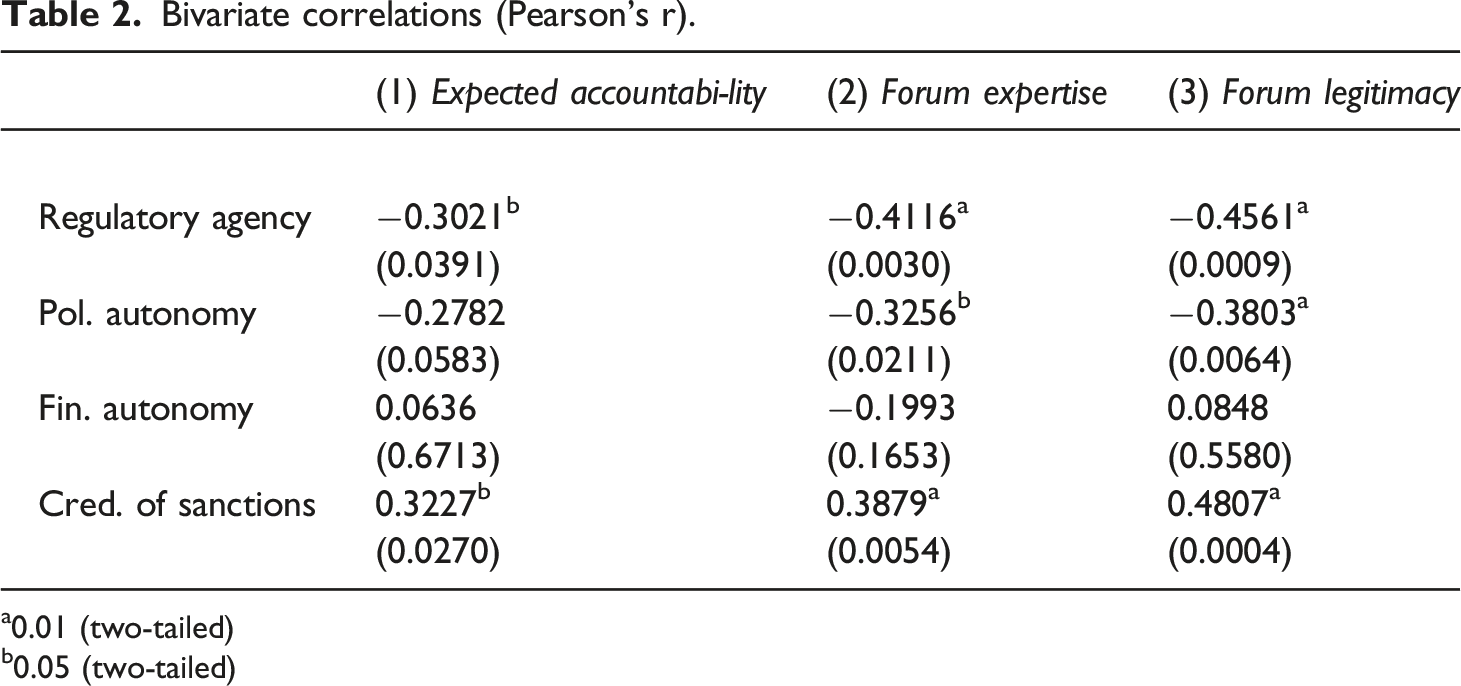
a0.01 (two-tailed)
b0.05 (two-tailed)
As anticipated by expectation 2a, it turns out that policy autonomy also tends to be negatively associated with felt accountability, especially with regard to the dimension of forum legitimacy. However, financial autonomy has no discernible association with accountability. The most clear-cut result concerns the credibility of sanctions. In line with expectation 2b, this variable is clearly associated with all three dimensions of felt accountability, regardless of whether an agency has regulatory powers or not. This finding highlights that the shadow of sanctions—the “hard side” of accountability—looms large on the perception of accountability relationships, as also confirmed by a recent conjoint experiment (Aleksovska et al. 2021).
Within-case analysis (second step): zooming in on the felt accountability of regulatory agencies
At this point, we look closer at the individual regulatory agencies that have responded to the survey so as to explore our how actors perceive and justify their relative lack of accountability to their parent department (Figure 7). Expected accountability, forum expertise, and forum legitimacy of each regulatory agency.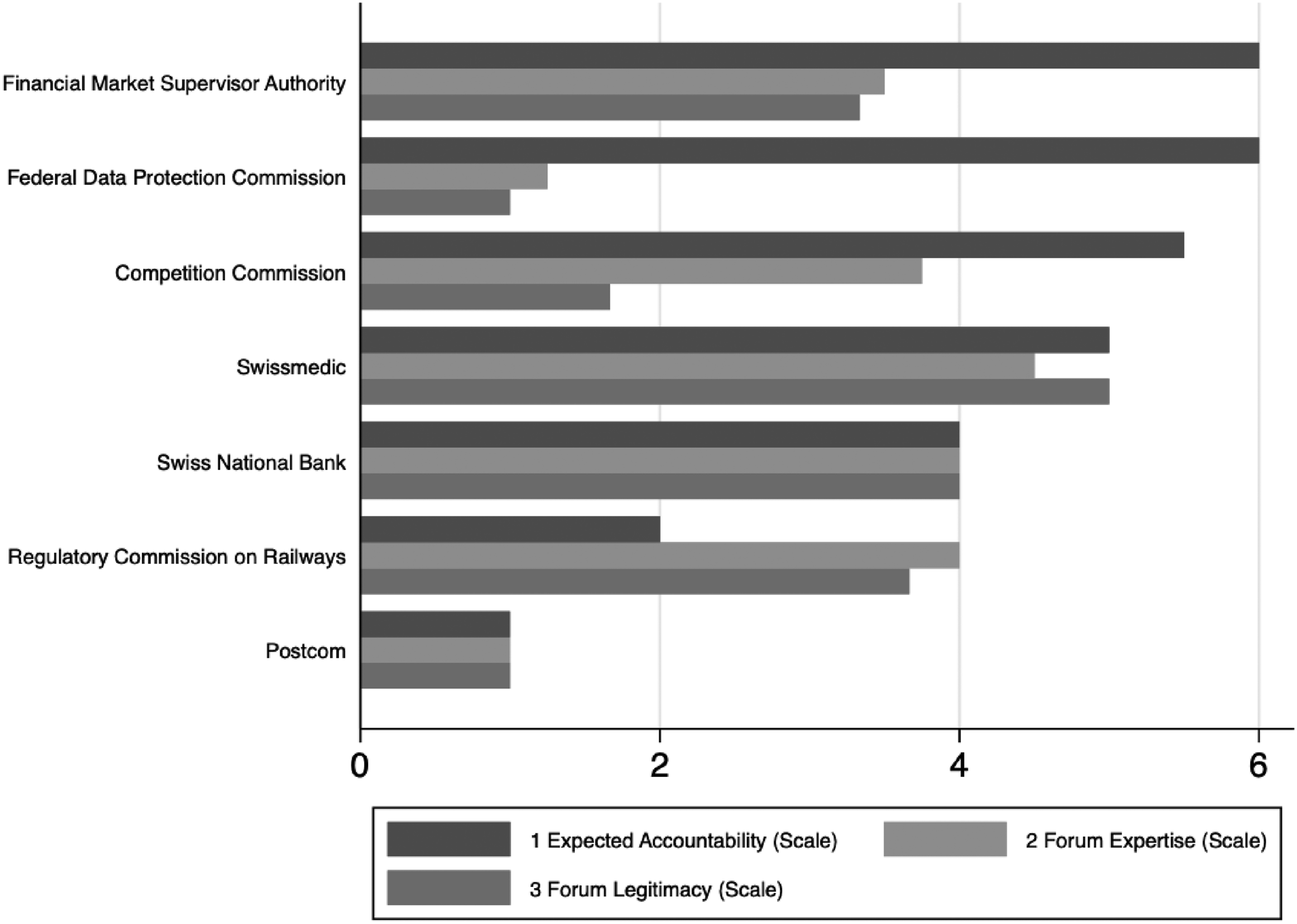
The regulatory agencies consist of the Financial Market Supervisory Authority (FINMA), the Federal Data Protection and Information Commission (FDPIC), the Competition Commission (ComCo), the Swiss Agency for Therapeutic Products (Swissmedic), the Swiss National Bank (SNB), the Regulatory Commission on Railways (Railways Arbitration Commission: RACO; recently endowed with enhanced powers and renamed Rail Transport Commission: RailCom), and the Federal Postal Services Commission (PostCom). FINMA is in charge of the supervision of banks, insurance companies, financial institutions, collective investment schemes, their asset managers, fund management companies, and insurance intermediaries. FDPIC supervises public and private bodies with regards to data protection, assists national and subnational authorities in that field, and deals with transparency claims addressed to public sector bodies. ComCo is the economy-wide authority entrusted with the enforcement of anti-trust regulation. Swissmedic mainly authorizes medical products and certifies medical devices. SNB is the Swiss central bank that conducts national monetary policy. RACO supervises the functioning of the railway market and ensures non-discriminatory access to the network. PostCom regulates the postal market and guarantees the provision of a universal postal service.
The first three regulatory agencies score comparatively high on expected accountability but much lower on the other two features. It might be argued then that these regulatory bodies feel in a sense that their accountability is more a matter of obligation than of duty. RACO is particularly puzzling in the sense that the estimated expertise and legitimacy of the parent department are relatively high, compared with the low level of expected accountability. Finally, the almost complete lack of felt accountability on behalf of PostCom is challenging.
To better understand the issue of felt accountability as it is experienced by the management of regulatory agencies at the executive level, we opted for conducting interviews with officials from these agencies. It should be emphasized at this point that the relevant unit to study felt accountability are individuals; organizations do not “feel.” However, the individuals were asked how they perceive the accountability of their organization, not about their own personal accountability. Hence, we think that the way they feel about accountability can also be considered as a reasonable approximation of organizational norms, which in turn shape decisions of agency management. We sought to interview individuals occupying leading positions as the most representative of top management views; there is some variation across organizations though due to structural differences and availability constraints.
Five agencies responded positively, FINMA and the Swiss National Bank declined in spite of our repeated attempts. The aim of the interviews was to confront the interviewees with the responses of their organization to the international survey and ask for complements and clarifications so as to better understand how public managers interpret their felt accountability.
Federal data protection and information commission
This is prima facie the most striking case of a gap between expected accountability to the agency’s parent department, which is relatively high, and the department’s expertise and legitimacy, which are both very low from the perspective of that agency (according to the survey). The interview provided a quite surprising answer to this puzzle, because the interviewee stated that there is simply no formal parent department in the case of that commission. 5 This indicates the commission’s strong autonomy, but also that a macro-comparative approach needs to be complemented by in-depth qualitative research to capture the subtleties of felt accountability, as cross-country surveys may not account for crucial contextual specificities. 6
As regards the accountability procedures to which FDPIC is subject, the commissioner is elected by the government for 4 years and needs to be confirmed by parliament. The election has not been controversial so far, and the same can be said about the commissioner’s re-election, so that the shadow of dismissal is not perceived as a real sanctioning mechanism. Further, the commission issues a yearly report that is formally submitted to federal parliament with a copy addressed to government and presented to the public via the media. However, there is no debate on the report and no formal feedback to it; for example, no meetings take place to discuss it with representatives from government or parliament. Informal meetings do take place with individual MPs, usually to clarify matters and in a non-confrontational atmosphere; in other words, such meetings have a learning function. Overall, this is in our interpretation a case of an accountability process that is in practice somewhat ritual (in the case of the commissioners’ re-election) and incomplete, because of forum passivity. On the other hand, this is also a case in which the media can play an important informal role as an accountability forum. It is obvious that regulators care about their reputation and do media management for that purpose (Maggetti 2012; Puppis et al., 2014), as bureaucracies in general increasingly tend to do (Grube 2019). However, in the case of the FDPIC, the media are very often involved as parties to proceedings managed by the commission, so their attention as a target-group to the commission’s operation is high. According to our interviewee, the commissioner is really under scrutiny by the media, which are directly concerned as stakeholders by its performance: “they will be the first to complain and they have the tools to do so,” because in this particular case the media are both regulatees and accountability forums. Clearly, accountability to the parent department and to official forums does not tell the whole story, the accountability web in which agencies are embedded with significant others being broader.
Competition commission
With respect to the dimensions of felt accountability to the parent department, the case of the Competition Commission (ComCo) appeared as quite similar to that of the Federal Data Protection and Information Commission, with the gaps being less pronounced. The commission is accountable to its parent department (the Federal Department of Economic Affairs, Education and Research) only for administrative issues related to its internal organization, and for that purpose there is an informal exchange based on information provided by the commission’s administrative director two or three times a year. 7 The commission is not accountable though for its decisions (such as on cases of merger control) that are made in “complete independence.” The parent department is respectful of the commission’s independence, and opts for self-restraint because it is satisfied with the performance of the commission, but also because its staff is seen to lack expertise and time to evaluate decisions on complex matters made by the commission. Hence, it is rather unclear if governmental passivity is mostly consequence of deliberate choice, or just a sign of weakness as in the case of FDPIC. Formally, the ComCo issues a yearly report that is submitted to the Federal government as a whole, but again there is no feedback and no exchange on that document. The government has the power to cancel decisions by the commission for the sake of public interest; however, this never happened so far. Our interviewee actually compared the ComCo with a judicial body that is separate from the executive, and whose task is to apply the law on specific cases. Since the decisions of ComCo can be brought to the courts, the latter are clearly considered as a relevant formal accountability forum. This interview highlighted then the importance of legal accountability, besides the role of the media, with which this regulator must also count due to their ability to publicly blame and shame. Our interviewee stressed that they are the “Fourth Estate,” they show interest for the commission’s decisions, and the commission is aware that it must look seriously after its communication with them.
Swissmedic
Swissmedic appears in the survey as a case of relatively high level of expected accountability, forum expertise and forum legitimacy if we judge by Swiss standards. However, the picture that we got from the interview was rather different. 8 Similarly, to the Federal Data Protection and Information Commission, it is not appropriate to talk about a parent department in the case of Swissmedic. This agency is administratively related to the Federal Department of Home Affairs, but this is a loose connection since Swissmedic is part of the external (so-called “third”) circle of public agencies. Significantly, Swissmedic does not report to that Department but to the Federal government as a whole. Our interviewee insisted very much on the independence of his agency. Unlike other agencies, only 15% of the financial resources of Swissmedic are provided by the government, the rest is based on fees.
However, independence does not mean a complete lack of accountability of Swissmedic. On the one hand, the Federal government simply accepts (or, in theory, can also reject) the annual report of Swissmedic, without providing any feedback and requiring any discussion, as already observed in the case of the ComCo. The government also has the competence to appoint the members of the agency’s Council (“Institutsrat”), but it is highly unlikely that it will refuse to renew the Council’s mandate. All in all, the government as an accountability forum displays much self-restraint in the case of Swissmedic too, also because it would be complicated to impose a more hands-on approach. On the other hand, Swissmedic had to develop 10 strategic goals for the period 2019–2023, translated into yearly measurable objectives. The report on the achievement of these goals at the end of the 4-year period will need to be approved by the Federal government, after being submitted to all governmental offices (“Aemterkonsultation”). Moreover, questions by members of Parliament are quite frequent: 15 could be counted in 2018. This is not surprising since some issues that are part of the Swissmedic agenda, such as the pricing of medicine or reimbursement by health insurance, can be very hot topics. Finally, as for other agencies, the courts are a crucial formal accountability forum.
Regulatory commission on railway tracks
According to the survey, RACO is a case of low expected accountability, despite the higher expertise and legitimacy attributed to the parent department as an accountability forum. Following the interview, such a gap must be qualified. 9 The commission Chair clearly expressed a duty to be accountable, which derives from strong normative pressure in favor of accountability. The Chair did not find accountability incompatible with independence, as she considered as normal the answer that all governmental actors listed in the survey (parent department, government, and other departments and agencies) are not relevant for the commission’s most important task, given its formal independence. On the other hand, the commission Chair and the Department’s Secretary General hold regular meetings and information exchanges. However, unlike FDPIC and Swissmedic, exchanges with Parliament are limited, whereas similar to other agencies, this commission’s annual report is also formally approved by the federal government, without any comment or evaluation. Further, media interest and attention appear to be much lower, given the technical nature of the issues the commission deals with.
Postcom
PostCom is—again according to the survey results—a case of very low expected accountability, coupled with an equally low expertise and legitimacy attributed to the parent department as an accountability forum. The (written) reply from the commission was very formalistic, frequently referring to the official texts that outline PostCom’s mandate. 10 For example, asked about the fact that all governmental actors were considered as irrelevant for PostCom’s most important task, PostCom’s answer was a reference to the article of the law on the postal service that guarantees its independence. Although such manifestations of independence were also found in other agencies, in the case of PostCom there was no expression of a feeling of obligation regarding accountability duties. When asked about the fact that PostCom signaled strong disagreement in the survey with all statements/items that indicate high expected accountability, as well as forum expertise and legitimacy, the—quite assertive—answer was that such questions are irrelevant (“ne se posent pas”). Our interpretation is that low accountability is explained—or, better, justified—by PostCom as a correlate of its apparently very high formal independence. In such a view, independence is invoked rather ritually to convince that it is only compatible with low felt accountability.
All in all, these qualitative findings confirm that studying specific contingent factors related to the subjective perceptions of individual actors is crucial to obtain a thorough—and frequently nuanced—picture of felt accountability.
Discussion and conclusion
This article contributes to the recent literature on the “felt” accountability of agencies, which highlights how agency officials subjectively perceive their accountability, going thus beyond the study of the objective elements that compose accountability regimes. Originally based on survey data from an international study that focused on agencies’ felt accountability to their parent department(s), our paper seeks to capture more precisely the characteristics and determinants of situations where agencies experience a low level of felt accountability that, coupled with a deficit of legitimacy of the parent department as an accountability “forum,” can be considered as normatively problematic. It relies on data on Swiss agencies, whose relatively low felt accountability is particularly puzzling, since Switzerland is usually considered an emblematic case of a well-functioning democracy as regards its political-administrative system.
Our case study has provided a multifaceted picture of this puzzle. To begin with, one needs to differentiate between agencies endowed with regulatory powers and non-regulatory ones. Given their powers, we expected regulators to feel on average more accountable, not less, but the latter case in point is what we observed. It will be worth investigating if the distinctiveness of regulators that we observed in Switzerland is a more general phenomenon. If that were the case, such a deficit in (perceived) accountability would be challenging with regard to the role of democratically elected political principals, and it would be necessary to test if novel accountability models proposed in the literature on the rise of the “regulatory state” (Scott 2000) are indeed efficient remedies. Further, the bivariate correlation analysis has specifically shown that the credibility of sanctions is positively associated with all three dimensions of felt accountability, despite overall rather low levels thereof. This finding highlights that the shadow of sanctions—the “hard side” of accountability—looms large on the perception of accountability relationships. However, the frequently perceived lack of expertise of the parent department most likely undermines the credibility of sanctions. Obviously, one cannot expect from political principals to possess the level of sector-specific expertise that is required for performing the regulatory tasks delegated to the agency; nevertheless some degree of expertise is necessary to ensure effective control.
We also observed interesting within-case differences in the sample of regulatory agencies and identified three distinct profiles based on findings from the survey: agencies with a gap between their expected accountability and the expertise and legitimacy attributed to the parent department, with this gap going in two reverse directions, and a clear-cut case of low felt accountability. Our more exploratory qualitative analysis based on interviews with agency officials further allowed us to differentiate our conclusions.
First, we also noticed that the connections to the parent department may be very loose, or even non-existent, so that the advent of regulatory agencies may indeed mean a break in the chain of delegation. Such a break is not without normative implications, and even if accompanied by accountability to actors other than the democratic principals, this different sort of accountability cannot be considered a functional equivalent of democratic control. It can supplement but does not replace the hierarchical accountability chain so that the concerns about the gap between the relatively low democratic accountability of regulatory agencies and the overall high quality of democracy in Switzerland remain. Although the formal independence of agencies is not very high in this country, their “felt” independence is often emphasized and valued by their members, and low felt accountability to the parent department seems to be related to the feeling of being a “trustee.” It should not necessarily be so, yet felt (instead of formal) independence tends to trade against felt accountability. It would therefore be worth exploring further the dimensions and correlates of felt independence—as we did for felt accountability in this paper. Is accountability to political principals considered compatible with one’s self-perception as a trustee whose independence deserves to be protected?
It is known from the literature (Bianculli et al., 2015) that accountability to the parent department is just one facet of the accountability regime in which agencies are embedded. Therefore, low felt accountability to the parent department (or even to the whole executive) does not tell the whole story yet. Although agency management staff may feel “happily unaccountable” to their political principal, they could feel (more) accountable to other fora, with which they entertain formal and informal relations (such as courts, parliament or the media). On the one hand, legal accountability to the courts is strongly felt, and the judiciary appears as a “veto player” likely to curb agency discretion with whom regulators seriously count. On the other hand, both media attention for agencies and interest in their work on behalf of MPs are variable, confirming that the regulators’ public visibility largely depends on the salience of issues they deal with (Pollitt et al., 2004: 21 and 25).
Another interesting finding is that a number of cases confirm the existence of an accountability problem caused not by agency drift, but by forum passivity that makes the accountability process ritual and rudimentary. Accountability is usually described as a process in which reporting is followed by phases of questions, debates, judgment, possibly also sanctioning, but in the Swiss case political authorities remain quite passive in that respect. Further research is necessary—targeting this time the political accountability “fora” such as government and parliament—to understand why this happens. Is it because political authorities respect agencies and their independence and thus opt for a hands-off approach, or because—as some agency members tend to think—they lack the necessary expertise to conduct rigorous evaluations, or they lack time and do not consider a priority to dedicate work in that task. Our findings thus remind us of the relational nature of accountability: the low felt accountability of agency executive staff to its political principals is also a function of the latter’s attitude.
Ultimately, providing a more fine-grained picture than the comparative survey, our analysis of the Swiss case showed the heterogeneity of agencies with regard to their felt accountability, even within the universe of regulators which, overall, display rather low felt accountability. For example, RACO’s accountability can be seen in the light of the “logic of appropriateness” (March and Olsen, 2008) as its Chair feels an obligation of a moral nature to be accountable. This stands in stark contrast to PostCom, whose perception is that statutory independence ipso facto delegitimizes the principal as an accountability forum and consequently makes management feel comfortable with weak accountability.
Bertelli and Busuioc (2021) show that the reputational authority of agencies discourages politicians to control because of higher political costs. It delegitimizes action against an agency that is highly regarded by socially significant audiences, and thus allows bureaucratic actors to evade accountability. In their conclusion they plead for more research into the impact of reputation on political control and practices of democratic accountability. Our research complements their findings by showing that the reputational authority of accountability forums matters too: the less positive it is, the less legitimate will checks by these forums be perceived by those who are formally called to account. The more they will then find it normal not to consider seriously, perhaps also to ignore, accountability claims from forums that they do not hold in high esteem. Further, and in line with research showing that agencies are active in determining the shared understanding of their independence (Jackson 2014), our results show more generally that regulators may understand very differently the implications thereof, and thus evaluate very differently the necessity of being politically accountable for their own legitimacy.
Footnotes
Declaration of conflicting interests
The author(s) declared no potential conflicts of interest with respect to the research, authorship, and/or publication of this article.
Funding
The author(s) disclosed receipt of the following financial support for the research, authorship, and/or publication of this article: This work was supported by the Nederlandse Organisatie voor Wetenschappelijk Onderzoek (NOW) under Grant 452-14-008.
Data availability
The survey data will be published on  , as required by NWO as funding authority, with an embargo until 1-1-2021 in order to allow for publication by the international research team. The authors of the present paper are happy to share upon request data from the three qualitative interviews with representatives of Swiss regulatory agencies. Please note that different rules for public accessibility have been set on demand from the interviewees. Federal Data Protection and Information Commission (EDOEB): notes taken from a telephone interview with Urs Maurer, international affairs Delegate, 29th May 2019 (permission required for quotation). Regulatory Commission on Railway Tracks (RACO): recording of telephone interview with Patrizia Danioth, Chair of the commission, 8th May 2019. Postcom: written responses by email from Michel Noguet, Head of Secretariat, 24th June 2019.