




Abstract
This longitudinal study examines the role of apprenticeship programs in addressing industry skill shortages and supporting national economic growth, while investigating persistent turnover within the Australian vocational education and training (VET) sector. Using metric data from the National Centre for Vocational Education Research (NCVER) spanning 1995–2024, trends in apprenticeship commencements, completions, and cancellations were analysed to identify drivers of turnover. Although peaks in commencements and cancellations aligned with the demand-driven access to university education policy (2012–2017), turnover remained consistently high both before and after the demand-driven system era. Findings indicate that turnover is more strongly influenced by broader economic conditions, funding and regulatory policies, adequacy of participant support systems, sector-specific occupational risks, demographic characteristics, and state-level variations in VET commitment. The study recommends targeted policy and programmatic interventions, including strengthened support during economic downturns, region-specific strategies for smaller labour markets, and enhanced policy oversight to improve apprenticeship completion rates and system effectiveness.
Keywords
Introduction
There are many models of apprenticeship programs in Australia and around the world. They are designed to address industry-specific skill shortages and workforce development across various sectors. Kebede et al.’s (2024) summarise the ultimate outcome of apprenticeship programs as though they trigger national transformation and foster economic growth. Apprenticeship combines paid on-the-job training with formal education. This is a pivotal element of a robust vocational education and training (VET) system in Australia that creates a critical pathway for equipping individuals with practical skills and prepares them for the workforce. However, Waugh et al. (2024) highlight significant shifts in educational preferences, policy frameworks, and labour market demands, and how these have influenced the trajectory of apprenticeship participation in Australia. With evidence built on a report commissioned by government, Kemp and Norton (2014), Waugh highlights the characteristic decline in apprenticeship participation and completions in favour of increased university enrolments. These changes deserve a deeper investigation e.g., clarity around dynamics of apprenticeships, particularly the need to understand specific flashpoints in the trends of apprenticeship participation by focusing on motivations or decision triggers for commencements, turnover (measured as cancellations) and completions.
This longitudinal study examines trends in Australian apprenticeships from 1995 to 2024, focusing on commencements, cancellations and completions. The primary aim is to provide a detailed analysis of these trends by identifying key factors contributing to turnover (cancellations) and developing evidence-based recommendations for policy and research to enhance apprenticeship outcomes. The study features both national and regional perspectives, covering all eight Australian regions: New South Wales (NSW), Victoria (VIC), Queensland (QLD), South Australia (SA), Western Australia (WA), Tasmania (TAS), Northern Territory (NT) and Australian Capital Territory (ACT). Guided by specific objectives, the study analyzes long-term patterns in apprenticeship commencements, completions and cancellations across Australia. Further, it investigates causations of apprenticeship cancellations and their variation over time and region, and proposes actionable strategies based on data-driven insights. These insights are to help in improving retention and completion rates.
With dataset spanning three decades, the study encompasses a variety of industries and trades. Further, it captures shifts influenced by economic conditions, policy changes and societal factors. The study is structured to provide a comprehensive foundation in the current sections, thereafter a comprehensive review of literature and subsequent sections that delve into turnover causations and recommendations. The overarching centrality of the study is that apprenticeships are a cornerstone of vocational education and workforce development in Australia. Understanding their dynamics is essential for addressing skills shortages, supporting economic growth, and ensuring equitable opportunities across regions. This study fills the gaps in existing research by offering an in-depth longitudinal perspective.
Review of existing research on apprenticeship
Apprenticeship models
Australia has a diverse and evolving apprenticeship system that caters to various industries and skill levels. Specific models that feature in this system are designed to meet the needs of employers, apprentices and the broader economy. They include traditional apprenticeships, which follow a structured model where individuals combine paid employment with formal training that last between three to 4 years. This model is available across a wide range of trades such as construction, plumbing, electrical work, automotive mechanics and more (Smith, 2021). Apprentices under this model spend part of their time working on-site under the supervision of skilled professionals while attending off-the-job training at registered training organizations (RTOs), such as Technical and Further Education (TAFE) institutions. Financial incentives in the nature of subsidies for wages and training costs are provided to both employers and apprentices by the government through the Australian Apprenticeships Incentive System (Misko and Wibrow, 2020). Traditional apprenticeships cater to school leavers, career changers, or those entering trade-based industries.
Further, Traineeships are similar to traditional apprenticeships. However, they are focused on non-trade occupations such as business administration, retail, hospitality, healthcare and information technology (Stromback and Mahendran, 2010). They are shorter than traditional apprenticeships, lasting one to 2 years. They offer flexible learning arrangements that allow trainees to balance work commitments with study. The government provides support through incentives for employers and wraparound services for trainees (Stanwick et al., 2021). Advanced apprenticeship model is another alternative, an innovative approach aimed at equipping workers with skills relevant to emerging technologies and Industry 4.0 practices (Ghosh and Ravichandran, 2024). The Australian Government has launched pilot programs targeting small-to-medium enterprises (SMEs) in advanced manufacturing sectors. These pilots focus on upskilling employees in areas like robotics, automation, data analytics, digital control systems, and sustainability (Li, 2024).
Welbourn et al. (2019) explain an apprenticeship training model involving university collaboration with industry. Here, universities offer qualifications such as diplomas or associate degrees, tailored to employers’ requirements, in partial fulfilment university’s usual offering. In addition, there are flexible learning models, where students are allowed less-than-full-time study loads such that work-integrated-learners (WILers) can balance work with education (Scarff et al., 2023). Pedagogical models reported in normative literature of flexible learning include constructivism, blended learning, experientialism and connectivism (Alam, 2023; Fructuoso et al., 2022; Hrastinski, 2019; Muraleedharan, 2024).
Moreover, in response to technological advancements disrupting industries like manufacturing, mining and resources, modernized apprenticeship models have been developed (Klaus, 2022). These include hybrid skills development aimed at training workers with hybrid skills across multiple domains. One of these is the proof point assessments model, where competency-based assessments are used to ensure that apprentices acquire necessary skills at specific milestones during their training period. Another option is digital Badging, in which virtual badges are used to recognize partial achievements or specialized skills acquired by trainees during the apprenticeship (Scarff et al., 2023).
The Australian apprenticeship system is highly adaptable and continues to evolve through several government initiatives. Whilst each model addresses unique workforce needs, participants, both employers and learners, are rewarded with quality outcomes. Learners get into their clear career pathway early through rewarding and flexible hands-on learning. They are also able to earn formal qualifications without significant disruption to the totality of their life experiences. Employers benefit from government incentives as they develop and shape the talents they require in their business as they deem appropriate. Thus, apprenticeship program is meant to be a seamless success for participants until the introduction of a certain policy of government, the demand-driven model, which uncapped university funding and massified access to university education between 2012 and 2017 (Waugh et al., 2024). Waugh’s report also reflects a startling revelation: apprenticeship commencements and completions have declined significant, and increased access to university education coincides with the decline seen in apprenticeship participation.
Meanwhile, the position of normative literature is that both apprenticeship and university education can run concurrently. Thus, it is important to determine whether apprenticeship participation and university education are mutually exclusive. Further, Waugh’s study only focused on data from the longitudinal survey of Australian youths (LSAY) of 2003, 2006, 2009 and 2015. The stratification underlying Waugh’s study’s data selection is not justified in their report. A rounded view is such that apprenticeship programs predate the years analysed in Waugh’s study. It is also surprising that Waugh’s report did not compare the DDS era ex-ante and ex-post. It is logical to expect a balanced report would consider dataset covering a wider range of time, without gaps, and examine the trends consistently for nuances in enrolment patterns and elicit specific turnover causations. The overarching focus of this study is to address this gap.
Structural determinants of apprenticeship cancellation
Turnover is a significant longstanding issue in apprenticeship participation. Factors that contribute to turnover in apprenticeship and traineeship programs have been reported severally. Harris et al. (2001) interviewed 437 stakeholders, including current and recent apprentices and trainees at the time of the study, as well as trainers and supervisors. They found substantial reforms to entry level policies are a major trigger of cancellation and withdrawals. Stromback and Mahendran’s (2010) espouse several factors that predict individual’s likelihood of completion. They found schooling, indigenous status, completion of enabling programs before participating in apprenticeship and traineeship, country of birth, primary language, age of commencement and quality of providers. Nelms et al. (2017) examine how an apprentice or trainee’s motivation towards completion is built upon the additionality of their participation e.g. whether there is return on their efforts as a true investment that support their future career goals i.e. whether they are able to secure a rewarding job upon completion, or the space they found themselves during their apprenticeship is where they would like to spend their future. Nelms’ report also identified participants’ competing needs e.g. whether the value of the opportunities they have in a particular apprenticeship role is relative to other opportunities that may be available elsewhere.
Bednarz (2014) encapsulates the overarching goal of apprenticeship programs: they are to facilitate the transition of young people to work, rather than supply workforce. This can happen without distorting participant’s employment commitment with studies (Klatt et al., 2017). A report by Stanwick et al. (2021) shows persistent decline in completion in the last decade, reasons for which differ across individuals. In studying trends of progression, completion and turnover, it is possible to determine decision patterns by considering the frequency and severity of causal factors over a considerable period.
Apprenticeship cancellation is increasingly understood as a labour market–embedded outcome rather than purely an educational persistence issue. Evidence from the National Centre for Vocational Education Research shows employment-related factors dominate cancellation decisions, particularly workplace satisfaction, supervisory quality, and perceived training value (Bednarz, 2014; Cully and Curtain, 2001). Most non-completions occur following employment disruption rather than academic failure, suggesting apprenticeship retention must be analysed through labour economics and organisational behaviour frameworks.
Macroeconomic conditions are a primary structural driver. Evidence presented to the Parliament of Australia’s Rice Report (2023) demonstrates apprenticeship commencements and completions closely track economic cycles, particularly in cyclical sectors such as construction, engineering, and tourism (Parliament of Australia, 2023). In resource-dependent regions, boom periods may incentivise early exit for higher wages, while downturns trigger layoffs and contract terminations. Comparative research disseminated by Böhn and Deutscher (2022) shows occupational mismatch further increases dropout risk, particularly early in training.
Employer capability is the strongest meso-level determinant of completion. Employers with structured training systems, mentoring arrangements, and HR maturity consistently produce higher completion rates. System-level analysis by Smith (2019) shows employment-related issues account for most non-completions across Australian apprenticeship systems. These findings align with organisational socialisation theory, which links structured onboarding and skill progression to workforce retention.
Industrial transformation introduces long-term cancellation risks. Manufacturing decline reduces stable training pipelines, while workforce ageing reduces the pool of experienced supervisors and mentors. Workforce policy evidence highlighted in Rice report shows ageing trade workforces simultaneously increase skill demand and reduce training delivery capacity (Rice Report, 2023).
Geographic training ecosystems further shape outcomes. Urban areas benefit from employer density, training provider access, and peer cohort effects, while regional and remote areas face infrastructure and training continuity constraints. Policy synthesis by Arthars et al. (2025) highlights systemic geographic and funding disparities affecting vocational training access.
Population mobility and labour market structure also influence retention. Regions characterised by transient workforces, particularly in tourism and resource sectors, exhibit weaker training continuity due to reduced employer investment horizons. Conversely, industry diversification appears to buffer cancellation risk by stabilising labour demand across economic cycles.
Methodology
Data source and description
Published online 1 and updated from time to time, the dataset used in this study is sourced from the National Centre for Vocational Education Research’s (NCVER’s) annual records of apprenticeship metrics across Australia, spanning the three decades between 1995 and 2024. It covers both national and state-level data. The data is robust, enabling a detailed longitudinal analysis of trends in commencements, measured as the annual count of new apprenticeships initiated, reflecting the intake into the system; completions, measured as the number of apprenticeships that successfully completed each year, indicating program success; cancellations, the number of apprenticeships terminated before completion, taken as a measure of turnover. Analysis also considered completion rate, the percentage of commencements resulting in completions, calculated annually to assess retention; and cancellation rate, the percentage of commencements ending in cancellations, highlighting attrition. These metrics allow for a comprehensive evaluation of apprenticeship performance, capturing both participation and outcomes across diverse regions and economic contexts.
As the dataset is complete (null missing value), it is reliable for statistical analysis. The data is structured by year and regions (States and Territories), with metrics categorized to facilitate trend analysis. The consistency and granularity of the dataset support robust comparisons over time and across regions, making the dataset suitable for longitudinal study. Further, the analysis employs a multi-faceted approach to uncover trends and causations. Descriptive Statistics are used to summarize key metrics such as means and ranges to provide an overview of apprenticeship performance. Time-Series analysis was used to examine temporal patterns that help to identify cycles, peaks and troughs. Comparative Analysis was used to assess regional nuances that highlight disparities and their underlying drivers. This methodology ensures thorough exploration of the data, combining quantitative rigor with contextual interpretation to inform appropriate and actionable recommendations that are likely to support far-reaching implications.
Trends analysis: Commencements, completions, and cancellations
Figure 1 illustrates distinct patterns in apprenticeship metrics over the study period. Commencements show two phases: the Growth Phase (1995–2012), where Commencements rose from 75,247 in 1995 to a peak of 376,620 in 2012 when growth was driven by economic expansion and government incentives; and the Decline and Recovery Phase (2013–2024), where a sharp decline occurred in 2013 (−38.0%) due to economic slowdown, followed by another drop in 2020 (−42.2%) amid the COVID-19 pandemic. Recovery began in 2021, with commencements reaching 277,370 in 2022. National apprenticeship metrics (1995–2024).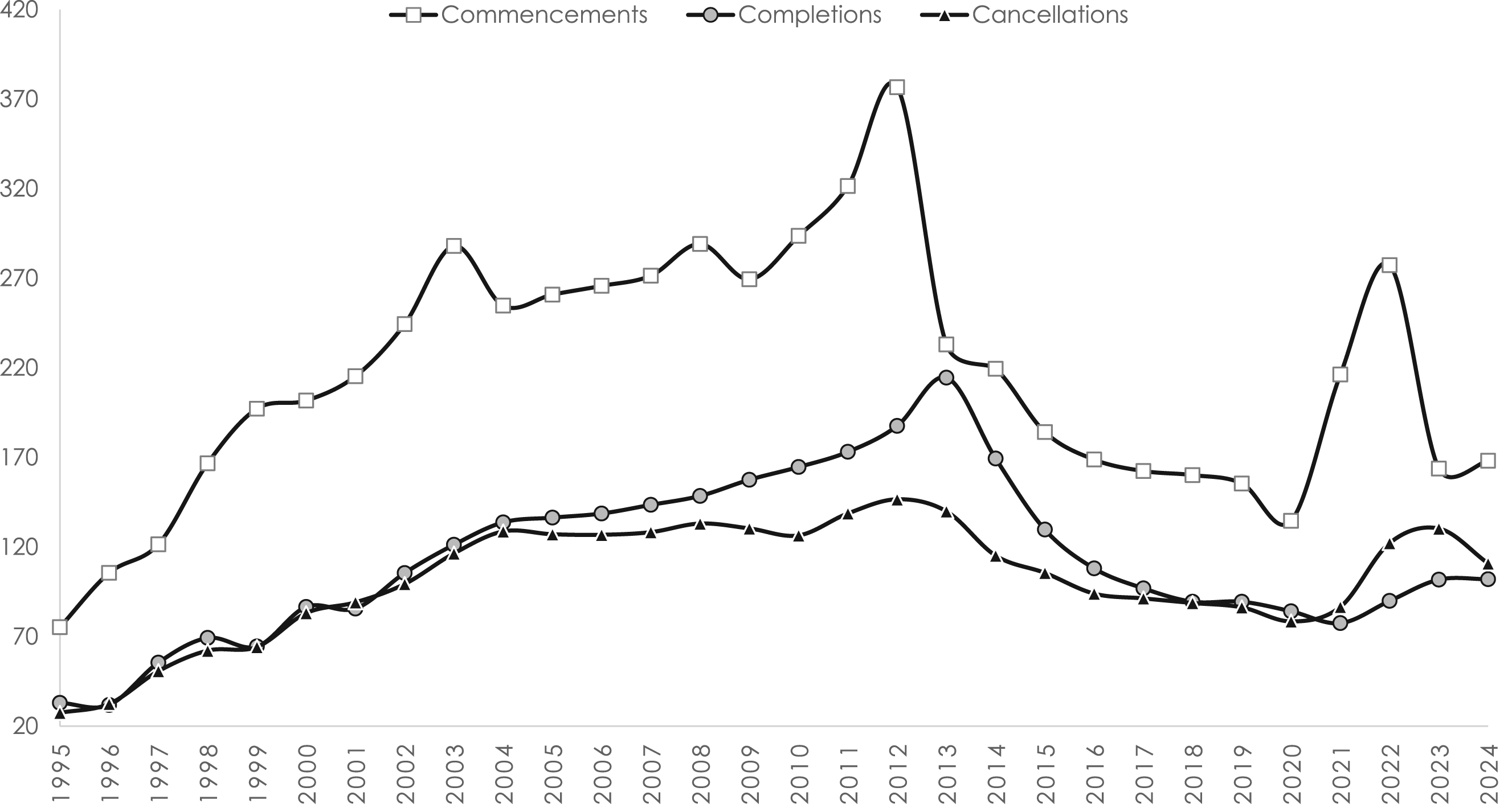
Further, lag effect was applied to completions, to allow for a gap between commencement and completion, reflecting the multi-year duration of apprenticeships. Completions peaked in 2013 at 214,562, following the 2012 commencement peak. There was also the Post-2020 Recovery where completions dipped to 77,890 in 2021 but rebounded to 142,300 in 2023, indicating resilience in completion rates post-pandemic. On the other hand, cancellations show correlation with commencements – cancellations peaked at 146,643 in 2012, aligning with high commencements. This suggests higher absolute turnover during periods of rapid intake. Recent trends show cancellation rates increased to 79.59% in 2023, which highlights ongoing challenges in retention. The overall national trend covering the entire study is illustrated in Figure 2, whilst key national trends, grouped by decades, are reported in Table 1. National trends in commencements, completions, and cancellations. Key national trends by decade (averages).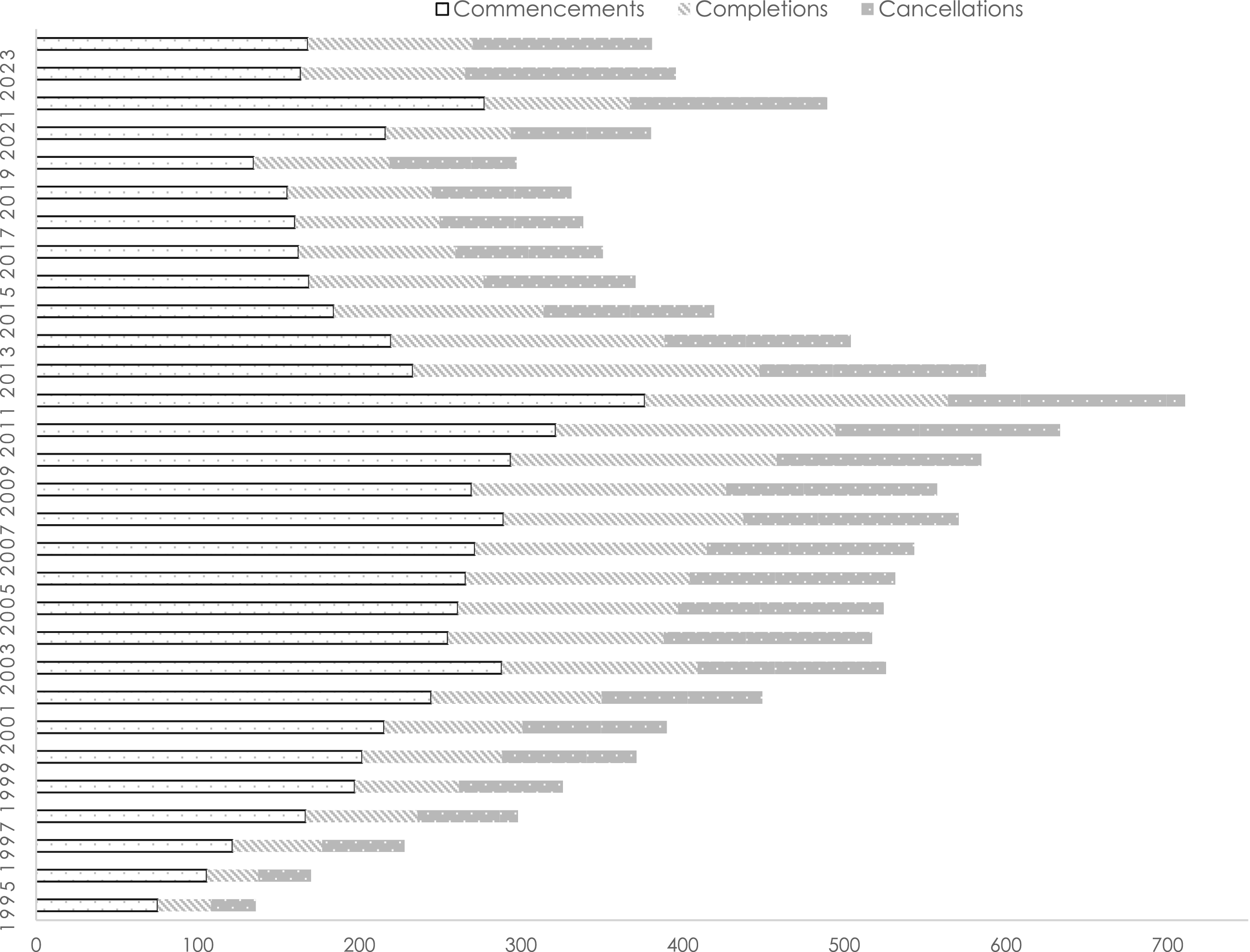

State-level metrics (averages).
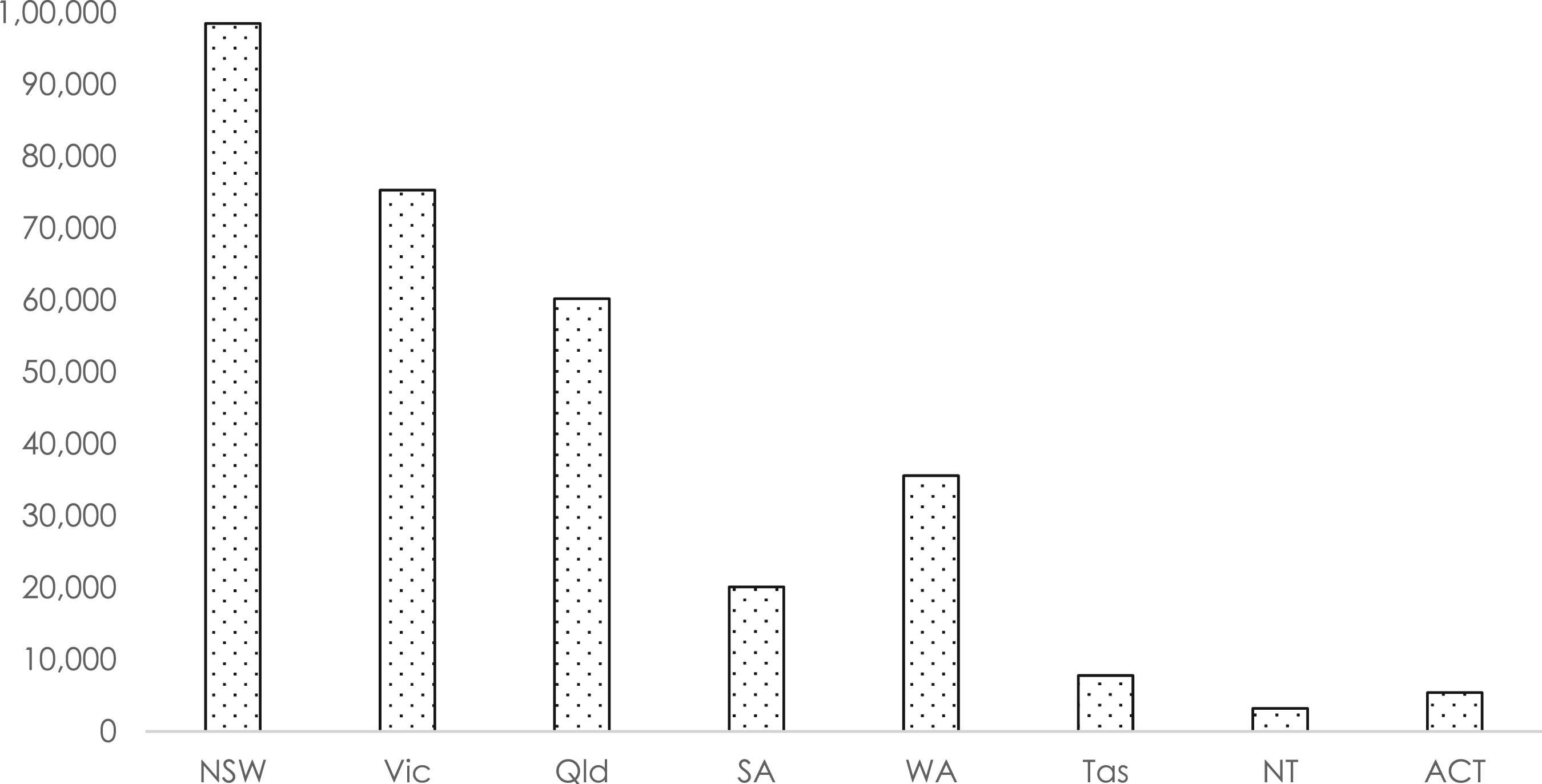
Average annual commencements by state.
Evidence suggests declines in commencements are sensitive to economic variation e.g. the Sharp declines of 2013 and 2020 correspond to economic downturns, with cancellations rising proportionally. Regional variation also plays a critical role. Larger States (NSW, VIC) consistently outperform smaller regions (NT, TAS) in both volume and completion rates, suggesting resource disparities.
Causations of turnover
Turnover is measured by apprenticeship cancellations. It is a critical metric for understanding the challenges within the Australian apprenticeship system. High turnover rates not only reflect inefficiencies in the training process but also indicate potential barriers to workforce development. Key factors contributing to apprenticeship cancellations over the study period are analyzed with temporal and regional variations. By identifying the primary causations of turnover, this analysis aims to inform targeted interventions that can enhance retention and completion rates.
Temporal analysis (National)
Long-term trends
National cancellation rates have fluctuated significantly over the study period, ranging from a low of 30.75% in 1996 to a peak of 79.59% in 2023. These fluctuations are not random but correlate with broader economic and policy shifts. For instance, the sharp increase in cancellation rates during the early 2000s and again in the 2020s suggests that external factors, such as economic downturns or policy changes, play a significant role in apprenticeship retention. Figure 4 presents the annual national cancellation rates (%), years are on the x-axis and cancellation rates on the y-axis. The graph highlights key inflection points, such as economic downturns. National cancellation rates over time.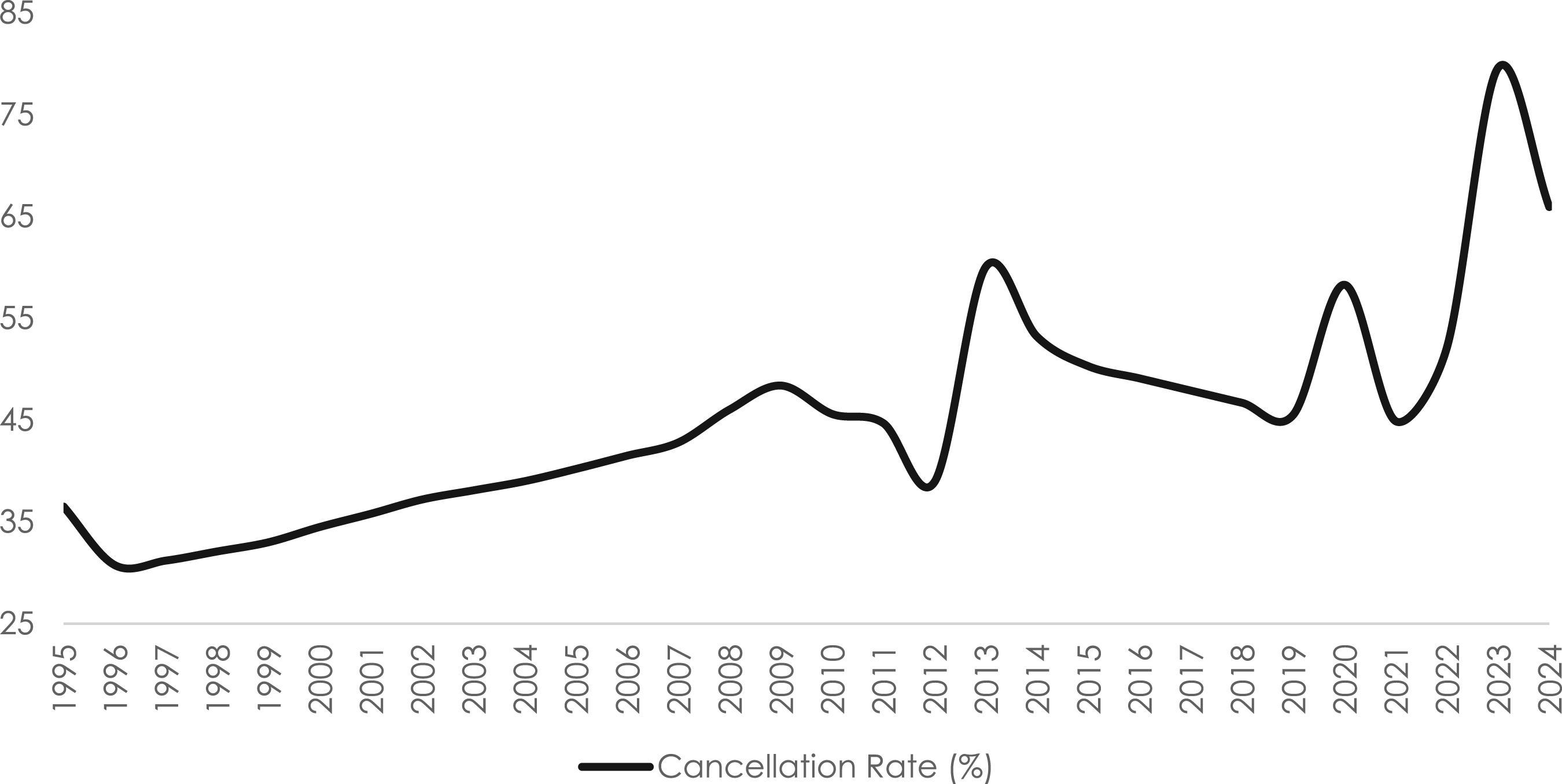
Evidence suggests economic downturns are a primary driver of apprenticeship cancellations. This is because during recessions, employers often reduce their workforce, leading to higher cancellation rates as apprentices are laid off or unable to complete their training. For example, the Global Financial Crisis (GFC) in 2008 led to a noticeable increase in cancellations, with rates rising from 46.03% in 2008 to 48.39% in 2009. Similarly, the COVID-19 pandemic in 2020 caused a dramatic spike in cancellations, reaching 58.29%, as businesses faced unprecedented disruptions. The post-pandemic strain of 2023 also accounts for 79.59% of cancellations.
Evidence is also clear and conclusive regarding the impact of government policies, particularly those related to funding and regulatory frameworks. For instance, the introduction of the Apprenticeship Incentives Program (AIP) in the early 2000s was aimed to boost commencements. However, it led to higher cancellations inadvertently due to inadequate vetting of apprentice-employer matches. On the other hand, policy reforms of 2015, which emphasized quality over quantity, caused a temporary decline in cancellation rates.
Analysis of state-level variations
Turnover rates vary significantly across Australia’s regions. This variation reflects unique economic conditions, industry composition and demographic factors of each region. As shown in Figure 5, smaller regions like NT and TAS consistently exhibit higher cancellation rates compared to larger states such as NSW and VIC. Average cancellation rates by states.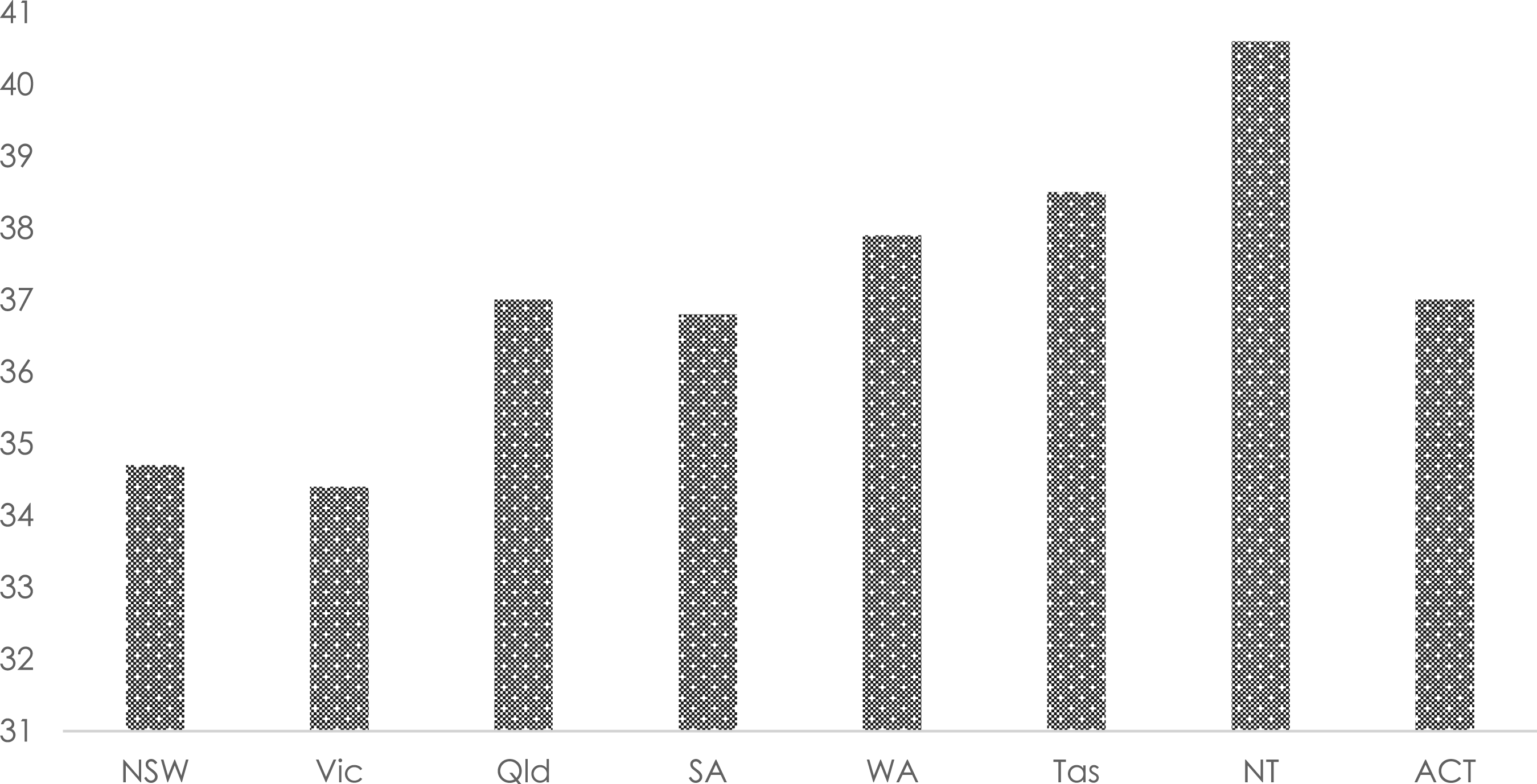
Key drivers of turnover in States and Territories
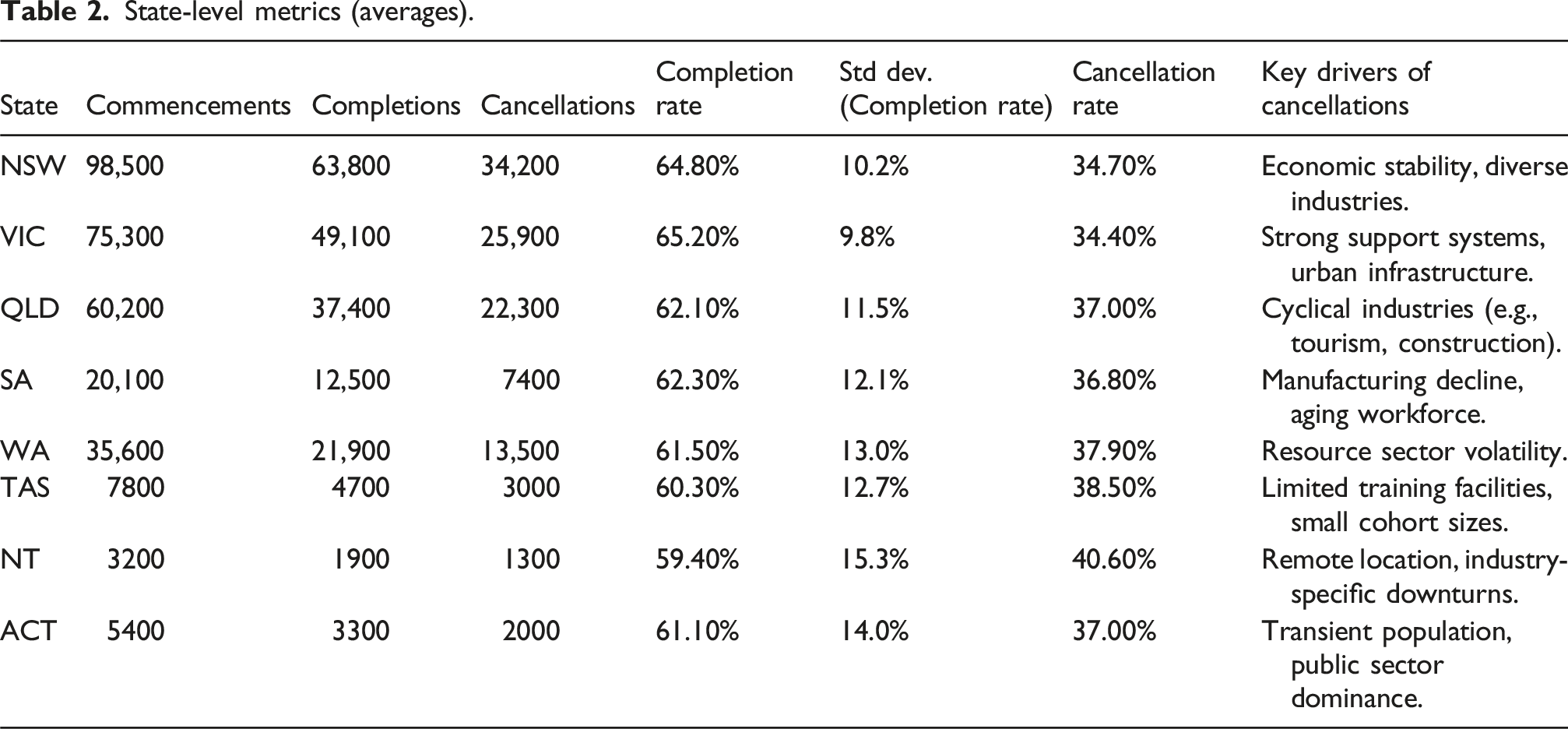
Turnover rates and the most dominant drivers of cancellations that are specific to States and Territories are summarized in Table 2. The table shows States with more diversified economies (e.g., NSW and VIC) have lower cancellation rates due to greater employment stability. In contrast, regions that rely heavily on specific industries (e.g., mining), experience higher turnover during sector-specific downturns. Evidence shows infrastructure and resources play a pivotal role. Limited access to training facilities and support services in remote areas contributes to higher cancellation rates. For example, NT’s average cancellation rate of 40.6% is partly due to the challenges of delivering consistent training in remote locations. Further, regions with younger or more transient populations, such as the ACT, experienced higher turnover due to apprentices relocating or changing career paths.
Economic and policy factors
Analysis also investigated how macroeconomic conditions and government policies have shaped apprenticeship outcomes over the study period. This is aimed at examining how external forces influence commencements, completions, and cancellations. This analysis also assesses the resilience of apprenticeship programs during economic downturns and the effectiveness of policy measures in supporting the system.
Economic factors
Economic cycles and apprenticeship metrics
Apprenticeship commencements and completions are closely tied to Australia’s economic cycles. During periods of economic growth, businesses are more likely to invest in training new apprentices, leading to higher commencements. Conversely, during recessions, employers may reduce their workforce, resulting in fewer commencements and higher cancellations. Figure 6 shows a graph illustrating national apprenticeship commencements and GDP growth rates (%), plotted on a dual-axis line chart with years on the x-axis, commencements on one y-axis, and GDP growth on the other. The graph shows the correlation between economic growth and apprenticeship starts. This relationship is explained further using examples of economic cycles and their impact on apprenticeship participation and turnover. National commencements vs. GDP growth.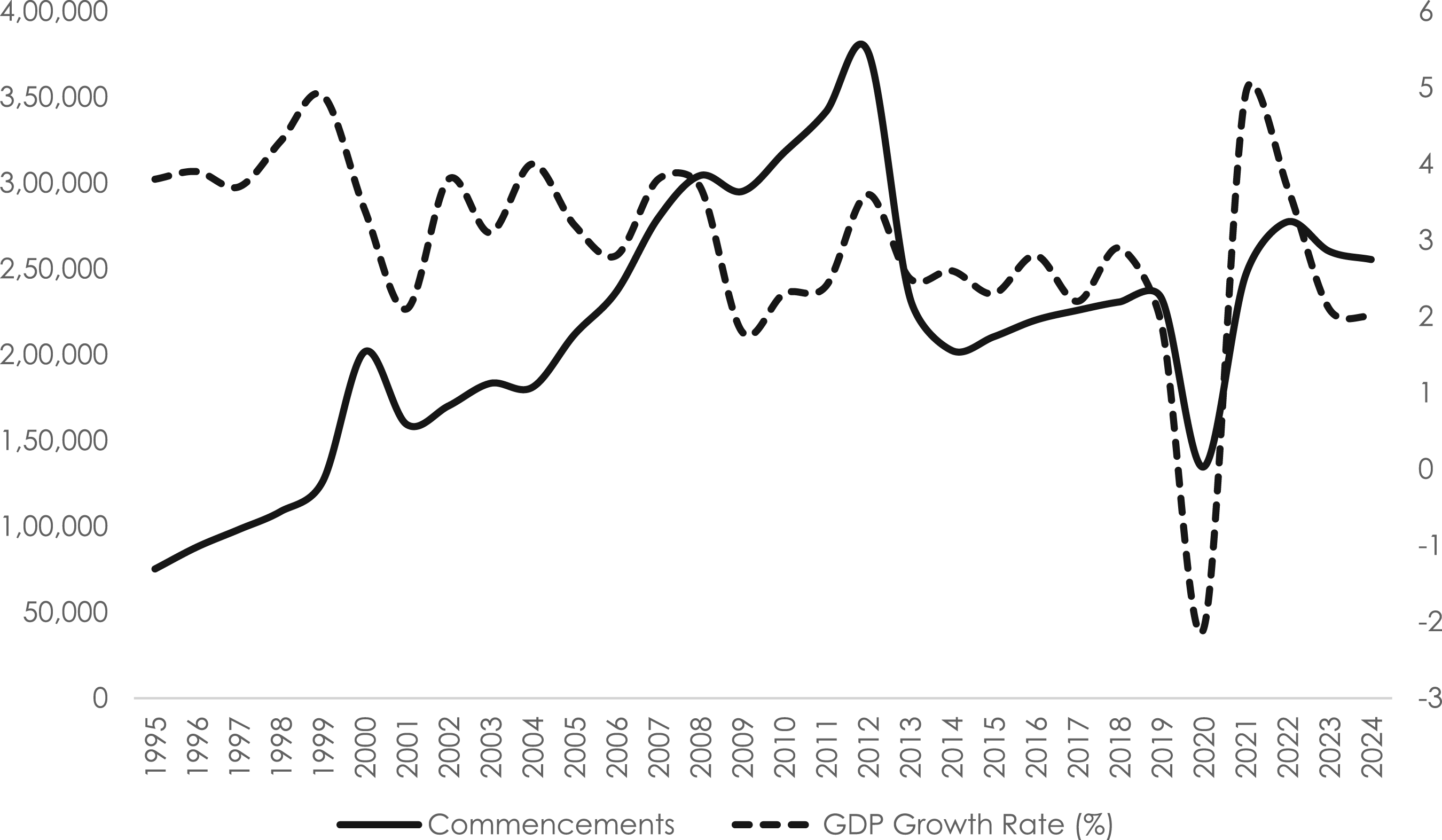
Apprenticeship metrics in WA during the mining boom.

The COVID-19 pandemic is another example, a period that caused a sharp decline nationally in commencements (−42.2%, 2020) and a spike in cancellations (58.29%, 2020). However, the apprenticeship system showed resilience, with completions rebounding quickly in 2021 and 2022, supported by government stimulus measures such as the Boosting Apprenticeship Commencements (BAC) program. Figure 7 highlights the impact of the COVID-19 pandemic and subsequent recovery. It shows national commencements, completions, and cancellations for 2019–2022, with years on the x-axis and counts on the y-axis. National apprenticeship metrics during the COVID-19 pandemic (2019–2022).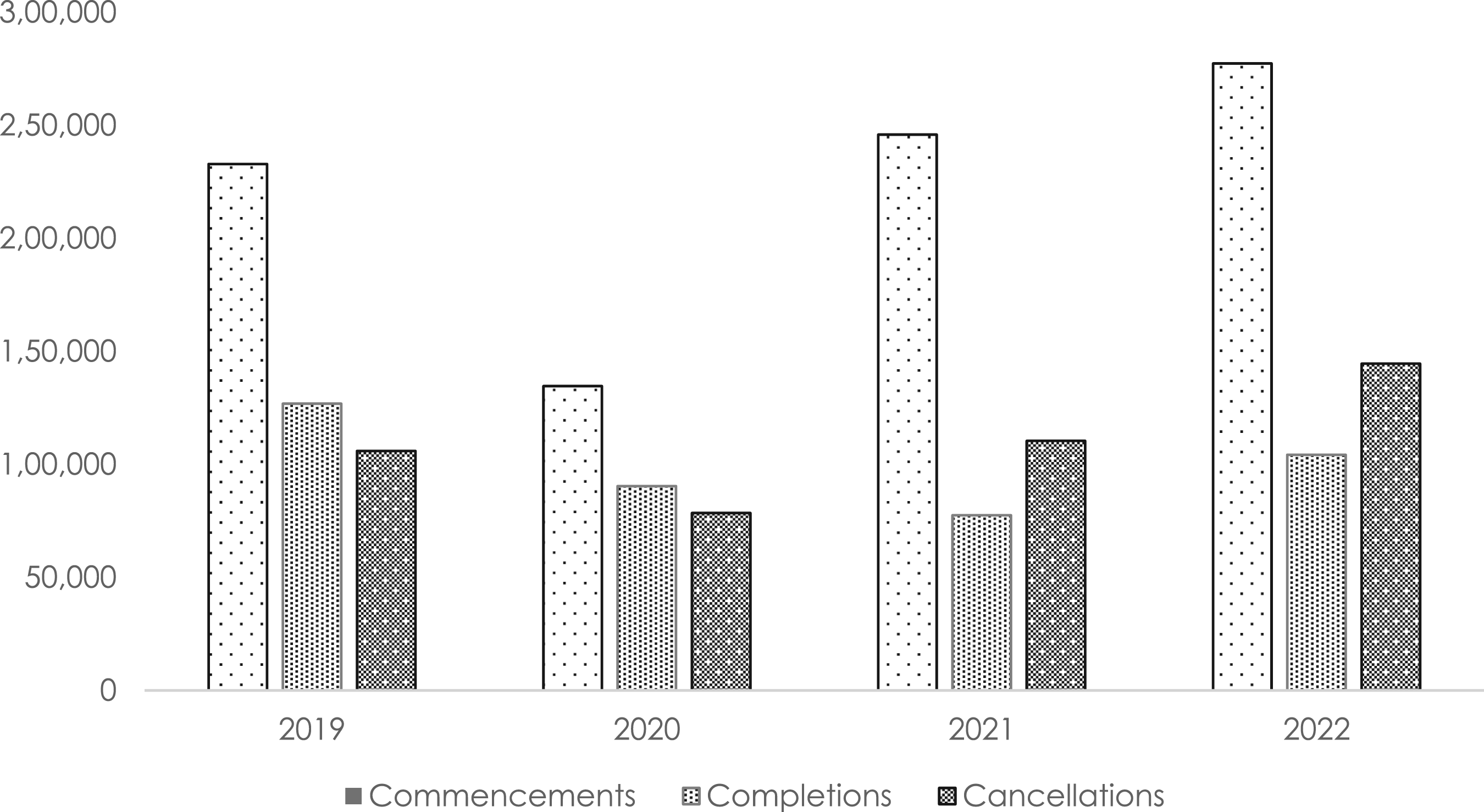
Policy factors
Apprenticeship incentives and funding
Impact of policy changes on national metrics.

Regulatory reforms
Also noteworthy are changes in apprenticeship regulations, such as the introduction of additional flexible training pathways in 2010, aimed to reduce barriers to entry and improve retention. While these reforms led to a temporary increase in completions, their long-term impact has been mixed, with cancellation rates remaining high in some areas.
Disparities and challenges across States and Territories
Regional disparities in apprenticeship outcomes across States and Territories are a persistent feature of the Australian system. Figure 8 presents the completion rates for each region, with States on the x-axis and average completion rates on the y-axis. Performance gaps across regions are noticeable. VIC (65.2%) and NSW (64.8%) have the highest average completion rates, benefiting from robust infrastructure, diverse industries, and strong support networks. NT (59.4%) and TAS (60.3%) lag, with completion rates often falling below 50% in some years. Thus, whilst larger states like NSW and VIC consistently outperform smaller regions in terms of completion rates, areas such as NT and TAS face unique challenges that contribute to higher turnover. It is important to examine these disparities, focusing on the structural, economic and demographic factors that differentiate regional performance. By understanding these challenges, policymakers can develop more equitable and effective interventions. Average completion rates by State and Territories.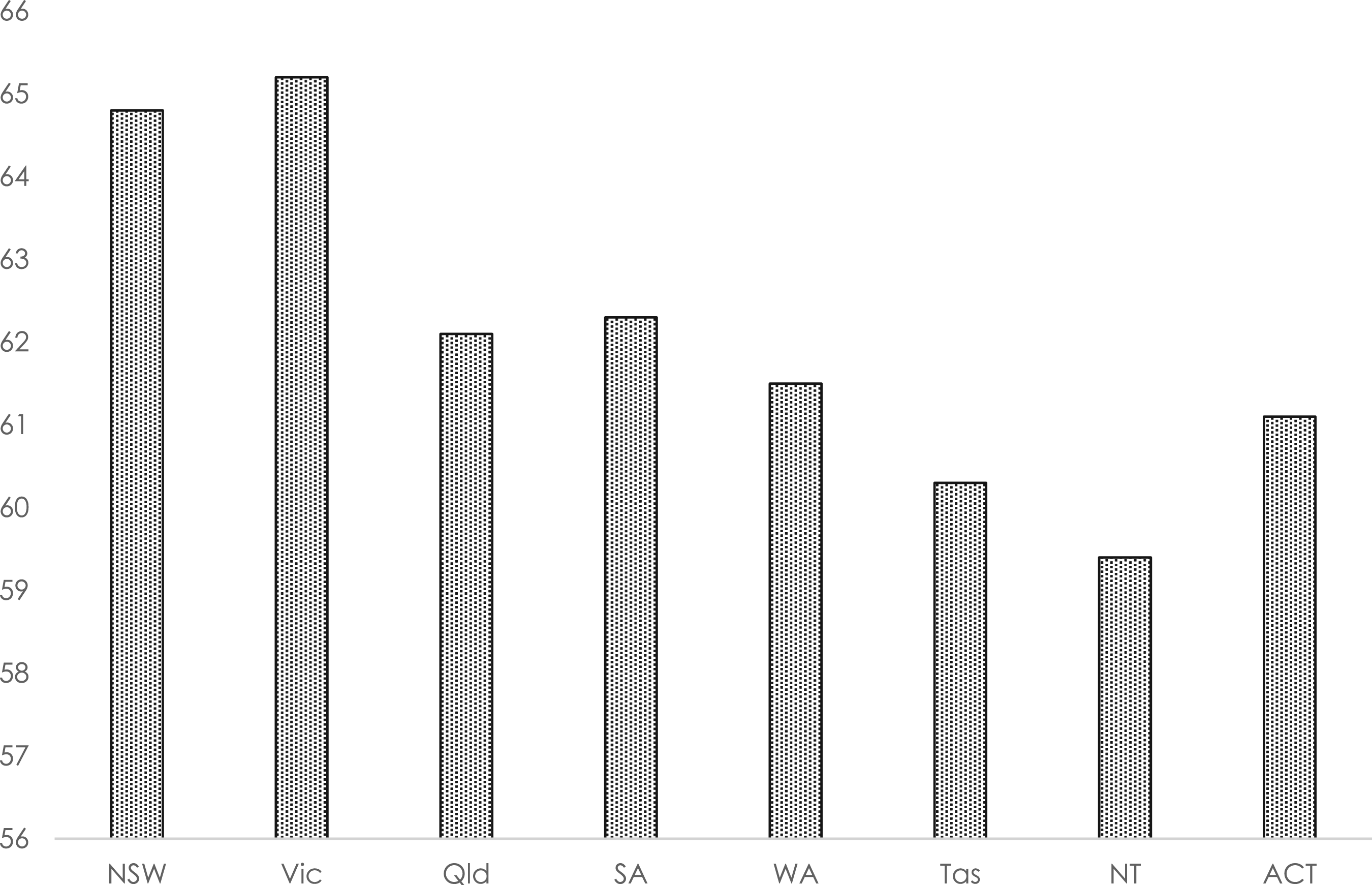
Further, NT and TAS exhibit higher volatility in cancellation rates. NT’s cancellation rate reached 81.88% in 2013, compared to 79.31% (2023) of TAS. Whereas NSW and VIC maintain more stable cancellation rates, averaging around 34–35%. This reflects effective and resilient retention mechanisms locally.
Key challenges in smaller States and Territories
Infrastructure and Access: This manifests in terms of limitations in training facilities and difficulties regarding location. For example, in NT and TAS, scarcity of training providers and facilities increases the likelihood of cancellations, as apprentices struggle to access resources. Also, the geographic isolation of NT complicates the delivery of consistent training, leading to higher dropout rates. Industry Composition: Evidence suggests pronounced vulnerability to sector-specific risks. Where a State or Territory rely heavily on cyclical industries (e.g., mining in NT and WA, and tourism in Qld and TAS), they are more vulnerable to economic shocks that disrupt apprenticeship programs. Also, smaller States often lack the economic depth and diversity seen in larger States such as NSW and VIC. This makes smaller States more susceptible to a sector-specific downturn than larger States. Demographic Factors: The relatively small number of apprentices in NT and TAS amplifies the impact of individual cancellations, leading to greater volatility in rates. Regions like the ACT, with a high proportion of transient workers, face challenges in retaining apprentices through the full training cycle.
Synthesis of findings
This longitudinal study has examined Australian apprenticeship trends from 1995 to 2024, focusing on commencements, completions, and cancellations (turnover). By analyzing these metrics across national and regional levels, the study has identified key patterns and factors influencing apprenticeship outcomes. Overarching causal factors vary across States and Territories and are not totally consistent with increased access to university places fueled by DDS, which Waugh et al. (2024) attribute to turnover in participation in apprenticeship programs.
Summary of national apprenticeship metrics.
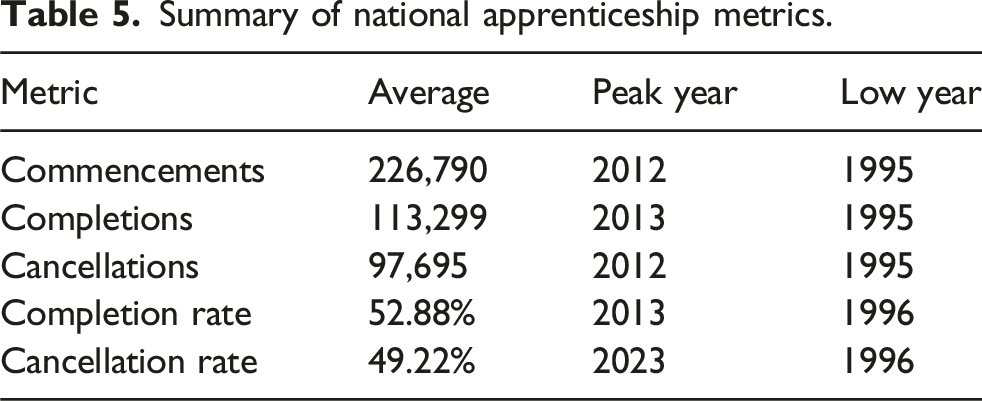
Evidence shows turnover varies with the peculiarities of States and Territories. Larger states like NSW and VIC consistently outperform smaller regions like NT and TAS in completion rates. NT and TAS exhibited higher volatility in both completion and cancellation rates, underscoring the challenges faced by smaller cohorts and remote areas. The analysis identified three primary drivers of apprenticeship cancellations. One, economic conditions, where downturns, such as the GFC and COVID-19, led to increased cancellations as employers reduced their workforce. For example, cancellation rates rose from 46.03% in 2008 to 48.39% in 2009 during the GFC. Two, policy changes are also important. Whilst policies like the Apprenticeship Incentives Program boosted commencements, they often failed to address retention, contributing to higher turnover. In contrast, quality-focused reforms in 2015 temporarily reduced cancellation rates. Three, the state-level vulnerabilities are critical. Smaller regions like NT and TAS faced higher turnover due to limited training infrastructure, economic volatility, and demographic challenges (e.g., transient populations).
Implications
Evidence from this study shows apprenticeship cancellations are predominantly shaped by systemic vulnerabilities within the labour market and vocational education system, rather than by individual apprentice failures alone. NCVER longitudinal analyses, e.g., Bednarz (2014) and Cully and Curtain (2001), demonstrate that economic conditions, industry cyclicality, employer capacity, and regional infrastructure all influence completion rates. Cancellations are concentrated in sectors such as construction, tourism, and resources, which are highly sensitive to economic fluctuations and project-based labour demand.
The policy implications of these findings are clear. First, the Australian apprenticeship system requires structural resilience to withstand economic shocks. Historical trends show that downturns reduce employer participation, and booms can paradoxically increase early exits when apprentices are drawn to higher-wage positions outside training (Parliament of Australia, 2023; Australian Industry Group, 2025). Counter-cyclical measures such as wage subsidies, employer incentives, or temporary public training programs can stabilise apprentice retention, particularly in SMEs and cyclical industries. Evidence from employer surveys shows that structured mentoring, formalised training pathways, and continuity in employment are strongly associated with completion rates (Böhn and Deutscher, 2022; Smith, 2019).
Second, regional inequalities significantly influence apprenticeship outcomes in Australia. Remote and regional areas often experience small cohort sizes, limited access to registered training organisations, and reliance on single industries. These factors increase cancellation risk and reinforce regional labour-market disparities (Bednarz, 2014; Cully and Curtain, 2001). Policy strategies that strengthen regional training ecosystems, such as mobile training delivery, online learning options, and incentives for employers in remote regions, can mitigate these risks. Data indicate that apprentice completion rates improve in areas with higher RTO density, better transport infrastructure, and more diversified industry presence.
Third, the evidence underscores the need for integrated multi-level monitoring and research frameworks within the Australian context. NCVER administrative datasets provide detailed contract-level outcomes, but additional survey-based measures of workplace satisfaction, employer support, and regional labour-market conditions can enhance explanatory power. Employing multilevel models or structural equation models that link macroeconomic indicators, regional infrastructure, employer characteristics, and apprentice experience can identify the most effective policy interventions.
For scholarship, these findings highlight two priorities. First, apprenticeship cancellations should be treated as system-level outcomes, reflecting interactions between economic cycles, employer practices, and regional infrastructure. Second, longitudinal analyses using NCVER datasets can examine how Australian apprenticeships respond to economic fluctuations over time, providing insights into resilience mechanisms and the long-term effects of regional disparities. Linking contract-level data with regional economic statistics and employer characteristics offers a pathway for evidence-based, adaptive policy research.
In sum, Australian apprenticeship cancellations are a sensitive indicator of both labour-market and training-system resilience. Policies that stabilise apprenticeships through economic cycles, strengthen employer and regional support structures, and monitor multi-level system outcomes can improve completion rates and address long-standing regional inequalities. For scholarship, this necessitates research that integrates administrative, employer, and regional data to model apprenticeship persistence as an emergent outcome of Australia’s complex vocational ecosystem.
These findings highlight the need for a more resilient apprenticeship system capable of withstanding economic shocks and addressing regional inequalities. High turnover rates not only waste resources but also undermine workforce development, particularly in regions already facing skills shortages. To improve outcomes, interventions must be tailored to both national and regional contexts, focusing on retention as much as recruitment. Figure 9 shows a graph of national cancellation rates and GDP growth rates (%) as a dual-axis line chart with years on the x-axis, cancellation rates on one y-axis, and GDP growth on the other. It shows the relationship between economic conditions and turnover. Apprenticeship cancellation vs economic indicators (GDP growth).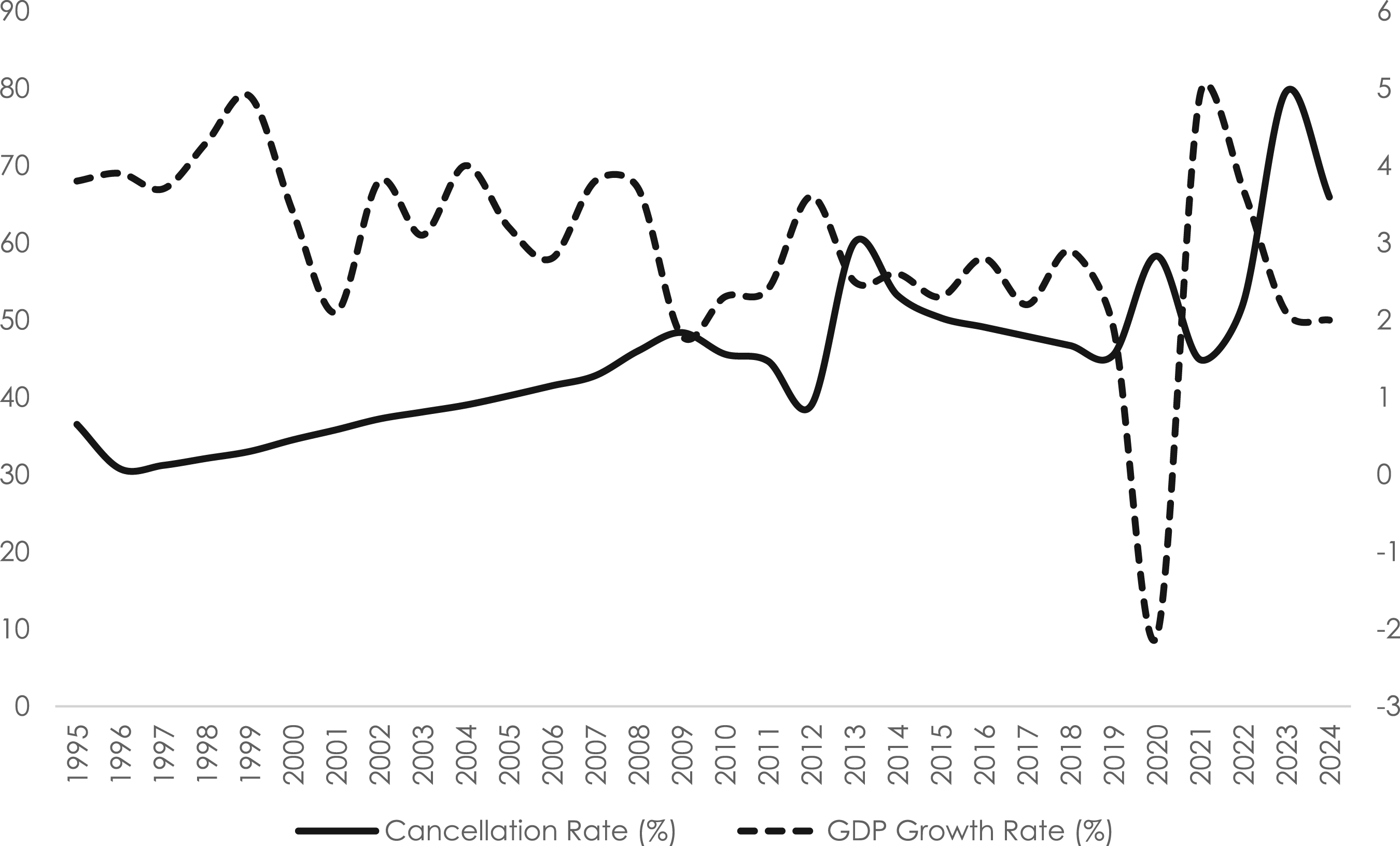
Conclusion
This longitudinal study has provided a comprehensive analysis of Australian apprenticeship trends from 1995 to 2024, focusing on commencements, completions, and cancellations. The findings reveal that while the apprenticeship system has shown resilience in the face of economic challenges, significant issues remain, particularly in terms of high turnover and regional disparities. Key drivers of turnover include economic downturns, inadequate policy focus on retention, and structural challenges in smaller regions. As Australia navigates an increasingly complex economic landscape, the apprenticeship system must evolve to meet the needs of both apprentices and employers. This study underscores the importance of data-driven decision-making and targeted interventions to create a more resilient and equitable system. By implementing the recommendations and pursuing further research, stakeholders can strengthen the apprenticeship framework, ensuring it continues to support Australia’s workforce development goals in the face of future challenges.
Policy recommendations
Based on the analysis of trends and causations, the following recommendations are proposed for policy and research. They are aimed at reducing turnover and improving apprenticeship outcomes. They address the key challenges identified, including economic sensitivity, regional disparities, and policy effectiveness. Enhance Support During Economic Downturns: Implement financial incentives, such as wage subsidies, to encourage employers to retain apprentices during recessions. For greater impact, administrators may expand programs like the Boosting Apprenticeship Commencements (BAC) to include retention-focused measures. Target Smaller Regions: Increase funding for training infrastructure and support services in NT and TAS to reduce cancellations. For greater impact, administrators may establish or encourage mobile training units or partnerships with local businesses to improve access in remote areas. Develop Flexible Training Models: Introduce online or hybrid training options to ensure continuity during disruptions (e.g., pandemics) and improve access in remote regions. For greater impact, administrators may invest in digital platforms that allow apprentices to complete theoretical components remotely. Residential programs can be supported also. Strengthen Policy Oversight: Tie apprenticeship incentives to retention metrics, not just commencements, to ensure that programs prioritize long-term outcomes. For greater impact, administrators may introduce performance-based funding for training providers based on completion rates e.g., or reward innovation, performance and success, rather than participation.
Research recommendations
Building on the findings and limitations of this study, the following recommendations are aimed at triggering further studies that deepen the understanding of apprenticeship outcomes and refine interventions to improve retention and completion rates. Explore empirical reasons behind cancellations, particularly in high-turnover regions like NT and TAS. The roles of mentorship, workplace culture, and financial pressures in apprentice retention could be investigated. Exit surveys and direct interviews would be rich research instruments for these. Evaluate the impact of policy interventions e.g. assess the long-term impact of specific policies, such as the Boosting Apprenticeship Commencements (BAC) program, on retention and completion rates by using longitudinal data to compare outcomes before and after policy implementations. Investigate industry-specific outcomes e.g. examine turnover trends within high-cancellation industries such as hospitality, construction to identify sector-specific challenges and solutions. For example, analyze how industry volatility or training quality affects apprenticeship outcomes. Investigate how demographic factors like age, gender, socioeconomic background, and location influence cancellation rates, particularly in regions with unique demographic profiles (e.g., ACT’s transient population), by modelling the relationship between demographic variables and retention. Explore how emerging technologies (e.g., automation, digitalization) and changing labor market demands affect apprenticeship commencements and completions e.g. investigate the impact of digital training platforms on completion rates in remote regions.
The recommendations proposed i.e., enhancing support during economic downturns, targeting smaller regions with tailored interventions, and strengthening policy oversight, are critical for improving the system’s effectiveness. Addressing these challenges will not only reduce turnover but also ensure that apprenticeships remain a viable pathway for workforce development across all regions of Australia. Implementing these recommendations will require collaboration between government agencies, training providers, and employers. Key challenges include securing funding for regional initiatives and ensuring that flexible training models maintain quality standards. However, the potential benefits i.e. improved retention, a more skilled workforce, and reduced regional disparities, justify the investment.
While this study provides valuable insights into Australian apprenticeship trends, it is important to acknowledge its limitations. These constraints affect the generalizability of the findings and deepen the need for further research. The analysis reported in this study relies solely on quantitative data, missing the nuanced perspectives of apprentices and employers. Qualitative factors, such as apprentice satisfaction or employer motivations, could provide a deeper understanding of turnover causations. Further, the dataset may contain biases, particularly in smaller regions where low cohort sizes amplify the impact of individual cancellations. Additionally, the aggregation of data across diverse industries may obscure sector-specific trends. The study also uses annual rates rather than cohort-based tracking, which may not fully capture the true completion and cancellation dynamics over the multi-year apprenticeship cycle. Finally, while economic and policy factors are analyzed, other external influences such as technological changes, shifts in labor market demand are not covered exhaustively due to data limitations. These limitations suggest that while the study’s findings are robust, they should be interpreted with caution, particularly when applying them to policy decisions. Future research should aim to address these gaps to provide a more comprehensive understanding of apprenticeship dynamics.
Footnotes

Funding
The authors received no financial support for the research, authorship, and/or publication of this article.
Declaration of conflicting interests
The authors declared no potential conflicts of interest with respect to the research, authorship, and/or publication of this article.