




Abstract
Good oral health is important for general well-being and longevity. Two-hundred and ninety-five koalas from free-range and captive colonies were examined to determine their oral health status. Two hundred koalas were classified as free-range, whilst 95 were captive from three separate zoological parks. Observations were made using the Koala Oral Health Chart which results in three major indices: the General Oral Cavity Index (GOCI), Oral Health Index (OHI), and Final OHI (FOHI), which describe the current oral health of the population. Eighty-six percent of the koalas had one oral health problem, with 42% of these koalas classified as old aged. The FOHI average from the whole population was 3.76 (SD 3.19, SE 0.20, median 3.00, range 0.14-15.98) with a high variance in individual indices scores. The frequencies of FOHI scoring also showed significant differences between tooth wear classes (TWC) (P = .000), with a sharp increase by TWC 3. This also occurred with the GOCI. The GOCI physical abnormalities were recorded in 141 koalas, with a median of three conditions per koala. Oral Health Index scores were recorded for 219 koalas with the highest of 8.40 in a TWC 7 female. Zoo 3 had significantly healthier oral cavities when the highest FOHI levels of each group was assessed (Zoo 1, 11.42; Zoo 2, 13.40; Zoo 3, 4.13; free-range, 15.98). The FOHI severity levels between free-range and captive koalas based on sex and TWC showed significant variation (sex, P = .000; TWC, P = .000). This study provides index values that can be used for comparison with other koalas or other species in the future.
Introduction
Southeast Queensland (Qld) free-range koalas are classified as endangered with predicted extinction. 1 The captive Qld koala is the typical koala represented in zoos throughout the world; therefore, the oral health status of these would provide critical information on the husbandry of the animals.
Tooth Wear Class (TWC) grouping
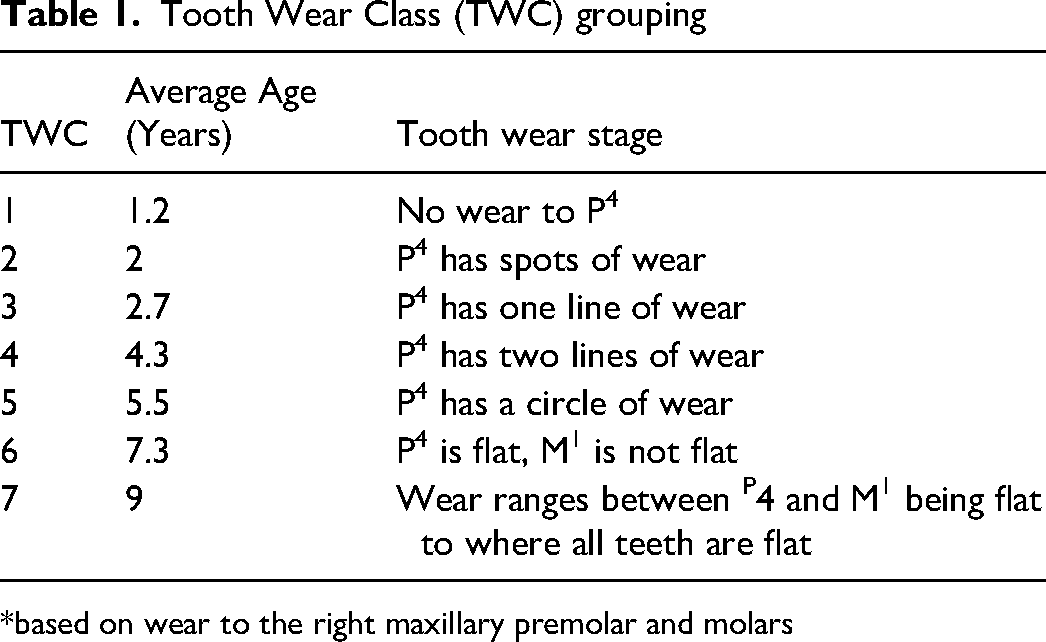
*based on wear to the right maxillary premolar and molars
Only one epidemiological survey has previously been undertaken on a complete study of koala dental health. 4 The study examined 27 koala skulls which showed no tooth number variation, position changes, mobility, or tooth destruction, including periodontal disease. Performing epidemiological research on any condition in the early stages of discovery is probably the most important aspect of any research. Such surveys have been conducted for chlamydiosis5,6 and cryptococcosis in the koala. 5 Neoplasia activity and craniofacial tumors in koalas have been studied in terms of disease development, regional activity, causes, and transmission.7,8
The Koala Oral Health Chart (KOHC) was developed after surveying 30 free-range Qld koalas. 9 The three major indices from the chart are based on the following equation: General Oral Cavity Index + Oral Health Index = Final Oral Health Index (GOCI + OHI = FOHI). The indices grade conditions from healthy (0) to severe (3) or present/absent, depending on the index. Within the chart, information can be drawn on any condition within the oral cavity, whether periodontally based, injury-derived, or abnormal from birth (Figure 1). Subsequent to the development of the chart, a study was performed on 27 Qld free-range koalas examining periodontal alveolar bone loss which showed that oral health severity worsened with age. 10 A further study using the chart and indices of 75 free-range koalas from South Australia showed that 84% of the koalas had periodontal disease which increased in severity as the koala aged. 11
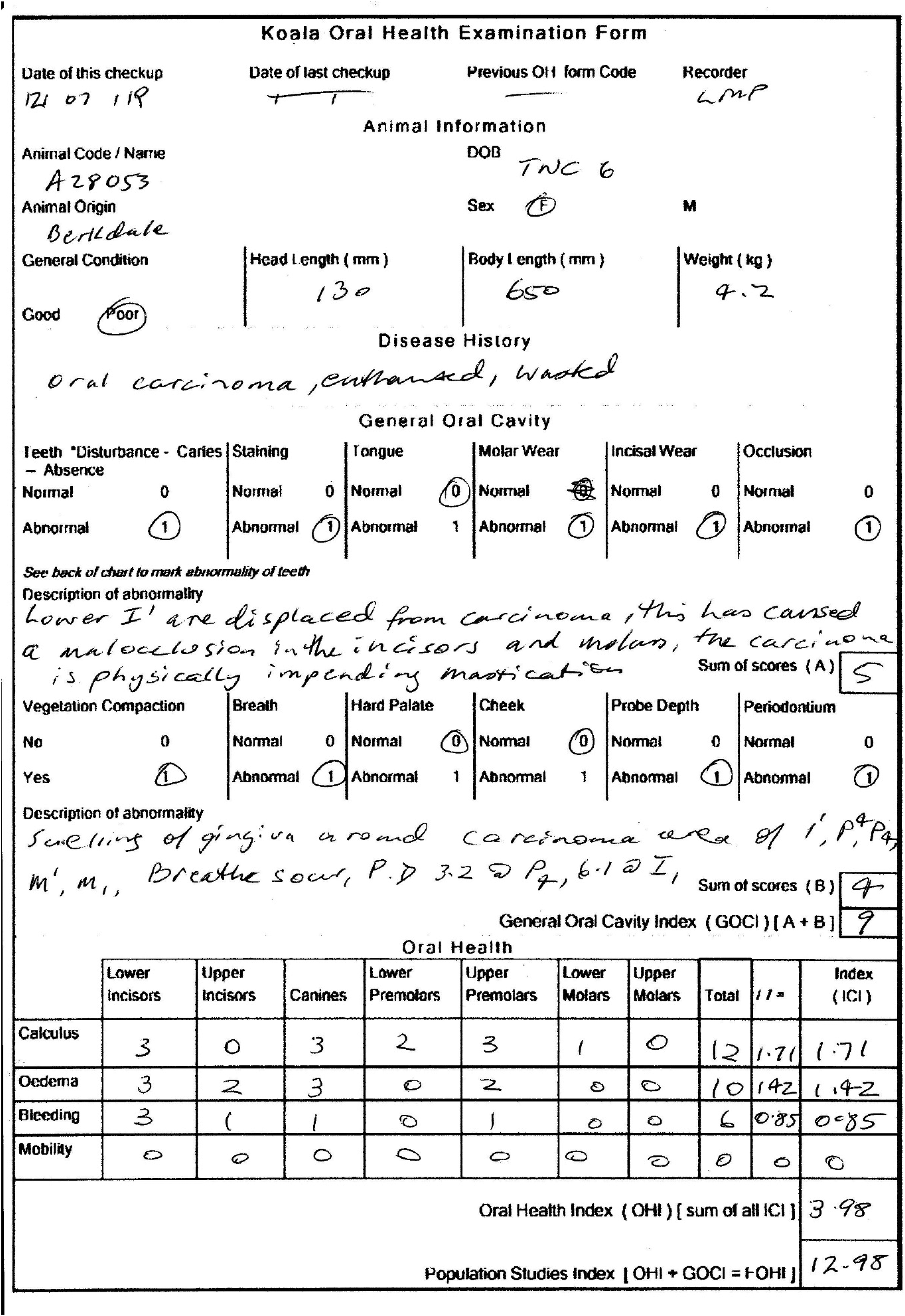
The Koala Oral Health Chart (KOHC).
Further, using the KOHC, a survey of malocclusions in 370 koalas was compared in a population consisting of Qld captive (N = 95) and free-range koalas (N = 200), plus free-range South Australian koalas (N = 75). Four variations in malocclusion were observed in the koala. 12 Twenty-eight percent of the study group had a malocclusion, with the captive group showing more variability in the types of malocclusions. In another study of Victorian free-range koalas, 21% were identified as having a malocclusion 13 which indicates that the condition is widespread throughout Australian koalas.
Health problems in the oral cavity are often wide-ranging in causation, prognosis, and treatment and can continue over lengthy periods, for example, periodontal disease. Epidemiological surveys of dental conditions in large-scale studies provide a widespread view of the overall oral health of populations over time or under various circumstances. They can also be used to detect connections between oral diseases and other medical conditions. Chart indices and severity grading can also be used to compare the oral health of different species.
This study examined the oral health of 295 Qld koalas (200 free-range and 95 captives) from a population perspective, using indices previously developed (FOHI, GOCI, and OHI). 9 Therefore, the results of this study will provide baseline information that can be compared with the oral indices of koalas or other species.
Materials and Methods
Ethical approval was granted by the University of Qld Ethics Committee (AEC No. DENT/618/UQJRS).
Free-Range Koala Examinations
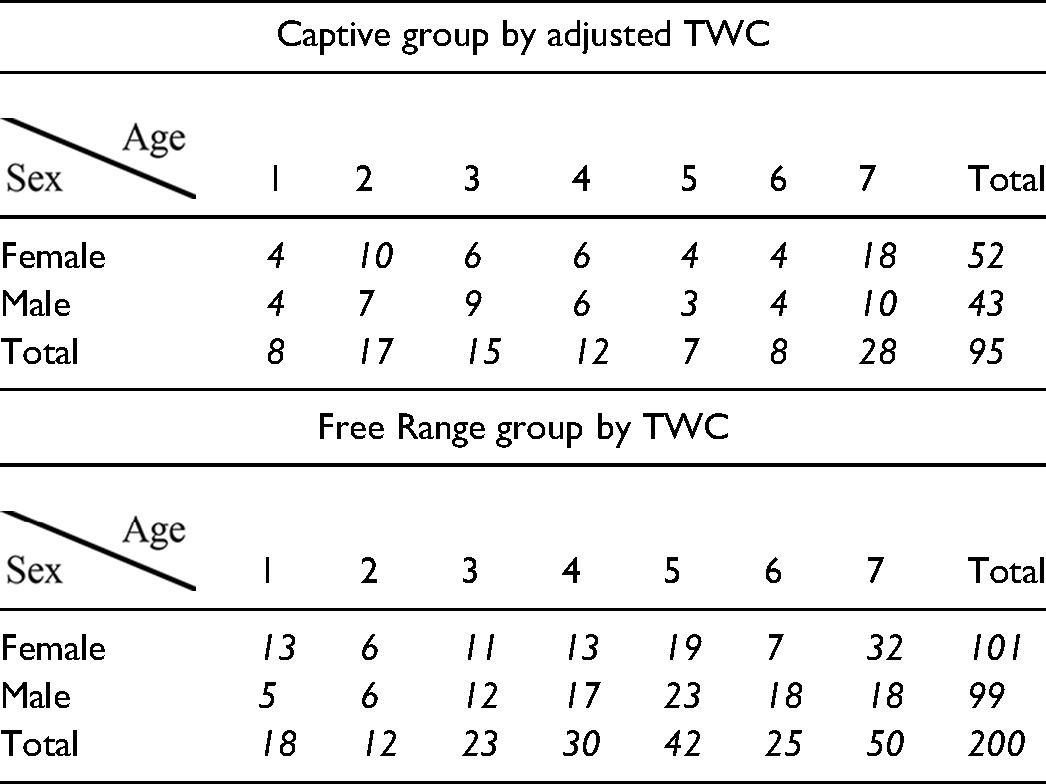
Koalas rescued from the wild and admitted to Moggill Koala Hospital, Brisbane, Qld, were examined until a total of 200 was reached. The population distribution of TWC's based on sex is shown in Table 2. To standardize the results, oral examinations using the KOHC were performed either during the initial clinical assessments while under anesthesia by the Moggill Koala Hospital staff or immediately after euthanasia by the same investigator (LMP). Sixteen separate clinical criteria (categories) were recorded in the oral health chart (Table 3). The indices are numerically related by the formula OHI (0.01-12.00) + GOCI (1-12) = FOHI (0.01-24.00).
Free-Range and Captive Koala Populations as Distributed by Sex and Tooth Wear Class (TWC)/Age.
Indices and Individual Categories.
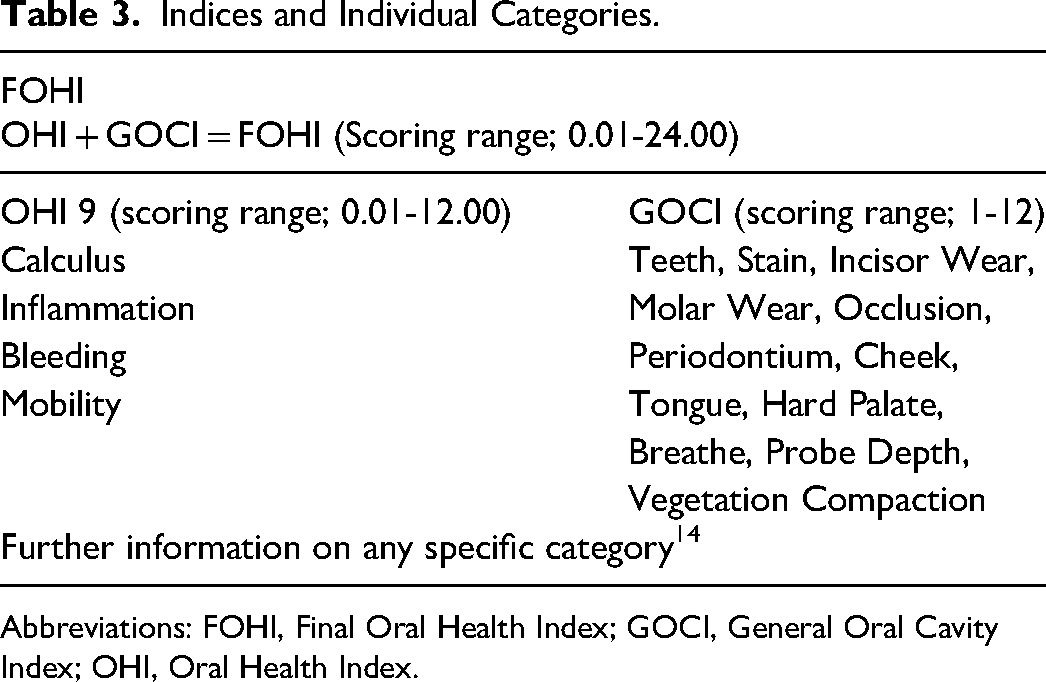
Abbreviations: FOHI, Final Oral Health Index; GOCI, General Oral Cavity Index; OHI, Oral Health Index.
Captive Population Examinations
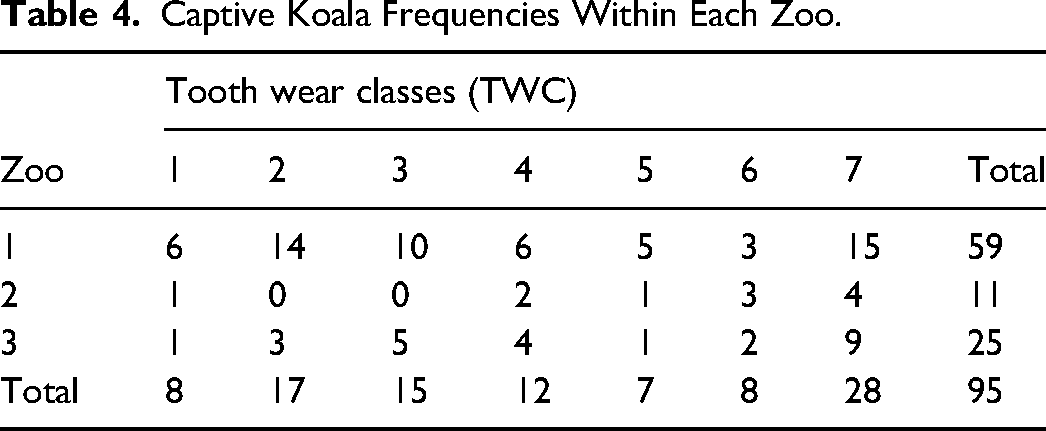
Three zoological parks (Zoo 1, Zoo 2, and Zoo 3) in Qld were selected to identify the oral health of captive koalas. Ninety-five koalas were provided by the zoos. Accurate age information was provided through the zoo records. Ages were also collated into the TWC's previously mentioned using the average ages from a previous publication. 2 The age distribution of the population is presented in Table 2. All examinations followed the KOHC as described previously and were performed by the same examiner (LMP). All koalas at Zoo 1 were examined while under anesthesia during annual animal checks. Each koala was monitored by a veterinarian during the examination and recovery. At Zoos 2 and 3, koalas were selected by the keepers and examined within their compounds without the use of sedation; a keeper held the koala while LMP performed the examination. A method was developed in which the koala was provided with short rests every 3 min so that the animal would not become distressed. To assist evaluation of occlusion and other physical oral attributes koalas were fed eucalyptus leaves. The distribution of the animals within the zoos is shown in Table 4.
Captive Koala Frequencies Within Each Zoo.
Statistical Analysis
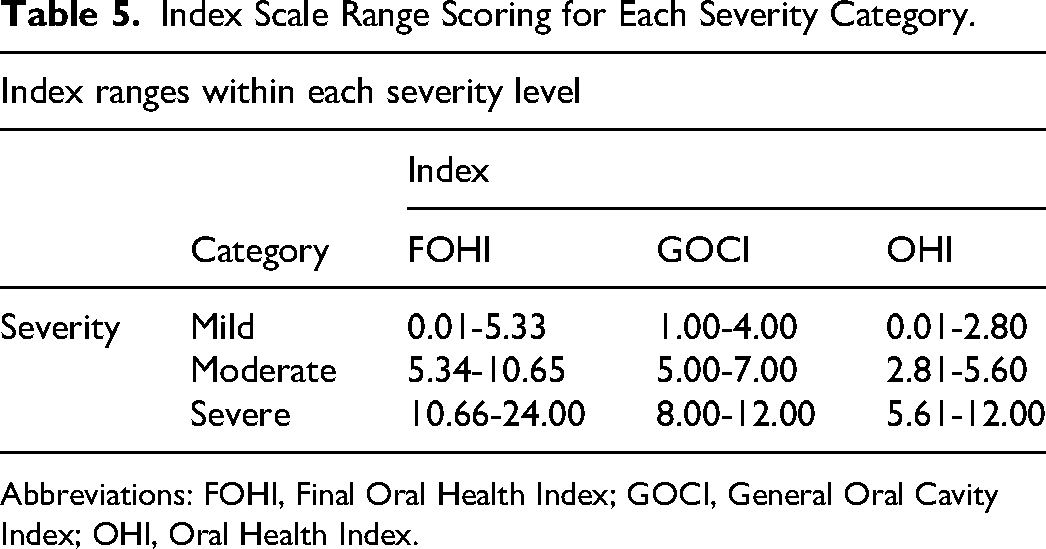
Data analysis was performed using software programa. Statistical significance was set at P = .05. The significance of the effect size was estimated using the Wilcoxon test. Normality testing of the FOHI data was positively skewed; therefore, in some statistical analyses, the square root replaced the original data values. Nonparametric testing was used in all other analyses. The Kruskal-Wallis test, Mann-Whitney U test, and Chi-square test were used to identify significance between colonies, TWC, sex, and severity level. The severity levels were created based on the numerical percentiles, as shown in Table 5.
Index Scale Range Scoring for Each Severity Category.
Abbreviations: FOHI, Final Oral Health Index; GOCI, General Oral Cavity Index; OHI, Oral Health Index.
Results
Whole Population
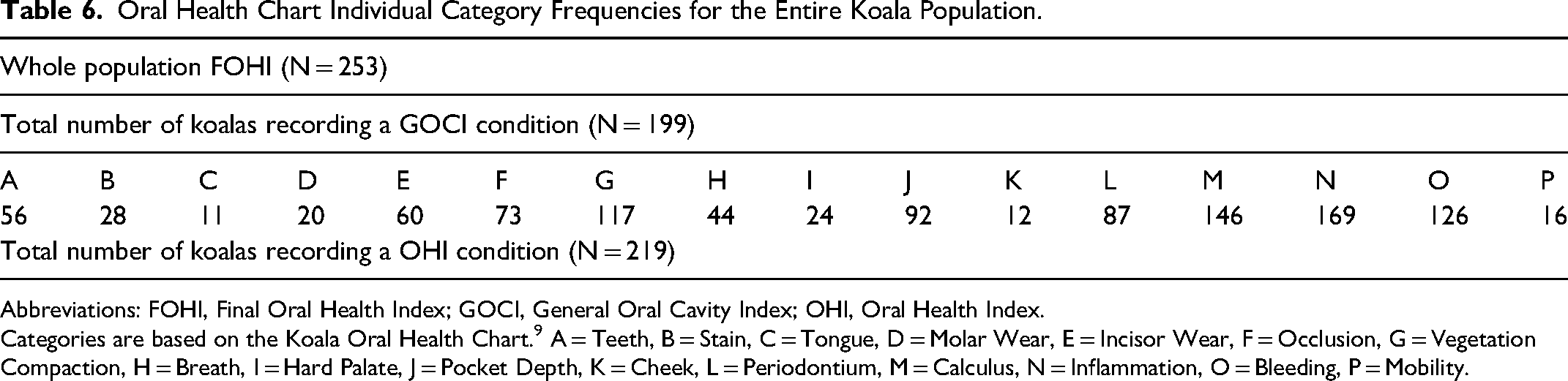
Within the entire koala population (N = 295), 199 koalas scored an index in the GOCI category, 219 scored an OHI, and 253 produced a FOHI. The frequencies for each category are shown in Table 6.
Oral Health Chart Individual Category Frequencies for the Entire Koala Population.
Abbreviations: FOHI, Final Oral Health Index; GOCI, General Oral Cavity Index; OHI, Oral Health Index.
Categories are based on the Koala Oral Health Chart. 9 A = Teeth, B = Stain, C = Tongue, D = Molar Wear, E = Incisor Wear, F = Occlusion, G = Vegetation Compaction, H = Breath, I = Hard Palate, J = Pocket Depth, K = Cheek, L = Periodontium, M = Calculus, N = Inflammation, O = Bleeding, P = Mobility.
The average FOHI for the koala as a species was 3.78, (SD 3.19, SE 0.20, median 3.00). The range of the FOHI within the entire population was 0.14 to 15.98. Descriptives of the entire population (Figure 2A), free-range population (Figure 2B), and captive population (Figure 2C) for the FOHI, GOCI, and OHI are provided. There was a significant variation (P < .001) between the TWC's for all three indices (Table 7). Additionally, the trend toward a koala having a higher number of GOCI conditions with increasing TWC was high (r = 0.82).
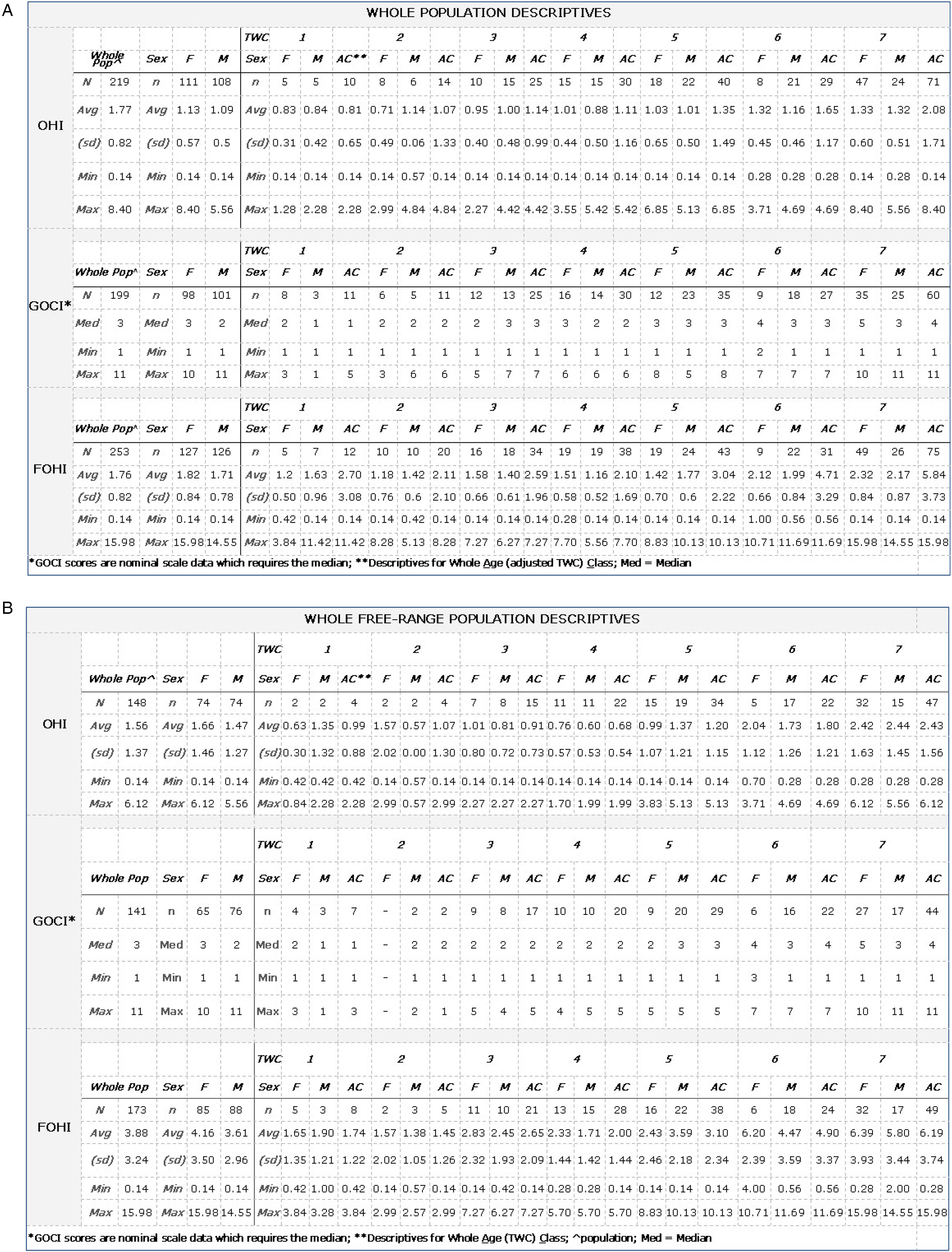
Descriptives for general oral cavity Index (GOCI) + Oral Health Index (OHI) and Final Oral Health Index (FOHI). (A) Whole population. (B) Free-range population. (C) Captive population.
Whole-Population Significant Pairs of FOHIa, GOCI, and OHI Variables Based on Tooth Wear Class (TWC).
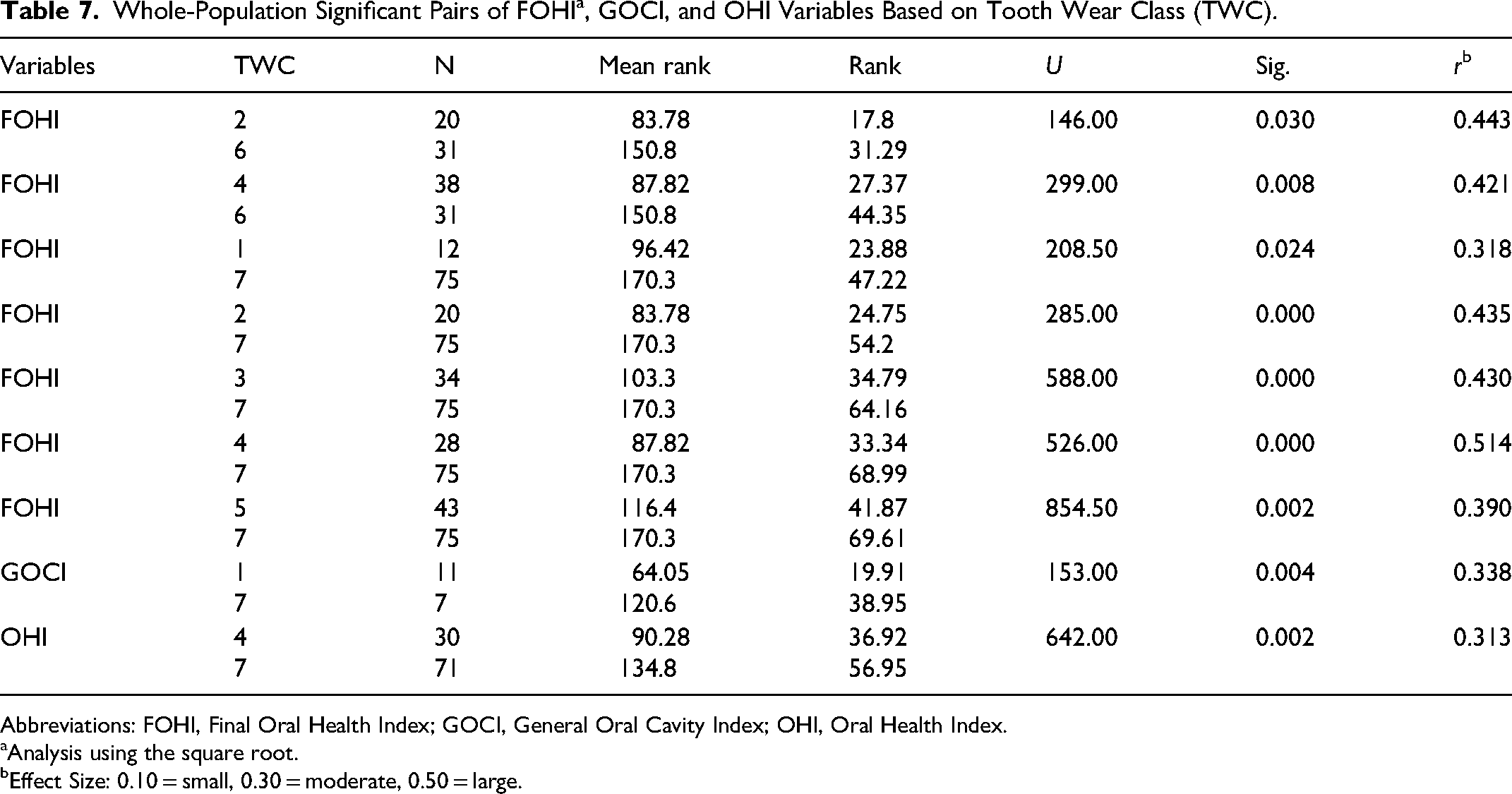
Abbreviations: FOHI, Final Oral Health Index; GOCI, General Oral Cavity Index; OHI, Oral Health Index.
Analysis using the square root.
Effect Size: 0.10 = small, 0.30 = moderate, 0.50 = large.
There was no variation between the sexes when comparing the whole population frequencies for the FOHI, GOCI, or OHI. However, when controlling for age, sex varied between severity levels (P = .04). The mild and moderate frequency categories showed significant differences between the sexes in the entire population, but the effect size of the variation was only minor (r = 0.159).
When observing FOHI based on severity level, the mild category was higher in frequencies 189 (74.7%) to moderate 52 (20.6%) and severe 12 (4.7%). Moderate FOHI scores were more frequent than severe FOHI scores (Figure 3). A comparison of the GOCI severity levels showed between level significance (P = .01), with 155 (78%) of the cases being mild, 38 (19%) moderate, and 6 (3%) severe. The high frequency of mild OHI cases, 185 (84.5%), was also significantly different from the moderate 29 (13%) or severe 5 (2.5%) frequencies (P = .001). Therefore, when examining the combined population of koalas, most koala oral health cases were mild in severity (not severe), with index values becoming increasingly high as koalas aged. The changes were centered around GOCI scores which were primarily physical abnormalities.
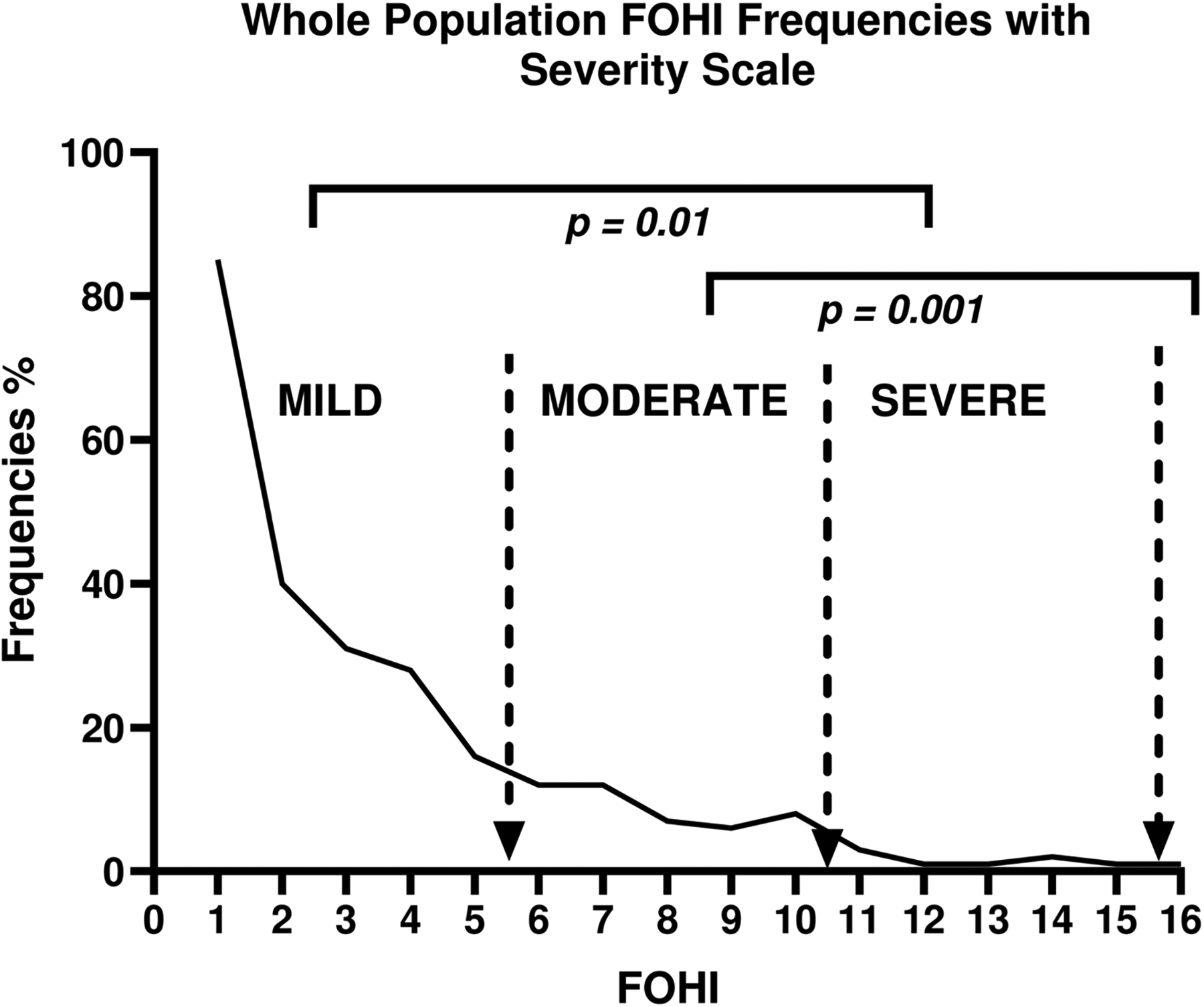
Whole population Final Oral Health Index (FOHI) frequencies with severity scale.
Colony Variations
There were significant variations in the FOHI (P = .001) and OHI (P = .011) categories between the colonies. Zoo 3 had better oral health than the other three colonies (Table 8 and Figure 4) with the difference located in the OHI category scoring. The GOCI category showed no significant variation between the colonies.
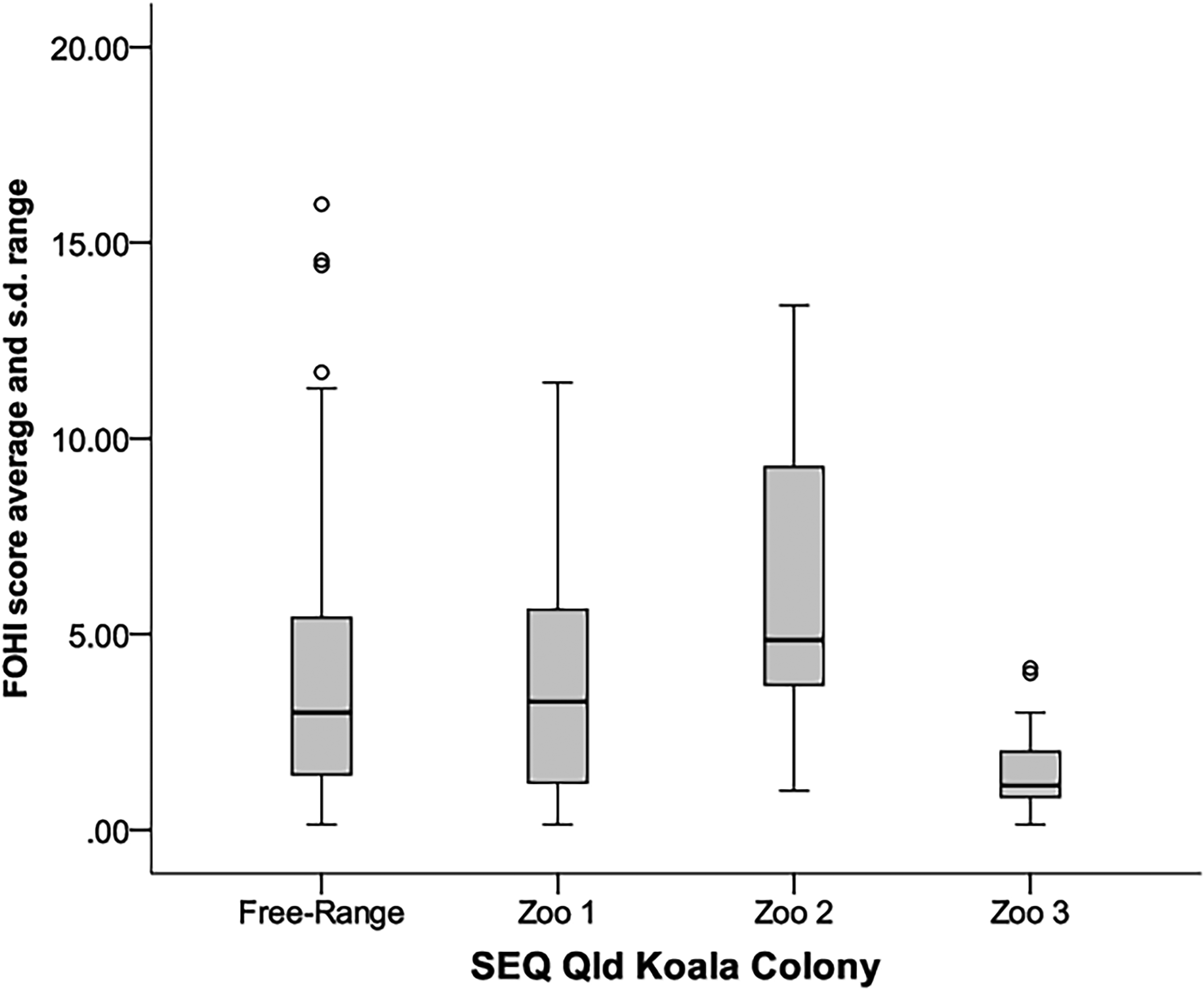
Boxplot showing Final Oral Health Index (FOHI) variations between free-range and zoo koalas.
Colony MW Variations of Significant Comparisons of FOHIa and OHI Variables (N = 95).
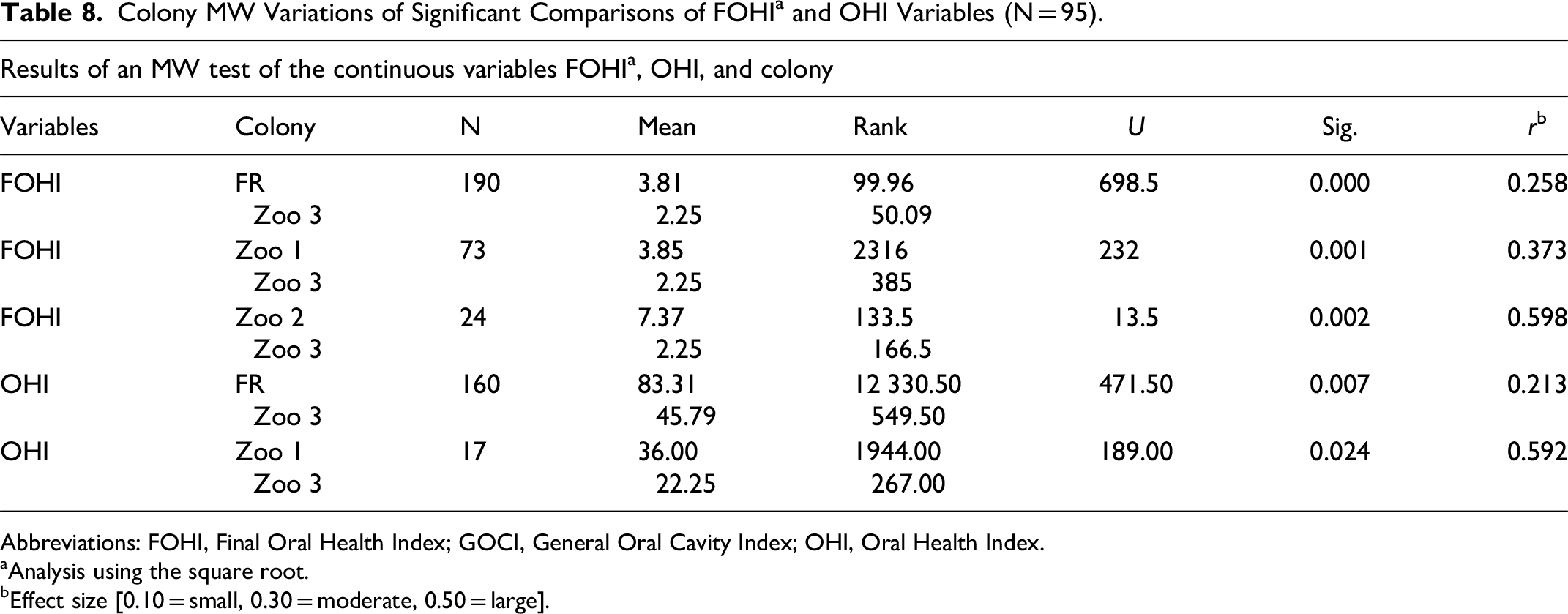
Abbreviations: FOHI, Final Oral Health Index; GOCI, General Oral Cavity Index; OHI, Oral Health Index.
Analysis using the square root.
Effect size [0.10 = small, 0.30 = moderate, 0.50 = large].
Free-Range Koalas
One hundred and seventy-three free-range koalas from a population of 200 individuals had oral pathology. The average free-range FOHI was 3.88 (SD 3.24, SE 0.24, range 0.14-15.98). Free-range descriptives can be viewed in Figure 2B. The three major indices showed a steady increase in population frequency with increasing TWC (Figure 5). Within the FOHI variations between the TWC's, there are significant pairs which can be viewed in Figure 6.
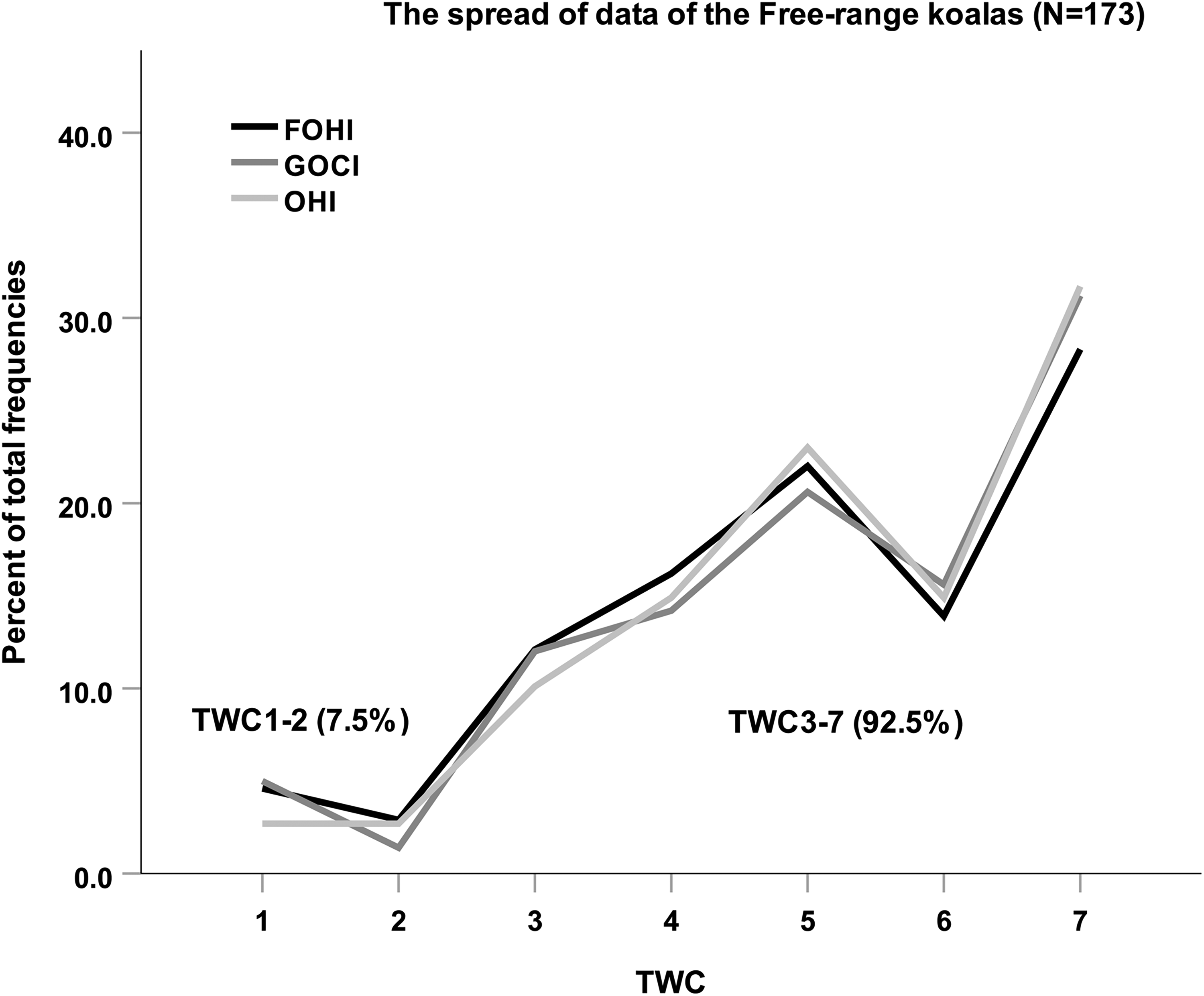
Total wear class (TWC) chart showing frequency of General Oral Cavity Index (GOCI), Oral Health Index (OHI), and Final Oral Health Index (FOHI) in free-range koalas.
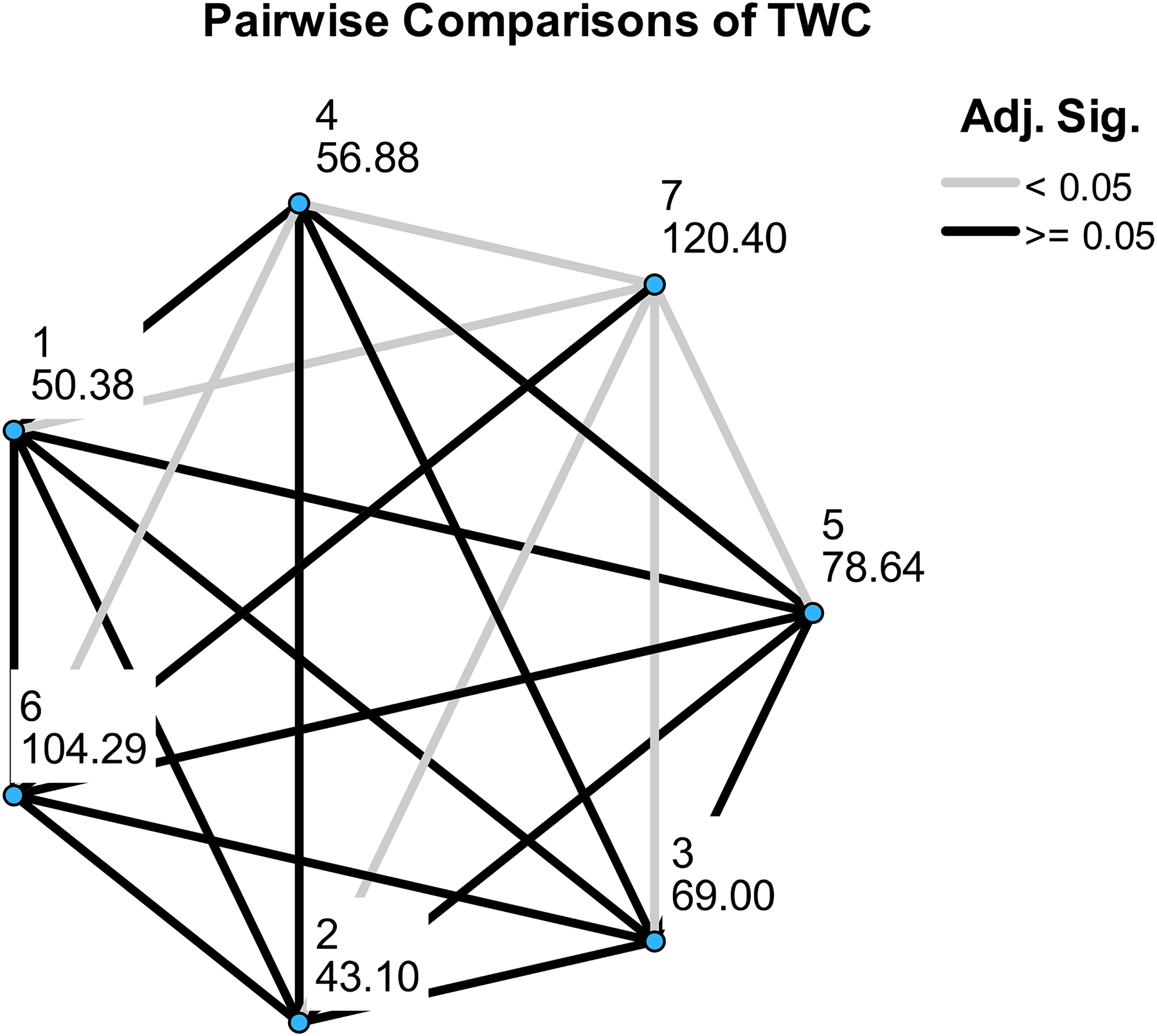
Graph showing the pairwise comparisons of the total wear classes (TWC).
The FOHI also showed significant variations between severity levels. Variations were observed between mild and moderate (P = .000 [r = 0.70]) and mild to severe (P = .000 [r = 0.36]). Differences within the free-range GOCI based on the TWC showed significant variations (P = .001). The significant pair of TWC's was TWC 4 and 7. An increase in GOCI oral anomalies was observed as the animals aged. For example, at TWC 1, koalas had a GOCI of 1 to 2 conditions, whereas a koala at TWC 7 had up to 10 oral conditions. There was a significant variation between severity frequencies (P = .000, r = 0.84), with mild and moderate cases being more frequent than severe cases. The OHI category also showed a significant result (P = .001, r = 0.87), with mild cases being more frequent than moderate or severe cases. Differences in the OHI category when comparing TWC's were seen within TWC 4 to 6 (P = .012) and TWC 4 to 7 (P = .000). There was no variation between male and female scores based on the FOHI, GOCI, or OHI in the free-range group. The GOCI category influenced the FOHI outcome, primarily when examining the TWC and severity differences. The GOCI category contains physical abnormalities that are not associated with pathogenic causes, and as koalas age, they develop more GOCI conditions or higher severity levels.
Captive Koalas
The average FOHI for a captive koala was 3.57 (SD 0.97, SE 0.35, range 0.14-13.40), full descriptives can be viewed in Figure 2C. The zoos were different with respect to the proportion of healthy koalas, with Zoo 1 at 5%, Zoo 2 at 36%, and Zoo 3 at 32%. Mild FOHI levels (n = 61, mean 2.15, SD 1.57, SE 0.20) were statistically different (P = .001) from moderate (N = 15, mean 7.08, SD 1.35, SE 0.35) and severe (N = 4, mean 11.98, SD 1.11, SE 0.55). There was no variation in the sexes based on FOHI, GOCI, or OHI for the entire captive population. There was no significant variation between the TWC's for the FOHI based on the entire captive population. However, when the FOHI was examined between the zoos, there were significant differences between Zoo 3−1 (P = .009) and Zoo 3−2 (P = .004), as shown in Figure 7.
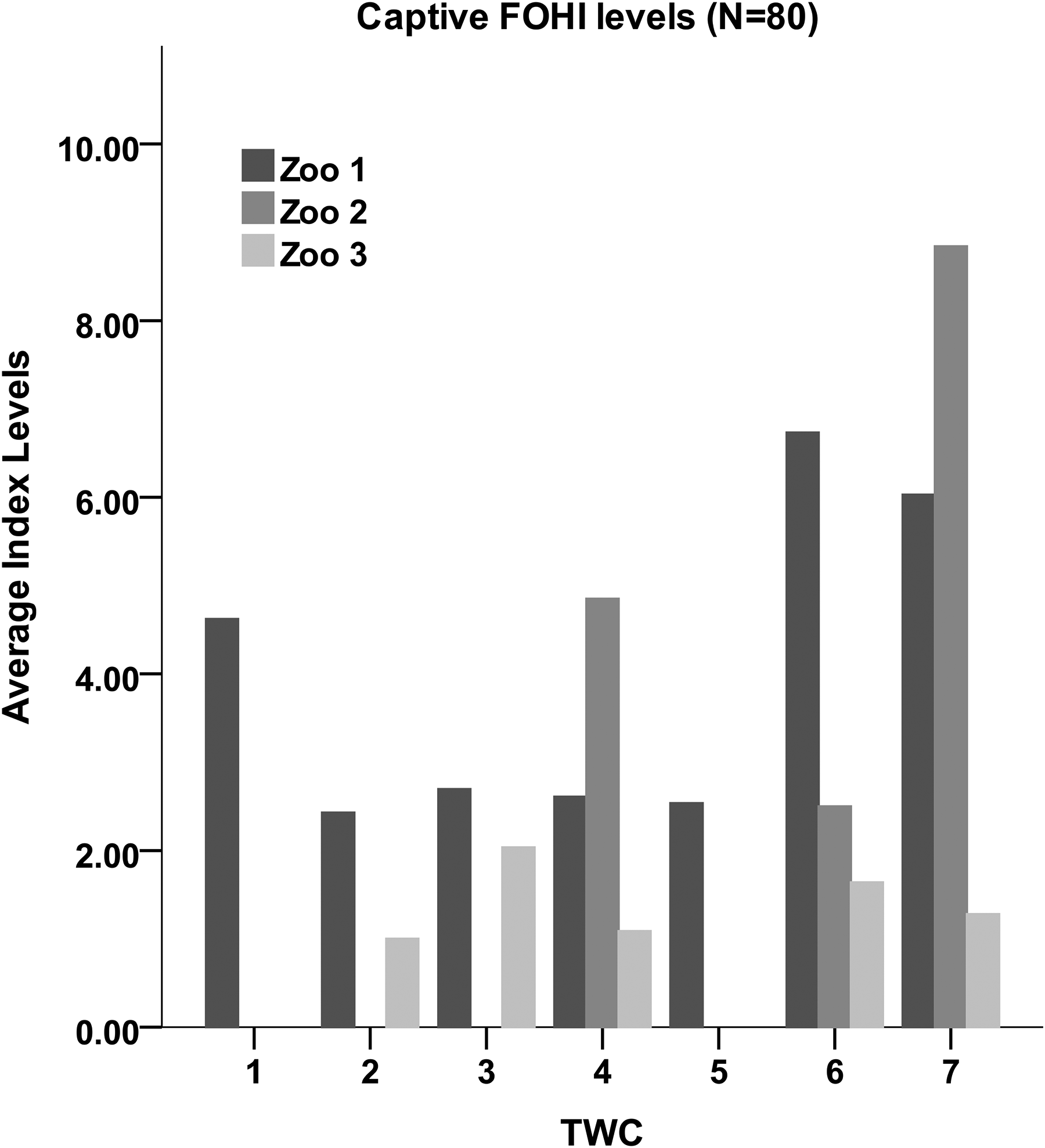
Average Final Oral Health Index (FOHI) level of captive koalas at the three zoos for each tooth wear class (TWC).
Within Zoo 1, three TWC pairs showed variations in FOHI averages: TWC 2 to 7 (P = .031), 4 to 6 (P = .048), and 5 to 7 (P = .034). The OHI distribution based on TWC was significantly different when compared within each zoo (P = .001) and showed that the Zoo 1 OHI scores were significantly different between TWC 5 to 7 (P = .014) and TWC 3 to 7 (P = .002). When examining within the zoos, the GOCI category did not vary between the TWC's or sexes; however, the GOCI was variable when comparing Zoos 2 and 3 (P = .03). The medians indicate the differences between the zoos (Zoo 1: median 3.00, Zoo 2: median 4.00, Zoo 3: median 1.00). In the captive group as a whole, the OHI category influenced the FOHI outcome more than the GOCI, with Zoo 3 again displaying healthier attributes.
Discussion
This study identified by using dental indices that oral pathology was prevalent in both captive and free-range koalas. Epidemiological surveys such as this have been used to study the distribution, severity, and location of oral health conditions.15–19 The use of indices in dentistry enables easier description and collective grouping of certain characteristics that, through consensus, describe an oral condition. The OHI, Gingival Index (GI), Calculus, and Periodontal Disease indices have been modified from human and domestic animal indices to report oral diseases and anomalies in exotic animals.20–24 In addition to using modified indices, veterinary dental charts have also been modified for wild species.25,26 The use of these indices is important when considering the time and expense involved in using imaging methods in fieldwork. The major index level of the KOHC is FOHI. This provides an overall perspective of oral health in the koala at the species level. The average FOHI for the koala in the present study was 3.78. The range of FOHI indices was 0.14 to 15.98. GOCI range was 1 to 11 and OHI was 0.14 to 8.40. Separated the Qld free-range koala FOHI average was 3.88, range 0.14 to 15.98 and the Qld captive koala FOHI average was 3.57, range 0.14 to 13.40. In a previous study of 30 koalas, the average was 3.31 with the range of scores for FOHI (0.14-11.30), GOCI (1-8), and OHI (0.14-5.13). 9 An additional study of 27 free-range Qld koalas had an average of 2.88. The index ranges in that study were FOHI (0.14-10.71), GOCI (1-8), and OHI (0.14-3.0). 10 A subsequent study of 75 free-ranging koalas from South Australia showed free-ranging koalas as having an average FOHI of 5.09, ranges were FOHI (0.29-12.29), GOCI (1-8), and OHI (0.14-4.29). 11 A study examining periodontal alveolar bone loss in 27 Qld free-range koalas showed that severity of the condition increased with age, 10 a similar finding was discovered in this study and in the South Australian free-ranging koala study previously mentioned. 11 The prevalence of oral disorders in this koala population was 86%, which is similar to the rates recorded in old donkeys (73%) and dogs (86.3%),27,28 and the proportion of adult koalas recorded an index (42%) ranges between the index levels shown in two studies on horses (17%-43%).29,30 In the captive population, 84.2% had oral disorders. Captive-tufted capuchin monkeys (Cebus paella) have also shown a high prevalence (72%) of oral pathology. 31 The results presented here show that the average level of orally related conditions in the koala is variable, with Zoo 1 and Zoo 2 having higher population averages than both the free-range and the entire population. The Zoo 3 average was much lower than that of all other groups, indicating that the animals in that zoo had very healthy oral cavities at the population level. However, the results also indicated a wide range of index values, indicating that koala oral issues are very individualistic in nature. Zoo 3 koalas were observed to live in a more natural environment consisting of soil-based enclosures with established trees, whereas within Zoo 1 and 2, most koalas lived in clean concrete compounds containing clean branches. Trays or buckets of soil were provided in some concrete areas. The provision of soil is a requirement under exhibition regulations, and enclosure substrates should also contain vegetation material to promote a more natural environment. 32 Zoo 3 koalas had access to vegetation that ranged between fresh pink tip and tough eucalyptus leaves. Zoo 1 and 2 koalas were given washed fresh pink tip or very young green vegetation. Dietary differences linked to a softer diet have been identified in other species as affecting oral health variation between captive and free-ranging animals.23,33
Captive koalas showed high scores at a young age, with the highest score being 11.42 for a TWC 1 male. The free-range group's highest score for the same-age class was 3.84 for a female koala. In the entire population and the free-range group, severity increased with age, with koalas in the TWC 7 group having major oral health disorders, and this has been previously identified in koala oral health research. 11 This is also a common occurrence in other species34,35 Despite severe disfigurement of the oral cavity, koalas, such as the animal shown in Figure 8 continue to exist in the environment until wasting or systemic disease brings them into captivity. Similar results were reported for raccoons. 36 The measures used in the raccoon study included the GI, Attachment Loss, and Calculus Index which are comparable to those developed in the KOHC. 9 In a raccoon study, young and juvenile animals frequently scored normal and healthy for the measures used. 36 Similarly, here 64% of the animals scoring normal were young koalas. Comparison of the sexes based on the entire population and colonies showed limited variation when using severity levels or controlling for age. Sex has been found to not influence oral health in other species. 23
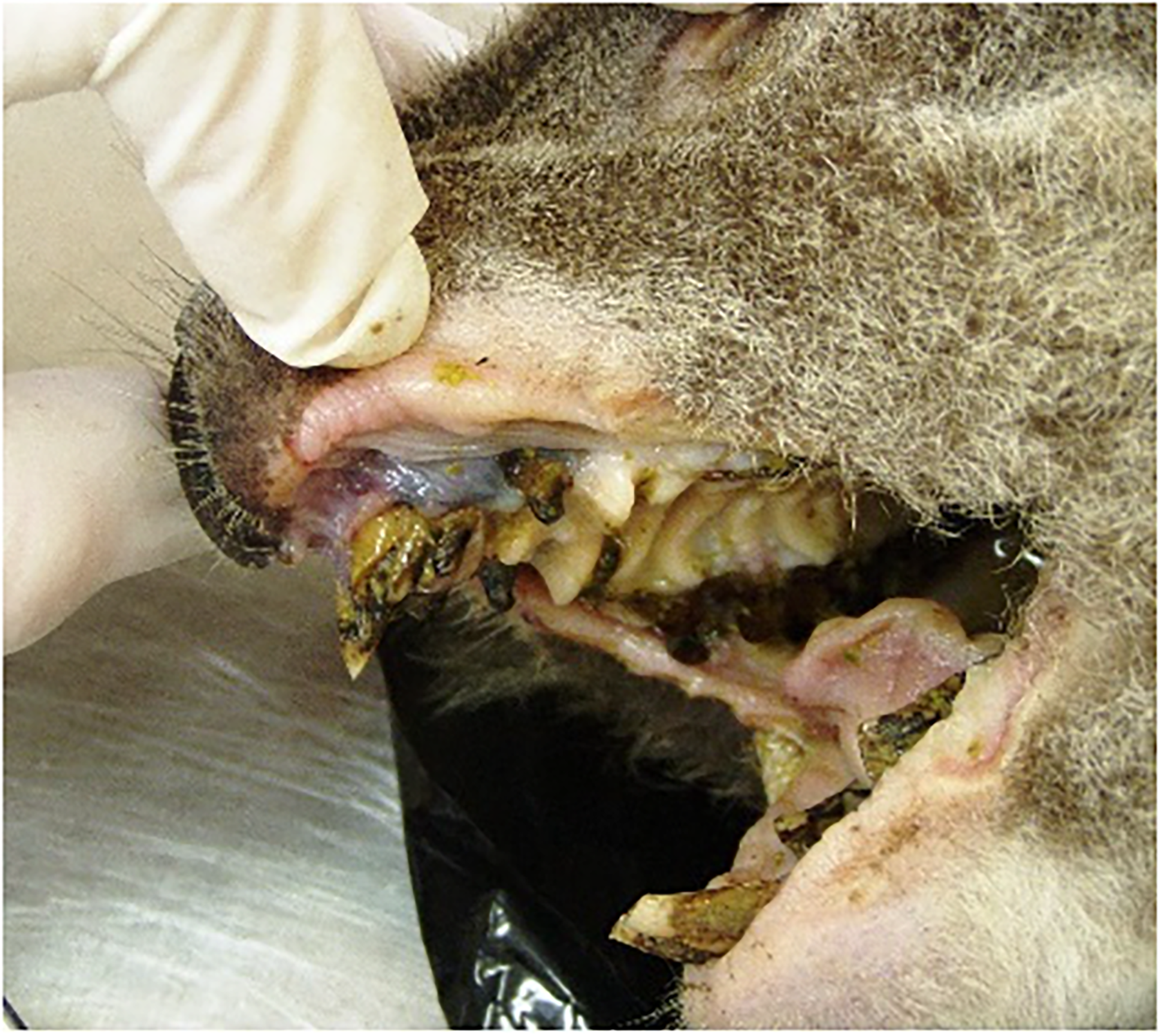
Photograph of a free-range TWC 7 female koala showing severe periodontal disease with Final Oral Health Index (FOHI) = 12.98, General Oral Cavity Index (GOCI) = 9, and Oral Health Index (OHI) = 3.98). The koala also had severe chlamydial symptoms (blind in both eyes, pneumonia, and cystitis). The chart for this koala can be viewed in Figure 1.
In the GOCI, the index value also equals the number of categories in which a koala has an abnormal finding. The highest number of categories scored by a koala was 11 for a TWC 7 male with irregularities in tooth position, staining pattern, tongue injuries, tooth wear, malocclusion, vegetation compaction between teeth, mouth odor, gingival pockets, cheek injuries, and periodontium loss. The koala shown in Figures 9A and B is an example of a koala scoring a GOCI of 11 in TWC of 6. The median score based on the entire population was 3 which indicates that, on average, most koalas will have three anomalies in this section of the chart. In the red fox (Vulpes vulpes), there are eight categories classified as abnormalities specific to the species. 37 The fox had multiple category rates of 16.0%, 17.3%, and 21.7% recorded in different studies.38,39 Koalas scored much higher in the number of animals having abnormalities through the GOCI category with captives at 61% and free-range koalas at 71%.
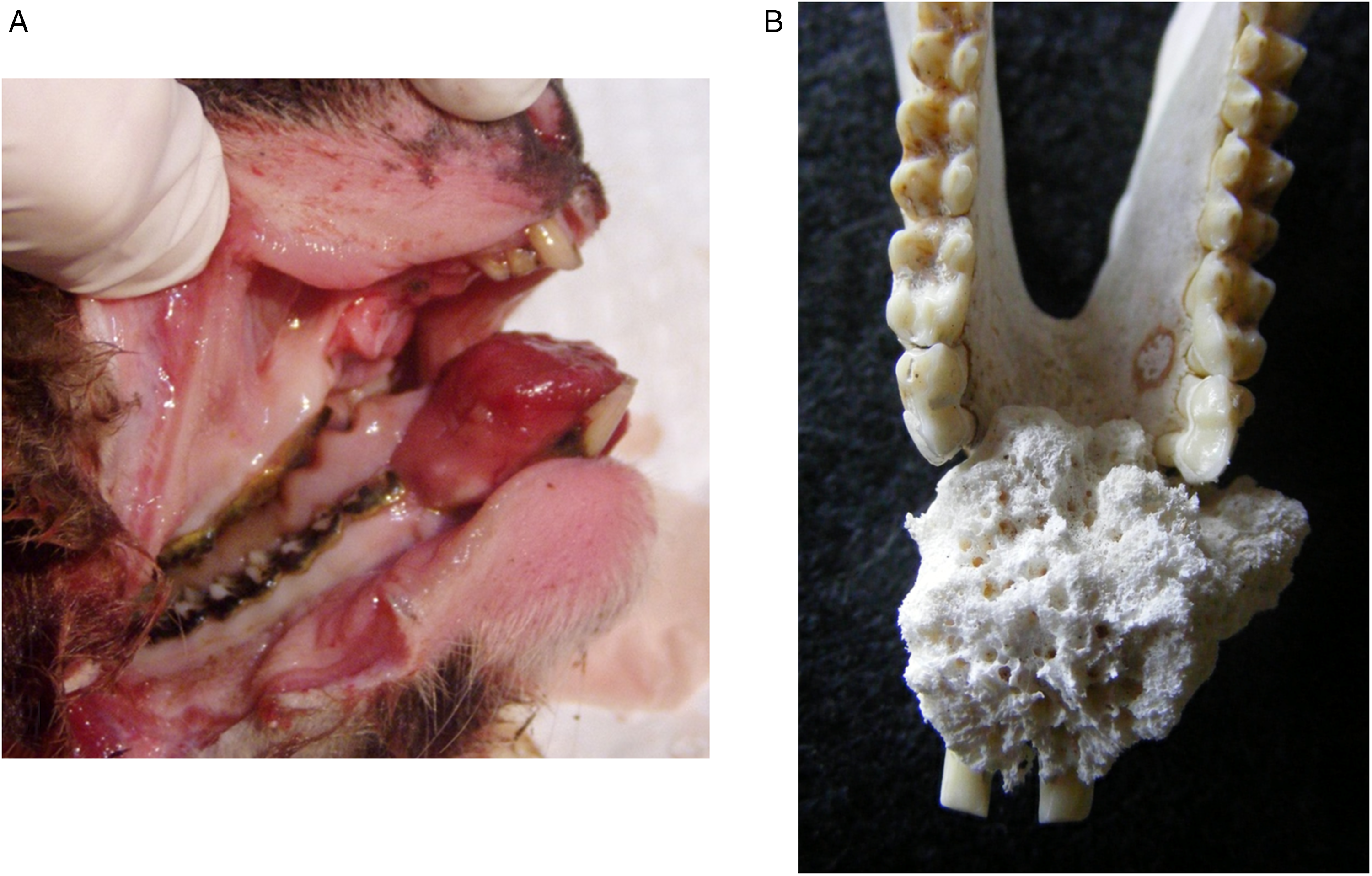
(A) Photograph of an oral carcinoma in the mandible diastema of a TWC 6 male koala. The animal had wasting disease, tooth wear was abnormal due to the oral carcinoma disrupting the natural wear process. The mandibular molars at TWC 6 should show complete wear of the cuspids. (B) Postmortem specimen showing the mandibular bony changes caused by the carcinoma.
During early research discoveries of the major systemic diseases Chlamydia and Cryptococcosis, significant information became available on the extent, severity, and pathological progression of the disease. These early reports have characterized the relationship between animals and diseases. In an early study of the patterns, causes, and effects of cryptococcal infection on captive koalas, a detailed description of maxillary swelling, sinus lesions, and the invasion of these lesions into the nasal cavity and palatine bones was made. 40 This was the first link shown between this disease and the oral cavity. Nasal lesions with facial distortion and lip lesions from Cryptococcus neoformans var. Gatti infection is a clinical sign of disease that generally leads to pneumonia. 41 A recent study using computed tomography of dental disease in 6 koalas linked ocular discharge to the presence of dental disease. 42
The index descriptives provided here are based on population-level statistics for Qld koalas. In both free-range and captive koalas, the information presented here is a combination of present and past disorders. The objective of reporting this information is that in future oral cavity studies or surveillance of the oral health of Qld koalas, these parameters will provide a set of levels for comparison with other koalas or other species. The index levels shown here for captive colonies could provide useful information for initial health examinations prior to breeding programs or zoo-to-zoo and overseas transfer of animals. Further research into any connections between poor oral health and systemic or environmental issues currently dominating the koala population would improve the understanding of koala health. With Qld koalas, it is vital that every diagnostic tool be utilized to improve koala health with the chance that they may be saved from extinction. There may be some bias in the results shown here because of the selection process. The free-ranging facility is intended for sick or injured koalas; therefore, it would be unusual to obtain a completely healthy animal. However, free-range koalas throughout Australia are known to have a significantly high prevalence of systemic diseases; therefore, the population studied here would be typical of a free-range koala.
Material
(a) SPSS Version 29, SPSS Inc., Chicago, IL, USA.
Footnotes
Acknowledgments
The authors would like to thank the University of Queensland for the Joint Research Scholarship.
Declaration of Conflicting Interests
The author(s) declared no potential conflicts of interest with respect to the research, authorship, and/or publication of this article.
Funding
The author(s) disclosed receipt of the following financial support for the research, authorship, and/or publication of this article: LMP received a University of Queensland Joint Research Scholarship (grant number DENT/618/UQJRS).
