



Abstract
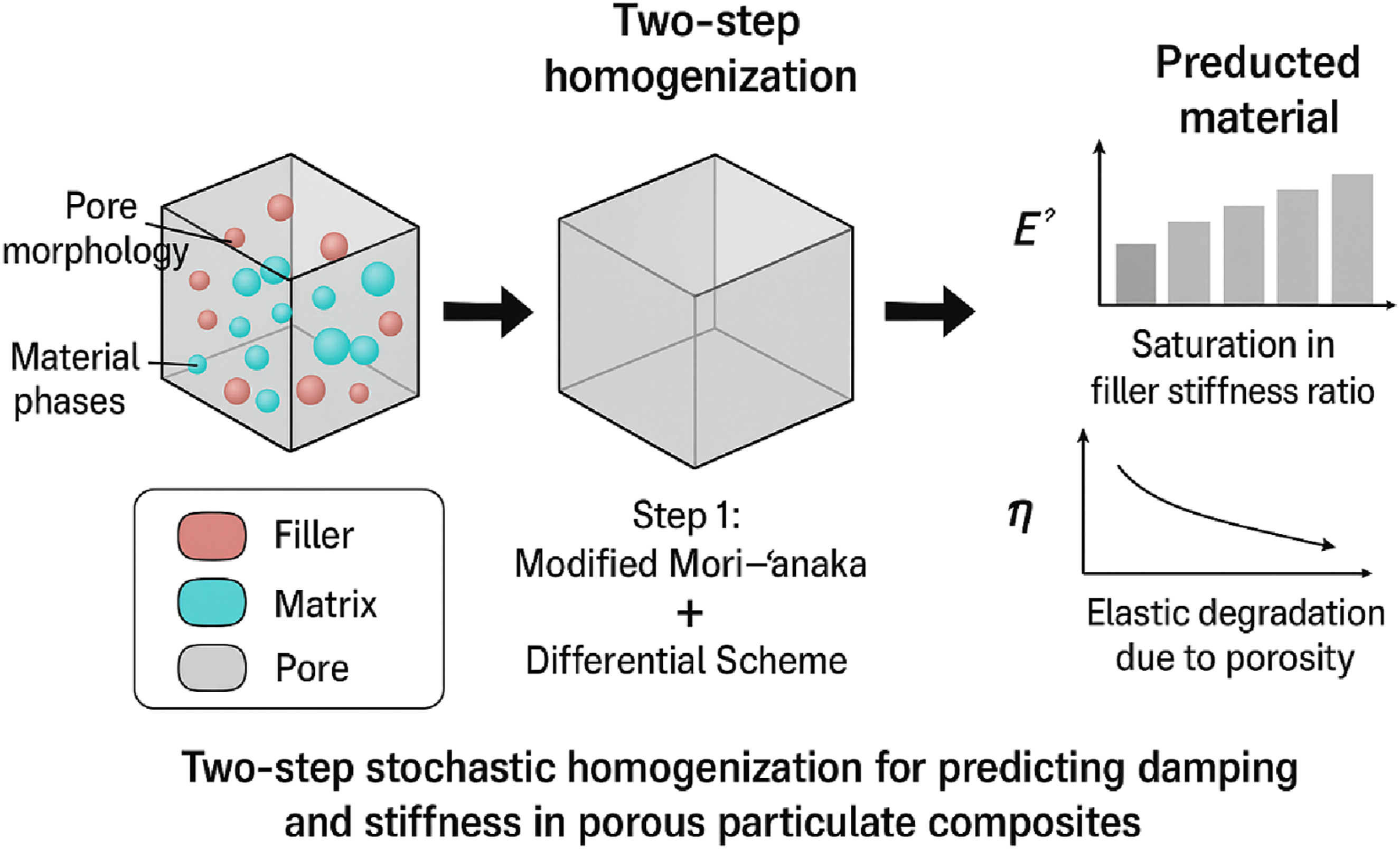
This study aims to analyse the effect of different shapes of pores on the damping properties of spherical particle-filled composites. A two-step stochastic homogenization approach is developed to evaluate the effective elastic properties within the micromechanical framework. Modified Mori-Tanaka homogenization approach considering the differential scheme for iteratively addition of pores as well as fillers is incorporated in the present model. From the results, the saturated ratio of the stiffness of fillers to the matrix is found to exist beyond which further increase in the stiffness of the fillers does not add in the increase in the effective elastic properties. It is further noted that the presence of voids decreases the elastic properties significantly. The results obtained from the proposed model are found to be in good agreement with that obtained from the computational study.
Introduction
Composite materials are popularly used in many applications due to their ability to tailor their inherent mechanical properties. One of the techniques to improve properties is through dispersing fillers in the polymer matrix, denoted as particulate filled composites. However, the degree of improvement is affected by the manufacturing process adopted to synthesize materials to a great extent. The manufacturing process is generally selected according to the final product’s complexity and the matrix’s curing behavior. One of the greatest problems in composites is formation of pores during the manufacturing process, which are often unavoidable. The pores can be formed in the matrix due to (i) moisture absorption, (ii) presence of dissolved gases, 1 (iii) air/foreign particle entrapment, (iv) vigorous mixing, and (v) the presence of chemical volatiles during the curing reaction.2,3 The pores are formed in fabric-reinforced composites due to the lack of wetting of fibers with the matrix 4 and gaps between the fibers or inside the tows. 1 In particulate filled composites, pores are formed due to particle-matrix debonding. 5 The degree of pores’ formation differs from one manufacturing process to another due to variability in the matrix’s fabrication path and curing/rheological behavior. Therefore, a mathematical model should be developed to account for the variations in the manufacturing process for estimating the effective inherent properties of composite materials.
Several micromechanical models have been proposed to estimate composites’ effective elastic properties consisting of elastic inclusions embedded into the elastic matrix. The Voigt 6 and Reuss 7 models are the earliest models for homogenization of two-phase composites that predict the upper and lower bounds of the effective properties. In Voigt 6 model, the effective properties have been estimated as the volume-averaged stiffness of the individual phases assuming the uniform stress state in the Representative Volumetric Element (RVE). In the Reuss model, 7 the effective properties have been estimated as the volume-averaged compliance of the individual constitutes in the RVE, assuming the iso-strain condition in the RVE. Further, Hashin and Shtrikman 8 model provides the improved bounds for the effective properties using minimal potential energy and the concept of polarization. The limited use of these models is due to the indirect estimation of the composites’ stiffness tensor. On the other hand, other models such as Mori-Tanaka, 9 Self-Consistent,10–13 and Differential Scheme 14 models provide the direct estimation of the stiffness tensor based on the continuum mechanics’ approach. Mori-Tanka model 9 proposed the mean-field homogenization approach relating the averaged stress and averaged strain in the matrix’s inclusion. Benveniste 15 modified the approach using Eshelby’s Equivalent inclusion theory 16 and introduced a Mori-Tanaka tensor, from which the effective properties of composites can be estimated. In several literature, Mori-Tanaka, combined with Eshelby’s theory, has been adopted for the porous material 17 and composites embedded with aligned and randomly oriented inclusions. 18 Tian et al. 19 evaluated short-fiber reinforced composites’ effective properties considering a two-step mean filed homogenization approach. Mori-Tanka scheme is a very popular approach, though not always reliable in multi-phase composites and non-dilute dispersion of inclusions. On the other hand, the Self-consistent model10–13 accounts for the multi-phase dispersion of inclusions as well as interaction in composites. This scheme assumes that the inclusion is embedded in an infinite elastic matrix, which is considered an effective medium with the same properties as overall composites.
To estimate the effective properties of particulate-filled composites, researchers have employed several foundational models. Peng et al. 20 combined the Mori-Tanaka and Self-consistent schemes, while McLaughlin 14 and Norris 21 applied the differential scheme to two-phase and multi-phase composites, respectively. A key observation is that a composite’s properties are functions of the volume fraction and characteristics of its inclusions. A significant advancement was presented by Chawla et al., 22 who modified the differential scheme by introducing an iterative, self-consistent methodology. Their technique involves the stepwise addition of a specific volume fraction of pores, where the effective medium from the preceding step serves as the background matrix for the current one, calculated via the Mori-Tanaka method. This process is repeated until the target porosity is met and has been shown to successfully predict effective elastic properties. The present analysis leverages this established framework to model voids within particulate-filled composites, with the specific goal of analyzing their impact on damping characteristics.
A stochastic two-step homogenization approach for analyzing the effects of pores on the particulate-filled composites damping properties in present study. In the first step of homogenization, the effective properties are evaluated using the modified Mori-Tanaka model along with differential scheme of adding pores as inclusions in the matrix in a step-by-step manner until the specified volume fraction of pores is obtained. The matrix obtained from this step is denoted as a fictitious matrix. The effective properties of the fictitious matrix are used as a background property for the next step of homogenization. In the second step of homogenization, the same procedure is repeated for the stepwise addition of fillers as inclusions in the fictitious matrix up to a certain volume fraction. The model performance’s efficiency is verified by performing finite element (FE) simulations on RVE containing randomly distributed spherical pores and fillers of different volume fractions.
Mathematical model
Due to the intrinsically hierarchical structure of filler-reinforced composites, a multiscale strategy is required to forecast their overall effective properties. This modelling approach typically recognizes three distinct scales: the micro-scale, which includes elements like fibers, pores, and inclusions; the meso-scale, which relates to the composite laminate; and the macro-scale, which encompasses the entire structural component. A homogenization-based micromechanical modelling framework is particularly well-suited for incorporating the influence of microstructural process parameters on the mechanical behaviour of these composites.
Matrix material model
In the present study, the matrix is modelled as a linear viscoelastic material under small strain harmonic loading conditions. The constitutive response is described using a frequency-dependent complex modulus representation. The viscoelastic matrix parameters are taken from,
23
where a Prony series representation was employed for the modelling. The behaviour of matrix material is described by constitutive law as


The loss factor

The complex modulus in equation (2) can be obtained using



The complex Poisson’s ratio

It is clarified that the nonlinear viscoelasticity and large-strain hysteresis effects typical of rubber-like materials under high deformation amplitudes are not considered in this study. The analysis is restricted to small strain oscillatory loading, where the linear viscoelastic approximation is valid.
Modified Mori-Tanaka approach
Mori-Tanaka approach is popular for determination of effective elastic properties of composites, developed originally by Mori and Tanaka
1
and then reformulated by Benveniste.
2
The approach along with Eshelby’s inclusion theory
3
accommodates possibilities of composites with different shapes of inclusions such as spherical, cylindrical, oblate and penny shaped as well as different orientations. The Mori-Tanaka approach was derived based on the assumption of dilute dispersion i.e., single inclusion embedded in an infinite matrix. It was noted earlier that the effective properties of composites not only depend on the volume fraction of phases but also on the process of adding inclusions in the matrix.
4
Later, a different scheme was introduced for iterative addition of inclusion in the matrix. Based on the differential scheme, a modified Mori-Tanaka approach
1
is proposed which is also valid for non-dilute dispersion of inclusions in the matrix. In current work, a two-step procedure based on the modified Mori-Tanaka model is adopted for evaluating the damping properties of particulate filled composites containing pores of different shapes as shown in Figure 1. In the first step, the effective properties of the matrix containing pores (denoted as fictitious matrix) are obtained by using the Mori-Tanaka model along with the differential scheme of adding pores one by one. In next step, the pores of specified volume fractions are assumed to be randomly distributed in the fictitious matrix. Using the fictitious matrix properties (from the first step) as background, the effective properties can be obtained for a complete RVE containing pores as well as particulates. The analysis assumes isothermal mechanical loading and does not explicitly consider residual stresses generated by coefficient of thermal expansion (CTE) mismatch between filler and matrix. Thermal history and processing-induced stresses are therefore not included in the present formulation. A coupled thermo-viscoelastic framework would be required to account for such effects. In the present formulation, pores are modeled as void inclusions with traction-free boundaries and negligible internal stiffness. The potential effects of compressible gas within the pores, including pressure evolution under deformation, are not explicitly considered. Under the small-amplitude harmonic loading conditions investigated, gas compressibility effects are assumed to be negligible compared to the viscoelastic response of the matrix. Two-step homogenization procedure for polymer matrix containing randomly distributed voids and fillers.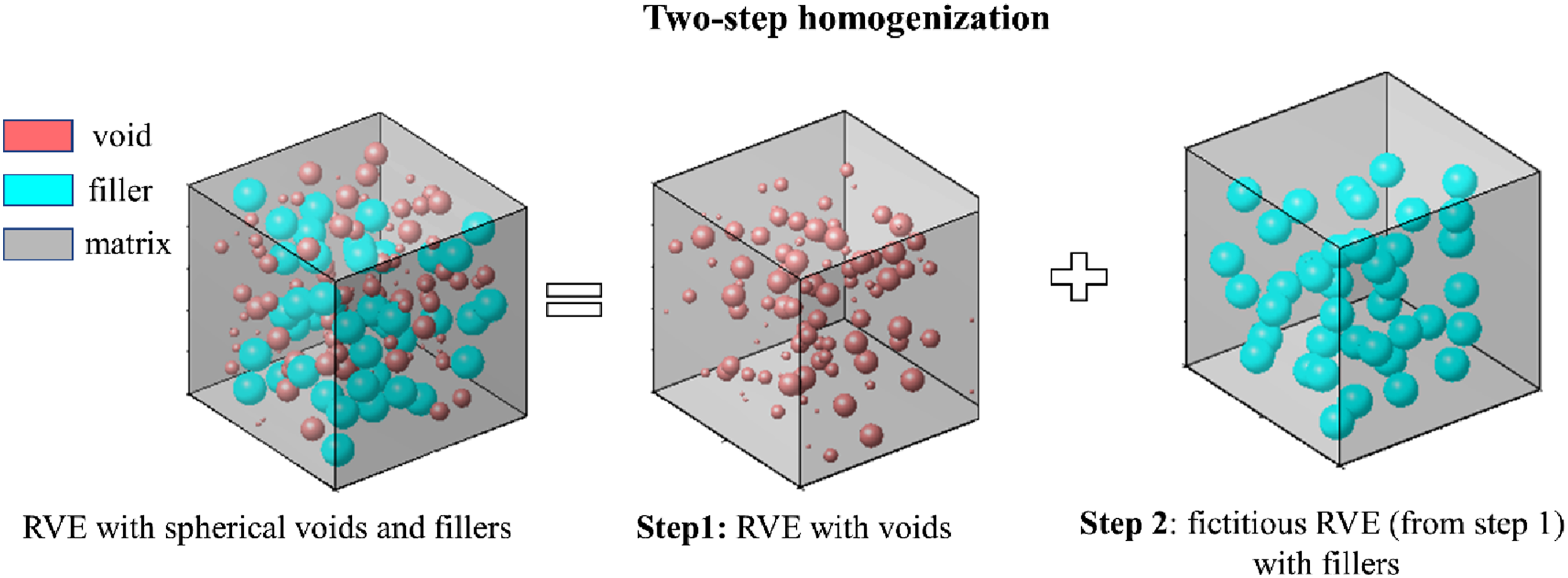
Let us analyse the first step by considering RVE containing a matrix of volume Two-step Differential scheme adopted for modeling pores in particulate filled composites: (a) addition of pores one by one in the matrix up to prescribed volume fraction of voids of 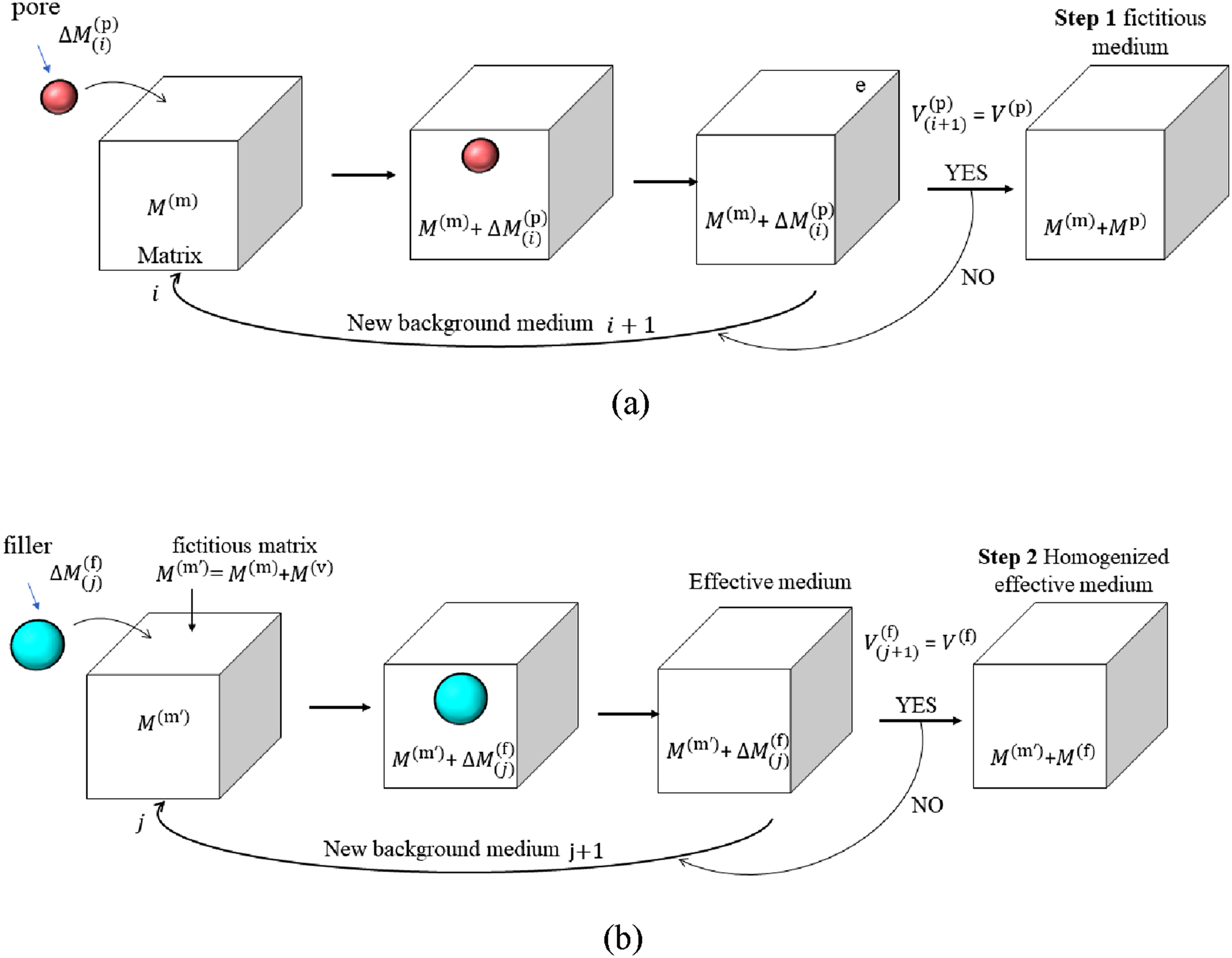

This iterative process is continued until the final desired volume fraction of voids
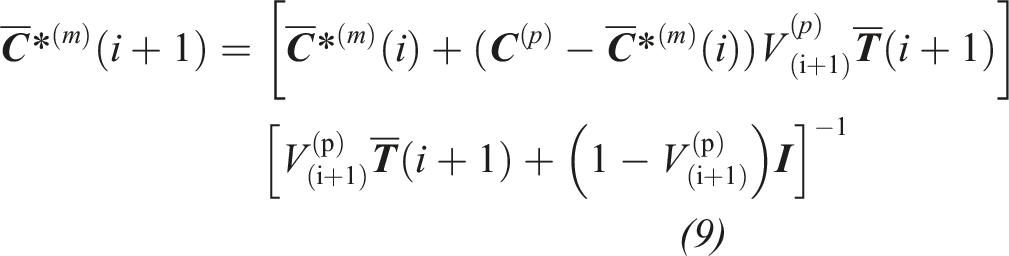
In equation (9),



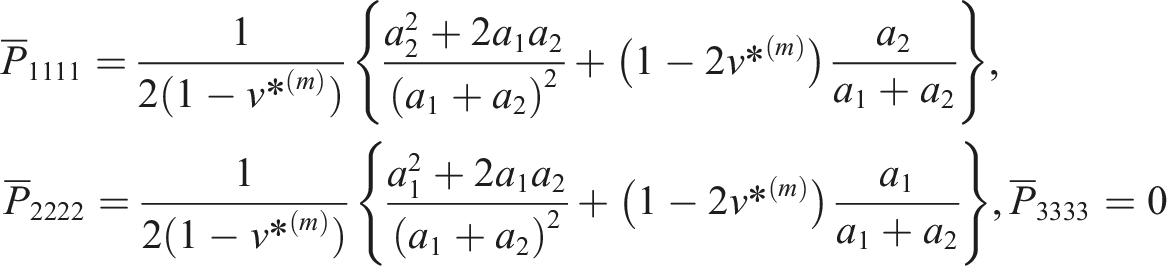
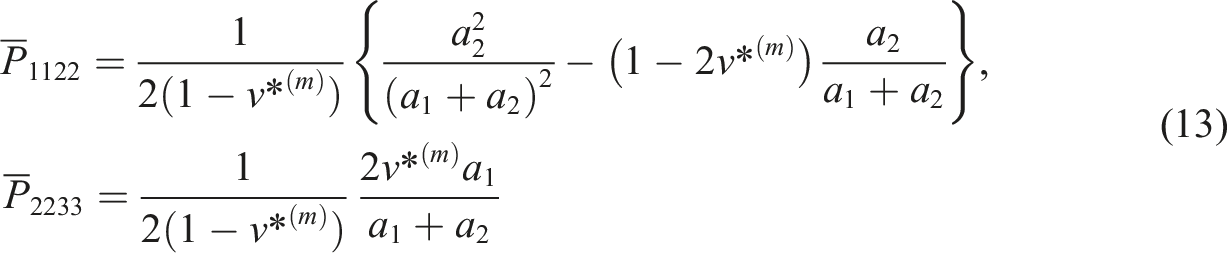
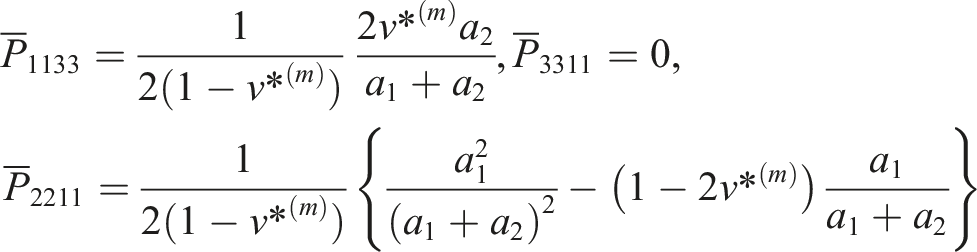
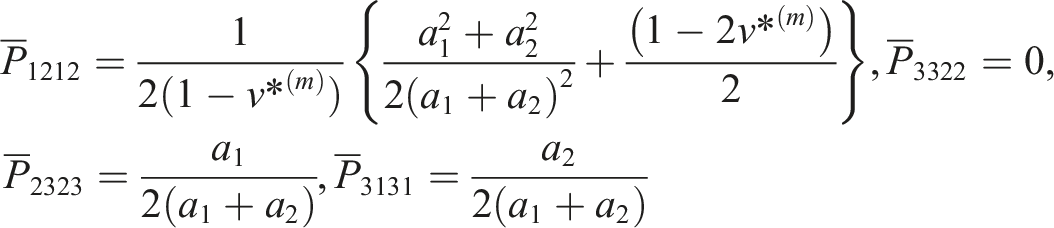
For penny shape of inclusion (i.e., An ellipsoid pore with radii a1, a2 and a3 along the principal axes x1, x2 and x3, respectively.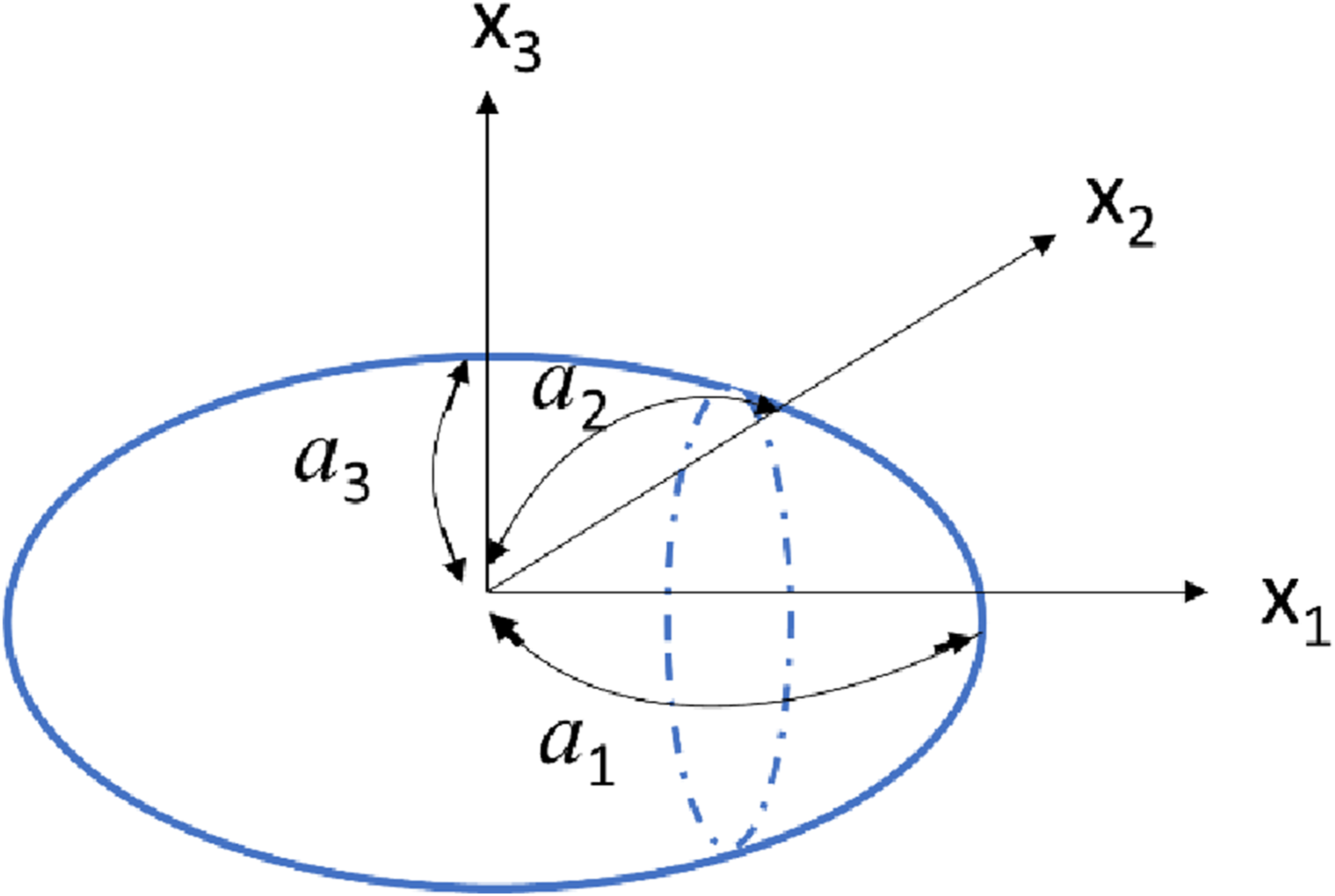




For a spherical shape of the inclusion (i.e.,

From equation (10), the stiffness tensor


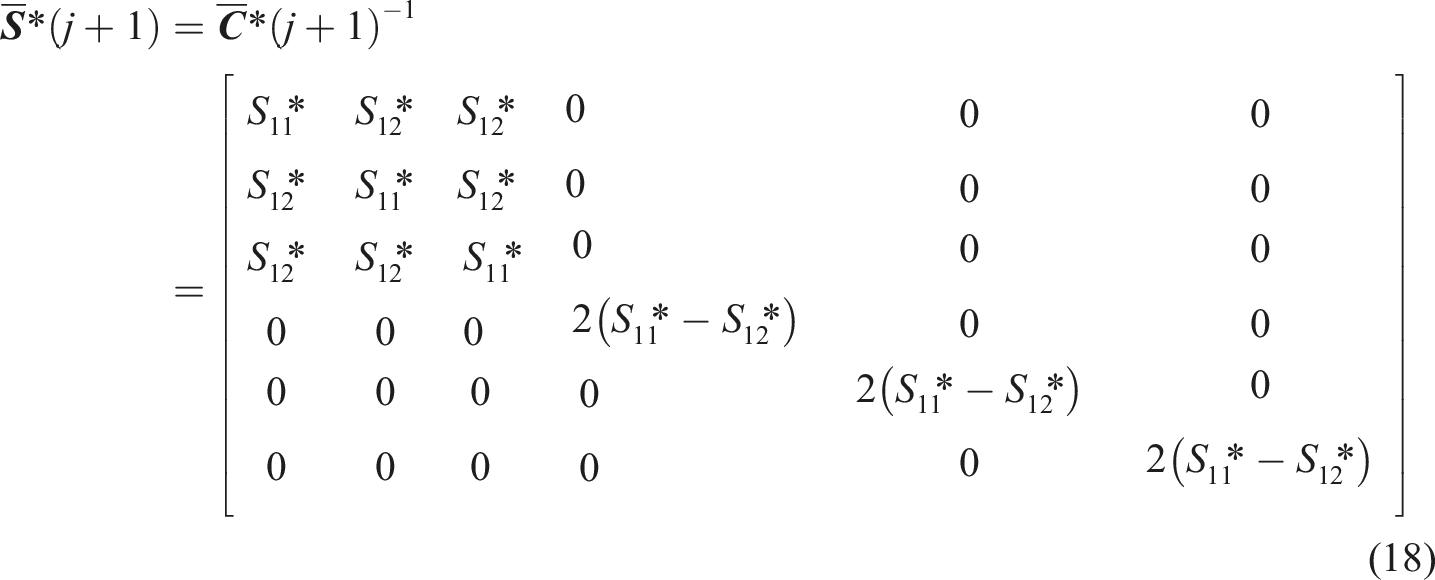
The effective elastic properties for the (i+1)th steps can be obtained as

From the proposed method, the effective elastic properties of three-phase composites containing pores and filler particles can be computed.
It is highlighted that, in the present formulation, the pores are idealized as equivalent geometric inclusions to enable analytical homogenization. While real manufacturing-induced pores may exhibit irregular, jagged, or interconnected morphologies, micromechanical models commonly approximate such defects by equivalent spherical or ellipsoidal voids that reproduce the average stress concentration effect. It is noted that highly irregular or interconnected pore networks, which may induce percolation and strong local stress localization, are beyond the scope of mean-field homogenization and would require full-field numerical modeling for rigorous characterization. Also, the model assumes a perfect interfacial bonding between filler and matrix. Interfacial debonding, frictional sliding, or damage-induced dissipation mechanisms are not explicitly considered. The predicted damping response therefore arises solely from the viscoelastic behavior of the matrix phase. Additional dissipation due to interfacial damage would require an extended micromechanical framework incorporating cohesive or frictional interface modelling.
Model performance comparison
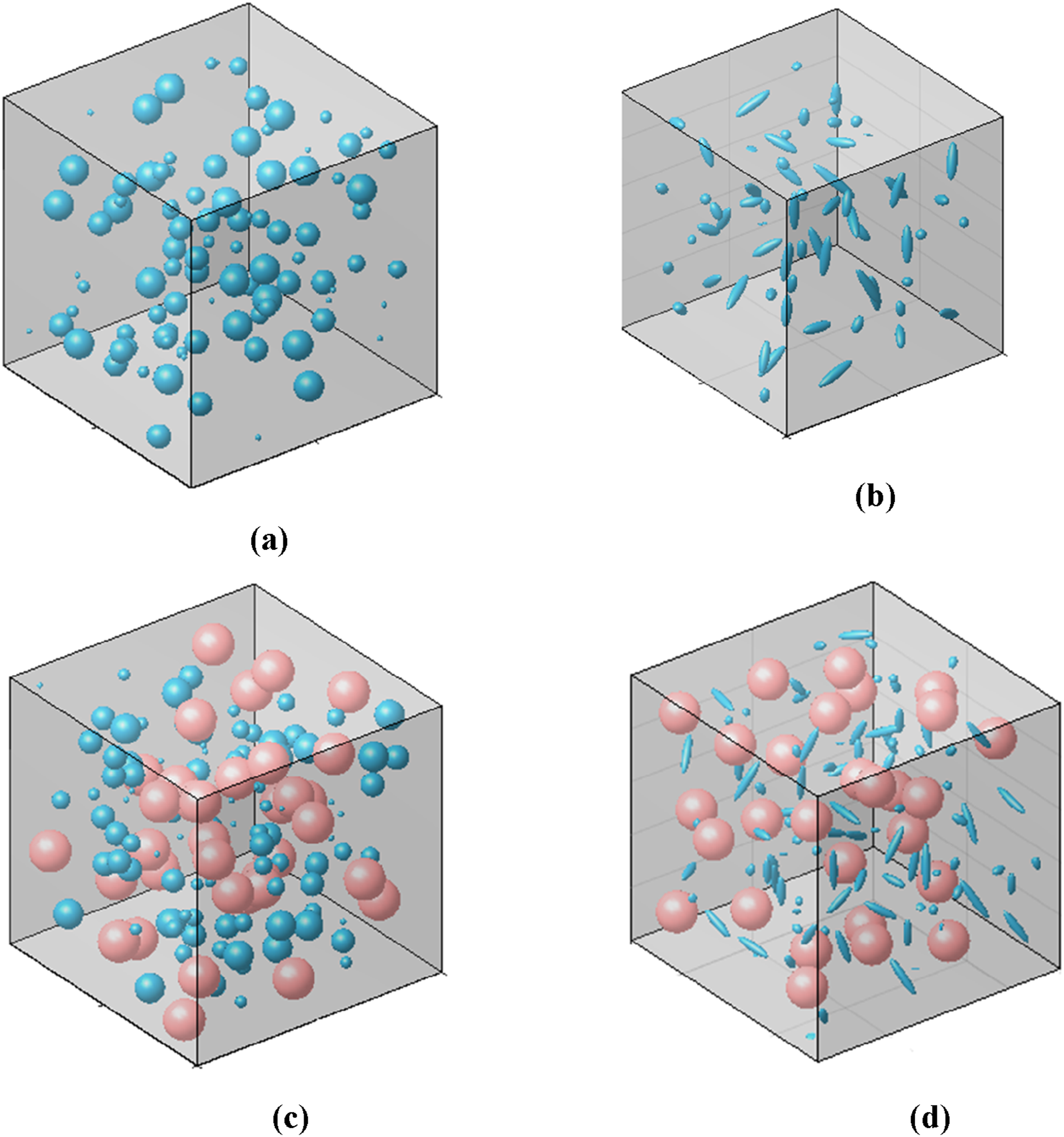
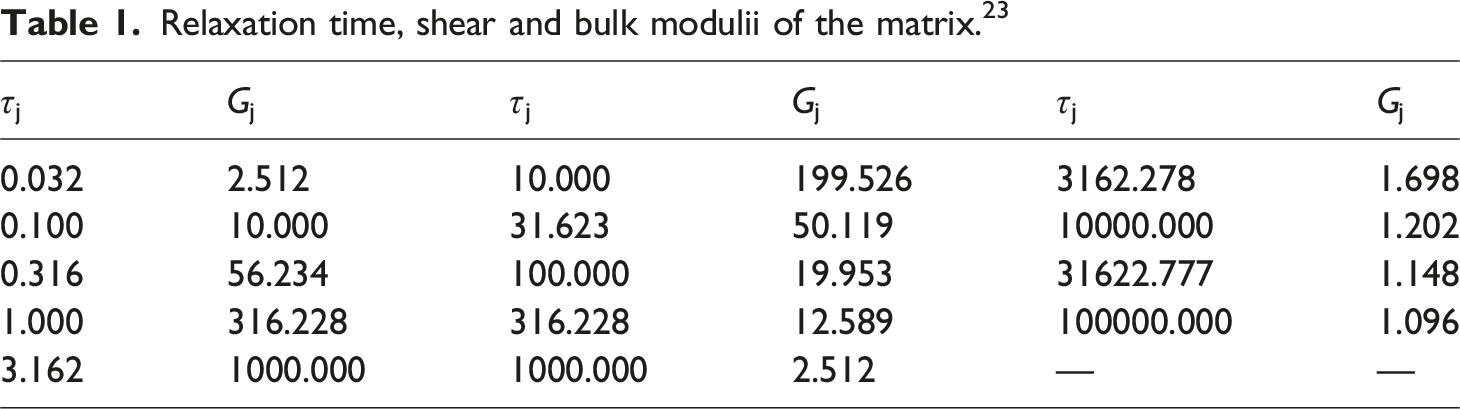
The proposed model is implemented in MATLAB for analysing the effects of pores on damping properties. Different pore shapes such as spherical, penny and long cylinderical of varying sizes with different volume fractions (5% and 10%) are added iteratively in the RVE. Fillers are also added iteratively in the RVE with varying volume fractions up to 30%. Particularly, four different RVEs are generated containing (i) only spherical pores, (ii) only mixed (hybrid) shape of pores, (iii) spherical pores as well as fillers and, (iv) hybrid pores as well as fillers. Figure 4 shows the four different RVEs consodered for present study. For non-spherical pore geometries, a statistically isotropic three-dimensional random orientation distribution is assumed to maintain macroscopic isotropy of the composite. Preferential alignment effects are not considered in the present formulation. The efficiency of the proposed model is assesed for RVE containing spherical fillers with available data provided in Ref. 23. The homogenized Young’s modulus as a function of frequency is obtained from equations (4)–(6) and loss factor RVE with randomly distributed (a) spherical pores, (b) different pore shapes of different sizes, (c) spherical pores as well as fillers and (d) different pores shapes as well as fillers. Relaxation time, shear and bulk modulii of the matrix.
23
To further illustrate the frequency-dependent viscoelastic response of the matrix material, cyclic stress–strain curves were reconstructed under harmonic loading. Figure 5 presents the stress–strain loops at representative low, intermediate, and high frequencies. The elliptical shape of the loops is characteristic of linear viscoelastic behaviour. The enclosed loop area, which corresponds to the energy dissipated per cycle, increases near the frequency associated with the peak loss factor and decreases at very low and very high frequencies. This behaviour is consistent with the predicted variation of damping with frequency. Frequency-dependent cyclic stress–strain curves reconstructed from the homogenized complex modulus. The loop area, representing energy dissipation per cycle, is largest near the peak loss factor frequency.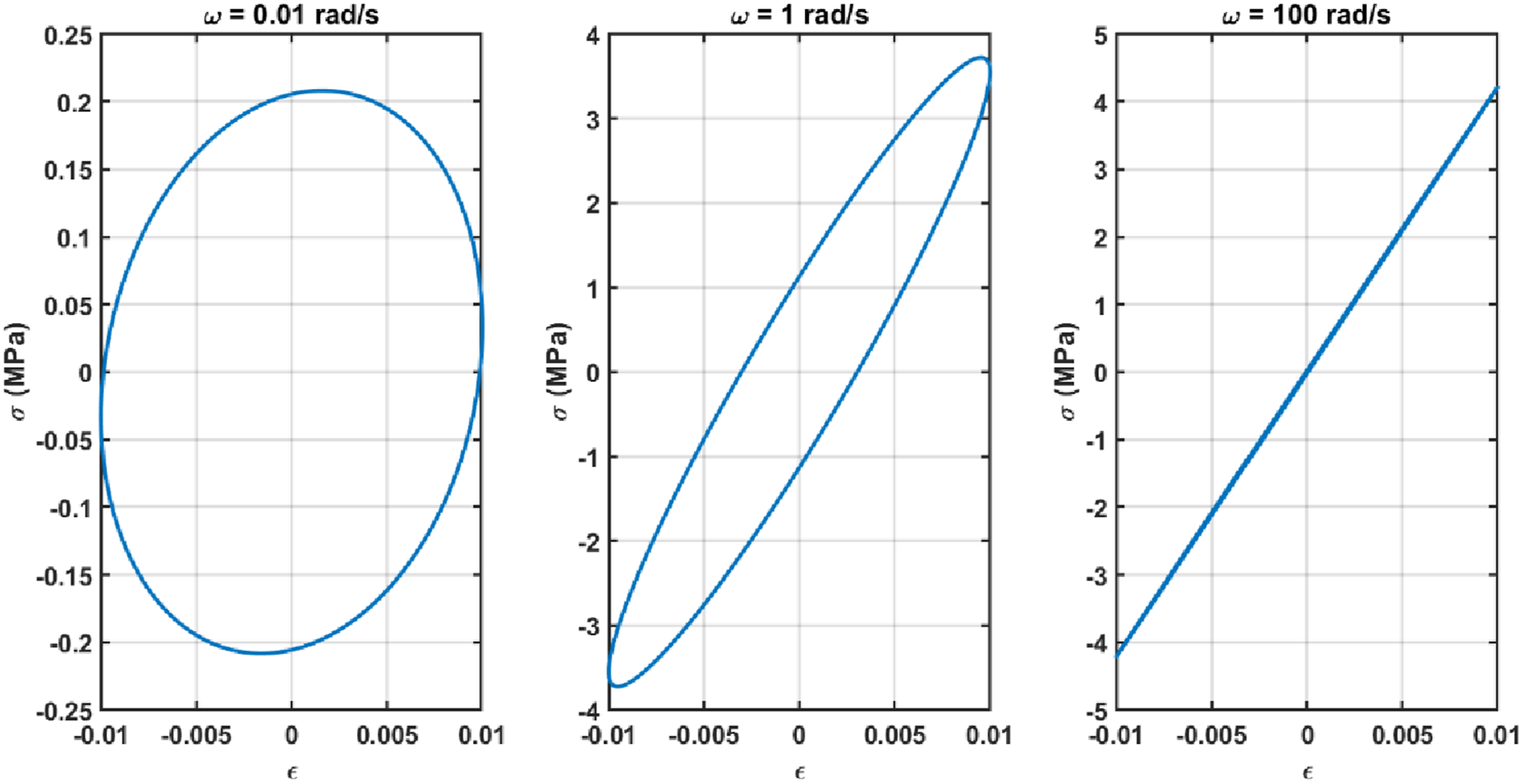
The values of (a) Variation of loss factor (tan δ) with frequency for different filler volume fractions. (b) Enlarged view of the peak region highlighting the shift and reduction in peak damping with increasing filler content. (c) Variation of peak loss factor with filler volume fraction predicted by the proposed model and comparison with reference results.
23
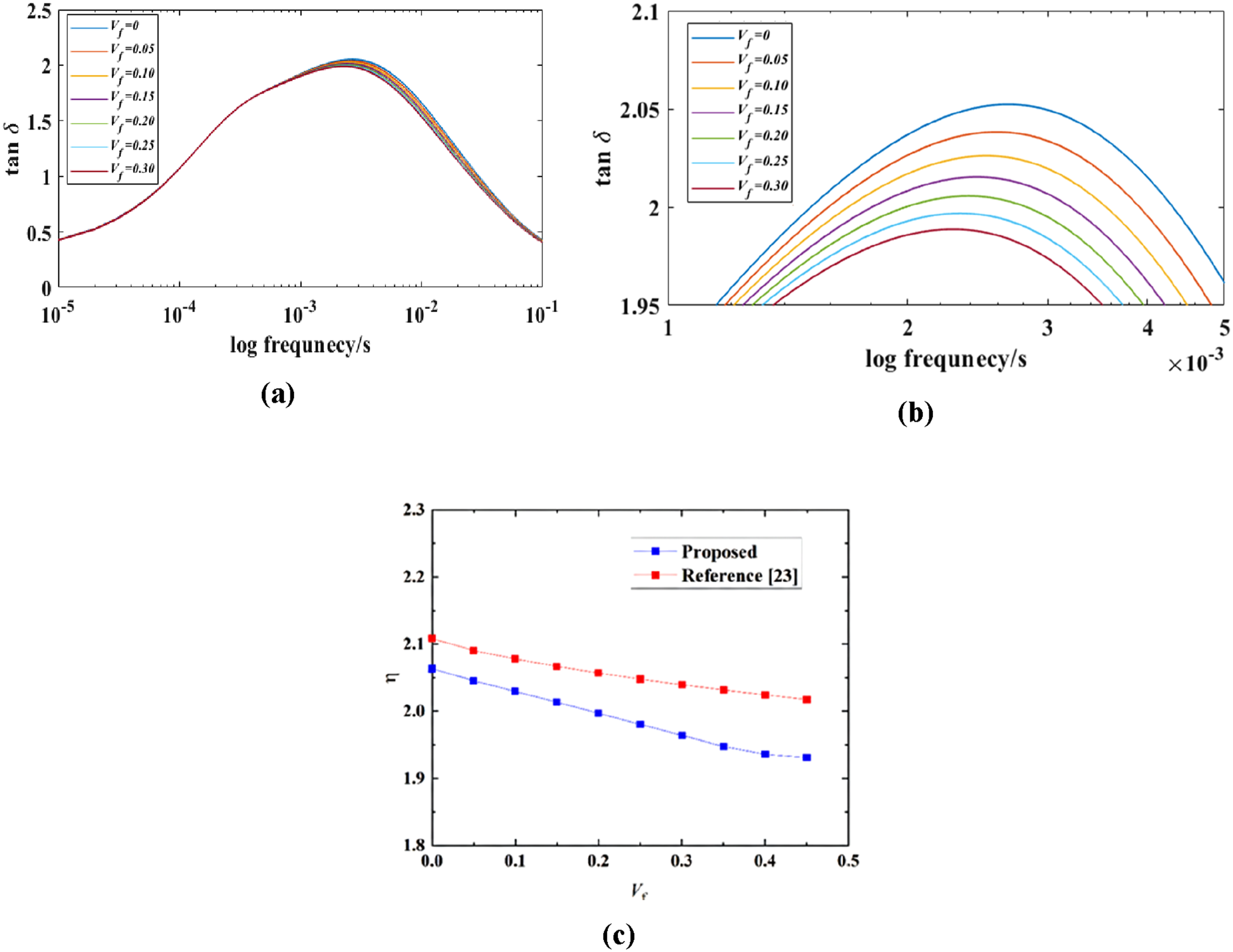
Figure 7 illustrates the variation of effective storage modulus E′ with filler volume fraction at different loading frequencies. As expected, the storage modulus increases monotonically with filler content due to the stiffening contribution of the filler phase. Furthermore, the modulus exhibits strong frequency dependence, with higher frequencies yielding larger storage modulus values. This behaviour reflects the viscoelastic nature of the matrix material, which behaves more elastically at higher loading frequencies and undergoes relaxation at lower frequencies. The near-flat response observed at very low frequency corresponds to the fully relaxed state of the matrix. Effective storage modulus E′ as a function of filler volume fraction at different loading frequencies.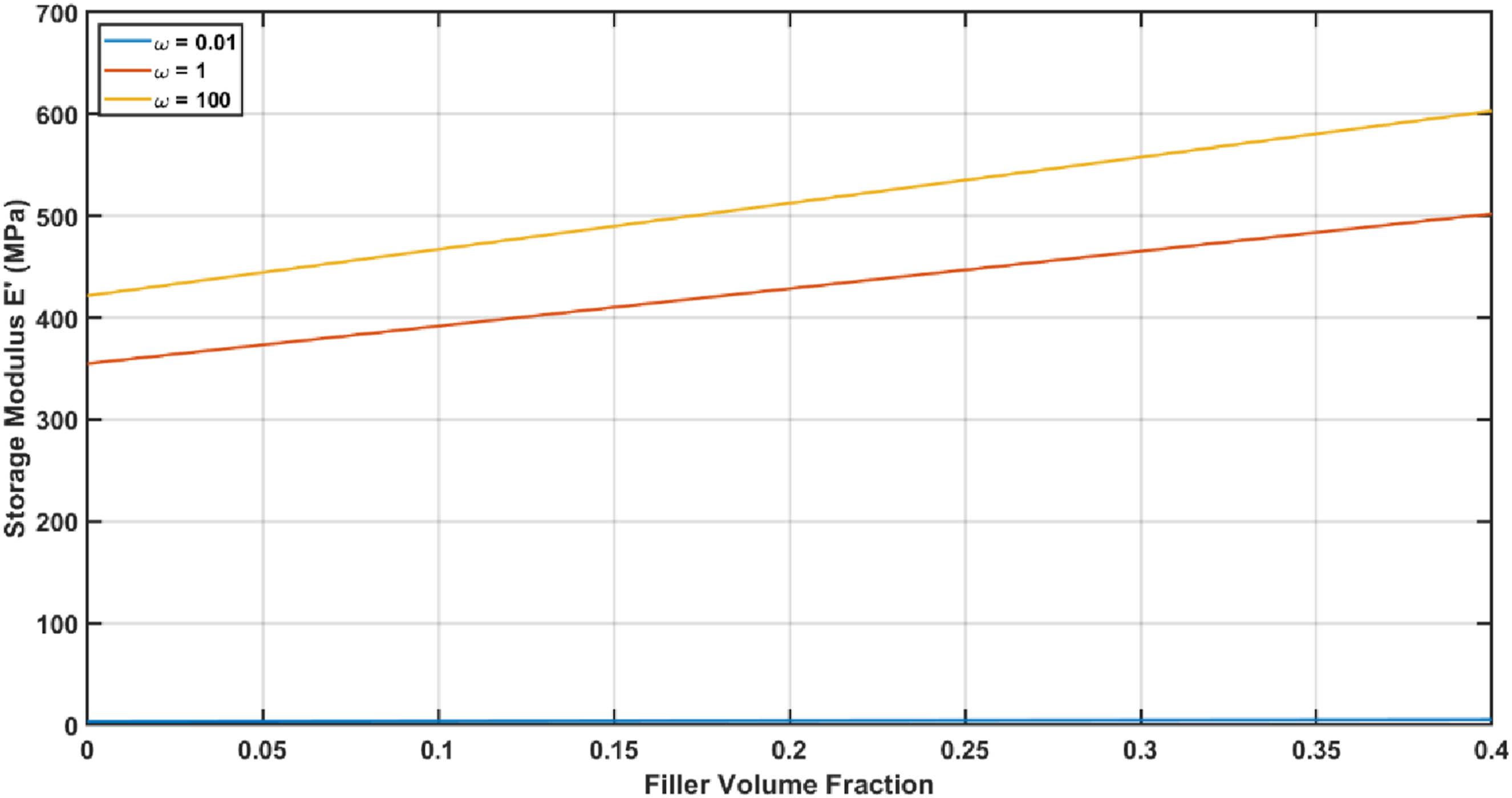
It is equally important to note that experimental datasets simultaneously reporting controlled filler content, quantified pore morphology, and frequency-dependent damping properties of particulate-filled elastomers are limited in the open literature. In most studies, porosity is either not systematically characterized or is treated as a manufacturing artifact without detailed microstructural quantification. This restricts direct one-to-one validation of micromechanical models incorporating both fillers and pores. The present validation is therefore conducted using the most comprehensive datasets available, while acknowledging that further experimental investigations with controlled pore morphology would strengthen model verification.
As a next step, the elastic modulus and loss factor are obtained for different filler shapes with and without presence of pores in RVE. Figure 8 illustrates the influence of pore shape on the complex modulus (E*) and the corresponding peak loss factor (represented by η) for a representative volume element (RVE) reinforced with spherical fillers. The results are presented for two different pore volume fractions: 5% and 10%. It is observed that, for all cases, the complex modulus E* decreases with an increase in the damping parameter η, indicating the typical stiffness–damping trade-off behaviour in particle-filled composites. The inclusion of pores, irrespective of their geometry, leads to a reduction in E* compared to the pore-free composite. However, the extent of this reduction strongly depends on the pore morphology. Among the different pore shapes considered, spherical pores cause a moderate reduction in stiffness, whereas elliptic cylindrical and penny-shaped pores result in a more pronounced decrease due to their higher aspect ratios and stress concentration effects. The hybrid-shaped pores show an intermediate behaviour, combining the effects of multiple geometries. Effect of different shape of (a) 5% and (b) 10 % volume fraction of pores on complex modulus (E*) versus peak loss factor (peak tan δ) for a RVE reinforced with spherical fillers having volume fraction ranges from 0 to 30 %.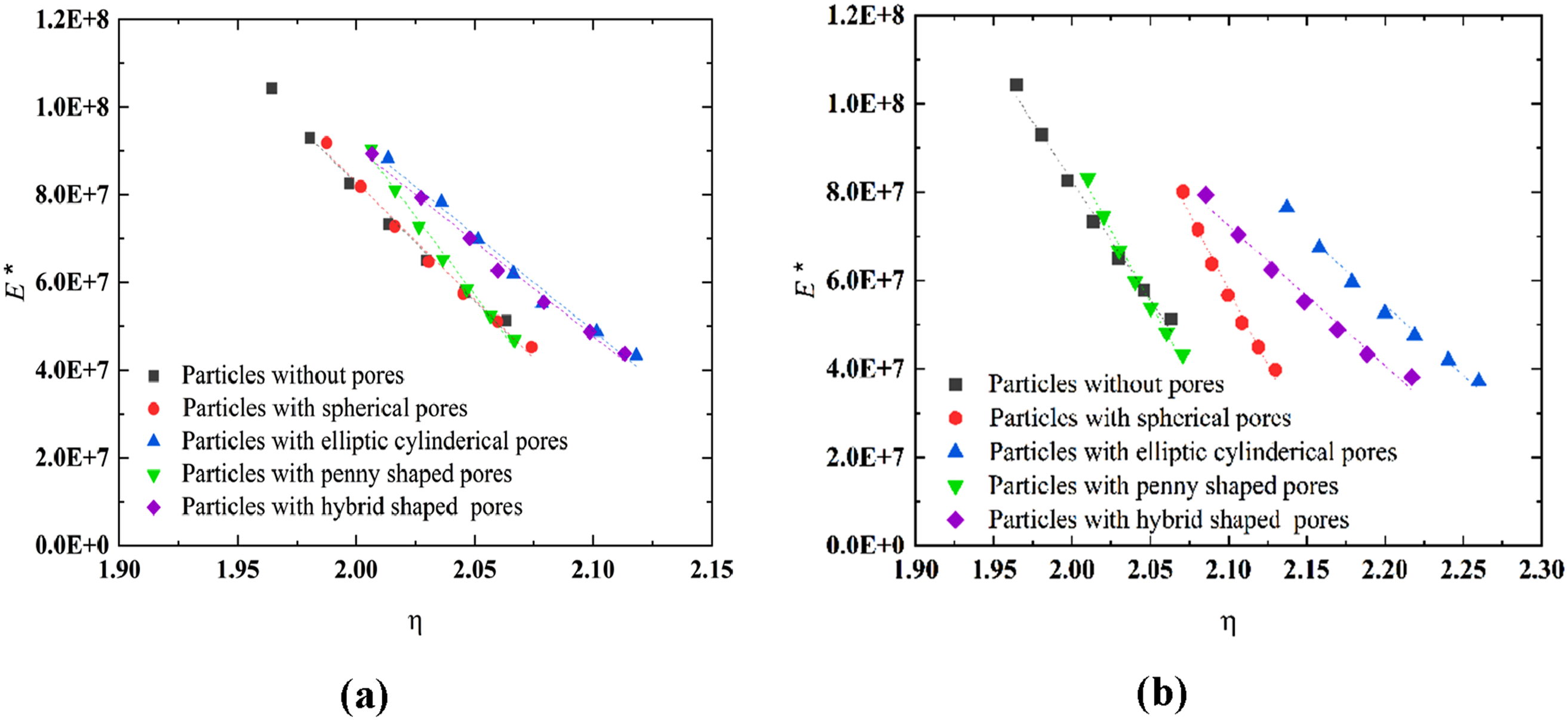
When the pore volume fraction increases from 5% to 10%, the overall modulus decreases significantly for all pore types, reaffirming the detrimental influence of porosity on stiffness. Concurrently, the damping capacity (peak tanδ) is enhanced, suggesting that higher porosity contributes to improved energy dissipation. Overall, it demonstrates that both the shape and volume fraction of pores play a critical role in governing the stiffness–damping balance of particle-reinforced composites. These findings emphasize the need for careful optimization of pore morphology to achieve desired mechanical and damping performance.
It is noted that the matrix–pore interaction represents a limiting case of the present two-step homogenization framework when the filler volume fraction is set to zero. Under this condition, the formulation reduces to a porous viscoelastic matrix without filler contribution. Therefore, the isolated effect of pore morphology on the effective response is inherently contained within the proposed model. The combined filler–pore results discussed subsequently build upon this baseline porous matrix response.
Conclusions
In this study, the influence of pore morphology on the damping and effective elastic properties of spherical particle-filled composites has been systematically investigated through a two-step stochastic homogenization framework. The developed model, based on a modified Mori–Tanaka approach coupled with a differential scheme, effectively captures the progressive inclusion of both pores and fillers within the composite microstructure. The results reveal that there exists a saturation threshold in the stiffness ratio of fillers to the matrix, beyond which further enhancement in filler stiffness yields negligible improvement in the overall elastic response. Furthermore, the presence of pores is shown to substantially degrade the elastic stiffness, emphasizing the critical role of porosity control in composite design. The close agreement between the analytical predictions and computational simulations validates the robustness and accuracy of the proposed model. Overall, the presented framework provides a reliable and efficient tool for predicting and optimizing the mechanical and damping behavior of porous particle-reinforced composites, offering valuable insights for the design of advanced materials with tailored dynamic properties.
Footnotes
Author contributions
Declaration of conflicting interests
The authors declared no potential conflicts of interest with respect to the research, authorship, and/or publication of this article.
Funding
The authors disclosed receipt of the following financial support for the research, authorship, and/or publication of this article: The authors extend their appreciation to the Deanship of Research and Graduate Studies at King Khalid University for funding this work through the Large Research Project under grant number RGP2/274/46.

Data Availability Statement
MATLAB codes generated or used during the study are available from the corresponding author by request.