



Abstract
Plasticizers are indispensable additives in polymer science, enabling the modification of polymer properties such as flexibility, durability, and processability. They play a vital role across various industries, including construction, automotive, healthcare, food packaging, and consumer products. Historically, phthalate-based plasticizers dominated the market due to their effectiveness and cost-efficiency. However, their environmental persistence and health risks, including endocrine-disrupting effects, have raised significant concerns, leading to regulatory restrictions and a search for safer alternatives. This review provides a comprehensive overview of the types, applications, and environmental impacts of plasticizers, with a focus on the transition from phthalate-based plasticizers to sustainable alternatives. Non-phthalate and bio-based plasticizers, such as citrates, adipates, and epoxidized soybean oil, are explored in detail for their performance, safety, and compliance with stringent environmental standards. Advances in sustainable plasticizer technology, including bio-based formulations, nanocomposite plasticizers, and recyclable options, are highlighted as promising solutions to address current challenges. The review also discusses the role of innovation and collaboration in developing next-generation plasticizers that meet industry demands while minimizing ecological footprints. It emphasizes the importance of balancing functionality, safety, and sustainability to ensure the responsible use of plasticizers in polymer applications. As the industry evolves, greener solutions are set to shape the future of plasticizer technology, promoting environmental stewardship and advancing global sustainability goals.
Keywords
Introduction
Plasticizers are chemical additives that are widely used in the manufacturing of polymeric materials to modify their physical properties. Their primary function is to enhance the flexibility, durability, and processability of polymers, particularly those like polyvinyl chloride (PVC), which is inherently rigid. By incorporating plasticizers into the polymer matrix, the resulting materials become more flexible, easier to shape, and more adaptable for use in a wide range of applications. These characteristics make plasticizers indispensable in the production of numerous consumer goods, industrial products, and medical devices. 1
The basic mechanism through which plasticizers work is by reducing the glass transition temperature (Tg) of the polymer, thus making it more pliable and less brittle at room temperature. This is achieved by disrupting the intermolecular forces between polymer chains, allowing them to move more freely. The result is a material that exhibits enhanced flexibility, reduced viscosity, and improved ease of processing, all of which are crucial factors in the production of plastics with desirable properties.2–6
Types of Plasticizers
Plasticizers can be broadly classified into two categories: phthalate-based and non-phthalate plasticizers, each of which has distinct characteristics, applications, and environmental impacts. However, concerns regarding the toxicity and environmental impact of phthalates have led to increasing regulatory scrutiny and public awareness. Studies have shown that some phthalates can act as endocrine disruptors, potentially leading to reproductive and developmental issues. As a result, the use of phthalate-based plasticizers has been restricted or banned in many regions, particularly in products intended for children and medical applications.
One promising category of non-phthalate plasticizers is the bio-based plasticizers, which are derived from renewable resources such as plant oils. These bio-based alternatives, such as epoxidized vegetable oils, offer the potential for a more sustainable solution while still providing the necessary flexibility and processing advantages in plastics manufacturing.
Applications of Plasticizers
Plasticizers are crucial in various industries due to their ability to modify the properties of polymeric materials to suit specific applications. The most significant use of plasticizers is in the production of flexible PVC, but they are also used in many other types of polymers and applications. (a) (b) (c) (d) (e)
Importance of Plasticizers
The importance of plasticizers in modern manufacturing cannot be overstated. They are key to the production of a vast array of products that are an integral part of everyday life. Their ability to modify the physical properties of polymers makes them essential in creating materials that meet specific performance requirements, from flexibility and toughness to chemical resistance and electrical insulation.
In addition to their critical role in enhancing material properties, plasticizers are also a cost-effective solution for improving the processing and handling of polymer materials. They reduce the energy required during processing, improve the ease of shaping and molding, and enable the use of lower-cost feedstocks without sacrificing performance. 16
However, the increasing concerns over the environmental and health impacts of traditional plasticizers have made it clear that there is a growing need for safer, more sustainable alternatives. The transition to bio-based and non-toxic plasticizers is not only driven by regulatory pressures but also by the industry’s recognition of the long-term environmental and economic benefits of adopting greener solutions.
As the global push for sustainability intensifies, the development of new plasticizer technologies that offer both high performance and reduced environmental impact will be essential for the continued growth of the plastics industry. The future of plasticizers lies in finding a balance between functionality, safety, and sustainability, which is a challenge that will drive innovation in the coming years. 17
Chemical Structure and Properties of Plasticizers
The chemical structure of plasticizers plays a critical role in their ability to modify the properties of polymers. Plasticizers are typically low-molecular-weight compounds that, when added to polymers, reduce intermolecular forces between polymer chains. This disruption allows the polymer chains to move more freely, resulting in enhanced flexibility, reduced brittleness, and improved processability of the material.
Plasticizers can be classified into two primary categories: ester-based and non-ester-based. Ester-based plasticizers, such as phthalates and adipates, contain ester groups (RCOOR), which are responsible for their ability to integrate with polymer chains. These esters can form van der Waals interactions with the polymer matrix, improving its workability. Non-ester-based plasticizers, like citrates and benzoates, often have different functional groups but still serve to reduce the glass transition temperature (Tg) of the polymer. 18
The properties of plasticizers, such as molecular size, polarity, and solubility, influence their compatibility with various polymers. The ideal plasticizer should exhibit good solubility in the polymer matrix while being chemically stable, non-volatile, and non-toxic. The selection of a plasticizer depends on the specific polymer and the desired material properties, including flexibility, durability, and processing requirements.
The chemical characteristics and interactions of plasticizers directly impact the mechanical, thermal, and chemical properties of the final product, making them essential components in a wide range of polymer-based applications.
To further elaborate, the chemical structure of plasticizers significantly influences their functionality and effectiveness in various applications. Ester-based plasticizers, such as phthalates and adipates, are the most commonly used due to their ability to modify polymer properties in a highly efficient manner. The ester group, consisting of a carboxyl group bonded to an alcohol group, allows these molecules to interact with the polymer chains and enhance their flexibility. The size and structure of the ester group can vary, affecting the compatibility and performance of the plasticizer in different polymers. 19
Non-ester-based plasticizers, on the other hand, offer distinct advantages in terms of environmental safety and toxicity profiles. For example, citrates, which are ester derivatives of citric acid, exhibit lower toxicity and are often used in food packaging and medical applications. These non-ester plasticizers may not be as effective as phthalates in some polymer systems, but their environmental and health advantages make them appealing alternatives. 20
In addition to molecular structure, the molecular weight of a plasticizer is another important factor. Plasticizers with higher molecular weights generally have lower volatility, which makes them more stable in the final product and less prone to migration over time. The solubility of plasticizers in the polymer matrix is also a critical factor—plasticizers must be well-dispersed within the polymer to ensure consistent performance and prevent phase separation.
Understanding the chemical structure and properties of plasticizers is key to selecting the right additive for specific applications, ensuring the desired balance between flexibility, stability, and safety. As the demand for more sustainable and non-toxic plasticizers grows, ongoing research is focused on optimizing both the chemical structure and properties of these additives to meet industry needs while minimizing environmental and health risks. 21
To further enhance the understanding of plasticizers, it’s also important to consider their compatibility with specific polymers and their long-term stability in end-use applications. (a) (b) (c)
The Molecular Basis of Flexibility
The molecular basis of flexibility in polymeric materials is closely linked to the interactions between the polymer chains and the plasticizers added to them. Plasticizers function by altering the molecular structure and dynamics of the polymer matrix, specifically by reducing the intermolecular forces that hold the polymer chains together. This reduction in intermolecular forces allows the polymer chains to slide past one another more easily, resulting in increased flexibility and reduced brittleness in the material. The key mechanisms by which plasticizers influence the molecular structure of polymers include. (a) (b) (c) (d) (e)
Physical Properties of Plasticizers: Effects on Polymer Performance and Processability
The physical properties of plasticizers play a critical role in their effectiveness and influence the performance and processability of the polymers they modify. When plasticizers are added to a polymer matrix, they can significantly alter the material’s mechanical, thermal, and processing properties. The interaction between plasticizers and the polymer determines how easily the material can be shaped, molded, and processed, as well as how well it performs in its final application. Key physical properties of plasticizers that impact polymer performance and processability include. (a) (b) (c) (d) (e) (g) (h)
Compatibility and Interactions: How Plasticizers Integrate with Polymers at the Molecular Level
The effectiveness of a plasticizer in enhancing polymer properties depends significantly on its compatibility and molecular interactions with the polymer matrix. Compatibility refers to the ability of the plasticizer to uniformly disperse within the polymer without causing phase separation, while molecular interactions determine the extent to which the plasticizer can influence the physical properties of the polymer. These factors are influenced by the chemical structure, polarity, and physical properties of both the plasticizer and the polymer.
Molecular Compatibility
For a plasticizer to function effectively, it must blend homogeneously with the polymer matrix. This compatibility is largely dictated by the similarity in polarity between the plasticizer and the polymer.
34
For example. (1) PVC (Polyvinyl Chloride), a polar polymer, exhibits excellent compatibility with polar plasticizers like phthalates and adipates due to their similar dipole moments. (2) Nonpolar polymers, such as polyethylene, require nonpolar plasticizers like aliphatic hydrocarbons to achieve good compatibility.
The chemical structure of the plasticizer also influences its miscibility with the polymer. Plasticizers with functional groups that can form favorable interactions—such as hydrogen bonds or van der Waals forces—are more likely to integrate uniformly into the polymer. 35
Interactions at the Molecular Level
The integration of plasticizers into polymers involves several key molecular interactions:
26
Thermodynamic Factors
The thermodynamics of mixing also plays a critical role in determining compatibility. The interaction parameter (χ), which quantifies the energy of mixing, must be low for a plasticizer and polymer to mix effectively. A low χ value indicates that the enthalpic interactions between the plasticizer and polymer are favorable, resulting in a single-phase system.
Factors Affecting Plasticizer Integration
Several factors influence how well a plasticizer integrates with a polymer.
Challenges of Plasticizer Migration
While compatibility ensures initial integration, the tendency of a plasticizer to migrate out of the polymer over time can pose significant challenges. Migration occurs due to weak interactions between the plasticizer and polymer, leading to phase separation, reduced flexibility, and potential environmental or health concerns. This issue is particularly pronounced with small, volatile plasticizers. 39
Strategies to Improve Compatibility
Comparative discussion of Mechanical, thermal, and Migration Behavior
Among common plasticizers, DEHP and DINP exhibit higher plasticization efficiency due to their optimal molecular flexibility and polarity, while polymeric and epoxidized plasticizers show lower Tg reduction but improved migration resistance.
Comparative performance of representative phthalate and non-phthalate plasticizers in PVC.
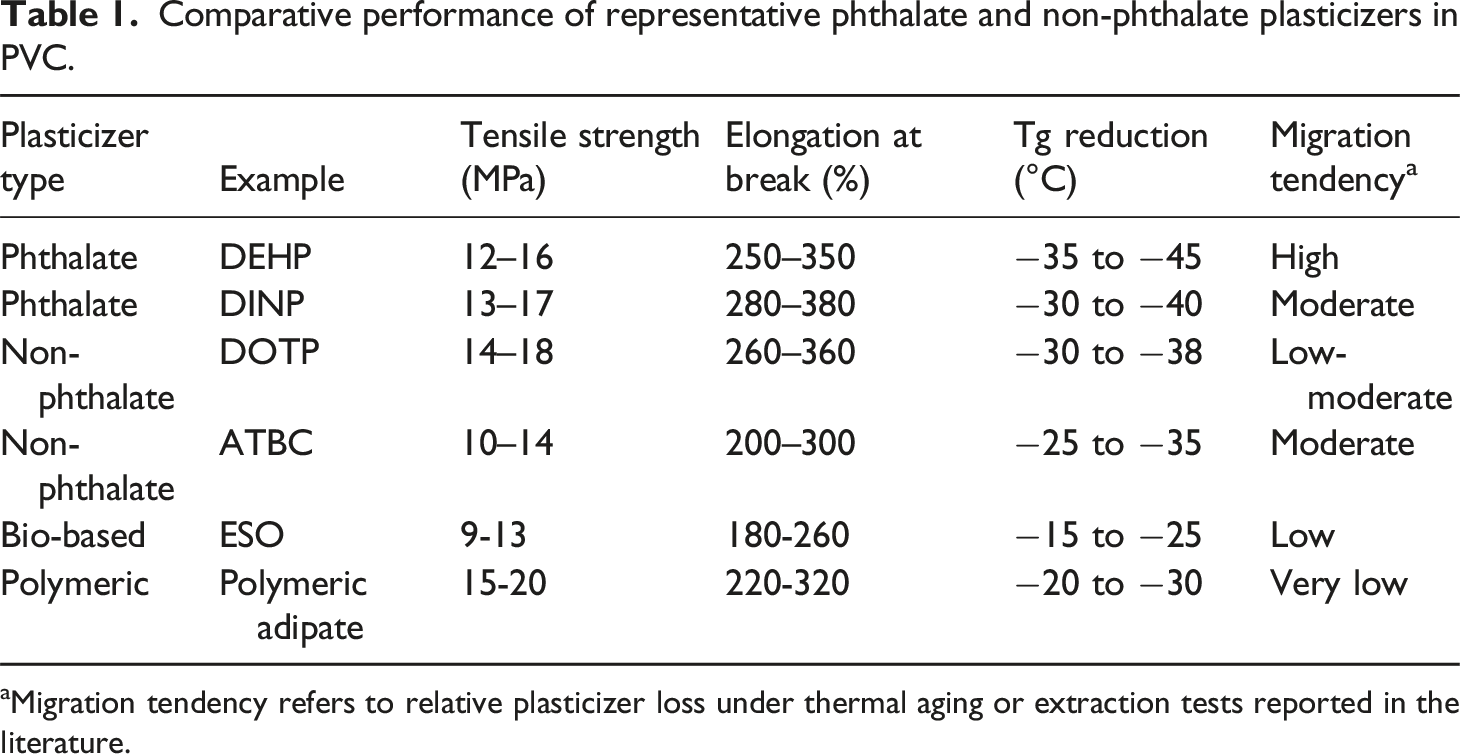
aMigration tendency refers to relative plasticizer loss under thermal aging or extraction tests reported in the literature.
Non-phthalate alternatives, including DOTP and citrate-based plasticizers, demonstrate comparable mechanical performance while exhibiting reduced migration rates, attributable to their higher molecular weight and improved polymer–plasticizer interactions. Bio-based plasticizers such as epoxidized soybean oil show lower Tg reduction and tensile performance but offer superior migration resistance and improved environmental profiles. Polymeric plasticizers exhibit the lowest migration tendencies due to restricted diffusivity, making them suitable for long-term and safety-critical applications despite slightly reduced plasticization efficiency.
These comparative trends highlight the intrinsic trade-off between plasticization efficiency, mechanical performance, and long-term stability, underscoring the need for application-specific plasticizer selection rather than reliance on a single performance metric. 8
Theoretical Framework of Plasticization: Free Volume Theory and Polymer–Plasticizer Interaction Parameter (χ)
The plasticization of polymeric materials is fundamentally governed by molecular-level mechanisms that control chain mobility, thermodynamic compatibility, and phase stability. Among the most widely accepted theoretical approaches, the free volume theory provides a robust framework for explaining the reduction in glass transition temperature (Tg) and the enhancement of polymer flexibility upon plasticizer incorporation. 6
According to the free volume theory, plasticizer molecules increase the fractional free volume within the polymer matrix by occupying intermolecular spaces and weakening cohesive forces between polymer chains. This increase in free volume facilitates segmental motion, lowers the activation energy for chain mobility, and consequently reduces Tg. As a result, the polymer transitions from a rigid, glassy state to a more flexible and ductile material at lower temperatures. This mechanism has been extensively employed to rationalize the plasticization behavior of thermoplastics such as PVC and elastomer-modified systems. Plasticizers such as DEHP, DINP, DOTP, ATBC, and ESO have been reported to reduce the Tg of PVC by approximately 20–50°C, depending on plasticizer type and loading. 11
Beyond free volume considerations, the thermodynamic compatibility between polymers and plasticizers is commonly described using the polymer–plasticizer interaction parameter (χ) derived from Flory–Huggins theory. The χ parameter quantifies the energetic favorability of mixing and serves as a critical indicator of miscibility and long-term stability. Low χ values indicate favorable polymer–plasticizer interactions, leading to homogeneous dispersion, reduced phase separation, and improved resistance to plasticizer migration. Conversely, high χ values reflect poor compatibility, often resulting in exudation, mechanical property deterioration, and reduced service lifetime.
Recent studies have demonstrated that optimized plasticizer performance arises from a balanced interplay between free volume generation and favorable χ-driven interactions. These emphasize that plasticizer efficiency cannot be assessed solely by molecular size or polarity but must also account for interaction thermodynamics and structural compatibility within the polymer matrix. Such insights are particularly relevant for non-phthalate and bio-based plasticizers, where molecular architecture is intentionally tailored to achieve low χ values while maintaining sufficient plasticization efficiency. 40
In flexible PVC systems, the incorporation of low-molecular-weight phthalates typically results in Tg reductions of 30–45°C, whereas non-phthalate and bio-based plasticizers generally produce moderate Tg shifts in the range of 15–35°C, reflecting differences in molecular size and polymer compatibility. 41
Overall, integrating free volume theory with polymer–plasticizer interaction thermodynamics provides a unified framework for understanding plasticization mechanisms, predicting material behavior, and guiding the rational design of next-generation sustainable plasticizers. 4 The extent of plasticizer-induced Tg reduction can be controlled through plasticizer molecular weight selection, optimized loading levels, use of secondary polymeric plasticizers, and enhanced polymer–plasticizer compatibility, which collectively help balance flexibility and thermal stability. 42
Environmental Impact of Plasticizers
Plasticizers, while indispensable for improving the flexibility and usability of polymers, have raised significant environmental concerns over the years. The most pressing issue is the migration of plasticizers from polymer matrices into the environment. This leaching process can contaminate soil, water, and air, particularly in landfills and marine ecosystems where plastic waste accumulates. Once released, many conventional plasticizers, such as phthalates, persist in the environment due to their resistance to degradation. 29
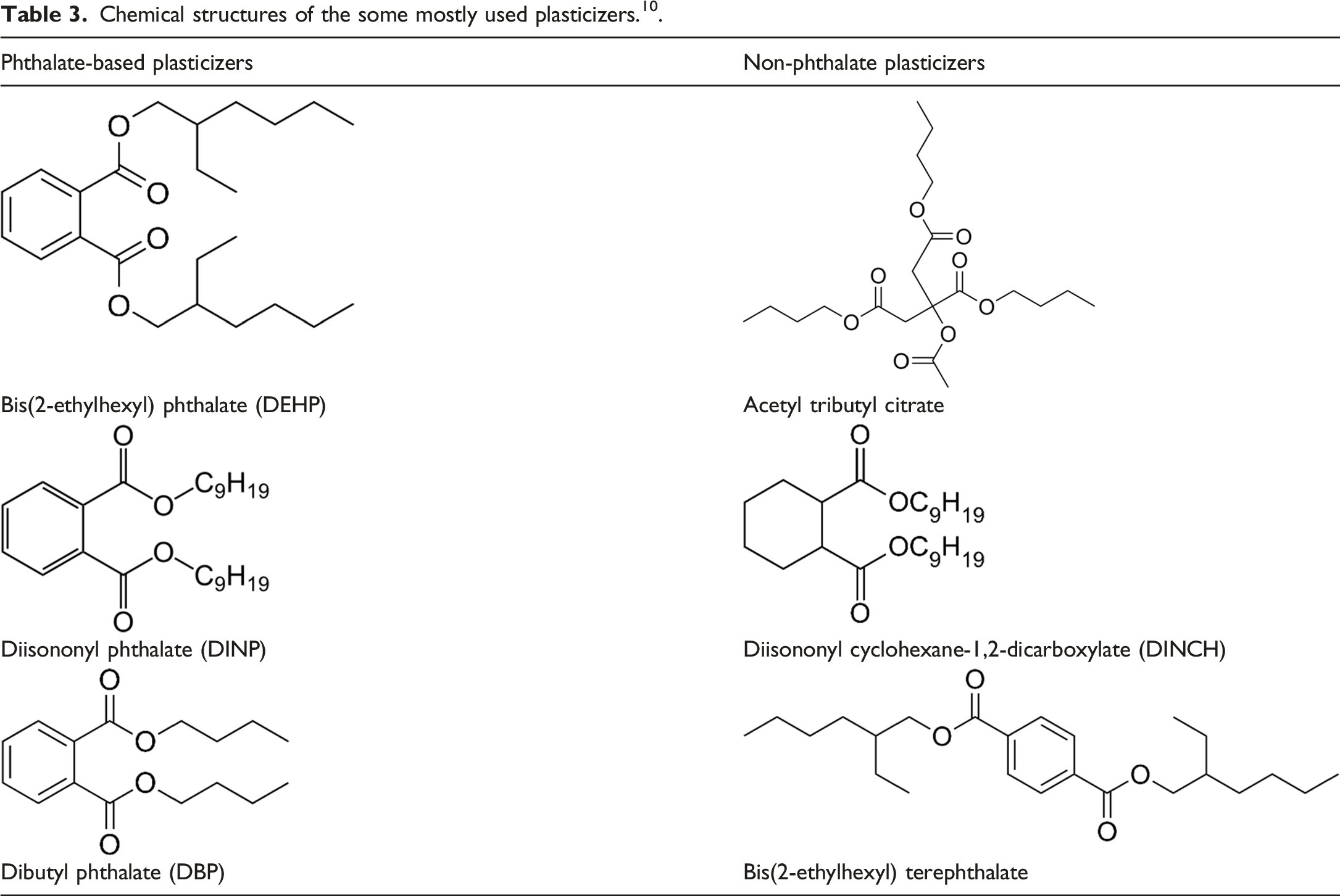
Chemical structures of the some mostly used plasticizers. 10 .
The production and disposal of plasticizers also contribute to greenhouse gas emissions and energy consumption. Conventional plasticizers derived from petrochemicals are associated with fossil fuel depletion and carbon emissions, further exacerbating climate change. 43
Regulatory Landscape: Global Standards and Policies on Plasticizers
The regulatory framework governing plasticizers has evolved significantly due to rising concerns about their environmental and health impacts. Governments and international organizations have implemented stringent standards and policies to manage the production, use, and disposal of plasticizers, particularly those considered hazardous.8,9,30
Regulatory frameworks such as
European Union (EU)
The EU has one of the most comprehensive regulatory landscapes for plasticizers. The
United States
In the U.S., the
Asia-Pacific Region
Countries like Japan, China, and South Korea are adopting stricter regulations on plasticizers. China’s
Global Trends and Alternatives
Globally, there is a growing push toward banning or limiting hazardous plasticizers and promoting alternatives. Bio-based and non-phthalate plasticizers are increasingly preferred for their lower toxicity and environmental footprint. Additionally, industry certifications like
Bio-Based and Green Plasticizers: Trends and Challenges
The increasing demand for sustainable and environmentally friendly materials has driven significant interest in bio-based and green plasticizers. Unlike conventional plasticizers derived from petrochemicals, bio-based plasticizers are produced from renewable resources such as plant oils, fatty acids, and natural polymers. These alternatives aim to reduce the environmental footprint of plasticizers while maintaining or improving their functional properties. 31
Trends in Bio-Based and Green Plasticizers
Renewable Feedstocks
Many bio-based plasticizers are derived from renewable feedstocks, including vegetable oils (soybean, castor, and palm oil), citric acid, and starch derivatives. For example, epoxidized soybean oil (ESBO) is widely used as a non-toxic and biodegradable plasticizer in PVC applications. 8
Low Toxicity and Environmental Impact
Green plasticizers are designed to minimize environmental persistence and toxicity. They often exhibit better biodegradability and lower bioaccumulation potential compared to traditional phthalates. For instance, citrate-based plasticizers, derived from citric acid, are extensively used in food packaging and medical devices due to their safety profile. 10
Application Expansion
Advances in technology have enabled bio-based plasticizers to penetrate diverse markets, including automotive, construction, food packaging, and medical applications. These materials are increasingly preferred for products requiring stringent regulatory compliance and sustainability credentials. 14
Market Growth
The global market for bio-based plasticizers is expanding rapidly, driven by consumer demand, regulatory pressures, and corporate sustainability goals. Regions such as North America and Europe lead the adoption, while Asia-Pacific shows significant growth potential. 13
Recent market-oriented studies indicate that the global demand for non-phthalate and bio-based plasticizers has increased steadily since 2020, driven primarily by regulatory restrictions on conventional phthalates and growing sustainability requirements across consumer and industrial sectors. Market analyses consistently report higher adoption rates of citrate-, terephthalate-, and epoxidized oil-based plasticizers in medical, food-contact, and childcare applications, where regulatory compliance and low migration are critical. While bio-based plasticizers currently account for a smaller market share compared to conventional systems, their growth rate is significantly higher, reflecting a structural transition toward safer and more sustainable plasticizer technologies. These trends highlight that market expansion is increasingly governed by regulatory robustness and long-term performance rather than cost alone.5, 8
Challenges in Adopting Bio-Based Plasticizers
Cost and Scalability
One of the primary barriers to widespread adoption is the higher production cost of bio-based plasticizers compared to conventional alternatives. The scalability of renewable feedstock supply chains also poses a challenge, especially for large-scale industrial applications. 46
Performance Trade-Offs
While bio-based plasticizers offer environmental benefits, achieving parity with the performance of petrochemical-based plasticizers remains a challenge. Factors such as compatibility, thermal stability, and migration resistance must be optimized to meet industry requirements. 2
Feedstock Competition
The use of agricultural resources for bio-based plasticizers competes with food production and other bio-economy sectors, raising concerns about sustainability and resource allocation. 19
Regulatory and Market Acceptance
Despite growing interest, some markets remain hesitant to transition to bio-based alternatives due to uncertainties about long-term performance, regulatory frameworks, and cost implications. 47
From a market perspective, non-phthalate and bio-based plasticizers are increasingly favored not solely due to regulatory compliance but also because of shifting industrial and consumer expectations regarding material safety and environmental responsibility. Manufacturers are progressively prioritizing plasticizers that offer low migration, regulatory robustness, and compatibility with circular economy strategies, even when associated with higher initial costs. This qualitative shift reflects a broader transition from cost-driven material selection toward risk- and sustainability-informed decision-making, particularly in high-value applications. As a result, market adoption is increasingly aligned with long-term performance, compliance stability, and lifecycle considerations rather than short-term economic advantages. 36
Innovations, Applications, and Sustainability
Plasticizers are essential additives that enhance the flexibility and durability of polymeric materials. Recent innovations in plasticizer chemistry focus on developing non-toxic, bio-based alternatives to traditional phthalates, reducing environmental and health impacts. Applications of plasticizers span diverse industries, including construction, automotive, healthcare, and food packaging, where they improve material performance and processability. 3
The push for sustainability has driven the industry toward greener solutions, such as plasticizers derived from renewable resources like vegetable oils and citric acid. These alternatives offer reduced toxicity, enhanced biodegradability, and compliance with stringent regulatory standards. 22 As technology evolves, sustainable plasticizers are shaping the future of the plastic industry by balancing performance with environmental responsibility.33–35
Plasticizers in the Production of Polymeric Materials
Plasticizers play a pivotal role in the production of polymeric materials by enhancing their flexibility, elasticity, and overall performance. These additives reduce intermolecular forces within polymer chains, allowing them to move more freely and imparting desired mechanical properties. Without plasticizers, many polymers, such as PVC (polyvinyl chloride), would be too rigid for practical applications. 4
PVC is the most common material that benefits from plasticization, used extensively in products like cables, flooring, and medical devices. Plasticizers improve its flexibility, making it suitable for diverse applications. Other polymers, including cellulose derivatives and synthetic rubbers, also rely on plasticizers to achieve specific properties tailored to industrial needs. 25
The choice of plasticizer depends on factors like polymer compatibility, desired properties, and regulatory requirements. Traditional plasticizers, such as phthalates, have been widely used but face scrutiny due to their potential health and environmental risks. This has led to the rise of non-phthalate and bio-based plasticizers, which offer safer and more sustainable options. 5
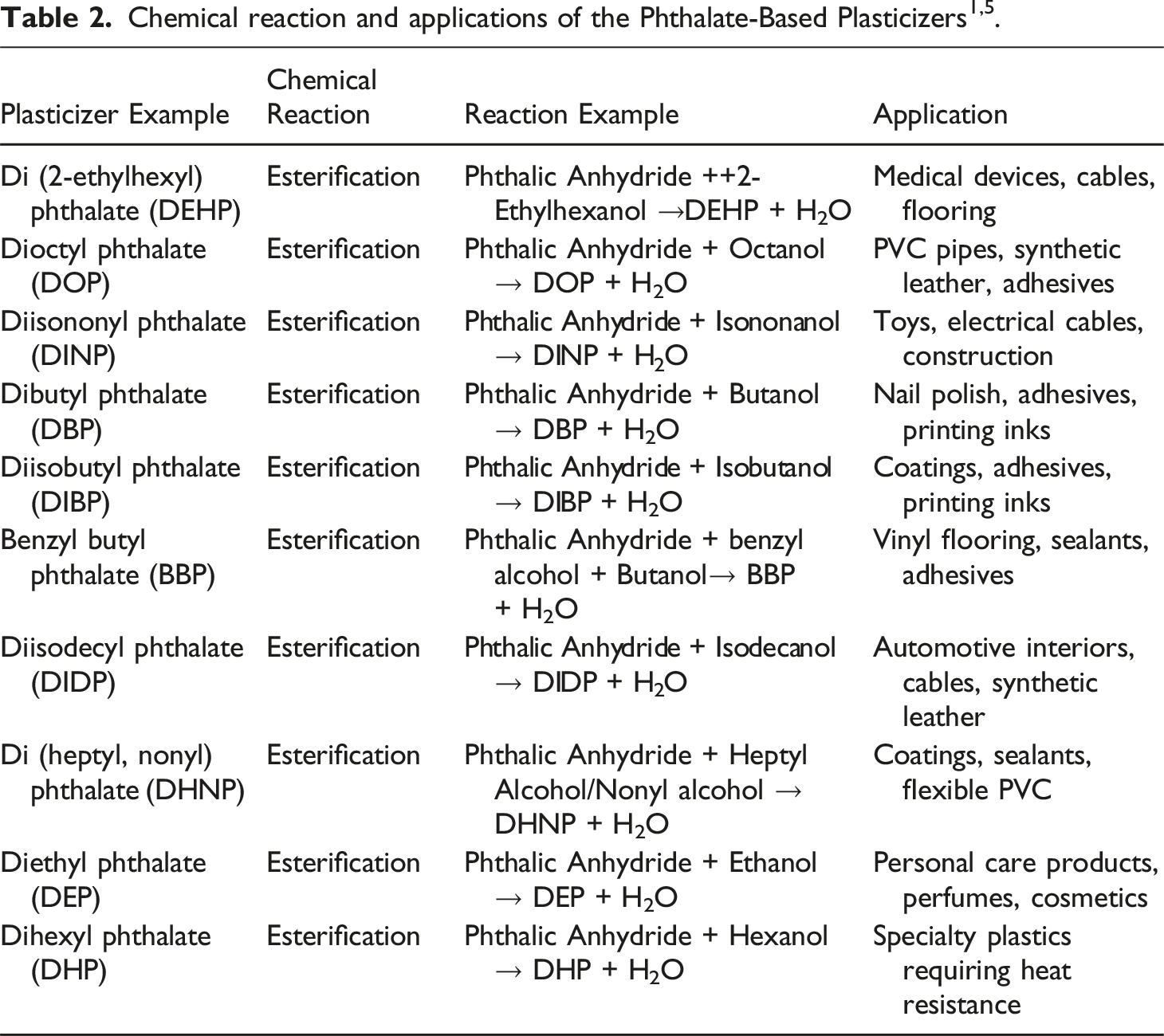
The integration of plasticizers in polymer production highlights their indispensable role in modern material science. As the industry moves toward greener solutions, advancements in plasticizer technology will continue to drive innovation across various sectors (Table 3). 31
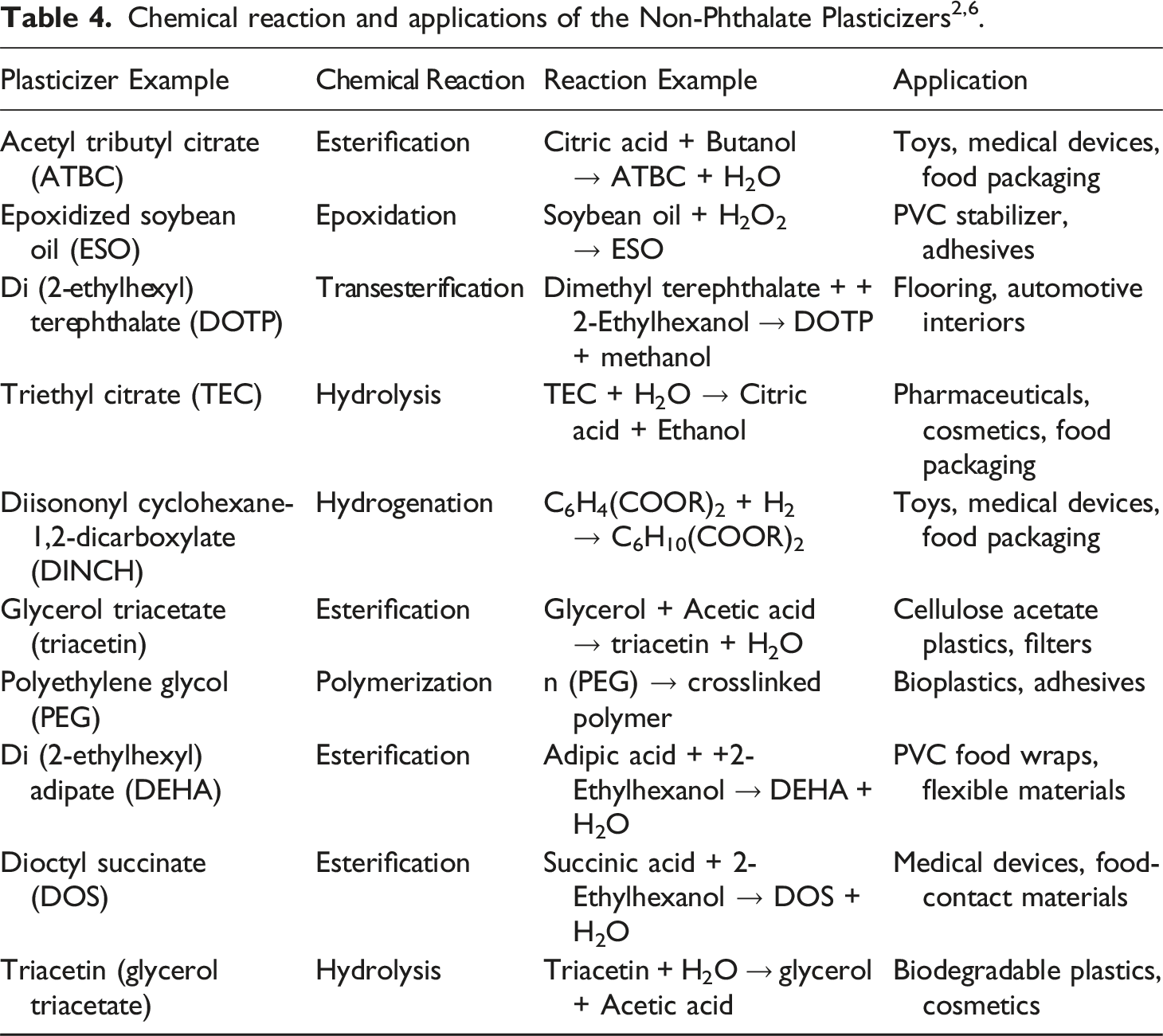
Recent Innovations in Plasticizer Chemistry and Technology
The landscape of plasticizer chemistry has evolved significantly in recent years, driven by growing concerns about the environmental and health impacts of traditional plasticizers. Innovations in plasticizer chemistry focus on creating safer, more sustainable alternatives without compromising the performance characteristics that plasticizers provide to polymers. 22
One of the major advancements has been the development of
Future Directions: Sustainable Plasticizers for the Plastic Industry
The growing global emphasis on sustainability and environmental responsibility is reshaping the future of the plastic industry, with a particular focus on plasticizers. Traditional plasticizers, such as phthalates, have raised concerns due to their toxicity and persistence in the environment. This has led to a significant shift toward developing
One of the key future directions is the continued development of
Another promising direction involves
As regulatory pressures on traditional plasticizers continue to tighten, the development of
Application of Plasticizers in Various Industries: From PVC to Food Packaging
Plasticizers are versatile additives widely used across various industries to enhance the flexibility, durability, and processability of polymeric materials. They are integral to improving the performance of plastics in a wide array of applications, from construction materials to food packaging. 39
Polyvinyl Chloride (PVC)
PVC is one of the most common polymers that rely on plasticizers to achieve desired flexibility. Without plasticizers, PVC would be rigid and unsuitable for many applications. By incorporating plasticizers, PVC becomes more flexible, making it ideal for products such as flooring, window profiles, pipes, and medical devices. Phthalates, such as di (2-ethylhexyl) phthalate (DEHP), were traditionally used in PVC formulations, although non-phthalate alternatives are increasingly favored due to their safer profiles. 40
Construction and Automotive
Plasticizers play a crucial role in the construction industry, particularly in products like pipes, cables, and flooring. In the automotive sector, plasticized polymers are used for interior components, including seat covers, dashboards, and door panels, providing the necessary flexibility and durability. These applications benefit from plasticizers that enhance performance while maintaining the required level of resistance to heat and mechanical stress. 41
Medical Devices
In the healthcare industry, plasticizers are critical in making medical products, such as blood bags, catheters, and IV tubing, more flexible and easier to handle. Plasticized PVC is commonly used for these devices due to its biocompatibility and durability. Non-toxic, bio-based plasticizers, such as citrate esters, are being increasingly adopted in medical applications to mitigate any health concerns associated with phthalate-based plasticizers. 42
Food Packaging
The food packaging industry relies heavily on plasticizers, especially in the production of flexible films and containers. Plasticizers in food packaging materials, such as PVC and polyolefins, enhance the product’s flexibility, allowing for better sealing, stretching, and formability. The rising demand for
Footwear and Apparel
In the footwear and textile industries, plasticizers are used in the production of synthetic leather, shoe soles, and soft fabrics. By incorporating plasticizers, these materials gain the necessary flexibility and comfort, making them suitable for a range of products, from high-performance athletic wear to fashion apparel. Non-toxic plasticizers are particularly important in these sectors to ensure product safety and sustainability. 44
Toys and Consumer Goods
Plasticizers are also integral in the production of soft, flexible plastics used in children’s toys, inflatable products, and consumer goods. Non-toxic plasticizers are essential in this sector to minimize health risks for children. Regulatory bodies, such as the
Alternatives to Traditional Plasticizers: a Comparative Study
As concerns over the environmental and health risks associated with traditional plasticizers, particularly phthalates, grow, the industry is increasingly shifting towards safer and more sustainable alternatives. This comparative study explores the various alternatives to traditional plasticizers, evaluating their performance, safety, and environmental impact. 18
Bio-Based Plasticizers
Bio-based plasticizers are derived from renewable natural resources, such as vegetable oils, fatty acids, and citric acid. These alternatives offer significant environmental benefits, including reduced reliance on fossil fuels and improved biodegradability.
49
Non-Phthalate Plasticizers
Non-phthalate plasticizers are a direct response to the health concerns associated with phthalates, which are known to be endocrine disruptors. These alternatives offer similar performance characteristics without the toxicological risks.
46
Citrate Esters
Citrate esters are another category of non-toxic, renewable plasticizers derived from citric acid. They are gaining popularity in food packaging, medical devices, and children’s toys due to their safety profile.
Benzoate-Based Plasticizers
Benzoate-based plasticizers are derived from benzoic acid and are used as alternatives to phthalates in a wide range of applications. They are commonly used in flexible PVC products and are considered safer for human health.
28
Polymer-Based Plasticizers
Polymeric plasticizers, often made from high molecular weight polymers, are used in high-performance applications where low migration and long-term stability are required.
Comparative Analysis
When comparing these alternatives, several key factors come into play
17
.
Performance–Cost–Sustainability Trade-offs of Sustainable Plasticizers
Physical properties of phthalate-based plasticizers. 17
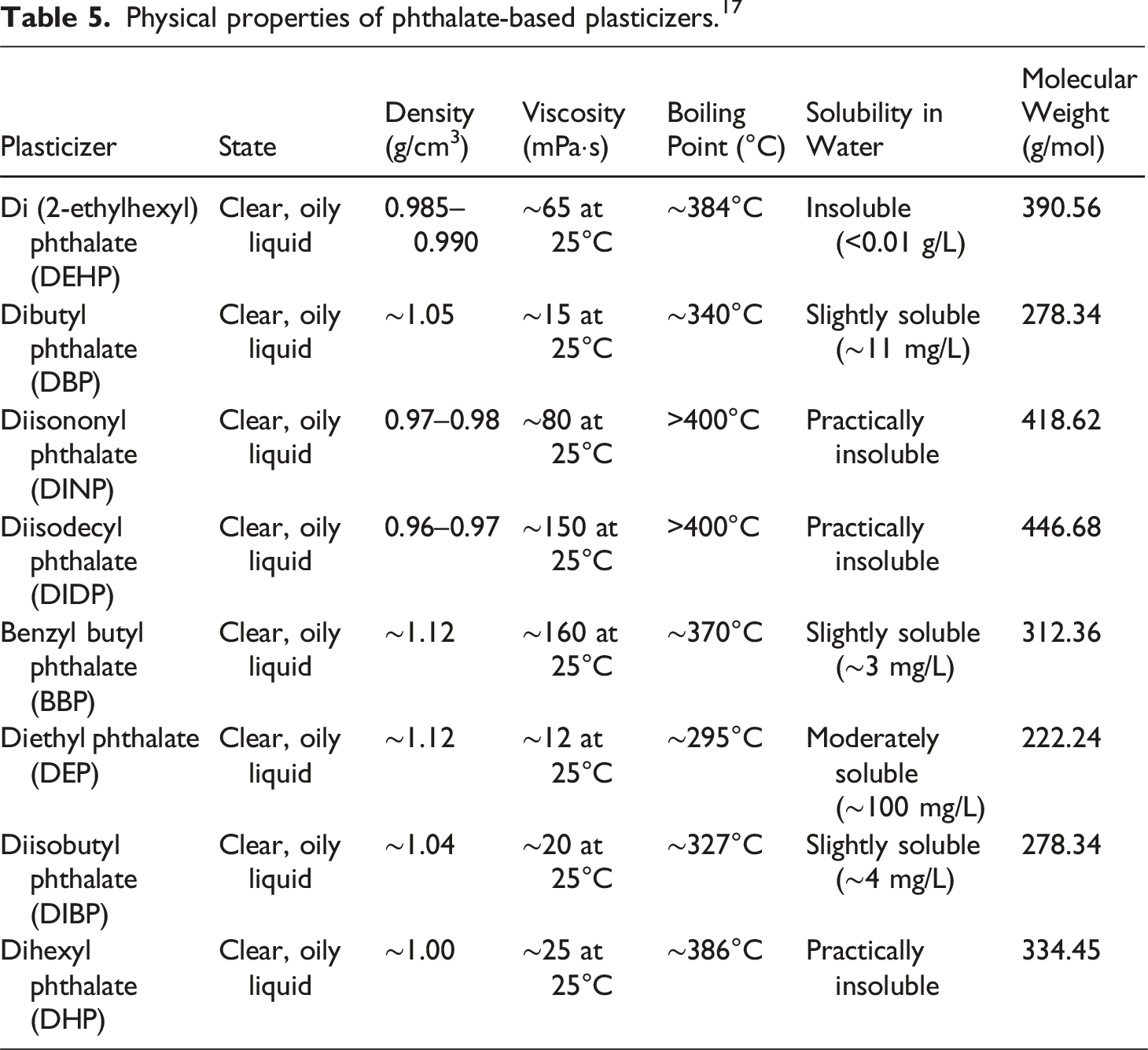
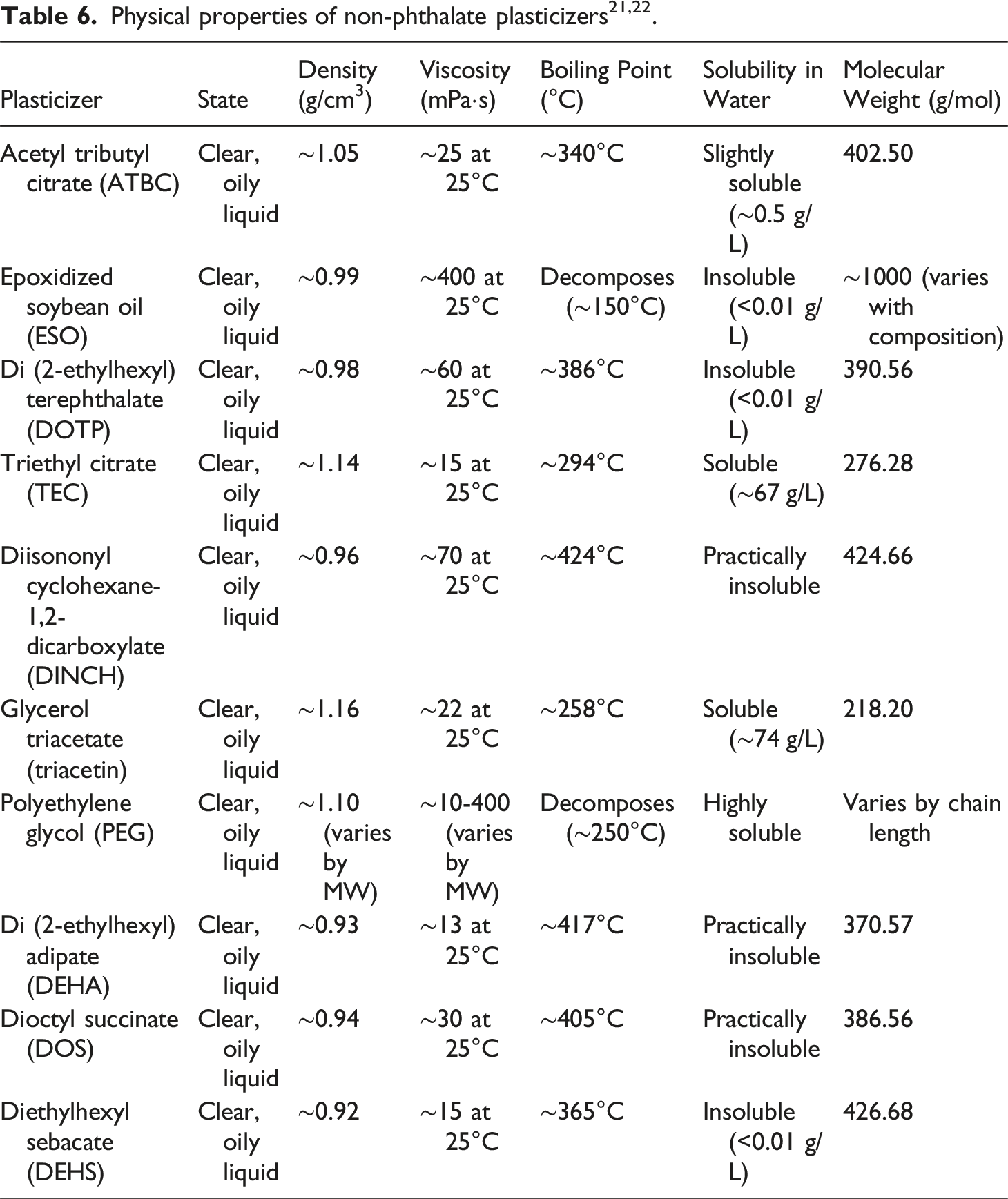
Overall, no single sustainable plasticizer class simultaneously maximizes performance, minimizes cost, and optimizes environmental impact. Instead, successful implementation relies on application-driven optimization, where regulatory constraints, processing conditions, service lifetime, and lifecycle considerations collectively determine the most appropriate plasticizer strategy. 52
Conclusion
Plasticizers have been a cornerstone of polymer science, transforming rigid polymers like PVC into flexible, durable materials with broad industrial and consumer applications. While phthalate-based plasticizers have historically dominated the market due to their efficiency and low cost, their adverse health and environmental impacts have prompted a global shift toward safer and more sustainable alternatives. The emergence of non-phthalate and bio-based plasticizers, such as citrates, adipates, and epoxidized vegetable oils, demonstrates the industry’s commitment to addressing these concerns while maintaining high performance standards.
Despite the significant progress, challenges remain in achieving the ideal balance between cost, scalability, and performance of alternative plasticizers. Innovations such as nanocomposite and polymeric plasticizers, as well as advancements in bio-based formulations, offer promising pathways to overcome these hurdles. The development of recyclable and low-migration plasticizers further underscores the potential for aligning industry practices with the principles of a circular economy.
Looking ahead, the future of plasticizer technology lies in continuous research and collaboration across industries to enhance sustainability without compromising functionality. Regulatory frameworks and consumer awareness will continue to drive the transition toward greener solutions. By prioritizing innovation and environmental stewardship, the plasticizer industry can play a crucial role in shaping a more sustainable and responsible future for polymer applications worldwide.
Footnotes
Declaration of conflicting interests
The author(s) declared no potential conflicts of interest with respect to the research, authorship, and/or publication of this article.
Funding
The authors disclosed receipt of the following financial support for the research, authorship, and/or publication of this article: This work was supported by the Azerbaijan Science Foundation – Grant №. AEF-MGC-2024-2(50)-16/12/4-M-12.
