



Abstract
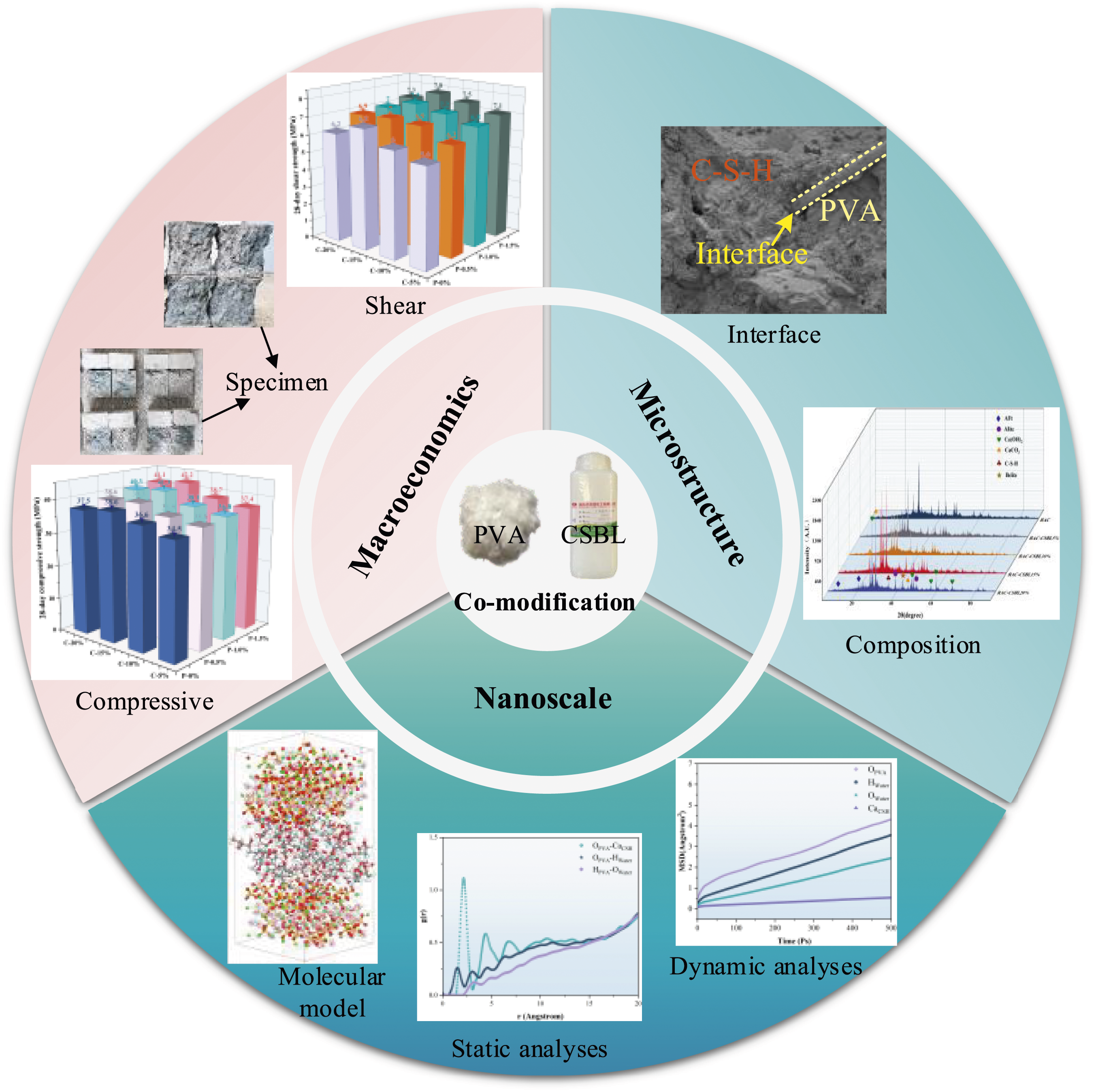
With the rapid development of the construction industry, construction waste is also increasing day by day. Considering the utilization rate of recycled coarse aggregate (RCA) concrete and the mechanical strength of RCA itself, this study carried out collaborative modification of RCA through new modifiers carboxylic butadiene-styrene latex (CSBL) and PVA fiber, aiming at improving the mechanical properties of RCA. In this study, compressive test and shear test were used to test the mechanical strength of the test block. Scanning electron microscope (SEM) and Fourier transform infrared spectrometer (FTIR) were used to reveal the microscopic morphology and chemical composition, respectively. Molecular dynamics simulation was used to evaluate the type and stability of the force at the weak interface. The results showed that the modified compressive strength and shear strength of RCA with replacement rate of 20% increased by 12.8% and 26.7%, and the optimal content of CSBL and PVA fiber was 15% and 1.5%, respectively. CSBL further hydrates the unhydrated cement, thereby optimizing the weak interface. PVA plays a role in limiting the development of cracks in RCA. The results of weak interface molecular simulation show that CSBL acts as a bridge at the weak interface, and CSBL mainly enhances the adhesion between the weak interfaces in RCA through a large number of hydrogen bonds and stable ionic bonds. Therefore, CSBL improves the application effect of PVA fiber in RCA, and this study provides useful insights for improving the performance of RCA materials.
Keywords
Introduction
With the promotion of the concept of circular economy, some countries and regions are establishing a more systematic construction waste recycling system, which will provide a stable supply of recycled aggregates (RC). Since recycled coarse aggregate (RCA) mainly comes from the recycling of construction and demolition waste, recycled concrete aggregate has the gel attached to the natural aggregate, 1 so the RCA itself possesses the defects of low density, high water absorption, and weak interfacial transition zone. However, there are various methods for modifying RCA. 2
Mechanical modification is an important tool in optimizing the properties of recycled concrete. By adding different types of fibers to recycled concrete, its mechanical properties, durability and crack resistance can be significantly improved. For example, the following are some common fiber reinforcement methods. Yuan Fang 3 et al. proposed a method of PVA fibers to enhance the ultimate load carrying capacity of recycled concrete slabs and established a finite element model of PVA fiber reinforced recycled concrete unidirectional slabs under static load. Feng Yu et al. 4 conducted flexural tests on PVA fiber-reinforced recycled concrete slabs with different mix ratios and proposed a formula for calculating their flexural capacity. Yuliang Chen 5 et al. investigated the mechanical properties of RCA concrete under compression and shear by polyvinyl alcohol fibers and found that the peak shear displacement increased with the increase of positive stress and volume content of PVA fibers, and proposed a damage principal model. Chuanlei Zheng 6 et al. used steel-polyvinyl alcohol fiber blends to improve the bearing capacity of self-compacting concrete with RCA, and found that the optimum mixing ratios of steel fibers, polyvinyl alcohol fibers, and RCA were 0.75 vol%, 0.05 vol%, and 75% wt% through the comparisons of the 7- and 28-day compressive strengths and the splitting tensile strength, and established a high-precision axial pressure principal structure model. Peihuan Ye 7 et al. introduced a method of polypropylene fibers to improve the mechanical properties of RCA, through the results of uniaxial compression and bending test found that with the increase of polypropylene fiber blending, the cubic compressive strength is increasing, the cylindrical compressive strength decreases firstly and then increases, and the flexural strength increases. Zhi-Wei Yan et al. 8 added polyethylene terephthalate fiber to recycled aggregate concrete (RAC), and found through impact response test results at different strain rates that the compressive strength, critical strain and toughness of concrete all showed an increasing trend with the increase of strain rate. Ping Li 9 et al used steel fiber to enhance the dynamic mechanical properties of RAC. Through uniaxial compression test results, it was found that the addition of RC had no significant effect on the failure mode, and a dynamic stress-strain theoretical constitutive model was established. Weifeng Bai et al. 10 measured the influence of wet-dry cycle and freeze-thaw cycle on the mechanical properties of carbon fiber modified RCA concrete through uniaxial compression test, introduced the theoretical concept of “effective stress extremity”, and revealed the complex relationship between the microscopic damage evolution mechanism of RCA concrete in complex environment.
In recent years, chemical modification of RCA by admixtures has become a very effective strengthening method. This modification technology can significantly improve the physical and mechanical properties of RCA, thereby broadening its use in a variety of engineering applications. Wenze Geng 11 et al introduce a method of coating reclaimed coarse aggregate with water-based epoxy resin. The reclaimed coarse aggregate before and after modification is mixed in different proportions to replace natural aggregate. The result shows that the water absorption of modified aggregate is reduced and the strength of concrete is improved. Long Li et al. 12 evaluated the mechanical properties and durability of nano-silica and silica powder with different particle sizes on RCA. Through microhardness and SEM tests, it was found that the larger the particle size of nano-silica, the more obvious the performance enhancement effect, and silica powder could enhance the interfacial transition zone of RCA. Shenao CUI 13 et al. studied the strengthening effect of NANO-SiO2\NANO-CaCO3\NANO-Al2O3 on recycled brick aggregate concrete. Based on the compressive strength results of concrete at different ages, they found that nano-materials can not only promote cement hydration, but also fill the internal pores. And the modification effect of directly adding NANO-Al2O3 is the best. Deng Yousheng 14 et al introduced a method for regenerating coarse aggregate concrete modified by NANO-CaCO3. Through strength test and SEM image test results, it was found that NANO-CaCO3 could effectively improve the mechanical properties of RCA concrete and enhance its fatigue life. Jianbai Zhao et al. 15 adopted NANO-SiO2 to pretreat RCA and rubber. By testing the physical properties of RCA rubber concrete, it was found that both the RCA and rubber showed good mechanical properties after treatment, but adverse effects appeared after simultaneous treatment. Wanhui Feng 16 et al., using nano-silica and fly ash to cooperatively modify RAC, found through orthogonal test that both the early and late modified RAC had sufficient mechanical properties, and NS could also fill micro-pores in RCA concrete.
Both chemical and mechanical modification have unique advantages in enhancing the performance of recycled concrete. Therefore, in recent years, many researchers have begun to explore the combination of chemical modification and mechanical modification to achieve collaborative modification of recycled concrete. Shuo Feng 17 et al modified RCA concrete with nano-silica and polypropylene fiber, and found that nano-silica had better synergistic effect with fiber, and its compressive strength increased by 27-51% and wear resistance increased by 25-72%, compared with RCA concrete with only nano-silica added. Yuanxun Zheng et al. 18 proposed a method for improving the quality of RAC with nano-sio2 and basalt fiber. SEM and energy spectrum were used to investigate the anti-cracking mechanism and the composite effect of the viewing, and it was found that SiO2 reacted with Ca(OH)2 crystals to form C-S-H gel, densifying RAC. Thus the basic mechanical properties are enhanced. Yong Feng19,20 et al. studied the influence of KH560 and PVA fibers on the mechanical properties of recycled concrete, and finally concluded through multi-scale research methods that KH560 optimized the weak interface of recycled concrete through a large number of hydrogen and ionic bonds, and KH560 and PVA fibers had a good synergistic effect. Aijiu Chen 21 et al. studied the effects of RCA and rubber particles on the mechanical properties and stress-strain of concrete, and found that compared with ordinary concrete, rubber recycled concrete mixed with 10% rubber particles and 40% RCA had lower strength but better deformation.
To sum up, the weak interface problem of RCA itself is the main reason for the deterioration of the performance of RCA concrete. At present, the main solution to this problem is to use fiber and chemical modifier to act on RCA concrete, and most of the research stays in the macroscopic mechanical properties and microstructure morphology, and there are few studies on the mechanism of chemical additives. Therefore, the method of carboxylic butadiene-styrene latex (CSBL) and PVA fiber modification is proposed to improve the performance of RCA concrete. PVA fiber is a common fiber with high strength, high modulus, good chemical corrosion resistance and aging resistance. CSBL is a copolymer formed by emulsion polymerization of butadiene, styrene and a small amount of carboxylic acid and other additives. It has high adhesion and conjunctival strength, as well as good mechanical and chemical stability. Molecular dynamics (MD) software is used to explore the action mechanism of CSBL at the weak interface, and MD simulation can well illustrate the physical and chemical reaction between polymer and Portland cement. 22 In general, systematic research and analysis are conducted on modified RCA concrete, providing strong support for the performance improvement and wide application of recycled concrete.
Experimental materials and methods
Raw materials
The raw materials used in this test include cement, RCA, sand, CSBL emulsion, and PVA fiber, as shown in Figure 1. The cement is made of ordinary Portland cement, provided by Xinfeng Cement Co., LTD. Its chemical composition is shown in Table 1. The stone is continuously graded (5 to 20 mm) gravel with a bulk weight of 1450 kg/m³ and an apparent density of 2690 kg/m³. The sand used in the experiment had a fineness modulus of 2.5, an apparent density of 2670 kg/m³, and a bulk weight of 1870 kg/m³. CSBL emulsion is provided by Hubei Qifei Pharmaceutical & Chemical Co., LTD. The main parameters are shown in Table 2. PVA fiber is provided by Shandong Huahe New Material Co., LTD. The main parameters are shown in Table 3. Test raw materials. Chemical composition of cement. Properties of CSBL. Main parameters of PVA fiber.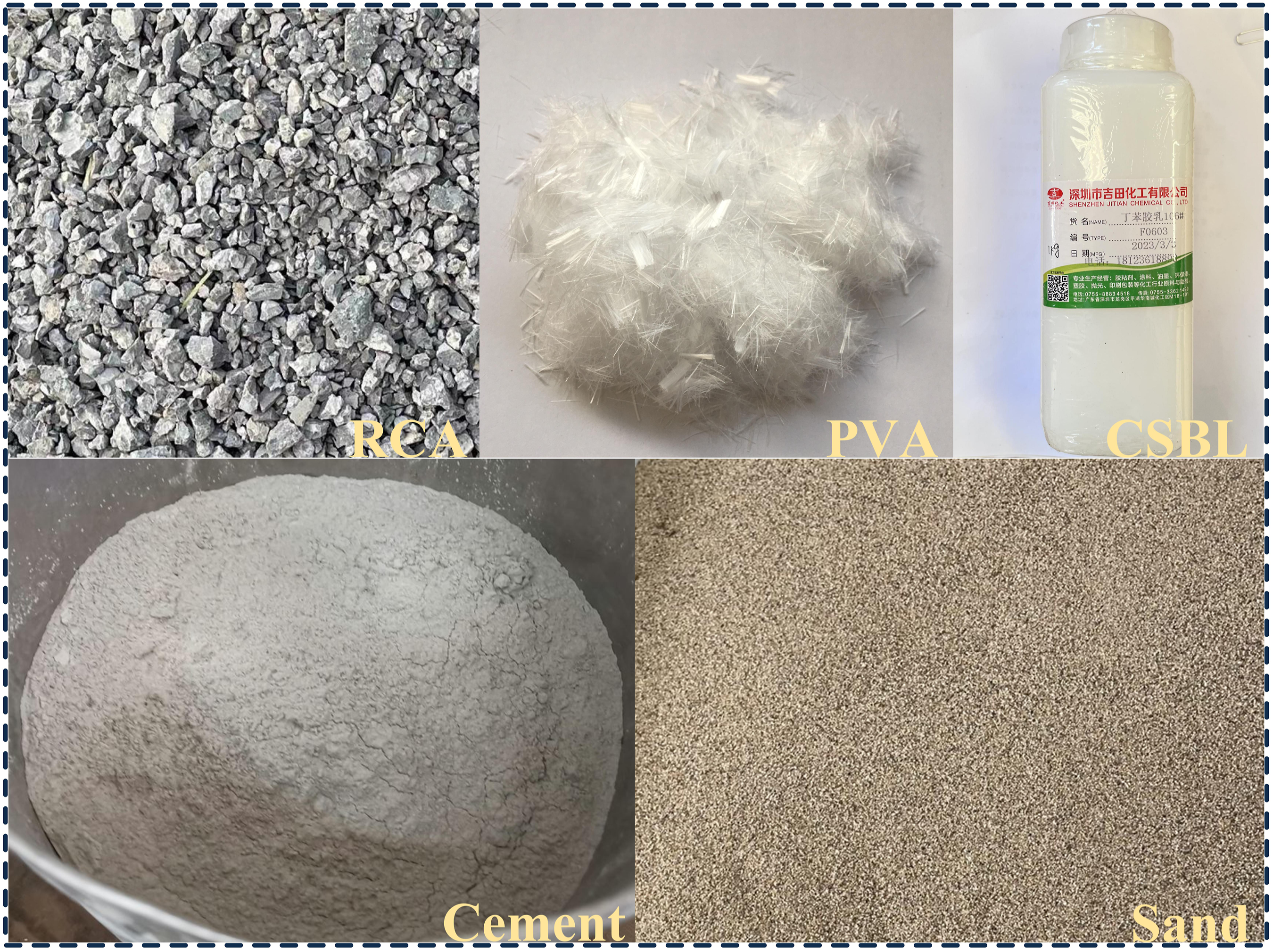



Experimental mix ratio design
Proportion of mixture.
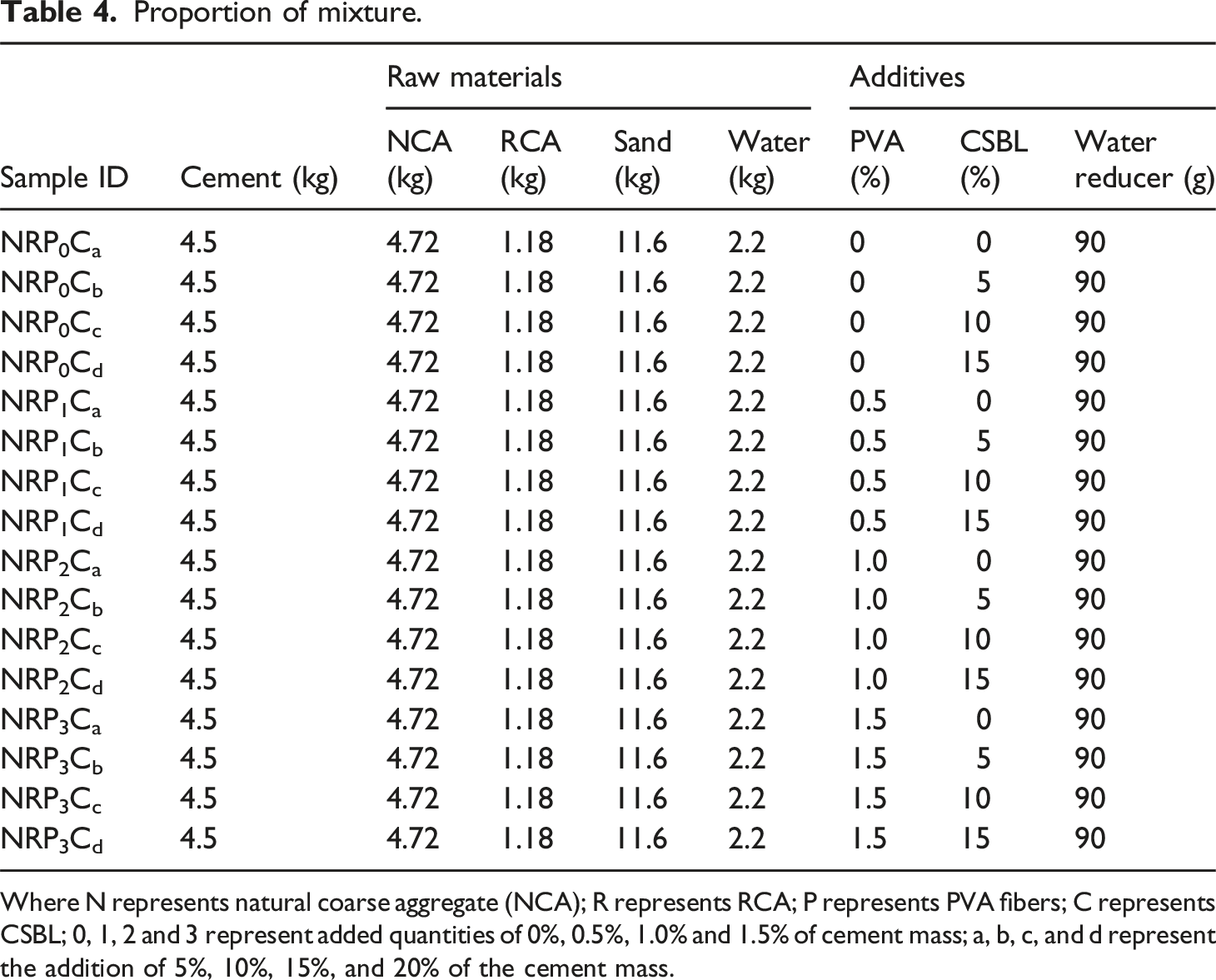
Where N represents natural coarse aggregate (NCA); R represents RCA; P represents PVA fibers; C represents CSBL; 0, 1, 2 and 3 represent added quantities of 0%, 0.5%, 1.0% and 1.5% of cement mass; a, b, c, and d represent the addition of 5%, 10%, 15%, and 20% of the cement mass.
Test material preparation
First, the RCA needs to be processed. Clean the dust and other impurities on the surface of the aggregate with clean water, and dry the cleaned aggregate. After determining that there is no moisture on the surface, the dried aggregate is screened according to the particle size, and the aggregate with a particle size range of 5-20 mm is selected. Next, prepare the required materials for each mix ratio, and pre-wet the mixer, and add coarse aggregate, sand and cement to the mixer in turn. Add the PVA fibers to the blender while it is running, mix well and add the CSBL. Finally, the mixture is put into the mold of 100 mm × 100 mm × 100 mm, 150 mm × 150 mm × 150 mm, 40 mm × 40 mm × 40 mm, using the shaking table to vibrate the concrete and scrape the surface with a scraper to ensure that the concrete is compact without bubbles and the surface is smooth. Finally, the surface of the test block was covered with a wet cloth and left for 2 days at 20 ± 5°C. The complete test block was placed in a standard curing room (20 ± 2°C, humidity ≥95%) for 7 days and 28 days, respectively. The process of test block fabrication is shown in Figure 2. Test block making process.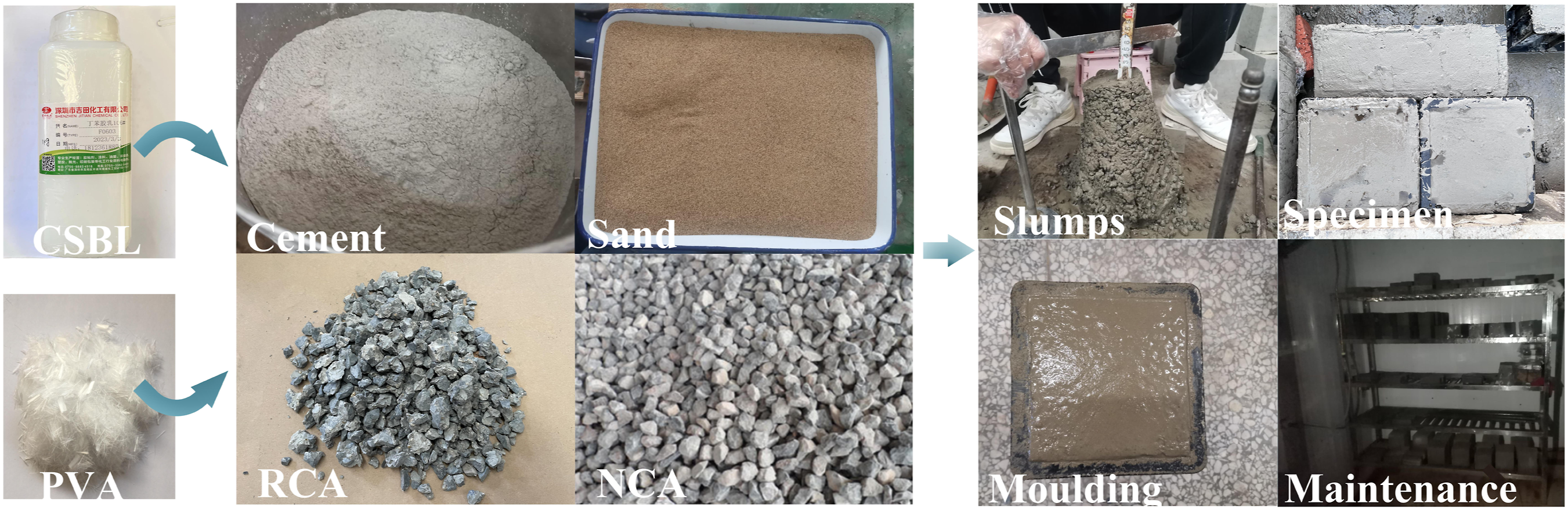
Test method
Macroscopic mechanical properties test
The mechanical properties of all specimens were tested in accordance with the Standard for test methods of concrete physical and mechanical properties (GB/T 50,081-2019). The size of the test block for compressive test is 100 mm × 100 mm × 100 mm, the size of the test block for shear test is 150 mm × 150 mm × 150 mm, and there are 3 of each test sample. Y250 digital display electric stress direct shear instrument is used for compressive and shear tests. The loading rate is controlled at 0.5 MPa/s during compressive test, and the normal phase stress is maintained at 2.22 MPa and 4.44 MPa during shear test. Three identical test blocks were prepared under each mix ratio for compressive and shear tests respectively, and the three final test data of each test were averaged. The macroscopic mechanical properties test is shown in Figure 3. In this study, the mechanical properties of the test blocks under different mix ratios were analyzed. Macro mechanical properties test.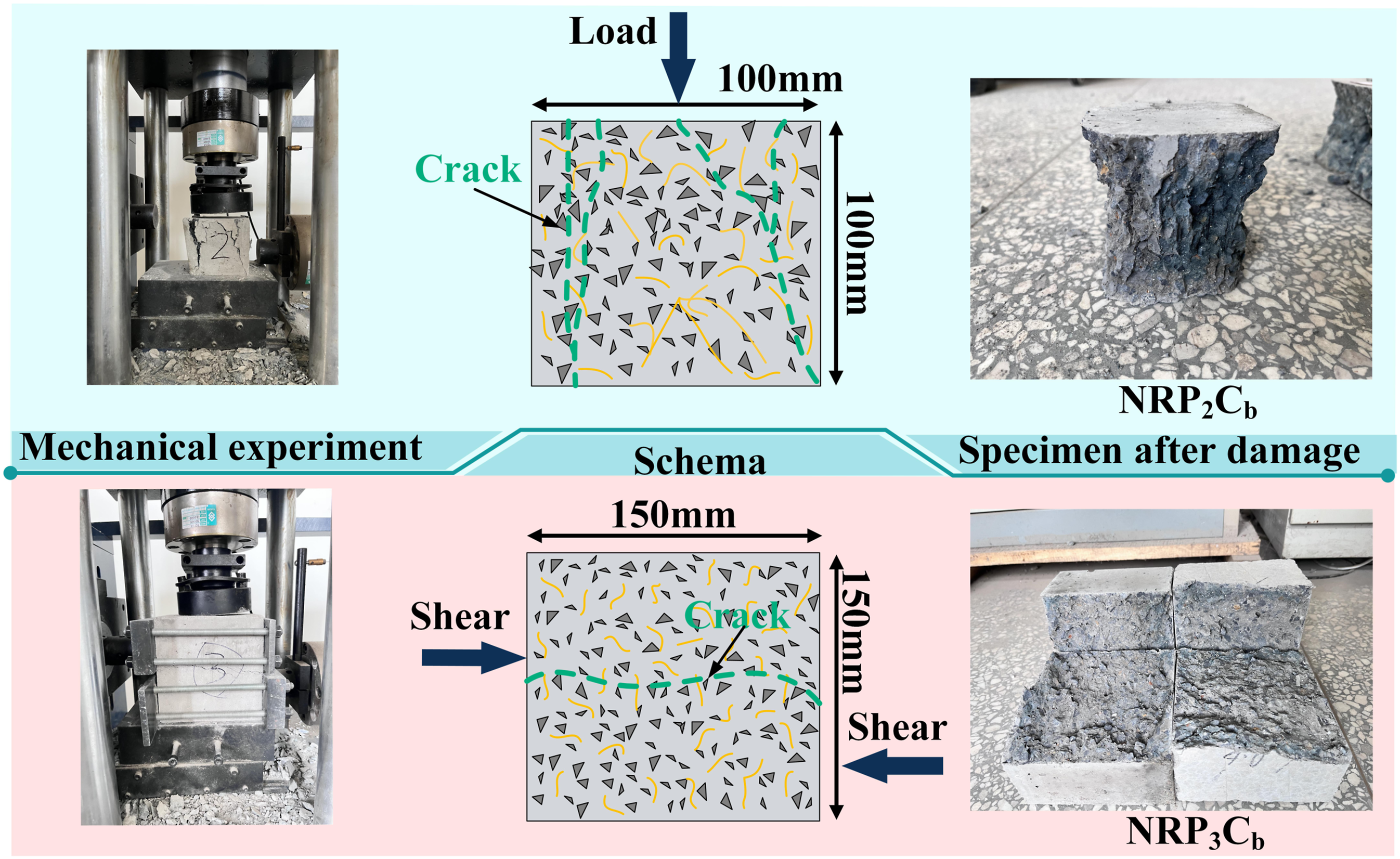
Micro-morphology test
The effects of latex and PVA fibers on the weak RAC interface can be observed by SEM from a microscopic perspective. The specimen was cured for 28 days and cut into a cube with a size of 10 mm × 10 mm × 10 mm. Then the sample was polished with 2000 mesh sandpaper, and the sample was cleaned with anhydrous ethanol to remove the powder impurities produced by surface cutting and polishing. After drying at (60 ± 2) °C for 5h, the samples were tested on the sigma300 SEM produced by Zeiss.
Characterization of chemical components
Considering that the addition of CSBL to RAC will cause changes in functional groups, the chemical effects of CSBL on cement hydration process need to be further analyzed. The FTIR test uses the Perkin Elmer PE Spectrum Two infrared spectrometer to perform infrared spectral analysis of the prepared sample. By using this method, we can understand the changes of functional groups in the sample, so as to qualitatively analyze the modification mechanism of CSBL on RAC.
Nanomolecular modelling and force field selection
The hydration product of cement, C-S-H, occupies the major volume of the concrete material and is the main source of the mechanical properties, therefore it was used as the matrix model for this study.
24
C-S-H gels are known as incomplete crystals and their structure is similar to that of Tobermorite minerals, of which Tob11 is commonly used as an initial model for C-S-H gels and it has been shown to be able to characterize the evolution of the properties of C-S-H25–27 and it has been demonstrated by researchers that MD simulations can be used to characterize the properties of the material and to predict the mechanical response.28,29 In this study, MD simulation was used to create a model of the interface between different phases. Firstly, the water molecules within the Tob11 model were removed, the SiO2 on the silicon chains were randomly removed to ensure a Ca/Si ratio of around 1.3 and cell expansion operation, the water absorption was performed by Monte Carlo method, and finally the C-S-H surface model was obtained by cutting the model along the [0 0 1] direction. The PVA fibers were selected from amorphous crystals with a density of 1.21 g/cm3, and the PVA fibers were composed of 12 PVA molecular chains with 20 monomers each. The CSBL was an amorphous crystal made from a combination of styrene, butadiene and acrylic acid in a ratio of 31:15:2 with a density of 0.95 g/cm3. It should be noted that although only the main components of the substance are considered in the model, which is within the reasonable range of the simulation theory. The model construction process is shown in Figure 4. Interface model construction process.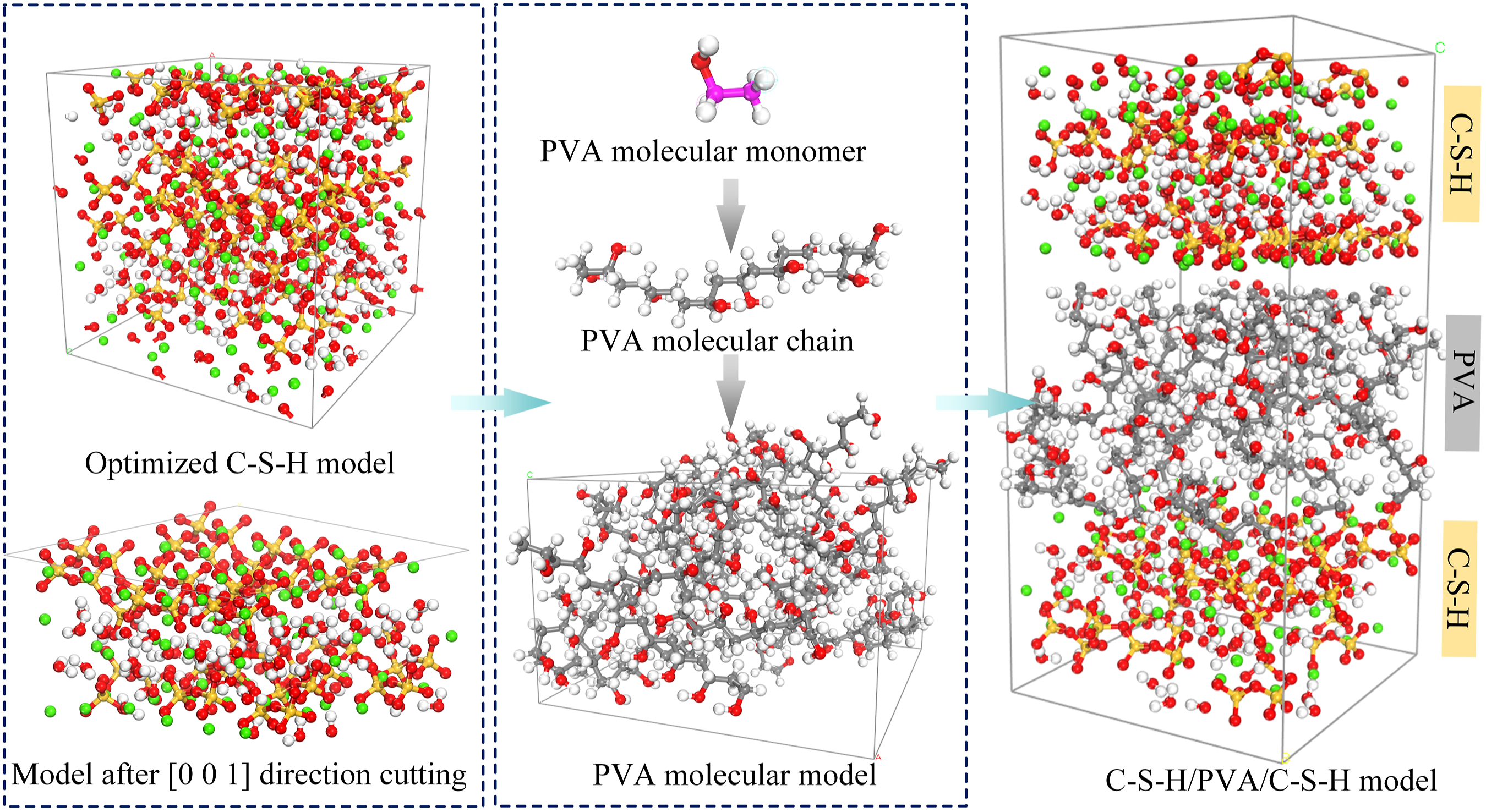
The choice of force field directly affects the final results of the simulation, and the choice of force field is particularly important in MD. Previous researchers have demonstrated that the COMPASS force field can successfully describe various calcium silicate structural, energetic, and mechanical properties,30–32 and also proved that the simulated data obtained from the COMPASS force field matches the experimental data.
33
Therefore, the COMPASS force field was used in this study to simulate the interface model. Three interfacial models, C-S-H/PVA, C-S-H/CSBL and C-S-H/CSBL/PVA, were developed in this study, focusing on the behaviour of atomic interactions between CSBL-modified PVA fibers and the C-S-H interface. The three models were first geometrically optimised to minimise the energy of the interfacial system, and then run under the (constant-pressure,constant-temperature) NPT regime for 200 ps with a 1 fs time step to bring the models from the initial state to a steady state in terms of density and volume at the target temperature. Subsequently, the model was relaxed under the NVT system for 1ns to bring the interface structure closer to the steady state of the real density, while statistical data and dynamic trajectory information were also available. A Nose-Hoover-Langevin (NHL) thermostat and an Andersen thermostat were chosen to maintain the temperature and pressure of the system during the kinetic simulations. The relaxation time was proved to be sufficient when the temperature and density reached a steady state after the completion of the simulation of the two systems. The three interface models mentioned above are shown in Figure 5. Models of C-S-H/PVA, C-S-H/CSBL and C-S-H/CSBL/PVA.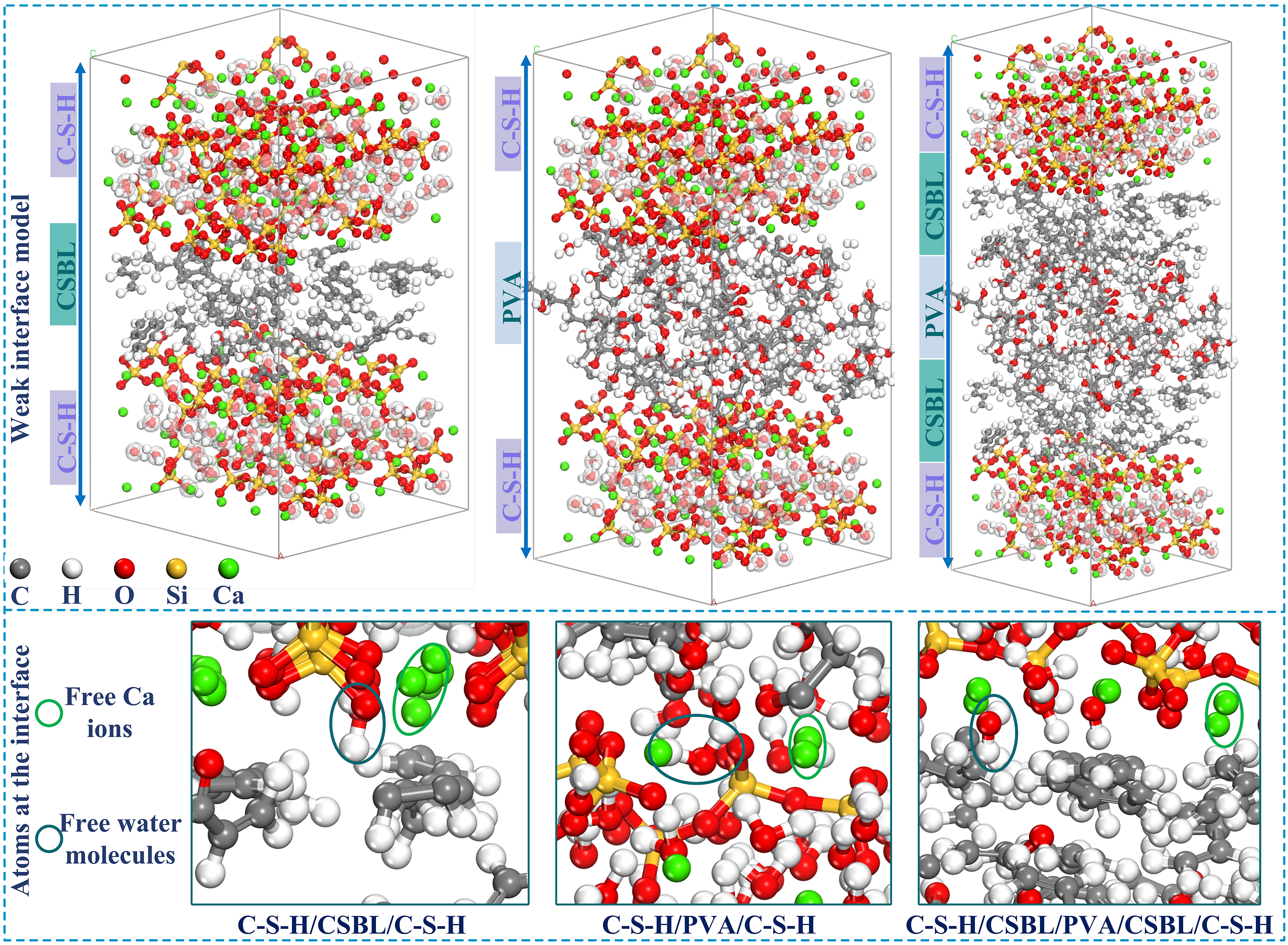
Experimental results
Compressive and shear strength testing
Mechanical properties of RCA concrete include compressive and shear strength of concrete. The compressive and shear strengths at 28 days were compared for different CSBL and PVA fiber mix ratios.
Average value and standard deviation of compressive strength.
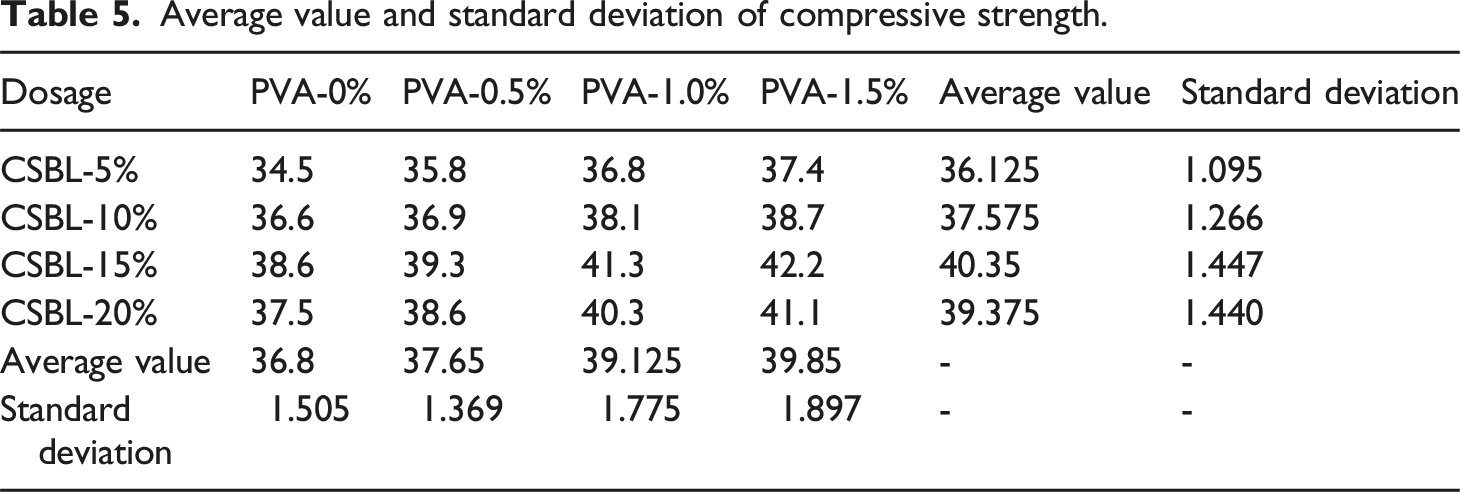
The compressive strength statistics are shown in Figure 6(a). The uni-factorial case reveals that (1) the compressive strength of RCA concrete increases with the increase in PVA fiber content, that is, the modification is best when the PVA fiber content is 1.5% of the cement mass. The maximum increase in compressive strength of RCA concrete with the addition of 1.5% PVA fibers is 9.86% as compared to no PVA fibers. (2) The compressive strength of RCA concrete showed a tendency to increase and then decrease with the increase in CSBL content, that is, the best modification effect was achieved when the CSBL content was 15% of the cement mass, and there was a maximum increase of 12.8% in the compressive strength of RCA concrete after the addition of 15% CSBL. In case of synergistic modification, it is found from the compressive strength results that the maximum compressive strength of RCA concrete can reach 42.2 MPa when the content of PVA fibers and CSBL is 1.5% and 15% of cement mass respectively. Mechanical strength.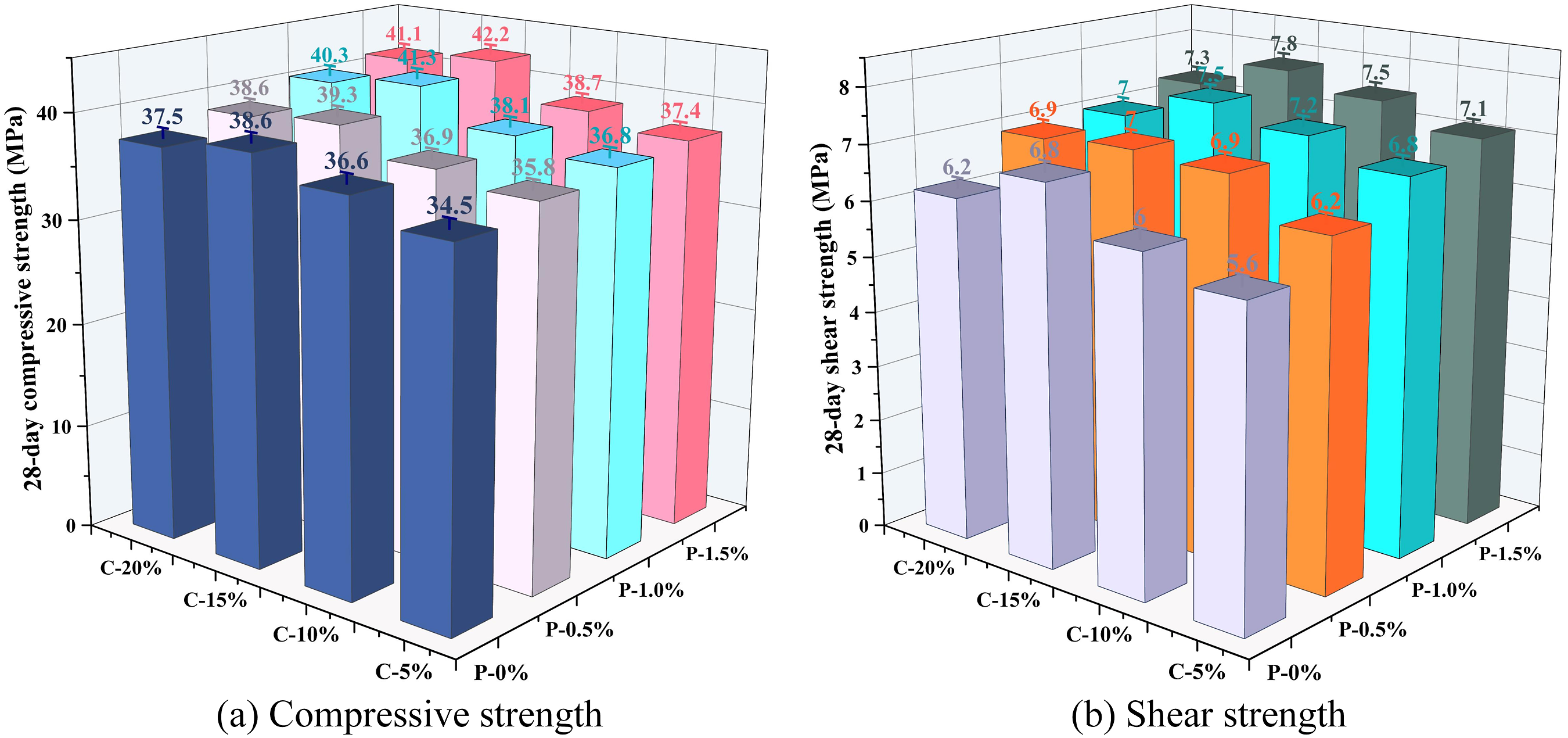
Average value and standard deviation of shear strength.
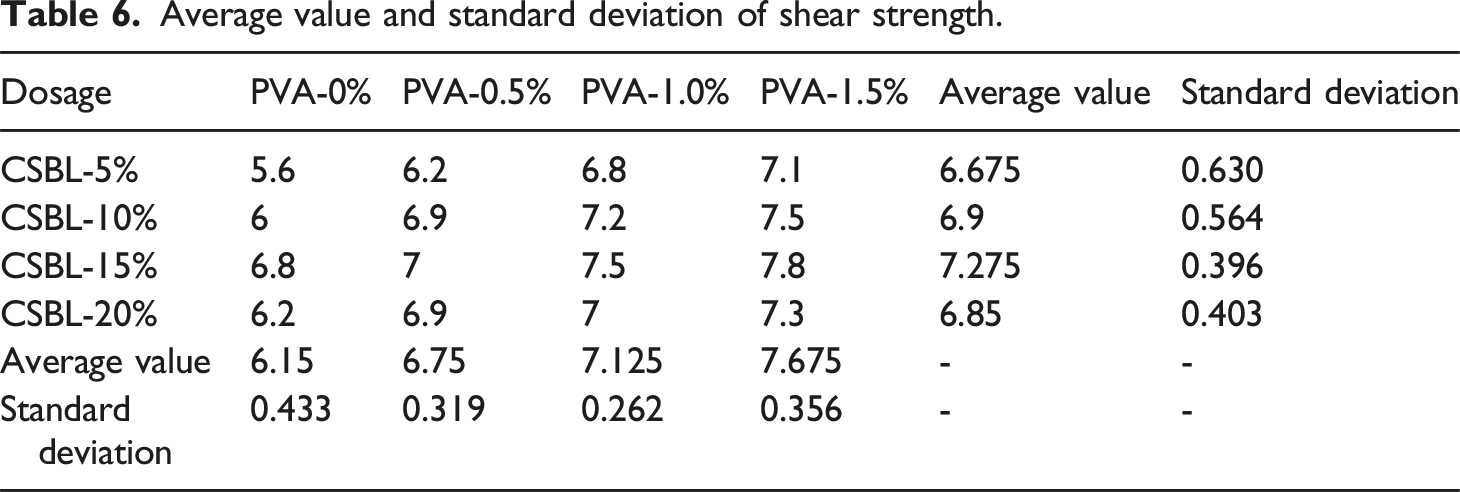
The statistical results of shear strength are shown in Figure 6(b). Overall observation reveals that the variation patterns of shear and compressive strength of RCA concrete are similar. The influence of single factor can be found that (1) the shear strength of RCA concrete increases with the increase of PVA fiber content, that is, the best modification effect is achieved when the PVA fiber content is 1.5% of the cement mass. The maximum increase in shear strength of RCA concrete with the addition of 1.5% PVA fibers is 26.7% as compared to no PVA fibers. (2) The shear strength of RCA concrete showed a tendency to increase and then decrease with the increase in CSBL content, that is, the modification was most effective when the CSBL content was 15% of the cement mass, and there was a maximum increase of 21.4% in the shear strength of RCA concrete after the addition of 15% CSBL. In case of synergistic modification, it is found from the compressive strength results that the maximum compressive strength of RCA concrete can reach 7.8 MPa when the content of PVA fibers and CSBL is 1.5% and 15% of cement mass respectively.
Interface Morphology
SEM was used to observe the micro-interfacial morphology of the concrete matrix under the effect of CSBL and PVA fibers co-modification. The test results are shown in Figure 7. Before the modification, there is an obvious weak interface between PVA/C-S-H and Stone/C-S-H, and the overall bond is poor. In addition, the SEM images before modification also show that the cement gel around the RCA and PVA fibers is loose, and there are a large number of pores and cracks, which can cause early destruction of RCA concrete under stress, thus reducing the mechanical strength of RCA concrete. SEM images before and after CSBL modification.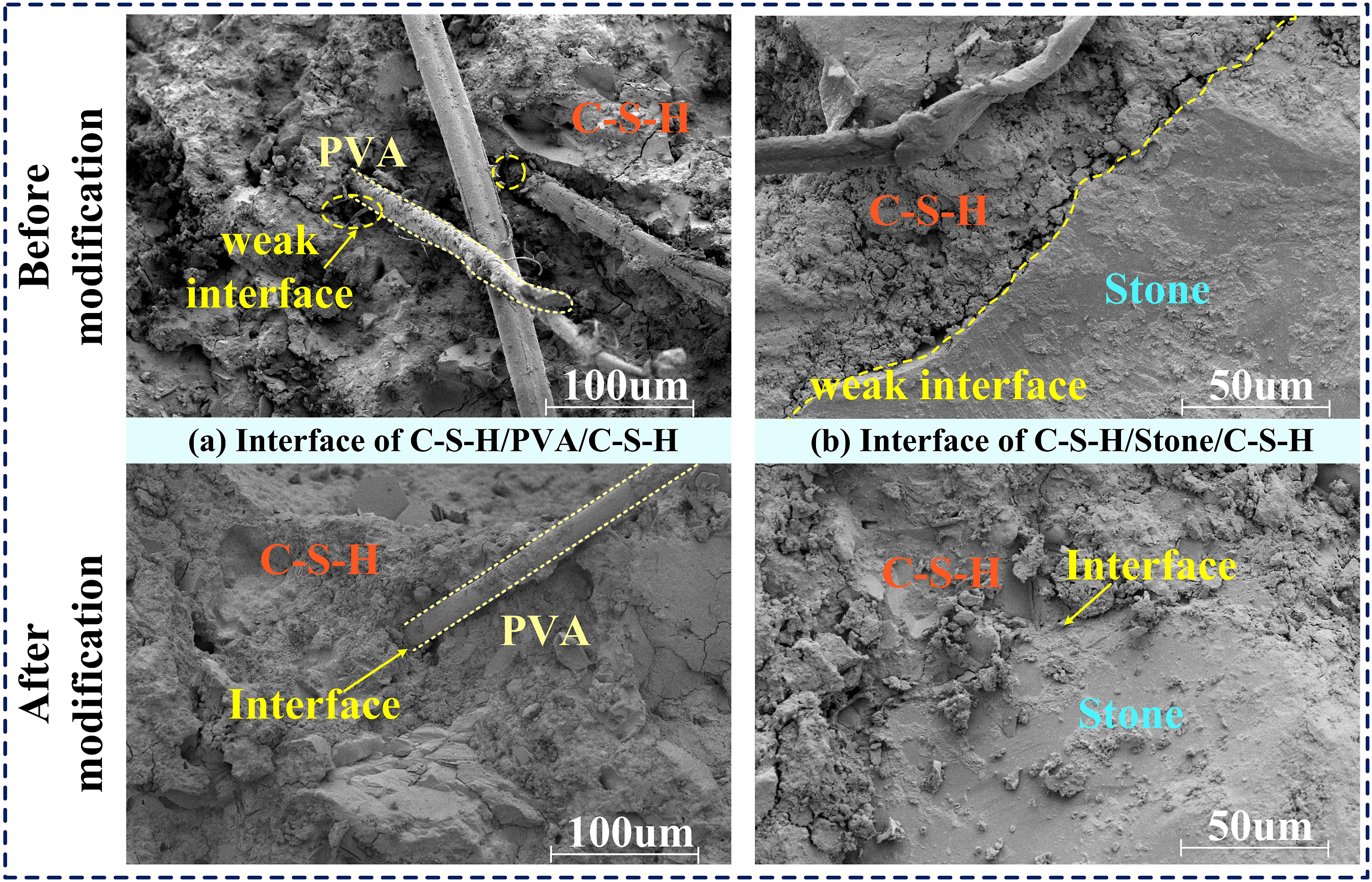
After CSBL modification, it can be found that the weak interface between PVA fibers and C-S-H is significantly improved, which is manifested by a better bonding phenomenon between the roots of PVA fibers and C-S-H, and there are no obvious cracks and pores in the surrounding cement gel. In addition, the weak interface between the RCA and the cement gel also disappeared, and the overall bonding of the interface was good. The SEM microscopic images intuitively reflect that CSBL has obvious improvement effects on the weak interfaces between PVA/C-S-H and Stone/C-S-H. The experimental results here and the improvement of macroscopic mechanical properties are mutually verified, which gives a reasonable explanation, that is, the internal densification and weak interfaces of the RCA concrete have been optimised.
Chemical Composition
According to the XRD analysis results in Figure 8, the addition of CSBL did not cause new diffraction peaks to appear in the XRD pattern of RCA concrete, and the peak positions and shapes remained basically the same, with only the peak intensity changing. This indicates that the addition of CSBL did not change the type of hydration products, but only affected their content and crystallinity. X-ray test results.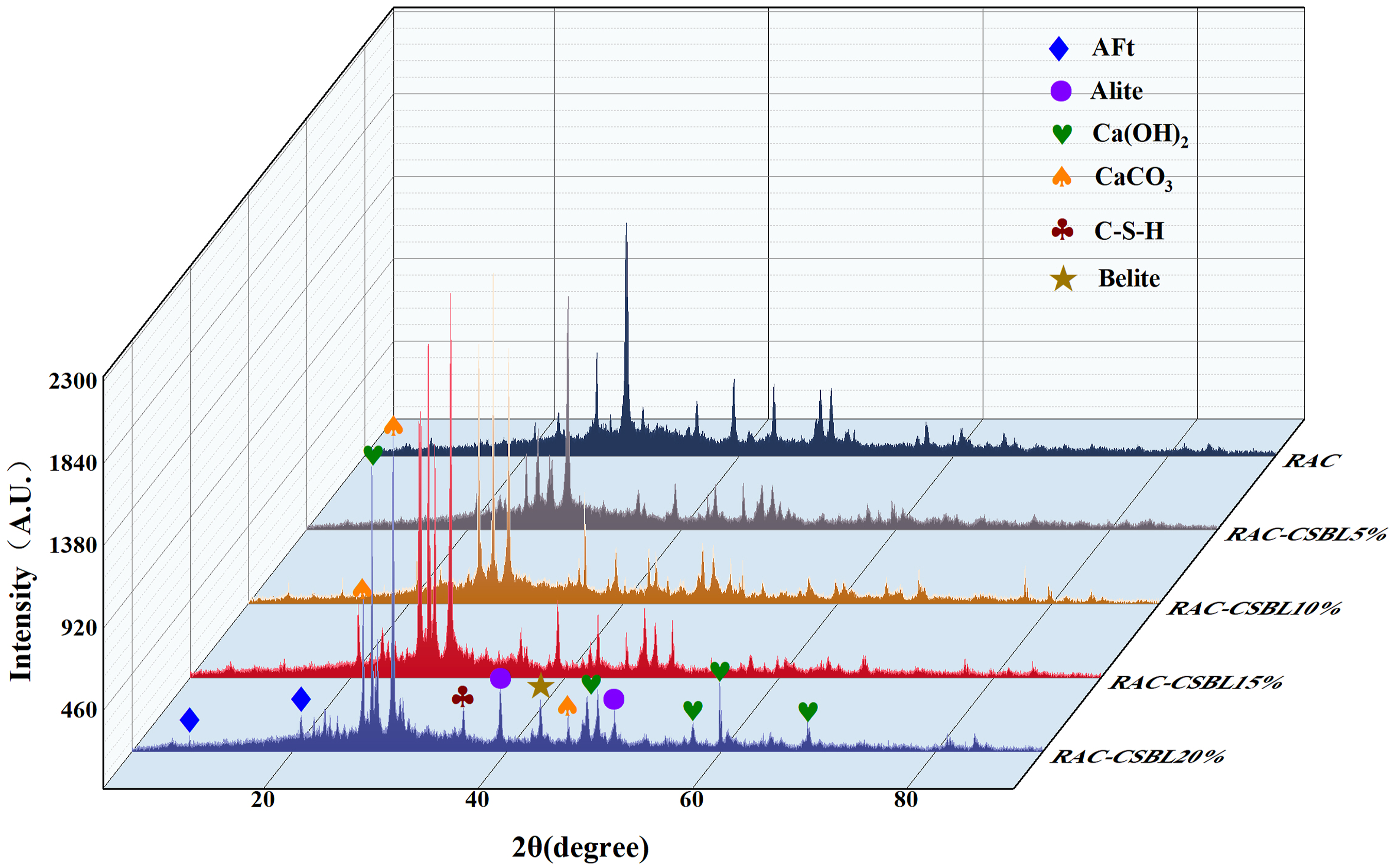
It is worth noting that the introduction of CSBL led to a decrease in the intensity of the characteristic peaks of unhydrated clinker minerals (e.g. Alite, Belite) at the interface. This implies that CSBL promotes further hydration of the unhydrated cement, generating more cement gels and thus increasing the densification of the concrete. This process generates additional Ca(OH)2, which favours the formation of C-S-H gels.
Meanwhile, the increase in CaCO3 content can be attributed to the reaction of Ca(OH)2 produced by hydration with CO2 in the air. The contents of CaCO3 and Ca(OH)2 increased with the increase of CSBL content, but a decreasing trend was observed when the CSBL content reached 20%. This indicates that the addition of CSBL affects the hydration reaction of unhydrated cement and needs to be controlled within an appropriate range. The results of this study indicated that the optimum dosing amount was 15% of the cement mass.
Mechanism of atomic action at the interface
Relative concentration distribution
The model is a laminar structure constructed along the Z direction (0 0 1), so in this study the distribution of atomic intensities along the Z direction was calculated as shown in Figure 9. Relative concentration distribution.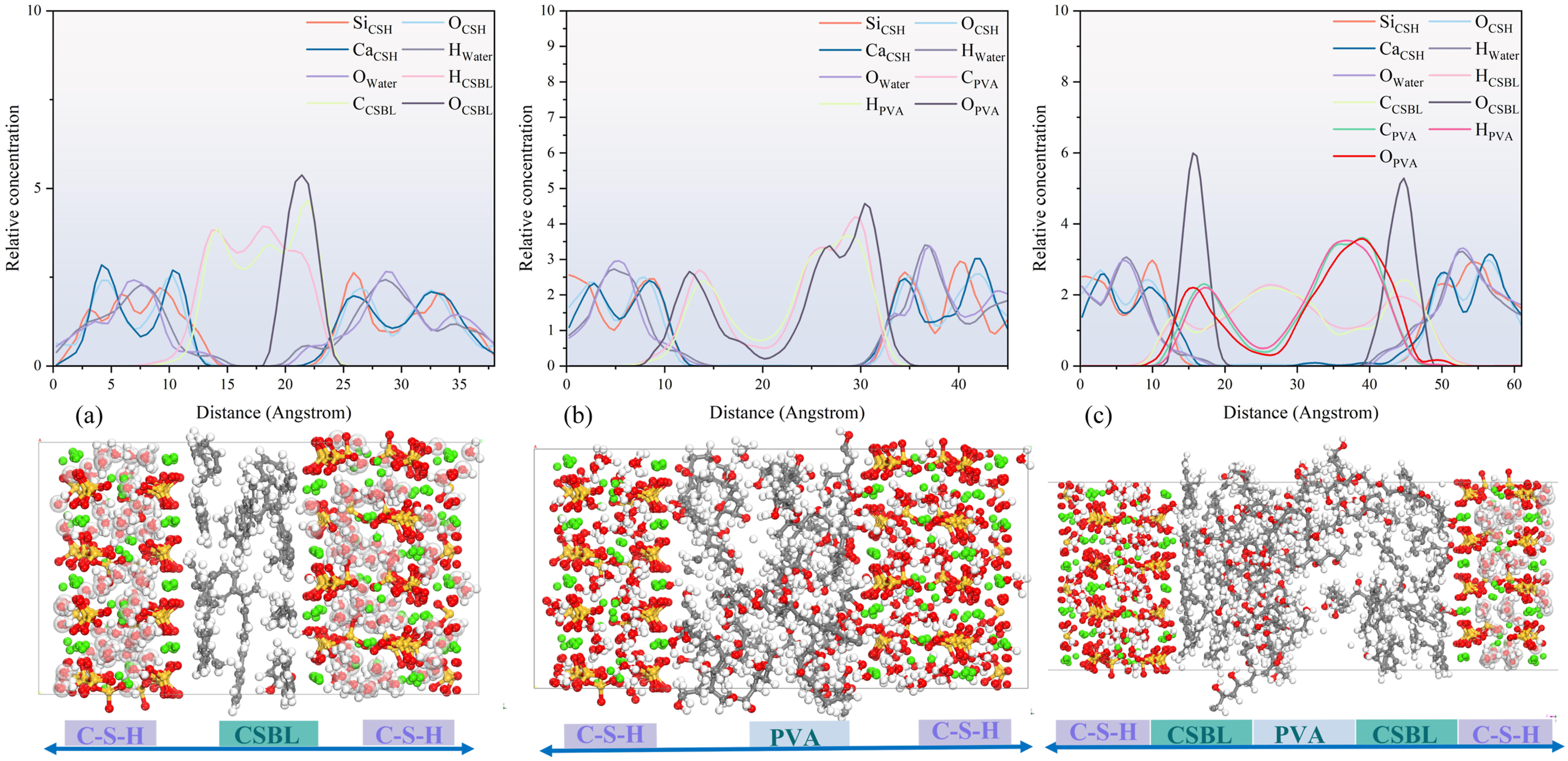
According to the results of relative concentration distribution in Figure 9(a) and 9(b), the atoms in CSBL at 12 Å and 23.5 Å are in the CSH model with atomic interactions, and the atoms in PVA at 11 Å and 32 Å are in the CSH model with atomic interactions, which indicates that both PVA and CSBL are very compatible with the cement. From the simulation results in Figure 9(c), it can be seen that the CSBL molecule acts as a “bridge” between CSH and PVA. On the one hand, the atoms in CSBL interact with the CSH and PVA models, and on the other hand, the overlapping peaks between the atoms in CSBL and PVA can be clearly observed at 16 Å and 45 Å. This simulation phenomenon suggests that there are strong intermolecular forces between PVA and CSBL molecules, which can play a good synergistic effect.
Radial distribution function
By analyzing the radial distribution function (RDF) between atoms in the system, it helps to visualize the spatial distribution of atoms and the structural properties of the system. By analyzing the magnitude and position of the RDF peaks between different atoms, the structure of the interface between the modified material and the substrate and the degree of atomic interactions can be understood. The RDF is calculated according to equation (1).34,35
The RDF analysis plots between atoms at the weak interface before and after modification are shown in Figure 10. In Figure 10(a), it can be found that before the addition of CSBL modifier, there are interactions between PVA molecular chains and C-S-H, which mainly include two types of chemical bonds, (1) O-Ca ionic bonds formed between oxygen atoms in PVA molecular chains and calcium ions in C-S-H, and (2) O-H hydrogen bonds formed between PVA molecular chains and C-S-H. This indicates good compatibility between PVA fibers and cement. It can be found in Figure 10(b) that after modification with the addition of CSBL, there are two main aspects of CSBL. On the one hand, the acrylic acid molecules in CSBL act as a bridge between the PVA molecular chain and the C-S-H structure, again connected by O-Ca ionic bonds and H-O hydrogen bonds. On the other hand, since RCA concrete indicates the presence of old cement, that is, there exists a weak interface between the old and new cements, which can affect the overall mechanical properties of RCA concrete, the acrylic acid molecules in CSBL can improve the weak interface between the old and new cements through O-Ca ionic bonding and H-O hydrogen bonding, and the simple addition of PVA fibers is not able to optimize the weak interface between the old and new cements. Therefore, the mechanical properties of RCA concrete are best modified by the synergistic modification effect of CSBL and PVA fibers, and the type of chemical bonding mainly relied upon is the interaction of ionic and hydrogen bonding, and there is no real chemical bonding connection. Analysis diagram of chemical bond types.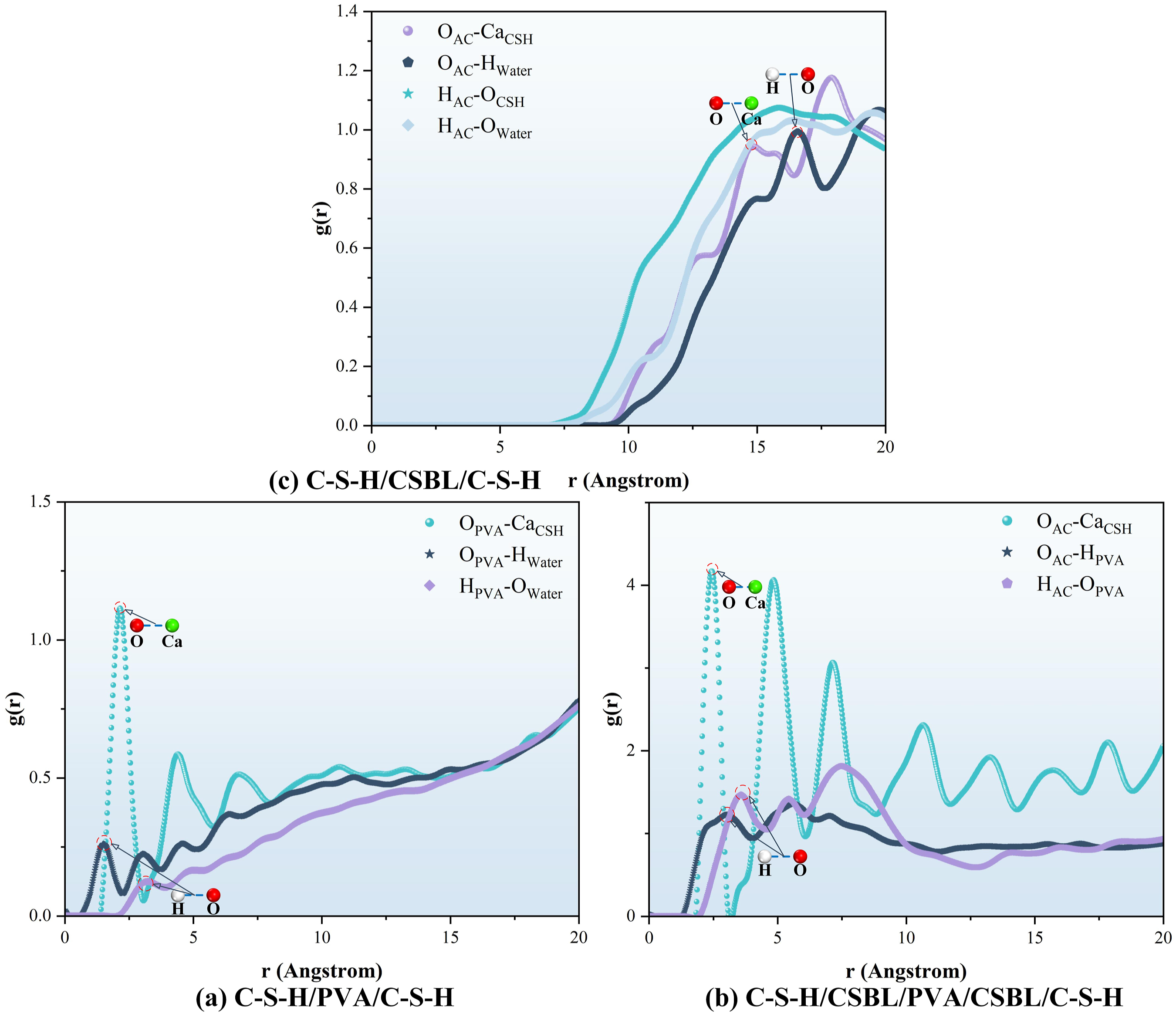
Mean square displacement
Atoms in a system move continuously during relaxation. In this subsection, the mean square displacement (MSD) of each atom in the system is statistically evaluated to reveal the diffusion behaviour of the atoms during the time evolution to characterize the motion of the atoms. The MSD is obtained by performing calculations according to equation (2).
36
The diffusion coefficient D allows for a more intuitive comparison of the intensity of motion of different atoms during relaxation and to understand the strength of inter-molecular interactions. D is 1/6 of the slope of the MSD-t curve as shown in equation (3).
37


The variation of MSD with time before and after modification of RCA concrete is shown in Figure 11. From Figure 11(a), it can be found that the oxygen atoms in the PVA molecular chain diffuse the fastest in unmodified RCA concrete, which is due to the interaction of the oxygen atoms in the PVA molecular chain by the OPVA-CaCSH ionic bond and the OPVA-HWater hydrogen bond, which makes the O atoms closer to the C-S-H model. And the calcium atom in C-S-H has the smallest diffusion coefficient, which is mainly due to the fact that C-S-H possesses a stable backbone model. From the simulation results, it can also be found that the water molecules in the C-S-H skeleton are in a free state. Diagram of atomic dynamics analysis.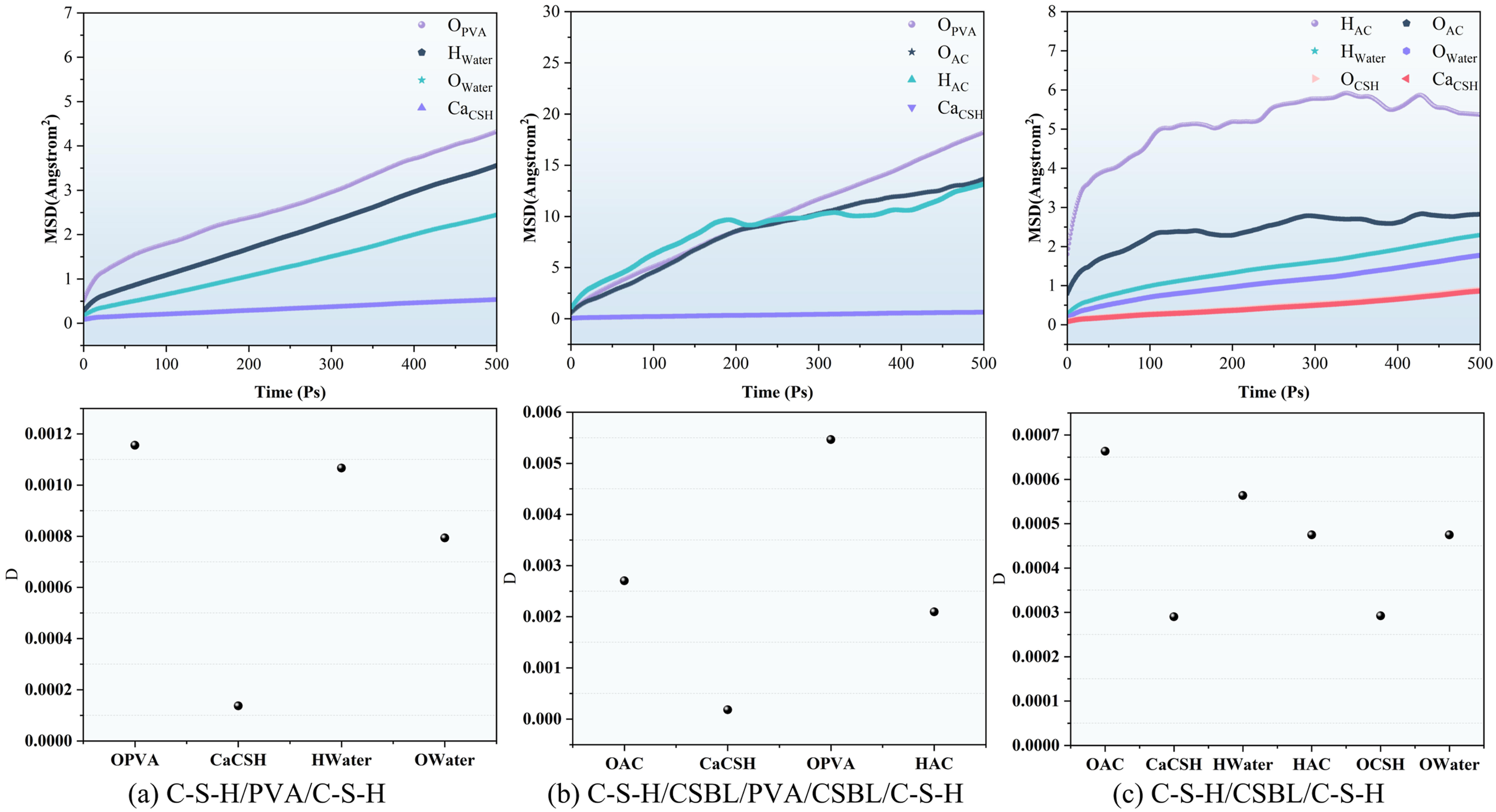
It can be found in Figure 11(b) that the MSD growth rate of the atoms at the PVA/C-S-H interface modified by CSBL is significantly higher, indicating that the introduction of CSBL implicates the motion of the atoms and enhances the inter-atomic interactions. Compared with the concrete before modification, the diffusion coefficient of O atoms in the PVA molecular chain increased, and the acrylic molecules in CSBL were also in a relatively active state, which indicated that the interaction between CSBL and PVA molecular chain was higher than that between PVA molecular chain and C-S-H. The CSBL interaction with PVA molecular chain was also higher than that between PVA molecular chain and C-S-H. However, the diffusion coefficient of Ca ions is still the lowest, again verifying that C-S-H has a stabilising chemical backbone.
In Figure 11(c), it can be found that the O atom in the acrylic acid molecule has the highest diffusion rate, which is mainly due to the fact that the oxygen atom in the acrylic acid molecule is subjected to two interactions, one originating from the interaction of the OAC-HWater hydrogen bonding on the one hand, and on the other hand from the interaction of the OAC-CaCSH ionic bonding.
The diffusion coefficients of HAC and OWater are the same, suggesting that the connection between CSBL and cement also enhances the bond between them through HAC-OWater hydrogen bonding. Since C-S-H has a stable backbone, the Ca atoms did not move substantially due to the OAC-CaCSH ionic bonding interactions.
In summary, the addition of CSBL can enhance the inter-atomic interactions at weak interfaces, and CSBL acts as a ‘bridge’ to enhance the ionic and hydrogen bonding interactions between the PVA fibers and the cement on the one hand, and increase the ionic and hydrogen bonds at the interface between the old and new concrete on the other hand. Therefore, it is feasible to use CSBL to enhance the mechanical properties of RCA concrete.
Time Correlation Functions
Molecules are in motion all the time, and by analyzing the time correlation function (TCF) one can learn important information about the state and stability of chemical bonding connections during the time evolution of molecules. In addition to interatomic interactions in a system, the stability of chemical bonding connections is also an important factor affecting the stability of the structure.
38
Therefore, the chemical bonding stability of RCA concrete before and after modification was determined by TCF and calculated as shown in equation (4).
39

The explanation of TCF is as follows: if the atoms are chemically bonded to each other, the TCF is 1. If the bonds are not bonded, the interactions between the atoms disappear or recombine over time, resulting in TCF values of 1 and 0. If the TCF value is stable during the transition, the bonds present are stable.
The variation of TCF of the main chemical bonds within the system with time under the synergistic effect of CSBL and PVA fibers is demonstrated in Figure 12. By analyzing the static simulation results of MD and the TCF curves, the following conclusions can be drawn: Stability analysis of chemical bonding connections.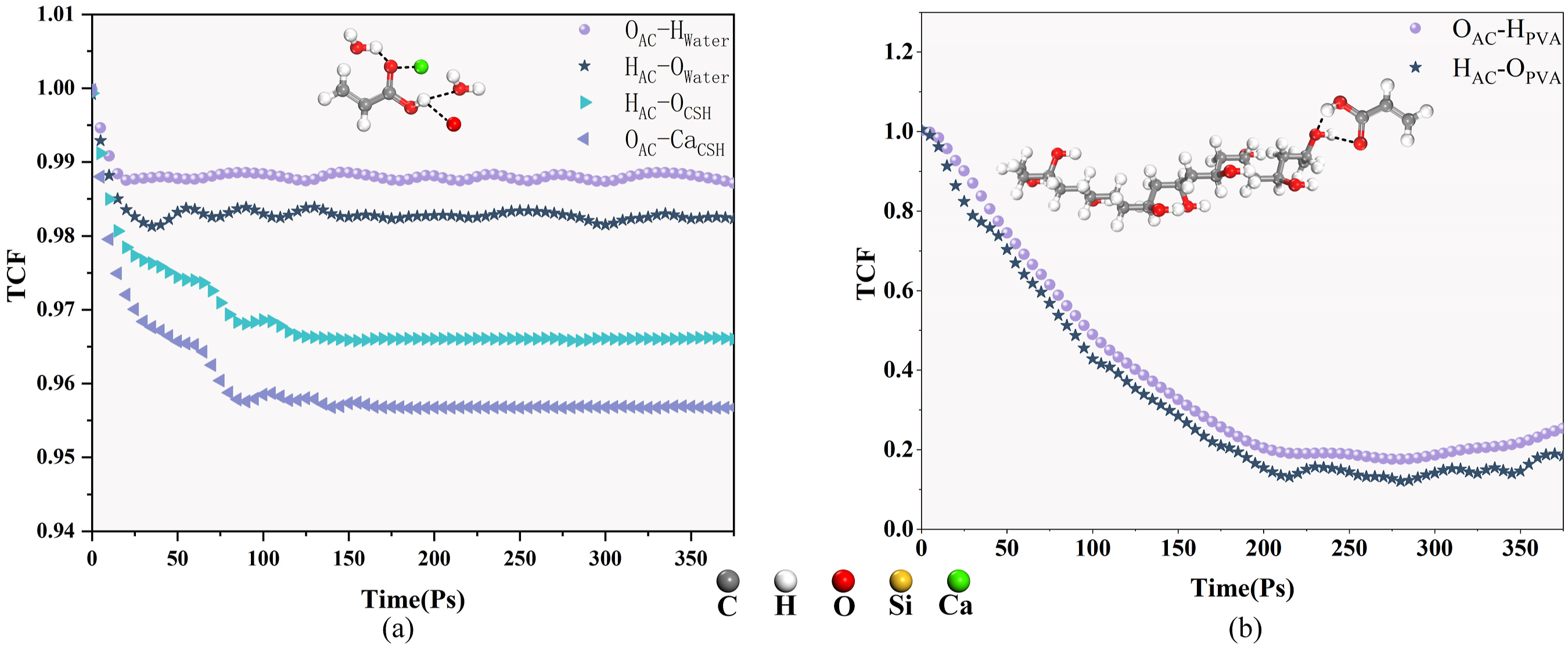
Chemical bonding between CSBL and C-S-H: the carboxyl group of the acrylic molecule in CSBL is the key point of interaction, and the carboxyl group can form hydrogen and ionic bonds with Ca, H, and O atoms. Figure 12(a) shows that the hydrogen and ionic bonding connections generated between C-S-H and CSBL have strong stability and can be maintained for a long time. The strengths of the four types of chemical bonds all remain above 0.9.
Chemical bonding between PVA and CSBL: Figure 12(b) shows that the TCF values of OAC-HPVA and HAC-OPVA are close to 0 and fluctuate greatly, which implies that the hydrogen bonding connection formed between PVA and CSBL is very unstable. The cementitious interfacial enhancement by CSBL mainly relies on the ionic bonding interaction between the oxygen atoms of the carboxyl group in CSBL and Ca. The hydrogen bonding interaction generated by the carboxyl group in CSBL is the key to connecting the PVA, which is essential for the enhancement of RCA cementitious interfacial bonding.
In summary, under the synergistic effect of CSBL and PVA fibers, the ionic bonding between the oxygen atom of the carboxyl group in CSBL and Ca, and the hydrogen bonding generated by the carboxyl group in CSBL are the key factors to enhance the inter-facial bonding of RCA cementitious.
Qualitative analysis
Combining the macro-mechanical tests, the micro-inter-facial situation and the molecular interface simulation results, the qualitative analysis of the strengthening mechanism of CSBL and PVA fibers at the cement interface is shown in Figure 13 below. Multi-scale qualitative analysis.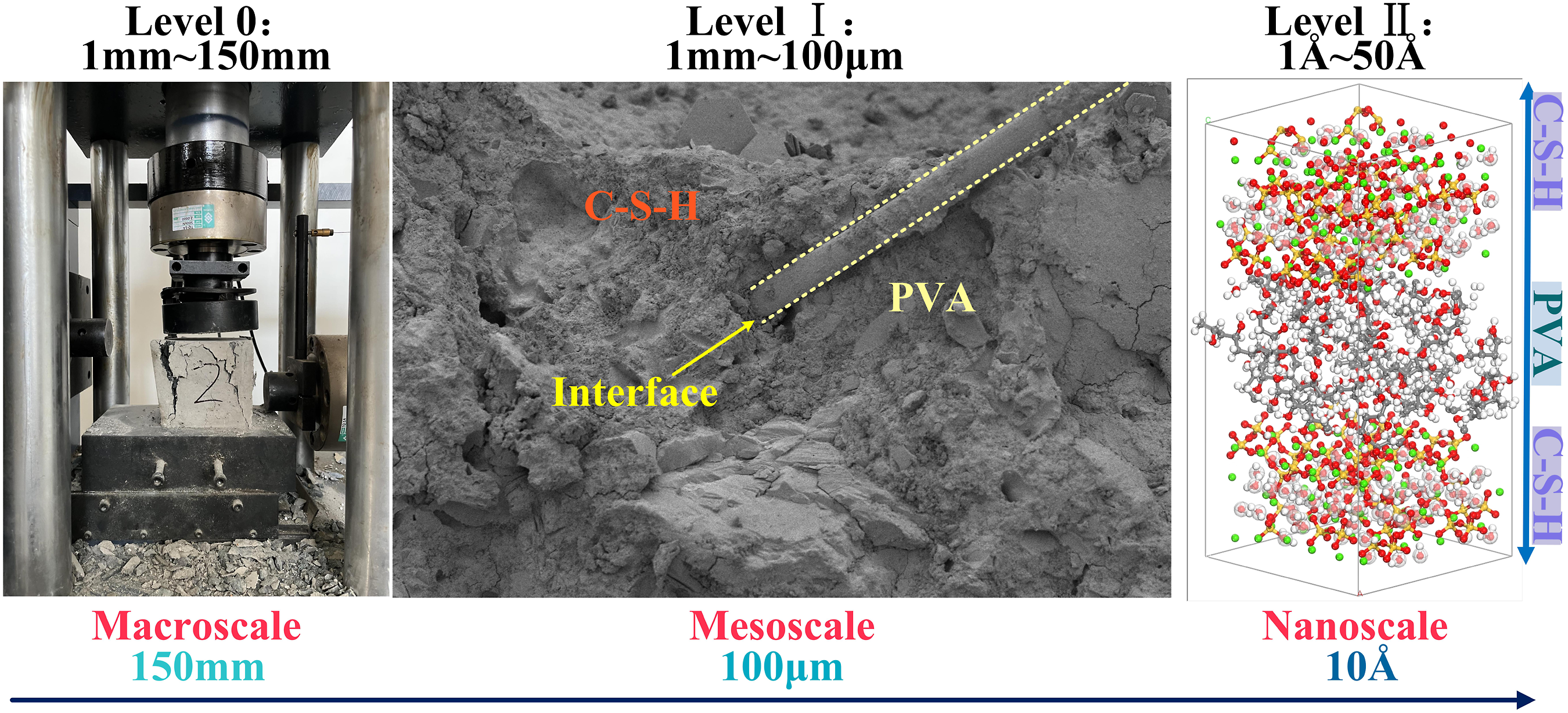
From the macro-mechanical test results, it can be found that the compressive and shear strength of RCA concrete increases with the increase of PVA fiber dosage, and shows a tendency to first increase and then decrease with the increase of CSBL dosage. The best modification effect was achieved with PVA fiber and CSBL content of 1.5% and 15% of cement mass respectively. The subsequent micro-test results revealed that the reason for the strength enhancement was that the weak interface between PVA/C-S-H and Stone/C-S-H was improved, mainly because CSBL could further hydrate the unhydrated cement and fill the weak interface. Secondly, the PVA fibers retarded the development of internal cracks in concrete to some extent. Through the results of nanomolecular simulation, it can be found that the bond mainly comes from the interaction of O-Ca ionic bond and O-H hydrogen bond, and CSBL acts as a ‘bridge’ at the weak interface, and the presence of acrylic acid in CSBL is crucial to increase the content of hydrogen bond and stabilize ionic bond to enhance the bond at the weak interface. The presence of acrylic acid in CSBL is crucial to increase the hydrogen bonding content and stabilize the ionic bonds to enhance the bonding force at the weak interface. Based on the results of the above multi-scale analyses, we provide theoretical and experimental support for the application of RCA concrete in buildings.
It should be emphasized that although careful preparation of samples and avoidance of the use of poor quality original test blocks have been adopted. However, it is unavoidable that defects such as cracks, porosity or other impurities still exist in the samples, which may also affect the overall performance of the material. In this case, the test results may not reflect the performance of the material in its ideal state. Therefore, the direction of this study has some limitations. Comparisons need to be made through more reliable methods to verify the accuracy of the test results.
Conclusion
In this study, the modification of RCA concrete with CSBL and PVA fibers was examined through macro-mechanical tests, SEM, FTIR, and MD simulation. These analyses revealed the fibers’ impact on RCA concrete’s mechanical properties, inter-facial bonding, chemical changes, and structural enhancements. The findings offer technical and theoretical insights for RCA concrete advancement. (1) Macro mechanical properties: When the contents of PVA fibers and CSBL were 1.5% and 15% of the cement mass, respectively, the compressive strength and shear strength of RCA concrete could reach a maximum of 42.2 MPa and 7.8 MPa, respectively. Compared with the unmodified RCA concrete, the compressive strength and shear strength increased by a maximum of 12.8% and 26.7%. (2) Microcosmic test results: CSBL has a significant improvement effect on the weak interface between PVA/C-S-H and Stone/C-S-H. The main reason is that the addition of CSBL in the appropriate range promotes the further hydration reaction of the unhydrated cement, fills the weak interface and increases the concrete compactness. (3) MD simulation results: CSBL acts as a ‘bridge’ between the weak interfaces of PVA/C-S-H and C-S-H/C-S-H. The bonding force between CSBL and PVA is mainly due to hydrogen and ionic bonds. The presence of acrylic acid in CSBL is crucial because the carboxyl group (-COOH) can form stable ionic bonds with calcium ions in the cement gel, and can also form many hydrogen bonds with hydrogen atoms in water. In addition, CSBL forms a large number of hydrogen bonds with the PVA molecular chain, resulting in a strong bond between CSBL and PVA.
Footnotes
Declaration of conflicting interests
The author(s) declared no potential conflicts of interest with respect to the research, authorship, and/or publication of this article.
Funding
The author(s) disclosed receipt of the following financial support for the research, authorship, and/or publication of this article: This study is supported by Henan Provincial Construction Science and Technology Association Scientific Research and Development Program; YJKJP-202403. Henan Provincial Construction Industry Association Scientific Research and Development Program; YJX-2023-K01?YJX-2023-K02. Natural Science Foundation of Henan Provincial Science and Technology Department; 162102210188.
