



Abstract
Crushing behavior analysis and energy absorption optimization are crucial for lightweight structures in automotive applications. The present paper aims to investigate the crushing behavior of thin-walled aluminum/CFRP hybrid tubes under axial loading using an explicit finite element (FE) simulation. The damage constitutive models of aluminum and CFRP are implemented by coding the user-defined subroutine VUMAT in ABAQUS/Explicit, which includes the damage initiation and evolution laws and element deletion scheme. Parametric studies are conducted to assess the effects of radius and aluminum layer thickness on the crushing performance of hybrid tubes. Additionally, a multi-objective optimization is performed on the Isight platform using a non-dominant sorting genetic algorithm (NSGA-II) and technique for order preference by similarity to ideal solution (TOPSIS) with entropy weight method. The optimization aims to maximize crashworthiness and increase energy absorption capacity, enabling designers to select an optimum size ratio.
Keywords
Introduction
The design of energy-absorbing components that can effectively reduce kinetic energy generated during a crash to prevent occupant injury is of paramount importance to automotive engineers. Automotive lightweighting not only reduces the weight of a vehicle while ensuring its crashworthiness, but also improves its driving safety performance and effectively mitigates collision impacts. Therefore, investigating the properties of lightweight structures and optimizing the structural parameters is essential to studying lightweighting and improving crashworthiness.1–5 Thin-walled tubes are general components for load-bearing and energy-absorbing applications in automobiles, and the design of the materials and structures used to create thin-walled tubes is a popular research area within the automotive engineering industry.
As a traditional thin-walled tube material, metals mitigate impact by means of plastic deformation. The energy absorption process of metal tubes has been well studied over the past decades. Alexander et al. 6 first derived an approximate theory for the axial mean load based on the collapse process of circular metal tubes. Wierzbicki et al.7,8 further developed a super-folding element theory to calculate the mean crushing force and investigated the axial collapse process and energy absorption mechanism of thin-walled tubes. Andrews et al. 9 summarized the deformation and damage of thin-walled tubes under axial compression collapse, including concertina mode, diamond mode, mixed mode and Euler mode. By means of theoretical analysis, experiments and numerical simulations, numerous studies have demonstrated that the loading angle, 10 wall thickness, 11 multi-cell structures and materials, 12 structural and sectional configurations13,14 have significant influences on the energy absorption and damage process of thin-walled metal tubes.
Compared with traditional metal materials, composite materials are gradually being introduced into the design of thin-walled energy-absorbing structures for new lightweight bodies, with the advantage of light weight, high modulus, reliable resistance and excellent energy absorption property. Researchers have paid much attention to the failure modes, damage evolution and energy absorption mechanisms of thin-walled composite tubes. Hamada et al. 15 found that the CFRP tubes displayed higher energy absorption capability than the GFRP counterpart. Xiao et al. 16 summarized that CFRP tubes mainly rely on various damage mechanisms such as delamination, fiber-matrix debonding, matrix fracture and fiber breaking to absorb energy during the axial crush process. Many researches17–19 have showed that thermoplastic composites absorbed far more energy than brittle epoxy based composites in crash/energy absorption applications. In addition, factors such as cross-sectional shape, 20 fiber material, 21 trigger initiation configurations, 22 lay-up direction and crushing rate, 23 can significantly affect the damage mechanisms of thin-walled composite structures.
While CFRP has a notable lightweighting effect, its high cost, complex manufacturing process, and unstable failure characteristics make it unsuitable for mass-production of automotive components. On the other hand, hybrid tubes, made from a combination of metals and composites, offer the best of both materials. These tubes take advantage of the stable plastic deformation of metals to modify the brittle failure of composite materials thus achieve high levels of lightweighting. As a result, many researchers have turned their attention to the benefits of hybrid thin-walled tubes.24–26
Feng et al. 27 confirmed that hybrid metal/composite tubes can effectively reduce the crushing forces during the collision. Sun et al. 28 investigated the bending damage behavior and energy absorption capacity of aluminum/CFRP tubes under transverse loading using a FE simulation for parameter optimization. Zhu et al. 29 designed different aluminum/CFRP hybrid tubes to investigate the effect of structural configuration on the crushing characteristics, energy absorption capacity and damage behavior of thin-walled tubes. Sun et al. 30 evaluated and compared the crashworthiness and energy absorption performances of various hybridized materials, such as CFRP, GFRP, aluminum/steel, and metallic foams/honeycombs/lattices. Besides, numerous investigations have shown that the parameters, such as diameter to thickness ratio, 31 cross-sectional shape, 32 fiber orientation 33 and composite wall thickness, 34 have important influence on the energy absorption performance of metal/composite hybrid tubes.
The damage mechanisms associated with hybrid tubes are complex and as such, there have been minimal numerical analyses and optimization efforts in this area. However, with ongoing advancements in simulation technology, optimization algorithms and computer hardware, it has become feasible to optimize body structures by combining FE analysis tools with optimization algorithms.35,36 The aim of the present study is to propose an Abaqus/Explicit FE model capable of exploring the crushing damage and energy absorption mechanisms of thin-walled aluminum/CFRP hybrid tubes. Next, the effects of radius and aluminum layer thickness on energy absorption characteristics are discussed by comparing the results of various energy absorption indicators. A multi-objective optimization process for the circular hybrid tube utilizes NSGA-II to achieve the Pareto set. Finally, the TOPSIS with entropy weight method is implemented to determine the optimal solution from the Pareto set of crashworthiness and enhance the energy-absorbing performance.
Damage constitutive model
Constitutive Model of CFRP
Intra-laminar damage
Hashin failure criteria 37 are employed to identify the four intra-laminar damage modes, namely
Fiber tensile failure (

Fiber compressive failure (

Matrix tensile failure (

Matrix compressive failure (

In the above equations, α is the adjustment factor of shear stress; X T , X C , Y T and Y C are the axial tensile, axial compressive, transverse tensile and transverse compressive strengths of unidirectional laminate, respectively; S12, S13 and S23 are the shear strengths respectively.
Once the damage initiation criterion of specific mode is satisfied, the stiffness properties are reduced and the damage evolution begins. The damage evolution law of specific intra-laminar damage mode is expressed as ref
38





Inter-laminar damage
The inter-laminar initial damage is determined by ref
39

The inter-laminar damage evolution is determined by B-K criteria, namely


Constitutive model of aluminum Layer
Johnson-Cook visco-plastic model
40
is used to define the aluminum material taking into account the effects of strain rate, temperature and stress triaxiality on the fracture failure, which can effectively simulate the crushing damage of aluminum. The effective stress is expressed by


Plastic failure strain

Johnson-Cook model adopts a linear accumulation to reflect the failure depending on the material deformation process. When the damage parameter
Nonlinear FE modeling
Energy absorption indicators
In this study, several essential parameters are mainly used as the performance indicators for the crashworthiness analysis. As presented in Figure 1, these parameters can be obtained from the force-displacement curve. Typical force-displacement curve under axial crushing.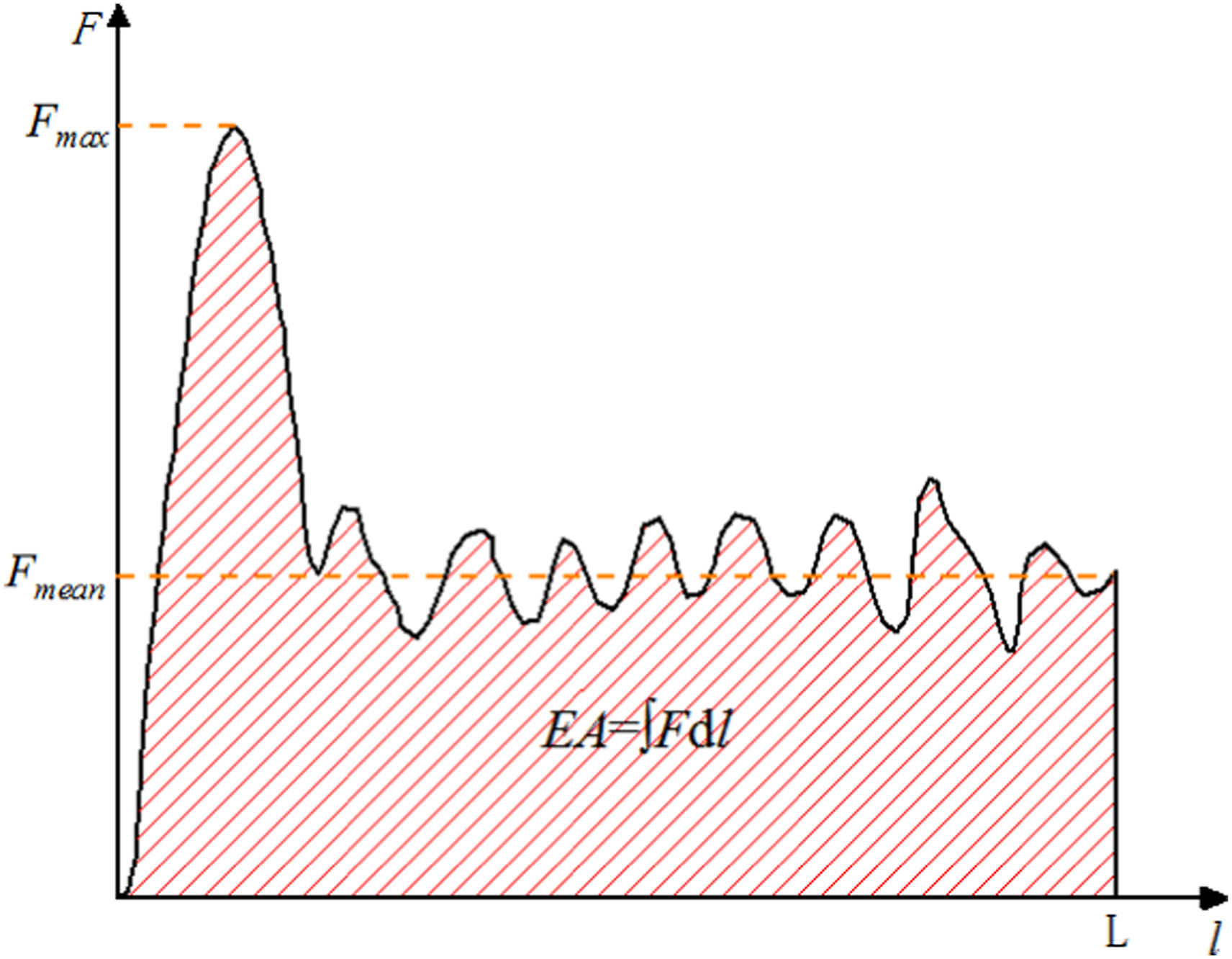
EA is the total energy absorbed during the crushing process, which is obtained by integrating the force-displacement curve.
Peak crushing force (F max ) is the peak value of the curve, which generally occurs at the initial moment of damage between the rigid plate and thin-walled tube during axial crushing and generally cannot be too high.
Specific energy absorption (SEA) indicates the material utilization rate of specimen and is an important indicator of lightweighting, namely

F
mean
is the average crushing force during compression. It represents the overall resistance to crushing of a thin-walled tube and is obtained from

Crushing force efficiency (CLE) is the ratio of F mean to F max . It is an assessment of the uniformity of crushing force and a higher value indicates a more stable and safer crushing.
Validation of the proposed damage model
In this paper, a non-linear explicit FE model is built on ABAQUS/Explicit platform software platform and the damage constitutive model is introduced by a user-defined subroutine (VUMAT) with FORTRAN code. To ensure the reliability and validity of the established quasi-static crushing model, the experimental results from Refs.41,42 are compared with the results of numerical simulation. Figure 2 shows a quasi-static axial crushing model of a thin-walled tube. The model consists of three parts: the moving plate, the specimen and the fixed base. The moving plate and fixed base are assumed as discrete rigid plates during the quasi-static crushing process. The size of the rigid plate is 100 × 100 mm and four node rigid shell element (R3D4) is used for mesh discretization. The specimen is a deformable thin-walled circular tube and is meshed by eight-node hexahedral reduced integration element (C3D8R). The approximate global size of the specimen is 1 mm. A trigger chamfer is designed to induce progressive failure at the top of the circular tube. To avoid the sliding of tube as well as the penetration of adjacent parts, “Hard contact” with friction coefficient 0.3 is defined for the interaction between the rigid plates and circular tube. All degrees of freedom of the fixed plate are constrained and an axial dynamic load is applied to the moving plate. Cohesive elements (COH3D8) are inserted between neighboring plies of composites to capture the inter-laminar delamination under crushing loading. Computational convergence can be guaranteed with the present mesh density. The material parameters of the composite (T700/epoxy) and cohesive element are detailed in Tables 1 and 2, respectively. FE verification model. Material properties of T700/epoxy.
41
Material properties of cohesive interface.
41
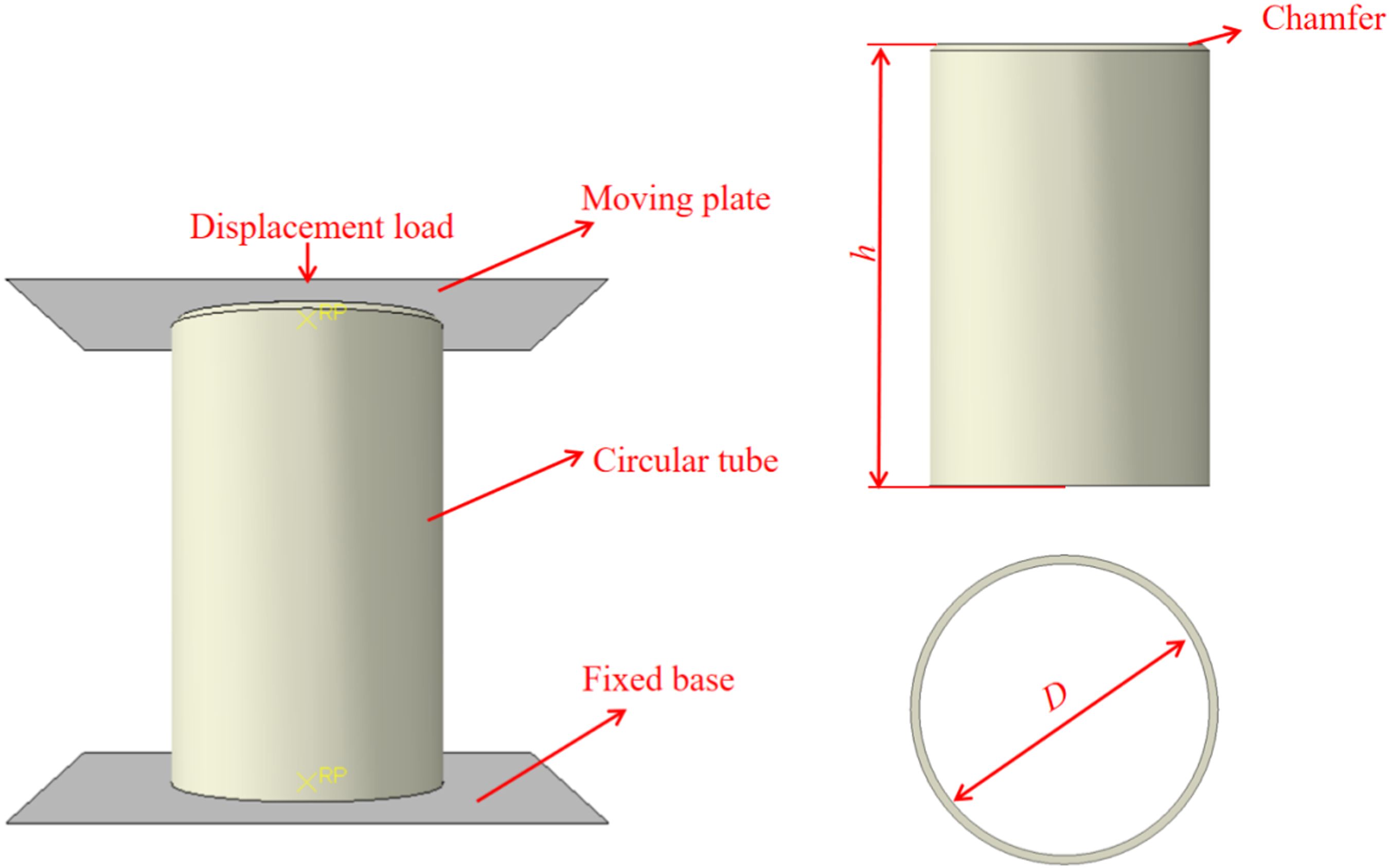
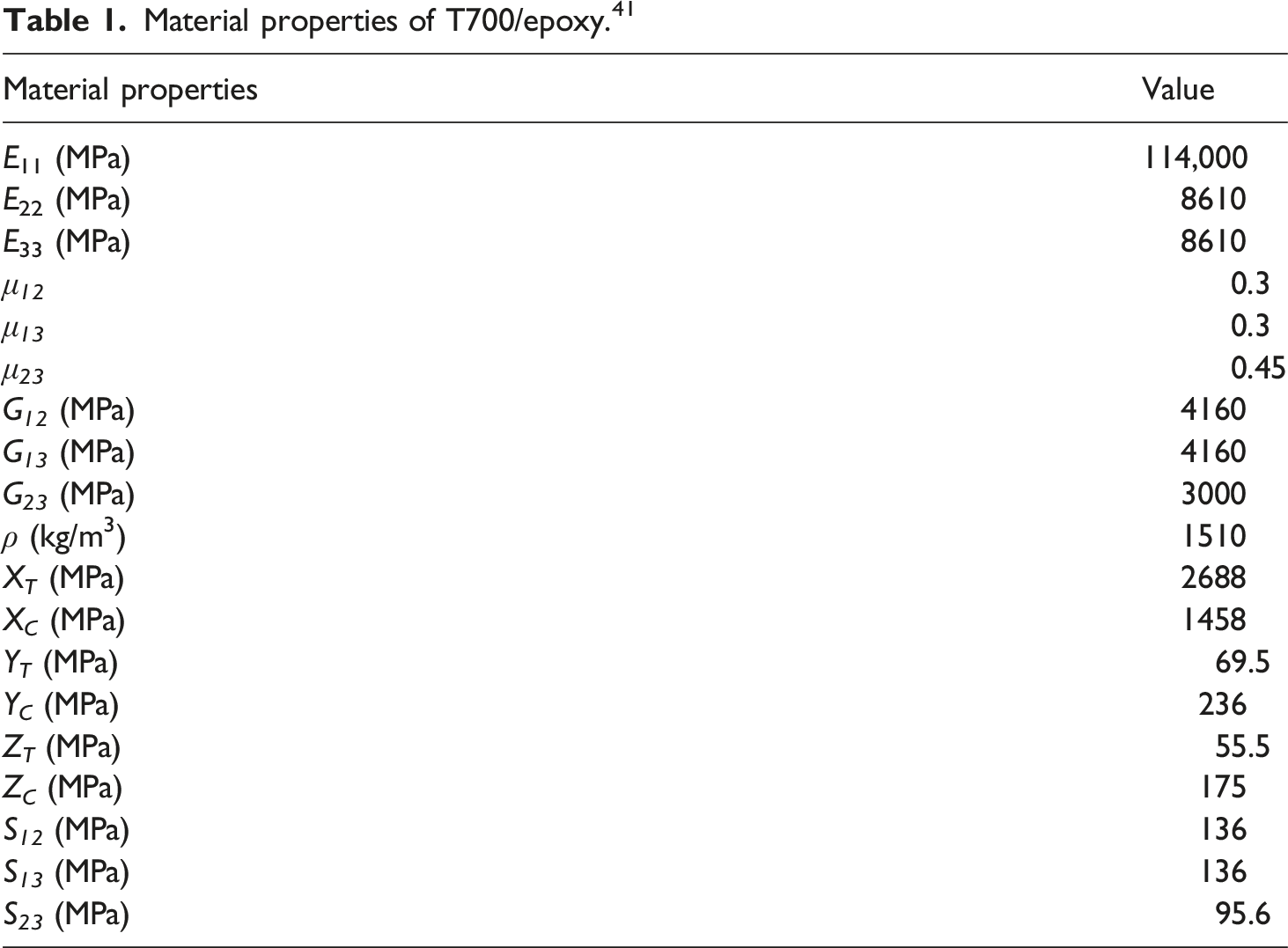
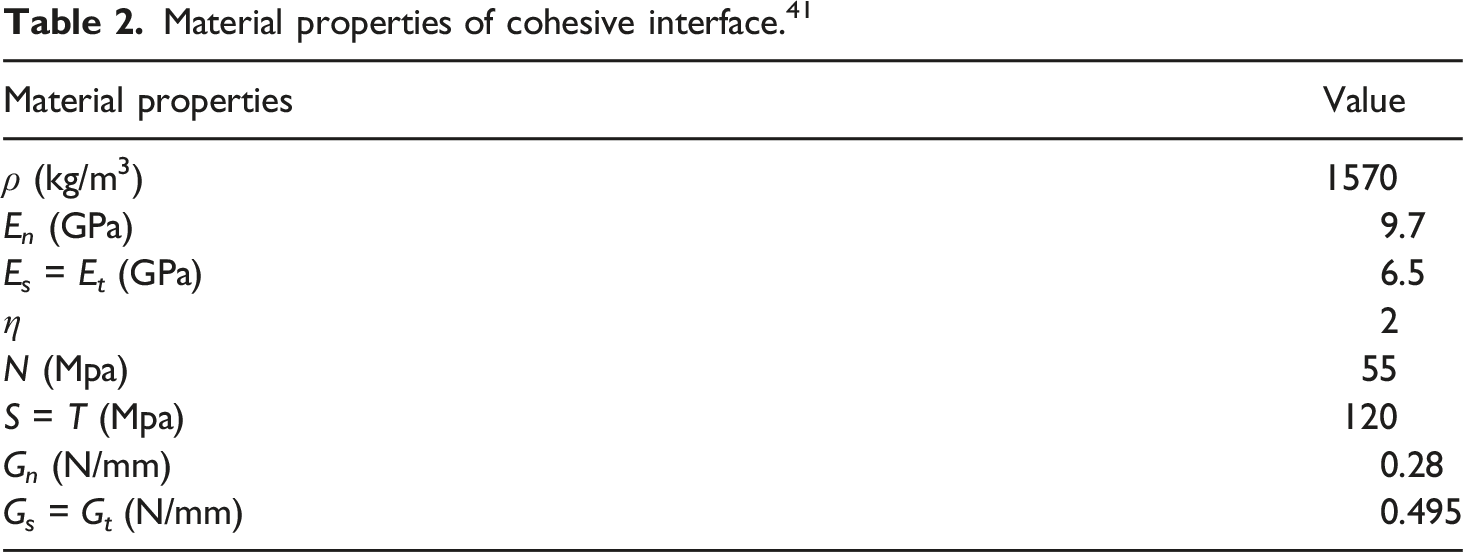
Figure 3 shows the experimental and numerical results of force-displacement curve and final damage state of composite circular tube with 16 plies under axial quasi-static crushing. As evident from Figure 3, both the force-displacement curve and the crushing deformation pattern of numerical results are in good agreement with the experimental results. In addition, good agreement and low error of energy absorption indicators can be observed in Table 3. Therefore, this FE model can effectively predict the crushing behavior of thin-walled composite circular tubes. Energy absorption performance indicators of composite circular tube.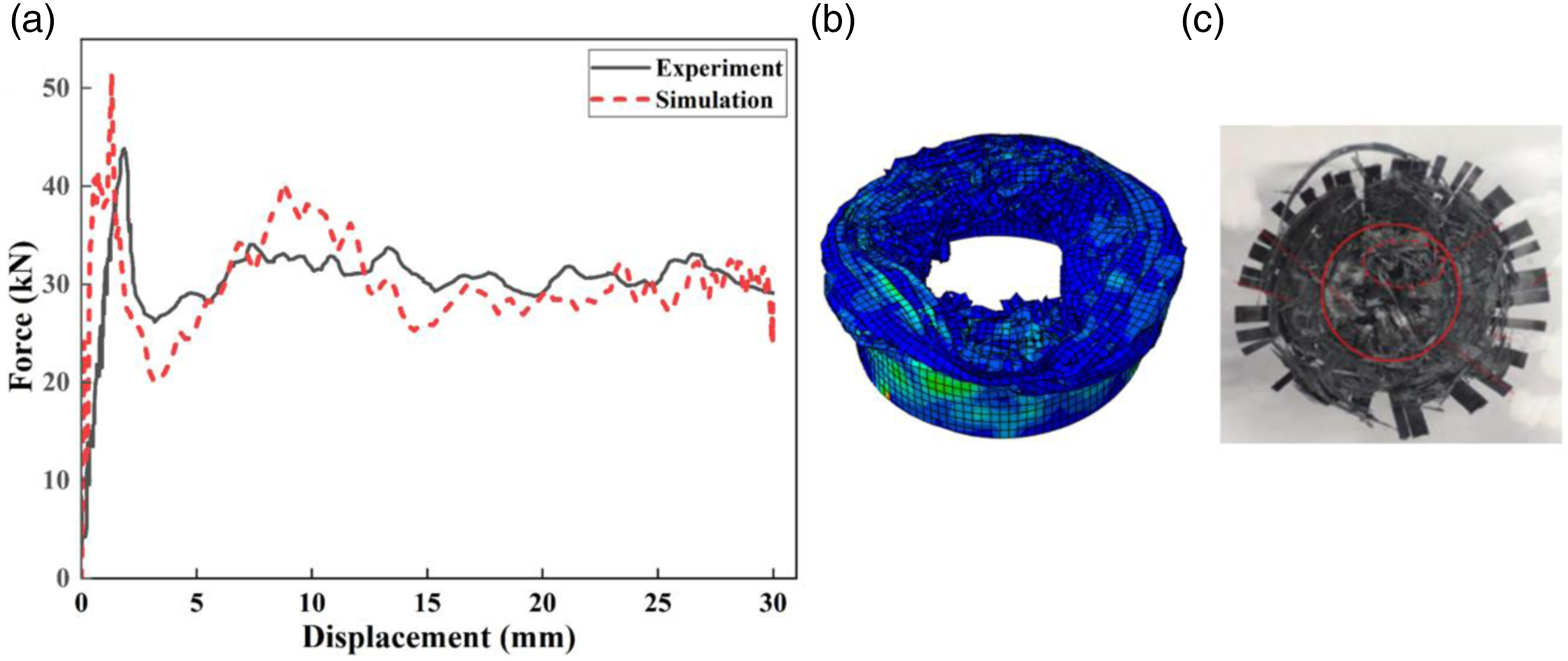
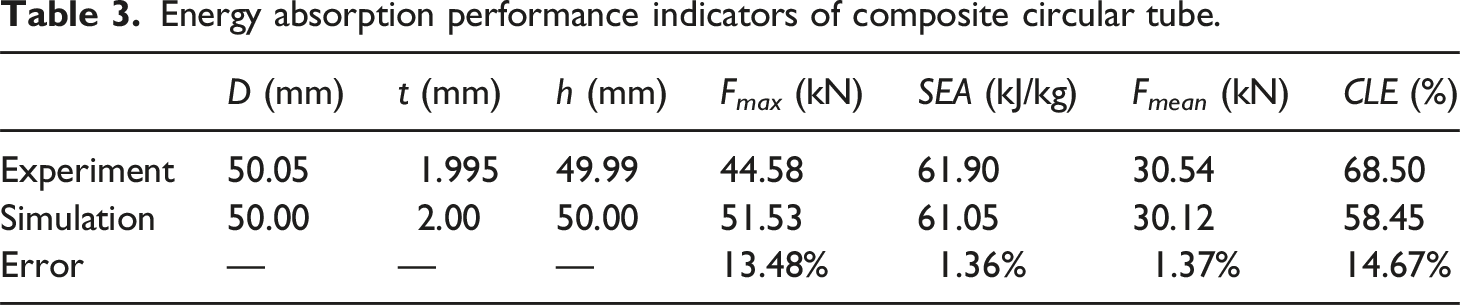
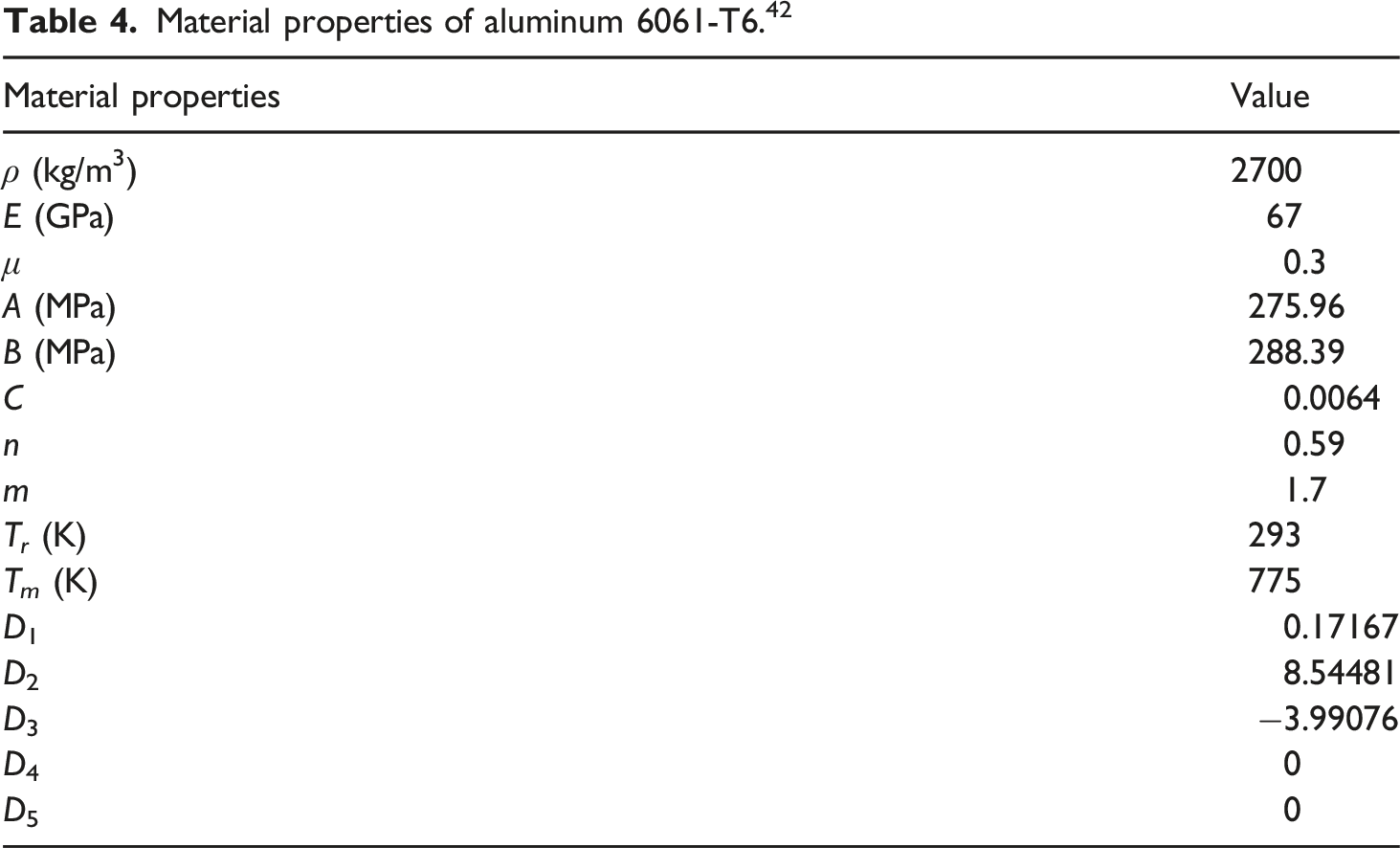
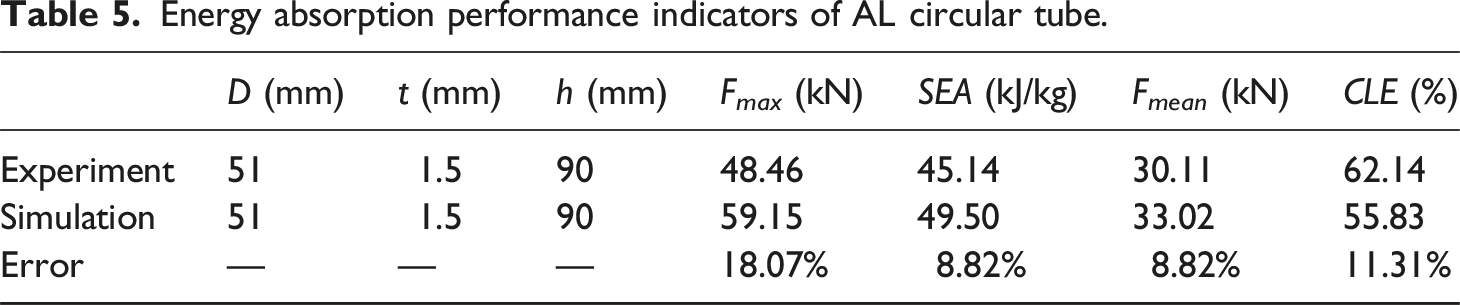
Figure 4 displays the experimental and numerical results of force-displacement curve and final damage state of aluminum circular tube under axial quasi-static crushing. The aluminum material parameters of Johnson-Cook model used in the simulation are summarized in Table 4. The concertina deformation patterns as well as the number of folds and typical force-displacement curves in the simulation all match well with the experimental results. The energy absorption indicators of the aluminum tube are given in Table 5. It can be seen that the indicator errors are small, which demonstrates the reliability of the FE model of aluminum tube. Material properties of aluminum 6061-T6.
42
Energy absorption performance indicators of AL circular tube.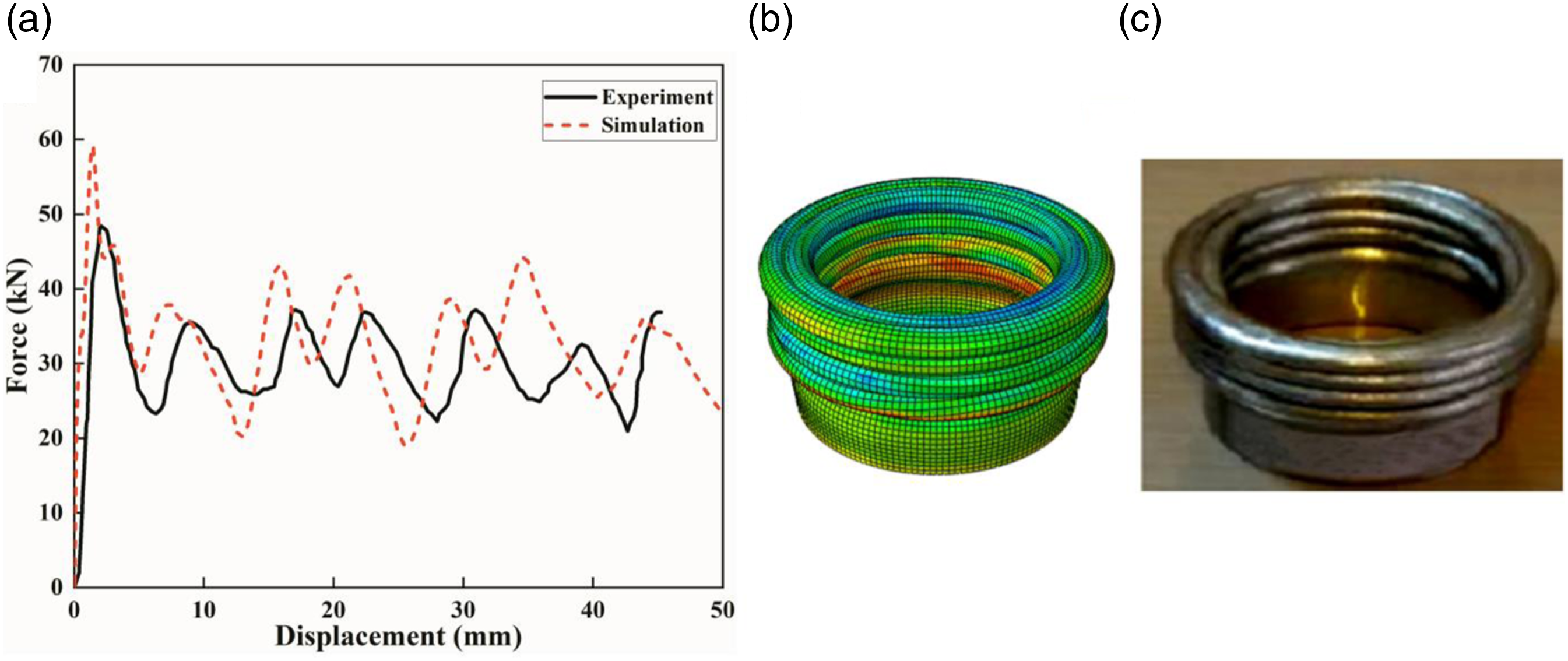
Axial crushing model of aluminum/CFRP hybrid tube
To investigate the crushing behavior of thin-walled aluminum/CFRP hybrid tube, as exhibited in Figure 5, a quasi-static axial crushing model of the hybrid circular tube is developed. The hybrid tube configuration is a CFRP tube that is placed inside an aluminum tube. It should be realized that carbon fiber and aluminum require trigger corrosion and that special precautions are required to prevent this. The assembly of the FE simulation, element types and boundary conditions for each part are as described in section Validation of the proposed damage model. Herein, cohesive elements are introduced to the interface between composites and aluminum layer. Axial crushing model of aluminum/CFRP hybrid tube.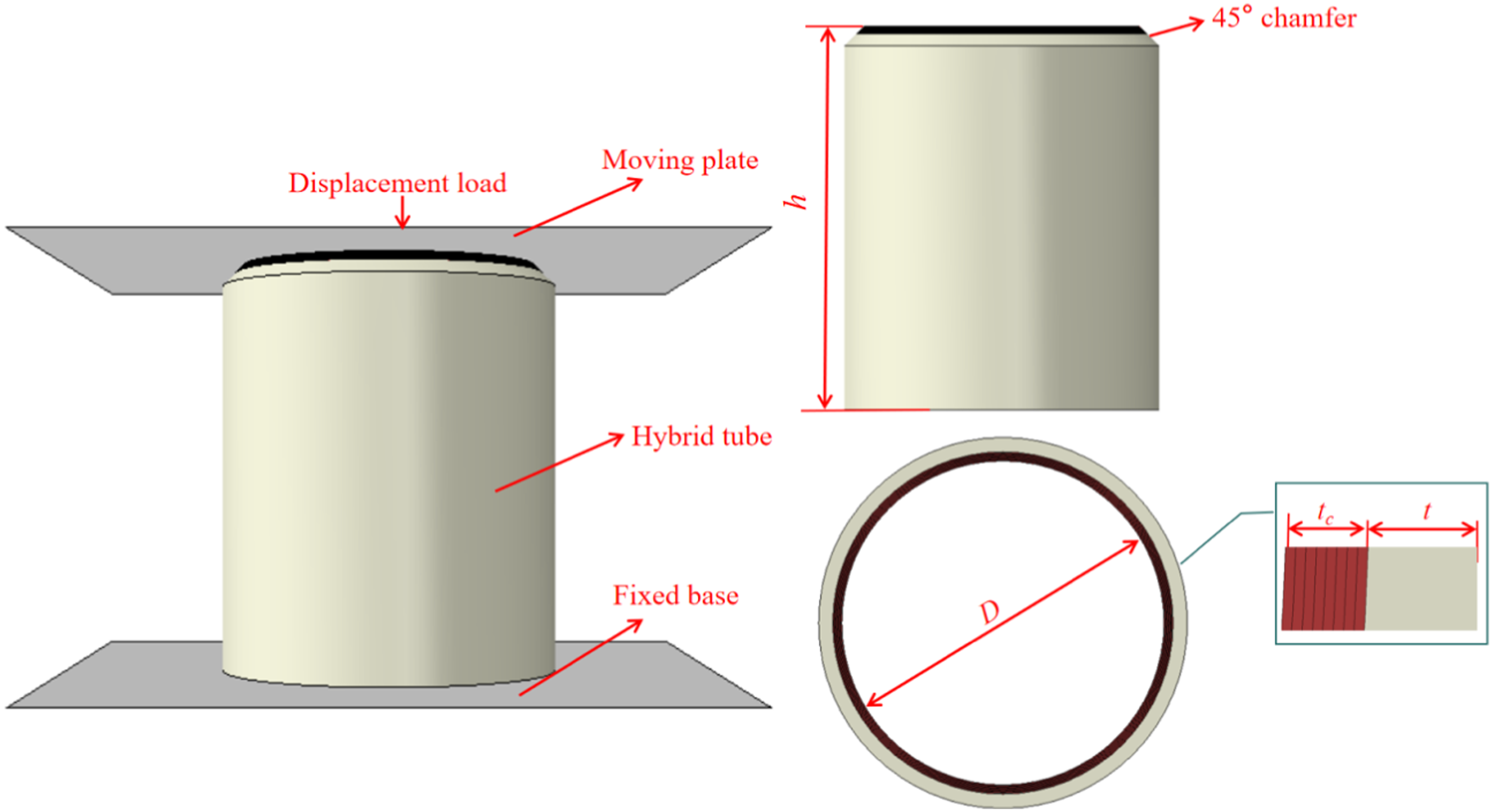
Numerical results and discussions
Axial crushing analysis of circular tubes
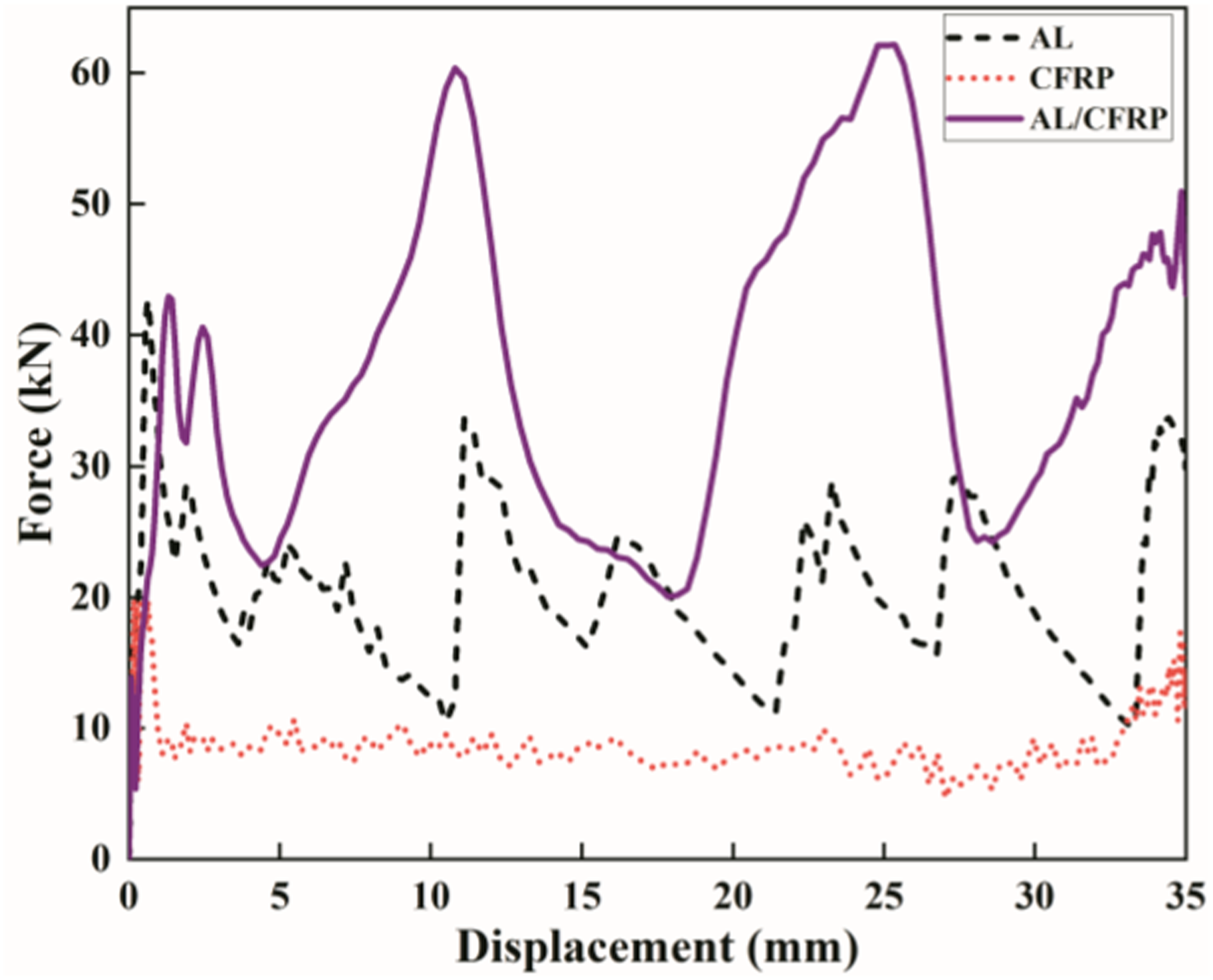
Figures 6 and 7 respectively illustrate the collapse process and force-displacement curves for thin-walled circular tubes of three different materials. These three types of tubes have the same length and impact boundary conditions. The inner CFRP tube has an internal diameter of 50 mm and a wall thickness of 1 mm (8 layers), and the stacking sequence is [0/90/0/90]2 with ply thickness of 0.125 mm. The outer aluminum tube has an internal diameter of 52 mm and a wall thickness of 1 mm. An aluminum tube is placed on the outside of the CFRP tube to achieve a hybrid tube. In Figure 7, the force is low in aluminum and CFRP, but when combined, the peak load doubles. The superior load-bearing capacity of the combined tube, in comparison to both aluminum and CFRP individually, results in a higher peak load for the combined structure. Axial crushing histories of circular tubes with different materials. Force-displacement curves of circular tubes with different materials.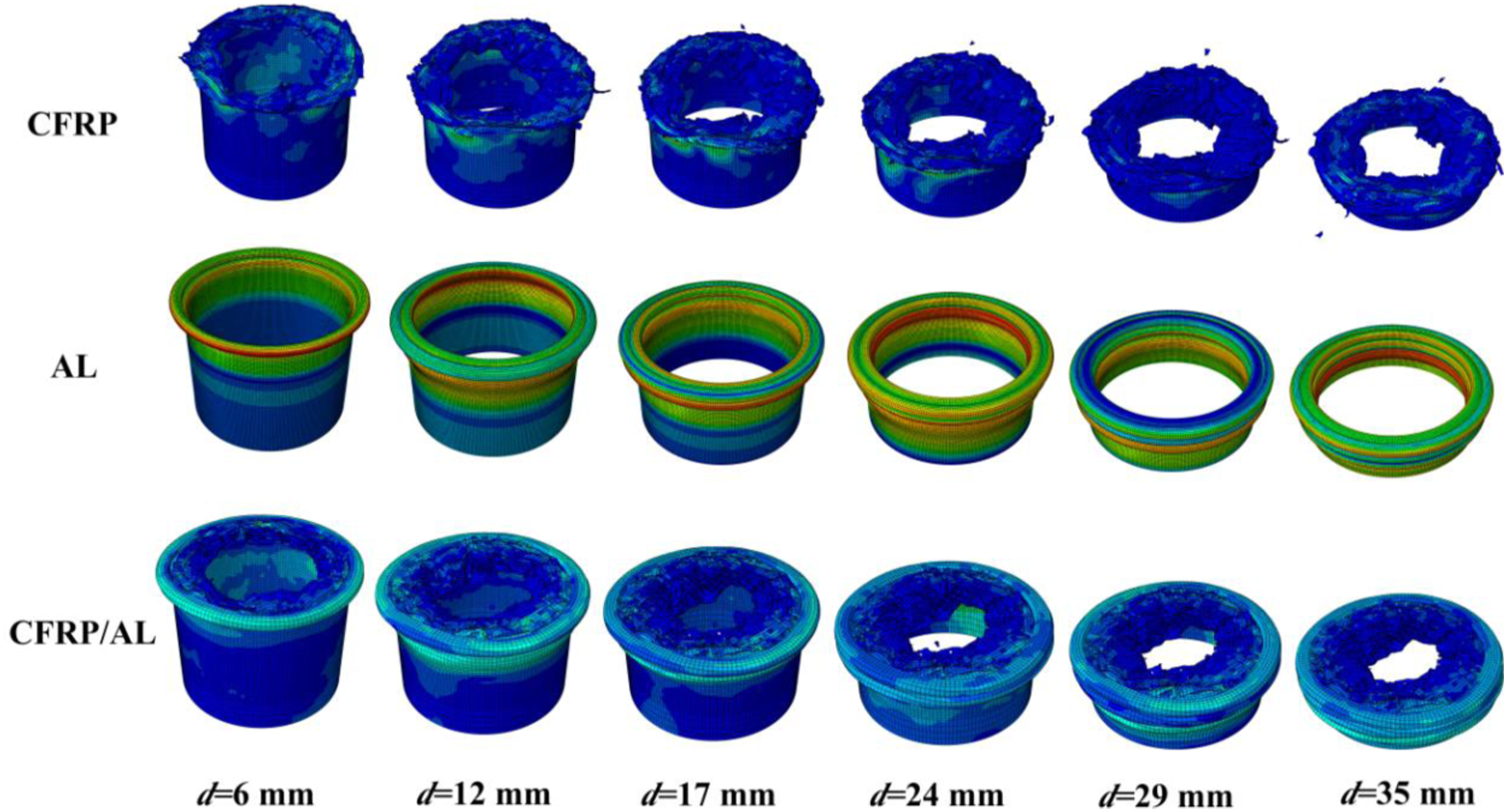
In Figure 6, it is shown that the pure CFRP tube undergoes a variety of damage modes such as delamination, bucking, fiber breaking and matrix cracking, while the aluminum tube exhibits a typical concertina pattern of stacked shrinkage deformation. The damage mode of the aluminum/CFRP hybrid tube combines the damage behavior of both materials of the tube, with buckling and delamination failure occurring in the inner CFRP and stacked shrinkage plastic deformation in the outer aluminum tube. Buckling and restriction of the inner CFRP tube cause longitudinal cracking of the aluminum tube. It confirms that the hybrid structure can transform the unstable local buckling failure of the CFRP into a progressive failure.
Energy absorption performance index of circular tubes with different material.
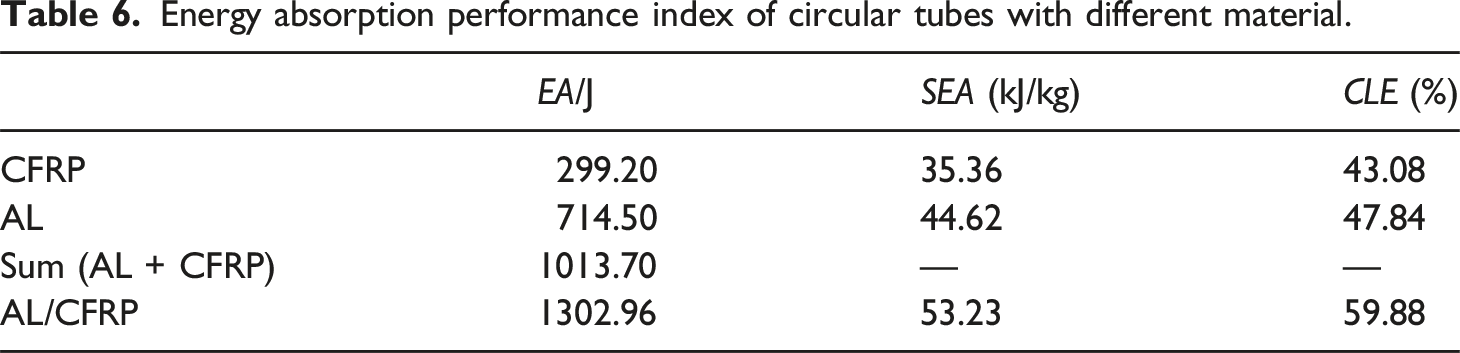
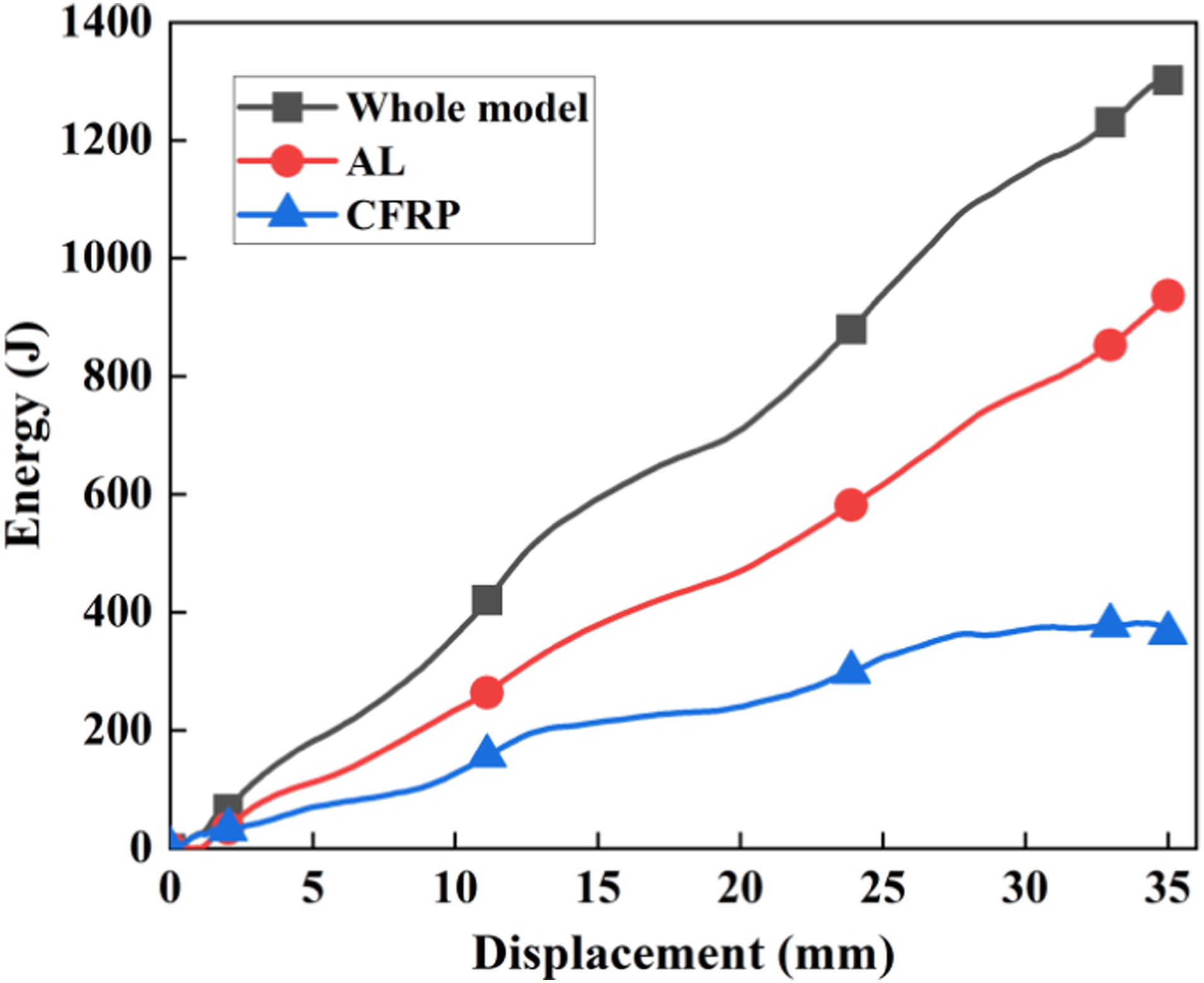
Energy variation of each part of hybrid tube.
Effect of radius and wall thickness on axial crushing of hybrid tubes
It has been suggested that hybrid tubes have better energy absorption characteristics than pure material tubes under axial quasi-static compression. In order to study the effect of radius and aluminum thickness on the energy absorption performance, the crushing behavior of hybrid tubes under axial crushing condition is investigated by designing several different thicknesses of the aluminum layer and different radii of tubes in this section.
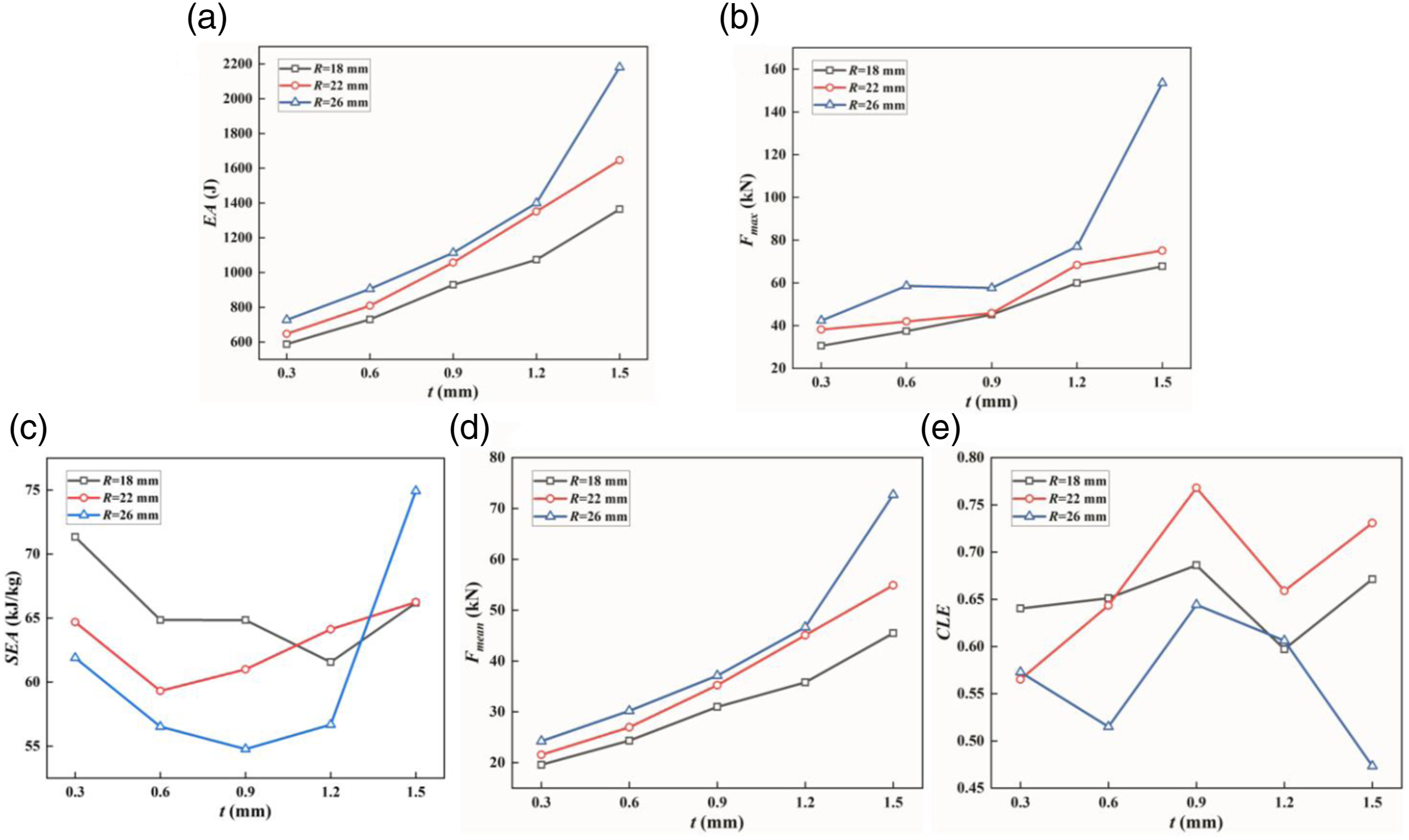
The axial crushing simulation results of circular tubes with different aluminum thicknesses are presented in Figure 9, where the hybrid tubes exhibit different deformation patterns with the variation of aluminum thickness. The inner CFRP tubes all show delamination and local buckling, while the hybrid tubes show a progressive failure deformation pattern. The thinner aluminum cannot support the inner CFRP extrusion and cracks. As the crushing distance increases, the aluminum is torn from the crack and appears as blades. The external deformation of the aluminum tube gradually changes, as the aluminum becomes thicker, from a tearing “flower” pattern to a progressive folding concertina deformation pattern. EA and F
mean
are positively correlated with aluminum thickness and there is a tendency for the SEA values to decrease and then increase with increasing thickness. In summary, thickening the aluminum layer increases the load-bearing capacity of the hybrid tube and improves the energy absorption capacity. Axial crushing histories of circular tubes with different thickness of aluminum layer.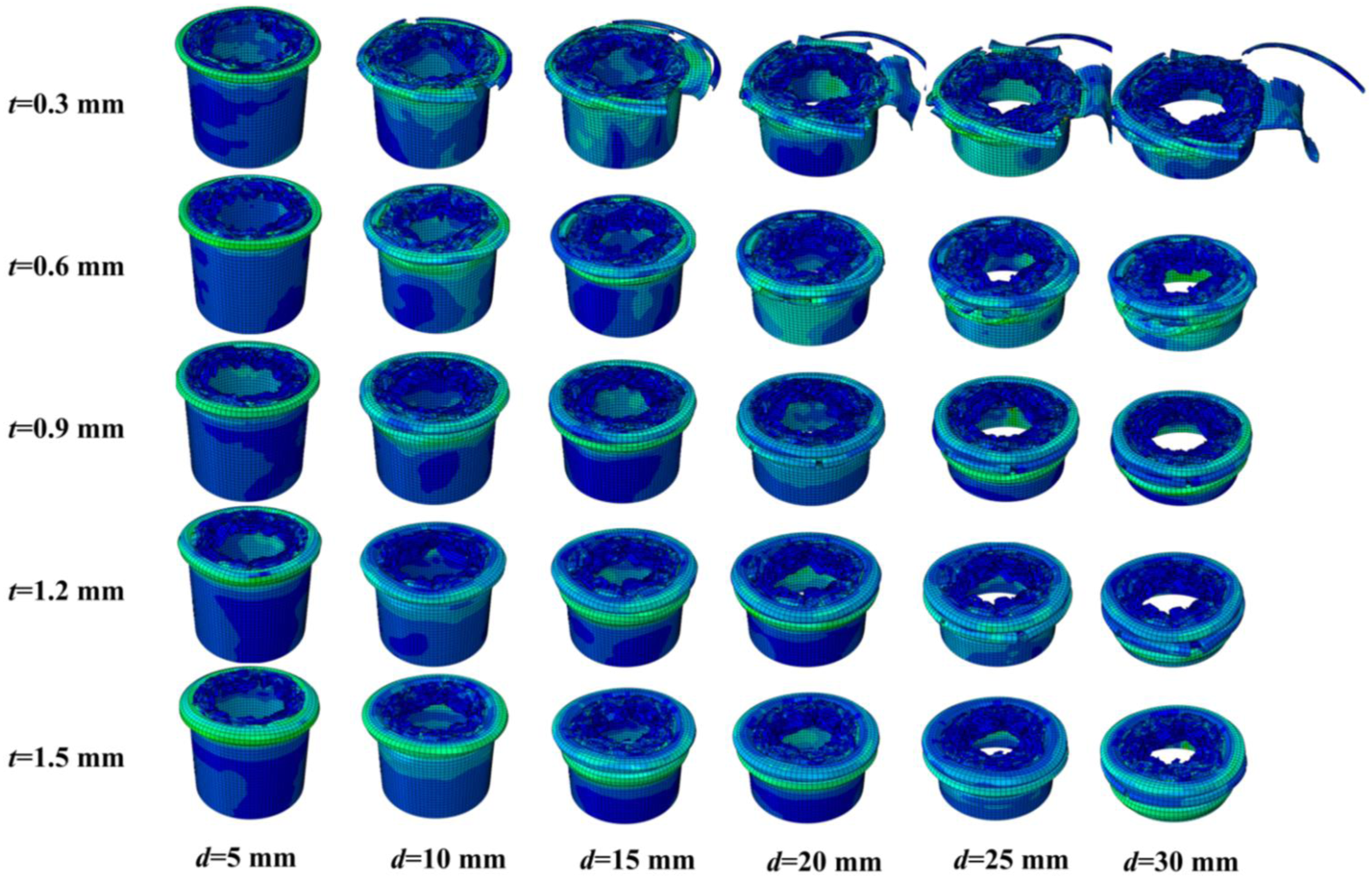
Figure 10 shows the collapse process for three hybrid circular tubes with different radii, where the CFRP and aluminum thickness are kept constant. The CFRP all collapses to form severe delamination phenomena and the aluminum layer all experience tearing damage. The hybrid tube with a radius of 22 mm shows the most complete cracking and tearing. The energy absorption indicators in Figure 11 show that EA, F
max
and F
mean
all increase as the radius increases. As the radius increases, the mass and volume of the thin-walled tube increases for the same wall thickness, allowing more energy to be absorbed. The specific energy absorption (SEA), on the other hand, varies greatly and is not very regular. Axial crushing histories of circular tubes with different radius. Effect of aluminum thickness and radius on energy absorption indicators (a) EA (b) F
max
(c) SEA (d) F
mean
(e) CLE.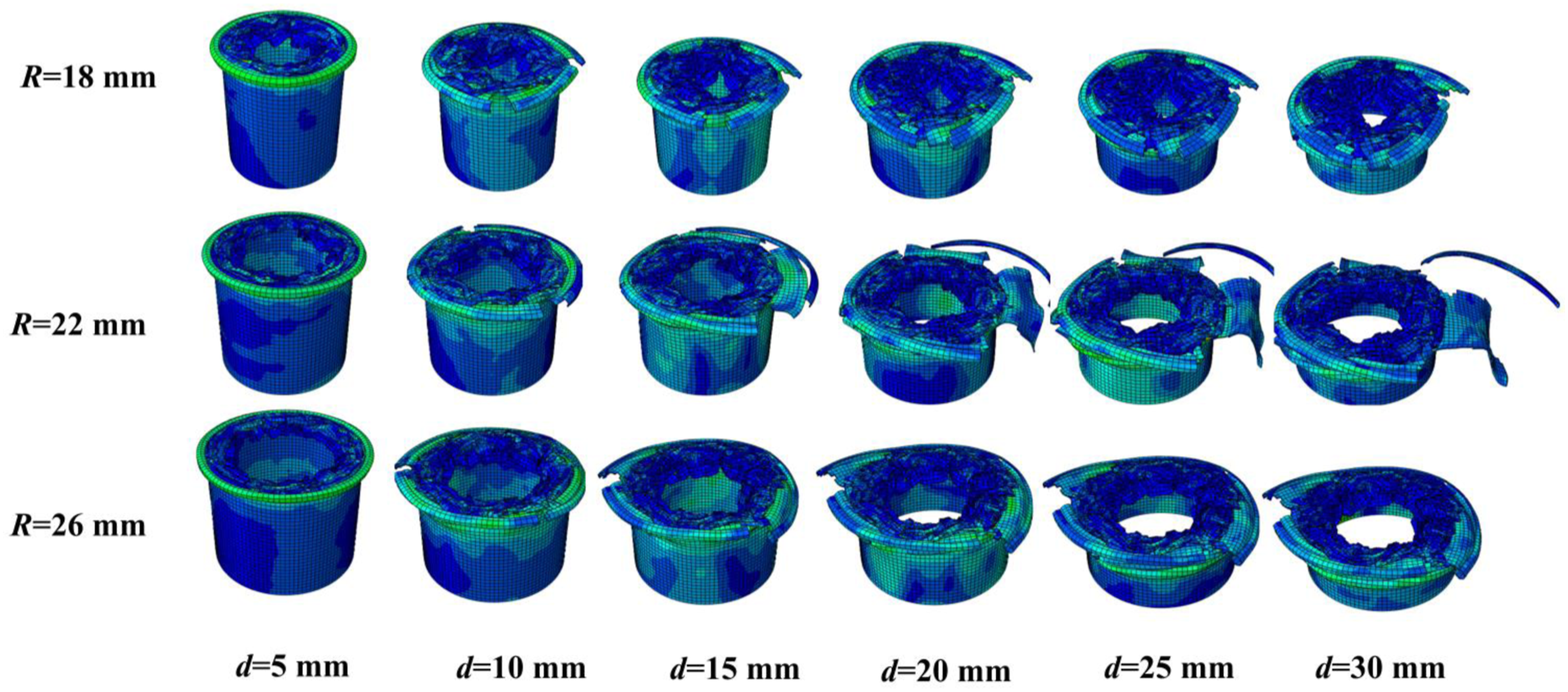
Multi-objective optimization of hybrid tube
The simulation results from section Effect of radius and wall thickness on axial crushing of hybrid tubes suggest that the radius and aluminum thickness have significant influence on the energy absorption performance of the hybrid tube. However, it is difficult to obtain an optimal solution for the hybrid tubes with various radius and aluminum thickness through the experimental and numerical tests. Multi-objective optimization approaches have been considered to be a useful tool to address this issue. So, a multi-objective optimization process for the circular hybrid tube utilizing NSGA-II and TOPSIS is implemented in this study. The flowchart of such a multi-objective optimization procedure is shown in Figure 12 for sake of clarity. Flowchart of the multi-objective optimization procedure.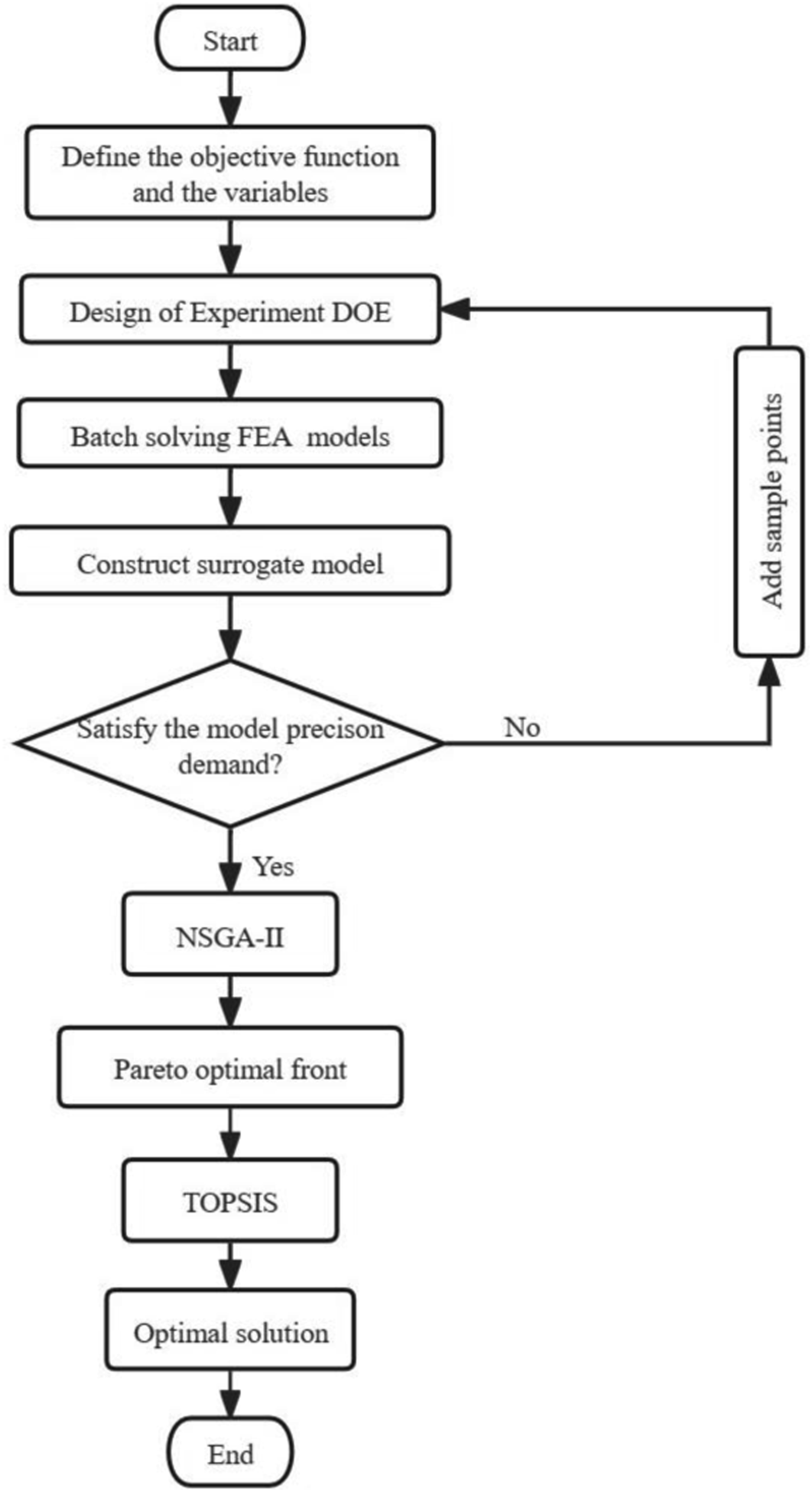
Optimizing objectives and constraints
In this paper, a hybrid tube with 8 lay-ups is selected for optimization, with radius R and aluminum thickness t as design variables for multi-objective optimization. Considering the manufacturability of the process, the upper radius of the hybrid tube is set at 26 mm and the lower radius is set at 18 mm, with a range of t from 0.2 to 1.5 mm. SEA and EA are the most important evaluation indicators for the assessment of lightweighting and energy absorption capacity. CLE and F
max
are closely related to vehicle safety. The higher the CLE and the lower the F
max
, indicates the lower load fluctuating and the less injury to occupants. Therefore, maximizing SEA and EA or minimizing negative values of these two parameters is chosen as the objective function, while CLE and F
max
are chosen as the constraints. The lower limit for CLE is considered to be 0.6 and the upper limit for F
max
is 90 kN. In summary, the optimization problem in this section is defined as follows.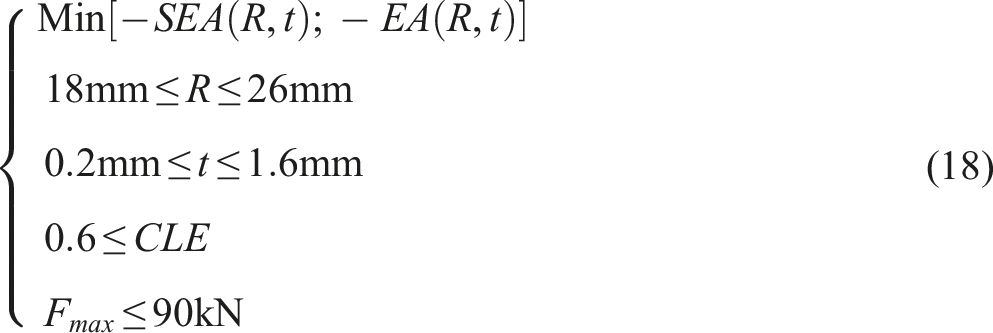
Surrogate model and validation
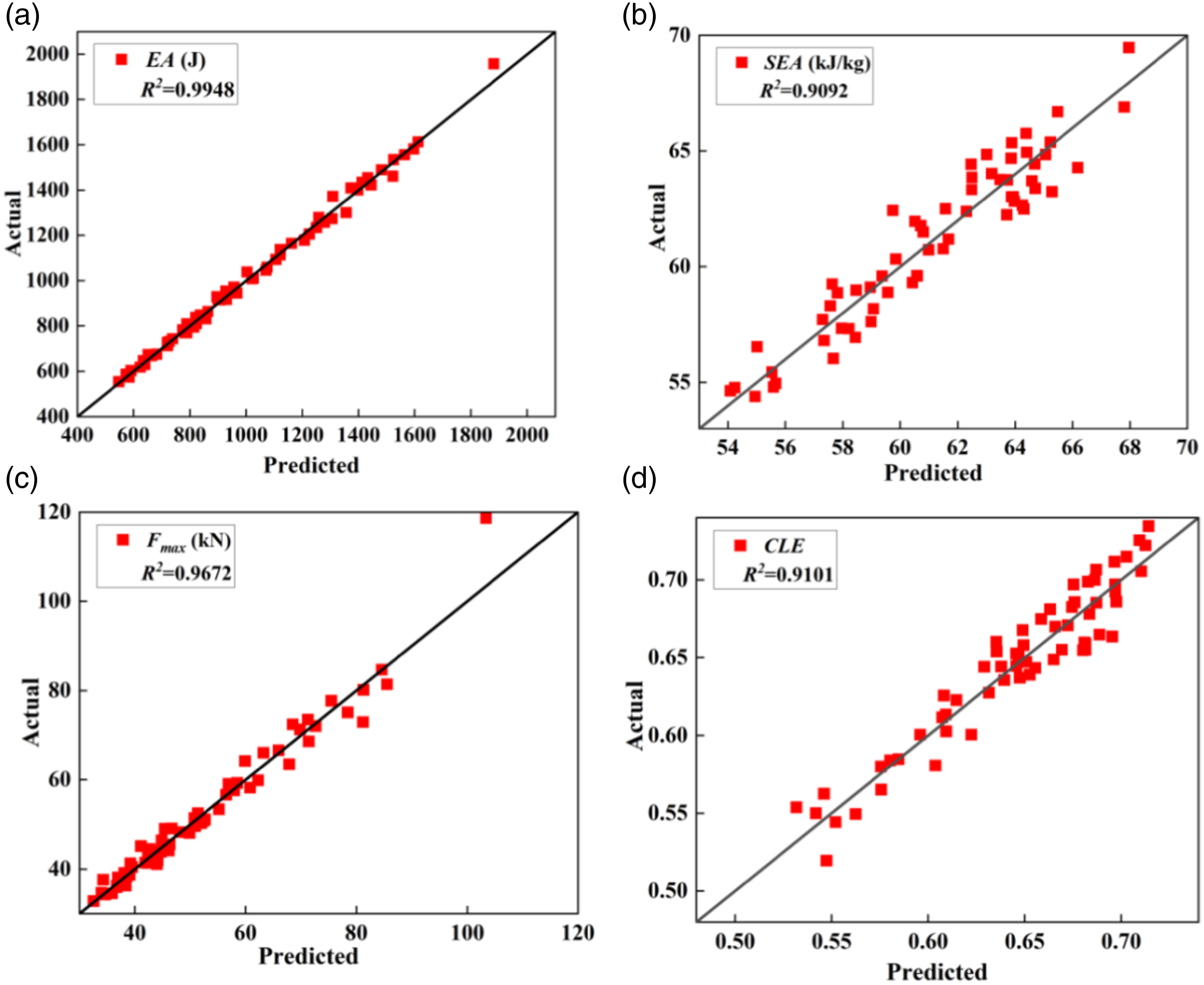
In this paper, the surrogate model is applied to establish a functional relationship between design variables and objective functions. To ensure the accuracy of the surrogate model, the design of experiment employs the full factorial design method with good robustness to sample experimental design points in a more efficient way. A total of 135 experimental points are sampled in the design space, with R at 9 levels and t at 15 levels, respectively. By writing Python scripts for batch modeling, the surrogate model is obtained using the Respond Surface Methodology (RSM). R-square (R2) is used to evaluate the accuracy of the surrogate model, namely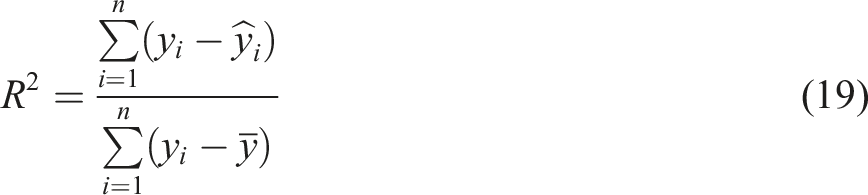
Figures 13 and 14 show the RSM for each energy absorption parameter and the fitted curves for the actual and predicted values. In general, the R2 values are greater than 0.9 and closed to 1, confirming that the surrogate model has excellent precision and can be applied to the subsequent multi-objective optimization. As can be seen from the RSMs, EA and F
max
are positively correlated with R and t. SEA increases in proportion to decreasing R and increasing t. CLE tends to increase and then decrease with both. 3D surface plot of energy absorption indicator as a function of R and t for hybrid tube (a) EA (b) SEA (c) F
max
(d) CLE. Fitting curves for the actual and predicted values of 3D surface model with energy absorption indicators (a) EA (b) SEA (c) F
max
(d) CLE.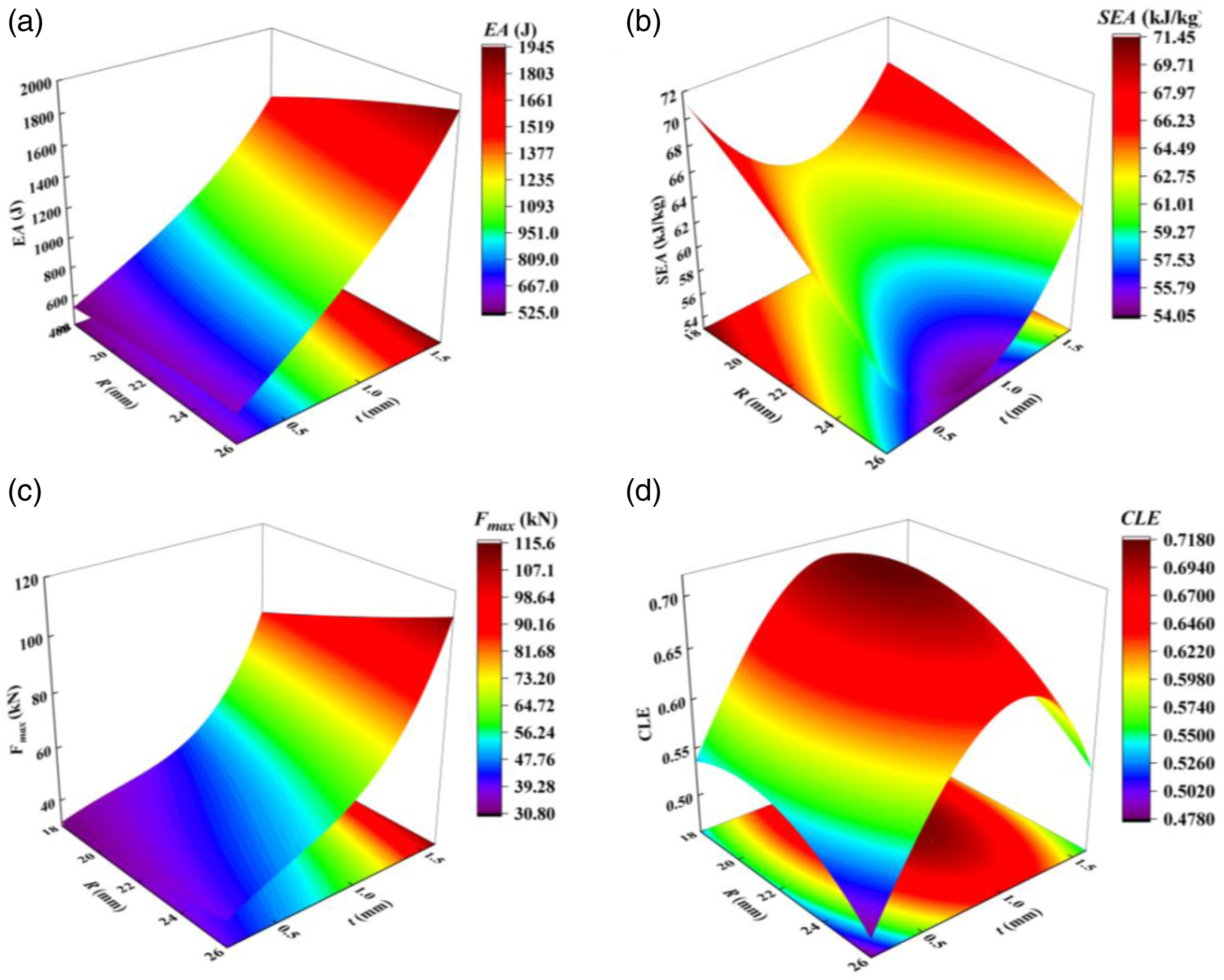
Optimization result
NSGA-II with large exploration is performed as a multi-objective optimization algorithm based on a surrogate model that satisfies the accuracy. In the optimization process, the population size and the number of genetic generations are set to be 200 and 100 respectively, with a total number of iterations of 20,000. In multi-objective optimization problems, there are constraints between the different objectives and it is difficult to have a solution that optimizes the performance of all objectives. NSGA-II derives the Pareto optimal solution set through strategies such as non-dominated sorting mechanisms, comparison operations between new individuals and congestion calculations. The alternative results of the Pareto Frontier are shown in Figure 15. In this paper, the optimal solution is selected from Pareto set using TOPSIS. Pareto frontier for the defined optimization problem.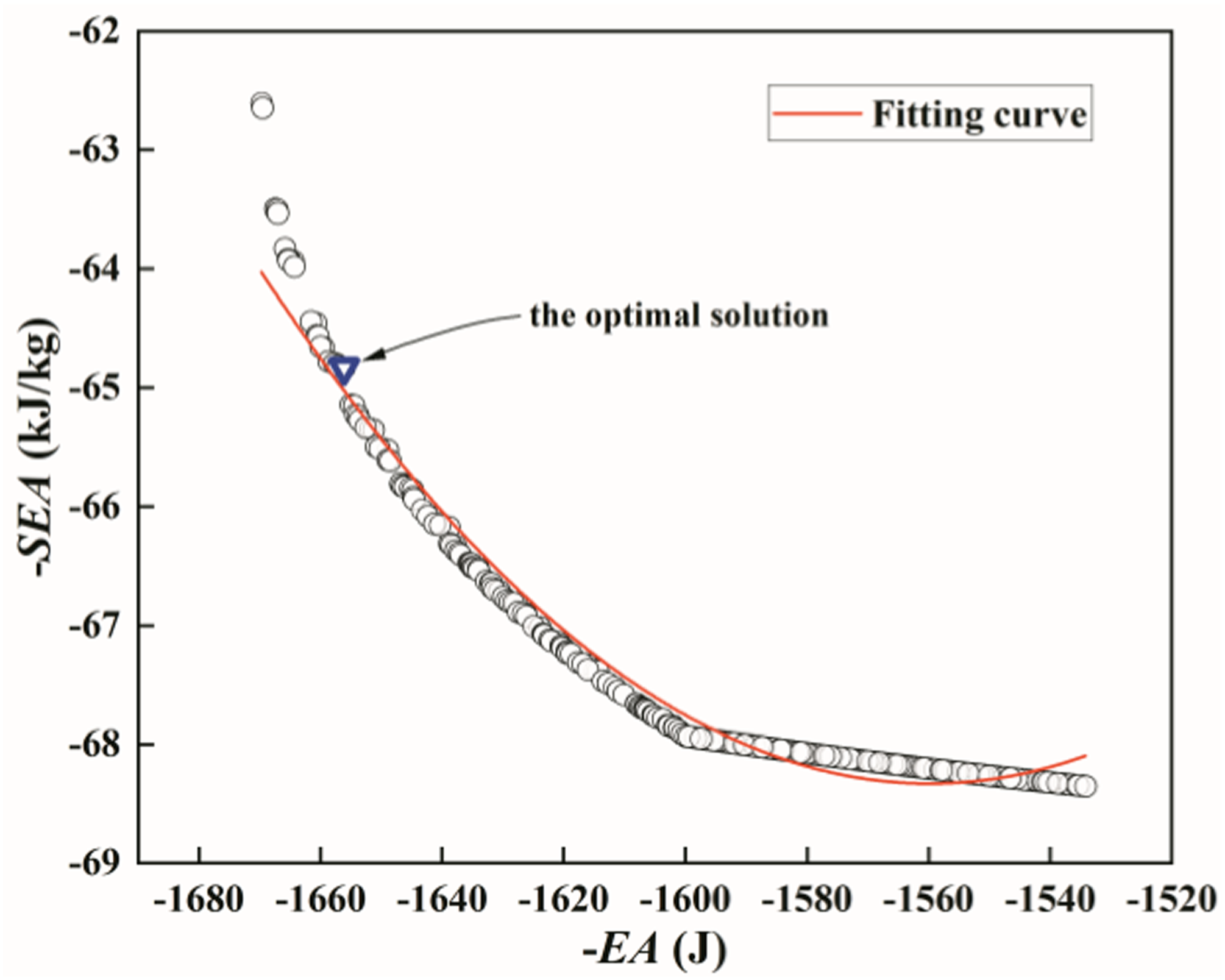
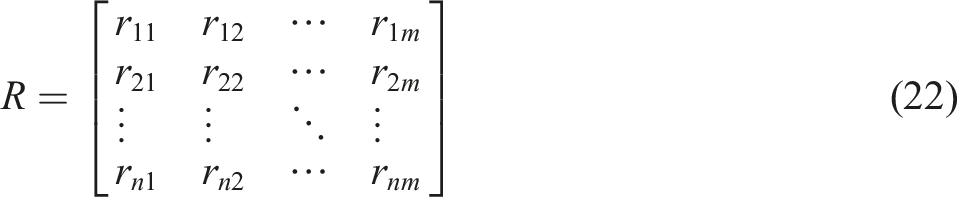
TOPSIS is a commonly used intra-group comprehensive evaluation method, which is based on the original decision matrix after normalization. The decision matrix of the TOPSIS can be expressed as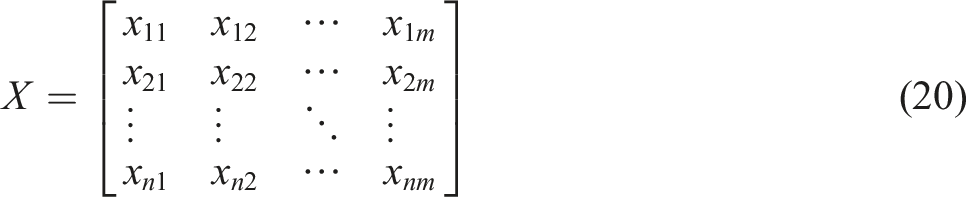
In order to eliminate the influence of different index dimensions, the matrix needs to be standardized, and the standardized formula is:
TOPSIS method ranks each alternative by calculating the distance between the best solution and the worst solution. The best solution and worst solution can be defined as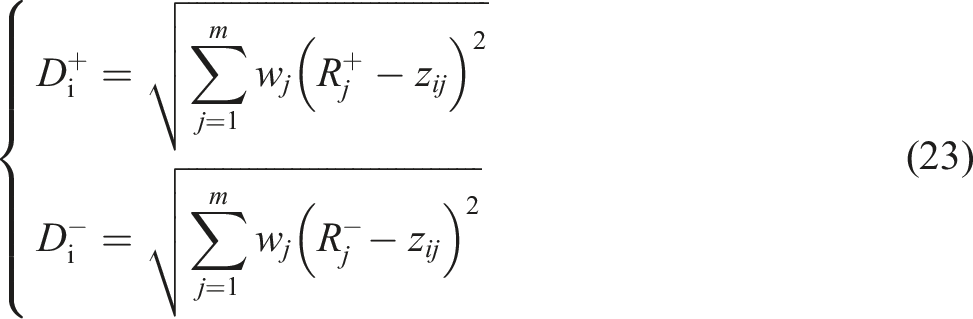




The each alternative result of Pareto set can be defined as its relative proximity to the best solution, namely:
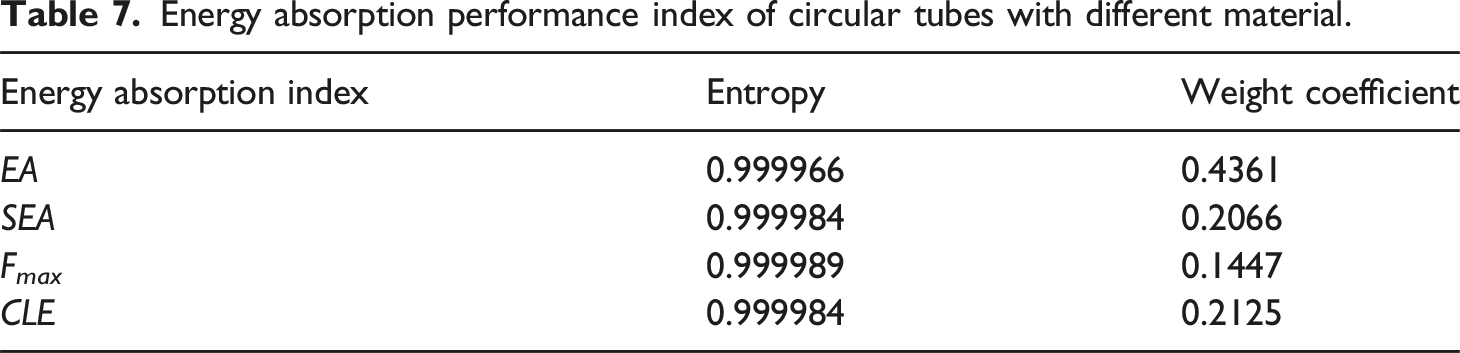
Energy absorption performance index of circular tubes with different material.
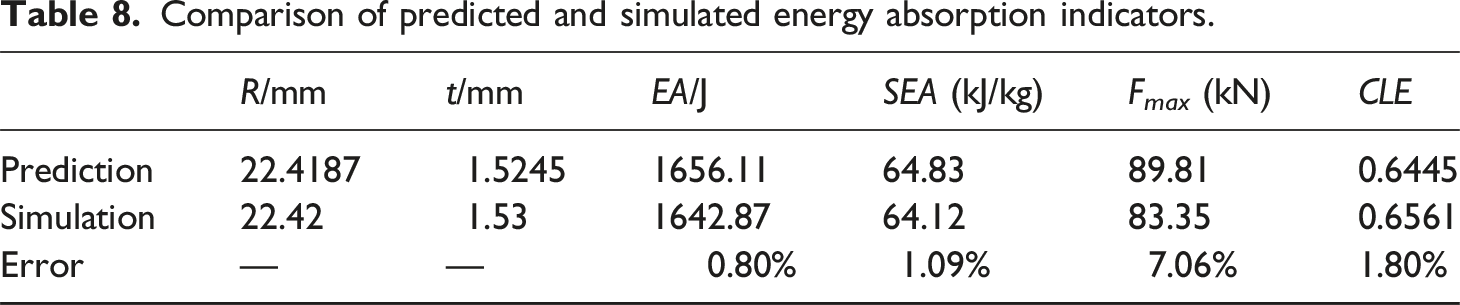
Comparison of predicted and simulated energy absorption indicators.
Conclusions
In this work, we examine the effects of radius and aluminum layer thickness on the impact resistance of aluminum/CFRP hybrid tubes. Then, a quasi-static axial crushing model is developed to investigate these effects and optimum parameters are designed for energy absorption and impact resistance through multi-objective optimization. Our study offers the following conclusions: (1) During quasi-static axial compression, the hybrid tubes exhibited improved load-bearing capacity and energy-absorbing properties when compared to their pure aluminum and CFRP counterparts. This behavior is attributed to the deformation of the aluminum tube through plastic stacking, which led to the progressive and stable crushing failure of the CFRP tube. (2) Radius and aluminum thickness significantly affect the energy absorption characteristics and impact resistance of the hybrid tube. As the aluminum thickness increases, the failure mode gradually transitions from a tearing “flowering” of the outer aluminum tube to a progressive folding concertina deformation pattern. Manipulating these dimensional parameters can boost energy absorption, potentially achieving cost-savings and lightweighting. (3) The maximization of the specific energy absorption SEA and the total energy absorption EA of the hybrid tube is considered as the optimization objective, t and R as optimization variables, and CLE and F
max
as constraints. RSM is used as the prediction model and NSGA-II is used as the multi-objective optimization algorithm to determine the optimum radius and aluminum thickness. The optimization results improve the crashworthiness of the hybrid tube in terms of weight reduction and energy absorption. (4) The proposed FE model and multi-objective optimization strategy offer promising solutions for the automotive industry to improve energy absorption and can serve as a design basis for effective energy absorbers mitigating the impact of collisions. These findings have potentially significant implications for the structural design of automotive components, leading to enhanced safety and reduced severity of car accidents. Besides, the proposed strategy can also be implemented in the analysis of the axial crushing behavior of thermoplastic CFRP and metal hybrid structures.
Footnotes
Declaration of conflicting interests
The author(s) declared no potential conflicts of interest with respect to the research, authorship, and/or publication of this article.
Funding
The author(s) disclosed receipt of the following financial support for the research, authorship, and/or publication of this article: This work was supported by the Natural Science Foundation of Jiangsu Province (BK20231319), State Key Laboratory of Mechanics and Control for Aerospace Structures (Nanjing University of Aeronautics and astronautics) (MCAS-E-0124G03), and Xuzhou Basic Research Program of Science and Technology (KC23035).
