




Abstract
The effect of the addition of 2-Hydroxypropyl-3-Piperazinyl-Quinoline carboxylic acid Methacrylate (HPQM) in Neusilin® into thermoplastic vulcanizates (TPV) Polypropylene/ethylene propylene diene monomer (PP/EPDM) type on the mechanical and antibacterial properties were studied. Ethylene propylene diene monomer compounds were mixed with Zinc dimethacrylate (ZDMA), Dicumyl peroxide (DCP), and paraffin oil by a two-roll mill machine. Polypropylene and HPQM in Neusilin® were extruded by varies HPQM content 0, 1250, 2500, 3750 and 5000 ppm. Polypropylene added antibacterial agent and EPDM compounds were mixed by twin-screw extruded weight ratios of 100:0, 75:25, 50:50, and 25:75 w/w with varied screw speeds of 60, 80, and 100 r/min. Polypropylene/Ethylene propylene diene monomer compounds were produced by compression moulding to form specimens. The mechanical properties were tested by tensile test and hardness test. It was found that screw speed did not affect the mechanical properties. Disk diffusion test and plate count agar (PCA) method were used for antibacterial properties. For both methods, the specimens contained an antibacterial agent against Escherichia coli (E. coli ATCC 25922) and Staphylococcus aureus (S. aureus ATCC 25923). The result of the disk diffusion test suggests that the more HPQM in Neusilin® content, the more the inhibition radius of only E. Coli bacteria. Plate count agar method proceeded by varying the contact time at 0, 1, 2, 3 and 4 h. Viable cell counts of E. coli decreased significantly at HPQM content 2500 ppm, while the viable cell count of S. aureus remained unchanged at 3750 ppm. Moreover, the rubber ingredients in EPDM, which are DCP and ZDMA, affect the release of antibacterial agents by hydrophobic characteristics and compatible conditions.
Introduction
Thermoplastic elastomers (TPE) are one kind of useful polymer which contain thermoplastic and elastomer properties. The thermoplastic can be recycled and use low energy to process. On the other hand, the elastomer can be elongated by more than 100% and recover very quickly. There are several types of TPE such as Thermoplastic Polyurethanes (TPUs), Styrenic Thermoplastic Elastomers (S-TPEs), Thermoplastic Elastomers Based on Polyamides (PEBAs), Thermoplastic Polyolefins (TPOs), and Thermoplastic vulcanizates (TPVS). Thermoplastic vulcanizates are a class of TPE, sometimes calls Elastomeric alloys (EAs) because their structures consist of dynamic vulcanizate rubber particles, which are dispersed in the thermoplastic matrix. Therefore, the dynamic vulcanizate rubber is cross-linked while mixing with thermoplastic matrix by melt mixing at high temperatures. Polypropylene (PP) and ethylene propylene diene monomer (EPDM) blends are the most well know commercial type of TPVs. The sponge EPDM rubber and rubber coated fabric based on EPDM/polyester are wildly used in many applications, such as, acoustic panels, airbrorne sound insulation, roofing membranes, electrical insulator sheet and packaging.1,2 Moreover, there are many applications for TPVs sush as automotives, wires and cables, 3 so the demand for TPVs has increased every single year.
Many previous studies have researched the processibility and mechanical properties of Polypropylene/ethylene propylene diene monomer (PP/EPDM) TPVs. The mechanical properties and morphology of dynamically crosslinked PP/EPDM blend are depending on their morphology.4,5 Naskar et al. 6 studied PP and EPDM blend ratio 50:50 by using peroxide as a cross-linking agent. Barbender mixing was used to mix TPVs followed by electron treatment. The result suggested that the modulus, tensile strength, and elongation at break depended on electron energy and treatment time during the processing period. Generally, peroxides are a potential curing agent to vulcanize the rubber phase and are also used in different forms in PP/EPDM properties. 7 The dynamic vulcanization process was used to produce PP/EPDM sample by 4 various types of peroxide, which were 2,5-Dimethyl-2,5-di (tert-butylperoxy) hexane, 2,5-Dimethyl-2,5-di (tert-butylperoxy) hexane-3, Di (tert-butylperoxyisopropyl) benzene and dicumyl peroxide (DCP). They found that the types of peroxide affected the mechanical properties, while PP/EPDM cured by DCP showed the best balance of all mechanical properties. Brostow et al. 8 investigated the effect of types of peroxides on the mechanical and tribological properties of PP/EPDM blend. Benzoyl peroxides (BP) and DCP were used as a curing agent with (meth) acylate as a co-agent in blend. The results showed that the addition of DCP 1.0 or 2.0 wt % provided lower Young’s modulus, but also lower wear rate. The addition of zinc dimethacrylate (ZDMA) as the compatibilizer into PP/EPDM blends with high loading provide better mechanical properties. Cao et al. and Chen et al.9,10 studied ZDMA in PP/EPDM blends by using DCP as a curing agent. Zinc dimethacrylate and DCP were added into PP/EPDM by melt mixing. It was found that the tensile strength, tear strength, elongation at break, and hardness increased when adding ZDMA 7 phr into PP/EPDM blends because the migration of ZDMA from EPDM phase to PP phase during melt mixing due to size reduction of EPDM particles. The content of the crosslinking agent and processing method also effect the rheological and mechanical properties of dynamically crosslinked PP/EPDM blend.11–13 Antunes et al. 14 studied the effect of time mixing on PP/EPDM morphology. It was found that there was a change of morphology from the PP dispersed phase in EPDM as EPDM dispersed phase in PP. Moreover, the molecular weight of the EPDM has an effect on the cross-linking degree.
The general applications of TPVSs include automotive parts, mechanical goods, medical wares, children’s toys, and hand tools. Most applications involve contact with the human body. Sributr et al. 15 studied antibacterial performance in PP by adding 2-Hydroxypropyl-3-Piperazinyl-Quinoline Carboxylic Acid Methacrylate (HPQM) in Neusilin® and HPQM solution, which found HPQM in Neusilin® was better for inhibiting growth bacteria than HPQM solution. The antibacterial performance of polymers is dependent on many factors, such as type and concentration of antibacterial agents, type of polymers, deterioration of polymers during applications and mixing method of antibacterial agents into polymer.
To concern the usability of TPVs parts the addition of antibacterial agent into TPVSs were researched. The effect of melt mixing techniques and addition HPQM on (PP/EPDM) thermoplastics elastomer was studied by varying screw speed blending and HPQM in Neusilin® content. Thermoplastic vulcanizates morphological structure were compared to comprehend the mechanical properties and antibacterial performance.
Experimental
Materials and chemicals
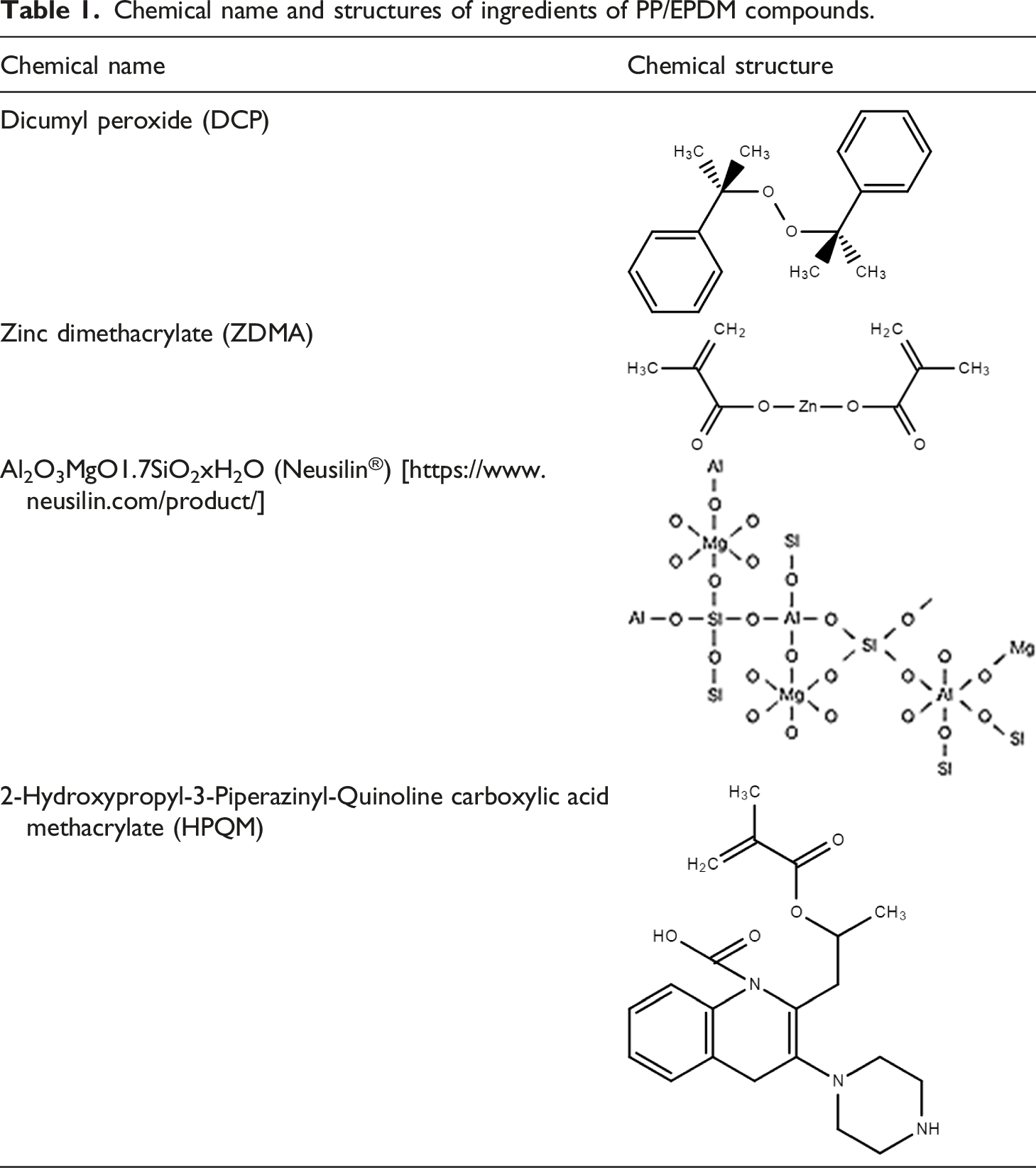
In this work, the major phase of the polymer blend was PP/EPDM. Polypropylene (grade P403J) and EPDM, grade Nordel 4640 was supplied by SCG Chemicals Co., Ltd., and Dow Chemical Company, respectively. Ingredients of EPDM rubber to produce PP/EPDM thermoplastic vulcanize (TPVS) used paraffin oil (Diana Process Oil PS 32T), DCP and ZDMA, grade Dymalink 634) purchased from Cray Valley Chemical Co., Ltd., Kij Paiboon Chemical Ltd., and Idemitsu Kosan Co., Ltd., respectively. 2-Hydroxypropyl-3-Piperazinyl-Quinoline Carboxylic Acid Methacrylate in Neusilin® was used as an antibacterial agent, which was supplied by Koventure Co., Ltd.
Specimen preparation
Chemical name and structures of ingredients of PP/EPDM compounds.
Mechanical properties methods
Standard tensile tests were produced on dumbbell-shaped specimens using a universal testing instrument (Shimadzu, Japan) at room temperature. The test speed was 100 mm/min, according to ASTM D412 to estimate tensile modulus, tensile strength, and elongation at break. The hardness used a shore D durometer (Teclock, shore D) as ASTM D2240. All the specimen compounds tests were repeated at least five times, and the results were averaged.
Anti-bacterial testing methods
To perform quantitative and qualitative analysis for anti-bacterial properties of TPVS in this study, the disk diffusion test and plate count agar (PCA) method were used as anti-bacterial evaluating methods. Escherichia coli (E. coli, ATCC 25922) and Staphylococcus aureus (S. aureus, ATCC 25923) were used as testing bacteria. The results from the halo test and PCA method were reported in terms of “Radius of inhibition zone (mm)” and “viable cell count of bacteria.”
Disk diffusion test (halo test): Bacteria was prepared to an optical density of 0.1 by a wave length of 600 nm before mixing with agar and nutrient broth in ratio 1:1 by volume.
Then, the mixture was poured into a sterilized Petri dish, which was prepared by pouring PCA 30 mL. Polymer specimens size 6 mm diameter were placed onto the surface of the mixture when the mixture was set. The specimens in the Petri dish were incubated at 37°C for at least 24 hrs. After 24 hrs had passed, the clear zone around the test specimens was measured and the radius of the clear zone was calculated by equation (1), as follows:
Plate count agar method: The test was initiated by preparing bacteria the same as the halo test, which had an optical density at 0.1 (OD600). The bacteria were mixed with peptone solution in 250 mL Erlenmeyer flasks. The Specimens (50 × 50 mm) were dropped into the flasks containing 50 mL of bacterial mixture and then shaken with a reciprocal shaker at 150 rpm at 37°C for 1, 2, 3, and 4 h. The bacterial mixture was taken and diluted by the ten-fold serial dilution method. After dilution, 100 mL of bacteria mixture were grown on PCA in a sterilized Petri dish. The Petri dishes were incubated at 37°C at least 24 hrs. Living bacteria in CFU were counted and reported.
Scanning electron microscopy
A scanning electron microscope (SEM) (FEI, America) was used to observe the phase morphology of TPVS. Before morphological observation, TPVS samples were strained with RuO4 at 80°C for 1 h and kept at room temperature until 24 h. The specimens were cleaned using acetone nitrile. The treated and untreated specimens were sputter-coated with gold prior to analysis.
Contact angle measurement
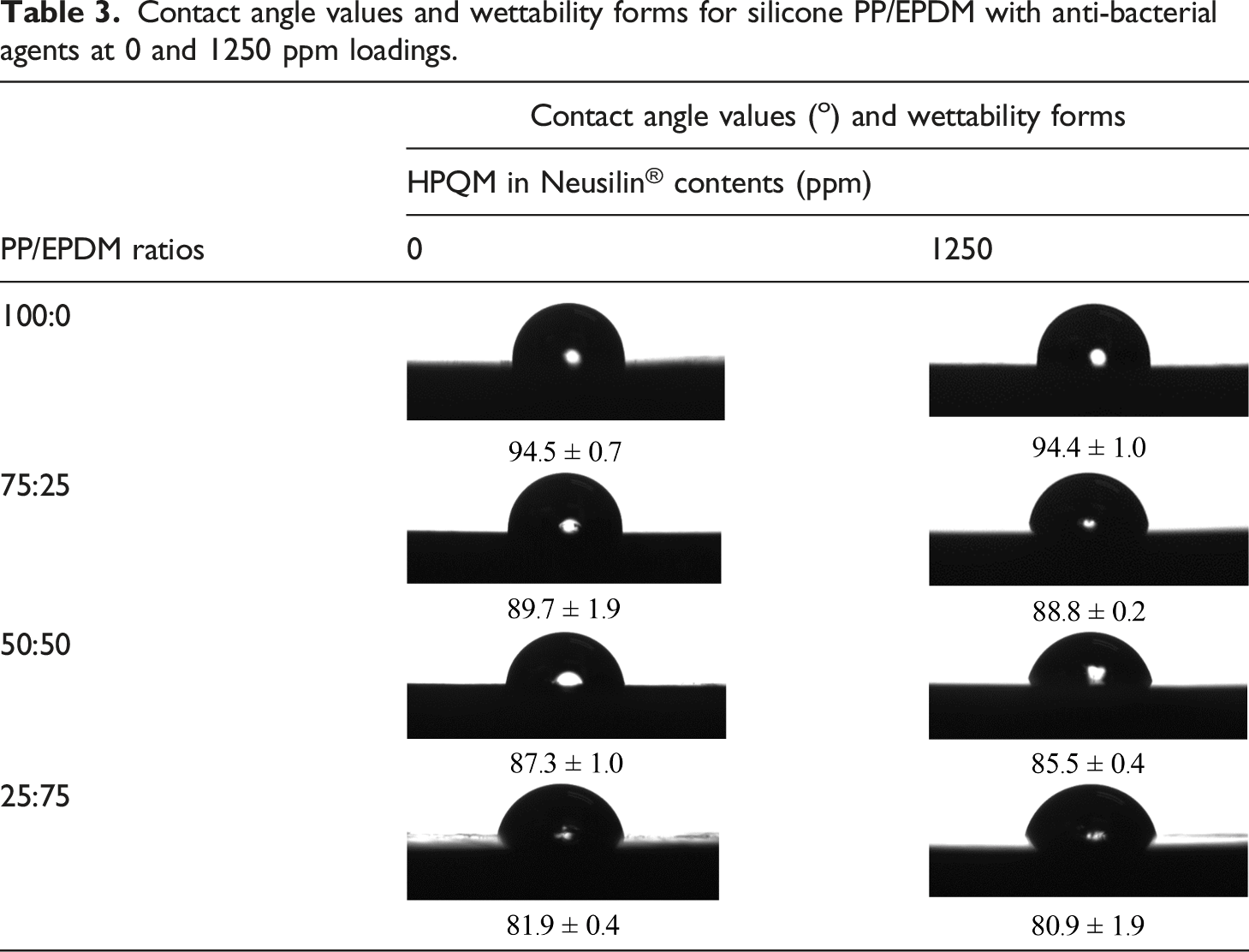
Contact angle values and wettability forms of surface specimens were tested by contact angle goniometer Model 100-00 Rame-Hart Instrument Co., Ltd., NJ. Polypropylene/Ethylene propylene diene monome varies ratio with HPQM 0 and 1250 ppm were measured angle line. The angle line of the droplet form was the line tangent at the base of the droplet to read a contact angle value. The wettability forms were taken and reported.
Results and discussion
Effect of melt mixing techniques on the mechanical properties of PP/EPDM blend
The specimens were prepared by melt blending EPDM compound with PP added HPQM in a twin-screw extruder to vary the screw speed at 60, 80, and 100 rpm, and PP/EPDM ratios of 100:0, 75:25, 50:50, and 25:75. Figure 1(a)–(d) show the tensile modulus, tensile strength, elongation at break, and hardness of PP/EPDM blends, respectively. The results suggest that the addition of EPDM into PP decreased the tensile modulus, tensile strength, and hardness, but increased the elongation at break. Generally, the modulus of EPDM is lower than the modulus of PP. Therefore, the addition of the low modulus materials into polymer matrix tended to decreased the tensile modulus, tensile strength, and hardness. On the other hand, elongation at the break of PP/EPDM blends was increased with increasing EPDM content because the EPDM is a synthetic rubber consisting of the diene structure, which shows elasticity properties. The hardness of PP/EPDM blend decreased with increasing EPDM content. This result is supported by the work of Brostow et al.
8
Figure 2 shows SEM micrographs of the PP/EPDM, while micrographs of pure PP and PP/EPDM, 75:25 are shown in Figure 2(a) and (b), respectively. It was found that the surface of pure PP was smooth and PP/EPDM, 75:25 noticed a small area of the EPDM phase. Tensile modulus (a), tensile strength (b), elongation at break (c) and hardness (d) of PP/EPDM blends ratio 100:0, 75:25, 50:50 and 25:75 by varying the screw speed 60, 80 and 100 rpm. SEM micrographs (×500) of PP/EPDM blends (a) 100:0, (b) 75:25, (c) 50:50 and (d) 25:75 added HPQM in Neusilin® 5000 ppm.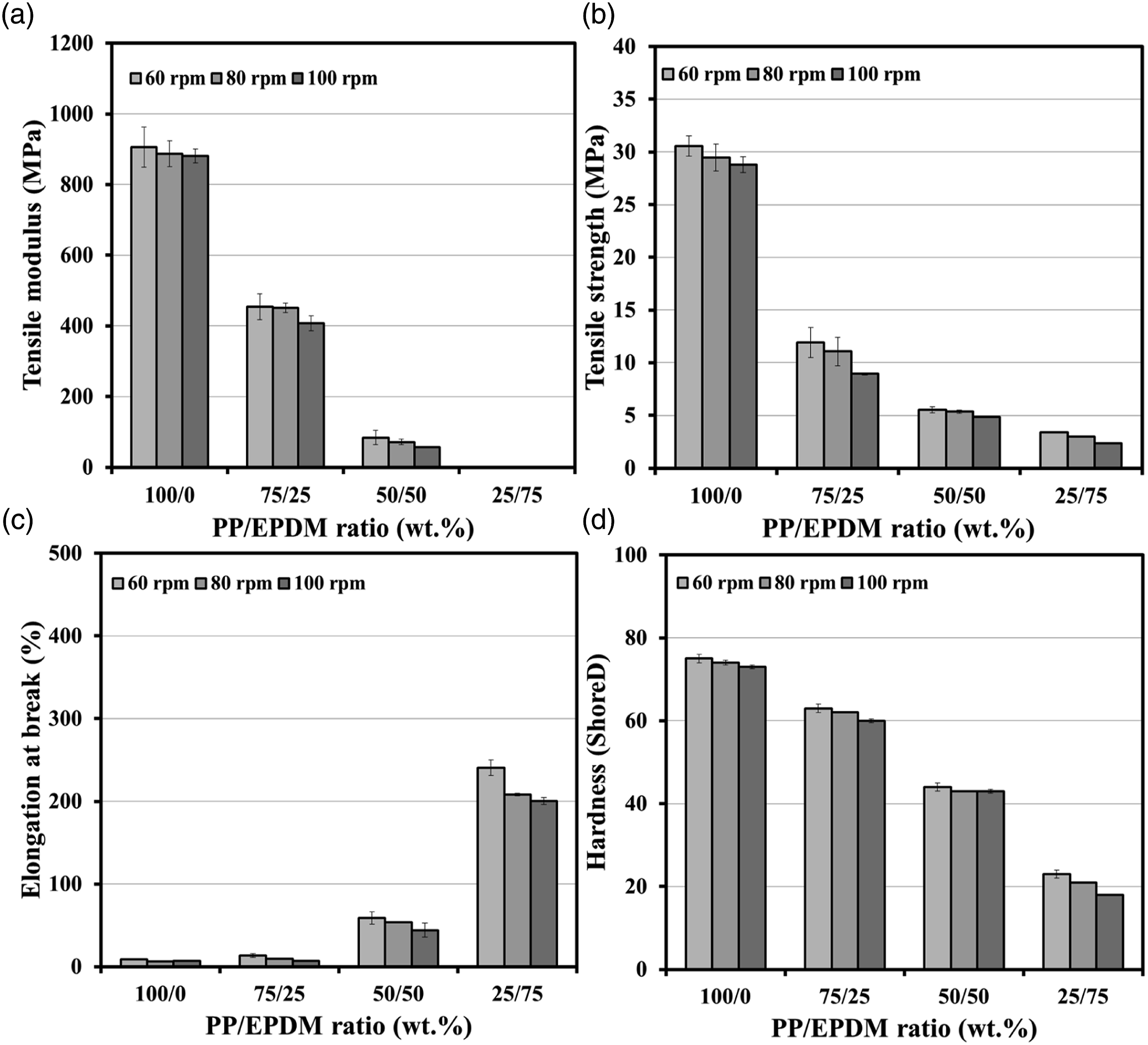
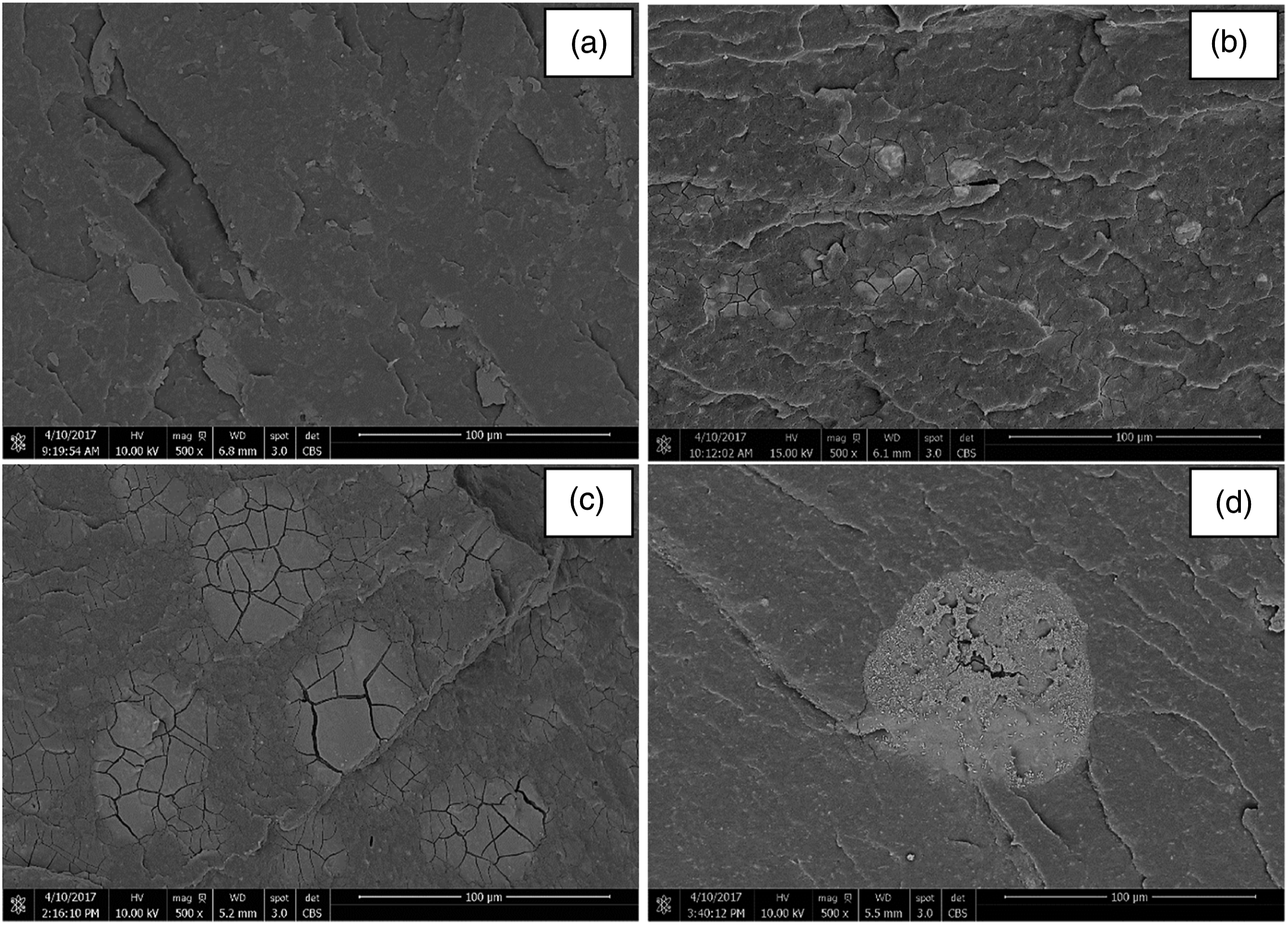
The morphologies of PP/EPDM blends at 50:50 and 25:75 added HPQM in Neusilin® 5000 ppm are shown in Figure 2(c) and (d), respectively. It was found that the EPDM phase as a droplet dispersion in the PP phase, which means both PP and EPDM are compatible polymers to produce increasing elongation at break. Screw speed varying at 60, 80 and 100 rpm, the tensile modulus, tensile strength and hardness slightly decreased with increasing screw speed because higher screw speed caused more chain scission due to drop down of mechanical properties. It should be noted that the experiments in the next section used 60 rpm screw speed because of the lack of difference in the mechanical properties of the polymer blend.
Effect of HPQM in Neusilin® contents on the mechanical properties of PP/EPDM blend
Figure 3 shows the tensile modulus (a), tensile strength (b), elongation at break (c) and hardness (d) of PP/EPDM blends ratio 100:0, 75:25, 50:50 and 25:75 added HPQM in Neusilin® 0, 1,250, 2,500, 3750 and 5000 ppm. It was determined that adding HPQM in Neusilin® into PP/EPDM did not influence the tensile modulus, tensile strength, or hardness. This was possibly because the amount of the HPQM in Neusilin® was very low when compared with the volume of the PP/EPDM blends. This would also be useful for the materials developed in other works; a small amount of antibacterial agent could be added into the polymer matrix without concern for mechanical properties. Tensile modulus (a), tensile strength (b), elongation at break (c) and hardness (d) of PP/EPDM blends ratio 100:0, 75:25, 50:50 and 25:75 added HPQM in Neusilin® 0, 1,250, 2,500, 3750 and 5000 ppm.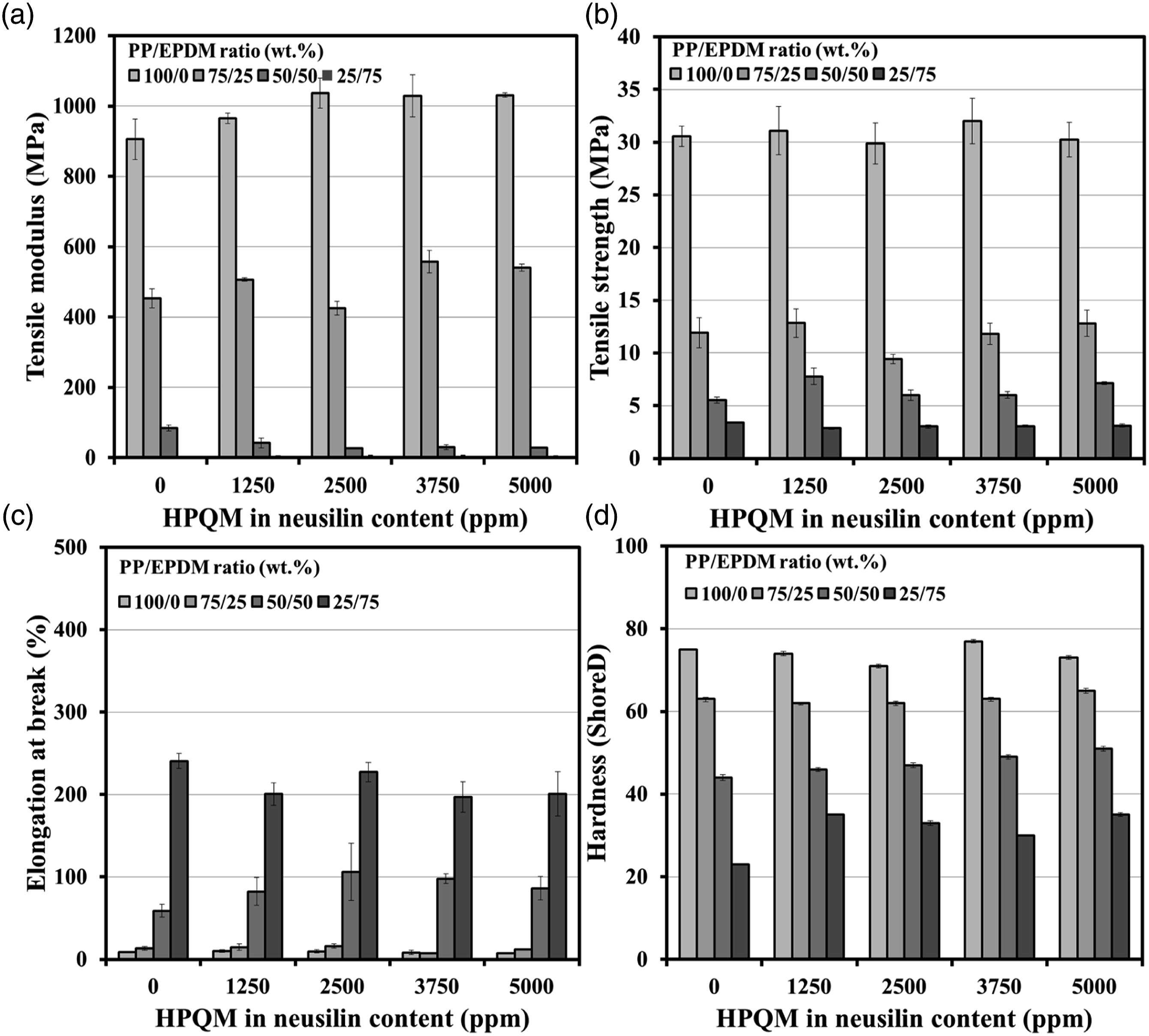
Antibacterial performance of PP/EPDM TPE incorporated with HPQM
The results of the antibacterial performance represent two types of testing, which include the qualitative and quantitative methods. Disk diffusion test was applied to investigate the qualitative antibacterial performance. Figure 4 and Table 2 show the inhibition zone and the inhibition radius (RA) of PP/EPDM blend added with HPQM in Neusilin® 0, 1250, 2500, 3750, and 5000 ppm against E. coli and S. aureus bacteria. The results suggest that, when against E. Coli, the inhibition radius of PP/EPDM blend increased significantly with increasing HPQM in Neusilin® content in every PP/EPDM ratio. For S. aureus, however, the inhibition radius of PP/EPDM blend did not have inhibition radius. The antibacterial mechanism involved the damage of cell wall, cytoplasm and casing of bacteria same as the nanoparticles.
16
The gram negative and positive bacteria, however, showed different results. This could be explained by the cell wall of bacteria called the peptidoglycan layer. The peptidoglycan thickness of S. aureus is far thicker than E. coli in the structure; it would then be much harder for an antibacterial agent to penetrate the cell to kill bacteria.
17
Inhibition zone of PP/EPDM blend in ratio 100:0, 75:25, 50:50 and 25:75 with HPQM in Neusilin® 0, 1250, 2500, 3750 and 5000 ppm. against E. coli bacteria. Inhibition radius of PP/EPDM blend in ratio 100:0, 75:25, 50:50 and 25:75 with HPQM in Neusilin® 0, 1,250, 2,500, 3750 and 5000 ppm.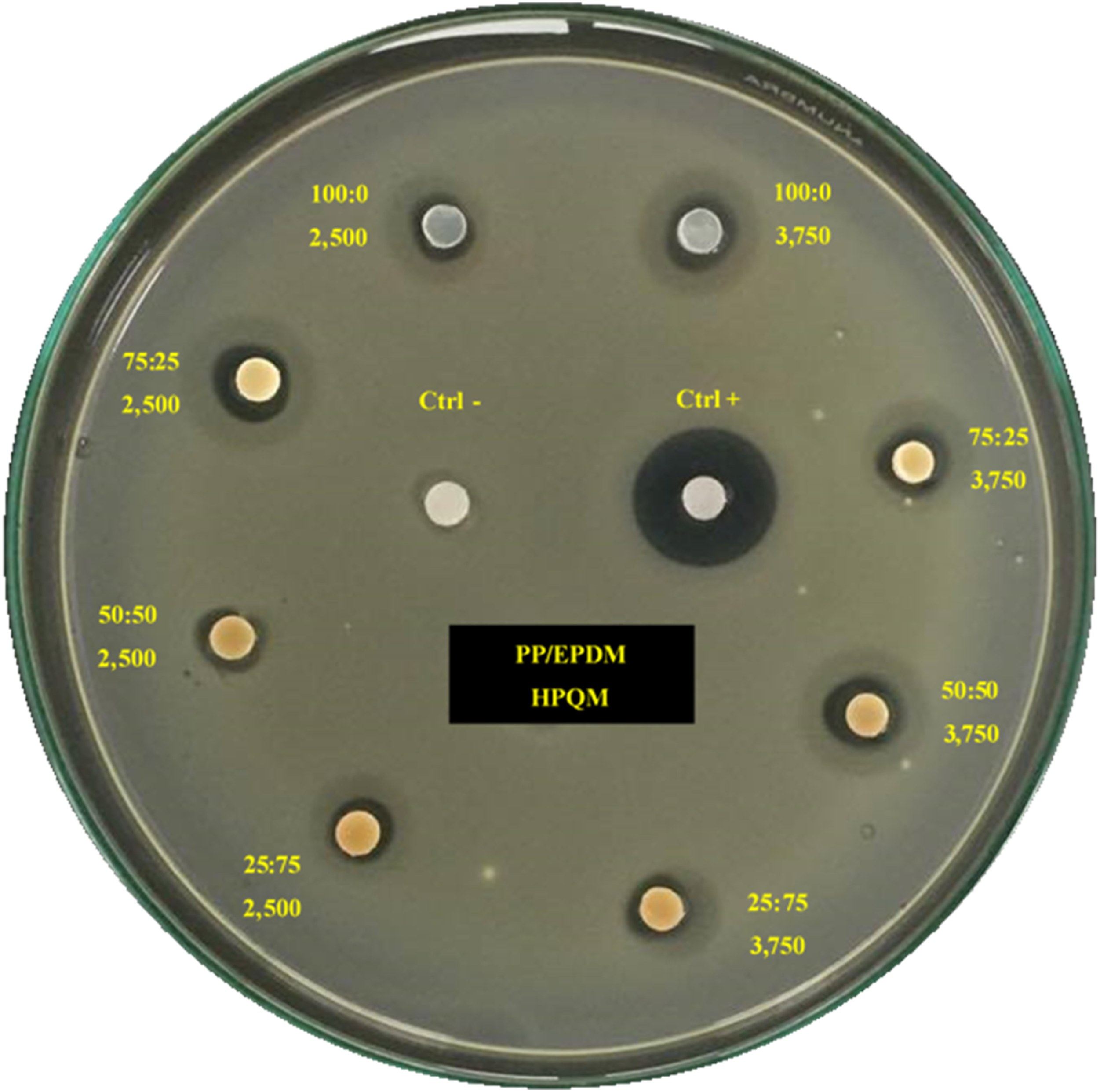
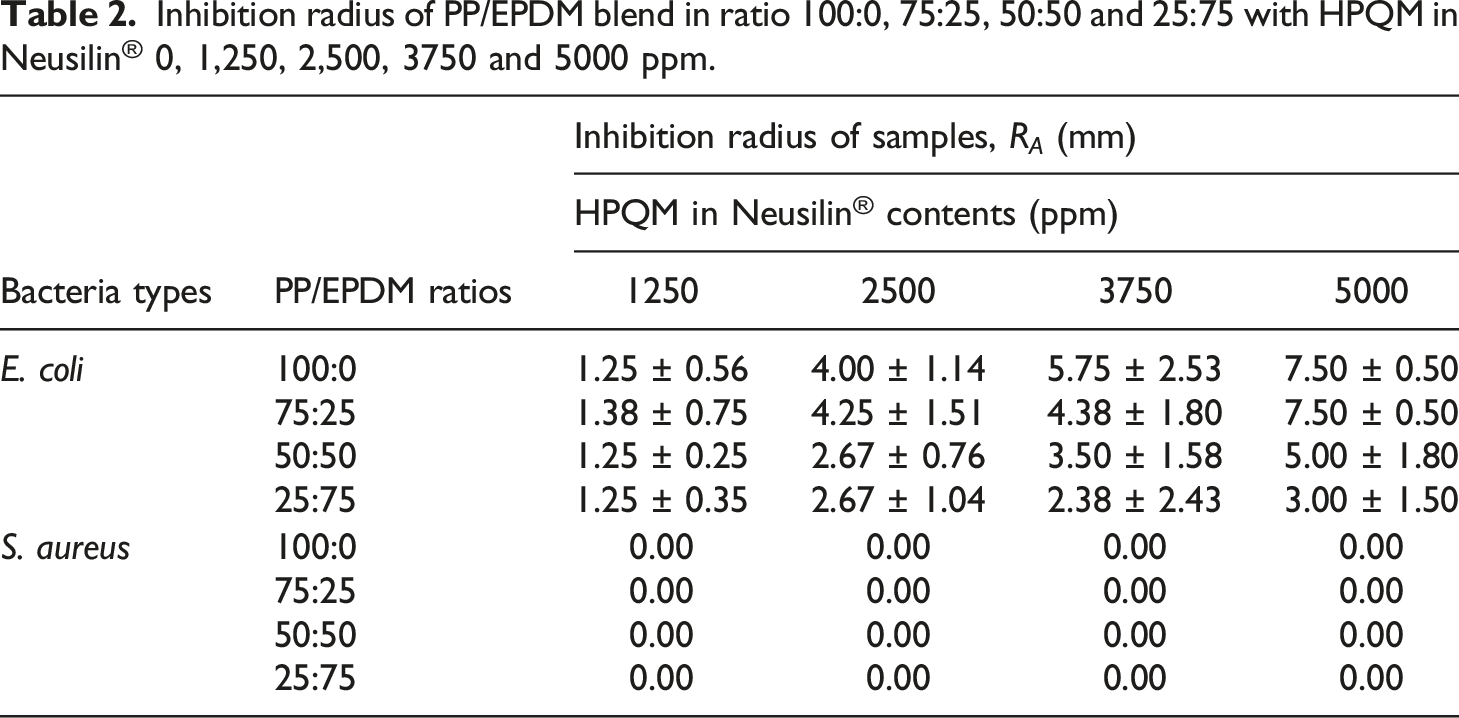
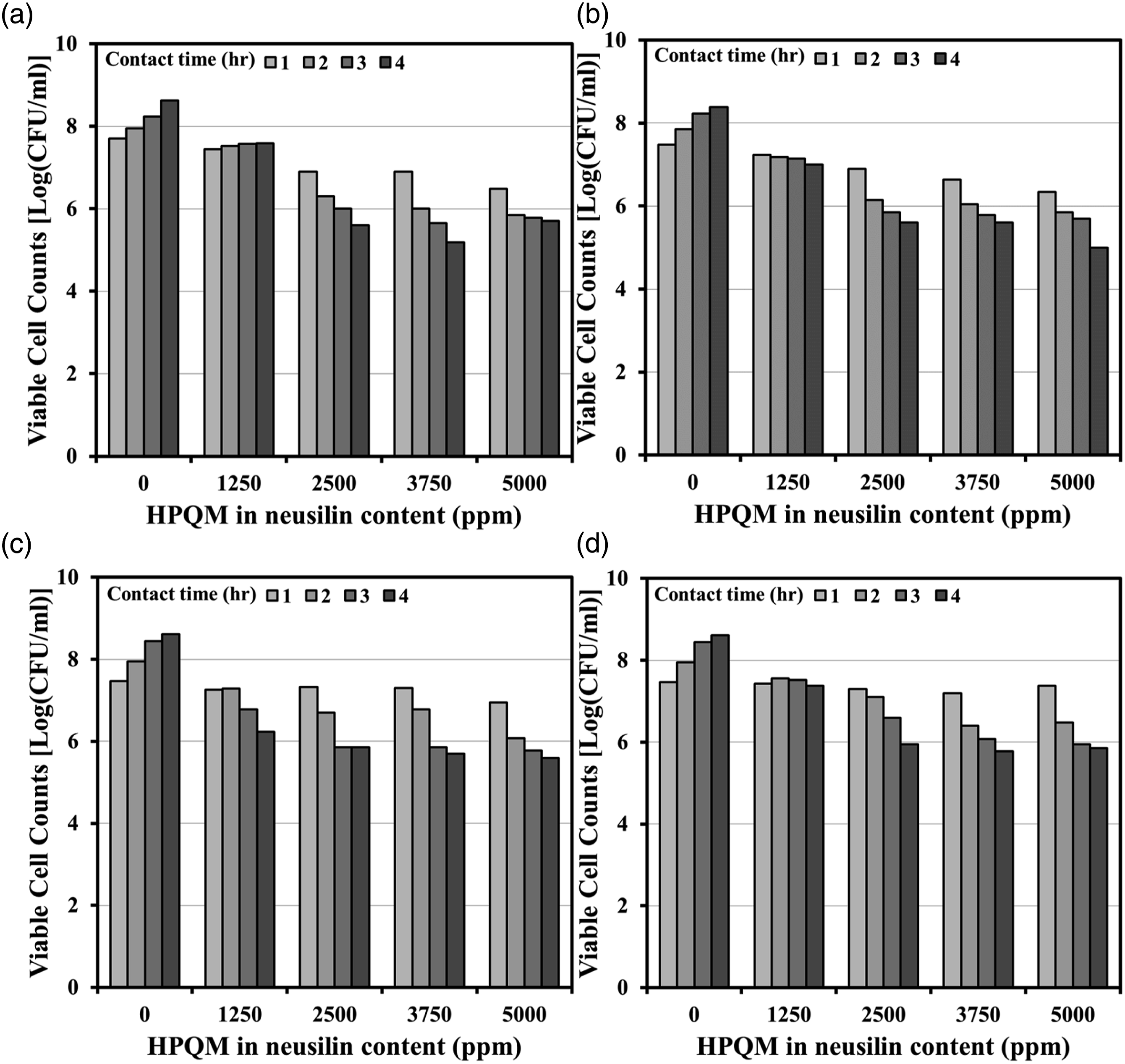
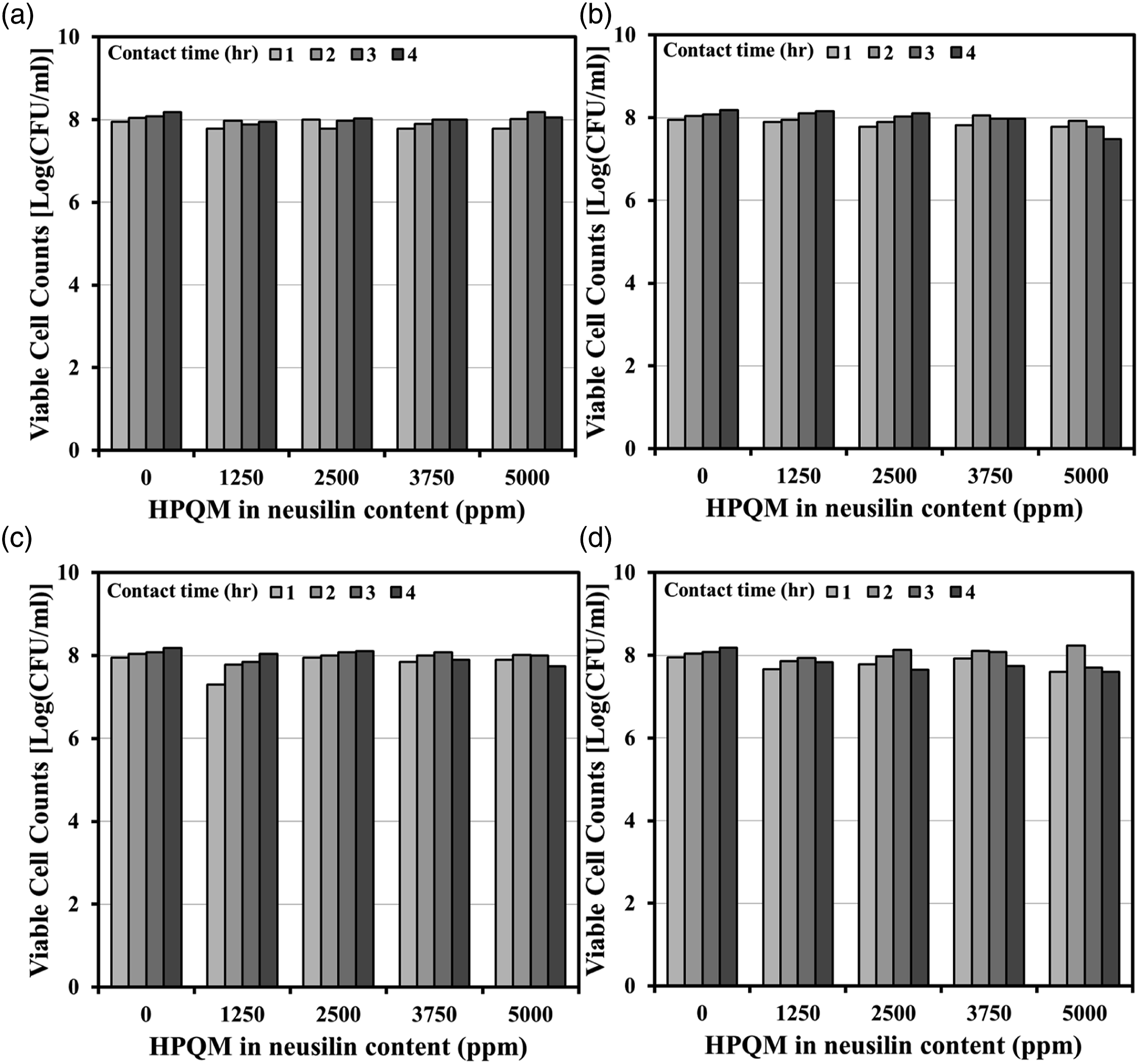
Therefore, the inhibition radius of varied PP/EPDM blends shows that the blend contained more EPDM content due to the deceased inhibition radius. This could be because some of HPQM in the EPDM phase were trapped in the EPDM phase, which were cross-linked by DCP to decrease the antibacterial performance of specimens. This discussion is supported by the results of energy-dispersive X-ray spectroscopy (EDX), as seen in Figure 5. The EDX picture of PP/EPDM blend added with HPQM in Neusilin®, which consists of the Mg and Al atom. It can be seen that the Neusilin® dispersed in PP phase and agglutinate in EPDM phase. The quantitative antibacterial results were shown by the PCA method using viable cell counts, which are represented in Figures 6 and 7. The results of specimens against E. coli shown in Figure 6, every specimens of PP/EPDM blend ratio when added HPQM in Neusilin® content at least 2500 ppm, the viable cell counts decrease with increasing contact time. In this case, we can call it “bactericidal.” Meanwhile, Figure 7 shows the results of specimens against S. aureus. The result of S. aureus sis similar to the inhibition zone test, which revealed the antibacterial agent did not show clear antibacterial activities. However, the addition of HPQM in Neusilin® at more than 3750 ppm caused the viable cell count of bacteria to be stable and decrease slightly. This case of stability and slight decrease is called “bacteriosatic.” In the details of Figure 6, the addition of antibacterial agent 1250 ppm shows different results by PP/EPDM blend ratio affecting the antibacterial performance. It is interesting to observe that, with the addition of HPQM in Neusilin® 1250 ppm into pure PP, the viable cell counts of E. coli were stable, what we call bacteriostatic. Whereas 25:75 and 50:50 PP/EPDM ratio, the antibacterial performance increased with EPDM phase increase, but when 75:25 ratio PP/EPDM the antibacterial performance dropped. This was because the ingredients of rubber phase contained DCP and ZDMA. The DCP and ZDMA contents were increased with increasing EPDM ratio because we used DCP 1 phr and ZDMA 30 phr (part per EPDM rubber) in the preparing process. HPQM in Neusilin®. In the rubber system, the addition of DCP to crosslink the rubber phase and the addition of ZDMA acts as an accelerator of DCP, reinforcing the rubber phase and compatibilizer of PP and EPDM rubber. This is reported in the work by Chen et al.
10
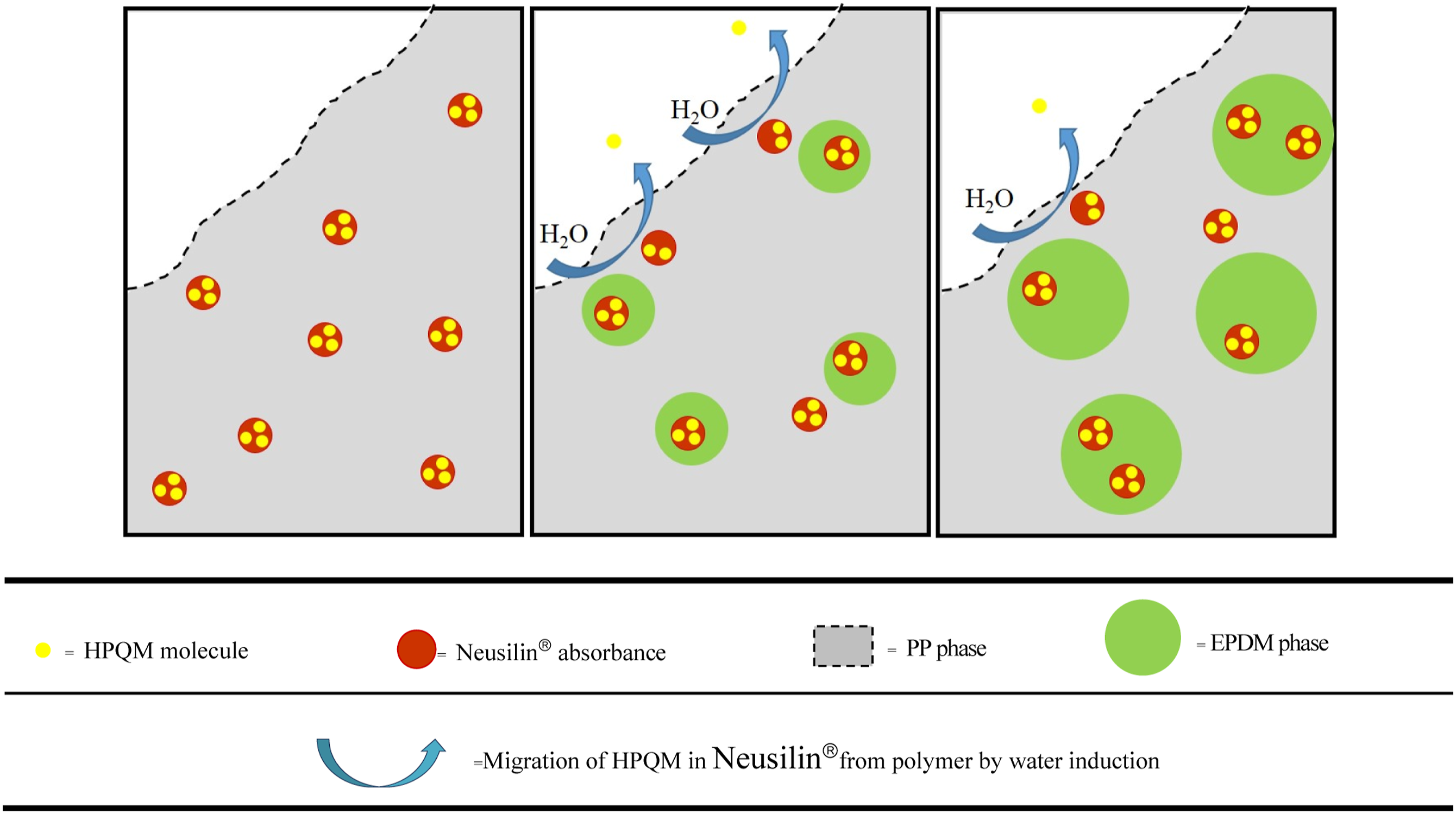
who suggested that the addition of ZDMA into PP/EPDM during dynamic vulcanization could possibly enhance the compatibility of the interface of PP and EPDM. The excess ZDMA could encircle the EPDM phase at the interface of PP and EPDM blend. As mentioned above, the addition of EPDM phase, which contains DCP and ZDMA, into the PP the antibacterial performance was increased. This was because ZDMA and Neusilin® are polar substances; the polarity of ZDMA induces Neusilin® to place around and penetrate into the EPDM droplet. Moreover, the polarity of ZDMA and Neusilin® also induce the water into the TPVs blend to assist the HPQM release from Neusilin® due to the enhanced antibacterial performance of TPVs. Table 3 represents the contact angles of 100:0, 75:25, 50:50 and 25:75 of PP/EPDM blend with and without HPQM in Neusilin®. The contact angle of TPVs surface could reference the hydrophobicity of the EPDM phase with ZDMA. The contact angle depends on the ratio of EPDM, which consists of ZDMA. The EPDM with ZDMA were engendered of hydrophobic TPV to enhance the antibacterial activity because of water or moisture are the best intermediary to conduct HPQM get out of Neusilin® and release to the TPV surface. The possible model of HPQM in Neusilin®, which release from the PP/EPDM matrix is given in Figure 8. However, while the ratio of 25:75 PP/EPDM blend the addition HPQM 1250 ppm was bacteriostatic because a lot of HPQM in Neusilin® in polymer blend remain in EPDM phase. The EDX results suggest that many Mg and Al atoms, which are Neusilin® constituents, are in the EPDM phase, as shown in Figure 5. It is feasible that, if the EPDM phase was sizeable, a lot of HPQM in Neusilin® would be trapped in the EPDM phase by DCP crosslink. The HPQM in Neusilin® in EPDM phase was difficult to release to the surface effect on the antibacterial performance. Nevertheless, the effect of DCP and ZDMA will disappear when adding HPQM in Neusilin® at more than 2500 ppm. The possible model of HPQM in Neusilin® release from the polymer matrix is given in Figure 8. The main advice based on this research is that more antibacterial agent content means better antibacterial performance. If adding inadequate antibacterial agents, however, the PP/EPDM ratio must be a concern. SEM-EDX elemental mapping for samples of PP/EPDM blends 75:25 added HPQM in Neusilin® 5000 ppm (a) SEM image of PP/EPDM blends 75:25 added HPQM in Neusilin® 5000 ppm (b) EDX line profile for all element in specimens (c) Magnesium volume in elemental mapping (d) Aluminum volume in elemental mapping (e) Zinc volume in elemental mapping (f) Osmium volume in elemental mapping. Viable cell count of E. coli bacteria for PP/EPDM blends (a) 100:0, (b) 75:25, (c) 50:50 and (d) 25:75 added HPQM in Neusilin® 0, 1250, 2500, 3750 and 5000 ppm. Viable cell count of S. aureus bacteria for PP/EPDM blends (a) 100:0, (b) 75:25, (c) 50:50 and (d) 25:75 added HPQM in Neusilin® 0, 1250, 2500, 3750 and 5000 ppm. Contact angle values and wettability forms for silicone PP/EPDM with anti-bacterial agents at 0 and 1250 ppm loadings. Proposed antibacterial agent release models for polymers doped with HPQM in Neusilin® during antibacterial testing: (a) pure PP with HPQM in Neusilin®; (b) PP/EPDM 75:25 and 50:50 with HPQM in Neusilin® 1250 ppm (c) PP/EPDM 25:75 with HPQM in Neusilin® 1250 ppm.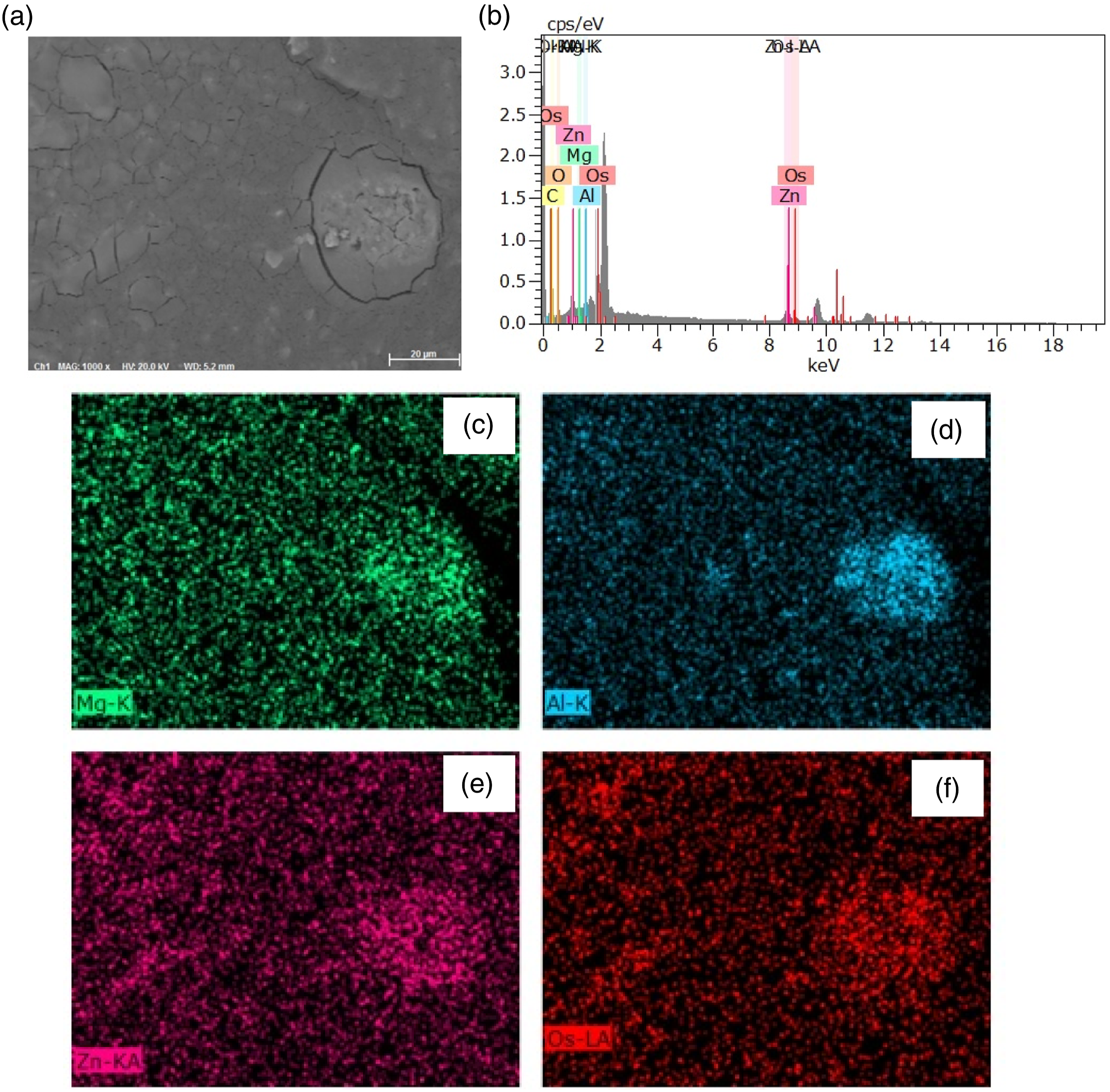
Conclusions
The mechanical properties of TPVs PP/EPDM blend were investigated. The results show that the screw speed of extrusion to produce the TPVs compound did not affect the mechanical properties. Therefore, the addition of EPDM into PP decreased the tensile modulus, tensile strength, and hardness, but increased elongation at break. The qualitative and quantitative of antibacterial method provided that, the more HPQM in Neusilin®content, the more antibacterial performance. However, if the addition of HPQM in Neusilin® is under 1250 ppm, then the PP/EPDM ratio and additive of EPDM rubber would influence antibacterial performance. We suggested content of the HPQM in Neusilin® at more than 3750 ppm to use as an antibacterial agent in PP/EPDM TPVs to confirm antibacterial performance because the viable cell count of E. coli and S. aureus decreased and remained constant, respectively, with increasing contact time.
Footnotes
Acknowledgements
The authors would like to thank for King Mongkut’s University of Technology North Bangkok is acknowledged for micro-biological instruments and laboratory.
Funding
The author(s) disclosed receipt of the following financial support for the research, authorship, and/or publication of this article: Rajamangala University of Technology Rattanakosin for financial support.
