



Abstract
Polyacrylate latexes with uniform particle size and excellent dispersion were successfully synthesized via emulsion copolymerization of butyl acrylate and 2-ethylhexyl acrylate with different types of grafting agents. The effect of grafting agent type for residual double bonds of seed latex was discussed. The results indicated that the residue double bonds of acrylic seed latex of graft agents with non-equally active double bonds were higher than acrylic seed latex of graft agents with equally active double bonds. Acrylic impact modifiers (ACR) were generated by using an emulsion grafting polymerization of polyacrylate latex as the core and poly (methyl methacrylate) (PMMA) as the shell for preparing poly(vinyl chlorid) (PVC)/ACR blends. Mechanical properties test analysis shows that the PVC/ACR blend reached a brittle-toughness transition when the ACR content was 8 phr, indicating that modifiers play a good toughening role in the matrix. The highest impact strength of PVC toughened through ACR (dicyclopentenyl acrylate as grafting agent) was 1682 J/m, almost 62 times than the pure PVC, whereas only 45 times than the pure PVC that of traditional ACR prepared PVC/ACR blend. Scanning electron microscope graphs showed that the shear yielding of the matrix was the major toughening mechanisms.
Introduction
Polyvinyl chloride resin (PVC), one of the outstanding engineering plastics, has received broad attention in industrial applications due to its remarkable properties such as chemical corrosion resistance and strong mechanical properties.1–3 However, PVC has several drawbacks, including poor processability and durability, which severely limit the applications of PVC. Numerous researchers have investigated strategies to surmount the shortcomings of PVC, such as blending with plasticizers or toughening agents, etc.4–8
In general, methacrylate butadiene styrene (MBS), 9 chlorinated polyethylene (CPE), 10 ethylene-vinyl acetate (EVA) 11 and acrylate impact modifier (ACR) 12 have all been employed as impact modifiers. For example, Zhou et al. 9 prepared MBS impact modifiers for modified PVC. The impact strength of pure PVC was 28 J/m and the impact strength of the blend was only 200 J/m when the MBS content was 10 phr. Even so, MBS modified PVC led to a significant decrease in heat resistance, and heat stabilizers should be blended as well to maintain heat stability. CPE and EVA impact modifiers are similar to MBS as the modified PVC has inadequate toughening, poor thermal stability, and a narrow processing temperature range. Xie et al. 10 used CPE to improve the toughness of PVC, and the results revealed that the highest notch impact strength was just 244 J/m. In comparison to other impact modifiers, core-shell impact modifier ACR has good toughening efficiency (the impact strength of PVC/ACR blend was 1260J/m when the traditional ACR content was 8phr), excellent thermal stability, and a wide processing window. Many researchers have prepared core-shell modifiers to enhance the properties of PVC resin. Pan et al. 13 synthesized crosslinked P(BA-co-EHA) latex via seeded emulsion polymerization and used it as the seed to prepare P(BA-co-EHA)-g-poly(vinyl chloride) (PVC) composite latex. The results indicated that the particles of the P(BA-co-EHA)-g-PVC composite latex have a clear core-shell structure. The highest notched impact strength of the P(BA-co-EHA)-g-PVC/PVC blend attained to 900J/m. Jiang et al. 14 prepared ACR modifier to toughen PVC using a PBA core, a PMMA shell, and TAIC as a crosslinking agent, and the highest impact strength was 1656 J/m. However, many studies only focused on the toughening efficiency of ACR, but not investigated the influence of grafting agent type on the performance of ACR. Due to the different structure of graft agent, the cross-linking degree and residual double bond of acrylate seed latex were also different, which resulted in a certain difference in graft efficiency of shell phase monomer. Hence, ACR modifiers of different graft agents are prepared in this research to determine their influence on the properties of PVC resin.
In this paper, a series of acrylic core–shell rubber particles were synthesized by grafting of methyl methacrylate onto the P(BA-co-EHA) latex with different residual double bonds, the core of which was composed of six grafting agents, butyl acrylate and 2-ethylhexyl acrylate copolymer, and the effect of grafting agent type for residual double bonds of seed latex was discussed. In this work, the structure of core phase was only changed, and the effects of various types of acrylic core–shell rubber particles on impact toughness of PVC are investigated.
Experimental
Materials
Butyl acrylate (BA, ≥ 99%) and 2-ethylhexyl acrylate (EHA, ≥ 99%) were purchased from Aladdin Chemistry Co., Ltd. (Shanghai, China). Methyl methacrylate (MMA, ≥ 99%) was supplied by Jilin Chemical Industry Group synthetic resin factory (Jilin, China). Potassium persulfate (KPS, ≥ 99.5%) was used as a radical initiator, provided by Tianjin Fuchen Chemical Co. (Tianjin, China). Sodium dodecyl sulfate (SDS, ≥ 98%) was used as an emulsifier. Anhydrous magnesium sulfate (MgSO4, ≥ 98%), potassium carbonate (K2CO3), acetone, calcium stearate, sodium pyrophosphate (SPP), glucose (DX), cumene hydroperoxide (CHP, ≥ 98%), organic tin, calcium stearate, ferrous sulfate (FES, ≥ 98%) and polyvinyl chloride were of commercial grade and the deionized water was utilized in this work. Triallyl isocyanurate (TAIC), diallyl maleate (DAM), divinylbenzene (DVB), ethylene dimethacrylate (EGDMA), dicyclopentenyl acrylate (DCPA), and allyl methacrylate (ALMA) were used as grafting agents, supplied by Shanghai Macklin Biochemical Co., Ltd. (Shanghai, China).
Synthesis of P(BA-co-EHA) seed latex
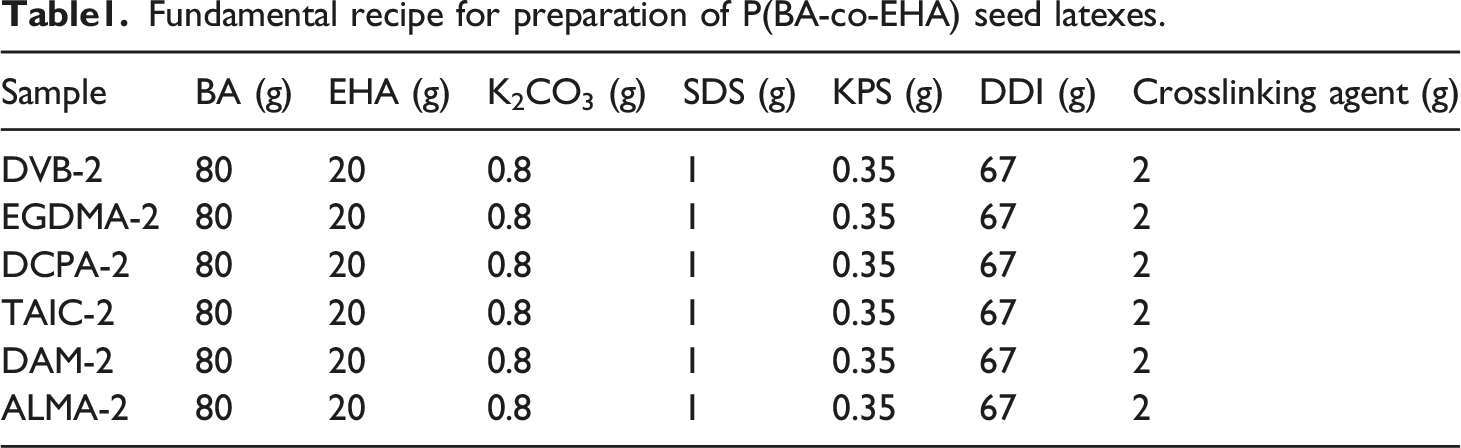
Fundamental recipe for preparation of P(BA-co-EHA) seed latexes.
Synthesis of acrylic impact modifiers (ACR)
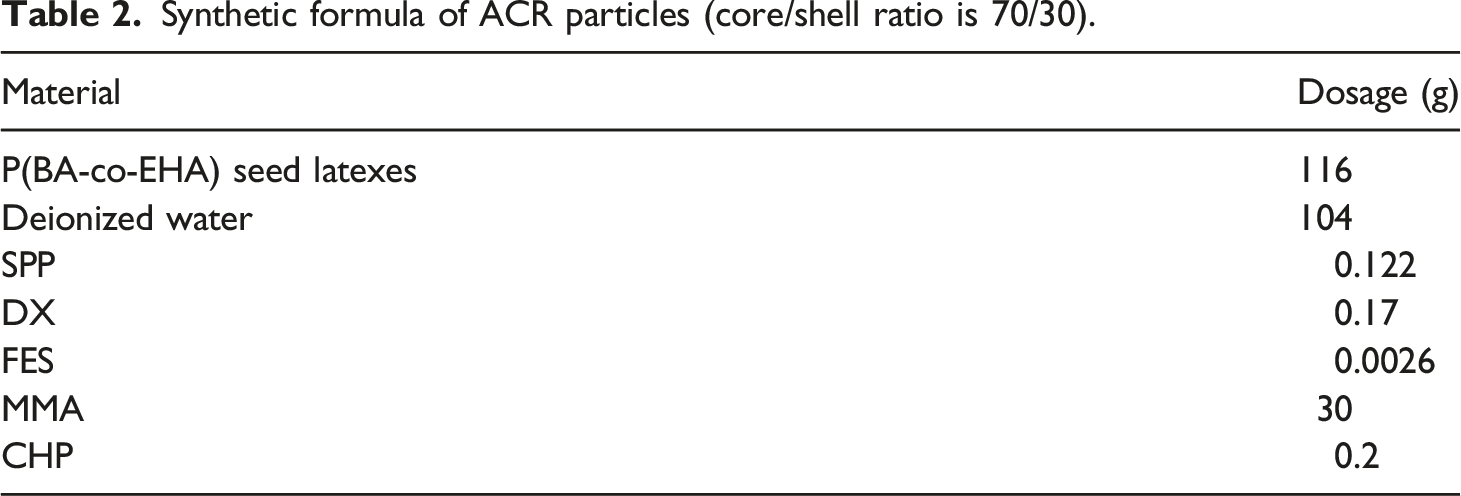
Synthetic formula of ACR particles (core/shell ratio is 70/30).
Preparation of PVC/ACR blends
PVC/ACR blends were fabricated on a two-roll mill by blending ACR (0,6, 7, 8, 9 phr) with PVC resin and processing agent (0.8wt% organotin stabilizer and 0.5wt% calcium stearate). For all the blends, the temperature was set at 185°C for about 5 min. The schematic diagram and synthetic formula of PVC/ACR blends were illustrated in Figure 1. Flowchart for the Preparation of blends.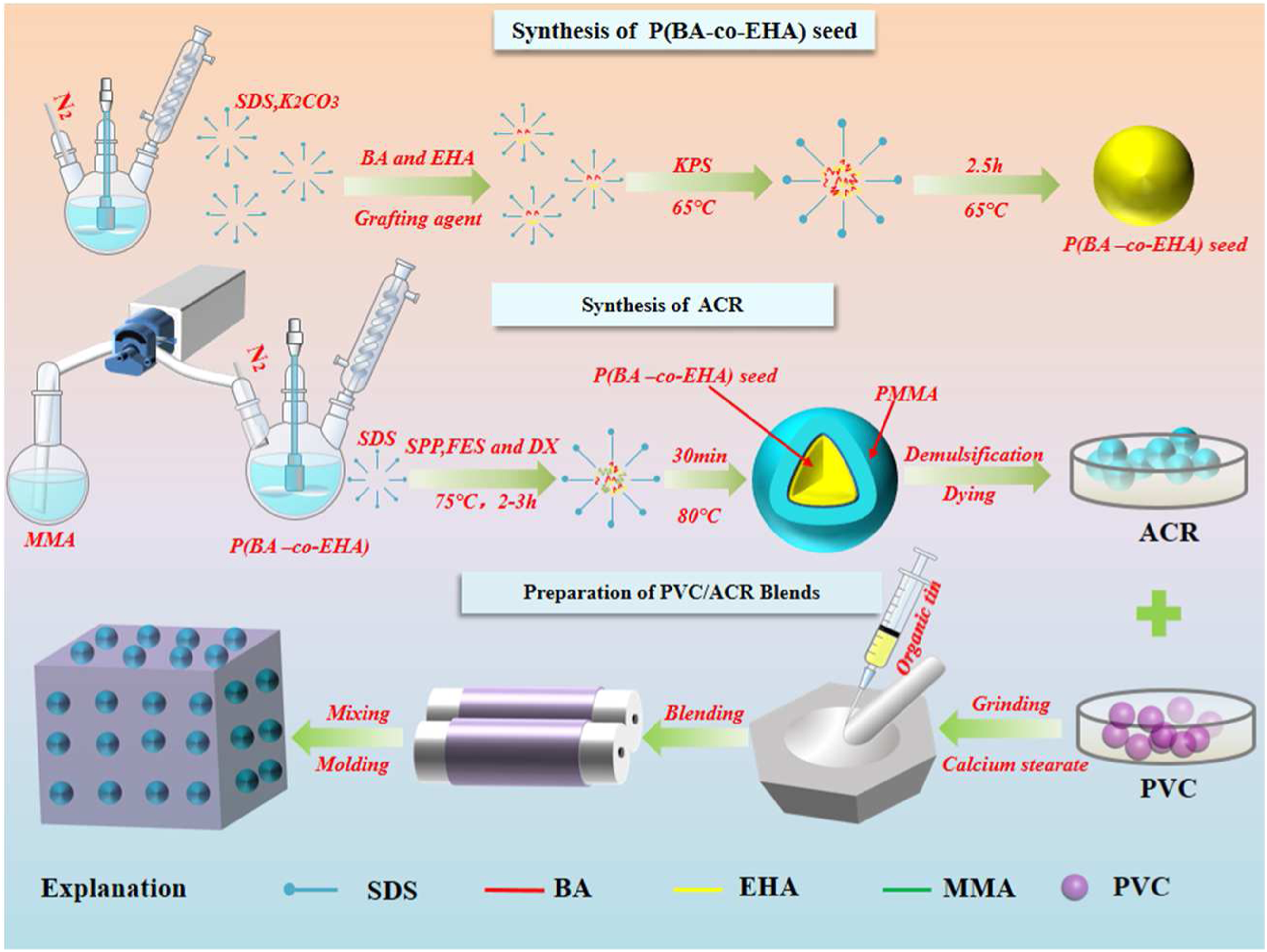
Characterization
FTIR
The chemical structures of P(BA-co-EHA) seed latexes and ACR particles were confirmed by FTIR(Thermo Nicolet Avatar-360 spectrometer, America) over a range of 4000-400 cm−1.
The absorbance values of the aliphatic C=C absorption peak at wave number 1601 cm−1 and the aliphatic C-C absorption peak at wave number 1100∼1020 cm−1 were recorded by the transmittance - absorbance conversion formula (1) using the standard baseline technique.
15

The percentage of polymer residual C=C double bonds has been calculated by the formula (2):
Gel rate of P(BA-co-EHA) seed latexes
The gel content of the acrylic seed latexes was measured via the solvent-extraction method. Three samples (around 0.2 g) of the dried latex film were weighed and sealed in a centrifuge tube. After shaking the centrifuge tube for 48 h at room temperature, the solution was centrifuged at 10,000 rpm for 30 min at 5°C in a GL-21M centrifugal machine. After the extraction process, the sediment was removed and first dried in a fume hood for 3 h and then in a vacuum oven at 70°C until it reached a constant weight. The weight of the remaining dry gel was taken and the gel content was calculated using:
Particle size of ACR particles
The particle size and distribution were characterized by Brookhaven 90-Plus laser particle analyzer. The P(BA-co-EHA) latexes and ACR particles were diluted to around 1 mg/mL concentration in an aqueous medium. Then, the solutions were put into the test cells. After stabilizing at temperature of 18°C for 24 h, the solution cells were measured by dynamic light scattering at least three times.
Mechanical properties
The notched impact strength test was performed using a cantilever beam impact testing machine (XJU22) at 23°C based on the ASTM D256 standard. The tensile test was performed using an Instron tensile tester system (Instron-3365, USA) with a crosshead speed of 20 mm/min at 23°C based on the ASTM D638-2000 standard.
GD and GE of ACR particles
Grafting degree (GD) was defined as the weight of grafted monomers divided by the weight fraction of P(BA-g-EHA) seed latexes. Grafting efficiency (GE) was defined as the weight of grafted monomers divided by the total weight of monomers. They were calculated by extracting dried ACR (0.1 g) with 5mL of acetone (a solvent for free PMMA but not for grafted PMMA and P(BA-g-EHA) seed latexes). After shaking the dried grafting copolymer acetone solution for 24 h at room temperature, the solution was centrifuged at 10,000 rpm for 30 min at 5°C in a GL-21M centrifugal machine. The grafting degree and efficiency was calculated using the following equations:

Scanning electron microscopy
Scanning electron microscopy (SEM) images were obtained by using a JSM6510 instrument (JEOL, Japan) with a 10 kV accelerating voltage. On the fractured surface of all the samples with impact sections, a thin coating of gold was deposited.
Results and discussion
FTIR and Gel rate analysis
The FTIR spectra of P(BA-co-EHA) seed latexes and ACR particles were shown in Figure 2. DVB-2 and DVB-ACR revealed a strong and sharp band at around 842 cm−1, corresponding to a benzene ring. Meanwhile, the absorption peaks of DCPA-2 and DCPA-ACR at about 3046 cm−1 could be assigned to the stretching vibration of cyclopentene double bonds on DCPA. The TAIC-2 and TAIC-ACR absorption peaks at 1340 cm−1 and 1700 cm−1 depicted the C-N and isocyanate on TAIC, respectively. Furthermore, the absorption peaks of all samples at 3438 cm−1 and 1728 cm−1 were C=O, whereas the stretching vibrations of all ACR particles at 1244 cm−1 and 1710 cm−1 were PMMA the absorption peaks. It has been demonstrated that ACR and P(BA-co-EHA) seed latexes were successfully synthesized. FTIR spectra of P(BA-co-EHA) seed latexes and ACR with different graft agents.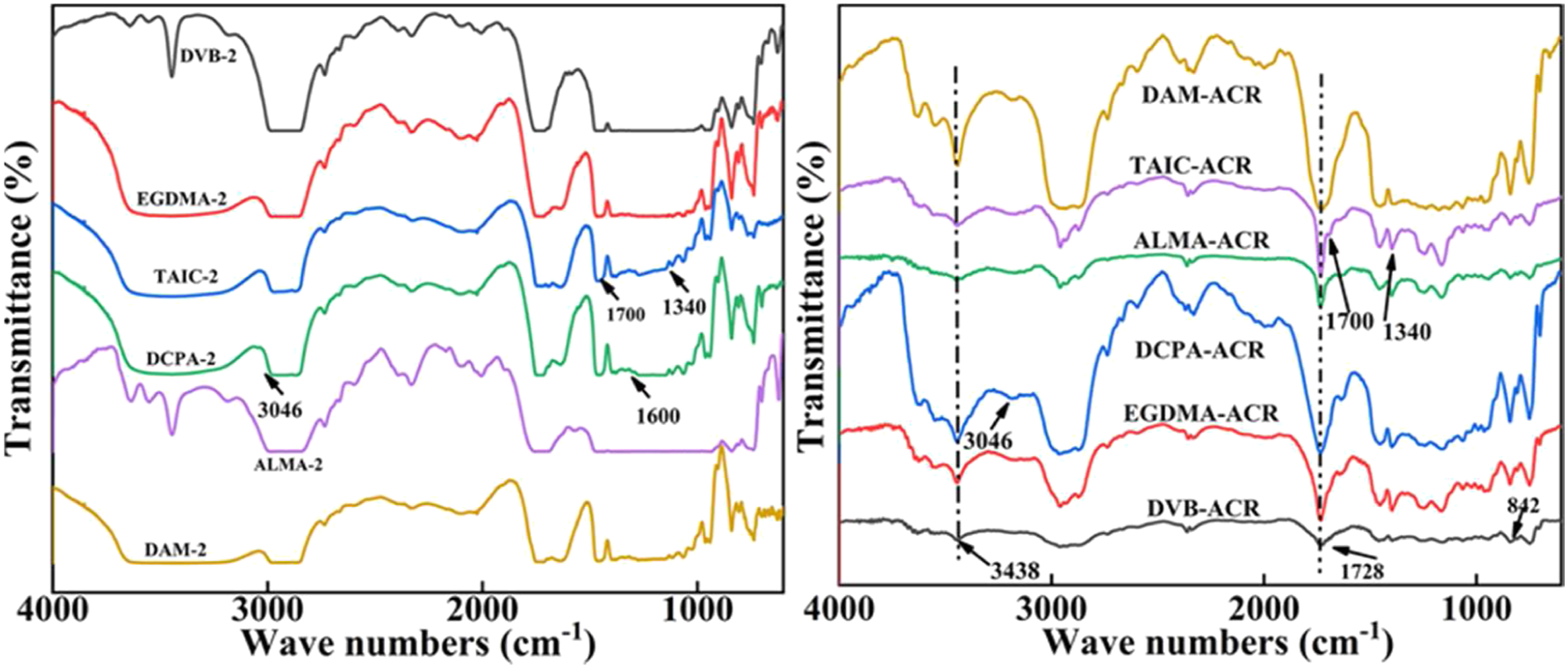
Double bond residual and gel rate of P(BA-co-EHA) seed latexes.

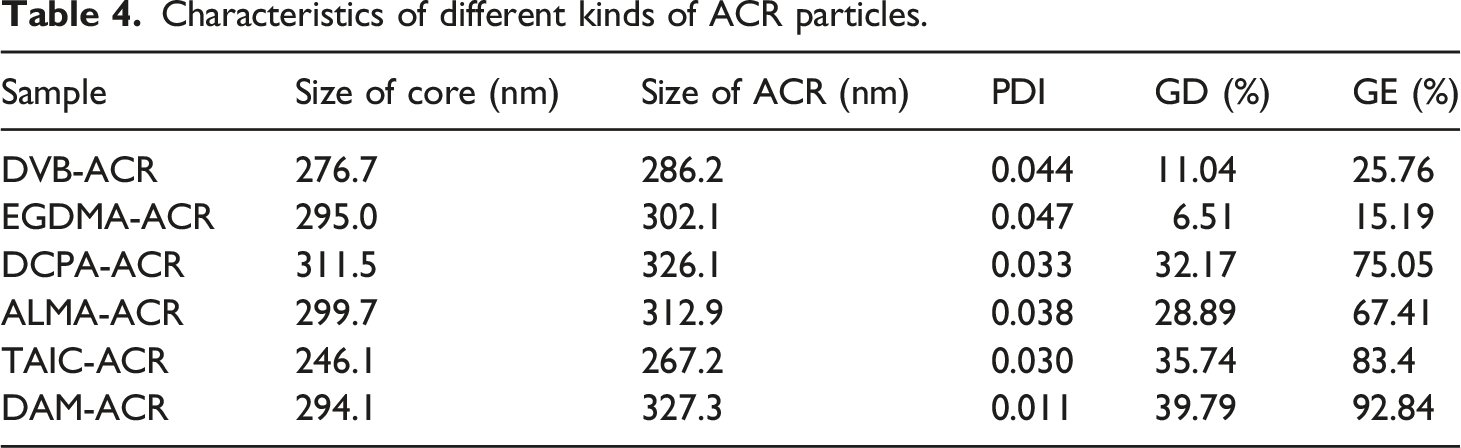
ACR particle properties
Characteristics of different kinds of ACR particles.
Mechanical properties
The toughness of materials is the fundamental feature for evaluating the use-value of materials,
17
and adding a core-shell toughening agent is a comprehensive way to enhance the toughness of the PVC resin.
18
Previous studies have revealed that the addition of a rubber or elastomer modifier could induce the brittle-ductile transition of materials,19,20 thus it was critical to evaluate the brittle-ductile transition of materials as well as the toughening efficiency of ACR by adjusting the ACR addition. The impact strength and tensile tests have been used to evaluate the toughening efficiency of ACR. The influence of the type of grafting agents and ACR addition on the notch impact strength, tensile strength and tensile modulus properties of PVC/ACR blends were shown in Figures 3(a), (b) and (c), and the addition of ACR effectively enhanced the toughness of the PVC resin. For example, the notched impact strength of the blend was increased from 381 J/m to 1682 J/m, almost 62 times than the pure PVC, when DCPA-ACR addition has been increased from 7 phr to 8 phr. It indicated the brittle-ductile transition point of the blend when the addition of ACR of the above six core-shell toughening agents was 8 phr. Mechanical properties of blends with different types of graft agent ACR (6, 7, 8, 9 phr)(a) Notched impact strength, (b)Tensile strength and (c) Modulus.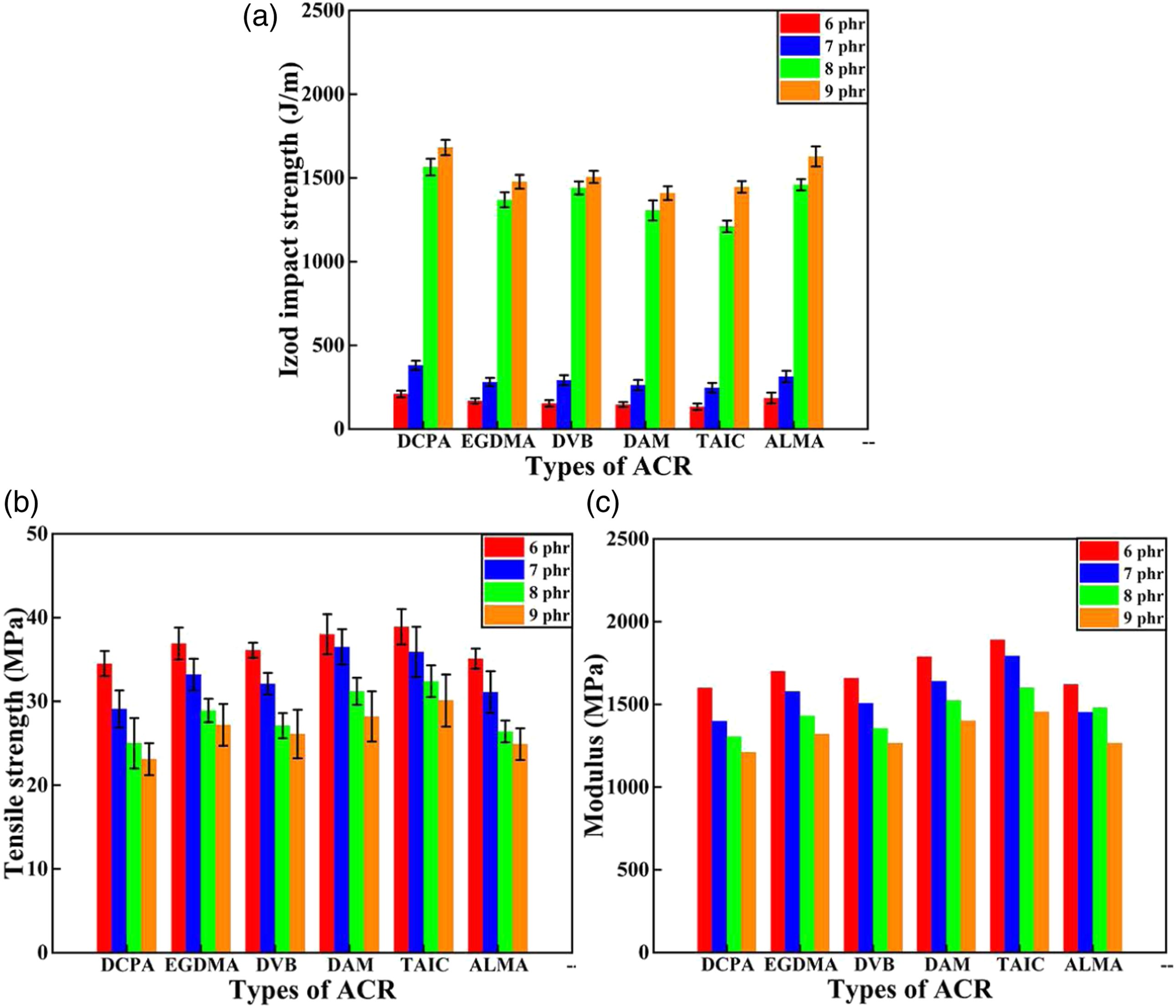
The influence of the degree of cross-linking of rubber phase interior and grafting efficiency on the notch impact strength of the PVC resin was verified by changing the type of graft agent, as shown in Figure 3(a). The notched impact strength of EGDMA-ACR/PVC and DVB-ACR/PVC (difunctional graft agents with equally active double bonds) were 1369 J/m and 1440 J/m, respectively, whereas the notched impact strength of ALMA-ACR/PVC and DCPA-ACR/PVC (difunctional graft agents with non-equally active double bonds) were 1459 J/m and 1682 J/m, respectively. It could be found that the toughening efficiency of ACR of difunctional graft agents with non-equally active double bonds was higher than that ACR of difunctional graft agents with equally active double bonds. During the blending process, the rubber particles directly act as the centers of the stress concentration and initiate crazes or shear bands after the PVC shell layer of the modifier was melted. The craze-shear band theory 21 claimed that the rubbery particles of the material could become centers of stress concentration and initiate crazes or shear bands in the matrix. When crazes or shear bands occur and grow, a large amount of energy is absorbed in this region, which is the main reason for the increase of toughness of materials. During the polymerization, the degree of cross-linking of seeds of difunctional graft agents with non-equally active double bonds was less than that seeds of difunctional graft agents with equally active double bonds. When the blend subjected to external forces, the molecular chain flexibilityof rubber particles with a lower degree of crosslinking was higher, which was initiated the more crazes or shear bands in the matrix. Therefore, the impact strength of the materials was greatly improved. Meanwhile, the residual double bonds of acrylate seed latex of graft agents with non-equally active double bonds was remained more, which resulted in the improvement of grafting efficiency. Because the high grafting efficiency enabled MMA to coat acrylate seed latexs more completely, which could better improved compatibility between ACR and PVC. The graft agent with trifunctional group had a similar rule to the graft agent of difunctional group. The notched impact strength of TAIC-ACR/PVC blend (trifunctional graft agents with equally active double bonds) was 1210 J/m, whereas the notched impact strength of DAM-ACR/PVC blend (trifunctional graft agents with non-equally active double bonds) was 1306 J/m. The toughening efficiency of ACR of the difunctional graft agent outperformed ACR of the trifunctional graft agent, which was related to the crosslinking degree and graft efficiency of acrylate seed latex.
Figures 3(b) and (c), depicted the tensile strength and tensile modulus of PVC/ACR blends. The addition of ACR decreased the tensile strength and tensile modulus of blends, as seen in Figure 3(b) and (c). For example, when addition of DCPA-ACR was increased from 6 phr to 9 phr, the tensile strength and modulus were decreased from 34.5 MPa and 1601 MPa to 23.1 MPa and 1211 MPa, respectively. The rubber phase of ACR absorbed external energy under the action of external force which made the PVC matrix easy to deform. Likewise, the tensile strength and modulus of blends (graft agents with non-equally active double bonds) were higher than those of blends (graft agents with equally active double bonds). The cross-linking degree of acrylate seed latex of graft agents with non-equally active double bonds dropped significantly, which enhanced capability of rubber particles to absorb energy, thereby reduced the ability of hinder deformation.
Compatibility analysis
Prior studies revealed that a better toughening effect required constituent good compatibility between the ACR modifier and matrix resin, both of which could be appropriate if the materials have included one Tg. Otherwise, they could be partially or completely compatible. Figure 4 depicted the DMA curve for blends. The curve demonstrated that the peaks (PMMA) in the higher temperature zone fused entirely with the PVC peak, indicating that the ACR shell phase was perfectly compatible with the PVC matrix. DMA curve of PVC/DCPA-ACR blends (8 phr).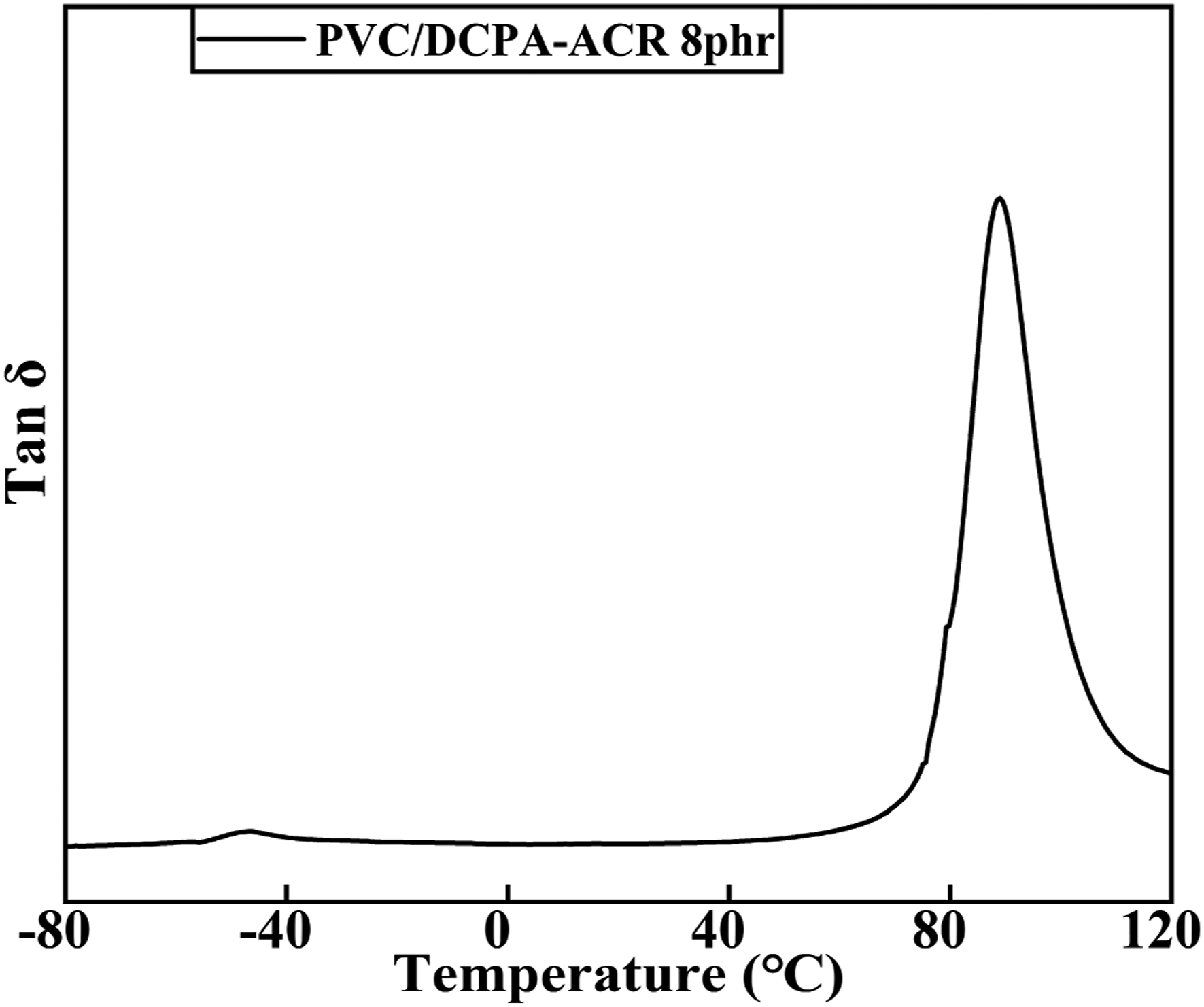
In order to better understand the compatibility between ACR and PVC resin and the toughening mechanism, a series of ACR-DCPA/PVC blends with different ACR contents were taken as research objects to conduct microstructure analysis. The SEM images in Figure 5(a) demonstrated a significant brittle fracture of pure PVC (0 phr DCPA-ACR) with negligible plastic deformation smoothness of the impact section. In the impact fractured surfaces, more fibrils could be seen in the presence of DCPA-ACR, which was a morphological indication of the fact that contributed to the ductility of the fracture
22
and Figure 5(b-d) clearly illustrated the impact surfaces covered with ductile fibrils. These fibers were scarcely visible in samples without DCPA-ACR. Figure 5(b-d) depicted the fracture surface of the blend at 7, 8, and 9 phr DCPA-ACR. It verified that the compatibility between ACR-DCPA and PVC resin matrix was good and no phase separation. When ACR-DCPA was introduced in PVC resin, plastic deformation of the fracture mode of blend from brittle fracture to ductile fracture was observed at 8 phr, which illustrated 8 phr ACR ACR-DCPA made PVC resin appeared brittle-ductile transition. SEM micrographs of the fracture surface of the PVC/DCPA-ACR blends with different ACR contents from (a) 0 phr, (b) 7 phr, (c) 8 phr, (d) 9 phr at 1000 × magnification.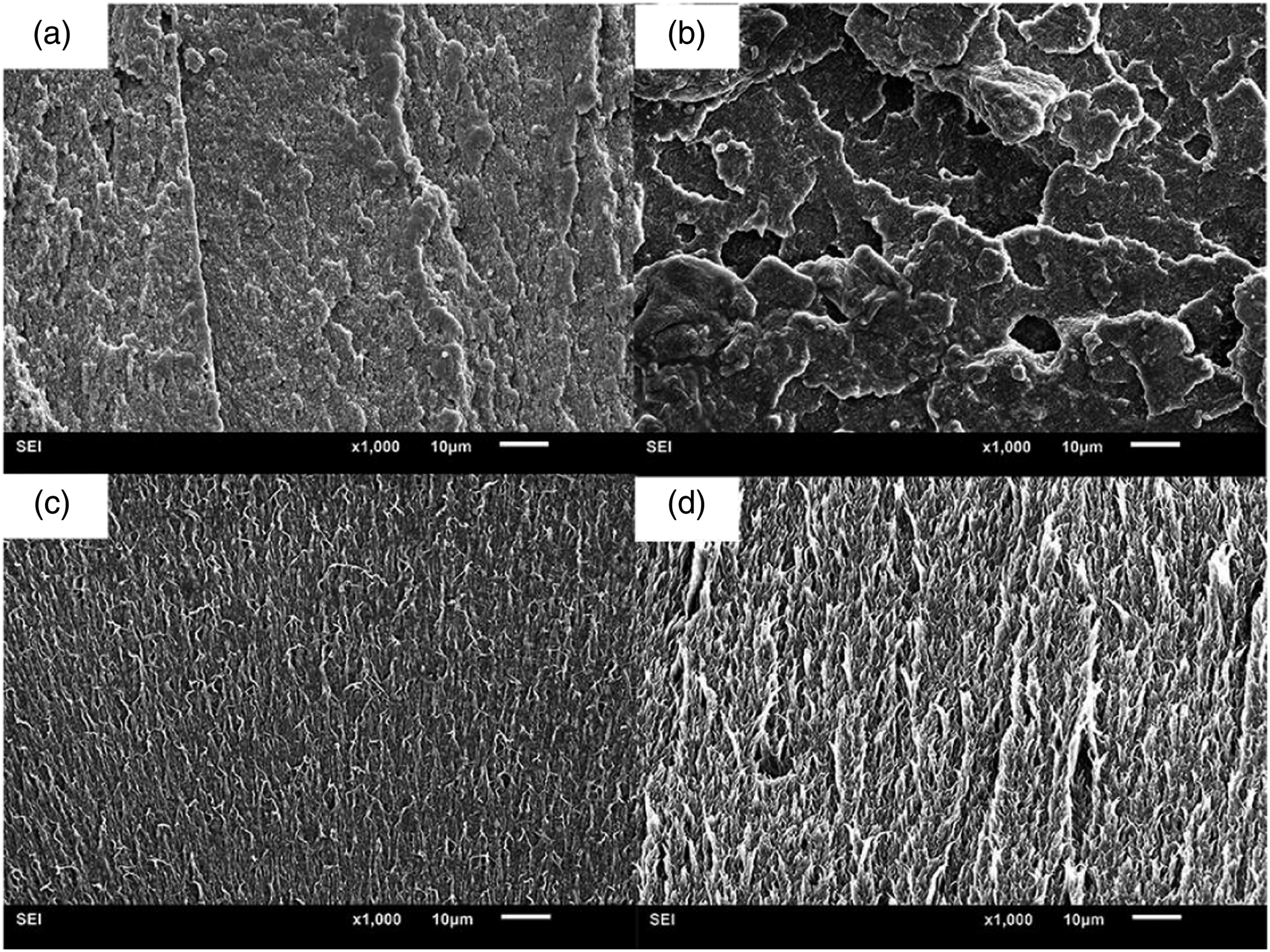
The Figure 6 indicated that the spline surface was rather rough after the impact test, exhibited obvious plastic deformation and a lot of yield fibers on the surface, which implied that shear yielding of PVC matrix took place. It also confirmed that ACR was a highly effective toughening agent. The results revealed that the toughening mechanism was the effect of shear yielding of matrix, which was consistent with the experimental results of Hasanpour et al.
23
In addition, the ACR impact modifier was used to try to toughen other plastics, such as chlorinated polyvinyl chloride (CPVC) and Poly(lactic acid) (PLA). It is noted that the impact strength of CPVC and PLA could be improved by adding ACR modifier. These results are agreement with the reports of references.24–27 This indicated that the ACR could be used to improve different kind plastics. An SEM image of the impact fracture surface of the PVC/DCPA-ACR blend impact spline (9 phr) at 3000 × magnification.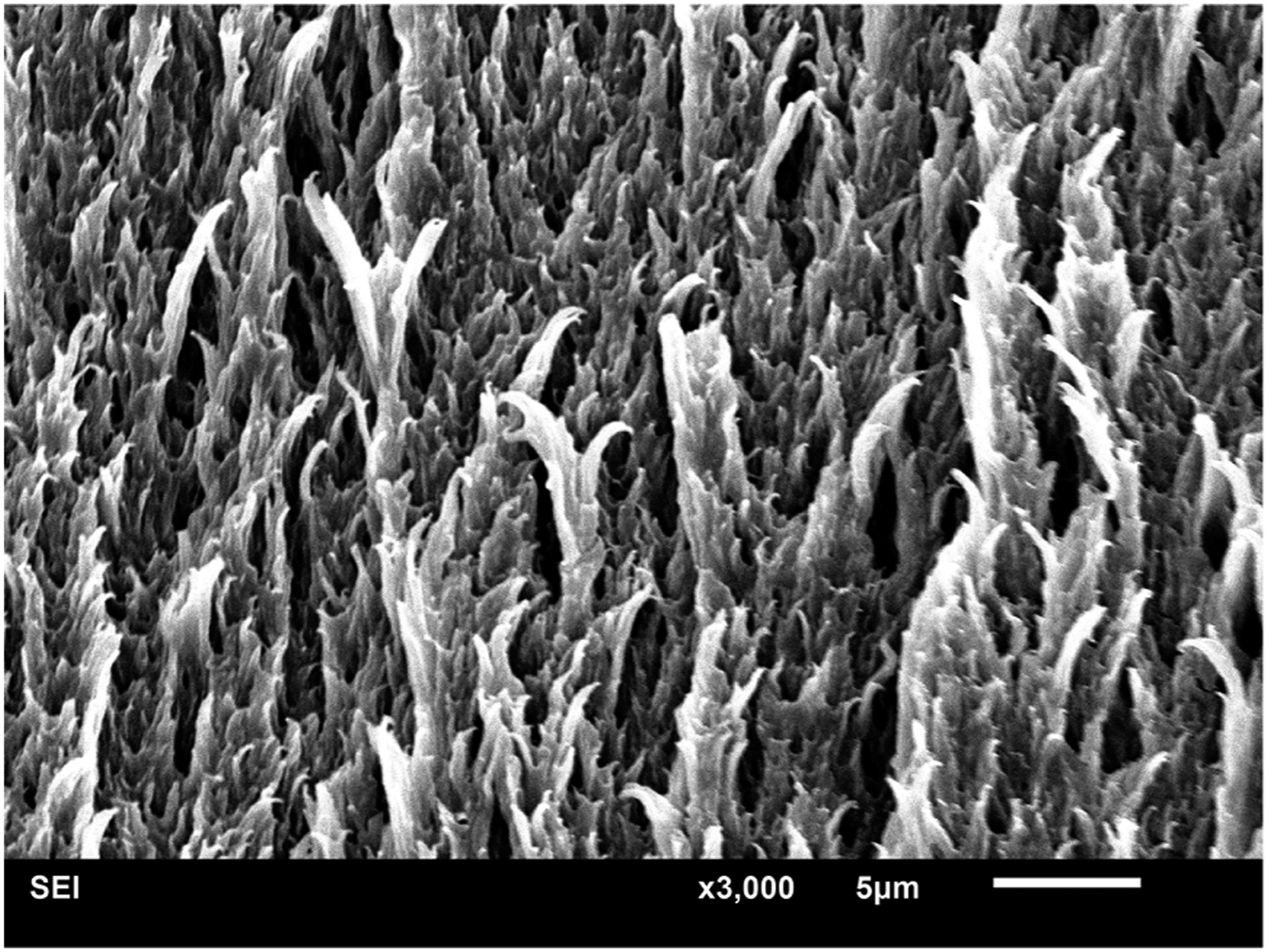
Conclusion
In summary, the effects of the type of grafting agents on ACR toughened PVC have been thoroughly investigated. The residual double bond test showed that the residue double bonds of acrylic seed latex of graft agents with non-equally active double bonds were higher than acrylic seed latex of graft agents with equally active double bonds. The mechanical property test results demonstrated that when DCPA was used as the grafting agent of the acrylate seed latex, the notch impact strength of the blend was the best (1682 J/m) and the graft efficiency of DCPA-ACR was 75.05%. Meanwhile, ACR of graft agents with non-equally active double bonds has a better grafting efficiency than ACR of graft agents with equally active double bonds. The toughening mechanism was the effect of the matrix’s shear yielding based on the SEM analysis. The results presented in this research showed a promising possibility of the performance of ACR could be effectively regulated and provides novel applications to a newly impact modifier.
Supplemental Material
Supplemental Material - Novel high-efficiency Poly(butyl acrylate-co-2-ethylhexyl acrylate) grafting of Poly(methyl methacrylate) impact modifier: Synthesis and application
Supplemental Material for Novel high-efficiency Poly(butyl acrylate-co-2-ethylhexyl acrylate) grafting of Poly(methyl methacrylate) impact modifier: Synthesis and application by Yinan Sun, Xiangchi Liu, Tingting Liu, Baijun Liu and Mingyao Zhang in Journal of Thermoplastic Composite Materials
Footnotes
Declaration of Conflicting Interests
The author(s) declared no potential conflicts of interest with respect to the research, authorship, and/or publication of this article.
Funding
The author(s) disclosed receipt of the following financial support for the research, authorship, and/or publication of this article: The authors appreciate the financial support from the National Natural Science Foundation of China (No.U21A2088).

Supplemental Material
Supplemental material for this article is available online.
References
Supplementary Material
Please find the following supplemental material available below.
For Open Access articles published under a Creative Commons License, all supplemental material carries the same license as the article it is associated with.
For non-Open Access articles published, all supplemental material carries a non-exclusive license, and permission requests for re-use of supplemental material or any part of supplemental material shall be sent directly to the copyright owner as specified in the copyright notice associated with the article.
