




Abstract
Both biodegradable UV-blocking and antimicrobial films are extremely demanded, especially for food packaging to meet the increasing sustainable requirement for the human health and the environment. Thus, the objective of this research was to fabricate antibiofilms based biodegradable Poly(butylene adipate-co-terephthalate)
Introduction
With the beginning of the 21st century, the development of packaging materials based renewable resources has been paid much attention many scientists to reduce the environmental concerns that result from nonbiodegradable petroleum-based materials. The development of eco-friendly packaging material tends to be used toxicity-free additives not only for limiting the environmental risk but also for enhancing people’s health. Now-a-days, with the continuous improvement of living standards and with the rapid development of food processing, consumer demand for higher quality safety food has received special attention. Moreover, recent foodborne microbial outbreaks are motivating exploration of innovative techniques to prevent microbial progress in the foodstuffs whereas keeping the freshness, quality, and safety of the packaged food. 1
The main function of using packaging is to offer an enriched margin of quality as well as the safety. Food packaging in the next generation can contain materials with antimicrobial properties and UV protections. 2 In the literature, numerous studies3–6 have been carried out on blending certain nanoparticles (e.g. TiO2, ZnO, Ag-NPs, or ZnO-doped SiO2) as antimicrobial and UV-radiation blocker agents with polymers to improve the prolonging of food shelf-life, as well as reducing the risk from microbial developments. Despite these features, there is a critical problem in food contact packaging that is the migration of nanoparticles from packaging material to food due to their miniscule dimensions. 7 As a consequence, WHO and FAO have limited the use of nanoparticles in food packaging material undergoing specific EU regulations and also requested that the materials used in food packaging shall be eco-friendly safe, involving antimicrobial materials to maintain the food in safe and without causing any hazards on human activities. 8 For these reasons, our study is focused on the using of cumin essential oil (CEO) as a dual nature antimicrobial and UV-shielding agent with biodegradable PBAT matrix containing a very little amount of clay platelets.
Biopolymers manufactured from renewable resources have drawn significant attention for the potential replacement of nonbiodegradable materials due to their unique properties in a variety of industrial applications, as well as 100% biodegradable within few weeks by aiding the microorganisms in soil burial.9,10 Among them, poly(butylene adipate-co-terephthalate) (PBAT) is a renewable thermoplastic polyester with good processing properties and mainly synthesized from aliphatic-aromatic units in the same polyester chain. As a result, PBAT is considerable a flexible and has a higher strain at break when compared with the most polyesters like polylactic acid (PLA), being thus more suitable for edible packaging purposes.11–13 Nevertheless, PBAT has poor tensile and thermal properties as well as its high production costs; thereby limiting its industrial use.
To reduce these deficiencies, a nano-sized reinforcing must be added to enhance the polymer properties to meet desired applications, and minimize the final cost of the product. Some of the most commonly nano-sized fillers used are organoclay or expanded clay by stearic acid combined with PBAT that significantly improved its mechanical and barrier properties.14,15 This biodegradable matrix is considered to be sustainable and the layered clay is a naturally plentiful material, and degradation produces are harmless to the soil. PBAT/organoclay systems may overcome the problems of pure PBAT and enhancing some of its properties for use in a wide range of applications. 16 These enhancements are reliant on the nature and composition of the organoclay used as well as the state of dispersion of the organic clays in the polymer matrix.17–19
As known, montmorillonite (MMT) is the most common clay as nanofillers used in the preparation of polymer nanocomposites, fashioned by exchanging the cations among the silicate layers by cationic surfactants such as alkylammonium salts. This leads to increase the basal spacing distance (d-spacing) between the clay layers, and enhanced compatibility with polymers is gotten, creating clay layers to be more intercalated or exfoliated.20–22 In biodegradable packaging, antimicrobial packaging combined with natural essential oils (EOs) has concerned extra attention.23,24 These packages are mainly protecting food from food pathogens which led to less impact on human health; moreover, obey environmental protection. 25 EOs have recently been the subject of numerous research studies as an important source of natural preservatives. 26 Moreover, it has been reported that EOs are usually considered to be healthy and safe environmentally antibacterial agents.23,27–30
Among many kinds of EOs, natural volatile cumin essential oil (CEO) refined from cumin seeds (Cuminum cyminum L. is a drug plant, native to Egypt), has extensively used as a medical herb for cough therapy and in traditional medicine to treat other variety of diseases. At present, CEO can be used in a wide range of food industry and in food packaging because of its safe and highly efficient as renewable antimicrobial and antifungal agent. 31 In our study, cuminaldehyde, cuminyl alcohol, thymol, p-cymene, sabinene, and γ-terpinene are considered to be the major ingredients in the CEO as characterized by GC-MS. These components possess aldehyde and alcohol groups that are notably having not only a positive antimicrobial effect,32,33 but also antiviral activity. 34 Because of the global coronavirus spreading (COVID-19), the food packaging material shall have a preventive substance, which may act as a self-sterilizing from microbe or virus during their handling and transportation. Natural volatile CEO can be a good candidate for using in these purposes because of its having aldehyde-alcohol compounds.
A few studies reported that CEO is effective on the inhibition of growth and reduce of foodborne pathogenic bacteria such as Escherichia coli, Listeria monocytogenes and Salmonella species, as well as food spoilage such as Aspergillus flavus, and Aspergillus niger, therefore protection the foods quality and extending shelf-life. Further, CEO has been recommended as preserver’s agent due to its antioxidant property to enhance the shelf-life of foods, as well as safer altered to artificial antioxidants.35,36 To our knowledge, however, there is no study discussed the impact of natural CEO on the UV-blocking nanocomposite films.
In the current work, antibiofilms based on biodegradable PBAT nanocomposites enriched clay platelets with variable proportions of CEO oil were prepared by solvent casting approach for improving the UV-protecting and antibacterial properties in order to be used for edible packaging or agriculture mulish films. The main objective of this research was to study the synergetic effect of CEO at different contents in PBAT/OC nanocomposites on UV irradiation, morphology, mechanical, barrier properties, as well as antimicrobial/antioxidant activities. As well as X-ray diffraction was used to characterize the modified organic clay by organomodifier C19TAB and its nanocomposites, whereas the CEO oil constituents identified by GC-MS technique.
Materials and experimental techniques
Materials
Biodegradable poly (butylene adipate-co-terephtalate) (PBAT) with a density of 1.26 g. cm−3 and melt flow rate (190°C: 2.16 kg) of 4–6 g/ 10 min, was offered in the beads form from NaturePlast, France, under the trade name PBE 006 resin. Sodium montmorillonite (Na+-MMT) with cation exchange capacity (CEC) of around 92.7 meq/100 g was procured from Southern Clay Products, Inc., USA. Hexadecyltrimethylammonium bromide (C19TAB) with purity ≥99% and M.W. 364.45 used as organomodifier was purchased from Sigma-Aldrich, Egypt (see Figure 1(a)). 2,2-diphenyl-1-picrylhydrazil (DPPH) used as radical scavenging material was obtained from Merck, Germany. Natural volatile cumin essential oil (CEO) was provided from Agriculture Research Center, Cairo University, Egypt. In this study, it was described to possess antibacterial activity and its chemical structure for the most components was demonstrated in Figure 1(b) and confirmed by GC-MS technique. Other chemicals and the solvent used in this study were of analytical grade and used without any further purification.
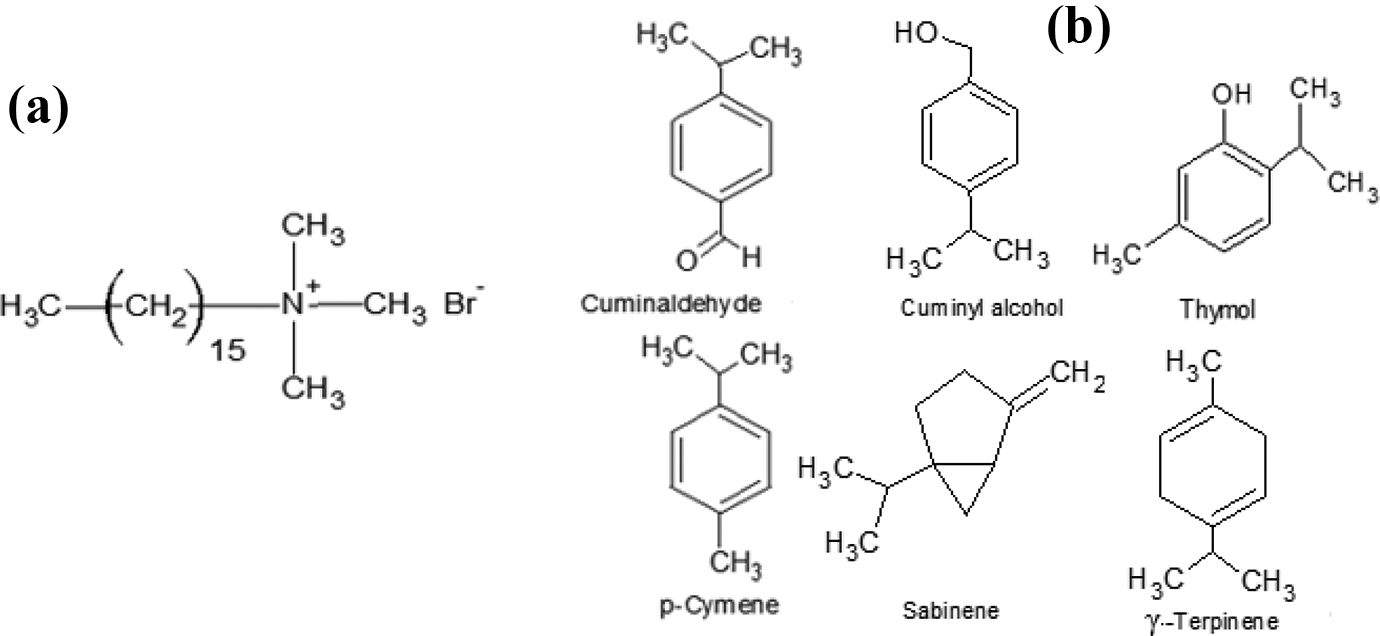
Chemical structure of organomodifier C19TAB (a) and major natural volatile CEO oil constituents (b).
Modification process of Na+-MMT
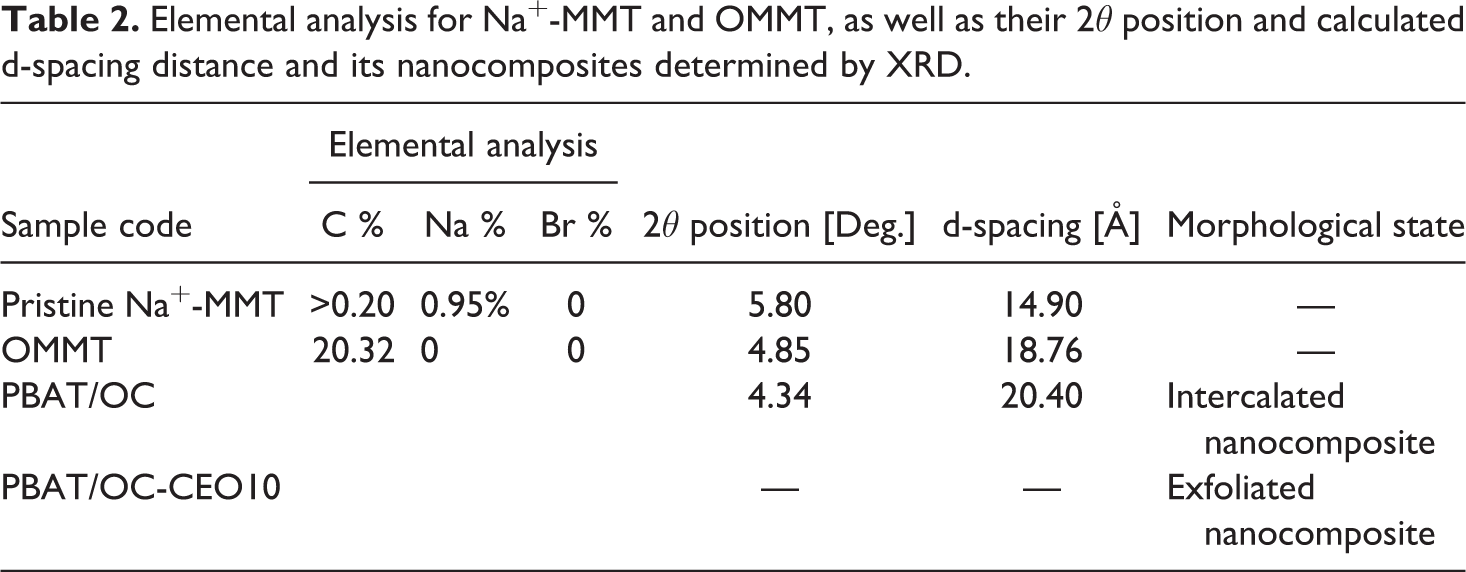
The organophilic modification of layered silicate was carried out at 60–70°C using organomodifier C19TAB as described in our previous literature. 37 In brief, 1 g of Na+-MMT was dispersed in a 250 ml beaker filled with 50 ml of distilled water and agitated with a magnetic stirrer at 60°C for 1 h. The obtained suspension was then undergone an ultrasonic treatment (Elmasonic bath S60 H, 50 Hz) for 30 min at 60°C. On the other hand, 0.3 of C19TAB was added to warm distilled water with stirring until the surfactant was completely dissolved. The clay suspension was poured into the surfactant and the reaction was thoroughly allowed to proceed at 60–70°C for 24 h under vigorous stirring. Next, the obtained suspension was filtered and washed several times by distilled water to remove the unreacted surfactant and all traces of NaBr produced during the cationic exchange reaction. The organophilic montmorillonite (OMMT) was obtained and dried in an oven at 65°C for 12 h. Soxhlet extraction system was then used to remove the physisorbed organomodifier species which are counterbalanced with bromide (Br−) anions in the clay layers by using an ethanol solvent during 2 h at 60°C. This step was carried out to make sure that the prepared material is benign and toxicity-free Br− as confirmed by elemental analysis (Vario El-Elementar, IRMS-North, Germany) in Table 2. Finally, the purified OMMT was dried, grinded, sieved, and kept in a desiccator to characterize by XRD and further use. This is named organic clay (OC) throughout this research.
Preparation of PBAT/OC/CEO films
Antimicrobial PBAT films were prepared using solvent casting approach. Specifically, 10 g of PBAT beads were dissolved in 50 ml of tetrahydrofuran (THF) with a magnetic stirring at ambient temperature for 30 min. The OMMT (0.1 g) was added to the polymer solution and stirred till the homogenous mixture was obtained. After that, the natural volatile CEO oil was added to the PBAT-OMMT mixture using different proportions (i.e. 1, 3, 5, and 10% by weight) and agitated at ambient conditions for another 3 h as shown in Figure 2. Then, the mixture was slowly casted into a leveled Teflon film (Cole-Parmer Instrument Co., Chicago, IL, USA) coated glass plate with dimension of 24 x 30 cm and dried at environmental conditions (23°C ± 2 and R.H 50% ± 5) for 12 h to evaporate the solvent. The attained PBAT film was peeled off glass plates for further investigations.
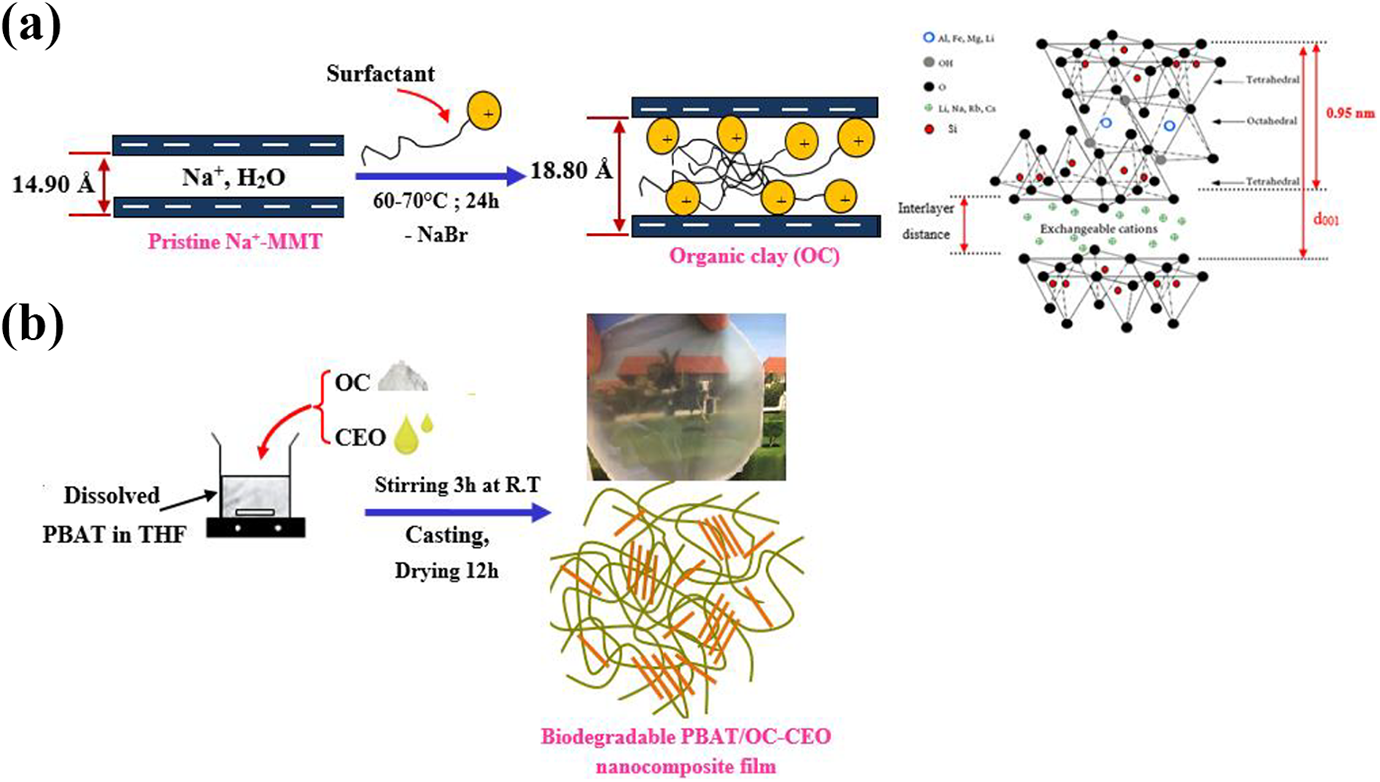
Schematic representation of the modification of nanoclay and fabrication of biodegradable PBAT/OC-CEO nanocomposite films.
Correspondingly, virgin PBAT and its filled nanocomposite by OMMT (PBAT/OC) were prepared by the same process to be used for comparison. The fabricated films were labeled based on the content of CEO oil in the nanocomposite as PBAT/OC-CEO1, PBAT/OC-CEO3, PBAT/OC-CEO5, and PBAT/OC-CEO10.
GC-MS analysis of CEO
The chemical composition of natural volatile CEO oil was carried out using a gas chromatography–mass Spectrometry-Agilent 5975 GC-MS system (Agilent Technologies, California, USA), equipped with an HP-5MS capillary column (30 mm × 0.25 mm inner diameter × 0.25 µm film thickness). Helium was used as the carrier gas with the flow rate set at 1 mL/min. The temperature of the injection port was kept at 230°C. The initial temperature of the oven was 70°C which was then increased gradually to 300°C at a heating rate 10°C. min−1, held for 6 min, and finally increased to 325°C. The ionization voltage was maintained at 70 eV. The components of the cumin essential oil derived from the seeds were identified by mass spectral matching with the NIST 14 and flavor mass spectral library.
X-ray diffraction analysis
The 2θ position and d-spacing distance of powdered Na+-MMT, its hybrid by C19TAB as well as the morphology of PBAT bionanocomposites were conducted using a Philips X-ray diffractometer (PW 1930 generator, PW 1820 goniometer, Netherlands) equipped with Cu Kα radiation (45 kV, 40 mA, and λ = 0.15418 nm). The data were collected over a 2θ range from 3 to 10º with step size of 0.05 and at a counting time per step 2s/step.
Transmission electron microscopy (TEM)
The nanodispersion state of clay nanoparticles in PBAT matrix at different proportions of CEO oil was examined using transmission electron microscopy ((JEOL, Model Jem-1400, Japan) with accelerating voltage of 200 kV. The samples (i.e. PBAT/OC, PBAT/OC-CEO3 and PBAT/OC-CEO10) were dissolved in THF and then ultrasonicated at room temperature for 15 min to obtain a homogenous solution. One diluted drop was taken from the solution and deposited on the surface of CF200-copper observation grids coated with an amorphous carbon film.
Scanning electron microscopy (SEM)
The compatibility of UK or TK of fiber in PS polymer was investigated using a scanning electron microscopy (SEM) (High Resolution Quanta FEG 250-SEM, Czech Republic). SEM pictures were obtained at an acceleration voltage (5–10 kV) and the electron beam spot size (3–3.5) in order to optimize the quality of the pictures. The fractured surfaces after tensile test were coated with a thin gold layer and at low vacuum.
UV-Vis absorption measurements
The absorption of the fabricated PBAT bionanocomposite films were measured using a double-beam UV-Vis Spectrophotometer from Shimadzu model UV3101pc, Japan, over the wavelength range from 250 to 800 nm with an interval wavelength of 0.1 nm at room temperature. The biodegradable PBAT films were cut into square pieces with a thickness of 50–60 µm and adhered to the sample cell holder to be positioned perpendicular to the light beam. The absorption measurements were conducted in triplicate for each sample and the average was recorded.
Mechanical properties
The mechanical parameters such as tensile strength, elongation at break and elastic modulus of investigated films were conducted using a Zwick (Germany) tensile testing machine (Model Z010) equipped with a load cell of 100 N and a crosshead speed of 50 mm.min−1, in accordance with ASTM D 882-18. The dumbbell specimens were die-cut from the casted sheets. A digital thickness gauge (H
Water vapor and oxygen permeability measurements
Barrier properties in terms of water vapor and oxygen gas transmission rates (WVTR & GTR) for virgin PBAT and its filled nanocomposites by modified OC with antimicrobial CEO were conducted using a Water Vapor Permeability Analyze, Model W303-B according to ASTM D 1653-16 and ASTM D 3985-17, respectively. This device is based on cup method to measure smooth and uniform plastic sheets. Each sample was cut from the sheet in ring shape of 50 mm and of 90 mm in diameter in case of WVTR and GTR, respectively, with of 200 µm in thickness for the both. Three replicates were tested and the average values were recorded.
Antimicrobial test
First, the test bacterial strains were activated in tryptone soya broth, and incubated at 37°C for 24 h. The antimicrobial assess of the prepared PBAT/OMMT/CEO bionanocomposites was done via the diffusion plate procedure. 2 Where 0.1 ml of the vigorous established strains (∼105 cells/ml) was spread on the surface of the plate comprising nutrient agar media and the plates were left at 37°C for 2 h. Using cork borer (0.5 cm) to fabricate wells in the agar layer and after that full each well with 50 µl of different bionanocomposites suspension. After incubation at 37°C/24 h, the diameter of the clear inhibition zone surrounding the wells was measured.
Antioxidant activity
The antioxidant activity of the biodegrdable polymer nanocomposite samples was evaluated by the 2,2-diphenyl-1-picrylhydrazil (DPPH) radical scavenging activity in accordance with the method reported by Jongjareonrak et al. 38 with some modifications. Film samples (1 g) were cut into small pieces and mixed with 25 mL of 95% ethanol. The mixture was mixed for 3 min and stand at room temperature for 24 h. Then, the extracted solution of films (600μl) at room temperature was mixed with 2 mL of DPPH in methanol and the mixture was kept at room temperature in a dark place for 30 min. The absorbance was measured at 517 nm by using a UV spectrophotometer (model Cecil 5000 UV-Vis spectrometer, UK). The DPPH-radical scavenging activity was calculated using the following formula:

where, As is the sample absorbance and Ac is the absorbance of the control sample.
Results and discussion
GC-MS analysis
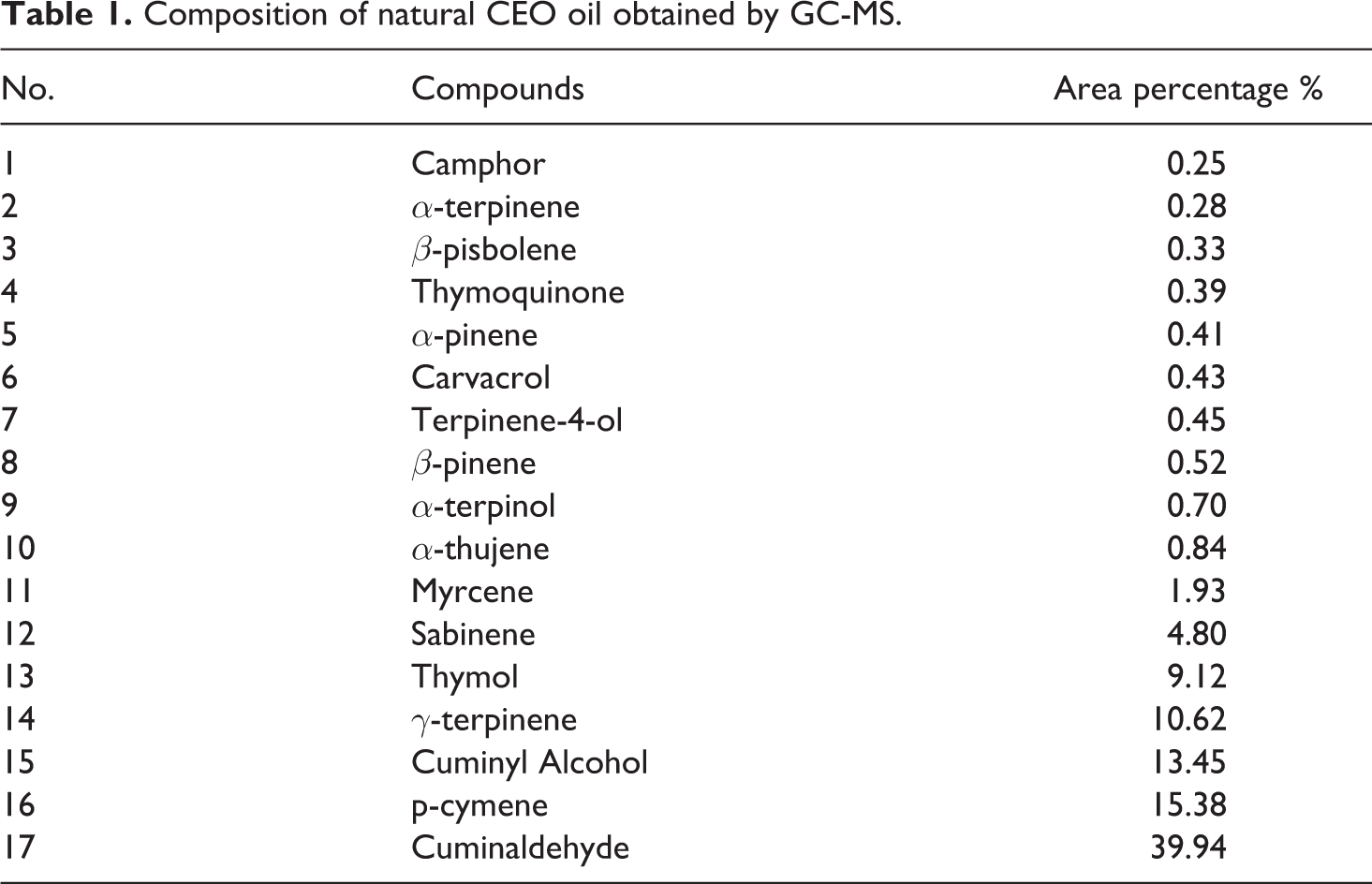
Table 1 demonstrates that the composition of Egyptian cumin essential oil was measured by GC-MS equipment. A total of seven compounds, representing about 98% were evaluated. It was found that the major ingredients in the CEO oil were cuminaldehyde (39.94%), cuminyl alcohol (13.45%), p-cymene (15.38%), γ-terpinene (10.62%), and thymol (9.12%). Additionally, their chemical structures were shown in Figure 1.
Composition of natural CEO oil obtained by GC-MS.
X-ray diffraction analysis
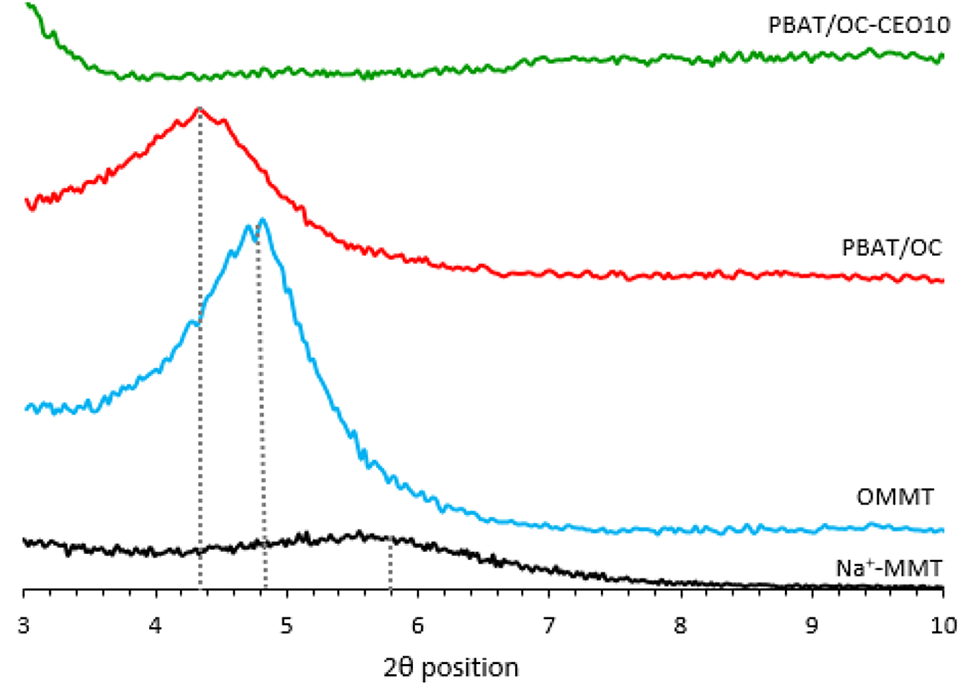
Na+-MMT was modified by cationic surfactant C19TAB in order to swell the interlayer distance (d-spacing) of the clay. The 2θ position and the calculated values of the d-spacing corresponding to basal spacing (d001, see Table 2) as acquired by XRD measurements were demonstrated in Figure 3 and Table 2. The Figure shows that the diffraction peak for pristine Na+-MMT appears at 2θ = 5.80o (d001 = 14.90 Å). 37 This peak, on the other hand, shifts with the exchange of Na+ ions by the organomodifier C19TAB to 2θ = 4.85o (d001 = 18.76 Å) for OMMT and subsequently to 2θ = 4.34o (d001 = 20.40 Å) for PBAT/OC nanocomposite.
Elemental analysis for Na+-MMT and OMMT, as well as their 2θ position and calculated d-spacing distance and its nanocomposites determined by XRD.
XRD patterns for Na+-montmorillonite, OMMT and its PBAT nanocomposites.
The shift to lower 2θ angle points out that the surfactant molecules as well as the polymer chains can penetrate clay layers and increase interplatelet distance, leading to the formation intercalated clay nanocomposite. It can also be noticed that there are no X-ray diffraction peaks for PBAT/OC-CEO10 nanocomposite as depicted in Figure 3. This result confirms that the addition of natural volatile CEO oil could be contributed to further increase the d-spacing distance, thereby leading to enhancing the penetration of polymer chains within the clay layers, resulting to obtain the nanocomposite with an exfoliated structure. TEM observations have presented herein to support the XRD data.
The impact of CEO loadings on the morphology of PBAT nanocomposites
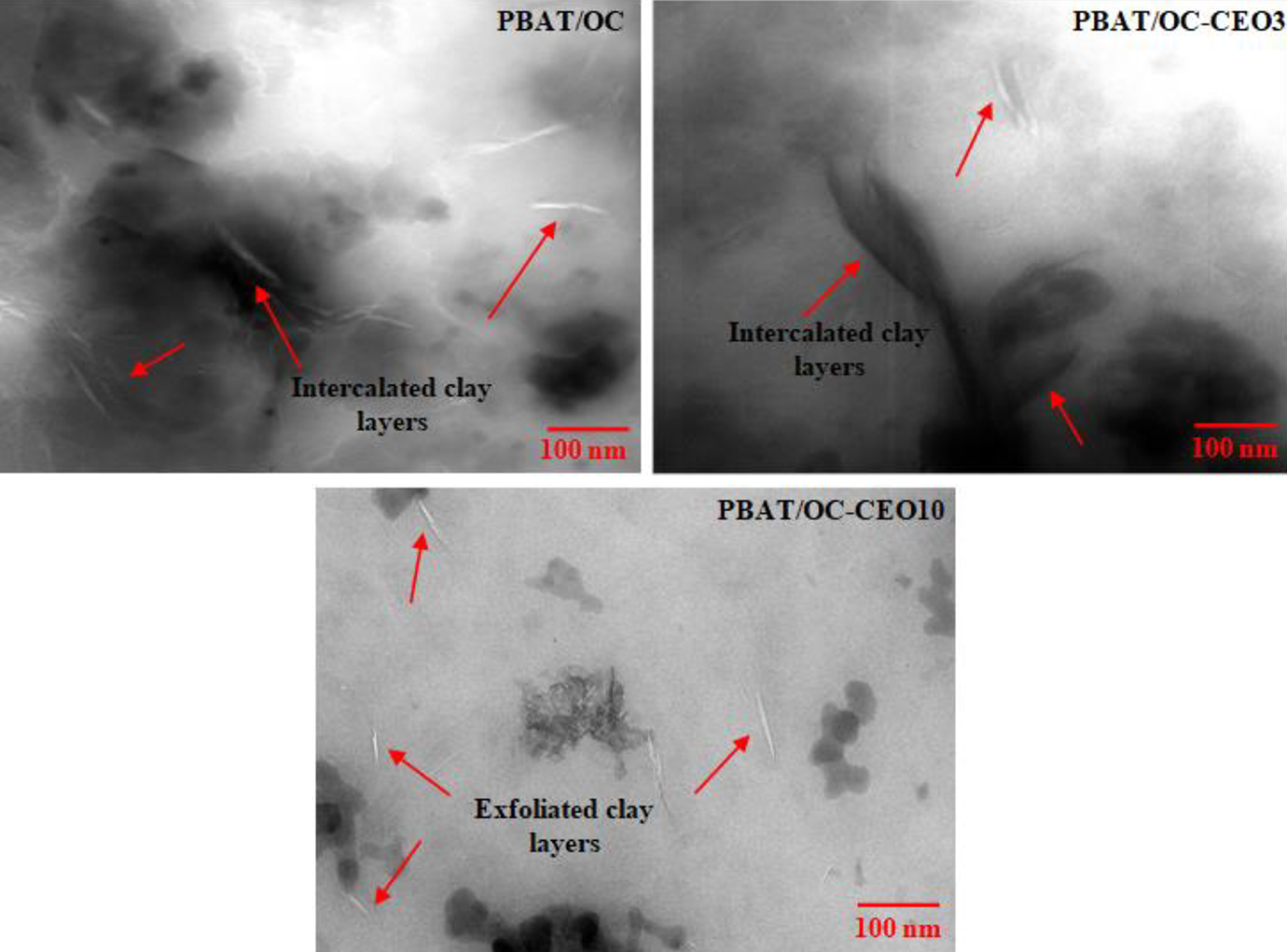
Additional information was provided by TEM images to study the effect of CEO loadings on the dispersion state of the clay platelets within the PBAT nanocomposites. For better clarification this impact, two nanocomposites containing 3 wt.% (low ratio) and 10 wt.% (high ratio) were chosen and compared with PBAT/OC sample. The results were demonstrated in Figure 4. It was found that an intercalated clay structure throughout the matrix was noticed in the case of PBAT/OC sample, indicating good nanodispersion state. This finding agrees with the mechanical properties.
TEM images for PBAT/OC, PBAT/OC-CEO3 and PBAT/OC-CEO10 bionanocomposites.
With adding the oil at low concentration to the polymer, an intercalated structure was also existed for PBAT/OC-CEO3 sample. However, it was found that the exfoliated clay structure formed in the polymer matrix when the CEO oil content was 10 wt.% for PBAT/OC-CEO10 sample, pointing out the penetration ability of oil molecules between clay layers leading to clay exfoliation (i.e. individual platelets formation) and to the fashioning of nanocomposite. 37 This result confirms that increasing the CEO oil proportion in the polymer matrix having organic clay enhances the penetration of polymer chains between the clay galleries through the increase of the d-spacing and effecting on the overall morphology of the matrix. Otherwise, low oil loading in the matrix could drive to form the clay intercalated structure.
UV-Vis shielding performance of PBAT films
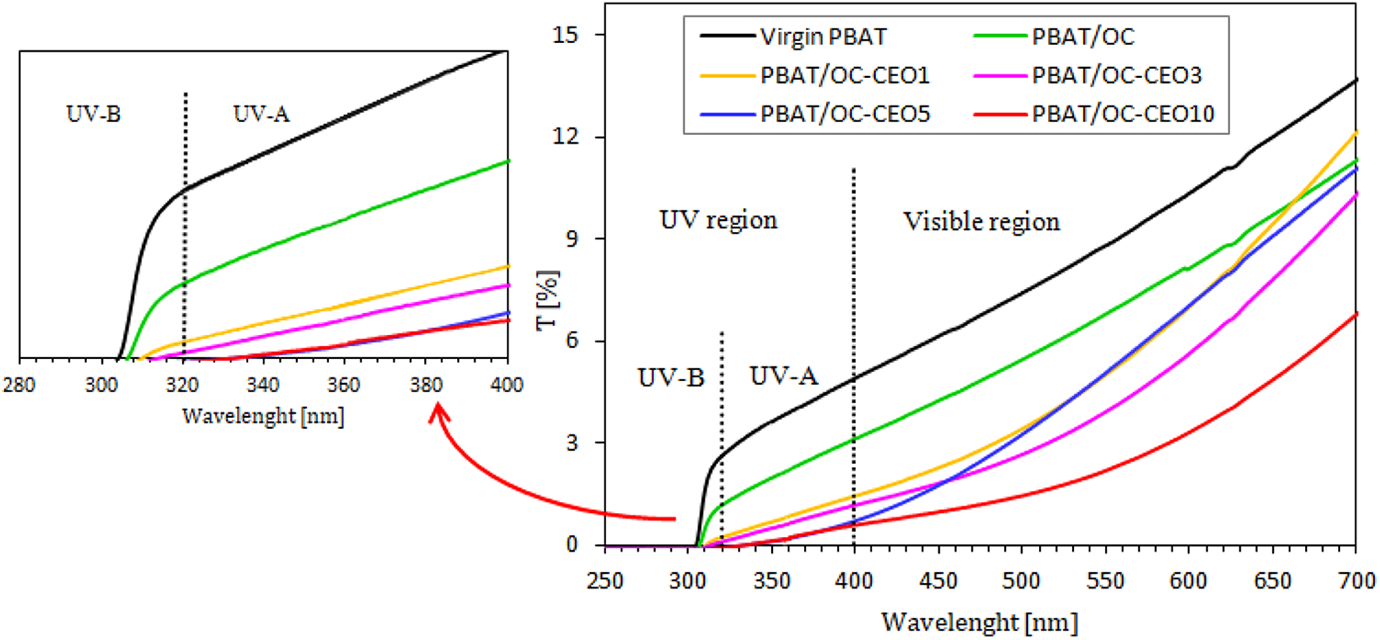
The photo-stability of packaging materials against UV irradiation is of great important to extend their shelf-life, therefore the UV absorption spectra for biodegradable PBAT and its filled films were conducted. The results of absorption spectra with wavelength range from 250 to 700 nm were provided in Figure 5. As depicted in the figure, the virgin PBAT exhibits poor UV-absorbance toward the UV-A light range (320–400 nm), however, absorbed about 85% of UV-B range (280–320 nm) and all the range below owing to the carbonyl groups and aromatic rings of the polymer. 39 This finding is in good agreement with that reported by Xing et al. 40 With insertion of 1.0% by weight of organoclay to the PBAT matrix, a reduced UV absorption in both UV (i.e. UV-A and UV-B) and visible ranges is observed compared to virgin polymer. When adding 1.0 wt.% of CEO oil to PBAT nanocomposite, the UV absorption is obviously blocked to more than 95% for UV-B and ∼75% for UV-A light.
UV-Vis absorption spectra with trsmittance mode for virgin PBAT and its bionanocomposite films at ambient conditions.
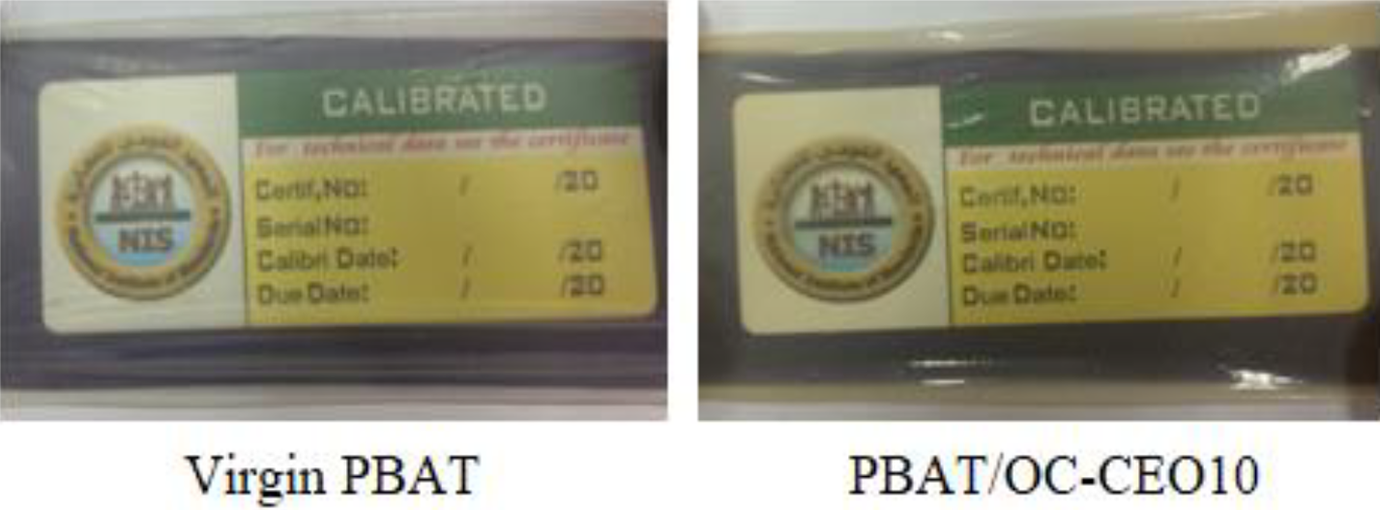
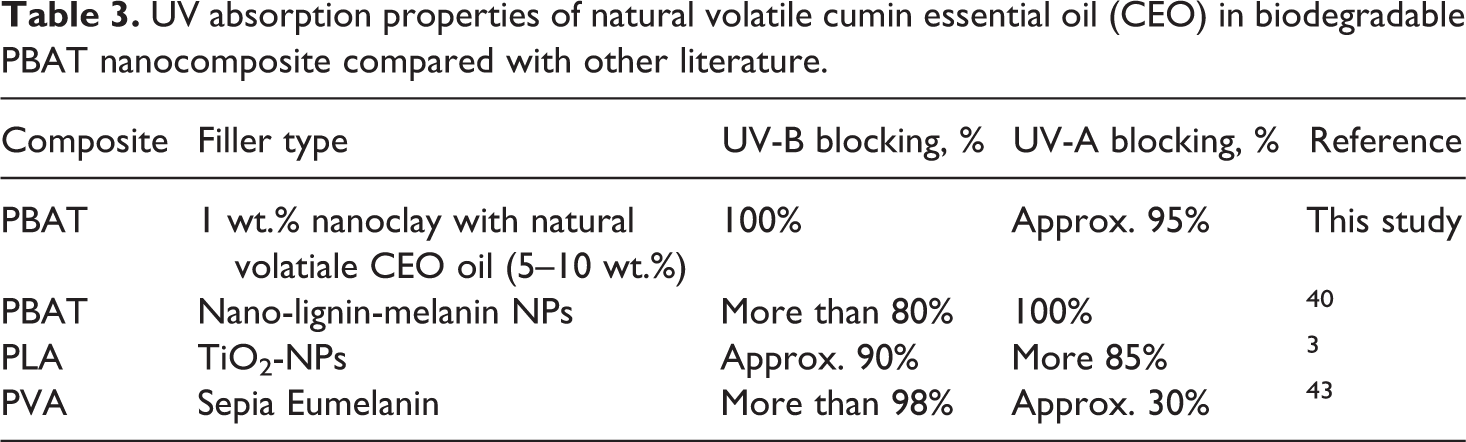
On further addition of CEO oil content up to 10 wt.% to PBAT nanocomposite, the absorptions of UV-B and UV-A lights reached 100% (i.e. blocked completely) and approximately 95%, respectively, as shown in Figure 5. This improvement might be owing to the synergistic absorption of UV light by cuminaldehyde and other aromatic rings in the cumin oil (see Figure 1(b)), that make it a natural broad UV-radiation protector over the whole UV-visible spectra.41–43 These results endow these bionanocomposite films especially based natural volatile CEO with excellent possibility for wider purposes such as light-sensitive packaging or mulch films in agriculture. Also, it can be noticed that the absorption for all PBAT nanocomposite films within the visible region is crucially reduced compared to virgin polymer, but still retained high transparency as shown in Figure 6. Table 3 summarizes UV-blocking results of natural volatile CEO and other filled bionanocomposites explained in some previous researches. It seems that the use of renewable and cost-effective essential oils such as CEO in PBAT matrix can provide a high positive impact for the UV barrier properties when compared to other nanomaterials, as displayed in Table 3.
Trancparency of virgin PBAT and its nanocomposite film having 1 wt.% OC with 10% by weight CEO oil.
UV absorption properties of natural volatile cumin essential oil (CEO) in biodegradable PBAT nanocomposite compared with other literature.
Mechanical properties
Considering packaging materials, PBAT films should provide good tensile properties to withstand the risk causing from the handling and transport. Thus, the mechanical properties (i.e. tensile strength, elongation at break and elastic modulus) of different PBAT bionanocomposites were determined and the results shown in Figures 7 and 8. Virgin PBAT film is a fairly polymer with tensile strength of 10.20 MPa, elongation at break of 134% and elastic modulus of 129 MPa. With incorporation of 1 wt.% of OC, both tensile strength and elastic modulus of the nanocomposite increase to ∼12.10 MPa and 145 MPa, respectively. This enhancement is most probably due to the good dispersion of OC within PBAT matrix, in addition to the stiffening effect of the nanoclay is found to be increased the elastic modulus of the matrix. 44 While the elongation at break reduced to 105% as demonstrated in Figure 7. In contrast, when adding 1 wt.% of CEO to reinforced PBAT matrix, the tensile strength and elongation at break are declined to ∼8.20 MPa and 94.60%, respectively.
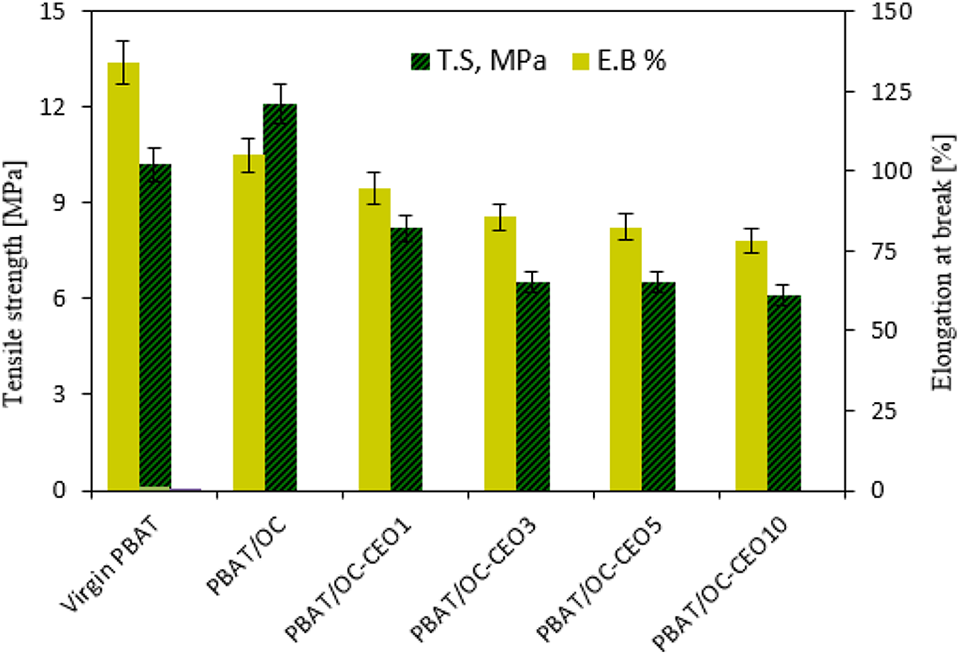
Tensile properties of fabricated PBAT film and its bionanocomposites.
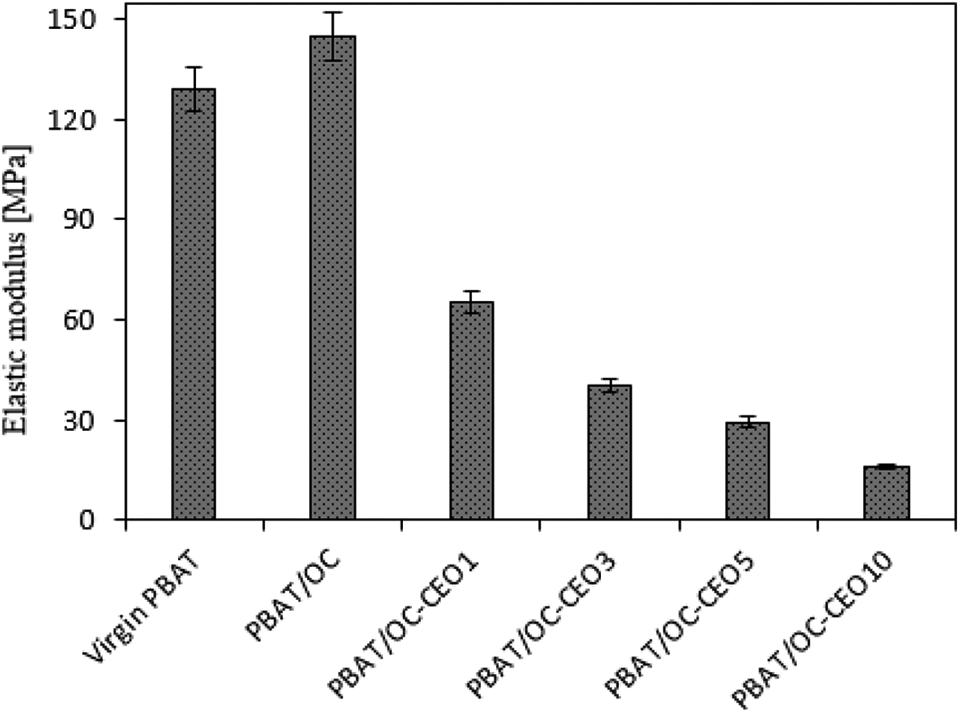
Elastic modulus of fabricated PBAT film and its bionanocomposites.
Moreover, the elastic modulus is dropped to 65.30 MPa. When the formulation comprising the highest CEO concentration from 3 to 10 wt.%, both tensile strength and elongation at break clearly decreased compared to virgin polymer but their values remained the same within the experimental errors. This decrease might be associated to the plasticizing effect of the essential oil even at small content, thereby leading to a weakening intermolecular interaction between polymer chains that can reduce the kinetic cohesive of the chains, therefore decreasing the strength and rigidity of the material.45–48 Shojaee-Aliabadi et al. 49 also reported that the decrease in tensile properties for kappa-carrageenan films was owing to the partial replacement of stronger polymer–polymer interactions by weaker polymer–oil interactions in the polymer network, resulting in premature ruptured of polymer chains. Concurrently, Figure 8 depicts that a drastic decline in elastic modulus is noticed (∼16 MPa) compared to the virgin PBAT (∼129 MPa) and PBAT/OC sample (∼145 MPa).
Water vapor and oxygen permeability
Barrier properties in terms of water vapor and oxygen transmission are determined for virgin polymer and its bionanocomposites in order to use these materials in food packaging applications. The findings of WVTR and GTR for all investigated bionanocomposites are summarized in Table 4. Virgin PBAT shows a fair WVTP and GTR by ∼140 g.(m2.day)−1 and ∼51 cc.(m2.day)−1, respectively. When (1 wt.% of OC) is mixed with the polymer, WVTR value reduced to ∼122 g.(m2.day)−1. This improve in the water vapor permeability is owing to the barrier property of nanoclay as well as the nanodispersion state, leading to the suppression the transport rate of water vapor or humidity in the matrix.15,50 With incorporating OC-CEO ranging from 1 to 10 wt.% of natural volatile antimicrobial oil with PBAT polymer, a gradual decrease in WVTR values is observed to ∼84 g.(m2.day)−1 for PBAT/OC-CEO10 sample, as compared to virgin polymer.
The water vapor permeability as well as the gas transmission rate (O2) of the prepared PBAT films at 23 ± 1°C/ 50 ± 5% R.H.
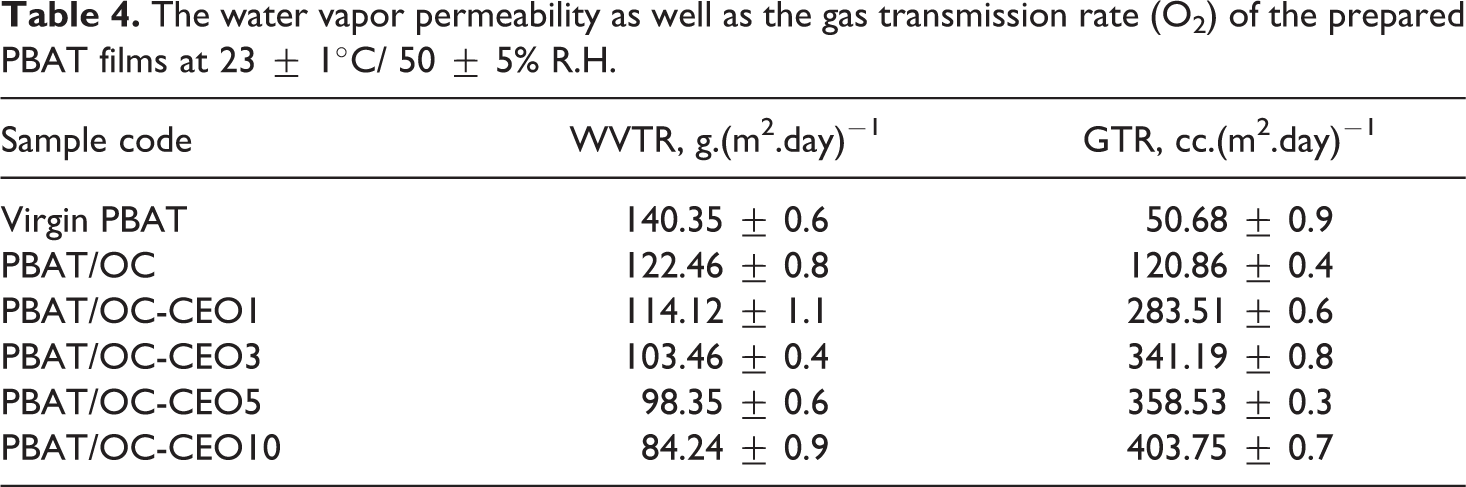
The reason is apparently because of the hydrophobic components of CEO oil in addition to exfoliated clay structure in the matrix, leading to the restriction of transport of water vapor. This result is confirmed by TEM observations. Similar outcomes have been verified elsewhere51,52 when inserting the essential oils to the polymer matrix. These data show that the films are strongly promising for moist food packaging. Nevertheless, GTR values for all PBAT bionanocomposite films increase with increasing the CEO loading, indicating poor oxygen barrier properties when compared to the virgin PBAT. This finding agrees with that obtained by Atarés et al. 53 when they observed the addition of ginger essential oil to the matrix helped increase oxygen permeability because of its hydrophobic character.
Antimicrobial assessment
The antimicrobial activity for virgin PBAT and its reinforced biofilms by 1 wt.% of OC with variable concentrations of CEO oil were conducted to evaluate these biomaterials for using in eco-friendly packaging purposes. The test was performed against four different types of microbes: Bacillus cereus (G+ve bacteria), Listeria monocytogenes (G+ve bacteria), Escherichia coli (G−ve bacteria), and Salmonella typhimurium (G−ve bacteria). The obtained results depending on sample and microbial type were presented in Figure 9 and the diameter of inhibition zones for them summarized in Table 5. From the figure, it is found that the virgin PBAT has a negative effect on all the bacterial types used in the experiment, and its zone of inhibition in Petri dish is almost zero for all selected microbes. However, halos of inhibition are noticed when adding 1 wt.% of organoclay to the polymer matrix ranging from 6.00 to 8.50 mm depending on bacterial type as shown in Figure 9 and Table 5. This is attributed to the organic surfactant species in the clay galleries. Correspondingly, it was reported in our previous literature 54 that the modified nanoclay by 1,2-dimethyl-3-hexadecylimidazolium (DMHDIM) bromide had no significant effect on the all selected microbial strains.
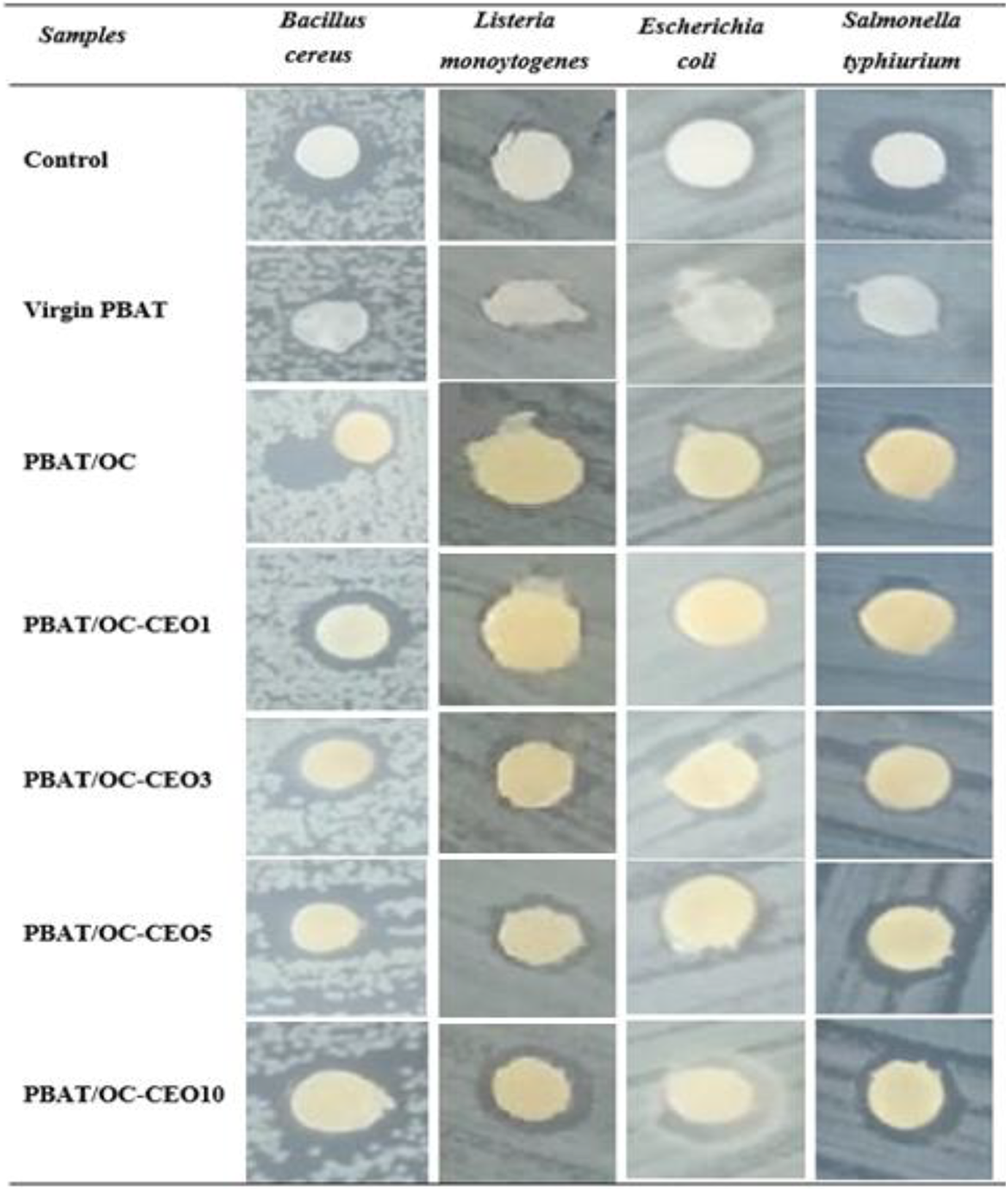
Antibacterial activity for virgin PBAT and its filled films having 1 wt.% OC with various proportions of CEO oil against four different kinds of bacteria.
The inhibition zones obtained from biological experiments for virgin PBAT and its filled films having 1 wt.% OC with various proportions of CEO oil against four different kinds of bacteria.
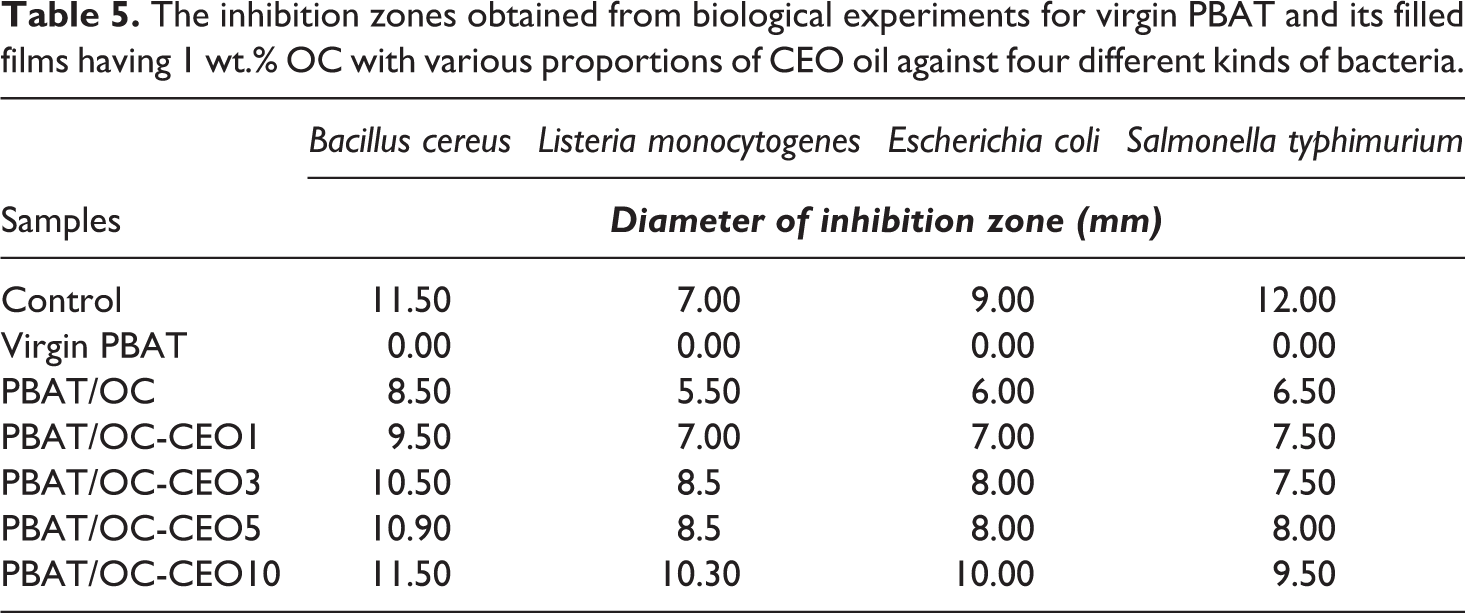
General speaking, this confirms that the type of organic surfactant plays a crucial role in the antimicrobial effectiveness. Similar results have been notified elsewhere.55,56 It can be also observed that the PBAT bionanocomposites containing 1 wt.% of OC and having higher contents of natural volatile CEO oil (5 and 10% by weight) illustrated a positive antipathogenic effect for both Gram-positive and Gram-negative of selected bacteria. Concurrently, the zone of inhibition increased with increasing the concentration of CEO in the polymer matrix, especially in case of PBAT/OC-CEO10 sample, as presented in Table 5. The reason is possibly due to the presence of cuminaldehyde as well as alcoholic structures of natural CEO oil (see Figure 1(b)), which are efficiently active in destroying the growth of a wide range of investigated microbes through interrupting bacterial developments.
On the other words, released surfactant species in clay layers and aldehyde-alcohol species in natural volatile oil outside the PBAT matrix are strongly contribute to the killing of the bacteria, causing a large zone of inhibition. Based the observed antibacterial activity, we can be proposed that the microorganism experiments can be achieved during a possible mechanism wherein there is electrostatic attraction between the positively charged of organomodifier between clay layers combined with functional groups of CEO oil components and the negatively charged of cell membrane of the microorganisms. 54 As a consequence, these results could open up opportunities to produce new interesting antimicrobial or antiviral nanocomposites for variety applications such as eco-friendly packaging or biomedical kits.
Antioxidant activity
The antioxidant biodegradable packaging material is an original system for enhancing the stability of oxidation sensitive food products. Figure 10 displays the antioxidant activity of the fabricated PBAT films incorporated with 1.0% OC having different concentrations of CEO ranging from 1.0 to 10 wt.%. The nanocomposite-based PBAT/OC (free CEO oil, control film) had the lowest antioxidant activity (∼8.35%). With incorporation of CEO to the matrix, the DPPH scavenging activity percentage gradually increased to ∼12.60, 29.40 and 36.8% for PBAT/OC-CEO3, PBAT/OC-CEO5 and PBAT/OC-CEO10 nanocomposites, respectively. This indicates that natural volatile CEO has strong bioactive components such as cuminaldehyde, cuminyl alcohol, p-cymene, γ-terpinene, and thymol which make it a broad spectrum of antioxidant agent. 57 Similar results have been reported by Cardoso et al. 45 whey they have been used active films-based PBAT blended with oregano essential oil.
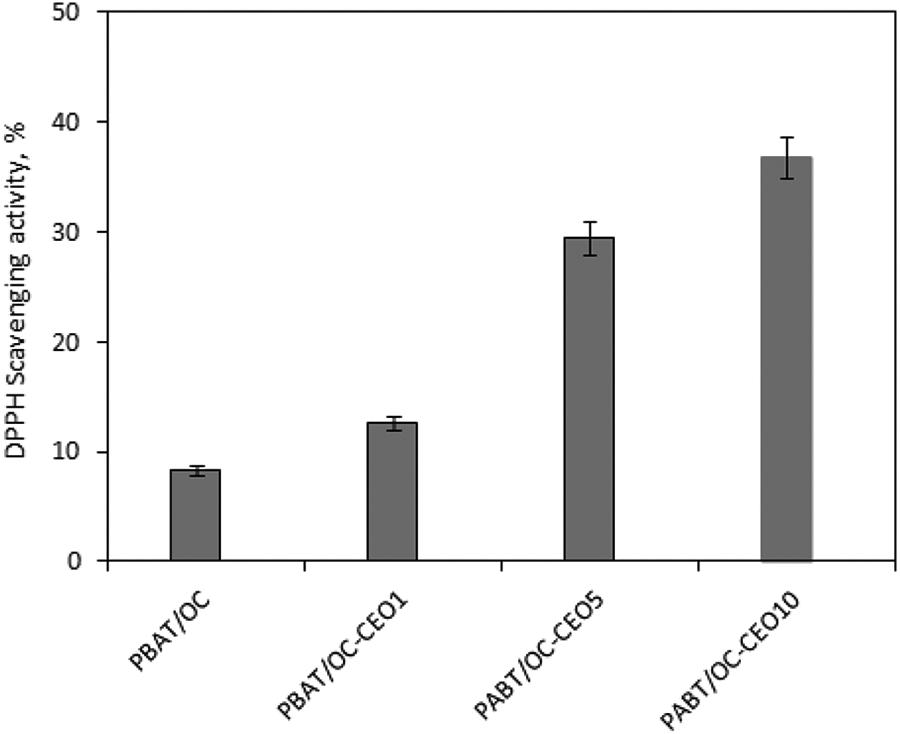
Antioxidant activity for filled films containing 1 wt.% OC with variable proportions of natural volatile CEO oil.
Conclusions
In the current work, biodegradable films fabricated from natural volatile CEO oil and PBAT/OC nanocomposite were proven to be a high efficient active packaging systems against UV barrier, water vapor permeability, antibacterial and antioxidant activities. A little amount of modified clay (1.0 wt.%) with variable proportions of CEO was incorporated into biodegradable PBAT polymer to overcome the migration of nanoparticles or metal oxides issue from packaging material to food (food-contact nanoparticles). The investigated nanocomposites were prepared by solvent casting approach. The synergistic effect of CEO on the morphology of PBAT nanocomposites was studied by XRD and TEM analysis. The results elucidated that the exfoliated clay structure rather than intercalated one was observed in the polymer matrix when 10 wt.% of CEO was used, evidencing the penetration ability of oil molecules between the clay layers. It was also found that the nanocomposites containing CEO were demonstrated an overall enhancement in UV barrier properties, water vapor permeability, antibacterial and antioxidant activities, especially at oil loadings. For the former, UV-B light was blocking by 100% and approx. 95% for UV-A. Further, the PBAT/OC-CEO nanocomposites showed stong anti-pathagenic activities aganist Gram-positive and Gram-negative bacteria, as well as antioxidant bioactive materials compared to virgin PBAT matrix. However, an inferior mechanical and oxygen barrier (GTR) values observing with increasing CEO loading in the nanocomposite. It can be concluded that this work depicts a novel utilization for cumin essential oil bionanocomposites in promising purposes such as active food packaging and agriculture mulish films.
