




Abstract
This research studies the properties of poly (butylene terephthalate) (PBT)-based systems toughened with thermoplastic polyurethane (TPU; 10, 20, and 30 wt%) and reinforced with multiwalled carbon nanotubes (CNTs; 0.1, 0.2, and 0.3 wt%). Different compositions prepared via melt mixing. Morphology studies showed good compatibility between the two polymeric phases in PBT/TPU. The addition of TPU to PBT reduced crystallization rate and melt temperature, while inclusion of CNTs had nucleation effect and increased the degree of crystallinity, crystallization, and melt temperatures. The existence of TPU in PBT caused significant enhancement in notch-impact resistant. The inclusion of CNTs to PBT/TPU blend led to the substantial improvements in tensile and flexural strengths and moduli. Dynamic mechanical thermal analysis revealed that the incorporation of CNTs into PBT/TPU enhanced storage modulus and heightened glass transition temperature. The storage modulus of PBT/TPU/CNT nanocomposite containing 0.5 wt% CNT was comparable with that of pure PBT particularly at high temperatures.
Keywords
Introduction
Thermoplastic polymers possess unique properties comprising low density, flexibility, chemical resistance, and ease of processing. 1,2 In spite of these appropriate characteristics, they are not usually used in a pure fashion in most engineering applications. 3,4 Polymers blending and minerals inclusion are two simple and effective techniques to improve the properties of polymers. Blending of two or more polymers is a common processing technique for the preparation of the new materials with desired properties for various high-performance applications. 5 –8 Polymer blends often provide superior properties as compared to neat polymers due to the combination of the attractive features of each blend component while reducing their deficient characteristics simultaneously. 9,10 Some of the promising and noteworthy advantages of polymer blending include their versatility, simplicity, and inexpensiveness. 5,7 However, most polymers are thermodynamically immiscible, consequently blends of these immiscible polymers lead to phase separation due to the incompatibility of blended phases. 5,11 Incorporation of nanoscale reinforcement with high aspect ratio in polymer matrix is believed to be an effective way to improve the properties of available materials and widen their applications. Carbon nanotube (CNT) has attracted many attentions in science and engineering applications since first widely reported in 1991 by Iijima. 12 CNT is considered as a modern nanoscale reinforcement in new kinds of polymer nanocomposites because of its unique outstanding properties accompanied by its high aspect ratio. In particular, the main reason that makes CNT an ideal candidate as nanoscale reinforcement is its excellent mechanical properties and thermal and electrical conductivities. 13 –17 More recently, polymer/polymer/CNT ternary nanocomposites have been developed to meet the requirements of critical applications. 10,18 –20
Poly (butylene terephthalate) (PBT) is one of the most important semicrystalline engineering thermoplastic polymers which is extensively used in industries because of its undeniable properties such as excellent melt-viscosity, high rate of crystallization, high rigidity, low moisture absorption, broad chemical resistance and thermal stability, and excellent electrical properties. 21 –23 In spite of these valuable characteristics, PBT does not show adequate toughness, in particular, in the presence of sharp notches which leads to break in a brittle manner. 24 –30 To date, numerous efforts have been accomplished in order to overcome this deficiency and improve the impact strength of PBT. Melt mixing of PBT with epoxidized EPDM significantly improved impact resistance. 24 Impact modification of PBT by ABS addition was studied by Hage et al. The improvement in toughness extremely depended on processing condition and ABS type. 25 Larocca et al. used AES terpolymer (acrylonitrile-EPDM-styrene [AES]) for impact modification of PBT. It was reported that a super tough blend could be achieved by at least 30 wt% of AES in PBT matrix. 26 A sixfold increase in impact strength was reported by Luo et al. with the incorporation of triglycidyl isocyanurate-filled poly (ethylene–octene) into the PBT matrix. 27
The compatibility and interaction between blended phases are crucial issues that must be considered when choosing an impact modifier. Thermoplastic polyurethane (TPU) has displayed good compatibility with PBT and used to improve the impact properties of PBT. Nevertheless, employment of TPU in PBT matrix reduced other mechanical properties comprising tensile and flexural moduli and strengths. Furthermore, incorporation of TPU in PBT matrix led to a reduction in glass transition temperature (T g) and storage modulus. 28 –30
In recent years, many scientists and engineers dedicated significant attention to polymer/CNT nanocomposites. Saligheh et al. studied the effect of multiwalled carbon nanotube (MWCNT) on the mechanical, thermal, and morphological properties of PBT. They demonstrated that remarkable enhancements in specific tensile strength and modulus were achieved by the incorporation of MWCNT in PBT matrix. 31 According to Kim, applying a small amount of MWCNT improved the tensile and flexural properties of PBT/MWCNT nanocomposites. 21 Incorporation of CNT as a reinforcement in PBT/TPU matrix could compensate the reductions in tensile and flexural properties arise from adding TPU into PBT matrix.
In this study, PBT/TPU blends and PBT/TPU/MWCNT nanocomposites were prepared by melt blending using a corotating twin screw extruder. Standard specimens produced by employing injection molding. Scanning electron microscopy (SEM), differential scanning calorimetry (DSC), dynamic mechanical thermal analysis (DMTA), and standard mechanical tests were carried out and results were discussed.
Materials and methods
Materials
PBT (Tecodur® PB 70 NL) with melt flow index (MFI) of 19.43 g/10 min (235°C, 2.16 kg) purchased from Eurotec, Turkey. Polyester-based TPU (Laripur® LRP 9025) with an MFI of 79.2 g/10 min (235°C, 2.16 kg) and a specific gravity of 1.20 g cm−3 procured from COIM, Italy. MWCNTs with outer diameters of 5–15 nm (US Research Nanomaterials, Inc., Houston, TX, USA) were employed.
Samples preparation
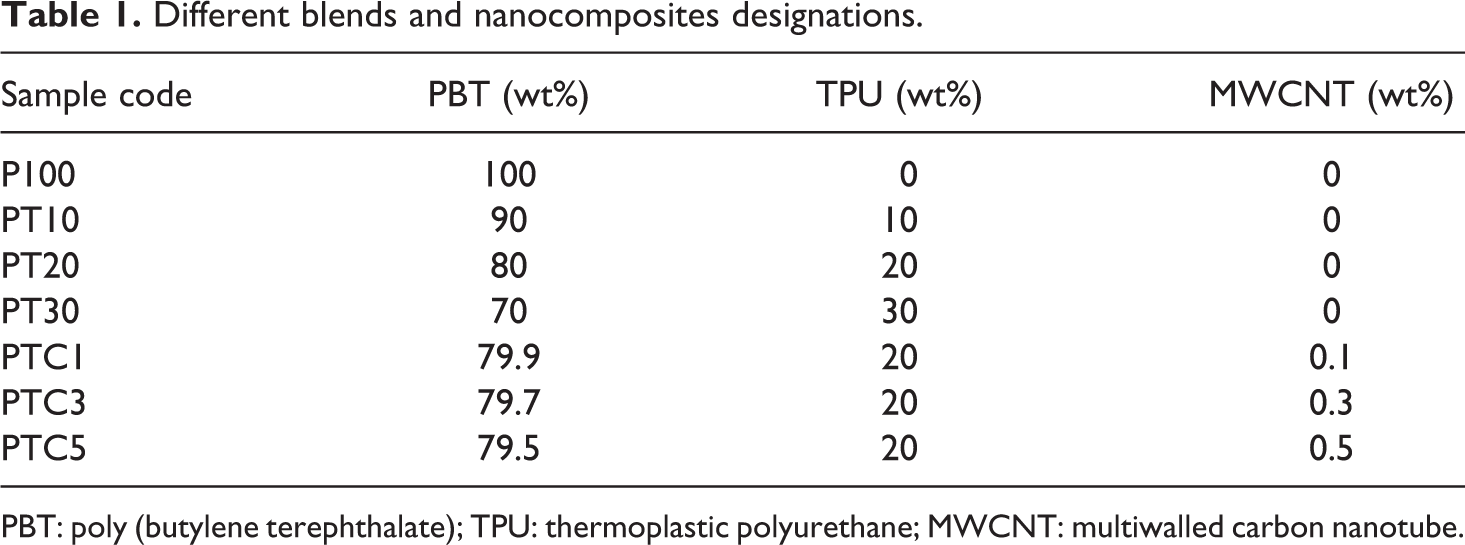
Melt mixing approach employed to prepare different samples. Prior to mixing, in order to avoid possible moisture-degradation reactions, the PBT and TPU were dried for 4 h at 120°C and 3 h at 90°C, respectively, in an air oven, as recommended by suppliers. Melt mixing for both blends and nanocomposites was carried out using a corotating twin screw extruder (ZSK 25, Coperion, Germany; d = 25 mm and l/d = 40) at the temperature range of 230–250°C from feed zone to die and with a screw speed of 200 r min−1. In the first step, PBT was melt blended with TPU (90/10, 80/20, and 70/30) without applying any filler. At the next stage, the PBT/TPU (80/20) was chosen as a base blend and mixed with different weight ratios of MWCNT (0.1, 0.3, and 0.5) to prepare PBT/TPU/MWCNT nanocomposites. The compositions of samples are shown in Table 1. The extruded granules were then dried for 10 h at 80°C in an air oven. Afterward, the standard mechanical specimens prepared using an injection molding machine (Emen machine, Paya 50/150, Iran) under the melt temperature of 240°C, mold temperature of 80°C, injection pressure of 70 MPa, holding pressure of 45 MPa, holding pressure time of 6 s, and cooling time of 8 s.
Different blends and nanocomposites designations.
PBT: poly (butylene terephthalate); TPU: thermoplastic polyurethane; MWCNT: multiwalled carbon nanotube.
Experimental Methods
The morphologies of fractured surfaces of pure PBT, PBT/TPU blends, and PBT/TPU/MWCNT nanocomposites were studied using FE-SEM (MIRA3 FEG-SEM, TESCAN, Czech Republic).
A DSC-60 (SHIMADZ, Japan) was used to characterize the thermal properties of PBT, PBT/TPU, and PBT/TPU/MWCNT nanocomposites. DSC experiments for all specimens were conducted in three stages. At the first stage, in order to eliminate any thermal history, specimens were heated from room temperature to 250°C and maintained for 3 min. Subsequently, the samples cooled down to 30°C where cooling rate was controlled at 10°C min−1 to determine and record the crystallization temperature. At the next stage, specimens reheated from 30°C to 250°C at 10°C min−1 to record the melting temperature and calculate the heat of fusion. MFI was measured according to the ASTM D1238 standard at a temperature of 235°C and under the load of 2.16 kg using RAY-RAN-5MBA, England.
DMTA was performed under nitrogen atmosphere using NETZSCH (Germany) dynamic mechanical analyzer. DMTA tests were performed in tension mode with sample dimensions of 10 × 4 × 1 mm3 and over the temperatures ranging from −30°C to 140°C and heating rate of 3°C min−1. The load frequency of test fixed at 1 Hz. The storage modulus and loss factor against temperature were measured.
Standard mechanical tests comprising uniaxial tensile, three-point flexural, and notched Izod impact tests were performed to evaluate the mechanical properties of pure PBT, PBT/TPU blends, and PBT/TPU/CNT nanocomposites. Tensile and flexural tests were carried out according to the ASTM D638 and ASTM D790 standards, respectively, by employing a universal testing machine (GOTECH AI-7000 M, Taiwan) and at a speed of 5 mm min−1. The supports span of three-point flexural test was equal to 52 mm. The notched Izod impact test was conducted according to ASTM D256 standard using a SANTAM (SIT-20D) impact tester of 2.71 J capacity. Standard mechanical tests performed at room temperature and repeated at least for five times.
Results and discussion
Morphology observation
Figure 1 demonstrates the SEM images of fractured surface of PBT and PBT/TPU blends. The smooth fractured surface transformed into rough morphology by addition of TPU into the PBT. Incorporation of TPU into PBT altered the brittle behavior to ductile performance. Crazing and plastic deformation are considered as two competing mechanisms in toughening of thermoplastics. Brittle polymers tend to craze while ductile polymers commonly yield plastically. Both mechanisms could be more or less responsible for improving the impact strength. 29,32 Moreover, as depicted in Figure 1(b) to (d), TPU has good compatibility with PBT because no obvious phase separation is observed and minor phase is not easily distinguishable. The good compatibility between two polymers may be attributed to the lower viscosity of minor phase as compared to major phase. 29 Hence, the resulting proper dispersion of TPU in PBT matrix could be explained by lower viscosity of TPU as compared to the PBT. Proper compatibility of blended phases may also be due to the amide–ester reaction formed between PBT and TPU. 30
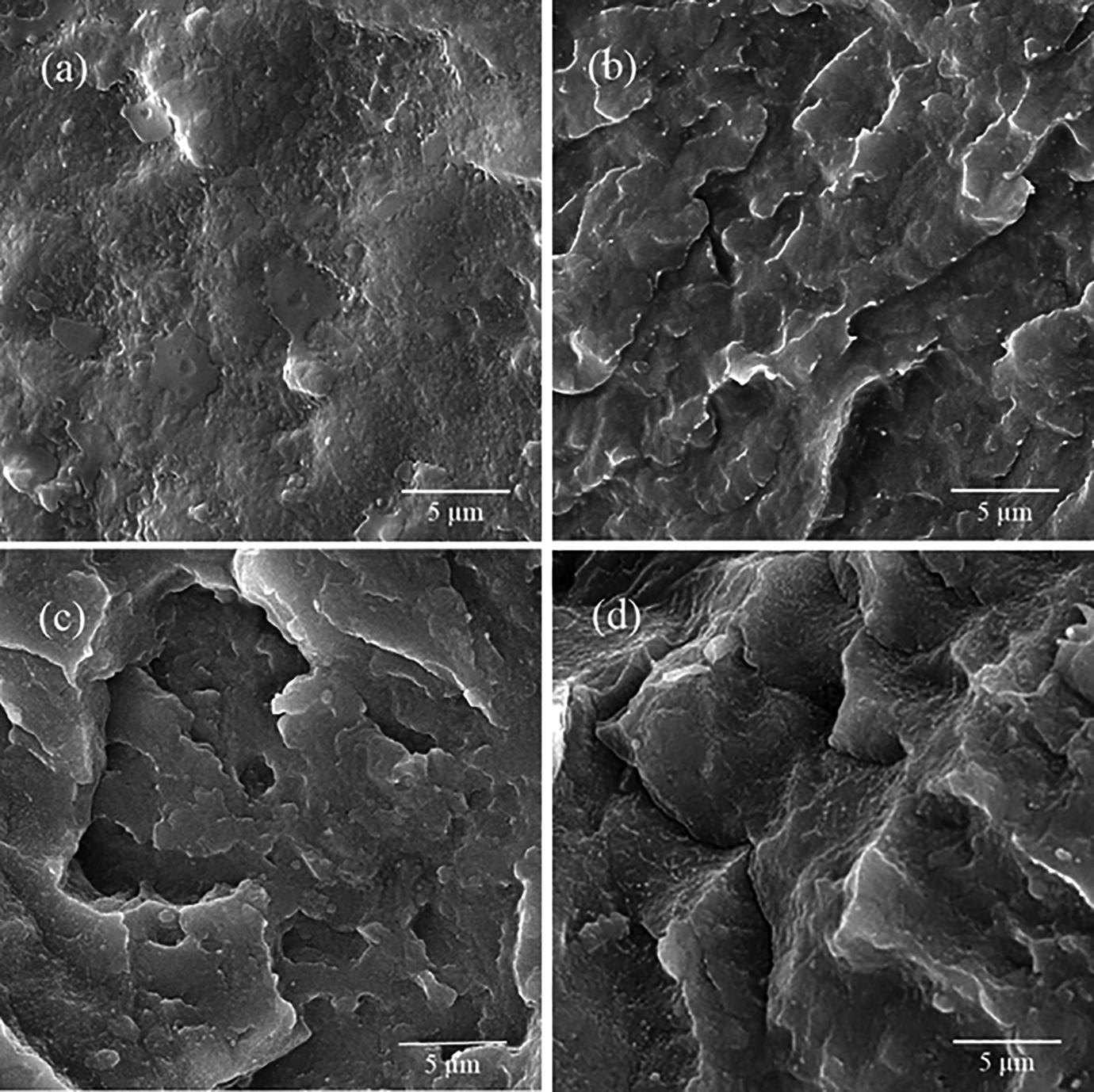
SEM images of (a) P100, (b) PT10, (c) PT20, and (d) PT30. SEM: scanning electron microscopy.
In order to investigate the effect of CNTs on the morphological structure of PBT/TPU blend, SEM images of PBT/TPU (80/20) blend and PBT/TPU/MWCNT nanocomposite containing 0.5 wt% CNT were compared (Figure 2). The incorporation of CNTs in PBT/TPU matrix did not interfere with compatibility of two polymeric phases. The presence of CNTs in PBT/TPU induced a smoother topography. Figure 3 demonstrates homogenous dispersions of 0.3 and 0.5 wt% of MWCNT in PBT/TPU/CNT nanocomposites.
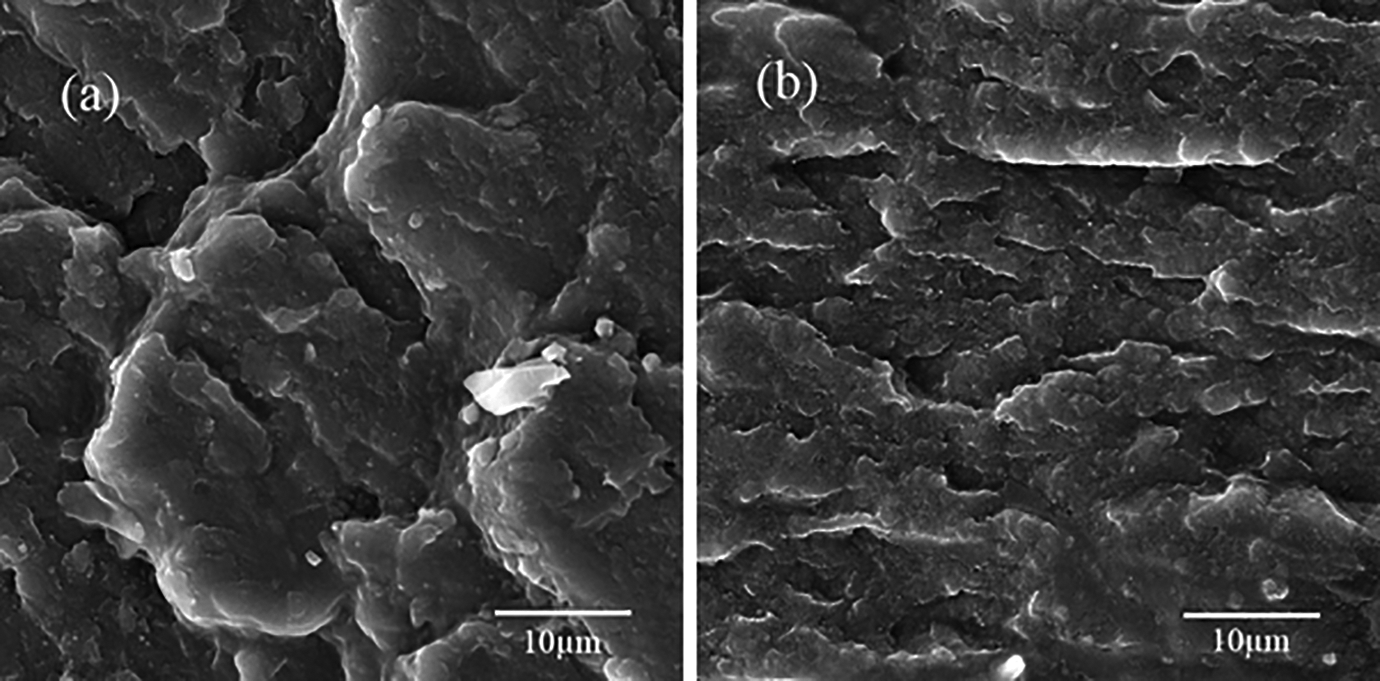
SEM images of (a) PT20 and (b) PTC5. SEM: scanning electron microscopy.
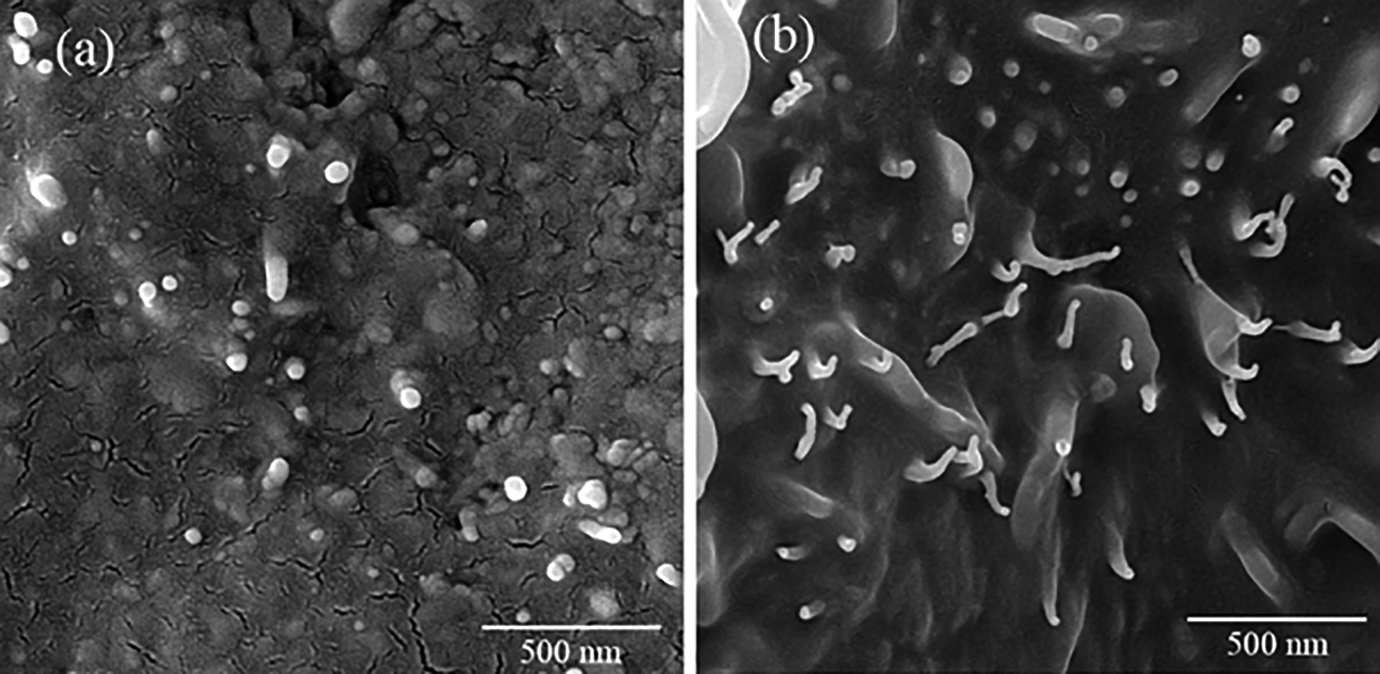
SEM images of (a) PTC3 and (b) PTC5. SEM: scanning electron microscopy.
Melt flow index
MFI provides important information about the flowing properties of polymers. 33,34 The melt flow indices (at 235°C, 2.16 kg) of pure PBT and its blends with different contents of TPU are represented in Figure 4. As can be seen, increasing the TPU content in PBT matrix leads to the substantial increase of MFI. This is due to the high flow rate of TPU melt (79.2 g/10 min). The effect of MWCNT contents on MFI of PBT/TPU(20)/MWCNT composites is given in Figure 5. As can be seen, increasing the amount of MWCNT decreases the MFI of nanocomposites. The MFI value of unfilled blend was 30.38 g/10 min and it was decreased to 21.62 g/10 min by the incorporation of 0.5 wt% MWCNT in PBT/TPU matrix. Reduction in MFI is attributed to the interaction between MWCNT and polymer matrix and hence reduction of polymer melt mobility. 35
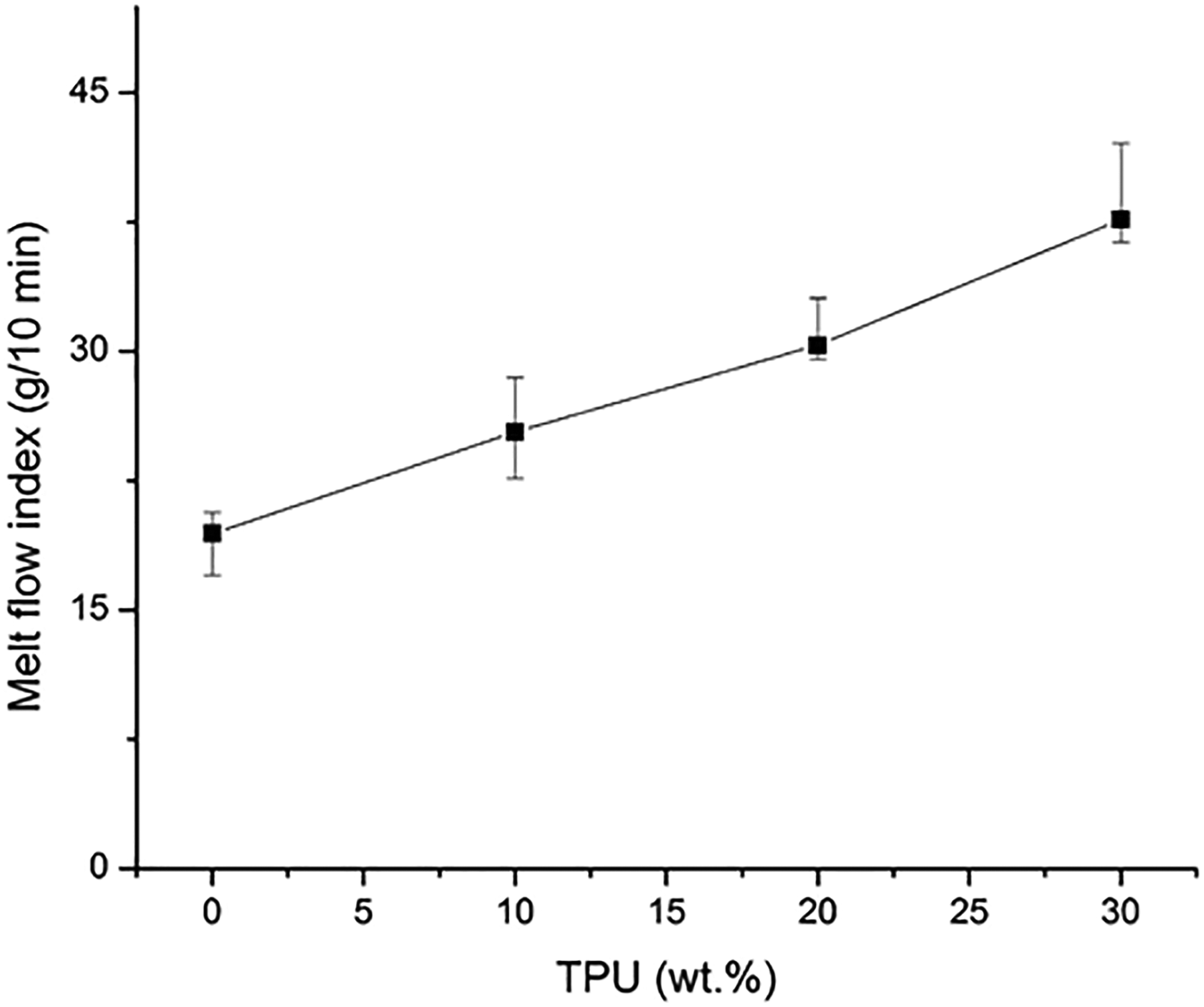
Melt flow index of PBT/TPU blends versus TPU content. PBT: poly (butylene terephthalate); TPU: thermoplastic polyurethane.
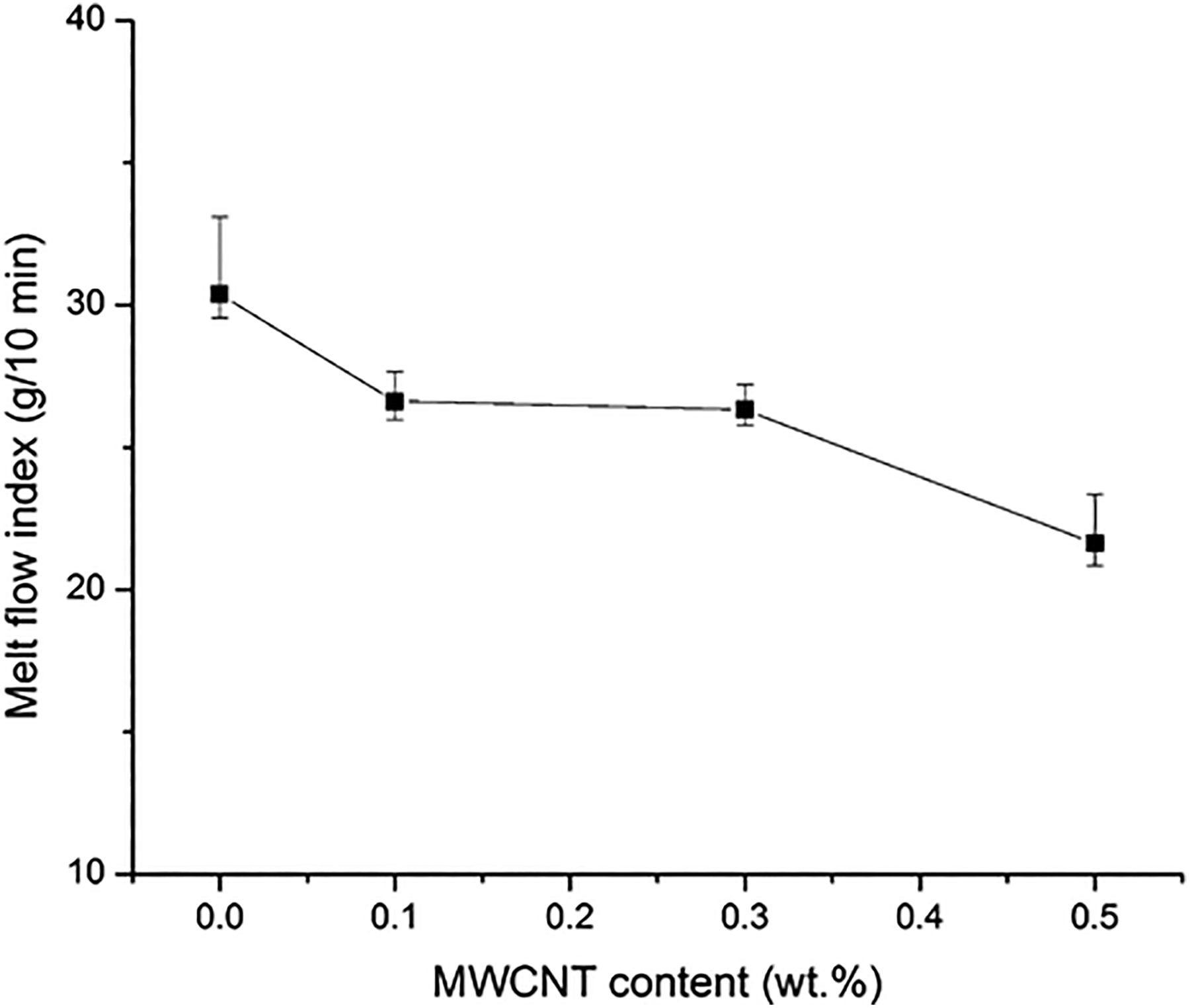
Effect of MWCNT content on MFI of PBT/TPU/MWCNT nanocomposites. MWCNT: multiwalled carbon nanotube; MFI: melt flow index; PBT: poly (butylene terephthalate); TPU: thermoplastic polyurethane.
Thermal properties
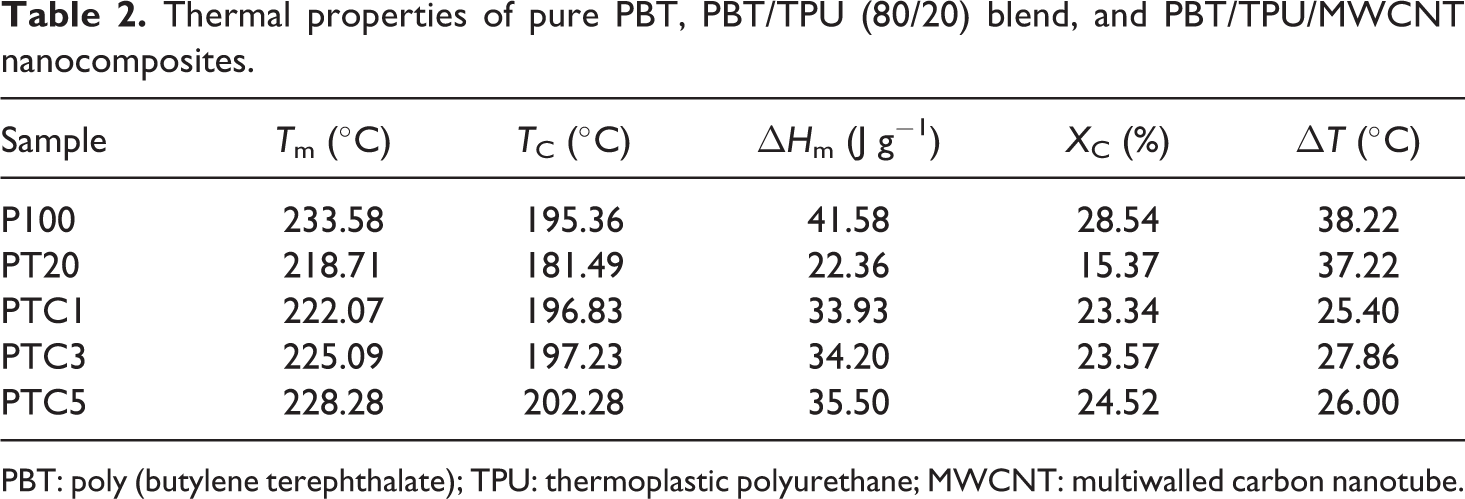
Thermo-analytical data of pure PBT, PBT/TPU (80/20) blend, and PBT/TPU/MWCNT nanocomposites are obtained using DSC (Figures 6 and 7). The crystallization temperature (T C), melting temperature (T m), enthalpy (ΔH m), crystallinity (X C), and supercooling temperature range (ΔT = T m − T C) are obtained from DSC thermograms and summarized in Table 2. The crystallization rates were calculated by employing the following equation 29
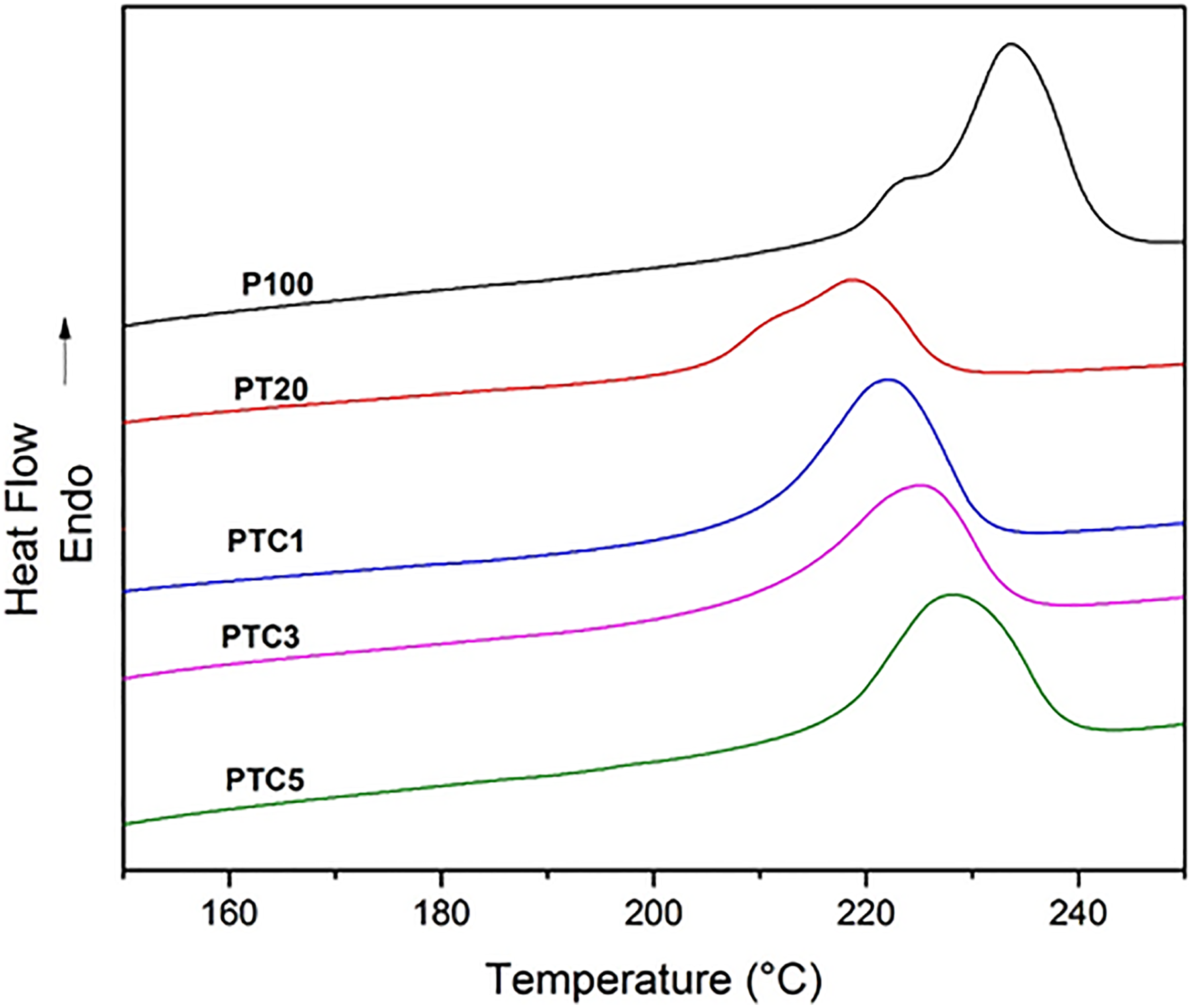
DSC melting curves for pure PBT, PBT/TPU (80/20), and PBT/TPU/MWCNT nanocomposites. DSC: differential scanning calorimetry; PBT: poly (butylene terephthalate); TPU: thermoplastic polyurethane; MWCNT: multiwalled carbon nanotube.
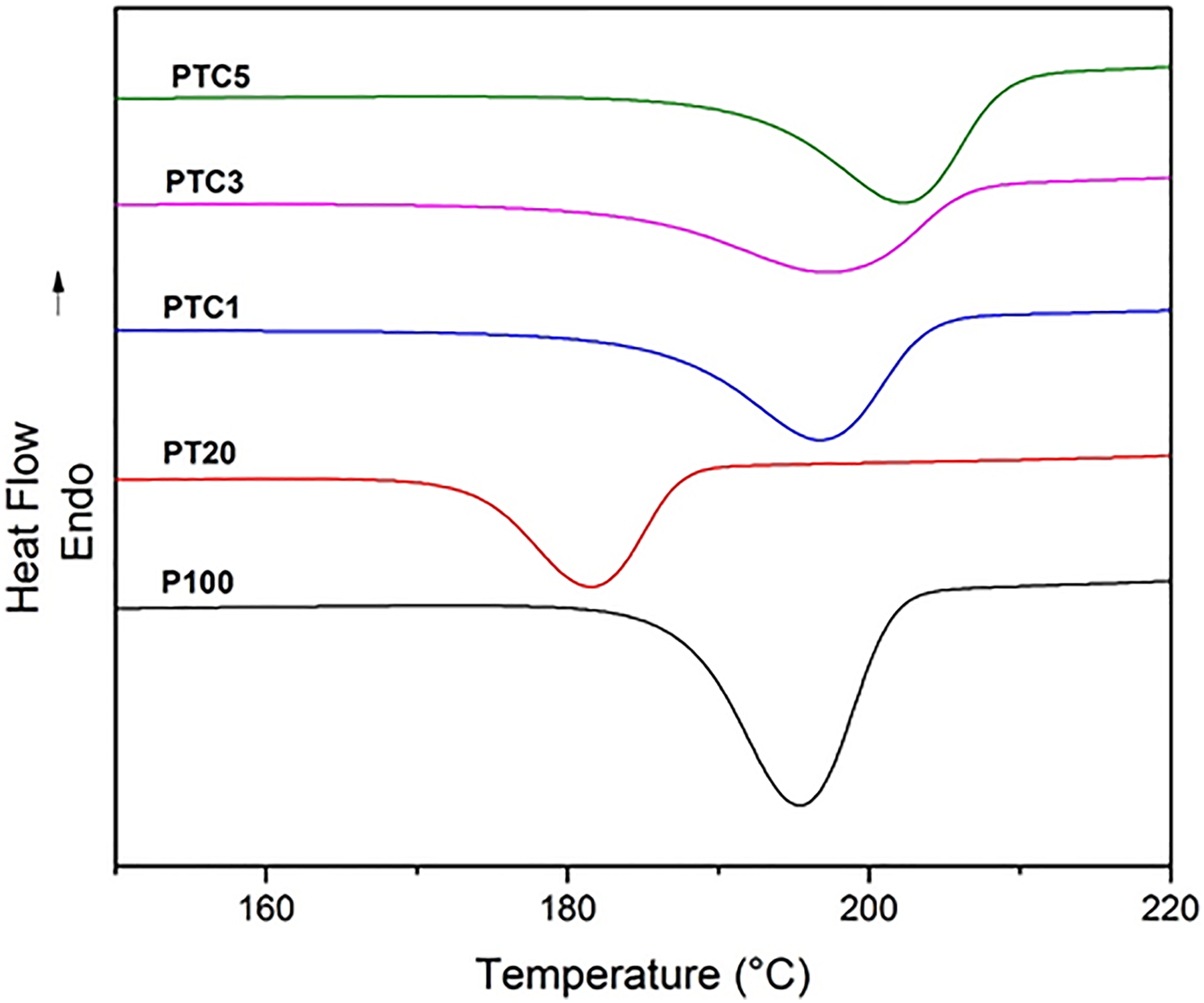
DSC crystallization curves for pure PBT, PBT/TPU (80/20), and PBT/TPU/MWCNT nanocomposites. DSC: differential scanning calorimetry; PBT: poly (butylene terephthalate); TPU: thermoplastic polyurethane; MWCNT: multiwalled carbon nanotube.

Thermal properties of pure PBT, PBT/TPU (80/20) blend, and PBT/TPU/MWCNT nanocomposites.
PBT: poly (butylene terephthalate); TPU: thermoplastic polyurethane; MWCNT: multiwalled carbon nanotube.
where ΔH
m is the melting enthalpy obtained by DSC test,
According to Figure 6 and Table 2, incorporation of elastomeric phase (TPU) in PBT reduces the melting temperature compared to the pure PBT (about 15°C). Reduction of melt temperature in the presence of TPU and existence of only one melting peak could be explained by the miscibility of two polymeric phases. Furthermore, the peak intensity of DSC curve for PBT/TPU declined when compared to the pure PBT. The peak intensity is an indication of melt enthalpy and hence crystallinity. The reduction of crystallinity is attributed to the interactions established between blend components. In miscible blends with an enhancement in interfacial reaction, better compatibility between blend constituents can be achieved, and as a result, it can decelerate the rate of crystallization. 36 Likewise, regular structure of PBT could be interrupted by flexible TPU phase, resulting in a decrease in crystallization rate. The incorporation of MWCNT into PBT/TPU had nucleating effect and increased the melting temperature and melt enthalpy.
Figure 7 shows the cooling stage of DSC test in which the peaks of the curves correspond to crystallization temperatures (T C). Incorporation of TPU led to the reduction of crystallization temperature. This could be explained by the fact that the movement of crystallizable molecular chains of PBT is limited by TPU phase. 28 Moreover, crystallization temperature increased significantly with the incorporation of MWCNT. This result indicates that CNTs have nucleating effect in PBT/TPU matrix. The other parameter that should be considered here is supercooling temperature which is determined by the difference of melting temperature and crystallization temperature. According to Table 2, supercooling temperatures of nanocomposites are lower than unfilled PBT/TPU. This also confirms that CNT acts as an effective nucleation agent. Similar enhancements of crystallization for CNT-filled nanocomposites have been reported. 21,37 –39
Dynamic mechanical thermal analysis
The dynamic mechanical thermal performances of pure PBT, PBT/TPU (80/20), and PBT/TPU/CNT nanocomposites were characterized (Figures 8 and 9). The graphs of loss factor (tan δ) versus temperature for different specimens are demonstrated in Figure 8. As the temperature associated with peak of tan δ curve is commonly regarded as the T g, comparing tan δ curves of pure PBT and PBT/TPU blend shows that the relaxation temperature of PBT/TPU has shifted to a lower value. Pure PBT shows a T g around 72°C; nevertheless, this value reduced about 12°C with the addition 20 wt% of TPU into PBT. The existence of a single tan δ peak, corresponding to T g, in PBT/TPU curve provides the evidence of blend miscibility. In the presence of TPU, tan δ value and hence loss factor increased. This leads to a higher capability of energy absorption and damping effectiveness. 40 Inclusion of MWCNT elevated the T g of PBT/TPU/MWCNT nanocomposites. This is due to the interfacial interactions of polymer/CNT which reduce the matrix chains mobility around MWCNT. In addition, the presence of CNTs did not interfere with compatibility of two polymeric phases because there is only one peak for nanocomposites in Figure 8. The loss factor (tan δ) decreased in the presence of CNTs. CNTs act as the obstacles against polymer molecular chains movement, which leads to the increase of storage modulus and decrease of loss modulus. The reduction in tan δ has also been attributed to the decrease of the mechanical loss that overcomes the friction of intermolecular chains. 40
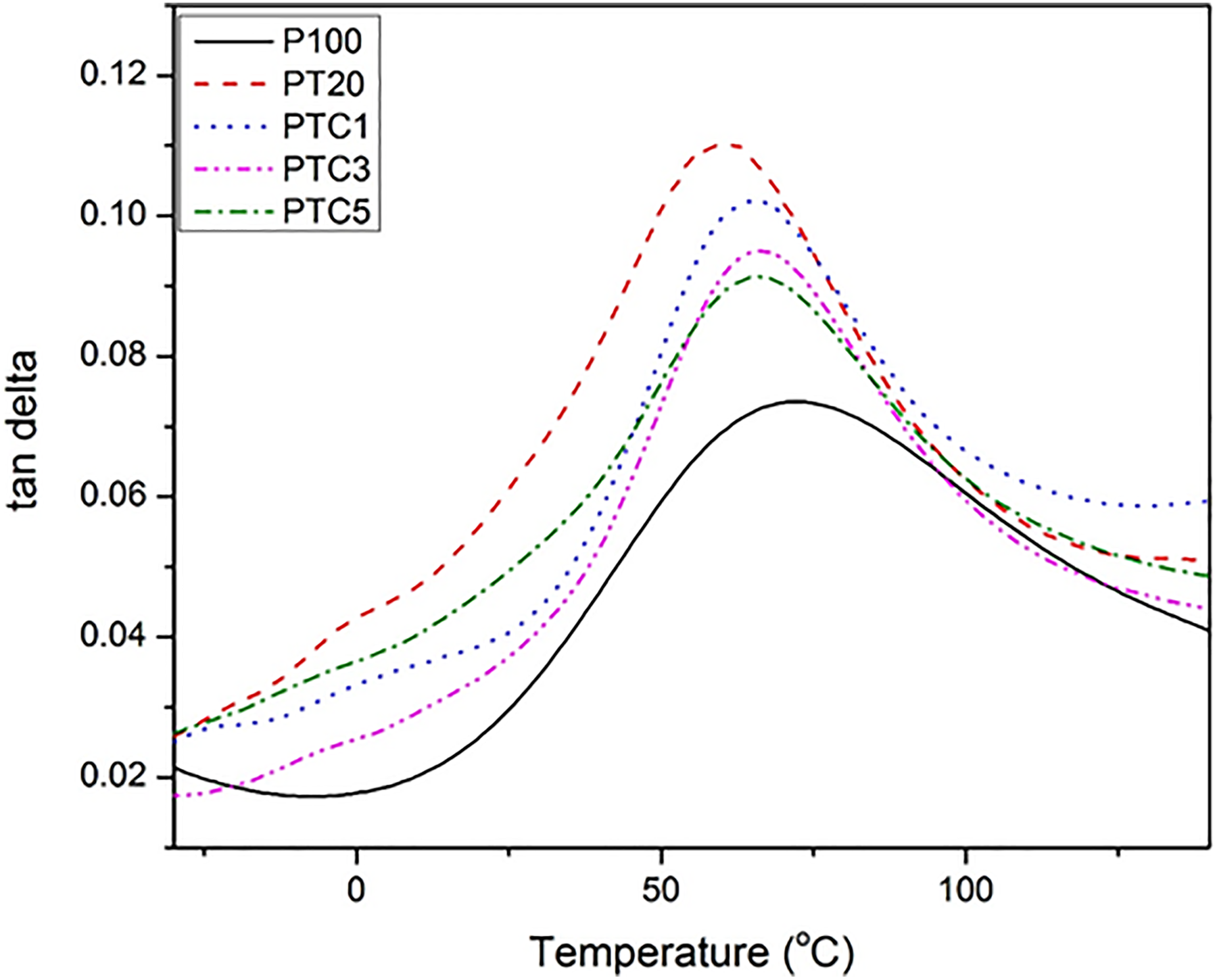
Loss factor (tan δ) versus temperature for pure PBT, PBT/TPU (80/20), and PBT/TPU/MWCNT nanocomposites. PBT: poly (butylene terephthalate); TPU: thermoplastic polyurethane; MWCNT: multiwalled carbon nanotube.
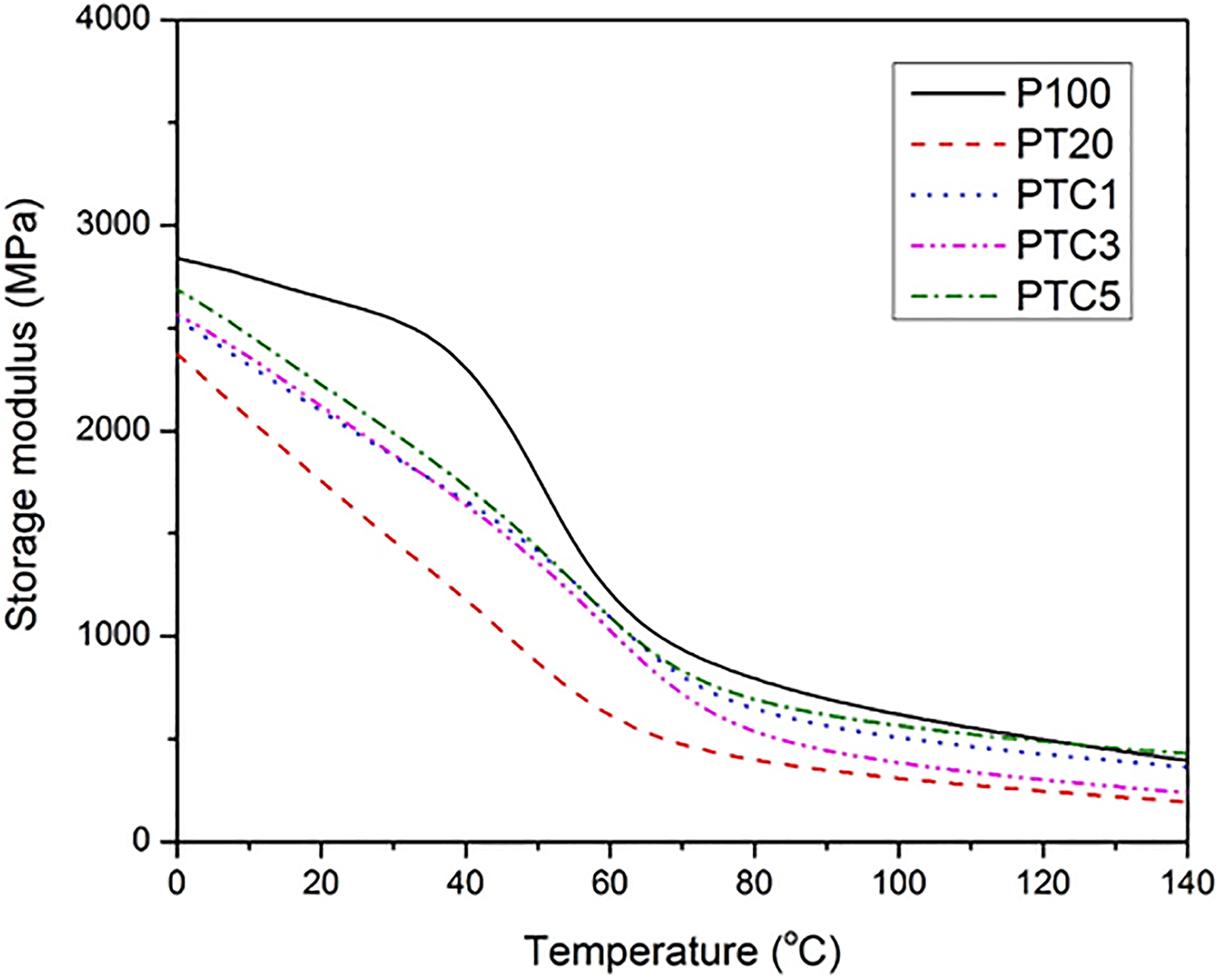
Storage modulus (E′) versus temperature for pure PBT, PBT/TPU (80/20), and PBT/TPU/MWCNT nanocomposites. PBT: poly (butylene terephthalate); TPU: thermoplastic polyurethane; MWCNT: multiwalled carbon nanotube.
Figure 9 illustrates the storage moduli of pure PBT, PBT/TPU (80/20) blend, and PBT/TPU/MWCNT nanocomposites as a function of temperature. Decrement in storage modulus of PBT/TPU blend as compared to the pure PBT indicates that PBT/TPU stores less energy. Storage moduli of PBT/TPU/MWCNT nanocomposites are higher as compared to the PBT/TPU blend. This is attributed to the stiffening effect of high aspect ratio CNTs as well as proper physical interaction between polymer matrix and MWCNT which allow more energy absorption and better force transmission.
Mechanical properties
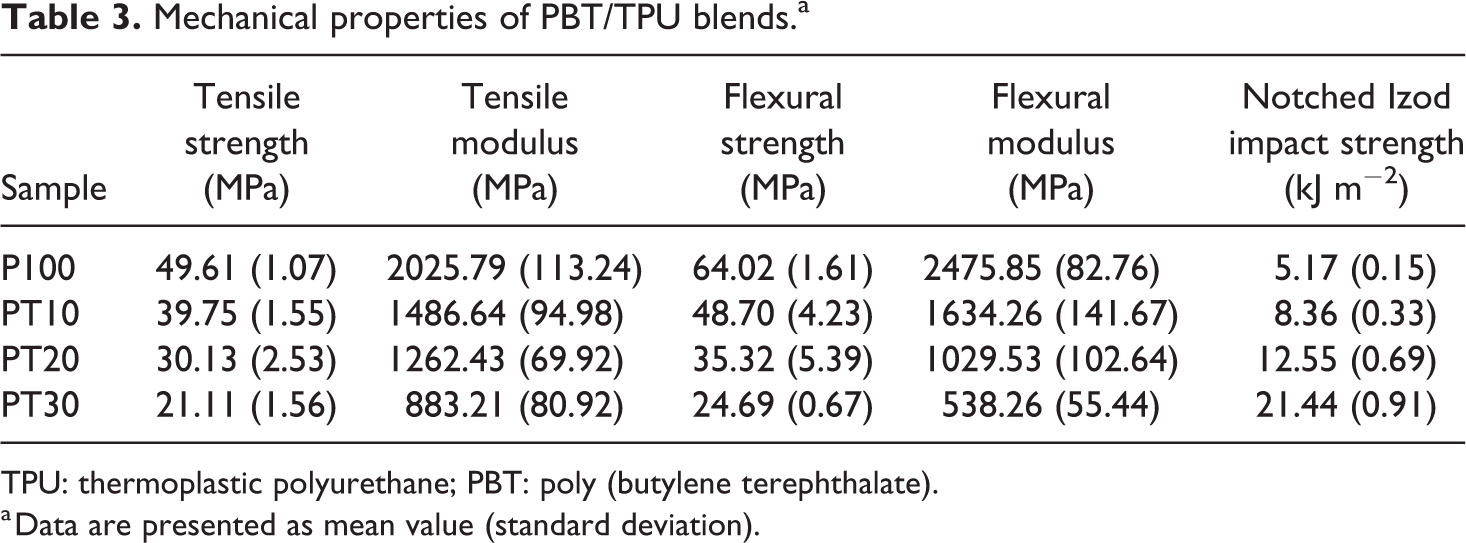
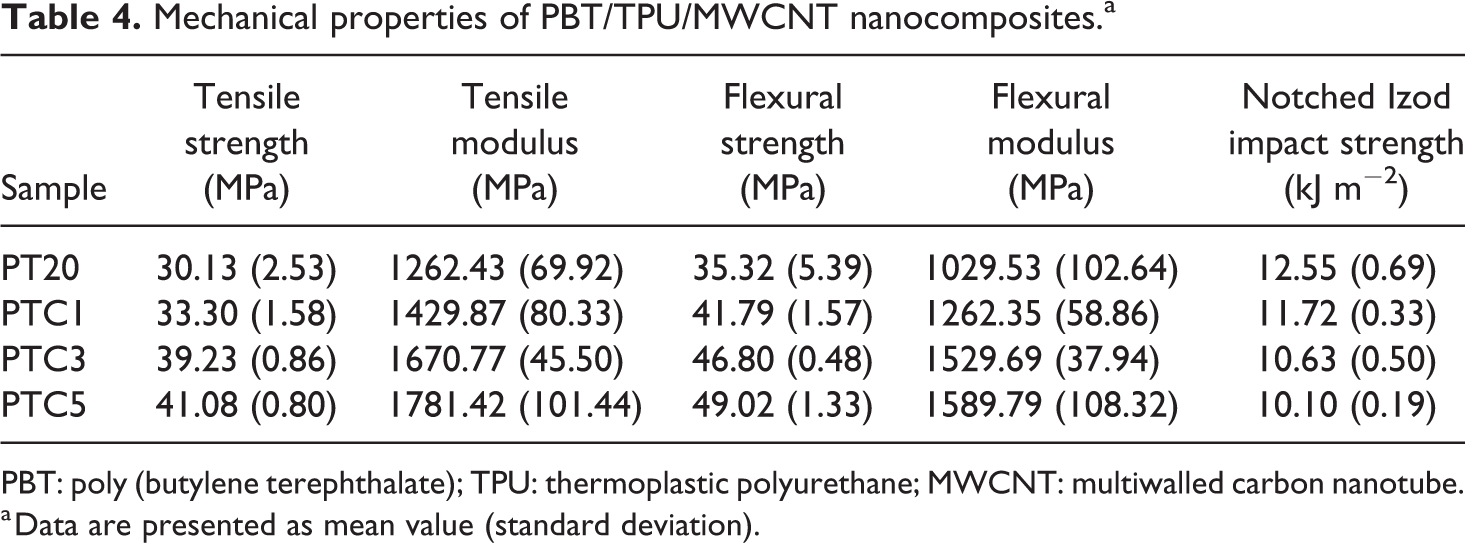
Mechanical properties of pure PBT, PBT/TPU blends, and PBT/TPU/MWCNT nanocomposites, including tensile strength, tensile modulus (Secant modulus at 0.2% of strain), flexural strength, flexural modulus, and Izod impact, are presented in Tables 3 and 4. The incorporation of TPU had significant effect on improvement of notch impact resistance, where nearly 315% increase in impact strength achieved by applying 30 wt% of TPU in PBT. Good adhesion between PBT and TPU elastomeric phase is a key in enhancement of impact resistance. In spite of observing significant enhancement in impact properties of PBT/TPU blends, the tensile and flexural properties dropped drastically. Similar behavior has been reported for various polyurethane toughened blend systems. 28 –30,41,42
Mechanical properties of PBT/TPU blends.a
TPU: thermoplastic polyurethane; PBT: poly (butylene terephthalate).
a Data are presented as mean value (standard deviation).
Mechanical properties of PBT/TPU/MWCNT nanocomposites.a
PBT: poly (butylene terephthalate); TPU: thermoplastic polyurethane; MWCNT: multiwalled carbon nanotube.
a Data are presented as mean value (standard deviation).
According to Table 3, the composition that contains 20 wt% of TPU and has about 150% increase in impact resistance was chosen as a base. In order to compensate the associated reduction in tensile and flexural properties and to achieve a composition with a balance of stiffness and toughness, CNTs were incorporated into PBT/TPU (80/20). The tensile strength and modulus of nanocomposites have considerable increments with incorporation of small amounts of CNTs as compared to unfilled PBT/TPU (Table 4). This concerns to the appropriate dispersion of nanotubes in polymer matrix and the proper stress transfer between the polymer matrix and nanotubes. 43 The concentrations of CNTs in the polymer matrix improved the mechanical properties with two different mechanisms comprising direct reinforcing action and crystal nucleating effect of CNT. According to DSC results (Table 2), upon incorporation of CNT, the crystallinity of nanocomposites because of nucleation effect of CNT increased. The enhancement of crystallinity can lead to the improvement of tensile strength and modulus.
The aforementioned mechanisms in enhancement of tensile properties with applying MWCNT (comprising crystal nucleating and reinforcing effects of CNTs) are also engaged in improvement of flexural properties. Furthermore, tubular MWCNTs oriented along the specimens (Figure 3) during the mold filling and this may also increase the flexural properties of nanocomposites.
Though addition of 20 wt% TPU to PBT significantly rises the notch impact resistance, CNTs inclusion decreases the impact strength. The existence of CNTs in flexible phase (TPU) slightly reduced the composite impact properties. The increment in tensile and flexural properties and decrement in impact properties with incorporation of CNTs in polymers have been reported in previous studies. 10,44 In spite of reduction in impact resistance of nanocomposite as compared to PBT/TPU blend, it is observed that the impact strength of nanocomposite is about 100% more than that of neat PBT.
Conclusion
PBT/TPU blends and PBT/TPU/MWCNT nanocomposites were prepared via melt mixing. Morphology and thermal and mechanical properties were investigated. SEM study showed good compatibility between PBT and TPU. The polymeric phases remained compatible in the presence of MWCNTs. According to DSC results, though the presence of TPU in PBT reduced crystallinity, the inclusion of MWCNTs to PBT/TPU had nucleation effect and increased the crystallinity. In spite of outstanding effect of TPU in improvement of notch-impact resistance, the presence of this elastomer in PBT led to the reduction of tensile and flexural properties. Nevertheless, the incorporation of small amount of MWCNTs considerably enhanced tensile and flexural performances. The PBT/TPU/CNT nanocomposite containing 0.5 wt% CNT possessed about 100% higher notch-impact resistance when compared to neat PBT. The T g and storage modulus considerably shifted to higher levels by inclusion of MWCNT into PBT/TPU.
Footnotes
Acknowledgement
The authors would like to thank central laboratory’ staff of University of Tabriz for their technical help.
Declaration of Conflicting Interests
The author(s) declared no potential conflicts of interest with respect to the research, authorship, and/or publication of this article.
Funding
The author(s) received no financial support for the research, authorship, and/or publication of this article.
