




Abstract
The present study is a comparative qualitative exploration of challenges faced by higher education institutions (HEIs) in developed (United Kingdom) and developing (Nepal) nations during the COVID-19 pandemic. A qualitative research strategy was used, and interviews were conducted via zoom to collect data from undergraduate and graduate students of both countries. The study's findings indicated that students in Nepal and the United Kingdom faced nearly similar challenges. Moreover, the pandemic significantly impacted students’ academic performance and well-being. The students face disparities in accessing the quality of education, and the gap has been widening among privileged and unprivileged students. The crucial issues focusing on academic, psychological, and socioeconomic challenges during online learning are technical problems, limited access to resources, mental health concerns and social isolation. The results clearly show that U.K. students have better technology access than Nepal students, who face multiple infrastructure and economic constraints. These disparities affect students’ ability to engage in online classes and access academic resources. Hence, based on the study's findings, strategies are proposed as a way forward. The study's findings are able to help policymakers, HEIs and the government focus more on flexible assessment policies, mental health support and innovative teaching methodologies for any unforeseen circumstances such as COVID-19.
Introduction
COVID-19 emerged in China City named Wuhan, and started spreading the virus worldwide and declared a public health emergency in 2020 (WHO, 2020). There was no vaccine for the virus, and the rate was escalating, so the government-imposed restrictions to reduce the spread of the virus (Zhu and Liu, 2020). Coronavirus has led to the closure of academic institutions and offices and changed the working pattern norms (Azorín, 2020; Cao et al., 2020; Majanja, 2020) across the globe, including the United Kingdom and Nepal. Higher education institution (HEI) students faced challenges because new teaching methods were introduced (Khan et al., 2021). By April 2020, around 185 countries announced the closure of schools and universities, which affected 1.5 billion students globally (Radu et al., 2020; UNESCO, 2021). In response to the pandemic, the United Kingdom, a developed country, imposed a nationwide lockdown and recommended that people stay home except for necessary conduct (Crawford et al., 2020). Furthermore, all education institutions shifted toward online learning and assessment. The government also supports the system by taking specific initiatives, such as introducing new digital courses and establishing a team for learning technologists (Alqahtani and Rajkhan, 2020; Todd, 2020; Watermeyer et al., 2022; Webb et al., 2021). Online learning has been a long-standing academic practice in the United Kingdom, even before the pandemic, for a more flexible education system (Burki, 2020; Webb et al., 2021). During the pandemic, U.K. HEIs introduced short sessions focusing on practical tools and digital delivery for students to improve their experience (Coleman, 2021). The Nepal government, on the other hand, faced a critique because they delayed the prevention measure to control the spread of the virus (Dawadi et al., 2020) due to the massive flow of people from neighboring countries in Nepal. As HEIs in Nepal announced the closure of institutions, students needed to adapt to new technologies and rely on university websites and other online learning tools, which was a difficult challenge for them (Babbar and Gupta, 2022). The result of this learning approach has led students to experience mental stress, the challenges in adopting change and the extension of visa issues specifically for international students (Cao et al., 2020; Dua et al., 2020; Egarter et al., 2021).
Apparently, online learning is a new norm and poses various issues such as inadequate resources, student and academic institution personal issues, cyber security, technical difficulties, lack of skills among teachers to use devices and tools and infrastructure usage (Anwar et al., 2020; Zarei Mohammadi, 2022). Consequently, online learning was more challenging in rural and hilly areas due to low Internet connectivity (Tadesse and Muluye, 2020). Nepal, a developing nation, faced tremendous challenges in the education sector because digital device has negatively affected the education sector, leading to inequality due to different backgrounds (Azubuike et al., 2021; Dawadi et al., 2020). Most students in Nepal faced technical and connectivity (Zarei and Mohammadi, 2022) issues at their peak. Hence, a partnership agreement between Nepal Telecom and the university grants system was initiated to improve teaching pedagogy to provide students with internet packages in remote areas. Still, higher education institutions students in Nepal faced utmost issues and challenges in online learning during the pandemic (Shah et al., 2020; Thapa, 2020). The present study is the comparison between HEI students in Nepal and the United Kingdom during the COVID-19 pandemic also illustrates the contrasts and similarities between a developing country and a developed country, as well as educational infrastructure and resources, socioeconomic disparities, institutional response, and adaptability, etc. This comparison enriches the study's insights and conclusions by providing a broader understanding of the impacts of the pandemic on education across different contexts.
Literature review
HEIs faced various challenges during COVID-19 pandemic worldwide (Dawadi et al., 2020; Paudel, 2021) irrespective of developed or developing nations. In response to the Pandemic crisis, HEI has shifted to online learning to continue studying in a strict lockdown situation (Zhu and Liu, 2020). The literature revealed that all academic activities such as seminars, conferences and other recreational activities in universities were also postponed with the announcement of lockdown in academic institutions including schools and colleges (Huang et al., 2020; Prkopenko and Berezhna, 2020; Sahu, 2020; Xia et al., 2022). Hebebci et al. (2020) stated that students in Jordan faced issues related to learning space and anxiety about learning online. Similarly, shift to online learning during the COVID-19 pandemic in Malaysia presented challenges for students, educators, and institutions such as technological barrier, educational content delivery, and institutional preparedness (Jafar et al., 2023). To overcome these challenges, universities invested in technology for video conferencing and communication tools (Peimani and Kamalipour, 2021; Webb et al., 2021; Wotto, 2020). Some studies indicated that developed countries like the United States, Canada, United Kingdom, and Australia started virtual online learning with advanced learning tools (Babbar and Gupta, 2022). However, developing countries such as Pakistan, Bangladesh, Malaysia, Indonesia, and Nepal, where HEIs have limited resources and infrastructure, faced challenges as they initiated online learning systems for the first time (Dawadi et al., 2020; Jafar et al., 2022; Noor et al., 2020; Shrestha et al., 2022; Thaheem et al., 2022). Hence, COVID-19 pandemic has significantly changed learning patterns for HEIs across the globe. The universities and colleges closed in March 2000 in the United Kingdom, suspended face-to-face learning, and advised all students to leave their dorms and return to their homes (Pellegrini et al., 2020). Studies indicate that because of digital device, underprivileged students have limited access to computer devices and are unable to afford internet facilities, so in this situation, online learning is becoming a big challenge. International students face the challenges of travel restrictions (Hassan, 2021). The government provided 2.6 billion pounds to universities to mitigate the impact of COVID-19 on HEIs (Watermeyer et al., 2022). HEIs in the United Kingdom recognize the importance of online and blended learning, so to overcome the challenges, the experts have developed courses related to utilizing digital technologies in the United Kingdom (Watermeyer et al., 2020). Studies stated that the United Kingdom's infrastructure and skill set advancement offer students different teaching methods, such as gamification in learning, student feedback online interaction with students, increasing the motivation of students to participate in learning (Watermeyer et al., 2022; Webb et al., 2021).
Developed nations faced fewer challenges than developing countries’ HEIs during the COVID-19 pandemic. Studies revealed that the primary reason for challenges in developing countries is inadequate funding for HEIs related to online learning systems (Lockee, 2021; Maloy et al., 2020; Vaughan et al., 2013). Nepal is a developing country; disparity lies among population education and socioeconomic status, inadequate resources and the country facing a gap in accessibility (Dawadi et al., 2020). The situation worsened when the COVID-19 pandemic hit developing countries such as Nepal. The students in rural areas were severely affected due to limited resources, fewer digital devices, and poor internet facilities (Rimmer, 2020). Koirala et al. (2020) stated that despite many challenges Nepal faces in the education sector, some authors believe that the shift from traditional to online learning methods has opened many opportunities for teachers and students (Neupane et al., 2020: Shrestha et al., 2022; Sigdel et al., 2021). Furthermore, students considered online classes interactive and engaging but less effective than traditional learning methods because of poor internet connectivity and electricity failure (Thapa, 2020).
Online learning has reduced student participation in classes because of internet issues and the viability of computers (Ghimire, 2020) as a laptop is essential. However, it is the cost equivalent to the per capita income of Nepali citizens, which is 1282 dollars (The World Bank, 2021). To address the issue, some institutions provide laptop facilities and ICT services that facilitate delivery service effectiveness for online learning (Sharma and Kim, 2016). The Nepal telecom service has launched an e-shiksha package for students for online learning (Tulza, 2020). So, the importance of academic support in the successful shift to e-learning is evident in several studies (Alqahtani and Rajkhan, 2020; Todd, 2020). The inadequacy of sustainable infrastructure within the Nepalese academic system or in any other developing country underscores the critical necessity for enhancing and developing infrastructure. Expecting teachers and students to effortlessly adjust to virtual learning environments by imitating effective methods and practices in face-to-face settings is not practical or realistic. The education system must equip students with the flexibility and rapid adaptability required to navigate various challenges with education and online learning during times of crisis (Zhu and Liu, 2020).
Nepal, as a developing country, faces significant structural challenges in education and digital access, compounded by political instability and economic constraints (Ghimire, 2020; Todd, 2020). In contrast, the United Kingdom, as a developed country, has more robust educational infrastructure and resources but still faces challenges related to income inequality and ensuring the effectiveness of online learning (Lockee, 2021;Vaughan et al., 2013). This contextual background sets the stage for a nuanced exploration of the pandemic's impact on HEI students in these two distinct settings, highlighting both unique and shared challenges. Below is the research objective and question of the study.
Research objective and question
RO1: To identify the issues and challenges HEIs students in Nepal and United Kingdom confronted in online learning during the Pandemic.
RQ1: What are the issues and challenges HEIs students in Nepal and United Kingdom confronted in online learning during the Pandemic?
Methodology
The study used a qualitative inductive approach to explore the issue and challenges faced by U.K. and Nepal students in HEIs during the COVID-19 pandemic. A qualitative inductive approach allows for the collection of rich, detailed data that provides deep insights into the lived experiences of students. The researchers used the comparative method to understand the contextual impacts and progression. The comparative study is used to see the similarities and differences between the countries in response to education in HEIs during the COVID-19 pandemic and its impact on students. Through this approach, researchers identified the data's themes, pattern theories, and relationships (Jebb et al., 2017). The study used interpretivism philosophy to signify the significance from a human viewpoint and experience (Chowdhury, 2014). The study utilizes a qualitative approach, collecting data through open-ended surveys from a sample of postgraduate and undergraduate students in the United Kingdom and Nepal.
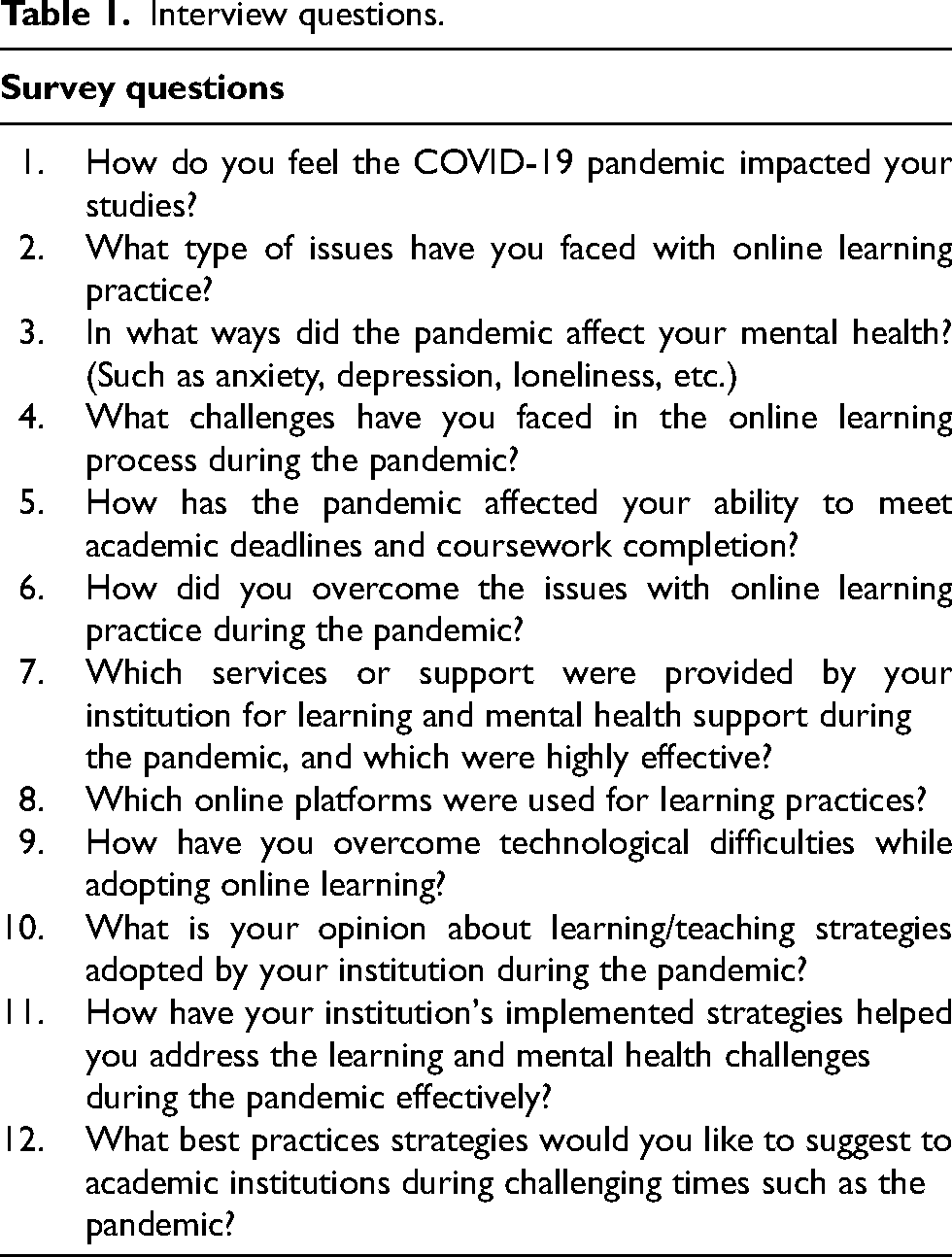
According to Creswell (2009), qualitative studies typically require a smaller sample size, with 5–25 participants being more than enough. Therefore, a targeted sample size of 40–50 students from different universities was deemed appropriate, with at least 20 from each country. The final number of respondents was determined based on research judgment and the principle of saturation, which means that the data collection process is continued until no new information emerges from the respondents (Saunders et al., 2018). This approach was used to ensure that the sample size was sufficient to provide ample insight into the research topic while preventing redundant data collection (O'Reilly and Parker, 2013). An inductive, exploratory approach is followed for data analysis to identify patterns and themes without preconceived notions (Creswell, 2013; Mohajan, 2018). Purposive sampling was chosen to ensure that the study captured a range of perspectives and experiences relevant to the specific contexts of HEI students in both the United Kingdom and Nepal. By selecting participants based on key criteria related to geography, socioeconomic status, educational background, and cultural diversity, the study aimed to provide a nuanced understanding of how the pandemic impacted students in different settings. This approach facilitated a comparative exploration that highlighted both common challenges and unique factors influencing students’ experiences during the COVID-19 pandemic in these two countries. The interview guide was developed, and interviews were conducted via zoom from January 2023 to March 2023 and later on transcribed for analysis purposes. The interview lasts about 45 min to 1 h. Forty-eight interviews were conducted 24 each from United Kingdom and Nepal. The unit of analysis is students from Nepal and United Kingdom. Ethical approval has been taken from Teesside University, United Kingdom. A thematic analysis was used to analyze the data collected from online interviews. It aims to identify recurring themes or patterns from the data and provide a rich and detailed understanding of the phenomenon under study (Clarke et al., 2015). Saldana's (2020) approach was also employed to carry out the data analysis, which is a method that involves developing a theme from collected data. It involves the systematic and iterative organization and interpretation of data (Saldaña, 2020). The Saldana (2020) approach typically involves several steps, including familiarization, coding the data into categories, identifying themes and patterns, and synthesizing and interpreting the data. Using this approach in the current study provides a rich and detailed understanding of the experiences and challenges faced by HEIs students during the COVID-19 pandemic in the United Kingdom and Nepal (Table 1).
Interview questions.
Demographics details
Tables 2(a) and 2(b) describe the informants’ demographics from Nepal and the United Kingdom. In total, there are 48 informants selected from the United Kingdom and Nepal altogether. From both countries, an equal distribution of 24 informants was selected. Table 2(a) provides U.K. student demographics, including student gender, age, and level of study. The number of female students selected was more than males in the United Kingdom. There were 14 females and 10 males. Most informants in the study belong to the 24–29 age group, and only two informants belong to the 18−23 age group. The level of study of most students in the United Kingdom is a master's of 24; only three students were at the bachelor's level while the rest of them are at the master's level of study.
Demographic characteristics of Informants (SP) from the UK (n = 24).
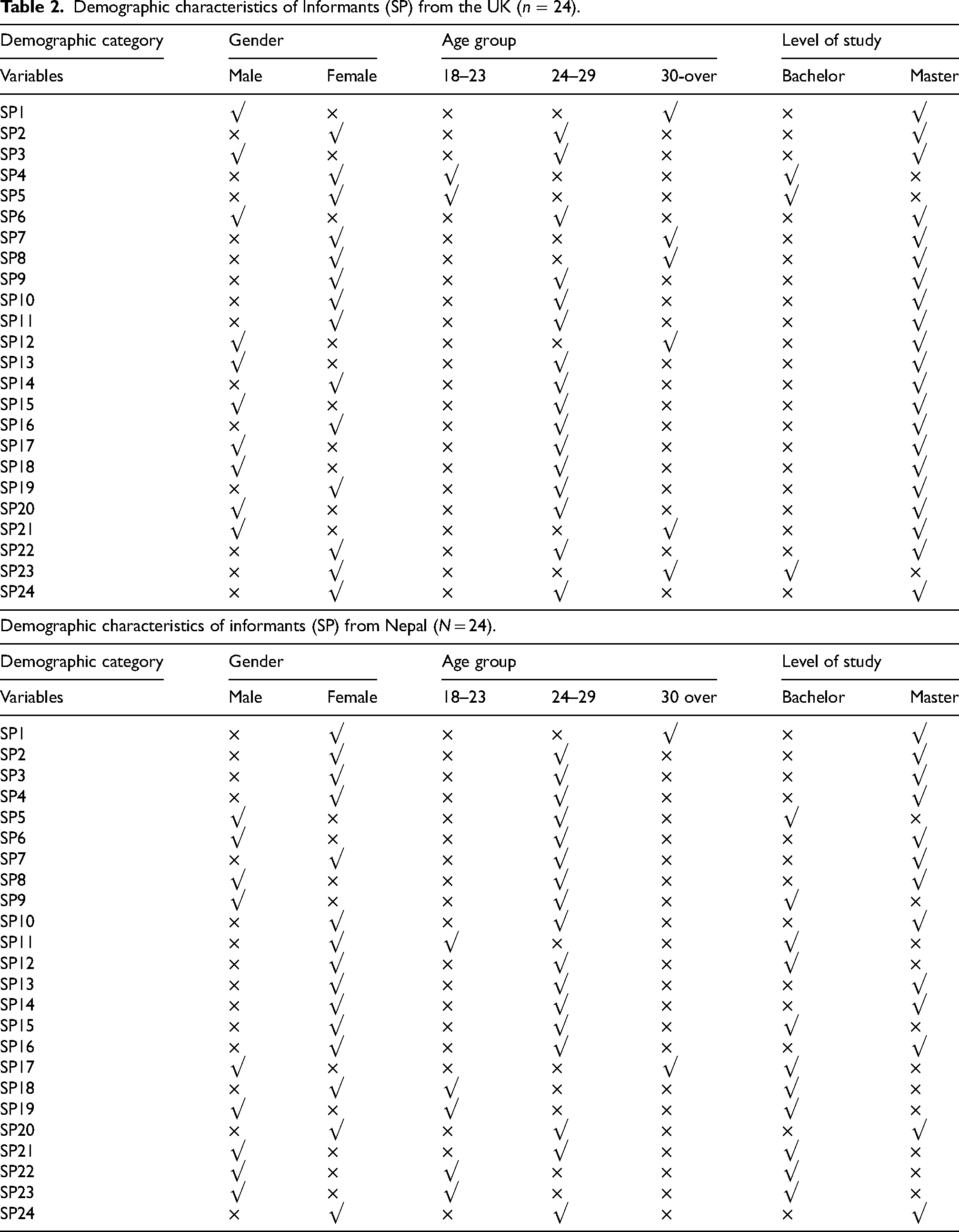
Table 2(b) indicates the demographics of Nepal students. There were 15 female students, and only nine students were male. The majority of the informants belonged to the 24–29 age group, and only five informants belonged to the 18−23 age group. The level of study of 13 students in Nepal is at the master level, and 11 students participated in the bachelor-level degree.
Findings and discussion
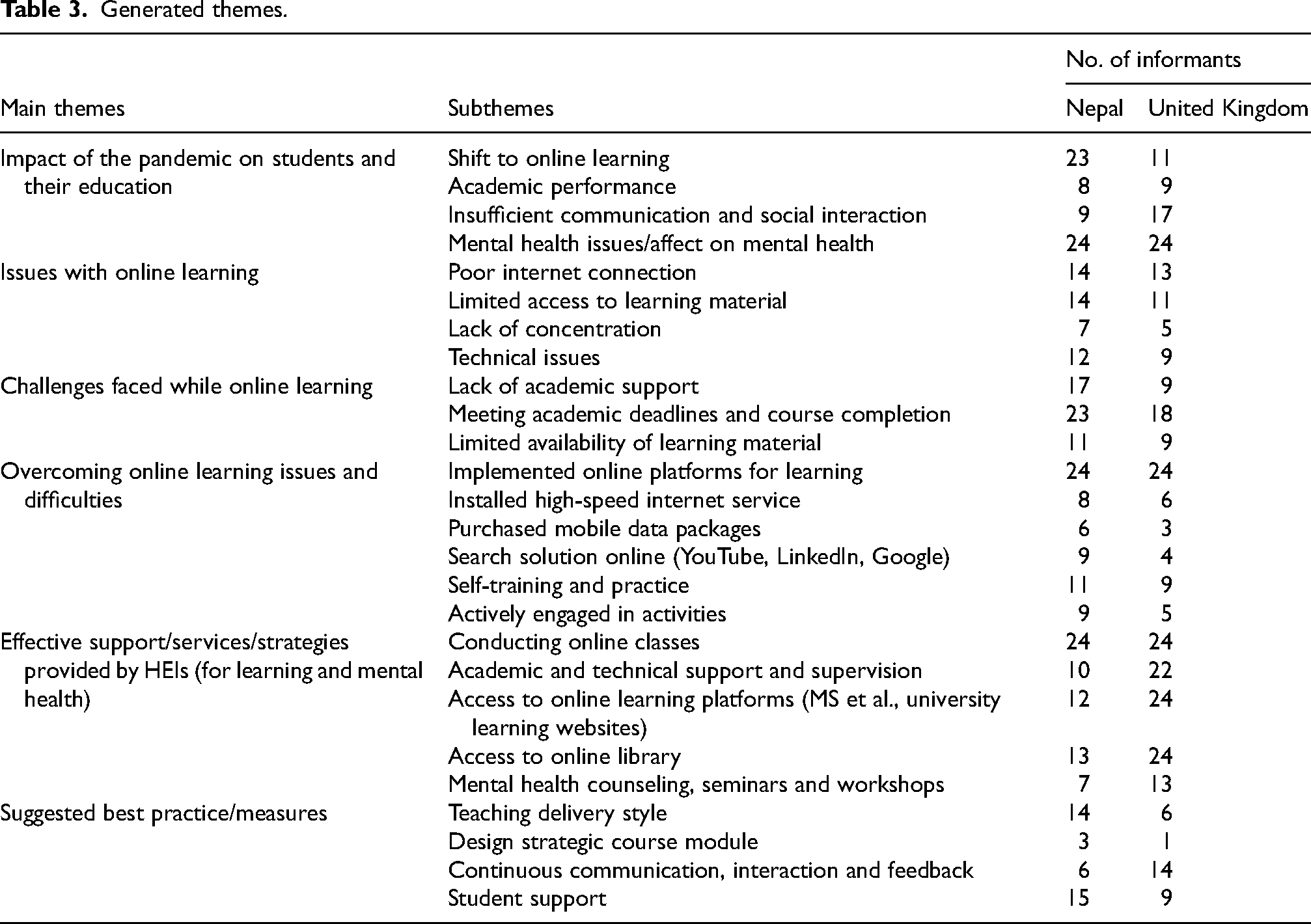
Table 3 highlights the generated themes from online interviews related to impact of pandemic on students and their education, issues and challenges faced, overcoming issues, effective support /strategies and best practices.
Generated themes.
Interview feedback regarding issues
Table 3 shows U.K. and Nepal students’ challenges and issues in HEIs during the COVID-19 pandemic and highlights some strategies that both countries could develop to reduce the impact of COVID-19 on HEIs. About 14 informants highlighted poor internet activity issues in Nepal, while in the United Kingdom, 13 stated similar reason as a significant issue during online classes during the pandemic. in HEIs. Also, 14 informants agreed to limited access to learning material in Nepal, while 11 agreed to it in the United Kingdom. Student shed light on limited access to course material have hindered them from understanding the course. Lack of concentration issues and technical issues problem was also faced by students as they took classes from home, so they encountered disturbance and software glitches during online classes.
The viewpoint of U.K. informants
Poor internet connectivity, limited resource access, and hardware and software issues. Additionally, it was challenging to stay motivated and focused, maintain a proper work–life balance, and cope with the lack of social interaction. (SP3#)
Distraction through online or family members, procrastination, and stress. I overcame this issue by informing my family member not to disturb me during study time. Some of the app's functions were new, so it was difficult to understand/use at the beginning. (SP4#).
I struggled with the use of new or unfamiliar technology. Learning to navigate and use new software or applications was daunting since it wasn't something that I had used before. (SP9#).
The viewpoint of Nepal informants
While attending online classes, the issue of internet or electricity cut off was common. Network issues, submitting our assignments online instead of conducting physical exams, learning to use different applications for different purposes, using the online library instead of reading the books, etc. were some technology-related challenges we encountered. (SP2#)
My studies degraded due to less class interaction and excessive use of gadgets. Issues such as slow internet, electricity cut out, battery drainage, and navigation issues were faced. (SP3#)
New apps which I did not know how they function took some days to learn, and once I caught up, it was helpful for me in my daily life too. We faced challenges on getting resources and materials because belonging from a middle-class family with three siblings and all of us our demand on gadget, materials and resources for learning. (SP12#)
The internet instability and electricity have not affected student academic pursuits but have had a broader impact. It created unpredictability and an uncertain environment for students to have consistent learning. Maintaining a productive study environment is quite a difficult task in this situation.
Interview feedback regarding challenges
The viewpoint of U.K. informants
In the case of the United Kingdom, some informants reported a positive experience with consistent academic support, but only some highlighted difficulties while accessing the support. Informants indicated they faced challenges in meeting the academic deadline and obstacles in completing their course outline as online learning was a new technology (Keane et al., 2022; Li, 2022). In the United Kingdom, most informants indicated that they have academic support and accesses to learning materials (Webb et al., 2021). The informants also show that most of them are familiar with the software used for online learning. Only a few indicated that they were facing issues with it.
Due to the online availability of most resources, I had no issues. I completed my master's in time regardless of challenges like stress and uncertainty faced. Every material I needed was online or from the school library, which I had access to; however, in my data collection, I had to restrategize scrap out physical focus group discussions and interviews to virtual ones. In my opinion, that is not the best; however, I had not many options left. There's an online support hub where students can ask questions. (SR16#)
Limited availability of academic support services, such as tutoring, writing centers, or advising, due to school closures or limited staffing. Difficulties in obtaining necessary software or tools for online learning, such as access codes or licenses for online textbooks or software. The impact of the pandemic resulted in delays of one year in completing my studies. Due to poor internet, I faced problems in submitting assignments. However, we were accommodated for the challenges and difficulties faced in the pandemic by extending deadlines and offering alternative assignments. (SR19#)
The viewpoint of Nepal informants
In Nepal, informants reported having limited academic support, even though most receive support or assistance from their institutions (Dawadi et al., 2020; Koirala et al., 2020; Neupane et al., 2020; Shrestha et al., 2022). The informants need help meeting their deadlines, which caused stress and reduced focus. Furthermore, informants indicated they faced challenges in adopting virtual learning, and the lecture could have been better prepared. Some students highlighted that they had received assistance from institutions and completed their degrees on time.
Due to the lockdown, nearby stationery shops were mostly closed, Teachers could not provide study material, and we had difficulty understanding the topic. Due to no practical classes, we cannot understand our classes properly. It took 2 years extra more to complete the academic deadline. (SR7#)
We used to prepare notes and assignment and then give it to the teachers. After the pandemic, we had to prepare notes and assignments in Word and PDFs, which was quite tricky. Semester exam was postponed for one year, so completion of the course was delayed. (SR9#)
We were used to the traditional process of writing notes and submitting our assignments in handwritten form. So, completing assignments within the deadline during the initial days of the course was challenging. (SR24#)
Interview feedback regarding strategies
The viewpoint of U.K. informants
The U.K. informants highlighted some initiatives by the institution during the COVID-19 pandemic that helped them to improve their mental well-being and learning. U.K. HEIs provided technical support, counseling services, online learning, libraries, workshop, and seminar on the use of technology for learning (Webb et al., 2021). All informants stated that HEIs choosing an online learning strategy was the best strategy during the COVID-19 pandemic. Students stated they could access all online learning platforms, such as Black Board, zoom meeting, Google Meet, and MS team premium. They have access to course material and can access the lecture later through video recording (Watermeier et al., 2020). The HEIs in the United Kingdom ensure students have access to a wide range of resources, facilitating students by providing online libraries. The counseling sessions were organized to address the mental, physiological, and emotional issues they were facing during COVID-19 times.
E-vision and student blackboard. Academic tutors were available and learning materials as well. My institution's strategy was helpful; it is almost impossible to feel left out. Access to lecturer and feedback from them throughout the whole working time rather than just class time. Mental health support and wellbeing. It helps me deal with mental health problems and makes me more confident to study independently. (SR-18#)
Live sessions and group work through teams helped interact with the teacher and friends, so it was interactive, engaging, and helpful Recorded classes recap classes to compensate for lack of focus during lectures. Prompt response to emails was more than helpful (SR4#)
In our institution, lectures were always there for us whenever we needed support regarding education or mental health. They provided virtual support services such as academic advising, counseling, and tutoring via online platforms to help us stay connected and engaged with our studies. They also provided mental health resources to us, such as counseling services, mental health hotlines, and online resources to support our mental and emotional well-being during that difficult time. (SR19#)
The viewpoint of Nepal informants
Study informants in Nepal reported that they have specific strategies implemented by their HEIs. The first strategy they used was to implement online learning to continue education (Mishra et al., 2020; Pal et al., 2021). Informants highlighted that they were provided technical and academic support to reduce challenges while online learning. Few of them mentioned mental health support. The informants also informed that they were provided access to online platforms like Zoom, MS team premium, and the university website that help students engage with course material and attend their lectures. Soft copies of notes were also provided, and an online library faculty was provided for academic support to students. Despite all support, informants mentioned that they feel stressed, frustrated, and a sense of dissatisfaction. It indicated that there was a disparity among the support in different HEIs.
HEIs mainly provided free online website links and free access library for learning. It was helpful as our university mainly provided regular online sessions to make learning more meaningful. Our institution used to do some extra classes, such as singing, and they taught us some yoga and meditation techniques every morning. Following our institution's guidelines and instructions helps me learn and overcome mental health challenges during the COVID pandemic. (SR4#)
Technical support for the betterment or effectiveness of the virtual classes. Despite the challenges, virtual learning is advantageous. It is convenient, affordable, and easily accessible, and it may just be the future of education. My institution has not addressed mental health so much. (SR6#)
Learning by interaction rather than one-way teaching was extremely effective for learning during the pandemic. Being at home 24 h a day could affect our mental health. However, motivation and learning programs were conducted virtually occasionally to encourage students. Nothing was implemented to address the mental health issues during the pandemic. (SR11#)
Interview feedback regarding best practices
Informants suggested some best practices that can be implemented in HEIs. They suggested that different interactive sessions and multimedia resources must be used to engage students. The course modules must be designed carefully to define the learning objects and align the assessment. With this alignment, students will understand the course and be more confident. The study indicates that communication and interaction between students and teacher is essential. HEIs must initiate proper communication channels so students can ask questions when needed and feedback is provided to them. Time will enhance their understanding and engagement. Tutoring, counseling, and mentoring need to be done in difficult times to prioritize the well-being of students. Furthermore, informants also indicated that teachers need to be trained enough to have more knowledge and tools they can use while teaching.
The viewpoint of U.K. informants
Be as flexible as possible, using recorded classes, alternative sources of information and format of the assignment. Offer more 1-1 tutorial support where possible. HEIs can probably include more blended learning using meta verse—AR/VR training. Train the educators to be more computer savvy. (SR5#)
Listening to students, not putting pressure on them with deadlines and providing extensions if necessary. Engaging more with students to make sure of their overall well-being and support regarding academic and mental health. (SR8#)
Institutions should develop a comprehensive plan for remote learning that includes strategies for delivering instruction, providing support services, and addressing the needs of students struggling with mental health challenges. Institutions should also be flexible in their policies and procedures, including grading policies and deadlines, to accommodate the unique challenges posed by the pandemic. (SR19#)
The viewpoint Nepal informants
Nepal's education system was severely affected because of poor education infrastructure. The informants recommended some suggestions to improve HEIs practices. The informants suggested a need to enhance ICT infrastructure for the smooth running of online learning systems (Acharya et al., 2021; Sigdel et al., 2021; Shrestha et al., 2022). There is a need to invest in internet connectivity, better computer labs, and provide teachers and students with technological resources. They also highlighted that there should be training for faculty for teaching online. Students suggested that there is a need for monitoring and evaluation of online learning systems to identify the areas with issues and resolve them promptly.
Training, providing gadgets/devices, setting limit times on screen and offering financial support, motivating, teaching by new strategies that students like the most, and developing learning skills and programmers can be conducted. To have continuous interaction with the students by conducting seminars related to handling such pandemic issues as well as mental health issues. (SR1#)
The best strategy I would like to suggest is, making your learning programs interactive with students. Keep your learning courses organized, keep your learning modules short, and make your learning course visually appealing. (SR4#)
I would suggest on improving individual student support, organized learning courses, effective communication, and regular feedback survey to get the opinion of students for ongoing implemented strategies. Nevertheless, prioritize mental health. (SR20#)
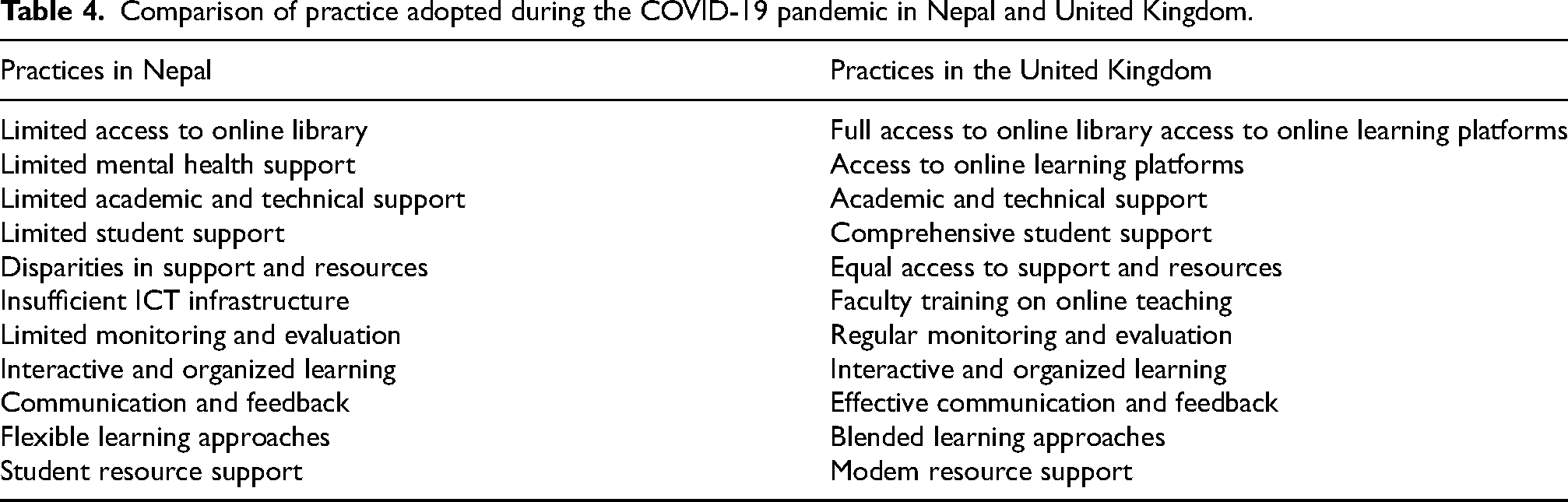
Table 4 highlights the comparison of adopted practices during COVID-19 pandemic in Nepal and United Kingdom. This table aims to succinctly present key differences and similarities in how educational practices were adapted in these two countries during the pandemic. Figure 1 focused on the Issues and challenges faced by HEI students during COVID-19 pandemic whereas Figure 2 is based on the suggestion for HEIs in developing countries.
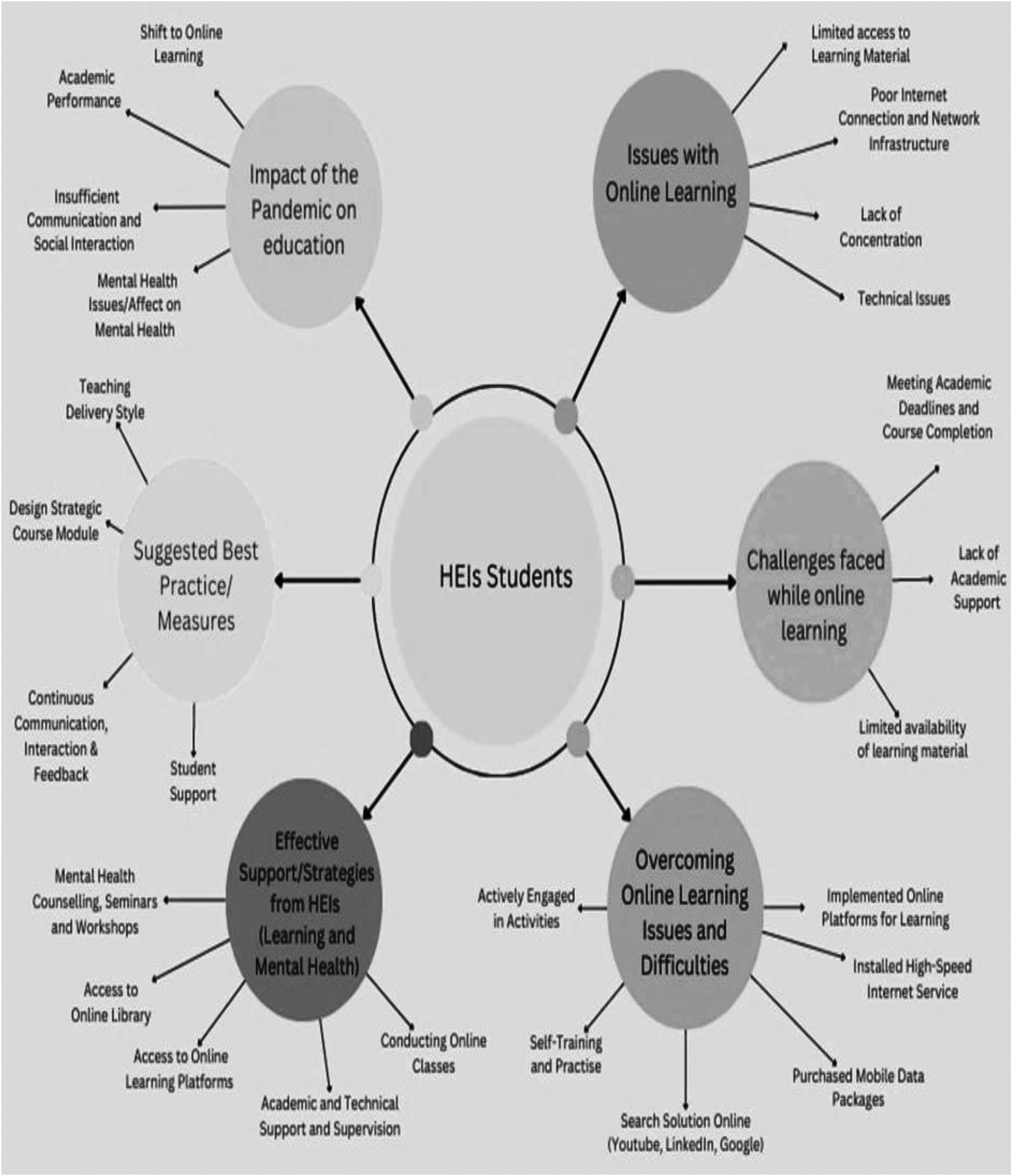
Issues and challenges faced by HEI students during COVID-19 pandemic.
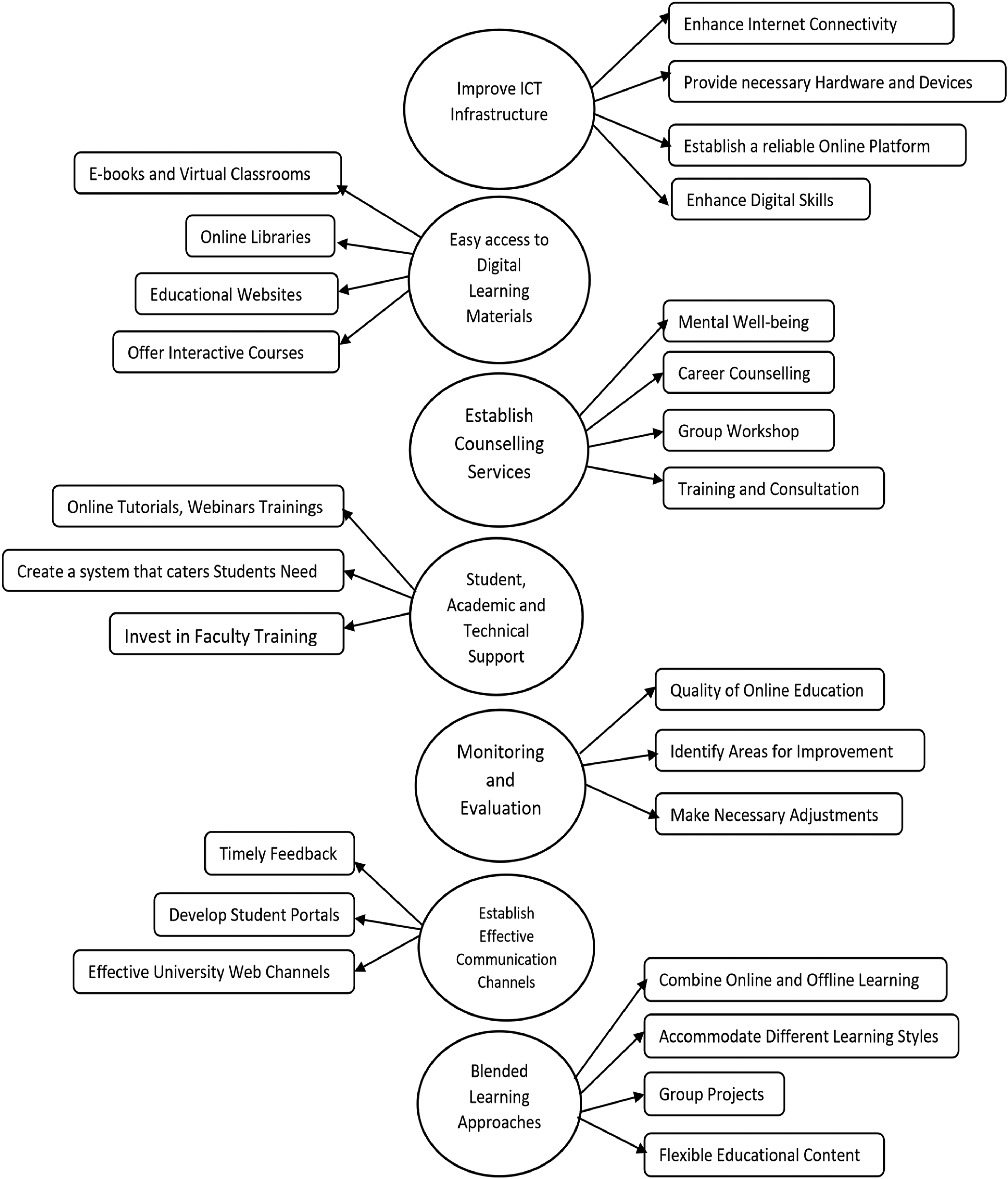
Suggestion for HEIs in developing Countries
Comparison of practice adopted during the COVID-19 pandemic in Nepal and United Kingdom.
Theoretical justification
Transformation learning theory
The underlying theory for this study is transformative learning theory (TLT), as it involves assisting learners in becoming aware of their own and others’ assumptions and being able to critically evaluate them (Duffy and Jonassen, 1991; Mezirow, 1997). The theoretical model employed in this research aligns with the study's focus on evaluating the efficacy of diverse approaches implemented during the pandemic and identifying the most effective techniques and practices for aiding students in adapting to the abrupt shift to the online learning environment. Learning is a social process, and discourse plays a central role in making meaning. TLT stresses that students should rehearse to recognize different forms of the situation and use imagination to view obstacles from alternative perspectives (Mezirow, 1997). Effective participation in discourse is also necessary for students to validate and conclude the best assumption regarding their ideas. Thus, to have practical discourse, teachers need to create a situation where all students can access complete information and are free from coercion (Mezirow, 1997). Nevertheless, all students should also have equal opportunities to improve their ideas, contest them, justify their rationale, critique evidence, and decide opinions (Nell, 1998).
Conceptual model
Figure 3 presents the conceptual model based on the literature and findings obtained from the survey questionnaire. The highlighted causes of issues of HEIs students during the pandemic can be categorized as
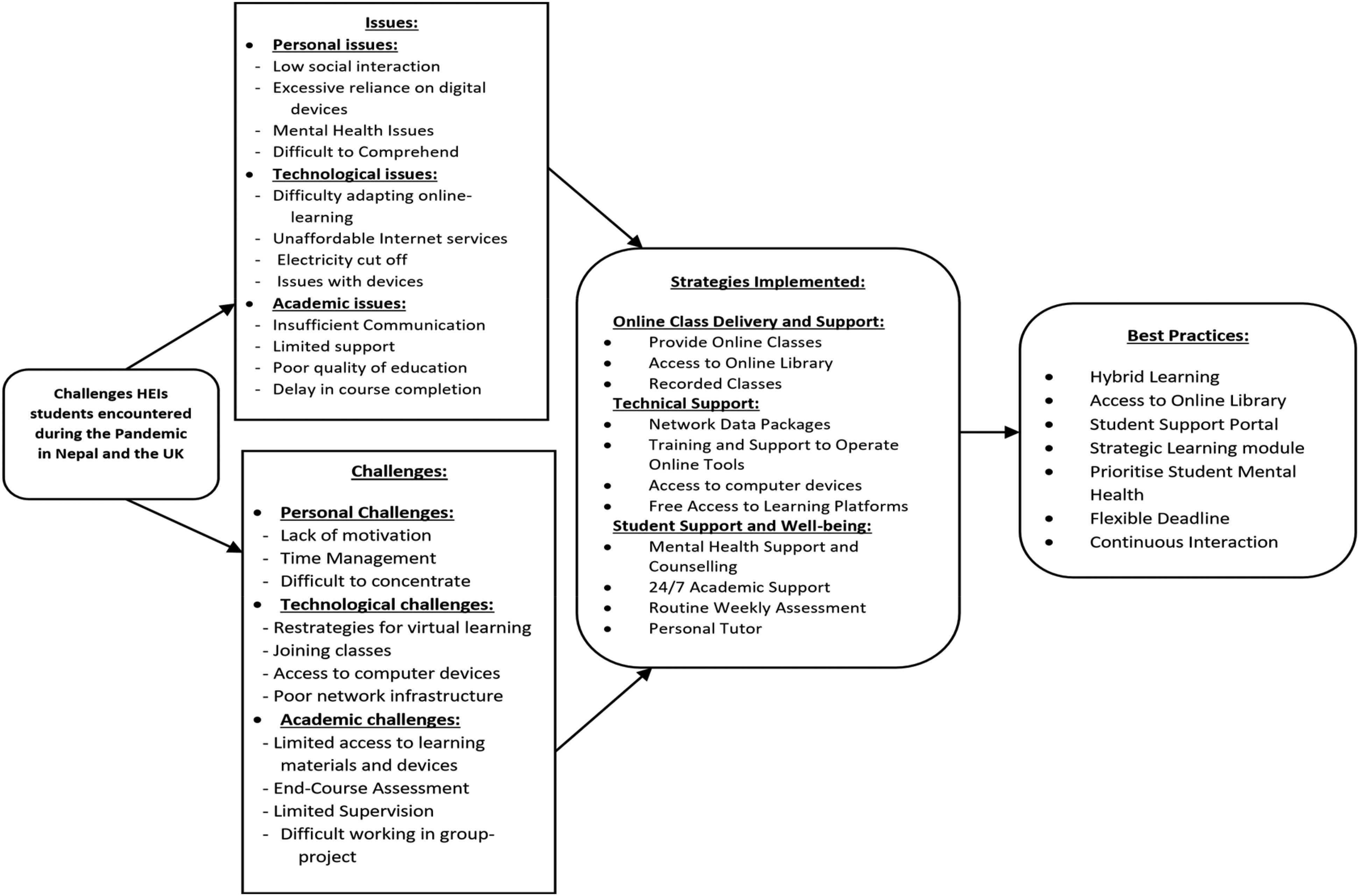
Conceptual model.
Proposed implications
Based on the findings and observations following implications are proposed:
Implications for government
The government must develop an effective implementation plan to overcome HEIs’ challenges during any unforeseen situation, such as a pandemic.
A clear vision and proper tools should be available to HEIs for the education learning system. It is best to involve stakeholders such as students’ parents and educators to formulate policies. By evaluating policies government can identify what is working best and what needs improvement for future policies.
The government ensures reliable internet connectivity for all educational institutions covering remote areas. There is a dire need to allocate a specific amount for upgrading the ICT electricity supply, hardware, etc.
The government must launch a digital literacy program for teachers, students, and staff to improve their hands-on skills in using technology in the education system.
Government should look for international and private sector collaboration for technical expertise and funding for ICT infrastructure. The government needs to promote research and innovation in the education system to stay well-informed about new tools in the education system.
Implications for higher education institutions
The HEIs must adopt versatile modes of learning to address the issue in emergencies such as the pandemic. HEIs need to explore new methods to improve the efficacy of courses, rotation of students for facilitating students in hybrid learning, and introduce new tools for online learning.
HEI should consider traditional modes such as radio broadcasting and television where there is limited infrastructure.
HEI needs to train teachers and parents about supporting students and needs to evaluate the performance of students and teachers practically for at-risk students who need additional assistance. Proper building and online platforms for these training and practices should exist.
Faculty should be provided with skills and expertise for effective online learning. There is no universal strategy we can learn from experiences of countries’ practices and approaches HEI can evaluate such situations and develop a midterm plan to overcome future challenges in the education system.
Implications for policymakers
HEIs must implement monitoring practices to bring change in the education sector by identifying the problem at the right time. Effective monitoring strategies help to get the timing correct information related to the implementation phase.
The insights gathered from evaluation emergency measures must be used to develop immediate strategies to build resilience in the education system. The strategies must be adopted during the pandemic and even in future emergencies.
It is best to involve all stakeholders, such as HEIs, students, and parents, to implement the strategies and improve the education system. It will develop a resilient education system to address any future emergency.
Conclusion and the way forward
The present study is a comparative qualitative exploitation of challenges developed and developing countries face during a pandemic. The findings revealed standard practices such as conducting online classes, providing access to online libraries and learning platforms, and offering academic and technical support. However, there were disparities in the level of support and resources available in both countries, with limited attention given to mental health support. The study highlighted the need for enhancing the ICT infrastructure in HEIs to ensure a smooth transition to online learning. Investing in reliable internet connectivity, upgrading computer labs, and providing necessary technological resources were suggested to improve the online learning experience. Training sessions for staff members on online teaching methodologies and technologies should emphasize enhancing their digital literacy skills. Furthermore, mental health support emerged as a crucial area requiring attention in Nepal and the United Kingdom. The suggestions were made to prioritize mental health services and counseling to address the well-being of students and establishment of comprehensive student support services to cater the diverse needs; reducing disparities in access to resources and support and fostering effective communication channels were also identified as important aspects for improving the overall student learning experience. The findings from the U.K. practices can serve as valuable references for developing countries. By considering the best practices and recommendations identified in this study, developing countries can enhance their educational practices and better cope with similar situations, ultimately improving the quality and accessibility of education for their students. Future research may be conducted using by quantitative approach, including various developed and developing countries’ HEIs students to get a broader perspective.
Footnotes
Declaration of conflicting interests
The authors declared no potential conflicts of interest with respect to the research, authorship, and/or publication of this article.
Funding
The authors received no financial support for the research, authorship, and/or publication of this article.

Author biographies