




Abstract
Karen Wambach recently retired from a distinguished career in nursing education and breastfeeding research in the United States, practicing her craft during the formative years of the field of lactation consulting. Her research focused on the description of biopsychosocial influences on breastfeeding initiation and duration, as well as interventions for promoting and supporting breastfeeding among vulnerable childbearing populations, for example, adolescent mothers. Her research career trajectory mirrors the development of breastfeeding research more broadly. She began with descriptive studies and theory testing, which included the development of the Breastfeeding Experience Scale quantifying early breastfeeding problems. She then moved on to randomized clinical trials of breastfeeding education/support for adolescent mothers, and finished her funded research using a multi-behavioral, technology-based education and support intervention to promote breastfeeding, healthy lifestyle, and depression prevention in adolescent mothers. As researcher and educator in a clinical science area, she has supported evidence-based practice and translational science through her work as lead editor of many editions of the textbook Breastfeeding and Human Lactation. She is a consummate teacher, having mentored many upcoming researchers during her teaching career, and directed the undergraduate nursing honors program and PhD program at the University of Kansas School of Nursing in the United States. She also believes in serving her profession and has been an active member of American Academy of Nursing, the Midwest Nursing Research Society, the Association of Women’s Health, Obstetric, and the Neonatal Nursing and the International Lactation Consultant Association, including serving on JHL’s Editorial Review Board for many years. (This conversation was recorded on October 14, 2022 then transcribed and edited for readability. EC = Ellen Chetwynd; KW = Karen Wambach)
Keywords
Interview
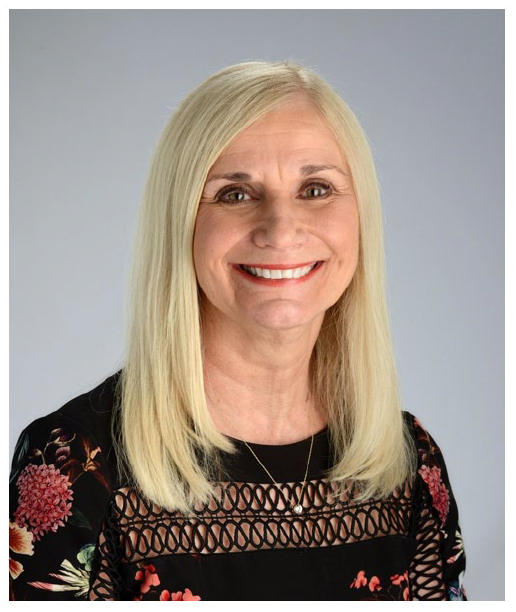
Ellen Chetwynd, PhD MPH BSN IBCLC
Your work has been a strong voice in the field of lactation research over the years. To frame our interview today, I’d like to hear your perspective on the field of lactation as you have participated in it over time, particularly your research, teaching, and advocacy.
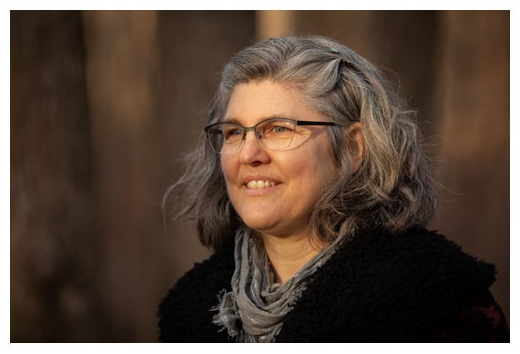
Karen Wambach, PhD, RN, FAAN
Everything is so intertwined as I think about it. I started my academic career (vs. clinical nursing practice) as a clinical instructor in maternity at the University of Kansas (KU) School of Nursing. I worked in clinical instruction at KU from 1992 to about 2002, so 10 years of my career was spent in clinical maternity instruction. Concurrently, I started my post-doctoral training research career in lactation/breastfeeding, which extended beyond that teaching role for the rest of my career.
The clinical instruction was more broad-based maternity care. I did clinical instruction in mother/baby and postpartum units for the Bachelor of Science in Nursing (BSN) program in maternal and infant care at several different hospital systems in the Kansas City bi-state metropolitan area. KU is the largest BSN program in the state of Kansas and is located in Kansas City, KS. As a border city, we affiliated with medical centers in Missouri as well Kansas. That really gave me a stepping-off point for my research in terms of garnering participants, mainly from those institutions. I recruited patients for research studies at KU, St Luke’s, and Truman Medical Center, a large tertiary center on the Missouri side of Kansas City. It serves low income, multiethnic patients, including my teen population. Most of the teens in my projects were from Truman Medical Center, and that’s where a lot of my advocacy work was focused, and the organizations that I collaborated with in those efforts, for example, the Maternal and Child Health Coalition of Greater Kansas City, were cross-border organizations.
So, is that where you first began to see your career move in the direction of breastfeeding? At KU?
Actually, it really goes back further than that. I started working in maternity nursing, labor and delivery, and mother–baby areas in the early 1980s. I received my BSN in 1981, and shortly thereafter we moved to the Phoenix area of Arizona. I worked in the Good Samaritan Health System in Phoenix, and that’s where I first had an opportunity to become a maternity nurse on labor and delivery and mother–baby. The units were quite separate in those days. It’s not like it is nowadays.
I also was interested in nursing education because I always wanted to be a teacher. At that time (1983–1984), breastfeeding initiation was probably closer to 60% in the United States, especially in places where I was working in Phoenix. There was much work to do to promote breastfeeding, and there was a growing emphasis nationally to do so. As a new maternity nurse, I could see the need for more support for mothers in the early postpartum period, especially in getting breastfeeding initiated and maintaining it. In terms of the lactation consultant profession, there really wasn’t a lot of formal lactation support in the hospitals. It was bedside nurses who were doing lactation support even though we lacked sufficient education in our BSN programs to make nurses thoroughly prepared. It was obvious that patients needed support and nurses needed education to help support mothers. So that’s how and where my interest developed—in the clinical setting. It was a clinical problem, and, as you know, research begins with a problem of some kind. That was the problem that I identified as what I really wanted to work in.
I can see how that would be really appealing for a career in nursing education because you saw this tangible gap in the education status of the nurses giving lactation support to breastfeeding parents.
At the time, there were nurses who stood out, who had personal experiences in breastfeeding and who sought other educational preparation, that is, continuing education to improve their nursing skills around breastfeeding support; but learning about how to support lactation was really in its infancy. Even in the perinatal area, breastfeeding support being offered by nurses was just beginning.
The more we understood that human milk and breastfeeding was protective to maternal and infant health, the more we knew, as nurses, we had to get better educated so we could provide the care that was needed. The first Surgeon General’s Report on Breastfeeding was in 1984 (United States Office of the Surgeon General, 1984) and was a stimulus to later breastfeeding promotion efforts (Wright & Schanler, 2001). While I was in graduate school, Healthy People 1990 (U.S. Surgeon General, 1980) was launched. Its breastfeeding initiation objective, aimed at improving policies in the United States, framed some of the context of my work when I moved to Tucson to get a master’s degree and then a PhD at the University of Arizona (U of A). My early research was about lactation consultant support. I had access to a kind of a natural experiment looking at the impact of lactation support in the hospital on mothers’ experiences, in a non-experimental way, during the first 4 weeks postpartum. So that became the subject of my master’s thesis. Then I went into the PhD program, which was very research intensive. U of A is a research institution (a doctoral university with very high research activity). There was a strong emphasis on theory, theory testing, and measurement when I received a pre-doctoral fellowship at U of A from the United States National Institute of Nursing Research (a center at that time).
Is that when you developed the Breastfeeding Experience Scale?
Yes.
Can you tell us about your line of thinking during that time? Was there something that was really driving this area of interest?
So many mothers were only able to maintain breastfeeding for a few weeks. If you could get to a month postpartum and still be breastfeeding, you were in good shape, but that didn’t always happen. The dovetail is that lactation consultants were giving support in that early period to help mothers get off to a good start. We knew that moms were weaning due to things like insufficient milk supply, and the discomforts of breastfeeding, like sore or cracked nipples. We knew about mastitis and how it impacted mothers’ experiences. At that time, the care women were receiving from medical providers wasn’t always the most appropriate type of care. Often women were counseled to discontinue breastfeeding because they had mastitis, or that kind of thing.
Breastfeeding problems were implicated in early breastfeeding cessation which really became an interest of mine. The Breastfeeding Experience Scale came out of the PRN nursing work and the measurement and instrument development work. That instrument was tested during my dissertation research. I used the Breastfeeding Experience Scale in my dissertation research. But the research was a much broader study of the Theory of Planned Behavior (Ajzen, 1991) looking at psychosocial, attitudinal, and perceived control and support for mothers who were making the decision to [breastfeed], and then actually initiating breastfeeding.
So that first big study included about 135 women to do a correlational study (Wambach, 1997). I looked at mothers’ experiences prenatally, and did measurements at baseline, then 4 to 6 weeks postpartum.
So, did that work give you any insight into women’s experiences?
The groups in my master’s study were non-equivalent and very small, about 15 participants in each group. I looked at the experiences that mothers had in that first few weeks postpartum based on whether they had received lactation consultant support, which gave me an idea about the qualitative differences in experience women had if they had received education and support in the hospital from a lactation consultant. So that drove me to look more closely at early breastfeeding experiences.
During my dissertation work, I was able to describe a little bit more about women’s attitudes and other psychosocial factors influencing their intentions to breastfeed, and their actual initiation and continuation of breastfeeding using the tools I’d developed. The biggest result that came out of that work was that the Theory of Planned Behavior was predictive of what women’s intentions were and what their actual behavior was in terms of breastfeeding. So that research was the basis of my work going forward (Wambach, 1997).
When I went to work at KU and started my own research program, I did some stepping back to explore mothers’ early experiences with breastfeeding more descriptively. This included a study on fatigue in the early postpartum period and another one looking at mothers’ symptoms during early mastitis symptomatology. Those publications served as a background to developing a proposal and receiving funding for an R01, which was a randomized clinical trial working with teenage moms.
During that period, I was looking at different primiparous populations, but I had a particular interest in teenagers because they really needed help if they were going to choose breastfeeding, and rates of breastfeeding among teen moms were very low. That vulnerable population of mostly low-income minority moms became the next step in the progression of my research, which moved from descriptive research and theory testing to a randomized controlled trial of education and support specifically aimed at breastfeeding intensions and behavior among teens.
Can you talk about the general state of breastfeeding research during that period of time when your research was rolling out?
There were a lot of nursing investigators doing descriptive research, but they weren’t alone in looking at breastfeeding. There was also breastfeeding research coming out of the fields of medicine and public health. Public health has always been interested in promoting and supporting breastfeeding; but, at the same time, advocates in the United States were really working to promote breastfeeding and to increase breastfeeding initiation and duration. The World Health Organization was trying as well. Breastfeeding research was becoming increasingly more prominent throughout the 1990s and into the early 2000s.
That’s the natural way things would happen. We really do start with descriptive research and work towards more sophisticated research based on evidence and theory. I don’t think that’s unusual about breastfeeding, but I lived through that. The last study I received funding for from the United States National Institute of Health (NIH) was through the United States National Institute of Child Health and Development for an interdisciplinary approach to multi-behavioral changes in teenage moms focusing on breastfeeding promotion and support, healthy eating, active living, and depression prevention. That study was a departure from what I had done in the past. My colleagues and I had worked together over a period of about 7 years doing pilot work and developing the intervention that came to be “Mom-Health” (Wambach et al., 2022).
Did you find that your participation in organizations or initiatives fed into your research perspectives?
I first became a member of the Association of Women’s Health, Obstetrics, and Neonatal Nurses because of my clinical work. I was active at the local level and eventually became active on the Research Committee at the national level too. It was later that I became a member of the International Lactation Consultant Association (ILCA), when I was preparing for the IBLCE (International Board of Lactation Consultant Examiners) exam in 1997.
I was very active on the Research Committee of ILCA and was the chair of ILCA Research Committee for several years following in Jan Riordan’s steps. Jan was very influential in terms of encouraging me to get active in ILCA on the Research Committee, and then later the Board of Directors for ILCA, doing Research and Special Projects from 2009 to 2012. Suzanne Campbell was my predecessor on the Research Committee, and she was also my predecessor on the Board of Directors. The Board of Directors position was very interesting. I learned a ton about how organizations run and how research fit into the structure of an organization. At that point there was quite a bit of emphasis within ILCA to improve the organization’s support for lactation-related research. I was involved in the strategic planning for the organization, and research and evidence-based practice was a big part of it. Many of the workshops that the ILCA Research Committee carried out at the annual conferences were related to evidence-based practice.
Can you speak to the intersectionality in your career between research, practice, and advocacy through professional organizations?
I think without professional organizations at the forefront, we would have difficulty supporting the whole idea of evidence-based practice. Professional organizations have the leadership to take a big picture view of the needs of the profession and how it might be improved, especially in terms of health care provision; and so, for anyone new to academia and teaching or research I’d recommend getting involved with the professional organizations because it can provide an outlet. I think it’s super important in the development of individual career goals.
You are the current Editor of Breastfeeding and Human Lactation (Wambach & Spencer, 2019), which is such an important text for our profession. Can you speak a little bit to the work of putting the book together and how it has evolved?
Well, Jan Riordan was the founding author and editor of that book, along with Kathleen Auerbach. They were both pioneers in the lactation consultant profession. The very first edition of Breastfeeding in Human Lactation was in 1993 and I began about 2000. I first worked on a chapter with my student, Wilaiporn Rojjanasrirat, before Jan asked me to be an editor. I was thrilled to be asked, and of course I wanted to. It was another piece of scholarship along with my research and teaching. Jan said she wanted to keep it in Kansas!
Since then, Becky Spencer has joined as an editor and is a welcome addition to the editorial team for the book. She’s a great writer and editor, lactation consultant, and advocate for breastfeeding. She was another very important student of mine, and through our collegial relationship, we have done very well together. So, it’s not just about being mentored, it’s about mentoring too, over the whole course of your career.
Where do you see yourself having had the most influence on the field of breastfeeding research?
I think my contribution is a composite of the work I’ve done. Mentoring others in breastfeeding research, which is part of being a scientist and an educator, has been the most personally satisfying. It provides a sense of accomplishment to work with students like Becky and Wilaiporn; but, in terms of the breastfeeding research itself, I think it’s instrument development. The Breastfeeding Experience Scale has been used around the world and has been translated into at least three languages: Chinese, Thai, and Farsi. And finally, I think grassroots advocacy was also important. I worked with the Kansas Breastfeeding Coalition to found High Five for Mom and Baby, which is a kind of a mini-Breastfeeding Friendly Hospital Initiative protocol supporting maternity staff in the hospitals in Kansas. So, research can really contribute to the work that advocates do in developing programs at the grassroots level. I really see my work as not just in breastfeeding research, but also teaching, advocacy, and involvement in professional organizations at the local and national level as well.
But I always felt that if you’re in a profession, especially if you’re doing research related to the lactation consultant profession, that you need to be involved with those who are at the forefront, doing the work. It was important for me to be involved in the local chapter of ILCA, helping with educational efforts for local nurses and IBCLCs, as well as national organizations.
You received federal funding for breastfeeding research. How do you think the United States government has changed in its funding of breastfeeding research? Or has it?
Early on, the United States National Institute of Nursing Research (NINR) funded a lot of nursing research related to lactation and breastfeeding. When I was funded by NINR for the R01, we called it the KU Teen Mothers Project. We purposely gave it a more general title to make it more appealing—for the funding organization, but also for the teens, because if they think you’re just going to focus on breastfeeding, they might be less interested in taking part in the study. That funding was hard to come by, but when it came, it was for $1,000,000 USD. I was considered an early investigator and NINR and other institutions knew that first time investigators didn’t always have a great deal of background evidence or data to support their proposal. I submitted that proposal three times before it was funded, and completed it between 2003 to 2007. The funding amount was considered large for nursing research. I believe funding has become more difficult to access. The process is more competitive and, across the different institutes, funding has become tighter. I don’t think we’re getting the same kind of federal funding that we did in yesteryears. Now, you must have a very strong research plan, good data, and background evidence to support the proposal. Significance and innovation are super important.
Do you have a favorite research project?
Well, I think that the R01, the KU Teen Mother’s Project was the pinnacle research of my career. It was the most time I’ve ever spent on a research proposal, and then carrying the project out over a 4-year period was challenging but valuable. I felt the population—teen moms—was an important one to reach. Our intervention was designed to be developmentally appropriate for teen moms between 15 and 18 years of age. We used developmental principles to create face-to-face classroom education founded on the Theory of Planned Behavior. The participants came in for two classes at KU, starting in their second trimester of pregnancy. Notably, we brought them to the Medical Center campus in limousines! Very exciting. The classes were broad in terms of topic areas but were designed to give teens a foundation of knowledge about what breastfeeding was, why it was important, and how to do it. It was meant to be very practical. One of the educators in the classes was a hospital-based lactation consultant who I had worked with for many years. She provided the education for the experimental group. The full intervention included education and then technical support and resources for the first 3 weeks postpartum. They received IBCLC support and breast pumps, and followed them out to 6 months postpartum, giving us long-term relationships with the young women who took part in the study. The experimental group had significantly longer durations of breastfeeding. Providing education and support appeared to modify attitudes, confidence, and breastfeeding intentions. Ours was the first randomized breastfeeding-related clinical trial in the United States for adolescent mothers or pregnant adolescents. I believe the intervention was successful due to our focus being on them as teen mothers, as special mothers, and the attention that we gave them.
Some of that special attention was adapted for the Mom Health Project, the multiple-behavior change study, by taking the education out of the classroom and onto the computer. We used some of the same principles and the same breastfeeding content and topic areas in weekly modules for the Mom Health Study, along with modules on nutrition and healthy eating, active-living and emotional self-care. Again, we focused on them being special because they were younger mothers who need extra support, that is, they don’t have all the same resources as older mothers. They’re still in school and have a lot of competing demands and challenges that go along with an unplanned pregnancy. So, again, it was providing specialized education and support that really made a difference.
Outside of research, do you have a favorite project from your career?
Well, I think that the work that we did to develop the Kansas High Five for Mom and Baby Program, funded by the United Methodist Health Ministry, was a favorite. The United Methodist Health Ministry is a large church-based organization that has funded many community-based health projects in Kansas. The High Five project provided education to nursing and medical staff on how to support moms in the post birth in-hospitalization. They worked with almost every hospital in Kansas, from the tiniest rural hospital to KU hospital, and they are all certified as High Five. Many of those hospitals went on to become Baby Friendly designated hospitals.
And what do you feel the biggest need is in breastfeeding research, education, advocacy looking forward?
I think that we’ve come a long way in terms of health care setting support for mothers, and the whole profession of lactation consulting has expanded exponentially over time. I think continued work on lactation support, both in and outside of the hospital, is paramount. The COVID-19 pandemic has been important in developing different ways to practice lactation consulting online. Using technology to deliver lactation care and support in different ways is important, thus making the whole lactation support system seamless from the hospital bedside to home when parents need support.
Thank you. Are there any words you’d like to say in closing?
To reiterate some of the points I made before about early career researchers in this field.
Get involved in professional practice, education, and research organizations, including lactation-breastfeeding focused organizations, like ILCA.
Publish as often as you can. Make it a priority.
Involve yourself in community, local, and regional efforts to advance breastfeeding promotion and support in the “real world.”
Footnotes
Author Contribution(s)
Disclosures and Conflicts of Interest
The authors declared the following potential conflicts of interest with respect to the research, authorship, and/or publication of this article: At the time of publication, Ellen Chetwynd was the Editor in Chief at the Journal of Human Lactation. The authors declared no potential conflicts of interest with respect to the authorship, and/or publication of this article.
Funding
The authors disclosed receipt of the following financial support for the research, authorship, and/or publication of this article: At the time of the interview, the interviewer held a paid position as the Deputy Editor in Chief for the Journal of Human Lactation.
