




Abstract
Purpose
To understand the distribution of healthy and unhealthy food stores and restaurants around historically Black colleges and universities (HBCUs) in South Carolina.
Design
DatabaseUSA and ArcGIS Pro were used to identify, classify, and map food stores and restaurants near each HBCU.
Setting
The study area included a 3-mile buffer radius around the eight South Carolina HBCUs.
Subjects
A total of 654 food stores and restaurants were identified within a 3-mile radius of the HBCUs.
Measures
Demographic data for each HBCU was collected from the National Center for Education Statistics. The food stores and restaurants were identified using Standard Industrial Classification (SIC) codes and descriptions, and they were classified using previous research methodologies.
Results
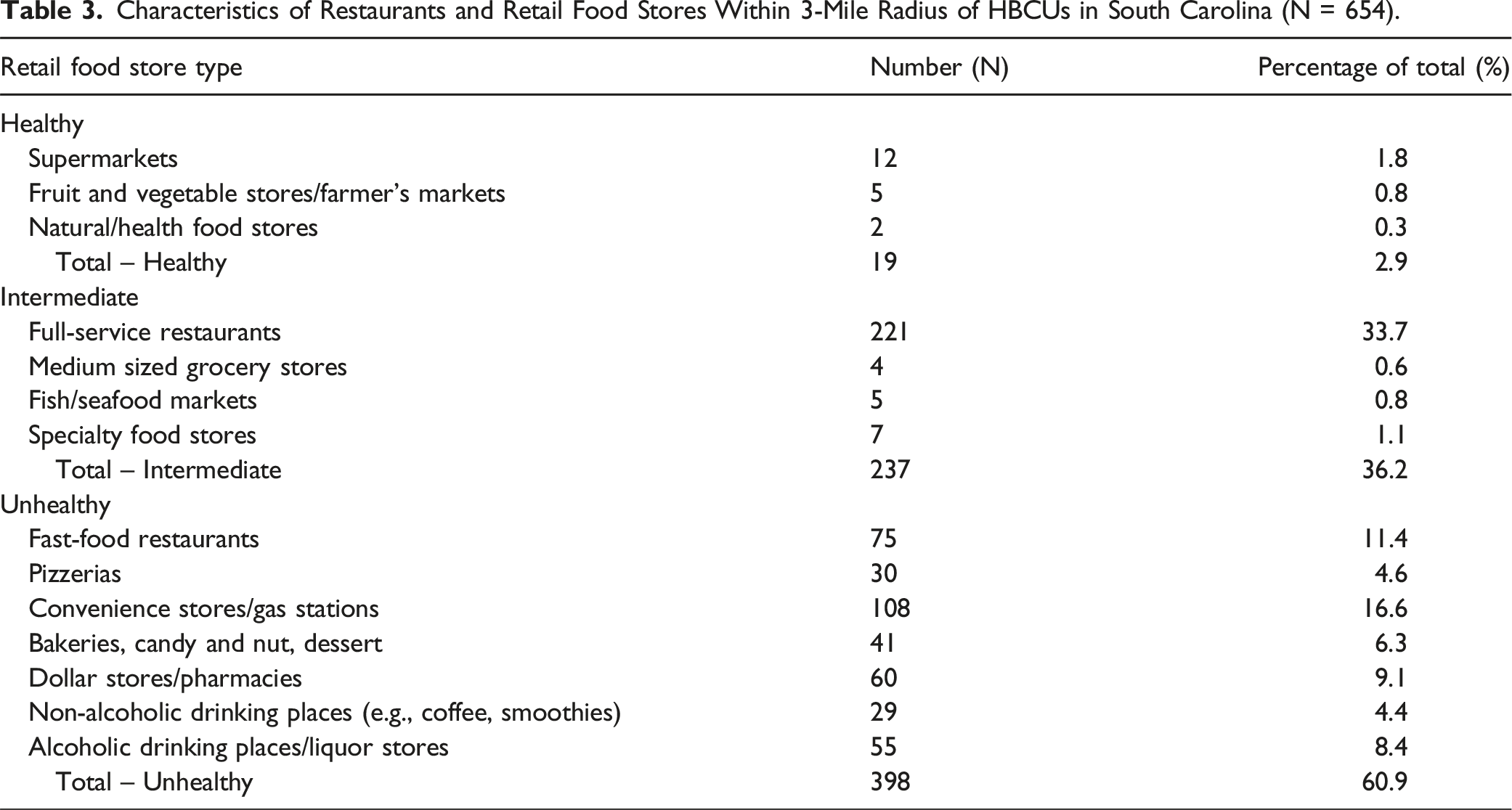
Based on the analysis, 19 (2.9%), 237 (36.2%), and 398 locations (60.9%) were classified as healthy, intermediate, and unhealthy, respectively. Within a 0.5-mile radius of the HBCUs, there were no retail food stores classified as healthy, followed by 14 (2.1%) and 23 (3.5%) retail food stores and restaurants that were classified as intermediate and unhealthy, respectively.
Conclusions
This study shows that most food options around South Carolina HBCUs are unhealthy and that few places are available to purchase healthy food. Eating well will be difficult in the current food environment. Increasing healthy options should be part of a comprehensive approach to promoting good nutrition.
Keywords
Purpose
Food insecurity, which is defined as a condition where access to adequate food is limited,
1
has emerged as a significant public health issue affecting people across the United States. Food insecurity goes far beyond simply being hungry. While hunger is a potential consequence of food insecurity, food insecurity is a complex issue that is influenced by a variety of economic and societal conditions that result in a consistent lack of access to healthy foods. Emerging research has investigated the impact of food environments on food insecurity. Food environments are broadly defined in terms of access to food in a community, neighborhood, or region, most notably in the form of food stores, restaurants, and public venues (e.g., schools, worksites, and public meeting places).2,3 Food environments have been shown to directly influence the prevalence of food insecurity. Healthy food environments provide and promote access to food and drink that is affordable and that contributes to sustainable healthy diets, while limiting the access and promotion of foods associated with unhealthy diets.
4
Meanwhile, unhealthy food environments lack access to healthy foods and consist of large numbers of unhealthy retail food stores and restaurants. These unhealthy food environments, which offer low-cost, poor quality foods, correspond to higher rates of food insecurity.5,6 Figure 1 illustrates the components of healthy and unhealthy food environments. Healthy and unhealthy food environments.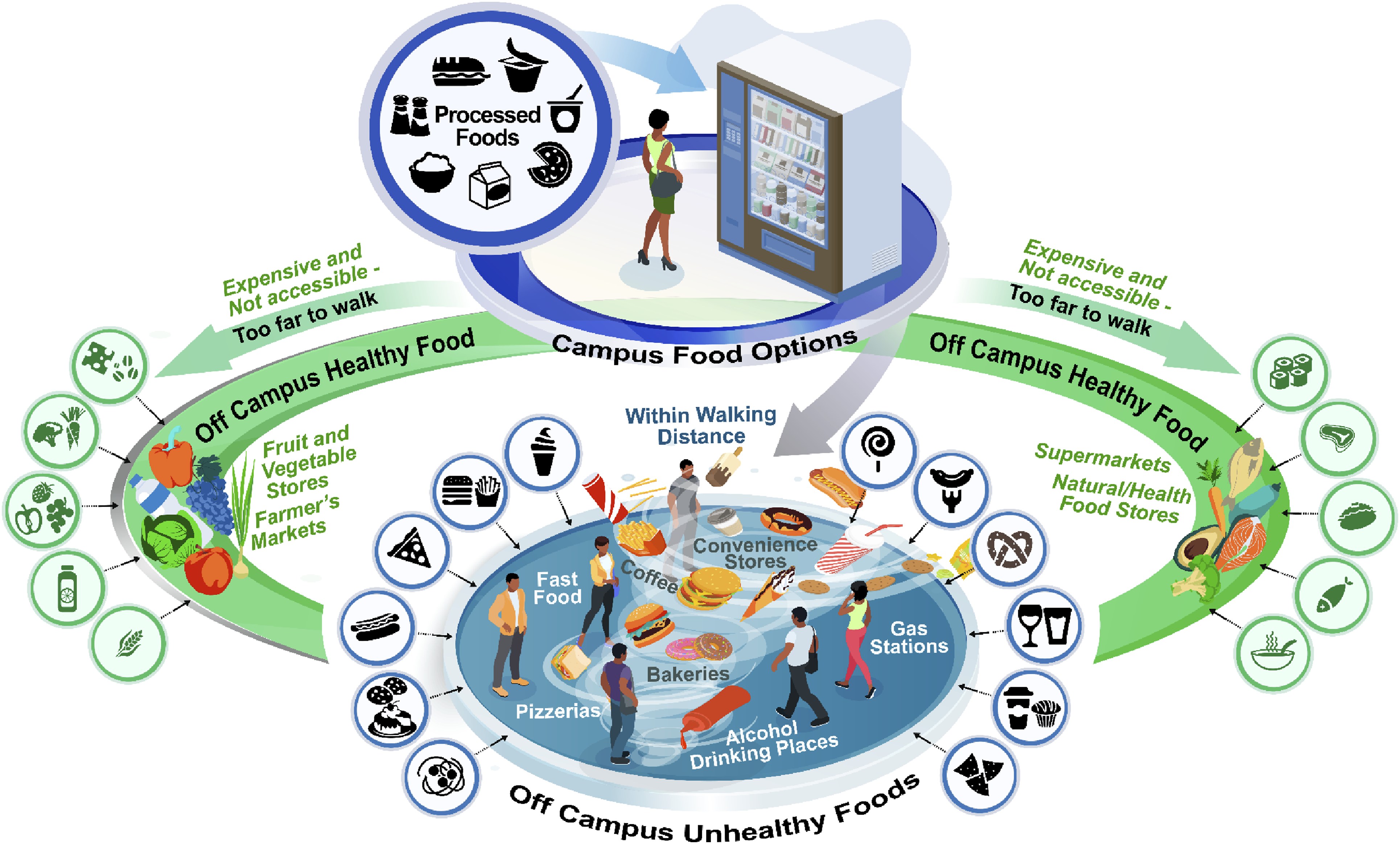
A recent study conducted by the United States Department of Agriculture (USDA) found that in the United States, 12.8%, or approximately 17 million households, are food insecure, while 5.1%, or approximately 6.8 million households, experience severe food insecurity. 1 Research has shown that rates of food insecurity are higher in low-income communities, communities of color (e.g., Black and Hispanic households), and areas with lower socioeconomic status (SES). 7 Areas with higher rates of food insecurity are consistently located in unhealthy food environments with low food access and an overabundance of unhealthy food options.7-9
The prevalence of food insecurity on college campuses is much higher, with recent studies reporting rates of food insecurity ranging from 34-52%.6,10,11 Along with the health issues associated with food insecurity, college students are also more likely to experience academic challenges, including lower grades, delayed graduation, difficulty completing their school work, and reduced class attendance.12,13 These students are also more likely to experience various mental health challenges, including increased substance use, suicidal ideation, and elevated levels of stress and depression.14,15 The prevalence of food insecurity also differs among colleges and universities. A study of colleges and universities throughout North Carolina found that food insecurity was twice as high for historically black colleges and universities (HBCUs) and three times as high for community college students (22.4% and 37.1%, respectively) than for predominantly white private universities (11.8%). 16
When evaluating the quality of food environments, researchers have commonly utilized the following categories: food store environments (supermarkets, grocery stores, convenience stores, specialty food stores, farmer’s markets, and community food pantries); restaurant food environments (fast food and full-service restaurants); home food environment (food that is available within the home); school food environments (cafeterias, vending machines, and on-campus snack shops); worksite food environments (cafeterias, vending machines, and snack shops); public facility food environments (cafeterias, vending machines, and available snack shops in and around a public facility); and macro food environments (national and regional food supply and availability).3,17 Researchers have shown that the food environment is an important determinant of health and can influence a variety of health outcomes, including obesity18,19 and diabetes. 20 Poor mental health has also been associated with local food environments. 21
For college students, particularly students of color, the food store environment and the restaurant food environment near campus play a significant role in their ability to access nutritious food and make healthy food choices. However, in South Carolina, peer-reviewed research on food insecurity has focused exclusively on rural populations, with a particular focus on the home food environment 22 and neighborhood social environments, 23 along with impacts to food insecurity related to the COVID-19 pandemic. 24 To the authors’ knowledge, no peer-reviewed research has been performed to investigate the food environment around colleges and universities in South Carolina, particularly HBCUs. This study aims to evaluate the restaurant and food store environments around the HBCUs in South Carolina. Therefore, the objective of this paper is to characterize the restaurant and food store environments around the HBCUs in South Carolina by classifying the food retail stores and restaurants that surround these universities. Understanding the restaurant and food store environments around HBCUs in South Carolina is an important first step in guiding the decision-making related to on-campus food offerings and community-wide interventions, as well as supporting the development of healthy food environments that are necessary to improve the health outcomes of HBCU students.
Methods
Setting
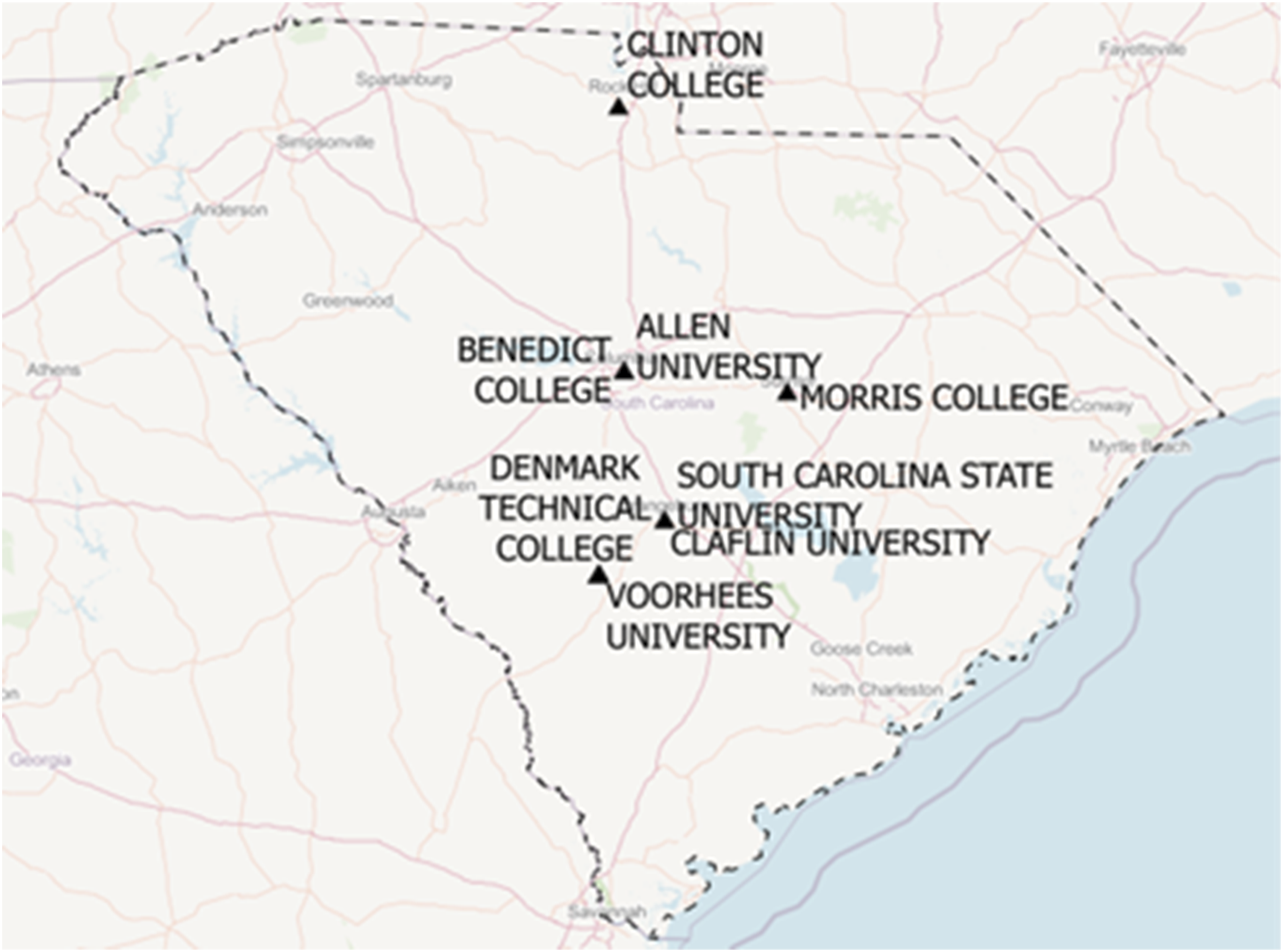
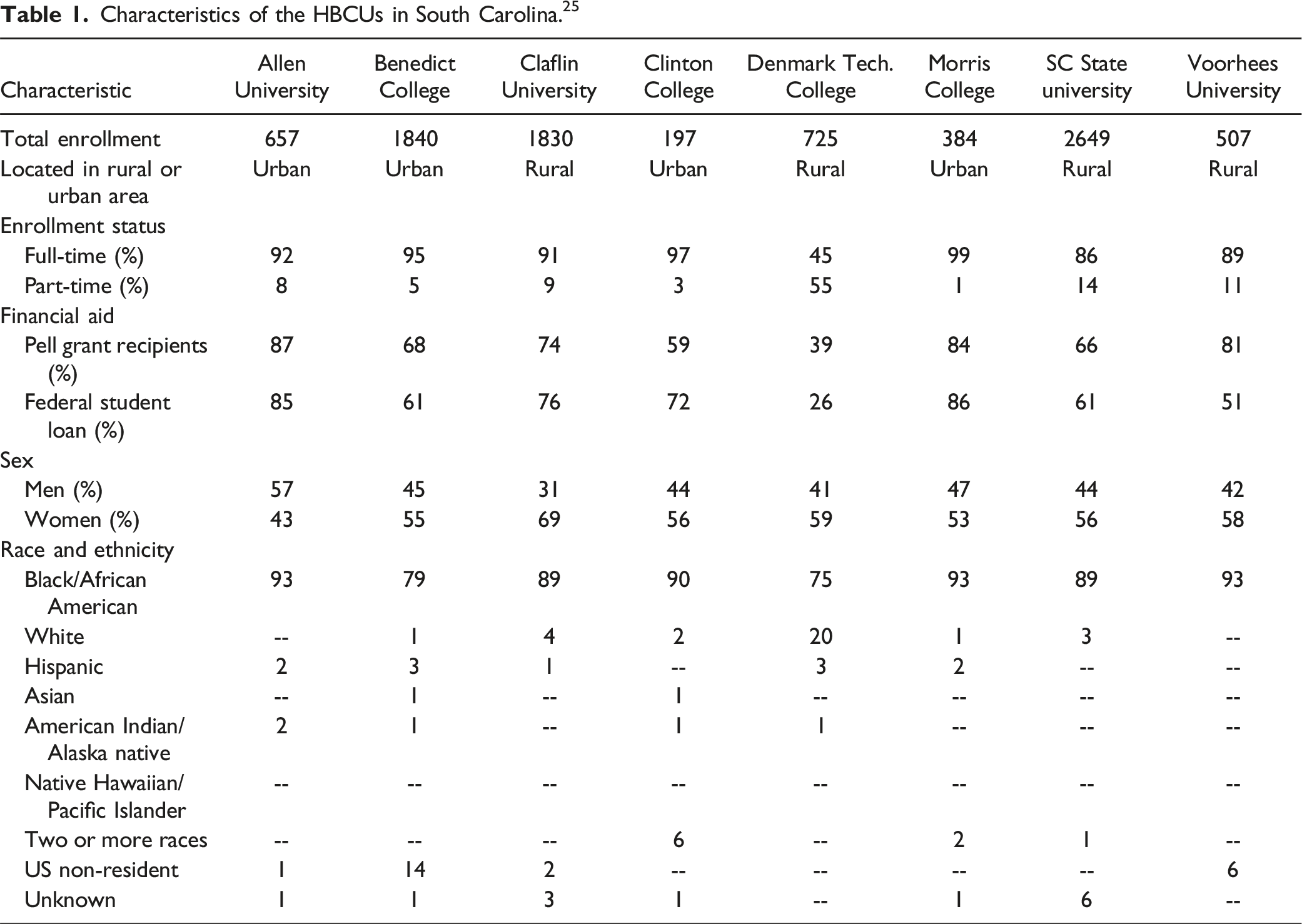
This study examined the food environment surrounding the eight South Carolina HBCUs. Figure 2 provides the locations of the HBCUs in South Carolina. As of 2022, these HBCUs serve approximately 8789 students.
25
The HBCUs with the largest student populations are South Carolina State University (2,469), followed by Benedict College (1,840), Claflin University (1,830), and Denmark Technical College (725). The population at these HBCUs primarily consists of underrepresented students. The majority of the students are Black (86%), followed by international (4%), white (4%), and non-white Hispanic (1%). Table 1 provides additional information on the student populations at these HBCUs. Geographically, these HBCUs are located in areas that are either classified as “urban” or “rural”, as defined by the USDA. The USDA utilizes a definition of urban that identifies “urbanized areas” (i.e., areas with a population of 50,000 or more) and “urban clusters” (i.e., areas with a population between 2500 and 50,000); thus, areas that do not meet this criteria are classified as “rural”.
26
Based on this definition, four HBCUs are located in urban areas (Allen University, Benedict College, Clinton College, and Morris College), while the other HBCUs are located in rural areas (Claflin University, Denmark Technical College, South Carolina State University, and Voorhees University). Due to the proximity of the schools, the radii around several HBCUs significantly overlapped, and the analysis was combined. Map of HBCUs in South Carolina. Characteristics of the HBCUs in South Carolina.
25
Design
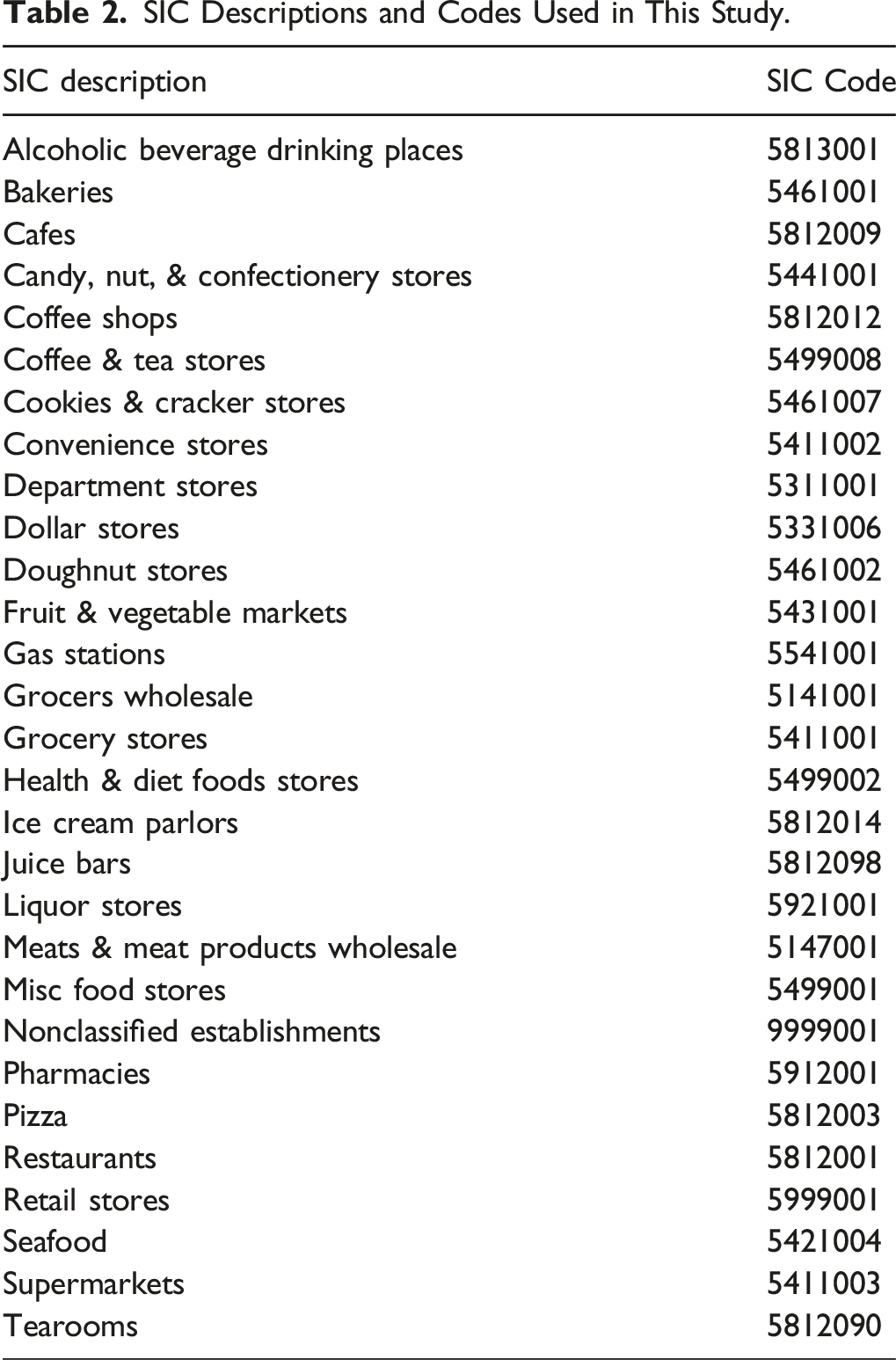
SIC Descriptions and Codes Used in This Study.
Analysis
The quality of a food environment is often defined by the access and availability of fresh food.2,3 Healthy food environments are characterized by the presence of supermarkets, grocery stores, and restaurants that offer healthy food options, such as fresh fruits, vegetables, and whole grains. On the other hand, unhealthy food environments consist of an overabundance of fast-food restaurants, convenience stores, and other stores that primarily offer food with high fat, sodium, and sugar content. 28 Moreover, researchers have also defined unhealthy food environments in terms of adverse health outcomes, such as obesity and impact to body-mass index (BMI).5,29 Identifying and classifying the food stores and restaurants that surround these HBCUs are essential steps in examining their corresponding food environments.
Based on the methodology used in previous food environment characterization studies,28-30 the restaurants and retail food stores were placed into 14 categories: (1) Supermarkets (chain and non-chain); (2) Fruit and Vegetable Stores/Farmer’s Markets; (3) Natural/Health Food Stores; (4) Full Service Restaurants; (5) Medium-sized Grocery Stores; (6) Fish and Seafood markets; (7) Specialty Food Stores; (8) Fast-food Restaurants; (9) Pizzerias; 10) Convenience Stores and Gas Stations; 11) Bakeries, Candy and Nut, and Dessert Stores; 12) Dollar Stores and Pharmacies; 13) Non-alcoholic drinking places (e.g., coffee, smoothies); and 14) Alcoholic Drinking Places and Liquor Stores. For descriptive purposes, the categories were combined and classified as “healthy” (1-3), “intermediate” (4-7), and “unhealthy” (8-14).28,29
The locations of the HBCUs, along with the coordinates (i.e., latitude and longitude) of the restaurants and retail food stores, were uploaded in ArcGIS Pro as point files. Then, a “Near Analysis” (using the ArcGIS Pro Geoprocessing tool) was performed to find the geodesic distance between each food store and the appropriate HBCU. Then, the ArcGIS Pro Buffer tool was used to create 0.5-mile and 3-mile buffers around the schools as displayed in Figure 3. Map of restaurants and food stores near HBCUs by classification: (a) Benedict College and Allen University (HBCUs); (b) Denmark Technical College and Voorhees University; (c) Claflin University and South Carolina State University; (d) Morris College; (e) Clinton College.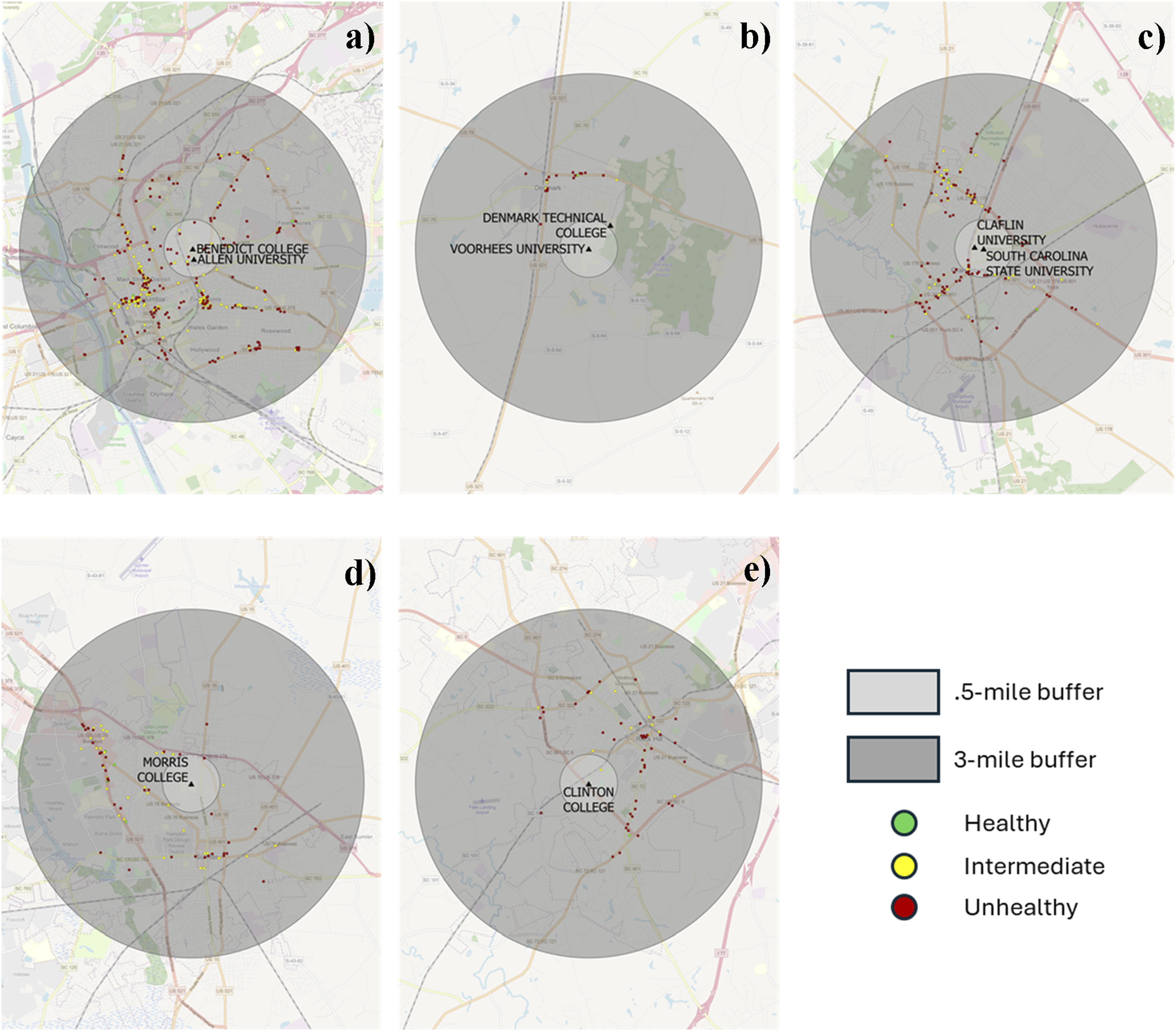
Results
Characteristics of Restaurants and Retail Food Stores Within 3-Mile Radius of HBCUs in South Carolina (N = 654).
Classification of Restaurants and Retail Food Stores Within a 0.5-Mile Radius and a 3-Mile Radius of HBCUs in South Carolina.
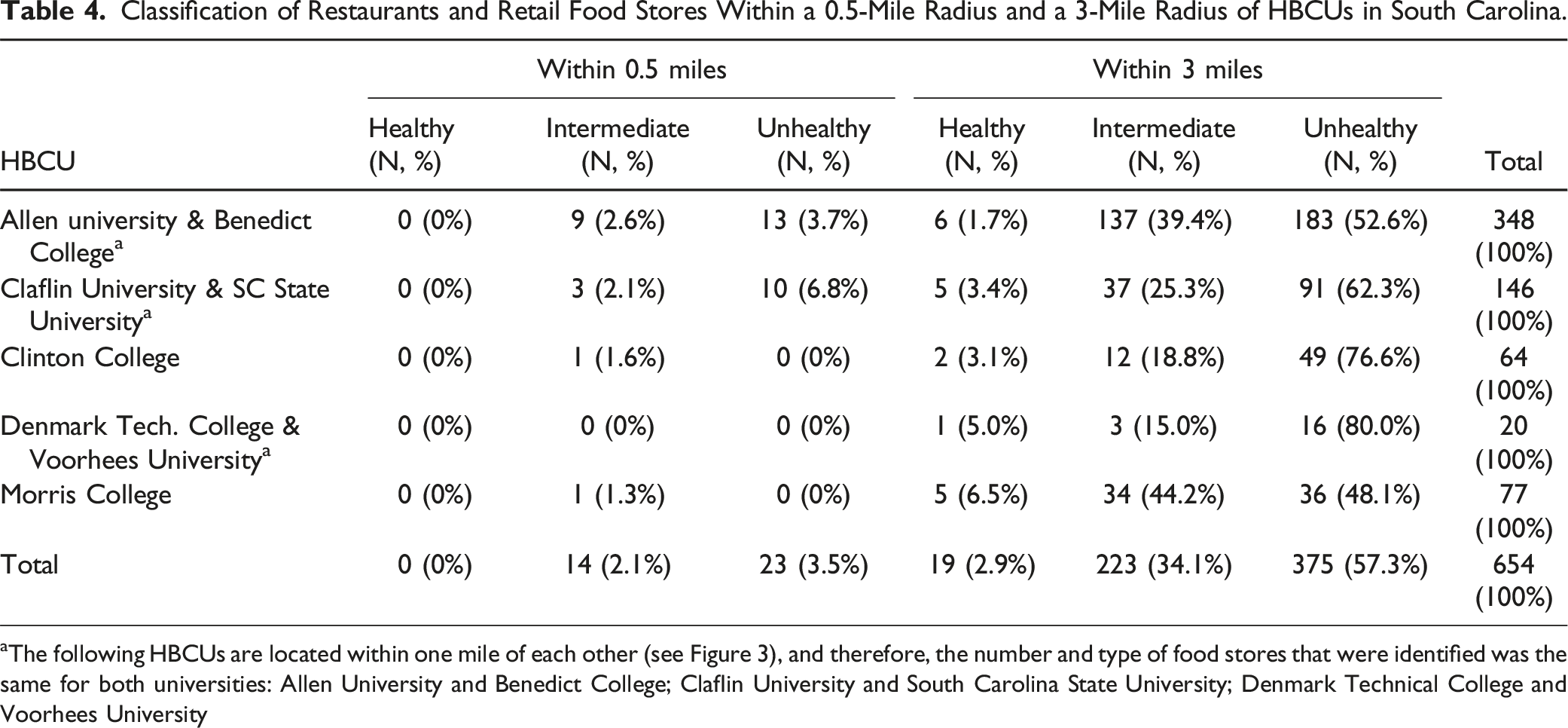
aThe following HBCUs are located within one mile of each other (see Figure 3), and therefore, the number and type of food stores that were identified was the same for both universities: Allen University and Benedict College; Claflin University and South Carolina State University; Denmark Technical College and Voorhees University
Most places within a 3-mile radius of these schools were classified as “unhealthy” (57.3%). Denmark Technical College and Voorhees University had the highest percentage of places classified as “unhealthy” (80%; n = 16), followed by Clinton College (76.6%; n = 49), Claflin University and South Carolina State University (62.3%; n = 91), Allen University and Benedict College (52.6%; n = 183), and Morris College (48.1%; n = 36). With respect to places classified as “intermediate”, Morris College has the highest percentage (44.2%; n = 34), followed by Allen University and Benedict College (39.4%; n = 137), Claflin and South Carolina State University (25.3%; n = 37), Clinton College (18.8%; n = 12), and Denmark Technical College and Voorhees University (15.0%; n = 3). While the overall number of places classified as “healthy” was low (n = 19; 2.9%), Allen University and Benedict College had the highest number (n = 6; 1.7%), followed by Morris College (n = 5; 6.5%), Claflin University and South Carolina State University (n = 5; 3.4%), Clinton College (n = 2; 3.1%), and Denmark Technical College and Voorhees University (n = 1; 5.0%).
Discussion
While research has been conducted to examine healthy and unhealthy food environments,5,23,31 few studies have examined food environments around colleges in the United States, particularly HBCU campuses. In this study, the results show that 399 out of 655 locations (60.9%) were classified as unhealthy, with the highest number being convenience stores (109) and fast-food restaurants (75). These findings are similar to results found in a similar study by Vilme et al., 2022, which investigated the food environment around HBCUs in North Carolina. Although restaurants were not included, their study found that the majority of food places (76%) around HBCUs in North Carolina were unfavorable and that all the places within walking distance of the HBCUs were convenience stores. 32 This finding is significant because the types of available food options have been shown to influence an individual’s overall physical and mental health. For instance, several studies have found correlations between poor food environments and increased cardiovascular disease, 33 obesity, 31 and diabetes. 30 Moreover, poor food environments have also been associated with a wide variety of mental health impacts, including increased stress levels, 23 depression,34-36 anxiety,34,36 and psychological distress. 37 Furthermore, an individual’s dietary choices are also impacted by the surrounding food environment. The food options that college students can access often play a role in their ability to develop and sustain healthy eating habits and nutritional behaviors. 38 Studies have shown that the intake of fruits and vegetables among Black residents increased as the number of supermarkets in the surrounding food environment increased.39,40 Conversely, the intake of less healthy, energy-dense foods increased with greater access to unhealthy food options.17,39,41
Less favorable food environments have been reported for rural communities throughout the United States.18,22 While the placement of these HBCUs in rural or urban areas influences the overall number of food stores and restaurants in their food environment, it does not appear to influence the distribution of the types of food options available to these students. For instance, the highest percentage of places classified as unhealthy was found in Denmark Technical College and Voorhees University (80.0%), which is in a rural county, followed by Clinton College (76.6%), which is in an urban area. Furthermore, the highest number of places classified as healthy are located around Allen University and Benedict College (6), which is in an urban area, followed by Claflin University and South Carolina State University (5), located in a rural area, and Morris College (5), located in an urban area.
One contributing factor to the types of food options available to students at HBCUs appears to be its proximity to a predominately white institution (PWI). As shown in Figure 4, Allen University and Benedict College are located within 1 mile of the University of South Carolina at Columbia (USC-Columbia), a PWI (63.9% White; 27.9% Black/African American; 5.3% Hispanic) with an enrollment of 35,590 students, while Morris College is approximately 2 miles away from the University of South Carolina at Sumter (USC-Sumter), a PWI (59.1% White; 23.5% Black/African American; 6.1% Hispanic) with an enrollment of 1502 students. The food options around these HBCUs are more evenly divided between places classified as intermediate and unhealthy than the other HBCUs in South Carolina. For instance, around Morris College, 44.2% of the places are classified as intermediate, and 48.1% are classified as unhealthy. Meanwhile, around Allen University and Benedict College, 39.4% of the places are classified as intermediate, and 52.6% are classified as unhealthy. In contrast, the other HBCUs have much higher percentages of unhealthy food options (62.3-80.0%) and much lower percentages of intermediate options (15.0-25.3%). Comparison of adjacent PWIs and HBCUs - (a) USC-Columbia (PWI) & Benedict College and Allen University (HBCUs); (b) USC-Sumter (PWI) & Morris College (HBCU).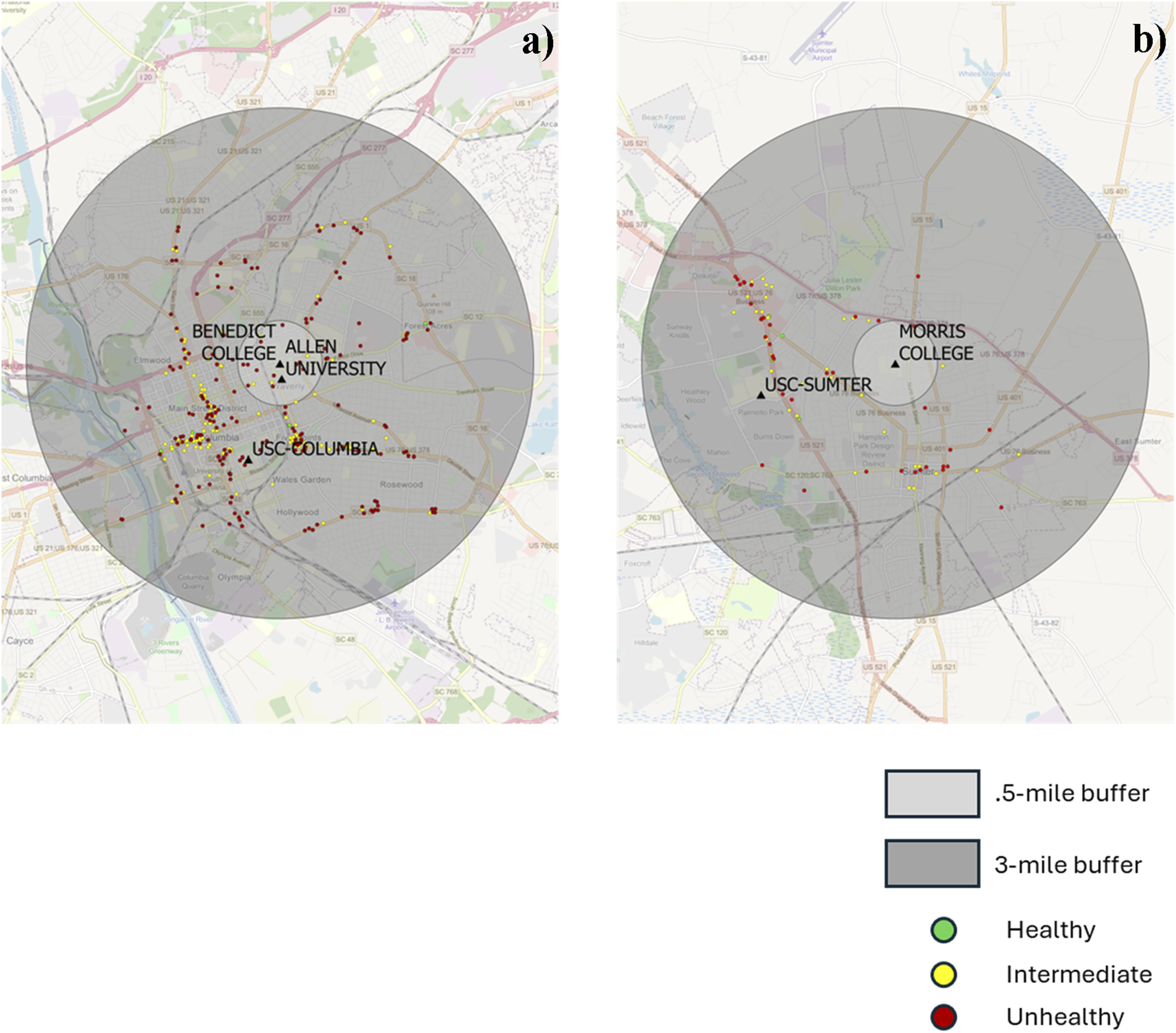
Comparison of Food Environment Around Adjacent PWIs and HBCUs in South Carolina.
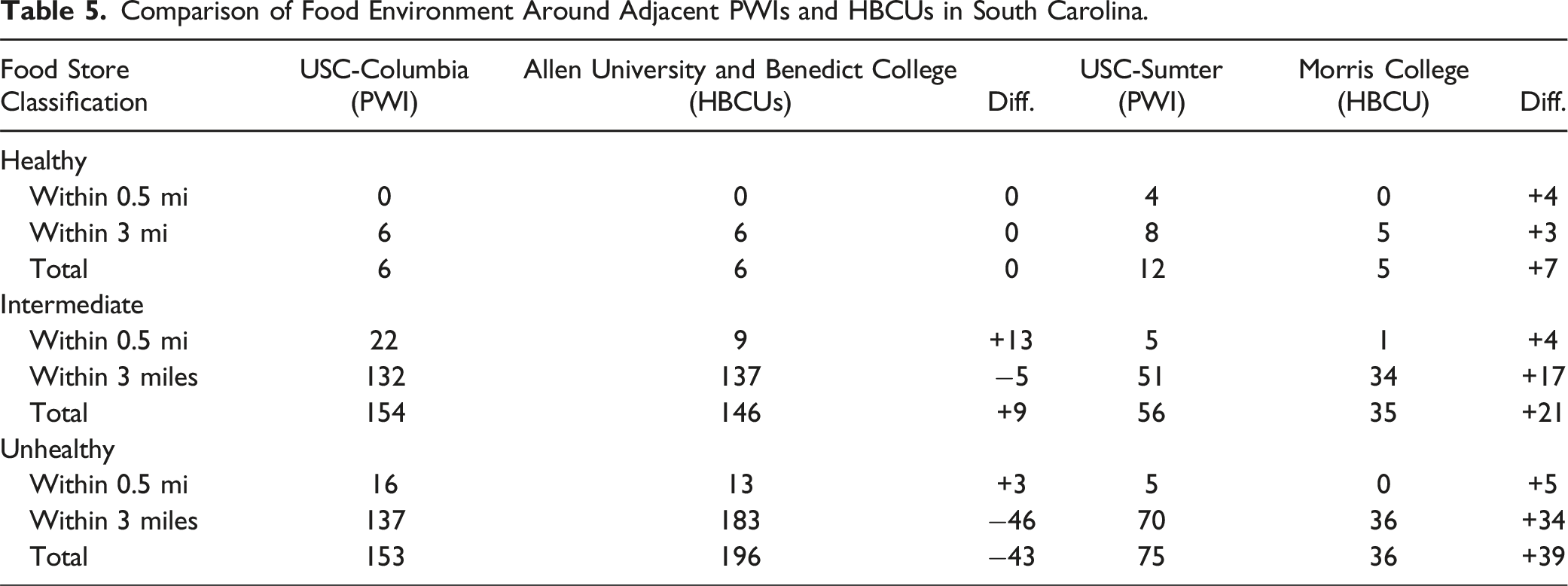
For instance, when comparing the areas around USC-Columbia and Allen University and Benedict College, a much higher number of unhealthy food places are located near Allen University and Benedict College, while USC-Columbia had more intermediate food places in its food environment. However, the same number of healthy places were found near these universities. While there were no healthy places within 0.5 miles of these schools, USC-Columbia has 2.4 times as many intermediate places, along with a slightly higher number of unhealthy places, as the HBCUs within 0.5 miles of its campus. Meanwhile, when comparing the areas around USC-Sumter and Morris College, the differences were much greater. There were over twice as many healthy places near USC-Sumter than Morris College, along with greater numbers of intermediate and unhealthy places near USC-Sumter. When examining the food environment within 0.5 miles of these schools, Morris College has one (1) intermediate place for food, while USC-Sumter has four (4) healthy places, five (5) intermediate places, and five (5) unhealthy places. This finding suggests that students at USC-Sumter have a robust food environment within walking distance of its campus. Overall, students at Morris College had significantly fewer options for healthy and intermediate food options than students at USC-Sumter. These findings are consistent with previous research that has shown that PWIs throughout the United States consistently have more favorable food environments than HBCUs.32,42 Thus, for HBCUs, being near a PWI will potentially result in improvements to their food environments.
Although the need for a healthy food environment is important for all students, it is particularly critical for students at HBCUs. These students are predominantly Black students, many of whom have limited access to transportation, do not have a steady income, and come from low-income families. Researchers have also found connections between unhealthy food environments and food insecurity for college students.5,9,43 The ubiquity of unhealthy food stores and restaurants around HBCU campuses often cause these students to rely on stores that have less healthy foods, such as dollar stores (e.g., Family Dollar and Dollar General), convenience stores, and fast-food restaurants, thus contributing to higher levels of food insecurity.
Limitations
There are some limitations that exist with this study. For instance, a radius of three miles was used as the buffer distance around the HBCU campuses for accessing food by HBCU students. As a result, places beyond this distance were not included in the analysis. In many instances, students may have access to transportation and be able to travel farther than three miles to obtain food. In other instances, students may not be able to travel up to three miles. As a result, it would be challenging to identify the specific distance that would represent the limits of travel for the students. Moreover, the analysis done in this study only considered stationary, brick-and-mortar businesses. While these businesses are the most common means by which students purchase food, in recent years, mobile markets and food trucks are becoming more prevalent, and they can potentially offer students additional healthy food alternatives. Furthermore, many cities are initiating programs that would make food and grocery delivery services more accessible to students and low-income households, which would also increase their access to healthy food options. Along with these limitations, this study does not provide an extensive comparison between HBCUs and PWIs in South Carolina. Although the focus of this study is on the specific context related to HBCUs, the results clearly demonstrate the influence of PWIs on the food environment. An understanding of the differences in the food environments for HBCUs and PWIs may provide additional insight into the factors that influence the quality of the food stores and restaurants surrounding HBCUs.
Conclusions
This study characterized the food environment around the HBCUs in South Carolina by identifying and classifying the retail food stores and restaurants that surround these universities. The results of the study show that most food options around these HBCUs are unhealthy and that few places were available to purchase healthy food. While research related to the food environment around HBCUs is limited, the results were consistent with previous studies that have evaluated HBCUs and other predominantly Black communities. Availability and access to healthy food options are key factors for supporting healthy eating habits and confronting high levels of food insecurity. While limitations are present in this study, university officials and administrators can use these initial findings to develop strategies to improve the food environment around HBCUs in South Carolina.
Along with this study, more research is needed to fully understand the experience of students at HBCUs. This research would include an evaluation of the on-campus food environment at these HBCUs, which would provide a complete picture of the food options available to these students. Moreover, research is needed to understand the impact of the food environment on the physical and mental well-being of HBCU students. Detailed studies are needed to quantify the prevalence of food insecurity at these HBCUs and to elucidate its connection to the surrounding food environment. Overall, the findings in this study highlight the need to further investigate the factors and influences on the surrounding food environment at these HBCUs and the dietary choices made by these students. Higher rates of food insecurity have been reported for college students, particularly students at HBCUs, and researchers have shown that the food environment contributes directly to the prevalence of food insecurity. However, little research has been done to examine the food environment around college campuses. This article characterizes the restaurant and food store environment around the HBCUs in South Carolina and shows that most food stores and restaurants around these colleges are unhealthy and that very few food options are available within a 0.5-mile radius of these campuses. These findings suggest that health promotion practitioners need to develop strategies to improve the food environment around these HBCUs to provide healthier food options. These results also highlight the need for researchers to evaluate the on-campus food environment at these HBCUs.So What?
What is already known on this topic?
What Does This Article add?
What are the Implications for Health Promotion Practice or Research?
Footnotes
Declaration of Conflicting Interests
The author(s) declared no potential conflicts of interest with respect to the research, authorship, and/or publication of this article.
Funding
The author(s) disclosed receipt of the following financial support for the research, authorship, and/or publication of this article: The Kroger Foundation and the United Negro College Fund's Institute for Capacity Building.
