




Abstract
The global environmental crisis challenges churches and parachurch groups to provide effective creation care education. There are few theory-based and practical approaches enabling Christians as global citizens to respond constructively to this crisis. This article reports the outcomes of an applied research project to design and trial an arts-based experiential workshop which enabled evangelical Christians to connect creation care practice more deeply to their faith. The workshop template is suitable for churches and parachurch groups.
Introduction
Changes to the global environment evidenced by severe droughts, resurgent bushfires, extreme flooding, biodiversity loss, pollution, and waste are disproportionately impacting those in the developing world today. Central to the Christian call is the command to love God and to love our neighbors as ourselves, but this can only happen when we take action to ensure a healthy and flourishing environment for our physical, mental, emotional, and spiritual needs (Moo, 2016, pp. 31–32). Furthermore, the Scripture “tells that creation is beautiful, fashioned by God for us to inhabit and rejoice in, and designed to stimulate our worship of the Creator” (Moo & Moo, 2018, p. 190).
My research focused on evangelical Christians using David Bebbington's (1989) accepted definition of the term evangelical. Some sections of the Protestant Church, including those who identify as evangelical, remain tied to Neo-Platonic dualism that elevates the spiritual over the physical and therefore see “saving souls” as the priority of mission (Snyder and Scandrett 2011, pp. 8–9, 127). These beliefs have become ingrained in Scripture interpretations, resulting in some evangelical Christians having antagonistic attitudes toward care for creation (Bookless, 2008, pp. 12–15). As Bauckham and Hart (1999) state, “this less-than-Biblical view continues in parts of the evangelical church today, and as a result, some fail to recognize the intrinsic responsibility to care for all God has made” (p. 2). Consequently, the Christian view of salvation has fallen short of an all-encompassing eschatological hope of the renewal of all things (Rev 21:1–2).
On this view, the current global environmental crisis is seen by some Christians as a sign Jesus is returning soon. Others think the Bible doesn’t say much on creation care, or that God is in complete control with no need to be concerned. Others feel overwhelmed by the pessimistic narrative about the planet's future, which inhibits them from taking action (Corner et al., 2015, pp. 523–524). These narratives are of particular concern to millennials (born between the early 1980s and late 1990s) as shown in the Tearfund Climate Report (2022) on the attitudes of young Christian adults (aged 20–40 years) to climate change/creation care. It found that “across the Church in Australia there are mixed levels of engagement with the issue of climate change and a concern that its relative silence is alienating young people from mainstream church” (p. 9). The survey found that 86% of young Christians want action to address climate change, and 75% think creation care should be an essential part of the church's mission (Tearfund Climate Report, 2022, pp. 11, 18). The survey authors also interviewed church leaders and found many felt responsibility to care for the earth but did not put this into practice due to insufficient knowledge or resources. They were hesitant to preach on this topic due to a lack of Biblical knowledge, while some did not think caring for creation related to mission. Moreover, only 26% of church leaders surveyed agreed that caring for the earth should be an essential part of the gospel (Tearfund Climate Report, 2022, pp. 19–21). This is an important finding as Chandler (2021) argues that in accordance with “the biblical mandate to care responsibly for creation, Christian educators and church pastors are in a unique position to influence their respective communities by developing and teaching values and practices that promote creation care” (p. 112).
It is important Christians acknowledge how Neo-Platonic dualistic beliefs and Enlightenment developments have deeply influenced Biblical interpretation and humanity's relationship with nature. As Bookless (2019) writes, Christians need to “[c]onsciously resist the gravitational pull of these Hellenistic assumptions which have so shaped the Western theological tradition” (p. 18). They need to understand “the degree to which anthropocentric assumptions are so much more deeply rooted in the theological tradition than in the Bible” (Bookless, 2019, p. 18).
These misinterpretations can be challenged, for example, by acknowledging that Genesis 2:17, 19 reminds us that humans and nonhumans are interconnected as all share God's living breath, and thus are “inherently valuable [to God] irrespective of their usefulness, either to humanity or within an ecosystem” (Bookless, 2019, p. 168). Furthermore, as Moo and Moo (2018) state, “creation is not just the stage on which the [human] story of redemption takes place; creation is a key actor in that story” (p.171).
Thus, my research aimed to address some of these challenges by asking: What features of an arts-based experiential workshop are most likely to lead to a transformative holistic awareness of creation care for evangelical Christians to more fully integrate their faith with creation care?
To answer this question, I designed, trialed, and tested a 1-day workshop. The methodology selected was Educational Design Research (EDR) because it is “grounded in the belief that useful educational research cannot be disconnected from the challenges and complexities of everyday practice” (Steketee & Bate, 2013, p. 270). Its cyclical method of design, trial, data collection, and evaluation enabled the researcher to demonstrate which workshop features had potential to answer the research question. The end goal was to produce a workshop template that could be effectively used by churches, Bible colleges, and parachurch groups.
My Story
About 10 years ago, I started removing invasive weeds from a small area of land near our home in the Adelaide Hills in South Australia. I wanted to enable local native plants to flourish. One day while I was removing a particularly large clump of weedy grass, I discovered hiding underneath was a small indigenous plant with a mass of dainty yellow flowers (Prickly Guinea flower). At that moment, the following thoughts came to mind, These invasive grasses represent the destructive practices that have occurred in Australia since the British settlers arrived. As a result, God's creation has been oppressed, invaded, and destroyed. It is struggling to survive but God hasn’t given up on it because he loves it and will continue to sustain it, as evident by the resilience of the Prickly Guinea flower. But if God's creation is to be restored and sustained, it needs the help of us humans.
I felt these were God's words, and God was asking me to speak out and act against this injustice, but also that God had entrusted me with a responsibility to pass on this vital message to evangelical Christians. Initially, my family and I adopted a low carbon footprint lifestyle. Later we downsized and moved to live in an intentional eco-community realizing creation care is much more than recycling and changing lightbulbs, common practices which do little to address the environmental crisis.
I also decided to examine the pillars on which my evangelical faith was based and to think through the Biblical, moral, and ethical reasons why Christians are called to care for God's creation. I concluded it was unlikely many of my evangelical Christian friends would have “an ecological conversion experience” like mine, nor would they be able to follow my example of taking time for formal study. Furthermore, providing them with appropriate Biblical passages would not necessarily lead to change. I was aware there were very few approaches that had successfully moved evangelical Christians to actively care for creation and so I considered what research would address this gap. This led me to complete a Doctor of Ministry.
Literature Review
The workshop design and content were based on scholarly studies that discussed reasons why much of the Protestant Church, in particular evangelical Christians, appear to hold an indifferent attitude to creation care (Bookless, 2008, pp. 11–16). I also reviewed literature on why and how the arts can act as a transformative catalyst to overcome barriers and cognitive biases (Warren, 2013, pp. 26–27; McIntosh, 2013, p. 6; McGregor, 2012, p. 321). As Warren states, “as multisensory, multifaceted forms of expression, arts-based methods can enable transformative learning by generating rich insights through unlocking unconscious ideas, feelings or memories, and producing new awareness beyond existing cognitive frames” (p.26).
I reviewed the theories of Mezirow on Transformational Learning (Mezirow, 2012, pp. 73–96), Kolb on Experiential Learning (McLeod, 2013, n.p), Knowles on Adult Education (Taylor & Hossam, 2013, pp. e1561–1572), Bandura on Social Learning (Bandura, 1997, pp. 3–5) and Community of Practice (Wenger-Trayner & Wenger-Trayner, 2015, p. 1–2). Based on these theories and my own experience, I determined that the pedagogical approach for the workshop would be a mix of collaborative and individual experiential/arts-based activities and cognitive content but weighted to the experiential (McIntosh & Warren, 2013, p. 6).
I also recognized the importance of including an Australian Indigenous perspective, as Prentis states, Christians must be willing to learn “from Aboriginal peoples as leaders, ecologists, environmentalists, theologians; learning from millennia of practices of stewardship and sustainability; learning from the God-appointed ancient hosts of these lands now called Australia, including our knowledge of the Creator” (Prentis, 2021, p. 20).
Methodology
Education Design Research (EDR)
The EDR methodology (originally called Design-based Research) enabled the workshop design to be created, tested, and refined using a series of iterative cycles. Figure 1 demonstrates how the cycle starts with a theory-guided design of the concept, which is then implemented and tested (Fraefel, 2014, p. 9). The responses to the design (data) are collected and analyzed, allowing the design to be modified and retested. The cycle is then repeated. This ongoing process can run through several cycles until “a satisfying balance between ideas (‘the intended’) and realisation have been achieved” (Plomp, 2010, p. 13).
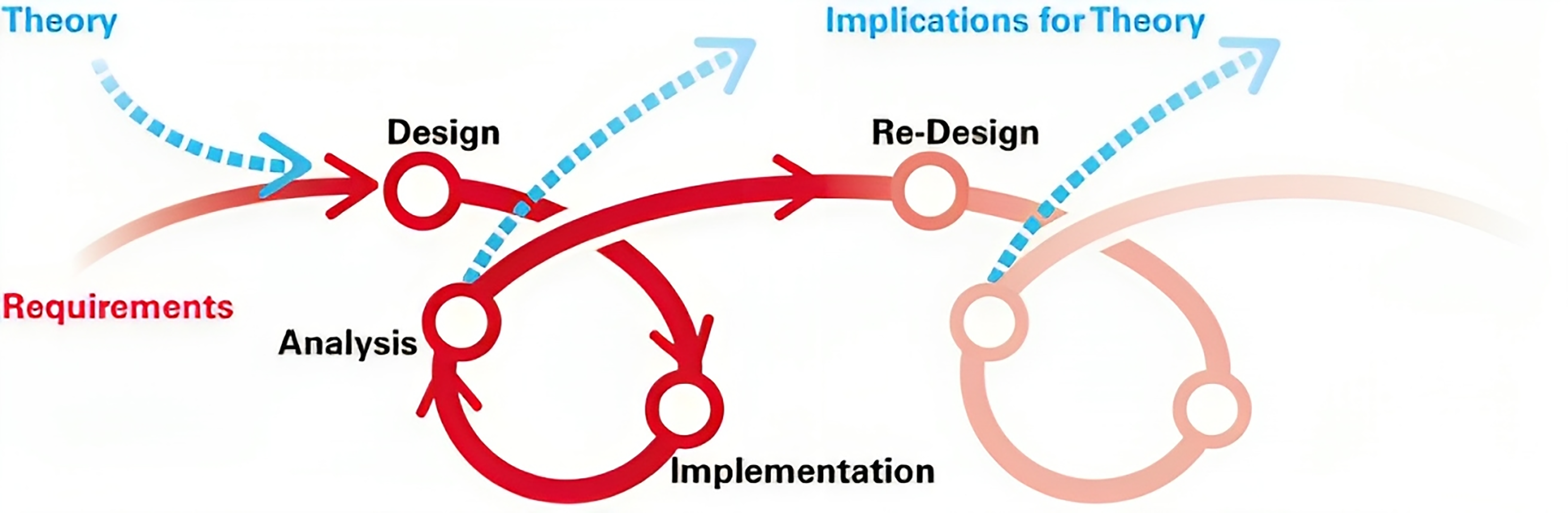
EDR process of innovation.
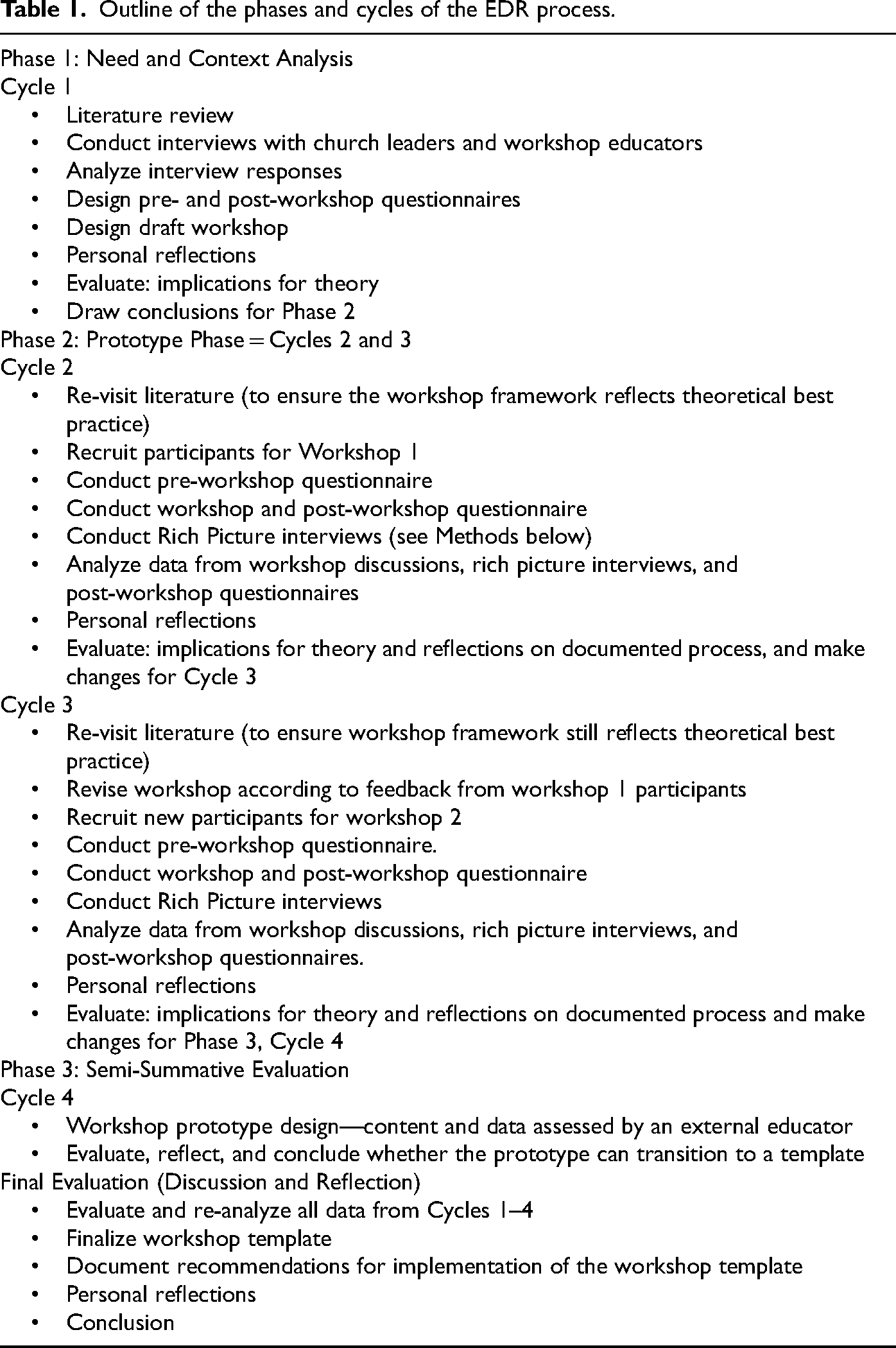
For this project, the cyclical process comprised three phases and a total of four cycles. During Phase 1, Cycle 1, I conducted semi-structured interviews with 20 church leaders from selected evangelical churches and eight workshop educators (four Christian and four non-Christian) to obtain information to assist in the workshop design and content. I wanted to assess the theological and practical knowledge/awareness of church leaders regarding creation care. The results demonstrated what I had assumed from personal experience and research evidence—most had a limited grasp of this topic (Tearfund Climate Report, 2022, pp. 19–21). I also informed them of the workshop and asked if they were willing to advertise it via their church media. Most agreed. It was during this phase I also reviewed literature to find the most appropriate tools, content, and structure for the initial workshop prototype design.
During Phase 2, Cycles 3 and 4, I trialed this prototype, collected and analyzed data, modified aspects following participant feedback, and checked the literature review to ensure the workshop framework reflected theoretical best practice. Phase 3, Cycle 4, the semi-summative evaluation, followed this, where an external educator assessed the workshop's theoretical background, design, implementation, and results. Following this report, I made additional changes and concluded the workshop prototype, which had reached a stage where it could be considered a workshop template (Plomp & Nieveen, 2013a, p. 34). The educational theories and the reviewed literature were both a precursor to and importantly, an integral part of the research. These phases and cycles are detailed in Table 1 below.
Outline of the phases and cycles of the EDR process.
The Workshop
The Design
The workshop's aim was to find pedagogical approaches that would both challenge and encourage participants to grasp a deeper understanding of the Biblical basis for creation care to apply in their lives. The theological content was chosen from scholars generally considered in high regard by evangelical Christians.
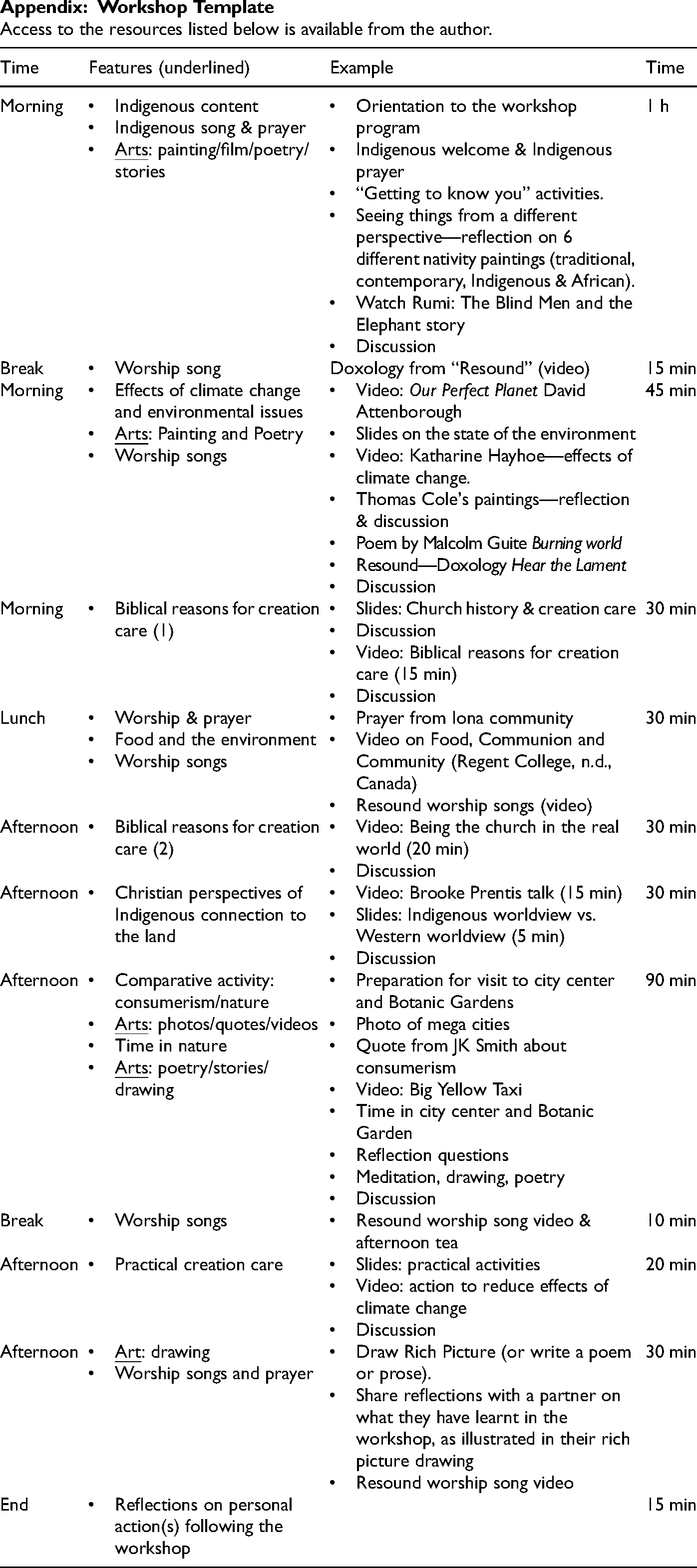
The literature review had demonstrated that arts have the capacity to bring about transformative learning. Considering this, I interwove the arts with cognitive information and experiential methods to address the Biblical reasons and practice of creation care, Indigenous understanding of country, and the consequences of climate change. After much consideration, I chose the following features for the workshop:
Arts—paintings/sculpture, poetry, creative videos, and drawing Indigenous connection to the land A comparison between a visit to a shopping mall and a natural setting Biblical reasons for creation care Environmental crisis, including the effects of climate change Practical creation care Worship songs and prayer Organic food and the environment.
The one-day workshop also included times of discussion, reflection, worship, and informal interaction during breaks. Thus the learning was collaborative, with the capacity to encourage curiosity, challenge entrenched beliefs, and lead to transformative discoveries.
Methods: Measurements and Outcomes
The methods used to assess whether the features of the workshop design had answered the research question were pre-and post-workshop survey questionnaires, covering theology, faith, creation, lifestyle, and workshop activities. Another valuable method was the use of Rich Pictures which involved each participant drawing images/symbols on the workshop features they had found most helpful (Guillemin, 2004, p. 272, elabor8, n.d). This was followed soon after the workshop by a semi-structured interview. Further methods included my own reflections and participant's comments conducted during Phase 2, Cycle 2 (Workshop 1). I also conducted a short assessment 6 months after the workshop. The collected data were analyzed, and outcomes were documented.
Following the EDR iterative process, participant-recommended changes were employed in Phase 2, Cycle 3 (Workshop 2). These were minor changes relating to the workshop structure rather than content, for example, more discussion times and moving the visit to Rundle Mall in the Central Business District of Adelaide (the capital of South Australia) and the nearby Botanic Gardens to the afternoon instead of the morning. Data from the two workshops was reviewed and compared, with outcomes documented.
To ensure the production of a high-quality educational and practical workshop template, I assessed the design and outcome using three criteria (Plomp & Nieveen, 2013b, p. viii). These were:
Relevance (content and construct validity): Is there a need for the workshop? Is the workshop's design based on state-of-the-art knowledge? Is it logically designed? Practicality: Is the workshop realistically usable in the settings for which it has been designed and developed? Effectiveness: Does the workshop design meet the desired outcomes and answer the research question?
The first criterion was assessed during Phase 1, Cycle 2: The Needs and Analysis Cycle, and the second during Phase 2: Cycle 2 (first workshop) and Cycle 3 (second workshop). The external educator in Phase 3, Cycle 4, evaluated all three criteria.
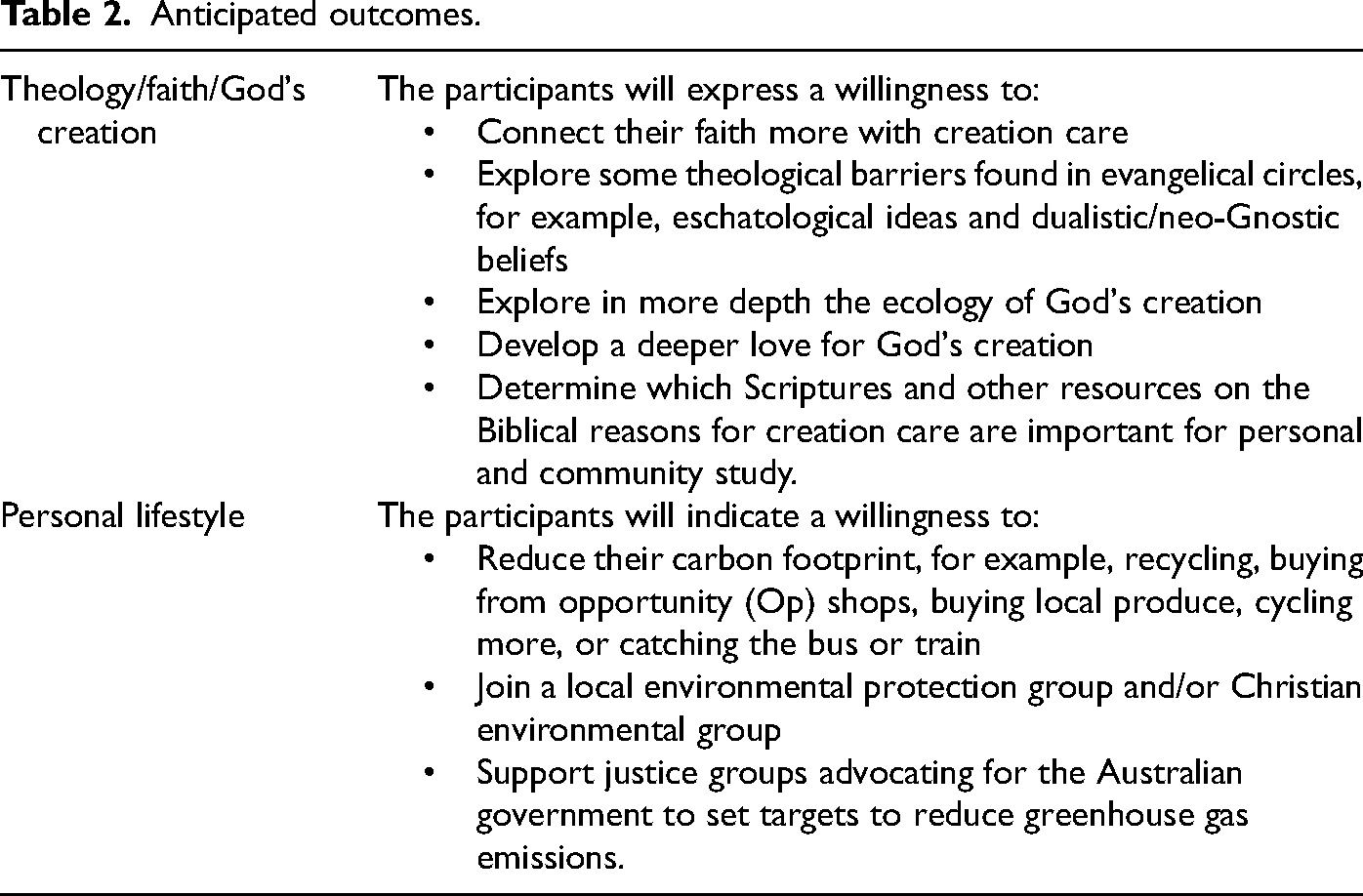
As the research focus was to identify features that would “most likely” lead to transformative change, I developed a set of anticipated outcomes. These were measured using the Rich Picture drawings with accompanying interviews, the post-workshop questionnaire, and an interview 6 months after the workshop. These outcomes assessed changes in the theological knowledge and practical activities of the participants and are detailed in Table 2.
Anticipated outcomes.
I also used two behavioral change models. The first, the Behavior Wheel Change Model, identifies three essential conditions that can bring about individual behavioral change: capability, opportunity, and motivation (Michie et al., 2011, pp. 1–11). The second model was the Stages of Change Behavior Model, with its six stages: Pre-contemplation, Contemplation, Preparation, Action, Maintenance, and Relapse (La Morte, 2022, n.p). These models were used to assess the degree to which participants were able to more fully integrate their Christian faith with creation care practice.
Workshop Practice
The participants had learnt about the workshop via their church leaders, church media, Facebook groups, or friends in Adelaide. All expressed a love for God's creation. Some had participated in creation care activities, and others were very concerned about the environmental crisis. However, the majority had not heard their church minister preach about the Biblical reasons for creation care.
The pre-workshop questionnaire results provided helpful data on the participants’ attitudes, knowledge, and practice of the Biblical reasons for creation care. I used some of this information to choose appropriate content for the workshop.
The workshop was held on a Saturday, from 9.30 a.m. to 5:00 p.m., in a central Adelaide church hall. A local cafe provided delicious organic morning/afternoon tea and lunch. The expenses were covered by a small grant.
The first workshop was held in October 2021 with 12 participants (nine women and three men) and the second in March 2022 with eight participants (five women and three men). Their ages ranged between 25 and 62 years, with most under 50 years of age. Even though COVID-19 restrictions were less severe in South Australia than in other Australian States, it did mean some who were keen to participate chose not to attend.
Outcomes
In conducting the data analysis, I found qualitative rather than quantitative data provided more valuable descriptive explanations. Anderson and Shattuck (2017) confirm this: unlike quantitative studies, most Design Based Research studies do not produce measurable effect sizes that demonstrate “what works”. However, they provide rich descriptions of the contexts in which the studies occurred, the challenges of implementation, the development processes involved in creating and administrating the interventions, and the design principles that emerged. (p. 22)
Pre- and Post-Workshop Questionnaires
I compared and analyzed data from the pre- and post-workshop surveys to assess any changes in the knowledge, attitude, and practice of the participants. For many of the statements presented, there was little or no change between the pre- and post-workshop responses. However, the most notable change was in response to the statement: As the earth's climate is controlled by God, we do not need to take any action responding to climate change, which showed half the participants disagreeing with this statement in the pre-workshop questionnaire but all disagreeing in the post-workshop questionnaire. The statement I would like to be an advocate on climate change issues showed half the participants agreeing in the pre-workshop questionnaire but all agreeing in the post-workshop questionnaire. As these two statements relate to action to mitigate the effects of climate change, I consider that they demonstrate there had been change in the knowledge, attitudes, and behavior of the participants on this topic.
There were some differences in the post-workshop survey results between the participants in each workshop when asked to rank which features they had found most helpful. In Workshop 1 all participants gave each selected workshop feature a rating of 4 or 5 (5 = highest score). However, in Workshop 2, only three features received a high rating: the contrast between Rundle Mall and the Botanic Gardens; the Biblical reasons and practice of creation care; and action on climate change. The other features received slightly lower ratings. I do not think these results necessarily indicate that the Workshop 2 participants had found these other features less effective, as they all demonstrated changed practices and new theological concepts in their Rich Pictures and at the 6-month post-workshop interviews.
Rich Pictures Interviews
Rich picture interviews were analyzed using the following categories:
Workshop features that helped participants to more fully integrate their faith with creation care New or changed theological/personal insights and New or changed practices.
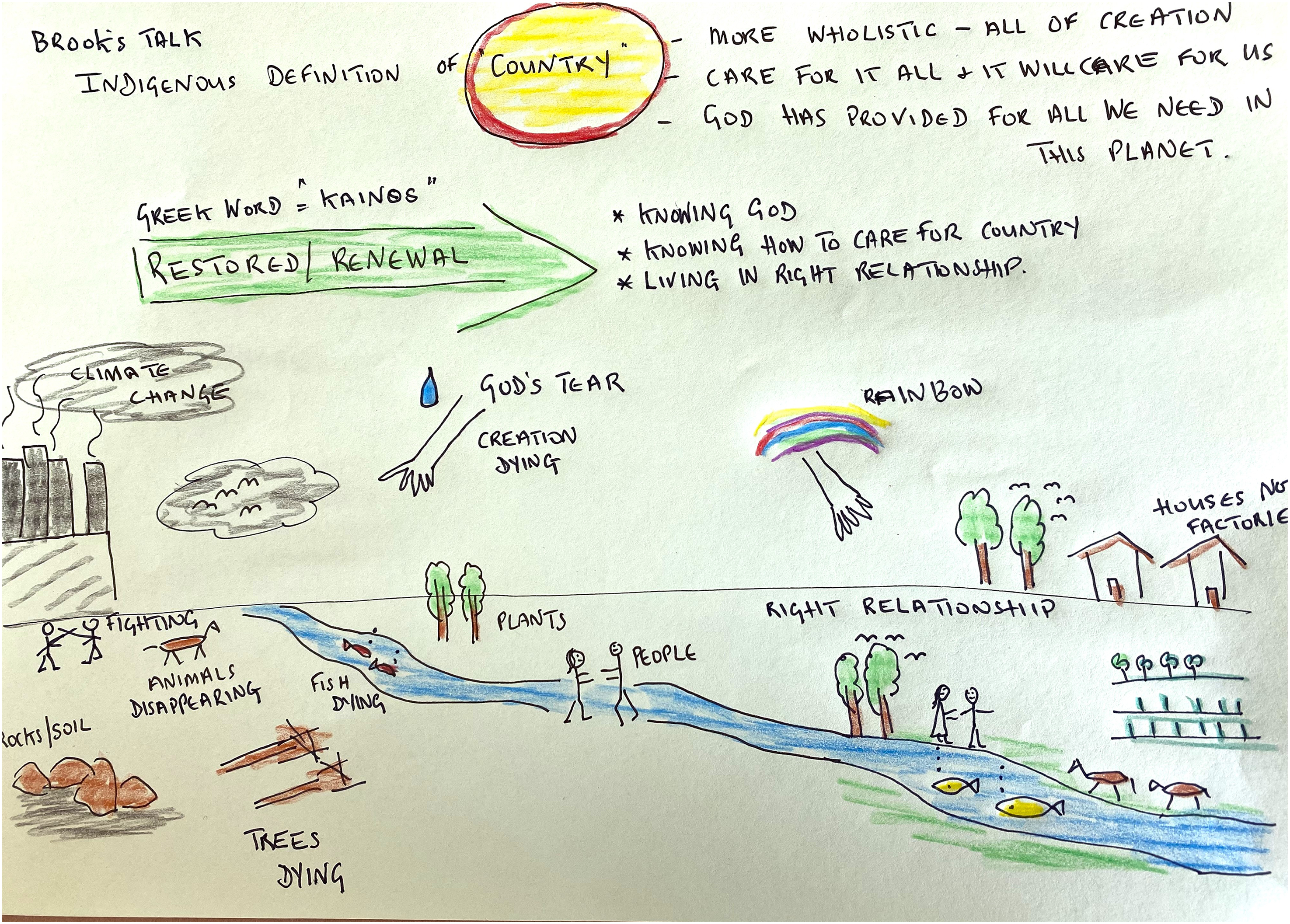
In Workshop 1 most participants illustrated many of the workshop features in their Rich Pictures. For example, one participant included Indigenous connection to land, climate change, environmental crisis, Biblical reasons to care for creation, and practical activities (Figure 2). Another included the causes of climate change, the Indigenous talk, Biblical reasons to care for creation, the new heaven and earth, and practical activities (Figure 3).
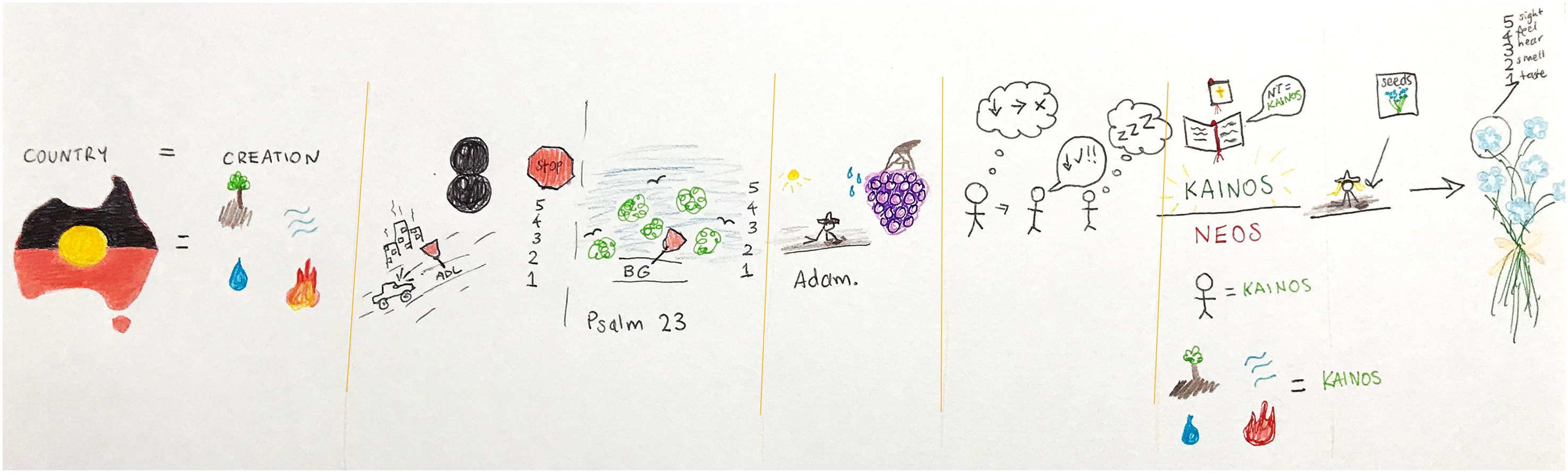
Rich Picture Workshop 1.
Rich Picture Workshop 1.
One Workshop 2 participant felt the workshop features had helped him realize the importance of including creation care in church sermons, bible studies, and in other church activities such as their café which could use food grown in a community garden (Figure 4).
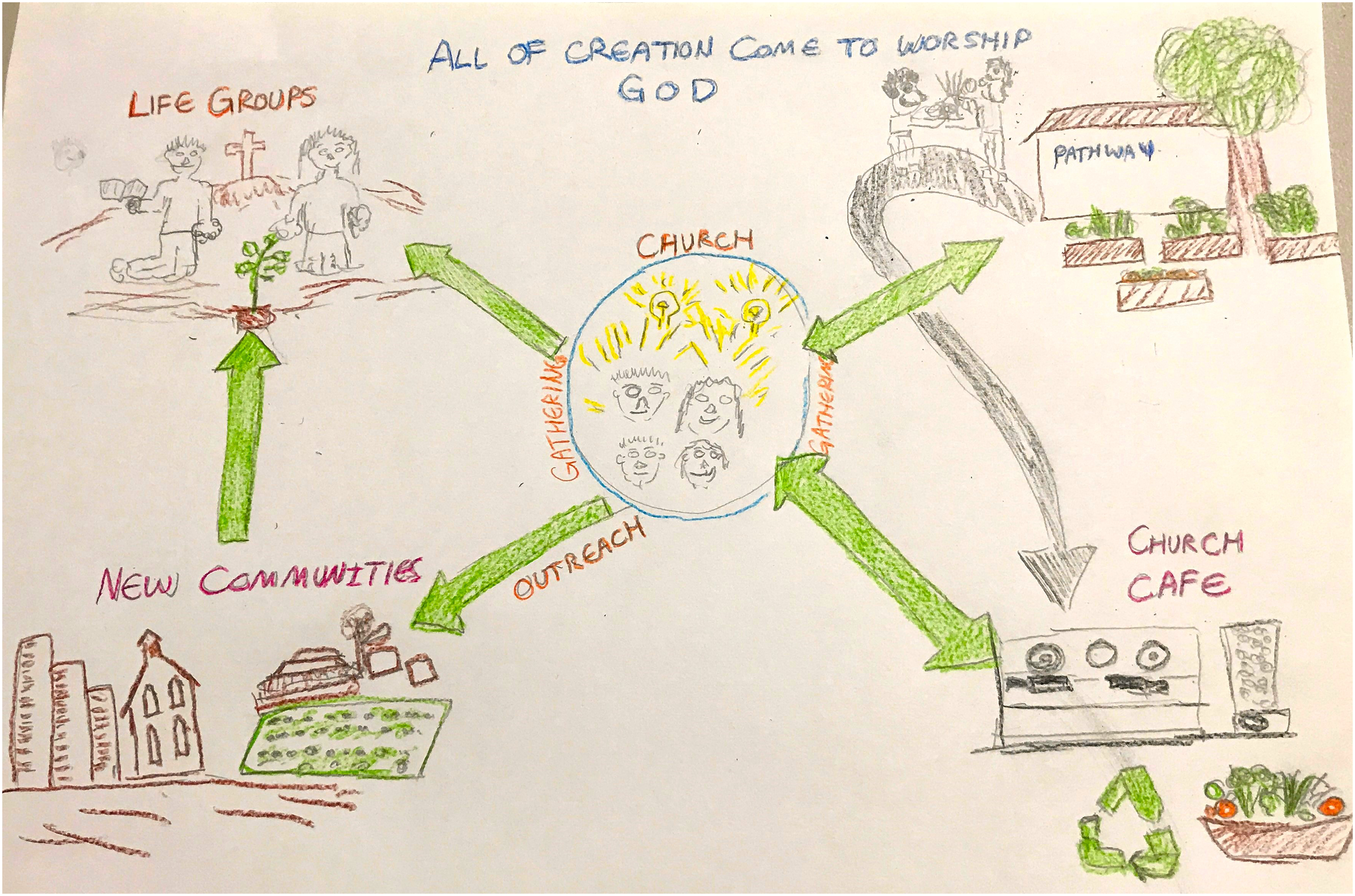
Rich Picture Workshop 1.
The Rich Picture of another Workshop 2 participant (Figure 5) showed arrows coming from Jesus’ cross with love (in the half circle on the left) connecting with creation care activities. The arrows from the earth lead to Jesus and also to creation care action. She said, “I didn’t realise just how much climate change affects the poor: it makes the gap between the rich and poor even greater.”
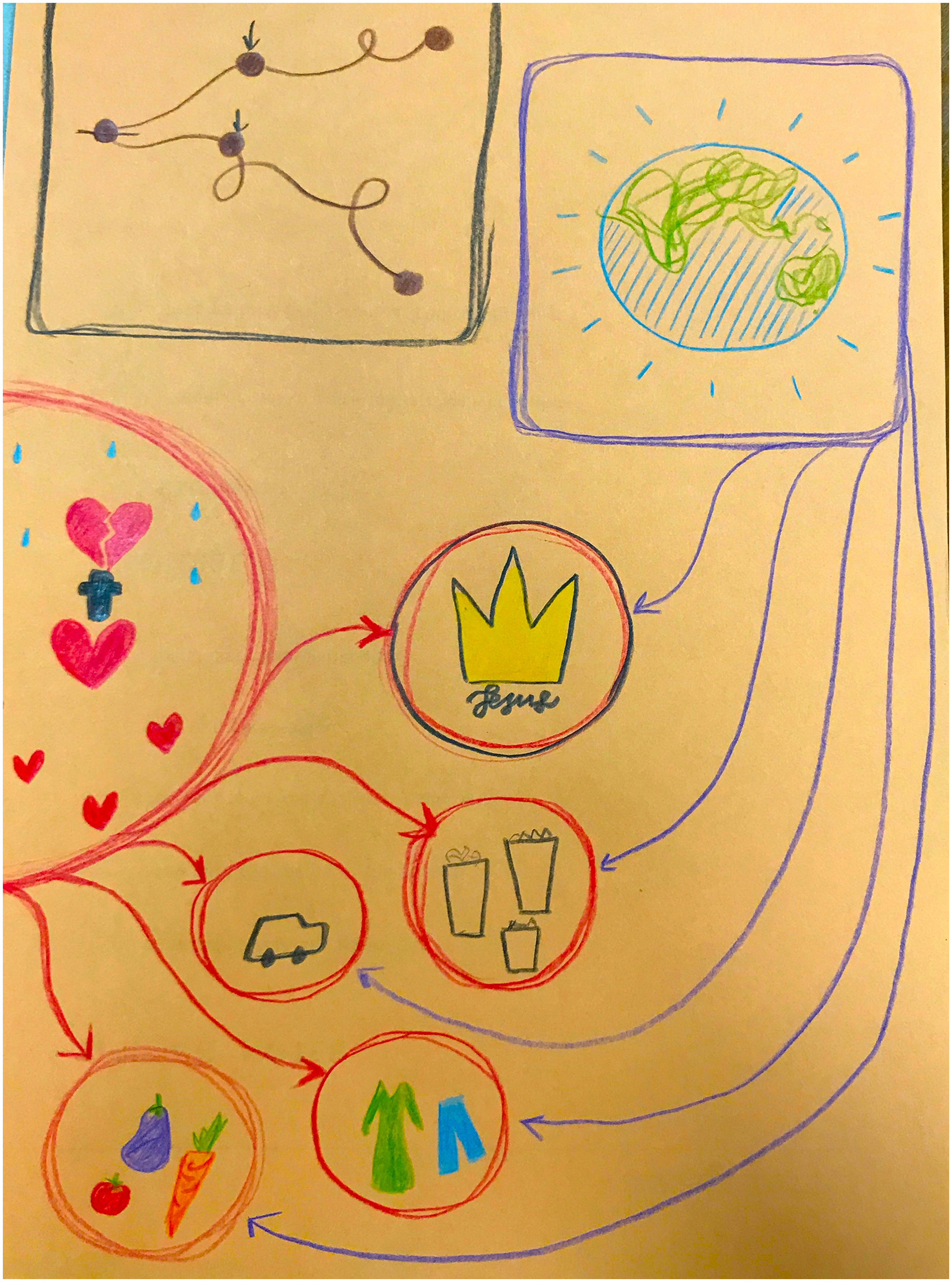
Rich Picture Workshop 2.
Another Workshop 2 participant said many of the workshop features had helped her understand the importance of creation care. She felt sad when she hears little of this at her church or among her Christian friends. Her Rich Picture was of Noah's ark with a large rock next to it representing the ignorant attitude of Christians toward care for creation. Below this she drew a cross with arrows showing Jesus died not just for humans but the whole cosmos, as written in Colossians 1: 15–20 (Figure 6).
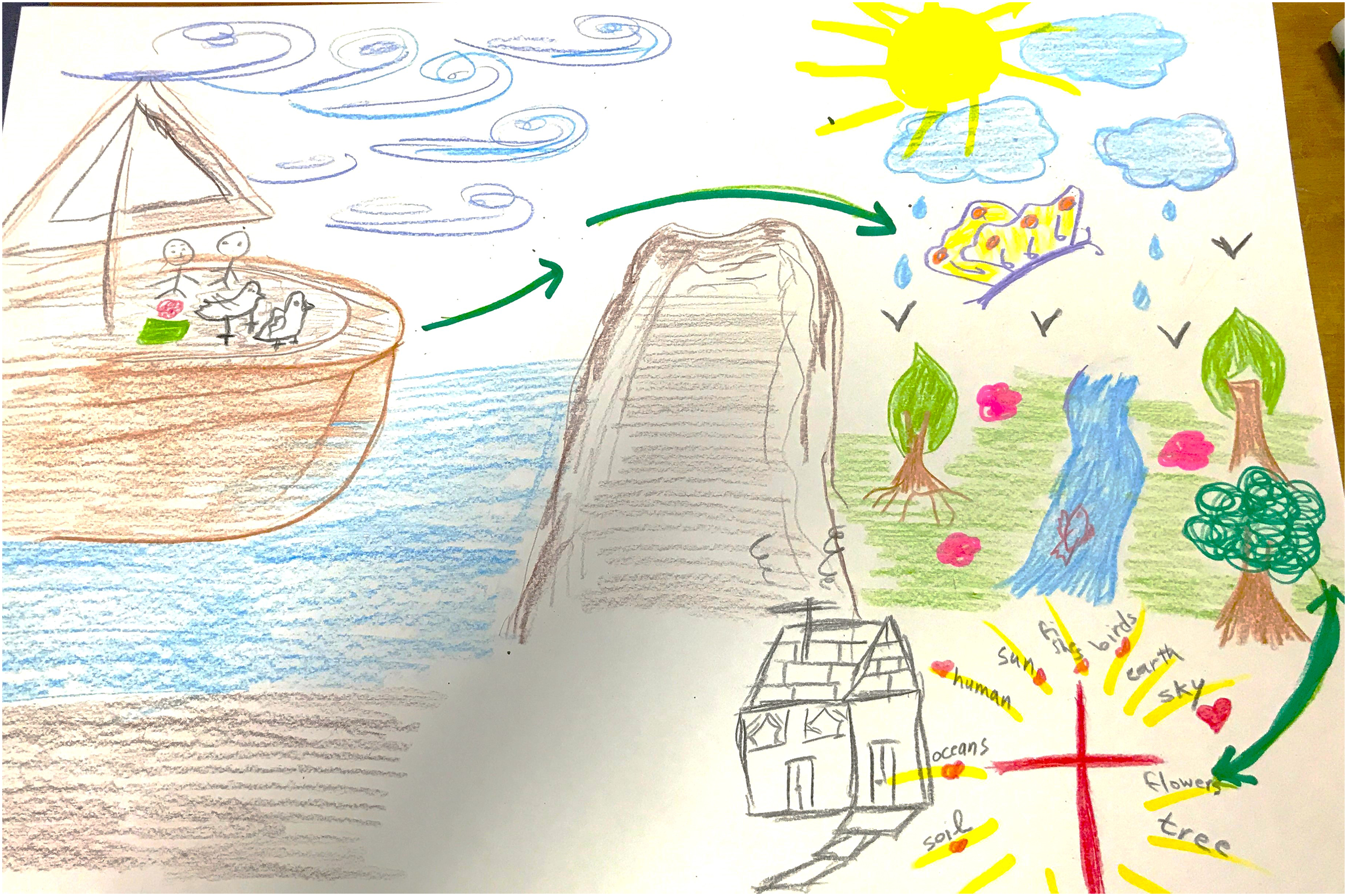
Rich Picture Workshop 2.
Key Statements
Key statements from the Rich Picture interviews and workshop discussion times provided further evidence that many of the workshop features had helped both Workshop 1 and Workshop 2 participants to integrate their faith more with creation care, as well as providing new theological knowledge and practical ideas.
I also noted the following representative comments from participants in the final discussion session of both Workshops 1 and 2:
“I want to read the Bible more.” “I really liked learning from the Indigenous woman Brooke Prentis.” “I’ve learnt so many new things, I’m not sure what to pick.” “I liked the contrast between Rundle Mall and the Botanic Gardens.” “It's so obvious environmental destruction is due to sin.” “I want to study these topics more. I feel encouraged.” “I’ve learnt a lot of new things. It was a really helpful workshop and I feel more motivated.” “I’m so thankful that I’ve had this opportunity to be part of this workshop. It's shown me the gaps in my life and theology. Taking care of creation is worship.”
Six-Month Post-Workshop Assessment
The 6-month assessment asked three questions:
Which workshop features remain significant for you? What changes have you made since the workshop? Which workshop features/resources could be useful for people in your church?
The results were measured against the same theological and practical anticipated outcomes noted above. For Workshop 1 participants, all the workshop features remained significant, while for Workshop 2, four of the eight features remained significant: the theological videos; the contrast between Rundle Mall and the Botanic Gardens; the use of the arts; and the Indigenous speaker.
Most participants (18/20, 90%) had put into practice creation care activities in their own lives and church communities following the workshop. Furthermore, some (6/20, 30%) joined a re-vegetation project with the Indigenous Ngarrindjeri people, the traditional custodians of the lower Murray River, South Australia. This activity was a partnership with A Rocha International, an organization with conservation projects in many countries, including Australia, which demonstrate a Biblical message of hope, and Cassina Environmental, an organization that works in ecological restoration.
Most participants (18/20, 90%) from both workshops felt the following features/resources could be used in their churches: the theological videos, time in nature, and practical creation care activities, with two people nominating the whole workshop for use in their churches. Despite expressing enthusiasm for all the features of the workshop, six participants did not think their church ministers were motivated to support any creation care activities.
Overall, I concluded the data from the post-workshop questionnaire, participant's comments, and 6-month review, provided sufficient evidence that the anticipated outcomes had been successfully achieved.
Results of Behavioral Change Models
The two behavioral change models noted above gave helpful insights. The Behavior Wheel Change Model demonstrated that participants had the opportunity and capability to attend the workshop, which encouraged their motivation. There was therefore a likelihood that most participants who had gained new knowledge would build on what they already knew, and this would be sustained because they had the relevant mental and physical capability.
The Stages of Change Behavior Model showed that most of the participants had arrived at the workshop in either a contemplation or a preparation (determination) stage. However, some were in the action stage as they were already reducing their carbon footprint (recycling, catching the bus more, and cycling), and involved in revegetation projects. It appears though that their motivation had not arisen from a solid Biblical basis on creation care, nor from their churches or Christian friends, but more from childhood nature experiences and their own personal studies on ways to mitigate climate change.
The 6-month review enabled an assessment of the action and maintenance stages. It revealed that the majority of the participants had already embraced a variety of creation care activities, with 50% more engaged. The reasons are likely to be multi-factorial and therefore hard to isolate, but it does appear that those with friends who were concerned about creation care were more likely to sustain their interest and practice. Some who appeared to be less motivated may have found it hard to sustain their enthusiasm due to busyness, health issues, and not having the support of friends and/or their church minsters. However, as Mezirow (2012) suggests, change can occur over a considerable time (p. 74), and, as Taylor (2001) argues, “the process of change can [even] occur outside the awareness of the individual, on an implicit level” (p. 234).
The two behavioral change models are limited as they do not consider multiple levels of influence on behavior, such as policy, community, organizational, and social factors which are accounted for in more comprehensive models (Salmon et al., 2020, p. 238). Furthermore, research conducted by those from different disciplines, such as science, social science, and behavioral psychology, document that sustained behavioral change can be difficult to evaluate due to the many variables that influence a person's behavior (Lambe et al., 2019, p. 126; Heino et al., 2021, pp. 1–22).
External Educator Evaluation
Following the EDR process, the semi-summative evaluation cycle involved an evaluation from an external educator. She was asked to assess whether the criteria for the workshop's design and content had been relevant, practical, and effective (Plomp & Nieveen, 2013, p. viii). She also considered whether the workshop template would be suitable for churches, Bible colleges, and parachurch groups.
She acknowledged the design and content were of a high standard, and the features were practical and effective for the participants and likely to be so for future workshops with different Christian groups. She made recommendations, consistent with my own assessment, that the design may need to be adjusted to different contexts and that some content could be presented as online learning.
She also proposed the workshop template be trialed with one or two churches or a parachurch groups. In doing this, it would be important to produce a workshop training manual highlighting all the effective features and run a short training of trainers’ workshop, since church leaders and teachers may not be familiar with arts-based experiential teaching.
Final Outcome
The data sources to assess whether the research question had been answered and the anticipated outcomes achieved have been detailed above. For most participants in both Workshop 1 and Workshop 2, there was evidence that their faith had become more connected to creation care, and the workshop content had encouraged them to explore the theological barriers to creation care found in some evangelical circles.
Workshop Template
Based on the outcomes from the EDR process, participant feedback from both workshops, the external examiner's evaluation, and the positive assessment criteria (relevance, practicality, and effectiveness) of the workshop design/content, I decided the prototyping phases of the workshop design had been completed, and an adaptable workshop template had emerged with its associated design principles. These were:
educational theories (noted in the literature review) a mix of experiential/arts-based activities and cognitive content weighted to the experiential reflective practice collaborative learning discussion times context allowing for time in nature and a skilled educator (who will have completed a training of trainers course and/or followed the workshop manual).
These principles were used to guide the incorporation of the eight workshop features (the arts, Indigenous connection to the land, comparison between urban and natural settings, Biblical reasons for creation care, the environmental crisis, practical creation care, worship songs and prayer, and organic food) into the final workshop template (see Appendix).
Recommended Adaptations to the Workshop Template
These recommendations came from the participants, the external examiner, and myself. They were the inclusion of the Rich Picture exercise, additional discussion times, and practical learning activities, such as recycling practices, growing organic vegetables, and drawing/painting in a natural setting. The external educator also emphasized the importance of a training course for future workshop facilitators.
Ways to extend the reach of this workshop were also considered. For example, as churches, Bible colleges, and parachurch groups may not be able to conduct a full-day workshop, an alternative would be to spread the content and activities over two or more weekends or a number of weekday evenings. This could enable additional theological content and eco-focused activities to be included.
Another option would be to put creation care articles and the theological videos on an online platform as preparation for the face-to-face components of the workshop (Friesen, 2012). While online activities have their value, especially for those with a busy life or geographically remote, my research strongly indicates that the effectiveness of the workshop depends on experiential activities, being in nature and direct contact with others (Cline, 2022). Furthermore, people are more likely to share their personal experiences, thoughts, feelings, and ideas after they have participated in some collaborative ice-breaking activities with fellow-participants (Key, 2013, pp. 183–191).
The research findings demonstrated that the workshop's art-based features have the capacity to assist evangelical Christians to connect their faith more with the Biblical reasons and practical care for creation. This concurs with McGregor (2012) who states “arts-informed practices build a powerful bridge between the reflective self, cognitive self, our emotive/creative self and the self we perform or enact,” and thus, have the capacity to encourage transformative change (p.310). However, it must be acknowledged that for some Christians, accepting a new belief or interpretation may require additional information and new experiences, as well as the encouragement of friends and their church ministers. This workshop could therefore act as a catalyst for their journey of transformation.
Conclusion
As I learn more about the escalating global environmental crisis and the urgency of the major changes needed to address this, I want my fellow Christians to learn what I have learnt, to experience what I have experienced, and to realize that creation care is a Biblical mandate for all Christians, which means major lifestyle changes. But, as this research project has taught me, I need to patiently encourage those who are just beginning this exploratory journey. Moreover, I am aware my personality and passion for creation care have influenced the running and follow-up of the workshops. Future workshop leaders may not have the same passion and would therefore run workshops differently. My advice to churches, Bible colleges, and parachurch groups who are interested in using this workshop template would be to identify a potential facilitator who is both passionate about care for creation and willing to participate in a training of trainers’ workshop.
This research journey has taken me in varied directions, but I believe the final outcome—an arts-based experiential workshop template is a valuable and much-needed asset for the evangelical Christian community. Its importance lies in the fact our environment, God's precious creation, desperately needs Christians to take serious action to care for it. I therefore hope the unique nature of this workshop template will be a stimulus for churches, Bible colleges, and parachurch groups to explore how they could both adopt and adapt the workshop template to suit their contexts.
The completion of this research thesis is one mission accomplished, but in keeping with my personal transformative story, it is also the end of one phase and the beginning of another.
Footnotes
Declaration of Conflicting Interests
The author declares no potential conflicts of interest with respect to the research, authorship, and/or publication of this article. She is a board member of A Rocha Australia.
Funding
The author disclosed receipt of the following financial support for the research, authorship, and/or publication of this article: This research was supported by a small financial grant to the author from the Gled-Hill Trust Scholarship to assist with costs of running the workshops.

| Time | Features (underlined) | Example | Time |
|---|---|---|---|
| Morning |
Indigenous content Indigenous song & prayer |
Orientation to the workshop program Indigenous welcome & Indigenous prayer “Getting to know you” activities. Seeing things from a different perspective—reflection on 6 different nativity paintings (traditional, contemporary, Indigenous & African). Watch Rumi: The Blind Men and the Elephant story Discussion |
1 h |
| Break |
Worship song |
Doxology from “Resound” (video) | 15 min |
| Morning |
Effects of climate change and environmental issues Worship songs |
Video: Our Perfect Planet David Attenborough Slides on the state of the environment Video: Katharine Hayhoe—effects of climate change. Thomas Cole's paintings—reflection & discussion Poem by Malcolm Guite Burning world Resound—Doxology Hear the Lament Discussion |
45 min |
| Morning |
Biblical reasons for creation care (1) |
Slides: Church history & creation care Discussion Video: Biblical reasons for creation care (15 min) Discussion |
30 min |
| Lunch |
Worship & prayer Food and the environment Worship songs |
Prayer from Iona community Video on Food, Communion and Community (Regent College, n.d., Canada) Resound worship songs (video) |
30 min |
| Afternoon |
Biblical reasons for creation care (2) |
Video: Being the church in the real world (20 min) Discussion |
30 min |
| Afternoon |
Christian perspectives of Indigenous connection to the land |
Video: Brooke Prentis talk (15 min) Slides: Indigenous worldview vs. Western worldview (5 min) Discussion |
30 min |
| Afternoon |
Comparative activity: consumerism/nature Time in nature |
Preparation for visit to city center and Botanic Gardens Photo of mega cities Quote from JK Smith about consumerism Video: Big Yellow Taxi Time in city center and Botanic Garden Reflection questions Meditation, drawing, poetry Discussion |
90 min |
| Break |
Worship songs |
Resound worship song video & afternoon tea |
10 min |
| Afternoon |
Practical creation care |
Slides: practical activities Video: action to reduce effects of climate change Discussion |
20 min |
| Afternoon |
Worship songs and prayer |
Draw Rich Picture (or write a poem or prose). Share reflections with a partner on what they have learnt in the workshop, as illustrated in their rich picture drawing Resound worship song video |
30 min |
| End |
Reflections on personal action(s) following the workshop |
15 min |