




Abstract
Extreme weather events related to climate change, and an aging electricity infrastructure are disrupting reliable electricity services to a greater degree. Further, previous research has found that more socially vulnerable populations are more likely to live in areas with a higher probability of power outages. This study examines the issues that people face during power outages and the resources that help individuals maintain resilience during power outages caused by extreme weather events in socially vulnerable communities. Using qualitative data from focus groups with 56 individuals in Central and North Florida, the research highlights lived experiences during outages and difficulties using and accessing resources during these conditions. Based on a qualitative review of the focus group discussions, this paper explores the solutions and support systems residents believe would improve their ability to cope. The findings offer insights to guide policy and strategic planning, with the goal of strengthening personal preparedness and response by focusing on the resources people consider most helpful for enduring frequent and severe outages.
Introduction
Power outages are common and disruptive, and they are inherently inequitable with disproportionate impacts to communities with higher social vulnerability, which undermines resilience. The frequency and severity of power outages have been considerably increasing in recent years due to extreme weather events that have resulted from climate change (Do et al., 2023; Dumas et al., 2019; Seneviratne et al., 2021). The Intergovernmental Panel on Climate Change (IPCC) has reported that rising temperatures, along with more frequent and intense extreme weather, are the results of climate change, which may exacerbate the conditions that lead to power outages (Belligoni et al., 2025; Masson-Delmotte et al., 2021).
Across the United States, and especially in Florida, extreme weather events such as hurricanes, floods, and heatwaves have repeatedly disrupted power systems that cause prolonged outages (Entress & Stevens, 2023; Stevens & Belligoni, 2024). Socially vulnerable communities, which are also often politically overlooked, suffer the most from the impacts of extreme weather induced power outages (Belligoni et al., 2025; Coleman et al., 2023; Do et al., 2023; Liévanos & Horne, 2017). These disruptions have revealed long-standing inequalities in access to energy and infrastructure failure due to a lack of resources to overcome and become resilient to extended weather related outages (Bednar et al., 2017; Core et al., 2022; Entress & Stevens, 2023; Shen et al., 2016; Suman, 2021).
In the context of power outages, resilience is generally defined as the ability of an individual, community, or system to withstand and recover from disruptions to the supply of electricity (Boin & Lodge, 2016; Mohanty et al., 2024). Although resilience is a commonly used framework in emergency management and energy policy, research on individual resilience during power outages has often overlooked the specific needs and priorities of socially vulnerable communities. These dimensions are critical for understanding and addressing the challenges faced during prolonged, climate-induced power outages. Further, there is even less literature that focuses on individual access to resources—such as food, water, shelter, internet, and air conditioning—that help people prepare for, respond to, and recover from hazards. These resources enable effective actions to protect lives, property, and public health during disasters.
Although power outages affect all kinds of communities, the outcomes are shaped differently and are not equally distributed (Cutter et al., 2003; Harlan et al., 2013). Despite growing evidence of the unequal impacts of power outages, there is still limited understanding of how these disparities are shaped and governed by a lack of resources that hinder the ability of individuals and communities to become resilient during climate-induced power outages (Belligoni et al., 2025; Sakurai & Chughtai, 2020). While some areas of research focus on infrastructure improvement, grid modernization, and physical methods of enhancing grid reliability, there are limited studies on the social dimensions of energy resilience including the importance of access to resources during power outages (Hammerle et al., 2023; Stevens & Belligoni, 2024). Specifically, questions such as the type of resources different communities perceive as necessary and what kinds of challenges the communities are facing with the resources that hinder their ability to become resilient during power outages remain unexplored. These kinds of social dimensions associated with power outages are particularly crucial in Florida, where the intersection of demographic diversity, climate-induced extreme weather events, social vulnerability, disproportionate income differences, and differential access to resources is evident (Belligoni et al., 2025; Carley & Konisky, 2020; Stevens & Belligoni, 2024).
This research explores the resources that support individual resilience during power outages caused by extreme weather events. It investigates the specific challenges people face in these situations and seeks to understand what solutions or resources they believe would help them cope more effectively. This study presents a qualitative analysis of focus group data collected from Central and North Florida between 2023 and 2024, exploring residents’ lived experiences during power outages. The findings inform policy and strategy recommendations aimed at enhancing personal preparedness and response by aligning with the resources individuals identify as most valuable for building resilience during frequent and severe power outages.
Literature Review
Resilience During Emergencies and Crises
Traditionally, governments focused on goals such as efficiency and effectiveness, but beginning in the 1980 there was a movement to incorporate more robust purposes in government, such as resilience (Duit, 2016). Resilience as a concept has been criticized for lacking a clear definition, but scholars in public administration and emergency and crisis management have made attempts to clarify definitions (see e.g., Boin & Lodge, 2016; Dimitrijevska-Markoski et al., 2024; Duit, 2016; Son et al., 2020). In public administration, resilience generally refers to the ability of either a societal function or structure of government and non-governmental systems to bounce back following a crisis (Duit, 2016; Hawkins & Andrew, 2021).
In emergency and crisis management, resilience generally refers to the ability of individuals, communities, and systems to prepare for, adapt and recover when confronted with an unexpected disruptions (Boin & Lodge, 2016; Son et al., 2020). In addition, the Intergovernmental Panel on Climate Change defines resilience as the ability to absorb, adapt, and cope to disruptions while retaining essential functions (IPCC, 2021). Complicating matters, there is limited research regarding how resilience can be achieved (Boin & Lodge, 2016). Resilience following emergencies does not always equally impact all sectors of society (Sakurai & Chughtai, 2020). Vulnerability can be defined as the social, economic, political, and infrastructural factors that make communities susceptible to harm (Cutter, 1996; Cutter & Finch, 2008). Furthermore, risk exposure refers to the susceptible to hazard impacts among the communities’ members living in critical locations (IPCC, 2021).
Social vulnerability is conceptually related to—but not the direct opposite of—resilience. Communities exhibiting high social vulnerability often possess limited financial, informational, and infrastructural resources, which constrain their adaptive capacity and reduce their ability to absorb the shocks of emergencies, thereby diminishing overall resilience (Cutter, 1996; Cutter & Finch, 2008; Flanagan et al., 2011). There is a growing body of literature supporting this theory. For example, studies examining the relationship between social vulnerability and access to recovery resources, an important dimension of resilience, have found evidence of inequitable distribution of Community Development Block Grant–Disaster Recovery funds and FEMA’s COVID-19 funeral assistance program among areas characterized by high social vulnerability (Emrich et al., 2020; Entress et al., 2023). Such studies provide quantitative results suggesting resources that would enhance resilience are not equally used by socially vulnerable communities, supporting the notion that social vulnerability and resilience are linked, and areas of high social vulnerability tend to have lower resilience following emergencies and crises. However, more research is needed in the interlinkage of these concepts. This study examines lived experiences of power outages and perceived resource needs in the socially vulnerable communities in Florida and contributes qualitative evidence to a growing body of literature on equitable energy resilience and justice.
Electricity Outages Are Common, and Electricity Reliability Is a Government Responsibility
Power outages are increasing in both frequency and duration across the United States, in large part due to more extreme weather and an aging electricity grid (Campbell, n.d.; Do et al., 2023). According to the U.S. Energy Information Administration (EIA), the average duration of power interruptions per customer nearly doubled over the past decade, rising from 3.5 hr a year in 2013 to close to 6 hr in 2023 when major events are included (U.S. Energy Information Administration, 2024).
From a climate and weather standpoint, large-scale events like tropical and extratropical storms, as well as more localized severe weather can trigger widespread outages (Do et al., 2023; Lee & Romero, 2023; Mukherjee et al., 2018). Extreme weather events that involve high winds, flooding, ice, or frequent lightning can cause physical damage power lines, transformers, and other critical infrastructure, leading to widespread power outages. Heat waves and extreme cold temperatures increase energy demand for heating and cooling, which may also strain the capacity of the system and lead to equipment failure. Additionally, extreme temperatures can also physically damage equipment, reduce generation efficiency, and cause transmission lines or power plants to fail, leading to outages (Campbell, n.d.). As these extreme events become more common due to climate change (Lee & Romero, 2023), and as much of the nation’s electric grid surpasses its intended 50-year lifespan (American Society of Civil Engineers, 2021; Spurlock et al., 2023), power outages are expected to become more common (Ahmad, 2021). Further, research shows that more socially vulnerable communities are more likely to experience more frequent and longer duration power interruptions, which can have an outsized impact on communities with limited resources (Andresen et al., 2023; Coleman et al., 2023; Do et al., 2023; Stevens et al., 2025).
Electricity is often provided by the private sector, leading to questions about whether and the extent to which electricity is considered a public good, as opposed to a private good (Abbott, 2001). Given the necessity of electricity, Entress and Stevens (2023) argue that governments have an obligation to uphold public values, which include ensuring reliable electricity. Abbot (2001) argues that although electricity itself may not be a public good, the security of electricity is. Similarly, Kapucu et al. (2022) note that when electricity is not available, the impacts are felt throughout various sectors of society, such as “mass care, the economy, and continuity of essential public functions” (p. 325). These views are consistent with the view of electricity in public administration and emergency management organizations and agencies.
The Federal Emergency Management Agency (FEMA) developed eight community lifelines, which are considered the most fundamental to societal functioning (FEMA, 2024). Energy, including the power grid and fuel, is one of those eight community lifelines, illustrating FEMA’s dedication to electricity and view of electricity as a function that governments have a responsibility to ensure (FEMA, 2024). The National Academy of Public Administration (NAPA), a congressionally chartered organization charged with addressing the most pressing issues in public administration, identified the need to be a steward of natural resources and address climate change, as well as building resilient communities, as two of its grand challenges (National Academy of Public Administration, n.d.). The prioritization of these two challenges includes electricity reliability, as climate change and resilience both impact and are impacted by energy, further emphasizing the view that electricity is a public good.
Resources Available to Enhance Resiliency
Generally, resources that can enhance resiliency include financial support, information, communication tools, as well as physical resources such as food and clean water. There is also social capital and networks, which includes strong local relationships, trusted community leaders, and mutual aid agreements across groups (Aldrich & Meyer, 2015). For this research, we adopt the broader definition of resources that include both physical and social resources that assist with resilience during power outages. There are different types of physical resources available to residents during a power outage to continue access to electricity, ranging from technologies that provide back-up power in the event of a grid failure, to resources that provide access to energy-related services. For example, microgrids with solar plus storage can isolate areas from widescale power outages providing residents with a more resilient electricity system (Abbey et al., 2014; Belligoni et al., 2025). Individual residents may purchase standalone or integrated back-up generators, which typically run on natural gas, but can lessen the duration of a power outage (Mango et al., 2021). However, microgrid technologies and generators can be cost prohibitive to more socially vulnerable communities (Warneryd et al., 2020). There are also more community-based resources, including resilience hubs or shelters for people to go to, outfitted with a backup power source and an energy storage system for access to cooling/heating, ice, internet access, and charging stations for temporary relief during an outage (Baja, 2017). However, oftentimes shelters and resilience hubs are stationary and can sometimes be difficult to access due to mobility issues or disaster related hazards (Ciriaco & Wong, 2022).
To explore these issues between resources and resilience during power outages, this manuscript asks the following question: What resources help individuals be resilient when faced with power outages from extreme weather events? We break this down into two sub-questions, including:
1a. What issues do residents currently experience with resources that impact their ability to be resilient during power outages?
1b. What resources do residents believe would help them be more resilient during power outages?
Data and Methods
Data
As part of a larger grant funded effort, we use text data from transcripts of a series of focus groups with residents from Central and Northwest Florida between 2023 and 2024. We used this type of data because analysis of focus group data is the “most rigorous and time-intensive mode of analyzing data” for focus groups (Onwuegbuzie et al., 2009, p. 4). The focus groups asked questions regarding the lived experiences with power outages and perspectives on resilient energy technology. Collectively, these geographic regions are very diverse in terms of demographics (e.g., socioeconomics, political affiliations, urban versus rural) and are subjected to a myriad of extreme weather events that will likely increase in frequency and/or severity due to climate change, including hurricanes, severe thunderstorms, flooding, hailstorms, wildfires, heat waves, and cold snaps. In the 6 years prior to the focus groups, Florida had experienced 14 landfalling storms, including 8 hurricanes (Figure 1). This included major hurricanes (Category 3 and above) Michael (2018) and Idalia (2023), which made landfall in Northwest Florida, as well as Hurricane Ian which cut across Central Florida in 2022 (NOAA, 2025). Each of these hurricanes caused extensive power outages in the area affecting millions of customers, causing Florida residents to have higher than average number of hours without power when compared to the average U.S. electricity customer (U.S. Energy Information Administration, 2024).
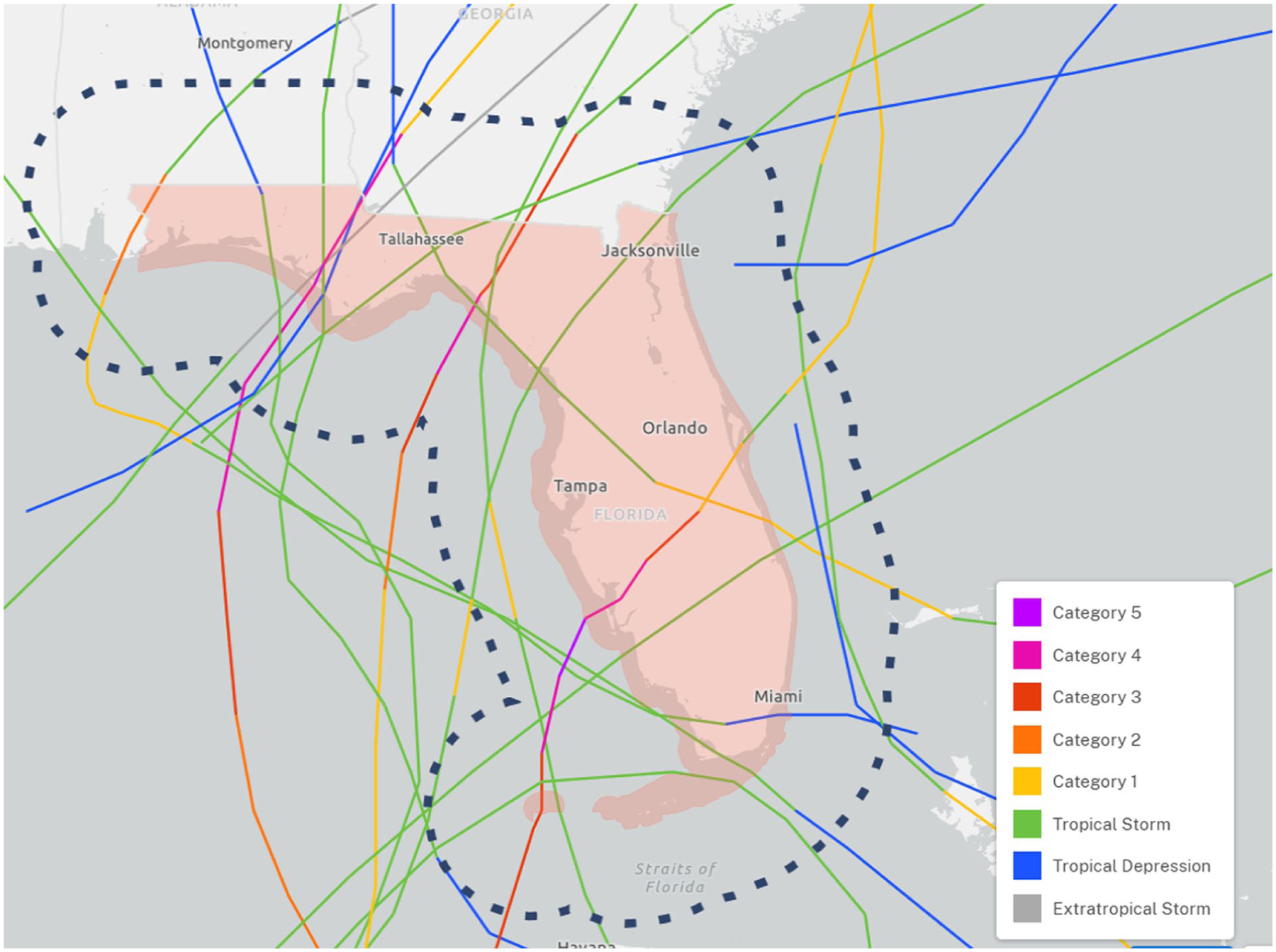
Hurricane, tropical storm, and tropical depression tracks over Florida between the years of 2018 and 2023, provided by U.S. National Oceanic and Atmospheric Administration’s Historical Hurricane Tracks mapping tool 1 .
Between November 2023 and July 2024, we held four in-person focus groups across Florida in Orlando, Tampa, Tallahassee, and Panama City, as well as one virtual focus group for participants in Orlando and Tampa (Figure 2). In total, 56 community members attended the focus groups (46 in-person, and 10 online), with approximately 12 participants in each group. The focus group discussions centered on three primary themes: social vulnerability, experiences and perceptions of natural hazard risks, and preferences for technological solutions. These sessions were conducted to gain insights into the impacts of power outages caused by extreme weather events and to identify the resources that could enhance community resilience. With an emphasis on the unequal impacts of power outages, we partnered with one environmental advocacy non-profit organization, IDEAS For Us (IDEAS), to focus recruitment in areas with greater social vulnerability. IDEAS used ads on social media and flyers to recruit participants from specific zip codes with higher social vulnerability. The maps in Figure 2 show the social vulnerability and focus group participants for Central Florida (Tampa and Orlando) and Northwest Florida (Tallahassee and Panama City).
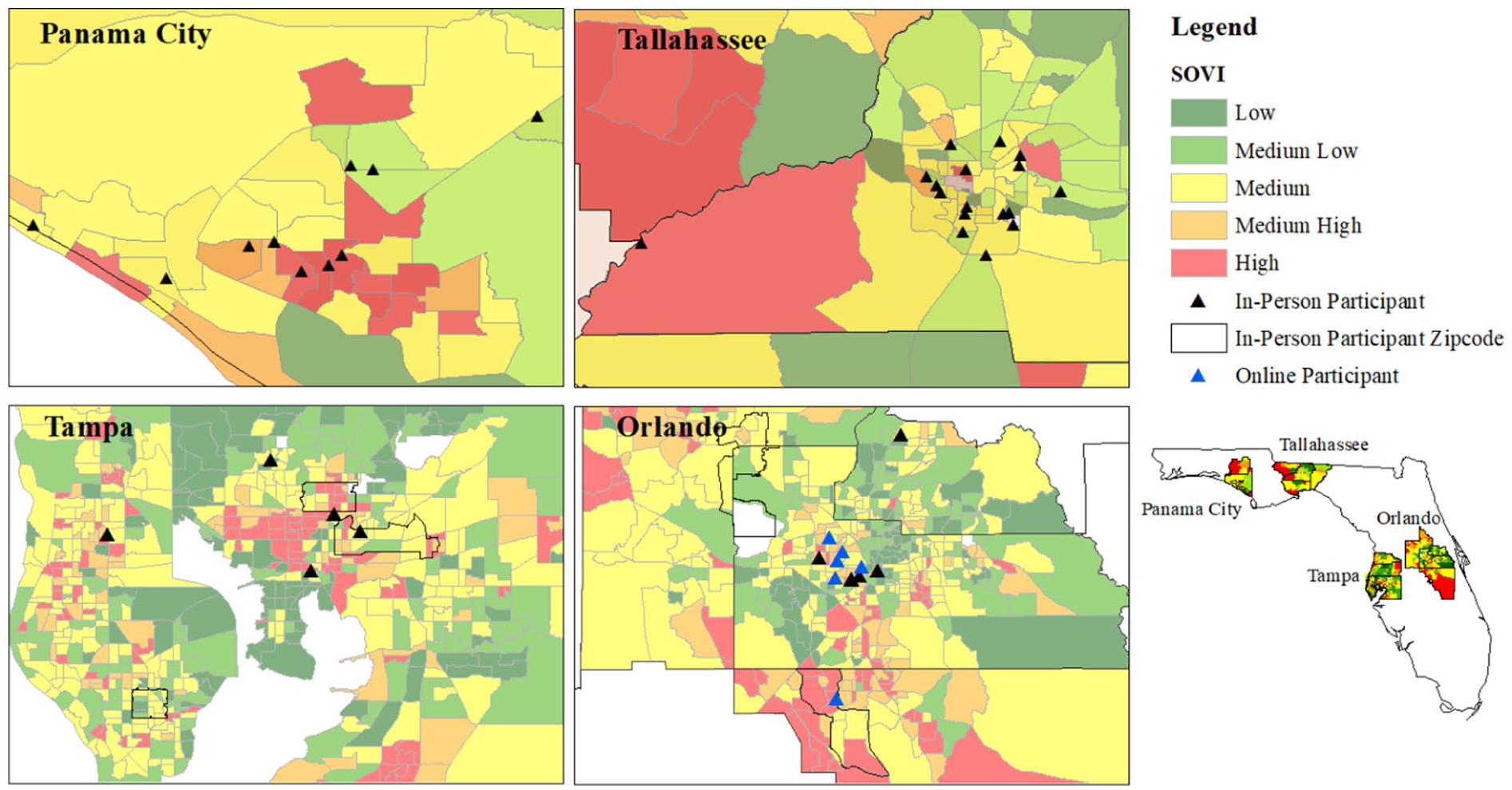
Focus group participants in Tampa, Orlando, Panama City, and Tallahassee and Social Vulnerability (SoVI) scores (University of Central Florida, 2024). Higher social vulnerability levels indicate a greater degree of potential disruption from hazards.
Socio-Demographic Information of the Respondents
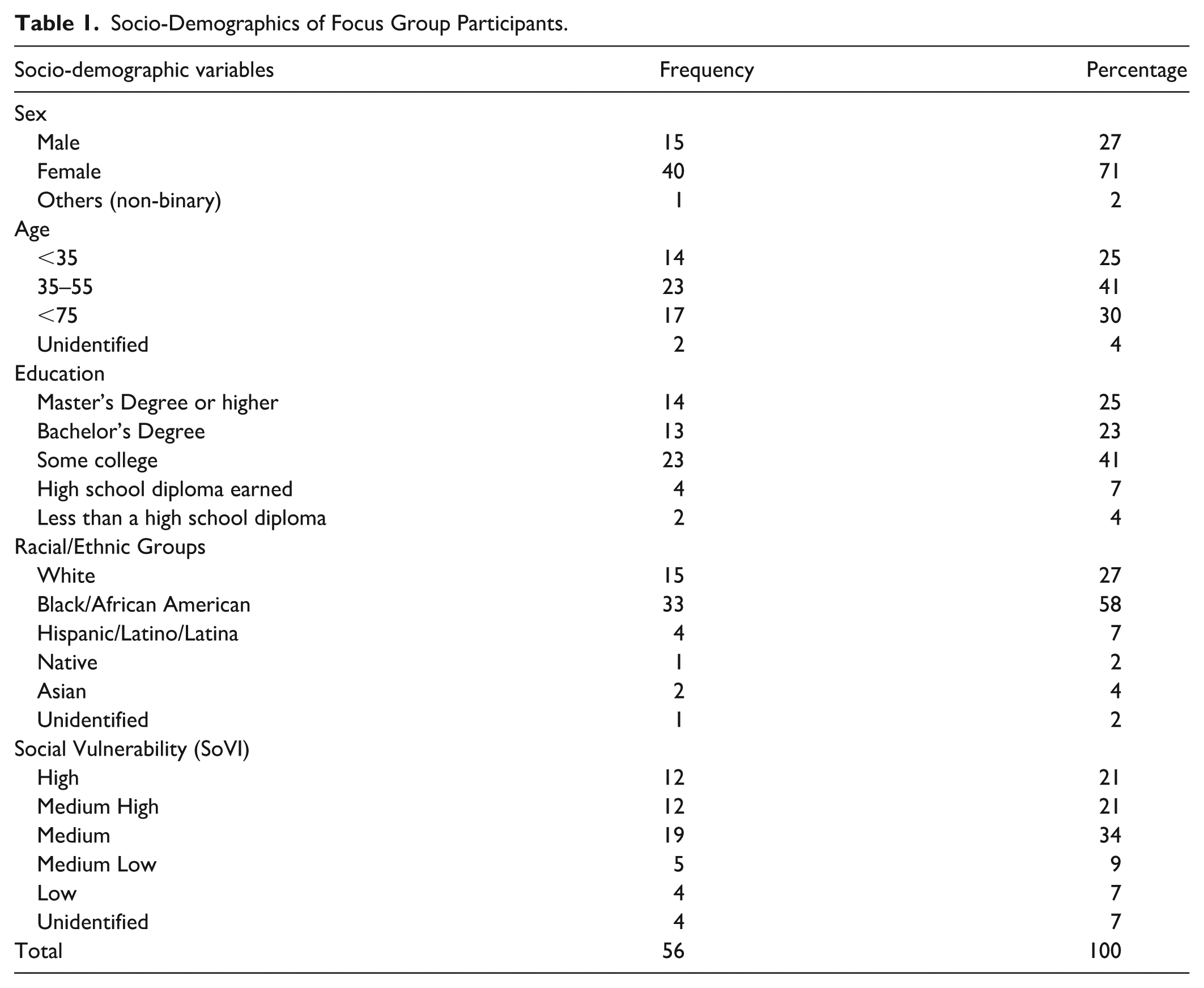
The table summarizes the demographic profile of focus group participants from Central and Northwest Florida (Table 1). The average participant was 46 years old with an income of $56,031. Compared to U.S. Census data for the general populations of Tallahassee, Panama City, Orlando, and Tampa, the sample included a higher proportion of women (71% compared to area average of 52%) and Black/African American participants (58% compared to 25%), but a lower proportion of Hispanic/Latino (7% compared to area averages of 30% in Orlando and Tampa, and 8% in Panama City and Tallahassee). Most participants (42%) resided in Census tracts classified as having high to medium-high social vulnerability. These areas are considered more socially vulnerable than the county averages for all sites except Bay County (Panama City), which overall exhibits high social vulnerability, whereas the counties containing Orlando, Tampa, and Tallahassee are classified as having medium to medium-low social vulnerability.
Socio-Demographics of Focus Group Participants.
Methods
This research used qualitative research methods. The focus group discussions centered on three primary themes: social vulnerability, experiences and perceptions of natural hazard risks, and preferences for technological solutions. We intentionally selected focus group discussions because they create an interactive setting that fosters nuanced insights into participants lived experiences and resource needs. This approach is widely recognized as a rigorous and appropriate method for exploratory research in both public administration and emergency management (Onwuegbuzie et al., 2009). These sessions were conducted to gain insights into the impacts of power outages caused by extreme weather events and to identify the resources that could enhance community resilience. For example, participants were asked questions such as, “Imagine you had access to information about the risk of power loss to your area in which you live. How would that impact your preparation for your area in which you live? How would that impact your preparation for natural hazards?”
The focus groups lasted approximately 1.5 hr. During the focus groups, participants were asked to use pseudonyms to protect their identity and completed a 17-question survey and answered a variety of questions about their experience with power outages and demographic information. Participants who attended in person were provided dinner, and all participants received a $70 gift card as compensation for their time. Before conducting the focus groups, Institutional Review Board approval was obtained through the University of Central Florida.
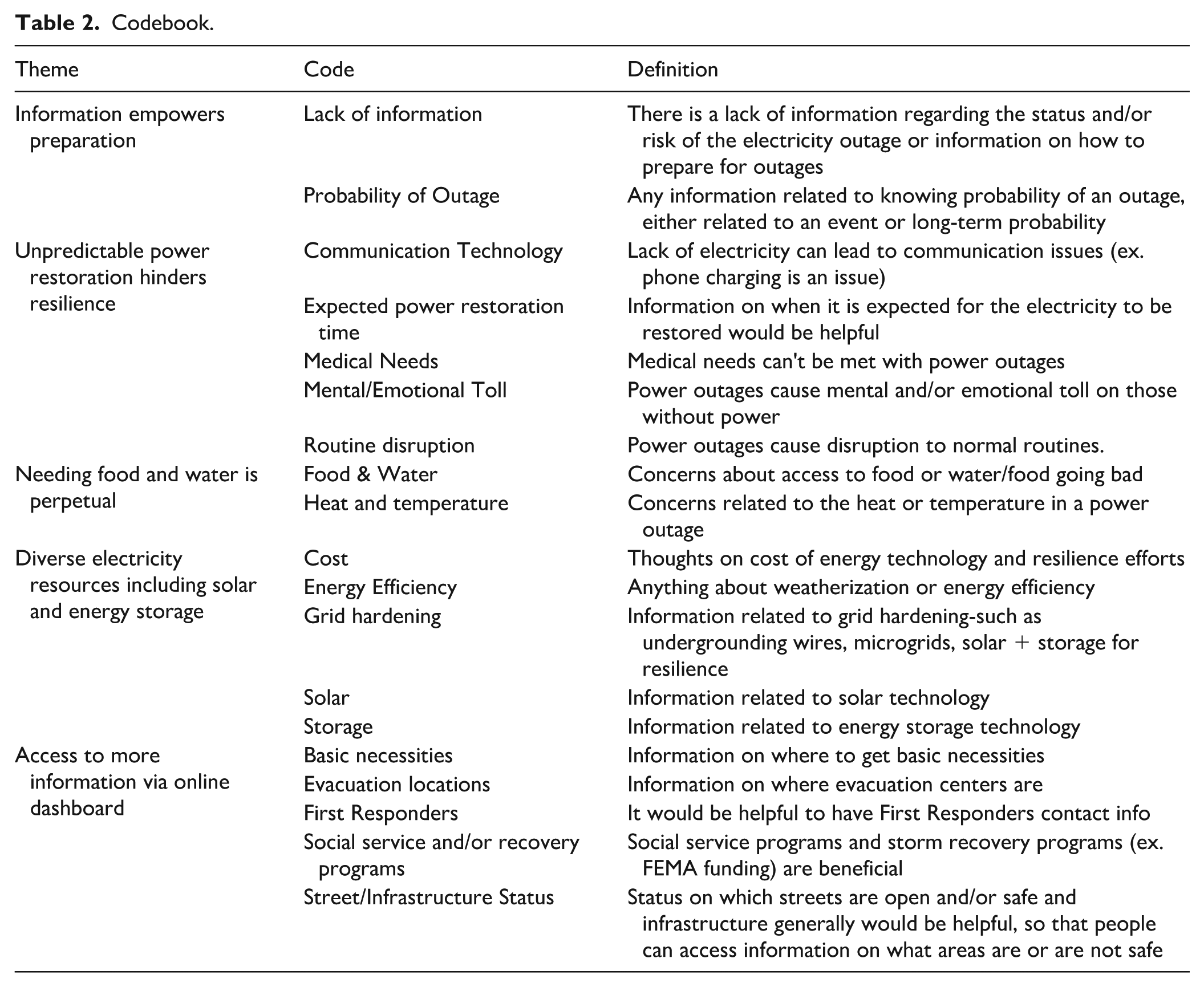
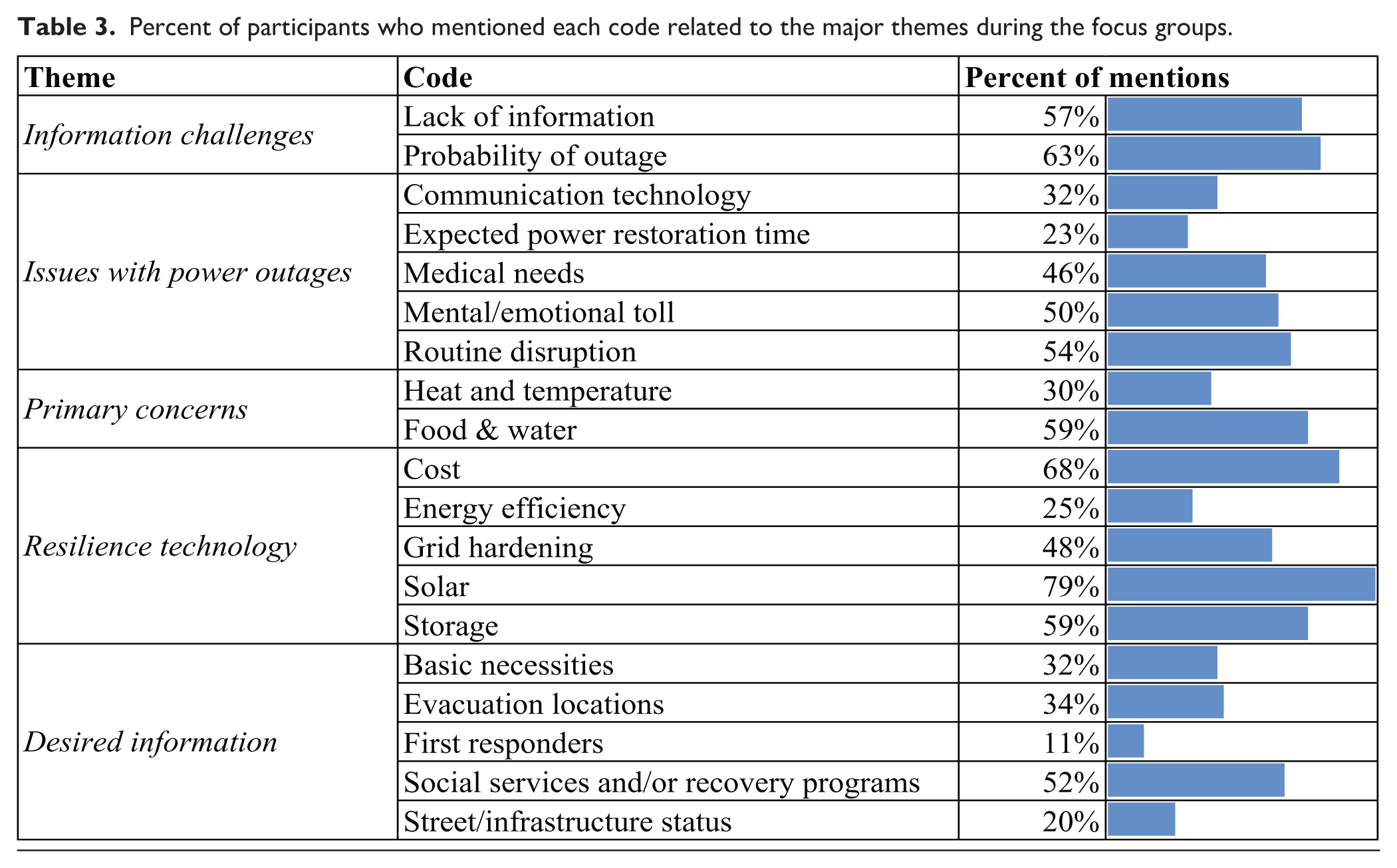
Focus groups were recorded with an iPhone, and after the focus groups were completed, the audio was run through Temi for transcription, and the transcriptions were uploaded to Dedoose, a qualitative coding software. Inductive coding was used to identify codes using thematic coding and themes were developed by grouping related codes together. Thematic coding is used commonly in public administration research (see e.g., Ebrahimi & Eynali, 2019). Three coders independently coded each transcript to improve reliability and then met as a group to discuss any areas of disagreement. In total, 19 codes were developed through axial coding. To develop the selective codes, we explored the most commonly occurring codes. These excerpts were used to explore the focus group data related to the five main themes identified, which are presented in Table 2, while the most commonly occurring codes are presented in Table 3. Please note, Table 3 is intended to provide details on how frequently codes were applied, as is common in qualitative analysis in public administration research and including frequency data in qualitative researcher helps researchers “disaggregate focus group data” (Onwuegbuzie et al., 2009, p. 9).
Codebook.
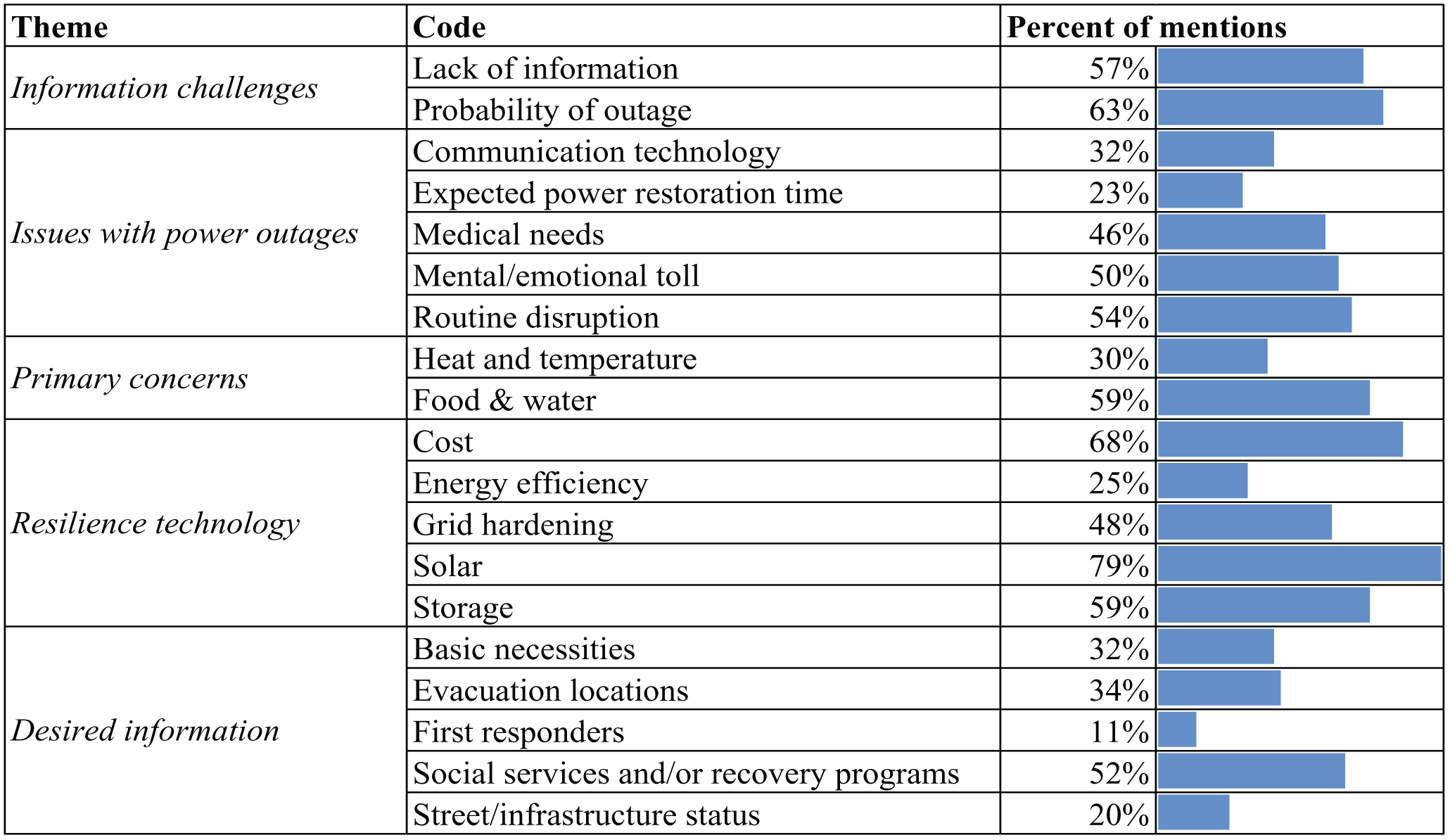
Percent of participants who mentioned each code related to the major themes during the focus groups.
Results
Our analysis of the focus group textual data using thematic coding of the textual data identified five thematic domains based on the most commonly occurring codes reflecting both perspectives on power outages and grid resilience, policy tools and strategies for resilience, as well as perceptions of grid resilience technologies. We address the first sub-research question, “What resources do residents have issues with during power outages,” (Section 4.1) as well as, “What resources do people believe they need to be resilient” (Section 4.2).
Current Issues With Resources
More Information Is Needed to Empower Preparation
Participants indicated that they lacked information during and before power outages, which impacts their ability to prepare for a potential outage. Almost three-quarters of participants (73%) made statements that they lacked information during and before power outages. Many people explained that they did not have information about when their power would be restored, that they did not know generally what was going on during power outages, they did not have information specific to their area prior to an outage, and they did not know how to prepare for a possible outage. At the same time, people stated that having information about the probability of an outage would be a useful resource. Participants explained that if they knew the probability of an outage, they would be more alert, make sure they had enough food, check on neighbors, be more likely to evacuate, and charge battery packs. For example, Star, a 72-year-old female from Orlando, stated: If you have prior knowledge of such a thing, you’re probably going to, um, prepare more for it. Frozen foods. I get a cooler ice, have that all set up. Um, we know to get plenty of batteries and um. Could prep for, for it, do a little more prep and it’s not gonna be so much of a surprise.
Participants were particularly concerned about how vulnerable populations would be able to prepare for an outage and with additional information about the probability of an outage, participants felt that they could help vulnerable groups better prepare for outages. For example, Edward, a 19-year-old male from Tampa, explained: . . .it would just help me to prepare better for that particular threat or danger. Um, you know, having that foreknowledge. So, I might run out to the store real quick or I might, you know, try to get my neighbors together, you know, and make sure that they’re aware. . .I have some elderly neighbors, so making sure that they have what they need, different things like that. So, it would just kind of, you know, let you be a little bit more proactive in, in, uh, in your preparation, not just for yourself but you know, for your whole community.
Unpredictable Power Restoration Hinders Resilience
The second theme we identified was that unpredictable power restoration hinders resilience. Participants explained that there is a lack of information regarding when power will be restored, and because of that, it is difficult to return to normalcy. More than half of participants (62%) stated that having information about when power would be restored would be helpful, even if power would not be restored for some time. Without this information, people get frustrated, cannot make plans for their medical and financial well-being, have heightened anxiety and fear, and begin losing hope. As Ms. Jackson, a female from Orlando, explained, Communication is key. That makes it a little bit better because at least you, there’s a lot, you know, that they know and they’re working on it. They say we’re working on it. You’re like, okay, they’re working on it. But there’s some hope.
Again, comments reflected that when electricity is unpredictable, resilience is particularly problematic for those socially vulnerable populations. Tina, a 38-year-old female from Tampa, explained how the impacts can be disproportionately felt by those with medical issues and children: Um, my daughter has asthma, so she uses the pump, but it’s not one that she uses like every day, every once in a while. So I always think, oh my goodness, should we have gotten another one? Although she doesn’t, you know, she probably use it three, four times a year. But depending on how long, like how long this is gonna be. Are we gonna need another one? Are we gonna run out? And just, um, kind of thinking if it was an emergency health wise with anybody. Like even in my community. ‘cause we have some seniors too. Um, like how long would it take for the ambulance to get here? Um and then my other side of me is like, am I gonna, you have to use my CPR that I never used before. You know, just like kind of thinking about that.
Tina’s concern about her daughter suggests that those with children, those with medical issues, and those with lower incomes could potentially be less resilient as they worry about additional issues. Tina’s comments reflect that the lack of predictability makes it more difficult to properly plan for an outage, adding stress and potentially reducing resilience.
Needing Food and Water Is Perpetual
The final theme related to challenges with resources developed based on the focus group is that the need for food and water is perpetual. For instance, 70% of participants reported that they have faced limited access to food and water during power outages. Prolonged disruptions often led to spoilage, scarcity, or inflated costs, especially for low-income households. A 57-year-old female participant described, Well, the first thing you start worrying about is your food going bad. . . I don’t like to be hot. . . but I would probably say the biggest concern would be about losing the food that you probably just previously purchased.
Securing food and water during power outages can especially be difficult for residents who are new to Florida. Tina, a 38-year-old female from Tampa, explained, I’m not from Florida originally and if my area, even if I didn’t have to evacuate but my power went out, I wouldn’t know how to eat. I wouldn’t know what to feed my kids. I mean, I know I’m supposed to have some stuff, but, but we would, hopefully I could make some phone calls, but I, I would, I would be lost. And that’s what yeah. I wouldn’t, yeah, I wouldn’t know- we can’t just eat peanut butter.
Participants explained that information about how to live without power, as well as how to access basic necessities, would be helpful during power outages. Because people were primarily concerned that their food would go bad, tips on how to live without power, such as keeping the refrigerator door closed, as expressed by Ariel, a 38-year-old female from Tampa, could help people live without power and still use their food and water. However, with extended power outages this may not be possible and since people didn’t know how to access food and water during power outages, information on how to access basic necessities during and following power outages could help expand access to food and water during these events to ease some of the burdens expressed by participants.
Resources People Believe They Need to Be Resilient
Diverse Electricity Resources Including Solar and Energy Storage Would Be Helpful, but Barriers Exist to Adoption
Most participants (60%) expressed interest in energy storage technologies, including generators and batteries. However, they had limited awareness of residential energy storage options and were highly concerned regarding the safety of adopting large-scale storage systems. Because of the large expense required to install solar panels, participants were apprehensive without a clear understanding of whether solar companies were generally going to be helpful or harmful. For example, Trey, a 31-year-old Black female, stated her mistrust with solar energy companies: When I hear solar energy, I’m gonna be honest, I hear scammed. That’s what I hear. Just because all of like the, “Oh, we are here to sell solar energy. Oh, I can do this for you.” And I mean, they come, they’re like, huh? They’re on it. They’re persistent. And it’s just like, no, I’m fine. I’m okay. And they’re like, “okay, well see you next week.” No, you won’t.
Over half of the participants (56%) were concerned about the cost of solar technology and energy storage systems, such as batteries and generators. Several participants expressed interest in installing a solar system if it were affordable. Due to the high cost of installing solar panels, participants were hesitant, unsure whether solar companies would be trustworthy and beneficial or potentially problematic. Violet, a 52-year-old White female from Tallahassee, explained: I’m not against solar. I think solar is amazing, but it has to be not an individual switch. It has to be a cultural shift. So that it becomes the grid. Not, oh, well if you feel like it and you’re in, in for it for $80,000. . .I could die next year. What the hell? $80,000. Who’s making $80,000? I mean. . .Come on.
Though less frequently mentioned, in terms of policy, participants encouraged policies that would lower the cost of energy technology, especially in low-income and socially vulnerable communities. Moreover, participants were also concerned about equitable access to energy technologies and wanted a policy that would promote equitable access to low-cost technologies. They also underscored that they are looking for financial support and consumer protection through energy companies and policies, along with easy and equitable access to energy technologies.
From a policy standpoint, we asked participants if they would be willing to pay more for their electricity if they knew it meant fewer power outages. The overwhelming majority stated they would not elect a program to pay more for their electricity due to a lack of trust with utility companies and financial constraints. Some felt that utilities would artificially cut off power to residents who did not elect to pay a “resilience fee.” When asked if residents would be willing to participate in common demand-side management programs, however, for the sake of reducing outage risk rather than improving energy efficiency (i.e., reducing their usage of certain appliances, such as home air conditioning or water heaters), the majority of participants stated they would not. Some explained, again, that they did not trust their utility and wanted to maintain full control over household energy use. However, there were at least a couple of participants in each group who were willing to consider new policies to reduce power outage risk but stated they would like complete information about them before participating. It is evident that overall, participants’ perception of utility companies is centered on the role of trust, equity, and effective communication that determines the community’s willingness to engage with such companies and policies in enhancing energy resilience.
Access to More Information via Online Dashboard Would Keep Residents Better Informed
To address the issue with access to information discussed in Section 4.1.1, we proposed a potential online dashboard to the focus group participants, allowing residents quick access to information about potential power outages and restoration timeline updates. Some residents explained a need for additional information, which could possibly go into the online dashboard with links to community groups, weather and hazard information, social service and/or recovery programs such as Federal Emergency Management Agency (FEMA) funding, information on evacuation center locations, how to access basic necessities (such as food, water, and medicine), and contact information of elected/government officials.
A significant portion of participants (59%) indicated that integrating real-time weather and power outage updates into an online resource would be highly beneficial. Similarly, approximately half of the participants (52%) expressed that incorporating information on the likelihood of power outages with impending storm systems would be helpful. Having advanced knowledge would allow them to take precautionary measures, such as stocking up on food, checking on neighbors, preparing for possible evacuation, managing additional resources like sandbags, and ensuring their battery packs and essential devices are fully charged.
Furthermore, the focus group participants emphasized that access to information such as evacuation center locations, contact details for elected and government officials, basic needs including food, drinking water, sandbags, fuel, charging stations, batteries, groceries, and medications would be highly valuable in the dashboard. They noted that they often struggle to find these resources during weather-related power outages. Having this information readily available would enhance emergency preparedness, reduce preparedness costs, and facilitate better coordination during crises.
Discussion and Policy Implications
This study contributes to our understanding of resilience during and following power outages, including what issues people face when returning to normalcy following power outages and what resources they need to be resilient. The study was initiated because of the increases in power outages, as well as the importance of resilience and the inequities observed in resilience following emergencies and crises (Campbell, n.d.; Do et al., 2023; Emrich et al., 2020; Entress et al., 2023).
The current study revealed three issues related to resilience during power outages (4.1.1–4.1.3) and two resources to enhance resilience (4.2.1–4.2.2). Table 4 evaluates the extent to which the solutions suggested would address the issues identified, and what theme these elements fall under identified in Table 3. As shown in the table, an online dashboard with more details and diverse electricity sources are resources which, if provided, would address issues of more information needed for preparation and unpredictable power restoration which were frequently mentioned in the focus groups. More specifically, with access to more information via an online dashboard, people would have additional information needed to better prepare for electricity outages, such as tips on how to live without power, information on upcoming storms and/or weather, and information on evacuation locations.
Alignment of Issues and Resources.
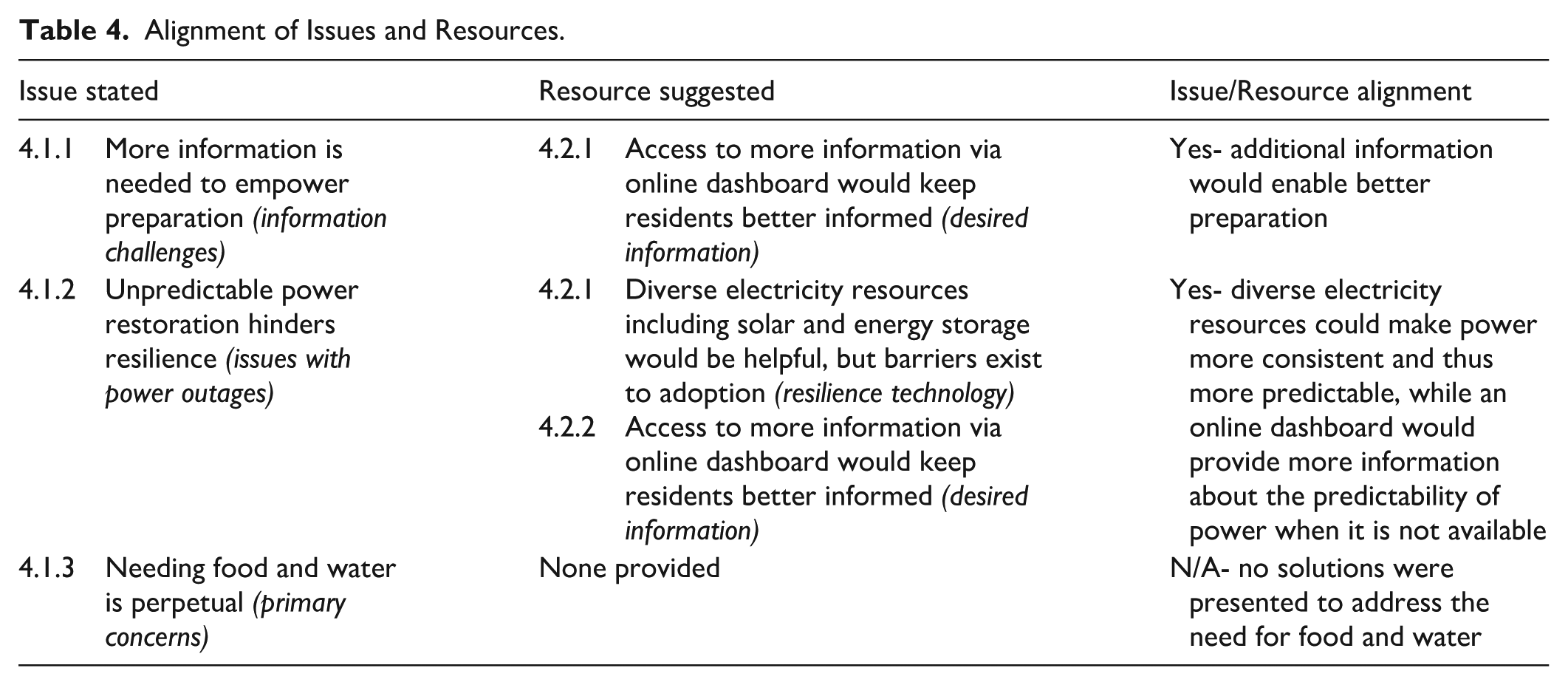
An information dashboard would also be helpful to address the issue of unpredictable power restoration hindering resilience. By providing additional information, residents would be able to plan for outages, improving the predictability of power restoration and enabling residents to take steps toward resilience when electricity is unavailable. In addition, by having diverse electricity resources, including solar and energy storage, residents would potentially have more reliable electricity, reducing the impact of electricity outages and enabling residents to return to normalcy more quickly than without this resource. This is especially important given the increases in electricity outages and the disproportionate impact on socially vulnerable communities (Ahmad, 2021; Cutter, 1996; Cutter & Finch, 2008; Flanagan et al., 2011).
This study also identified the need for food and water during power outages, which was frequently brought up in the focus group discussions (Figure 4), but unfortunately, the resources identified did not address this issue. It is important to note that many government agencies already provide food and water during emergencies (see e.g., U.S. Department of Homeland Security, 2025), but given the concern about food and water during power outages, more assistance is needed. Thus, there is a need for further examination and research into what resources could support more reliable food and water during power outages to enhance resilience.
This study identified two main resources to enhance resilience during power outages that people felt they had inadequate access to: an information dashboard and diverse energy solutions. Based on these resources, we make policy recommendations to enable these two resources.
First, policies should be implemented to lower the cost of alternative energy sources, such as solar + storage, as making alternative energy more affordable could not only make power restoration more predictable, but would also make food more accessible without the concern of perishable food going bad, two issues with resources identified in our findings. Solar + storage are currently expensive and often inaccessible, making it difficult for residents to access these resources, ultimately lowering resilience to power outages. Governments can offer targeted incentives like tax credits, rebates, or low-interest financing to reduce upfront costs for solar-plus-storage systems and microgrids as alternative sources of resilient energy (Burns & Kang, 2012; Gao & Zhou, 2022; O’Shaughnessy, 2022). Streamlining permitting and interconnection processes can also lower soft costs and accelerate deployment in underserved communities (O’Shaughnessy, 2022).
Second, local governments (counties or cities) should create an information dashboard that can be used to provide localized information identified in this study during power outages. The lack of information is a barrier to resilience during power outages, as identified in our first finding (more information is needed to empower preparation) and by providing and promoting information in an easily accessible dashboard, residents would have the information needed to plan and make informed decisions and prepare for outages, easing their return to normalcy.
Policies should make sure they are equitable and focus on equal access for all, especially since all three current issues with resources identified in the findings could be eased with greater financial resources. Both FEMA and NAPA focus on resilience and have an obligation to ensure electricity is accessible to all, as explored in the literature review, meaning there is a responsibility for emergency management and public administration professionals to advocate for such policies (FEMA, 2024; National Academy of Public Administration, n.d.). More transparent data holds the potential to improve relations between utilities and residents as well. The focus group discussions also highlighted structural inequalities, including income disparity, gender differences, and access to resources, information, and knowledge can equally heighten the level of vulnerability to power outages. Participants reported that social groups living in areas that have lower access to resources, such as hospitals, schools, jobs, and markets, have lower financial and logistic capacity to generate backup power, evacuate in a timely and safely manner, and recover quickly after power disruption and severe weather events that exacerbate their outage vulnerability.
Conclusion
This paper draws on focus group data and offers significant insights into the lived experiences of communities living in Central and Northwest Florida during extended power outages induced due to extreme weather events. Their lived experiences help to identify the critical resource gaps that impact resilience to weather-induced power outages in disaster-prone regions like Florida. Our empirical findings reveal that community members consistently emphasized the need for timely, accurate, and context-specific information before, during, and after power outages, including updates on restoration timelines. Additionally, participants highlighted the importance of access to affordable and reliable alternative resources, such as solar and storage technologies, to enhance resilience. Our findings affirm that participants’ claim on a needed cultural shift toward renewable energy presents that power outage resilience is not merely a technical or infrastructural issue but is also shaped by social, economic, and cultural factors. These perceptions demonstrate public skepticism and concerns about equity in social adoption that underscores the importance of trust building, transparency, and accountability among utilities, policymakers, and communities. Additionally, these factors shape inequalities in access to resources, affordability, and the availability of information and knowledge, all of which significantly affect community resilience to power outages. Addressing these challenges requires collaborative and coordinated actions that integrate public values into energy policy, enhance data transparency, and foster an environment for meaningful engagement of socially vulnerable communities in resilience planning. Enhancing such capacities can help bridge the gaps between policy design and public trust, advancing transitions toward clean and resilient energy systems that are inclusive, locally grounded, and culturally responsive rather than externally imposed.
Similarly, we found that socially vulnerable residents, like low-income households, the elderly, medical dependents, and children, face persistent problems in accessing basic needs such as food and water that hinder resilience to power outages. Such social groups disproportionately exhibit the challenges created by power outages and have minimal access to equipment to prepare for, tackle, and recover from such issues. To solve this issue, the relevant policies should follow the principles of equity in a way that information, knowledge, technologies, basic needs, and other needy resources are not only available but also easily accessible to all social groups. To achieve this, we suggest that the policy interventions should move beyond one-size-fits-all framing and incorporate local contexts along with the lived experiences of socially vulnerable populations into energy policy planning as a foundational component of equitable resilience. In addition, the policy should focus on reducing financial burdens that hinders access to energy technologies, prioritize community awareness and knowledge dissemination, and enhance transparency and accountability within customer-utility relationships to secure advanced resilience to climate-induced power outages.
To enhance resilience to power outages, we suggest an approach that integrates both physical and technological issues with social and policy dimensions, including equitable infrastructure design, accessible resources, inclusive community engagement, and transparent communication through reliable information and knowledge sharing. In addition to this, we suggest that future work could focus on in-depth qualitative research that examines the systematic challenges in accessing information and knowledge regarding power outages, basic needs such as food and water, and building trusting relationships between utilities and communities. Future research can also explore power outages from extreme weather events in other states, as this study focused on the experience in Florida, leaving a gap in research. Finally, future research can explore what steps emergency managers and local governments take to enhance community resilience, and explore how that aligns with resident perceptions and needs during power outages.
Footnotes

Funding
The authors disclosed receipt of the following financial support for the research, authorship, and/or publication of this article: This research was funded through the Department of Energy’s Office of Energy Efficiency and Renewable Energy (EERE) under the Solar Energy Technologies Office.
Declaration of Conflicting Interests
The authors declared no potential conflicts of interest with respect to the research, authorship, and/or publication of this article.