



Abstract
Plastics are integral to modern life but present significant environmental and economic challenges due to ineffective waste management systems. This article provides a comprehensive review of global plastic waste management (PWM) strategies, focusing on advancements in processing technologies, policy frameworks and their practical applications. It highlights the role of the World Intellectual Property Organization (WIPO) and regulatory bodies across the United States, Canada, Europe, Britain, India, Japan, Australia and China in fostering sustainable PWM practices. The study evaluates key processing techniques, including pyrolysis, gasification, supercritical water conversion, plasma-assisted processes, mechanical reprocessing and landfilling, emphasizing their technological advancements, limitations and scalability. Supercritical water conversion (operating at >374°C and 22.1 MPa) and plasma-assisted processing (using ionized gas at >3000°C) are identified as advanced methods capable of converting plastics into simpler molecules or valuable by-products. However, these technologies face challenges such as high energy requirements, operational costs and limited scalability. Persistent issues, including microplastic pollution, environmental impacts and the chemical-intensive nature of certain processes, are critically analysed. Drawing on extensive reviews of patents, case studies and real-world implementations, the study also examines the reuse potential of plastic by-products in diverse industries and evaluates state-level PWM initiatives in India. This review provides actionable insights for policymakers, researchers and industry stakeholders, highlighting critical gaps and opportunities to enhance the sustainability and scalability of PWM systems. By addressing persistent challenges, it contributes to advancing a circular economy for plastics and sustainable waste management practices globally.
Keywords
Introduction
Plastics are chemically harmful and pose a massive environmental threat by directly harming the aquatic, terrestrial, wildlife and ecological systems (Rochman et al., 2013). Waste plastics are distributed in the ecosystem through microplastics, mega-plastics, macro-plastics and meso-plastics. Microplastics are widely distributed in the water, which harms marine and coastal habitats (Thushari and Senevirathna, 2020). The large amount of waste plastics severely impacts the environment through soil pollution (landfilling), marine pollution (ocean dumping) and air pollution (open dumping) (Kibria et al., 2023). Besides these facts, plastics are an indispensable part of daily living and valuable in various sectors such as consumer goods, medical, packaging, electronics, construction, automotive, households and utilities. As per internet sources, plastics manufacturing is increasing continuously, and the worldwide plastic market is expected to grow at a compound annual growth rate (CAGR) of 3.4% and reach USD 750.1 billion by 2028 (Research and Markets, 2021). The 60% application of polymers are used altogether in packaging, construction and transportation sectors, whereas the rest of the plastics applications are shared by textile products, household and institutional products, electronics, machineries and tyre. The average lifecycle for packaging plastic is minimal, that is, 6 months, whereas plastic use in the construction division lasts approximately 35 years. Other plastic products have an average lifespan of between 3 and 20 years, such as plastic use in the consumer industry (3 years), textile industry (5 years), electrical and electronics industries (8 years), transportation industry (13 years) and industrial machineries (20 years) (OECD, 2022).
The improper management and fast growth of plastic industries have produced an enormous amount of plastic waste in the environment, and this mismanaged plastic waste in the environment could be triple the current scenario by 2060 (Lebreton and Andrady, 2019). The COVID-19 situation has further increased the plastic waste management (PWM) challenges as the use of personal protective equipment kits, equipment, medical wastes, plastic-packed foods, disposal utensils, etc., due to the consequence of fear of spread. Plastic waste may be vital in polluting soil, air and water if not properly cared for. Moreover, the critical issues in PWM include the presence of contaminants, difficulty in sorting and separation, limited public awareness and recyclability ageing and degradation, inadequate infrastructure and the complex nature of plastic materials impose economic and technical intricacies. Hence, there is an urgent need to develop economically viable, environmentally friendly and sustainable techniques to dispose of, reduce and reuse this plastic waste. To address these challenges, it would be significant to have a green, commercially viable technology that could recycle plastic at both micro (individual units such as households, hospitals, shopping complexes, etc.) and macro stages (industries, cities, etc.) and produce a useful end product with even hard to recycle plastics while leaving minimal footprint. The main strategies for effective, economical and sustainable PWM are reducing, recycling and reusing waste material. Furthermore, the invention of waste-to-energy processes and the inclusion of extended producer responsibility initiatives combined with collaborative efforts from government, industry, business and individuals are highly desirable to address this critical problem.
To provide a comprehensive understanding of the challenges and solutions in PWM, this article explores current research on plastic waste types, their impact on the environment and the primary challenges in PWM, drawing from various studies and reports. This article provides an in-depth analysis of current strategies, including recycling, waste-to-energy processes and green technologies for plastic recycling and waste reduction. It also discusses the economic, technical and logistical barriers to effective plastic PWM and highlights existing gaps in research and policy. This study mainly emphasizes on difficult to recycle plastics and their processing methods. Furthermore, this study provides up-to-date inputs from the literature about the steps taken for PWM in India and worldwide in terms of projects and patents. In addition, this review gives information about the utilization and management of plastic wastes and their by-products in several states of India. This review would help to provide an idea about ongoing sustainable methods and technologies to manage waste plastics, which might be helpful in reducing plastic pollution.
Methods
Designing the review
This review has concentrated on various types of solid plastic waste and their possible value-added applications using different recycling methods. The currently ongoing plastic waste processing methods, factors associated with them and fabrication details of various plastic waste processing methods have been discussed. Next, the various characterization methods and the possible applications of different solid plastic waste residues have been discussed. It is appropriate to review current progress in this rising field to fast-track the research in the correct direction. At first, an over-all literature review was conducted for these particular areas and found that no work has been provided such information about solid plastic wastes. Attention has also been made on difficult to recycle plastics and the currently ongoing various solid plastic waste processing methods. Data and information have been taken from research review articles, original works, books, book reviews, proceedings, dissertations, etc. The complete procedure and approaches for this review article are shown in Figure 1.
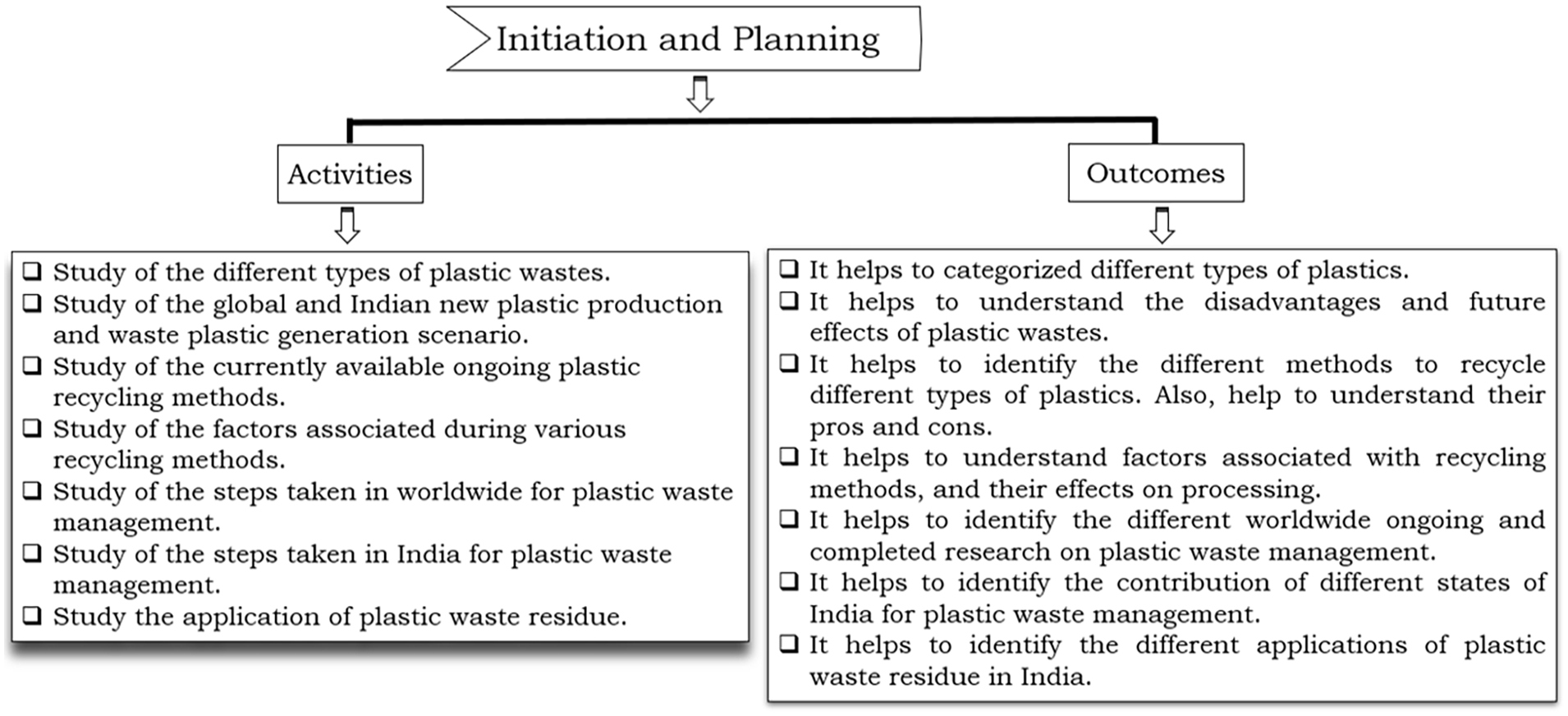
Procedure and approaches for review article.
Conducting the review
A systematic review was conducted using the PRISMA method which generally consists detailing the article selection criteria, search strategy, data extraction and data analysis procedures. The searches were conducted across major online databases, including Elsevier Scopus, SCI, SCIE and Web of Science, encompassing a wide range of scientific disciplines. Studies were selected in a three-step process: first, search keywords were entered based on the research objective to identify studies. Second, titles, abstracts and keywords were reviewed and selected based on eligibility criteria. Finally, all remaining article were thoroughly examined in full to ensure they met the eligibility criteria. Several keywords such as plastics, polymers, plastic wastes, solid plastic wastes, waste plastic processing methods, pyrolysis, incineration, landfilling, burning, recycling, upcycling, gasification, hydrogenation, etc. have been searched to construct this review article. The choice of publications for this study has been grounded on the dependability and validity of data, up-to-date research, utility of the articles, impact factors, citations, etc. The data collection process was conducted manually through content analysis, extracting information such as article type, journal name, year of publication, topic, title, research methodology, relationships between variables, indicators and research findings. The extracted data from each article were organized into the following categories: year of publication, author(s), research method, research variables and findings. The full steps of the systematic literature review process are illustrated in Figure 2.
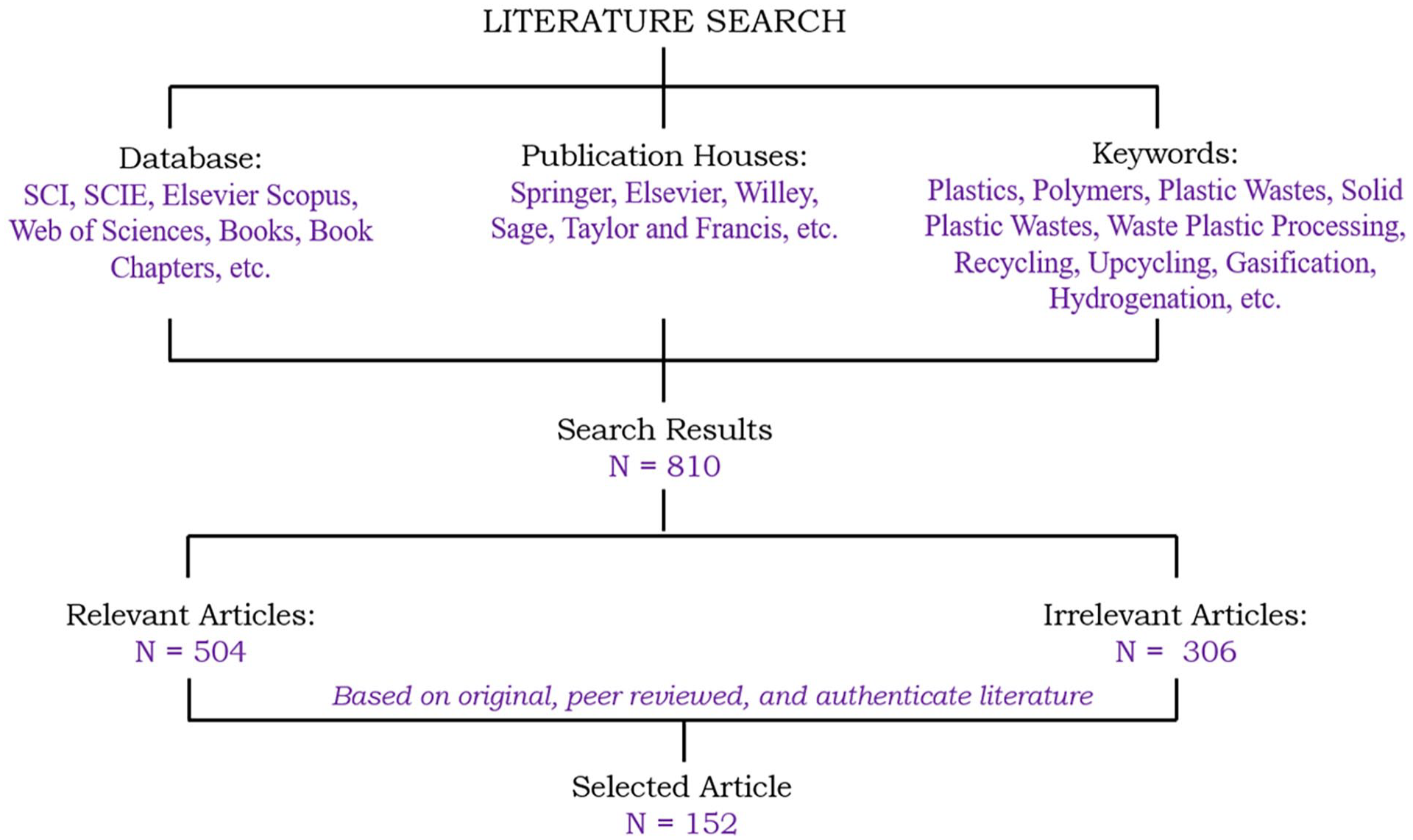
The full steps of the systematic literature review process.
Many reviews are available in the literature on plastic waste, its significant environmental threat and its management processes. Some of the review article and their focused application areas are given in Table 1. In addition, Table 1 imitates that none of the review articles cited in the literature focus on a combined study of the global and Indian scenario of plastics production, plastic waste generation and PWM.
The review articles related to plastic wastes, their significant environmental threat and their management processes.
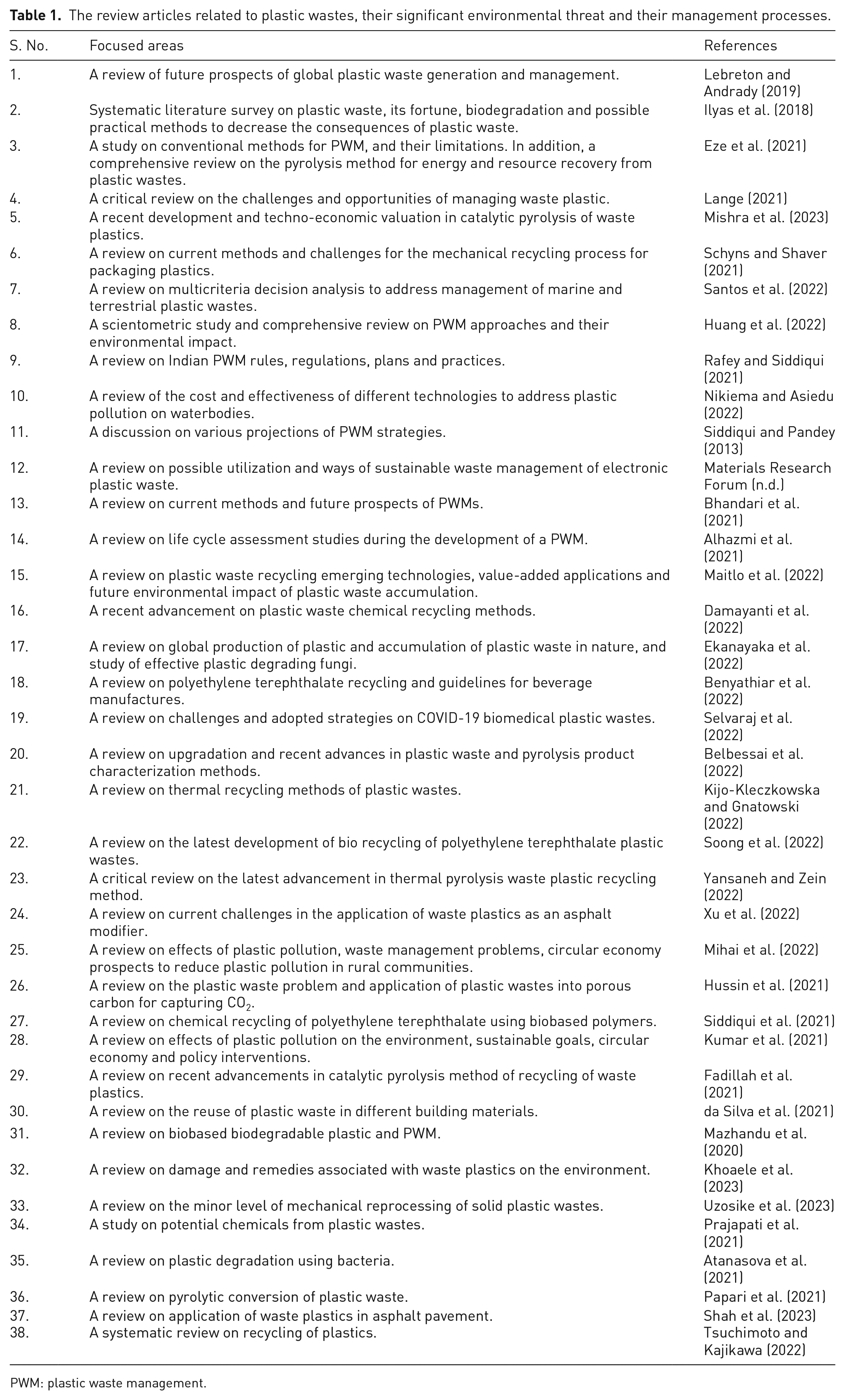
PWM: plastic waste management.
Global and Indian scenario
Global plastic market
The global market value of plastic was 593 billion USD in 2021, projected to be 609 billion and more than 810 billion USD by 2022 and 2030, respectively (Grand View Research, n.d.). The worldwide plastic manufacture is over 300 million metric tonnes year−1, and this is an immense upsurge in comparison to one and half million metric tonnes manufactured in the year 1950 (d’Ambrières, 2019). The global plastic market can be classified into four categories, that is, global plastic market based on product outlook, global plastic market based on application outlook, global plastic market based on end-use outlook and global plastic market based on regional outlook (Figure 3) (Grand View Research, n.d.).
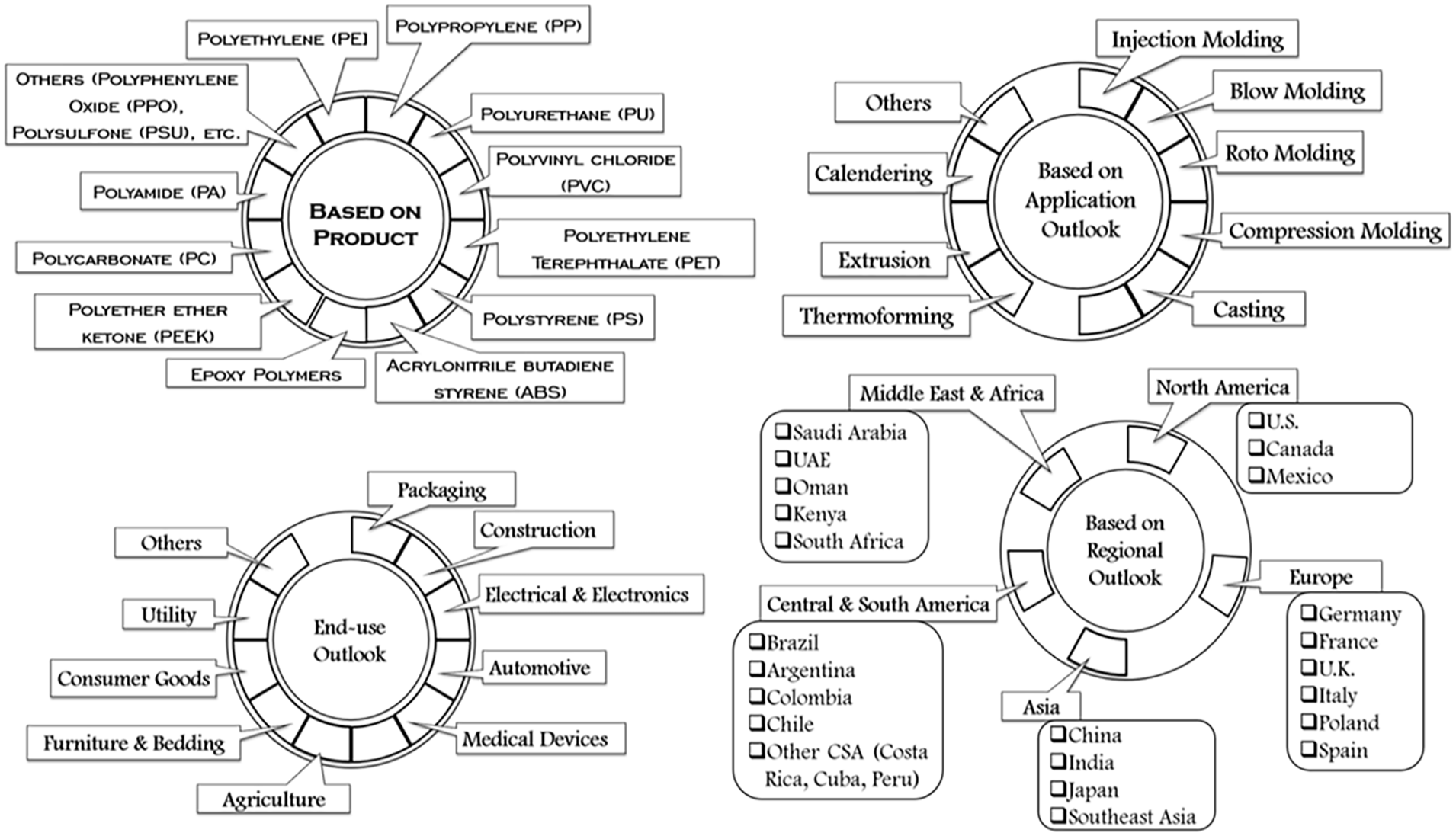
Global plastic market.
The global plastic market based on product type includes polyethylene (PE), polypropylene (PP), polyurethane, polyvinyl chloride (PVC), polyethylene terephthalate (PET), polystyrene (PS), polycarbonate (PC), acrylonitrile butadiene styrene (ABS) and other specialized polymers such as epoxy, polyamide and polyether ether ketone. PE has occupied the largest share (25%) in the global plastic market. It is used in the packaging sectors such as bottles, containers, plastic bags, plastic films, food packaging, liquid foods, caps for food packaging, geomembrane, etc. PE is of three types, that is, high-density polyethene (HDPE), low-density polyethene (LDPE) and linear-LDPE. ABS is the most promising plastic because of its outstanding rigidity, high strength, corrosive chemical resistance, tough and dimensional stability. It is commonly used in consumer goods, electrical and electronics applications, computer keyboards, toys, musical instruments, etc.
The various application processes used in the plastic industry, indicating the manufacturing techniques involved in shaping and moulding plastics. Key methods include injection moulding, blow moulding, roto moulding, compression moulding, extrusion, thermoforming, casting and calendaring. The largest revenue share (43%) has been held by injection moulding, dominating the plastic industry in 2021. It is a common technique to produce plastic parts such as automobile parts, containers, medical devices, etc. Another important segment is Calendering in the global plastic market. It is used inn films, sheeting, etc.
The plastic usage based on end-use industries, revealing the versatility of plastic products across sectors. The primary industries include packaging, construction, automotive, electronics, consumer goods and furniture, medical devices and agriculture. The packaging industry has dominated the worldwide plastic market with more than 36% revenue share in 2021. Plastic has been an indispensable component of the packaging industry. Plastics such as PET and PC have been aggressively used in packaging industries for beverages, food, medicine, toys, etc.
The global plastic market is spread unevenly across regions, with a concentration of production and consumption in Asia, followed by Europe and North America. This disparity reflects both the economic development and industrial demand for plastics in different parts of the world, driven by sectors such as manufacturing, packaging, automotive and construction.
Asian countries have dominated the global plastic market with a 50% revenue share in 2021. Due to urbanization, developments, growth and a better economy, the global market growth of plastic has drastically increased in the Asia-Pacific region. India has a solid chemical manufacturing industry base and also has spiked in automotive production. Moreover, Taiwan, China and South Korea have strong manufacturing bases for electrical and electronic industries, which further strengthen plastic production. Within Asia, China alone represents 29% of the global plastic market, making it the single largest national consumer and/or producer of plastics. Japan contributes another 4%, whereas the remaining Asian countries together make up 17% of the market. This significant share illustrates the high demand for plastics across Asian industries, fuelled by rapid economic growth, expanding manufacturing sectors and an increasing need for consumer goods. Asian economies have witnessed significant industrialization, which has driven demand for plastics in packaging, construction, electronics and other sectors. This high demand in Asia underscores the region’s critical role in the global plastic supply chain.
Europe is the second-largest market for plastics globally, taking 19% of the market share. The European plastic industry is predominantly strong in Western Europe, where plastics are extensively utilized in various industries, including packaging, automotive and construction. The high level of plastic demand in Europe reflects the advanced state of its industrial sectors and its commitment to innovation in plastic products. Additionally, European countries have increasingly focused on sustainable and recyclable plastics, which may influence the demand and development of new types of materials in the future. Europe’s significant share highlights its role as a major player in both plastic production and consumption.
North America, mainly consisting of the United States and Canada, accounts for 18% of the global plastic market. This share aligns with North America’s strong consumer market, where plastics are integral to packaging, household goods, electronics and numerous industrial applications. The high plastic demand in this region is driven by large-scale manufacturing and a high standard of living, which results in a consistent need for packaging and consumer products. Additionally, North America’s well-developed infrastructure in sectors such as construction and automotive further supports its significant consumption of plastics.
The Middle East and Africa collectively account for 7% of the global plastic market. Although this share is modest in comparison to Asia, Europe and North America, it reflects a growing demand for plastics in these regions, especially in construction and packaging industries. Certain countries in the Middle East, with their high urbanization rates and expanding economies, are contributing to increased plastic consumption. Likewise, in parts of Africa, a rising middle class and urbanization are driving demand for plastic products, particularly in consumer goods and food packaging. This growth trend in plastic demand highlights the development and economic shifts occurring in these regions.
Latin America represents 4% of the global plastic market, which reflects a moderate demand for plastics. This demand is driven by the region’s reliance on plastics in packaging and consumer goods. However, factors such as varying economic conditions and levels of industrialization across Latin American countries result in lower overall plastic consumption compared to more industrialized regions. Nevertheless, plastics play an essential role in meeting Latin America’s packaging needs, particularly in food and beverage industries.
The CIS countries, including former Soviet republics, make up the smallest share of the global plastic market at 2%. This limited share is likely due to the region’s relatively smaller economies and less extensive use of plastics in industrial applications. However, certain CIS countries have seen gradual increases in plastic demand, particularly in urban centres where modernization is underway, but the overall consumption remains limited relative to other regions (d’Ambrières, 2019).
Global scenario of plastic waste
The production of plastic waste is directly proportional to the utilization of plastics. The global production of plastic waste can be assessed from the quantity of plastic used, the international trade of plastics and plastic products, and the average lifecycle of plastic applications. The contribution of several countries in the generation of plastic waste, such as the United States accounts for 21%, Europe and China are responsible for 19% each and the rest of the world is responsible for 41% of global plastic waste. Additionally, it has been reported that in 2019, the United States had the major plastic waste foot prints in terms of waste per capita, that is, 221 kg, whereas Europe had 114 kg, Japan and Korea altogether had 69 kg and China had 47 kg. It has been observed that more plastic waste is mishandled than collected for the recycling process. PWM methods vary significantly across different global regions, particularly between Organisation for Economic Co-operation and Development (OECD) and non-OECD countries (OECD, 2022). The data presented from OECD highlight the proportion of plastic waste that is mismanaged, landfilled, incinerated or collected for recycling, prior to accounting for recycling residues or litter cleanup. This analysis underscores the global inequalities in waste management, especially in terms of infrastructure and environmental impact, with OECD countries exhibiting more controlled waste management practices compared to non-OECD regions.
In OECD countries, PWM primarily relies on landfilling and incineration, both of which provide controlled disposal pathways and help minimize environmental harm. On average, 53% of plastic waste in OECD regions is disposed of in landfills, whereas 25% is incinerated. These high rates reflect the robust infrastructure in OECD countries, which supports environmentally safer waste management practices. Approximately 16% of plastic waste is collected for recycling, showcasing a moderate commitment to recycling initiatives within these countries. A mere 6% of plastic waste is mismanaged and littered, indicating relatively effective systems for minimizing environmental pollution. Canada and the United States exhibit a high reliance on landfilling as a primary disposal method, with the United States additionally showing considerable use of incineration. Recycling rates remain moderate in both countries, with minimal levels of mismanagement and littering. OECD European Union (EU) countries and OECD non-EU countries have a more balanced approach, with substantial portions of plastic waste incinerated and a significant amount collected for recycling. This reflects the EU’s strong emphasis on waste-to-energy technologies and recycling as part of its environmental policy. OECD Asia and OECD Oceania stand out for their relatively high recycling rates compared to other OECD regions, though landfilling remains a primary disposal method in these areas as well.
In contrast, non-OECD countries exhibit a considerably different pattern in PWM, characterized by high rates of mismanagement and littering. On average, 37% of plastic waste in non-OECD regions is mismanaged, leading to significant environmental and public health risks. Another 39% is landfilled, 9% is incinerated and 15% is collected for recycling, highlighting significant gaps in waste management infrastructure and recycling capacity in these regions. China and India rely extensively on landfilling for plastic waste disposal but also report high levels of mismanaged waste. Recycling rates in these countries are relatively low, possibly due to limited formal recycling systems and dependence on informal waste sectors. Latin America, Middle East and North Africa and Other Africa exhibit similarly high levels of mismanagement and littering, reflecting substantial challenges in waste management. Recycling rates are low in these regions, underscoring the need for improved waste treatment facilities, regulatory frameworks and PWM policies.
At a global level, 22% of plastic waste is mismanaged and littered, posing environmental hazards, especially in water bodies and urban areas. Forty-six percent of plastic waste is landfilled, 17% is incinerated and only 15% is collected for recycling. These figures highlight major global challenges in managing plastic waste sustainably. The significant reliance on landfilling and incineration, combined with low recycling rates, reflects an urgent need to improve waste management infrastructure worldwide, particularly in non-OECD regions. The environmental concerns linked to landfilling, such as greenhouse gas emissions and soil degradation, as well as the emissions associated with incineration, underscore the importance of shifting towards more sustainable practices such as recycling.
The analysis shows the differences in plastic waste treatment between OECD and non-OECD countries. OECD nations benefit from more robust waste management infrastructure, resulting in lower rates of mismanagement and a more controlled approach to disposal and recycling. Non-OECD countries, however, face significant challenges, with high levels of mismanagement, low recycling rates and a heavy reliance on landfilling. These disparities reflect broader economic and infrastructural differences. Investing in recycling infrastructure, expanding waste collection systems and adopting sustainable waste management policies are crucial steps towards reducing pollution and enhancing global environmental sustainability.
Indian plastic market
In India, the plastic industry has been established in 1957. Rapid globalization, technological advancement and consumer demands have raised the Indian plastic industry globally and domestically. It now contains over 30,000 companies and become one of the best exporters of plastic products (exported to more than 150 nations) (Maximize Market Research, n.d.). The consumption of plastics in different sectors in India are electrical, electronic, automotive, medical, construction, agriculture, household, packaging, etc. (Hossain et al., 2022). In India, every day, 26,000 tonnes of plastic are produced and 10,000 tonnes remain uncollected (INSIGHTSIAS, n.d.). Out of the total plastic, 80% is thermoplastic, which could be repeatedly formed into a new product by applying heat until it loses its properties in subsequent uses.
The Indian plastic market is anticipated to grow significantly from 2020 to 2027. In 2020, the market was valued at approximately $36.07 billion and is expected to reach $56.42 billion by 2027. This growth translates to a CAGR of 6.6%, which underscores a consistent demand across various sectors despite the disruptions posed by the COVID-19 pandemic. The pandemic’s influence likely affected supply chains, altered demand patterns and introduced new challenges in raw material availability. However, the market’s projected growth rate signals the industry’s resilience and adaptability, as companies in India rapidly adjust to meet both domestic and global demand for plastics.
The regional breakdown of the Indian plastic market in 2020 reveals that North India holds the largest market share, followed closely by West India. South India and East India also contribute to the market, albeit to a lesser extent. This distribution suggests a broad, geographically diverse demand for plastic products across the country, with North and West India emerging as key hubs. These regions are major industrial centres, housing a significant number of facilities in automotive, consumer goods and packaging industries, which are among the largest consumers of plastics. The strong demand in these regions reflects the broader economic development and industrial activity that drive the need for plastic materials.
The Indian plastic market is supported by several prominent companies that play a critical role in its expansion and innovation. Key players such as Reliance Industries Ltd., Mumbai, India; Tipco Industries Ltd., Bangalore, India; Rajiv Plastics Ltd., Mumbai, India; Milacron India Pvt. Ltd., Gujarat, India, etc. companies are noted for their innovation and expertise in plastic production, meeting a variety of market needs across different applications. In addition to these firms, other contributors collectively support the growth and innovation within the Indian plastic industry. These companies bring technological advancements, broaden product offerings and meet industrial demand across various sectors.
The product segment analysis categorizes the types of plastics within the Indian market and projects trends from 2020 to 2027. The main product categories are PE, PP, PVC and PET. PE and PP occupy the largest shares across the forecast period. This consistency highlights the demand for versatile plastic types capable of serving multiple industries and applications. As the need for sustainable and recyclable materials increases, PETs market share is projected to rise, aligning with a global shift towards eco-friendly plastic options.
The Indian plastic market shows strong potential for continued growth, driven by regional demand, diverse applications and the support of key industry players. The prominence of PE and PP in the product segment highlights the widespread applications of these materials across industries. Regional analysis emphasizes the role of North and West India as central contributors to the market. Improvements in recycling practices and sustainability initiatives could further strengthen the market, aligning it with global trends and ensuring long-term growth and environmental responsibility.
Indian scenario of plastic waste
In India, junk or scrap dealers and housekeeping staff usually collect plastic waste and segregate it before directing it to the factories for recycling. Online outfits and small plastic recycling plants utilize waste plastic to generate employment and make valuable goods such as clothes, toys and furniture from recycled plastics. However, there is considerable plastic waste in drains or landfills, such as packaging and pouches (shampoo, gutkha, detergent, etc.) and plastic bags comprise the least recyclable material. These plastics or pouches cannot be recycled (due to multilayer plastics) as per the 2016 Plastic Management Rules of the Government of India and guided towards cement factories for energy retrieval or road construction. Multiple Indian, multi-national and international groups are working on plastic waste recycling in India, but around 28% of overall plastic is recycled. Plastics such as PVC, HDPE, PP, LDPE and PS are rarely recycled. According to a report by Ian Tiseo (Statista, n.d.), Maharashtra has generated the largest quantity of plastic waste (443,724 metric tonnes), and Tripura has generated the least quantity of plastic waste (32 metric tonnes). The percentage of plastic waste generated in India is shown in Figure 4.
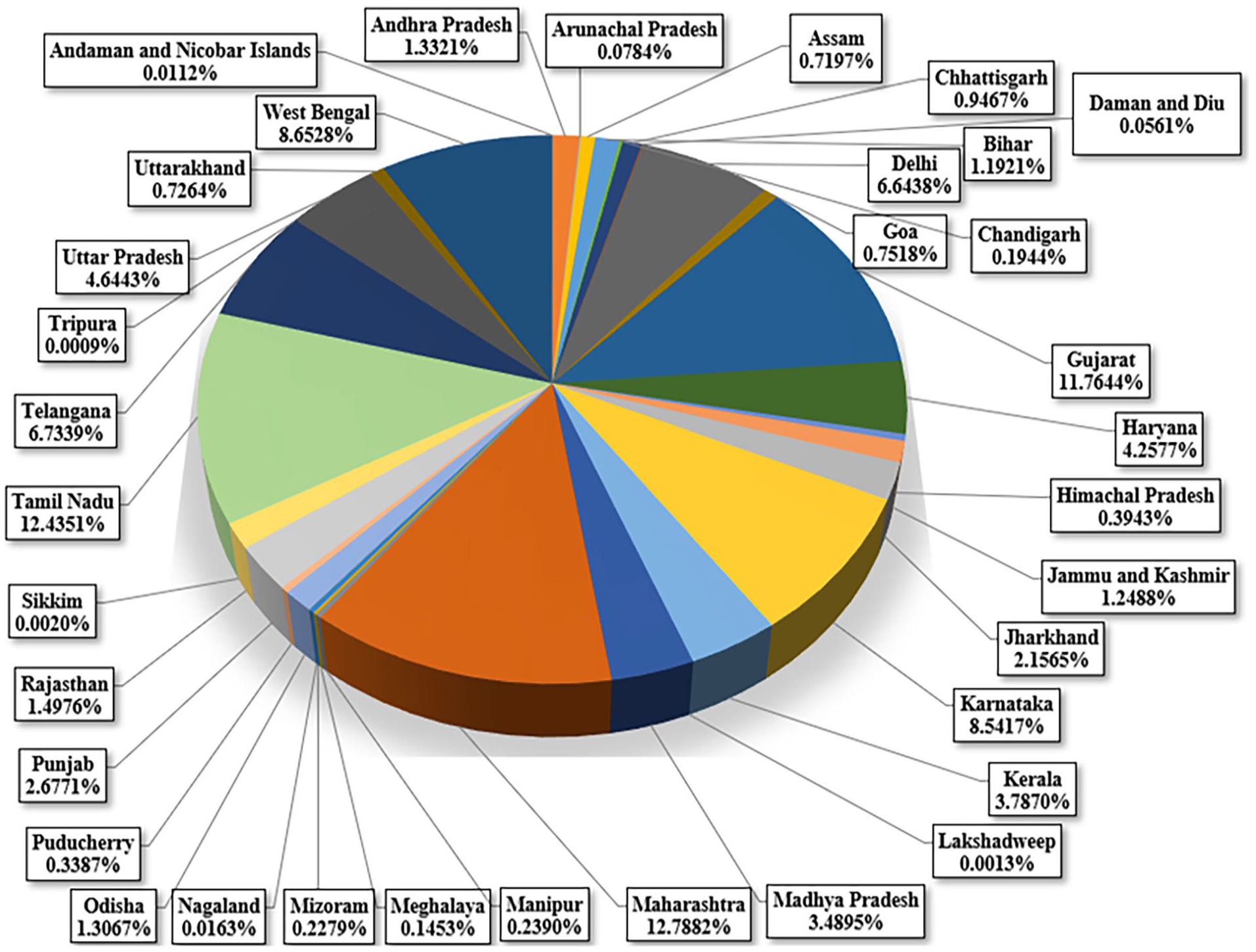
The percentage wise plastic waste generated in India.
Difficult to recycle plastic
Plastics are the chain combination of simple molecular blocks. The common problems during recycling are the systematic breaking of chemical bonds and the low energy needed to recover valuable material. The afterlife of plastics can be achieved through mechanical and chemical recycling. In mechanical recycling, the materials are chopped, liquified and reused. Mechanical processing requires significant quantities of pure material and leads to inferior goods. In the chemical recycling process (Thiounn and Smith, 2020), the bonds are broken into small molecules that can be used to make new plastics. The chemical processing requires significant energy and leads to the formation of undesired products (hydrocarbon, tar and coke form) and poorer selectivity of valuable products. High temperature is mandatory in chemical processing to break the C–C bonds in plastics (PE and PP). Metal catalysed (Pt/SrTiO3, Pt/SiO2, etc.) hydrogenolysis has also been adopted for processing plastics, but this process requires a long reaction time, high temperature and high catalyst-to-plastic ratio. Another striking option is hydrocracking over bifunctional metal/acid catalyst in which cracking of C–C bonds by the acid-catalyst and metal-catalyst eliminates the catalyst coking (Ding et al., 1997; Liu et al., 2021). Furthermore, catalytic upcycling via processive mechanism (Tennakoon et al., 2020) and catalytic hydrogenolysis (Celik et al., 2019) are the processes in which plastic macromolecules are catalytically transformed into value-added goods. Recycling through electron beam radiation (Jamdar et al., 2017) and dissolution reprecipitation (Poulakis and Papaspyrides, 1997) are advanced plastic processing methods used for food, pharmaceutical and detergent plastic wastes. The most challenging plastic to recycle are types 3, 4, 5, 6 and 7. The details and common examples of these plastics are given in Table 2. Despite several advancements and innovations, there are many plastic materials that are difficult to recycle. The key problematic areas in the recycling of plastics are the mixing of materials (water bottles with caps, paper cups, cartons for milk and juices, toothpaste tubes, composites such as particle board and fibreglass, etc.), problematic designs (thin and fragile nature) and inherently problematic materials (contaminated plastics such as shampoo pouch, bottles, grease on a pizza box, etc.).
Difficult to recycle plastics.
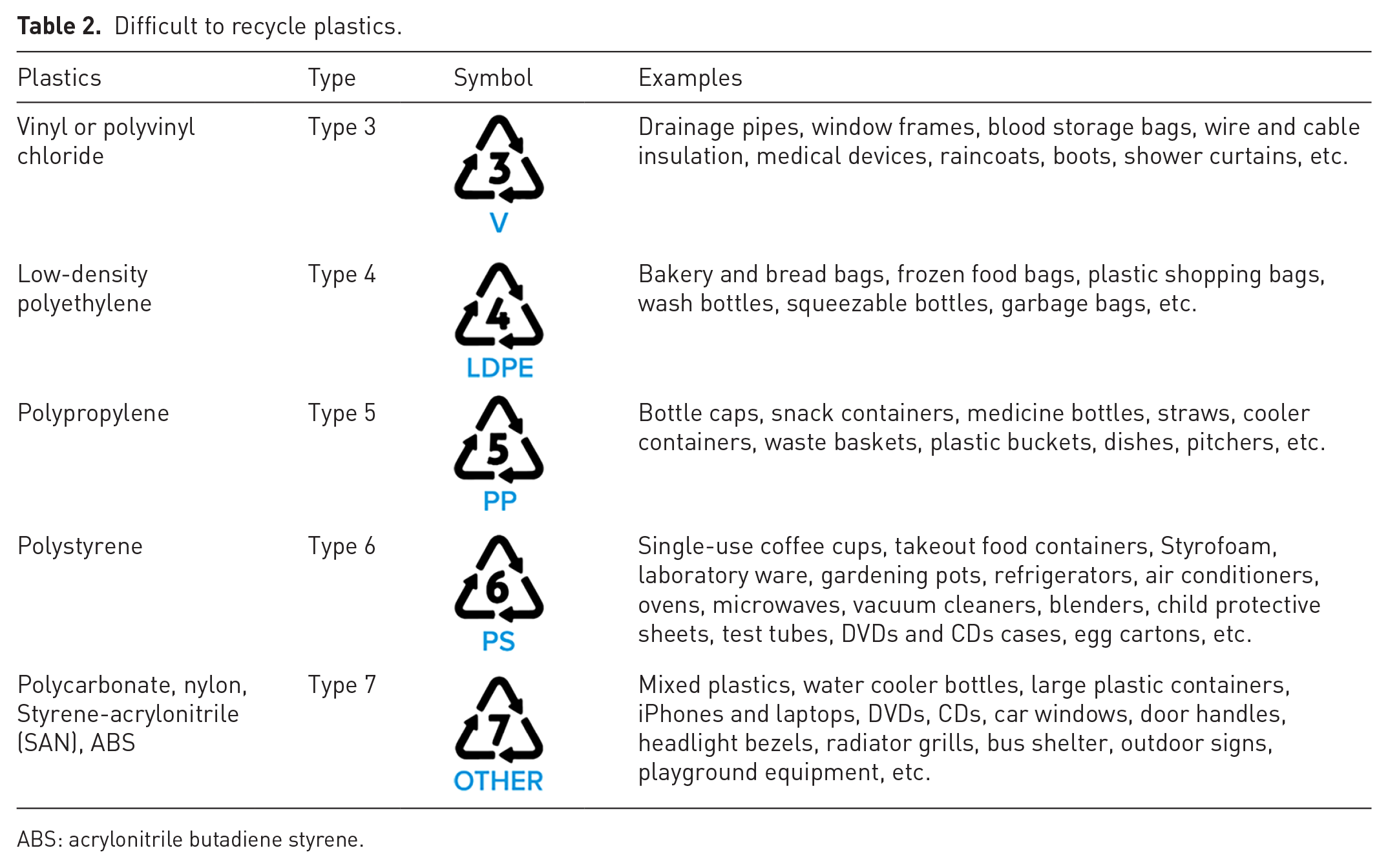
ABS: acrylonitrile butadiene styrene.
Plastic recycling is the process of collecting and reconverting them into useful products and ensuring that they do not go to waste. Usually, most of the plastics we encounter daily are recyclable, such as PET, HDPE, PP and LDPE. Recycling mainly depends on the type of plastics, and compatibility issues should be resolved before recycling (Kaiser et al., 2017; Morris, 1996). In plastic waste, there are several different types of plastics, and during recycling, introducing one type of plastic into another may reduce the properties of recycled material. Some of the methods for distinguish unlike plastic materials are listed in Supplemental Appendix Table A. Laser-introduced breakdown spectroscopy (LIBS) can be used for all types of solid plastic wastes and is a reliable technology for efficient identification and classification. LIBS uses pulse laser sources for spectral analysis, which allows it to detect elements such as carbon and hydrogen in various plastics, including PET, HDPE, PVC, LDPE, PP and PS (Singh et al., 2017). The triboelectric separation method is extensively used for the sorting and purifying of industrial granule plastic waste materials. However, it is limited to separating materials within a particle size of 2–4 mm (Bendimerad et al., 2009; Singh et al., 2017). The X-ray fluorescence method is used to identify the chemical structure of plastics from all types of plastic wastes via non-destructive testing. This method utilizes X-ray sources to identify trace elements, particularly in dark plastics, offering high accuracy based on colour emissions (Bezati et al., 2011). The froth flotation technique is commonly used to efficiently handle large amounts of plastic waste separation. Froth flotation uses material density for separation and is known for being simple and cost-effective; however, it struggles with HDPE and LDPE separation due to the hydrophobic nature of plastics (Alter, 2005; Singh et al., 2017). The magnetic density separation technique separates useful plastics and can sense very minor changes in physical properties. It also relies on density differences, allowing the separation of useful plastics with minimal residuals and offering a low-cost solution due to its single-step process (Singh et al., 2017). Hyper spectral imaging method is frequently used to identify plastics in food and pharmaceutical plastic wastes. It examines spectral data from images to detect the quality of separated plastic waste efficiently and non-destructively. Each sample is analysed based on unique physical and chemical characteristics tied to specific wavelengths, making it suitable for rapid and accurate assessments (Singh et al., 2017).
The benefits of recycling plastics are that it reduces the amount of waste that is dumped in land and oceans, reduces the emission of CO2 and harmful gases, energy consumption, deforestation, saves petroleum, etc., due to the making of new plastics (Garcia and Robertson, 2017). Furthermore, it creates new jobs and additional revenue for the government and private organizations. In addition, it encourages a sustainable life system. The recyclability status and the processing methods of plastics are mentioned in Supplemental Appendix Table B (Rahimi and García, 2017). The Supplemental Appendix Table B summarizes the recyclability, processing methods and challenges of various plastics. PET is recyclable through mechanical recycling, pyrolysis, hydrolysis and other methods, but its ductility decreases with each cycle. It decomposes above 300°C and is less efficiently recycled when dyed. HDPE, despite being highly dense and structurally tough, is difficult to recycle. However, additives improve its recyclability, and pyrolysis with high-surface-area catalysts can yield gasoline products. PVC is durable but non-recyclable due to its additives, which contaminate the recycling process, and it degrades above 200°C. LDPE has limited recyclability but withstands multiple melt cycles due to thermal stability, producing light hydrocarbons during pyrolysis. PP and PS also face recyclability issues: PP degrades with repeated processing cycles, and PS, with diverse material forms, is difficult to sort and recycle effectively. However, PS can be decomposed by mealworms or repurposed chemically. Other plastics, such as PC and polymethyl methacrylate (PMMA), offer chemical resistance and desirable properties but are generally non-recyclable. Pyrolysis and photochemical processes aid in their breakdown, though mechanical recycling reduces molecular weight. Epoxy composites, particularly, present economic challenges in recycling due to complex constituent separation requirements.
Plastic waste processing methods
Traditional disposal methods of plastics can lead to severe environmental damage. For circular economy and sustainability, it is essential to develop effective methods for converting waste plastics into useful products, as presently, more than 90% of solid plastic waste is either landfilled or incinerated (Singh et al., 2017). Therefore, the attention should be focused on alternative approaches to convert plastic waste into useful value-added products. Recycling and degradation are the two common approaches for the disposal of waste plastics. Plastic recycling is a cheaper process than the production of virgin materials because of energy saving (40–90%), which depends on the grade and plastic-type. The recycling of plastics can be divided into secondary, tertiary and quaternary recycling according to the American Society for Testing and Materials (ASTM) standards ASTM D5033-2000 (Al-Salem et al., 2009). Primarily and secondary recycling is also called physical recycling processes due to the mechanical recycling of used materials. It includes direct reuse, segregation, extrusion, etc. In contrast, tertiary and quaternary recycling are involved with resource recovery (pyrolysis, gasification, hydrocracking, chemolysis, etc.) and energy recovery processes (incineration), respectively (Lopez et al., 2017; Zhao et al., 2022). In degradation, the plastics undergo a series of degradation processes and convert into CO2 and H2O. The microbial degradation process is very popular due to its complete degradation, low energy consumption and eco-friendliness. Furthermore, the degradation process is classified as biodegradation and oxo-biodegradation processes. The oxo-biodegradation process is divided into abiotic degradation (photodegradation, mechanochemical degradation, thermos degradation and other degradation) and biotic degradation (CO2 and H2O).
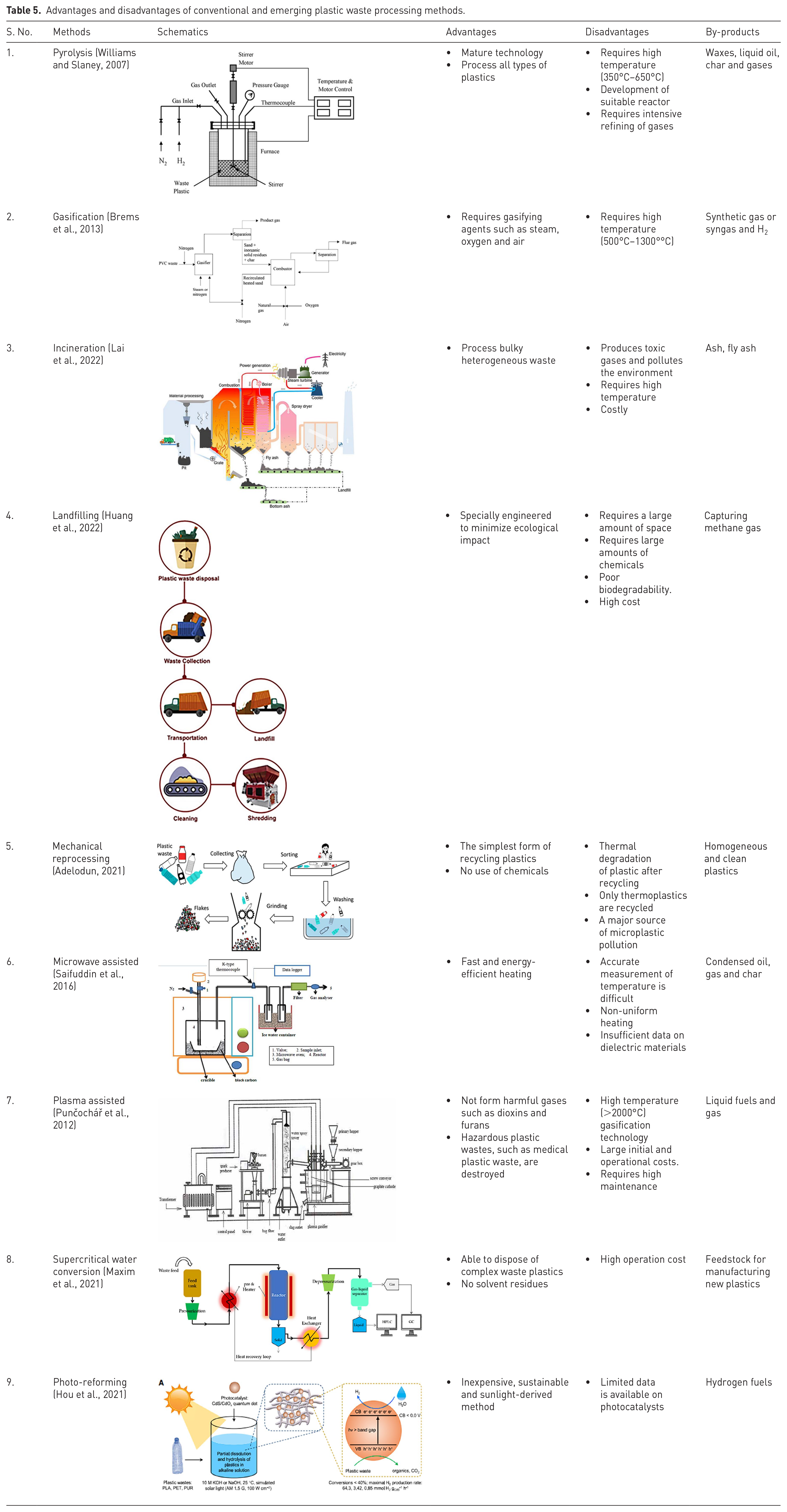
Each processing method has provided a unique set of advantages that make them beneficial for specific locations, applications and product requirements. The purpose of recycling plastic waste is to decrease the utilization of natural resources because plastics are accountable for 4–8% of worldwide oil production. Recently, much consideration has been paid to various chemical recycling methods, such as pyrolysis, gasification, catalytic degradation, etc., for recycling plastic wastes. Pyrolysis is a thermal degradation process that converts plastic wastes into fuels and monomers in an inert atmosphere (Mordi et al., 1994; Qureshi et al., 2020; Williams and Slaney, 2007). The pyrolysis process is carried out through thermal and catalytic ways. The thermal route produces inferior-quality of liquid oil and needs high temperature and retention time. The catalytic route is the advanced process to overcome these difficulties. In this method, 70–80% of plastic waste has been converted into liquid oil, which has similar characteristics to diesel fuel (Aguado et al., 2008; Akpanudoh et al., 2005; Santos et al., 2018). In addition, the by-products such as char and produced gases can be used as an adsorbent for the removal of impurities from wastewater and, polluted air and energy carriers, respectively. The important factors that affect pyrolysis are temperature, feedstock composition, use of catalyst, particle size, moisture content, etc. Temperature can affect both the quality and quantity of the gases and liquid oil produced, whereas there is a negligible effect on the quantity of char. Low temperature produces long-chain hydrocarbons, whereas high temperature produces short carbon chain compounds because of the cracking of C–C bonds (Kunwar et al., 2016). The major disadvantages of catalytic pyrolysis are high process input energy, expensive catalyst, low regeneration of catalyst, etc. (Miandad et al., 2016). Pyrolysis can be effective for depolymerizing PET, PS, PMMA, nylon, etc. The by-products of waste processing during low- and high-temperature thermal processing methods are given in Table 3 (Qureshi et al., 2020).
By-products of plastic waste processing during low- and high-temperature thermal processing method.
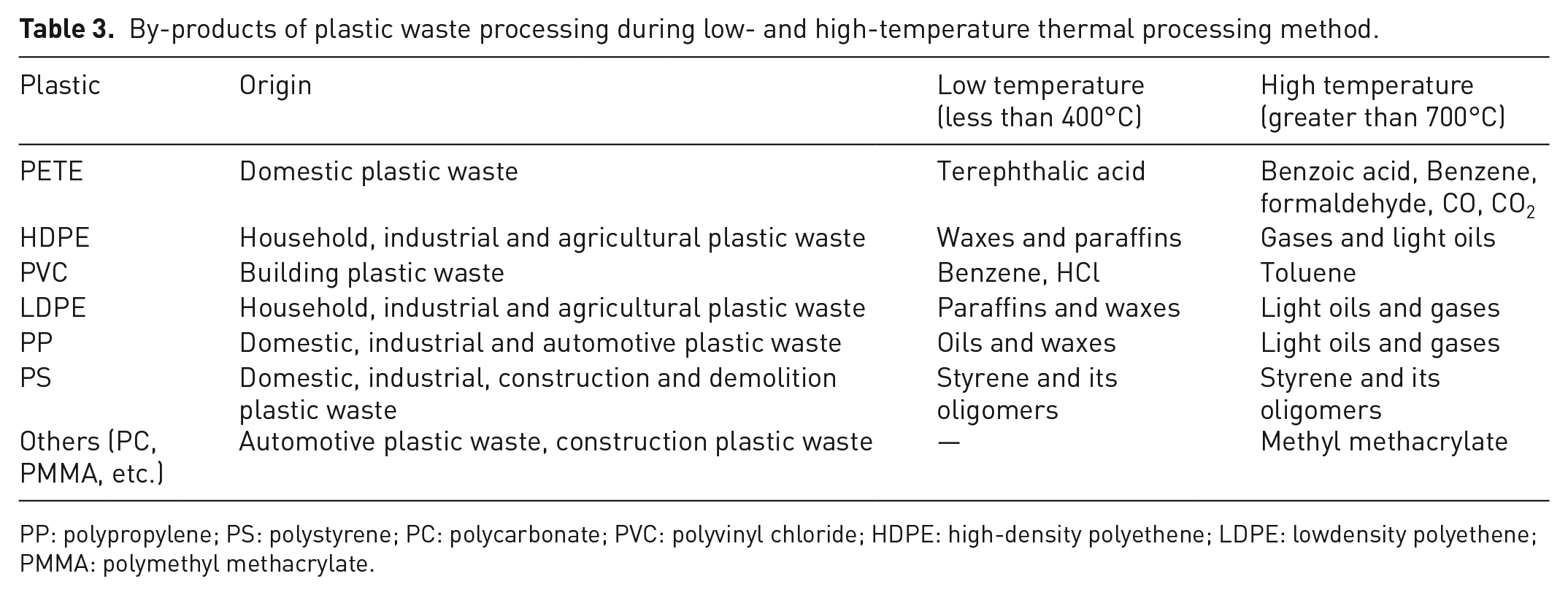
PP: polypropylene; PS: polystyrene; PC: polycarbonate; PVC: polyvinyl chloride; HDPE: high-density polyethene; LDPE: lowdensity polyethene; PMMA: polymethyl methacrylate.
Table 4 mentions the various characteristics (density, viscosity, kinematic viscosity, higher heating value, pour point, flash point and boiling point) of liquid oil obtained from different plastic wastes. Then, a comparison of these various properties of liquid oil was also made with conventional diesel. It is evident from Table 4 that the quality of liquid oil derived from several plastic wastes is at par with conventional diesel oil. However, there is a 5–6% variation in the density of waste plastic liquid oil and conventional diesel oil. The experimental calorific value of liquid oil obtained from HDPE, LDPE, PP, PS and mixed plastic municipal wastes are all comparable to conventional diesel oil. PET and PVS have the lowest calorific value compared to their counterparts.
Comparison of physical fuel properties produced from different plastic waste to the conventional diesel oil.
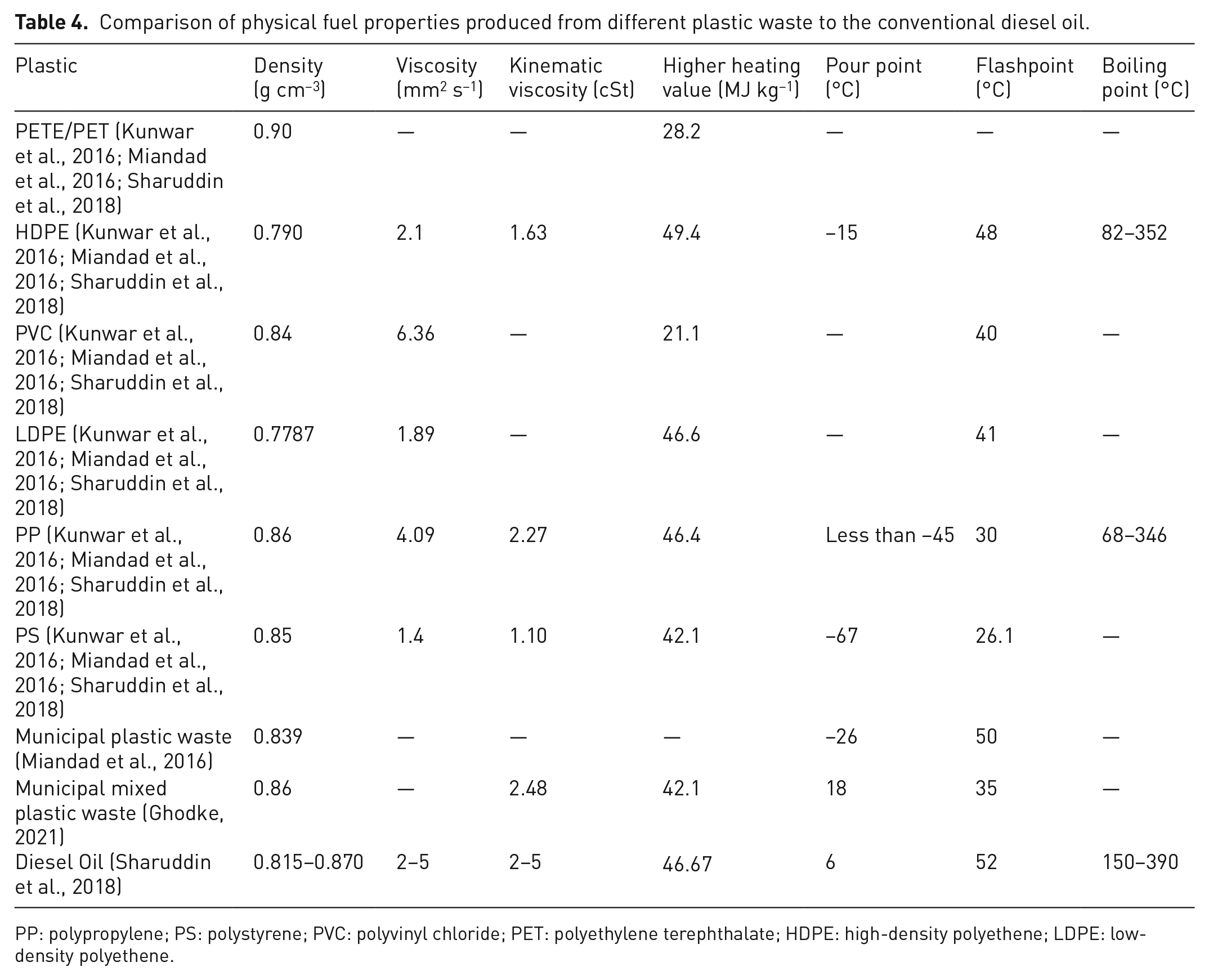
PP: polypropylene; PS: polystyrene; PVC: polyvinyl chloride; PET: polyethylene terephthalate; HDPE: high-density polyethene; LDPE: low-density polyethene.
Gasification is a thermochemical recycling method, which is advantageous for treating heterogeneous and contaminated plastics. It is commonly operated between 600°°C and 800°C temperature range in an air lean (20–40%) environment. The by-products of the gasification process are syngas and solid residues such as char and ashes. The advantage of the gasification process is the air is the gasification agent, which reduces the cost. The disadvantage of air as a gasification agent is the presence of N2, which causes a reduction in the calorific value. Gasification can be effective for PVC, PP and PET for producing fuel gas (Brems et al., 2013; Lopez et al., 2018). Incineration is the combustion process to terminate the plastic wastes into ashes (Lai et al., 2022). This process produces heat, which can be utilized for powering devices. The plastic wastes are burnt to ashes in the incinerator to generate heat for boiling purposes. The disadvantage of this method is the release of greenhouse gases and toxic pollutants such as acid gases, heavy metals, dioxins, furans, etc., which can result in global warming and health issues. Furthermore, in this process, a large amount of energy is required, and the energy generated through the mass incineration of plastic is significantly less than the energy conserved by other recycling processes. The most basic method of plastic waste disposal is landfilling (Huang et al., 2022). Although the landfilling process is not recommended for processing plastic waste, but it has historically been used to handle the majority of plastic waste (even now). The non-degradable plastic waste is slowly decomposed under landfilling. It contains a great deal of plastic waste and has been associated with a number of problems related to the environment and health issues. Mechanical processing is the most conventional, simple and economical approach for recycling waste plastics (Adelodun, 2021). This process can be operated in two modes, that is, primary or closed-loop recycling and secondary recycling mode. These modes involve sorting, shredding, washing and pelletizing processes to recover the plastic with minimal alteration. The reprocessing can be achieved through thermoforming, extrusion, compression and injection moulding. The major disadvantages of this process are the presence of different contaminants such as heat stabilizers, additives, colours, plasticizers, flame retardants, etc. Cleaning contaminated plastics prior to recycling can increase processing costs. Biochemical conversion is the upcycling technique in which microorganisms decompose the biodegradable plastic wastes. It is an expensive and time-consuming process. Examples of the biochemical conversion of plastic wastes by bacteria (Yoshida et al., 2016), wax-worm caterpillars (Bombelli et al., 2017) and mealworms (Yang et al., 2015) are reported in the literature. The disadvantage of this process is that during the conversion of plastic wastes, microplastics can be produced that can cause significant negative impact in aqua-system.
The conventional methods for processing plastic waste are widely adopted across the world, but they often fall short in terms of sustainability and environmental impact, which has led to the exploration of more advanced processing methods. Emerging techniques for plastic waste processing represent ongoing research and innovation aimed at overcoming the limitations of conventional methods. These methods are at various stages of development and may represent the future of sustainable PWM. In microwave-assisted plastic waste processing methods (Aishwarya and Sindhu, 2016; Arshad et al., 2017; Saifuddin et al., 2016), electromagnetic waves have been used for heating. In this, the microwave penetrates into the material, stores energy and converts it to the material core. It has several benefits over orthodox methods, such as high efficiency and non-contact volumetric heating. In this process, uniform heat distribution has been arranged for specific configurations and feedstocks, and microwave heat energy has been transformed into heat inside the feedstock. The common by-products from microwave-assisted pyrolysis are bio-oil with a high calorific value (41 MJ kg−1), porous sulfonated carbon and monomers. The yields from this method depend on the type of feedstock, heating rate and microwave power. LDPE wastes are not processed by this technology due to their poor dielectric properties. Microwave absorbents are required to increase the efficiency of pyrolysis. In addition to microwave-assisted plastic waste technology, plasma-assisted and supercritical water conversion technologies have been used to process waste plastics. In the plasma-assisted process (Punčochář et al., 2012), the heat is provided through thermal plasma that drives from direct current non-transferred arc plasma torches. This technology is established on a gasification reactor with a cupola and a plasma torch and leads to high reaction temperature (more than 1000°C) and energy density. The advantages of this technology are high syngas, low tar and high energy efficiency. In the plasma gasification process, highly toxic substances, such as furans, dioxins, etc., have been neutralized, which cannot be done through any other conventional process. The supercritical water conversion method (Maxim et al., 2021) has utilized supercritical water (acts as a solvent) to help a homogeneous reaction. In addition, supercritical water improves the reaction rate and is attributed to the H-radicals and high ion production. Wet plastic wastes can easily be processed without drying pretreatment. Photo-reforming plastic waste processing (Hou et al., 2021; Uekert et al., 2019) is another promising technique to convert plastic waste into H2 and other chemicals by sunlight, water and photocatalysts. This is a simple and low-energy process to convert plastic waste under ambient temperature and pressure. In this method, a wider range of polymers, such as PE, PET, PVC, PS, PMMA, PC, etc., have been processed, photo-reformed and converted into fuels. The complex structure, low water solubility and non-biodegradability make the photo-reforming process more difficult. As a result, expensive and toxic photocatalysts have been used in photo-reforming methods to processed waste plastics. The various plastic processing methods have given their contribution in PWM. The easiest option to discard the plastic waste is landfilling, but this process has continuously increased the global issue of space requirement. To overcome this issue, several other technologies have been developed with their certain benefits and limitations (Table 5). Conventional methods, such as landfilling, incineration and mechanical reprocessing, are increasingly being replaced by innovative and more sustainable solutions. Conventional methods continue to play a major role but face environmental challenges and limitations in processing certain plastic types. Emerging technologies such as plasma treatment, microwave-assisted processes and supercritical fluid conversion offer promising alternatives that aim to reduce the ecological footprint of plastic waste. The advancement of these new techniques reflects a global shift towards more efficient and sustainable waste management practices, supporting the broader goal of establishing a circular economy for plastics (de Assis et al., 2022). The graphical abstract (Figure 5) could be one of the several methods for the proper management of solid plastic wastes.
Advantages and disadvantages of conventional and emerging plastic waste processing methods.
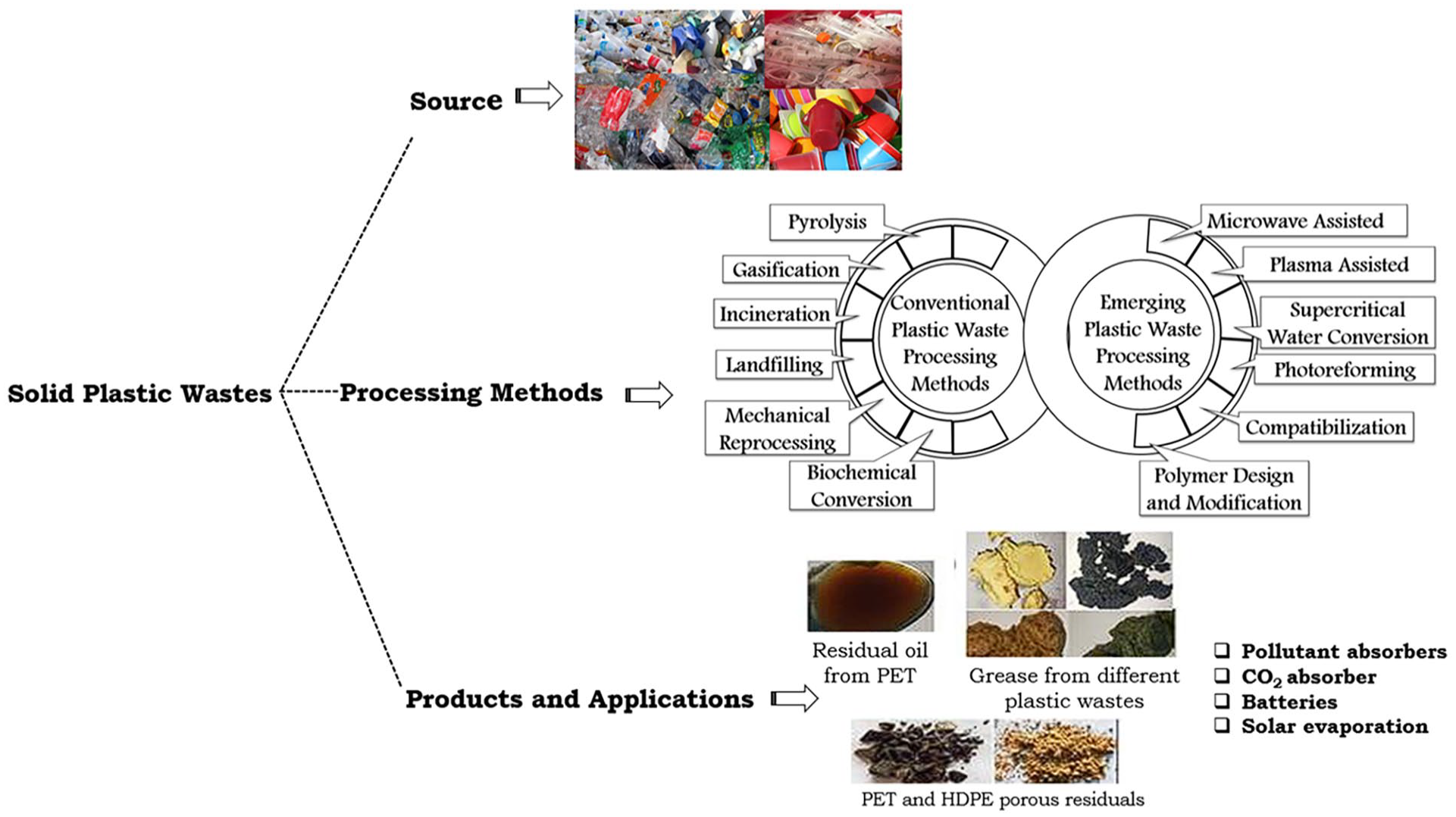
Solid plastic waste source, processing methods, product and applications.
Steps for PWM worldwide
A variety of research work has been conducted for PWM globally as well as nationally. Some of the important projects and patents on worldwide PWMs are mentioned in Supplemental Appendix Tables C and D, respectively. The Supplemental Appendix Table C highlights diverse worldwide PWM projects employing innovative recycling technologies and sustainable practices. In India, partnerships and projects have aimed to recycle and manage plastic waste through chemical and decomposition methods with budgets up to 36.7 million INR. The EU has funded several projects, including the CIRC-PACK project, which integrates mechanical, chemical and organic recycling processes, as well as initiatives focused on catalysing plastic residue into value-added chemicals, demonstrating new chemical recycling techniques and utilizing microwave-assisted hydrolysis. China’s large-scale plastic waste reduction project, with a budget of 616.74 million USD, underscores its focus on recycling and waste reduction. In Bangladesh, the Padma cleanup utilizes pyrolysis to tackle plastic waste, whereas similar river cleanups in the Philippines and Mumbai employ chemical recycling. The United States explores biotechnological approaches, such as Stanford’s initiative to improve PWM. Ghana’s Kpeshi Lagoon cleanup and AIMPLASs projects in Spain emphasize mechanical and chemical recycling alongside biodegradation techniques, showcasing efforts in both developed and developing regions to tackle plastic pollution through technology-driven approaches. Additionally, specific projects such as Ireland’s recycling of farm plastics into livestock drinkers highlight the applications of recycled plastic, contributing to sustainable agricultural practices. These projects reflect a global effort to advance recycling, recovery and plastic reuse through diverse technologies and innovative approaches.
The Supplemental Appendix Table D provides a comprehensive overview of patents related to PWM, showcasing global innovations in recycling technologies. Early patents from the 1990s focused on methods to separate and pre-treat plastic waste, such as automatic recycling systems for plastic bottles, flotation techniques for plastic separation and processes for producing recyclable plastic boards and building materials. These inventions primarily originated from the United States and Europe, aiming to address large volumes of plastic waste with techniques such as extrusion and pyrolysis. As technology advanced, methods became increasingly specialized. In the 2000s, innovations emerged such as quality control systems for monitoring contaminants in recycled plastics, odour-reducing additives and specialized processes for recycling specific plastic types such as PE, PS and PVC. Patents also introduced advanced mechanical and thermal methods, including pyrolysis and steam-cracking, to convert waste plastics into fuel or other valuable resources. Recent patents demonstrate a shift towards eco-friendly solutions. Newer inventions include biological methods for depolymerizing plastics, solvent-based recycling processes that reduce the need for sorting, and the integration of renewable energy (e.g. solar and wind) into recycling systems. Chinese patents have introduced innovations for recycling composite materials, such as aluminium-plastic packaging and epoxy resins, reflecting a commitment to manage complex waste streams. These worldwide patents illustrate a progression from basic mechanical recycling to sophisticated, energy-efficient processes aimed at high-quality plastic recovery and sustainability.
Steps for PWM in India
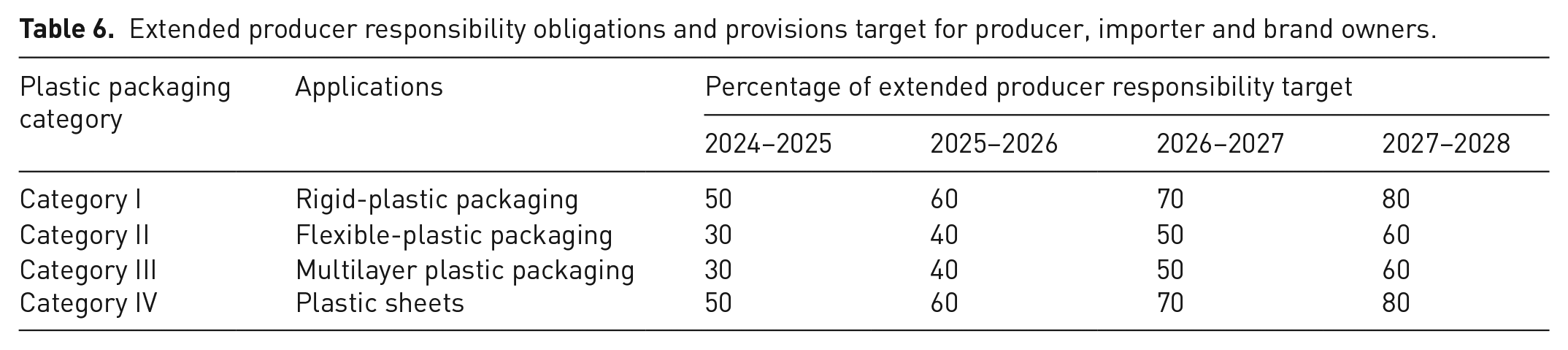
According to the PWM (Amendment) Rules 2022, the obligation entities under the extended producer responsibility obligations and provisions are Producer (P), Importer (I), Brand Owners (BO) and Plastic Waste Processors. The targets for the extended producer responsibility obligations and provisions of P, I and BO for a minimum level of recycling plastic packaging waste are given in Table 6 (Government of India, n.d.).
Extended producer responsibility obligations and provisions target for producer, importer and brand owners.
As per the literature, it has been found that nearly 66% of plastic waste contains mixed waste, such as polybags, multilayer pouches and food items, and these are mainly generated from households and residential localities. Several state governments (Maharashtra, Telangana, Himachal Pradesh, Tamil Nadu, etc.) have announced a complete ban on single-use plastics. Furthermore, several waste plastic management processes have been initiated in several states apart from banning single-use plastics (Centre for Science and Environment, n.d.). The state-wise PWM companies in India and their contribution to PWM are reported in Supplemental Appendix Table E.
The Supplemental Appendix Table E details various Indian companies involved in PWM, categorized by the states in which they operate. It highlights the types of plastic materials they accept, the recycled products they produce, and their processing capacity in tonnes year−1 (where available). Maharashtra is a significant hub for plastic recycling, companies here predominantly handle multiple types of plastics, including LDPE, HDPE, PP, PVC, PET and more specialized plastics such as ABS and HIPS. Commonly recycled products are granules/pellets and flakes, with capacities often unlisted but some as high as 30,000 tonnes year−1. Delhi hosts various companies that handle a broad range of plastics, such as HDPE, LDPE, PP and specialized types such as ABS and PC. Most firms produce granules/pellets, with some also producing flakes. The capacity data is largely unspecified, although a few companies report specific volumes (e.g. 6000 tonnes for Madhusudan Durgesh Polymers Pvt. Ltd., Delhi, India). Companies in Gujarat accept plastics such as PET, HDPE, LDPE and PP, with several handling waste plastics for pellet production. The focus is also on specialized materials such as PBT and ABS, with companies such as Halifax Greentech LLP processing up to 14,400 tonnes annually. Karnataka firms primarily process PET and waste plastic, along with HDPE, LDPE and HIPS. Granules/pellets are the common output, with capacities typically unspecified. Notable firms include Thrinetra PET Flakes, specializing in PET recycling. In Haryana, companies recycle plastics such as HDPE, LDPE, PP and PET, among others. The recycled products are mostly granules/pellets, with companies such as Addonn Polycompounds Pvt. Ltd. handling up to 4000 tonnes year−1. Other States (Tamil Nadu, Rajasthan, West Bengal, etc.) have companies focusing on PET, HDPE, LDPE, PP and other types, mainly producing granules/pellets or flakes.
Figure 6 provides an overview of recycling activities and methods across different states. This will visually clarify the distribution of accepted materials and recycled products across various regions and companies. Maharashtra and Delhi have the highest concentration of companies, processing a diverse range of plastics such as LDPE, HDPE, PP and PET, among others. Common recycled outputs are granules/pellets and flakes. This visualization also notes the range in capacities, showing that states such as Maharashtra, Gujarat and Telangana have companies with larger capacities, sometimes exceeding 30,000 tonnes annually. This overview highlights the regional spread and specialization in plastic waste recycling across India.
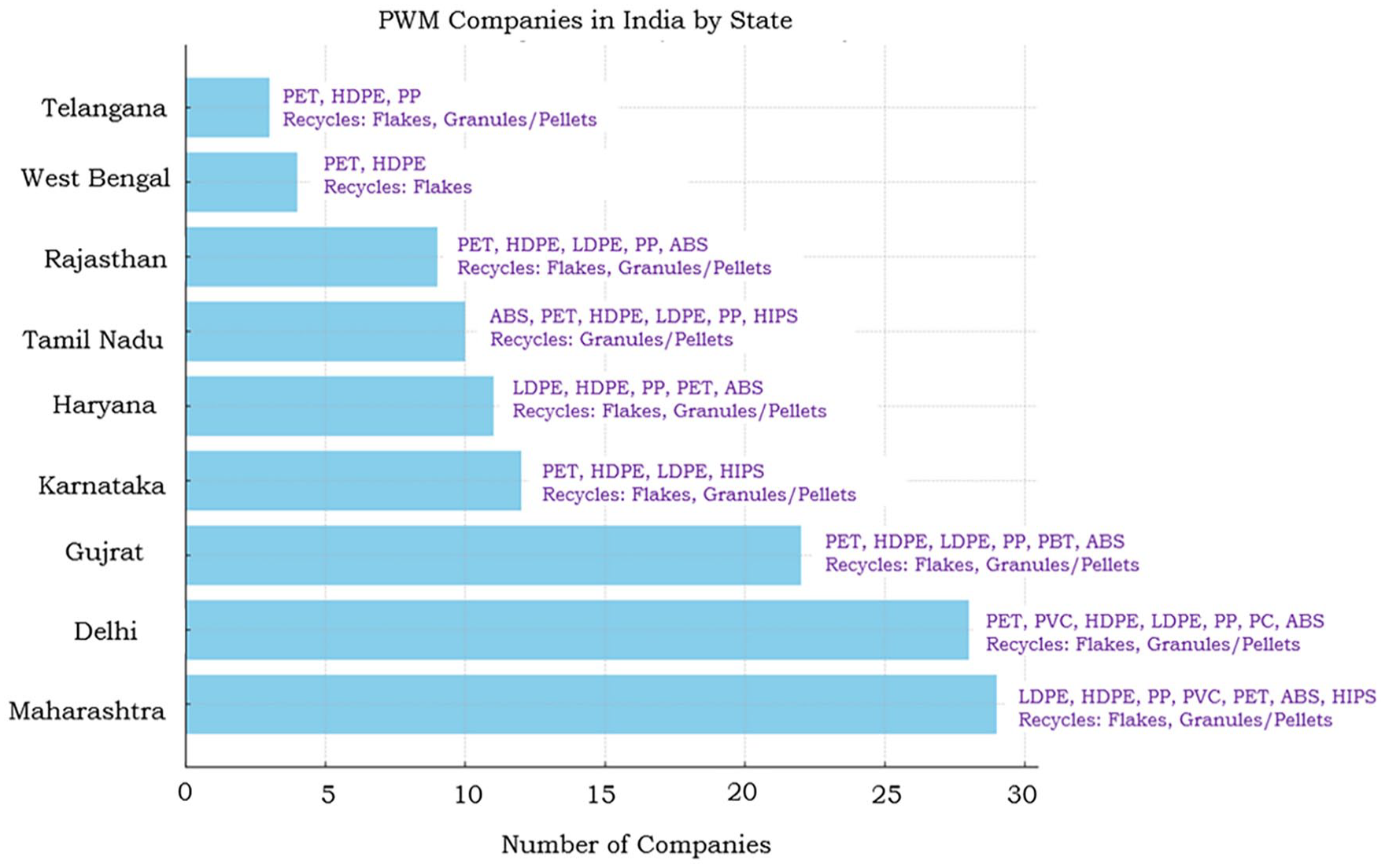
Plastic waste management companies in different Indian states.
Application of plastic waste by-products in India
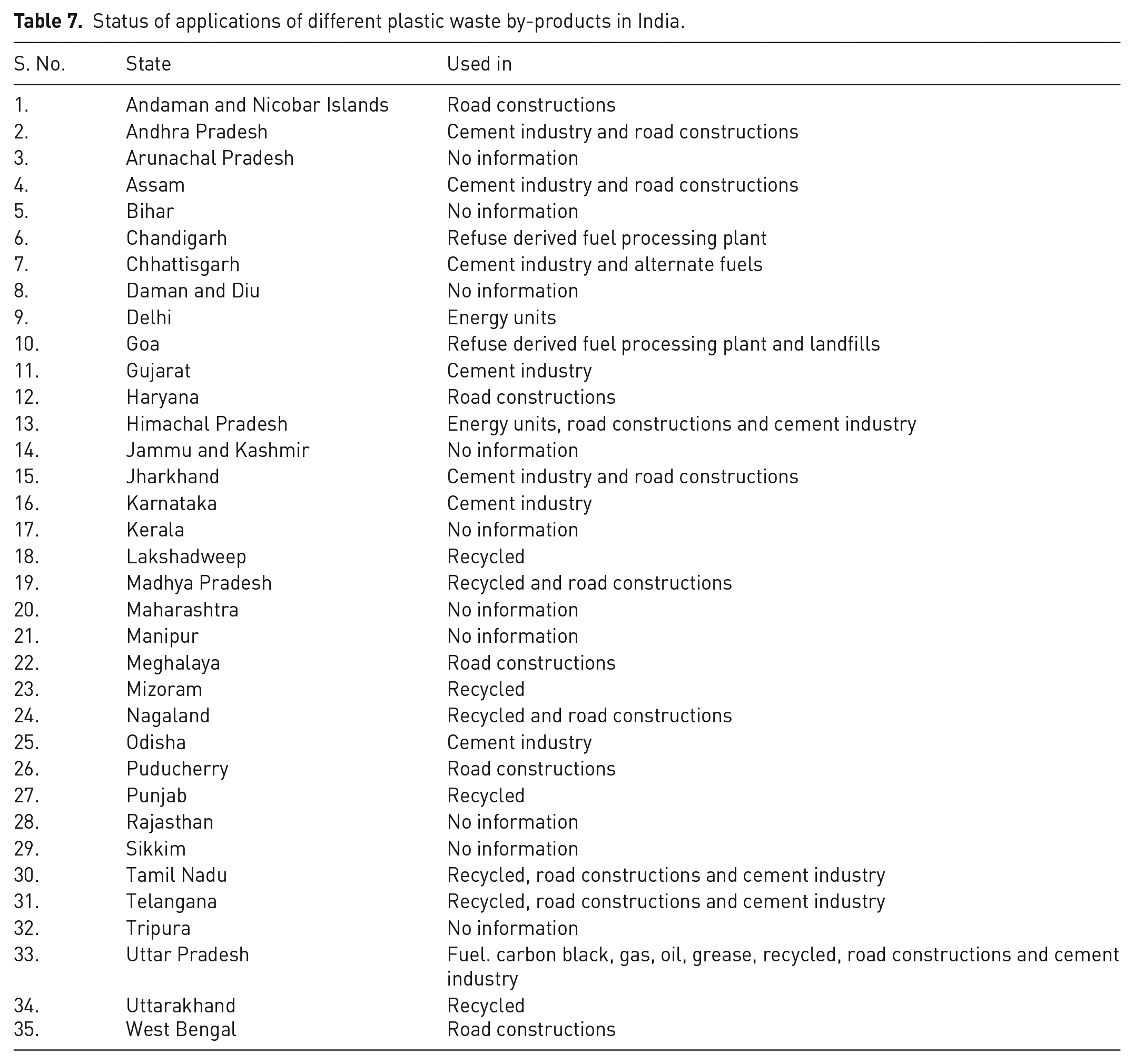
In several states, plastic is sorted, cleaned, melted and made into pellets for further use. These are fewer demanding products as per the performance criteria than the original plastics. The other utilization of waste plastics is in several applications, such as flexible pavements, roads, constructions, asphalt modifiers, carbon-based nanomaterials, etc. The waste plastics are rich in carbon and can be converted into value-added carbon materials such as porous carbon, graphene, carbon nanotubes, carbon dots, etc. Furthermore, plastic wastes can be used in green energy-related applications such as batteries, water-splitting systems, supercapacitors, etc. In addition, these plastic wastes can be utilized for eco-friendly practices such as CO2 capture, adsorption, degradation, solar evaporation, etc. The status of applications of different plastic waste by-products in India is mentioned in Table 7 (Centre for Science and Environment, n.d.).
Status of applications of different plastic waste by-products in India.
Conclusion
This article offers a comprehensive review and comparison of the different waste plastic processing techniques for difficult-to-recycle plastics. The supervisory bodies of different countries, such as the World Intellectual Property Organization (WIPO), United States, Canada, Europe, Britain, India, Japan, Australia and China, have continuously motivated the research community to develop sustainable systems for PWM. Moreover, the global and national scenarios of plastic waste were mentioned for different countries that are responsible for it. This review reflected the identification methods to separate different plastics, waste plastic processing techniques, their advantages and limitations, steps for PWM worldwide and the possible utilization of plastic waste by-products in different applications. Despite recent developments in PWM technologies, several challenges still remain, such as the production of fuel from plastic wastes, the use of a catalyst that increases the cost and other environmental problems, the requirement of high temperatures, the requirement of intensive refining of gases, requirement of a large number of chemicals, microplastic pollution, insufficient data on dielectric materials, large initial and operational cost requirement of high maintenance, limited data available on photocatalysts, etc.
This review provides an in-depth analysis of advanced PWM techniques, including supercritical water conversion and plasma-assisted processing, emphasizing their potential for resource recovery and limitations. Advanced PWM techniques hold immense promise for addressing the global plastic waste crisis by turning challenges into opportunities for resource recovery and sustainability. It emphasizes the importance of integrating environmental science, materials engineering and industrial management for global plastic waste solutions. The findings advocate for adopting practices that repurpose plastic waste into valuable products, driving the circular economy. Insights into state-level contributions of PWM companies in India highlight opportunities for scaling operations and engaging the private sector. Although this article provides a comprehensive review of PWM techniques, several limitations and scope for future research remain. Key challenges include high operational costs, the environmental impact of certain processes and the limited data on emerging technologies such as dielectric materials and photocatalysts. Additionally, issues such as microplastic pollution, the need for high temperatures and intensive chemical use and the scalability of advanced techniques such as supercritical water conversion and plasma-assisted processing require further exploration. Future research should focus on optimizing these methods to reduce energy consumption, improve economic feasibility and address environmental concerns. Additionally, studies should investigate new applications for plastic waste by-products, explore alternative biodegradable plastics and develop standardized global regulations to foster international cooperation in advancing sustainable PWM practices.
Policy implications emphasize global cooperation, infrastructure investment, promotion of eco-friendly alternatives, microplastic pollution mitigation and public education. Collaborative efforts among supervisory bodies such as the United States, EU and India are crucial for standardizing regulations and fostering innovation. Public and governmental support for advanced PWM technologies and biodegradable plastics can reduce dependency on traditional systems. To tackle global plastic waste challenges, a collaborative and multifaceted approach is essential. Combining innovative technologies, robust policies, public awareness and cross-border cooperation can accelerate the transition towards sustainable PWM and a circular economy.
Supplemental Material
sj-docx-1-wmr-10.1177_0734242X241308499 – Supplemental material for A comprehensive review of recycling and reusing methods for plastic waste focusing Indian scenario
Supplemental material, sj-docx-1-wmr-10.1177_0734242X241308499 for A comprehensive review of recycling and reusing methods for plastic waste focusing Indian scenario by Kishor Kalauni, Ajitanshu Vedrtnam, Sahendra P Sharma, Abhishek Sharma and Shashikant Chaturvedi in Waste Management & Research
Supplemental Material
sj-docx-2-wmr-10.1177_0734242X241308499 – Supplemental material for A comprehensive review of recycling and reusing methods for plastic waste focusing Indian scenario
Supplemental material, sj-docx-2-wmr-10.1177_0734242X241308499 for A comprehensive review of recycling and reusing methods for plastic waste focusing Indian scenario by Kishor Kalauni, Ajitanshu Vedrtnam, Sahendra P Sharma, Abhishek Sharma and Shashikant Chaturvedi in Waste Management & Research
Supplemental Material
sj-docx-3-wmr-10.1177_0734242X241308499 – Supplemental material for A comprehensive review of recycling and reusing methods for plastic waste focusing Indian scenario
Supplemental material, sj-docx-3-wmr-10.1177_0734242X241308499 for A comprehensive review of recycling and reusing methods for plastic waste focusing Indian scenario by Kishor Kalauni, Ajitanshu Vedrtnam, Sahendra P Sharma, Abhishek Sharma and Shashikant Chaturvedi in Waste Management & Research
Supplemental Material
sj-docx-4-wmr-10.1177_0734242X241308499 – Supplemental material for A comprehensive review of recycling and reusing methods for plastic waste focusing Indian scenario
Supplemental material, sj-docx-4-wmr-10.1177_0734242X241308499 for A comprehensive review of recycling and reusing methods for plastic waste focusing Indian scenario by Kishor Kalauni, Ajitanshu Vedrtnam, Sahendra P Sharma, Abhishek Sharma and Shashikant Chaturvedi in Waste Management & Research
Supplemental Material
sj-docx-5-wmr-10.1177_0734242X241308499 – Supplemental material for A comprehensive review of recycling and reusing methods for plastic waste focusing Indian scenario
Supplemental material, sj-docx-5-wmr-10.1177_0734242X241308499 for A comprehensive review of recycling and reusing methods for plastic waste focusing Indian scenario by Kishor Kalauni, Ajitanshu Vedrtnam, Sahendra P Sharma, Abhishek Sharma and Shashikant Chaturvedi in Waste Management & Research
Footnotes
Author contributions
Conceptualization: Ajitanshu Vedrtnam, Kishor Kalauni and Shashikant Chaturvedi; Methodology: Ajitanshu Vedrtnam and Kishor Kalauni; Formal analysis: Ajitanshu Vedrtnam; Investigation: Kishor Kalauni, Ajitanshu Vedrtnam, Abhishek Sharma and Shashikant Chaturvedi; Resources: Ajitanshu Vedrtnam; Data curation: Kishor Kalauni and Shashikant Chaturvedi; Writing-original draft preparation: Kishor Kalauni and Ajitanshu Vedrtnam; Writing – review and editing: Ajitanshu Vedrtnam; Visualization: Ajitanshu Vedrtnam and Kishor Kalauni; Supervision: Ajitanshu Vedrtnam; Project administration: Ajitanshu Vedrtnam; Funding acquisition: Ajitanshu Vedrtnam. All authors have read and agreed to the published version of the manuscript.
Declaration of conflicting interests
The authors declared no potential conflicts of interest with respect to the research, authorship, and/or publication of this article.
Funding
The authors disclosed receipt of the following financial support for the research, authorship, and/or publication of this article: This project has received funding from the Government of India, Ministry of Science and Technology, Department of Science & Technology (DST) Technology and Development & Transfer (TDT) under the Grant DST/TDT/WMT/PlasticWaste/2021/05/(G).

Data availability statement
Not applicable.
Supplemental material
Supplemental material for this article is available online.
References
Supplementary Material
Please find the following supplemental material available below.
For Open Access articles published under a Creative Commons License, all supplemental material carries the same license as the article it is associated with.
For non-Open Access articles published, all supplemental material carries a non-exclusive license, and permission requests for re-use of supplemental material or any part of supplemental material shall be sent directly to the copyright owner as specified in the copyright notice associated with the article.
