




Abstract
This review article provides a comprehensive analysis of the transformative potential of waste plastic in South Africa, with a specific focus on high-density polyethylene-modified bitumen and polyethylene terephthalate plastic fibres asphalt. The review encompasses a wide range of topics, including the environmental and socio-economic impacts of plastic waste, the current state of plastic waste management practices in South Africa, and the potential use of waste plastic in road construction. The aim is to critically evaluate the compatibility of recycled waste plastics as bitumen modifiers and fibre to enhance road performance. Additionally, it explores the challenges and opportunities associated with the incorporation of waste plastic in road construction, shedding light on the environmental, economic and technological aspects. The review also emphasizes the need for targeted interventions and collaborative efforts from the South African government and industry stakeholders to address plastic waste management challenges and promote sustainable infrastructure development. Overall, this review provides valuable insights into the transformative potential of waste plastic in South African road maintenance and offers a roadmap for future research and initiatives in this critical area of sustainable development.
Introduction
The plastic waste challenge in South Africa is a pressing issue that requires immediate attention. The country is facing a significant problem with the creation and handling of plastic garbage, particularly in the context of food packaging industries (Ncube et al., 2021). Throughout Africa, the COVID-19 pandemic has further aggravated the issue, leading to emerging plastic-based personal protective equipment waste pollution and management challenges (Benson et al., 2021). Contamination of plastic garbage presents serious issues for African countries, and South Africa is no exception (Shomuyiwa et al., 2023). Concerns have been raised about the effects of plastic trash disposal on the environment and public health, highlighting the need to investigate the effects of plastic waste on the environment and on human health (Adeniran and Shakantu, 2022).
The evolution of the value chain and governance actor responses to the plastic leakage problem in South Africa underscores the urgent need to address the estimated 15,000–40,000 tonnes of plastic waste that possibly reach the oceans annually from South Africa (Chitaka et al., 2022). Additionally, there is a rising concern about mismanaged plastic packaging waste, necessitating effective waste management strategies and infrastructure improvements (Olatayo and Mativenga, 2021).
Some scholars also emphasize the need for South Africa to intensify long-term awareness campaigns and implement measures to reduce illegal and informal dumping of plastic waste, as the country is identified as one of the worst contributors of plastic into the sea globally (Ryan, 2020; Verster and Bouwman, 2020). Recycling has been recognized as a key strategy for tackling plastic pollution, aligning with the rising popularity of circular economy policies globally (Perez, 2021). By 2023, South Africa requires all households to separate waste at the source at least 50% of the time. To boost plastic recycling rates, materials recovery facilities and pelletization factories are expected to spread (Viljoen et al., 2021).
Therefore, the plastic waste challenge in South Africa is multifaceted and requires a comprehensive approach that addresses waste generation, management and environmental impact mitigation. To lessen the negative consequences of plastic pollution, the nation must prioritize recycling programs, public awareness campaigns and sustainable waste management techniques.
This review paper includes a comprehensive literature search across academic databases using relevant keywords, the selection criteria were defined to include studies focusing on waste plastic utilization in road construction within the South African context. And evaluation on the effectiveness of high-density polyethylene (HDPE)-modified bitumen and polyethylene terephthalate (PET) plastic fibres in road maintenance is presented. Grounding the review within theoretical frameworks from civil engineering, environmental science and sustainability disciplines was very essentially utilized for a rigorous analysis. Discussion of implications, expected recycling benefits, challenges and opportunities for future research and policy development. The conclusion succinctly summarizes key findings and recommendations, emphasizing the broader significance of the research for sustainable infrastructure development and plastic waste management strategies globally.
The need for new pavement materials
The need for exploring lower cost pavement materials and addressing the depletion of natural materials such as aggregates in pavement construction has been a subject of much research. With the increasing traffic flow and axle load magnitude, there is a demand for higher-performance pavement materials to meet the evolving needs of road infrastructure (Yang and Yu, 2023). Incorporating alternative materials such as basalt fibre, steel fibre and recycled waste materials into asphalt mixtures has been explored to lower costs while enhancing pavement service life (Bamigboye et al., 2021; Hui et al., 2022; Shapie and Taher, 2022). The construction industry’s reliance on non-renewable natural aggregates and the environmental implications of material depletion have been highlighted, emphasizing the need for sustainable alternatives in pavement construction (Bamigboye et al., 2021; Plati and Cliatt, 2021).
It has been suggested that the creation of asphalt cements utilizing sustainable nanomaterials will increase the efficiency, safety and longevity of asphalt pavement (Ataeian et al., 2022). Utilizing alternative construction materials, such as tunnel boring machine-crushed limestone and recycled aggregates from old concretes, has been suggested to reduce the reliance on natural aggregates and promote a greener roads and eventually environment (Alnuaim et al., 2022; Le and Bui, 2020). The use of waste materials in asphalt pavement has been shown to minimize construction costs and reduce the need to harvest aggregates from natural sources, contributing to sustainability in pavement construction (Babalghaith et al., 2020).
Recycling waste material and using it as a substitute modifier in asphalt mixtures has shown the potential for waste materials to improve pavement performance and reduce the reliance on new raw materials (Milad et al., 2020).
In summary, the recent literature underscores the urgency of exploring alternative, sustainable and cost-effective pavement materials to address the depletion of natural materials such as aggregates. The incorporation of recycled waste materials in pavement construction presents promising avenues for achieving durable, cost-effective and environmentally friendly pavement solutions. It is also in line with the United Nation’s goals for sustainable development (https://sdgs.un.org/goals).
Provision of road infrastructure in developing countries
The need for new roads in developing countries has been a subject of extensive discussions, particularly in the context of initiatives such as the belt and road initiative (BRI). The BRI has provided a platform for developing countries to address their infrastructure needs and promote economic development through improved road networks (Han et al., 2020; Islam et al., 2020). As more countries and regions become involved in the BRI, there is an increasing focus on the potential opportunities for global climate cooperation and sustainable development, particularly in the context of road infrastructure (Han et al., 2020; Ya et al., 2020).
The BRI has been recognized as a significant driver of economic growth in developing countries, leading to a surge in road construction and expansion. However, this rapid infrastructure development has also raised concerns about the environmental impact, particularly in terms of carbon emissions and sustainability (Zhang and Han, 2022). The overall development of the BRI project has been assessed, highlighting the importance of measuring and evaluating the progress of infrastructure development in the respective targeted regions (Hu and Zhang, 2023). Furthermore, in areas where network redundancy is inadequate, a balanced approach to upgrading critical road segments and investing in new segments is important, according to a global evaluation of the risk of the nation’s road network, particularly in developing countries (Koks et al., 2023). Studies have also focused on estimating country gaps in road infrastructure and access, highlighting the disparities in road quality and the need for targeted improvements (Moszoro and Soto, 2022).
In the context of the BRI and its impact on regional development, there is a growing emphasis on trade facilitation and the contribution of participating countries to global low-carbon development (Kobakhidze and Kapanadze, 2022). The BRI has also led to significant changes in the economic reality of regions, creating new conditions for development and strengthening energy security, particularly in the Caspian–Black Sea region (Kobakhidze and Kapanadze, 2022; Yuan, 2022).
Some studies also address the challenges associated with road safety in developing countries, emphasizing the need for comprehensive road safety analysis, infrastructure improvements and the development of road safety indices to motivate and encourage countries to enhance their local road safety conditions (Jayanetti et al., 2021; Rabbani et al., 2021; Razelan et al., 2021). The impact of poor road networks and maintenance on safety and security in developing countries has been highlighted, underscoring the importance of road infrastructure in mitigating road traffic mortality and promoting economic development (Akuirene et al., 2020).
Thus, the research on the need for new roads in developing countries, particularly in the context of the BRI, underscores the significance of infrastructure development, sustainability and road safety in driving economic growth and regional cooperation.
Waste materials recycling legislations
The lack of legislations in terms of reusing and recycling waste materials has been a significant concern, particularly in the context of sustainable waste management and circular economy principles. The European Directive emphasizes that waste ceases to be waste when it has undergone a recovery operation, including recycling, and meets specific criteria, such as market demand, technical requirements, compliance with standards and legislation and absence of negative environmental or health impacts (Neri, 2022). However, the lack of coherent and sustainable legislation has hindered the recycling and reuse of a significant portion of waste materials as raw or secondary materials (Gherheș et al., 2022).
The European legislation promotes waste management through reuse and recycling, aiming to preserve the environment and seek new recycling and reuse technologies for various waste materials, such as carbon fibre-reinforced thermoplastic and thermoset composites (Montagna et al., 2022). But environmental agencies’ pressure, inspections and increasingly stringent laws have made it more important than ever to protect the environment and look for innovative ways to recycle and reuse different waste materials (Montagna et al., 2022).
Poor performance in construction waste minimization has been caused by the absence of standard operating procedures in the field, immature recycling technology and an underdeveloped recycling market, highlighting the need for legislation to address these barriers (Lee et al., 2021). As an example: the lack of design standards and the absence of guidelines for effective construction waste collection have been identified as top factors contributing to waste accumulation, emphasizing the need for legislative measures to promote waste reduction, recycling and reuse in the construction sector (Mohammed et al., 2021).
Waal (2021) affirmed that the lack of legislation or unexploited opportunities to enhance the transition towards a circular economy through legal measures has been identified as a barrier to the reuse and recycling of materials and products, hindering the effective implementation of sustainable waste management practices.
Sustainable waste management solutions in South Africa
Different studies collectively underscore the importance of sustainable waste management solutions in South Africa, addressing various aspects such as medical waste management, household waste disposal, e-waste recycling, bio-hydrogen production and agricultural waste management.
Chisholm et al. (2021) reviewed the sustainability aspects of medical waste management in African developing countries, emphasizing resilient solutions for health and environmental protection in the continent.
Kalina (2023) also highlighted the challenges of municipal failure in Makhanda, South Africa, shedding light on the importance of healthy municipal participation in waste management services. The findings underscore the critical role of municipal involvement in creating cleaner and more equal communities, emphasizing the need for sustainable waste management solutions in South Africa.
Omotayo et al. (2020) explored the drivers for households’ payment for waste disposal and recycling behaviours in South Africa, raising questions about the role of government needs in shaping sustainable waste management practices. The study emphasized the importance of effective waste information systems and integrated waste management in South Africa.
Moyo et al. (2022) addressed the obstacles to e-waste recycling in South Africa’s evolving legal landscape, highlighting the significance of legal milestones, such as the promulgation of the National Environmental Management: Waste Act (NEMWA) in 2008, in shaping the waste management sector in South Africa.
Dell’Orto and Trois (2022) considered using organic waste to produce bio-hydrogen in South African municipalities, emphasizing the need for sustainable treatment methods and waste management systems. The study explores the potential of introducing a two-stage anaerobic digestion scenario in an Integrated Waste Management System in South African municipalities.
Amelework et al. (2021) discussed the use of resilient crops and their promotion in South African agriculture to reduce climate risk and replace imports, highlighting the impact of climate change on agricultural practices and the need for sustainable waste management in the agricultural sector.
Environmental and economic impact of waste plastic in South Africa
The positive environmental effects of waste plastic, including the reduction of plastic waste and environmental benefits, as well as the mitigation of carbon footprint and contribution to sustainability goals, have been the subject of extensive research (Ghazouani et al., 2020). Ghazouani et al. (2020) also explored the role of carbon taxation policies on CO2 emissions, emphasizing the importance of sustainable development goals (SDGs) in reducing pollution and environmental externalities. Furthermore, Rizan et al. (2023) identified the carbon footprint of products used in surgical operations, shedding light on the healthcare sector’s contribution to global greenhouse gas emissions. Additionally, Li et al. (2022) reviewed the recycling and reutilization of polymer waste, highlighting the adverse environmental impact of plastic waste accumulation. Zikhathile et al. (2022) also provided a review of the impact of healthcare risk waste treatment technologies on the environment, emphasizing the healthcare sector’s significant carbon footprint. These studies collectively underscore the critical role of addressing plastic waste and its environmental impact, particularly in sectors such as healthcare, while emphasizing the need for SDGs to mitigate carbon footprints and achieve environmental sustainability.
Moreover, the economic benefits and job creation potential of using waste plastic in the road construction and waste management sectors have been extensively explored in recent literature. The circular economy for material management offers significant job creation opportunities while addressing the issue of plastic waste (Kumar et al., 2021). Additionally, the potential for using expanded polystyrene (EPS), a form of plastic waste, in construction has been highlighted as a means to reduce waste on job sites and create wealth (Kehinde et al., 2020). Furthermore, the construction sector has demonstrated economic benefits, including cost savings, logistic cost reduction, new revenue streams and job creation, particularly in vulnerable communities, by incorporating recycled plastic fibres into reinforced concrete (Marinelli et al., 2021). However, it is important to note that circularity interventions in the plastic packaging sector may lead to moderate employment gains and potential economic losses, necessitating careful consideration of the economic implications (Cimpan et al., 2023).
Economic feasibility and sustainability assessments of waste management scenarios have been conducted, considering factors such as entrance fees, startup and running expenses, and government grants, and the potential for employed waste treatment technologies to contribute to resource recovery and job creation (Dastjerdi et al., 2021). The concept of industrial symbiosis has been linked to social and economic implications, including job creation and savings from reduced waste disposal, emphasizing the multifaceted benefits of circular economy practices (Subramanian et al., 2021). Additionally, the potential for job creation in the informal economy has been highlighted in the context of global green energy initiatives, underscoring the need to address social welfare protection for workers in these sectors (Chen and An, 2021).
The circular economy has been associated with the creation of new jobs in waste processing industries and the potential for complex job creation, bringing together upstream and downstream industries in regional contexts (Dewi and Pratama, 2021). The privatization of waste management has also been linked to job creation, efficiency, dynamism and innovation, highlighting the economic and operational benefits of private sector involvement in waste management services (Zadjali and Jantan, 2022). Additionally, the importance of recycling waste cables containing copper and PVC has been underscored, with cost-benefit analyses demonstrating the economic efficiency of recycling PVC waste and its potential to create more jobs than other end-of-life options (Blinová and Godovčin, 2021).
Overall, studies indicate that addressing plastic waste and its environmental impact is crucial for mitigating carbon footprints and achieving sustainability goals, particularly in sectors such as healthcare, and emphasizes the importance of SDGs in reducing pollution and environmental externalities. In addition, several literatures emphasize the significant economic benefits and job creation potential associated with the use of waste plastic in road construction and waste management sectors. Circular economy practices, industrial symbiosis and privatization of waste management are identified as key drivers of economic benefits and job creation, underscoring the multifaceted advantages of integrating sustainable waste management practices into various sectors.
Plastic waste for road construction in South Africa
The potential and versatility of utilizing waste plastic in road construction as a sustainable solution have been recommended by different studies, highlighting the technical, environmental and economic benefits of incorporating plastic waste into infrastructure development.
Machsus et al. (2021) presented an inventive use of PET derived from plastic bottle wastes as a hot mix asphalt type ingredient in asphalt concrete-wearing course. The study focused on improving asphalt mixture performance using plastic bottle waste, demonstrating the potential for utilizing waste plastic in road construction.
Kehinde et al. (2020) also discussed the potential of EPS, a type of plastic waste, for reducing construction waste on job sites. The findings suggest the potential for utilizing plastic waste in construction, which could be applicable to road construction in South Africa.
Lee (2023) reviewed the recycled waste of the construction industry in Malaysia, highlighting the technical potential of using recycled plastic waste as components in cementitious composites, subbase in road construction, additional aggregates in asphalt and wood replacement in the form of wood plastic composite (WPC). The study emphasized the versatility of recycled plastic waste in various construction applications, including road construction.
Wang et al. (2022) discussed the development of plastic roads, emphasizing the potential use of plastic materials as adhesive materials for road construction. The study highlighted the innovative approach of using plastic waste in road construction, which aligns with the sustainable utilization of waste plastic in infrastructure development.
Chukwuka et al. (2021) studied the utilization of polypropylene (PP) in bituminous concrete, concluding that when used in road construction, plastic trash can extend the life of the road. The findings underscore the potential for incorporating plastic waste into bituminous concrete, contributing to sustainable road construction practices.
HDPE-modified Bitumen
Concentrating on creating sustainable asphalt mixtures with waste HDPE plastic highlights the potential for incorporating HDPE plastic waste into asphalt mixtures for road construction. The studies provide valuable insights into the technical aspects of utilizing HDPE plastic waste in road infrastructure.
Many studies provide a comprehensive insight into the use of waste plastic in road construction as an innovative solution for roads, emphasizing the properties and benefits of incorporating plastic waste materials into bitumen and asphalt mixtures.
Elnaml et al. (2023) also examined three asphalt mixtures, one of which contained 3% HDPE (the plastic mixture) and binder PG 67-22. The goal of the research was to create environmentally friendly asphalt mixtures by utilizing waste HDPE plastic, highlighting the potential for incorporating HDPE plastic waste into asphalt mixtures for road construction.
Perucca et al. (2022) also aimed to analyse the environmental advantages of creating new bitumen modifier and associated asphalt mixture compositions using recycled hard plastics and graphene. This study sheds light on how end-of-life hard plastics alter road asphalts in terms of their environmental performance, emphasizing strategies for improving sustainability in road construction.
Moreover, Plati and Cliatt (2021) examined how well recycled tyre rubber worked as a modifier in asphalt mixtures, offering information on how to build pavement sustainably. By determining the ideal amount of bitumen by weight to incorporate the recycled tyre rubber (RAR) modifier, the study advanced our knowledge of environmentally friendly pavement materials.
PET plastic fibres asphalt
Machsus et al. (2021) examined the use of plastic bottle waste to enhance the performance of asphalt mixtures, demonstrating the potential for utilizing waste plastic in road construction. Although the study focused on plastic bottle waste, it provides perspectives on the possible advantages of combining plastic waste materials into road infrastructure.
Majid and Mohammed (2023) studied the self-compacting concrete with recycled PET and its durability properties, providing insights into the potential benefits of utilizing PET waste in concrete applications. While the focus is on concrete, the findings contribute to understanding the properties of PET waste in construction materials.
Olatayo and Mativenga (2021) studied Johannesburg’s life cycle analysis of reusable and single-use plastic bottles, providing insights into the environmental impact of plastic bottles. Although the focus is on bottles, the study contributes to understanding the environmental aspects of plastic waste in urban environments, including potential implications for road infrastructure.
Amankwa et al. (2021) explained how plastic garbage in Africa is used to produce valuable goods and fuel, shedding light on the potential applications of plastic waste. While the focus is broader, the study provides insights into the potential utilization of plastic waste in various applications, including road infrastructure.
The use of PET plastic fibres in addressing specific road maintenance challenges has gained attention due to its potential to improve the mechanical behaviour of concrete. Studies have shown that incorporating recycled PET fibres in concrete enhances its fresh and hardened properties, leading to improved mechanical behaviour and durability (Allawi et al., 2021; Haque et al., 2021). Additionally, the utilization of PET fibres has been found to increase the ductility of concrete, which is crucial for road maintenance applications (Haque et al., 2021). Furthermore, the incorporation of PET fibres has been demonstrated to positively impact the geotechnical properties of clayey soil, which is relevant for road construction and maintenance (O’Kelly and Soltani, 2022). These findings collectively suggest that PET plastic fibres hold promise in addressing specific road maintenance challenges by enhancing the performance and durability of concrete and improving the geotechnical properties of soil.
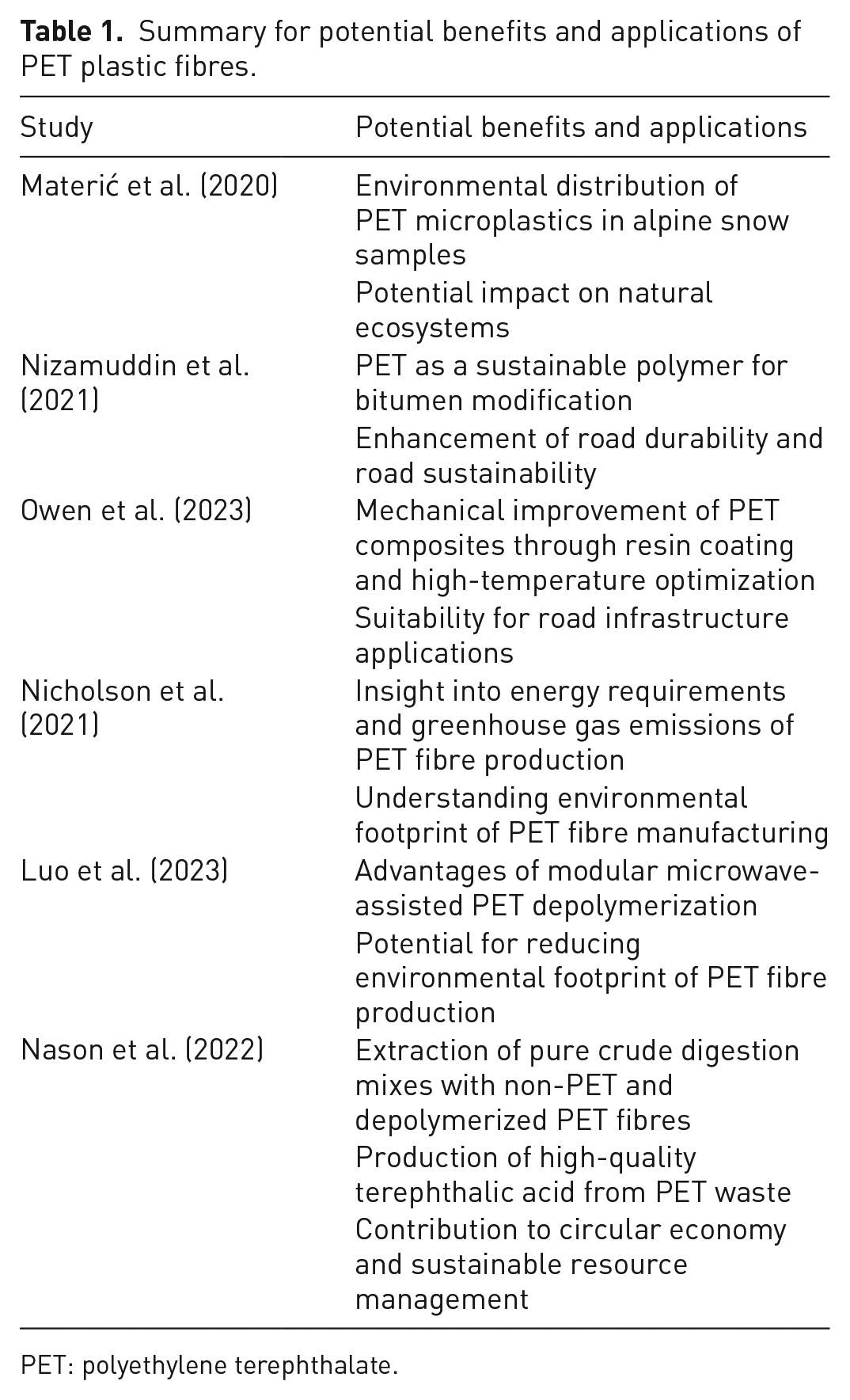
Thus, the use of PET plastic fibres in strengthening South African road infrastructure has been a subject of interest in recent literature. Several studies have explored the potential benefits and applications of PET plastic fibres in various construction materials and road engineering as it is summarized in Table 1.
Summary for potential benefits and applications of PET plastic fibres.
PET: polyethylene terephthalate.
Materić et al. (2020) identified microplastics, including PET, in alpine snow samples, demonstrating the presence of PET in the nanometer range. This finding highlights the environmental distribution of PET microplastics and their potential impact on natural ecosystems.
Nizamuddin et al. (2021) also gave a thorough analysis of sustainable polymers made from waste plastic that has been reprocessed, emphasizing their potential as bitumen modifiers to enhance road durability. The review underscores the potential of recycled plastics, including PET, in improving bitumen performance and road sustainability.
Owen et al. (2023) examined the effects of resin coating treatment and high-temperature optimization on the mechanical, thermal and morphological characteristics of engineered plastic composites filled with natural kenaf fibre, including PET composites. The study demonstrated the prospective for improving the mechanical properties of PET composites, contributing to their suitability for road infrastructure applications.
Nicholson et al. (2021) have carried out a study on the energy used in plastic manufacturing and the greenhouse gas emissions related to plastic consumption, highlighting the environmental footprint of PET fibre production. The study provides insights into the energy requirements and emissions associated with PET fibre manufacturing, contributing to the understanding of its environmental impact.
Luo et al. (2023) also examined the advantages of modular microwave-assisted PET depolymerization from an economic and environmental standpoint, demonstrating the potential for reducing the environmental footprint of PET fibre production. The study provides valuable insights into the environmental advantages of PET recycling and depolymerization.
Moreover, Nason et al. (2022) also showed how to extract pure crude digestion mixes with non-PET and depolymerized PET fibres to produce high-quality terephthalic acid. The study highlights the potential for recovering valuable materials from PET waste, contributing to the circular economy and sustainable resource management.
Overall, studies indicate that PET plastic fibres offer potential solutions for addressing specific road maintenance challenges by improving the mechanical behaviour and durability of concrete, as well as enhancing the geotechnical properties of soil.
Challenges, adaptations and future prospects
The challenges and technological adaptations for the implementation of waste plastic in road construction in South Africa have been the focus of recent research. The unique challenges in adopting waste plastic for South African road construction have been highlighted, including the need for innovative technological adaptations to address local conditions. The South African Initiative to End Plastic Pollution in the Environment acknowledges the need for a practical regional strategy that takes into account the particular environmental, social, political and economic challenges that South Africa faces (Hanekom, 2020). Furthermore, the lack of awareness, conflicting construction rules, liability concerns and industry reluctance to accept new techniques have all been blamed for the delayed deployment of technical innovation within the sustainability domain in South Africa (Moghayedi et al., 2022).
In addition, the obstacles to efficiently overseeing the construction labour force in South Africa have been evaluated, aiming to improve human resource management activities in the industry and enhance overall service delivery through an effectively managed workforce (Aghimien et al., 2021). Concerning e-waste initiatives, the lack of facilities and the Department of Education’s unwillingness to provide funding for ICT (Information and Communication Technology) programs have been noted as obstacles to ICT adoption in South African classrooms (Oki et al., 2023). Moreover, there are limitations to the Fourth Industrial Revolution adoption in higher education institutions in South Africa (Lubinga et al., 2023).
Furthermore, the impact of technological innovation on productivity in South African manufacturing firms has been analysed, with South Africa being identified as lagging behind other emerging market countries in terms of technological progress (Kahn et al., 2022). The literature also emphasizes the need for an integrated approach to address the plastic waste challenge in South Africa, combining policy interventions, infrastructure development and behavioural change to effectively manage plastic waste (Uche, 2023). Additionally, the challenges associated with the implementation of digital technology transition in South Africa have been highlighted, with limited studies assessing different e-government adoptions, which is the first step to digitally transforming government (Dlamini and Walwyn, 2022).
The exploration of ongoing research and innovations in South Africa regarding the adoption of waste plastic in road construction presents significant opportunities for scale-up, integration into national strategies, and international collaborations. The interdisciplinary character of green innovation and its capacity to foster sustainable research and management approaches provide insightful information for future opportunities and partnerships in South Africa (Oduro et al., 2021). Additionally, future developments in green nanotechnology and novel nanomaterials for water treatment methods anticipate advancements that could be leveraged in South Africa’s waste plastic utilization initiatives (Dada, 2024).
Furthermore, the prospects for decarbonization, advancements in green technologies, and resilient energy systems outlined in the context of energy-intensive industries in Africa provide a framework for potential collaborations and integration into national strategies for sustainable development in South Africa (Chidolue, 2024). Artificial intelligence (AI) and machine learning’s (ML) promise in addressing urban climate change opportunities for adaptation and sustainable development are presented for leveraging technological innovations in addressing environmental challenges, aligning with the future prospects for waste plastic adoption in South Africa (Srivastava, 2023). AI and ML hold great promise for leveraging waste plastic in road construction by enabling more efficient material selection, optimized mix designs, predictive maintenance, environmental assessment and supply chain optimization. These technologies have the potential to significantly improve the sustainability, cost-effectiveness and performance of road infrastructure while simultaneously addressing the global challenge of plastic waste management.
International alliances and cooperative networks have played a critical role in developing research infrastructure, capacity building and education across a range of disciplines, offering a model for potential international collaborations in waste plastic utilization initiatives in South Africa (Aderinto, 2023). Additionally, the life-changing educational opportunities that equip a future workforce to meet regional needs in South Africa’s rural clinical training sites underscore the importance of ongoing research and innovations in shaping future prospects and collaborations (Müller et al., 2022).
The comparative insights and future directions for promoting sustainable construction practices in developing countries, including South Africa, shed light on the ongoing difficulties and potential solutions, offering valuable guidance for future research and integration into national strategies (Windapo, 2023). Potential collaborations and integration into national strategies for leveraging digital technologies in waste plastic utilization initiatives are contextualized by the digital transformations of South Africa’s legal landscape and the academic libraries’ preparedness for the Fourth Industrial Revolution (Mokofe, 2023; Mugwisi, 2023).
The state of neuroscience research in African cities and the contributions of transdisciplinary research to the global sustainability agenda provide insightful viewpoints for future partnerships and integration into South Africa’s national strategies for sustainable development (Müller et al., 2022; Thiam et al., 2021). The evolving nature of international education in Africa and the limitations of cutting-edge building materials for attaining sustainability in the building sector offer valuable perspectives on the past and future of sustainable development in South Africa (Duncan, 2022; Oguntona, 2023).
In conclusion, the ongoing research and innovations in South Africa, as well as the global trends in green innovation, nanotechnology, decarbonization and transformative learning, offer valuable opportunities for future prospects and collaborations in adopting waste plastic to roads in South Africa. These insights can inform the scale-up, integration into national strategies, and international collaborations for sustainable development in the country.
Microplastic release from plastic roads: Current threats and strategies in South Africa
The utilization of plastic waste in road construction, touted as a sustainable solution, has gained momentum globally. However, concerns regarding the release of microplastics from these roads pose significant environmental threats. Moreover, plastic roads, comprising recycled plastic waste, offer durability and resilience. However, studies reveal that weathering and degradation processes can lead to the release of microplastics into the environment. It is evident that abrasion, UV degradation and mechanical stress contribute to the fragmentation of plastic road materials, releasing microplastics.
To evaluate the environmental impact of microplastic release from plastic roads in South Africa, it is essential to consider the current threats and strategies in place. Microplastics, defined as tiny plastic particles ranging from 0.1 to 5 mm, have emerged as a significant pollutant affecting ecosystems worldwide (Cole, 2017). Recent concerns raised by international conventions underscore the necessity of reducing plastic consumption and managing waste plastics in an environmentally sustainable manner (Babayemi et al., 2019). In the South African context, the country grapples with challenges related to plastic pollution, necessitating a reduction in plastic waste entering the environment through enhanced waste management infrastructure and awareness campaigns (Verster and Bouwman, 2020).
Research has demonstrated that incorporating recycled plastics in asphalt for road construction can offer environmental benefits compared to using virgin polymers, highlighting the potential of sustainable asphalt roads with recycled plastic (Enfrin and Giustozzi, 2022). However, it is crucial to consider the broader environmental impact of microplastics. The release of microplastics from plastic roads poses multifaceted environmental threats. These minute particles infiltrate soil, water bodies and the atmosphere, endangering ecosystems and human health. Studies indicate that elevated microplastic concentrations in drainage basins can contribute to air pollution through particulate matter and ozone formation (Zhao and You, 2022). Moreover, microplastic pollution hotspots have been identified in river sediments near South Africa’s coastline, connecting land-based sources like wastewater treatment facilities and rivers to microfiber pollution (Villiers, 2019).
In summary, the environmental repercussions of microplastic release from plastic roads in South Africa represent a multifaceted issue that demands a holistic approach. Mitigating this impact requires strategies that encompass reducing plastic consumption, enhancing waste management practices and implementing sustainable solutions in road construction. The following figure highlights the mechanisms driving microplastic release, the challenges posed by this phenomenon and the strategies required to address and mitigate these challenges effectively (Figures 1 and 2).
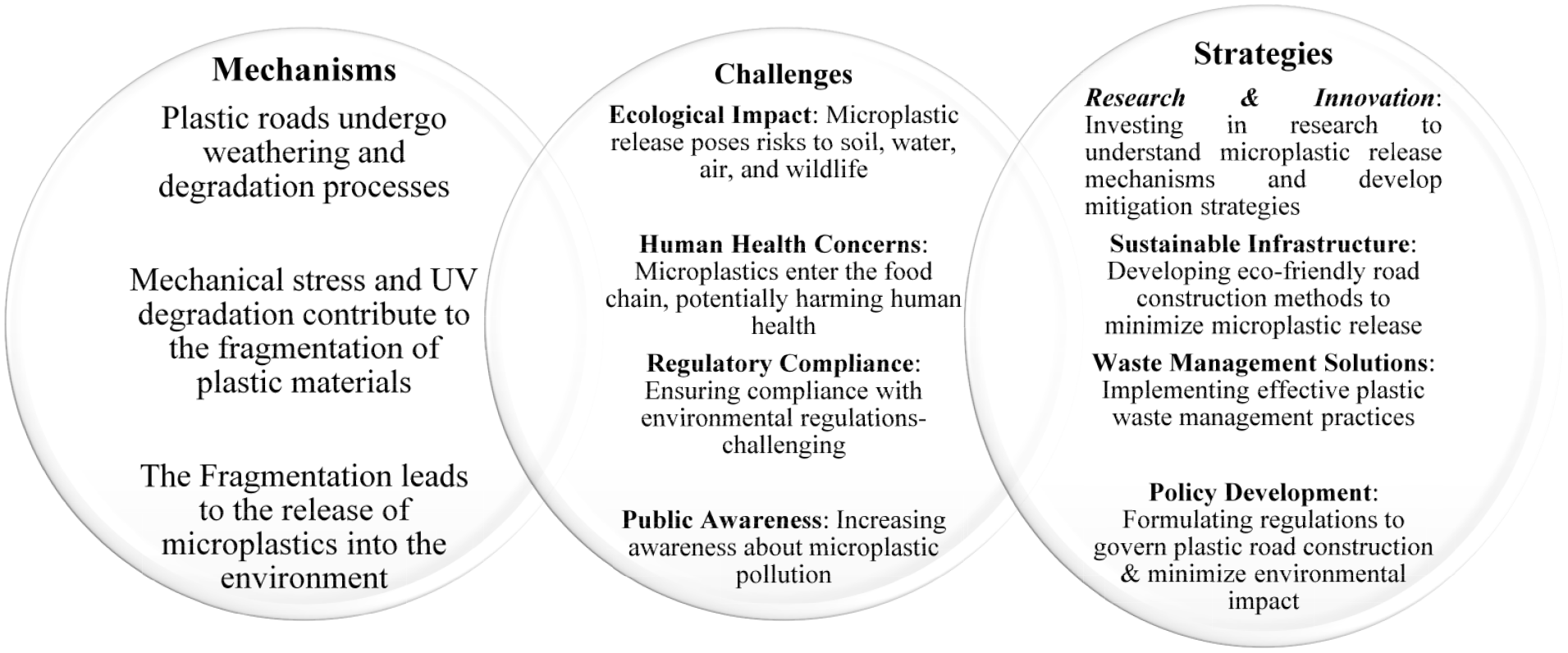
Summary of mechanisms driving microplastic release, the challenges and the strategies.
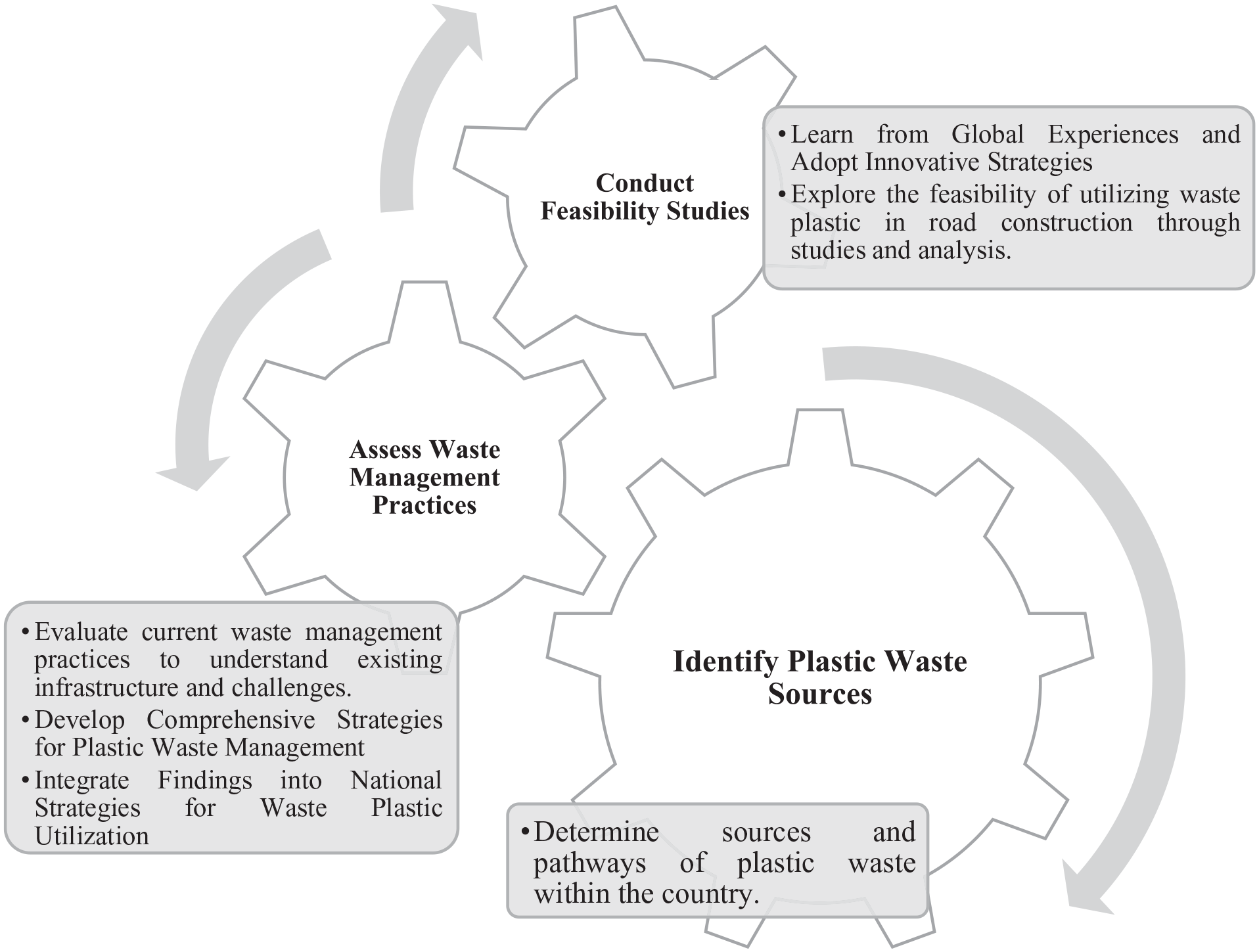
Proposed sequential steps involved in adopting waste plastic to roads in South Africa.
Plastic wastes utilization challenges in construction and eco-friendly strategies
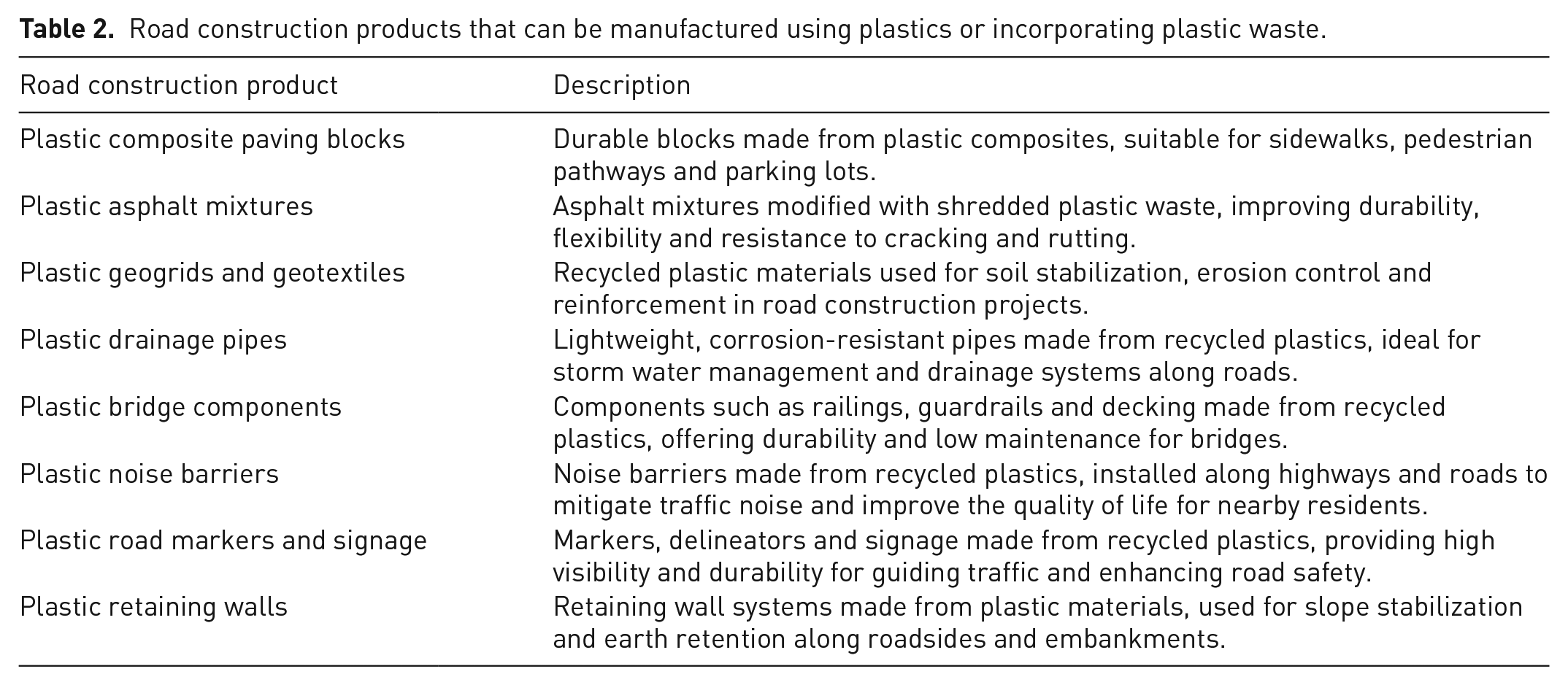
Plastic waste has emerged as a significant global environmental concern, leading to increased research on its utilization in road construction. Various road construction products can be manufactured using plastics or by incorporating plastic waste. Research has demonstrated that recycled plastics can serve as effective bitumen modifiers, enhancing road durability and performance (Nizamuddin et al., 2021). Plastic waste finds applications in cementitious composites, as subbase in road construction, additional aggregates in asphalt, wood replacement in WPCs, and even in the production of eco-bricks (Lee, 2023).
Moreover, waste plastic has been effectively used as a substitute for aggregates in concrete, showcasing its potential in improving the engineering properties of concrete (Babafemi et al., 2018). The integration of plastic waste in road construction materials has garnered attention due to the industry’s sustainability efforts, with researchers exploring the reuse of waste materials, including plastics, in road pavement materials (Santos et al., 2021). Studies have also highlighted the advantages of incorporating PP in bituminous concrete, suggesting that plastic waste in road construction can prolong road service life (Chukwuka et al., 2021).
In addition, as per the GIZ Working Document on Plastic waste for affordable building materials, reducing the amount of lightweight materials dumped or littered could be achieved by converting locally accessible plastic garbage into building materials for inexpensive houses and shelters. This would give value to low-grade plastics gathered by waste pickers and create revenue. This could lessen the contamination of aquatic and terrestrial ecosystems.
In summary, studies indicate a growing interest in utilizing plastic waste in road construction to address environmental concerns and enhance the sustainability of infrastructure development. By incorporating plastic waste in various road construction products, researchers aim to enhance road performance, reduce environmental impact and contribute to the circular economy by repurposing plastic waste into valuable construction materials. Table 2 outlines various road construction products that can be manufactured using plastic or incorporating plastic waste.
Road construction products that can be manufactured using plastics or incorporating plastic waste.
Challenges and strategies
Challenges associated with utilizing plastic waste in road construction include the variability in plastic composition post-recycling, which can impact the successful integration of plastic in bitumen, as well as affect road mechanical properties and environmental aspects (Enfrin and Giustozzi, 2022). As per GIZ Working Document, negative consequences could happen, like hazards to human health from chemicals that could contaminate indoor air quality, as well as weathering, deterioration and wear and tear that could produce microplastic. Nevertheless, the use of plastic waste in road construction has been recognized as a cost-effective approach to prevent premature road deterioration and promote environmentally responsible plastic waste disposal (Ali, 2021). While promising, current efforts to address the problems are not yet scalable to an industrial level.
According to UNEP (2021), one of the biggest markets for chemicals is the building and construction industry, which offers a wide range of products from commodity chemicals like plastic resins (like polyvinyl chloride (PVC), polyethylene (PE) and PP) to specialty chemicals like paints, coatings, adhesives, sealants, advanced polymers and additives. These specialty chemicals can be found alone in formulas like paints or adhesives, or they can be combined to create goods that are pertinent to the industry, like an adhesive used in engineered wood goods. The effective management of trash and chemicals is essential to achieving all 17 of the SDGs in the 2030 Agenda for Sustainable Development, as stated in the GCO-II.
Utilizing waste plastics in road construction can offer significant environmental benefits through careful planning and implementation. Research studies have shown that incorporating waste plastics in road construction can lead to improvements in various aspects such as tensile strength, water resistance, durability and overall service life of the roads (Nizamuddin et al., 2021). By replacing traditional materials with recycled plastics, it is possible to reduce the environmental impact associated with plastic waste while enhancing the performance of road infrastructure (Enfrin and Giustozzi, 2022). Moreover, the use of waste plastics in road construction can help address issues like plastic shrinkage cracking and reduce drying shrinkage of road surfaces, contributing to the longevity and sustainability of road networks (Biswas and Potnis, 2022). By carefully selecting the type of waste plastics and incorporating them into asphalt mixtures or as bitumen modifiers, it is feasible to enhance the performance of road materials while mitigating environmental concerns associated with plastic pollution (Enfrin and Giustozzi, 2022). Furthermore, the recycling of waste plastics for road construction aligns with the principles of sustainable development by reducing the negative impact of plastic waste on the environment (Lamba et al., 2021). By reusing plastic waste in engineering and industrial applications, including road construction, it is possible to promote a circular economy approach that minimizes waste generation and maximizes resource efficiency (Awad, 2017).
As per GIZ Working Document on Plastic waste, future greenhouse gas emission reductions in the building sector also depend on the use of increasingly recyclable and sustainable materials. A thorough environmental life cycle assessment of the available construction materials, including the recently touted solutions based on virgin polymers and post-industrial and post-consumer plastic waste, is required to support the fulfillment of global climate targets.
Hence, from the above scholar’s works, the strategic use of waste plastics in road construction, supported by scientific research and innovative technologies, can offer a sustainable solution to manage plastic waste while improving the performance and environmental footprint of road infrastructure. By carefully selecting appropriate waste plastics, conducting thorough assessments of their impact on road materials, and implementing effective recycling processes, it is possible to minimize environmental impact and promote sustainable practices in road construction. To ensure that only safe and environmentally friendly polymers are used in road construction practice, stringent measures must be implemented throughout the supply chain. This begins with collaborating closely with suppliers to verify the composition of the polymer materials, ensuring they are free from hazardous additives like stabilizers, softeners, pigments and flame retardants. Regulatory compliance and certification processes play a crucial role in enforcing quality standards, while screening procedures at recycling facilities or waste collection centres help to identify and reject polymers that do not meet safety criteria. Additionally, public awareness campaigns can educate stakeholders about the importance of using clean polymers and the potential risks associated with additives, fostering a culture of responsible sourcing and construction practices.
Apart from the polymer (HDPE, PET), there are chemicals in the plastics used as stabilizers, softeners, pigments and flame retardants that are dangerous to man and the environment. However, to ensure that only one type of polymer is present in the waste used for construction purposes, particularly in road construction, effective waste sorting and recycling processes need to be implemented. The challenge lies in separating different polymer types, grades and structures to have homogeneous polymer streams (Arulrajah et al., 2017). Techniques such as near-infrared spectroscopy can be utilized for accurate sorting and separation of polymers like PE, PP, PET, PVC and polystyrene (Rani et al., 2019; Yan and Siesler, 2018).
In the construction industry, recycled plastic waste can be incorporated into various applications such as cementitious composites, road subbases, asphalt aggregates, WPCs and eco-bricks (Eriksen et al., 2018). Studies have shown that polyethylene plastic granules blended with demolition wastes can be suitable for road construction materials (Lee et al., 2022). However, it is crucial to ensure that the plastic waste used is of high quality and free from contaminants to maintain the desired material properties (Olscher et al., 2022). To achieve the goal of having only one type of polymer in the waste stream, advanced sorting technologies like zig-zag air classification and upward vacuum extraction can be employed to separate mixed polymer streams into homogeneous streams. Additionally, the use of marker materials and spectroscopic methods can aid in tracer-based sorting of plastic wastes, enhancing the efficiency of the recycling process. Furthermore, material processing techniques such as washing and purification can be employed to remove contaminants or additives from polymers before they are incorporated into road materials. Continuous monitoring and auditing procedures help to ensure ongoing compliance with safety standards at every stage of the supply chain, from polymer sourcing to road construction. By adhering to these practices, road construction projects can minimize environmental impact and promote the use of sustainable materials, contributing to safer and more resilient infrastructure for communities.
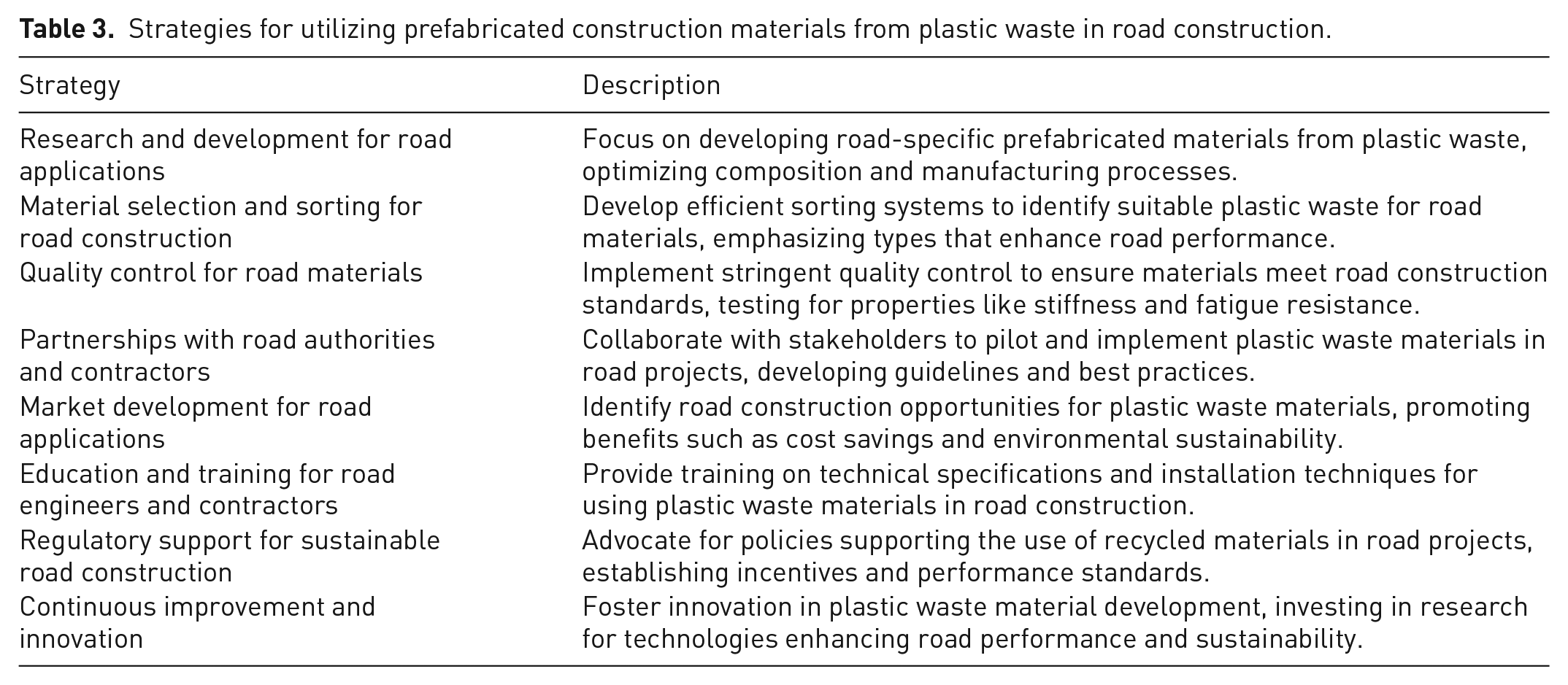
As per GIZ Working Document, one potential technique to bridge the gap between recycling options that are not yet available or not economically feasible is the production of prefabricated construction materials from plastic trash. The use of plastic trash as building material could promote waste collection and create jobs in the area if a local market for low-grade plastic material is established. Table 3 provides a structured overview of the strategies involved in utilizing prefabricated construction materials from plastic waste in road construction, highlighting key actions for each strategy.
Strategies for utilizing prefabricated construction materials from plastic waste in road construction.
Overall, by implementing precise waste separation techniques, utilizing advanced sorting technologies and ensuring the quality of recycled plastic materials, it is possible to manage and control the presence of only one type of polymer in the waste used for construction practices, thereby enhancing the sustainability and environmental impact of such applications.
Conclusion
Recap of the key findings specific to South Africa
A study by Verster and Bouwman (2020) provides valuable insights into the land-based sources and pathways of marine plastics in the South African context. Contrary to initial assumptions, the study estimates that between 15,000 and 40,000 tonnes of plastic waste per year are carried to the oceans from South Africa. This finding is significant in understanding the magnitude of plastic waste and its potential impact on the environment. The identification of these sources and pathways is crucial for formulating effective strategies for waste plastic adoption in road construction in South Africa. It underscores the importance of addressing the specific challenges associated with plastic waste in the country and highlights the need for targeted interventions to mitigate its environmental impact.
Mazhandu et al. (2021) also provided a comprehensive review of plastic waste management practices and highlighted the gap between South Africa and developed countries in waste management. The study emphasizes that South Africa lags behind Europe and other developed countries by 20–30 years in waste management. This finding underscores the need for South Africa to learn from global best practices and adopt innovative waste management strategies to address the plastic waste challenge. The study offers valuable insights into the current state of plastic waste management in South Africa and provides a basis for understanding the specific challenges and opportunities associated with waste plastic utilization in road construction within the country.
Therefore, the conclusion on the key findings specific to South Africa in adopting waste plastic to roads in South Africa can draw from the insights provided in several studies to emphasize the urgency of addressing the sources and pathways of plastic waste in the country. It also emphasizes the urgency of advancing waste management practices in the country.
Moreover, several studies underscore the need for comprehensive strategies to manage plastic waste and highlight the importance of integrating these findings into national strategies for waste plastic utilization initiatives. They also emphasize the importance of learning from global experiences and adopting innovative waste management strategies to effectively utilize waste plastic in road construction.
Additionally, different studies contribute to a better understanding of the environmental implications of plastic waste in South Africa, which is essential for informing future prospects and collaborations in waste plastic utilization initiatives. It also contributes to a better understanding of the current state of plastic waste management in South Africa, which is essential for informing future prospects and collaborations in waste plastic utilization initiatives. The following figure illustrates the proposed sequential steps involved in adopting waste plastic to roads in South Africa.
Call to action for the South African government and industry stakeholders
The call to action for the South African government and industry stakeholders in adopting waste plastic to roads in South Africa is imperative in addressing the pressing challenges of plastic waste management and promoting sustainable infrastructure development. The urgency of this call is underscored by the need to learn from global best practices and adopt innovative waste management strategies to effectively utilize waste plastic in road construction.
The South African government should prioritize the development and implementation of comprehensive waste management policies and regulations that promote the adoption of sustainable practices, including the incorporation of waste plastic in road construction. To promote sustainable waste management techniques and reduce plastic trash, cooperation between local communities, businesses, non-governmental organizations and government agencies is crucial. Furthermore, the government should consider the establishment of a regulatory framework that incentivizes the adoption of waste plastic in road construction and encourages investment in sustainable infrastructure projects. Industry stakeholders should actively engage in research and development efforts to explore innovative technologies and materials that enhance the utilization of waste plastic in road construction. Additionally, public awareness campaigns and educational programs should be implemented to enlighten consumers about the environmental benefits of waste plastic utilization and promote responsible waste disposal practices.
By taking proactive measures and fostering collaboration, the South African government and industry stakeholders can contribute to the sustainable management of plastic waste and the development of environmentally friendly infrastructure, aligning with global efforts to address plastic pollution and promote sustainable development.
Closing thoughts on the transformative potential of waste plastic in South African road maintenance
The transformative potential of waste plastic in South African road maintenance presents a significant opportunity for addressing plastic waste management challenges and promoting sustainable infrastructure development. The findings from various studies underscore the urgency of adopting innovative waste management strategies. The review of plastic waste management practices in South Africa highlights the need for the country to learn from global best practices and bridge the gap in waste management compared to developed countries. The call to action for the South African government and industry stakeholders emphasizes the importance of comprehensive waste management policies, stakeholder collaboration and public awareness campaigns to drive initiatives aimed at reducing plastic waste and promoting sustainable waste management practices. Furthermore, the exploration of plastic waste’s socio-economic and environmental impacts and the comparative case study of plastic waste regimes in African countries provide valuable insights into the diverse strategies adopted to tackle plastic waste, offering lessons for South Africa.
The assessment of plastic waste management practices and the call to action for the South African government and industry stakeholders underscore the need for targeted interventions to address the sources and pathways of plastic waste in the country. Additionally, the study on the occurrence and fate of microplastics in wastewater treatment plants emphasizes the importance of monitoring and addressing the capabilities of wastewater treatment plants to remove microplastics. The exploration of distracted road users and road safety measures in South Africa highlights the need for raising awareness, strengthening law enforcement and fostering partnerships to prevent road traffic fatalities. Moreover, the review of plastic waste management practices and the call to action for the South African government and industry stakeholders underscore the need for targeted interventions to address the sources and pathways of plastic waste in the country.
In conclusion, the transformative potential of waste plastic in South African road maintenance requires concerted efforts from the government, industry stakeholders and the public to address plastic waste management challenges and promote sustainable infrastructure development. By learning from global best practices, implementing comprehensive waste management policies and fostering stakeholder collaboration, South Africa can harness the potential of waste plastic to create a more sustainable and environmentally friendly road maintenance sector.
Footnotes
Declaration of conflicting interests
The authors declared no potential conflicts of interest with respect to the research, authorship, and/or publication of this article.
Funding
The authors disclosed receipt of the following financial support for the research, authorship, and/or publication of this article: This work was funded by the University of South Africa (UNISA) with the project number 2577.
