



Abstract
Japan has entered a period of depopulation and aging ahead of any other country. One concern in an aging population is increases in the generation of used disposable diapers. The use of disposable diapers, which are largely composed of plastic, can be an important issue as we work towards building a carbon-free society and break away from using fossil-derived plastics. This study aimed to develop a model to project the future generation of used disposable diapers in each municipality in Japan through 2045 and to identify the effects on municipal solid waste (MSW) management. We revealed the per capita generation of used disposable diapers, distinguishing disposable diaper products, urine and faeces in an online survey of 2000 respondents. The generation of used disposable diapers was estimated to increase in general, but the amount was projected to decrease in rural areas where the population of elderly people would decline. The proportion of used disposable diapers in combustible waste was projected to increase by 2045 in almost all municipalities of Mie Prefecture. Based on the scenario in which disposable diaper products would become lighter in the future because of technical improvements, we concluded that the impact of the decrease in the lower heating value (LHV) of used disposable diapers on the incineration process cannot be ignored in the future.
Introduction
Populations in 55 countries are expected to decrease by 2050 as compared to 2019 (United Nations, 2019), and Japan has already entered a period of depopulation and aging (National Institute of Population and Social Security Research, 2019). The population in Japan peaked at 128 million in 2008 and began to decline thereafter. The declining numbers of young (0–14 years old) and working-age (15–64 years old) people are the main reason for the decline of the total population. At the same time, the elderly (65 years old and over) population is increasing. According to the 2015 census, Japan’s aging rate (the ratio of the elderly population to the total population) was 26.6% (National Institute of Population and Social Security Research, 2018a). The National Institute of Population and Social Security Research reported that the elderly population would continue to increase until 2042, after which the young, working-age and elderly populations would all decline, but the aging rate would stabilize at about 36–38%. These are national statistics, but aging is progressing even more rapidly in some regions. As of 2015, 221 of 1747 of Japan’s municipalities had an aging rate of greater than 40%.
Depopulation and aging may have various impacts on municipal solid waste (MSW) management. Waste collection may become more inefficient because of the decrease in population density. Depopulation may lead to decreased tax revenues for municipalities, which may need to suppress MSW management costs. Many older people may have trouble walking to their waste collection points. At the same time, more disposable diapers may be used by elderly people and enter the MSW stream.
In recent years, attention has been focused on the environmental impacts caused by disposable diapers, and several life cycle assessments of disposable diapers have been reported (Cordella et al., 2015; Itsubo et al., 2020; Mendoza et al., 2018; Mirabella et al., 2013). However, since the generation of used disposable diapers, especially for adults, has not yet become an important issue worldwide, only a few studies have estimated the amount of used disposable diapers currently being generated. Tsuchida et al. (2017) determined the usage of disposable adult diapers at 28 nursing care facilities and eight hospitals, as well as that of disposable baby diapers at 108 childcare facilities in Japan. However, they did not cover the usage of disposable diapers at home. Generally, care facilities cater to people with higher needs, and the usage of disposable adult diapers by mild care recipients was not investigated in that study. Takafuji et al. (2017) analysed the physical composition of household waste sampled at the two incineration facilities to estimate the amount of used disposable diapers generated at home and identified the current flows of disposable diapers used by adults and children in Hiroshima Prefecture, Japan as a case study. The Ministry of the Environment (2020), Japan published a guideline that helped estimate the generation of used disposable diapers for each municipality referring to Tsuchida et al. (2017). The guideline, however, does not reflect the proportion of care recipients who use disposable diapers at home or the per capita generation of disposable diapers used at home.
We were interested in the amount of used disposable diapers being generated depending on the attributes of users, regardless of whether they are at home or in care facilities. Furthermore, we were interested in the amount of disposable diapers that will be generated in the future and how it will affect future MSW management because no studies have yet been conducted to estimate the amount of used disposable diapers generated in the future.
We aimed to clarify the per capita generation of disposable diapers for adults and children in Japan through a nationwide online survey on the use of disposable diapers and develop a model for projecting the generation of used disposable diapers in each municipality in Japan through 2045. We estimated the generation of used disposable diapers in 29 municipalities in Mie Prefecture as a case study. In addition to projecting the generation of used disposable diapers by 2045, we clarified the ratio of used disposable diapers to combustible waste, and discussed the quantitative and qualitative effects of used disposable diapers on the incineration process.
Materials and methods
Online survey on diaper usage
To identify the proportion of the population using disposable diapers in the infant and elderly populations, as well as the per capita generation of used disposable diapers, we conducted an online survey in March 2021 through the system of Rakuten Insight, Inc. The company was founded in 2002 and had approximately 2.2 million registered members in Japan as of 2021 for the purpose of market research. It has provided online survey systems to about 1000 customers, including manufacturers, advertising companies, governments and research institutes. Headquartered in Tokyo, Rakuten Group, including Rakuten Insight, Inc., is certified in information security management (ISO27001) and strictly manages customer information. Registered members who matched the survey target were randomly selected based on their attributes and were asked to respond to the online survey. The members responded to the online survey only after agreeing to the condition that the survey may include personal information about them and their family. Before participating in the survey, they were informed that the contents of their answers would be used only for the purposes of this analysis and that they would not be personally identified in their responses.
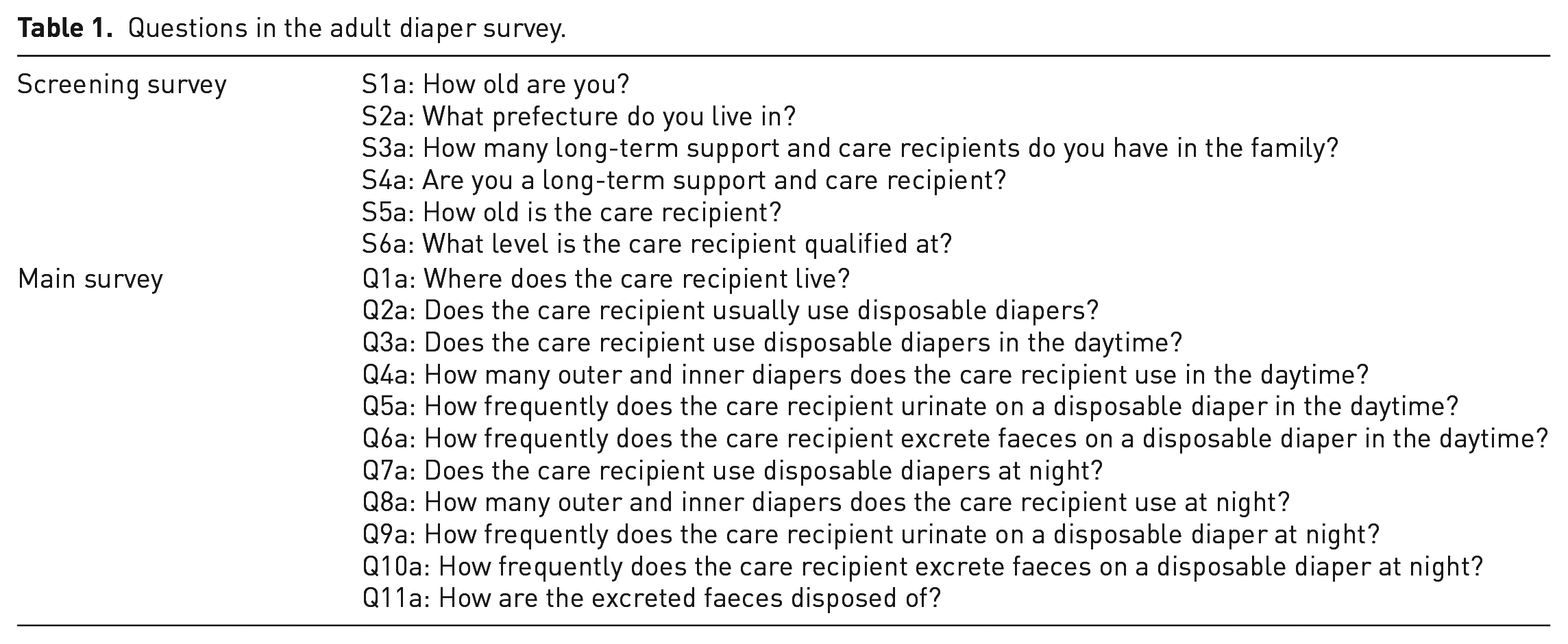
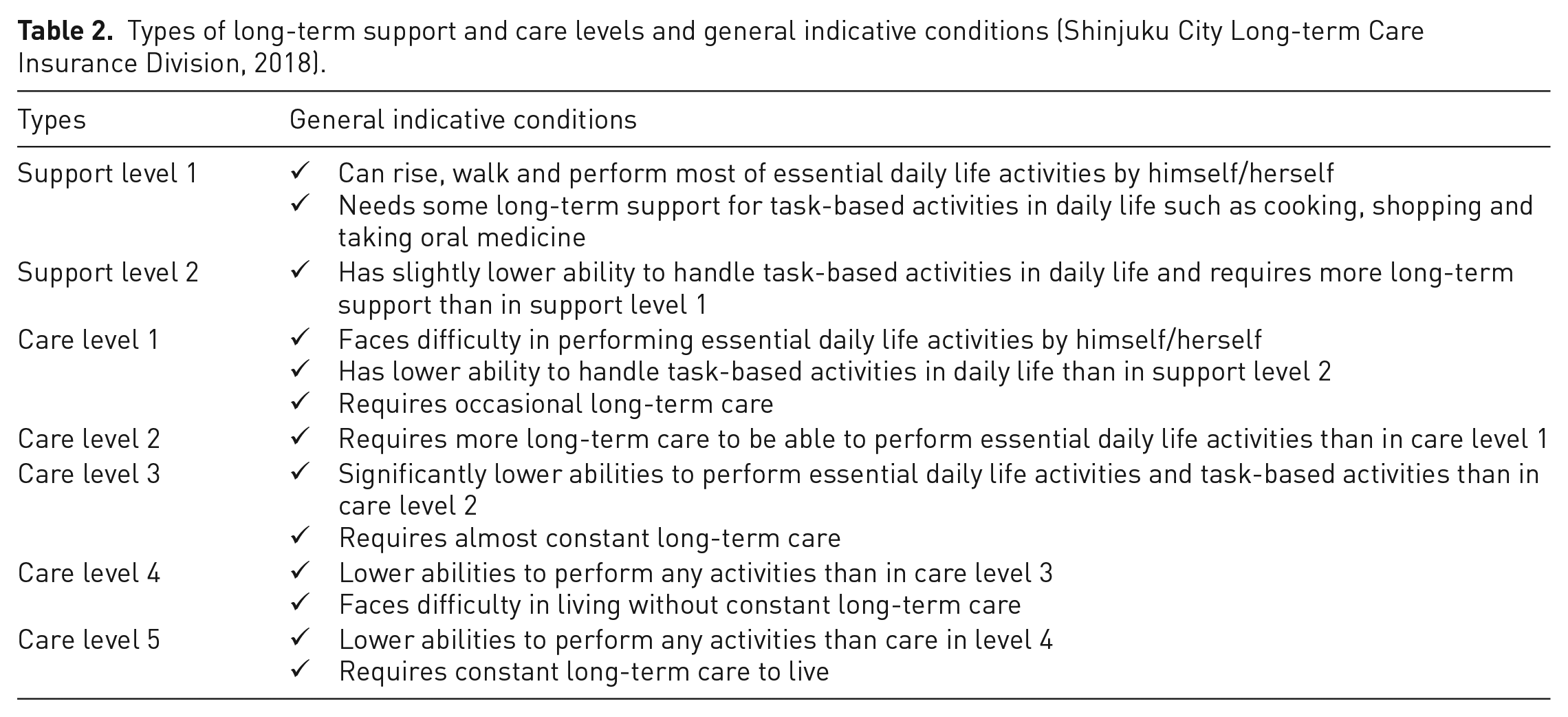
The online survey targeted people aged 18 to 69 years nationwide in Japan who were registered as part of a special panel related to diseases. The screening condition was that there was one person requiring long-term care in the household aged 65 years or over (excluding the case where the respondent was the person requiring long-term care; Table 1). We assumed that disposable adult diapers were used by those who have qualified for long-term care in the insurance system (Ministry of Health, Labour and Welfare, 2016) and were aged 65 years or over. Persons requiring long-term care were assigned to seven categories: support level 1, support level 2, care level 1, care level 2, care level 3, care level 4 and care level 5 (Table 2) (Shinjuku City Long-term Care Insurance Division, 2018). A total of 1000 respondents, 142 or 143 per category, was set as the target number of responses to answer the questions shown in Table 1.
Questions in the adult diaper survey.
Types of long-term support and care levels and general indicative conditions (Shinjuku City Long-term Care Insurance Division, 2018).
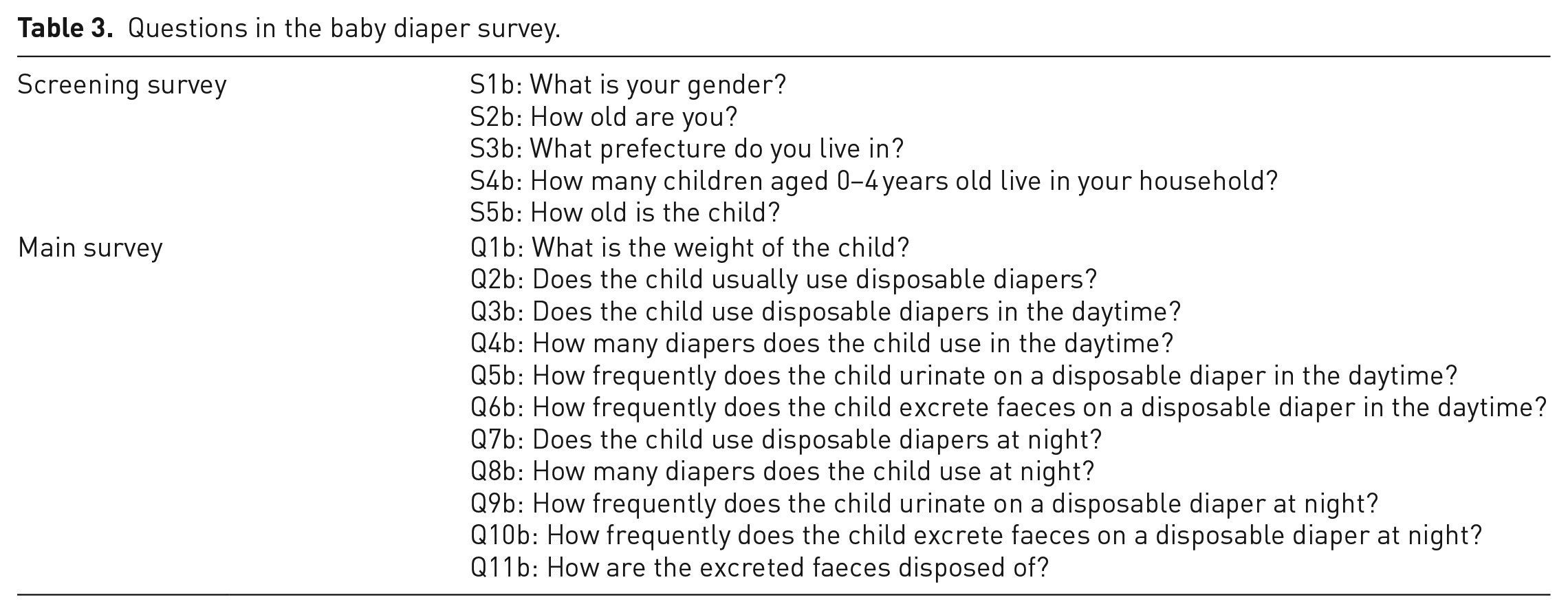
The online survey on the usage of disposable baby diapers targeted women aged 20 to 49 years nationwide in Japan who were registered as part of a special panel related to students and children. The screening condition was that there was one child under the age of 5 in the household (Table 3). The children were assigned to five categories: 0-year-old, 1-year-old, 2-year-old, 3-year-old and 4-year-old. A total of 1000 respondents, 200 per category, was set as the target number of responses to answer the questions shown in Table 3.
Questions in the baby diaper survey.
Both of the online surveys started on 24 March 2021 and ended when the target number of responses had been reached. Responses with inconsistent answers were invalidated and excluded from the analysis. Responses were collected from all 47 prefectures in Japan for both the adult diaper survey and the baby diaper survey. The number of valid responses was 987 in the adult diaper survey and 986 in the baby diaper survey. A summary of the survey results compiling the answers to the questions in Tables 1 and 3 is shown in the Supplemental Appendix.
Per capita generation of used disposable diapers
In the calculation of per capita generation of used disposable diapers, we distinguished between ‘consumption of diapers’ and ‘excrement of urine and faeces’ as explanatory variables.
Disposable adult diapers are divided into two types in Japan: an outer diaper (pants type and tape type) and an inner diaper (pad type). Generally, the inner diaper is used by being attached to the inside of the outer diaper. There are three main advantages of using a combination of separate inner and outer diapers: (1) inner diapers are easier to change and reduce the burden of labour, (2) the use of inner diapers, which are less expensive than outer diapers, reduces costs and (3) less waste is generated. An all-in-one combination of outer and inner diapers is not produced or used in Japan; that is, all manufacturers of disposable adult diapers currently sell outer diapers to consumers separately from inner diapers. In this study, the consumption amounts of outer diapers and inner diapers were calculated separately because the consumption of outer diapers and inner diapers differ depending on the type of user. The number of diapers consumed by long-term care recipients was calculated by distinguishing between daytime use and overnight use as shown in equations (1) and (2).


where
Two-thirds of excrement was assumed to be discharged in the daytime and one-third overnight. The volumes of urine and faeces discharged were determined with equations (3) and (4), respectively.


where
Frequency of excreting on diapers and the corresponding discharge factor.
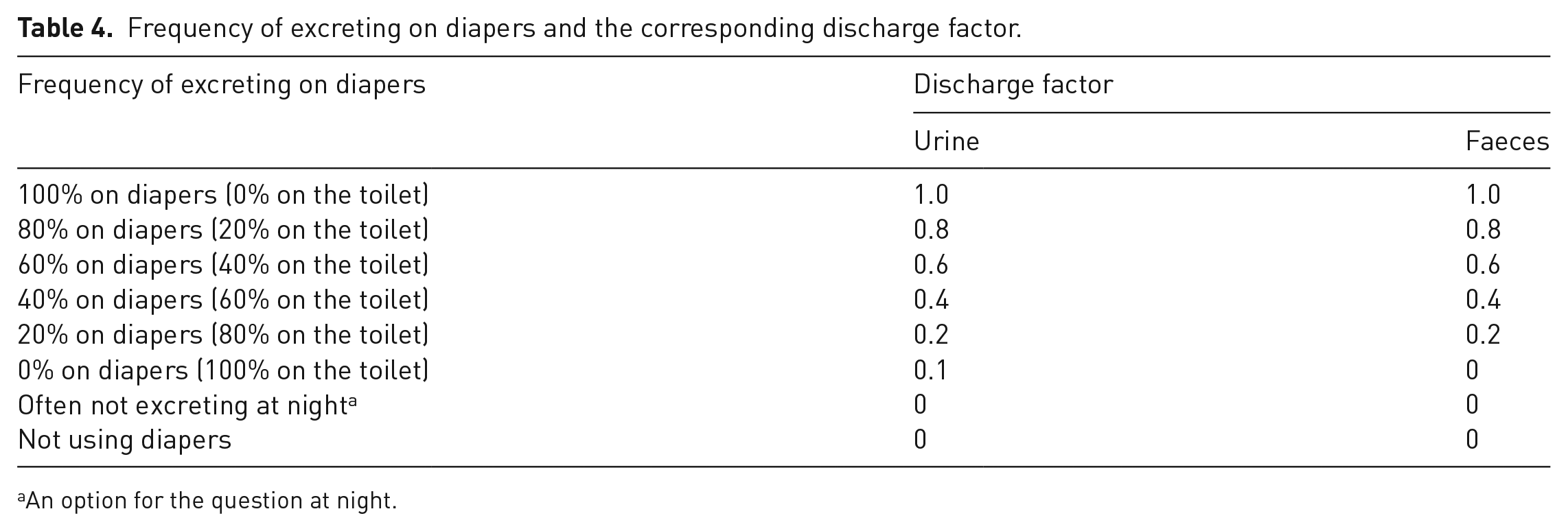
An option for the question at night.
Methods of faeces disposal and the corresponding disposal factor.

The per capita generation of used disposable adult diapers was calculated by summing

where
Per capita generation of used disposable baby diapers was calculated considering the change in the size of disposable diapers and the amount of excrement in line with a child’s growth. As was the case with disposable adult diapers, the number of diapers consumed by children was calculated based on a distinction between daytime use and overnight use (equation (6)):

where
Size and weight of disposable baby diaper products before use.
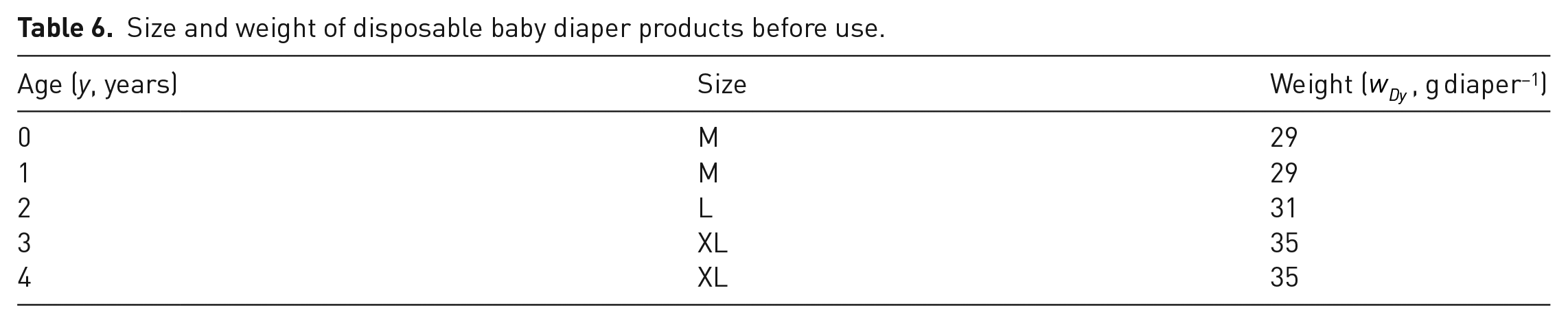
Two-thirds of daily excrement was assumed to be discharged in the daytime and one-third overnight (equations (7) and (8)).


where
Standard volume of urine and faeces discharged by 0- to 4-year-olds.
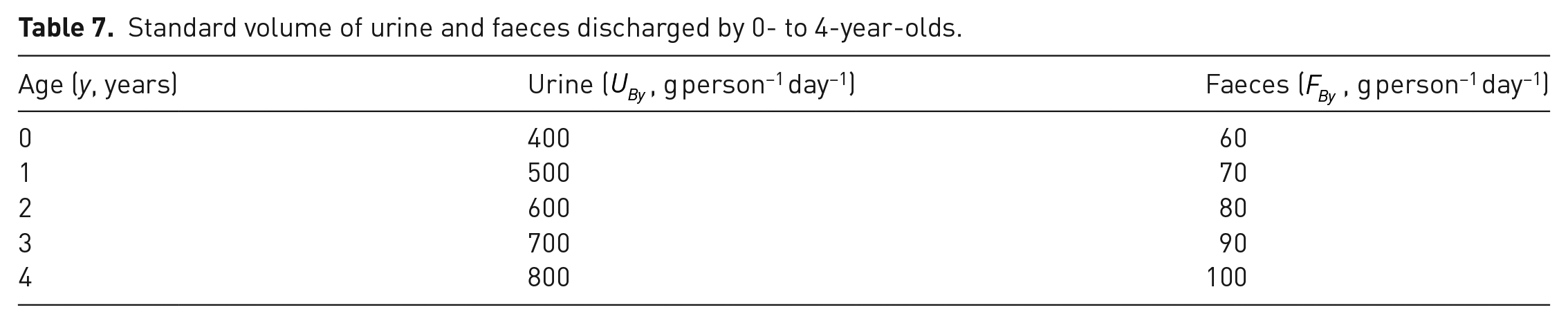
Generation of used disposable baby diapers per capita was calculated by summing

where
Projection of used disposable diapers generated
Future generation of used disposable diapers was estimated by multiplying the population of disposable diaper users and the per capita generation. The procedures for adult and children’s diapers are described below.
The amount of used disposable diapers generated by adults was estimated with equations (10) and (11), taking into account the seven care levels and the six age groups.


where
The amount of used disposable diapers generated by children was estimated with equation (12):

where
Projection of combustible waste generated
Used disposable diapers are generally managed as combustible waste in Japan. Some used disposable diapers generated in nursing care facilities and hospitals are managed as industrial waste, but all used disposable diapers generated were assumed to be managed as combustible MSW in this study regardless of the source. The amount of combustible waste generated was estimated by distinguishing between the amount of used disposable diapers and the amount of combustible waste excluding used disposable diapers (equations (13) and (14)). The per capita generation of combustible waste excluding used disposable diapers was calculated with the amount of combustible waste generated from 2013 to 2017 and the estimated amount of used disposable diapers generated from 2013 to 2017.


where
Lower heating value (LHV) of used disposable diaper and combustible waste
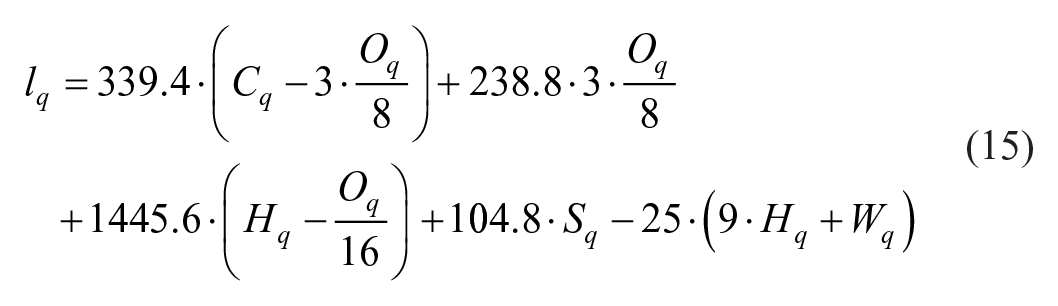
Table 8 shows the properties of disposable diaper products for adults and children, which are composed of pulp, superabsorbent polymer (SAP), polyethylene (PE), polypropylene (PP) and polystyrene (PS). The chemical composition of pulp retrieved from an outer diaper and an inner diaper (n = 3 of each) was analysed with a J-Science MICRO CORDER JM10 and JMA10 to identify the concentration of carbon, hydrogen and nitrogen on a dry basis. The LHV of pulp and SAP was calculated with equation (15), known as Steuer’s equation (Ibikunle et al., 2019), assuming a moisture content of 8%:
Properties of disposable diaper products for adults and children.
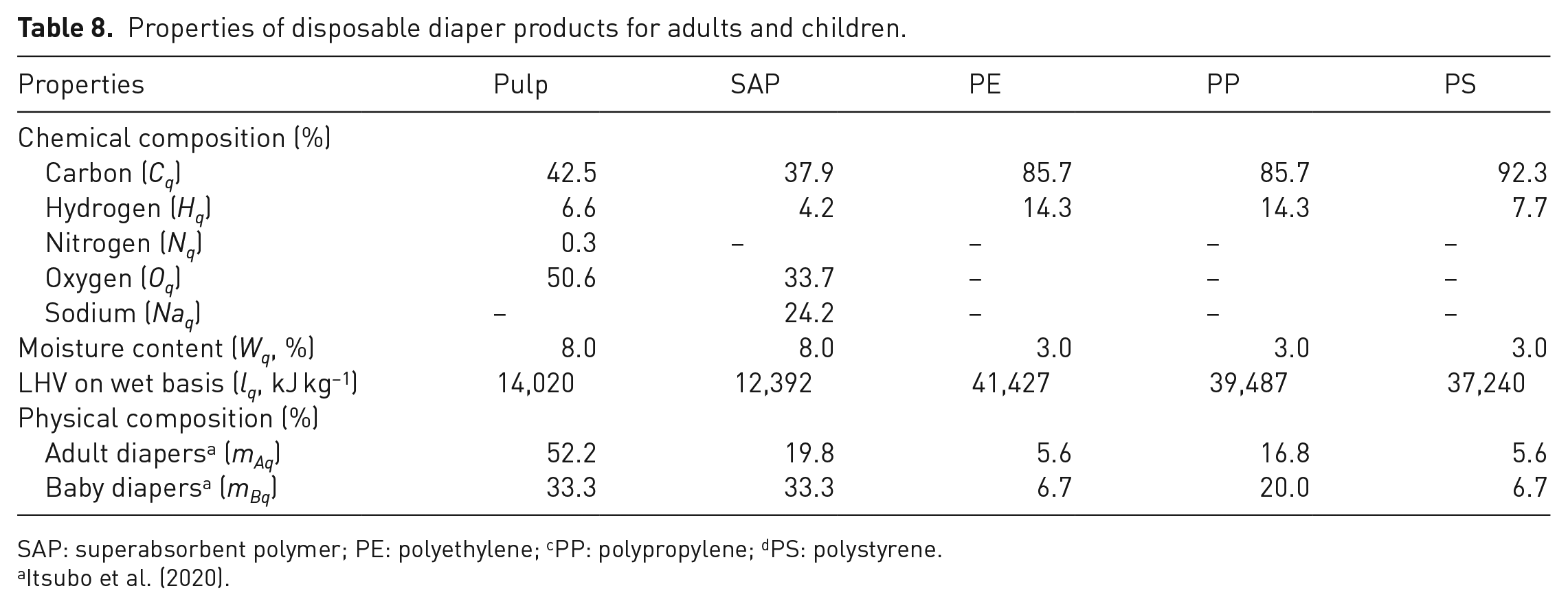
SAP: superabsorbent polymer; PE: polyethylene; cPP: polypropylene; dPS: polystyrene.
where
The higher heating value (HHV) on a dry basis of PE, PP and PS reported as 46,000, 44,000 and 40,200 kJ kg−1, respectively (Plastic Waste Management Institute, 2019), was converted to LHV on a wet basis by assuming a moisture content of 3% and using equation (16):

where
The wet-basis LHVs of disposable diaper products for adults and children were estimated as 20,811 and 21,963 kJ kg−1, respectively, with equations (17) and (18):


where
LHV on wet basis of urine was set as −2500 kJ kg−1, the moisture content of faeces was assumed to be 80%, and the wet-basis LHV of faeces was converted from HHV on a dry basis and set as 2800 kJ kg−1 (Onabanjo et al., 2016).
The LHV of used disposable diapers for adults and children and that of combustible waste excluding used disposable diapers were set to be constant in the future. The future LHV of combustible waste was estimated with equation (19):

where
In addition, a scenario was considered in which disposable diaper products would become lighter in the future due to advances in disposable diaper technology. In this scenario, the weights of pulp, SAP and plastic used in disposable diaper products were each reduced by 50% in 2045, assuming that the performance of the lighter disposable diapers would be equivalent to current products. The LHV of used disposable diapers and combustible waste in 2045 was then estimated based on this scenario.
Municipalities in Mie Prefecture
This study illustrated the generation of used disposable diapers in 29 municipalities in Mie Prefecture as a case study. The total population in Mie Prefecture in 2015 was approximately 1.82 million, and it is projected to decrease by 21.2% to approximately 1.43 million in 2045 (Table 9). Although the northern part of Mie Prefecture is an industrial area and the population will decrease in the future, the depopulation and aging are projected to be more severe in the southern part of the prefecture.
Population and aging rate of 29 municipalities in Mie Prefecture in 2015 and 2045 (National Institute of Population and Social Security Research, 2019).
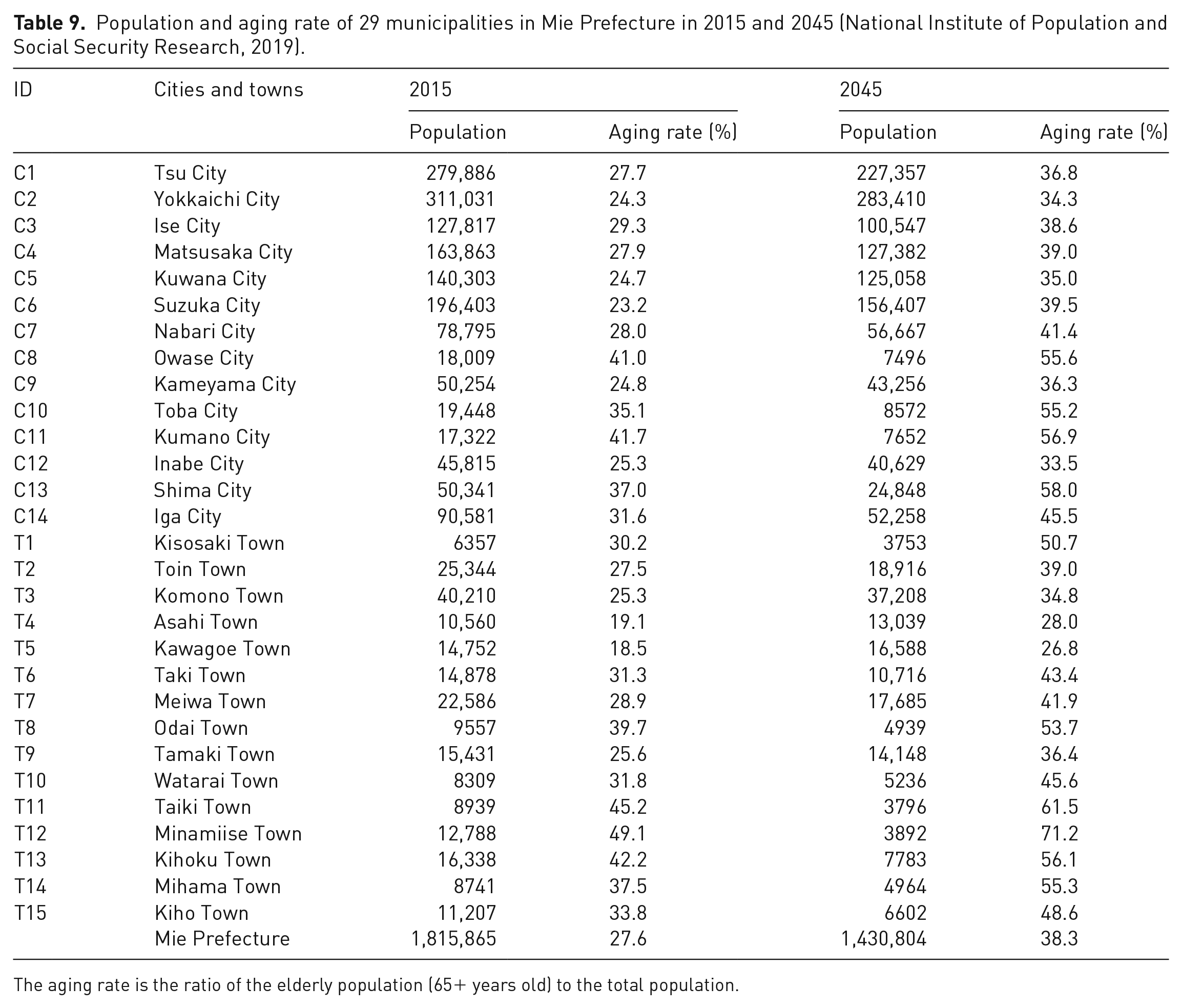
The aging rate is the ratio of the elderly population (65+ years old) to the total population.
Results and discussion
Diaper usage
In Japan, when people require full assistance for standing up, walking, eating, excreting and bathing, they are certified as requiring long-term care level 3. People requiring long-term care level 3 or above are given priority to access to nursing care facilities, where long-term care is available 24 hours a day. Figure 1 shows where long-term care recipients aged 65 years or over reside, according to the online survey. More than 90% of long-term care recipients with support level 1, support level 2 and care level 1 lived at home. As the degree of care increased, the proportion of people living in care facilities increased. More than half of people classified as long-term care levels 4 and 5 lived in care facilities.
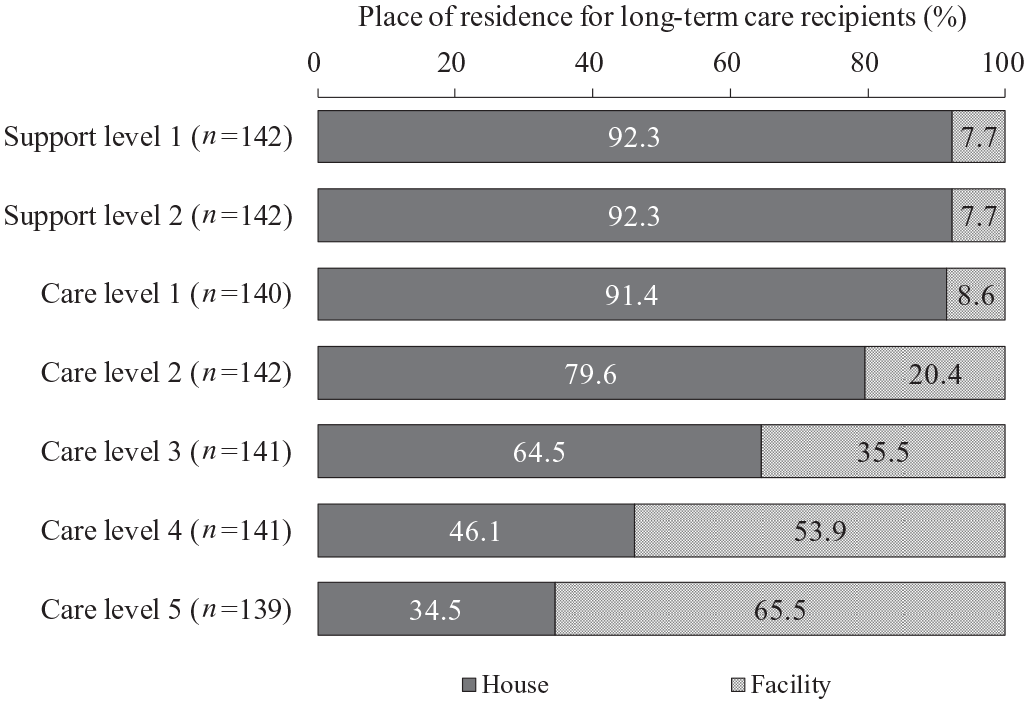
Place of residence for long-term care recipients.
Figure 2(a) shows the survey results for diaper use by care level and diaper type. As the degree of long-term care became more serious, the proportion using diapers increased, reaching 93.8% (including cloth diapers) for care level 5. The usage rates of disposable diapers observed in this study were higher than those suggested by the Ministry of the Environment in their guideline.
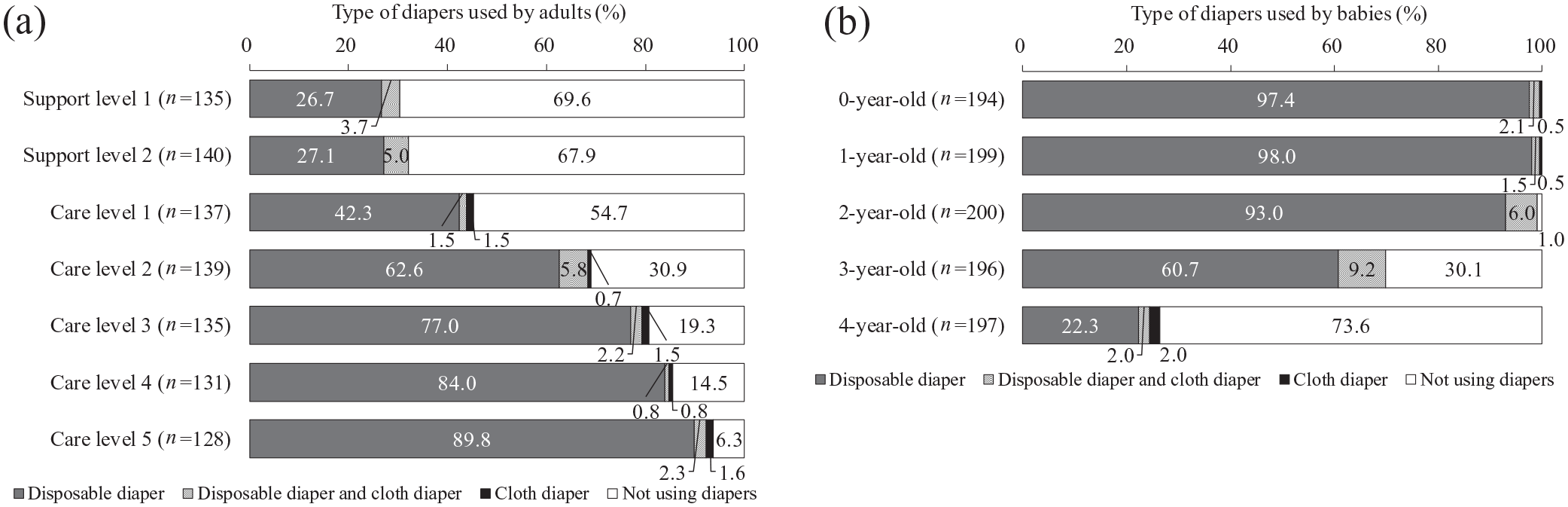
Type of diapers used by (a) adults and (b) babies.
People requiring long-term care level 3 or above consumed more disposable adult diaper products per user than people in the other categories (Figure 3(a)). The Ministry of the Environment suggested that the recipients used one outer diaper and four inner diapers per day in their guideline. However, we found that recipients used more outer diapers. The results suggest that many of the users replaced their disposable diapers before bedtime and at the time of awakening; in addition, the recipients with care level 3 or above used two or more outer diapers in the daytime.
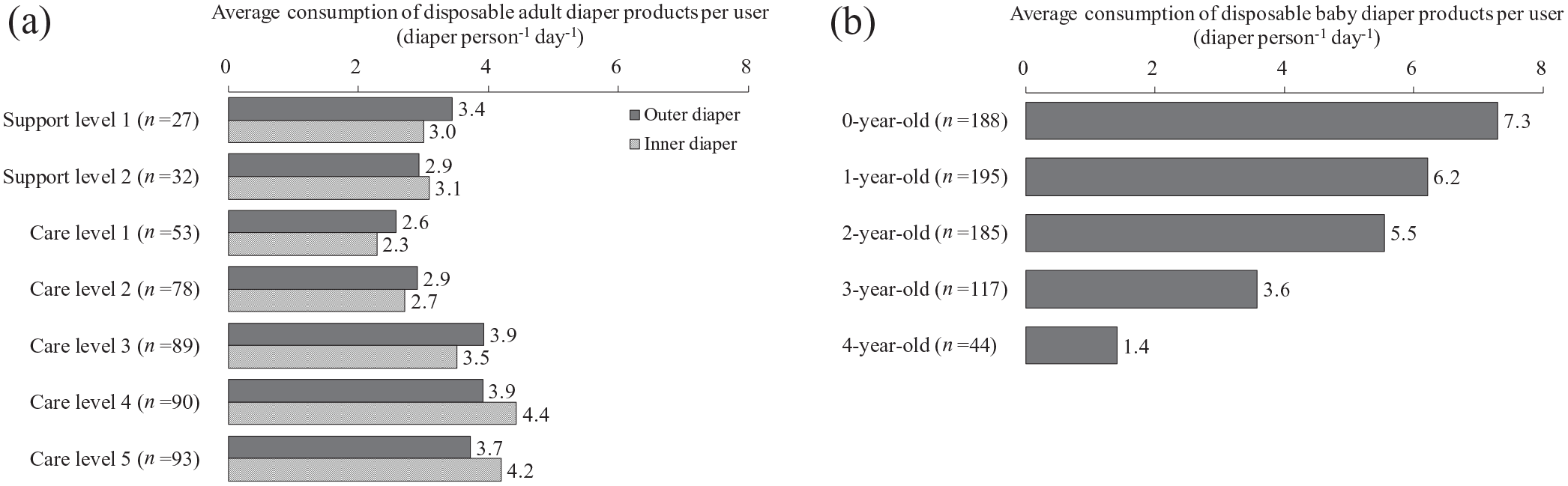
Average consumption of disposable diaper products for (a) adults and (b) babies.
Caretakers often used both disposable diapers and cloth diapers for children in the 1980s; for example, it was common to use disposable diapers only at night or when going out (Kai et al., 1990). Since the 1990s, boosted by positive opinions about disposable diapers being ‘convenient’ and ‘hygienic’ (Yakura et al., 1996), the proportion of disposable diapers used has increased steadily (Katsuki, 2004; Takeshita and Kai, 2011). The survey results showed that disposable diapers were by far more commonly used compared to cloth diapers. Figure 2(b) shows that babies were completely dependent on diapers until the age of 2 and began ‘graduating from diapers’ at the age of 3. Users under the age of 4 years (n = 729) consumed an average of 5.6 disposable diapers per person per day, and infants (<1-year-old) consumed 7.3 disposable diapers a day (Figure 3(b)). As the children grew older, the consumption of disposable diapers decreased. On average, 4-year-olds consumed 1.4 diapers person−1 day−1. The percentages of diaper users in the 3- and 4-year-old age groups were notably higher than the results of Tsuchida et al. (2017), who reported that 4.8% of 3-year-olds and 0.7% of 4-year-olds used disposable diapers in a survey of childcare facilities. In our online survey, 41.5% of 3-year-olds and 88.6% of 4-year-olds did not use diapers in the daytime, but they did use them at night.
Per capita generation and LHV of used disposable diapers
Figure 4(a) shows the amount of used disposable adult diapers generated per user per day by weight. Care level 3, care level 4 and care level 5 users generated 1275, 1386 and 1622 g person−1 day−1 of disposable diapers, respectively. These values all exceeded the national average per capita generation of MSW of 918 g person−1 day−1 in FY2019 (Ministry of the Environment, 2021). As the level of long-term care increased, the proportion of excrement in used disposable diapers increased. Urine accounted for more than 50% of the total weight of used disposable diapers for adults. The Japan Hygiene Products Industry Association (2008a) stated that, from the viewpoint of hygiene, faeces in disposable diapers should be removed and disposed of in the toilet before diaper disposal. However, 37.3% of the people using disposable diapers disposed of their faeces together with disposable diapers, and that percentage increased to 44.7% for care level 4 and 62.3% for care level 5.
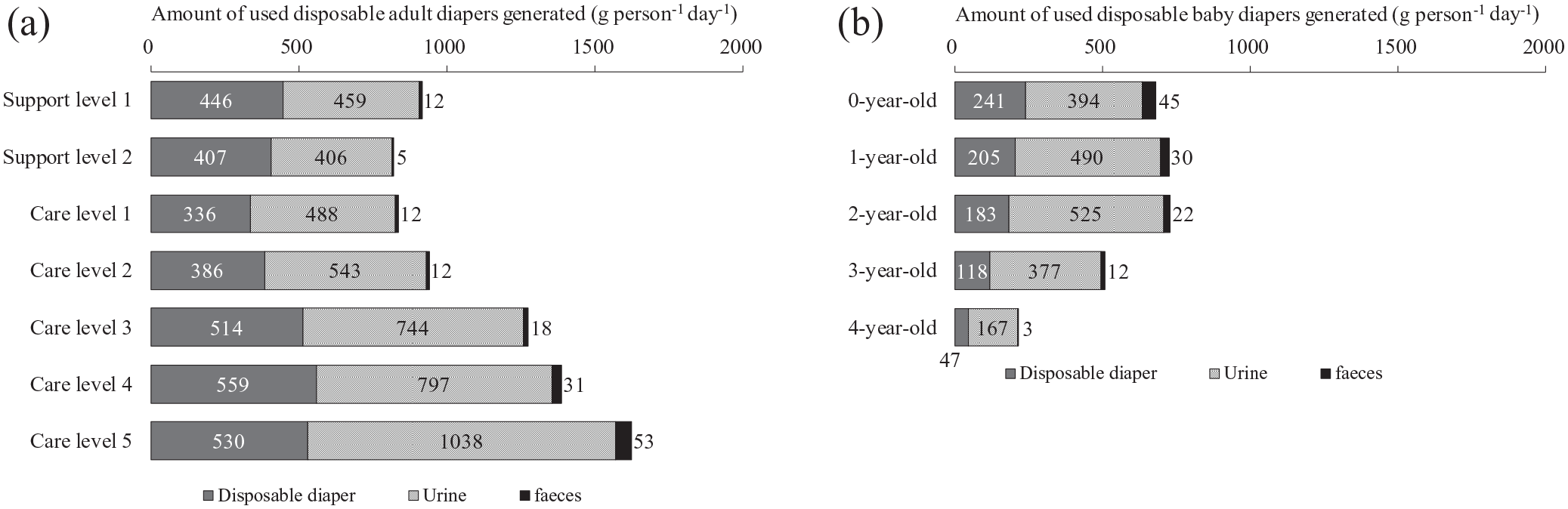
Per user amount of used disposable diapers generated by (a) adults and (b) babies.
Figure 5(a) shows the LHV results for each care level. People requiring long-term support levels 1 and 2 generated disposable diapers with relatively high LHVs because they discharged disposable diapers containing less excrement. The average LHV of used disposable diapers for adults vary depending on the number of long-term care recipients using disposable diapers, but it was estimated to be approximately 7500 kJ kg−1 in Mie Prefecture. The Ministry of the Environment reported that the LHV of combustible waste treated at incineration or RDF production facilities in Mie Prefecture was 5929 to 9305 kJ kg−1. Used disposable adult diapers, therefore, do not seem to have any negative effect on the treatment process of combustible waste in terms of heating value.
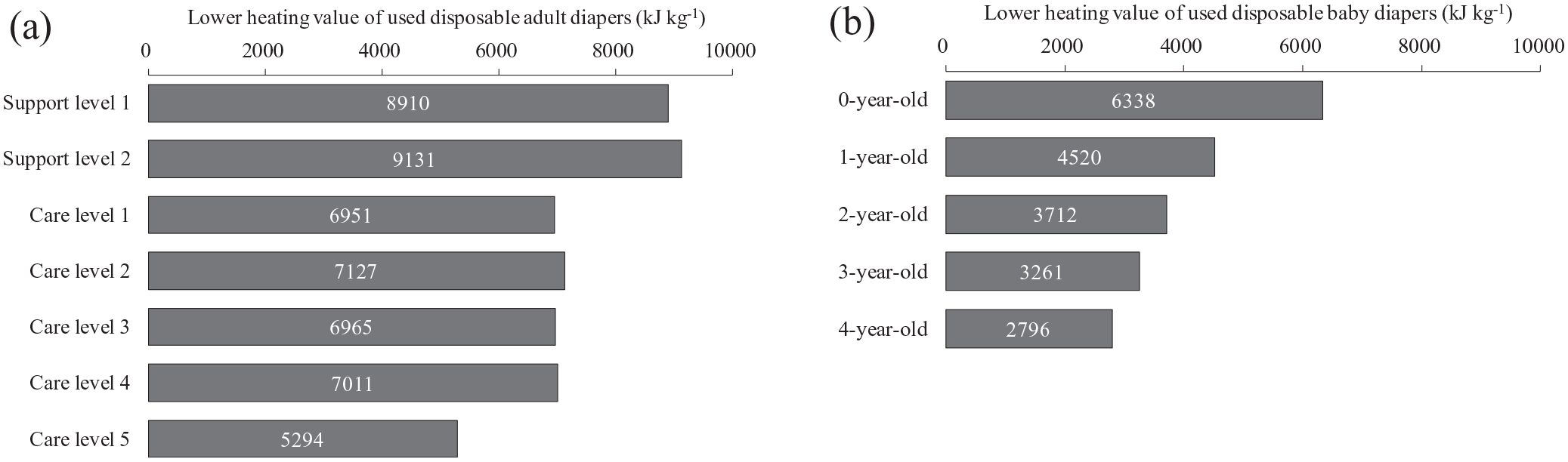
The LHV of disposable diapers used by (a) adults and (b) babies.
The largest amount of disposable diapers (by weight) was generated by 1- and 2-year-olds (Figure 4(b)). Per user generation of disposable diapers was less for children than for adults, and the proportion of urine and faeces in children’s used disposable diapers was higher than that of adults. As a result, the LHV of children’s disposable diapers was lower (Figure 5(b)). Used disposable diapers generated by 2-year-olds and older contained a higher proportion of urine and might be difficult to combust by themselves without any additional fuels at incineration facilities (Kawai et al., 2015; Tanaka et al., 2003). The weighted average of the LHV of used disposable diapers generated by children aged 0 to 4 years was 4562 kJ kg−1, which was 23.1–51.0% lower than the value of the combustible waste treated at facilities in Mie Prefecture.
Projection of used disposable diapers generated
The amount of used disposable adult diapers generated in Mie Prefecture in 2045 was estimated to be 89.9 tonnes day−1, 50.8% higher than that of 2015. Although the generation of used disposable adult diapers increased notably in the northern part of Mie Prefecture, it tended to decrease in the southern part (Figure 6(a)). By 2045, the aging rate will rise in all municipalities, but the population aged 65 years and over will decline in the southern part of the prefecture. The amount of used disposable adult diapers generated in Owase City (C8), Kumano City (C11), Taiki Town (T11) and Kihoku Town (T13) peaks around 2025 to 2030, and then declines. In Minamiise Town (T12), the amount generated peaks in 2020 and then starts to decrease.
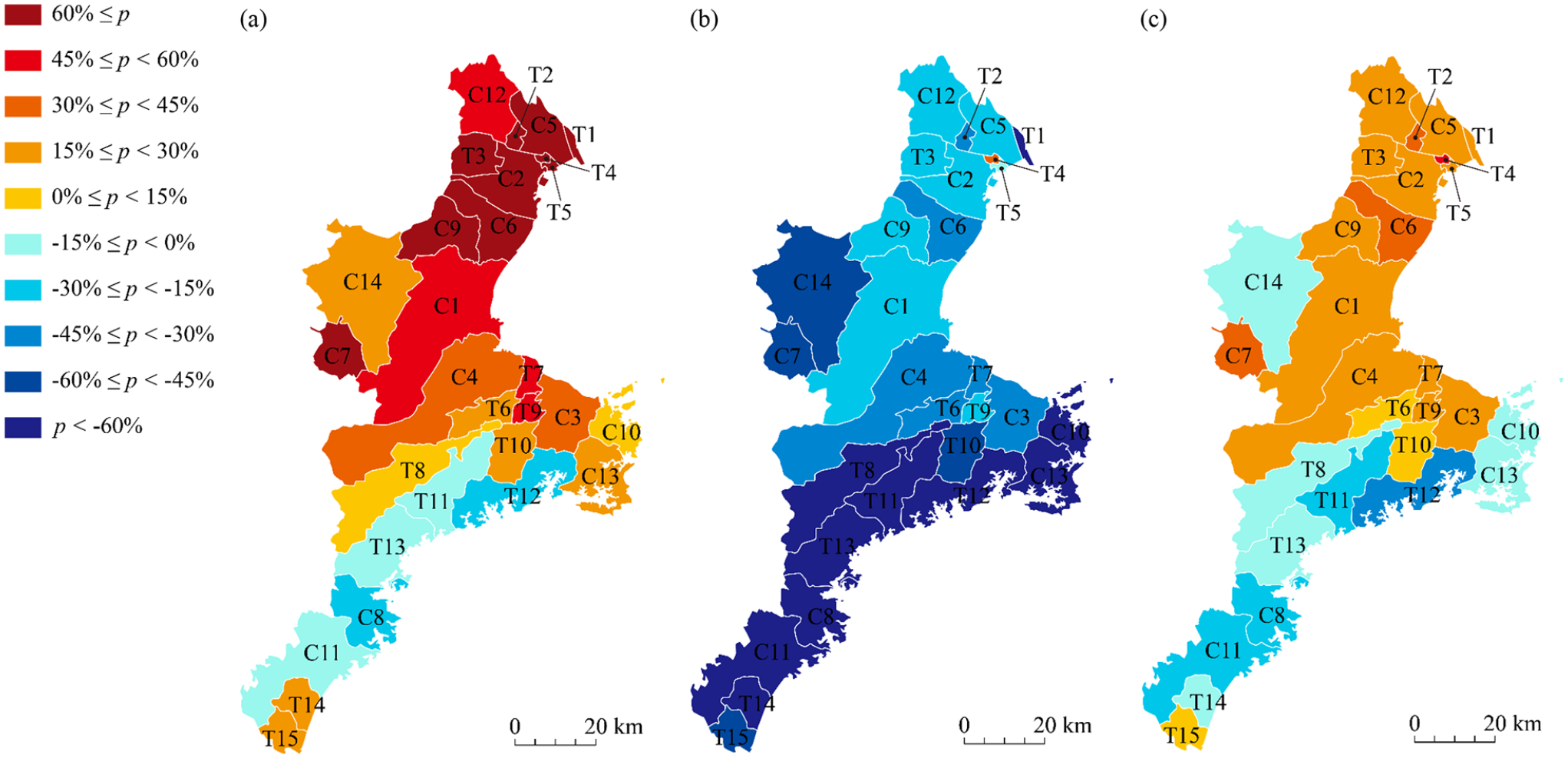
Percentage change (p) in the amount of used disposable diapers projected in 2045 as compared to the amount estimated in 2015 in 29 municipalities in Mie Prefecture. The cities and towns are listed in Table 9. (a) Adults, (b) Babies and (c) Total.
The amount of used disposable diapers generated by children in 2045 was projected to be 24.6 tonnes day−1 in Mie Prefecture. The amount will decrease in most municipalities, except in Asahi Town (T4), the only municipality in Mie Prefecture with an increasing population of children (Figure 6(b)). The amount of used disposable diapers will decrease by 31.9% in Mie Prefecture over the study period. Ten municipalities in the southern part of the prefecture will experience decreases of more than 60%.
Of the total amount of used disposable diapers generated in Mie Prefecture in 2015 (95.6 tonnes day−1), 62.3% was by adult diapers and 37.7% for children’s diapers. In 2045, the proportion for adults will increase to 78.5%. As a result of the increase in the amount of adult used disposable diapers and the decrease in the amount for children in many areas in Mie Prefecture (Figure 6(c)), the total amount of used diapers in Mie Prefecture was projected to increase by 19.7% in 2045 compared to the amount in 2015. In the southern part of the prefecture, where both the elderly population and the infant population are expected to decline, the total amount of used disposable diapers will decrease.
The population in Mie Prefecture is declining in 28 municipalities (all except Asahi Town). Because the amount of combustible waste generated excluding used disposable diapers was projected by multiplying the total population by the per capita amount of combustible waste, the amount of combustible waste generated was estimated to decrease as the population decreased. Yokkaichi City (C2), which has the largest population in Mie Prefecture, had the largest estimated amount of combustible waste generated in 2020 (a 6.4% increase compared to 2015), but it was projected to gradually decrease, reaching a 1.7% decrease by 2045 compared to 2015 (Figure 7). In the southern part of Mie Prefecture, where the population is declining notably, the rate of decrease in combustible waste will be large, especially in Minamiise Town, where it will decrease by 67.1% by 2045. In areas where the amount of combustible waste generated will decrease significantly in the future, it is necessary to carefully prepare MSW management plans according to changes in the amount of waste to be generated. In areas with a declining population, it may become impossible for each municipality to independently manage MSW, and neighbouring municipalities may need to work together to integrate MSW management. The reduction in the amount of waste will make the collection of waste more inefficient, so municipalities must also reconsider the frequency and methods of collection.
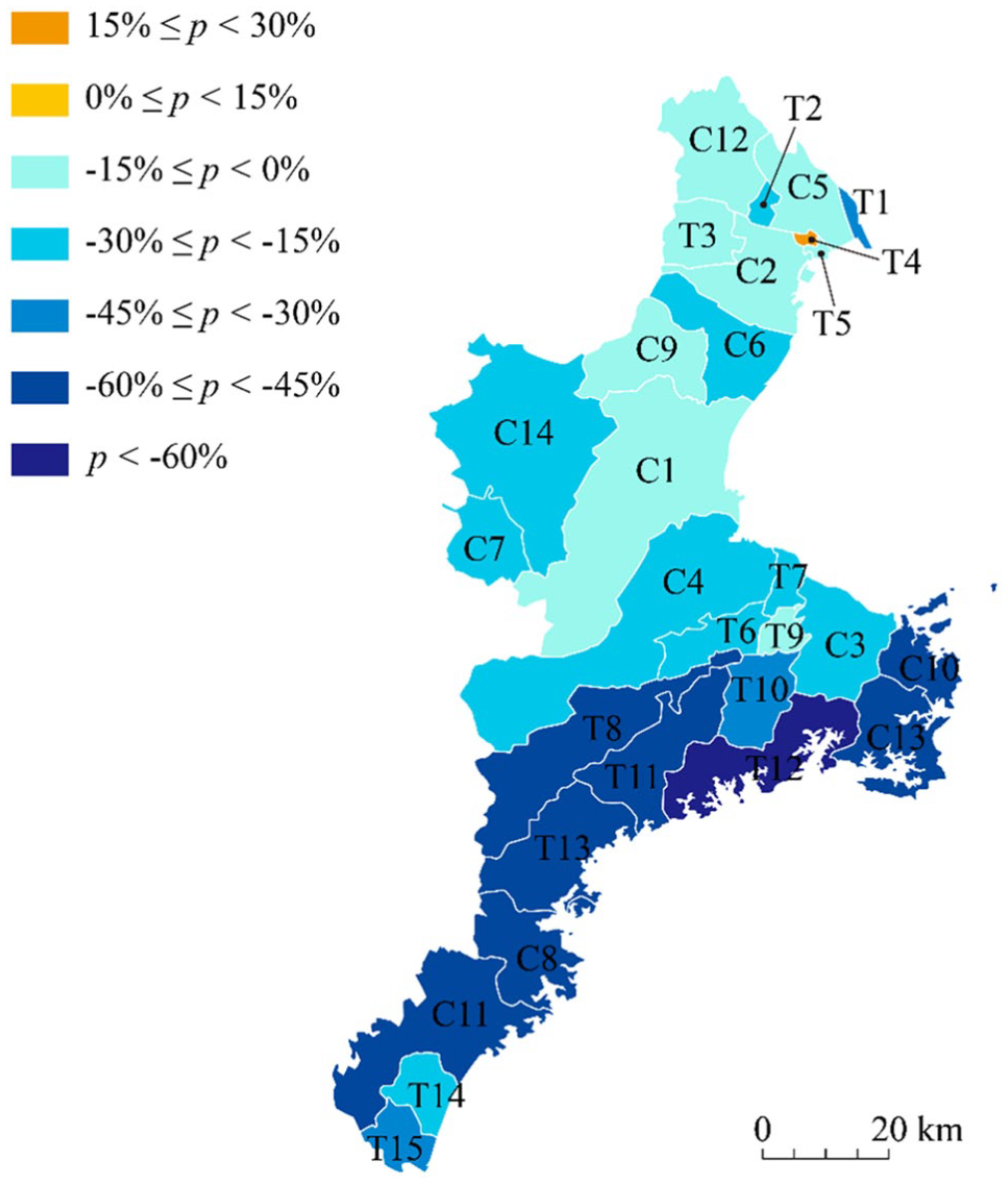
Percentage change (p) in the amount of combustible waste projected in 2045 as compared to the amount estimated in 2015 in 29 municipalities in Mie Prefecture. The cities and towns are listed in Table 9.
As the amount of combustible waste generated decreases and the amount of used disposable diapers generated increases, the proportion of used disposable diapers in combustible waste will increase. The proportion of used disposable diapers in combustible waste is expected to increase in all municipalities from 2015 to 2045 (Figure 8), accounting for about 10% in the north and 15–20% in the south in 2045.
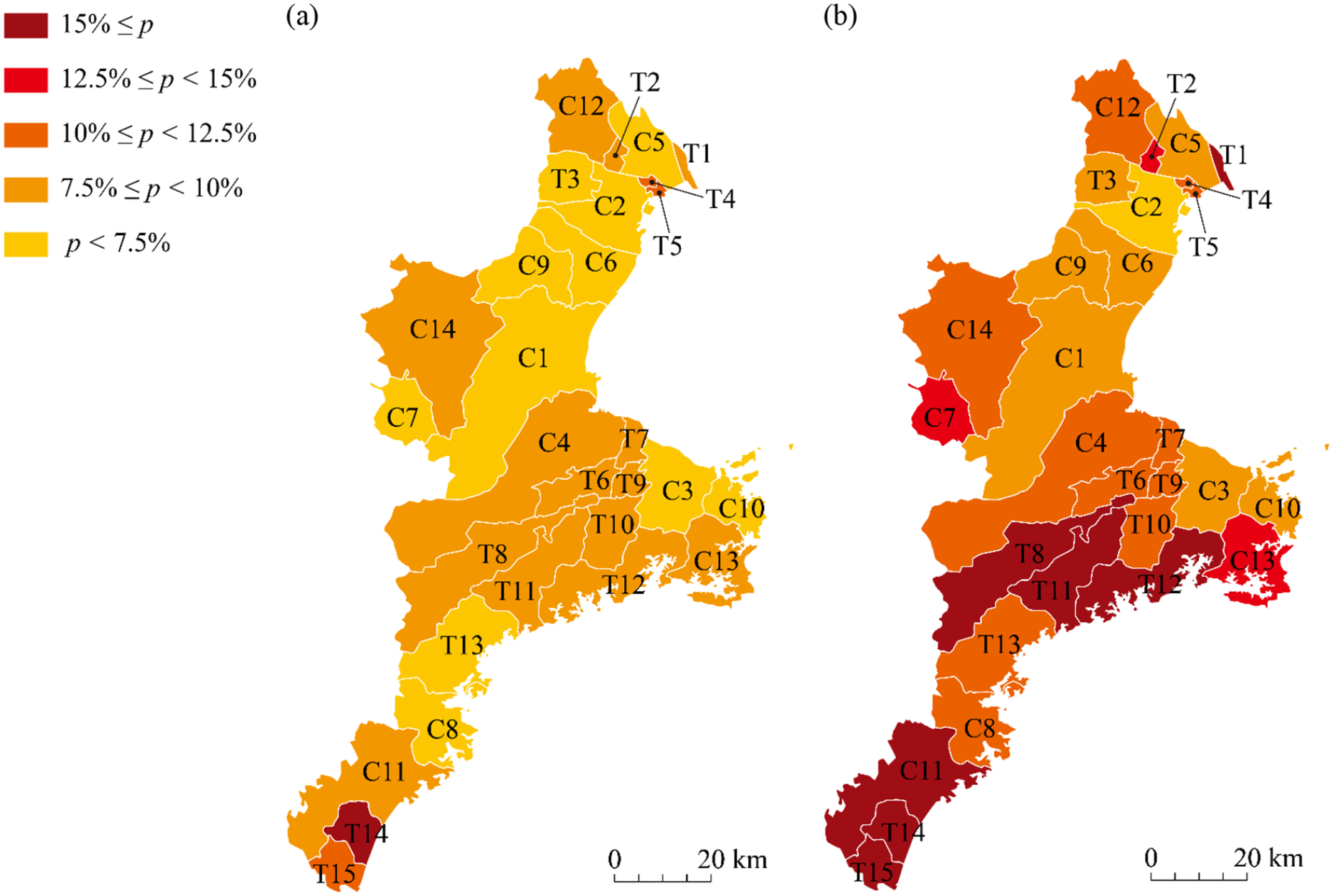
Percentage (p) of used disposable diapers in combustible waste in 29 municipalities in Mie Prefecture in (a) 2015 and (b) 2045. The cities and towns are listed in Table 9.
LHV of combustible waste
The percent change of the LHV of combustible waste in the 29 municipalities in 2045 would vary from −0.9% to 1.6% compared to 2015 levels. We had assumed that the LHV of used disposable diapers must be relatively low because they contain excrement and that the LHV of combustible waste would then decrease considerably as the proportion of used disposable diapers increased. Because of the high LHV of disposable diaper products composed of pulp, SAP and plastic, the LHV of used disposable diapers containing excrement was found to be almost the same as that of conventional combustible waste.
However, future improvements in the materials that make up disposable diapers may change the LHV of used disposable diapers. In the scenario in which disposable diaper products were assumed to be 50% lighter in 2045, the LHV of used disposable adult diapers in 2045 decreased by up to 57%, and the LHV of used disposable baby diapers decreased by up to 82% compared to conventional used disposable diapers. In this scenario, the proportion of used disposable diapers in combustible waste in 2045 would decrease, and the LHV of combustible waste would also decrease in all municipalities in Mie Prefecture compared to 2015, with a maximum decrease of about 10%. It will be important to consider the impact of improvements in disposable diaper products and the corresponding reductions of LHV on incineration processes in the future.
Furthermore, the LHV of combustible waste other than used disposable diapers may change especially by suppressing the generation of disposable plastics and promoting the recycling of plastics due to the effect of the new law on plastic waste enforced on 1 April 2022. We must continue to carefully observe changes in the composition of combustible waste, including used disposable diapers, and evaluate the impact on the incineration process.
As shown in Table 8, disposable diapers contain sodium derived from SAP, and the sodium concentration in the used disposable diapers is higher than that of other combustible waste. It is important, therefore, to be aware that the chemical composition of ash generated after incineration will change as a result of any increase in the amount of used disposable diapers generated in the future.
Conclusion
This study clarified the per capita generation of used disposable diapers for adults and children by analysing the results of an online survey. The consumption of disposable diapers per user was larger than previously reported. In line with depopulation and aging, the generation of used disposable diapers was found to increase in general. However, the generation of used disposable diapers will decrease in rural areas where the population of elderly people is projected to decline. The proportion of used disposable diapers in combustible waste was projected to increase by up to approximately 20% by 2045 in almost all municipalities of Mie Prefecture. If disposable diaper products become lighter in the future, the incineration process could be impacted because of a reduction in LHV. Because of their higher moisture content, the LHV of used disposable diapers for children was much lower than that for adults. In countries where the population is growing rapidly, it will be better to pay attention to increases in the generation of used disposable diapers for children rather than for adults.
We developed a model for projecting the generation of used disposable diapers that can be applied to any population size, and it can be used to estimate the amount generated on a national or a local scale. Because the number of care levels can be changed, the model can be applied to countries other than Japan. However, the usage of disposable diapers and the per capita generation of used disposable diapers may vary from country to country. Therefore, these data should be investigated when applying this model in countries other than Japan.
Used disposable diapers could be the second largest component after food waste in combustible waste in areas with dynamic depopulation and aging, and municipalities need to start discussing the collection, treatment and recycling of used disposable diapers (Fujiyama et al., 2012) from the point of view of sanitation as well as resource management towards building a sustainable society in an era of depopulation and aging.
The next challenge is to identify greenhouse gas emissions associated with the treatment and recycling of used disposable diapers generated in the future. Currently, plastic is a major component of disposable diapers. The use of disposable diapers may become an important issue as we move towards a carbon-free society and decrease our use of fossil-derived plastics. Manufacturers of disposable diapers may be required to reduce the use of fossil-derived plastics and switch to the use of biomass plastics. We believe that this study will be of use to countries and regions facing an increase in the generation of used disposable diapers.
Supplemental Material
sj-docx-1-wmr-10.1177_0734242X221140031 – Supplemental material for Model for projecting the generation of used disposable diapers in the era of depopulation and aging in Japan
Supplemental material, sj-docx-1-wmr-10.1177_0734242X221140031 for Model for projecting the generation of used disposable diapers in the era of depopulation and aging in Japan by Kosuke Kawai, Kazuyuki Oshita and Takasei Kusube in Waste Management & Research
Footnotes
Declaration of conflicting interests
The authors declared no potential conflicts of interest with respect to the research, authorship, and/or publication of this article.
Funding
The authors disclosed receipt of the following financial support for the research, authorship, and/or publication of this article: This research was performed by the Environment Research and Technology Development Fund (JPMEERF20193007) of the Environmental Restoration and Conservation Agency of Japan.

Supplemental material
Supplemental material for this article is available online.
References
Supplementary Material
Please find the following supplemental material available below.
For Open Access articles published under a Creative Commons License, all supplemental material carries the same license as the article it is associated with.
For non-Open Access articles published, all supplemental material carries a non-exclusive license, and permission requests for re-use of supplemental material or any part of supplemental material shall be sent directly to the copyright owner as specified in the copyright notice associated with the article.
