




Abstract
The race is on to achieve an important level of efficiency in the attainment of a circular economy in agriculture especially with the aim of sustainable nitrogen management. This cycle in the agricultural sector cuts across livestock farming, agriculture-induced waste generation, recycling and utilization, energy generation, crop production, ecosystem protection and environmental management through the mitigation of climate changes. In this work, we assess the process and functionalities of livestock waste generated from the piggery farm and their combinations with other by-products such as biochar and ash in comparison with mineral fertilization as sources of nitrogen applied in agricultural soil. The experiment was performed in a controlled environment with wheat (Triticum aestivum L.) grown in a neutral and an acidic soil. Pig manure was used as the primary feedstock, fed and processed to biogas and nutrient-rich digestate by the anaerobic digestion process. The results revealed that the co-amendments of pig manure digestate with biochar and ash had complimentary positive effect on measured indices such as mobile potassium, phosphorus, biomass yield and nitrogen use efficiency. The mineral nitrogen fertilizer significantly induced carbon dioxide emissions from day 35 when compared to emissions from the organic amendments. In contrast, the organic amendments influenced nitrous oxide emissions from the onset till day 30 before flattening out. The individual combination of pig manure digestate with biochar and ash had a negative influence on enzymatic activity (dehydrogenase). Soil microbial biomass carbon was induced across all treatments in both soil types. Pig manure digestate + ash and pig manure digestate had 32.1 and 48.8% soil microbial biomass increase in neutral soil and acidic soil, respectively. Overall, the processing and application of single-use amendment or in combination with biochar and ash holds huge potential in the optimization of nitrogen and carbon efficiency towards sustainable soil management via improving soil quality, carbon sequestration and climate change.
Introduction
Climate change and environmental degradation resulting from lax nitrogen management remain an empirical problem all over the world. These challenges cut across all sectors, of industry and energy, transport and agriculture, climate and research, hospitality, and environment. In a bid to face these challenges head-on, the EU has set a huge and achievable target through formulating a framework called the Green-deal with a target to ensure a modern, resource-efficient and competitive economy where there are no net emissions of greenhouse gases (GHGs) by the year 2050 and where economic growth is decoupled from resource use (European Commission, 2019). As all these remain not only an EU target but also a global issue, international connections and networks are being initiated to stem and mitigate the pressing challenges. Agriculture sector remains a focal point and has been included in the EU’s overall policy framework to integrate crop and livestock management with different interfaces such as food production, environmental safety, waste utilization, energy generation from food and non-food crops, soil, and GHG reduction obligations. This realistic target has led to an intense drive in sustainably managing the nitrogen (N) flow in livestock farming, food production, organic and inorganic inputs to improve crop yield, productivity and with lesser effect on the soil and the environment (Doyeni et al., 2021b).
Pig farming production has consistently sought to fill the gap in food/meat production targets on a consistent basis. The consumption of meat to meet nutritional body demand is important. The pork meat is the second most consumed meat in the world and with the swine industry striving to grow globally (Szűcs and Vida, 2017). Intensive pig farming produces a lot of waste which is complicated to dispose of and pose environmental risks when not adequately recycled and utilized (Zhang et al., 2017). An acceptable method and/or current practice to solve this problem is through digesting generated wastes in a biogas system to reduce the volume of waste, and produce bioenergy and useful products (Al Seadi et al., 2012; Mata-Alvarez et al., 2014). The biogas system is an excellent way of using organic waste for energy generation and the recycling of the biodegradable waste (Verdi et al., 2019). Additionally, biologically generated organic slurry are useful feedstocks in biogas generation, and in reducing other environmental impacts such as waste water remediation and valuable microalgae cultivation for production of biofuels (Li et al., 2022). The resulting digestate is a biofertilizer; however, there still exist knowledge gaps needed to be filled to enhance the maximization of the composite N nutrients present in this by-product. The generated swine manure contains important micronutrients and macronutrients, which more importantly can act as N sources for soil and plant needs (Makdi et al., 2012). Animal manure-based digestate application in the soil did not increase carbon content over a 3-year period (Doyeni et al., 2021b). However, in keeping with the EU soil strategy 2050, the selection and co-amendments of different soil inputs/products to optimize agricultural productivity could set the tone to achieve one of the key soil strategies of climate mitigation, circular economy, biodiversity and healthy water resources and increase soil carbon stocks (European Commission, 2021). In addition, the application of soil amendment to soil is undertaken to support plant growth and development, specifically by adding organic and inorganic nutrients to the soil, improving soil tilth, organic matter and water-holding capacity (Clements and Bihn, 2019). Digestates, compost, ash, biochar, mulch and cover crops are good examples of soil amendments with each having distinct characteristics geared towards improving soil health (Makádi et al., 2016). The soil amendment types are generated from anaerobic and aerobic digestion processes, suitable for addressing the challenges of managing different organic waste. Biochar is generated from charred organic matter, made by burning biomass such as wood waste and agricultural residues in the absence of oxygen (pyrolysis) (Ayaz et al., 2021). Biochar amendment has been regarded as a hopeful measure to mitigate climate change contributed by its favourable ability in soil organic carbon sequestration and nitrous oxide (N2O) emission reduction effects under soil amendment (Ayaz et al., 2021; Martin et al., 2014; Xu et al., 2019). Another soil amendment taken into consideration is ash, generated from the combustion of wood and unbleached wood fibre. Wood ash is an effective liming material aimed at improving soil pH and their beneficial effects on crop growth and yield have been documented from different studies (Risse and Gaskin, 2002).
The application of the different soil amendment in combination with pig manure could pave the way in attaining healthier soil via understanding the complexity of reactive N and C obtainable in the cycle of pig farming system from waste to utilization. This aligns with EU-specific objectives of safe and sustainable use of resources, the reduction of nutrient losses by at least 50% (European Commission, 2021). Generally, agricultural management differs considerably between regions in the world, due to different climatic conditions, management technologies and soil types. Hence, the attainment of sustainable agriculture that is based on optimizing the management of N inputs into agricultural fields would go hand in hand with a circular agriculture economy where a sustainable path is modelled that adequately recycles and utilizes agricultural by-products, minimizes the number of external inputs for agricultural production while also reducing their negative impacts on the environment. To have a better understanding of the management strategies for the efficient use of this biological resource in environmental management, we aim to assess the opportunities that abound in the use of different organic amendments and combinations as N sources in an agro-system from waste collection to their application and their resulting productivity in two distinct soil types (acidic and neutral pH).
Materials and methods
The experiment for plant cultivation was conducted at the Agrobiology laboratory of the Institute of Agriculture, Lithuania Research Centre for Agriculture and Forestry and lasted for 69 days. Soil samples used for the pot experiment were randomly sampled and collected from the top layer (0–20 cm) of two different fields from Akademija, Kedainiai district, Lithuania, each having pH values – acidic (pH: 5.2) and neutral (pH: 6.9), respectively. Stones and plant debris were manually removed from the soil. The soil was air-dried at room temperature and sieved through a 2-mm sieve. The pots were filled with 12 kg of the different soil (acidic and neutral) in 10 L (0.03 m2) plastic containers after adequate mixing. In all, 30 seeds of spring wheat (Triticum aestivum), Collada (Einbeck, Germany), were sown in each pot.
The pots were randomized and for each application, three replicates were tested. Throughout the experiment, 60% of the water-holding capacity of soil was maintained with distilled water. The controlled environment parameters were set for a day (16 hours) and night (8 hours). The temperature was 25 ± 1.0°C during the day, 18 ± 1.0°C during the night, and relative humidity was 65 ± 1%. The experimental treatments were as follows: control (C); mineral N fertilizer (MN); pig manure (PM); pig manure digestate (PMD); pig manure digestate with biochar (PMD + B) and pig manure digestate with ash (PMD + A) applied to the acidic and neutral soil, respectively. The rate of fertilizer was calculated based on the maximum permitted N rate of 170 kg ha−1.
Anaerobic digestion of pig manure
In total, 500 g of pig slurry (primary feedstock) was periodically loaded daily into the biogas digester with the procedure described in previous studies (Tilvikiene et al., 2020). In the laboratory, anaerobic digestion was performed using a cylindrical continuous type of biogas digesters (20 L total volume and 19 L operating volume) intended for specialized preparation of digestate from several complex feedstocks. The study was performed using an organic load of 1.40 kg m3 day−1 in a mesophilic environment at a temperature of 38 ± 1°C. The biogas produced in the digester was collected at the top and vented through a drum-type biogas flowmeter to a gasholder (Tedlar bag, SKC, Washington, PA, USA). The collected biogas was analysed using an Awite Bioenergie GmbH AwiFlex gas analyser (Awite Bioenergie GmbH, Langenbach, Germany) to determine methane (CH4), carbon dioxide (CO2) and hydrogen sulphide (H2S) concentrations.
The physicochemical parameters of the soil types
The chemical composition of the soil sampled at the beginning of the pot experiment was determined (Table 1). The content of mobile potassium (K2O) and mobile phosphorus (P2O5) in the soil was determined using ammonium lactate-acetic acid extraction by the Egner, Riehm and Domingo (A-L) method. The determination of soil pH was made in 1:5 (vol−1) soil suspension in the 1 M KCl solution (Buneviciene et al., 2021). The total nitrogen (Ntot) was determined using the Kjeldahl nitrogen distiller method. Mineral nitrogen (Nmin) was determined using a spectrometric analyser Fiastar 5000, (Corg) using a dry combustion method with a total carbon analyzer (Elementar, Germany), organic matter and dry matter content were determined gravimetrically using an analytical balance.
Soil physicochemical parameters.

Determination of chemical composition of the amendments
The biochar with pig manure as the primary feedstock was produced by pyrolysis under oxygen limited conditions in a cylindrical furnace for 5–6 hours at a temperature of 550°C per minute (Ayaz et al., 2022; Boostani et al., 2019). Physicochemical properties of the biochar were analysed by standard laboratory methods. The main chemical composition of the biochar is as follows: pH (9.1), ash content (32.2%), moisture wt. (2.5%), volatile wt. (56.7%), residual mass (char formed) wt. (40.7%), total N (19.18 g/kg), organic C (62.3%), P (18.1%), K (14.27%) and Ca (75.51%).
The ash was obtained from JSC “Akmenės Energija” Venta biofuel combustion plant, Venta, Akmenės distr., Lithuania. Bulk ash was produced by a thermochemical process (burning) of wood pellets at a temperature range of 700–1100°C. The main chemical composition of the ash is Ca (30.2%), K (5.7%), P (3.86%) and Mg (2.43%). All other major and micro-elements are as detailed in previous study (Buneviciene et al., 2021).
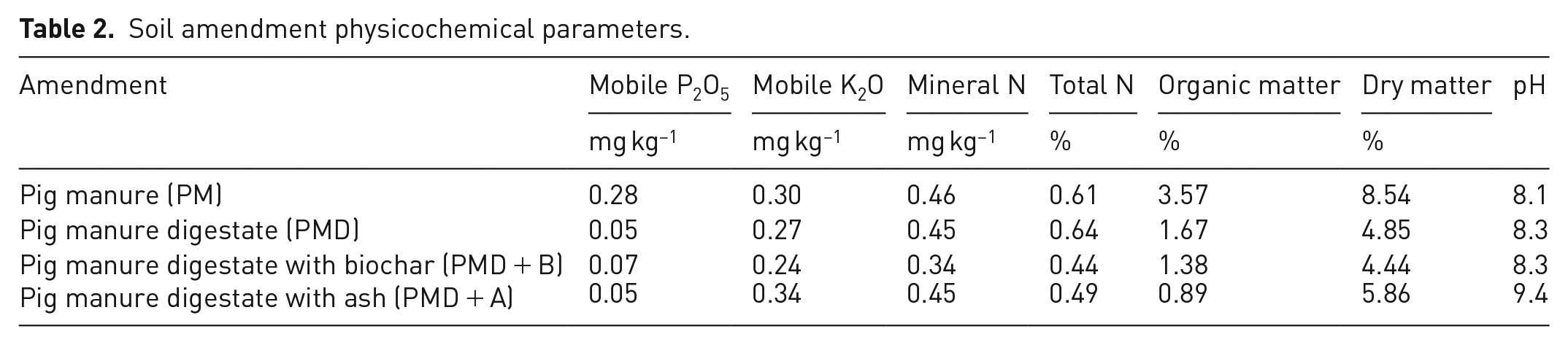
The chemical analysis of the respective amendments used in the experiment was investigated, with results shown in Table 2. For each amendment application, the rate of digestate was calculated according to its content of total N.
Soil amendment physicochemical parameters.
Soil microbial activity analysis
The soil dehydrogenase activity (DHA) was assayed on freshly sieved samples by the colorimetric assay of 2,3,5 triphenyl formazan (TPF) produced by the microorganism reduction of 2,3,5 triphenyl tetrazolium chloride according to the method described in Casida et al. (1964).
The soil microbial biomass carbon (SMB-C) was determined using the fumigation-extraction method (Vance et al., 1987). An extraction efficiency coefficient of 0.38 was used to convert the difference in soluble C between the fumigated and unfumigated soils into SMB-C.
GHG flux measurement
The GHG fluxes from the soil mainly CO2, N2O and CH4 were measured by the static chamber-gas chromatography technique. The chamber parameters, measurement of fluxes and gas chromatography were as described in previous studies (Doyeni et al., 2021a; Kanerva et al., 2007). The flux rate of each GHG was calculated based on the rate of change in GHG concentration within the chamber, estimated as the slope of the linear regression between the GHG concentration and gas sampling time. The CO2, N2O and CH4 fluxes were determined from each pot by the closed-chamber equation indicated in a previous study (Doyeni et al., 2021a).
Post-harvest analysis
At the end of the experiment, plants were harvested for the determination of total biomass yield of the crop. The collected samples were weighed. Samples were oven-dried at 105oC until constant weight to determine the dry mass of biomass.
Calculation of nitrogen-use efficiency
Nitrogen-use efficiency (NUE) represents the fraction of applied nitrogen that is absorbed and utilized by the plant. The efficiency of finding the balance in N flow between the N inputs and outputs is important to prevent excess N and consequent negative influence on the environment in the application of N-sourced amendment. The NUE was determined as N uptake efficiency which represents the ability of the crop to remove N in the form of NO3-N and NH4-N from the soil and describes the amount of N absorbed by the plant in proportion to the N supply (Grahmann et al., 2013).
Statistical analysis
One-way analysis and two-way analysis of variance with Duncan’s multiple range tests were calculated using the SAS software package, version 9.3 (SAS Institute Inc., USA) (p ⩽ 0.01) to identify the significance and possible interactions of the soil types and factor treatments. All measurements were conducted in triplicates and the mean ± SE (standard error of the mean) was used to describe the variability of measurements. The normality of the distribution of gas emissions was tested and to verify the normality of the data, we used the Shapiro–Wilk test with significance level α = 0.05.
Results and discussion
Changes in chemical parameters of feedstock after anaerobic digestion
The anaerobic methanogenation process of raw pig manure had the impact on mobile P2O5 and K2O, mineral and total N, organic and dry matter, pH changes. The pH in the digestate increased when compared to the pig waste feedstock (pH: 8.1), although the pH of the digestate remained within the alkaline range (pH: 8.3) as with the primary feedstock. The changes in mobile potassium and phosphorus showed a decrease in digestate (10.0% and 82.4%, respectively). The dry matter concentration in the digestate decreased by 40.7%, and dry organic matter concentration decreased by 46.0% indicating that almost half of the raw material dry matter and organic matter were converted to biogas during the anaerobic digestion. Further analysis showed that the nitrogen concentration in digestate decreased by 13.1% compared to that in the feedstock. This implies that with the periodic loading, practically a major percentage of the N that was in the feedstock remained in the digested substrate with negligible N loss as ammonia (Möller and Stinner, 2009).
Experimental studies showed that the biogas yield from the studied pig manure stabilized at 27.3 ± 0.4 l kg−1 of raw material after 25 days. The biogas yield from dry matter was 138.3 ± 1.8 l kg−1 and from organic dry matter of pig manure was 160.8 ± 2.2 l kg−1. The average CH4 concentration in biogas was 64.5 ± 0.5% indicating an optimum biogas production while H2S concentration in biogas continuously increased and peaked to 7210 ± 33 ppm at the stabilization of the experiment.
Effects of amendments on soil properties
The change in soil pH in the acidic soil was higher in PMD + B with the least pH change in MN fertilizer. It was further observed in the acidic soil that all the amendments had a higher pH change than the MN treatment. For the neutral soil, all the amendments had higher pH change when compared to MN fertilizer. The effect of PMD and the other additives was noticeable with increased pH in the two soil types when compared to MN fertilizer after the experiment (Figure 1). The alkaline state of the different combination of the soil amendment which ranged from pH of 8.0 to 8.5 was a factor that contributed to the increased pH range. This aligned with previous studies (Bachmann et al., 2014) where the pH of individual feedstock that make up an amendment contributed to the pH change in the short to long term.
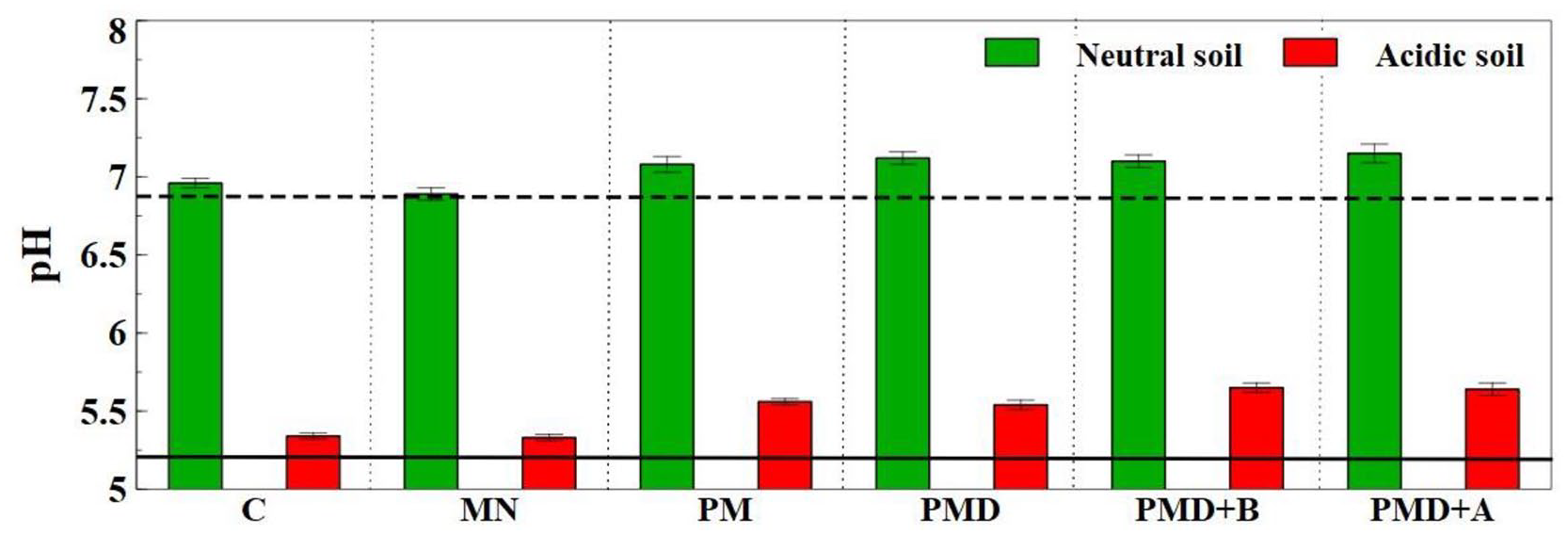
Soil pH change.
For the changes in P content in the soil after the experiment, it was observed that the acidic soil had an increased P content in all the treatments associated with pig manure when compared to the control and MN treatment (Figure 2). However, the highest P content change was observed in the PMD. For the neutral soil, the MN fertilizer had the highest decrease in the P content while the highest P change was observed in PMD + A. Generally, pig manure as the primary feedstock normally constitutes high phosphorus content. Thus, accounting for the increased P content in all the pig manure amended treatments in the two soil types. The pig manure digestate can therefore be considered a suitable P source for plants.
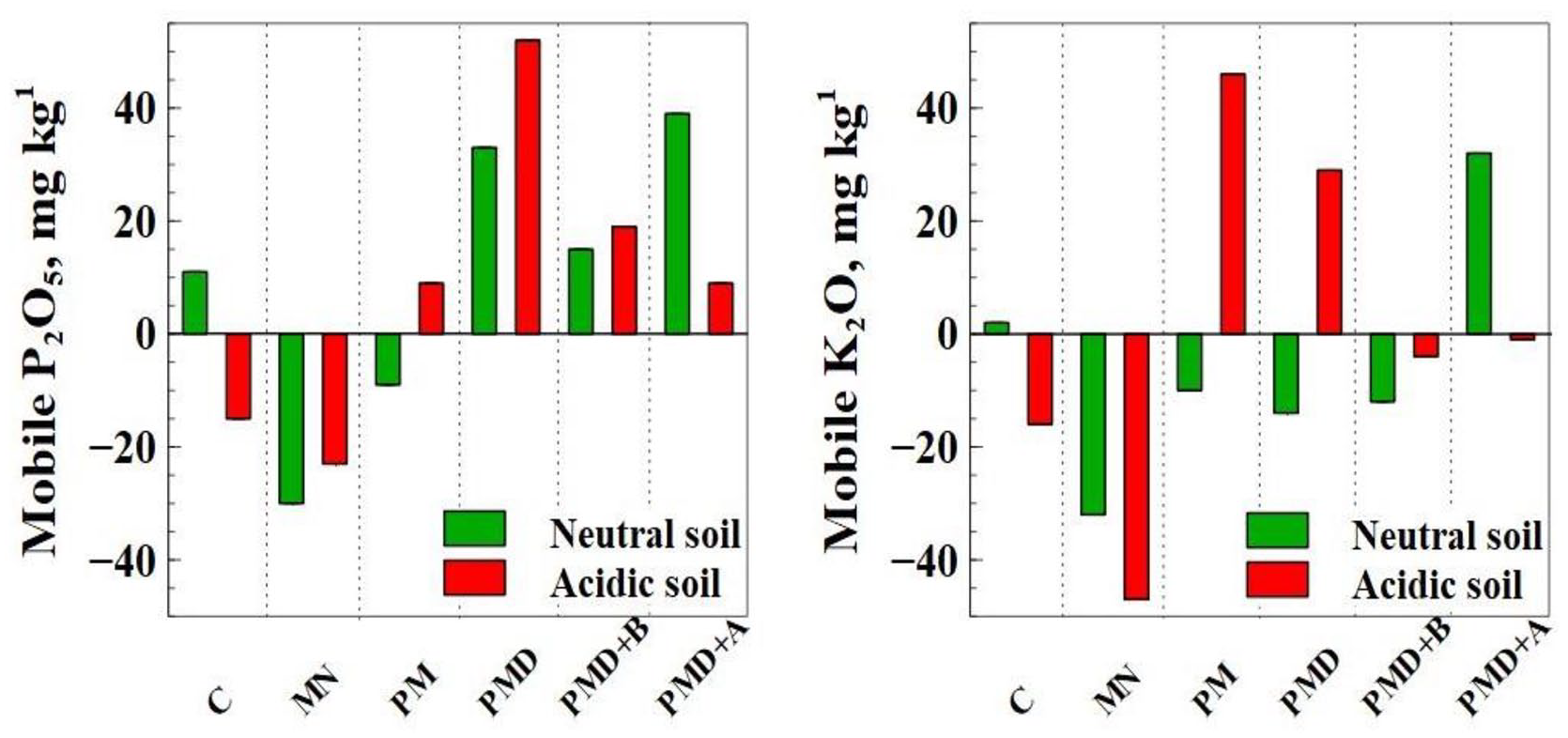
The balance of mobile P2O5 and mobile K2O in the soil.
For the K content, PM and PMD were the only treatments with an increase in the acidic soil (Figure 2) while PM and MN fertilizer had decrease in their K content in the neutral soil as observed in Figure 2. The increased K content in both soil types was across all the pig amended treatments, resulting from their rich individual composition. Biochar and ash are useful sources of potassium, phosphorus and magnesium. In comparison to the major nutrients in terms of commercial fertilizer, average wood ash would be about 0-1-3 (N-P-K) (Risse and Gaskin, 2002).
Effects of amendments on straw composition
The straw composition is a major consideration in the determination of the influence of amendment on plant productivity (Doyeni et al., 2021b). To observe the chemical changes in the harvested plants, the highest N content was observed in the PMD + A in both soil types (Figure 3(a)) while the highest C content changed was observed in the PMD + B in the neutral and acidic soil (Figure 3(b)). In addition, the PMD had the least N and C change when compared to all the other treatments in the neutral and acidic soil. N content in the straw was high across all the treatments showing a relatively good uptake of N by the root system. Earlier result from our study had showed a well-developed root system across both soil types which gives credence to findings where improvement of the uptake of macronutrients with the addition of N is associated with the good development of the root system and the efficient application of N (Azad et al., 2021). Furthermore, with respect to C content in straw, lower content observed in the acidic soil showed a lower mineralization rate of organic C, subsequently resulting in slower uptake.
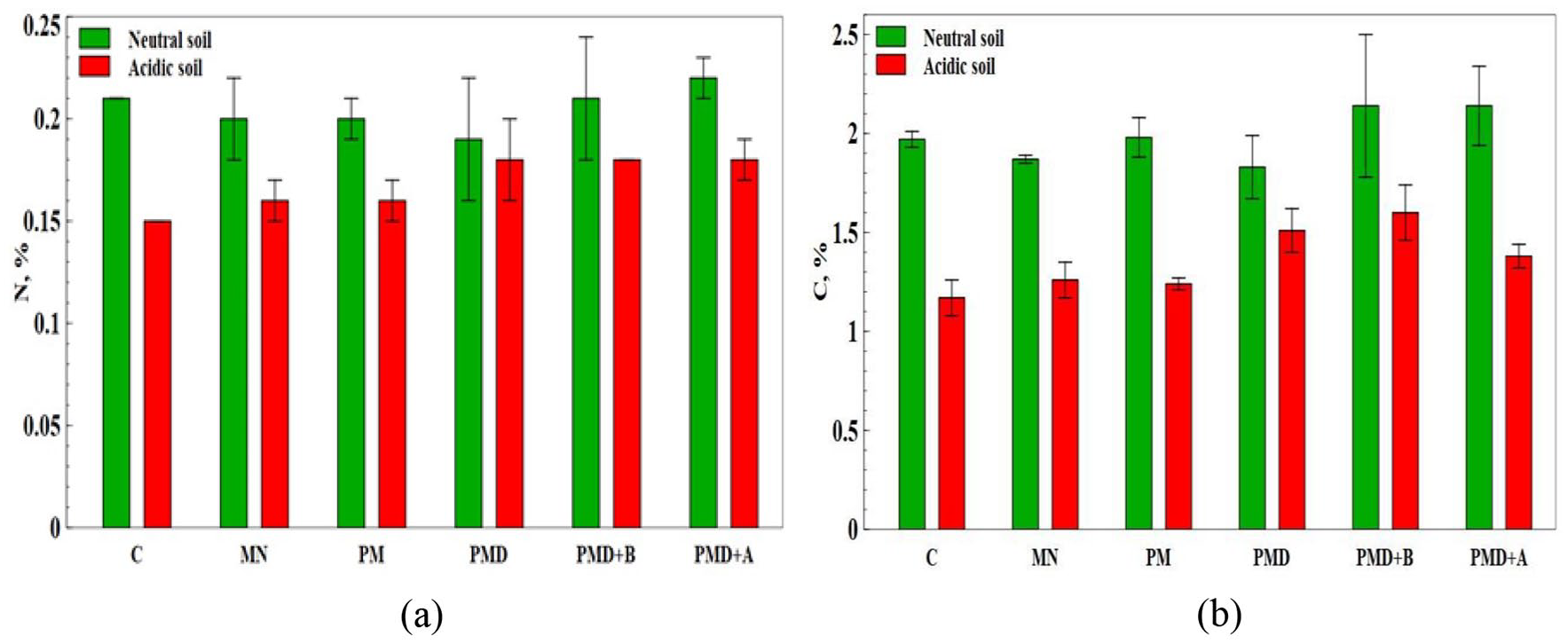
(a) Total nitrogen in the spring wheat straw. (b) Total carbon in the spring wheat straw.
Changes in biomass yield after soil amendment
Aside from the impact of the introduction of the different organic amendment to soil health, the productivity and quality of plants are also considered important. For the biomass yield, all treatments had higher yields when compared to the unamended control, with PMD having the highest yield in both the neutral and acidic soil. It was also observed that the biomass yield was lowest in the PMD + A when compared to other treatments with amendments (Figure 4). There were significant differences at p < 0.05 in the interaction between the soil types. In relation to the two soil types, the biomass yield was higher in all the amendments than in the control. Some studies have showed the positive influence of digestate application to biomass yield in the short to long term (Bruhn et al., 2011; Mortola et al., 2019; Tilvikiene et al., 2020). This is supported by the high nutritional composition of the organic amendments which are readily made available for plant uptake.
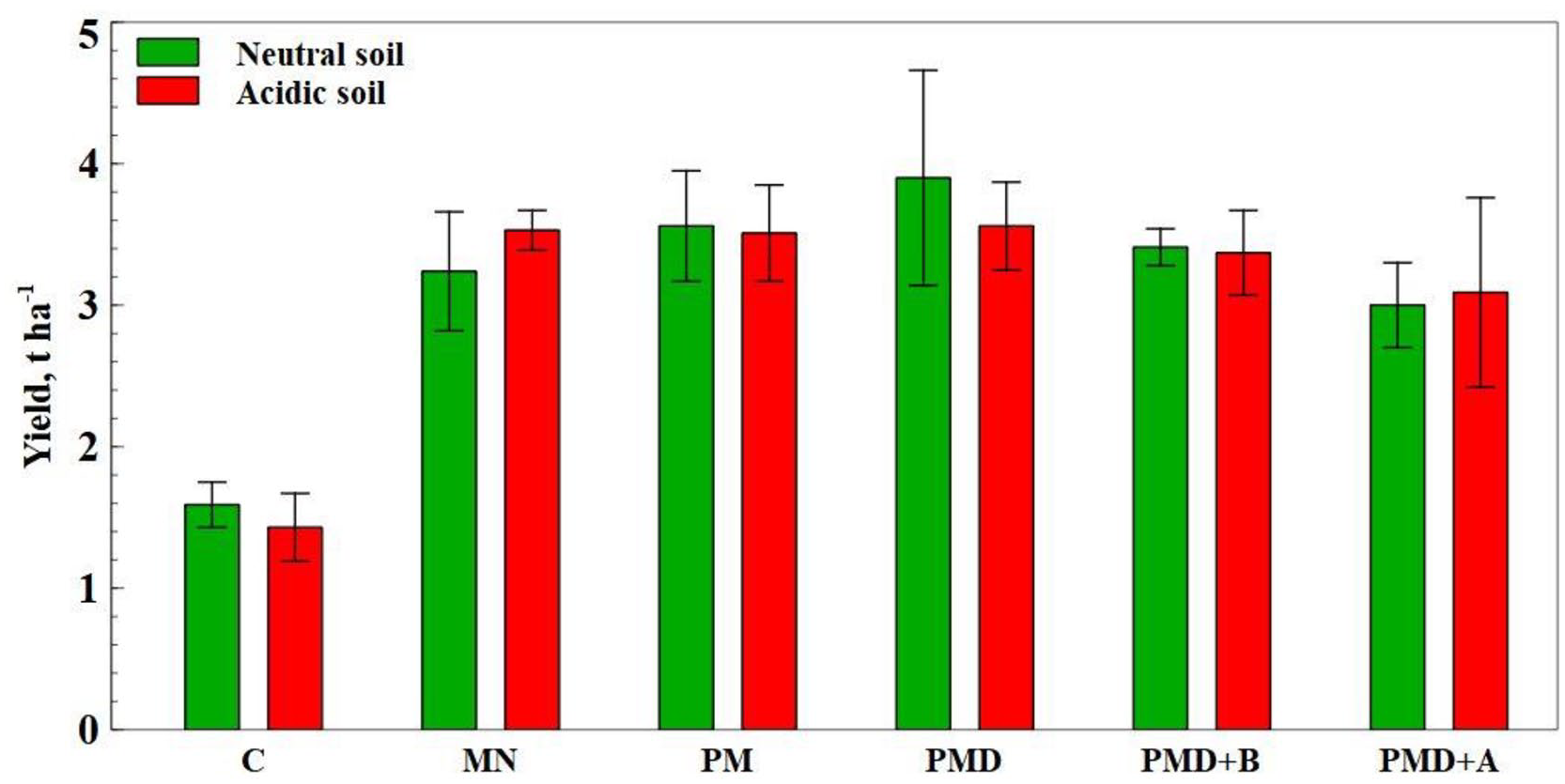
Spring wheat biomass yield.
GHG emissions from soil amendments
CH4 emissions were relatively low from the two soil types with similar outbursts observed during the experimental period. Higher CH4 peaks at the range of 0.000125 µg ha−1 h−1 were observed at day 35 in both soils. In the MN treatment from the neutral soil, CH4 emission was significantly higher at day 5 and day 15 compared to the other treatments while in the acidic soil, there was no significant differences between the treatments. For the CH4 flux, our results aligned with previous studies, where emissions were negligible in all the digestate treatments signifying that the soils were CH4 sink (Czubaszek and Wysocka-Czubaszek, 2018; Sommer et al., 1996). CH4 emissions must have been mitigated by the inhibiting effect of oxygen which hindered any potential methanogenation process.
The highest CO2 emission (0.01 µg ha−1 h−1) was observed in PM at day 5 in the neutral soil, with the same trend in the acidic soil (Figure 5). There were irregular CO2 emissions peaks forming a ‘W’ shape through the experiment in both soil types. CO2 emission from MN was significantly higher at day 35, when compared to the other treatments from both soils. This emission trend from the MN continued in the neutral soil till the end of the experiment in contrast to the drop observed in day 60 from the acidic soil. Multiple factors such as organic matter content, microbial activities, soil parameters and varying fertilization treatments are responsible for CO2 emissions (Lin et al., 2021). The lower CO2 emissions observed from day 35 in the other treatments compared to MN indicated slower release and stabilization of nutrients available for plants uptake and microbe utilization.
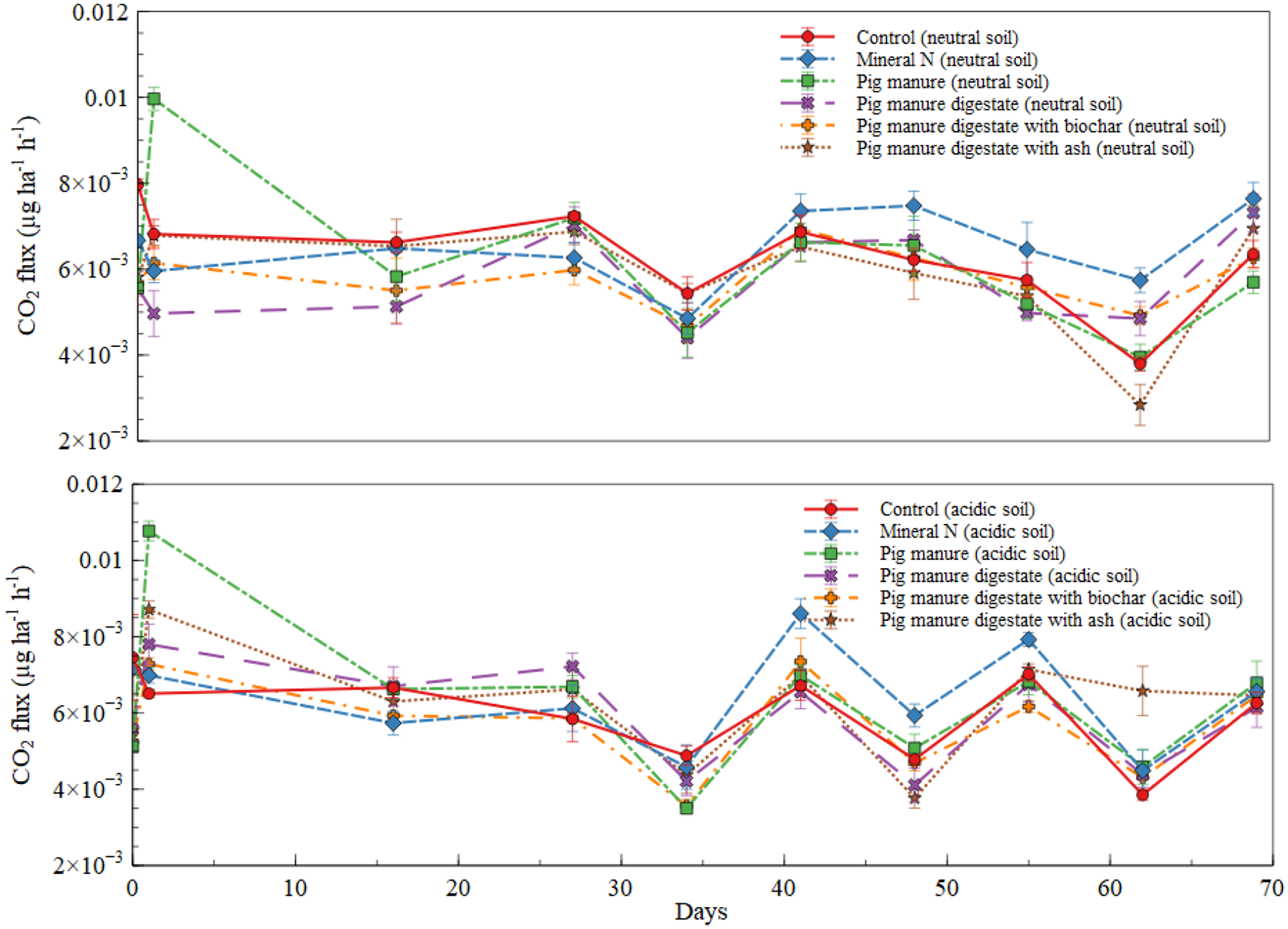
CO2 emission from the neutral soil and the acidic soil.
The lower CO2 emissions observed in all the amendments when compared to the PM treatment was due to the earlier digestion of the primary feedstock in the biogas system that had stabilized the digestate, hence making available carbon sources easily utilized by plants. The higher peak in PM fluxes in both soils observed was from the loss of N via volatilization, with the emission occurring over a noticeably short period of time. The irregular peaks observed in CO2 emission coincided with the assimilation that is associated with the photosynthesis process during the plant growth. The biochar chemical and physical characteristics such as pH, large surface area (Hui, 2021; Lehmann et al., 2011) and pyrolysis temperature (550oC) contributed to the reduced CO2 emissions (Li et al., 2017). The addition of biochar in the PMD + B amendment influenced the reduced CO2 emissions as reported in previous studies (Abagandura et al., 2019; He et al., 201) and with high potential to sequester C, hence mitigating GHG emissions.
The N2O emissions were similar to the trend observed in CO2 emissions at the first 5 days of the experimental trial. The highest emission was observed in the PM treatment at the start of the experiment with flux of 0.075 N2O mg ha−1 h−1 and 0.55 N2O mg ha−1 h−1 in the neutral and acidic soil, respectively (Figure 6). The PM had increased N2O emissions due to the higher content of organic matter that provided more C and N substrates for microbial N2O consumption and production that significantly affect and increase the N2O emissions from soils (Shakoor et al., 2021; Zhou et al., 2017). N2O emissions at the initial stage were moderately higher in all the amended treatments compared to the unamended control in the two soil types. Emissions dropped from both soil types on day 5 and flattened out in all amended soil treatments till the end of the experiment (Figure 6). The soil N2O emissions were different at the onset of the experiment due to the differences in the N form and composition in the soil amendments despite having the same N application rate. This aligned with previous studies where the differences in N form and content in organic fertilizers affected the responses of soil N2O emissions (Möller and Stinner, 2009; Sommer et al., 1996).
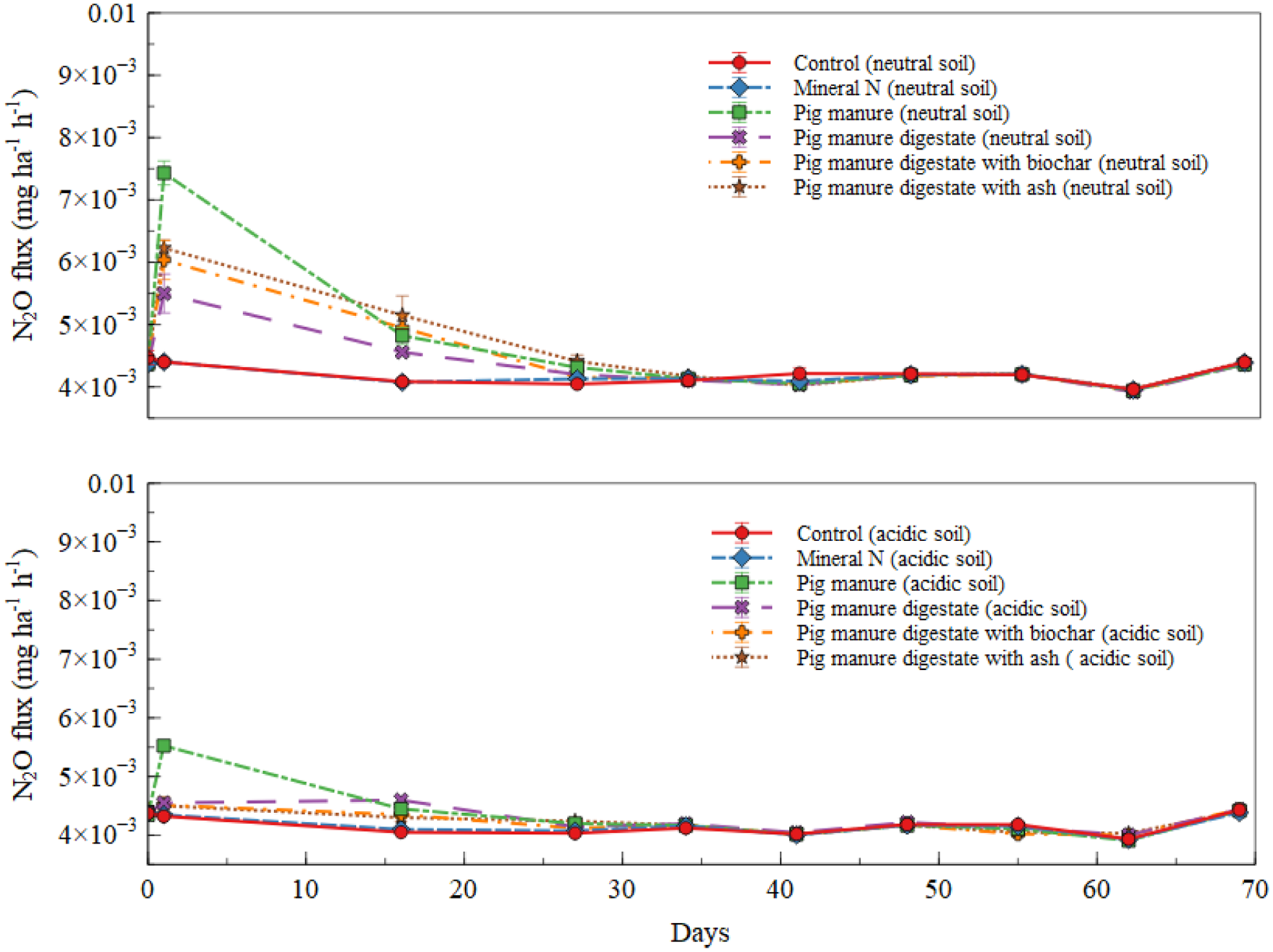
N2O emission from the neutral and acidic soil.
Furthermore, despite having the rate of amendments calculated according to its content of total N, the higher emission observed in PM can be attributed to high denitrification rate as attested to in a previous study (Pampillon-Gonzalez et al., 2017). In the present study, significant difference was found in the N2O emissions among the four amendments which were applied at the same N rate at the first 15 days of measurement, although emissions in the PM were significantly higher in the two soil types. Johnson et al. (2007) reported that the soil pH is a key factor influencing N2O emissions, because nitrous oxide reductase is inhibited by low pH and in the presence of oxygen. In this study, we assume that an increased pH change in the neutral soil stimulated N2O emissions in contrast to the lower N2O emissions observed in the acid soil. Also, the use of biochar and ash can serve as suitable liming agents moderately increasing the soil pH, leading to the enhanced N2O emissions in the neutral soil at the onset of application. However, biochar and ash amended treatments did not impact N2O emissions. This confirms previous studies as biochar adsorbed inorganic N, thus decreasing the N concentration available for nitrification and denitrification, thus reducing N2O emissions (Wang et al., 2021). In addition, the use of N-fertilizers directly influences the amount of NH4+ or NO3− available in the soil. In this context, the rate of N2O emissions is related to the N flow applied to the soil. It is expected that the nitrification process would be enhanced based on the greater amount of N-NH4+ and easily degradable organic matter in the amendments.
Changes in soil microbial activities from the soil amendment
The effects of the amendments varied across the two soil types with each exhibiting their unique characteristics according to their respective feedstocks. In the neutral soil, increased DHA value was observed after harvest in the control, PM and PMD treatments with the PM having the highest increase of 11 μg TPF g−1 dw h−1 representing a 69% increase in DHA value (Figure 7). For the acidic soil, PM was the only treatment that witnessed in increase in DHA value of 4.7 μg TPF g−1 dw h−1. There was statistically significant difference (p < 0.01) in the soil types. Also, significance differences were observed in the interaction between the treatments and the soil types as presented in Figure 7 after the experiment. The rich organic matter that characterized the PM and PMD contributed to the high DHA value observed after fertilization. This confirms the close relation of enzyme activities in the soil to the organic matter content (Adak et al., 2014; Wolinska and Stepniewsk, 2012). Substrate availability in the soil from organic sources influences the DHA, reflecting biological activity through the oxidation of soil organic matter. Biochar and ash co-digested treatments (PMD + B and PMD + A) reduced the activity of soil enzymes (DHA), due to the subjected higher pyrolysis temperatures (550°C and 700–1000°C, respectively), each primary feedstock was produced from. Our study aligned with previous studies where low temperature biochars increased enzyme activity more than high temperature biochars, due to lower content of aromatic structures and a higher amount of easily degradable compounds (Ameloot et al., 2014; Khadem and Raiesi, 2017). The sensitivity and responsiveness of soil enzymes to different agricultural management practices such as soil amendments make it a promising tool to induce changes in the soil. In addition, soil types continue to be a critical determinant in the response to different types of amendments. The neutral soil had higher enzymatic activities in response to the amendments when compared to the acidic soil. These results confirm other previous reports that acidity suppressed potential enzyme activity from the effect of destroying ion and hydrogen bonds in enzyme active centre (Barčauskaitė et al., 2021; Wolinska and Stepniewsk, 2012).
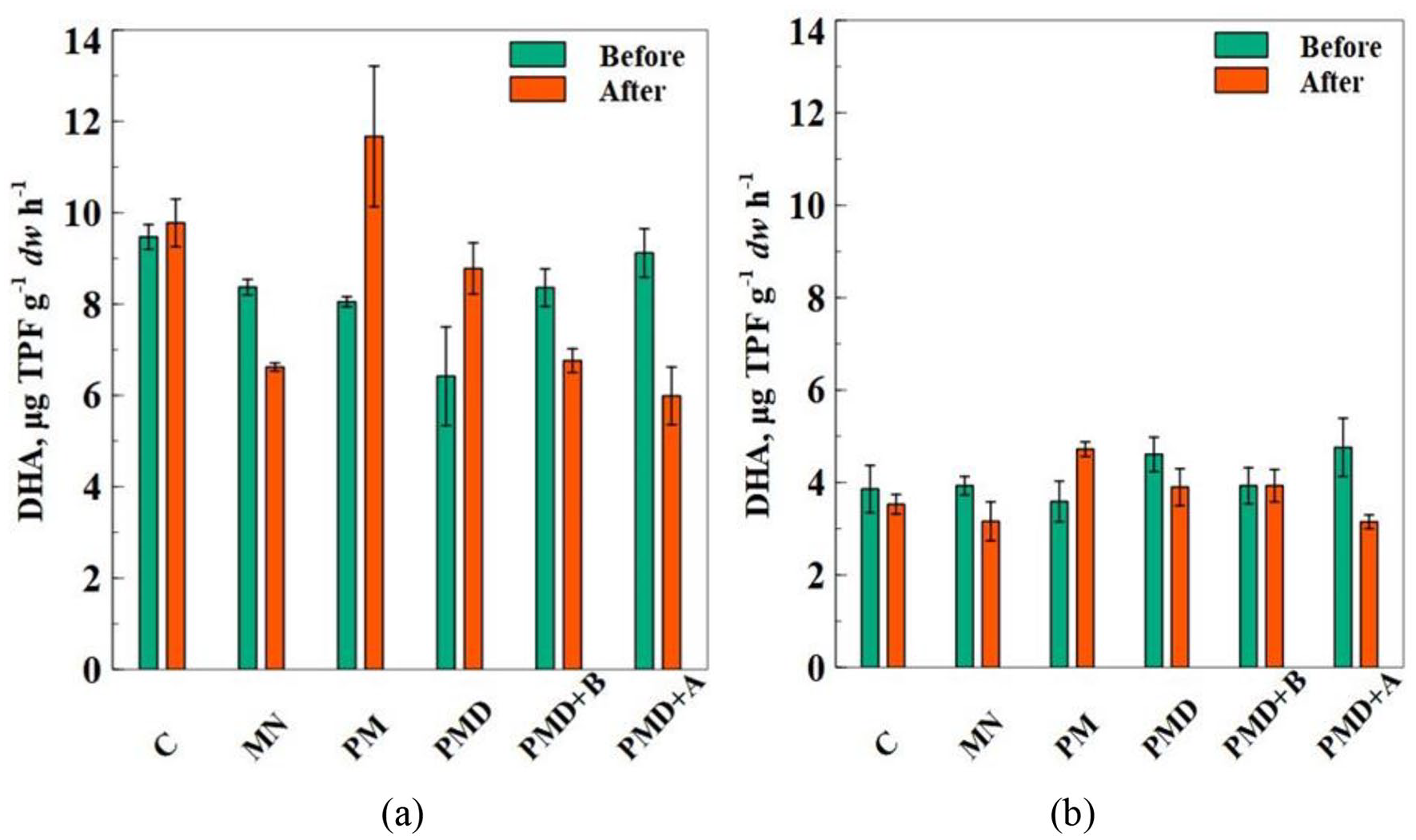
DHA activity between the amendment and two soil types: (a) neutral soil and (b) acidic soil.
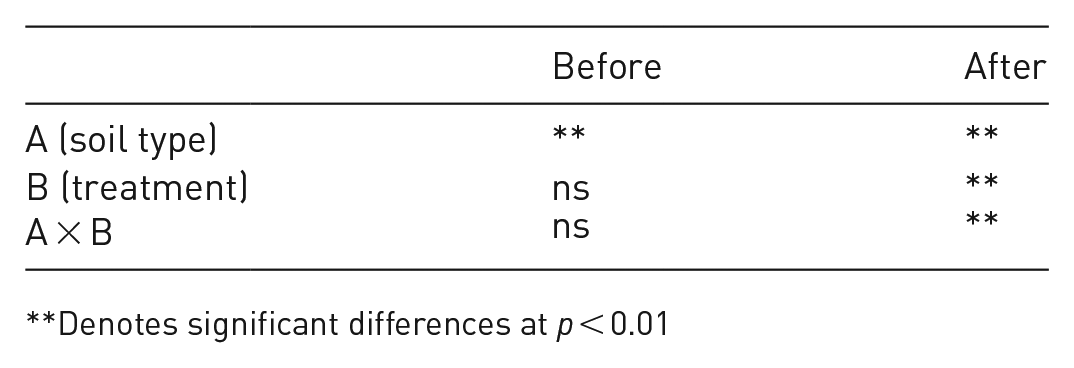
Denotes significant differences at p < 0.01
For the SMB-C, there was an increase in SMB-C value observed after treatment with PM, PMD, PMD + B and PMD + A when compared to the SMB-C values in MN and control in the neutral soil. For the acidic soil, there was an increase in SMB-C in all the treatments with the highest SMB-C of 280 μg g−1 observed in MN treatment after the experiment (Figure 8). PMD + A and MN had the highest percentage increase of 32.1% and 82.8% in the neutral soil and acidic soil, respectively. There were no significant differences in the interaction between the soil types and the treatments (Figure 8). The PM and PMD had significant increase in SMB-C based on the abundance and availability of rich organic matter, macronutrients and micronutrients, growth promoters and hormones, provided by the amendments, which could have supported the proliferation of the microbial biomass present in the soil (Cardelli et al., 2018). Although there have been contrasting reports on the effect of biochar-amended soils with some indicating that there was no effect on soil (Kuzyakov et al., 2008), other studies reported decreased soil microbial biomass (Dempster et al., 2012). However, results confirmed an increased microbial biomass C in agreement with previous study (Luo et al., 2013). The addition of biochar pyrolyzed at a temperature of 550°C had effect on the increased SMB-C.
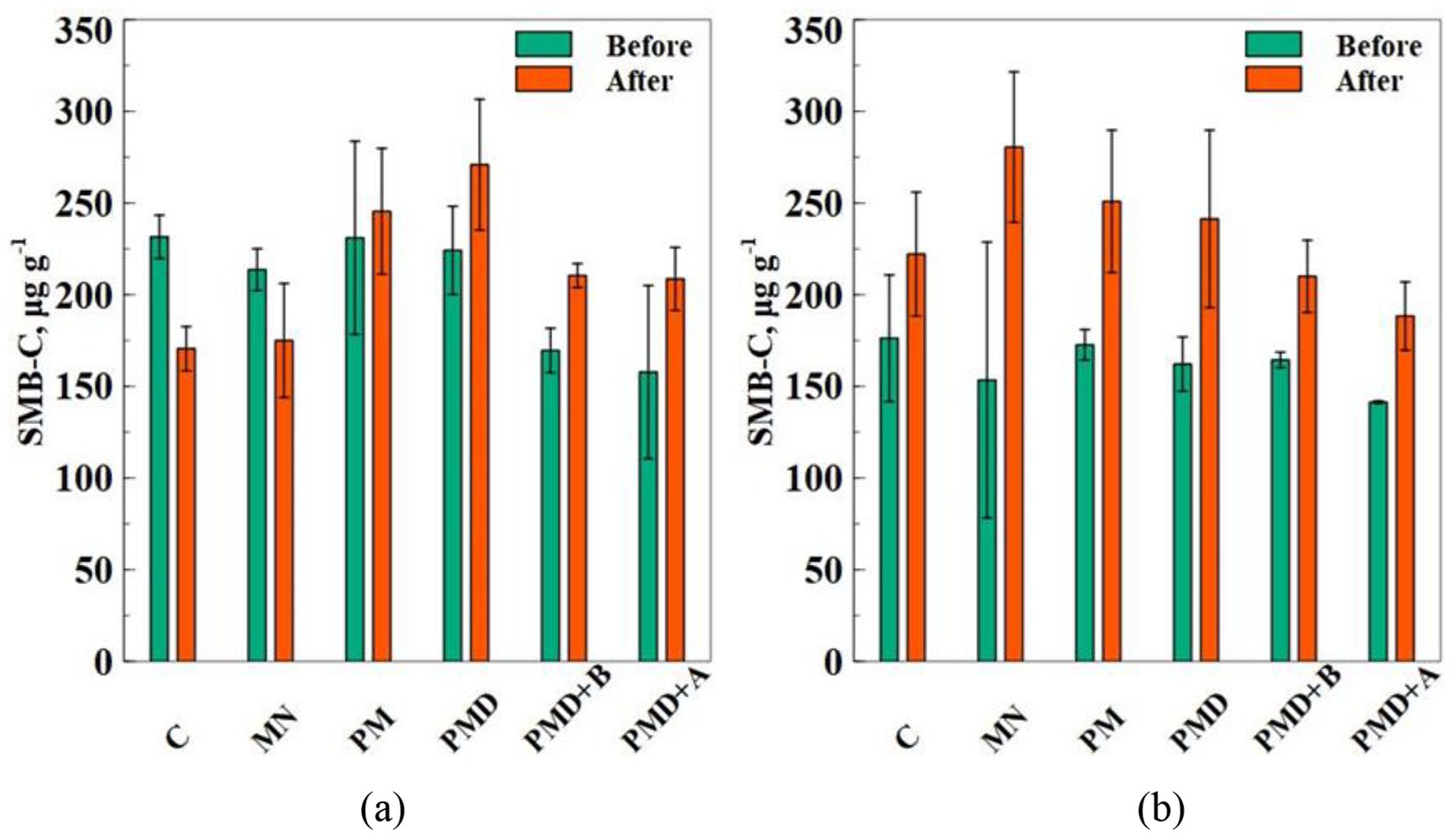
SMB-C between the amendment and two soil types: (a) neutral soil and (b) acidic soil.
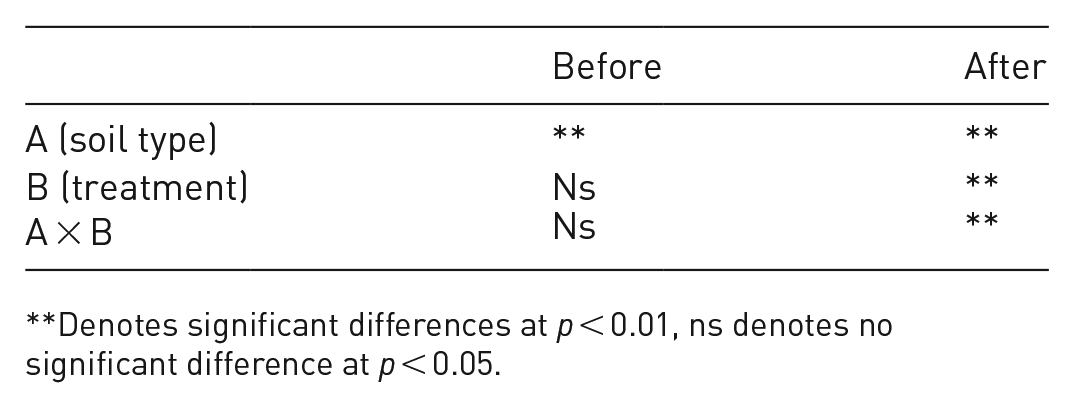
Denotes significant differences at p < 0.01, ns denotes no significant difference at p < 0.05.
However, the PMD + B treatment increased soil microbial biomass in our study across the two soil types. The increased SMB-C can be explained by the biochar increasing decomposition of soil organic matter coupled with the retention of organic C, thus stimulating microbial activity (Zhang et al., 2014).In addition, Tan et al. (2021) demonstrated that the labile fraction of biochar can be mineralized leading to increase in microbial biomass via N incorporation. Furthermore, an increase in SMB-C due to changes in soil pH is primarily related to the increase in soil bacterial activity.
Ash application to soils serves as liming agents which makes it suitable for use in acidic soil. For the amendment combination with ash, both soil types showed similarities to previous studies (Saidy et al., 2020) in which PMD + A resulted in increased DHA and SMB-C after the experiment. The combination of pig manure digestate with ash can be assumed to have a convincing effect by increasing the pH of the acidic soil, indirectly influencing soil C mineralization and SMB-C through changes in the activity of soil microorganisms – main biological attributes used in soil health studies. Soil microbial biomass presents one of the main biological attributes used in soil health studies (Cardoso et al., 2013); hence, the increased SMB-C obtained in this study across the single and co-digested amendments suggests that their application induced more positive effects on soil health.
NUE and sustenance of n management flow
N uptake is one of the most important NUE components under N-limiting conditions (Burgos et al., 2006) especially from the agronomic standpoint. NUE was highest in synthetic nitrogen fertilizer with the capacity to utilize N as 8.65% and the lowest NUE value observed in the control treatment at 4.2% in the neutral soil. The NUE value was observed to be significantly higher compared to other treatments in the acidic soil. PMD had a lower NUE value in the acidic soil. The lower NUE efficiency of the other treatments when compared to the synthetic mineral nitrogen highlights the drive to reinvent the nitrogen cycle. Although N losses via leaching of nitrate were not determined in the study, we assumed that the total inorganic N content observed which was the sum of NH4-N and NO3-N mg kg–1 soil extracted for each soil sample after the incubation and the net N mineralized due to the amendments were higher in comparison to the control soil.
In general, sustainably managing the N-based sources and their flows will assist to improve the performance of suitable amendment used as N sources, improve the NUE, increase biodiversity and decrease NH3 loss with lower environmental consequences. Aside this, there are numerous mitigation options in the agriculture sector that are available for immediate deployment, including increasing the efficiency of nitrogen use both in animal production (through the turning of feed rations to reduce nitrogen excretion) and in crop production via the precision delivery of nitrogen fertilizers, split application and better timing to match nitrogen applications to crop demand (Tian et al., 2020).
Enhancing circular economy in agriculture
Livestock production is an important sector in agriculture as it provides the desired nutrients for human needs, waste for organic farming, by-products for industries and sources of income to farmers. A dive into analysing and understanding the system to enhance strategic decision-making to improve resource efficiency, increase economic gains and reduce potential environmental impacts from agricultural activities is therefore considered necessary. This study was aimed at providing an effective applicability with respect to established agricultural circular economy as defined in earlier studies (Stegmann et al., 2020; Velasco-Muñoz et al., 2021). The pig manure generated from the animal husbandry is an economically viable resource that aim to drive the optimal use of resources with zero risk to the environment (in terms of N balance, reducing pollution, GHG reduction), biodiversity enhancement and a reduction in natural resource use. Hence, the drive for a productive circular economy in the agriculture sector is a win–win for all participating stakeholders as better interaction will be created and assured between the economy (cost reduction), the environment with other key mutual and diversified areas towards a sustainable system.
Conclusions
The addition of single organic amendment, with different combination/co-digestion to meet the N and C demand of soil and plants, ensures the maximization of their application towards sustainable resource management in the environment. The utilization of pig waste as N source, co-digested with either biochar or ash for soil application over a brief period of time resulted in intense soil microbial activity as evidenced in SMB-C. Similarly, co-amendments as fertilizing sources produced better index of reducing GHG (CO2 and N2O) emissions due to the coupling effect of individual characteristics. These beneficial effects from the organic amendments further translated to better higher plant and biomass productivity. The presence of biochar and ash in the mixtures had a complimentary effect on the main amendment (pig manure digestate) especially in the acidic soil, with no negative effect exhibited on the parameters considered in the study. The optimization of livestock production guarantees the generation of waste, effective treatment and utilization as by-products for organic fertilization. This further ensures the provision of a suitable cap on manure production while providing a balance on the reactive N available in the environment in the quest for a sustainable agriculture.
Footnotes
Acknowledgements
The authors acknowledge the financial support from the Lithuanian Research Council.
Author contributions
MD, KB, KrB, AB and MR collected the data and performed the data analysis. MD, KB, KrB and AB collected the physical characterization data. KN, KV, SS and VT provided the supervision, project administration and acquisition of funding. Writing and original draft preparation was conducted by MD, KrB, KB and KV. All authors read and approved the final manuscript.
Availability of data and materials
The datasets generated during and/or analysed during the current study are available from the corresponding author on reasonable request.
Declaration of conflicting interests
The authors declared no potential conflicts of interest with respect to the research, authorship and/or publication of this article.
Funding
The authors disclosed receipt of the following financial support for the research, authorship and/or publication of this article: This research was funded by the Research Council of Lithuania (LMTLT), agreement No. S-SIT-20-5.
