



Abstract
Solid waste management remains a major challenge in Ghana, especially in the peri-urban and urban areas. The implications from this bottleneck are widely acknowledged. Nonetheless, fundamental issues such as the factors that drive households into the adoption of a particular solid waste disposal system have not been explored. This study applied a multinomial logit approach using 16,767 households in the Ghana Living Standard Survey round six data to examine whether or not socioeconomic factors influence households’ decision to adopt a particular solid waste disposal system. The results established that a number of the hypothesised socioeconomic factors drive households into the use of a particular solid waste disposal system. For instance, education of households on solid waste management is important to increase households’ decision into collecting wastes other than open dumping or burning. The characteristics of houses and the location of households also influence waste disposal systems in Ghana. We conclude that solid waste disposal at unapproved places was largely influenced by socioeconomic characteristics other than income or welfare of households. We recommend continuous advocacy programmes on improved solid waste management systems, led by the various decentralised governance structures such as the District Assemblies, to curb the menace.
Introduction
Solid waste management is a major problem to most economies, especially the developing ones such as Ghana. As expected, population growth coupled with urbanisation will mean that solid waste generation would be on the increase. This calls for increasing attention for solid waste management systems in Ghana. Unfortunately, global waste volume is increasing faster than the growth rate of urbanisation (Hoornweg and Bhada-Tata, 2012) while growth in urbanisation is expanding more rapidly than the capabilities of city authorities to provide fundamental waste services (Owusu, 2010). In addition, Suleman et al. (2015) outlined that rapid improvement in standards of living and technology are leading to higher production of solid wastes. Globally, about 1.3 tonnes of solid waste is generated annually and this is expected to increase to 2.2 tonnes in 2025 while the cost of solid waste will increase from the present $205.4 billion to about $375.5 billion in 2025 (Hoornweg and Bhada-Tata, 2012). The increase in both quantity and cost is expected to be high among the developing countries such as Ghana. The footprint of the solid waste generated and cost for management are also expected to keep rising. The task for most city and country authorities is how to ensure effective waste disposal and management mechanisms. In recent times, the sanitation challenge has moved beyond a ‘city’ challenge to an ‘economy-wide’ challenge. In addition to air pollution, flooding and public health effects, solid waste contributes to climate change through methane production (Hoornweg and Bhada-Tata, 2012). This is an indication that the situation is detrimental to sustainable development and human wellbeing.
Solid waste includes all wastes generated by humans and animals that is solid and usually seen as useless and often disposed of (Chengula et al., 2015). Waste can be classified as biodegradable and non-biodegradable (Mukui, 2013). It is often an urban challenge and catalysed by population increase due to increasing waste generation associated with high population. Improper waste generation leads to a number of health and environmental challenges while there is high environmental pollution at landfill sites. Chengula et al. (2015) described inadequate waste collection as a major driver for the spread of diseases and environmental degradation. The environment–economy relationship clearly indicates that as long as the economy generates more wastes than the assimilation capacity of the environment, then the system is negatively affected and the mutual benefits obtained by the two are distorted. Ololade et al. (2009) noted that although man has historically assumed that the environment has an infinite waste assimilation capacity, the effects of environmental pollution on people’s health and welfare are becoming more visible. Empirically, Ololade et al. (2009) observed that water bodies are contaminated due to indiscriminate waste disposal in the Ondo State of Nigeria.
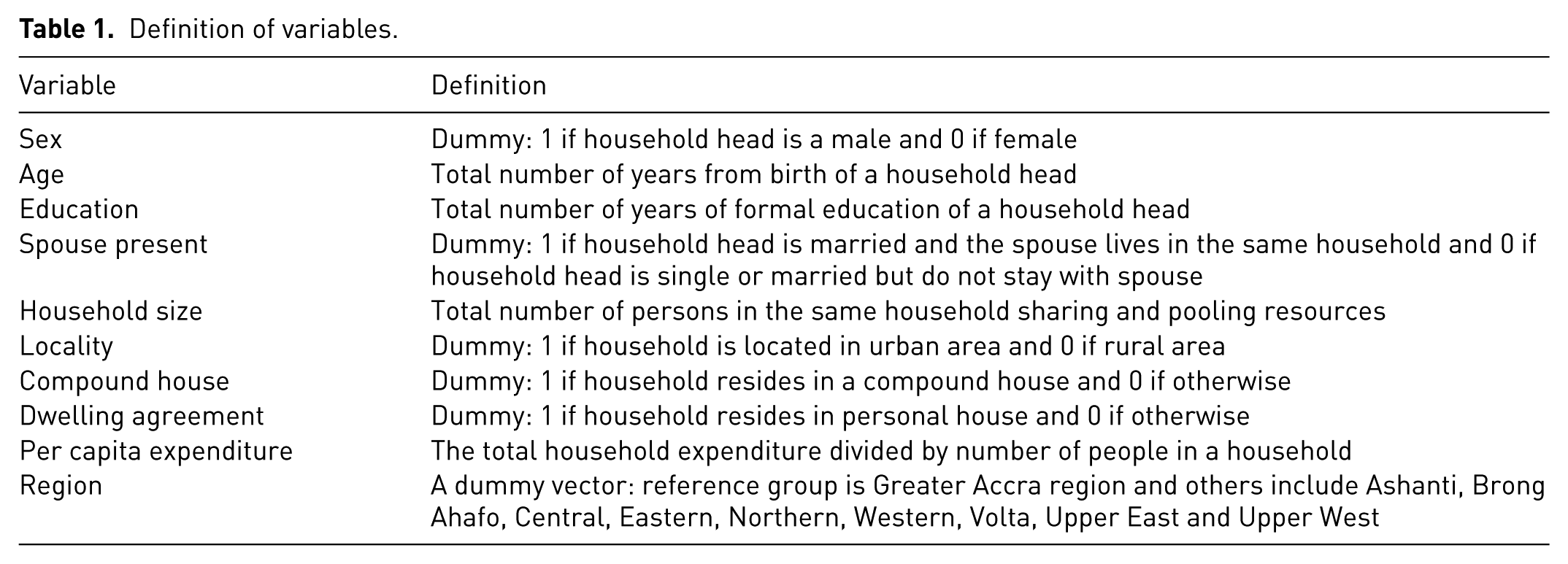
Recently, there have been calls for moving from waste management to resource management. Thus, viewing wastes as an essential resource for production. However, this is lacking in most economies, including Ghana. Similarly, although the effects of solid wastes are consistently enumerated by various stakeholders including scholars and the media, analysis of the factors that influence households into the adoption of a particular waste disposal system is missing in the literature. However, such analysis is fundamental to the promotion and adoption of appropriate waste disposal systems. This study is designed to contribute to this lapse in the literature and to provide policy information to the various stakeholders interested in a clean and hygienic Ghana. It examines the factors that influence households’ choice of a particular waste disposal system in Ghana. The results are intended to influence policy direction on how Ghana can successfully manage its waste by influencing the various policy variables identified in the right direction (see Table 1). This study also serves as a case study for most African countries, especially developing countries in the West African sub-region.
Definition of variables.
Solid waste management in Ghana
In Ghana, open solid waste disposal is a common phenomenon. The current housing and population census in 2010 revealed that 37.7% of households disposed solid waste in the open places such as public dumps, 23.8% disposed into public waste containers, 14.4% collected their waste, while 10.7% burned the solid wastes generated by their households (Ghana Statistical Service, 2012). Unfortunately, data on waste generation of the country are not published. However, Douti et al. (2017) indicated that 12,710 tonnes of wastes are generated daily across the country and this translates into 0.47 kilogram per person per day. Indiscriminate waste disposal continues to be a major challenge to Ghana’s development and environmental health. This has been a source of many health-related problems especially in the capital city and other major cities. Besides the negligence by households to ensure proper waste disposal, waste disposal authorities do not also provide effective waste disposal services.
In addition to the natural population influence on waste generation, control factors such as improper planning, financial misappropriations and poor management of waste disposal equipment are worsening solid waste management in Ghana (Barbereyie, 2009 in Boateng et al., 2016a). Other factors that lead to ineffective solid waste management include the lack of waste management personnel, lack of appropriate technologies, and poor enforcement of laws (Fei-Baffoe et al., 2014). Other scholars such as Fei-Baffoe et al. (2014) empirically observed that the existing solid waste management practices in Sekondi-Takoradi Municipality of Ghana include waste generation and storage, waste collection and transportation which can either be door to door or communal waste container system, and waste treatment and recovery. It has been observed that most households in Accra, for instance, lack access to adequate waste collection facilities and this has resulted in the indiscriminate disposal of waste into spaces and on the streets (Boadi and Kuitunen, 2005). This notwithstanding, results from Yoada et al. (2014) showed that the majority of households were aware of the potential health implications from indiscriminate and inappropriate waste management.
In Ghana, waste management is the duty of the local assembly, as established by the Local Government Act (Act 462). This allows the various district assemblies to adopt the ‘polluter pay’ system or the pay-as-you-dump system. However, not only are local authorities unable to deliver on this responsibility, they also, owe money to a number of private waste contractors (Boateng et al., 2016b). Fei-Baffoe et al. (2014) also noted that the inability to pay private waste collection contractors and the general lack of finance is a major constraint to solid waste management. The major waste management company in the country is Zoomlion Waste Company Ghana Limited (hereafter Zoomlion) with a few other privately-owned companies across the country helping the solid waste collection and management services. Formal waste collection companies such as Zoomlion distribute waste bins to households and these bins are emptied by the company on a regular basis. In some cases, Zoomlion put waste containers at specific locations where the households go to dump their solid wastes. Other households have made an agreement with motor tricycle riders who collect the solid wastes from the households on a daily basis for forward disposal at the landfill sites. Like the rural areas, some households in the urban areas dump solid wastes in the open or burn their solid wastes. However, there is observable difference in solid waste disposal between Accra and other urban and rural areas (Ghana Statistical Service, 2014).
Methodology
Study area
The study was conducted using data from all the ten regions of Ghana. The total land surface area of the country is 238,837 square kilometres. Ghana is located in West Africa and shares boundaries with Togo, Côte d’Ivoire, Burkina Faso and the Atlantic Ocean. The last population census provided a total population of 24,658,823 with a population growth rate of 2.5. Less than half of the dwelling units are occupied by their owners. The four main solid waste disposal systems in the country include open dumping, public waste disposal sites, private containers, and burning. Solid waste management has over the years become a major priority for successive governments.
Sampling and data
The study used the Ghana Living Standard Survey round six (GLSS6) data that were collected in 2012/2013. The data were collected using a two-stage stratified sampling design. The first stage involved the selection of enumeration areas, primary sampling units and secondary sampling units. In the second stage, the households were selected. For details on the sampling procedure, interested readers should refer to Ghana Statistical Service (2014). The data cover a wide range of household information including waste disposal, housing conditions, household expenditure and income. A total of 16,767 households were used in this study.
Data analysis
Binary response models such as logit can be extended to situations where the choices are more than two. In cases where the choices are ordered, the ordered probit or ordered logit is applicable. However, in unordered choices (which is the case of this study), the multinomial logit or probit is applicable. In each case, the respondent is bound to choose one out of more than two mutually exclusive alternatives. The study included households located in both rural and urban areas for the analysis. In the rural areas, households located in close proximity may have a dug-out or an open area allocated for solid waste disposal on a daily basis while other households may dump solid wastes at unapproved places. In the urban areas, there are a number of waste disposal options for a household including collection. The multinomial logit is discussed as follows.
Assuming a random variable, y, and a random vector (1 X K) of variables X, the:

These probabilities must sum to one. The multinomial logit is given as:


For continuous
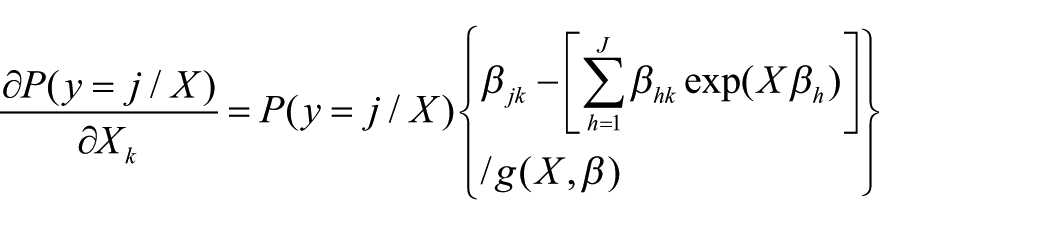
Where
Empirically,
Results and discussions
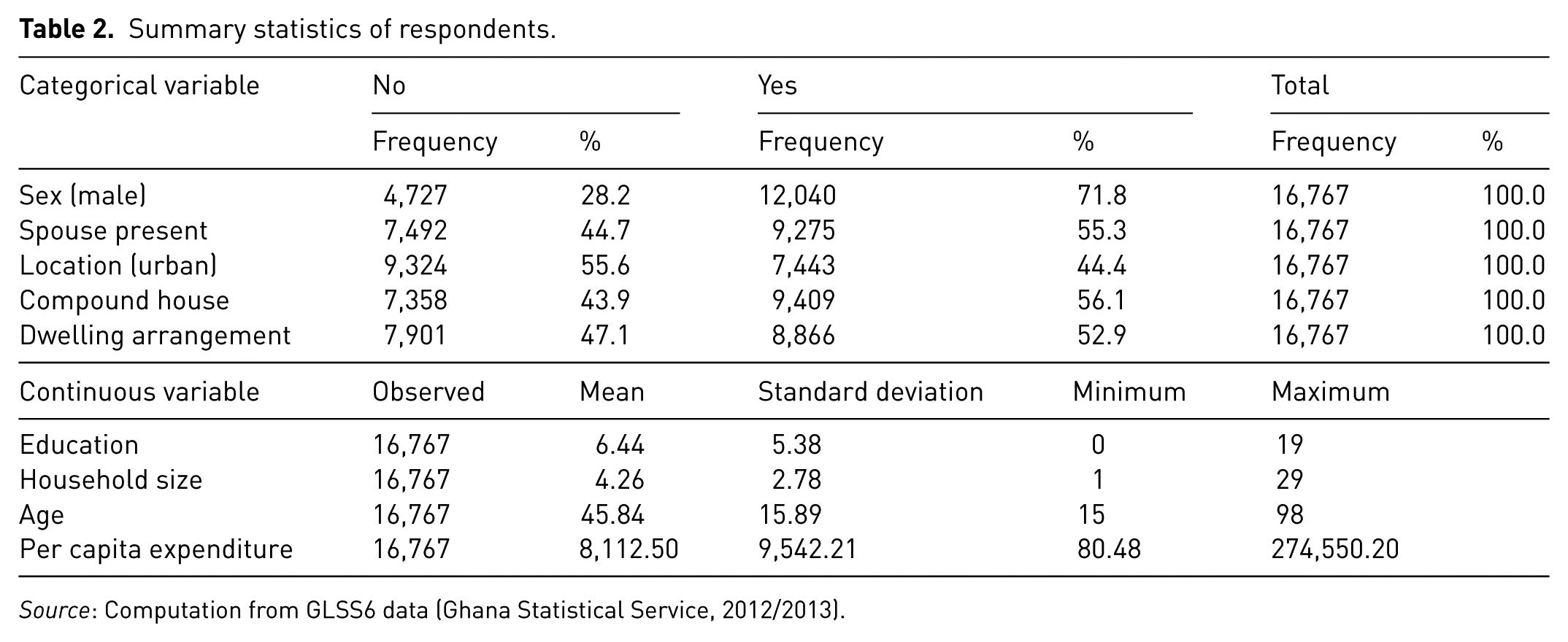
Table 2 shows the summary statistics of the sampled respondents. The first panel is on the categorical variables and the second panel explains the continuous variables. The majority (71.8%) of the respondents were males, while the remaining 28.2% were females. The majority of the respondents (55.3%) were living with a partner (a spouse) in the same unit, while the other 44.7% were either single or married but do not stay in the same household or community with their partners. There are more sampled respondents from the rural areas (55.6%) than in the urban areas (44.4%). The majority of the respondents were in compound houses (56.1%). Another 52.9% of the respondents lived in their personal homes.
Summary statistics of respondents.
Source: Computation from GLSS6 data (Ghana Statistical Service, 2012/2013).
Education was low as the average household head had not completed primary education (up to 6 years of formal education). The household size was averagely four people although there were houses with as high as 29 people sharing the same household resources. The average household head was 46 years old and the annual average per capital expenditure of the household head was 8,112.50 Ghana cedis.
Solid waste disposal systems adopted in Ghana
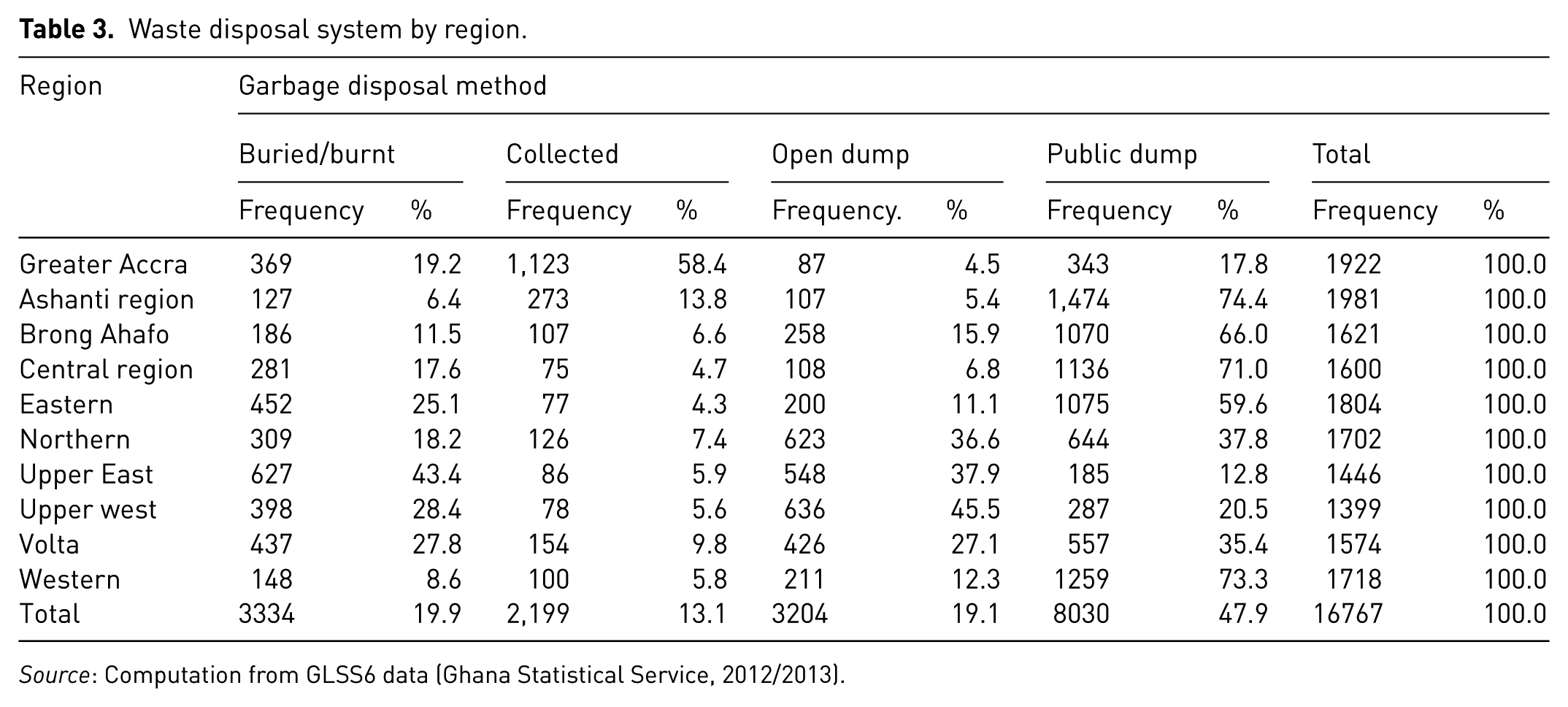
Table 3 shows the waste disposal system used by various households in the ten (10) administrative regions of Ghana. About 48% of the respondents disposed of their garbage at the public dumps. This was followed by the number of households who either bury or burn their trash (19.9%), and those who dump at open places such as gutters, water bodies, and streets (19.1%). Surprisingly, the most appropriate method of waste disposal in this study, the collection method where households collect the trash into bins for the final disposal by the local/city authorities or the waste management authorities, was practiced by just a few households (13.1%). Results from Yoada et al. (2014) showed that 61% of households in urban Accra dispose of waste in waste bins while 39% dispose of waste in gutters, streets, and bushes. Regionally, the practice of waste collection is highest for households in the Greater Accra region, the capital region of Ghana. Over the years, efforts to make Accra a clean city have been pursued by various governments and these efforts could be translated into other towns and villages of the regions. Open dumping of solid waste in the Greater Accra region is low (4.5%). In the Ashanti region, the majority (74.4%) of households dispose of their waste at public dump sites while 5.4% dump their waste at open places. In the Brong Ahafo, Central, Eastern, Northern, Volta, and Western regions, the majority of the households use public waste disposal sites while few households collect their wastes in bins. Open dumping is higher in the Northern, Upper East, Upper West and Volta regions.
Waste disposal system by region.
Source: Computation from GLSS6 data (Ghana Statistical Service, 2012/2013).
Determinants of household solid waste disposal systems in Ghana
Table 4 provides the results from the multinomial logit model. From the results, all factors except household size and being located in the Ashanti region significantly influenced households’ collection of their solid waste. Except per capita income and being located in Eastern region and Central region, all other factors had a significant effect on open dumping, while all factors except spouse present, significantly influenced public dumping. The pseudo-R2- of the model is 22.3% while the Chi-square estimated was also significant at 1%.
Determinants of waste disposal systems’ practice in Ghana.
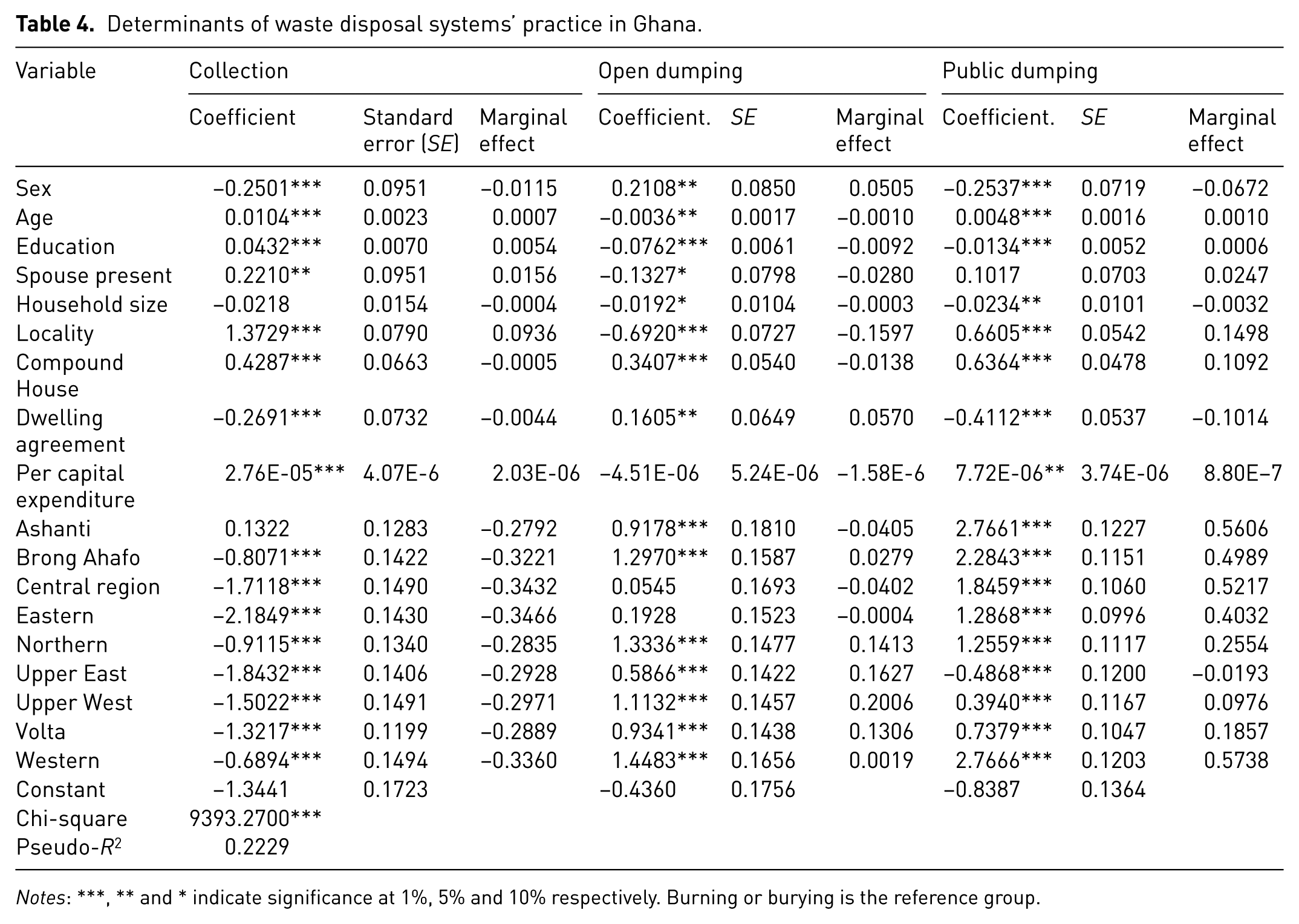
Notes: ***, ** and * indicate significance at 1%, 5% and 10% respectively. Burning or burying is the reference group.
Households headed by females collected the waste into bins or dumped them at public waste disposal sites other than burning or burying, while those headed by males disposed of solid waste in the open into gutters, streets and water bodies other than burning or by burying the solid waste. In most households of Ghana, domestic waste management like many other domestic activities is managed by the females. Similarly, females ensure a healthy environment of the households by keeping every place tidy and are known to be culturally responsible for all house chores in the general Ghanaian context. Therefore, where females are responsible for final decision-making, they are able to adopt the most appropriate systems that would guarantee maximum hygiene. Alhassan and Mohammed (2013) and Awunyo-Vitor et al. (2013) also found that females were willing to pay an even higher amount of money for improved waste disposal systems as compared with their counterpart males.
At 1% significance level, age positively influenced the practicing of waste collection and public dumping, while at 5% age had a negative and significant effect on the adoption of open waste disposal system. Thus, households whose heads are older had a higher probability of disposing of domestic wastes at public dumping sites or collecting wastes into bins for disposal by waste management authorities, other than burning or burying. Also, the households with relatively younger heads had a higher probability of dumping domestic solid waste at open places such as gutters. Generally, there was more discipline among the older people than the youths, who in most cases, take things for granted and seek for easy ways of life. Awunyo-Vitor et al. (2013), estimated that the older people are willing to pay high amounts for improved waste management systems and argued that they are more conscious about the sanitation of their environments than the younger ones.
Expectedly, households whose heads had higher levels of formal education had a higher probability of collecting their domestic wastes into waste bins than burning or burying it. Generally, formal education is expected to improve people’s understating of the need for a healthy and hygienic environment. The negative effects of burning wastes are well known through education. Therefore, household heads with higher education may ensure that their household wastes are properly collected and covered. The results also showed that households with higher formal education have a higher probability of burning or burying domestic wastes other than dumping them at public or open places. Where domestic wastes can decompose, burying them into the soil could enrich the fertility of the soil and prevent the negative effects of dumping wastes at public and open places. Alhassan and Mohammed (2013) also estimated that highly educated people are willing to pay higher amounts for improved waste management. Troschinetz and Mihelcic (2008) observed that education, such as the extent of knowledge about waste management systems, is one of the major factors that influence sustainable waste management in developing countries.
Household decision on waste disposal is expected to be improved if spouses stay together other than where either of the spouses were separated. It is therefore consistent that households where both husbands and wives stayed at the same home had a higher probability of collecting their domestic wastes other than burning or burying. Similarly, households where both spouses are present had a lesser probability of dumping domestic wastes in gutters, streets, water bodies, and other open places.
Household size has a negative significant effect on open and public waste disposal. This means that households with larger household sizes had a higher probability of burying or burning their domestic solid wastes other than dumping them at public dumping sites or at the open places. Ceteris paribus, larger households may generate huge quantities of solid wastes and therefore should prefer depositing their wastes at the public sites other than burying or burning. However, per capita waste generated may be smaller for larger households and this could justify the higher probability for adopting burying or burning of wastes other than public or open disposal.
Households located in the urban areas had a higher probability of collecting their wastes into bins for further disposal than burying or burning. On the contrary however, households located in the cities had a lesser probability of dumping at the open places or public sites. In most of the rural areas, almost every household dispose of domestic wastes at the public or open places. However, due to the high waste generation at the cities resulting from the high population, waste disposal by sections of the population at open and public places is visible and have significantly greater effects on the environment and the citizenry than in the rural areas. Therefore, more emphasis towards ensuring that urban households collect their wastes in bins (as in the case here) is appropriate. As observed, solid wastes collected by households in bins are often not collected by waste management authorities on time. And this negates the merits of proper waste collection and also demotivates households from collecting wastes in bins that would remain at their homes for longer time. Local and city authorities should therefore ensure that wastes collected at the households are emptied timely and on a regular basis. Boateng et al. (20116b) observed that there is significant difference in waste source, disposal and management between the rural and urban areas of Ghana. For instance, while open waste dumping is common in the rural areas, dumping in communal waste containers is common in the urban areas. Similarly, waste management financing is concentrated in urban areas rather than in rural areas.
The type of housing has a positive effect on all waste disposal systems. This means that families that lived in compound houses had a higher probability of disposing of solid wastes in the open public waste sites or collecting their wastes in bins other than burying or burning the wastes. Also, the housing arrangement had negative effects on waste collection and public waste disposal but positive effect on open waste disposal. This suggests that households living in their own homes have a lesser probability of collecting wastes in bins or disposing of them at public places but a higher probability of disposing them at the open places. However, Awunyo-Vitor et al. (2013) opined that people residing in their own homes are more willing to pay for improved waste management systems than tenants.
Household per capita expenditure, a measure of household welfare, had significant and positive effect on waste collection and public waste disposal. Although negligible, households with higher per capita expenditure had a higher probability of collecting their domestic wastes in bins or dumping them at the public waste sites other than burning or burying them. This justified the need for improving household welfare in the country and addressing inequalities to ensure that solid wastes are properly disposed of by various households. Tadesse et al. (2007) also observed that households with higher incomes do not dispose of waste in the open but in communal waste containers. Furthermore, Boadi and Kuitunen (2005) noted that the poor lack access to health facilities and this makes them more exposed to environmental health effects.
The regional locations had a significant effect on the waste disposal systems. All regions had a negative significant effect on waste collection. This implies that households located in the Greater Accra region rather than those located in other regions had a higher probability of collecting wastes in bins for further disposal and not burying or burning wastes. On the contrary, all nine regions had a lesser probability index compared with Greater Accra, in disposing of wastes in open places. With the recent desire of the government of Ghana to ensure a clean Accra, further education should be given to households in the Greater Accra region to help ensure that open solid waste disposal is limited. Households in Greater Accra and Upper East regions had higher probabilities (but lower probabilities compared with other regions) of dumping wastes at the public sites than burying or by burning the wastes than other regions.
Conclusion and recommendations
Solid waste management is a major challenge to Ghana’s development. Local authorities with assistance from past and present governments have made several efforts to make Ghana cleaner. In this study, we examined the factors that drive households into the adoption of a particular solid waste disposal system. This provides insightful mechanisms by which the menace of solid waste could be addressed in the country. With reference to burning or burying, households in the Greater Accra region had a high probability of adopting a waste collection system while the remaining nine regions of Ghana had a higher probability towards an open waste disposal system. The effect (magnitude) of per capita income on all waste disposing systems was negligible, although significant in the collection and public dumping systems. We conclude that disposing of solid waste at unapproved places is largely attitudinal or demographically related other than income or welfare. Therefore, it can be said that the cost for waste collection cannot override its practice. This support concepts in the literature that suggest that demographic features have major implications for waste management systems of a country. Advocacy among households is important to ensure solid waste collection at the household levels. Also, women should be given higher decision-making opportunities on waste management in the country to achieve improved results. This result calls for proper education and reform among the younger Ghanaians to ensure that wastes disposal and other sanitation issues are sustainably improved in the country. The observed high probability for households residing in their own residents in disposing waste in the open need further investigation and the appropriate sanctions provided to the heads of these households. Although all households need education and sensitisation on waste management, male-headed households should be given priority.
Limitations of the study and recommendations for complementary research
Despite the filling of the literature gap underscoring the fundamental socioeconomic drivers of solid wastes disposal, and also for the fact that the study met its objective, there were a few limitations. Mainly, this study was limited to quantitative analysis and therefore, in-depth views (behavioural and social) from households on waste disposal and reasons for such practice were not known. For instance, some of the major challenges in waste management bordered on the final waste collection by waste authorities, wastes regulation by authorities and the perceptions of people on waste management practices. Also, the secondary data used for this study are limited and hence, the study is unable to include the supply side factors such as the availability and effectiveness of solid waste disposal opportunities. Information on these factors is required in order to further understand the complexities surrounding waste management in the country.
Footnotes
Declaration of conflicting interests
The authors declared no potential conflicts of interest with respect to the research, authorship, and/or publication of this article.
Funding
The authors received no financial support for the research, authorship, and/or publication of this article.