



Abstract
Anaerobic digestion has emerged as the preferred treatment for organic fraction of municipal solid waste. Digestate management strategies are devised not only for safe disposal but also to increase the value and marketability. Regulations and standards for digestate management are framed to address the pollution concerns, conserve vulnerable zones, prevent communicable diseases, and to educate on digestate storage and applications. Regulations and the desired end uses are the main drivers for the enhancement of digestate through pretreatment, in vessel cleaning, and post-digestion treatment technologies for solid and liquid fractions of digestate. The current management practice involves utilization of digestate for land application either as fertilizer or soil improver. Prospects are bright for alternative usage such as microalgal cultivation, biofuel and bioethanol production. Presently, the focus of optimization of the anaerobic digestion process is directed only towards enhancing biogas yield, ignoring the quality of digestate produced. A paradigm shift is needed in the approach from ‘biogas optimization’ to ‘integrated biogas–digestate optimization’.
Keywords
Introduction
Municipal solid waste (MSW) generation is expected to increase to about 2.2 billion tonnes globally with the associated management cost of USD 375.5 billion by 2025 (Hoornweg and Bhada-Tata, 2012). MSW typically consists of food waste, paper, glass, metals, plastics, textiles, yard trimmings, etc.; however, there are variations observed in the characteristics of MSW across the world. MSW generated in developing countries are found to have a large proportion of organic waste, whereas in developed countries, MSW are more diversified with a relatively larger portion being plastics and paper. In countries such as Thailand, organic fraction such as food waste constitutes more than half of the MSW (Thi et al., 2015). These organic fraction of municipal solid waste (OFMSW) may harm the environment when subjected to uncontrolled decomposition, may pollute soil and water, and also aggravate climate change by increasing greenhouse gas (GHG) emissions (Sisto et al., 2017). Proper waste management is essential for building livable and sustainable cities. Conventional MSW management practices involve waste collection, treatment by composting or incineration, and disposal in landfills. However, the increasing MSW generation, along with the high proportion of organic waste and their improper disposal such as open dumping, have raised concerns about sustainable management of MSW. A paradigm shift in approaches from conventional waste management methods to integrated solid waste management practices is hence of critical importance to work towards waste reduction at the source, resource recovery, and recycling. There is a need to divert OFMSW from going into landfills to recycling; there is also a need to change the perception from treating OFMSW as waste or liability by turning it into a resource or an asset. The potential of OFMSW valorization needs to be realized in order to achieve a circular economy.
The treatment options for OFMSW include anaerobic digestion, composting, incineration and land filling. Amongst this, composting requires a large area and longer time to generate quality product, whereas incineration brings the need for management of toxic emissions and ash residues. Landfilling is the least preferred option, owing to the emission of GHG. Hence, anaerobic digestion has emerged as the most preferred treatment over its counterparts, with biogas and nutrient rich digestate production. Moreover, OFMSW is characterized by high moisture content and high biodegradability making it suitable for anaerobic digestion as feedstock. Anaerobic digestion treats the organic portion of MSW to produce biogas that can be used for production of electricity, heat or fuel, and digestate, which serves as an organic matrix with agronomic properties (Arthurson, 2009; Gell et al., 2011). Digestate is the digested effluent, a byproduct of the biogas production process, which consists of feedstock materials after extraction of biogas through anaerobic digestion. Therefore, the composition and quality of anaerobic digestate depends mainly on the feed types and the operating conditions of a specific anaerobic digester. Regulatory frameworks already in force and those that are anticipated in future make management of anaerobic digestate mandatory. The attractive end use applications that involve simple treatment methods encourage the efforts aimed at anaerobic digestate management. Also, the end use substitution of biogas for fossil fuels and digestate for inorganic manures make anaerobic digestion commercially attractive. Anaerobic digestion enables the reuse of organic waste by keeping valuable nutrients whilst helping to remove pathogens and stabilizing substances that may cause harm to the environment. A simple schematic diagram of the anaerobic digestion process is presented in Figure 1.
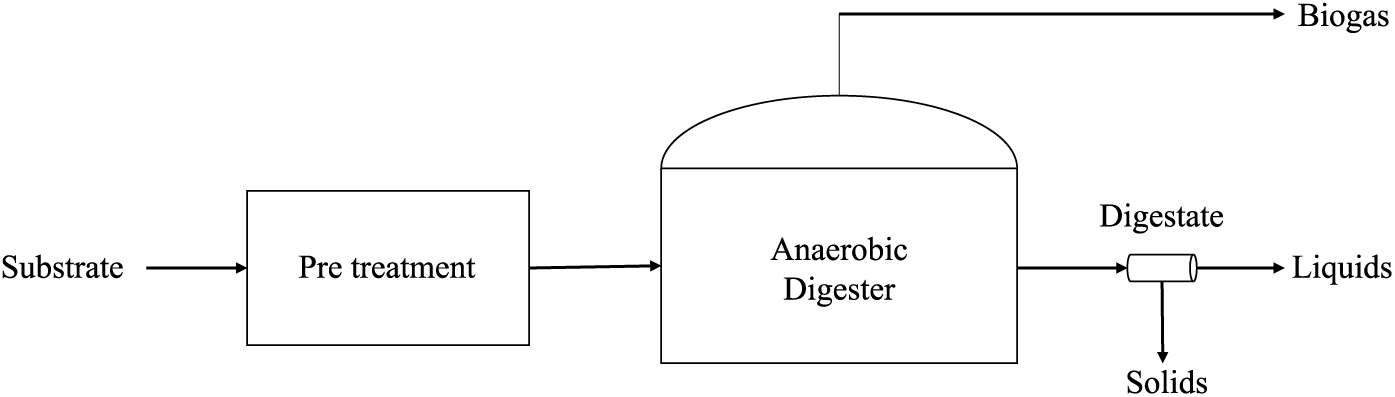
Schematic diagram of anaerobic digestion.
Anaerobic digestion of OFMSW consists of hydrolysis (large polymers broken down to smaller molecules), acidogenesis (production of volatile fatty acids), acetogenesis (production of acetic acid), and methanogenesis (production of methane). Materials in MSW such as food waste are easy to decompose, whereas, garden residues with longer chain hydrocarbons, such as celluloses and hemicelluloses are more difficult to decompose and, therefore, they take a longer time for digestion. Though optimization of anaerobic digestion has two approaches, viz., biogas production enhancement and digestate quality improvement, the latter is often overlooked, in spite of its potential to serve several applications owing to its high nutrient and organic matter content.
The objective of this review is to present the management strategies for anaerobic digestate of OFMSW. Towards this, characteristics of digestate and their influencing factors, along with existing regulations and standards for digestate management have been reviewed in this paper. Digestate enhancement techniques and the current status of management options for anaerobic digestate in land application either as a fertilizer or soil improver are presented based on the review. Future prospects of digestate management such as microalgal cultivation and biorefinery applications are proposed. A novel integrated management approach for digestate management is recommended in this paper.
Characteristics of digestate and the influencing factors
The anaerobic digestate of OFMSW depends on the characteristics of the feedstock or substrate, microbial community, operational conditions and the configuration of anaerobic digestion system, and digestate processing techniques. Anaerobic digestion can be adopted either as wet or dry, mesophilic or thermophilic, batch or continuous, single stage or multi-stage, co-digestion or mono-digestion process, which significantly influence the digestate characteristics, along with operational conditions (organic loading rate, trace element supply, etc.). Moisture content of the digestate is influenced by the choice between a wet or dry anaerobic digestion process. Similarly, when the OFMSW undergoes a dry anaerobic digestion process, a digestate of 30% to 40% solid content is produced (Kim and Oh, 2011). Therefore, the digestate from a dry anaerobic digestion process does not usually require a solid–liquid separation process. Similarly, thermophilic condition leads to better destruction of solids in the digestate. Even when the adopted anaerobic digestion process is not efficient and high amounts of organic matter of the feedstock remain undigested, the digestate can still help to enhance soil physical properties. Digestate is the solid–liquid suspension produced from the anaerobic digestion of organic material. Typical characteristics of digestate of OFMSW are presented in Table 1. The anaerobic effluent contains macronutrients (N, P, K, Ca, S and Mg) and micronutrients (B, Cl, Mn, Fe, Zn, Cu, Mo and Ni). In general, the anaerobic digestate is rich in nitrogen, phosphorous and potassium. After solid–liquid separation, the liquid part contains a high nitrogen percentage and the solid part contains high phosphorous content.
Typical characteristics of organic fractions of municipal solid waste digestate (Keotiamchanh, 2018; Peng and Pivato, 2017; Tampio et al., 2016).
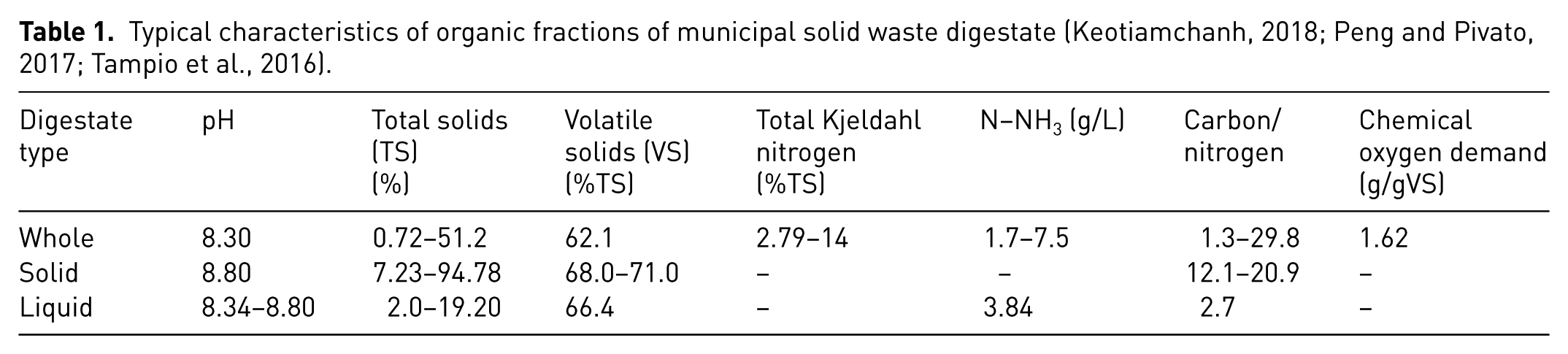
It is important to note that the nutrients in the feedstock are conserved during the anaerobic digestion, but they are converted to a more organic form and made available to plant materials in the digestate. The pH of OFMSW digestate are found to be weakly alkaline. The pH value of digestate may be increased by formation of ammonium carbonate and transformation of carbon dioxide (CO2), reduction of volatile fatty acid during the process, concentration of basic cations such as Ca2+, K+, or reduction of multivalent ions such as sulphate in feedstock. Total mass of nutrients such as nitrogen, phosphorous and potassium entering the digester is equal to the mass leaving as digestate. Nitrogen enters the digester mainly in two forms: ammonium or organic nitrogen. Since ammonium is not destroyed during the digestion process, but rather, organic nitrogen is converted to ammonium during protein degradation, the ammonium level in the digester effluent is typically higher than the substrate fed. Noteworthy, treatment methods other than anaerobic digestion may lose nitrogen through volatilization. When digester effluent is field applied as fertilizer, and when incorporated, microorganisms can convert the ammonia to nitrite, which is then rapidly converted to nitrate, the nitrogen form most readily taken up by plants. Phosphorous and potassium are not consumed by microorganisms in the digester. However, some phosphorous can be converted to ortho-phosphorous (a soluble form) in the digester (Topper et al., 2017). After anaerobic digestion, the soluble ammonia concentration tends to increase with the degradation of protein present in the feedstock. The ammonia content of the digestate accounts for approximately 60% to 80% of its total nitrogen content (Makádi et al., 2012). The amount of carbon content in digestate is an important additive in soils with low organic content and an energy source for microbes. In addition, the part of carbon, which is not degraded, will stabilize the organic material within the soil. After solid–liquid separation of the digestate, the nutrients are distributed between the solid and liquid fractions. It is estimated that liquid digestate contains 70% to 80% of the total NH4+-N while the remaining 20% to 30% of the total NH4+-N are distributed in solid fraction. However, 55% to 65% of the total phosphorus remains in solid fraction after separation while the remaining total phosphorus (35% to 45%) is found in the liquid (Peng and Pivato, 2017). More than 2–3 log pathogen reduction is achieved in the digestate. Tambone et al. (2009) reported that the qualitative and quantitative modification of ingested organic matter, proceeded by degradation of a more labile fraction (e.g., carbohydrate-like molecules) and concentration of more recalcitrant molecules (lignin and non-hydrolysable lipids), led to an increase of the biological stability.
The chemical aspects of maintaining the quality of digestate are related to the presence of heavy metals and other inorganic contaminants, persistent organic contaminants and macro elements (nitrogen, phosphorous, and potassium). The biological aspects, on the other hand, are related to the presence of pathogens, seeds and propagules that may cause bovine spongiform encephalopathy or ‘mad cow disease’ which when transmitted to humans, results in fatal brain diseases. The most frequent physical impurities in OFMSW are plastic, rubber, metal, glass and ceramic, sand and stones, cellulose materials (such as wood and paper), and others. Notwithstanding the many benefits accruing from digestate management, the presence of impurities in digestate can lead to negative public perception about the anaerobic digestion technology, cause aesthetic damage to the environment, increase the operational costs and affect operational stability of the plant, wear and damage the plant components, etc. However, Lantz et al. (2007) have reported that when the digestate retains the non-biodegradable contamination of the feedstock, it poses a huge challenge to the use of digestate as an organic fertilizer. Anaerobic digestates have a higher potential to harm the environment and human health owing to higher NH3 emission potential and high concentration of Cu, Mn, Zn, etc. Zhang et al. (2012) reported that the mechanically recovered OFMSW showed very stable digestion characteristics, however the digestates had high concentrations of potentially toxic elements. Due to microbial synthesis during the digestion process, digestates contain bioactive substances such as phytohormones, nucleic acids, monosaccharides, free amino acids, vitamins and fulvic acid, etc., that promote plant growth and increase the tolerance to biotic and abiotic stress. It should be acknowledged that some of the researchers have found phytotoxic reactions related to NH4+-N and organic acid concentrations. However, it is expected that possible negative effect will decrease within a short period of time after field application (Möller and Müller, 2012). Furthermore, a residual phytotoxicity level was detected by a standardized test showing a germination index of about 50% (Maria et al., 2013). The solid digestate obtained from OFMSW showed good features for being classified as an organic fertilizer. A residual high concentration of organic acids and phenols, along with ammonium and a few heavy metals, could be the main cause for the slight residual phytotoxicity which could be eliminated by successive aerobic treatment (Massaccesi et al., 2013). Needless to say, properly segregated OFMSW produces digestate with little impurities, unlike other waste streams such as industrial waste, which produces digestate with higher concentration of heavy metals and persistent organic pollutants.
Regulations and standards for anaerobic digestate
The inappropriate use of digestate with contaminants may result in disease transmission through the food chain, if appropriate and stringent controls are not enforced. Moreover, legislation is needed to impose proper treatment levels and standards for safe disposal of the organic waste, apart from implementation of anaerobic digestion technology. Other legislations to address issues such as global warming, demand for renewable energy, landfill tax on organic waste, demand for organic fertilizer, high fossil fuel prices, and environmental pollution also influence digestate management. Interestingly, regulations on digestate management encourage better waste management practices. Regulations in several countries encourage ‘decentralized’ anaerobic digestion by allowing land application only for on-farm anaerobic digestate. Similarly, anaerobic digestate are considered as ‘acceptable’ only when they are produced from organic wastes segregated at source, in countries such as the UK.
By complying with the regulations, anaerobic digestate produced will be regarded as having ceased to be a waste and can be used without the need for waste management controls. Quality protocols are set to clarify the point at which waste management controls are no longer required. This will provide the end users with the confidence that anaerobic digestate conforms to an approved standard. The purpose of introducing regulation on digestate management is to protect human and environmental health by setting standards for the production and use of anaerobic digestate in designated applications. These also include acceptable good practices for digestate use. There are several standards related to anaerobic digestate quality such as British Standards Institution Publicly Available Specification 110:2010 in the UK, Reichs-Ausschuss für Lieferbedingungen (RAL) GZ245 and RAL GZ246 in Germany, SPCR 120 in Sweden, and NFU44-051 in France. Regulations and specification available in selected countries are presented in Table 2.
Regulation and specifications on digestate management in selected countries.
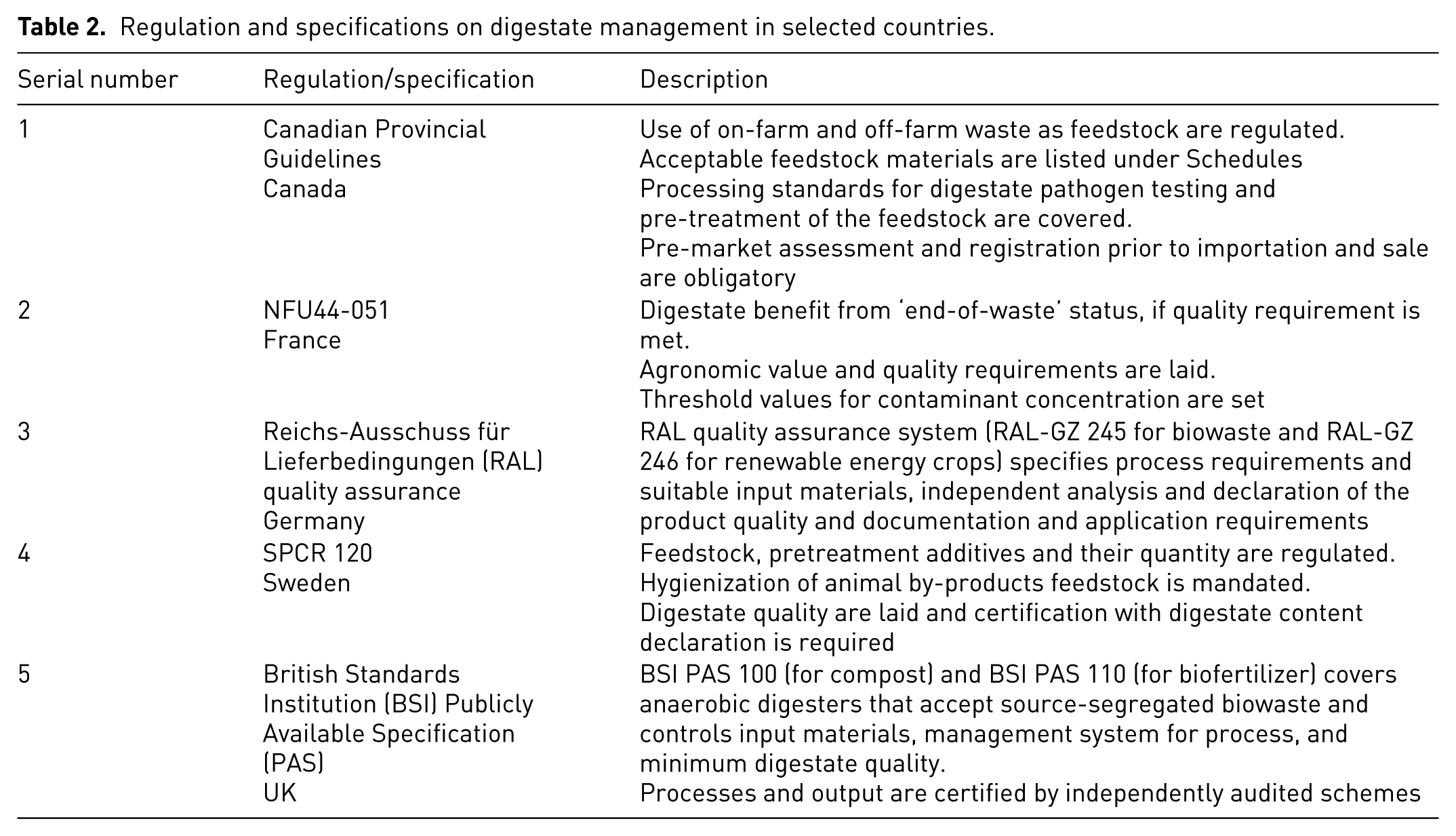
These digestate quality standards have specifications for hygienic standards, impurities, degree of fermentation, odour, organic matter content, heavy metal content, and other parameters for declaration (Peng and Pivato, 2017). Most of the regulations worldwide promote use of anaerobic digestate in agriculture, forestry or land restoration, making it the widely practiced digestate management option. Regulations mandate digestate producers to obtain appropriate certification and provide customer supply documentation which includes a statement of conformance with the quality protocol. Also, regulations require the digestate to ensure pathogen and seed elimination, and compliance with other legislation (e.g., Animal Carcasses and Animal Disease Act). Many countries mandate maximum nutrient load, required storage capacity and spreading season of digestate. Quality management of digestate involves a range of permits and quality standards to ensure the safety and value of digestate as a fertilizer, soil conditioner or growing medium. Some countries simply include anaerobic digestate within their composting regulations and hence the process for reuse in these countries is relatively clear. Notably, environmental groups raise serious concerns over land application of digestate in places that are nitrate or phosphate vulnerable zones.
The presence of biological contaminants in digestate, such as various pathogens and seeds may result in new transmission routes of pathogen and disease between animals, humans and the environment. Regulations governing the use of digestate as an organic fertilizer are made stringent as a precaution against the spreading of communicable diseases, such as spongiform encephalopathy and foot and mouth disease. For this reason, strict control of specific feedstock types and of digestate is required. Animal by-products that are to be used as anaerobic digestion feedstock require specific attention with reference to safe utilization of the resulting digestate as fertilizer and soil conditioner.
Storage and application of the digestate must comply with the codes of good agricultural practices and be in accordance with national guidelines or legislation. The amounts and timing of application depend largely on the soil properties and the crops being cultivated. Also, sufficient digestate storage capacity needs to be established to accommodate digestate production, since its land application must be specifically adjusted to the season of plant growth. Digestate storage requirement is high when there is seasonal restriction on crop cultivation, and is insignificant when there is continuous plant growth throughout the year.
Digestate enhancement techniques
Management of digestate is needed because of many reasons. Inappropriate handling and spreading of digestate may cause environmental risk, either due to leakage of nitrate into recipient soil or water or due to potential gaseous losses of ammonia, methane and nitrous oxide. Also, digestate has high water content which makes it difficult to handle, transport and spread in the field (Bauer et al., 2009). Digestate is rich in organic matter and nutrients especially nitrogen, which can be used in gardens, forests, recreation and sports grounds, and fish ponds as fertilizer or soil conditioner/soil amendment. Moreover, the residue from anaerobic digestion is consistent in nutrient content and availability, which gives them advantage over untreated slurries. This makes it easier for farmers to estimate the correct dose of fertilizer requirements for a given crop (Berglund and Börjesson, 2006). Monetary benefits are also obtained because the energy consumption for fertilizer manufacturing decreases if it is produced from an on-farm anaerobic digestion plant. Thus, the key aims of digestate management are to increase the value of the digestate, create new markets for digestate products, reduce the dependence on on-site land application, ensure more secure and sustainable outlets for digestate products, and potentially reduce the operating cost of the facility.
Regulations and desired end use are the main drivers for the treatment of digestate. Digestate can be used as fertilizer without any further treatment after removal from the digester. However, in such a case, the storage, transport, handling and application of digestate as a fertilizer result in significant costs to farmers compared with its fertilizer value, due to the large volume and low dry matter. The costs increase further with investment in slurry storage, when required by environmental regulations in countries such as Denmark, Germany and France, where the period of fertilizer application is limited to the growing season and the amount of nutrients applied per unit of agricultural land is restricted by pollution control regulations. The European Nitrate Directive also limits the annual nitrogen load which can be applied to agricultural land. Moreover, digestate has higher content of easily available plant nitrogen, which influences the amount of digestate that can be applied. Such strict legislative frameworks, which seek to protect the environment, may necessitate transport and redistribution of nutrients away from intensive areas. These conditions may necessitate digestate enhancement. For proper management of digestate, various enhancement techniques can be applied at three key stages: pre-digestion; within the digestion process (in-vessel); and post-digestion. The overview of digestate enhancement techniques is presented in Figure 2.
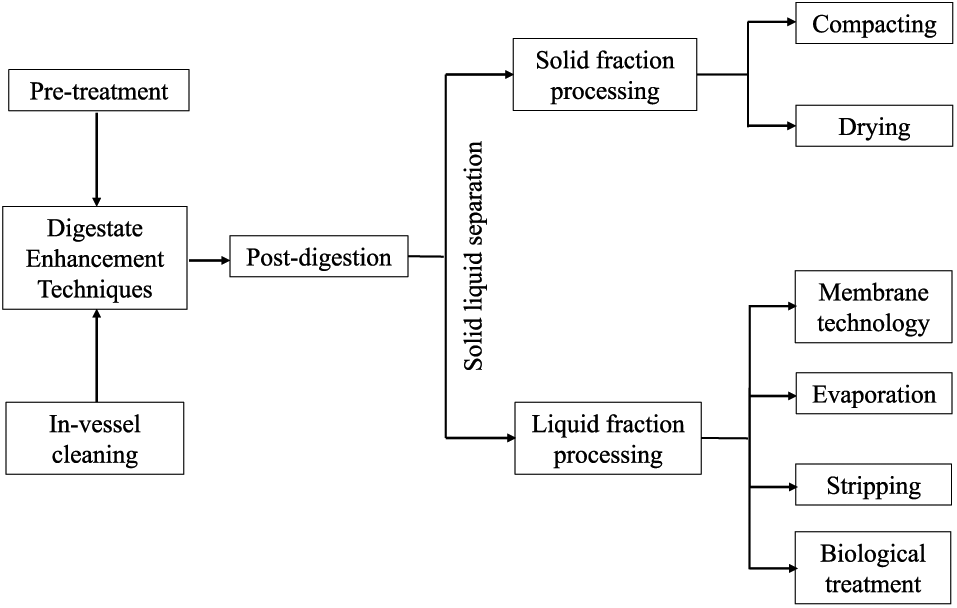
Overview of different techniques for digestate enhancement.
Pre-digestion
Pre-treatment systems employed upstream of anaerobic digestion can be used to enhance the digestion process, and as a consequence digestate quality. There are a number of techniques available to pre-treat the feedstock and improve the availability of organic constituents to enhance the digestion process. In addition, the removal of contaminants and debris from the feedstock is key to stable operation of the digestion process and to maintain digestate quality.
There are several pre-digestion methods for digestate treatment. For instance, the thermal hydrolysis process is a high-pressure, high-temperature steam pre-treatment application for anaerobic digestion of feedstocks. The feedstock is heated and pressurized by steam within a reaction tank before being rapidly depressurized (flashed). This results in the breakdown of cell structure within the biomass. As the organic matter is presented to the digester in a broken-down condition, the digestion process is more effective, thus resulting in increased gas production and improved digestate quality. To ensure the process is thermally and economically efficient, the system requires a dewatered feedstock of between 15% and 16% dry solids. The quality of the digestate is improved as the hydrolyzed digestate is pasteurized, and in turn easier to dewater and achieve higher dry solids product, enabling easy storage, handling and transportation (Frischmann, 2012). Similarly, in an autoclave system, a pressure vessel is used that steam-treats its contents at a constant temperature and pressure, serving to pasteurize, clean and break-down organic matter within the feedstock.
In an enzymic liquefaction system, enzymes are added to liquefy and further breakdown the cell structure of the feedstock, which is already thermally pre-treated and ‘opened’ for enzymes. The prepared feedstock is then digested in the third stage of treatment. Following digestion, the component fractions are separated such that an organic rich liquid for land-based application can be easily separated from inorganic material and physical contaminants (Frischmann, 2012). Similarly, chemical pre-treatment methods by addition of acids or base, and biological pretreatment methods by employing bacteria and fungi are found to enhance anaerobic digestion. It is to be noted that the effect of different pre-treatment methods on digestate quality could be studied extensively.
In-vessel cleaning
The MSW may contain impurities such as plastic, timber, fibres (both natural and man-made textiles), grit or sand, metal fragments and solid fruit residues. Whilst the digestion process itself involves significant mixing and agitation, the digestion vessel will act as a repository of all feedstocks as depicted in Figure 3. Heavy materials will tend to settle while lighter materials float to the top of the vessel and become entrained within a scum and foam layer. In-vessel cleaning systems can be used to good effect to remove contaminants from the digester, improving both digestate quality and preventing the build-up of inert. Grit and heavy solid material accumulating at the bottom of the digester vessel can be directed by a rotating scraper system to the edge of the digester where it is removed and separated from the digestate. Floating material, such as plastics and rags can also be removed by a rotating skimmer. Materials are forced to the edge of the digester where they are removed and separated from any entrained digestate. The separated digestate is returned to the digestion process while the separated solids are either reused or disposed to landfill.
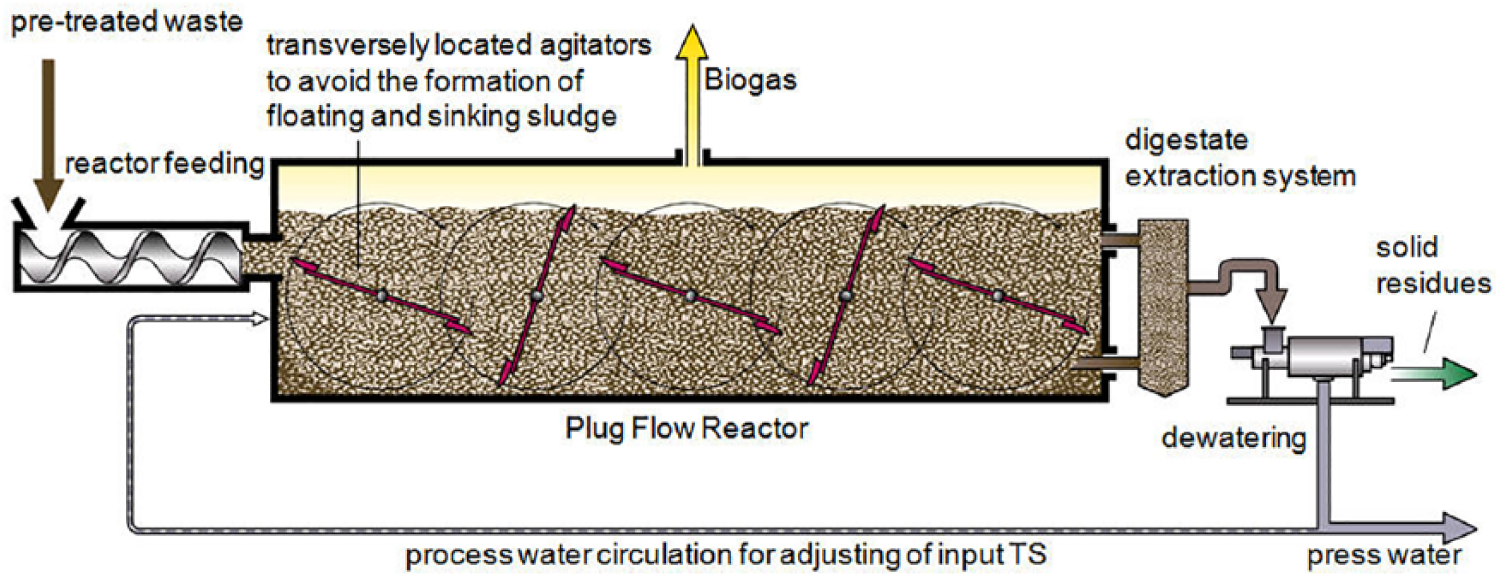
Plug flow anaerobic digester with in-vessel cleaning provision.
Post-digestion
Digestate processing can be approached in two ways. The first is digestate conditioning, which aims to produce standardized biofertilizer (solid or liquid) in which the quality and marketability of the digestate is improved. The second can be described as digestate treatment similar to wastewater treatment; it is applied in order to remove nutrients and organic matter from the effluent and allow secured discharge. In most cases, it will be necessary to carry out both conditioning and treatment in order to establish a viable digestate process. Moreover, refining digestate can be done to complete treatment such as pure water, a solid biofertilizer fraction, and increasing the concentration of fertilizer (Drosg et al., 2015).
Digestate processing can be partial, usually targeting volume reduction, or it can be complete, refining the digestate to pure water, fibres or solids and concentrates of mineral nutrients. Often, the first step in digestate processing is to separate the solids from the liquid. The solid fraction can subsequently be directly applied as fertilizer in agriculture or it can be composted or dried for intermediate storage and enhanced transportability. To improve solid–liquid separation, flocculation or precipitation agents are commonly applied. A variety of solid–liquid separation technologies are available on the market such as decanter centrifuges, screw press separators, bow sieves, double circle bow sieves, sieve belt presses, and sieve drum presses. The decanter centrifuge and the screw press separator have gained popularity, especially among farmers who need to export their excess of nutrients to other areas. Decanter centrifuges are used in many municipal waste treatment plants in the world. Screw press separators are particularly used when the digestate is rich in fibres. The first step in any digestate processing system is solid–liquid separation – the partitioning of liquid digestate into high dry matter solid material or sludge and low dry matter liquid. Both fractions can be used without further treatment as fertilizer. Solid–liquid partitioning separates most of the phosphorus with the solid fraction and most of the nitrogen and potassium with the liquid fraction, which helps the management of plant nutrients in digestate, by enabling separate dosage of phosphorus and nitrogen and transport and application of the phosphorus to other areas. The phosphorus-rich fibre fraction can be applied or sold as phosphorus-rich fertilizer; it can be dried and pelletized, composted and used as soil improver, and also for industrial purposes (composite materials) or even incinerated for energy recovery (Al Seadi et al., 2013). A typical distribution of the principal constituents after solid–liquid separation is presented in Figure 4.
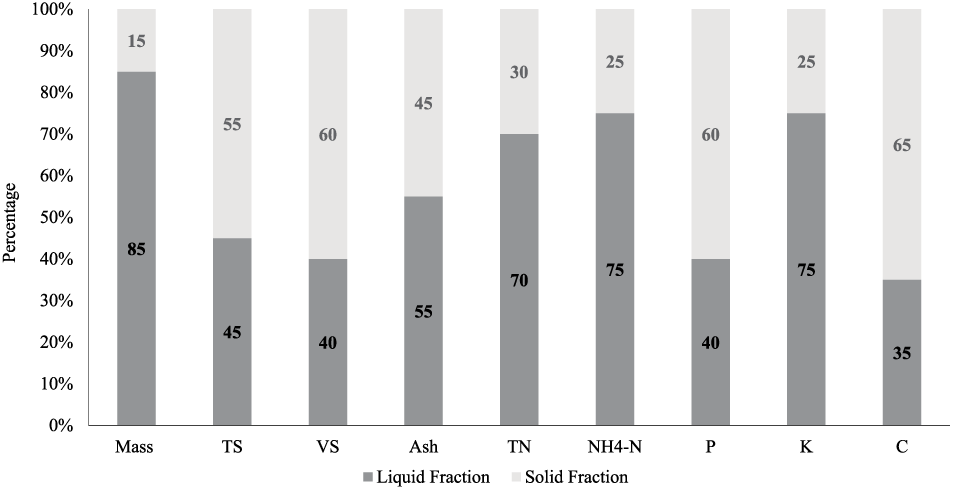
Typical distribution of the principal constituents after solid–liquid separation (Drosg et al., 2015).
Partial processing uses relatively simple and cheap technologies. Different methods and technologies are currently available for complete processing, with various degrees of technical maturity, requiring high energy and costs. For nutrient recovery, membrane technologies such as nano- and ultra-filtration followed by reverse osmosis are used (Diltz et al., 2007). Membrane filtration produces a nutrient concentrate and purified process water (Klink et al., 2007). The liquid digestate can also be purified through aerobic biological wastewater treatment. However, because of the high nitrogen content and low biological oxygen demand (BOD), addition of an external carbon source may be necessary to achieve appropriate denitrification. A further possibility for concentrating digestate is evaporation with waste heat from the biogas plant. For reducing the nitrogen content in the digestate, stripping, ion exchange, and struvite precipitation have been proposed (Marti et al., 2008; Siegrist et al., 2005; Uludag-Demirer et al., 2005). Whatever process is applied, advanced digestate processing in most cases requires high chemical and energy inputs. Together with increased investment costs for appropriate machinery, considerable treatment costs may accrue. A bio-methanation plant of 400 kW capacity is situated in Fertiker, Brittany (Plouedern 29) and can handle 6.8 tonnes dry matter daily. The overview of the treatment process of organic waste digestate at this plant is presented in Figure 5. Centrifuge, screening, biological reactors, and vacuum filters are employed for digestate enhancement. The solid cake from centrifuge, screen and vacuum filter are dried using waste heat from a co-generation plant for compost production. The treated liquid portion is finally discharged into a lagoon.
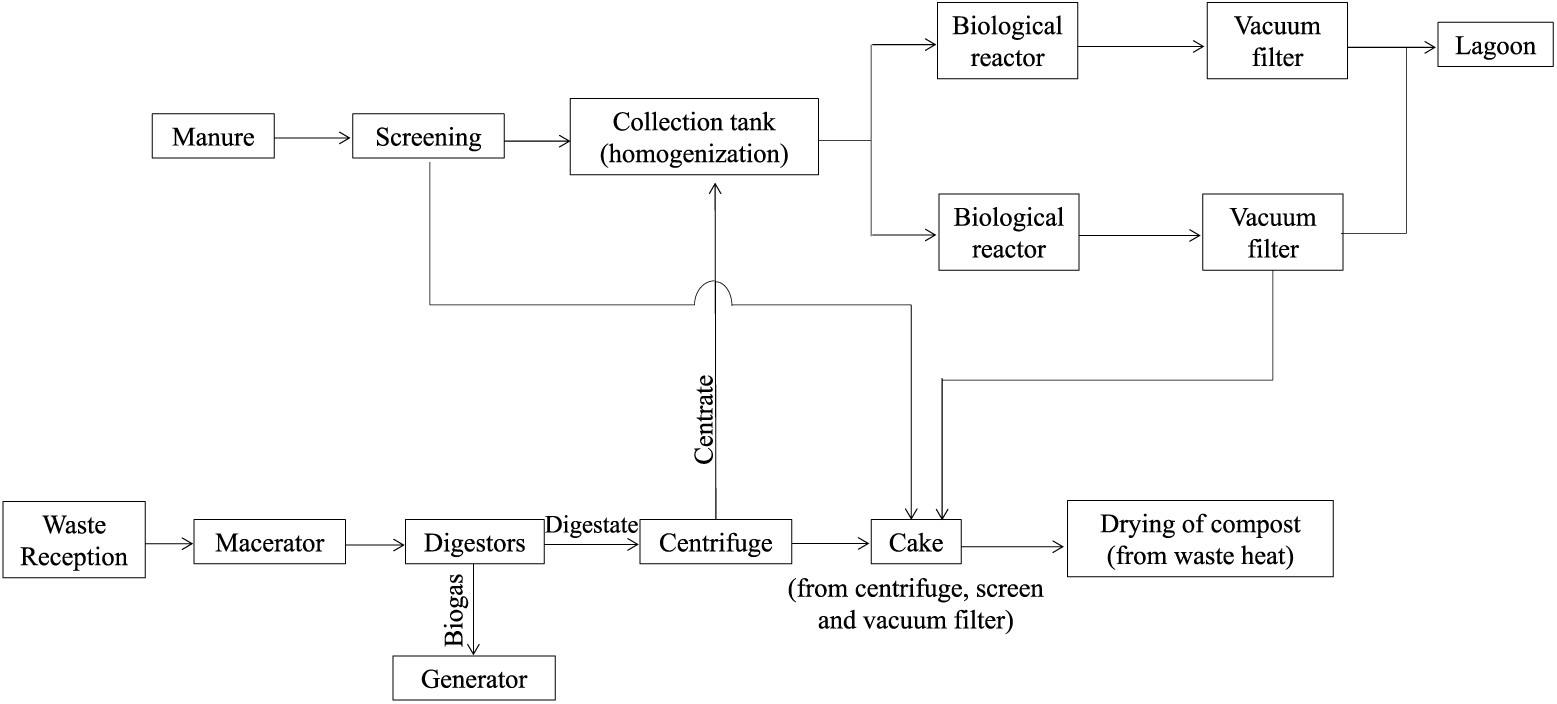
A practical case study on treatment of organic waste digestate in Brittany, France.
Solid fraction processing
After dewatering the digestate, partially stabilized solid fraction can be directly used as biofertilizer or soil conditioner. Since the solid fraction still contains some biodegradable matter, the microbial activity can still be active and odour emission can also occur. To reduce environmental impact and to get a marketable and also a stable biofertilizer product, further processing such asl composting and drying are recommended in order to stabilize the organic matter.
Composting
The organic material in MSW are degraded and transformed in the composting process by micro-organisms under aerobic conditions. Compost is an ideal biofertilizer as it slowly releases nutrients and shows good performance as soil improver. Moreover, composting can increase pH, total organic carbon, nitrogen, and phophorous content in soil (Tambone et al., 2007). Addition of bulking material in the solid fraction is required, which helps air to enter the heap of compost for a stable composting process to occur. Furthermore, the bulking agent has positive effects such as increasing the nutrient concentration, decreasing the electrical conductivity, reducing nitrogen during composting, and dilution of the heavy metal contents in the end-products. The compost obtained from the process also shows adequate stability and maturity, suitable physical properties for use as growing media and reduced organic matter.
Drying
The drying process of the solid fraction aims to stabilize the digestate as well as to reduce its total mass. It also increases the nutrient concentration while reducing moisture content and nitrogen concentration, to make storage and transportation easier. Untreated digestate showed higher cumulative emissions of ammonia than dewatered material (Maurer and Müller, 2012). In many cases, electrical power is produced at the biogas plant, and the excess heat can be utilized for drying. Apart from drying only the solid fraction, the entire digestate can also be dried without prior solid–liquid separation. But it requires high amount of energy for drying the raw digestate. Many techniques which can be applied to drying raw digestate or the solid fraction are drum dryer, belt dryer, fluidized bed dryer, feed-and-turn dryer, and sand bed dryer. It may be noted that, the exhaust of the digestate dryers contains dust, ammonia and other volatile substances, and hence exhaust gas cleaning systems should be applied to reduce emissions such as washer or scrubber units. Solar-drying is employed for reducing the moisture content of solid digestate or for producing concentrate of liquid digestate. Total solid content as high as 94.5% was achieved in the anaerobic digestate of source segregated food waste through solar-drying (Keotiamchanh, 2018). Moreover, a solar-drying system conserves energy, though large land area is required. The dried solid fraction can be pelletized for better marketability and be made available as biofertilizer.
Liquid fraction processing
After solid–liquid separation, the liquid part retains some nutrients and suspended solids. However, due to regulatory requirements, the liquid fraction cannot be discharged directly in to the receiving water body. There are many technologies recommended to treat the liquid fraction such as membrane technology, evaporation, and stripping. A part of the liquid fraction can also be added during mashing of the feedstock into the digester. Furthermore, the liquid portion can also be used to moisturize compost heaps or as source for effective microorganism to facilitate the composting process. However, the reduction of ammonia concentration is recommended to reduce ammonia emissions (Drosg et al., 2015). Though the major amount of the liquid fraction can be applied in agriculture as soil improver or fertilizer, further treatment of digestate can be done for the utilization of by-product. For instance, increasing nutrients concentration can produce a high-quality fertilizer. Nevertheless, expanding the market for liquid digestates beyond agricultural application is important to generate more opportunities (Hannah and Stephen, 2011).
Membrane technology
Membrane technology is an alternative method to treat liquid digestate. This process is a physical separation process in which liquid digestate, which is to be purified, passes through a membrane. Depending on the pore size of the membrane and the trans-membrane pressure, some particles are retained by the membrane and remain in the concentrate. Other particles and the relatively purified water permeate and pass through the membrane. Microfiltration can separate particles of 0.1 µm diameter. While ultrafiltration can separate colloids even of diameters lower than 0.01 µm, with nano-filtration and reverse osmosis, the dissolved salts from pure water can also be separated. Though nutrient concentration is greatly improved with membrane technology, only a limited amount of the digestate will be converted to purified water – the process is quite expensive and requires a considerable amount of energy.
Evaporation
Evaporation of digestate is an attractive process for biogas plants where excess heat is available in sufficient amounts, or where excess heat from other sources near the biogas plant can be used. By evaporation, nutrient concentration is increased and condensate is recovered. Al Seadi et al. (2013) reported that total nitrogen and PO4-P concentration increased throughout the evaporation process from the initial values of 3.1 g/kg and 0.3 g/kg to 9.0 g/kg and 1.0 g/kg, respectively. In such a process, especially the fibres are removed to reduce possible clogging of the evaporators followed by addition of sulphuric acid to avoid evaporation of NH3. The vapour is condensed in the process, and as it contains low amounts of ammonia and volatile acids, it cannot be discharged directly and therefore, it is normally used as process water in biogas plants. This process involves considerable use of chemicals and availability of waste heat.
Stripping
Stripping is a process where volatile substances are removed from digestate by gas flow through the digestate. In gas stripping, the digestate is heated to enter a stripping column. As a pre-treatment, CO2 is removed which lowers the buffer capacity. The subsequent stripping column is filled with packing material to increase surface area available for the ammonia mass transfer from the liquid digestate to the stripping gas stream. After this, ammonia is recovered from the gas phase by a sulphuric acid scrubber, where a valuable commercial-grade ammonium sulphate fertilizer is produced. The cleaned gas can be reused in the stripping column. In vapour stripping, where higher temperature is needed, ammonia can be directly condensed together with vapour to produce ammonia water to a concentration of up to 25% to 35% . Efficient solid–liquid separation and a high maintenance and cleaning effort may be necessary. The big advantage of ammonia stripping is that a standardized, pure nitrogen fertilizer product can be recovered. In addition, such a liquid fertilizer can be used to enrich other digestate fractions in digestate processing to a standardized nitrogen concentration in order to increase its marketability.
Biological treatment
Biological oxidation reduces concentration of BOD and ammonia, before final discharge of digestate. Typically, the digestate is aerated in the presence of bacteria which oxidize the BOD and ammonia. The treatment of liquors in this manner is well proven but can have high operating costs. The process produces a biological sludge as a by-product which can be returned as a feedstock to the digester. Examples of these processes include membrane bioreactors, sequencing batch reactors, moving bed bioreactors, and the SHARON (Single reactor system for High activity Ammonium Removal Over Nitrite) process (Frischmann, 2012).
Current digestate management options
Recycling as crop fertilizer or soil improver is the widely adopted method of utilization of digestate. The concept of closing the nutrient cycle and substitution of fossil fertilizers is the main driver. The simplest way to use digestate as fertilizer is to apply the ‘whole digestate’, as it is removed from the digester, onto crop fields, without further treatment. However, since safe agricultural recycling requires digestate to be of the highest quality, different processing techniques are employed. Digestate storage facilities are required when there are seasonal restrictions on crop cultivation. Otherwise, in places that enjoy a conducive climate for plant growth throughout the year, digestate storage requirements are minimal. The digestate application practice, similar to application of manure and slurry, involves equipment such as trailing hoses, trailing shoes or injectors to minimize the surface area of digestate exposed to air to ensure rapid incorporation of digestate into the soil. It should be noted that, spreading digestate by splash plate is not recommended as it causes air pollution and loss of valuable nutrients. Digestate has a declared content of nutrients and can therefore be completely integrated in the fertilization plan of the farm. Moreover, digestate penetrates into the soil quickly due to its higher homogeneity and flow properties. High humidity but not excessive rain or wind are considered optimum weather conditions for digestate application that minimize risks such as nitrogen losses through ammonia emissions and nitrate leaching. Digestate application as fertilizer closes the nutrient and carbon cycles as shown in Figure 6.
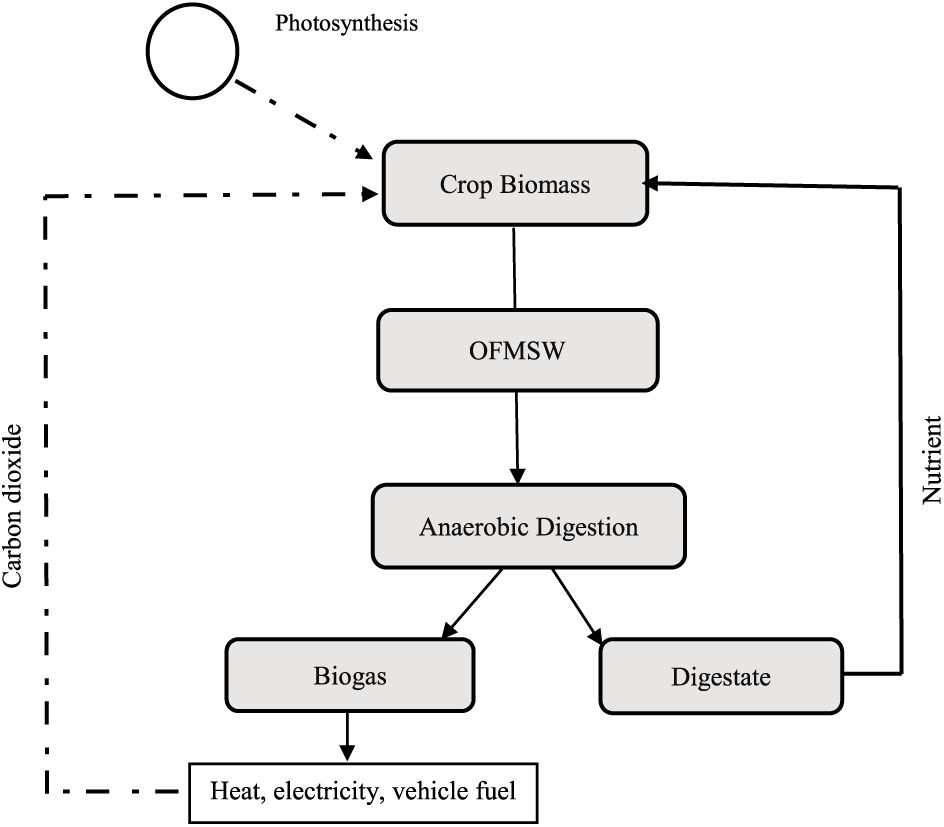
Carbon and nutrient cycles in anaerobic digestion system.
The fields where digestate is applied should be located close to the anaerobic digester, to reduce transportation costs. When digestate has to be transported to longer distances, volume reduction through solid–liquid separation is considered. The simplest ways practiced for using these fractions are, the solid fraction to be composted and used as soil improver, while the liquid fraction is applied as nitrogen-rich fertilizer or further processed and sold as concentrated liquid fertilizer. Pathogen inactivation is important if the digestate produced is also used as fertilizer by other farmers. In centralized co-digestion plants that co-digest OFMSW with various other types of wastes and residues, strict hygiene and other quality assurance measures must be ensured in order that no pathogens are transmitted between farms and the digestate is not polluted by xenobiotic compounds. The digestate producer rarely pays a tipping fee when digestate is taken by crop farmers. Depending on the local nutrient situation, digestates are sold or given away free to farmers. The digestate obtained at the hybrid solid anaerobic digestion batch processing of OFMSW showed good features for being classified as an organic fertilizer according to Italian law (Maria et al., 2013).
The digestate solid fractions are further processed by composting and are used as a multifunctional soil improver in agriculture and horticulture or for topsoil production. The application of compost from digestate has the same effect on soil as any high-quality compost, improving soil quality with valuable nutrients and organic matter content, water retention capacity and buffer capacity of the soil. Digestate contains significant amounts of nitrogen, phosphorus and potassium, which covers the crop requirement of such nutrients. Most solid digestates comply with the European organic matter minimal requirement for an organic amendment, whereas the fertilizer values of liquid digestates lie between those of livestock manures and inorganic fertilizers (Nkoa, 2014). The nitrogen content especially the readily available form for plants (N-NH3) is very high in digestate. High ammonium content indicates a higher nitrogen efficiency of the digestate. In addition, most of the organic nitrogen remains in the soil and is released slowly over a period of many years. The digestates contain a higher proportion of mineral nitrogen and less-decomposable organic matter, thus reducing the long-term residual-nitrogen effect and the long-term risk of nitrate leaching (Pognani et al., 2009). Moreover, the presence of a high quantity of humus-precursor molecules (cellulose, hemicelluloses, in particular, lignin along with concentrated non-hydrolysable lipid fractions) and high biological stability suggest good amendment properties of the digestates (Pognani et al., 2009). In a combined anaerobic–aerobic full-scale treatment plant designed for the treatment of the source-separated OFMSW – about 50% of the initial nitrogen and 86.4% of the initial phosphorus were observed in the final compost. The final compost also achieves a high level of stabilization with a dynamic respiration index of 0.3 ± 0.1 g O2 per kg of total solids per hour, which implies a reduction of 93% from that of the raw OFMSW. The anaerobic digestion step was mainly responsible for the reduction of the initial biodegradable matter, while the composting process reduced moisture and stabilized the waste. The high content in nutrients and the high level of respiration stability resulted in a high-quality compost for agricultural use (Pognani et al., 2012).
Digestate can be also used for vermiculture – producing high-quality earthworm compost. Surplus earthworms can then be fed to chicken. In countries such as China, digestate has been used as an additive to animal feed for pig, chicken, fish and shrimp production; this option is limited by national legislation and public acceptance. Reduction in pathogen levels (Krishnasamy et al., 2014), higher soil nitrification rate (Gómez-Brandón et al., 2016), and increased macro elements’ content (Hanc and Vasak, 2015) were achieved during vermicomposting of digestate.
Future prospects of digestate management
Digestate management options are wide-ranging. Future regulations may prevent usage of digestate for land application due to pollution concerns and hence it is important to devise alternative applications. Hence, it is important to devise alternative options for digestate management. The future of digestate management can be expected to be focused on biorefinery processes. Future digestate management options forecasted are presented in this section. The improvements discussed here are still under way for full scale commercial application.
Microalgae can efficiently extract the nutrients from liquid fraction of the digestate while providing high-value biomass for biorefinery applications. Algae have the ability to grow by exploiting nutrients and CO2 by-products of anaerobic digestion and synthesize valuable biomass compounds (lipids, proteins, etc.). Though the current cultivation costs are too high to allow commercial applications (Cheng et al., 2015; Zhu, 2015), it is still perceived as a possible option owing to the nutrients present (such as nitrogen and phosphorus) that generally account for half of the cost and energy input in cultivation (Levine et al., 2011; Markou and Georgakakis, 2011). To be more precise, a combination of on-site liquid digestate treatment and microalgal cultivation can significantly reduce the nutrient cost. Higher biomass concentration and productivity, enhanced nitrogen and phosphorus removal as well as inorganic and organic carbon removal can be achieved in liquid digestate treatment. Performance in terms of biomass productivities and concentrations (dry weight) can be further improved by controlling the turbidity, which leads to low microalgae cultivation and total ammonia nitrogen which leads to inhibition. The algae so extracted could be employed for producing multiple commodities such as high-value chemicals, biofuels, etc. The algae blend easily in animal feed and are more nutritious than grains.
Insufficient nutrients in the digestate can be selectively supplied for microalgal cultivation. However, control of contamination (e.g., bacteria and foreign microalgae) and pollutants which may affect the performance are some of the concerns. Suitable pretreatment methods can be applied to the digestate to reduce turbidity and chemical oxygen demand (COD) at the same time maintaining sufficient nutrients for microalgae cultivation. Optimum dilution levels could be achieved to overcome shading effect, inhibitory threshold of concentration of ammonium, etc. An external carbon source can significantly boost microalgal growth in the digestate. Algae can be cultivated using CO2 from biogas, simultaneously achieving the upgradation process to produce ‘bio-methane’. The volatile fatty acid-rich effluent in the hydrolytic reactor can be mixed with the digestate obtained from the methanogenic reactor in a two-stage fermentation to improve microalgal growth. The reclaimed water quality should be carefully examined, since the microalgal process is efficient in the removal of nitrogen and phosphorus from digestate; however, it may be less efficient for the removal of other pollutants such as COD and heavy metals. Selection, breeding, and engineering of high-performance microalgae can efficiently enhance the digestate treatment process. The pathway choice is dependent on the final use of the microalgal products, since various microalgal harvesting and conversion processes require significantly different energy input and chemical usage. More detailed analyses of energy, GHG emission, and economic feasibility in microalgal cultivation, harvesting, and conversion based on digestate treatment should be included (Xia and Murphy, 2016).
A new promising alternative to digestate utilization is its use as solid fuel after densification. Briquettes or pellets produced from digestate possess better mechanical durability. The calorific value of digestate pellets is similar to the calorific value of wood. Use of additives further improves the quality of briquettes or pellets selectively. Another interesting possibility of digestate utilization is the usage of digestate effluent to replace freshwater and nutrients for bioethanol production. Gao and Li (2011) noted that ethanol production was enhanced with digestate effluent by as much as 18% compared to the freshwater utilization. Selective pre-treatments such as with NaOH have been found to enhance ethanol yield.
Production and recovery of volatile fatty acids are receiving greater attention due to their high potential as a source of renewable carbon, apart from their wide application in pharmaceutical, food, chemical industries, bioplastics, biohydrogen and electricity via microbial fuel cells (Atasoy and Cetecioglu, 2018). The alkaline pH of digestate offers a solution to the global soil acidification problem. Additionally, when digestate is used for remediation of heavy metal contaminated land, its alkalinity can increase the soil pH and consequently enhance the immobility of heavy metals (Peng and Pivato, 2017). There are times when the quality of digestate is not suitable for use as fertilizer (e.g., high concentration of chemical pollutants) or when such utilization is prohibited by national legislation or digestate from anaerobic digestion plants is used for treating unsorted MSW, or when its use as fertilizer is not feasible. In such situations, the use of digestate for energy purposes such as co-combustion for power generation could be an option. Further, energetic use will normally involve additional treatment such as fibre separation, drying, and even pelletizing. The high ash, sulphur and nitrogen content of the digestate will necessitate emission control. Pyrolysis is also an emerging option for digestate management that converts the organic matter into char, bio-oil, and syngas in an oxygen-free atmosphere. The char can be used as a soil amendment or as a source of energy while the syngas and bio-oil are fuels with high calorific values and can be used as forms of renewable energy. Another option for digestate is the use as cover material at a sanitary landfill. However, the digestate needs to be dewatered and stabilized prior to disposal to ensure that the material meets the stringent standards for landfills (Monlau et al., 2015). The application of digestate in reed beds and microbial fuel cells is gaining popularity as well.
Integrated approach for optimization of anaerobic digestion
The optimization of anaerobic digestion is generally approached in two ways, viz., optimization for higher biogas yield and optimization for higher concentration of desired nutrient parameter in the digestate as depicted in Figure 7. In most of the anaerobic digestion plants, the process optimization is focused on improving biogas production and methane yield. The operational conditions of the digesters are arrived at when there is maximum methane yield. However, it is also known that the organic matter fed into the anaerobic digestion system is not fully degraded during the process and approximately 40% to 60% of carbon is converted into methane, while the remaining portion of carbon is retained in the digestate (Alrefai et al., 2017).
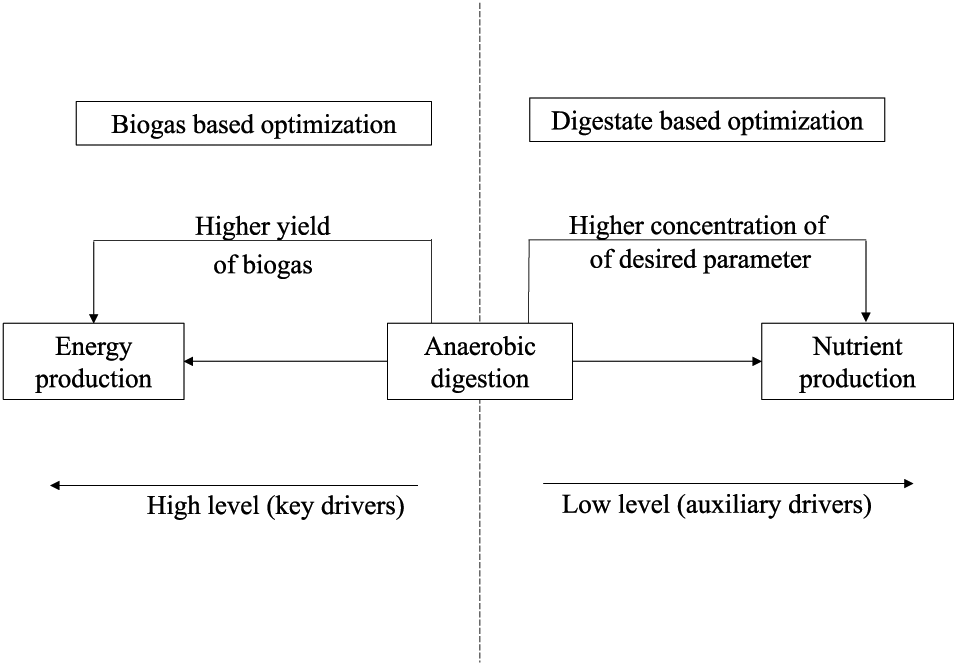
Approaches for optimization of anaerobic digestion.
The GHG emission potential of digestate (139 g CO2-eq/kg waste) was found to be lower when compared with the GHG emission potential of OFMSW (568 g CO2-eq/kg waste) as shown in Figure 8. With anaerobic digestion, the GHG emission potential of OFMSW decreases by about 75%. The GHG emission potential of stored digestate and stored-cured digestate was found to be 125 and 80 g CO2-eq/kg waste, respectively (Zeshan and Visvanathan, 2014). Therefore, in view of the GHG emission potential, digestate quality needs to be taken into consideration for optimization of the anaerobic digestion process.
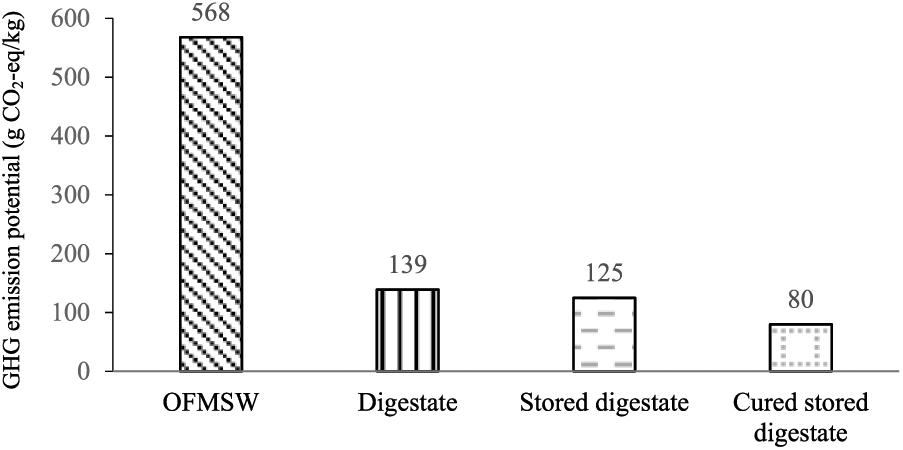
Greenhouse gas emission potential of organic fractions of municipal solid waste and the produced digestates (Zeshan and Visvanathan, 2014).
The focus on biogas optimization also enjoys prominence in terms of regulations and higher value applications. However, overlooking optimization of digestate defeats the purpose of organic waste treatment, when the attention is only on biogas extraction. Anaerobic digestion is recommended as a sustainable method for organic waste management because it stabilizes the waste, removes pathogen content, and improves availability of nutrients in the residue. Unfortunately, wherever there is regulation in place for safe disposal of organic waste but not for by-products from anaerobic digestion treatment, less care is given to production of quality anaerobic digestate. This can be because of the low level of drivers such as incentives and economic returns. For example, energy produced from biogas is often procured by governments, sometimes out of pressing commitments to meet renewable energy targets, at a more profitable price. Also, infrastructure facilities are provided to connect surplus power generated with national grids. Such favourable conditions are not available for digestate optimization.
Yet, perfect balance must be struck between the two approaches of anaerobic digestion optimization. To ensure sustainability and long-term success and benefits, these two approaches need to be integrated. The amount of nutrient value and organic content generally present in the digestate are significant, while little attention is paid to them. Therefore, achieving high quality digestate can be possible with additional efforts. The integrated approach should be implemented at every stage including pre-treatment, design and operation of anaerobic digester, and digestate treatment. It is strongly ascertained that there is a need for a paradigm shift in the approach from ‘biogas optimization’ to ‘integrated biogas–digestate optimization’. Future research and improvements need to move in this ‘integrated’ path, before commercial implementation.
Conclusion
The quality of anaerobic digestate of OFMSW depends on characteristics of feedstock or substrate, operational conditions and configuration of anaerobic digestion system and digestate processing techniques. A source-segregated OFMSW produces digestate with relatively less impurities, which can ease enhancement techniques during pretreatment, in vessel cleaning and post-digestion treatment stages for production of high value end products. Regulations and end use applications for high value products greatly drive the enhancement of digestate. Regulations set stringent standards for digestate quality in order to ensure treatment levels, protect nutrient vulnerable zones, and prevent communicable diseases. There are different treatment technologies adopted for digestate enhancement. After the solid–liquid separation of digestate, the solid fraction can be treated by composting or drying, whereas the liquid fraction can be treated with membrane technology, evaporation, stripping and further biological processes.
The current practice of digestate management is the utilization of digestate as crop fertilizer or soil improver. The future prospects of digestate management that include microalgal cultivation, biofuel and bioethanol production, etc., are wide ranging. Therefore, the approach of anaerobic digestion optimization for increased biogas production should change. A novel integrated approach of anaerobic digestion that takes both biogas yield and digestate quality into consideration needs to be followed in future.
Footnotes
Declaration of conflicting interests
The authors declared no potential conflicts of interest with respect to the research, authorship, and/or publication of this article.
Funding
The authors received no financial support for the research, authorship, and/or publication of this article.