




Abstract
This study constitutes both a scoping review and a concept analysis, as it systematically examines digital literacy across settings (home, assisted living facilities, and other long-term care facilities) in the context of persons with dementia and their caregivers. We performed a scoping review of 22 empirical studies to examine how the literature has defined digital literacy in dementia care, followed by a concept analysis to conceptualize digital literacy’s antecedents, attributes, and consequences. Our analysis revealed three antecedents of digital literacy: technology-enhanced support systems, individual characteristics, and sociodemographic characteristics, which collectively impact persons with dementia and their caregivers’ abilities to utilize digital resources effectively. We identified two critical attributes—technological skills and critical thinking skills—to evaluate digital health information. Our findings revealed that digital literacy is tied to several important consequences: technology acceptance, impacts on psychosocial factors, and the promotion of digital equity. These findings provide a foundation for future research that can incorporate the core components of digital literacy when designing technology-mediated interventions. While our findings conceptualized digital literacy among persons living with dementia and their caregivers, more research is needed to promote standardized terminology and consider the digital literacy level of end-users in developing technology-mediated interventions in the future.
• This manuscript identifies key antecedents, attributes, and consequences related to digital literacy among persons with dementia and their caregivers. • It provides a conceptual framework with a better understanding of how digital literacy affects and is affected by various aspects of caregiving, including technical skills, information access, and communication abilities.
• Our conceptualized definition and framework of digital literacy can inform policy and practice, helping to standardize terminology and inform the design of digital tools for this vulnerable population. • Our review identifies gaps in the current understanding of digital literacy among caregivers and suggests areas where future research could help develop more effective support strategies.What this paper adds
Applications of study findings
Introduction
The rapid evolution of digital health shows a pivotal shift in how healthcare is delivered, accessed, and experienced. This transformation has been driven by current public health challenges, such as the demands of aging populations, escalating healthcare costs, and persistent disparities in access to care (Abernethy et al., 2022; Daniels & Bonnechère, 2024). In recent decades, digital health technologies—encompassing telemedicine, electronic health (eHealth) systems, mobile health (mHealth) applications, remote patient monitoring devices, and generative artificial intelligence—have gained significant attention due to their vast potential to revolutionize healthcare delivery (Stoumpos et al., 2023). By leveraging computing platforms, connectivity, software, and sensors, such technologies could improve accessibility to medical services, particularly by addressing various challenges in community settings, including assisted living facilities and nursing homes.
As digital literacy continues to evolve with advancements in technology, understanding its clear definition becomes increasingly important. Digital literacy is not solely about mastering specific technologies, such as smartphones, tablets, or laptops, but rather encompasses a person’s ability to adapt to new technologies and navigate the changing digital landscape effectively. The adaptability highlights the dynamic nature of digital literacy, which evolves in response to technological advancements and the changing digital landscape (Reddy et al., 2020, 2023). However, the concept of digital literacy remains heterogeneous across disciplines, with varying definitions depending on the context. For example, a health literature review revealed significant variability in how the term “digital literacy” is used, underscoring the need for a comprehensive understanding of its diverse aspects. Such an understanding could assist researchers and engineers in designing technologies that accommodate older adults’ cognitive abilities and help them adapt to evolving digital landscapes (Kang et al., 2023).
Persons with dementia often face unique challenges in adapting to technologies due to cognitive decline, sensory changes, and limited digital literacy (Bertolazzi et al., 2024; Wilson et al., 2022). While alarms and reminders can support memory, barriers such as insufficient accommodations for motor and sensory impairments often hinder their use (Wilson et al., 2022). Technologies designed to assist with cognitive function or daily tasks are rarely tailored for this population (Joddrell & Astell, 2016; Lazar et al., 2017; Leung et al., 2022). Caregivers of persons with dementia also face significant challenges with digital literacy, especially as they age and struggle to adapt to evolving technologies (Samari et al., 2024; Sixsmith et al., 2022). Supporting caregivers’ unique needs is crucial for their well-being and ensuring high-quality care for persons with dementia. Previous research has primarily focused on examining technology usability and barriers directly, rather than analyzing the underlying concepts of digital literacy in dementia care. This approach has created a gap in addressing the specific needs of persons with dementia (Chien et al., 2024; Holthe et al., 2018).
A clear understanding of digital literacy is essential for investigating the complexities of digital technology and its role in technology-mediated interventions. However, a comprehensive review or concept analysis focusing exclusively on digital literacy among persons with dementia and their caregivers has yet to be conducted. Therefore, this paper aims to clarify the concept of digital literacy through a scoping review and Rodgers’ evolutionary concept analysis method (Rodgers & Knafl, 1993).
Methods
Designs
This study combines a scoping review and a concept analysis to systematically examine the theoretical underpinnings and operational definitions of technology across various community settings, including home, assisted living facilities, and other long-term care facilities. It comprehensively reviews existing evidence regarding its applications, effectiveness, and limitations, without being confined to a singular evaluation methodology (Lam Wai Shun et al., 2022).
Stages of a Scoping Review
For this scoping review, we followed the framework by Arksey and O'Malley (2005): identifying the research question, selecting relevant studies, charting the data, and summarizing and reporting the results (Arksey & O'Malley, 2005).
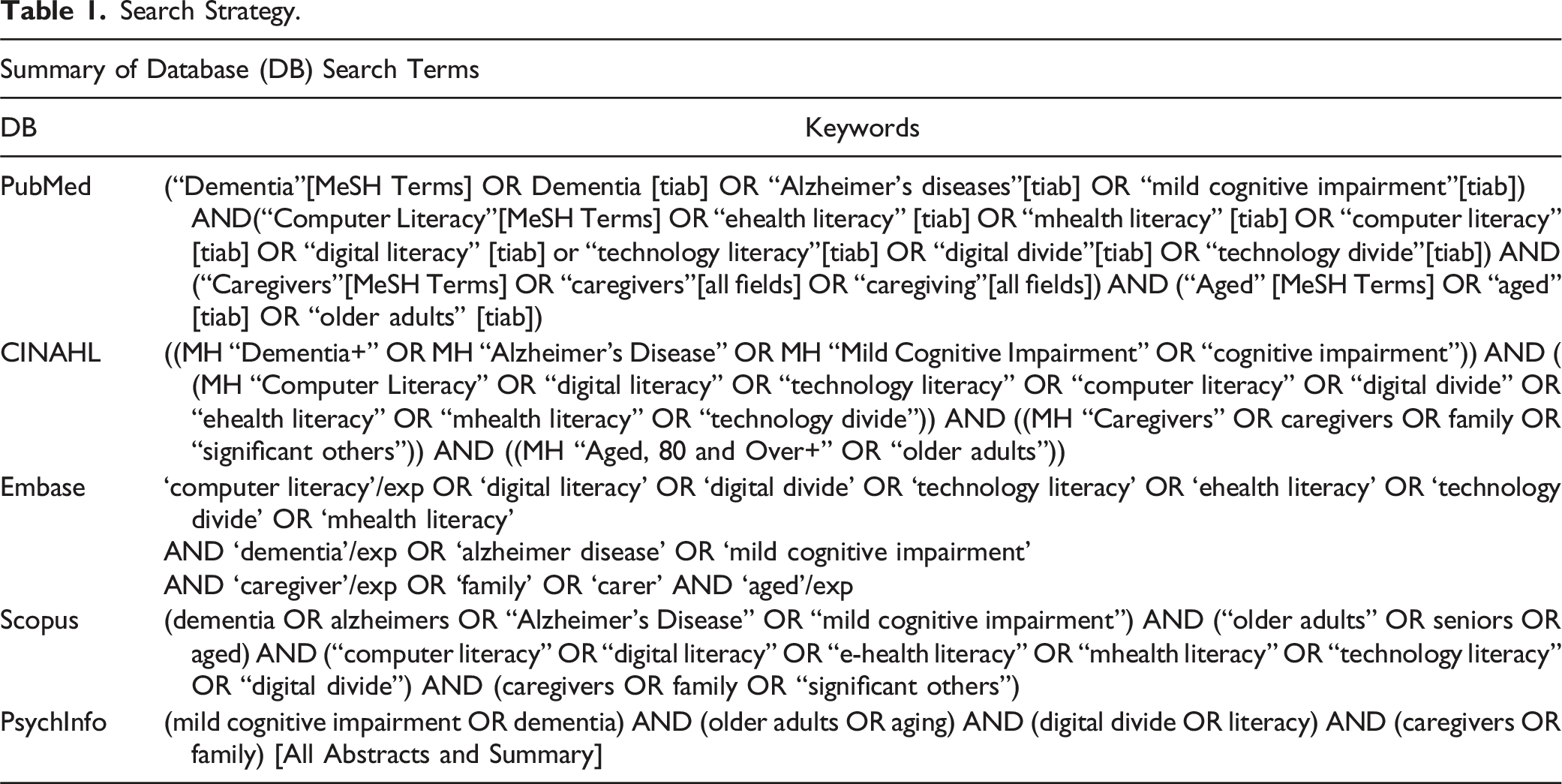
Eligibility Criteria and Search Strategy
Search Strategy.
Data Analysis
We organized selected studies using a matrix. This structured analyzing matrix was used to distinguish research fields, research objectives, research designs, inclusion of concepts, and keywords. We used the software Covidence to conduct a comprehensive review of empirical studies. To ensure reliability, all data was extracted by more than one author, with their results compared. After the individual analyses were concluded, cross-checking by two authors confirmed the inclusion of all 22 studies in the analysis. The final 22 studies were independently extracted by three authors (HC, EC, SBY) and cross-checked by at least two authors for validity. In conducting content analysis (Elo & Kyngäs, 2008), line-by-line coding was used to extract codes and group data into categories, with all data organized in an Excel file. We created the Table of Evidence by systematically extracting and organizing data from relevant studies, using columns such as Author (Publication Year), Study Designs, Setting, Participants, Objectives, Measurements, Key Findings, and Limitations to ensure comprehensive analysis and comparison of evidence, particularly in relation to digital literacy.
Study Risk of Bias Assessment
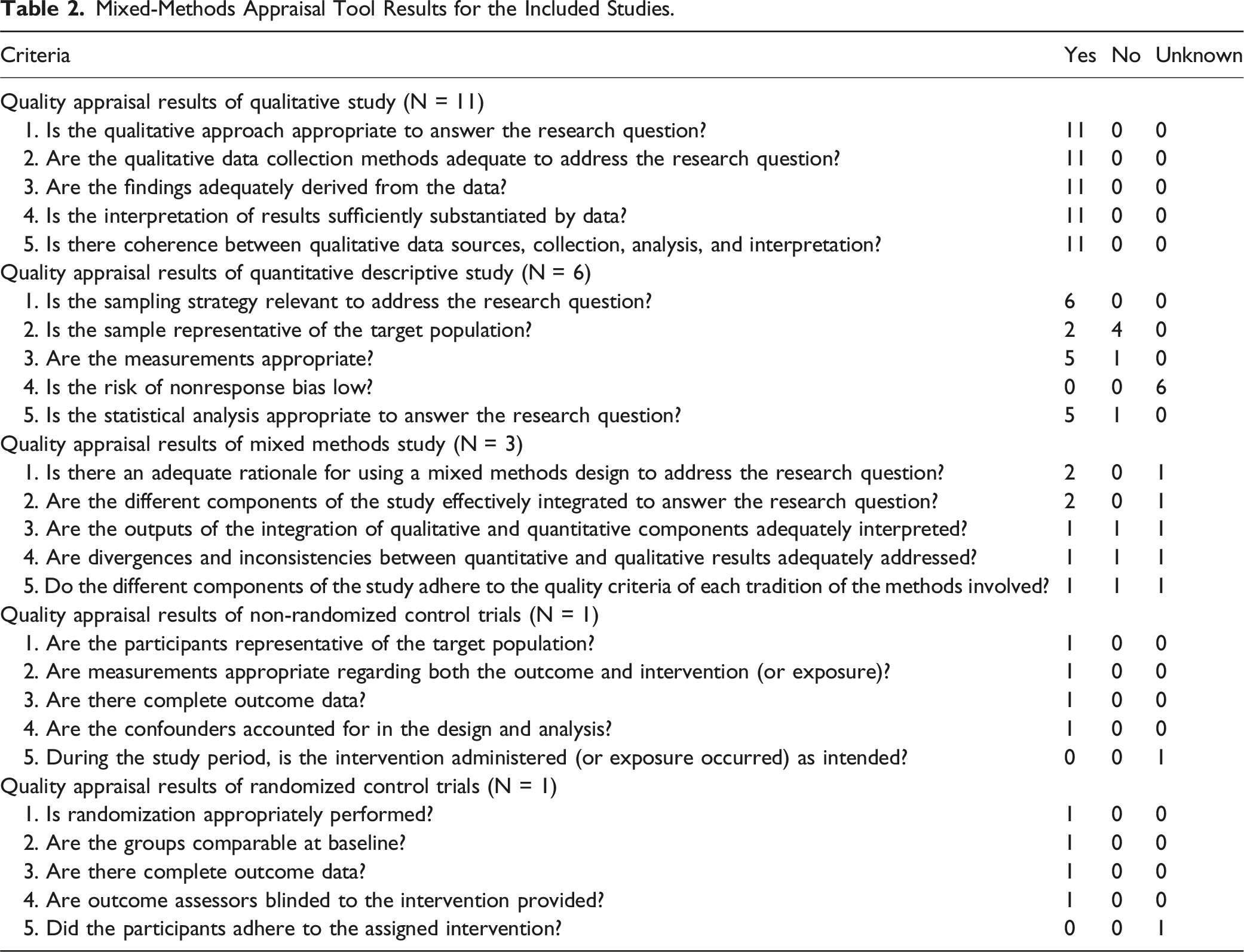
Three authors (HC, EC, SBY) independently assessed the quality of 22 articles using the Mixed Methods Appraisal Tool (Hong et al., 2018). The tool consists of a five-item checklist for each study type (qualitative study, randomized controlled trial, non-randomized trials, quantitative descriptive study, and mixed methods), with response options being “Yes,” “No,” and “Unknown.” The tool does not provide a pre-defined cut-off score to classify studies as “high” or “low” quality.
Thus, we are also reporting based on their total number of “yes” responses in the studies and interpreting what aspects were most frequently reported or not. We also decided not to exclude any studies based on the quality assessment results. The evaluation results of each author were compared and discussed within the group to reconcile the differences.
Stages of Concept Analysis
Following our scoping review, we identified a gap in understanding the concept of digital literacy and its evolution. We adopted Rogers’ evolutionary concept analysis (Rodgers & Knafl, 1993) to systematically explore digital literacy among persons living with dementia and their caregivers.
The six stages of this process include: (1) identifying the concept, (2) identifying and selecting appropriate setting and sample for data collection, (3) collecting data to identify the attributes of the concept and the contextual basis of the concept, (4) analyzing data regarding the above characteristics of the concept, (5) identifying the exemplar, and (6) identifying implications for further development of digital literacy.
Results
Study Selection
Our initial search yielded a total of 109 studies, with an additional 7 studies identified through reference list reviews, bringing the overall total to 116 studies. After removing duplicates, three authors (HC, EC, SBY) independently screened the remaining 76 studies by title and abstract using the inclusion criteria and then cross-checked each other’s screenings. Any discrepancies between the three authors were discussed until a consensus was reached. If disagreement remained, the last author (GD) served as a tiebreaker. After excluding 40 studies from the abstract reviews, the three authors reviewed full texts of the remaining studies and further excluded 51 studies that did not meet the inclusion criteria. When discrepancies among the authors occurred, authors discussed and reconciled the discrepancies. Of the 54 studies excluded, 30 studies were irrelevant populations such as pediatrics and cancer patients. Twenty-one studies were not focused on or directly related to digital literacy, and three had ineligible study design approaches such as reviews or disseminations of the study protocol. (See Figure 1). The preferred reporting items for systematic reviews and meta-analyses 2020.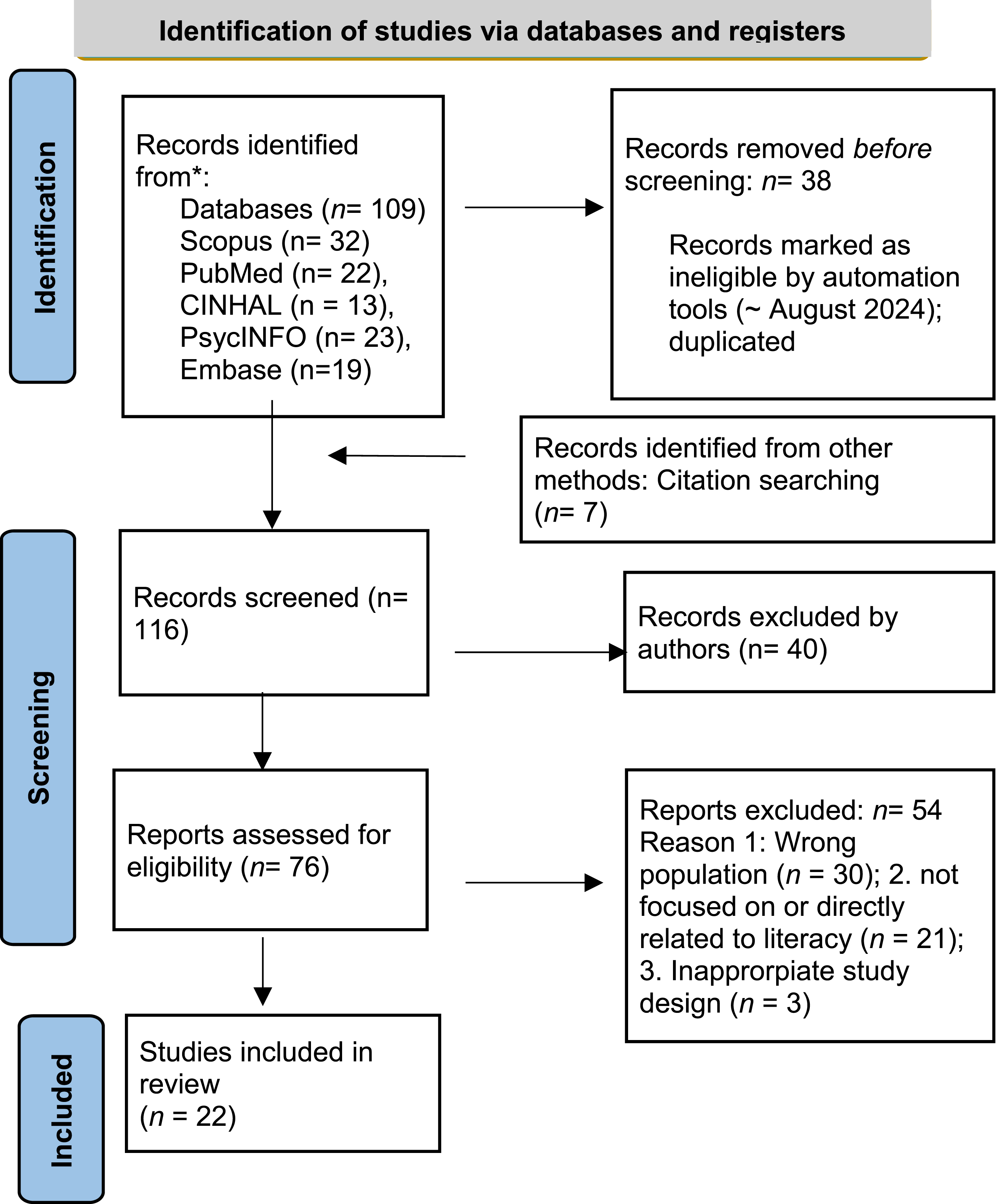
Study Characteristics
A total of 22 studies were included in this study. The publication years of the included studies ranged from 2016 to 2024. Most studies employed qualitative descriptive designs (N = 11), followed by quantitative descriptive (N = 6), mixed-methods (N = 3), one quantitative randomized controlled trial (Thompson et al., 2024), one quantitative non-randomized controlled trial (Efthymiou et al., 2022).
Sample sizes across studies varied significantly, from 7 to 304 participants. Average sample sizes ranged between 21 and 86. Participant demographics primarily included caregivers of persons with dementia (N = 14), followed by caregiver-persons with dementia dyads (N = 5), and three studies focused solely on persons with dementia.
The studies explored a variety of technologies relevant to dementia care, including eHealth modalities used (N = 5), telehealth and videoconferencing (N = 5), passive and active devices (N = 3), mobile health (N = 2), virtual cognitive stimulation therapy (N = 2), assistive devices (N = 2), patient portal websites (N = 2), and socially assistive robot (Arthanat et al., 2020).
Risk of Bias in Studies
Mixed-Methods Appraisal Tool Results for the Included Studies.
Definition of the Surrogate Terms.

Antecedents, Attributes, and Consequences With Empirical References.
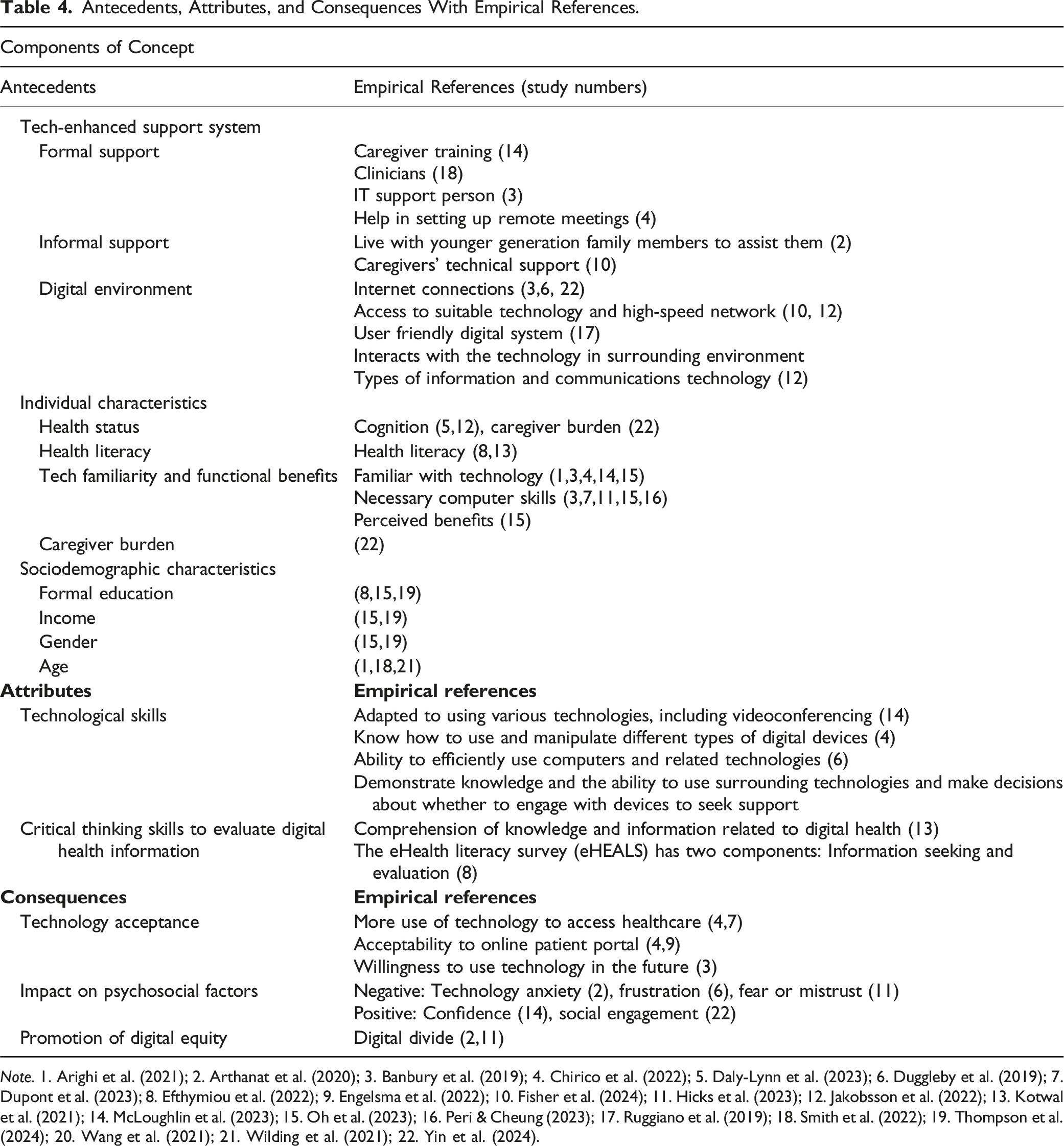
Note. 1. Arighi et al. (2021); 2. Arthanat et al. (2020); 3. Banbury et al. (2019); 4. Chirico et al. (2022); 5. Daly-Lynn et al. (2023); 6. Duggleby et al. (2019); 7. Dupont et al. (2023); 8. Efthymiou et al. (2022); 9. Engelsma et al. (2022); 10. Fisher et al. (2024); 11. Hicks et al. (2023); 12. Jakobsson et al. (2022); 13. Kotwal et al. (2021); 14. McLoughlin et al. (2023); 15. Oh et al. (2023); 16. Peri & Cheung (2023); 17. Ruggiano et al. (2019); 18. Smith et al. (2022); 19. Thompson et al. (2024); 20. Wang et al. (2021); 21. Wilding et al. (2021); 22. Yin et al. (2024).
Summary of Included Studies.

Note. ADRD = Alzheimer’s diseases and related diseases; CST = cognitive stimulation therapy; N/A = not applicable.
Results of Concept Analysis
Stage 1: Concept of Interest and Surrogate Terms
This study follows the steps outlined by Roger’s evolutionary concept analysis (Rodgers & Knafl, 1993), which started with identifying the concept of interest along with any related terms. The term digital literacy was rarely used specifically for the subject of interest, especially for persons with dementia. Alternate phrases used to convey the concept are referred to as surrogate terms (Rodgers & Knafl, 1993) for digital literacy, including eHealth literacy (Banbury et al., 2019; Efthymiou et al., 2022; Jakobsson et al., 2022; Ruggiano et al., 2019; Wang et al., 2021), computer literacy (Duggleby et al., 2019; Dupont et al., 2023; Engelsma et al., 2022; Thompson et al., 2024), and technology literacy (Hicks et al., 2023; Smith et al., 2022). Health literacy is the ability of individuals to find, understand, and use health information to make informed health decisions (National Institutes of Health, n.d.). It includes skills like reading comprehension, numeracy, and engaging with health resources, from medication labels to online portals (Efthymiou et al., 2022; Miller, 2016). Different from digital literacy, health literacy does not necessarily involve the ability to use any technology. Although distinct, health and digital literacy are becoming increasingly interdependent, as individuals need digital skills to access online health resources effectively, consequently affecting their health (Efthymiou et al., 2020, 2022).
All three surrogate terms, computer literacy, eHealth literacy, and technology literacy, overlap to some extent, especially as technology becomes increasingly integrated into everyday life and health management. Computer literacy is the foundational skill, providing the basic understanding of how to use computers (Duggleby et al., 2019; Dupont et al., 2023; Engelsma et al., 2022; Thompson et al., 2024). Technology literacy builds upon that by introducing a broader understanding of other technology tools, devices, and platforms (Hicks et al., 2023; Smith et al., 2022). E-health literacy, while being a more specialized domain, requires both computer and technology literacy to navigate and access digital health information (Banbury et al., 2019; Efthymiou et al., 2022; Jakobsson et al., 2022; Ruggiano et al., 2019; Wang et al., 2021). In this study, we refer to digital literacy as a comprehensive concept encompassing the other three surrogate terms (Table 3).
Stage 2: Identify the Setting and Sample for Data Collection
We examined persons with dementia and their caregivers in community settings. This setting is particularly relevant, as it allows us to examine the real-world interactions and challenges faced by this population within their daily environments rather than in acute hospital settings.
Stages 3 and 4: Identify and Analyze the Attributes, Antecedents, and Consequences of Digital Literacy
Antecedents
Antecedents are factors that precede a concept (Rodgers & Knafl, 1993). These antecedents are essential for understanding what drives or influences a specific behavior or event. In the context of digital literacy, antecedents could include factors that can influence how effectively a person will engage with or use digital technologies (Table 4 and 5).
Tech-Enhanced Support System
Included studies emphasized the significant roles of tech-enhanced support systems and individual factors in understanding digital literacy in persons with dementia and their caregivers. In this study, we conceptualize the digital environment as digital infrastructure and digital devices that communicate to manage content and activities. The digital environment encompasses digital infrastructure and platforms (Banbury et al., 2019; Daly-Lynn et al., 2023; Duggleby et al., 2019; Fisher et al., 2024; Jakobsson et al., 2022; Ruggiano et al., 2019), formal support through healthcare providers, technical assistance (Banbury et al., 2019; Chirico et al., 2022; McLoughlin et al., 2023; Smith et al., 2022), and informal support from family and community members (Arthanat et al., 2020; Fisher et al., 2024). Together, these factors constitute the tech-enhanced support system.
Technology-enhanced support system includes people with technical skills, and online resources. Studies (Arthanat et al., 2020; Banbury et al., 2019; Engelsma et al., 2022) underscored the importance of support from IT support staff, healthcare providers, and tech savvy family members for persons with dementia and their caregivers (Banbury et al., 2019; Fisher et al., 2024; Hicks et al., 2023; Smith et al., 2022). For instance, clinicians and nurses offered valuable insights into how accessing advanced care planning websites aligned with their healthcare practices and patient care (Smith et al., 2022). This formal support system helped to enhance persons with dementia and their caregiver’s overall digital literacy.
Studies have shown that when older adults, including those with dementia, receive help from younger, tech-savvy family members, they are more likely to overcome their initial reluctance toward or fear of digital devices (Arthanat et al., 2020). Members of younger generations are generally more familiar with technology and can offer practical, hands-on guidance that feels less intimidating for older adults. Moreover, the familiar and trusted environment provided by family members fosters a sense of reassurance, making it easier for older adults to navigate the complexities of digital tools without feeling overwhelmed (Fisher et al., 2024).
Many authors have emphasized the importance of internet connection quality as a crucial factor for digital literacy (Banbury et al., 2019; Duggleby et al., 2019). The quality of internet access and the availability of technology are interconnected factors that influence how easily persons with dementia and their caregivers can access digital tools and acquire the skills needed to navigate them. Similarly, individuals from marginalized or underserved communities may have less access to digital technologies (Fisher et al., 2024; Jakobsson et al., 2022) or internet connections (Fisher et al., 2024; Jakobsson et al., 2022; Yin et al., 2024) that impede their digital literacy. For instance, a study on the usability of virtual cognitive stimulation therapy among dementia caregivers in India and Brazil found that caregivers struggled with the intervention because of limited access to appropriate technology and computer literacy, further exacerbated by cognitive impairment (Fisher et al., 2024).
Individual Factors
Individual factors, defined as unique traits that describe individuals such as their physical traits, personality, and social circumstances, include technology familiarity and functional benefits (Arighi et al., 2021; Banbury et al., 2019; Chirico et al., 2022; McLoughlin et al., 2023; Oh et al., 2023), necessary computer skills (Banbury et al., 2019; Dupont et al., 2023; Hicks et al., 2023; Oh et al., 2023; Peri & Cheung, 2023), and perceived benefits (Oh et al., 2023).
In the context of health, especially that of persons with dementia, the authors emphasized the critical role of cognitive function as a precursor to digital literacy. Two studies discussed how cognitive abilities significantly impact an individual’s ability to use digital technologies, highlighting the need for customized approaches to improve digital literacy among persons with dementia. Daly-Lynn et al. (2023) noted that cognitive impairment can hinder individuals’ ability to remember how seek support when they need it. Another study (Jakobsson et al., 2022) emphasized that cognitive impairment can directly impact a person’s capacity to learn, remember, and apply new skills, including technology-related skills.
Additionally, familiarity with technology is crucial for persons with dementia and their caregivers (Arighi et al., 2021; Banbury et al., 2019; Chirico et al., 2022; McLoughlin et al., 2023; Oh et al., 2023), as it creates an environment conducive to developing digital literacy skills. When they are comfortable using technology, their ability to access information, communicate effectively, and manage health-related tasks while using digital health is enhanced.
Similarly, several studies have suggested that possessing essential computer skills—such as utilizing basic functions and performing simple tasks—is necessary for effective engagement with digital technologies (Banbury et al., 2019; Dupont et al., 2023; Hicks et al., 2023; Oh et al., 2023; Peri & Cheung, 2023). These skills facilitate the ability to navigate and access online platforms and empower individuals, particularly caregivers and persons with dementia. For example, one study used digital resources to establish a peer support group via telehealth for caregivers (Banbury et al., 2019). Such initiatives have the potential to create self-sustaining peer networks for isolated caregivers of persons with dementia. By utilizing technology, this method not only enables communication among caregivers but also promotes a sense of community and shared experience, ultimately improving their emotional well-being and support systems (Banbury et al., 2019). Health literacy is a key factor, as individuals with lower health literacy may have difficulty understanding the importance of using digital tools for health outcomes (Efthymiou et al., 2022; Kotwal et al., 2021). This lack of understanding can hinder their ability to access health information, use telehealth services, and engage with digital health applications effectively. There is also health literacy (Efthymiou et al., 2022; Kotwal et al., 2021), health status (Daly-Lynn et al., 2023; Jakobsson et al., 2022), and caregiver burden (Yin et al., 2024). Interestingly, caregiver burden, characterized by physical, emotional, and psychological strain, can limit caregivers’ ability to develop or utilize digital literacy skills (Yin et al., 2024). The demands of caregiving often leave little time or energy for seeking out digital resources, hindering their access to tools that could support their caregiving responsibilities.
Sociodemographic Characteristics
Sociodemographic characteristics include education (Efthymiou et al., 2022; Thompson et al., 2024), age (Arighi et al., 2021; Ruggiano et al., 2019; Wilding et al., 2021), gender (Oh et al., 2023; Thompson et al., 2024), income (Oh et al., 2023; Thompson et al., 2024), and education (Efthymiou et al., 2022; Oh et al., 2023; Thompson et al., 2024). For instance, one study highlighted the impact of education on digital literacy, particularly among caregivers of persons with dementia (Oh et al., 2023). Caregivers with lower educational levels demonstrated limited use of online patient portals, with 46.6% never accessing them. This suggests that education plays a critical role in shaping the digital literacy necessary to utilize online health resources effectively (Oh et al., 2023). Gender (Oh et al., 2023; Thompson et al., 2024) and age (Arighi et al., 2021; Ruggiano et al., 2019; Wilding et al., 2021) were also key individual factors for persons with dementia and their caregivers. Older adults often face greater challenges in adapting to new technologies. This is due to generational differences in exposure to and experience with them (Arighi et al., 2021; Ruggiano et al., 2019; Wilding et al., 2021).
Attributes
Attributes are the characteristics or qualities that describe an object, individual, or phenomenon. Attributes provide a deeper understanding of the components of digital literacy. These attributes can describe the skills and characteristics associated with a person with adequate digital literacy. Six studies identify key characteristics of digital literacy in the context of persons with dementia or their caregivers. These include Technological skills and critical thinking skills to evaluate digital health information, which are essential for managing the complexities of caregiving and health-related challenges (Chirico et al., 2022; Daly-Lynn et al., 2023; Duggleby et al., 2019; Efthymiou et al., 2022; Kotwal et al., 2021; McLoughlin et al., 2023).
Technological Skills
Some authors highlighted digital literacy as technological skills because these are the skills that individuals can use to effectively utilize available technologies and make informed decisions about when and how to engage with technologies. This includes operating various digital platforms, adapting to new technologies and navigating websites efficiently. Several authors alluded to the ability to use various technology and mobile applications and navigate websites (Chirico et al., 2022; Daly-Lynn et al., 2023; Duggleby et al., 2019; Kotwal et al., 2021). Technological skills empowered persons with dementia and their caregivers to access health-related information and operate various types of digital devices (Chirico et al., 2022). In healthcare, technology-mediated interventions, such as telehealth and online patient portals, allow individuals to access services remotely, improving their ability to manage their health information and communicate with providers (Chirico et al., 2022). Web-based interventions, such as My Tools 4 Care (MT4C) demonstrate a positive relationship between self-efficacy and the quality of life for family caregivers of persons with dementia and multiple chronic conditions (Duggleby et al., 2019). The authors emphasized the need for educational programs to enhance digital literacy and offering alternative methods for accessing MT4C beyond web-based platforms.
Critical Thinking Skills to Evaluate Digital Health Information
Digital literacy involves critical thinking and problem-solving skills. It requires persons with dementia and their caregivers to assess the reliability of online information, identify biases, and make informed decisions on the basis of digital health information (Efthymiou et al., 2022; Kotwal et al., 2021). This attribute fosters analytical skills that allow users to critically navigate the vast amounts of information available online. For example, Efthymiou et al. (2022) utilized the eHealth Literacy Survey (eHEALS) to assess the eHealth literacy levels for caregivers of persons with dementia. They found that caregivers with higher eHEALS scores, greater caregiving self-efficacy, and lower levels of problematic coping had better outcomes. The authors emphasized this attribute could enhance caregivers’ ability to navigate the overwhelming amounts of digital health information, facilitating informed decision-making based on credible and relevant data (Efthymiou et al., 2022).
Consequences
Consequences are the results, outcomes, or effects that follow from an action or behavior. They reflect the impact or implications of the behavior or phenomenon being studied. These can be the positive or negative effects resulting from an individual’s level of digital literacy. Understanding these components helps create a more comprehensive framework for explaining digital literacy within a specific context.
We analyzed three consequences of digital literacy as it is currently understood. First, technology acceptance involves more use of technology to access healthcare (Chirico et al., 2022; Dupont et al., 2023), acceptability to online patient portal (Chirico et al., 2022; Engelsma et al., 2022), and willingness to use technology in the future (Banbury et al., 2019). Second, impact on psychological factors is categorized into negative and positive feelings: negative feelings include technology anxiety (Arthanat et al., 2020), frustration (Duggleby et al., 2019), and fear or mistrust (Hicks et al., 2023); positive feelings include confidence (McLoughlin et al., 2023) and social engagement (Yin et al., 2024). Lastly, the promotion of digital equity is illustrated through studies highlighted the digital divide (Arthanat et al., 2020; Hicks et al., 2023).
Technology Acceptance
The willingness to adopt and integrate technology into daily routines is often influenced by an individual’s level of digital literacy. Several authors have emphasized the role of adequate digital literacy in increasing technology acceptance among caregivers (Banbury et al., 2019; Chirico et al., 2022; Dupont et al., 2023; Engelsma et al., 2022). Technology acceptance and digital literacy are related yet distinct concepts. While digital literacy can significantly influence technology acceptance, acceptance also depends on a person’s attitudes, perceptions, and willingness to adopt new technologies (Desmaryani et al., 2024). Technology acceptance models specifically address the psychological factors that affect adoption decisions, with technology acceptance frequently being linked to an individual’s level digital literacy (Granić & Marangunić, 2019; Nadal et al., 2020).
Most studies did not explicitly measure individuals’ digital literacy. Instead, they primarily focused on evaluating technology usability, such as web-based interventions (Dupont et al., 2023). Users such as family caregivers for persons with dementia often perceive digital tools as beneficial and are more comfortable navigating various digital technologies and online platforms. This comfort leads to increased use of advance care planning websites (Dupont et al., 2023). A single-group, multisite mixed methods study (Engelsma et al., 2022) involving 59 stakeholders found that caregivers with sufficient digital literacy were more likely to engage with online cognitive stimulation therapy. Conversely, those caregivers with inadequate digital literacy were hesitant to adopt new technology such as videoconferencing, because of a lack of comfort or technical support, resulting in missed opportunities to join the online peer support program throughout the dementia trajectory (Banbury et al., 2019).
Impacting Psychosocial Factors
Digital literacy also has implications for impacting psychosocial factors. Persons with dementia and caregivers who struggle with technology may experience feelings of frustration, fear, or even anxiety about technology (Arthanat et al., 2020; Duggleby et al., 2019; Hicks et al., 2023). The pressure to keep up with rapidly advancing technologies can cause psychological stress, particularly among older adults and their caregivers with limited social engagement. By contrast, improved digital literacy can foster a sense of empowerment, allowing individuals to engage more fully with digital resources and social networks (McLoughlin et al., 2023; Yin et al., 2024). For instance, Yin et al. (2024) found that among 172 dementia caregivers, those with higher digital literacy, as measured by the eHEALS scale, were more likely to access online communities. Their study revealed a significant relationship between caregivers’ belief in the value of online peer support and their participation in digital spaces (p = .006). On the other hand, a limited understanding of technologies can foster fear or mistrust toward technology, limiting its use. Hicks et al. (2023) found that caregivers of persons with dementia received phishing emails, which made them wary of online services, however, some overcame their fear and mastered the necessary digital skills, which gave them a sense of achievement but also enhanced social inclusion during the pandemic. These findings highlight how digital literacy enhances caregivers’ social engagement and their psychosocial factors.
Promotion of Digital Equity
A key consequence of promoting adequate digital literacy for all is the narrowing gap between individuals who have access to digital resources and those who do not. The promotion of digital equity is essential in addressing the digital disparities created by sociodemographic factors, such as income and age, which can significantly limit access to technology and opportunities for fostering digital literacy (Arthanat et al., 2020; Hicks et al., 2023).
Another study on Socially Assistive Robots found that caregivers recognized their potential to ease caregiving tasks. However, challenges like technological complexity and system failures, especially for those already facing digital inequalities, made it difficult for many to adopt the technology widely (Arthanat et al., 2020). The authors emphasized the importance of addressing the digital divide, especially for persons with dementia and their caregivers. Hicks et al. (2023) stressed the necessity of tailored services and interventions that can accommodate the preferences, needs, and technological skills of persons with dementia and their caregivers. These studies demonstrated that, regardless of their socio-demographic characteristics and cognitive impairments, persons with dementia and their caregivers should have the opportunity to thrive in a digital society.
Stage 5: Identifying an Exemplar of the Concept
Mary, a retired nurse caring for her husband with dementia, has varying attitudes toward technology. She is comfortable using her iPhone for basic tasks such as group chats and setting medication reminders (attributes), but she struggles with software updates and new features. Her tech-savvy son frequently assists her with these challenges (antecedents). However, she feels anxious about navigating online patient portals like MyChart, particularly when instructional videos are unavailable. She also feels uncertain about AI-based decision-support tools during clinical visits. Given that her husband is under hospice care, Mary lacks time to learn new digital tools, which complicates their integration into her daily routine. Feeling overwhelmed, she ultimately decides against using MyChart for doctor communication, despite recognizing its potential benefits (consequences). This example illustrates how an individual’s level of digital literacy directly impacts technology acceptance and usage in complex caregiving situations. See Figure 2 for the proposed conceptual framework of digital literacy in the context of persons with dementia and caregivers. Proposed conceptual framework of digital literacy in the context of persons with dementia and caregivers.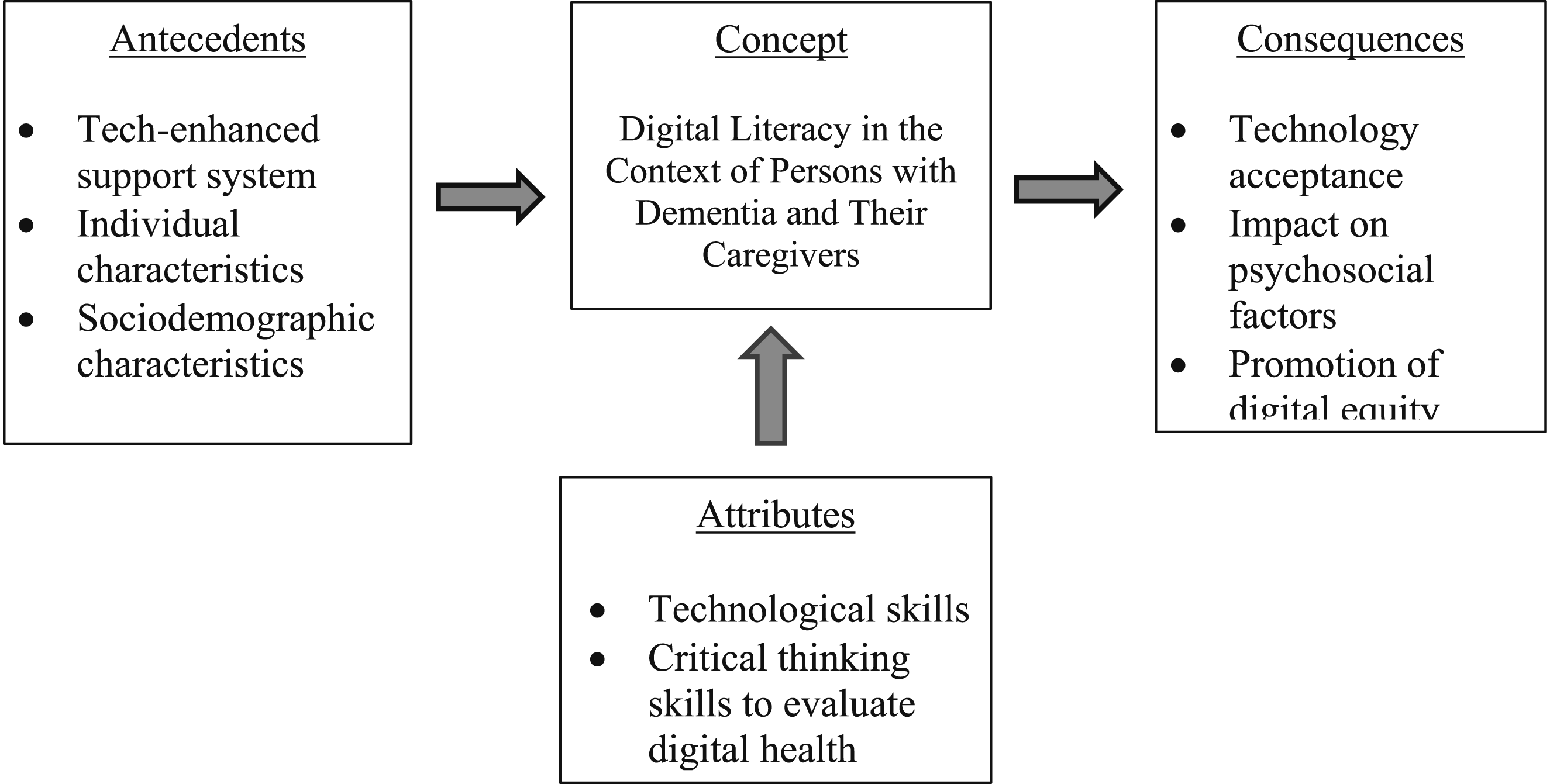
Stage 6: Identify Implications and Ideas for Further Development of Digital Literacy
Based on our findings on antecedents, attributes, and consequences, we also identified implications, hypotheses, and ideas for further development of digital literacy. We identified implications for various stakeholders, including clinicians, researchers, and policymakers. For clinicians, simplifying technology concepts and offering hands-on practice can enhance caregivers’ understanding and effective use of digital health resources. Breaking down complex digital concepts into manageable steps fosters a supportive environment for persons with dementia and their caregivers. Implications for researchers include designing and evaluating targeted digital literacy interventions that address the specific needs of dementia patients and caregivers and creating a foundation for practical, evidence-based programs that can be implemented in various settings. Researchers could also study the long-term effects of digital literacy on caregiver and patient well-being, examining how improved digital skills impact health outcomes, healthcare access, and caregiver-patient relationships. This finding could guide future interventions and policies. For policymakers, prioritizing digital literacy can significantly improve healthcare access for persons with dementia and their caregivers. Supporting digital navigator initiatives in resource-limited communities and incentivizing healthcare systems or community centers to provide digital literacy training—especially for using patient portals and online support networks—could significantly enhance the quality of care and support.
For further development, research should also explore ways to improve digital literacy in culturally diverse groups by offering materials in multiple languages and ensuring that the content is sensitive to cultural differences in caregiving practices. Finally, partnerships with healthcare providers to include digital literacy training in routine care settings could ensure that caregivers and persons with dementia are consistently supported in their digital engagement, allowing for more effective care management.
Discussion
To our knowledge, our scoping review and concept analysis represents the first comprehensive effort to conceptualize “digital literacy” for persons with dementia and their caregivers through a rigorous scoping review and concept analysis. This definition—the ability to effectively use technology tools and critically evaluate digital health information—fills a critical gap in understanding how this vulnerable population navigates digital health environments.
We identified several antecedents (factors necessary for digital literacy development), including technology access, education, and previous experiences with technology. The consequences of digital literacy include improved access to information and enhanced ability to navigate digital environments effectively. These findings highlight the importance of digital literacy for persons with dementia and their caregivers in effectively accessing and utilizing digital health resources.
Our analysis identified only three studies focused solely on persons with dementia, while 14 studies examined digital literacy in caregivers of persons with dementia. The key challenges in addressing digital literacy for each group, as discussed earlier in this paper, are notably different. Despite inherent differences in cognitive function and needs, prior experiences and existing skills with technology may enable some persons with dementia to retain digital device uses, even as their cognitive functions decline with disease progression (Wu et al., 2019). These findings highlight that cognitive impairment alone should not lead to the marginalization of persons with dementia in future research or technology development. Excluding persons with dementia based solely on cognitive status could limit valuable insights into how persons with dementia interact with technology over time. Therefore, future studies and technological advancements should consider the existing capabilities and experiences of persons with dementia, ensuring they are included and represented in the design of inclusive, accessible digital health tools.
Additionally, the promotion of digital equity was identified as a significant outcome of digital literacy. By enhancing individuals’ digital skills and competencies, we can help bridge the existing digital divide, ensuring that everyone, regardless of their socioeconomic background, has equal access to technological resources and opportunities. This equity not only empowers individuals to engage fully in the digital world but also fosters greater inclusivity within communities (Yin et al., 2024). Increasing digital literacy enhances opportunities for collective social engagement and collaboration, fostering a more equitable society that leverages technology for the benefit of all.
Based on our findings, we recommend following several key factors to promote the successful adoption of digital health tools for persons with dementia and their caregivers. We grouped them into acceptability, usability, and adaptability. Acceptability can be fostered through engaging multiple stakeholders, offering tailored educational sessions, and providing accessible support personnel, such as IT staff or clinicians, to address specific needs. Usability is enhanced by designing user-friendly interfaces, utilizing multimodal content presentation and delivery adjustments, and minimizing screen time during training to reduce cognitive load. Finally, adaptability requires that training initiatives are community-based and incorporate hybrid formats. Customized courses for caregivers with low digital literacy, along with advanced staff training on device and data management, are also essential to ensure effective and sustainable integration of these digital tools.
Strengths and Limitations
These findings not only contribute to the existing body of knowledge but also present a conceptual model of digital literacy specifically tailored to the context of persons with dementia and their caregivers. The model identifies key antecedents, attributes, and consequences of digital literacy, providing a more comprehensive understanding of how technology can be integrated into care for this population. An awareness of these elements is crucial for promoting the importance and practical application of digital literacy in care planning. Specifically, understanding the antecedents, attributes, and consequences of digital literacy enables healthcare providers and other stakeholders, such as researchers, to design more effective, accessible, and personalized interventions. This can enhance the quality of care by ensuring that both persons with dementia and their caregivers can effectively engage with digital tools, ultimately improving their access to healthcare resources and support systems.
This study has a few limitations. First, only studies published in English were included, potentially excluding valuable research published in other languages. These limitations may affect the comprehensiveness of our findings and suggest the need for further research that includes a broader range of studies and languages. Another limitation of this study is the potential for publication bias, as only peer-reviewed articles were included, which may overlook relevant gray literature, such as reports, theses, or non-peer-reviewed studies. This could limit the breadth of evidence considered in our analysis.
Future research should go beyond the current focus on the feasibility and effectiveness of digital technology interventions for persons with dementia and their caregivers. As dementia progresses, persons with dementia experience increasing vulnerability and more complex needs, making technology use challenging. Persons with dementia and their caregivers often lack the digital literacy and support needed to fully utilize these tools. Thus, future studies should also prioritize strategies to enhance digital literacy while continuing to evaluate telehealth usability and effectiveness. Researchers must also consider the broader social and psychological barriers faced by this population, incorporating these insights into interventions designed to enhance engagement and reduce disparities in digital health access. Thus, interventions aimed at improving digital literacy must address the complexity and interconnectedness of the attributes identified in this study.
Conclusion
Based on our findings from this scoping review and concept analysis, we developed an operationalized definition of digital literacy and proposed a conceptual framework. Digital literacy refers to the technological skills needed to use digital technologies effectively and critical thinking skills to evaluate digital health information. Our proposed conceptual framework aims to guide future research and interventions focused on enhancing digital literacy among persons with dementia and their caregivers. By addressing the unique challenges, they face in managing health information and utilizing digital tools effectively, this concept of digital literacy and conceptual framework can inform health policy and clinical practice, ultimately improving support for this vulnerable population. These efforts are anticipated to facilitate increased technology acceptance and contribute to advancing digital health equity within this population.
Supplemental Material
Supplemental Material - Understanding Digital Literacy of Persons With Dementia and Their Caregivers: A Scoping Review and an Evolutionary Concept Analysis of Empirical Studies
Supplemental Material for Understanding Digital Literacy of Persons With Dementia and Their Caregivers: A Scoping Review and an Evolutionary Concept Analysis of Empirical Studies by Hannah Cho, Emma Cho, Sang Bin You, Justine S. Sefcik, Nancy A. Hodgson, and George Demiris in Journal of Applied Gerontology
Footnotes
Acknowledgments
Acknowledged the Carol Ware family’s support in improving dementia care and caregiving.
Declaration of Conflicting Interests
The author(s) declared no potential conflicts of interest with respect to the research, authorship, and/or publication of this article.
Funding
The author(s) disclosed receipt of the following financial support for the research, authorship, and/or publication of this article: The first author is the recipient of the Carol Ware Scholarship.

Supplemental Material
Supplemental material for this article is available online.
References
Supplementary Material
Please find the following supplemental material available below.
For Open Access articles published under a Creative Commons License, all supplemental material carries the same license as the article it is associated with.
For non-Open Access articles published, all supplemental material carries a non-exclusive license, and permission requests for re-use of supplemental material or any part of supplemental material shall be sent directly to the copyright owner as specified in the copyright notice associated with the article.
