



Abstract
This article presents the evolution of the biofortification program in Nigeria over the last decade and the role of interdisciplinary research in informing cost-effective, efficient, and inclusive development; implementation; and scaling of this program. Launched in 2011 to improve Nigeria’s food systems to deliver accessible and affordable nutrients through commonly consumed staples, the Nigeria biofortification program was implemented through an effective partnership between the CGIAR and public, private, and civil society sectors at federal, state, and local levels. By the end of 2021, several biofortified varieties of Nigeria’s 2 main staples, namely cassava and maize, were officially released for production by smallholders, with several biofortified varieties of other key staples (including pearl millet, rice, and sorghum) either under testing or in the release pipeline. In 2021, the program was estimated to benefit 13 million Nigerians consuming biofortified cassava and maize varieties. The evidence on the nutritional impact, consumer and farmer acceptance, and cost-effective scalability of biofortified crops documented by the program resulted in the integration of biofortified crops in several key national public policies and social protection programs; private seed and food company products/investments, as well as in humanitarian aid.
Introduction
Staple food crops, such as wheat, rice, and maize, are the backbones of any food system worldwide. Shocks to the food systems reduce the affordability and accessibility of all food. In response, households (especially those who are more vulnerable and in rural areas) often reduce their consumption of nutrient-dense foods (fresh fruits and vegetables and animal source food) to be able to afford calorie-dense staple foods. 1 Even before the shocks of the COVID-19 pandemic and Russia’s invasion of Ukraine, healthy diets were unaffordable to 3 billion people 2 globally, with unhealthy diets contributing to 6 out of 10 health risks. 3 These figures are expected to be significantly higher due to these shocks and the stresses from the ever-increasing impact of climate change on food systems, especially in the global south. 4,5 One proven to be efficacious and cost-effective solution for increasing the availability of nutrients in food systems is biofortification—using agronomic or breeding techniques to enrich staples with critical nutrients during the production process. 6 Since staples are consumed even through shocks and stresses, their biofortification is expected to improve the resilience of food systems to deliver nutrients. 7
In Nigeria, healthy diets were estimated to be unaffordable for 9 in 10 people, 2 with food systems in several regions facing challenges resulting from conflict, climate change, or both. Introduction of improved varieties of the country’s key staples, namely cassava and maize, enriched with one of the key micronutrients deficient in Nigerian diets, namely vitamin A, was thought to be a potentially impactful and cost-effective solution for improving diets and associated health outcomes. 8 -10 Improved through conventional breeding methods, vitamin A biofortified varieties of cassava and maize were bred to provide at least 95% (for cassava) and over 50% (for maize) of vitamin A needs of nonpregnant, nonlactating Nigerian women of reproductive age and children aged 1 to 6 years old based on food consumption patterns of target populations and adjusted for estimated retention and bioavailability of the nutrient (the process of target setting for biofortified crops has been previously described by Bouis et al). 6 In addition to being nutritious, these varieties were also bred to be climate-resilient, high-yielding, and have all the production, processing, and consumption characteristics desired by cassava and maize value chain actors.
Nigeria’s biofortification program was launched in 2011. By 2021, a decade after its launch, the program yielded an extensive portfolio of biofortified crop varieties, reached a significant level of coverage, and facilitated inclusion of biofortified crops in national agriculture and food policies and programs and product portfolios of the private seed and food sector. As a result of an effective partnership between the National Agricultural Research and Extension Systems (NARES) and the CGIAR, 6 varieties of vitamin A cassava (VAC) and 10 varieties of vitamin A maize (VAM) were officially released for production by farmers, with micronutrient-enriched varieties of other essential staples, for example, iron pearl millet, zinc rice, and zinc sorghum, either under testing or in the release pipeline. Depending on the crop, region, and the intervention points in the seed to the food value chain, biofortified planting material and food were delivered by public, private, civil society, and humanitarian sectors at local, regional, and national levels. Nine seasons of delivery efforts for VAC and 6 seasons for VAM resulted in an estimated 1.8 million households growing VAC and 1.6 million households growing VAM in 2021, translating to an estimated 13 million people consuming these nutrient-enriched staples. However, this latter figure is likely to be a lower bound estimate as it allows for a generous 25% overlap between VAM and VAC growers and does not consider those consumers who may be purchasing biofortified grain and/or food made with biofortified ingredients.
The interdisciplinary research conducted as part of the Nigeria biofortification program enabled the development of nutrient-enriched staple crop varieties which can improve vitamin A deficiency status following traditional production, processing, and consumption practices in the country. Research was conducted to assess the impact of consumption of these varieties on improving vitamin A deficiency status and related health outcomes among populations vulnerable to vitamin A deficiency. The research was also instrumental in understanding adoption and diffusion rates among farmers and factors limiting/facilitating these, eliciting consumer perceptions, preferences, and acceptance of food made with biofortified varieties, and assessing mechanisms and tools for engendering demand. Research results enabled year-on-year improvement of both the biofortified varieties and the means through which they are delivered, yielding increasing demand/coverage and falling costs for the program. As a result of the evidence based on the effectiveness, cost-efficiency, acceptability, and nutrition impact established through the Nigeria biofortification program, biofortification is now increasingly integrated into national policies and programs and private sector investments. An exponential increase in the replacement of nonbiofortified cassava and maize with VAC and VAM is expected in the coming years as a result of the emphasis on investments in biofortification in the National Multi-Sectoral Plan of Action for Food and Nutrition (2021-2025), Medium Term National Development Plan (MTNDP; 2021-2030), and the National Agricultural Sector Food Security and Nutrition Strategy (2016-2025).
Targeting Biofortified Crops
Since the impact and cost-effectiveness of any program depend on targeting, several interdisciplinary analyses were conducted to understand which biofortified crops in which countries would have the most significant potential at the lowest cost to increase the nutrient content of diets and contribute to the transformation of food systems. Ex-ante studies modeling the potential impact of biofortification in reducing disease burden caused by micronutrient deficiency across countries, crops, and micronutrients found biofortification of cassava in Nigeria to be potentially very impactful and cost-effective. 8 The 30-year-long model estimated up to a 28% reduction in disease burden from vitamin A as a result of VAC and found the program to be highly cost-effective at as low as US$8 per life saved, as per World Bank criteria. 8
Another global analysis, namely the biofortification priority index (BPI), also pointed to the potential impact of biofortification in reducing vitamin A deficiency in Nigeria. The BPI ranks 128 countries in the global south for each biofortified crop by impact potential for biofortification. The BPI comprises 3 subindices: production and consumption of each crop and micronutrient deficiency which can be addressed by biofortification of that crop. 9,11 The crop-country-specific indices are developed using national-level data available from Food and Agriculture Organization (production and consumption of each crop) and World Health Organization (micronutrient deficiency) and by calculating a geometric mean to account for the complementary rather than substitutability of the indices for successful implementation of biofortification programs. According to the global BPI, Nigeria is a top impact investment opportunity for VAC and a high-impact investment opportunity for VAM. Given the large population of this country, a population-weighted BPI was also considered. The population-weighted BPI takes the number of women and children (i.e., populations most vulnerable to vitamin A deficiency) in Nigeria relative to the rest of the 127 countries ranked. When Nigeria’s large population is considered, VAC and VAM are both ranked as top impact potential countries, ranking #2 for VAC and #3 for VAM (see Figures 1 and 2).
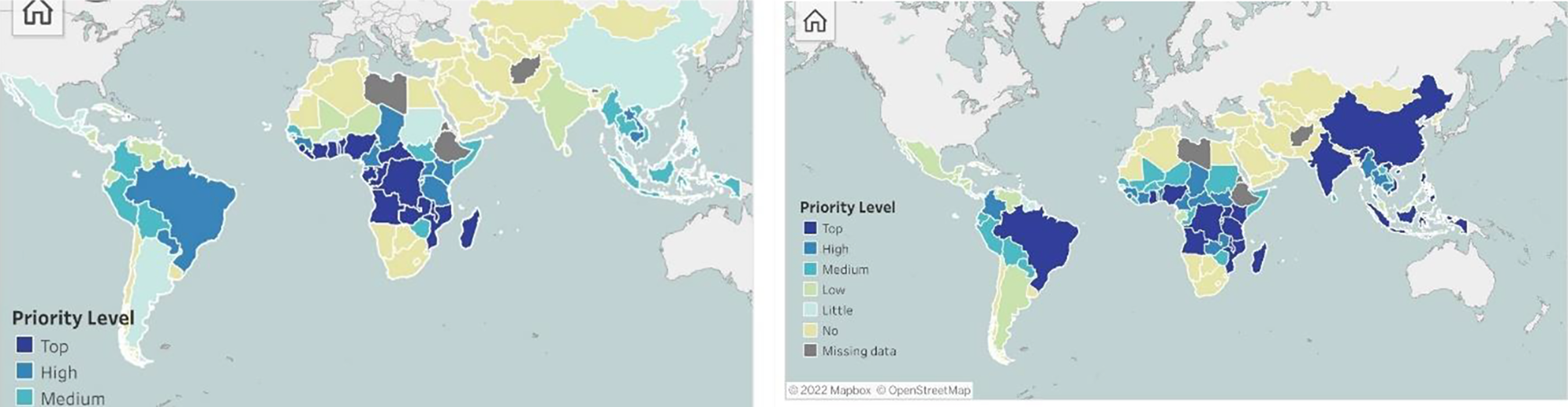
Vitamin A cassava (VAC) biofortification priority index (BPI; left) and VAC population-weighted BPI (right). Source: Herrington et al. (2019).
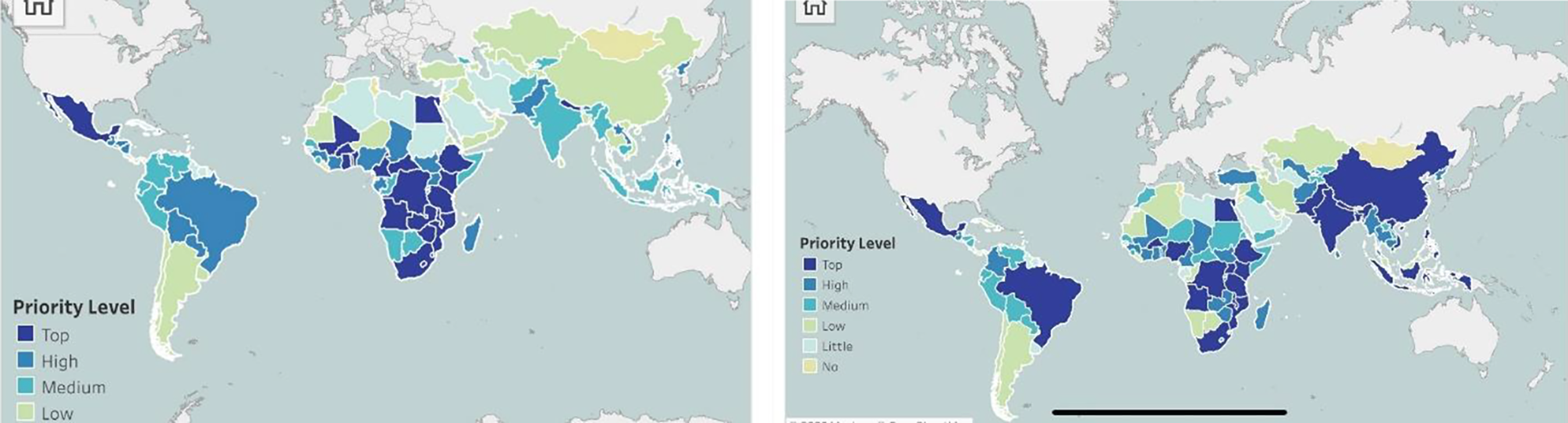
Vitamin A maize (VAM) biofortification priority index (BPI; left) and VAM population-weighted BPI (right). Source: Herrington et al. (2019).
However, Nigeria is a very large country with significant heterogeneity in production and consumption patterns and income and related diet outcomes. A subnational BPI (SBPI) for Nigeria was developed by following the same methodology as the global BPI (i.e., the geometric mean of 3 subindices: production, consumption, and micronutrient deficiency) and the rankings of the potential impact of biofortification in the country were done at the state-level (plus Federal Capital Territory). 12 Data were primarily sourced from the World Bank Living Standards Measurement Studies—General Household Surveys for Nigeria, Agricultural Performance Surveys from the Nigeria National Agricultural Extension and Research Liaison Services, the Nigeria Annual Abstract of Statistics, the Nigeria Demographic Health Survey, and the Nigerian Malaria Indicator Survey.
Results indicate that for VAM, the northeast and northwest zones offer the most suitability, while the southern zones generate the most significant impact for the introduction of VAC (Figure 3). Similar analyses were conducted for other crops (e.g., iron pearl millet), which will be introduced and scaled once the varieties are officially released.
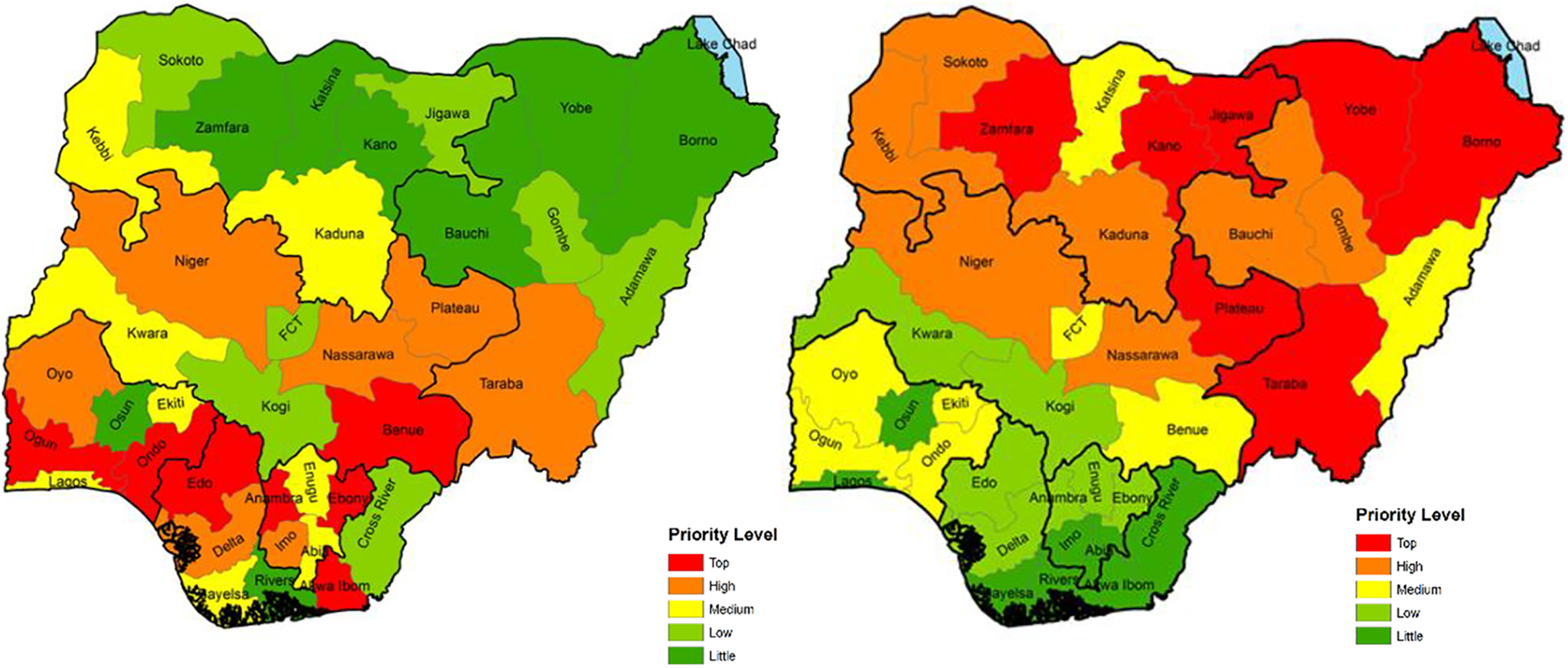
Subnational BPI for VAC (left) and VAM (right). BPI indicates biofortification priority index; VAC, Vitamin A cassava; VAM, vitamin A maize. Source: Herrington et al. (2018).
Breeding Biofortified Crops
Systematic breeding for micronutrient density (i.e., biofortification) started in 2004 with the CGIAR’s HarvestPlus program. An interdisciplinary team consisting of breeders, nutritionists, and economists used secondary data on the consumption of each staple crop in a given agroecological zone, nutrient losses during storage and processing, and nutrient bioavailability. Breeding targets for biofortified crops were set to have a measureable impact on health and meet the nutritional requirements in a population, particularly for women and children. Breeding targets were proposed for the major staples 13 ; they were revised when and as needed as more data became available and accessible on retention, bioavailability, consumption, and farmer and consumer acceptance/preference studies conducted with the earlier prototypes of the biofortified varieties. 6,14,15 After reviewing the existing evidence on the regulatory environment and acceptance of genetically engineered food crops in many countries in the global South, CGIAR’s HarvestPlus program focused on conventional breeding methods to develop biofortified crops. CGIAR and NARES’ breeding programs worked in close collaboration to assess breeding feasibility and strengthen biofortification breeding capacity to introduce and eventually mainstream biofortification breeding in international and national breeding programs. 16,17
For VAC, the target level for vitamin A was set at 15 ppm to provide up to 100% of the vitamin A requirement of women and children in Nigeria, with their traditional processing, cooking, storage, and consumption patterns. CGIAR’s International Center for Tropical Agriculture (CIAT) center, based in Colombia, generated high vitamin A progenitors using CIAT and EMBRAPA (Brazil) gene bank accessions via rapid cycling in prebreeding and provided in vitro clones and seed populations to International Institute of Tropical Agriculture (IITA) and Nigeria’s National Root Crop Research Institute to combine vitamin A with high yield, tolerance to biotic/abiotic stress, high dry matter content, processing, and marketability traits in local breeding. Breeding was favored by high (>0.6) heritability of vitamin A content, while challenges included lack of vitamin A genetic variation in adapted germplasm, the negative association between vitamin A concentration and dry root matter, and susceptibility of Latin American germplasm to virus diseases.
Wide-scale multilocation testing and combining on-station and on-farm registration trials accelerated time-to-market and resulted in the release of 3 first wave VAC with 6 to 8 ppm in 2011, 3 second wave varieties with vitamin A density up to 11 ppm in 2014, and third wave varieties with up to the 15 ppm target level are in the release pipeline. Simultaneously, based on feedback from farmers and consumers, root yield, dry matter content, and end-use/gender relevant traits such as poundability or ease of peeling were improved in the following waves.
For VAM, CGIAR’s IITA center works with Nigerian NARES on tropical lowland VAM hybrid and open-pollinated variety (OPV or synthetic) development for various Nigerian agroecologies. Lack of vitamin A in adapted varieties required prebreeding with “tropicalizing” temperate maize and other nonadapted vitamin A sources in developing competitive varieties which provide crop, end-use, and marketing options to farmers. In addition to productivity and disease/insect pest resistance, tolerance to Striga, a parasitic weed, is addressed in breeding, as well as hybrid seed producibility, an essential trait for the seed industry. Identifying and using DNA molecular markers boosted genetic gain in VAM breeding, while army worm, emerging as major constraint or threats such as lethal maize necrosis, warranted attention and pose challenges to breeding.
For VAM, the target level for vitamin A was set at 15 ppm to provide up to 50% of the vitamin A requirement of women and children in Nigeria, with their traditional processing, cooking, storage, and consumption patterns. The first wave of 2 OPVs released in 2012 contained 6 to 7 ppm vitamin A, about 50% of the 15 ppm target level, with vitamin A concentrations in 6 second wave OPVs, single-cross and 3-way hybrids of 8 to 9 ppm and two 2020 releases approaching the target. Vitamin A variation in inbred lines of 30 ppm suggests the feasibility of breeding for higher densities of vitamin A.
For both VAM and VAC, large-scale regional testing was crucial in determining the adaptive pattern, yield, and micronutrient stability in identifying climate smart candidate varieties and progenitors with high precision and shortening time-to-market by substituting temporal by spatial and farming systems variation. Information on nutrition studies (retention, bioavailability, efficacy, and organoleptic assessments of consumption characteristics), as well as socioeconomic studies on farmer and consumer acceptance, were also fed into the breeding and delivery components of the Nigeria biofortification program to ensure the biofortified varieties that farmers and consumers get are as desirable as possible.
Other biofortified crops under development include iron biofortified pearl millet, zinc biofortified sorghum, and rice. Iron pearl millet varieties developed by NARES–International Crops Research Institute for the Semi-Arid Tropics (ICRISAT) collaboration is in the release pipeline, with OPV varieties listed in the Economic Community of West African States (ECOWAS) catalogue available for production. Zinc biofortified sorghum is in the testing stage, while zinc biofortified rice varieties are introduced for testing in fast-tracking and/or as parents in crosses. Another important crop in Nigeria, yams lacked sufficient variation for the 3 micronutrients—vitamin A, iron, and zinc—targeted for biofortification and were not considered feasible for a conventional breeding investment.
Testing Biofortified Crops
Overall provitamin A carotenoids in vitamin A biofortified crops are found to be efficiently converted into the active form of the vitamin (retinol) 15 and retention; efficacy and acceptance study results presented below reveal that VAC and VAM have great potential to improve the availability and intake of vitamin A in food systems, and to deliver healthier diets.
Retention studies on VAC showed that the crop retains intermediate-to-high levels of provitamin A carotenoids when processed using traditional African recipes and cooking methods such as boiling and frying. If boiled and eaten daily as a staple, VAC can provide young children with 100% of their average daily vitamin A needs. Yet, retention is much lower when processed as fufu or chikwangue—as is common in the Democratic Republic of the Congo—demonstrating that local context and cooking practices influence the potential nutritional impact of biofortified crops. 18 Over months, stored VAC can lose most of their vitamin A content and should therefore be eaten soon after harvest. 18 -21
In terms of its impact on human health, VAC was found to contain enough vitamin A to contribute to improved nutritional status and reduce vitamin A deficiency 22,23 and efficacy studies conducted in Kenya with school-age children (5-13 years old) and in Nigeria with preschool children (3-5 years old) both showed that eating VAC increases children’s vitamin A intake and status within 18 (Kenya) weeks of regular consumption. 24 -26
Consumers’ acceptance (liking) of food made with biofortified crops is another important prerequisite for the effectiveness of biofortification programs. To assess consumer acceptance of food made with VAC, a study conducted in rural areas of Oyo and Imo states of Nigeria found that regardless of the color of the commonly consumed local gari (cassava flour), consumers liked gari made with VAC varieties albeit in varying degrees depending on the color difference between local and VAC gari. Once consumers received information about the nutritional benefits of VAC varieties, they preferred VAC gari. 27 Another consumer acceptance study conducted in Nigeria compared traditional foods prepared with VAC, fortified, or conventional foods and found that consumers preferred food made with VAC, associating the yellow color with improved eyesight and enhanced health. 28 Similar to these results, a study conducted in Kenya found that school children and their caregivers preferred VAC to local (white) varieties. 29 Even though recent studies point to Nigerian consumers’ increasing awareness of VAC, there is still work to be done, especially on communicating the nutritional value of biofortified crops to engender demand. 30
Vitamin A maize is found to improve numerous measures of good nutrition and health. Research shows that VAM holds the potential to confer protection against diet-related chronic diseases and malnutrition-induced blindness. 31,32 Studies on the retention of vitamin A during processing, cooking, and storage of VAM showed that the vitamin A in biofortified maize breaks down more during storage; however, enough vitamin A is retained in the maize to provide a significant portion of daily needs, even after 4 months of storage as mealie meal. 33,34 Vitamin A maize contained enough vitamin A to meaningfully contribute to children’s and women’s daily vitamin A needs (when eaten as a staple food). 35,36
The evidence on the efficacy of VAM in improving vitamin A deficiency and associated health outcomes is primarily from Zambia; however, these results are expected to be valid for other maize eating populations with high levels of vitamin A. In Zambia, a study among school-aged children (5-6 years old) found that replacing regular maize with VAM significantly improved the children’s vitamin A status. 37 Another study, also conducted in Zambia, this time with 4- to 8-year-old children, did not show significant improvements in serum retinol 31 ; however, among the children who were vitamin A deficient at baseline, those who ate VAM experienced significant improvements in their visual ability to see in dim (low) light conditions. 38 A study conducted with lactating mothers showed no increase in average breast milk vitamin A concentration among women who consumed VAM; however, it was a short-duration (3 weeks) study and the downward trend observed in the risk of low retinol concentration in milk warranted further investigation. 39 In a subsequent study, breastfeeding Zambian mothers who ate VAM twice a day for 3 months experienced improvements in the vitamin A content of their breast milk, and the prevalence of low vitamin A concentration in breast milk was reduced by over 50%. 40 These latter results show that VAM has the potential to benefit infants, in addition to women and children.
Consumer acceptance studies for VAM were conducted in rural areas of Ghana and Zambia. A study conducted in Ghana found that consumers valued kenkey (maize dumplings) made with VAM less than kenkey made with either white or yellow maize. Still, the provision of nutrition information reversed this preference. 41 On the other hand, the Zambia study showed that consumers valued nshima (maize porridge) made with VAM more than nshima from white and yellow maize varieties, even in the absence of nutrition information. Nutrition information increased consumer valuation of VAM. 42 These results show the importance of crop development to meet end-user (consumer) preferences and the potential impact of nutrition campaigns on increasing demand for biofortified crops.
Delivering Biofortified Crops
In 2014, Nigeria’s biofortification program started pilot delivery of VAC planting material (stems) of the first wave varieties in 4 states, and by the end of 2021 for second wave varieties with improved agronomic and processing/consumption traits and higher Vitamin A levels were being grown across 34 states of Nigeria.
Earlier research showed that the cassava seed sector was informal, with farmers receiving improved planting material from NARES, development projects or their social networks. 43 Adoption of improved cassava varieties was found to be low. 44 Given this landscape, the main aim of the Nigeria biofortification program was to develop a more formal VAC seed system by supporting varietal breeding, multiplication, and distribution of VAC stems while ensuring that the value chain actors have adequate capacity to breed, multiply, distribute, grow, aggregate and process VAC, as well as processes and capacity for quality control. The program took a calculated risk by investing in large scale stem production in anticipation of varietal releases so as to ensure a sufficient number of farmers could be reached as early as possible, namely at the varietal launches. The program also tested various innovative tools such as using new technology for fast and quality stem cutting and developing an app to connect stem suppliers with farmers and farmers with processors, to catalyze both supply and demand simultaneously. Creative and influential promotion/marketing strategies were implemented to engender awareness of and demand for VAC by farmers and consumers alike. These strategies included a Nollywood movie, a Nutritious Food Fair and competition among school children, all centering on the nutritional and other benefits of VAC and other biofortified crops and foods.
The VAC value chain is driven by a hybrid, that is, commercial and noncommercial delivery model consisting of a robust network of community-based smallholder VAC stem multipliers and large-scale commercial stem multipliers linked to a robust stem aggregation and distribution system. Vitamin A cassava stem producers sell to farmers directly or through aggregators. Public (state and local government area extension services) and nongovernmental organization (NGO) partners procure VAC stems from these aggregators and distribute them to farmers. Vitamin A cassava stem beneficiaries do not pay in monetary terms for the planting material they receive; however, they agree to participate in a “pay forward” scheme requiring beneficiaries to pass on a prescribed quantity of quality VAC stem to nonbeneficiary farmers in their networks. This “pay forward” system is closely monitored by the Nigeria biofortification program and the members of the beneficiary community.
As a result of these efforts, the VAC delivery model evolved from a predominant noncommercial (social) model in the first few pilot years to a mixed model with a significant commercial component in the last few years. This gradual shift to commercial delivery of VAC stems was catalyzed by the increasing demand for quality VAC planting material due to the creative, evidence-based, mass promotional campaigns. This demand pull for VAC planting material engendered VAC stem businesses of all sizes to thrive (in both the number of companies and the volume produced/sold by each). 45 -47 For VAC (and VAM and other biofortified crops) to eventually reach scale, there is still more work to increase consumers’ awareness regarding the nutritional value of biofortified foods. 30
Nigeria’s program implemented a rigorous Monitoring, Evaluation, and Learning System (MEL) to track implementation progress and assess the evolution of outcome level results, such as adoption and consumption. By 2018, VAC ranked the third most preferred cassava variety in Nigeria. By 2021, an estimated 29% of cassava growers were growing VAC, while the harvested VAC roots constituted an estimated 22% of the total cassava harvested in Nigeria. Also, the number of farm households growing VAC increased from just over 715 000 in 2015 to over 1.85 million in 2021 (Figure 4). Growers of cassava who planted VAC allocated 21% of their cassava area to VAC. A monitoring survey carried out in 2018 revealed that VAC growers purchased at least 8% of the planted stems from stem suppliers 48 ; while another recent study conducted a health check of the quality VAC stem value chain and found that a robust stem aggregation system comprising 90 VAC stem aggregators across Nigeria facilitated growing access to quality VAC stems by farmers; while more than 277 VAC root aggregators were trading harvested VAC roots and more than 495 small- and medium-scale processors were actively processing and marketing several gari and fufu based VAC products, thereby engendering strong demand pull for production of root and stem. 49 As a result of these supply push and demand pull efforts, the program cost per beneficiary reached fell drastically (Table 1), and the proportion of cassava (land and harvest) that is VAC have increased steadily (Table 2).
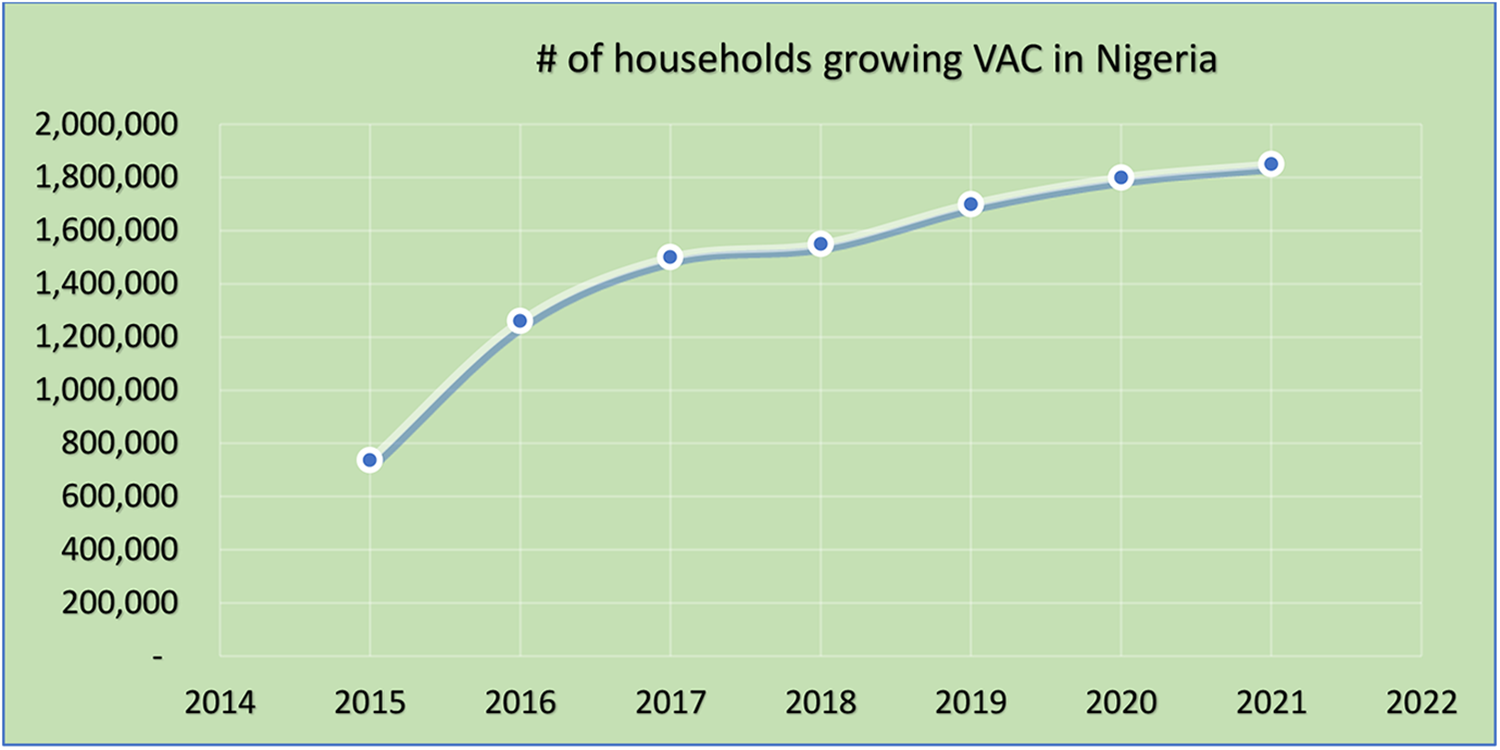
The number of households growing vitamin A cassava (VAC) in Nigeria, 2014 to 2021. Source: HarvestPlus MEL data and GHRPM (2022).
Nigeria Program Cost per Household Reached With VAC Planting Material, 2015 to 2020.a

Abbreviation: VAC, vitamin A cassava.
a Source: HarvestPlus MEL data and GHRPM, 2022.
Vitamin A Cassava Area and Quantity of Production, 2018 to 2021.a
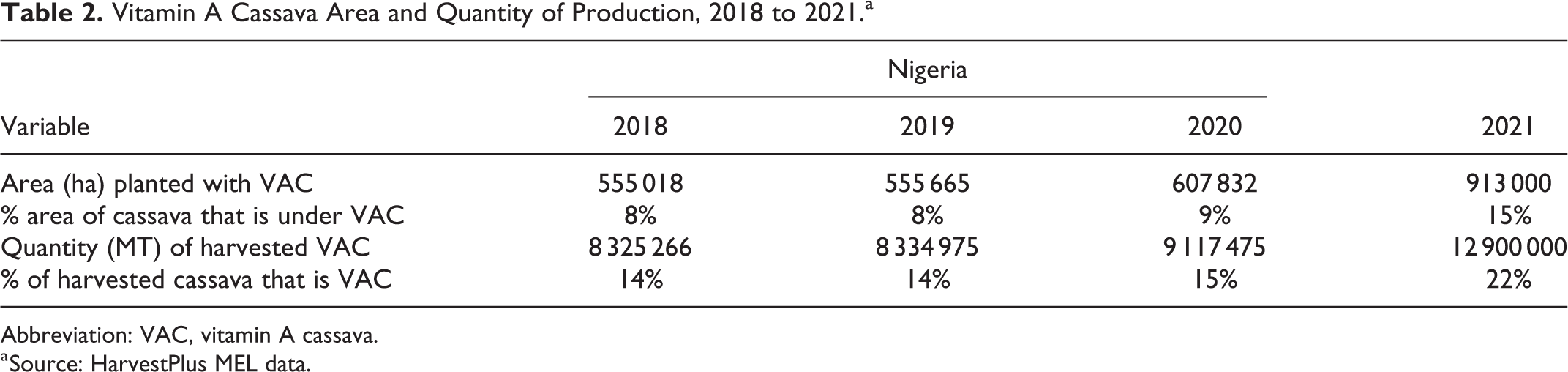
Abbreviation: VAC, vitamin A cassava.
a Source: HarvestPlus MEL data.
Nigeria’s biofortification program started the delivery of VAM seed in 2016. Since then, the number of farm households growing VAM has increased from 60 000 in the first year to nearly 1 600 000 in 2021, spread across at least 30 states (Figure 5). Seed production increased exponentially from 2500 MT in 2019 to over 9000 MT in 2021, signaling that VAM is on its way to reaching scale in the next few years. In Nigeria, the VAM value chain is driven predominantly by a commercial delivery model for which private seed companies lead seed multiplication and distribution through their robust network of agro-dealers. Nigeria’s biofortification program supports/supported these private seed companies by facilitating their access to high-quality early generation seed at no cost; by training seed companies in multiplication, packaging, and quality control of VAM seed; and by leading VAM awareness and demand creation campaigns.
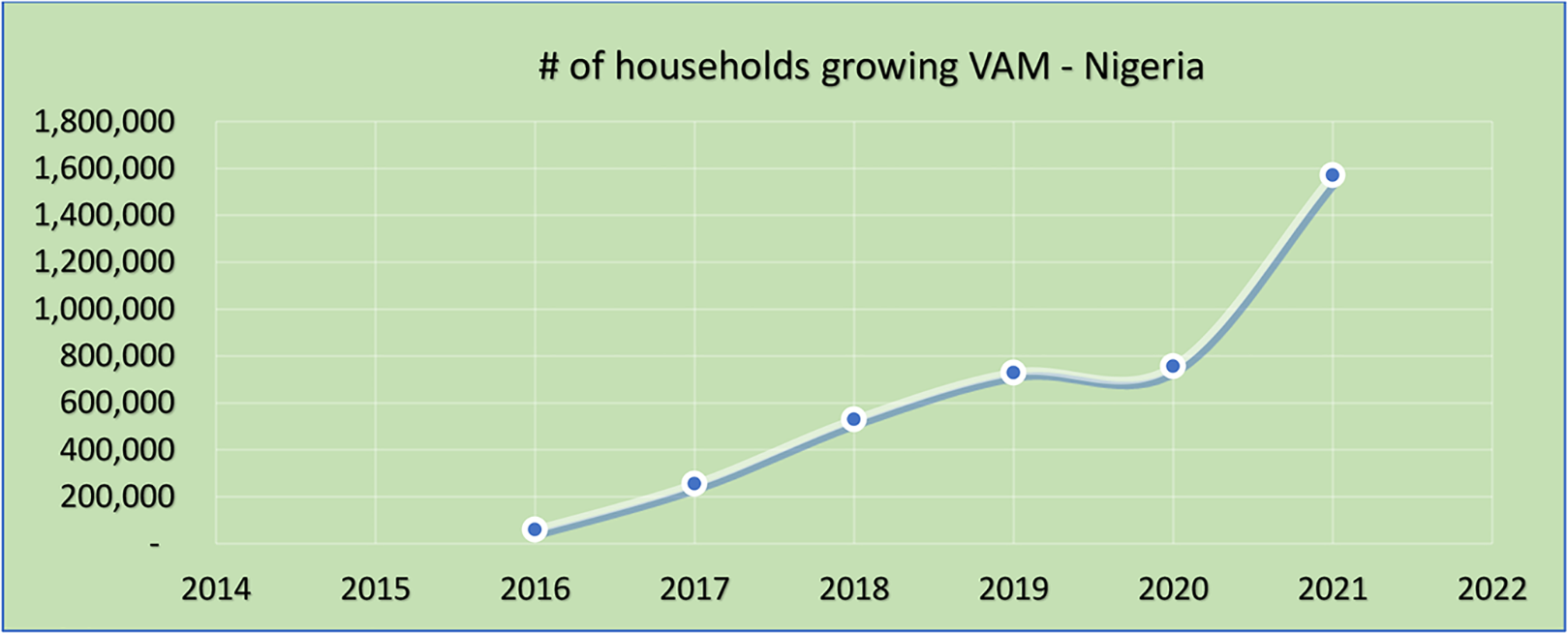
Number of households growing vitamin A maize (VAM) in Nigeria, 2016 to 2021. Source: HarvestPlus MEL data and GHRPM, 2022.
This rapid commercialization of VAM seed is a direct outcome of various intentional interventions, including the release of VAM varieties with competitive agronomic characteristics; evidence-based policy and advocacy strategy that resulted in several state governments to include VAM in relevant policies and government input distribution programs; catalysation of private seed companies (the number of which increased rapidly from 5 in 2017 to 19 in 2021). This end-to-end or seed to food delivery strategy catalyzed supply push (seed production) and demand-pull (from processors and consumers) mechanisms. Increased production is evident with the area planted with VAM and quantity of VAM harvested reaching >1 million hectares and > 700 000 MT in 2021, respectively (Table 4).
Nigeria Program Cost Per Household Reached With VAM Planting Material, 2017 to 2020.a

Abbreviation: VAC, vitamin A cassava.
a Source: HarvestPlus MEL data and GHRPM, 2022.
Two related but distinctly different indicators monitor implementation progress and outcome level results. The first indicator is the number of households reached, which tracks implementation progress and is an annual count of the number of households that acquired seed of biofortified varieties from one or more of the delivery sources (including seed companies, social seed distribution programs, and even from fellow farmers [farmer to farmer]). The method for counting depends mainly on the nature of the crop (ranging from hybrid varieties—which lose their competitiveness if seed is recycled/shared another season to vegetatively propagated crops [VPC], OPVs, and self-pollinated varieties, which are easier to recycle and share) and the seed distribution mechanism employed. In commercial delivery models, the quantity of seed distributed is usually divided by the most common seed pack size in a country, while for noncommercial delivery, lists of beneficiaries are used to establish the number of households that acquired seed in a particular year. For OPV, VPC, and self-pollinating biofortified crop varieties also included in the households reached count are farmers who acquired biofortified planting material through pay forward and farmer-to-farmer seed sharing/selling. This component is calculated using the most recent previous cohort of households reached because these are the farmers actively encouraged to share and sell their planting material to increase seed diffusion.
The second indicator is the number of households growing biofortified varieties which for any given year is a running tally of the net number of farmers who are planting a particular biofortified crop. The calculation is done using a model called the Global Households Reached Projections Model (GHRPM) 50 that takes into consideration disadoption/attrition; farmer to diffusion (sharing and selling among farmers); the nature of the crop (OPV, VPC, and self-pollinating or hybrid); and the number of households reached in that particular year. For disadoption/attrition and diffusion factors, this model uses data from outcome monitoring surveys, where available, and other behavioral statistics from secondary data and expert advice (e.g., by the national biofortification programs). GHRPM gets updated every year as data on disadoption/attrition and diffusion factors become available. Table 1 incorporates the number of households reached, the number of households growing VAC for each year of the biofortification program, and presents the cost per beneficiary household reached. Table 3 does the same for VAM. These tables show that both crops are reaching/benefiting an increasing number of farming households year on year and that the program cost per beneficiary household is falling.
Vitamin A Maize (VAM) Area and Quantity of Production, 2020 to 2021.a
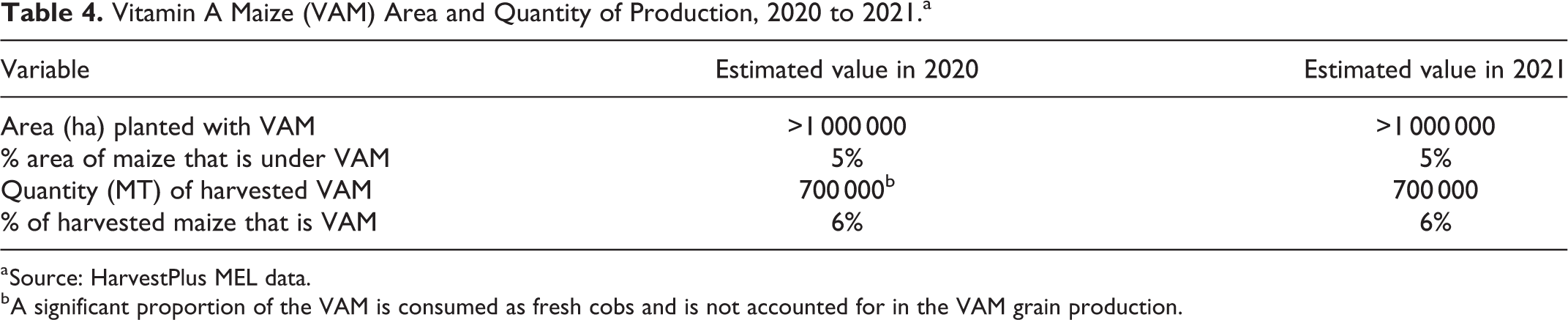
a Source: HarvestPlus MEL data.
b A significant proportion of the VAM is consumed as fresh cobs and is not accounted for in the VAM grain production.
Results of socioeconomic studies conducted to date validate and add granularity to the year-on-year increasing scale and reducing cost figures presented. A survey conducted in Akwa-Ibom, Anambra, Benue, and Ondo states of Nigeria in 2018 found that 21% of the total cassava planting area was allocated to VAC, and harvested VAC roots constituted 25% of the cassava production, suggesting a significant yield advantage for VAC. Ninety-four percent of women and 85% of young children in VAC-growing households were regularly consuming food made with this biofortified crop 48 , revealing the product was reaching intended beneficiaries within growing households. Another study on the outcomes and impact of the biofortification program in Nigeria found significant and high increases in farm yields, incomes, and total and food consumption expenditure, and as a result, increased welfare and a decline in the poverty status of smallholder farmers who have adopted VAC. 51
For VAM, a rapid survey carried out in 2021 in Nigeria showed that growers of maize who were growing VAM allocated 61% of their maize land to VAM and that 56% of the harvested VAM was allocated for home consumption. 49 Although this survey did not assess intrahousehold level allocation/utilization of VAM in Nigeria, evidence from Zambia is favorable, where nearly all farmers (97%) interviewed stated that they would grow VAM in the next season. On average, farmers planned to plant 4 times more seed than in the previous (2014-2015) season. 52 Another survey conducted in 2017, also in Zambia, found that almost all the farming households who had acquired VAM seed did plant it, and 87% of the harvest was kept for home consumption, increasing the vitamin A intake of rural households. Further, 97% of women and 96% of children in adopting households consumed this nutritious maize for 3 days in the last 7 days, revealing an increase in vitamin A intake among in the most vulnerable members of adopting households. 53 The survey also showed that almost half (44%) of the VAM growers also purchased VAM grain from the market, showing that adopting households liked the VAM grain. Since the delivery models for VAM in both countries are similar, inferences can be made. A survey conducted in 2015 confirmed a strong preference by farmers for both the production and consumption attributes of VAM varieties compared with conventional white maize varieties.
Scaling Biofortified Crops
For biofortified crops to reach scale in Nigeria and for the impact of the Nigeria biofortification program to be sustainable, breeding targets for higher micronutrient content should be mainstreamed in crop breeding programs at the international and national levels; biofortified crops/planting material and biofortified food should be included in national- and state-level policies and, more importantly, programs such as social protection and input subsidy programs, and consumers should demand them via processors/private food companies of all sizes.
For mainstreaming biofortification, in this case, vitamin A, significant progress was made in breeding new, improved varieties at the CGIAR breeding centers for both VAC and VAM, with 50% of the maize and cassava lines being biofortified. 16 Given the biofortification breeding and testing expertise, equipment and processes now present in NARES, mainstreaming of biofortification in national breeding programs is expected to be sustainable in the core capacity of NARES 17 ; however, ongoing research and development (R&D) investments will be needed for varietal maintenance, review, and ongoing development—at both national and international levels—an area where nutrition and agriculture sensitive policy and public investment can play a significant role.
For policy and program inclusion of biofortified crops in Nigeria, years of evidence-based policy and advocacy efforts led by the Nigeria biofortification program started bearing fruits in the last few years. The revised National Policy on Food and Nutrition (NPFN) released in 2016 recognized the need to promote the biofortification of staple food crops with micronutrients as a long-term means of achieving micronutrient deficiency control. This has become an effective policy tool for addressing the problem of malnutrition and food insecurity in Nigeria. It has also been recognized that reducing malnutrition can be achieved through a dynamic balance between policies, planned actions, and policy objectives.
The National Multi-Sectoral Plan of Action for Food and Nutrition (NMPFAN) 2021 to 2025 sets out specific strategies, interventions, and activities for improving the nutritional status of all Nigerians with specific emphasis on the most vulnerable groups. It particularly seeks to end years of interministerial conflicts in program execution in the country. The identified programs articulated in the NMPFAN have been aligned with the revised NPFN. Biofortification activities are explicitly embedded in Program Area 1, which is on Ensuring Food and Nutrition Security at National, Community, and Household levels. This makes it easy for the government, partners, and donors to invest in the various food and nutrition activities.
In addition to this, it is noteworthy that the MTNDP (2021-2030), currently being finalized will also pay very strong attention to nutrition issues, especially biofortification. Of particular note is the extensive consultation of all stakeholders in the preparation of this plan which has also been endorsed by the National Committee on Food and Nutrition and the coordinating Ministry. This approach is expected to make the landscape more transparent and should enable stakeholders to track the progress being made on program activities and spending and to hold institutions accountable for those activities they have committed to implementing. This new development in the policy landscape is expected to be a significant incentive to collaborating partners, especially in attracting new investments. Building stronger partnerships and collaborations are required, especially in the next phase of policy implementation efforts to realize the benefits of biofortification in Nigeria. This will require the merging of efforts of all identified stakeholders, including the Public Sector, Organized Private Sector, Civil Society, Academia, Local NGOs, International Development Partners, and Donors toward achieving the stated objectives of the biofortification program in Nigeria.
Finally, the Agricultural Sector Food Security and Nutrition Strategy (AFSNS) by the Federal Ministry of Agriculture and Rural Development (FMARD) 2016 to 2025 is the implementation strategy document for the Agricultural Sector Component of the National Policy on Food and Nutrition. It provides guidelines for the activities of the FMARD on improving nutrition. The strategy document that attempts to maximize agriculture’s potential biofortification is presented under the strategic priority area 1, focusing on increasing nationwide consumption and utilization. The strategy also sets aside explicit funding for biofortification.
Despite this progress, however, for biofortification to go to scale, more needs to be done to ensure (a) a cohesive policy framework to enable both the demand and supply side of the biofortified seed, crops, and grain, (b) a robust allocation of public funding to complement identified strategies along with adequate and well-coordinated spends, and (c) sectoral coordination across the full range of relevant stakeholders.
The National Agricultural Technology and Investment Plan (NATIP) 2021 to 2024, which is replacing the previous agriculture policy, includes only 2 biofortified crops. A significant allocation of funding for biofortification in AFSNS (2016-2025); however, data on spending were unavailable. Biofortification R&D support from the government is not budgeted within the NATIP nor does the Medium-Term Economic Agenda Plan for Agriculture of the Federal Ministry of Budget and Economic Planning 2021 to 2025 provide a framework for future funding.
Parliament has recently passed the Seed Act, and biofortification needs to be made explicit in subsequent discussions on regulation. More can be done to establish varietal release standards for micronutrient content.
To this end, Nigeria’s biofortification program has initiated a process to engage at a multisectoral level for recommended reforms. This process includes (i) establishment of a joint technical group across FMARD and Federal Ministry of Health (FMOH), with FMARD taking the lead for the development of an appropriate policy framework for biofortification; (ii) special training of crop-wise desk officers in FMARD; (iii) building more systematic budgets and spend tracking for biofortification; (iv) work with Ministry of Education to scale provincial level school feeding initiatives to the federal level; and (v) efforts to urgently incorporate biofortification in the long-range planning (Nigeria Agenda, 2050) process being currently undertaken.
In addition to including biofortification in national policies and programs and international and national breeding programs, scaling up biofortified crops and foods also requires broad market adoption of biofortified inputs and related products and processing technologies. Across low- and middle-income countries, between 70% and 90% of food is produced, processed, transported, and sold across low- and middle-income countries by small- and medium-sized enterprises (SMEs). However, access to managerial and technical skills, ease of registration, market linkages, and finance are key barriers to the growth of these enterprises.
In this context, Nigeria’s biofortification program is developing partnerships to crowd-in private sector financiers through intentional investments in suppliers and processors of biofortified crops and foods. HarvestPlus already facilitates market linkages between farmers, small-sized firms, and leading food businesses. The key retail points for such markets include urban and peri-urban supermarkets and hypermarkets, while target investees are small- and medium-scale agribusinesses. Early evidence on the profitability (measured in terms of return on investment) of SMEs that work on biofortified products has been promising. 54
To develop appropriate solutions and track the growth of business partners, Nigeria’s biofortification program undertook an SME registration survey in 2020. This survey enabled a better understanding of the enterprises’ profile (e.g., demographics of owners and size) and their access to key services. The survey revealed that 35% of biofortification SME business partners in Nigeria fall within the Central Bank of Nigeria definition of SME (11-200 employees with an asset base of Naira 5 M-500 M). However, most businesses (65%) employ more than 5 employees outside the family, which indicates a growth mindset that can significantly support the expansion of biofortification with the proper technical assistance. A significant proportion of businesses (69%) are owned by men, with 31% female-owned. Female-owned businesses are concentrated downstream at the processing and retail level. Nearly 24% of the businesses are youth-owned, while almost 60% are owned by those below 45 overall.
Not surprisingly, given these businesses’ size profile and sector, less than 8% of the total businesses have ever accessed a formal loan. These SMEs are early adopters of an innovative product, and with the proper technical and financing support—as well as increased demand from consumers as a result of increasing awareness—these businesses can potentially transition to expanding the throughput of biofortified products; pull the demand for such products from upstream firms such as farmers and seed companies, and increase the quality of food in the local and national food systems.
Lessons Learned and the Way Forward
This article presented the Nigerian biofortification program’s evolution, outputs, and outcomes. Since its launch a decade ago, the program achieved significant traction as a result of several factors, including but not limited to: Close collaboration between the CGIAR and NARES on breeding biofortified crops, working in close partnership with men and women farmers and consumers. This codevelopment model resulted in highly competitive and desirable biofortified varieties of vitamin A cassava (VAC) and vitamin A maize (VAM), which—given their agronomic superiority—would have been liked/grown by farmers even if they had not been biofortified. Significant investment in developing the evidence-base early on in the program not just for proof-of-concept but also to help improve biofortified varieties bred and delivery models implemented. The research included systematic feedback from adopting farmers and consumers to breeders and program implementors through outcome monitoring surveys and consumer acceptance studies; setting and revising breeding targets based on the outcomes of bioavailability, retention, and efficacy studies; informing breeders about where (which agroecologies) to target breeding efforts for biofortified varieties to have the most significant impact in improving diets, and guiding delivery strategies to target high impact areas/populations. Understanding the policy landscape and identification of opportunities (entry points, both current and forthcoming) to integrate biofortified crops and foods in key policies and programs pertaining to agriculture and food through evidence-based policy influence/advocacy efforts. Significant investment in supply push of biofortified planting material as early on as possible by investing in multiplication of VAC stems in anticipation of the varietal releases, while also facilitating seed producers’ involvement in biofortified products through training, transfer of quality parent seed, and support in delivery/marketing. Catalyzation of the private seed sector required donor funding at first; however, once taken up by the private seed sector, production of biofortified seed has become increasingly sustainable. Significant investment in demand-pull (biofortified grain and food) interventions include implementing a variety (in scale and content/target audience) of awareness campaigns for demand creation along the value chain. There is room for further awareness raising on the nutritional value of biofortified crops and foods, which can be done as part of the wider campaigns for improving the diet quality delivered food systems. Encouragement of the private sector to take on biofortified products in critical points along the value chain, such as biofortified seed (e.g., hybrid maize) and food made with biofortified ingredients (e.g., with SME food processors).
Nigeria’s biofortification program has made significant progress in just one decade, reaching and benefiting an estimated 13 million people with affordable, accessible, and micronutrient-dense (in this case, vitamin A-rich) foods. This reach figure, however, represents only about 6% of the country’s total population. These learnings from the Nigeria biofortification program are expected to be useful for scaling biofortification in Nigeria and for introducing and scaling any program, intervention, or technology that aims to transform food systems to deliver nutritious food for all.
Footnotes
Declaration of Conflicting Interests
The author(s) declared no potential conflicts of interest with respect to the research, authorship, and/or publication of this article.
Funding
The author(s) disclosed receipt of the following financial support for the research, authorship, and/or publication of this article: This research was funded by HarvestPlus (www.HarvestPlus.org), a global program working to develop and promote biofortified food crops that are rich in vitamins and minerals needed for good health. HarvestPlus’ principal donors are the UK government, the Bill & Melinda Gates Foundation, the US Government’s Feed the Future initiative, Global Affairs Canada, the European Commission, and donors to the CGIAR Research Program on Agriculture for Nutrition and Health (A4NH). HarvestPlus is also supported by the John D. and Catherine T. MacArthur Foundation and the Children’s Investment Fund Foundation. The views expressed do not necessarily reflect those of HarvestPlus.
