



Abstract

What follows are two reminiscences of Dr Nevin Scrimshaw. The first is from his daughter, Dr Susan Crosby Scrimshaw. It is told from a perspective first of a childhood helping her parents with nutritional surveys in Guatemala and then from a career in public health and academic administration, a career which included working with her parents on research and educational projects. The second is from the current editor of the Bulletin, Dr Noel Solomons, who was mentored by Dr Scrimshaw beginning with his undergraduate thesis at Harvard College, with cross-registration at MIT, and who was influenced by him to begin a long career working in Guatemala.
Part 1: A Daughter’s View
Dr Nevin Stewart Scrimshaw was born on January 20, 1918, just over 100 years ago. This 40th anniversary of the journal is a fitting time to recall its founder and its founding. The second section of this piece describes Nevin’s history with the Food and Nutrition Bulletin (FNB), which he began and enthusiastically supported for the rest of his life. He founded the FNB because of his strong commitment to building the careers of nutrition scientists around the world, particularly in countries—in regions like Asia, Africa, and Latin America—that, at the time, lacked nutrition science infrastructure. He believed that young scientists from regions outside of Europe and the United States needed a journal that would fairly review their work and publish it in a vehicle that had global reach. As described further on, in the early years he cajoled and pushed budding nutrition scientists to publish, often heavily editing their work in the process of teaching them how to succeed in the scientific world. As his daughter, I did not escape this treatment. During the summer after my sophomore year in college, I did field work on infant feeding practices in a remote village in Bolivia. I proudly sent my father the report of my work, only to have it returned covered in the red ink of his edits. I was crushed. But I now realize that spending time editing my paper was the highest compliment he could give.
I was 3 years old when we moved to Guatemala in 1949 at the behest of the Pan American Health Organization. Dad, only 31 years old at the time, was charged with establishing the Institute of Nutrition of Central America and Panama, or INCAP. 1 His professors said he would ruin his career by going to Central America, but his medical internship in Panama established his fascination with Latin America and with nutrition, and he discarded their advice.
One of my earliest and most influential memories of that time was accompanying my father and the INCAP team on trips to villages to conduct nutritional assessments. From age 7 on, my school vacations were spent navigating dusty roads in an INCAP jeep to villages where I would help line up children for goiter examinations and explain to them that my father would just “touch their necks” and would not hurt them. During those years, I saw the intensity and compassion Dad brought to everything he did. He agonized about the malnutrition he saw and the conditions of the villagers. He spoke with pride about the Central American scientists he was identifying for advanced education in the United States and Europe so that they could return to help build INCAP. The team he built in those years accomplished much, as is described in the FNB issue on the history of INCAP 1 and in several obituaries. 2 -6 He left home early and came home late. He had a small home office in what had been a tool shed, and I could hear his typewriter going late into the night from my nearby bedroom.

Cornell Capa/The LIFE Picture Collection/Getty Images
His early experiences in Panama and field work in Guatemala had a lasting impact on his understanding of poverty and on his compassion. He taught anyone who would listen to understand and respect the conditions under which people lived and the constraints which prevented their educational and economic advancement and which contributed to malnutrition in a vicious cycle. He understood the social determinants of health long before the concept was formally described.
Dad worked all his life to address economic barriers to good nutrition. This was exemplified in everything from the development of the infant feeding supplement Incaparina to the critique of the cost of iron supplementation in an FNB article mentioned below in section 2. As the INCAP scientists worked on the development of Incaparina, my father began bringing home samples for his children to taste-test. We were relieved when he finally got a result we liked!
Dad insisted that his family follow him in embracing Guatemalan culture. I was in the Spanish track of my bilingual American school, and we enjoyed Guatemalan food and holiday celebrations and avoided accepting privileges such as duty-free imported food (which we were entitled to since Dad was a United Nations [UN] employee).
Dad had started learning Spanish during his hospital internship in Panama in 1945-6, and he adopted Spanish with his characteristic enthusiasm. Throughout his life he insisted on speaking Spanish whenever possible and gave all of his speeches in Spanish whenever he was in Latin America or Spain. His command of the grammar was good, and his scientific vocabulary was excellent, but his accent left a lot to be desired. This never inhibited him. He was also an ardent tea drinker and was proud of the fact that he could ask for tea in the local language in every one of the dozens of countries he visited. His gift to his 5 children was a bicultural and bilingual experience that shaped each of our lives.
My mother, Mary Ware Scrimshaw, gave up an emerging career in genetics when we moved to Guatemala. She played key roles that enabled Dad’s success. First, she was the traditional wife and mother, which was hard when you had to shop for food almost daily in the central market. She managed 5 children through earthquakes and revolutions and Dad’s frequent business trips. She organized the many parties they held to build community spirit at INCAP and to entertain visiting scientists. Second, she was the gentle and wise voice of reason that helped Dad navigate complex personnel issues and other professional challenges. Third, she accompanied Dad on many field trips and helped him see through her eyes. She became an anthropologist and often influenced Dad’s work through her observations of behaviors related to nutrition, infection, and child rearing.
Mother did seminal work on women’s and men’s activities on a Guatemalan plantation which revealed that women needed iron supplementation more than men. She also did work on behavioral and cultural explanations for family differences in nutrition and health status on the same plantation. She accompanied my father and other scientists in conducting a field course in nutrition and epidemiology on the plantation each summer for 10 years. Many nutritionists and other health scientists from around the world benefited from that course. After my 4 brothers and I were grown, she accompanied my father all over the world and served as a research and teaching partner. She continued her research on women’s work and iron needs, including spending several months on an Indonesian tea plantation in her 60s. This work complemented research undertaken by my father and Indonesian colleagues on the same plantation. He credited her with helping him understand the cultural and behavioral influences on nutritional status and with encouraging him to look at nutrition and health through the eyes of community members.
When Dad felt INCAP was strong enough to thrive under the leadership of Dr Moises Behár and the rest of the team of regional scientists he had assembled, we left Guatemala for Boston, where Dad became founding Chair of the MIT Department of Nutrition and Food Science. His task was to bring together scientists in 2 areas that had been separate: laboratory sciences related to food science and technology, and clinical and field nutrition research and teaching. He established a metabolic unit which grew into an National Institutes of Health-funded Clinical Research Center. This was a program staffed by MDs that welcomed both clinical and basic scientists, as well as other clinicians (eg, dentistry and veterinary medicine) and PhDs and encouraged interdisciplinary work. It formed a model for programs around the world. 2 It was not easy, and the department remained intact only as long as he was Chair.
At MIT, Dad had an even bigger platform for advancing the careers of young scientists. He spoke of mentoring students and faculty alike and searched all over the world for both students and faculty to bring to the Institute. He is credited with helping advance the careers of more than 500 developing country scientists through various food and nutrition educational and training programs. Many people have written or spoken to me over the years about the influence that my father had on their lives and careers. Many also remember visiting my parents’ home for the many parties they continued to have in order to bring people together.
One example of Dad’s passion for mentoring is the support he provided a doctoral student on whose committee he served. After losing key doctoral research data while working in Africa, the student was disheartened and began a career without completing his dissertation. After a few years, Dad insisted that he return to Boston, live in my parents’ apartment, and not leave until his dissertation was completed. The student completed his doctorate.
The MIT years were also when Dad’s international work in multiple countries expanded dramatically through joint research projects, input on graduate educational and research programs in nutrition, participation and leadership roles in international professional associations, and advice to the UN and many government agencies throughout the world. He was accused by some colleagues of running the department out of a 747 airplane, and he was known to sometimes tape his lectures for delivery to his classes when he had to be out of town. From the family perspective, we all noted that Dad seemed to live in his own time zone. He was very proud of the idea that he could get off a plane anywhere in the world and instantly go to work. He loved traveling and working with local scientists and developed many deep friendships with international colleagues and mentees. He talked often and with great affection about these relationships, and our family became familiar with names in every conceivable language. We were fortunate to meet many remarkable people when they came to Boston and then were entertained at our house in Newton, and later, their apartment on Charles Street.
Dad’s efforts to build international nutrition infrastructure and human resources led naturally to the founding in 1979 of the FNB, whose history Noel Solomons outlines below. By then, I was on the faculty of the UCLA School of Public Health as a medical anthropologist, and Dad pushed me to recommend the journal to my international colleagues. Influenced by my mother, Dad also began to question the validity of survey research designed without a deep understanding of community. He asked me to work with him on an international project to conduct studies in 16 countries to look at primary health care from the community perspective, using anthropological perspectives. With support from the United Nations University (UNU) and United Nations International Children’s Emergency Fund (UNICEF), we assembled a team of social scientists from 16 countries and, after first meeting to develop a common methodology, launched a study. Requests for the methodology led to the publication of a handbook on Rapid Assessment Procedures for Nutrition and Primary Health Care. 7 It and the work leading up to it was described in an article in the FNB 8 and in a later book of case studies on its application. 9 It has been translated into many languages for local use and widely imitated. Dad and I, with support from coauthor Elena Hurtado, made it available openly for adaptation and translation. It can now be found on the website of the Nevin Scrimshaw International Nutrition Foundation.
Dad reached 70 years of age in 1988, 4 years after leaving the chairmanship of the Department and having achieved the status of Institute Professor. He was greatly annoyed by the then-requirement at MIT of mandatory retirement at age 70. His creativity and energy were at full throttle, and he had no intention of slowing down. Nevin and the word “retirement” were not compatible. While enjoying the title of Institute Professor Emeritus from MIT, Dad found an academic niche first at Harvard and later at Tufts and went on to have an additional 25-year career after leaving MIT. Much of this career was spent internationally, including a period as vice-rector of the UNU, based in Tokyo, Japan, where he and my mother lived for several years. He also became deeply involved as an advisor on nutrition and health to Her Royal Highness, Princess Maha Chakri Sirindhorn of Thailand and the several Thai professionals working with her who had been educated at MIT. He had a profound respect and admiration for Her Highness, and for the work and ideals of her father, the late King Bhumibol Adulyadej. He received many honors in his long life, and two he treasured deeply were the World Food Prize Laureate Award and a knighthood granted to him by His Royal Majesty, King Bhumibol of Thailand.
Dad’s extensive international work during this period of his life served to intensify his efforts to make the FNB a successful and respected publication outlet for nutrition and health scientists around the world. He cajoled people into writing articles and editing special issues, and he worked long hours editing. By the 1990s, he and my mother were spending most of their time on their farm in the White Mountains of New Hampshire when they were not traveling. New Hampshire became the new destination for colleagues and young professionals alike who came to meet and work with Dad. Visitors stayed in the small guesthouse converted from a former icehouse, where in an earlier time farmers had stored ice for summer use. More than one doctoral student lived in The Icehouse for weeks or even months, working with Dad on data analysis and writing, helping with FNB editing, and even helping to organize Dad’s vast book and journal collection. The latter was housed in an attachment to the farmhouse that had been a gymnasium when the farm was a summer camp in an earlier era. Even in his final years, Dad loved to wander through the library stacks he had filled and reminisce about the history of nutrition even as he looked for materials to support his latest thesis.
Dad’s lifestyle during the years in New Hampshire was to spend the morning hours in vigorous exercise, eat a healthy lunch, and spend the hours from noon until nearly midnight on his computer connecting with scientists and students all over the world and continuing to edit and write. In the summer, his exercise was what our family called “aerobic gardening,” in which Dad raced around the farm cultivating his prized lilies and his vegetable garden and keeping back the forest growth constantly threatening to overcome any open space. In the winter, he drove 15 minutes to the Waterville Valley ski area and skied until late morning. Anyone riding up the ski lift with him was subjected to a lecture on their nutritional status and on international nutrition and health. He credited this combination of exercise, healthy eating, and work with contributing to his long and productive life. He loved celebrating his birthday on the ski slopes, and he only stopped skiing at age 93 when his knees rebelled.
Dad continued his editorship of the FNB until 2004, at which time he handed the editorship over to his long-time friend and colleague Dr Irwin Rosenberg, who was already heavily involved in helping the journal succeed. It is fitting that Dr Rosenberg was succeeded as editor by Dr Noel Solomons, who was mentored by both previous editors as he was developing his career. In fact, the Bulletin’s success is due in part to a fundamental characteristic of my father, his great joy in working with people. His sometimes brisk, “Let’s do it this way” or “Let’s get on with this” manner, as well as his drive, irritated some, but most understood his impatience to solve problems of nutrition and health and were captivated by his attention to their lives and their interests. A colleague recently said to me, “Your father never let go of people.” Dad continued to involve and cajole everyone he valued into being reviewers, authoring papers, and taking on leadership roles. It is a tribute to his involvement with so many that in the weeks after his death, I received many messages around the topic of, “He can’t be gone. I just heard from him!”
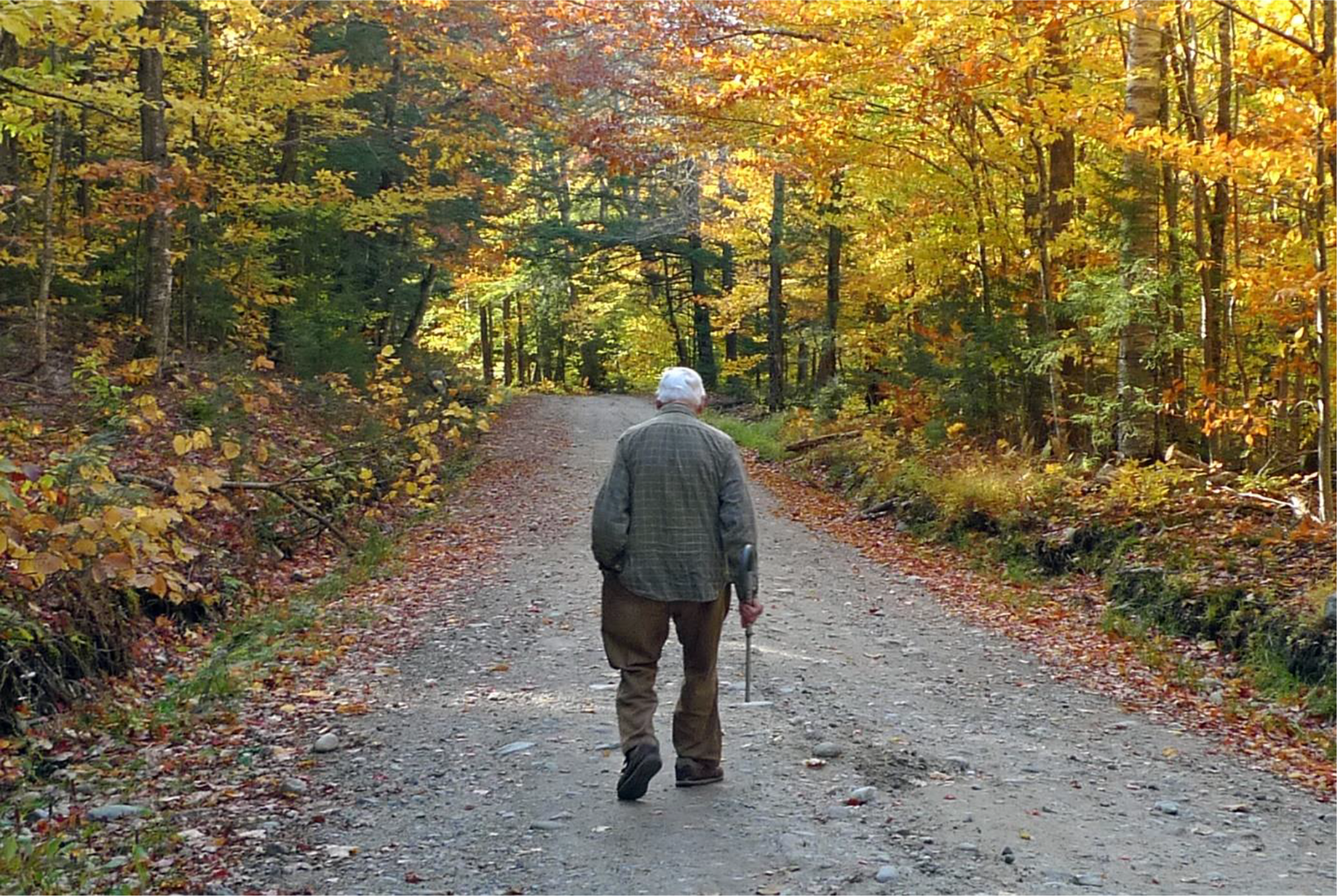
Several themes ran throughout my father’s life: visionary leader, ignoring obstacles, defying traditions repeatedly in his career and research choices, love of travel and working in multiple countries with nutritionists and other health professionals all over the world, ferocious energy and dedication to his work, and a great joy in helping others develop their professional potential. It is the last of these that led him to found the FNB. It is that which inspired so many of us in our careers. It is that which many of you are thinking of as you read this. It is that legacy that Dad would most wish you to carry on as you nurture the nutrition and health science future of our world.
Allan Stern
Part 2: Legacy of the First Editor, Nevin Stewart Scrimshaw
The Bulletin’s Origin as a Bulletin Board
The FNB was founded in 1979 by Dr Nevin Stewart Scrimshaw. The name bulletin proved to be appropriate to its mission through the Scrimshaw era. Through its derivative association with the UNU, it truly played a bulletin board role, conveying announcements of coming events or notes of meeting reports from across the UN agency platform of the 1980s and 1990s in its News and Notes section. It was particularly dedicated to the Standing Committee on Nutrition of the UN system. In addition, the FNB provided space for recurrent series, such as short distillates of major white paper reports from the International Food Policy Research Institute. 10
Contributors to the journal declare their nations of origin in the titles of their articles. Twenty years to the date of founding, in the fourth issue of 1998, the diversity of this geography is evident in the 10 papers of that issue. They came from Croatia, Central Asia, Iraq, Indonesia, Bangladesh, China, Mongolia, Thailand, Nigeria, and Vietnam.
Capacity Building Within and Beyond the UNU
Capacity building was a core principle of the UNU, and this was boldly reflected in the pages of its official publication organ, the FNB. The model of the World Hunger Programme of the UNU was to send young and mid-level professionals from developing countries with fellowships for practical research training at established centers of excellence in the same zones of the world or in universities in Europe or North America. The Institute of Nutrition of Central America and Panama was a cornerstone element of the training network, and the FNB became a venue for the publications of the ex-UNU fellows as they moved along. 11
As editor in chief, Nevin Scrimshaw looked outside of the UNU system to find settings and situations with innovative programs for capacity building in science and policy research, and he found correspondence in Jakarta, Indonesia, at a program supported by the Germany Agency for Development (GTZ) for a regional masters and doctoral program in Community Nutrition during the decade of the 1990s. The leadership cadre of Rainer Gross and Werner Schultink of the GTZ worked with professionals and students of the entire Southeast Asia region to create the program. It explored innovative and participatory formats for designing and developing research, several examples of which were featured in the pages of the journal. 12, 13 Protein, amino acids, and dietary energy were by no means the only nutrients of interest to the founding editor in chief, as exemplified by the title of his World Food Prize Laureate Lecture: “The consequences of hidden hunger for individuals and societies. 14 ”
Micronutrients and Hidden Hunger in the Journal
Specifically, Nevin Scrimshaw had a career-long interest in nutritional anemia. Moreover, the journal became the publisher of both minor and major supplements from scientific meetings. Returning to Indonesia, the journal published the presentations from an international workshop on nutritional anemia. 15 The innovation that the FNB tried to feature from that group in Indonesia and from all over the world was not confined to the refining of classroom teaching in graduate nutrition but also in providing practical solutions in nutrition. This was exemplified by researchers in Indonesia, who devised a device to make noninvasive assessment of hemoglobin level and the presence or absence of anemia. The principle was to inject light across the unpigmented skin areas and measure the density of the reflected red color at the wavelength of hemoglobin. 16 One of the other contributions in the Indonesian supplement addressed the efficacy of giving oral iron supplementation on a weekly—rather than the conventional daily—basis. This finding was replicated in another breakthrough paper, this one from China. 17 Interactions among nutrients, and especially with iron, captivated the editor. In 1998, the FNB was the first journal to publish—in findings from Venezuela—on a positive effect of vitamin A on improving the absorption of iron. 18
It was not beyond Dr Scrimshaw’s editorial style to publish a well-written paper, but to point out, in an appended italics editor’s note, a perceived flaw in the authors’ interpretation. Still in the iron and anemia area, he commented on an Indian paper comparing 2 iron compounds and their respective uptake into the body. Clearly, one compound, containing an amino acid, was 30% more efficient in its absorption than the standard ferrous sulfate. 19 In the note, the editor suggested that the price of the former was several-fold more expensive than the latter, and that simply by a change in dosage or dosing, one could get much more iron into women at a far lower cost.
Significant Debuts in Publication
The Scrimshaw era of the leadership of the FNB was marked by many unique and trail-blazing topics or findings. In 1992, Reynaldo Martorell edited a 110-page major supplement with the title of “Benefits of Early Supplementary Feeding”. 20 It analyzed, with 2 decades of insight from the INCAP 4-village study, the initial findings from the follow-up of the cohort. With the luxury of hindsight, it showed the dependence of the timing of exposure to nutrient intervention on growth and numerous other beneficial outcomes. It showed powerful effects if the child was below 2 years of age, with a sharp tapering if the involvement was later in the child’s life. Some 2 decades later, this would become the scientific basis for Secretary of State Hillary Clinton’s enunciation of the First 1000 Days window of opportunity for public health nutrition interventions.
The concept of chronic energy deficiency (CED), as characterized by an excessively low body mass index in developing countries, came to international attention in about 1994. The editor in chief of the FNB became a charter founder of the International Dietary Energy Consultative Group. The novel theme of CED soon became a topic of publications in the pages of the journal from many nations, including Indonesia. 21
In 1994, Marcia Griffiths, the CEO of the Manoff Group, expounded on the achievements in community interventions that could be attributed to social marketing in the area of nutrition. 22 Social marketing was a technique derived by Manoff from commercial marketing. It proposes an approach whereby people are “sold on”—rather than convinced to or instructed in—a health or nutrition action in order to integrate it into habitual practices in the community.
It is now accepted that a component of malnutrition, namely underweight, was highly associated with the risk of deaths of children from a host of infectious diseases from measles to malaria and many microbial illnesses in between. David Pelletier of Cornell presented the early evidence for this association, and an argument in which the nutritional status may be causal in the process, in the FNB in 1995. 23 In the same issue, R.E. Hayes of the US Department of Agriculture combined the use of linear programming algorithms with the increasing power of software in personal computers for optimization of nutritional quality of complementary feeding regimens. 24
Support of the Roles of Women and Their Nutritional Well-Being
There is an area and element of unique projection by the FNB among journals that bring pride and satisfaction. Mary Scrimshaw and Susan Scrimshaw, as women and as anthropologists, may have awakened the consciousness of the founding editor in chief. This is shown in the focus and projection of women and their situations and complex role in the world of international nutrition. In fact, contributions about women and in support of improving their nutrition date to the earliest volumes of the journal. This can be exemplified by the 1995 contribution by Okeke and coworkers in Nigeria, 25 applying innovative monitoring instrumentation for energy expenditure, conventionally used for ergonomics related to men’s productivity in agricultural cropping, to the energy expenditure (and needs) of women in their daily lives. Of a very practical nature was the 1998 article by Parker et al, from Guatemala, 26 which analyzes women’s preferences in the texture of complementary foods. This has relevance both to the acceptance by the infant or toddler and the need to increase nutrient density to meet requirements.
Arguably, the two most outstanding contributions in favor of women’s welfare also come from Guatemala and the genre of mixed-methods or formative research. The bane of dietetics field researchers has been how to assign and partition the food consumption and nutrient ingestion among members of a family using conventional interview methods. The combination of educational psychologist Patrice Engle and social anthropologist Isabel Nieves addressed this in a 1992 paper in the FNB which looked at intrahousehold food distribution. 27 It went beyond the quantitative dimension to some of the motivational and cultural aspects. Its findings would serve a decade later when Dr Engle would develop a “caring” component to accompany health and feeding measures in a revised UNICEF framework
The Rapid Assessment Procedures was a technique that was perfected and validated with specific assistance from the International Nutrition Foundation with a Scrimshaw family backing in its generation and promotion. Elena Hurtado published in 1994 the first journal publication of its application, specifically to women’s hygienic practices in order to reduce the high rates of water-borne illness, characteristic of Guatemala. 28
The last issue in which Nevin Scrimshaw appears on the masthead as editor-in-chief was published June, 2004—volume 24, issue 2—with the second editor succeeding in the following issue. Diversity of origin had become a permanent feature of the FNB offering, with China, Central West Africa, Bangladesh, South India, Thailand, and USA represented among the 8 contributions represented in that final issue of the Scrimshaw editorship. This journal owes its initial character to the particular features of an international vision and to the drive for capacity building of the founding editor.
Footnotes
Declaration of Conflicting Interests
The author(s) declared no potential conflicts of interest with respect to the research, authorship, and/or publication of this article.
Funding
The author(s) received no financial support for the research, authorship, and/or publication of this article.