



Abstract
Construction project delays are a prevalent issue worldwide, typically occurring when a project takes longer than the expected timeframe to complete. In Pakistan, road construction delays have a significant effect because a major portion of the annual budget is allocated to transportation projects. This study identified additional variables contributing to delays from the existing literature on highway project delays in Pakistan. The variables are related to implementation, labor, equipment, political influence, project management, finance, and environment. To explore the effects of these factors on project delays, a questionnaire-based survey was conducted, and responses were received from 152 participants. Statistical analysis, along with weighted mean and fuzzy logic approaches, was used to identify the influential contributors to project delays. Both methods produced the same ranking, indicating that finance is the most significant factor causing delays, followed by politics and implementation. Based on these findings, strategic recommendations were developed to offer guidance to policymakers on key challenges in the highway construction sector and support informed decision-making.
In the transportation system, the highway is an essential element responsible for the fast movement of people and goods to meet the regional economic demands of society ( 1 ). Road construction plays a key role in shaping the economic and social development of a country. There are multiple challenges to the successful completion of a highway project, which involve cost, time, project objectives, quality, and performance ( 2 ). It is crucial to explore all the factors before a project to achieve the project objectives within the specified time frame.
For a construction project, delay indicates the failure to deliver the project on time within an agreed period and defined deadlines. Highway construction is a complex process that involves the collective inputs of contractors, subcontractors, consultants, supervision consultants, clients, government, suppliers, and manufacturers, all with diverse and often conflicting interests. These conflicting interests cause disputes and claims among the stakeholders, which ultimately affect the project timeline ( 3 ). Various types of risks and delays are associated with highway projects, such as political, commercial, environmental, and socioeconomic ( 4 ). Because of these risks, there are delays in the projects’ completion, which are handled differently by different stakeholders. This leads to constraints in achieving the targets set for the project’s implementation within the defined timeline. The typical scheduling methods focus on the reduction and optimization of the project timeline. However, for contractors, adhering to the planned completion schedule is often the highest priority, considering the constraints such as contract and budget ( 5 ).
The highway construction industry is vast and growing rapidly in Pakistan. Every year, government budgets allocate significant funds for the highway and road sector. For example, the Government of Punjab (GoP) has budgeted PKR 143 billion (USD 518.12 million with an exchange rate of PKR 276 per USD) for road projects in the Annual Development Programme (2024–2025). This represents approximately 17% of the total infrastructure development budget (i.e., PKR 842 billion) in Punjab (2022–2023) ( 6 ). The federal government has allocated PKR 360.39 billion (USD 1305.76 million) for road projects in the Public Sector Development Programme (2023–2024), which is about 38% of the total federal budget ( 7 ). Similarly, the GoP has planned a significant amount in budgets for the road sector for the upcoming years compared with the current budget. Such consistent investments reflect the sector’s importance to national development. However, delays in this growing sector are severely affecting the economy of a developing country like Pakistan, primarily because of cost overruns. Therefore, there is a dire need to identify and address the underlying causal factors. The effect of these delays is not limited to time and cost overruns, and affects the reimbursement of loans, creates litigation, and causes quality issues in accelerated construction efforts aimed at meeting delayed schedules.
Whenever a construction project is delayed, it causes various issues, such as fluctuations in prices, interest rates, inflation, and other factors that lead to exceeding the allocated budget for the project ( 8 ). For instance, the budgets highlighted by National Engineering Services Pakistan (NESPAK) ( 9 ) and the Asian Infrastructure Investment Bank report ( 10 ) show a significant escalation in highway project costs over the last two decades, with nearly all projects exceeding the completion time of 22 months. The Pakistan Infrastructure Report states that from 2005–2010, the Medium Term Development Framework of Pakistan planned to enhance 14,100 km of existing roads and construct 7,000 km of new roads with an estimated allocation of PKR 248 billion, including PKR 217 billion from the public sector and around PKR 31 billion from the private sector, marking a 125% increase in transport project fund allocations from the previous 5-year plan ( 11 ). An exemplary case is the China–Pakistan Economic Corridor, initiated in 2013 with an initial budget of USD 62 billion. Regarded as one of Pakistan’s most significant highway projects, it has encountered substantial delays, hindering its full operation even a decade later. China’s reluctance to further invest stems from concerns over these persistent delays and the economic instability accompanying them ( 12 ). In this situation, the additional cost affects the overall expenses and disturbs the financial flow of the corresponding projects in the pipeline. Numerous studies have identified various factors contributing to delays in construction projects worldwide, specifically in Asia. However, very little recent research exists highlighting delay factors specific to highway projects in Pakistan in the existing literature.
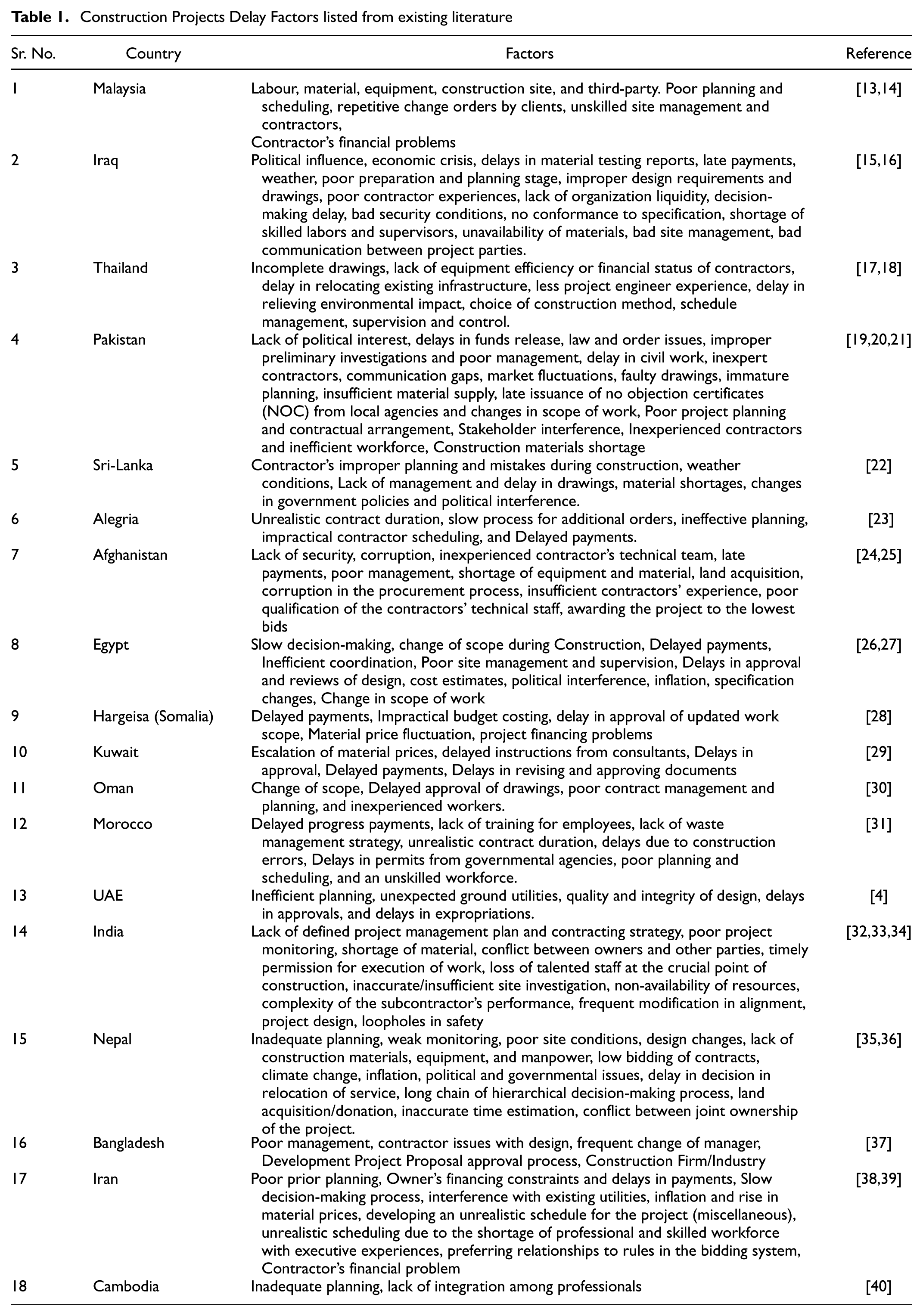
Table 1 presents delay factors for construction and highway projects identified from previous studies based on the selection process shown in Figure 1a. The publication screening process had a particular emphasis on Asia and the Middle East, which was the baseline for paper selection. These regions share similar working conditions with the study area, Pakistan. The literature was reviewed with the keywords “delays in highway projects”, “factors causing a delay in road construction”, and “time management in highway construction” using the Science Direct and Elicit.org databases. The search was conducted in November 2023, and papers were reviewed from 2010 to 2022. Figure 1b shows the map indicating the geographical position of Pakistan and the countries considered for the literature review.
Construction Projects Delay Factors listed from existing literature
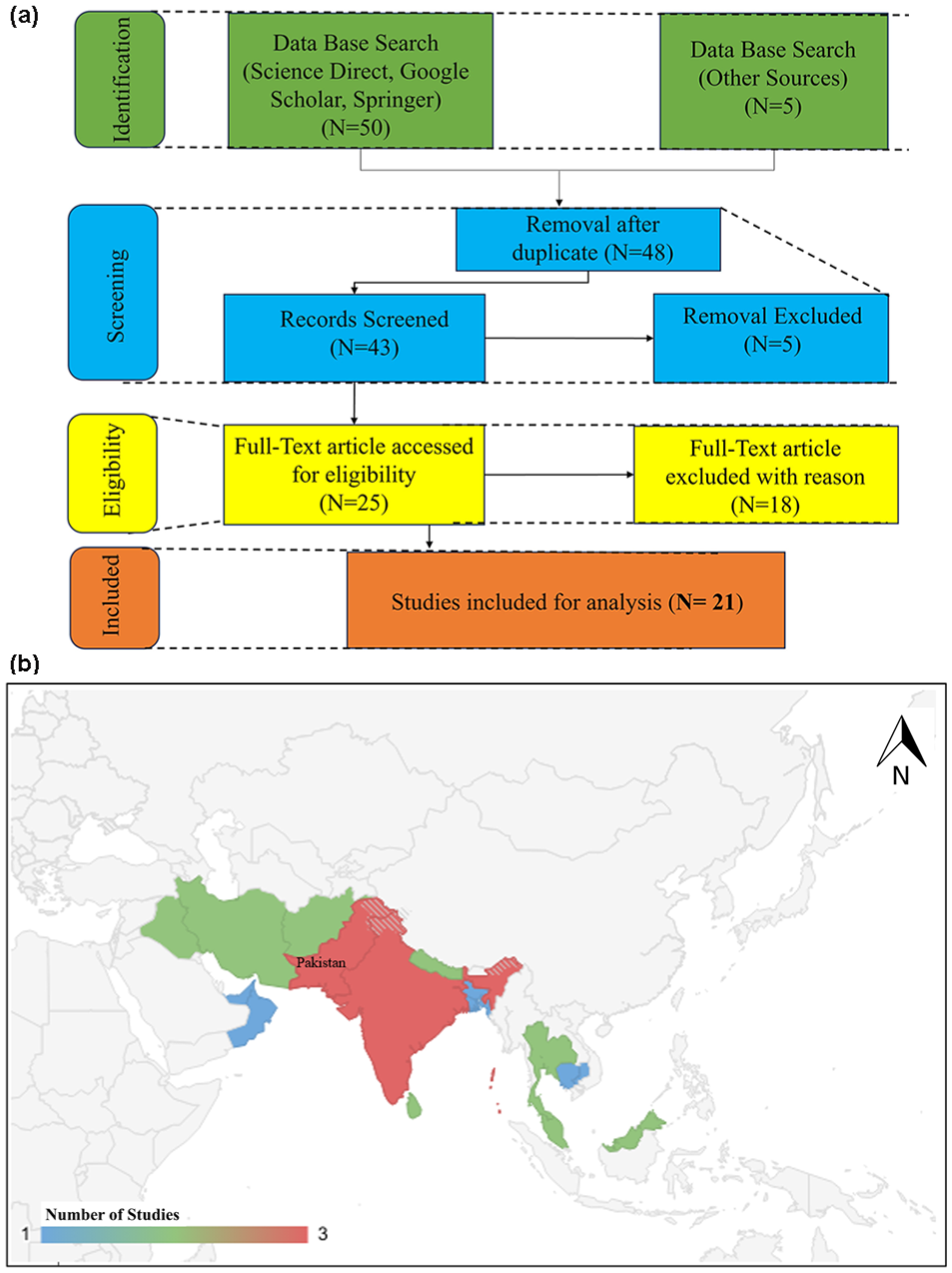
(a) Flow chart for selecting literature; (b) Geo Map indicating the geographical location of Pakistan and the considered countries for study.
This study goes beyond the existing literature by identifying additional delay variables specific to highway projects in Pakistan, including labor issues, implementation challenges, equipment constraints, and environmental factors. By delving into these previously overlooked aspects, this study aims to deepen the understanding of the causes of delays in road projects in Pakistan. In addition, it seeks to contribute novel insights by ranking these delay factors and proposing effective mitigation measures to address them. This study utilized statistical analysis of a questionnaire-based survey designed on a Likert scale to identify the most critical variables contributing to project delays. These variables were then ranked based on their relative contributions. In addition, a fuzzy logic delay model was employed to assess the effect of each variable on project delays. The rationale for adopting a fuzzy logic-based approach is that it provides the opportunity to handle the inherent uncertainty and subjectivity present in expert judgment and survey responses, particularly when using closed-ended instruments like Likert scale questionnaires. Fuzzy logic models take into account imprecision in human responses by permitting degrees of membership across multiple evaluation criteria, in contrast to traditional statistical techniques that assume clear boundaries between categories ( 41 , 42 ). Traditional Likert scale data has limitations, such as losing subtle variations in opinions and introducing bias because of forced-choice formats ( 43 ). In this study, the Fuzzy Synthetic Evaluation (FSE) approach was used because it captures the fuzziness in subjective evaluations and allows for the systematic aggregation and ranking of contributing factors according to their weighted influence. This method has been applied in previous studies to evaluate ethical code implementation in construction organizations ( 44 ), assess health and safety practices in the construction industry ( 45 ), and analyze customer satisfaction surveys ( 42 ).
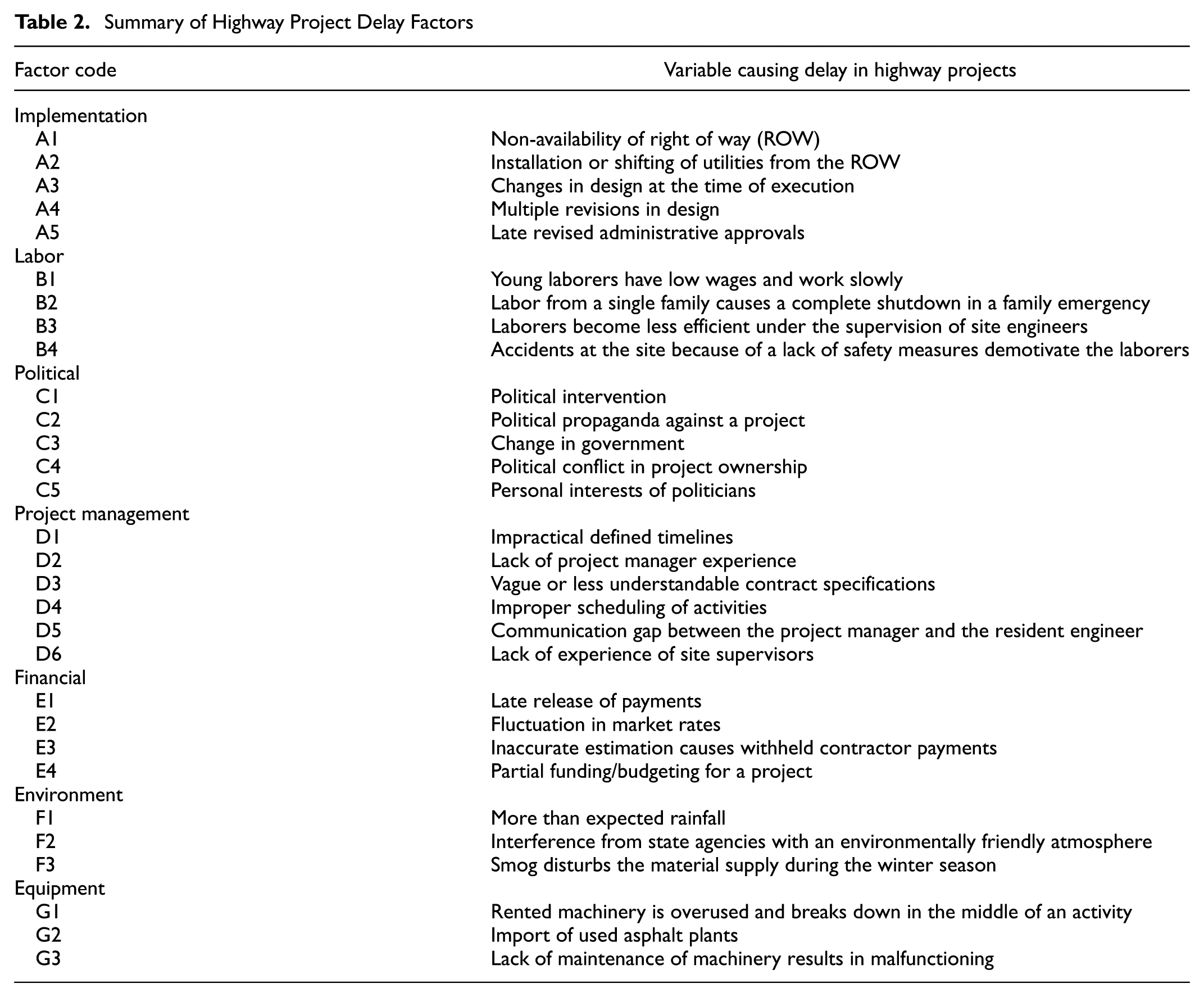
Figure 2 shows the flowchart of the methodology adopted for this study. The significance of this study lies in its thorough examination of 30 delay variables in road construction, drawing from previous research, stakeholder interviews, and local conditions. These factors, detailed in Table 2, highlight challenges or barriers in highway projects in Pakistan. By shedding light on these factors and proposing practical solutions, this study aims to inform policymaking and project management practices, ultimately enhancing the efficiency and timeliness of road construction projects in the country.
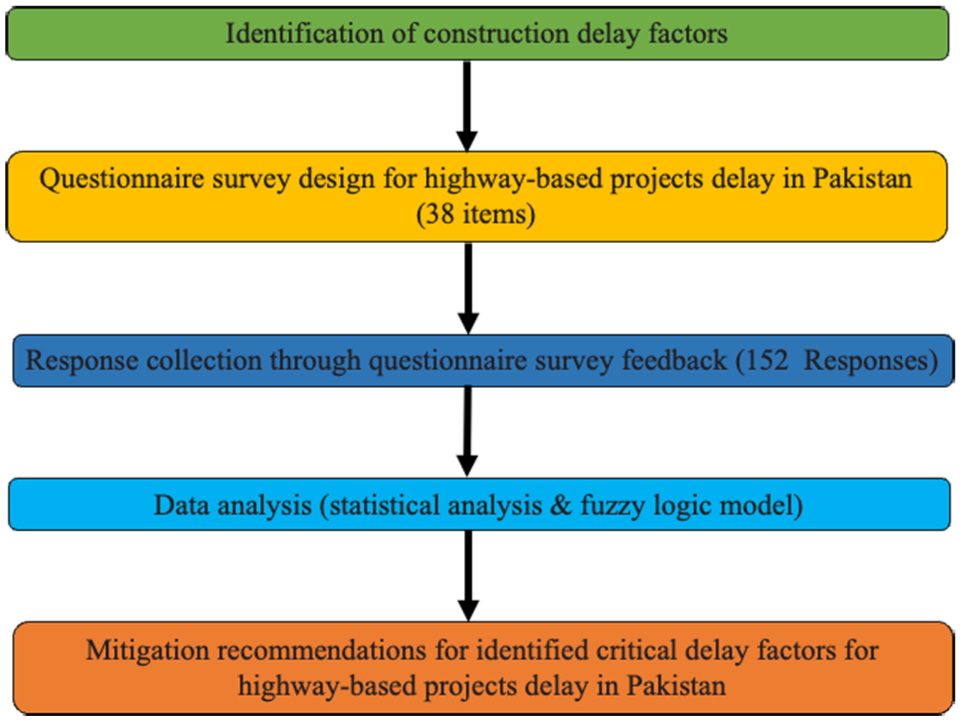
Flow chart for research methodology.
Summary of Highway Project Delay Factors
Methodology
Questionnaire Design and Data Collection
In this study, a questionnaire survey analysis method was adopted to determine the influence of different factors on project delays, considering the point of view of stakeholders (clients, consultants, and contractors). The questionnaire included two sections: demographic characteristics and responses on delay factors. Experience details were also considered in the demographic characteristics of the questionnaire survey. The target respondents for the survey were engineers and technicians working with different clients, contractors, and consulting firms, responding through a Google Forms link (https://docs.google.com/forms).
For this study, a pilot survey was conducted with 20 respondents. Based on the responses, the questionnaire was updated and finalized. A total of 143 respondents completed the questionnaire survey using Google Forms, and nine responses were received through a physically printed questionnaire form. A total of 152 responses were collected. The questionnaire had eight items related to the demographic characteristics of respondents and 30 items to investigate the delay factors based on the five-point Likert scale (from 1 = strongly disagree to 5 = strongly agree). The details of the delay variables are shown in Table 2.
Statistical Analysis
The data collected from the questionnaire were analyzed using the following statistical approaches.
1. Reliability analysis was carried out using Cronbach’s alpha (α) coefficient to determine the acceptability of the collected data. Then, Kaiser–Meyer–Olkin (KMO) measured the sampling adequacy to assess the structural validity, and Bartlett’s test of sphericity was conducted to indicate the significance level of the designed questionnaire.
2. The Spearman correlation coefficient (

where
di = difference in ranking between the two stakeholders, and
N = number of delaying variables (which is 30).
3. Ranking of delay factors was performed based on the weighted mean of the data. The weighted average index was calculated by using the formula given in Equation 2.

where
a 1 = Likert Scale (i.e., from 5 = strongly agree to 1 = strongly disagree), and
X 1 = number of respondents
4. The FSE method is a fuzzy logic approach to evaluate the contribution of each delay factor in the overall delay of a project. This approach is effective because questionnaire feedback from respondents was based on closed-ended questions and covered limited options. The fuzzy logic model is a multicriteria assessment of delay factors, requiring seven steps ( 46 ), as shown in the flow chart in Figure 3. Step 1 starts with identifying basic highway project delay variables (f1, f2, f3, …, fn) for the study as a set (U). In Step 2, the Likert scale rating (S1, S2, S3, …, Sn) is defined and is used for the study. In Step 3, the weighting function (w) for each defined variable is calculated using the mean score (m) of each variable based on the defined factors (n) under that variable. The formula used for the weighting function is shown in Figure 3 under Step 3. For example, for Factor A1, the weighted mean is calculated as,

Based on this, the weighting function of all factors will be calculated. In Step 4, the membership function (MF) of each factor under the variable is calculated using the equation shown in Step 4 of Figure 3. For example, the MFA1 will be calculated as follows:

where 63 respondents opted for “strongly agree”, 70 respondents opted for “agree”, 12 respondents opted for “neutral”, six respondents opted for “disagree”, and no one responded “strongly disagree”.
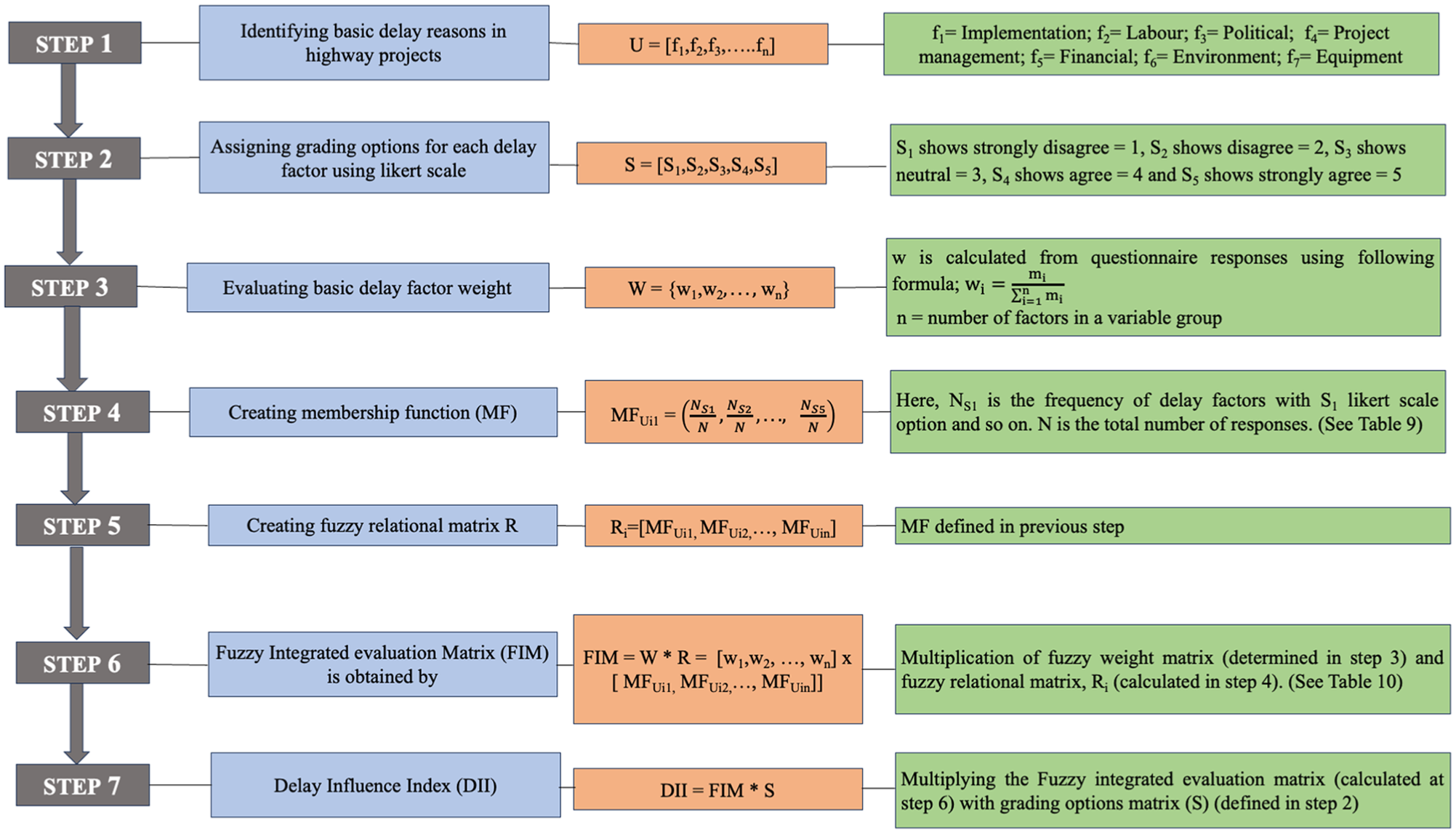
Flow chart for fuzzy synthetic evaluation.
In Step 5, the fuzzy relational matrix is developed based on the MF of each factor under the variable. The MF details can be seen in Figure 3 and Table A1 (Appendix). In Step 6, the Fuzzy Integrated Matrix (FIM) is developed using the weighting function (w) from Step 3 and the MF from Step 4, for each factor under the variable. The detailed values can be seen in Table A2 (Appendix). In Step 7, the Delay Influence Index (DII) is calculated using the FIM, calculated in Step 6 and the grading scale (S), defined in Step 2. For example, for the DII variable, f1 will be calculated as,
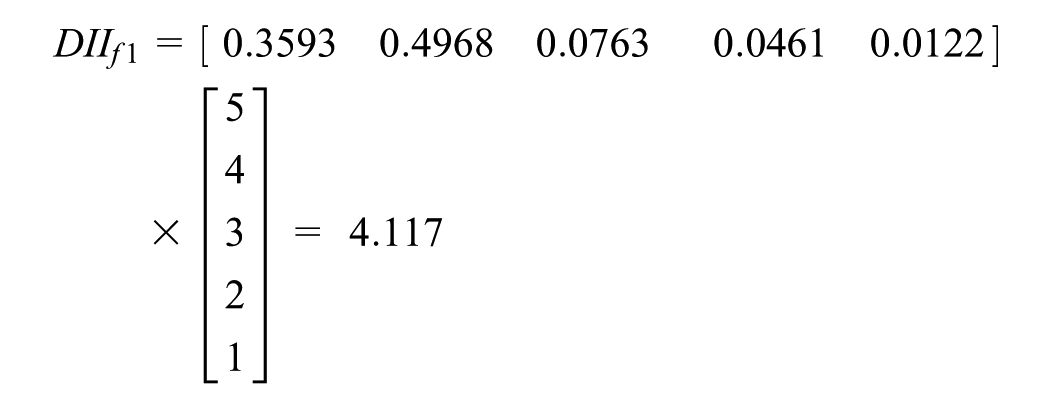
Using these calculations from the seven steps, the ranking of each variable can be calculated. The importance of this model is that, along with the ranking, it contributes to each variable toward delay, which can be calculated using Equation 3.

where DII represents the Delay Influence Index.
Results and Discussion
Demographic Characteristics of Respondents
The results of the demographic characteristics of 152 respondents in this study are discussed in Table 3. Staff qualifications, experience, and project performance directly relate to project completion and cost overrun. Previous studies have shown that contractors and construction staff with higher education and experience have shown better project performance ( 47 , 48 ). Therefore, this study considered qualifications and years of experience in the questionnaire design. This study also included responses from respondents who have never experienced delays in highway projects. The inclusion of this filter question enhances the comprehensiveness of the data set and allows researchers to remove the responses that do not have enough knowledge about the topic ( 49 ).
Respondents’ Sociodemographic Characteristics
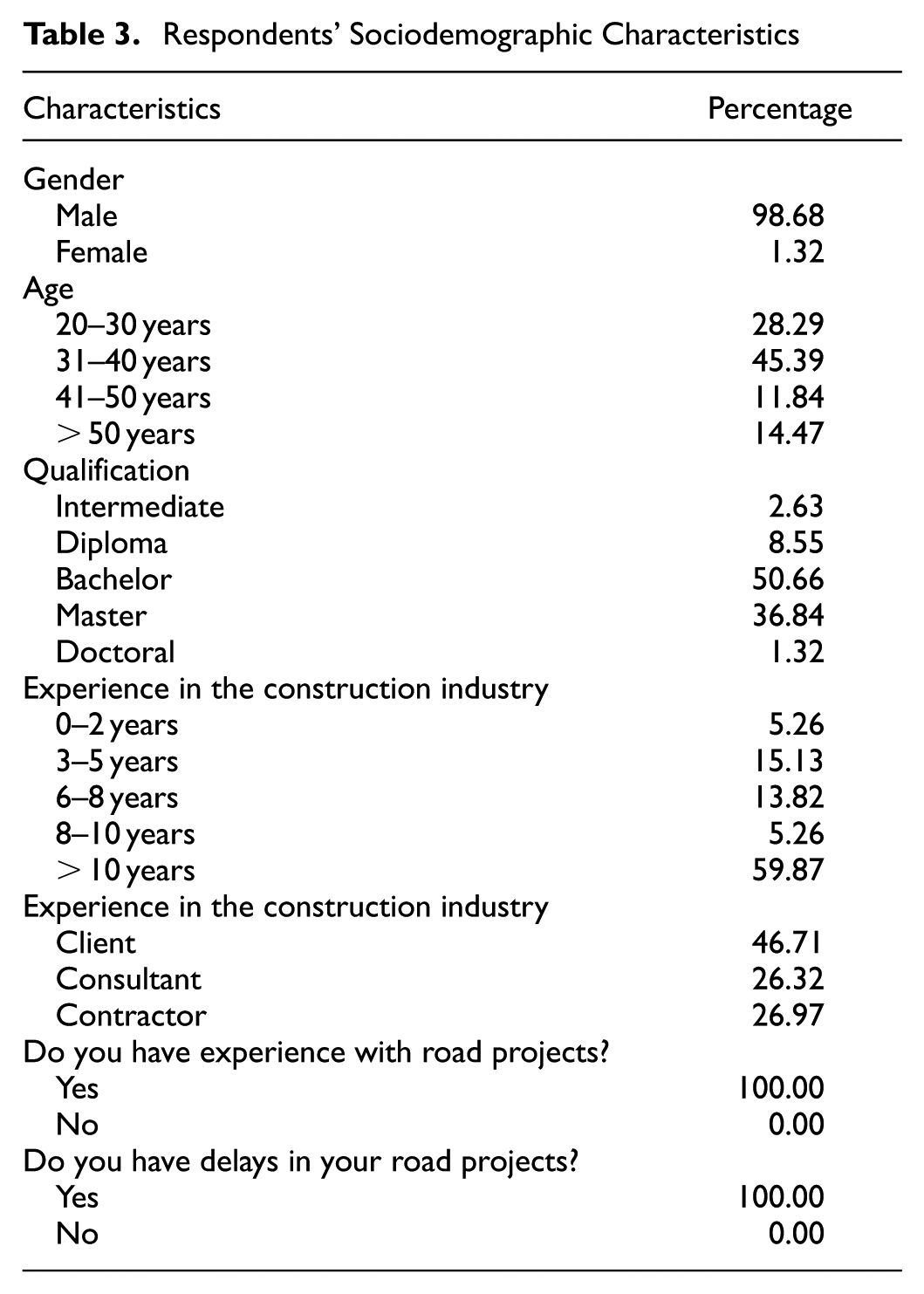
The demographic characteristics of the survey participants are predominantly male (98.7%), with most aged 31–40 years (46%) and 20–30 years (29%). Educational qualifications show that most hold a Bachelor’s degree (51%) and a Master’s degree (37%). Experience in the construction industry is extensive, with 61% having over 10 years of experience. Participants’ professional roles include clients (47%), consultants (26%), and contractors (27%). All participants have experience in road projects and have encountered delays in these projects.
Reliability and Validity Analysis
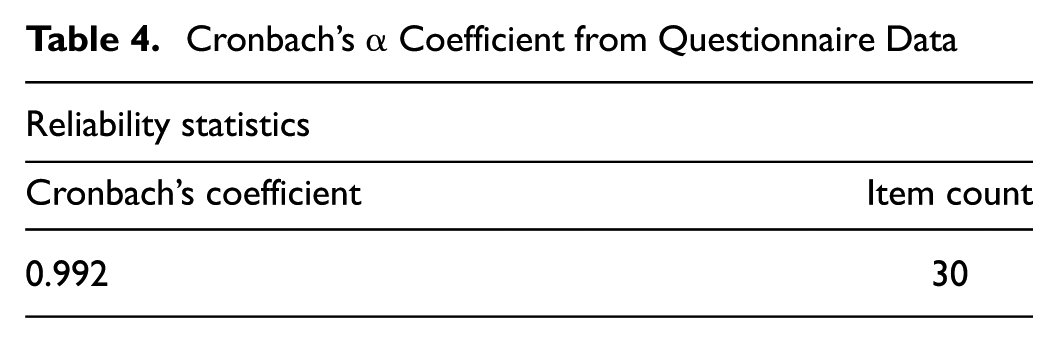
Cronbach’s α coefficient is 0.992 for the total items (delay factors), which are 30 in this study, as indicated in Table 4. The Cronbach’s α value is within the range of 0.7–1.0, which indicates a high level of reliability for the questionnaire survey. Table 5 highlights that the KMO value is 0.721, which is higher than the threshold of 0.5, suggesting that the sample data is adequate. Likewise, the significance of Bartlett’s test of sphericity is less than 0.05, which validates the null hypothesis that the correlation matrix is an identity matrix, can be rejected, and that factors designed in the questionnaire are not orthogonal (or can be correlated). The KMO and Bartlett’s tests demonstrate that the questionnaire was structurally valid.
Cronbach’s α Coefficient from Questionnaire Data
Kaiser–Meyer–Olkin (KMO) and Bartlett’s Tests
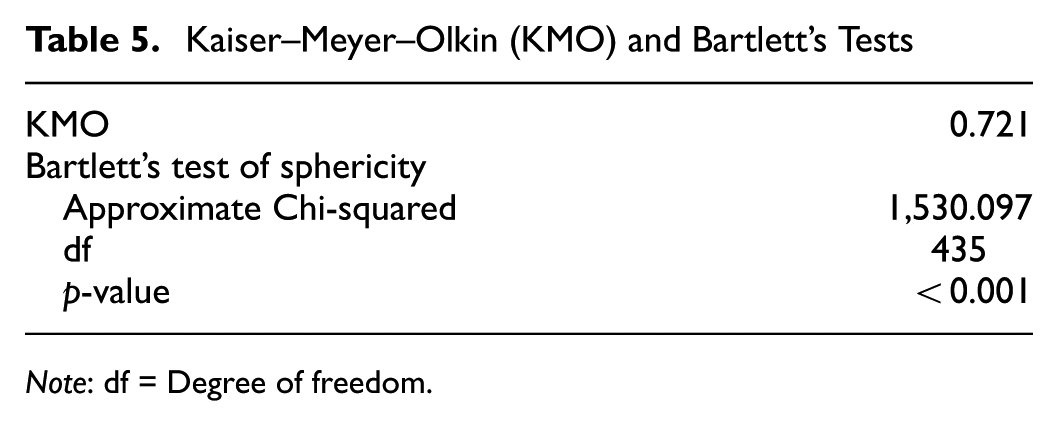
Note: df = Degree of freedom.
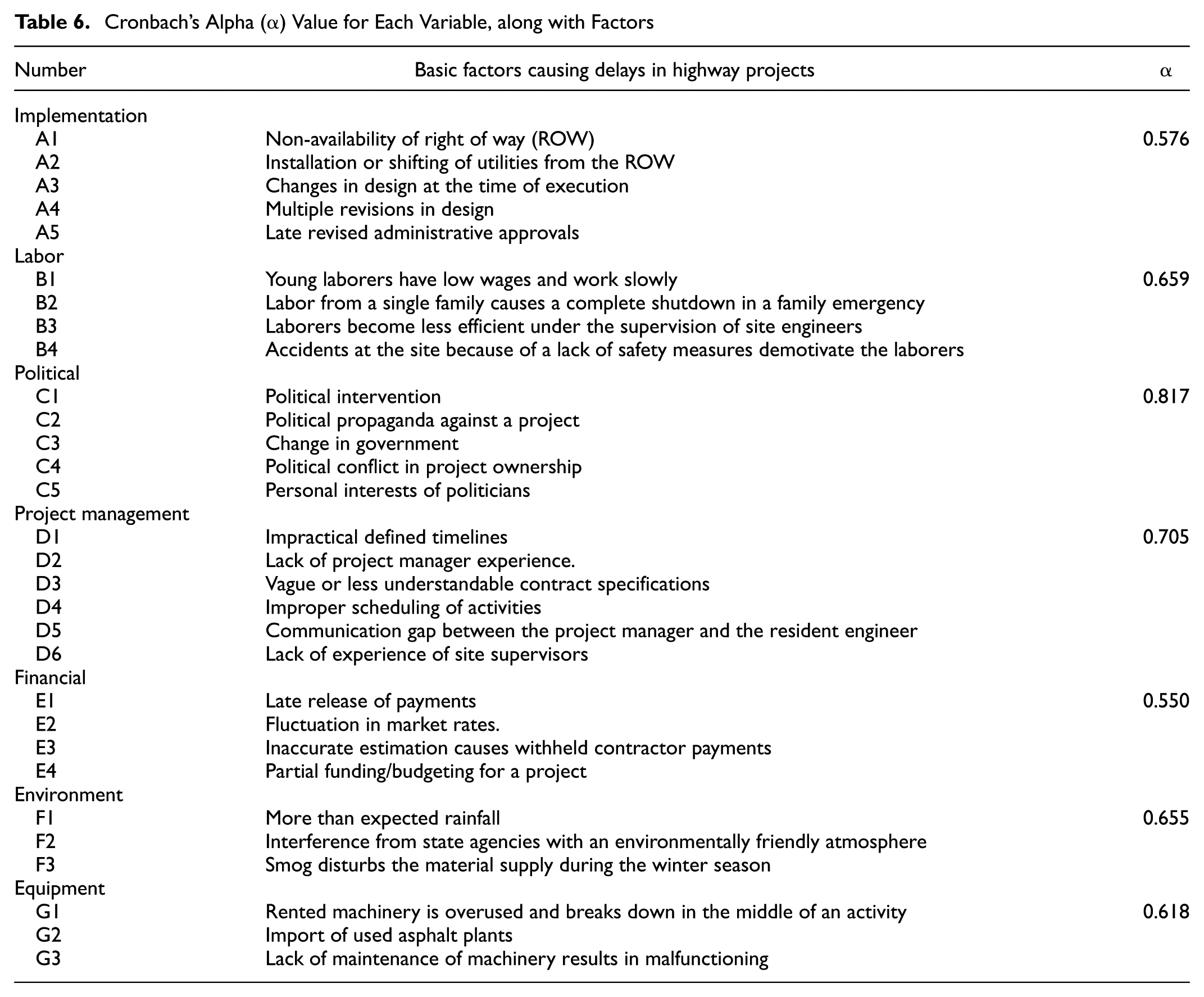
The results of the Cronbach’s α for each variable are discussed in Table 6, which shows the Cronbach’s α for each variable along with the factors in each variable. The α value for all the variables is more than 0.4, which indicates that items loaded on each factor are reliable and closely related. There was no negative α value found for any factor. The highest Cronbach’s α value (0.817) was obtained for the variable Political with five delay factors. The second-highest α-value (0.706) was obtained for the Project Management variable with six delay factors. However, the lowest Cronbach’s α value (0.550) was obtained for the Financial variable with four delay factors. However, the value is still greater than 0.4, indicating that it is in an acceptable range.
Cronbach’s Alpha (α) Value for Each Variable, along with Factors
Spearman’s Correlation Analysis
Based on the rankings indicated in Table 8, Spearman’s correlation is calculated using Equation 2, as given in Table 7. The Spearman correlation coefficient is positive for each comparison between rankings, which shows agreement in the opinion of the three main respondent categories. The highest agreement is between contractors and clients, with a Spearman correlation coefficient of 89.28%. The level of agreement is lowest between consultants and contractors, with a Spearman correlation coefficient of 79.67%.
Spearman's Correlation Coefficient (ρ) for each Stakeholder
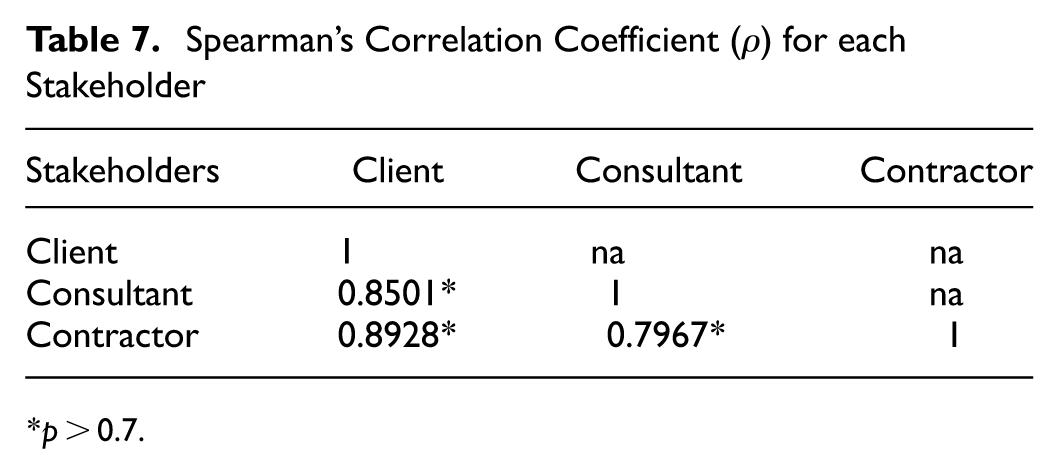
The highest agreement between contractors and clients is probably their aligned financial interests, shared project objectives, and ongoing direct communication. Both parties are directly impacted by delays—financially for the client and operationally for the contractor—creating a mutual understanding of the factors causing these delays. Their contractual clarity and regular dialogue further contribute to this alignment. However, consultants, whose focus is on quality, compliance, and adherence to regulations, can have a different perspective because they are less involved in the day-to-day operations and are more critical of certain issues. The consultant’s role as an intermediary can at times lead to disagreements, particularly if they identify problems that neither the client nor the contractor wishes to acknowledge. This difference in focus and responsibility often results in contractors and clients having a closer agreement on the causes of delay compared with clients and consultants. These differences in experiences among all three stakeholders result in a difference of opinion on the delays in a highway project, which is seen in the results of the Spearman correlation analysis for this study.
Ranking Delay Factors
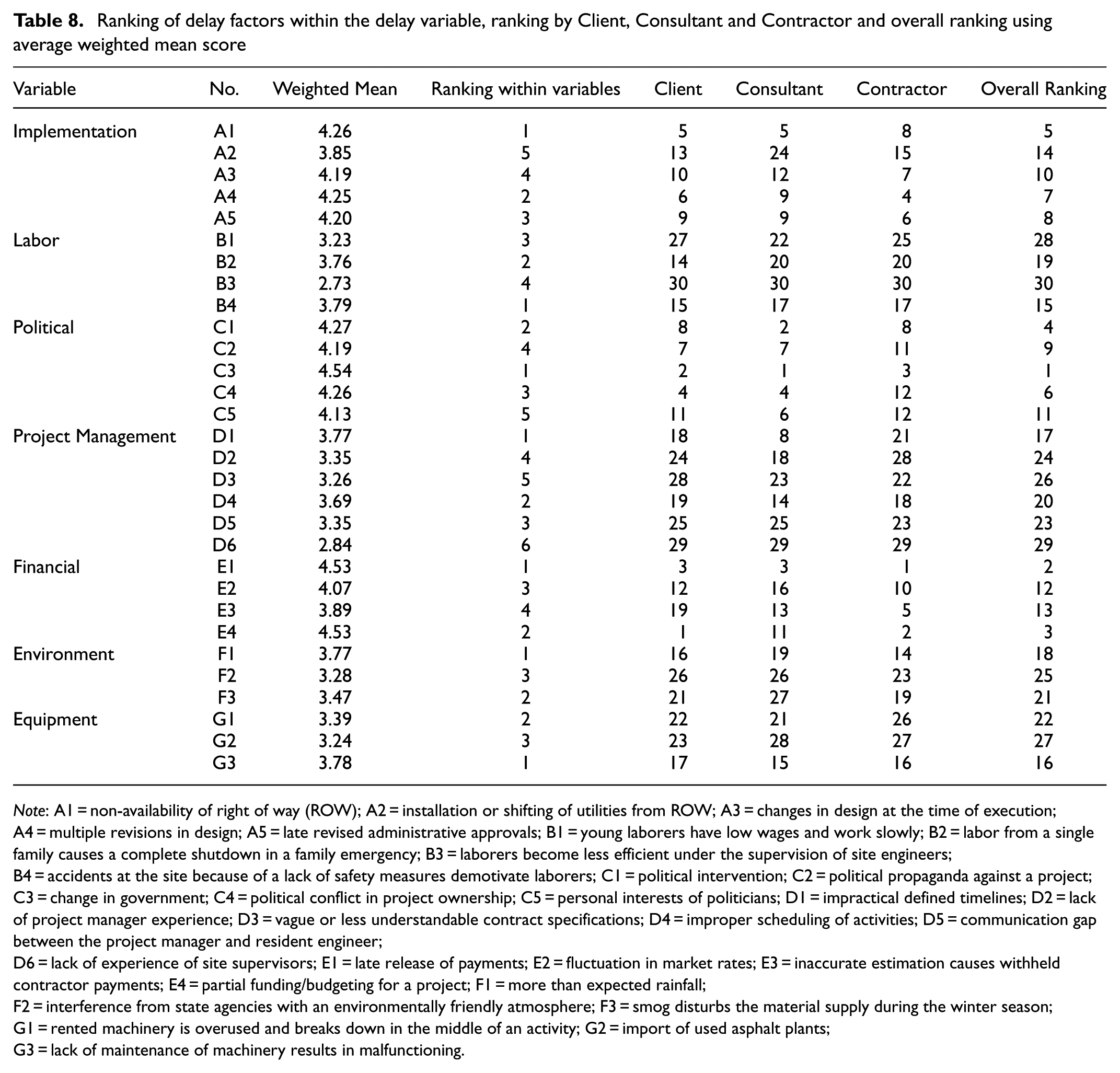
The delay factors were ranked based on the weighted mean, which was calculated using Equation 2. The higher the weighted mean of a factor, the higher the ranking of that factor will be. This approach enables us to identify the factors that are more credible and prioritized over others in the data, which gain more weight in the analysis ( 50 ). This approach is a more flexible and accurate representation of ranking factors among the available data ( 51 , 52 ). Table 8 shows the ranking of delay factors within a variable, the ranking of delay factors based on the responses by clients, consultants, contractors, and the overall ranking of each delay factor. One shows the highest ranking in order, and 30 shows the last ranking in order. Therefore, the ranking is in ascending order from a total of 30 delay factors. According to Table 8, 11 delay factors have a mean greater than four, and 16 factors have a mean between three and four. The factors with the highest mean for each variable group are non-availability of right of way (ROW) (A1) (4.26), accidents at the site because of a lack of safety measures that demotivate the labor (B4) (3.79), change in government (C3) (4.54), impractically defined timelines (D1) (3.77), late release of payments (E1), and partial funding/budgeting to the project (E4) (4.53), more than expected rainfall (F1) (3.77), and lack of maintenance of contractor’s machinery (G3) (3.78). Therefore, the most critical variables are financial, political, and implementation.
Ranking of delay factors within the delay variable, ranking by Client, Consultant and Contractor and overall ranking using average weighted mean score
Note: A1 = non-availability of right of way (ROW); A2 = installation or shifting of utilities from ROW; A3 = changes in design at the time of execution; A4 = multiple revisions in design; A5 = late revised administrative approvals; B1 = young laborers have low wages and work slowly; B2 = labor from a single family causes a complete shutdown in a family emergency; B3 = laborers become less efficient under the supervision of site engineers;
B4 = accidents at the site because of a lack of safety measures demotivate laborers; C1 = political intervention; C2 = political propaganda against a project; C3 = change in government; C4 = political conflict in project ownership; C5 = personal interests of politicians; D1 = impractical defined timelines; D2 = lack of project manager experience; D3 = vague or less understandable contract specifications; D4 = improper scheduling of activities; D5 = communication gap between the project manager and resident engineer;
D6 = lack of experience of site supervisors; E1 = late release of payments; E2 = fluctuation in market rates; E3 = inaccurate estimation causes withheld contractor payments; E4 = partial funding/budgeting for a project; F1 = more than expected rainfall;
F2 = interference from state agencies with an environmentally friendly atmosphere; F3 = smog disturbs the material supply during the winter season; G1 = rented machinery is overused and breaks down in the middle of an activity; G2 = import of used asphalt plants;
G3 = lack of maintenance of machinery results in malfunctioning.
Fuzzy Logic Model for Delays
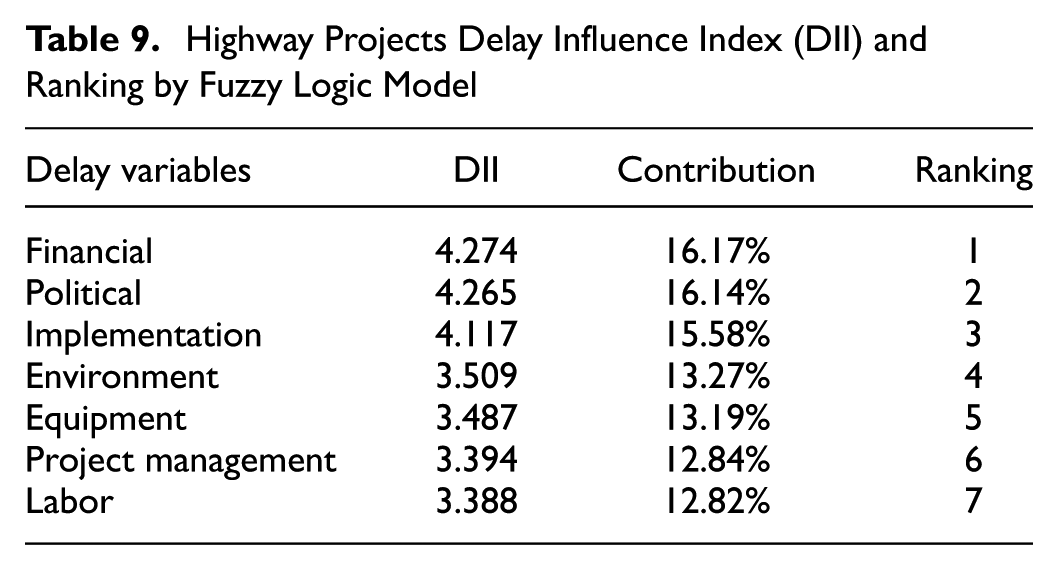
The top two delay variables identified by the fuzzy logic models are aligned with the results of the ranking based on the weighted mean, indicating that financial and political factors are the most sensitive factors for delay. Financial, political, and implementation delays are the most critical, contributing to about 48% of delays. The remaining delays are attributed to environmental restrictions, project management issues, and time loss because of equipment and labor. The details of the model are provided in Table 9.
Highway Projects Delay Influence Index (DII) and Ranking by Fuzzy Logic Model
From the comparison between the weighted average mean index ranking results (Table 8) of clients, contractors, and consultants, it has been concluded that the factor Change in Government (C3) is ranked highest by the consultant, positioned third by the contractor, and second by the client, and overall holds the top rank. In contrast, Late Release of Payments (E1) is rated as the highest priority by the contractor, third by clients and consultants, and overall is ranked second. Meanwhile, Partial Funding/Budgeting of the Project (E4) is identified as the top concern by the client respondents, ranked second by the contractor, and overall ranked third.
After the detailed statistical analysis, the most critical delaying variables identified were financial constraints in the form of delayed payment to contractors as well as partial funding, political instability in the form of a change in government, and implementation issues resulting from non-clearance ROWs. Other delaying factors included environmental problems, improper project management, malfunctioning equipment, and labor mishandling. The fuzzy logic model identified that the delay contribution from finance, politics, and implementation hindrances of the project was 16.27%, 16.14%, and 15.58%, respectively. However, it was from 12% to 13% for other factors stated previously. The results of this study align well with those of previous studies, indicating that financial constraints from the client side cause delays in decision-making, resulting in disturbances of the project timeline ( 53 ). Previous studies also highlight that because of the political culture in the country, the client is often pressured and cannot withstand the decisions; therefore, there is often a sudden change in design or budget, which ultimately results in delays to the construction project ( 54 ). This conflict of interest leads to a temporary halt in the progress of construction work until the issue is resolved before the next step, which disturbs the timeline and affects the overall budget of the project.
These delays extend beyond the initial project cost and budget, adversely affecting the sustainable community life of residents, a critical aspect often overlooked in many instances ( 55 ). It is imperative to recognize and address these interconnected challenges for more effective project management and sustainable community development. As in the case of a highway/road renovation project, particularly, the delay affects the residents living in the area and their daily commute.
Conclusion and Recommendations
The road construction industry in Pakistan is rapidly expanding, but project delays in this sector are causing cost overruns that ultimately impact the country’s economy. The primary objective of this study was to investigate the additional delaying factors identified in existing literature with a particular focus on highway projects in Pakistan. Based on the literature review as well as interviews with stakeholders, seven factors were identified, and feedback from experts associated with highway construction for almost 10 years or more was obtained through questionnaire-based online surveys. The findings of this study offer theoretical insights that can significantly aid policymakers in addressing and mitigating delays in highway projects. Based on the identified factors causing delays, comprehensive recommendations are outlined. First, clients must implement a swift and secure online payment system to streamline the billing process and prevent delays. Many developed countries, like the UK and Singapore, have digitalized the construction monitoring and payment process using Building Information Modeling (BIM) and blockchain ( 56 – 58 ). This has significantly reduced any delays in payments beyond the agreed time. In addition, the government plays a pivotal role in ensuring a balanced allocation of revenues and expenditures within the road sector, ensuring that ample funds are available throughout the construction phase, which can again be achieved by digitalization. Furthermore, fostering collaboration among political parties to establish a unified development plan aligned with national objectives is crucial for expeditious project execution. As indicated by the reviewed studies, most developing countries face this barrier, which needs to be addressed for rapid decisions without any political influence. The influence of politicians can also be eliminated by establishing an asset management system for selecting need-based projects with minimal third-party influence.
Last, proactive measures, such as timely completion of land acquisition procedures for the ROW and relocation of services, are essential to avoid project delays because of site non-clearance. The effectiveness of regional offices and consultants frequently influences the duration of the ROW acquisition process. Furthermore, the parcels to be acquired and the need for relocation aid are critical factors influencing the acquisition timeline ( 59 ). Therefore, this requires an effective plan that keeps local authorities informed with practical timelines. By incorporating these recommendations, policymakers can enhance the efficiency and timeliness of infrastructure projects, which contributes to overall socioeconomic development.
Like every project, this study has its limitations, primarily because of the limited responses. The selection criteria required respondents to have substantial experience in road construction, which narrowed the pool of potential participants.
Supplemental Material
sj-docx-1-trr-10.1177_03611981251368319 – Supplemental material for Analyzing Causes of Delays in Highway Construction Projects: A Case Study of Pakistan
Supplemental material, sj-docx-1-trr-10.1177_03611981251368319 for Analyzing Causes of Delays in Highway Construction Projects: A Case Study of Pakistan by Amer Yaqub, Muzna Anam, Muhammad Umar, Muhammad Abdullah and Mehtab Alam in Transportation Research Record
Footnotes
Acknowledgements
We would like to thank Engr. Jawad Ghani, Engr. Khurram Saeed and Engr. Waqas Ejaz of NESPAK, for their contribution to collecting data through the questionnaire for analysis.
Author Contributions
The authors confirm contributions to the paper as follows: study conception and design: Muhammad Umar, Muhammad Abdullah, data collection: Amer Yaqub; and interpretation of results: Muzna Anam, Muhammad Umar, Muhammad Abdullah, Mehtab Alam, draft manuscript preparation: Amer Yaqub and Muzna Anam. All authors reviewed the results and approved the final version of the manuscript.
Declaration of Conflicting Interests
The authors declared no potential conflicts of interest with respect to the research, authorship, and/or publication of this article.
Funding
The authors disclosed receipt of the following financial support for the research, authorship, and/or publication of this article: Open access publishing is facilitated by RMIT University, as part of the Sage-RMIT University agreement via the Council of Australian University Librarians.

Supplemental Material
Supplemental material for this article is available online.
References
Supplementary Material
Please find the following supplemental material available below.
For Open Access articles published under a Creative Commons License, all supplemental material carries the same license as the article it is associated with.
For non-Open Access articles published, all supplemental material carries a non-exclusive license, and permission requests for re-use of supplemental material or any part of supplemental material shall be sent directly to the copyright owner as specified in the copyright notice associated with the article.
