



Abstract
Although the production of cars has high environmental costs, producing and maintaining micromobility vehicles might consume fewer resources. Likewise, replacing the car with active mobility transportation modes would reduce noise and air pollution. The life cycle assessment (LCA) methodology contributes to the study of such environmentally sustainable solutions. We present a “cradle-to-grave” analysis by tracking activity from the extraction of raw materials until the end of the product’s life. The goal was to carry out an LCA of a novel micromobility vehicle, Ghisallo, from a life cycle thinking perspective. The LCA tool, ITF Good to Go? Assessing the Environmental Performance of New Mobility, developed by the International Transport Forum, was used to model the baseline and alternative scenarios. The vehicle’s materials, primary energy sources for battery charging, use of the vehicle as a shared mobility mode, among other factors, were changed to assess energy use and greenhouse gas (GHG) emissions during the life cycle chain. The LCA results of the baseline scenario for Ghisallo were similar to the values of other micromobility vehicles. Energy consumption (MJ) and GHG emissions (grams of equivalent CO2) per vehicle-kilometer (v-km) were 0.36 MJ/v-km and 29 gCO2eq/v-km, respectively. For this personal mobility vehicle, it was concluded that most GHG emissions were from its production (42% of the total). Air transport from the production to sales sites increased its impact by 10%. We present measures to decrease the energy and GHG emissions impacts of a micromobility device’s life cycle.
Keywords
The world has been facing considerable populational growth rates, including an agglomeration in cities. Currently, more than 50% of the global population lives in cities, and by 2050 the percentage of people living in urban locations is expected to exceed 70%. This development has boosted the demand for resources, basic infrastructure, and public services, multiplying the number, size, and complexity of challenges being faced and potentially increasing social differences ( 1 ). Therefore, cities are facing severe mobility-related issues from the rapid rise of motorized vehicles, with traffic congestion, air and noise pollution, energy consumption, and greenhouse gas (GHG) emissions (e.g., CO2, partly related to transportation) at the forefront of the problem (2–4). By 2018, 71% of the GHG emissions from the transportation sector were the result of road transportation. In other words, road transportation contributes more than 22% of the total GHG emissions and more than 27% of the world’s final energy consumption (5–8). Therefore, cities are having to deal with the adverse consequences of car travel, and society understands the negative impacts of such issues, particularly in relation to their wellbeing ( 9 ).
Although production of internal combustion engine vehicles has several environmental costs—life cycle assessment (LCA) estimations of 200 gCO2eq/km for 105,000 km ( 10 )—the production and maintenance of micromobility vehicles require fewer resources. For example, an e-scooter was estimated to produce 202 gCO2eq/passenger-mile (11). Another e-scooter was estimated to have a global warming impact of 165 gCO2eq/km for lifetime covered distances of 2,117 km over just 6 months ( 12 ). Additionally, active modes of transport such as bicycles and e-scooters reduce levels of air and noise pollution on the roads.
Recently, an enormous increase in these types of vehicles operating across cities has been observed, typically bicycles, e-scooters, and mopeds. They comply with the norm that characterizes micromobility vehicles, that is, vehicles weighing less than 227 kg. Their average speed is below 48 km/h ( 13 ). For example, since 2017, e-scooters have become established in more than 100 cities worldwide ( 14 ). Shared mobility systems for bicycles have become more prevalent, from covering just 10 cities by the 1990s to more than 2,900 locations currently (15–17). Micromobility has therefore been exponentially adopted. It is changing the way people move in cities, given its potential to help cities reduce harmful emissions (18–20). It has also emerged in the urban context by way of its potential to satisfy first-/last-mile trips. Therefore, new mobility options, systems, services, and patterns related to shared mobility have made the coexistence of active modes in the urban transport sector more significant ( 20 ).
However, assessment of the sustainable integration of innovative solutions requires precise concepts and methodologies that may include resource consumption and economic, social, health, and environmental indicators (8, 21). In their efforts, scientists and engineers often focus their attention on a single stage of a system’s use. However, it is only by adopting a cradle-to-grave LCA methodology that a global picture of a product’s impact on the environment can be seen (22, 23). For instance, micromobility vehicles’ life cycle impacts on energy demand and GHG emissions are often unknown ( 24 ). Research also suggests adopting a flexible and iterative life cycle approach to achieve the full potential of the sustainable integration of micromobility ( 25 ).
The study aimed to produce an LCA of a novel micromobility device by assessing the environmental impact over the product’s lifetime. In other words, from the materials’ extraction (cradle) to production and use until the product’s final use (grave). “Final use” was considered to be the last time that anyone uses the vehicle to travel. Comparisons between the novel vehicle and existent micromobility vehicles were performed to validate the results. The LCA was modeled following the methodology of “ITF Good to Go? Assessing the Environmental Performance of New Mobility,” by Cazzola and Crist ( 24 ) at International Transport Forum. ITF Good to Go? was applied using a dedicated tool, Excel, developed under this methodology ( 24 ). The vehicle, a tricycle, was developed in the scope of the Ghisallo project; it affords the user comfort, stability, safety, and requires little effort to drive. At the same time, its steering, suspension, and frame facilitates adaptation to traveling on public modes like trains and buses, as seen in Figure 1. For simplification, we refer to this novel micromobility vehicle as the Ghisallo vehicle for the remainder of the paper.
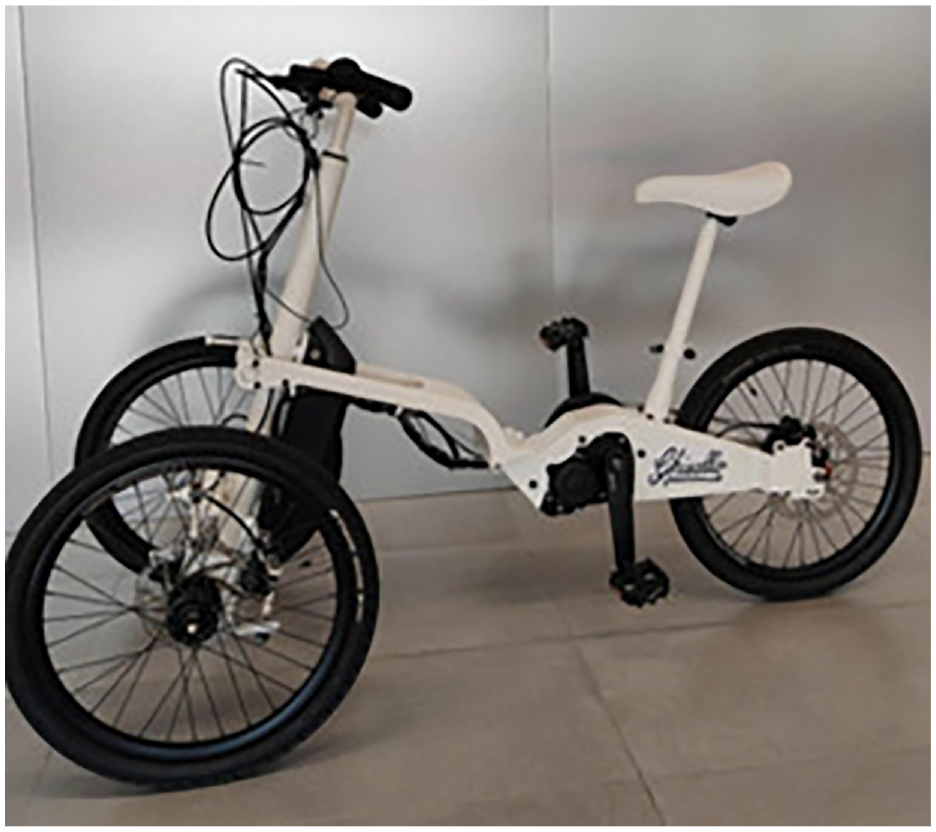
Prototype micromobility vehicle developed in the Ghisallo project.
The paper is organized as follows. The next section reviews the literature on topics related to LCA studies carried out so far around mobility and micromobility. The methodology for LCA ITF Good to go? Assessing the Environmental Performance of New Mobility is then discussed. The results and a critical overview are subsequently presented. Finally, we present our conclusions.
Literature Review
Life cycle thinking (LCT) is an approach that is applicable to economic, social, and environmental issues, supported by multiple methodologies. LCA, specifically, is used for obtaining environmental indicators since it assesses the environmental flows involved in a product’s or service’s life cycle, primarily by calculating their contribution to areas such as climate change, primary energy use, or human health impacts. Given its holistic approach, LCA can enlighten tradeoffs between impact categories and stages of the life cycle. LCA identifies and quantifies the extraction and consumption of resources at various stages and the spread of emissions into the air, soil, and water ( 26 ).
LCA studies on mobility and micromobility have been documented over the last 15 years. In 2014, bicycles from the brand Specialized were studied to evaluate and quantify their sustainability rate. The authors concluded that better communication between players throughout the supply chain was needed to enhance the life cycle environmental impacts ( 27 ). Other de Bortoli ( 28 ) have stated that the impact of infrastructure should be included in LCA studies. Some studies have revealed that conventional bicycles are less harmful to the environment than electric ones, electric or diesel cars, and scooters. However, these studies do not reveal whether the production stage could have been more efficient (28, 29). Comparisons between walking, bicycling, or electric-bicycling modes and other public transport modes like buses were performed under Carnegie Mellon’s economic input–output (EIO)-LCA methodology. It was concluded that electric bicycles consume less than 10% of the energy required to power a sedan, while emitting 90% fewer GHGs per passenger-kilometer than a bus off-peak ( 30 ). Cherry et al. studied the environmental impacts of producing two-wheelers with different materials and manufacturing processes ( 31 ). Their comparisons show that motorcycles and cars emit several times more pollution per kilometer than bicycles. Furthermore, to enhance LCA results, they advise taking into considering the energy mix of the regions where the energy to power batteries comes from. The batteries themselves could be Li-ion since lead–acid ones are not required for electric bikes, but the life cycle cost will still be a concern ( 31 ). When quantifying the LCA of different battery types, Liu et al. confirmed that prolonging the batteries’ lifetime and raising the recycling rates would decrease the environmental impact ( 32 ). Furthermore, it was identified that producing energy from sources that were cleaner than coal was necessary, especially if later, energy is stored in batteries, as is already the case for some electric bikes in China ( 32 ).
Interest has grown around the concept of shared mobility, especially in relation to micromobility vehicles. The same is true for researchers’ interest in comprehensive LCA studies of these devices when including factors like their “shareability.” It is therefore critical to conclude whether the shareability of micromobility vehicles benefits the final impacts from the perspective of a sustainable integration. A study undertaken in Paris with bicycles, e-scooters, and e-mopeds concluded that multiple scenarios and cities should be considered to estimate the environmental performance of micromobility devices ( 28 ). Because of the lower expected lifetime of shared devices, the LCA analysis rated individual ownership of micromobility devices as more efficient than shared. However, there are suggestions that future studies should consider the effects of cumulated mileage, maintenance, and transportation of the vehicles from the production site to the cities to give a fuller picture ( 28 ). Severengiz et al. included other factors in their LCA of e-scooters at Bochum, Germany, like air quality, public space demand, and global warming potential. They conclude that for a better overview, it is crucial to understand the behavior of the users of these new multimodal transportation systems. It is suggested that to improve the results of LCA studies, the inclusion of energy demand, noise pollution, and battery change stations’ inherent impacts will be vital ( 7 ).
Following interest in LCAs of shared micromobility, Gu et al.’s survey data indicated that the use of shared bicycles is more prevalent among young and low-income people. It is an attractive alternative to walking and public transportation, so 25 to 45-year-olds are likely to benefit from the environmental impacts of shared micromobility. Moreover, shared micromobility could potentially bring higher carbon cost savings since it would replace more polluting trips. Likewise, raising booking fees would benefit the economy if the bicycles’ lifetime was longer than 2 years, to guarantee environmental sustainability. LCA results suggest that reducing the volume of shared bicycles per user and replacing materials like aluminum with steel would reduce CO2 emission rates ( 33 ). Mao et al. assessed the life cycle of shared bicycles in China to estimate the environmental impacts at all product life stages. The results showed that a mean environmental impact value of 81% was from the production stage, which shows that the use and recycling stages are not that harmful. Here, aluminum and rubber were identified as the materials that contributed around 80% of the environmental impact calculated at the manufacturing stage.
Shared mobility using bicycles has four identified areas for improvement in relation to environmental performance: (1) to optimize its distribution and to reposition bicycles on a more sustainable approach for cities, (2) to encourage private car users to switch to shared bicycle use, (3) to extend life expectancy of the bicycle to reduce environmental impacts, and (4) to increase cycling efficiency to improve the environmental performance of dockless systems ( 3 ).
As last-mile trips increases the complexity of the system, its burdens need to be tackled by introducing simpler vehicles, so the tricycle is a possible solution. This vehicle is considered a micromobility vehicle if it complies with normative parameters. In the city of Rio de Janeiro, the tricycle’s efficacy was evaluated through LCA. Tricycles were considered part of a zero-emission strategy to replace combustion vehicles with electrically powered ones. From an LCA point of view, electrical power production was considered to be potentially harmful only if fossil fuels were used. Overall, the delivery of cargo and services using tricycles was concluded, from an LCA, to reduce equivalent CO2 emissions by 23.37 kg ( 34 ).
Although the literature presents independent studies on several micromobility vehicles and shared mobility, many identify the need to include more socioeconomic and health indicators to improve LCAs. Also, every time a new product emerges in the market, an LCA is recommended, especially to confirm its potential according to the following three pillars: (1) to reduce GHG emissions by replacing combustion vehicles, (2) to increase reliability with sustainable, associated business models, and (3) to reduce mobility obstacles in cities ( 25 ).
In Table 1, we summarize the literature review, highlighting the goals and LCA method of each of the key cited studies and their significant conclusions and limitations.
Summary of Literature Review
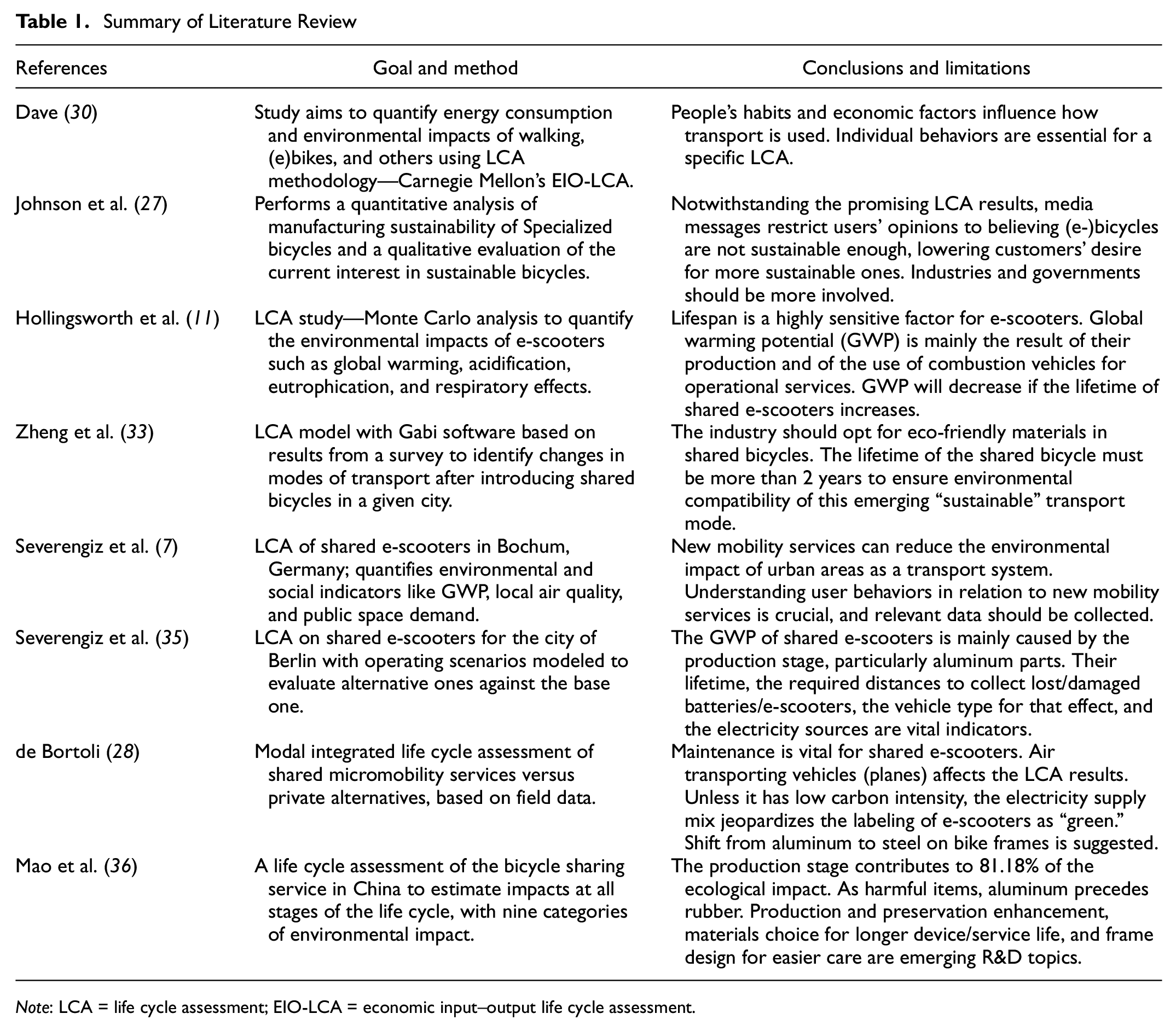
Note: LCA = life cycle assessment; EIO-LCA = economic input–output life cycle assessment.
Thus, since the Ghisallo vehicle will be a new product in the market, an LCA is recommended. We present a holistic approach that combines an LCA of the Ghisallo vehicle, in which part of the innovation is also related to the device’s design.
Methodology
This section describes the LCA approach, the characterization of the vehicle with the inventory phase, and the definition of the goals and scope of this LCT work. This methodology allows the identification of the leading environmental impacts of the Ghisallo project prototype. Figure 2 shows an overview of the methodology.
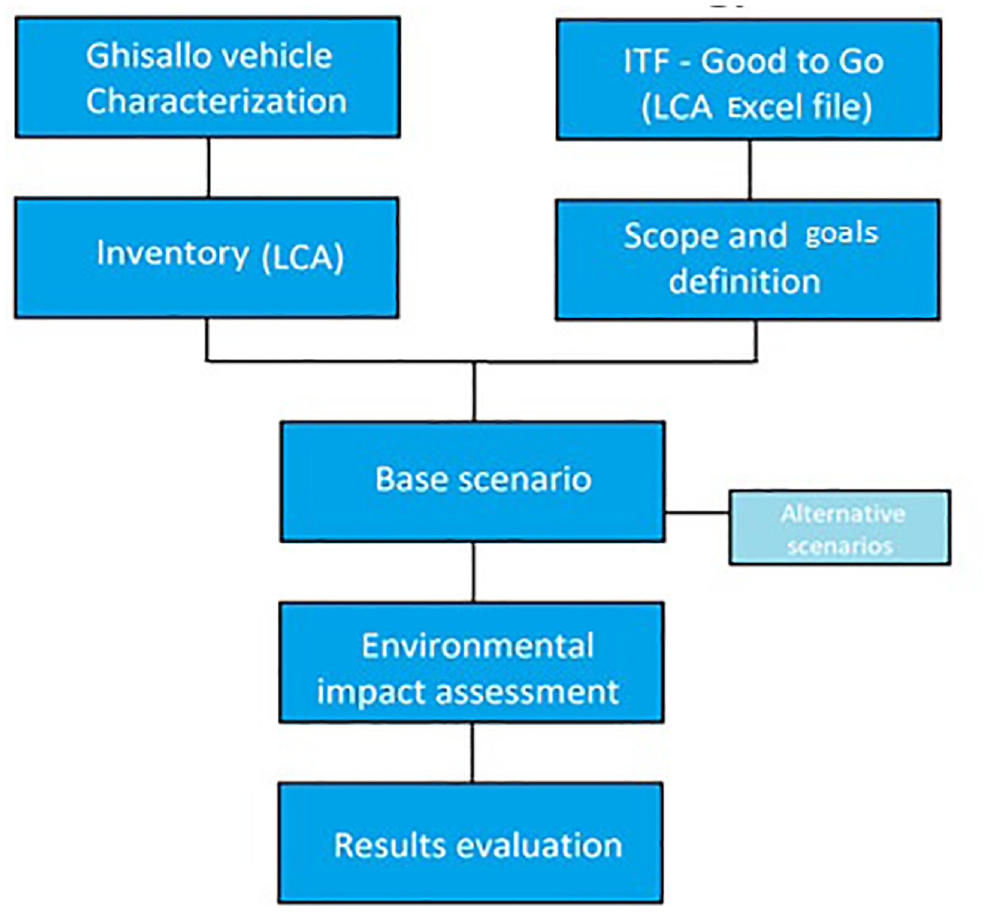
Overview of the methodology steps.
The present LCA was performed with a cradle-to-grave approach, from raw materials acquisition to the Ghisallo vehicle’s end of life. The tool used to perform the LCA was the aforementioned ITF Good to Go? Assessing the Environmental Performance of New Mobility ( 24 ). This tool assesses the environmental impacts of several transport modes based on their technical, operational, and maintenance characteristics.
This tool considers three critical LCA components of the transport sector to evaluate energy demand and the environmental impacts associated with a given mobility mode: the vehicle, the fuel (energy), and the infrastructure. This platform therefore allows evaluation of six different types of results: energy consumption per kilometer (MJ/km), energy consumption per passenger-kilometer (MJ/p-km), energy consumption per vehicle-kilometer (MJ/v-km), GHG emissions per passenger-kilometer (gCO2eq/p-km), GHG emissions per vehicle and kilometer (gCO2eq/v-km), and GHG emissions per vehicle (gCO2eq/v). However, as Ghisallo is for only one passenger, energy consumption per passenger-kilometer (MJ/p-km) and GHG emissions per passenger-kilometer (gCO2eq/p-km) are irrelevant indicators to this analysis. Thus, the list was reduced to four indicators, and the functional unit considered was vehicle-kilometer (v-km).
Goals and Scope Definition
The definition of the scope of the analysis using this tool was crucial to guarantee the study’s boundaries. The scope of this work is the Ghisallo vehicle, a tricycle with an electric motor and lithium battery, which is powered by the Portuguese National Energy Grid. This vehicle is produced in Vila Nova de Gaia, Portugal. Its distribution across the continental territory was considered to be executed by trucks from the production- to the sales sites. Vehicle use was for one passenger, with a mean mileage of 7 km and an expected lifetime of 10 years. It was considered that during this period, the battery and tires would be replaced once.
The LCA can be divided into five pillars: production, transport, infrastructure, energy, and operational services (shared mobility) associated with this vehicle. For each step, input parameters were considered, acknowledging that each process demands energy and resources/materials, resulting in energy consumption and GHG emissions as outputs. Therefore, the boundaries of the analysis were based on a framework (Figure 3) inspired by research by Saxe and Kasraian ( 37 ), which resulted in a base scenario that is schematically represented in Figure 4.
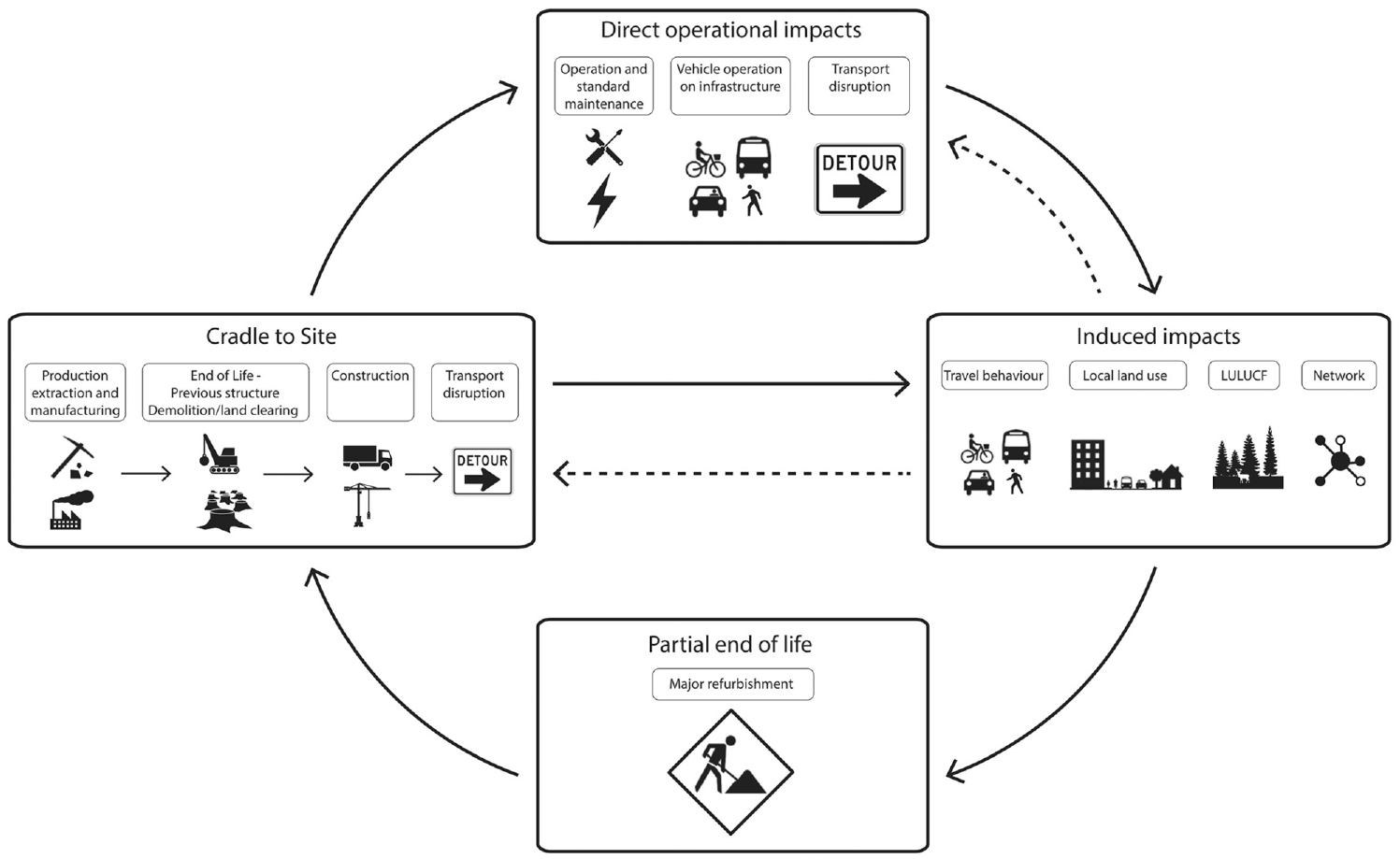
Transport infrastructure life stages ( 37 ).
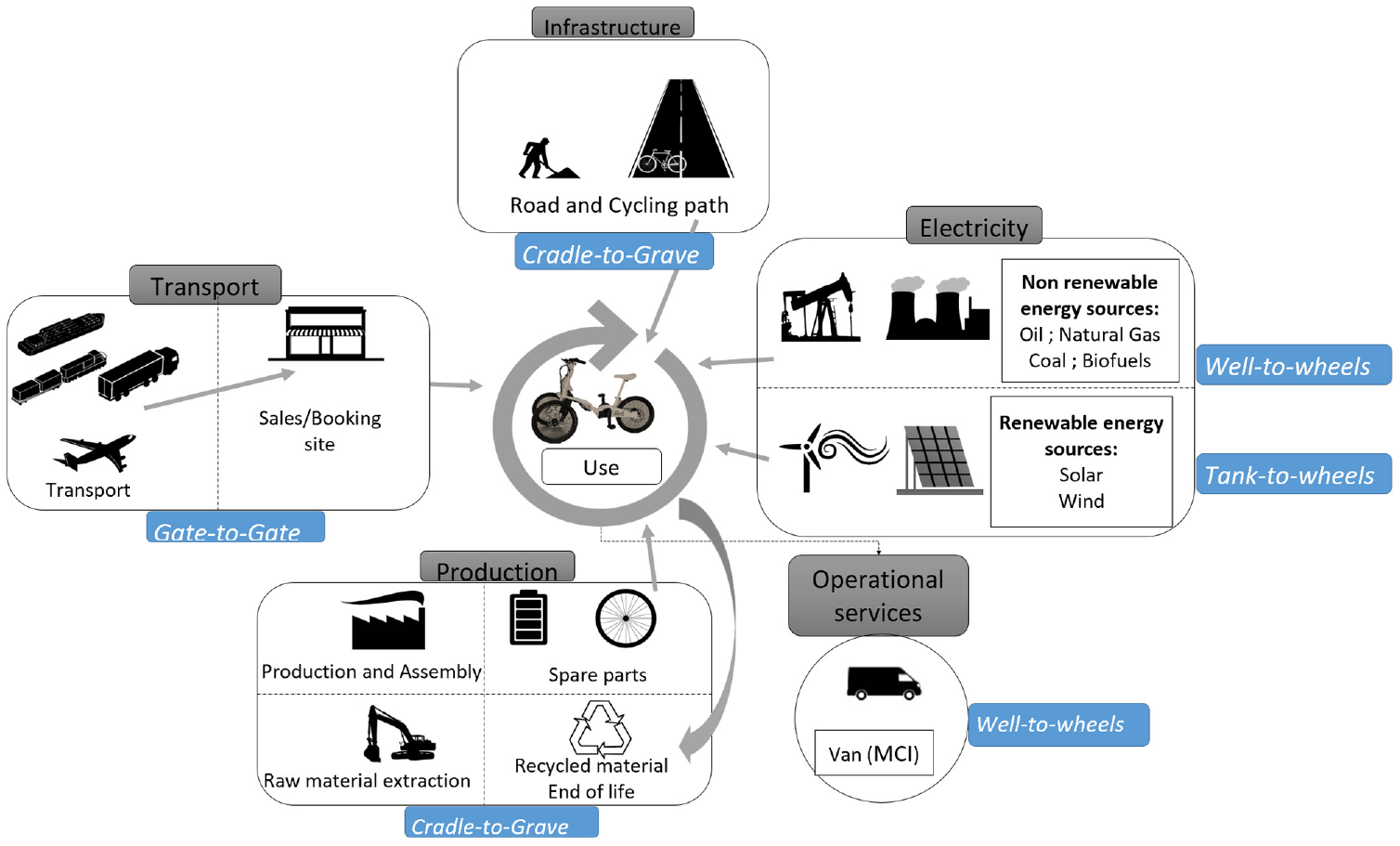
Framework of the life cycle assessment.
Life Cycle Inventory
The life cycle inventory of the vehicle’s production and end-of-life phases was modeled considering the development work on the Ghisallo vehicle prototype, namely the bill of materials, technical drawings, and assembly drawing using computer-aided design. Using the ITF Good to Go? tool, a similar vehicle to the one used in this case study was selected with all its original parameters being then edited and adapted, in the knowledge that multiple inventory data came from GREET (Greenhouse Gases, Regulated Emissions, and Energy use in Transportation) ( 38 ), which functions as an LCA database. GREET is divided into two modules: GREET1 assesses energy use of well-to-wheel- and fuel systems’ emissions; GREET2 assesses energy use and emissions of the vehicle’s manufacturing cycle, that is, primary energy use (oil, natural gas, coal), GHG emissions (e.g., CO2, N2O, and CH4), and atmospheric pollutants (e.g., SOx, NOx, VOC, PM10, PM2) ( 38 ).The inventory was therefore complemented with information from GREET2 as input data.
The baseline scenario inventory and inputs to the system are explained in the following sections according to four of the five pillars of Ghisallo’s LCA (Figure 4). Our baseline scenario does not consider the operational services needed for shared mobility.
Production
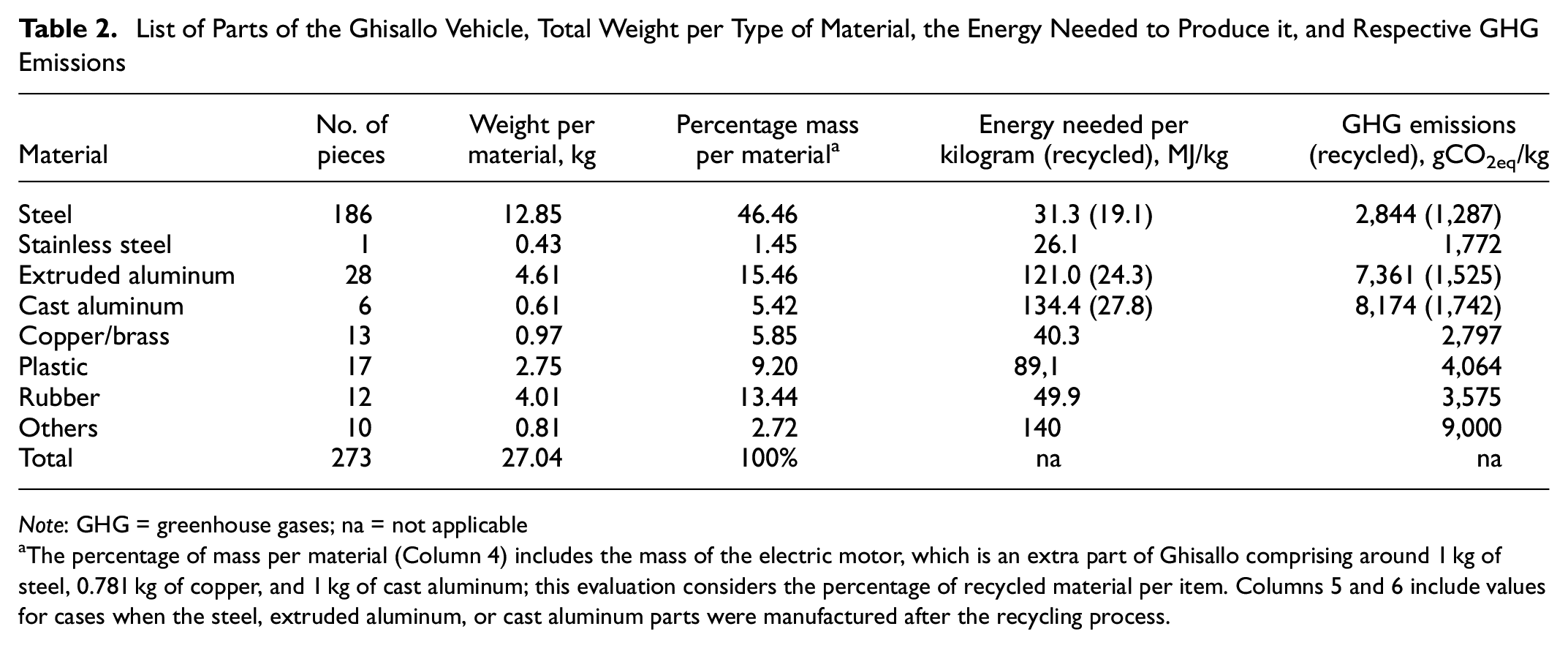
For the pillar of production, our vehicle’s expected lifetime was 10 years, with a mean daily range of 7 km. It is a one-passenger vehicle with a 0.7 utilization factor value (which considers vandalism, theft, accident, and vehicle nonuse days). Therefore, Ghisallo was ultimately expected to travel approximately 2,600 km/year, which equates to 18,200 km/v during its lifetime, which is 7 years when considering the utilization factor. It was also considered that each tire and the battery would be changed once in its lifetime. Thus, we included three spare units of tires and one battery in the bill of materials. The electric motor weighs 2.79 kg (Motor Shimano E7000); its composition is 36% steel, 28% copper, and 36% cast aluminum ( 39 ). In Table 2, we summarize the characteristics of the Ghisallo vehicle: its materials, energetical and environmental information in relation to the production of parts, including spare parts in the count of vehicle's pieces. Ghisallo comprises additional parts (e.g., cork handles, nylon washers, saddle, and electrical circuit board), which are categorized as “Others” in the table.
List of Parts of the Ghisallo Vehicle, Total Weight per Type of Material, the Energy Needed to Produce it, and Respective GHG Emissions
Note: GHG = greenhouse gases; na = not applicable
The percentage of mass per material (Column 4) includes the mass of the electric motor, which is an extra part of Ghisallo comprising around 1 kg of steel, 0.781 kg of copper, and 1 kg of cast aluminum; this evaluation considers the percentage of recycled material per item. Columns 5 and 6 include values for cases when the steel, extruded aluminum, or cast aluminum parts were manufactured after the recycling process.
In the execution of the LCA, the vehicle’s total weight without a battery was 29.83 kg. According to the GREET2 data, 26% of the steel, 11% of extruded aluminum, and 85% of cast aluminum were considered to be recycled materials. For that reason, in Table 2 and for our calculations, we considered the energy needed and GHG emissions for these specific recycled materials.The Ghisallo vehicle includes a battery with a specific energy of 0.149 kW/kg.
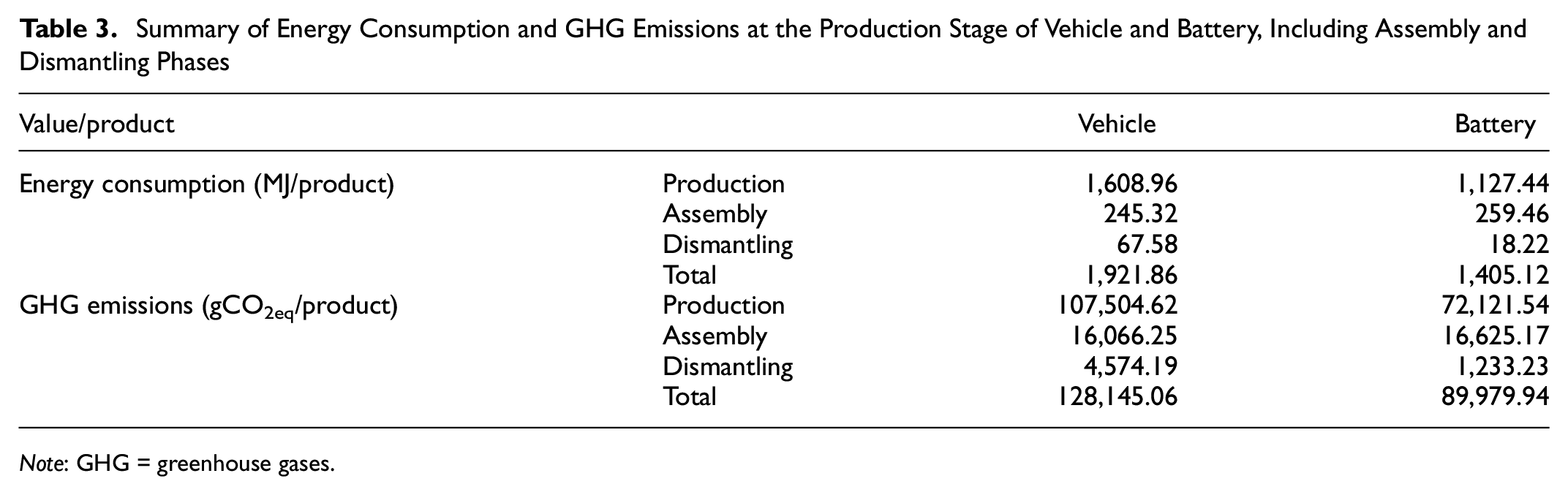
Using the values of the GREET2 database, we calculated the energy consumption and GHG emissions during the production, assembly, and dismantling/end-of-life stages of the vehicle and battery (summarized in Table 3).
Summary of Energy Consumption and GHG Emissions at the Production Stage of Vehicle and Battery, Including Assembly and Dismantling Phases
Note: GHG = greenhouse gases.
The values in the table include spare parts, therefore totaling 3,326.98 MJ/Ghisallo and 218,125.00 gCO2eq/Ghisallo when considering vehicle plus batteries. Finally, the inventory assumed a value of 0.058 MJ/v and 4,367 gCO2eq/v from operating fluids.
Transport
This LCA considered that a heavy goods transport vehicle powered by diesel would travel a mean delivery distance of 205 km with a load of 10 kgbetween the production site and the sales/booking site. Therefore, considering the assumptions of ITF Good to Go?, the energy consumption of distribution per Ghisallo vehicle was 10.3 MJ/v, with GHG emissions of 915.5 gCO2eq/v.
Infrastructure
We approached the baseline case scenario definition by considering that Ghisallo will use road (Type 1) infrastructures all the time, avoiding cycling paths (Type 2). For both road and bike lanes, the infrastructure lifetime was considered to be 30 years knowing that each (Type 1-Type 2) consists of a mixture (tons/kmtrack) of asphalt (1.00-0.12), cement (212.50-22.5) and steel (0.10-0.00). Therefore, considering the materials’ distribution for each type of infrastructure, the quantity of recycled steel used, and the usage rate of the vehicle per kilometer of road or cycling path, we calculated the energy needed to produce each infrastructure type. For Type 1 (road), 1,088,379 MJ/kmtrack was needed whereas for infrastructure Type 2 (bike lane) 114,999 MJ/kmtrack was the value. Similar to what was done in relation to the production pillar, we considered GHG emissions per material used on the infrastructures to obtain the GHG emissions per kilometer of track: 371,886.01 and 39,355.09 kgCO2eq/kmtrack, respectively for infrastructure Types 1 and 2. We converted both categories of values to functional unit by considering the mileage that Ghisallo would run on each type of track per year during its lifetime.
Thus, the energy consumption and GHG emissions per vehicle-kilometer in relation to infrastructure (Types 1 and 2) were 0.033 and 0.008 MJ/v-km; and 11 and 3 gCO2eq/v-km, respectively. As stated, in the baseline case scenario, our vehicle used road track 100% of the time, thus, LCA results did not calculate values for bike lanes.
Electricity
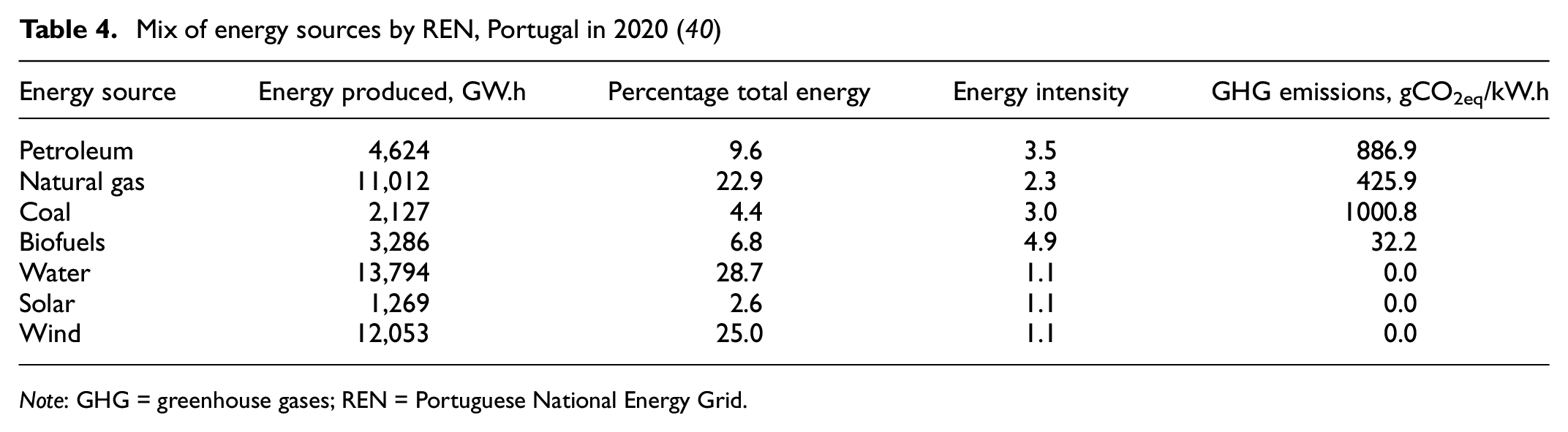
The LCA baseline scenario considered a full powering of the vehicle’s battery by electrical energy; therefore, with the mix of energy production at the Portuguese National Energy Grid (REN), characteristics were assigned as presented in Table 4. The final value of energy intensity well-to-tank of REN was 0.914. Therefore, once we consider the final mileage of the vehicle after 7 years of use, the energy consumption from electricity production to power the device was 2,632.95 MJ/v, and the GHG emissions totaled 101,854.73 gCO2eq/v, as the vehicle would consume 0.021 kW.h/km. Here we considered both the energy flows from well-to-tank and tank-to-wheel.
Mix of energy sources by REN, Portugal in 2020 ( 40 )
Note: GHG = greenhouse gases; REN = Portuguese National Energy Grid.
Alternative Scenarios
After completing characterization of the baseline scenario, we analyzed the possibility of changes across the pillars of analysis, including operational services if Ghisallo was considered to be a shared micromobility vehicle.
Five alternative scenarios were studied, and a sixth one combined the results of the best three in relation to energy consumption and GHG emissions. Figure 5 summarizes the pillars of analysis that underwent change.
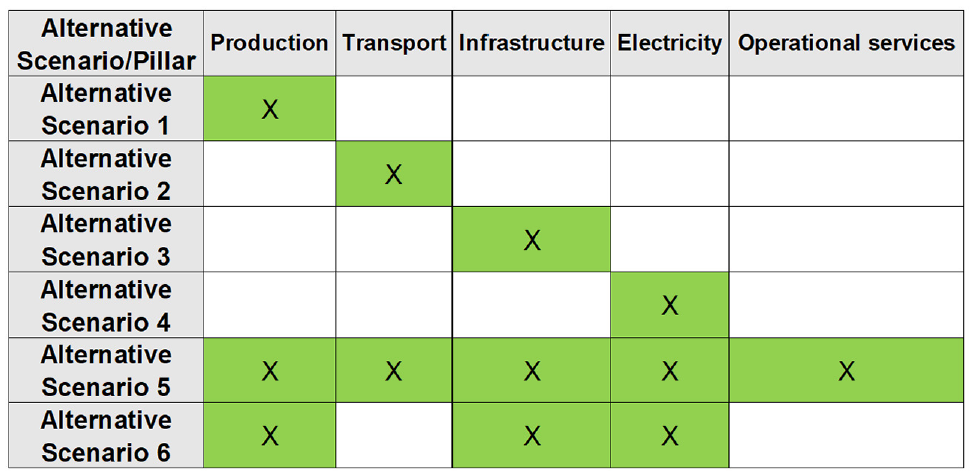
Summary of alternative scenarios based on life cycle inventory changes to the main pillars.
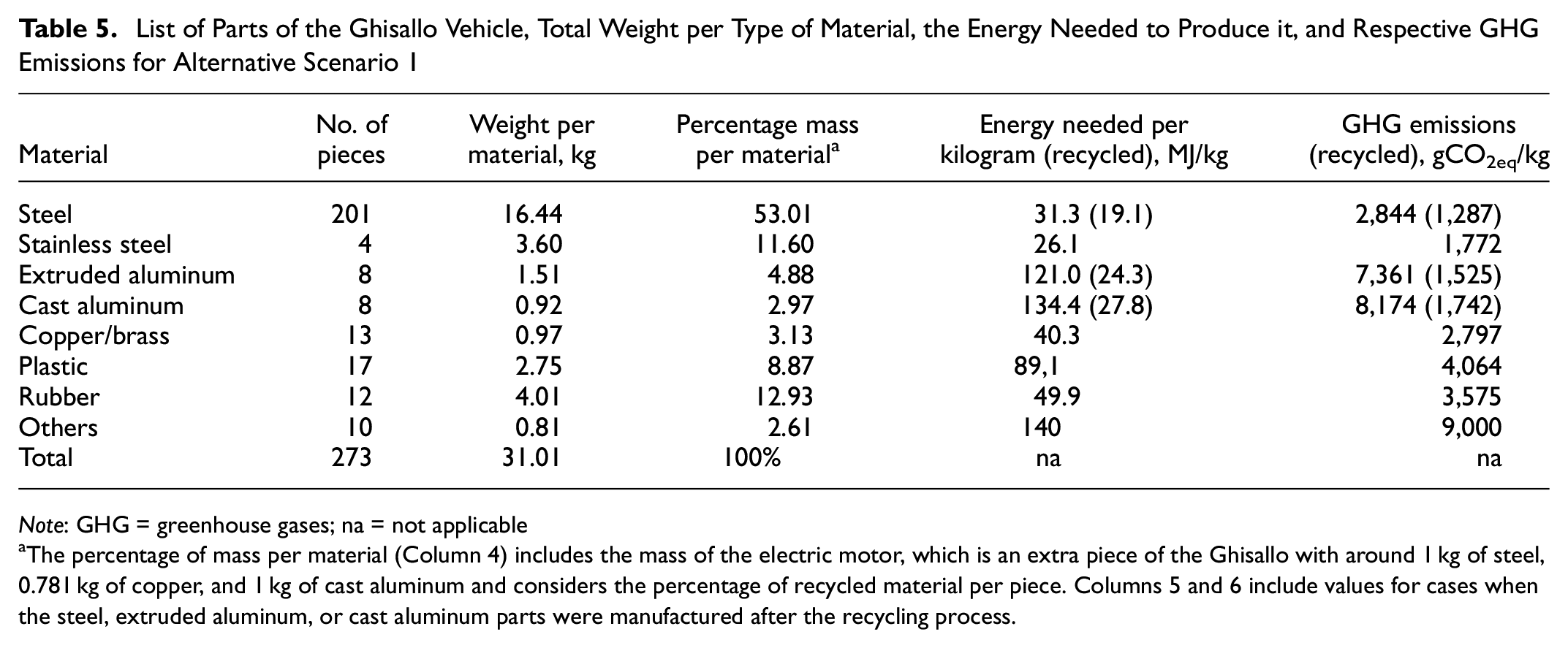
Therefore, in the Excel sheet for the tool from ITF Good to Go?, certain input values were changed to give a complete analysis of their relevance to the final LCA results from the perspective of energy consumption and GHG emissions. In Alternative Scenario 1, following the literature review, it was considered that 18 aluminum parts of the existing Ghisallo vehicle would be replaced by steel or stainless steel (11, 27, 29, 35). Therefore, in this scenario, the vehicle weight was now 33.8 kg and certain changes to the columns of “No. of pieces,”“Weight per material (kg),” and “Percentage mass per material” in Table 2 also had to be considered.
Alternative Scenario 1 inventory table is presented in Table 5.
List of Parts of the Ghisallo Vehicle, Total Weight per Type of Material, the Energy Needed to Produce it, and Respective GHG Emissions for Alternative Scenario 1
Note: GHG = greenhouse gases; na = not applicable
The percentage of mass per material (Column 4) includes the mass of the electric motor, which is an extra piece of the Ghisallo with around 1 kg of steel, 0.781 kg of copper, and 1 kg of cast aluminum and considers the percentage of recycled material per piece. Columns 5 and 6 include values for cases when the steel, extruded aluminum, or cast aluminum parts were manufactured after the recycling process.
In Alternative Scenario 2, the differences to the baseline scenario related to the transport pillar. The trips between the production and sales sites were considered to be performed by plane or truck. In this scenario, a medium-sized truck was considered to cover a distance of 245 km instead of the 205 km in the base case, whereas the plane trip was averaged at 1,200 km. This scenario simulates a case in which Ghisallo might be sold in the Portuguese islands: the vehicle would have to be transported from Vila Nova de Gaia to Madeira or the Azores by plane and then travel the final few kilometers by dedicated transportation van.
In Alternative Scenario 3, we inputted into the LCA that 10% of the time, Ghisallo would be traveling on the road (Type 1) and 90% of the time on bike lanes (Type 2). Therefore, in this scenario both types of track were considered when looking at the values previously presented in Transport section. This scenario represents a city where bike lanes are well developed. However, a sensitivity analysis should be made in future to allow for different scenarios of bike lane use.
In light of Portugal and other countries of the world looking to become carbon neutral by 2050, in Alternative Scenario 4 we analyzed the impacts of the Ghisallo LCA if renewable energy sources were to be used to entirely power its battery. We considered that the values from Table 4 would have a distribution for which nonrenewable sources were responsible for 0% of the energy mix. This relates to the ITF Good to Go? assumptions about GHG emissions and the energy intensity of solar panels, wind turbines, and other renewable energy sources related to infrastructures being zero. Again, a broader sensitivity analysis of Ghisallo could be undertaken in future studies to understand the volatility of the results depending on different grid mixes in diverse places around the world.
Finally, in Alternative Scenario 5, the impacts of a shared mobility perspective were analyzed. Modeling the Ghisallo vehicle with a similar approach to an e-scooter, to guarantee an accurate comparison between the baseline and this scenario, we initially considered the real-life mileage would be 18,200 km with the vehicles traveling 7 km/day. Thus, after introducing an extra utilization factor of 0.45 resulting from vandalism, utilization, and tampering (typical characteristics within shared mobility scenarios), this resulted in an actual mileage per vehicle of 8,334 km/v, as the actual lifetime of the vehicle would drop from 7 to 3.2 years. We also allowed for the tires being changed twice instead of once, which meant six spare tires (against the previous three). Once the lifetime, the number of spares, and mileage per life cycle was changed, all the other pillars of infrastructure, transport, and electricity were also affected. Also, as the vehicle became a shared device, the pillar of operational services had to be considered. That resulted in an extra 8,267.34 MJ/v and 572,292.80 gCO2eq/v owing to a van circulating in the city to pick abandoned/damaged Ghisallos or replacing them in pickup stations. Again, care has to be taken to guarantee homogeneity between the comparisons. This is because the crucial values need to be assessed according to the functional unit and the vehicle in the study. Therefore, in the later results, these two values are presented per vehicle and kilometer.
We completed the alternative scenarios by maximizing efforts to obtain an LCA in which environmental impacts had the least effect on total energy and GHG emissions per vehicle-kilometer. Therefore the sixth scenario included the changes considered in Alternative Scenarios 1, 3, and 4 to maximize the overall benefits.
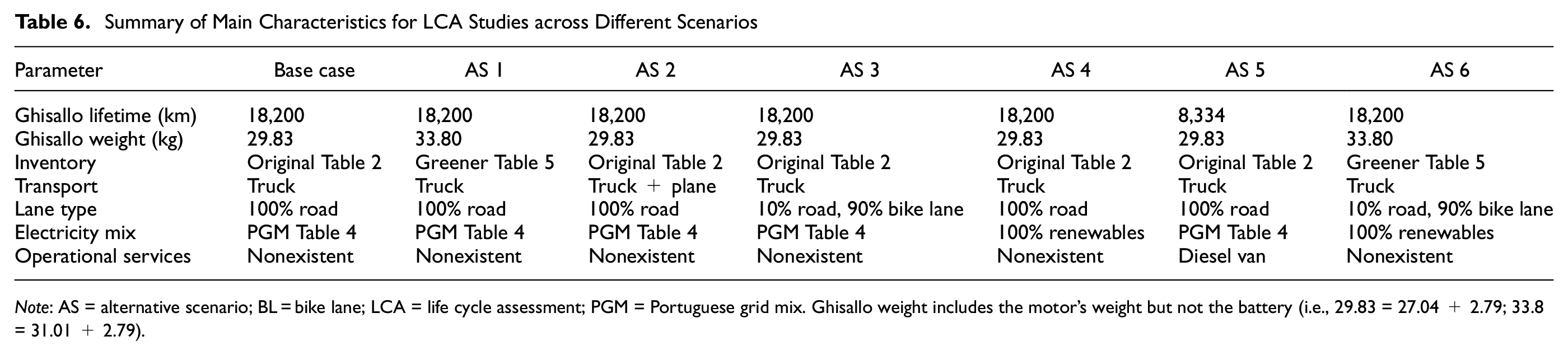
To summarize, Table 6 presents the main changes that were considered when performing the calculations.
Summary of Main Characteristics for LCA Studies across Different Scenarios
Note
Results and Discussion
Considering our baseline scenario, according to the existing vehicle and the primary considerations of the inventory, without vehicle sharing, we estimated a total value of energy consumption per vehicle and kilometer of 0.361 MJ/v-km. GHG emissions of the Ghisallo vehicle were estimated to be 29.033 gCO2eq/v-km. In both cases, the production stage was responsible for the most significant impact at 50.68% and 42.11%, respectively. These results, and the distribution of impact share by pillar for the baseline scenario, are described in Figure 6.
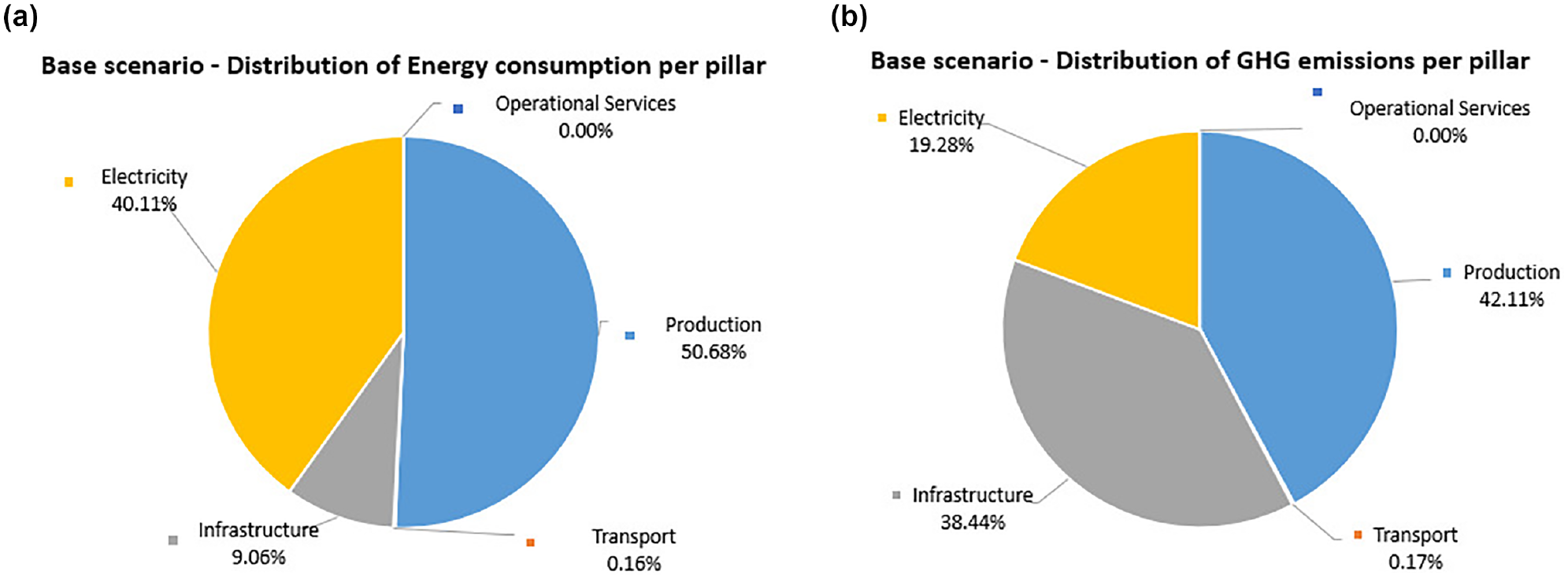
Baseline scenario—Percentage of impact by pillar given the final values: (a) energy consumption and (b) greenhouse gas (GHG) emissions per vehicle-kilometer.
We compared the LCA results for the multiple alternative scenarios. By analyzing the first five alternative scenarios, we verified that Alternative Scenarios 2 and 5 would not benefit the environment compared with the base scenario. The results for energy consumption in these two alternative scenarios were approximately 9% and 340% worse, respectively, whereas GHG emissions were approximately 10% and 300% worse. Therefore, were assumptions such as the transport of Ghisallos by plane, or operating a network of Ghisallos as shared mobility vehicles applied in real life, poorer LCA results could be induced. However, the contrary was observed when assuming replacement of the aluminum parts with steel, 100% renewable energy mix, or bike lanes 90% of the time. These scenarios (Alternative Scenarios 1, 3, and 4) revealed that these actions would enhance the results of the LCA.
By combining the changes applied that resulted in favorable alternative scenarios we analyzed Alternative Scenario 6. This resulted in an estimation of a potential scenario in which Ghisallo could consume 25% less energy and emit 45% fewer GHG emissions than in the base scenario. Specifically, replacing aluminum parts with steel, using more bike lanes instead of the typical 100% road use, and increasing the proportion of renewables in the energy mix to 100% resulted in final total values of 0.268 MJ/v-km and 15.850 gCO2eq/v-km for Alternative Scenario 6. These results are confirmed by Figures 7 and 8.
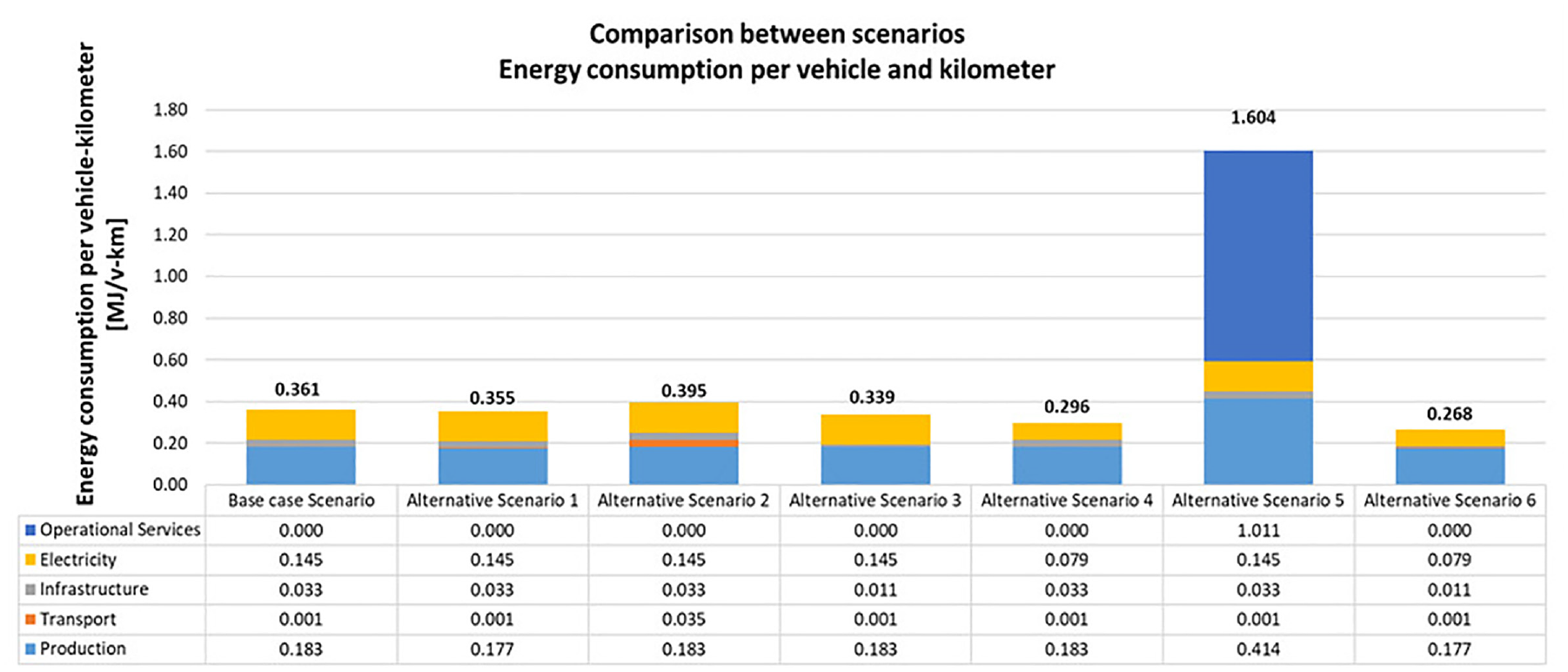
Energy consumption comparison between scenarios.
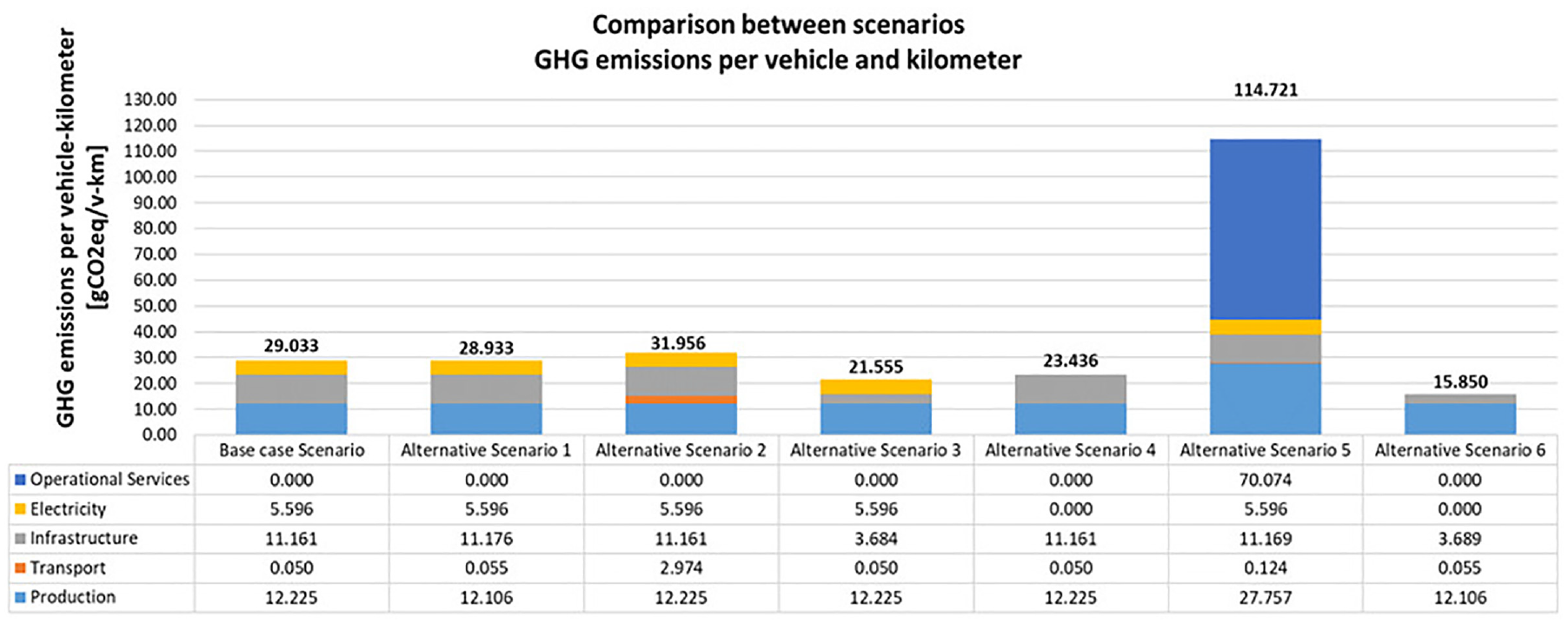
GHG emissions comparison between scenarios.
Additionally, we performed a comparison between the results obtained for the base case scenario and the ones provided by the ITF Good to Go? Excel tool for multiple mobility modes. When analyzing the values for energy consumption and GHG emissions per vehicle-kilometer, it was possible to verify that the base values of 0.361 MJ/v-km and 29.033 gCO2eq/v-km for the Ghisallo vehicle were similar to values for mopeds, e-scooters, and bicycles. By analyzing Figures 9 and 10, it was possible to verify that estimations of Ghisallo’s LCA results were in a range similar to multiple micromobility vehicles. Moreover, these types of vehicles have proven to be much more environmentally friendly than modes like cars.
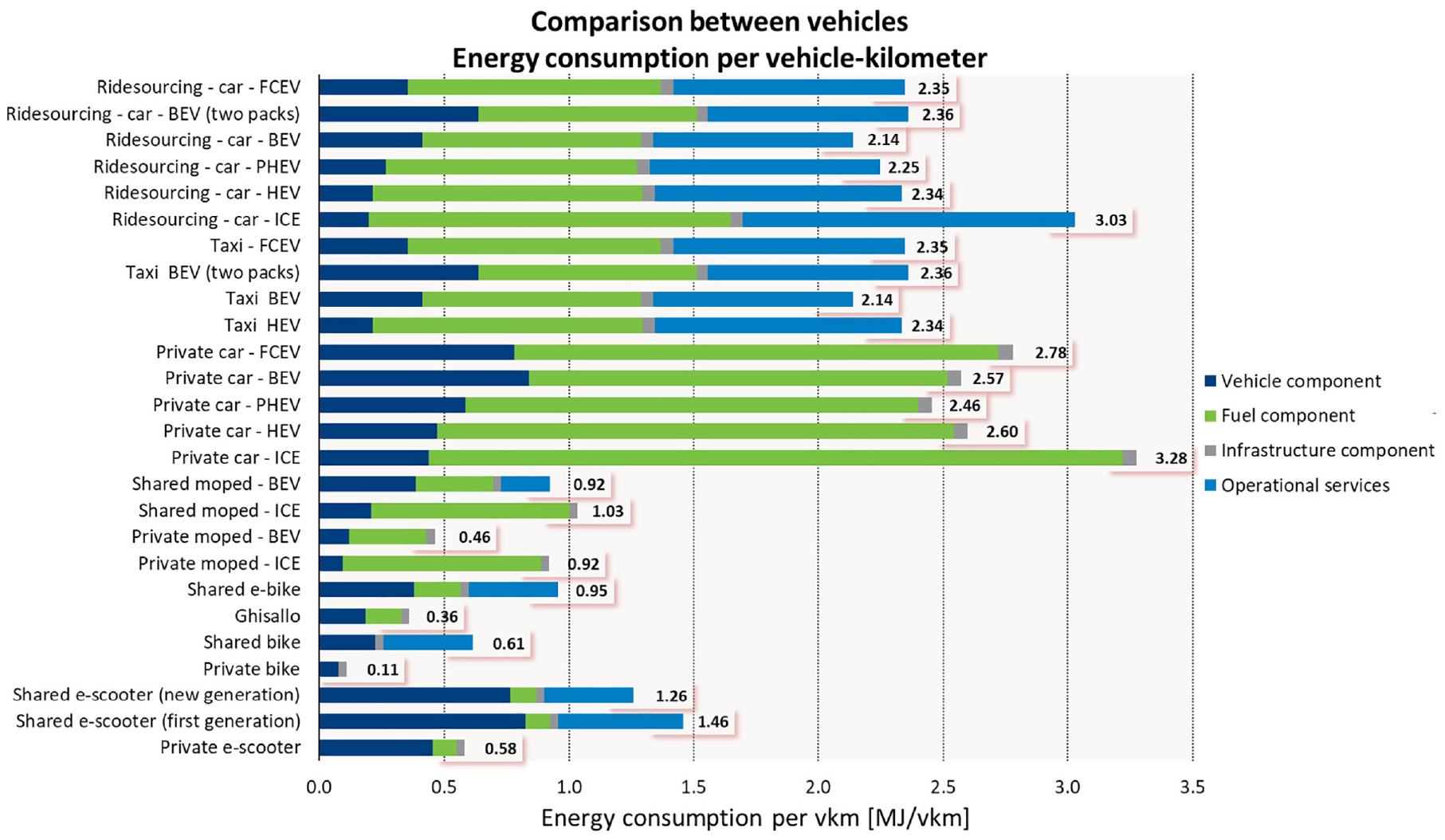
Energy consumption per vehicle-kilometer—comparison between Ghisallo (baseline scenario) and other vehicles.
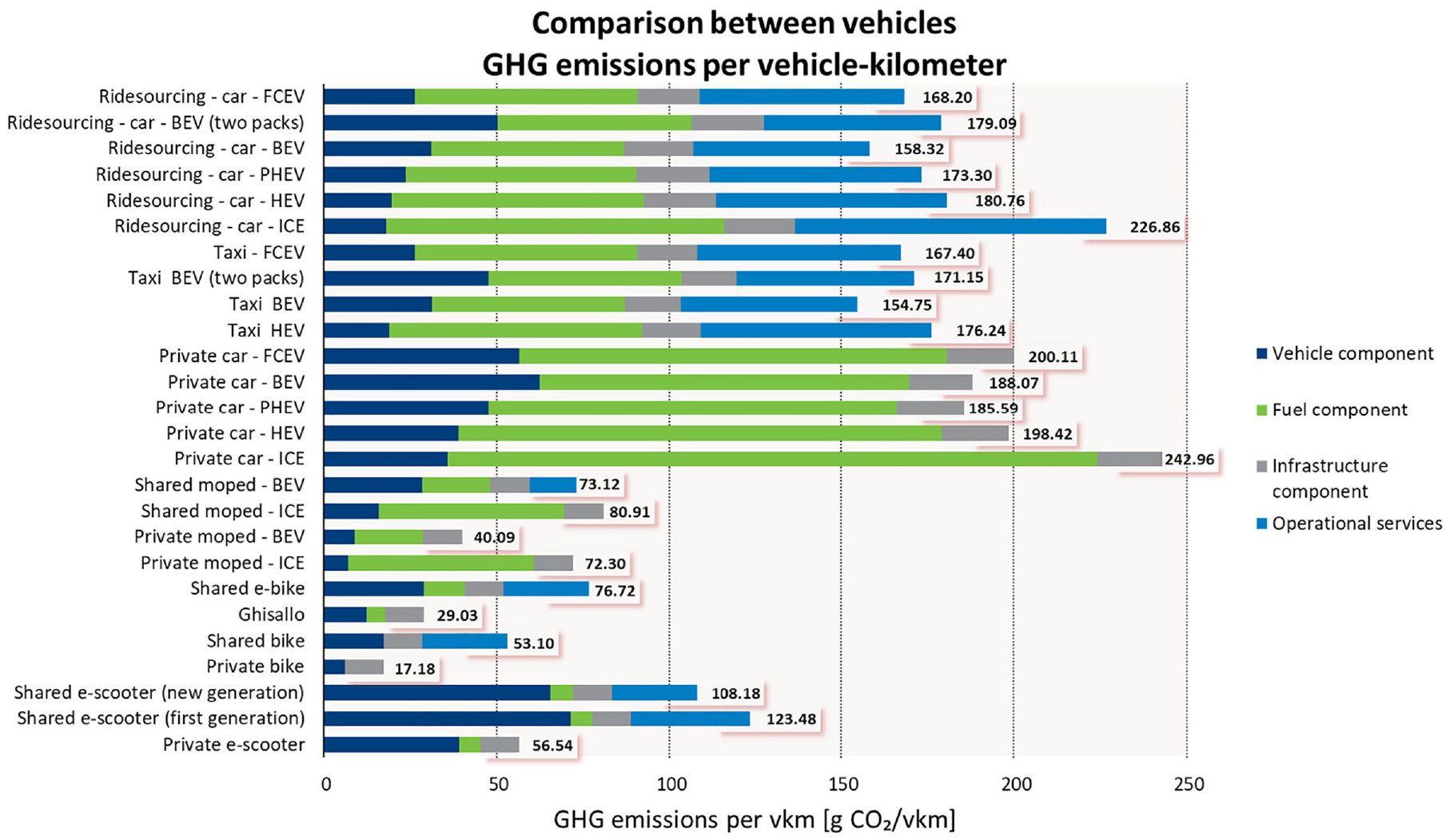
GHG emissions per vehicle-kilometer—comparison between Ghisallo (baseline scenario) and other vehicles.
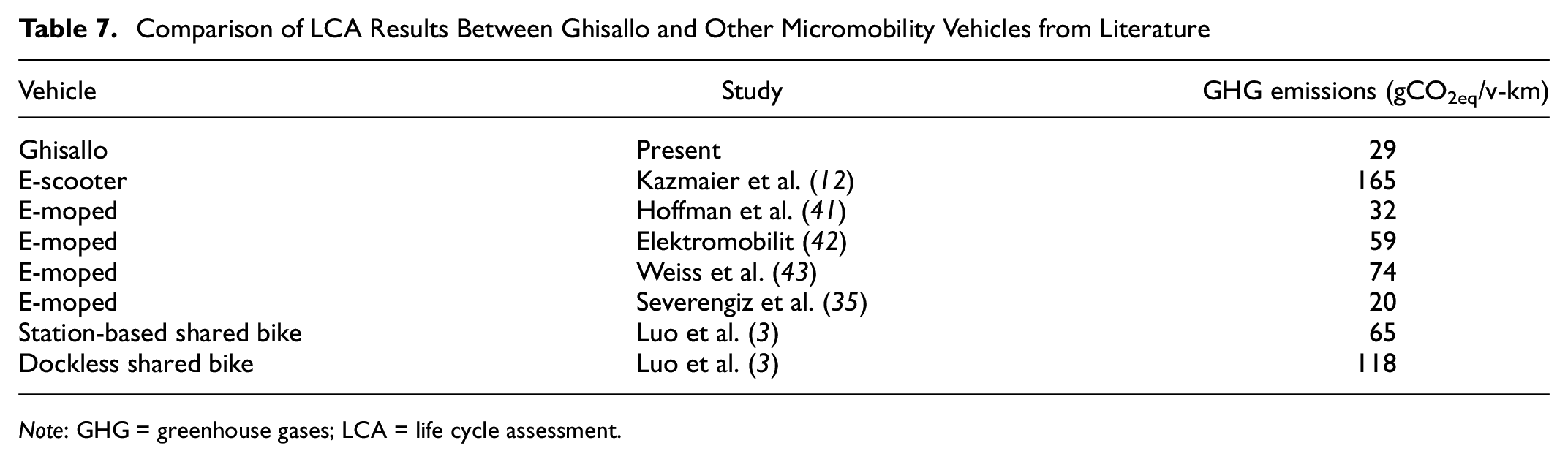
To complement our analysis, in addition to comparing the results between Ghisallo and other vehicles, in Table 7 we present a comparison between the results of this study and from literature for other micromobility vehicles. Specifically, this verified that the estimated GHG emissions per vehicle-kilometer for Ghisallo were in the range of values estimated by peer authors.
Comparison of LCA Results Between Ghisallo and Other Micromobility Vehicles from Literature
Note: GHG = greenhouse gases; LCA = life cycle assessment.
A limitation of our study was the lack of data related to the actual percentage of use on each of the infrastructure types. Further research should include sensitivity analyses to compare the impacts of different percentages of bike lane versus road use. For that purpose, future work might benefit from increasing data availability provided by shared mobility companies with GPS tracking. Moreover, since the assumptions made in the multiple scenarios were not supported by strong scientific fact, we recommend undertaking a more in-depth sensitivity analysis. For instance, different configurations of bike- and road lanes could be assessed instead of just the two cases where we considered 0% or 90% bike lane use. Likewise, different scenarios of renewable energy penetration would allow comprehension of the environmental impacts of Ghisallo when operating in cities with multiple characteristics.
Finally, Ghisallo should be studied in relation to its potential economic and social impacts. For example, these LCAs did not consider the impacts of user exposure to pollutants and noise. Likewise, our vehicle could be used as cargo bikes to perform logistical operations. All such applications could be studied from an LCA perspective to understand how commercially lucrative this option could be.
Conclusions
This study assessed the life cycle impacts of a novel micromobility device, the Ghisallo vehicle. The ITF Good to Go? tool was adapted to incorporate this new vehicle, with a satisfactory degree of concordance between inputs from the GREET database and energy sources from European and Portuguese electricity grids. However, the GREET database should be adapted in future studies to include European-based data to improve the accuracy of the results. Moreover, a new LCA should be performed once the vehicle reaches a “design freeze” stage, which means no more parts will be changed at the design stage. Once that stage has been completed, the manufacturers should be consulted to enhance inventory accuracy, mainly in relation to the percentage of recycled materials used in the production stages, such as aluminum and steel. The air transport to the Portuguese islands showed the potential to be 10% more harmful to the environment. Furthermore, the estimation of 0% or 90% use of bike lanes should be reevaluated in further studies according to accurate data.
Overall, the results of the preliminary estimation showed that the Ghisallo vehicle has the potential to be included in the market as an alternative to e-scooters, e-bikes, and conventional bicycles. From the current state of development of our vehicle’s LCA, we also confirmed that the substitution of aluminum materials with steel and the significant inclusion of renewable sources at the electricity grid would benefit any LCA results for this type of vehicle. Moreover, the results allowed us to conclude that shared micromobility has a significant negative impact on the results, mainly from the decrease in the vehicle’s lifetime and the additional operational services required. Perhaps in future studies, both the transport and operational services pillars could evaluate the impact of using electric vans to undertake those tasks instead of diesel vehicles. Globally, Alternative Scenario 6 comprising multiple improvements allowed identification of the potential to reduce Ghisallo’s life cycle impact, reducing energy consumption by 25% and GHG emissions by 45%.
The preliminary results of the LCA on Ghisallo were confirmed to be in line with the strategic plans for the development of new mobility solutions, that is, sustainable from the cradle to the grave in multiple economic, social, environmental, and operational sectors. The limitations of this study were the result of using a non-European database (GREET) and the use of preliminary estimates for the pillars of transport, infrastructure, and operational services. Therefore, as soon as the manufacturers establish the bill of materials, and the device operability characteristics are more precise, namely the percentage of bike lane usage and the mileage between the production and sales sites, the available data for further LCA studies will be more accurate, relevant and able to confirm the vehicle’s potential while addressing any identified limitations.
Footnotes
Acknowledgements
The authors acknowledge Pierpaolo Cazzola of the International Transport Forum for the exchange of emails about ITF Good to Go?
Author Contributions
The authors confirm contribution to the paper as follows: study conception and design: J. Calão, A. G. Completo, M. C. Coelho; data collection: J. Calão, A. G. Completo; analysis and interpretation of results: J. Calão, A. G. Completo, M. C. Coelho; draft manuscript preparation: J. Calão and D. L. Marques. All authors reviewed the results and approved the final version of the manuscript.
Declaration of Conflicting Interests
The author(s) declared no potential conflicts of interest with respect to the research, authorship, and/or publication of this article.
Funding
The author(s) disclosed receipt of the following financial support for the research, authorship, and/or publication of this article: This work was supported by the projects: UIDB/00481/2020 and UIDP/00481/2020—Fundação para a Ciência e a Tecnologia; and CENTRO-01-0145-FEDER-022083—Centro Portugal Regional Operational Programme (Centro2020), under the PORTUGAL 2020 Partnership Agreement, through the European Regional Development Fund; Ghisallo—The research and development of a new urban commuting solution, based on a new next-generation electric vehicle concept (Project POCI-01-0247-FEDER- 033769) funded by COMPETE 2020; DICA-VE (Project POCI-01-0145-FEDER-029463); and Driving2Driveless (POCI-01-0145-FEDER-031923).
