




Abstract
This article presents a bibliometric analysis of the intersection between Indigenous knowledge systems and climate change adaptation, based on 507 journal articles from 1993 to 2023 sourced from the Web of Science database. Using citation analysis and keyword co-occurrence, the study examines key themes, trends and influential works, shedding light on the evolving discourse surrounding Indigenous knowledge systems in climate adaptation. It identifies regional variations and shifts in research focus, highlighting the growing recognition of the role of Indigenous knowledge systems in climate change adaptation, particularly in Africa. The study finds an increase in scholarly interest and research output, signalling the rising significance of Indigenous knowledge systems in both academic and practical domains. It also reveals diverse approaches to integrating Indigenous knowledge systems into adaptation efforts, including community-based participatory research and policy advocacy. The study recommends an enhanced collaboration and knowledge exchange among traditional knowledge-holders, researchers, policymakers and practitioners to fully leverage Indigenous knowledge systems in addressing climate challenges effectively.
Introduction
Climate change is widely recognized as the most significant global environmental challenge of our time, impacting every aspect of society (O’Neill et al., 2020). However, substantial shifts in public policy and individual behaviours remain elusive, despite this recognition, suggesting the need for more tangible outcomes (Bradley et al., 2021). Globally, communities and governments face two main challenges: reducing the risks linked to hydro-meteorological hazards and adjusting to the changing climate (Gupta et al., 2009). Climate patterns vary unpredictably, affecting the frequency of extreme weather events, their intensity and timing, and worsening concerns about droughts. Indigenous communities, who are heavily reliant on rain-fed agriculture (Onye kuru, 2014), find themselves at the forefront of climate change impacts, their agricultural livelihoods hanging in the balance. Despite their heightened vulnerability, their reservoirs of unique knowledge and experiences remain largely untapped by interventions aimed at strengthening resilience or promoting adaptation (Tall et al., 2023). Recognizing this gap, this article embarks on a comprehensive bibliometric analysis spanning 1993 to 2023, exploring literature on the integration of Indigenous knowledge systems (IKS) into climate change adaptation strategies.
IKS, also referred to as traditional knowledge or local knowledge, encompasses the collective wisdom, practices, beliefs and understanding accumulated over generations by Indigenous peoples within their communities (Gupta, 2012; Kolawole, 2009). It is passed down orally or through cultural practices and rituals, and often integrates deep insights into local ecosystems (Mhache, 2018), weather patterns, natural resources, and sustainable practices tailored to specific geographical and cultural contexts (Siambombe et al., 2018). Climate change and climate variability represent the dynamic nature of the Earth’s climate system. Climate change refers to significant, long-term alterations in temperature, precipitation and weather patterns over decades or centuries, largely attributed to human activities, such as the burning of fossil fuels and deforestation (Roy and Ayalon, 2024). Climate variability, on the other hand, pertains to natural fluctuations in climate patterns over shorter timescales, including seasonal, annual and decadal variations (Arias et al., 2024). Adaptation, within the context of climate change, refers to the proactive process of adjusting to the changing climate conditions to reduce vulnerability and enhance resilience (Quang et al., 2024). This involves the implementation of strategies to cope with the impacts of climate change, such as extreme weather events, rising temperatures, changing precipitation patterns and rising sea levels. Adaptation measures range from building resilient infrastructure and diversifying livelihoods to implementing early warning systems and conserving natural ecosystems (Quang et al., 2024). Indigenous communities’ long-standing harmony with their environments yields valuable insights for climate change adaptation, emphasizing the need to incorporate their knowledge systems (Kronik and Verner, 2010). IKS offers invaluable perspectives on local climate patterns, natural resource management, agricultural practices and community resilience strategies that are often overlooked by mainstream scientific approaches. By incorporating Indigenous knowledge into climate change adaptation efforts, it becomes possible to enhance the effectiveness, sustainability and cultural appropriateness of adaptation strategies (Nyong et al., 2007). This integrated approach ensures that adaptation measures are traditions, leading to more resilient outcomes for Indigenous and non-Indigenous communities alike.
Utilizing VOSviewer, this bibliometric analysis of literature on the role of IKS in adapting to climate change aims to examine publication trends from the Web of Science database. It specifically focuses on the role of IKS in climate change adaptation. The analysis explores publication trends, collaboration networks, citation patterns and co-occurrence networks among the documents. This article offers an overview of the role of IKS in climate change adaptation research, serving as a valuable reference for scholars and practitioners in the field.
Purpose of the study
This article aims to utilize bibliometric research techniques to examine publishing trends with respect to the incorporation of IKS in climate change adaptation literature over 30 years (1993–2023). The specific objectives of the article include:
Investigating the yearly (1993–2023) distribution of publications on the utilization of IKS in climate change adaptation; Assessing the distribution of IKS utilization in climate change adaptation literature based on institution and country; Identifying and mapping the most productive authors contributing to articles on IKS and climate change adaptation; Determining the top journals publishing literature on the utilization of IKS in climate change adaptation; Identifying and discussing the main themes emerging from the literature on the utilization of IKS in the adaptation to climate change.
Methodology
Publish or Perish 8 was used to extract relevant articles from the Web of Science database, covering publications from 1993 to 2023. The Web of Science database was chosen for bibliometric analysis on IKS and climate change adaptation due to its advantages over other sources. Additionally, the co-occurrence network of keywords was analysed using VOSviewer. The utilization of the Web of Science database over other databases such as Google Scholar and Scopus is substantiated by several key reasons. The Web of Science offers extensive academic coverage across multiple disciplines, establishing it as a comprehensive repository of scholarly literature (Pranckutė, 2021). This extensive coverage enhances the reliability and inclusivity of bibliometric analyses conducted therein. Also, the database maintains a stringent quality-control process, ensuring the inclusion of high-calibre literature characterized by rigorous peer review and scholarly merit (Gingras and Khelfaoui, 2018). Consequently, researchers have greater confidence in the accuracy and credibility of data extracted from the Web of Science (Pranckutė, 2021). Furthermore, the Web of Science has robust citation data that facilitates in-depth citation analysis, enabling researchers to trace the scholarly influence and impact of publications within their respective fields (Meho and Rogers, 2008). This feature is particularly invaluable for comprehensively understanding the scholarly landscape and identifying seminal works. Moreover, the global reach of the Web of Science ensures representation from diverse geographical regions and academic institutions, thereby enriching the breadth and diversity of the data pool for analysis. Finally, the specialized functionalities of VOSviewer complement the capabilities of the Web of Science database, offering researchers powerful tools for visualizing and interpreting bibliometric data. With its ability to construct co-occurrence networks of keywords and analyse collaboration patterns among documents, VOSviewer provides detailed insights into the interconnectedness and thematic evolution of scholarly literature (Chen et al., 2022). As a widely adopted tool in bibliometric analysis, its compatibility with the Web of Science database enhances the efficiency and effectiveness of bibliometric research endeavours. Therefore, the integration of the Web of Science database and VOSviewer software offers a compelling rationale for researchers in need of comprehensive, high-quality data sources and analytical tools for bibliometric analysis (Gan et al., 2022).
Results and discussion
This section presents and discusses the results under the following subheadings:
Number of publications per year Global distribution of the literature Institutions and citations of their work Top journals Author keywords Top authors Co-occurrence of keywords Major themes
Number of publications per year, 1993–2023
The distribution and trends of publications on the utilization of IKS in climate change adaptation between 1993 and 2023 show distinct phases of growth and stability (Figure 1). Initially, from 1993 to 2003, there was a gradual increase in publications, with an average annual growth rate of approximately 11.7%. This growth accelerated in the rapid growth phase from 2003 to 2013, with an average annual growth rate of approximately 27.5%. However, after reaching a peak in 2013, the number of publications remained relatively stable, indicating a plateau phase from 2013 to 2019, with minor fluctuations but no significant upward or downward trends, constituting approximately 25% of the total publication output. Subsequently, from 2019 onwards, there was a slight decline in publications, suggesting a possible shift in research focus or decreased interest in the topic, accounting for approximately 10% of the total publications. Despite this decline, research in this area continues, albeit at a reduced rate, indicating ongoing scholarly engagement with the intersection of IKS and climate change adaptation
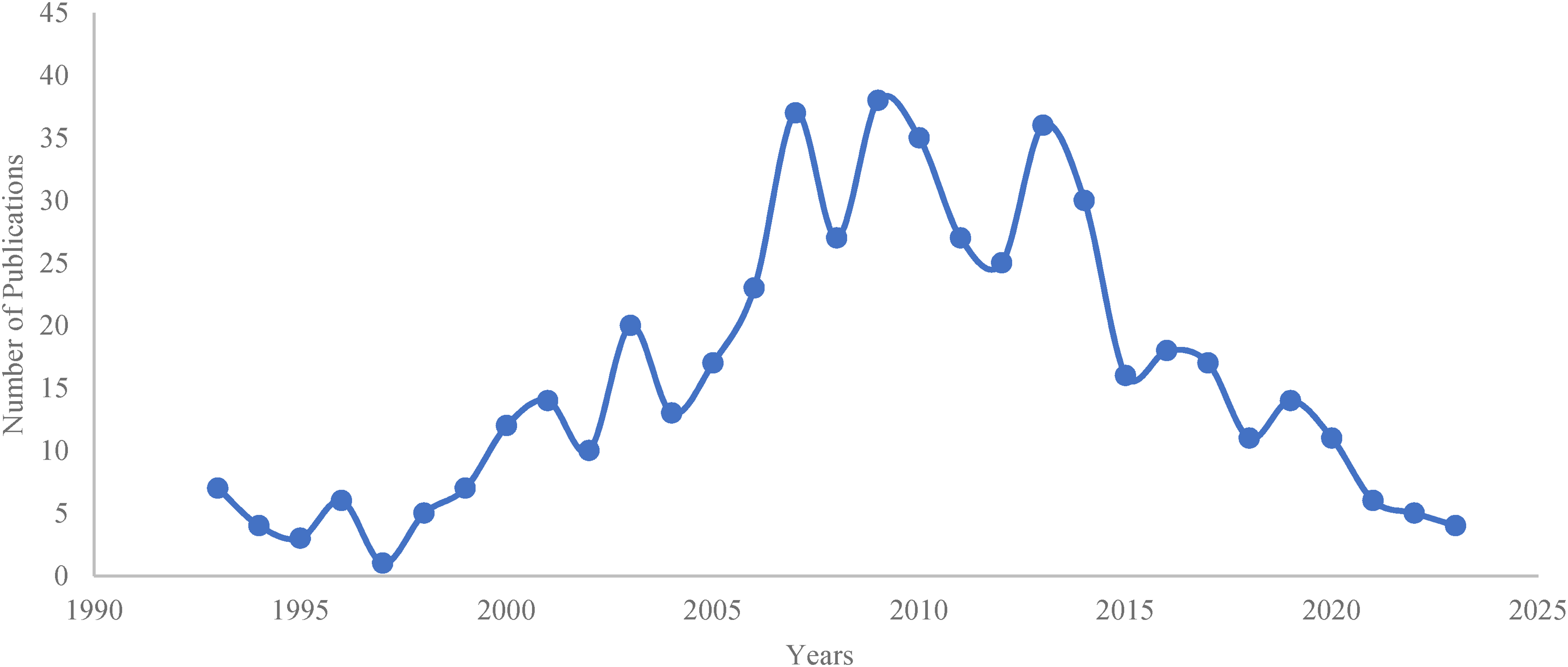
Number of IKS and climate change adaptation publications, 1993–2023.
Global distribution of the literature
Figure 2 illustrates the geographical distribution of documents concerning the use of IKS in adapting to climate change. There were 507 documents discussing IKS and climate change adaptation. Among these, the majority originated in Africa (170), followed by Europe (134) and North America (99). Asia and Oceania contributed 51 and 44 documents, respectively. The fewest number of records was from South America, totalling only 9. The significant number of publications on IKS and climate change adaptation can be attributed to several factors. First, Indigenous communities often possess deep-rooted IKS, which has been developed and refined over generations, offering valuable insights into sustainable adaptation strategies (Gupta, 2012). Researchers and policymakers recognize the importance of integrating this IKS with scientific approaches to enhance the effectiveness of climate change adaptation initiatives. Additionally, heightened awareness of the impacts of climate change on vulnerable communities, including Indigenous populations, has spurred increased research and attention in respect to their unique needs and perspectives. Moreover, there has been a growing recognition of the rights of Indigenous peoples and the importance of their knowledge systems in global climate change discourse (Belfer et al., 2017), leading to greater collaboration between Indigenous communities, researchers and policymakers (Cameron et al., 2021). Furthermore, funding agencies and international organizations have prioritized research and projects that aim to leverage IKS for climate change adaptation (Kibe, 2023), further driving the proliferation of publications in this field. In Figure 2, the geographical distribution of documents on the utilization of IKS in climate change adaptation underscores the global relevance of this topic, with Africa, Europe and North America being significant contributors, reflecting diverse regional contexts and challenges. The utilization of IKS in climate change adaptation encompasses various practices, including incorporating traditional ecological knowledge into land management strategies (Cameron et al., 2021), leveraging Indigenous agricultural techniques for resilience to changing weather patterns, and integrating Indigenous perspectives into policy development processes. These efforts not only enhance the resilience of Indigenous communities, but also contribute to broader efforts to address climate change challenges on a global scale.
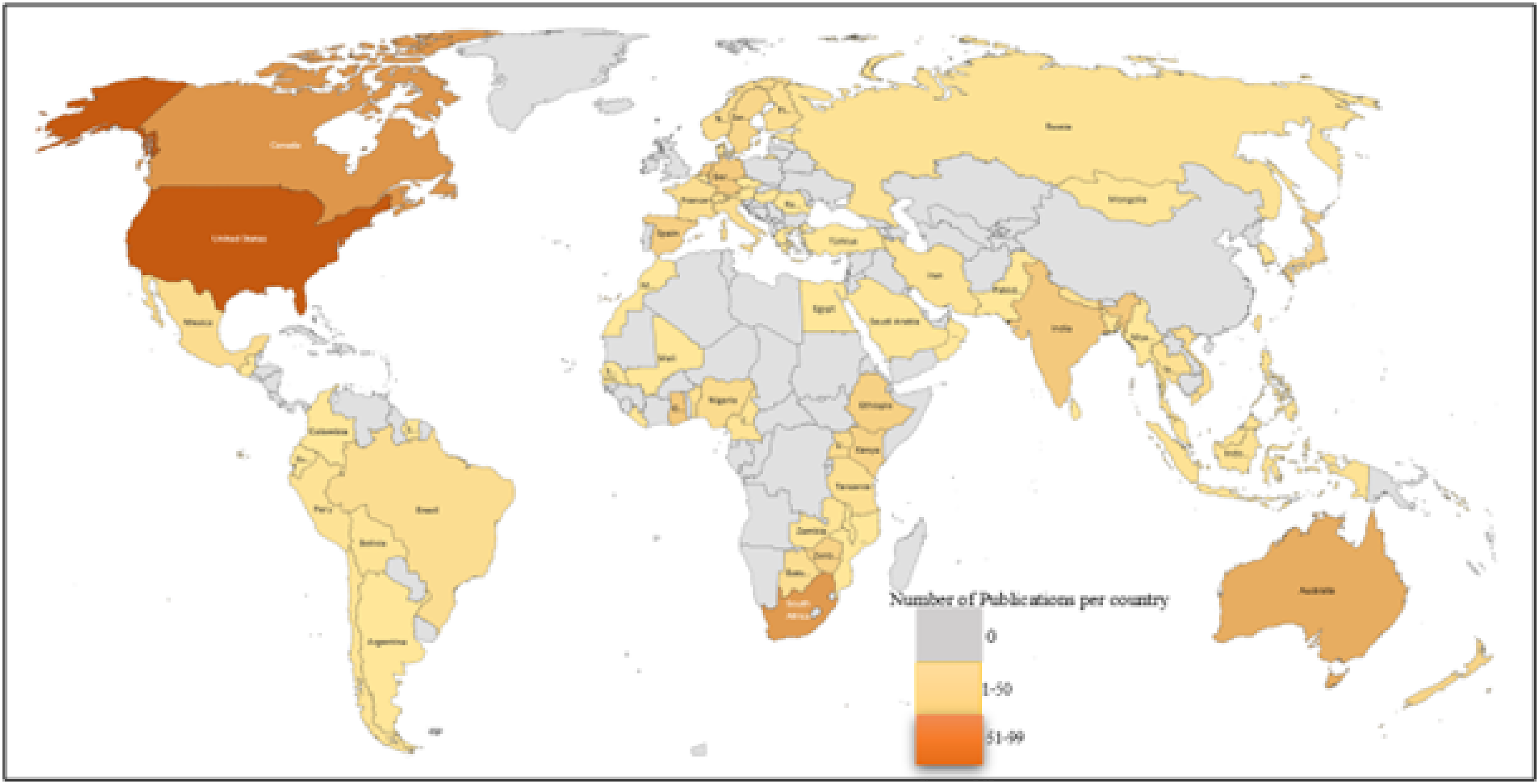
Geographical distribution of IKS and climate change adaptation publications across 77 countries.
Institutions and citations of their work
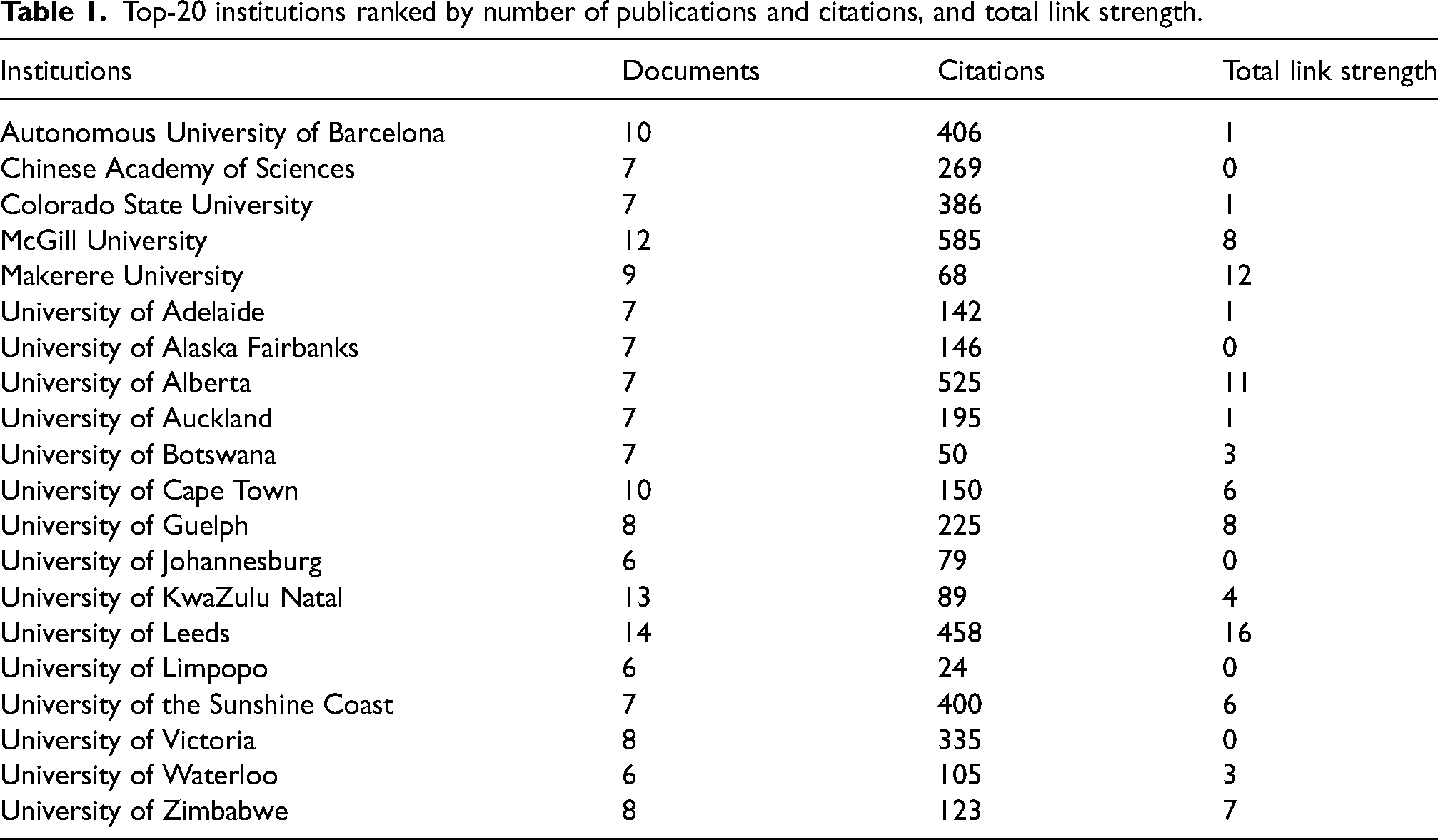
Table 1 shows the number of documents and citations, as well as total link strength, of various institutions concerning IKS and climate change adaptation. Several institutions stand out in terms of their contribution to research in this area. For instance, McGill University, with 12 documents and 585 citations, demonstrates a strong research output and high citation impact, indicating the influence and recognition of its work in the field. Similarly, the University of Leeds shows a robust performance, with 14 documents and a high total link strength of 16, reflecting a strong network of collaborations and contributions to the broader discourse on IKS and climate change adaptation. Makerere University, despite a smaller number of documents, exhibits a considerable total link strength of 12, suggesting active engagement and collaboration within the research community. Conversely, institutions such as the Chinese Academy of Sciences and the University of Johannesburg have fewer documents and citations, indicating a relatively lower level of research output or recognition in the field. The implications of these findings in the utilization of IKS in climate change adaptation across the globe are significant. Institutions with higher research output and citation impact, such as McGill University and the University of Leeds, likely play a pivotal role in shaping the discourse, informing policy decisions, and driving practical applications of Indigenous knowledge in climate change adaptation strategies. Collaborations between institutions with diverse expertise and geographical representation, as demonstrated by Makerere University’s high total link strength, are crucial for fostering a comprehensive and inclusive approach to addressing climate change challenges. The distribution of research output highlights the global significance of IKS in climate change adaptation. This stresses the importance of interdisciplinary and cross-cultural partnerships among institutions. Such collaboration is crucial in harnessing IKS for sustainable solutions to environmental challenges.
Top-20 institutions ranked by number of publications and citations, and total link strength.
Top journals
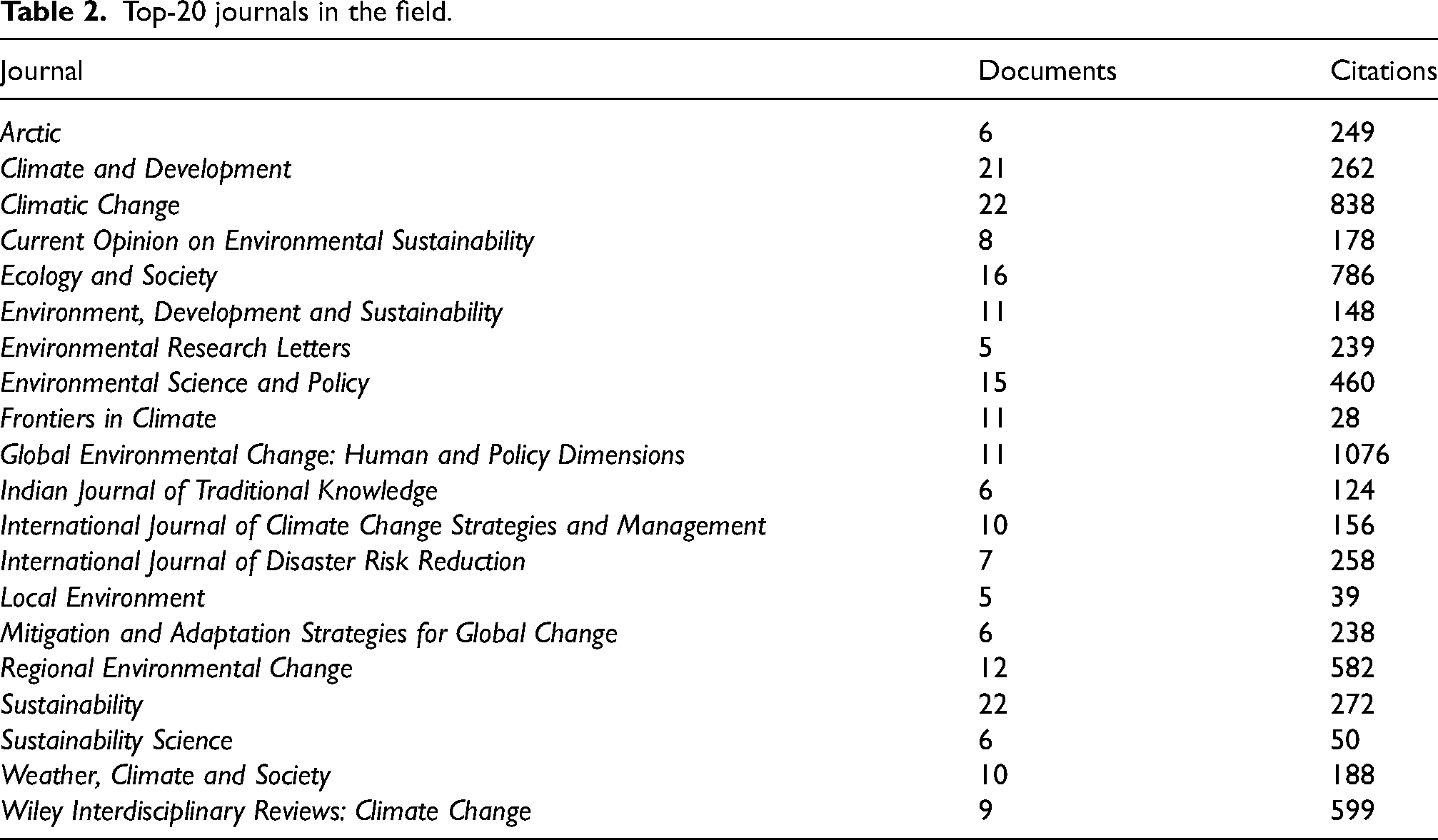
The journals in Table 2 serve as vital conduits for the dissemination of knowledge regarding the utilization of IKS in the adaptation to climate change. Each journal contributes uniquely to this field, whether through research articles, reviews or commentaries. Examining the number of articles published and citations gathered from 1993 to 2023 provides insight into the significance and impact of these journals within the academic community. Among the journals, Climatic Change and Sustainability stand out with 22 published documents each, and 838 and 272 citations, respectively. These journals have been cornerstones in climate change research, covering a broad spectrum of topics, including IKS. Their substantial number of citations indicates their influence in shaping discourse and policy in this area. Similarly, Global Environmental Change: Human and Policy Dimensions published 11 articles but had a total of 1076 citations. This suggests that its content, which includes discussions on Indigenous adaptation strategies, is widely referenced and influential in academic circles and policy formulation. Other journals, such as Ecology and Society and Regional Environmental Change, also made significant contributions, publishing 16 and 12 documents and with notable citation counts of 786 and 582, respectively. These journals provide platforms for researchers to explore the intersection of IKS and climate change adaptation, fostering interdisciplinary dialogue and understanding. While some journals, such as Weather, Climate and Society and Environmental Research Letters, had fewer published articles (10 and 5, respectively), their citation counts (188 and 239, respectively) suggest that they play valuable roles in disseminating knowledge on adaptation strategies using IKS within the climate change discourse. Moreover, journals like the Indian Journal of Traditional Knowledge highlight the importance of incorporating Indigenous communities’ perspectives into climate change adaptation discussions. Despite publishing only 6 documents, its 124 citations indicate that it provides valuable insights into IKS and its relevance in contemporary climate change adaptation efforts. Overall, these journals collectively serve as essential platforms for researchers to share findings, exchange ideas and advance understanding of IKS in the context of climate change adaptation. Their varying publication rates and citation counts reflect the diverse approaches and interests within this interdisciplinary field, ultimately contributing to more informed and effective adaptation strategies for Indigenous communities worldwide.
Top-20 journals in the field.
Author keywords
Keywords serve as a fundamental component of scientific articles, providing a condensed representation of the article’s contents (Linnenluecke et al., 2020). Understanding the focus areas and developmental trends within a field requires a systematic analysis of the selection of keywords in pertinent studies (Liu et al., 2016). Figure 3 illustrates the top-20 keywords organized into three clusters. Cluster 1 in the network analysis of the utilization of IKS in climate change adaptation focuses on a broad spectrum of key concepts related to adaptation strategies. This cluster encompasses keywords such as ‘adaptive capacity’, ‘Arctic’, ‘resilience’ and ‘traditional ecological knowledge’. These terms suggest a concentration on understanding how Indigenous communities adapt to climate change, particularly in regions like the Arctic where the impacts are profound. The inclusion of terms like ‘Indigenous peoples’ and ‘traditional knowledge’ indicates a recognition of the importance of Indigenous perspectives and practices in addressing climate change challenges.
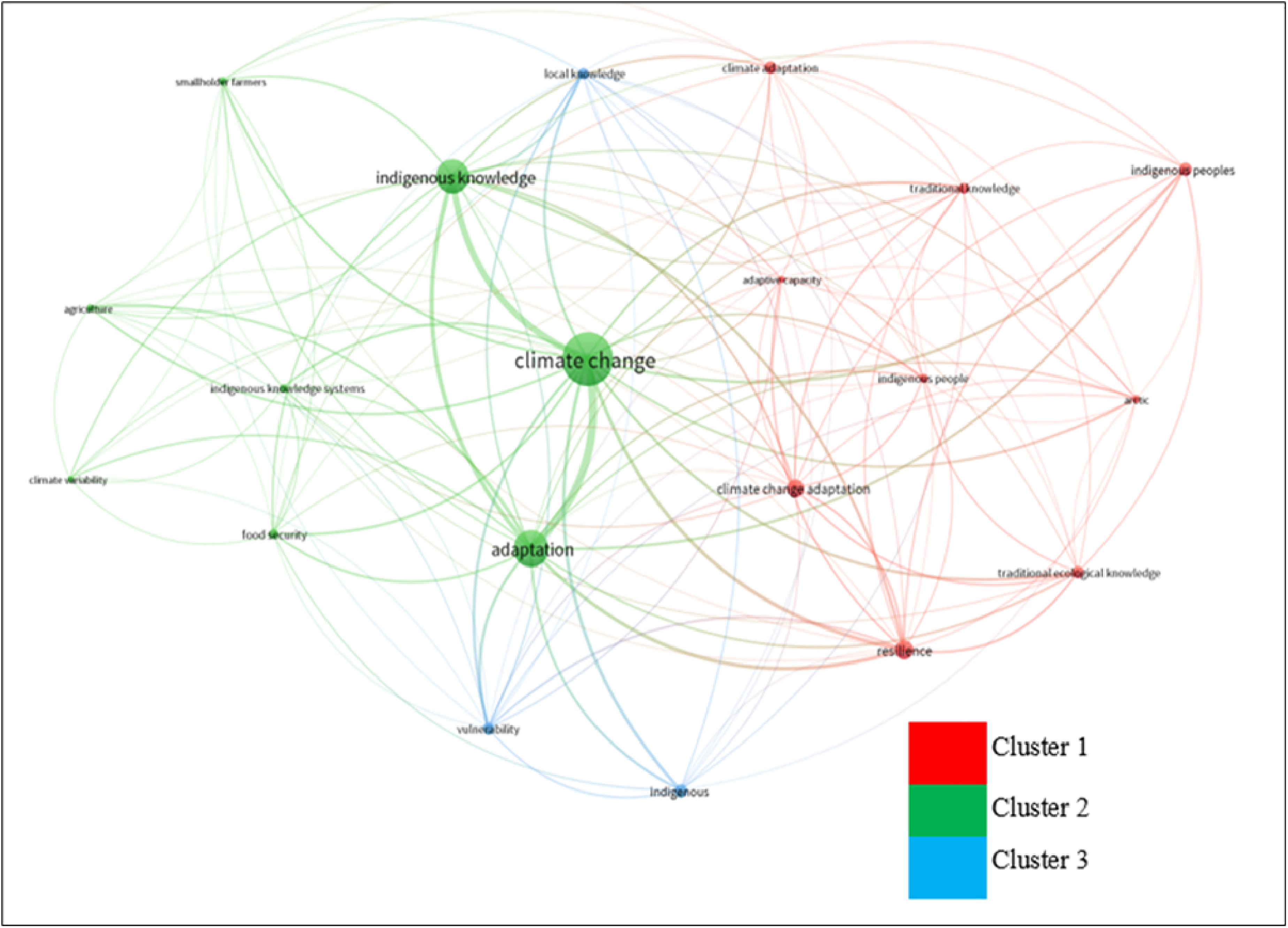
Top-20 author keywords, 1993–2023.
Cluster 2, on the other hand, seems to concentrate more on specific aspects of climate change adaptation, particularly agriculture and smallholder farmers. Terms like ‘agriculture’, ‘climate variability’ and ‘smallholder farmers’ imply a focus on how IKS contributes to agricultural practices and resilience-building efforts in the face of climate change. This cluster also emphasizes the role of IKS in understanding climate change impacts and developing localized adaptation strategies. Cluster 3, with keywords such as ‘Indigenous’, ‘local knowledge’ and ‘vulnerability’, suggests a thematic focus on the vulnerabilities of Indigenous communities in the context of climate change. This cluster explores how IKS contributes to understanding and addressing vulnerabilities, particularly within local contexts. Overall, the clusters indicate a diverse range of research interests within the field of utilizing IKS in climate change adaptation. Authors studying this field aim to understand the unique insights and approaches that Indigenous communities offer in confronting climate change challenges. They seek to highlight the importance of integrating IKS with scientific approaches to developing more effective and culturally appropriate adaptation strategies. Additionally, the emphasis on vulnerable communities highlights a commitment to addressing environmental justice and equity in climate change adaptation efforts. The authors conducting studies in this field recognize the significance of IKS in enhancing resilience and sustainability on a global scale.
Top authors
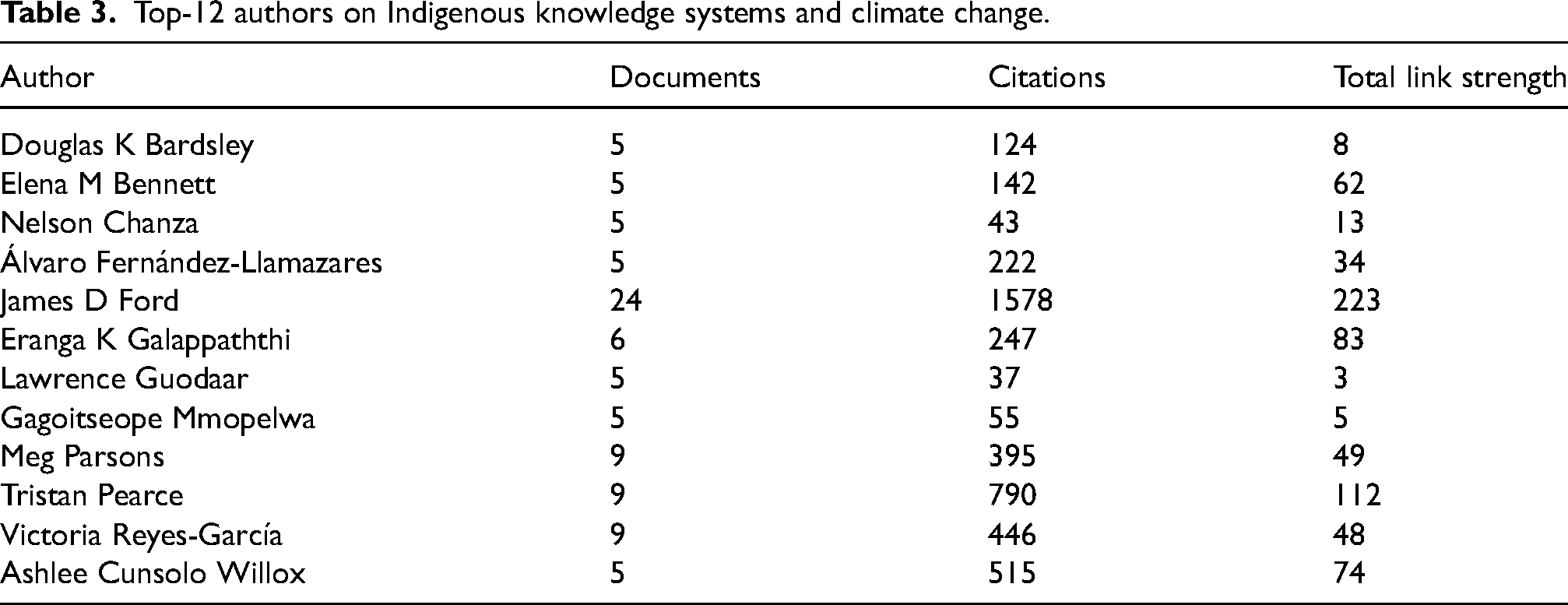
Among the authors contributing the least number of studies on the utilization of IKS in climate change adaptation are Lawrence Guodaar and Nelson Chanza, with 5 articles each (Table 3, Figure 4). While their article count is comparatively low, it is essential to note that their contributions still hold significant value, potentially offering unique perspectives on the subject. At the other end of the spectrum, James D. Ford contributed the highest number of articles, with a total of 24. Ford’s extensive contributions likely reflect a deep and prolonged engagement with the topic, indicating a comprehensive understanding of the intersection between IKS and climate change adaptation. In terms of total link strength, there is a notable variation among the authors. For instance, Ford’s substantial total link strength of 223 suggests a robust network of connections between his work and other relevant sources in the field. Similarly, Tristan Pearce’s total link strength of 112 indicates a significant degree of interconnectedness within his body of research. In contrast, Guodaar’s low total link strength of 3 may suggest a more isolated or less integrated body of work within the broader discourse on IKS and climate change adaptation. With regard to citations, Ford’s considerable citation count of 1578 reflects the widespread recognition and influence of his research in the field. Conversely, Guodaar’s minimal citation count of 37 suggests less impact or visibility for his contributions. Overall, while the number of documents, total link strength and citation count vary among the authors, every author's contribution adds to the collective understanding of how Indigenous knowledge can inform and enhance strategies for climate change adaptation.
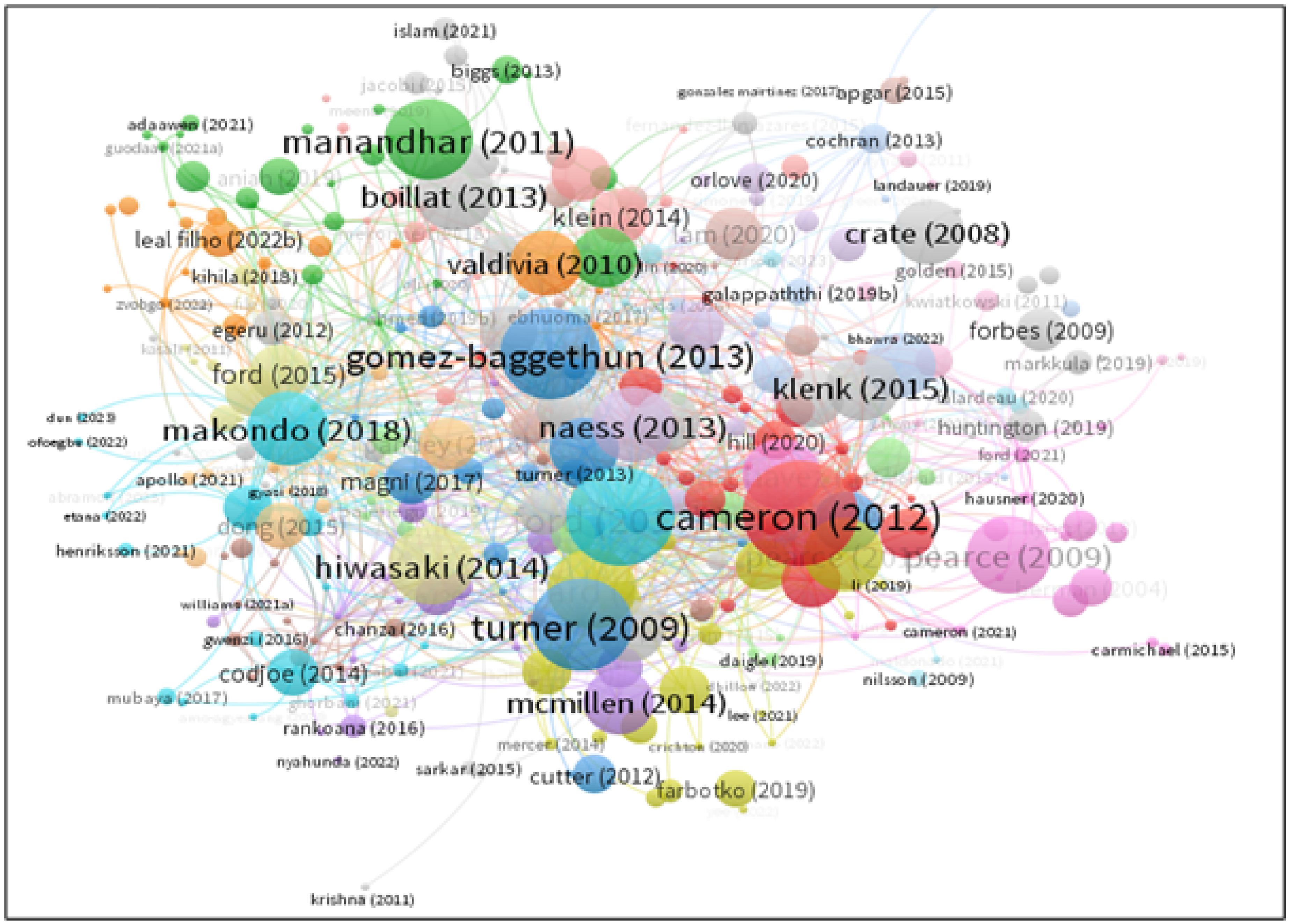
Top authors in IKS and climate change adaptation.
Top-12 authors on Indigenous knowledge systems and climate change.
Co-occurrence of keywords
In bibliometric analysis, keyword co-occurrence is when two or more keywords appear together in a document, article or publication (Klarin, 2024). This method is often employed to identify and analyse relationships between keywords within a specific field of study or across a body of literature (Muñoz-Leiva et al., 2012). Analysing frequently co-occurring keywords reveals thematic connections, prevalent topics and emerging trends in a research domain (Donthu et al., 2021). Keyword co-occurrence networks produced by VOSviewer typically consist of nodes (keywords) and edges (connections between keywords), with the size and proximity of the nodes indicating the frequency and strength of the co-occurrence relationships (Sedighi, 2016). These visualizations help researchers identify key concepts, clusters of related topics and potential research directions within a given field (Klarin, 2024).
The main keywords in the 507 publications are ‘adaptation’, ‘climate change’ and ‘IKS’. On the one hand, ‘adaption’ occurs 219 times with a total link strength of 1402. This suggests that ‘adaptation’ is a significant concept in the analysed documents. This keyword relates to strategies, policies or actions aimed at adjusting to the impacts of climate change. The high link strength indicates that it frequently appears alongside other keywords, pointing to its importance within the research field. On the other hand, ‘climate change’ occurs 230 times with a total link strength of 1293. As one might expect, ‘climate change’ is a central theme in the analysed documents. The high link strength indicates strong associations with other keywords, reflecting its broad relevance and interconnectedness within the field of study. Also, ‘IKS’ occurs 183 times with a total link strength of 1087. The presence of ‘Indigenous knowledge’ suggests a focus on traditional ecological knowledge and practices of Indigenous communities in the context of climate change adaptation or mitigation. The relatively high link strength indicates that it frequently co-occurs with other keywords, highlighting its importance in the discourse on climate change and vulnerability. The keyword ‘vulnerability’ occurs 142 times with a total link strength of 1031. ‘Vulnerability’, in this context, refers to the susceptibility of communities, ecosystems or social systems to the adverse effects of climate change. Its significant link strength indicates that it is a key concept, which is often discussed alongside adaptation, climate change and IKS. Understanding vulnerability is crucial for designing effective adaptation strategies and policies. Thus, the keywords and their link strengths provide insights into the thematic focus and interconnections within the analysed literature and documents. They highlight key concepts such as ‘adaptation’, ‘climate change’, ‘IKS’ and ‘vulnerability’, indicating their significance in the discourse on addressing the challenges posed by climate change.
Figure 5 presents a co-occurrence network analysis of the keywords used to delineate research concerning topical trends in climate change adaptation utilizing IKS. The analysis applied a minimum threshold of five occurrences for keywords appearing in titles and abstracts across all publications. Consequently, the research themes in climate change adaptation employing IKS were classified into five clusters. Cluster 1 contains 48 keywords, while Cluster 2 comprises 33 keywords. Clusters 3 and 4 each contain 25 keywords, and Cluster 5 includes 23 keywords. Cluster 1, with 48 keywords, is characterized by terms such as ‘adaptation strategies’, ‘adoption’, ‘Africa’, ‘agriculture’ and ‘agronomy’. This cluster underscores the many adaptation strategies employed, particularly in agricultural contexts worldwide. It emphasizes the exploration of how Indigenous practices contribute to agricultural resilience and adaptation amidst the challenges posed by climate change.
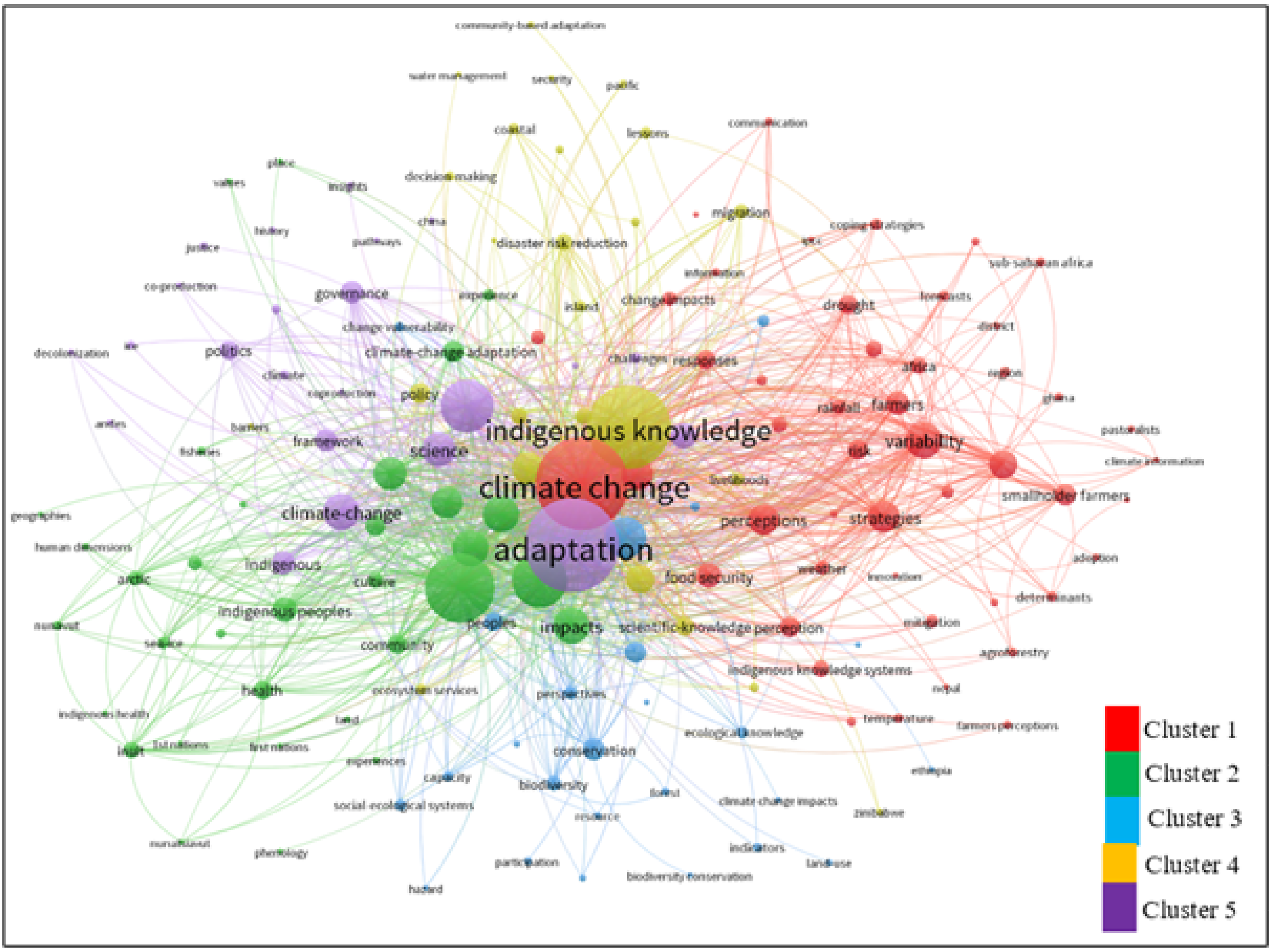
Keyword co-occurrence network.
Cluster 2, with 33 keywords, is led by terms like ‘1st nations’, ‘adaptive capacity’, ‘Arctic’, ‘Canada’ and ‘climate change adaptation’. This cluster highlights the specific challenges and adaptive strategies of Indigenous communities, particularly those residing in Arctic regions and nations like Canada. It underlines the significance of understanding the unique vulnerabilities and adaptive capacities of these communities facing rapid environmental changes. Cluster 3, comprising 25 keywords, encompasses prominent terms such as ‘Australia’, ‘biodiversity’, ‘climate change adaptation’, ‘ecological knowledge’ and ‘gender’. This cluster focuses on the intersectionality of climate change adaptation, biodiversity conservation and gender dynamics within Indigenous communities, especially in regions like Australia. It suggests an exploration of how gender-sensitive approaches and Indigenous ecological knowledge contribute to effective adaptation efforts.
Major themes
Theme 1. Adaptation strategies in agricultural contexts.
The first major theme in the discourse on climate change adaptation utilizing IKS revolves around adaptation strategies within agricultural contexts. This theme is characterized by a cluster of keywords, including ‘adaptation strategies’, ‘adoption’, ‘Africa’, ‘agriculture’ and ‘agronomy’. The prominence of this cluster underscores the diverse range of adaptation strategies employed globally, with a specific focus on agricultural resilience amidst climate change challenges. Adaptation strategies in agriculture play a pivotal role in mitigating the adverse impacts of climate change on food security, livelihoods and ecosystems. Indigenous communities have long relied on traditional knowledge and practices to adapt to environmental variability, making their insights invaluable in developing sustainable adaptation strategies. These strategies often involve the utilization of locally adapted crop varieties, agroforestry techniques, water management systems and soil conservation practices. Furthermore, Indigenous agricultural practices prioritize biodiversity conservation, soil fertility enhancement and ecosystem resilience, contributing to long-term adaptation efforts. The discourse on adaptation strategies in agricultural contexts emphasizes the need for incorporating IKS into mainstream adaptation policies and programmes. Indigenous agricultural practices are often context-specific and tailored to local environmental conditions, highlighting the importance of community-based approaches to adaptation. Additionally, there is growing recognition of the role of Indigenous seed systems, traditional farming techniques and Indigenous crop varieties in building resilience against climate-change-induced stresses such as droughts, floods and pest outbreaks.
Case studies from various regions, particularly in Africa, demonstrate the effectiveness of integrating IKS into agricultural adaptation initiatives. Collaborative efforts between Indigenous communities, researchers and policymakers have led to the co-design of adaptation strategies that are both scientifically sound and culturally appropriate. Moreover, the adoption of climate-smart agricultural practices, informed by IKS, has shown promising results in enhancing agricultural productivity, reducing vulnerability and fostering socio-ecological resilience. Overall, the discourse on adaptation strategies in agricultural contexts highlights the importance of recognizing and respecting IKS, and incorporating it into climate change adaptation efforts. By leveraging the wisdom of Indigenous peoples, policymakers and practitioners can develop holistic and contextually relevant strategies to address the complex challenges posed by climate change in agricultural systems.
Theme 2. Indigenous communities’ adaptive capacities in Arctic regions.
The second major theme in the discourse on climate change adaptation utilizing IKS centres on the adaptive capacities of Indigenous communities, particularly those residing in Arctic regions. This theme is characterized by a cluster of keywords, including ‘1st nations’, ‘adaptive capacity’, ‘Arctic’, ‘Canada’ and ‘climate change adaptation’. The prominence of this cluster underscores the unique challenges faced by Indigenous peoples in the Arctic and the importance of understanding their adaptive capacities in the face of rapid environmental changes. Indigenous communities in the Arctic are on the front line of climate change, experiencing its impacts first-hand due to their close relationship with the environment and dependence on natural resources for sustenance and cultural practices. As temperatures rise, sea ice melts, permafrost thaws and extreme weather events become more frequent, Indigenous peoples in the Arctic are confronted with challenges to their traditional lifestyles, food security and cultural identity.
Despite these challenges, Indigenous communities in the Arctic exhibit remarkable adaptive capacities, rooted in their IKS, social cohesion and cultural resilience. Traditional knowledge passed down through generations provides invaluable insights into local environmental dynamics, seasonal changes and adaptive strategies for coping with environmental variability. Indigenous peoples’ deep connection to the land, water and ice enables them to anticipate and respond effectively to changing conditions, utilizing adaptive strategies such as flexible hunting and fishing practices, traditional land management techniques and community-based disaster-preparedness measures. The discourse on Indigenous communities’ adaptive capacities in Arctic regions underscores the need for empowering and supporting local initiatives that draw on traditional knowledge and practices. Collaborative research partnerships between Indigenous communities, scientists and policymakers facilitate the co-production of knowledge and the development of contextually appropriate adaptation strategies. Moreover, efforts to strengthen Indigenous governance structures, enhance access to resources and technology, and promote cultural revitalization can boost Indigenous peoples’ resilience in the face of climate change.
Case studies and best practices from Arctic regions, particularly Canada and other circumpolar countries, highlight successful examples of community-led adaptation initiatives that integrate Indigenous knowledge with scientific expertise. By respecting Indigenous rights, fostering intergenerational learning and promoting self-determination, policymakers and practitioners can support Indigenous communities in building adaptive capacities, which are essential for navigating the complex challenges of climate change in the Arctic. Overall, the discourse on Indigenous communities’ adaptive capacities in Arctic regions underscores the importance of recognizing and valuing IKS as a vital resource for climate change adaptation. By focusing on Indigenous voices and perspectives, adaptation efforts can become more inclusive, equitable and effective in addressing the multifaceted impacts of climate change on Arctic communities and ecosystems.
Theme 3. Intersectionality of climate change adaptation, biodiversity conservation and gender dynamics.
The third theme in the discourse on climate change adaptation utilizing IKS focuses on the intersectionality of climate change adaptation, biodiversity conservation and gender dynamics within Indigenous communities. This theme is characterized by a cluster of keywords, including ‘Australia’, ‘biodiversity’, ‘climate change adaptation’, ‘ecological knowledge’ and ‘gender’. The prominence of this cluster suggests an exploration of the complex relationships between climate change, biodiversity loss and gender dynamics, particularly within Indigenous contexts such as Australia. Indigenous communities are stewards of biodiversity-rich landscapes and possess traditional ecological knowledge that is essential for biodiversity conservation and climate change adaptation. However, the impacts of climate change, including habitat degradation, species loss and ecosystem shifts, pose significant challenges to both biodiversity and Indigenous livelihoods. Moreover, gender dynamics within Indigenous communities influence vulnerability, adaptive capacities, and decision-making processes related to climate change and biodiversity conservation.
The discourse on the intersectionality of climate change adaptation, biodiversity conservation and gender dynamics underscores the interconnectedness of social and ecological systems and the need for holistic approaches to resilience-building. Indigenous ecological knowledge, passed down through generations, offers insights into sustainable land management practices, species interactions, and ecosystem dynamics that inform biodiversity conservation and adaptation strategies. Furthermore, Indigenous women often play critical roles in natural resource management, food security and community resilience, highlighting the importance of gender-inclusive approaches to climate change adaptation. Case studies from diverse regions, including Australia and other parts of the world with significant Indigenous populations, demonstrate the synergies between biodiversity conservation efforts and climate change adaptation initiatives guided by IKS. Collaborative governance frameworks that respect Indigenous rights, empower local communities, and integrate traditional and scientific knowledge enhance the effectiveness and equity of adaptation measures. Additionally, gender-sensitive approaches that recognize and address the specific vulnerabilities and capacities of women and men within Indigenous communities are essential for ensuring the success and sustainability of adaptation efforts. Overall, the discourse on the intersectionality of climate change adaptation, biodiversity conservation and gender dynamics emphasizes the importance of recognizing IKS as a valuable asset for building resilience in the face of environmental change. By integrating diverse perspectives, promoting social equity and fostering participatory decision-making processes, adaptation initiatives become more inclusive, adaptive and sustainable, benefiting both people and the planet.
Theme 4. Cultural heritage preservation and climate change adaptation.
Preserving cultural heritage and identity during climate change is crucial, but it is often overlooked in adaptation efforts using IKS (Chanza and Musakwa, 2021). Indigenous communities, deeply rooted in their cultural traditions and ancestral lands (Román-Chaverra et al., 2023), face the dual challenge of safeguarding their rich cultural heritage while adapting to the impacts of a rapidly changing climate (Orr et al., 2021). The ‘cultural heritage preservation and climate change adaptation’ theme underlines the intrinsic connection between cultural resilience and climate change adaptation. It recognizes that preserving cultural practices, knowledge systems and sacred sites is essential for maintaining community cohesion and well-being in the face of environmental uncertainties. Cultural heritage encompasses not only tangible artefacts and sites, but also intangible elements (Vecco, 2010). These include language, spirituality, traditional ecological knowledge, and customary practices that shape Indigenous identities and relationships with the natural world (Swensen et al., 2013). As climate change accelerates, Indigenous cultures are increasingly vulnerable to displacement, loss of sacred landscapes and disruptions to traditional ways of life (Williams, 2012). Therefore, integrating cultural heritage preservation into adaptation strategies is crucial for promoting cultural continuity, social cohesion and psychological resilience within Indigenous communities.
IKS offers crucial perspectives on adaptive strategies rooted in traditional practices, seasonal calendars and ecological wisdom passed down through generations (Mannakkara et al., 2023). By incorporating Indigenous perspectives into climate change adaptation planning, policymakers and practitioners can develop culturally appropriate strategies that respect and reinforce Indigenous values, beliefs and governance systems. Furthermore, empowering Indigenous communities to actively participate in decision-making processes related to land management, resource conservation and disaster risk reduction enhances their resilience and agency in confronting the challenges of climate change. Case studies from diverse Indigenous contexts around the world highlight innovative approaches to cultural heritage preservation and climate change adaptation. These include community-led initiatives to revive traditional farming techniques (Herrmann et al., 2020), protect sacred sites (Gelder and Jacobs, 2005) and document oral histories that encode valuable environmental knowledge (Simpson, 2004). By recognizing Indigenous peoples’ rights to self-determination, land and cultural heritage, adaptation efforts can promote social justice, intergenerational equity and environmental sustainability (Tsosie, 2009). Thus, the theme of cultural heritage preservation and climate change adaptation underscores the importance of recognizing and respecting Indigenous cultures as custodians of invaluable knowledge and wisdom. By integrating cultural resilience into adaptation strategies, we not only enhance the adaptive capacities of Indigenous communities, but also promote the diversity and richness of human cultures in the face of global environmental change.
Conclusion
This analysis of publications on IKS and climate change adaptation from 1993 to 2023 reveals distinct phases of growth, stability and emerging thematic trends. Initially, from 1993 to 2003, there was a gradual increase in publications, which was followed by a rapid growth phase from 2003 to 2013. However, after reaching a peak in 2013, the number of publications stabilized until 2019, when there was a slight decline. Despite this decline, research in this area continues, albeit at a reduced rate, indicating ongoing scholarly engagement with the intersection of IKS and climate change adaptation. Geographically, Africa, Europe and North America emerged as significant contributors to the discourse, reflecting diverse regional contexts and challenges. The proliferation of publications can be attributed to various factors, including recognition of the value of Indigenous knowledge in enhancing adaptation strategies; heightened awareness of climate change impacts on vulnerable communities; and increased collaboration between Indigenous communities, researchers and policymakers. Furthermore, analysis of the institutional contributions highlights the pivotal role of institutions such as McGill University and the University of Leeds in shaping the discourse and driving practical applications of Indigenous knowledge in adaptation strategies. Collaborations between institutions with diverse expertise and geographical representation are crucial for fostering comprehensive and inclusive approaches to addressing climate change challenges. Journals serve as vital conduits for disseminating knowledge in this field, with notable contributions from journals such as Climatic Change and Global Environmental Change: Human and Policy Dimensions. These platforms facilitate interdisciplinary dialogue and understanding, ultimately contributing to more informed and effective adaptation strategies for Indigenous communities worldwide. The keyword and co-occurrence analysis revealed thematic trends, including adaptation strategies in agricultural contexts; Indigenous communities’ adaptive capacities in Arctic regions; the intersectionality of climate change adaptation, biodiversity conservation and gender dynamics; and cultural heritage preservation. These themes underscore the importance of integrating Indigenous perspectives, practices and cultural resilience into adaptation efforts to promote inclusivity, equity and sustainability. Thus, the analysis provides valuable understanding of the evolution, geographical distribution, institutional contributions and thematic trends in the literature on IKS and climate change adaptation. By recognizing and leveraging IKS, policymakers, practitioners and researchers can develop more effective and culturally appropriate strategies to address the complex challenges of climate change and promote resilience in Indigenous communities worldwide.
Footnotes
Declaration of conflicting interests
The author declared no potential conflicts of interest with respect to the research, authorship and/or publication of this article.
Funding
The author received no financial support for the research, authorship and/or publication of this article.
