




Abstract
This study assessed the accessibility of assistive technologies (AT) for patrons with visual impairments (VI) within academic libraries of Zimbabwe's Midlands Province. Employing a case study design with a subjectivist epistemology, the research explored the needs of patrons with VI and the current provision of AT in five libraries. Data generation used a combination of questerviews, interviews, focus groups and document analysis, involving library staff, patrons with VI, disability studies lecturers, student services staff and members of the Zimbabwe Library Association. The findings revealed a significant gap between the needed AT (including Braille, screen readers, accessibility software, book readers, reference services and Internet of Things [IoT] applications) and what libraries currently offer. Challenges identified included inadequate equipment, funding limitations and, at times, staff’s negative attitudes. To address these issues, the research suggests creative solutions like seeking donations, crowdfunding or establishing public–private partnerships. Additionally, the study recommends the creation of disability resource centres within the libraries and advocates national legislation, through the Zimbabwe Library Association, to ensure accessibility for individuals with disabilities in academic institutions.
Keywords
Introduction and background
Academic libraries serve a heterogeneous user population encompassing individuals with diverse disabilities (Ayah, 2017). The 20th century witnessed a paradigm shift with the introduction of assistive technologies (AT), empowering patrons with visual impairments (VI) to independently navigate library resources, fostering a sense of inclusion and eliminating dependence on assistance (Bonnet, 2017; Bruinsma, 2011). This innovation demonstrably enhanced user satisfaction and broadened the available library resource base (Craddock, 2001; Ekwelem, 2013). Given historical challenges in ensuring information access for patrons with VI, widespread adoption of AT was anticipated. However, extant research presents a contrasting narrative, highlighting a dismayingly low prevalence of accessible AT within academic libraries in developing countries (Ayah, 2017; Badalona and Helios, 2011; Chimhenga, 2017; Majinge and Stilwell, 2013; Ncube, 2017). Carter (2004) and Badalona and Helios (2011) posit that this disparity stems from a lack of proactive library initiatives to securing and integrating AT resources.
In stark contrast, developed nations in North America, Europe, parts of Asia and the Middle East have witnessed a significant rise in AT accessibility within academic libraries over the past eight years (American Library Association, 2018; Sanaman and Kumar, 2014). This improvement is attributed to a shift in library culture and practices, fostering greater innovation in making AT accessible for patrons with VI practice (Mugo, 2013; Ncube, 2016). Conversely, the African continent has not reaped similar benefits. Accessibility of AT in most African academic libraries remains low, fragmented and unavailable (Chimhenga, 2017; Majinge and Stilwell, 2013; Munyoro and Musemburi, 2019; Ncube, 2016; Ncube and Kurebwa, 2022; Sanaman and Kumar, 2014).
The Marrakesh Treaty, adopted by the World Intellectual Property Organisation (WIPO) in Morocco on 27 June 2013, has demonstrably impacted the accessibility of AT in developing countries (Bonnet, 2017). This treaty mandates its signatories, including Zimbabwe, to implement copyright limitations facilitating access to infomation for individuals with VI (Nicholson, 2013). It enables the cross-border exchange of accessible formats like audiobooks and digital files (Nicholson, 2013). However, despite this legal framework and the potential for converting print materials into Braille, audio and digital formats, a significant portion of published works in African academic libraries remains inaccessible (Mugo, 2013). This limited accessibility persists even though libraries have the legal capacity to enhance AT accessibility (Munyoro and Musemburi, 2019; Sanaman and Kumar, 2014). In Zimbabwe, there is slow progress, despite advancements in AT and international disability treaties (Ncube, 2017). This lack of progress is particularly concerning given the World Health Organization's (WHO, 2011) report that 80% of the population with VI resides in developing countries, with limited literacy and access to library services and technology.
Several recent events in Zimbabwe underscore the critical issue of inadequate AT within academic libraries. A workshop held by Gateway Elation, a disability-focused NGO, at the Gweru Memorial Library in July 2021 highlighted this accessibility gap (Ncube and Kurebwa, 2022). Similarly, the International Conference on Communication and Information Science held in Nyanga in October 2023 acknowledged the challenges faced by patrons with VI in accessing library resources. Additionally, the Zimbabwe Library Association's Midlands Branch meeting in January 2024 further emphasised the need for libraries to improve user services for all patrons, including those with VI. This emphasis on accessibility aligns with international human rights principles enshrined in the Universal Declaration of Human Rights (United Nations (UN), 1948) and the UN Convention on the Rights of Persons with Disabilities (UNCRPD) held in 2006 (Manatsa, 2015). Additionally, professional library associations like the International Federation of Library Associations and Institutions (IFLA, 2012) and the International Network for the Availability of Scientific Publications (INASP, 2013) promote the concept of equitable access for all library users. Beyond ethical considerations, lack of AT can jeopardise library accreditation. The Zimbabwe Council for Higher Education (ZIMCHE), responsible for overseeing academic institutions in Zimbabwe, mandates adequate teaching, learning and research resources, including well-equipped libraries (Garwe, 2018). Libraries lacking sufficient AT risk losing accreditation, highlighting the urgency of addressing this accessibility gap.
Therefore, the accessibility of AT presents a significant challenge for patrons with VI in academic libraries within Zimbabwe's Midlands Province. This issue directly contradicts the principle of equitable access for all users enshrined in professional library association statements like those by the IFLA. Furthermore, the UNCRPD specifically mandates equal access to information and knowledge for individuals with disabilities, as outlined in Articles 9, 21 and 24 (Manatsa, 2015). Similarly, the Zimbabwe Council for Higher Education Act (2006) emphasises the necessity for adequate library resources that support all academic pursuits. This legislative requirement underscores the potential risk of accreditation loss for libraries failing to meet these standards of resource provision (Garwe, 2018). Despite the gravity of this issue, there is a dearth of empirical research within the Zimbabwean context, highlighting the need for further investigation.
Research questions
Considering the aforementioned accessibility challenges, this study aimed to assess the current state of AT accessibility for patrons with VI within academic libraries of Zimbabwe's Midlands Province. To achieve this objective, the following research questions (RQ) were formulated to guide the inquiry: RQ1: What are the assistive technological needs of patrons with VI in academic libraries in the Midlands Province of Zimbabwe? RQ2: What factors affect the academic libraries within the Midlands Province of Zimbabwe in ensuring accessibility of AT for patrons with VI? RQ3: How can academic libraries in the Midlands Province of Zimbabwe enhance the accessibility of AT for patrons with VI?
Literature review
Given the identified accessibility challenges faced by patrons with VI in academic libraries, this literature review aims to provide a comprehensive overview of existing research on AT and assistive services accessibility in libraries. This review section explores the specific needs of patrons with VI, the factors influencing AT accessibility in libraries and potential strategies for enhancing accessibility.
Assistive technologies
AT encompass a broad range of devices, tools, software and services designed to ameliorate or compensate for limitations or disabilities, thereby improving individuals’ functional capabilities and participation in various aspects of life (Foley and Masingila, 2015; Okonji and Ogwezzy, 2019). Mugo (2013) defines assistive services as any facility that aids individuals with disabilities in selecting, acquiring or using AT. These services encompass library staff members, procedures, policies and facilities that support patrons with impairments in utilising the library (Ncube, 2017, Ncube and Kurebwa, 2022). Notably, assistive services have often been overshadowed by a primary focus on AT, which are typically enumerated under assistive technologies (Ncube et al., 2022).
Assistive technological needs of patrons with VI in academic libraries
The primary goals of AT are to enhance functional capabilities, promote independence, facilitate social participation and improve the quality of life of individuals with disabilities (Okonji and Ogwezzy, 2019). The scope of AT includes specialised equipment such as screen readers and Braille displays, software like text-to-speech and speech-to-text and hardware including wheelchairs, prosthetics and hearing aids (Matter and Eide, 2018; Visagie et al., 2017). Thus, Braille remains a crucial tool, as emphasised by the importance placed on tactile reading systems (Braille Authority of North America, 2002; Eskay and Chima, 2013). Screen magnification software also plays a vital role, enabling patrons to enlarge text and images on computer screens (Burke, 2013). Additionally, screen readers convert digital text into spoken output, providing crucial access to information (Machado and Vieira, 2017). Beyond technological considerations, a welcoming and inclusive environment is also vital within libraries (Demson and Timony, 2010). Library staff with an understanding of patrons with VI needs is vital in facilitating access to desired technologies and encouraging collaboration with peers (Zaid and Zaid, 2017). Regional perspectives highlight the significance of AT in diverse contexts. For instance, research in Nigeria revealed limited awareness and adoption of AT among individuals with VI, underscoring the need for targeted interventions (Okonji and Ogwezzy, 2019). In Kenya, mobile devices have been employed as AT in resource-limited environments, enabling learners with VI to access information and communicate effectively (Foley and Masingila, 2015). Furthermore, studies in Southern Africa emphasised the importance of access to AT, highlighting disparities in availability and quality (Matter and Eide, 2018; Ncube, 2017; Ncube and Kurebwa, 2022).
Additionally, research across Africa has underscored the diversity of AT sources, services and outcomes, emphasising the need for context-specific solutions (Badalona and Helios, 2011; Visagie et al., 2019; Visagie et al., 2017). Despite the wide range of AT needs identified in previous research (Dabi and Golga, 2024; Williamson et al., 2000), a significant knowledge gap persists regarding the specific requirements within the context of academic libraries. This gap is particularly concerning given the crucial role of academic libraries in supporting higher education students with disabilities. The limited understanding of AT needs in this setting hinders the development of effective strategies to ensure equitable access to information and learning resources.
Factors affecting AT accessibility in academic libraries
Several factors hinder academic libraries from ensuring adequate AT accessibility for patrons with VI, thereby limiting their ability to fully participate in academic activities. Research has consistently identified a lack of awareness regarding suitable AT solutions as a significant obstacle (Foley and Masingila, 2015; Okonji and Ogwezzy, 2019; Rayini, 2017; Wiazowski, 2009). This knowledge gap hinders librarians’ ability to provide effective support, underscoring the need for targeted training and professional development. Beyond awareness, insufficient financial resources and limited information and communication technology (ICT) infrastructure pose significant challenges to AT accessibility in academic libraries (Matter and Eide, 2018; Rayini, 2017; Visagie et al., 2017). The absence of adequate funding constrains libraries’ ability to acquire and maintain AT, while outdated ICT infrastructure hampers the integration of accessibility features.
Furthermore, inadequate staffing levels, lack of staff expertise and negative attitudes towards patrons with VI hinder AT accessibility (Badalona and Helios, 2011; Dabi and Golga, 2024; Ncube, 2016; Rayini, 2017; Tripathi and Shukla, 2014). In African contexts, additional challenges exist, including limited availability and accessibility of AT resources, insufficient policy support and regulatory frameworks and cultural and social stigma surrounding disability (Matter and Eide, 2018; Okonji and Ogwezzy, 2019; Visagie et al., 2017). These challenges underscore the need for context-specific solutions and collaborations between libraries, disability organisations and advocacy groups.
Strategies for improving AT access in academic libraries
To enhance AT accessibility, the Assistive Technology for Education (2018) emphasises the importance of regular and thorough needs assessments for patrons with VI. Without such assessments, libraries risk providing irrelevant or unsuitable technologies. The American Library Association (ALA, 2018) highlights the existence of cost-effective or even free AT solutions, suggesting that financial constraints should not be an insurmountable obstacle. Bruinsma (2011) stresses that careful planning can lead to the acquisition of appropriate technology through open-source or proprietary software options. Additionally, exploring avenues for acquiring AT through donations is recommended (Assistive Technology for Education, 2018). Ncube (2017) underscores the criticality of training and development programmes for both library staff and patrons. Furthermore, Ncube (2017) and Ncube and Kurebwa (2022) emphasise the need for standardised accessibility guidelines within academic libraries, providing a framework for effective AT provision for patrons with VI. Moreover, there are diverse innovations aimed at addressing the challenges and barriers surrounding AT. A mobile application mapping AT resources in Africa has been developed, offering a promising solution for improving access and connectivity (Visagie et al., 2019). This innovative tool enables users to locate nearby AT resources, facilitating increased accessibility. Additionally, academic libraries have begun to integrate AT, enhancing accessibility for students with disabilities and promoting inclusive learning environments (Tripathi and Shukla, 2014). In Ethiopia, research highlighted the need for increased availability, awareness and utilisation of AT among students with VI, emphasising the importance of addressing these gaps (Dabi and Golga, 2024).
While numerous scholars have explored the accessibility of AT in developing countries, there remains a paucity of research specifically focused on Zimbabwe, particularly within the context of academic libraries in the Midlands Province. Therefore, this study addresses this significant gap in the literature by focusing on the specific needs and challenges faced by patrons with VI in academic libraries in the Midlands Province of Zimbabwe. The research sought to provide a nuanced understanding of the unique requirements of these patrons, explore the factors that influence the availability and accessibility of AT within these institutions and propose practical strategies to enhance AT accessibility. Addressing these areas ensures that the study contribute to the existing knowledge base and can inform policy development, improve library practices and thereby enhance the accessibility and inclusivity of academic libraries for patrons with VI.
Methodology
Epistemologically, this study adopted a subjectivist approach. The studies of Asiedu (2022) and Kalu (2019) posit that within this approach, knowledge is not a fixed, objective reality, but rather a socially constructed phenomenon deeply intertwined with individual experiences and cultural contexts. This perspective challenges the traditional notion of knowledge as a neutral, universal truth. This aligns with the study's aim to understand the accessibility of AT from the perspectives of various stakeholders. A multi-case study method was used to investigate the phenomenon of AT accessibility within the real-world context of academic libraries in Zimbabwe's Midlands Province. This approach facilitated an in-depth exploration of the case through multiple data collection methods.
To ensure data trustworthiness, within-method triangulation was employed by using a combination of data sources. These sources included:
Interviews with staff from student services units responsible for students with VI. Interviews with disability studies lecturers. Interviews with patrons with VI. Questerviews with library staff members. Focus group discussions with members of the Zimbabwe Library Association (ZimLA). Document analysis of relevant library policies and procedures. Observations of library facilities and services.
A purposive sampling strategy guided the selection of participants. Denscombe (2010) expound that this is a non-probability sampling technique where researchers select participants based on specific criteria or characteristics relevant to the research study. Anney (2014) argues that unlike random sampling, which aims for representativeness, purposive sampling focuses on selecting individuals who can provide valuable insights or data for the research objectives. Consequently, this study employed purposive sampling to identify participants possessing pertinent and adequate information to effectively address the research questions. Denscombe (2010) elucidates that there are diverse types of purposive sampling techniques, which include maximum variation (or heterogeneous) sampling, homogeneous sampling, typical case sampling, extreme (or deviant) case sampling, critical case sampling and expert sampling. Homogeneous sampling was used to select academic libraries within the Midlands Province, including the Midlands State University Disability Resource Centre, Zimbabwe Open University Midlands Regional Campus Library, Gweru Polytechnic Library, Kwekwe Polytechnic Library and Mkoba Teachers College Library. Hence, this entailed selecting libraries with similar characteristics as units of analysis to investigate the accessibility of AT for patrons with VI (Nyimbili and Nyimbili, 2024).
Expert sampling was used to identify staff members with specific knowledge and experience, such as library staff members, those from student services, disability studies lecturers as well as ZimLA members. Snowball sampling facilitated the recruitment of patrons with VI through existing networks. This technique involved existing participants recommending additional participants who met the study criteria (Teddlie and Yu, 2007). Snowball sampling is particularly effective when the desired characteristics are rare or difficult to identify, such as individuals with VI (Noy, 2008). In qualitative studies, sample size is often determined by saturation, rather than a predetermined number (Hennink and Kaiser, 2022). Saturation occurs when no new data or insights are emerging from additional participants (Fusch and Ness, 2015; Guest et al., 2006). Therefore, the specific sample size for each participant group in this study was determined by data saturation, the point at which no new information emerged from further interviews or data generation. This approach ensured that the sample size was sufficient to capture the range of perspectives and experiences relevant to the research questions.
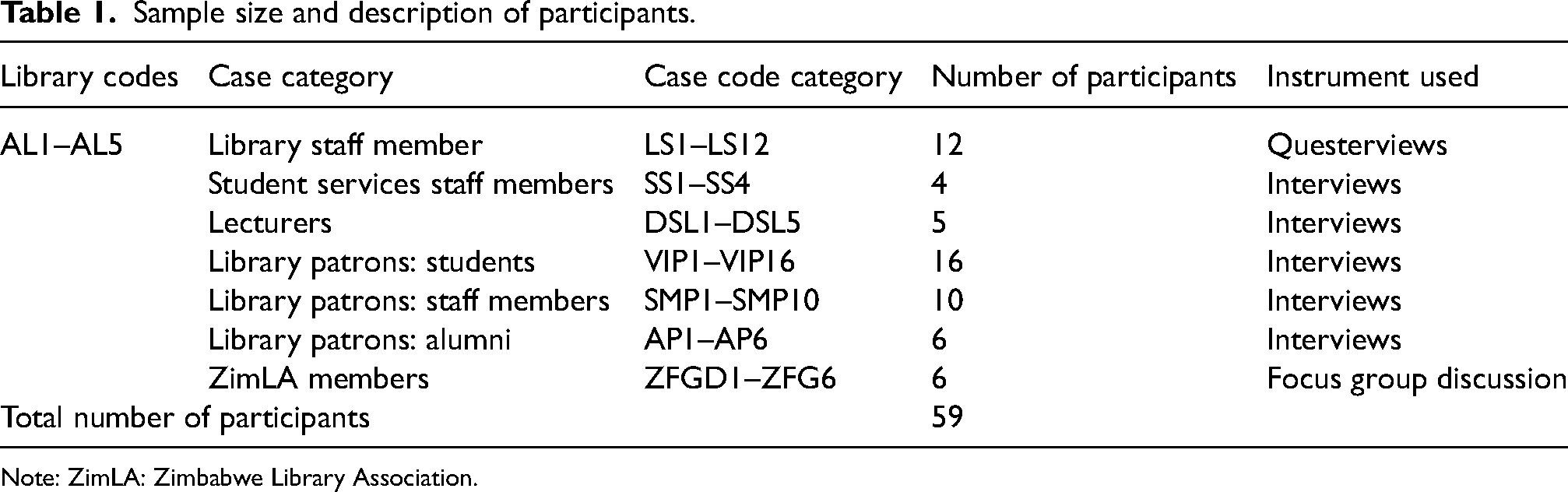
Given the depth and relevance of information provided by library staff members, questerviews were employed as a data generation method. This combined approach, incorporating standardised questionnaires and in-depth interviews (Adamson et al., 2004), yielded richer and more comprehensive data compared to either method alone. Face-to-face interviews were the primary method for data generation from student services staff, disability studies lecturers and patrons with VI, while focus group discussion was used to generate data from ZimLA members (see Table 1). The triangulation of diverse research instruments enhanced the study's credibility and validity by providing multiple perspectives on the research problem. Data generation occurred between June 2021 and April 2022. Table 1 provides details of the sample size and its categorisation.
Sample size and description of participants.
Note: ZimLA: Zimbabwe Library Association.
Table 1 illustrates the use of pseudonyms as case names (library codes and case code category) to ensure the anonymity of the academic libraries and research participants, respectively. These pseudonyms were generated using QDA Miner Lite. The researchers recorded the data using a digital audio recorder and then transcribed the data using Audacity transcription software. For data analysis, a thematic analysis approach was employed using the Computer-Assisted Qualitative Data Analysis Software (CAQDAS), specifically QDA Miner Lite version 5 (Provalis Research, 2022). Thus, the transcribed data from the interviews, focus group discussions, observations and document analysis were subjected to qualitative data analysis using QDA Miner Lite.
Initially, all the transcripts were imported into QDA Miner Lite and organised into a new project. Folders or categories were created within the project to facilitate efficient navigation and analysis of the data. A coding scheme was developed, aligning with the research questions. Codes or categories were created to represent specific concepts, themes or ideas within the data. Segments of the data were then manually coded by assigning relevant codes to them using QDA Miner Lite's coding tools, such as highlighting or tagging. The QDA Miner Lite's Query and Search functions were employed to explore and analyse the coded data. Queries were created to retrieve data based on specific codes or combinations of codes. Hence, the coded data were analysed to identify recurring themes, patterns or relationships. Codes were grouped based on similarities or connections. Memos or theoretical notes were created to document interpretations and insights.
The identified themes and patterns were interpreted in relation to the research questions. A narrative or report was developed to present the findings clearly and concisely. To summarise and present the findings, frequency tables were generated. Therefore, the software facilitated the coding, memoing and searching for patterns and themes within the data, enabling a comprehensive exploration of the study and the identification of common themes and insights across these diverse sources. The Report Manager function within QDA Miner Lite aided in the generation of presentation-quality visuals, the tables, to effectively present the findings (Provalis Research, 2022). These tables facilitated a clear comparison of participant views within and across the identified themes, as represented by the codes generated by QDA Miner Lite, thereby enhancing the clarity and coherence of the data presentation (Provalis Research, 2022). Consistent with Khosa (2015), the study incorporated a combination of thematic analysis, tables, verbatim quotes and keywords to effectively communicate the qualitative research findings. The tables included the following key data points:
Libraries case category: unique identifier for libraries under study. Code: a unique identifier assigned to each theme or category identified in the data analysis. Count: the number of times the code appears in the dataset. % Codes: the percentage of all codes that this code represents. Cases: the number of participants or documents that contain this code. % Cases: the percentage of all cases that contain this code. Nb words: the total number of words associated with this code. % Words: the percentage of all words in the dataset that are associated with this code.
Results and discussion
This section presents and analyses the qualitative research findings on the accessibility of AT for patrons with VI within academic libraries of Zimbabwe's Midlands Province. Thematic analysis, guided by the research questions, was employed to organise and interpret the collected data.
Assistive technological needs
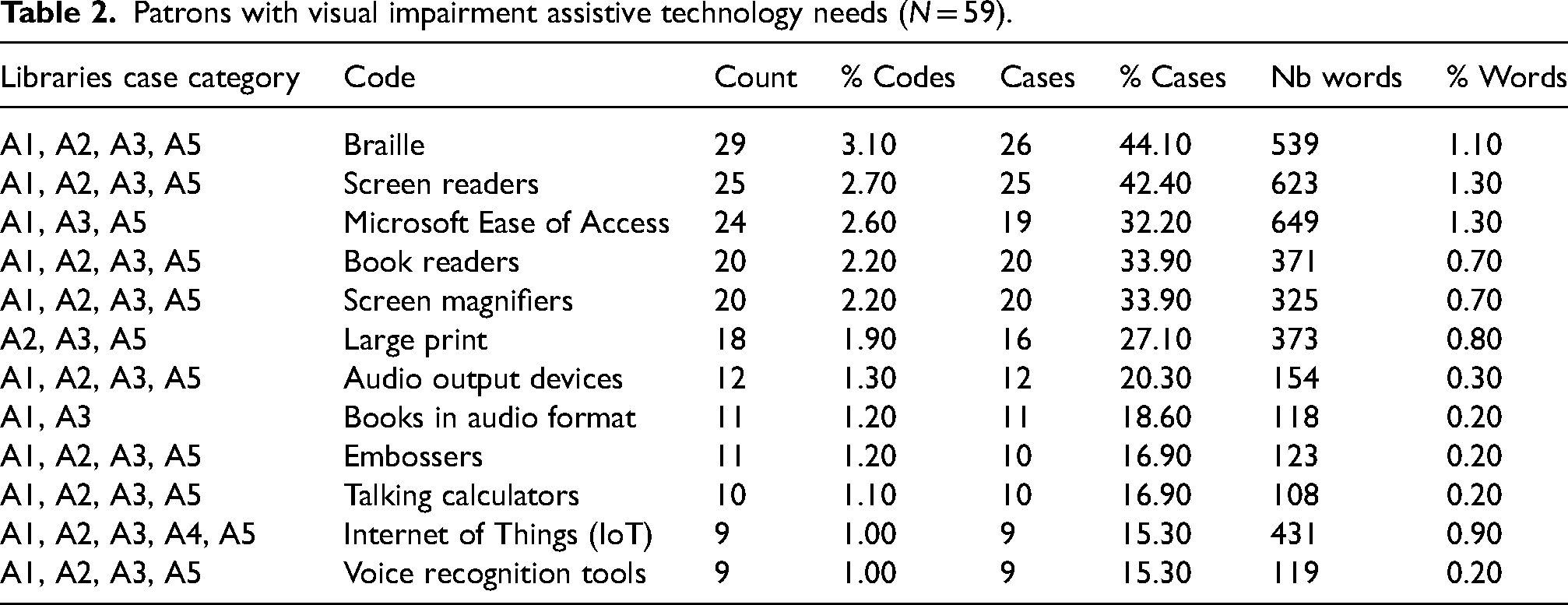
Table 2 shows the AT needs of patrons with VI, according to the number of mentions. Thematic analysis of the data, presented in Table 2, revealed that patrons with VI require a variety of AT. This table also presents a list of codes, representing the diverse themes identified in the study using QDA Miner Lite. An analysis of the table reveals that the most frequently occurring themes include Braille, screen readers, Microsoft Ease of Access features, book readers, screen magnifiers, large print materials and audio output devices. These findings align with studies conducted in developing countries, which emphasise the importance of Braille, screen readers and book readers for library users with VI (Bruinsma, 2011; Demson and Timony, 2010; Guder, 2012). Notably, these needs differ from those highlighted in studies from developed countries, where screen readers and voice recognition tools are often prioritised (Chimhenga, 2017; Munyoro and Musemburi, 2019; Ncube, 2017). Table 2 also reveals an interesting anomaly. Participants from Library A4 solely reported needing Internet of Things (IoT) technology, without mentioning other AT needs. A staff member from this library explained this by highlighting the availability of various AT options, including Braille materials, book readers, embossers and talking calculators (Case: LS8). However, the participant’s mention of the ‘buzzing [sic] Internet of Things’ suggests a potential misunderstanding or lack of awareness regarding specific AT applications. This finding highlights a persistent challenge in ensuring equitable access to AT across academic libraries, echoing the concerns raised in existing literature (Foley and Masingila, 2015; Matter and Eide, 2018; Okonji and Ogwezzy, 2019). Specifically, the inconsistent availability of AT resources mirrors the observations made by Ncube (2016) and Munyoro and Musemburi (2019), who noted that some Zimbabwean academic libraries provide adequate AT provisions, whilst others within the same context lack even basic resources. This disparity underscores the need for standardised AT accessibility guidelines and collaborative efforts among libraries to address the existing gaps.
Patrons with visual impairment assistive technology needs (N = 59).
The study also explored the need for assistive services beyond technology. As presented in Table 3, participants identified customised restrooms, reference and information services and trained library staff as crucial support elements. Notably, restrooms were mentioned by participants from all libraries. One participant accentuated the challenges posed by the lack of accessible restrooms: ‘There are no restrooms for people with disabilities… Such restrooms have not been modified to accommodate people with disabilities, hence they provide a challenge’ (Case: VIP1). This aligns with international and national accessibility standards (Ncube, 2017). Another participant echoed this sentiment, stating: ‘Though they may be considered unimportant in terms of information access, restrooms are essential in ensuring that patrons are comfortable using the library… Public and private organisations have upheld this view; hence the libraries should also follow suit’ (Case: AP5). These findings underscore the pivotal role of accessible restrooms, in conjunction with AT, in creating an inclusive library environment that meet the diverse needs of patrons with VI. This echoes the observations of Tungaraza (2010), who asserted that inaccessible restrooms could deter individuals with VI from utilising library services. Research (Foley and Masingila, 2015; Okonji and Ogwezzy, 2019) has consistently highlighted the significance of accessible infrastructure, including restrooms, in facilitating equitable access to libraries for individuals with disabilities. Furthermore, other studies (Dabi and Golga, 2024; Matter and Eide, 2018; Visagie et al., 2017) have underlined the importance of integrating AT with accessible physical spaces, including restrooms, to create a seamless and supportive environment for VI library users. As outlined in Table 3, the range of assistive services required by library users with VI underscores the need for comprehensive support mechanisms that address both physical and technological accessibility.
Patrons with visual impairment assistive service needs (N = 59).
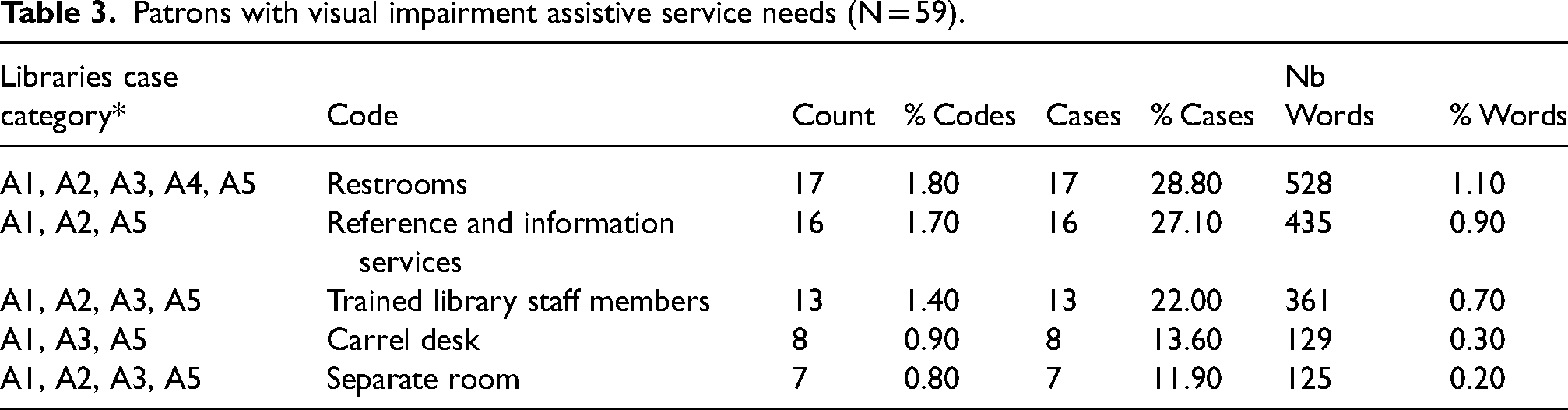
Table 3 highlights a disparity in library staff preparedness to support patrons with VI. While Library A4 reported having staff trained to ensure accessibility, only Libraries A3 and A4 indicated staff capable of providing reference and information services. One staff member highlighted the importance of disability studies knowledge for effective service provision: ‘Primarily, I can understand such patrons as I hold a degree in Special Needs Education … I have gained immense experience in dealing with such patrons’ (Case: LS8). This sentiment suggests that training in AT and disability studies is crucial for staff to fully equip them to support VI users. Corroborating this view, another staff member acknowledged their limitations: ‘Though I have accumulated some years in the library sector, I am somewhat a novice when it comes to adequate provision and serving patrons with visual impairment’ (Case: LS10). These findings suggest that qualifications and experience solely in library and information science (LIS) may be inadequate to effectively support patrons with VI, highlighting the need for specialised training and expertise in disability support. This aligns with Majinge and Stilwell’s (2013) research, which demonstrated that library staff with dual qualifications in LIS and disability studies/special needs education are better equipped to cater to the unique needs of patrons with disabilities. Furthermore, Okonji and Ogwezzy (2019) and Tripathi and Shukla (2014) have underscored the importance of ongoing staff training and awareness-raising initiatives to ensure librarians are knowledgeable about AT and can effectively integrate them into library services.
Factors militating against AT accessibility
The study investigated several factors that influence the accessibility of AT within the research context. Thematic analysis of the data revealed three key categories of factors impacting accessibility: individual, institutional and national.
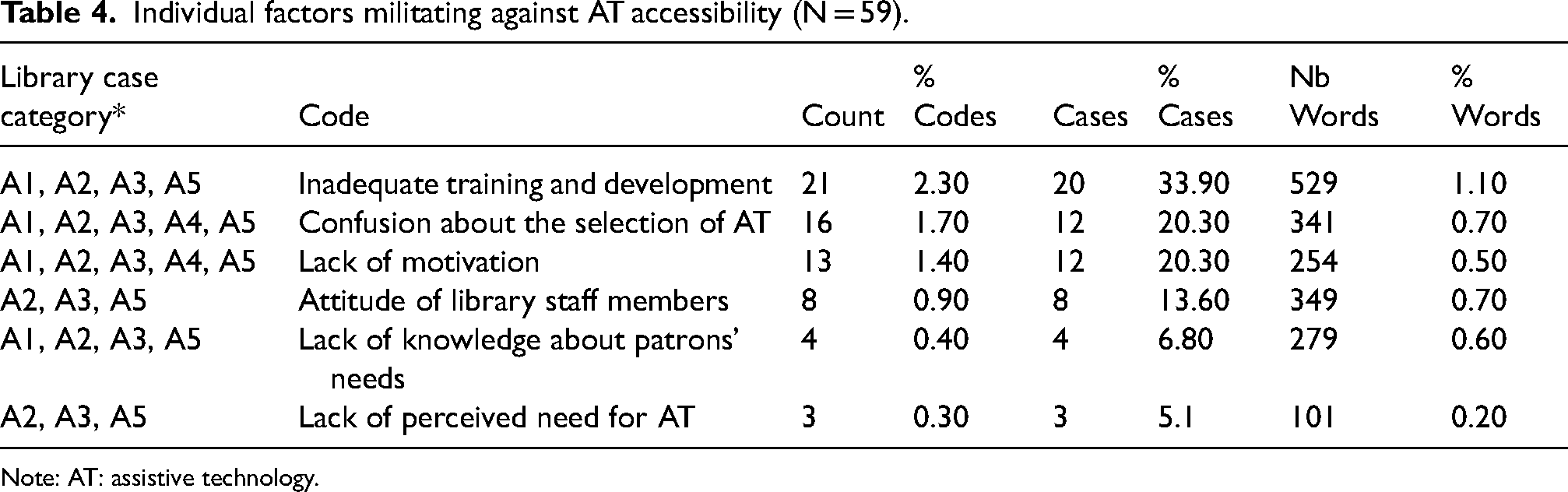
Table 4 presents the identified individual factors and highlights the challenges related to them that influence accessibility. Notably, Library A4 was the only one reported to have staff trained in serving patrons with VI. This finding aligns with Sanaman and Kumar's (2014) observation that a lack of staff training and development can hinder libraries’ ability to address accessibility issues. One participant (Case: VIP7) stressed the difficulties patrons faced due to untrained staff: ‘most staff in the library find it difficult to simply provide directions on how to make use of assistive facilities in the computer resources within the library, like the Microsoft Ease Centre’. Another significant individual factor identified was staff confusion regarding the selection of AT. A staff member (Case: LS12) noted the limitations of unclear collection development policies: ‘Our collection development policy is not clear on the selection criteria and procedure about technologies for users with visual impairment. Hence, at the end of the day, it may become a challenge to choose the right technology’. Document analysis revealed that library staff played a key role in selecting library materials, as evidenced by an excerpt from a selection policy in Library A3: ‘Library staff members designated to the selection and acquisition section shall be responsible for the selection and inclusion of materials in the library’. These findings suggest that staff members directly experience the challenges associated with selecting appropriate AT. Langat and Kiprono (2014) support this notion, highlighting the complexity of AT and the potential challenges library staff face in selecting the most suitable options for their patrons. This complexity stems from factors such as diverse user needs, technological compatibility challenges and limited awareness of available AT (Okonji and Ogwezzy, 2019; Tripathi and Shukla, 2014), as highlighted in Tables 2 and 3 of this study.
Individual factors militating against AT accessibility (N = 59).
Note: AT: assistive technology.
Table 4 also indicates that demotivation among library staff emerged as a factor impacting service provision for patrons with VI. Staff members mostly cited a lack of management support as the primary cause of demotivation across all libraries. The paramount importance of management support in ensuring the overall functionality and effectiveness of academic libraries cannot be overstated, as stressed by numerous studies (Demson and Timony, 2010; Ncube, 2017; Rugara et al., 2016; Yildiz, 2012). Effective management commitment facilitates the development of inclusive library environments, while its absence can perpetuate barriers to accessibility (Ncube, 2017; Ncube and Kurebwa, 2022; Rugara et al., 2016). Furthermore, this study identified three pivotal individual factors hindering accessibility for patrons with VI: negative staff attitudes, lack of knowledge about VI needs and a perceived lack of need for AT. These findings align with existing research by Yildiz (2012), Langat and Kiprono (2014), Sanaman and Kumar (2014) and Rugara et al. (2016), which underscores the critical role staff attitudes and perceptions play in ensuring library accessibility. Additionally, studies by Okonji and Ogwezzy (2019) and Tripathi and Shukla (2014) have highlighted the importance of awareness and training in addressing these challenges, suggesting that targeted interventions can enhance staff knowledge and attitudes towards VI patrons.
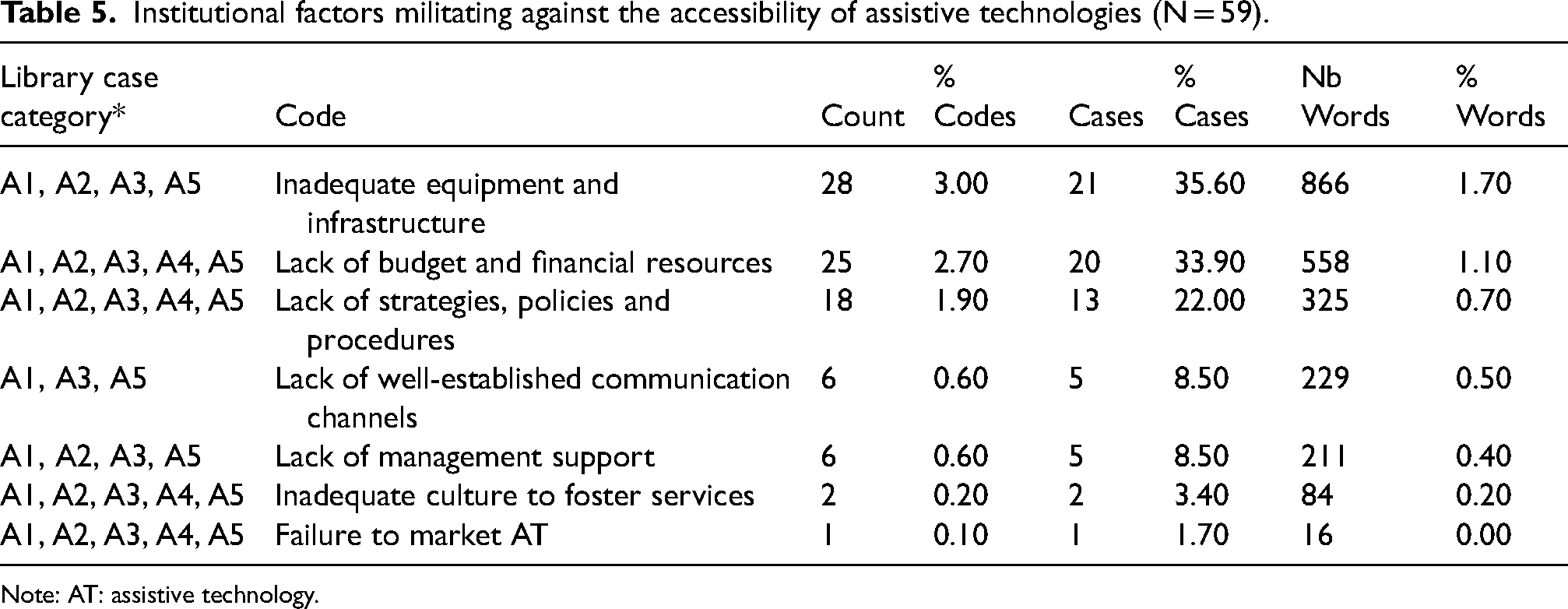
Table 5 highlights several institutional factors hindering accessibility. Four libraries were found to have inadequate equipment and infrastructure to support patrons with VI. A staff member from student services attributed this primarily to the massification of students: ‘The major challenge… is the massification [of students], without corresponding resources’ (Case: SS4). This finding aligns with Tanawade (2011), who argues that exceeding student enrolment capacities without a corresponding increase in resources negatively impacts infrastructure and equipment adequacy. Another key institutional factor was a lack of financial resources. Staff members (Case: SS2) cited a twofold challenge: ‘insufficient funds to keep pace [sic] with technological advancements and the national economic situation demotivating library staff’. The findings indicate that national economic challenges have a trickle-down effect on academic institutions, constraining investments in AT essential for patrons with VI. This echoes the concerns raised by the IFLA (2016), which accentuate financial constraints as a significant barrier to acquiring assistive equipment and infrastructure, particularly in developing countries. Research by Okonji and Ogwezzy (2019) and Tripathi and Shukla (2014) has consistently underlined the impact of resource limitations on accessibility in academic libraries, including restricted access to AT. Furthermore, studies by Foley and Masingila (2015) and Matter and Eide (2018) demonstrated that economic hardships exacerbate existing inequalities, disproportionately affecting individuals with VI in resource-scarce environments.
Institutional factors militating against the accessibility of assistive technologies (N = 59).
Note: AT: assistive technology.
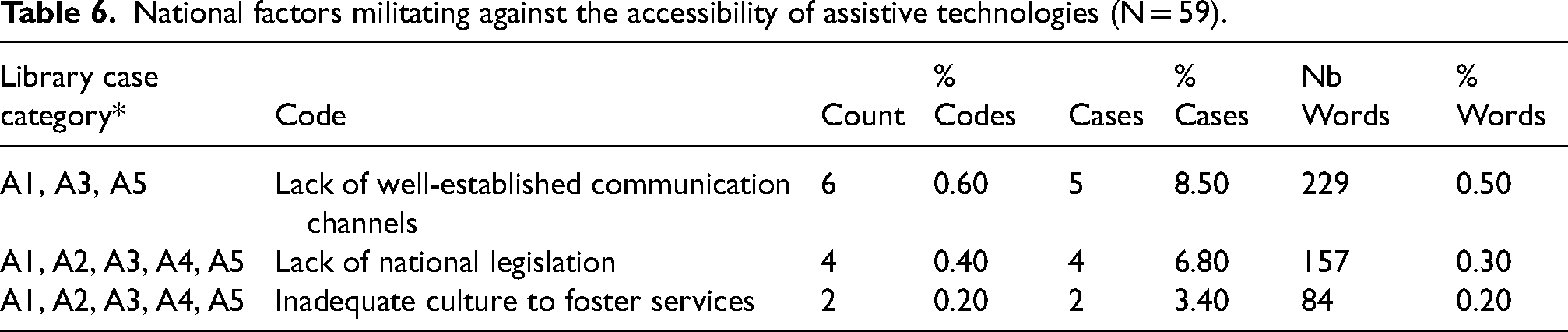
The study also revealed a lack of strategic plans, policies and procedures related to accessibility. Most staff members were unaware of any existing plans to improve service accessibility for patrons with VI. Document analysis further confirmed the absence of such strategies within the libraries. These findings underscore the importance of strategic planning for resource allocation to support patrons with disabilities. The lack of strategic focus contributes to a culture within the libraries that may not adequately prioritise accessibility. One staff member (Case: LS10) noted the impact on service provision: ‘Though I am part of the library staff … the general culture within the institution does not adequately provide support [sic]’. A patron with VI (Case: VIP16) echoed this sentiment, criticising the staff's focus on routine tasks rather than user needs. This aligns with Zaid and Zaid (2017), who link organisational culture to the quality of library services for patrons with VI. Table 5 also identifies a lack of well-established communication channels as an institutional and national factor. At the institutional level, this relates to communication between different library departments. At the national level, the study identified a lack of communication between academic libraries and the ZimLA on AT. ZimLA members (Cases: ZFGD1 and ZFGD5) acknowledged their role in providing best practices and training but noted a lack of collaboration with academic libraries in the Midlands region, specifically on developing services for patrons with VI. This suggests a need for improved communication between libraries and professional associations (Yildiz, 2012).
Table 6 highlights national factors impacting accessibility. A key finding was the lack of national legislation mandating accessibility in libraries. ZimLA members stressed the importance of policy frameworks: ‘It is a policy issue … all libraries should have adequate facilities’ (Case: ZFGD1). They further noted the lack of national alignment with international treaties, such as the Marrakesh Treaty (Case: ZFGD1). Another member argued that a national policy framework could help address resource limitations (Case: ZFGD6). These findings suggest that the absence of national legislation contributes to a culture of complacency within libraries regarding accessibility for patrons with VI. This finding resonates with IFLA (2016) guidelines, which reveal that numerous countries signing the Marrakesh Treaty have yet to harmonise their national legislation to facilitate access to accessible format materials for individuals with VI. Furthermore, research by Ncube (2017) and Ncube and Kurebwa (2022) underscores the risks of complacency in the absence of robust legislative mandates, potentially hindering the implementation of inclusive practices in academic libraries. This complacency can perpetuate existing barriers to accessibility, as observed in studies examining AT adoption in African contexts (Foley and Masingila, 2015; Matter and Eide, 2018; Okonji and Ogwezzy, 2019). The slow pace of legislative reform can also limit the development of supportive infrastructure, such as accessible digital repositories and AT resources (Visagie et al., 2019; Visagie et al., 2017). Moreover, the lack of clear policies and guidelines can compromise the availability, awareness and utilisation of AT in academic settings, as evidenced by studies in Ethiopia (Dabi and Golga, 2024) and Nigeria (Okonji and Ogwezzy, 2019).
National factors militating against the accessibility of assistive technologies (N = 59).
Strategies to enhance AT accessibility
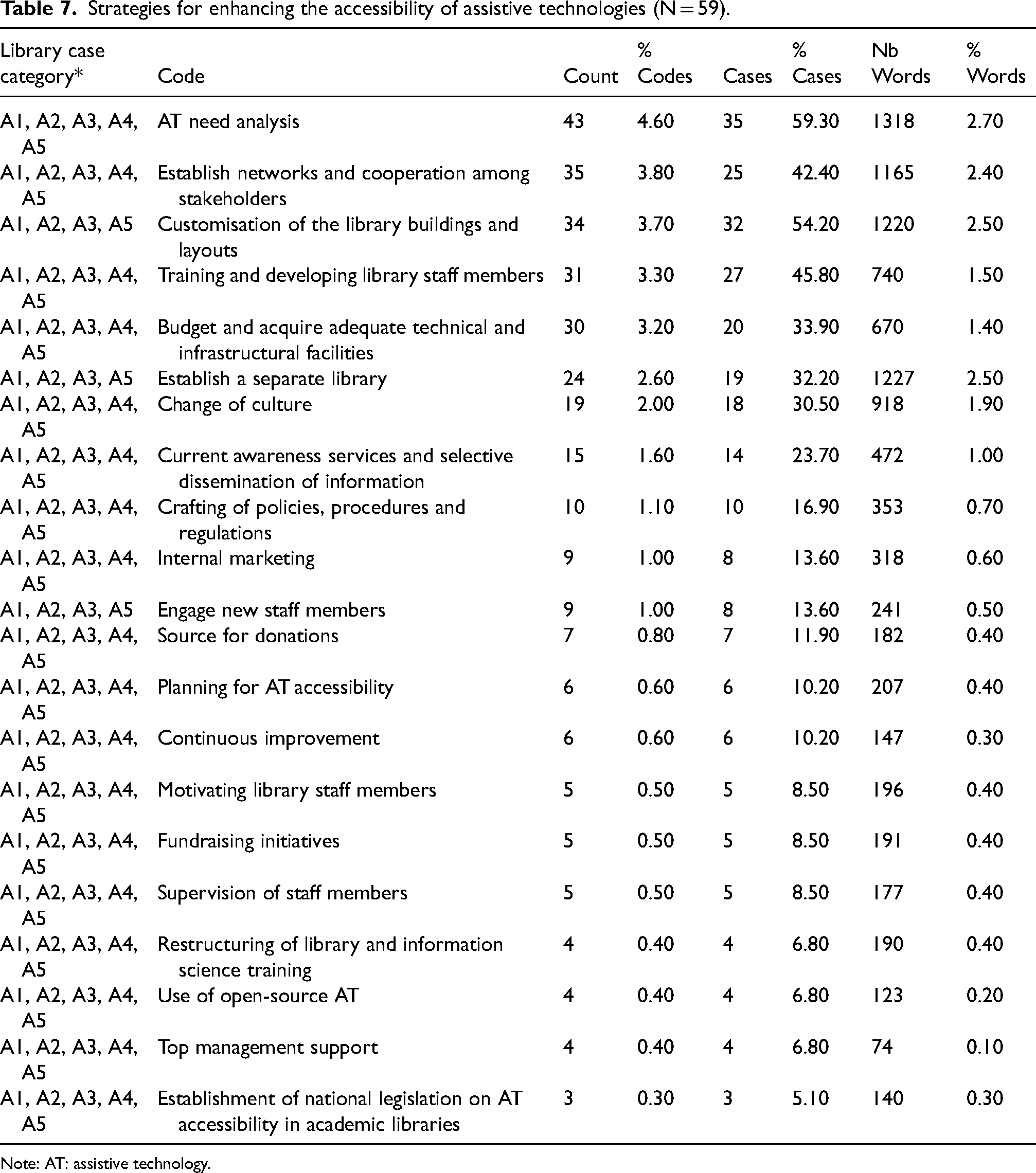
Table 7 presents recommendations for strategies that libraries can implement to enhance the accessibility of AT for patrons with VI. A key recommendation noted in Table 7 relates to conducting regular AT needs assessments. A participant (Case: SS2) emphasised the importance of planning and budgeting based on identified needs: ‘Assistive resources must be planned and budgeted for … The planning requires [undertaking] a needs analysis’. This aligns with the recommendations of Bailey et al. (2000), Lembinen (2018) and Grataridarga (2019), who highlight the importance of continuous needs assessments to ensure libraries remain current with the evolving AT requirements of patrons with VI. Libraries should prioritise physical accessibility through the customisation of buildings and layouts. A staff member (Case: LS6) noted the need for further interior renovations to accommodate patrons with VI, while a participant (Case: AP4) criticised the lack of ramps and properly spaced furniture. This finding resonates with Munyoro and Musemburi's (2019) advocacy of tailored library spaces and AT workrooms to enhance accessibility for patrons with VI. Table 7 shows that customised environments can significantly improve navigation, comfort and overall learning experiences for patrons with VI. In that regard, Okonji and Ogwezzy (2019) and Foley and Masingila (2015) underscored the importance of accessible physical spaces, including proper cable management to prevent tripping. Furthermore, dedicated study carrels for patrons with VI can foster comfort, focus and productivity (Case: LS4). The incorporation of AT such as Braille displays, screen readers and magnification software can also enhance the accessibility of library spaces (Matter and Eide, 2018; Visagie et al., 2017). Mobile applications mapping AT resources, like the one proposed by Visagie et al. (2019), can additionally facilitate access to supportive infrastructure. As such, some studies (Dabi and Golga, 2024; Tripathi and Shukla, 2014) have underscored the need for holistic approaches to accessibility, integrating physical, technological and social support to create inclusive library environments.
Strategies for enhancing the accessibility of assistive technologies (N = 59).
Note: AT: assistive technology.
Investing in staff training and development is crucial for effective service provision. Staff members (Cases: LS6 and LS8) emphasised the need for workshops, seminars and Braille short courses to equip them for serving patrons with VI. The findings emphasise the importance of integrating disability studies and special needs education into LIS curricula to enhance staff effectiveness in supporting patrons with VI. This recommendation is supported by the research of Subramaniam et al. (2013) and Khachatryan (2014), which emphasise the need for librarians to possess knowledge and skills tailored to serving diverse patron populations. Incorporating disability-focused education into LIS programmes can foster inclusive practices, improve staff confidence and ensure equitable access to information resources (Foley and Masingila, 2015; Okonji and Ogwezzy, 2019). Moreover, studies by Matter and Eide (2018) and Visagie et al. (2017) elucidated the benefits of training librarians in AT, such as screen readers and Braille displays, to facilitate effective support for patrons with VI. Mobile applications mapping AT resources can also enhance staff awareness and referral capabilities (Visagie et al., 2019).
As such, empirical evidence from African contexts underlines the significance of capacity building for librarians to address the unique needs of patrons with VI (Dabi and Golga, 2024; Tripathi and Shukla, 2014). This study also found that adequate budgeting and the acquisition of AT are essential. A staff member (Case: LS1) called for the inclusion of ‘accessibility equipment in future budget proposals’. This finding resonates with Rohwerder's (2018) emphasis on the necessity of dedicated financial resources for acquiring AT to support patrons with VI. The investment required for innovation adoption, as acknowledged by Rogers (2003), underscores the importance of strategic financial planning. Recognising potential budget limitations (Table 6), this study suggests exploring alternative fundraising initiatives, such as donations, crowdfunding (Case: ZFGD6) and leveraging free open-source software (Case: SMP10) to bridge the resource gap. This approach is reinforced by Guder's (2012) identification of readily available, free assistive software resources that libraries can use. Furthermore, research by Ncube (2017) and Visagie et al. (2019) demonstrated the effectiveness of collaborative partnerships in accessing AT, including mobile application mapping resources (Visagie et al., 2019) and open-source solutions (Matter and Eide, 2018). Empirical evidence from African contexts highlights the potential for cost-effective AT, such as mobile devices, to enhance accessibility for patrons with VI (Foley and Masingila, 2015; Okonji and Ogwezzy, 2019). Hence, adopting innovative funding strategies and leveraging free or low-cost AT can ensure that libraries promote inclusive services despite budget constraints (Dabi and Golga, 2024; Tripathi and Shukla, 2014).
Conclusion
This study investigated the accessibility of AT for patrons with VI in academic libraries of the Midlands Province, Zimbabwe. The study identified a wide range of AT and service needs among visually impaired patrons. These needs included Braille, screen readers, Microsoft Ease of Access features, book readers, screen magnifiers, large print materials and audio output devices. Additionally, the study emphasised the importance of customised restrooms, reference and information services and trained library staff as essential support elements. Furthermore, the potential of IoT technologies to revolutionise library services was highlighted. Despite the identified AT and service needs, several challenges hinder accessibility. These include a lack of user needs assessments, limited budgets, inadequate equipment and infrastructure, staff’s negative attitudes towards patrons with VI and the absence of national legislation mandating accessibility standards. To address these challenges and improve accessibility, libraries in the Midlands Province should prioritise conducting regular AT needs assessments. This crucial step will inform resource acquisition and service development decisions, ensuring libraries cater to the specific needs of patrons with VI. Additionally, implementing staff training and development programmes focused on disability studies and serving patrons with VI is essential. Such programmes can cultivate a more inclusive service culture and equip staff with the knowledge and skills to effectively assist patrons with VI.
Furthermore, exploring public–private partnerships offers promising opportunities. These partnerships can support the customisation and personalisation of library services for VI patrons. Ideally, such collaborations could lead to the creation of dedicated disability resource centres, offering a universally accessible environment with tailored resources and support. Finally, advocating national legislation mandating accessibility standards in academic libraries for individuals with VI is critical. The ZimLA can play a crucial role in promoting such legislation. Thus, working towards these recommendations, academic libraries in the Midlands Province can create a more inclusive environment that empower VI patrons to fully use library resources and information.
The study's findings offer significant benefits for various stakeholders. Academic libraries can enhance their inclusivity by addressing the identified AT and service needs of patrons with VI. Patrons with VI will benefit from increased access to information and resources, leading to improved quality of life and empowerment. Library staff can enhance their professional development and job satisfaction through targeted training programmes. Also, governments and policymakers can use the study's findings to inform policy development and advocate increased support for accessibility initiatives. Moreover, the community of people with VI can benefit from increased opportunities and improved quality of life as a result of accessible libraries.
The study's findings are subject to certain limitations. Due to its focus on the Midlands Province of Zimbabwe, the generalisability of the results to other regions and countries may be limited. While the sample size was sufficient for the study, a larger sample could potentially provide more robust and representative findings. Additionally, the study's exclusive focus on academic libraries may limit the applicability of its findings to other types of libraries, such as public or school libraries. Furthermore, the design of the study provides a snapshot of the situation at a particular point in time, and a longitudinal study could offer valuable insights into changes over time. To address the limitations of this study and gain a more comprehensive understanding of accessibility issues in libraries, several areas can be explored in further research. Conducting similar studies in other regions of Zimbabwe and other countries would allow for comparisons and identification of best practices. Investigating the potential of emerging technologies, such as artificial intelligence and virtual reality, to enhance accessibility for patrons with VI in libraries is another promising area of research. Additionally, conducting evaluations of accessibility initiatives implemented in libraries can assess their effectiveness and identify areas for improvement.
Footnotes
Declaration of conflicting interests
The authors declared no potential conflicts of interest with respect to the research, authorship and/or publication of this article.
Funding
The authors received no financial support for the research, authorship and/or publication of this article.
