




Abstract
This article reports on research on the information behaviour of the Terena people from a Brazilian indigenous community. The aim of this study is to present and analyse the data collected on the information behaviour of the Terena people, which will serve as a basis to propose a model for creating a multicultural library linked to a sociocultural perspective as part of a PhD research study. A qualitative and explanatory study was conducted within the ethnographic structure for data collection. Field appointments and interviews were conducted with 18 research participants from the indigenous peoples of the Bananal community between 2021 and 2022. The data analysis shows that their information behaviour was influenced by cultural factors, and it is therefore essential to address multicultural issues within this context. It is important to ensure that the information addresses cultural diversities, promoting the social visibility of indigenous peoples and preventing their exclusion. Future research should improve multicultural access to information by developing inclusive strategies that consider indigenous perspectives and knowledge.
Keywords
Introduction
Promoting values and respecting cultural diversity are fundamental issues in contemporary society and are widely discussed among social movements and minorities that claim recognition and the preservation of their culture. Lately, there has been a significant increase in debates about ‘multiculturalism’. As De Sousa Santos (2004) points out, this term originally referred to the coexistence of different cultural forms within ‘modern society’.
Multiculturalism is part of the historical context of Brazil, partly because there is immense cultural diversity among the indigenous peoples living in the country. In 2012, it was estimated that there were around 897,000, indigenous people 305 ethnic groups and 274 languages spoken in Brazil (Instituto Brasileiro, 2012). To maintain their culture, these peoples continue to seek their rights and often experience conflict when trying preserve their traditions.
Libraries play a crucial role in preserving and disseminating information, meeting users’ wide demands. It is essential that libraries focus on meeting the information needs of multicultural communities, including the indigenous population, if they really wish to be considered inclusive spaces. In this way, libraries will not only fulfil their role in promoting access to knowledge, but will also contribute to the 2030 Agenda for Sustainable Development of the United Nations, which sets specific goals for indigenous peoples with the aim of eradicating hunger, as well as promoting inclusive education and the active participation of indigenous peoples in defining and reviewing United Nations (2015) policies.
In the 21st century, information plays a key role in driving progress and innovation in all areas of society, being an essential element for the development of a fair and democratic society. Although human rights treaties protect access to information, it is important to question whether this right to information is being effectively upheld, as pointed out in a 2022 International Telecommunication Union report. This report reveals the grim reality of exclusion, in which the poorest people still have no access to information services. It is therefore extremely important to promote studies that offer strategies to guarantee everyone’s information rights, taking into account that Brazil is a multicultural country with a wide diversity of indigenous peoples. In this context, libraries play a key role in identifying the information and service needs of multicultural communities. All of this is much more than providing materials in their own languages and respecting their cultural traditions. In other words, understanding the diverse perspectives and interests of these communities will help libraries offer relevant information and resources in order to promote intercultural dialogue. Thus, they will contribute to a society that values diversity and promotes understanding among its people (Sturges, 2005).
This study is theoretically grounded in discussions related to information behaviour linked to the perspective of sociocultural studies by some Brazilian (e.g. Araújo, 2012; Moreira and Sirihal Duarte, 2016; Rocha and Gandra, 2018) as well as international authors (e.g. Capurro, 1999; Savolainen, 2007; Talja et al., 2005; Tuominen et al., 2005). The question is whether indigenous people’s information practices are being managed according to their multiculturalism and within a cultural context. By focusing on the social paradigm of information science, this study aims to investigate the information behaviour of Terena people from the Bananal community in the state of Mato Grosso do Sul, Brazil. It is part of a PhD project that aims to propose a multicultural library model with targeted outcomes for Terena indigenous people. Based on the hypothesis that the Terena indigenous population has multicultural information needs, this PhD research is currently in progress, with the goal of investigating and analysing these needs. The focus is on the following objectives: Identifying research based on the information needs of indigenous people in national and international literature; Outlining the information profile of Terena indigenous people by verifying their information-behaviour practices; Mapping the formal and informal units that act as information mediators in the Terena community; Formulating guidelines for a model for a multicultural library, paying attention to the needs of Terena indigenous people; Debating the social role of information science – namely, with regard to the relevance of the information dynamics of indigenous people in maintaining their identity while being placed back within the current Brazilian society.
For the purposes of this article, the focus is on the first three objectives.
The justification for this research lies in the absence of Brazilian studies from the perspective of the information behaviour of traditional Brazilian people. Regarding this context, it may be said that research on the information needs of indigenous people is an opportunity for information science to contribute to empowering and organizing, as well as preserving, the cultural identity of a people, promoting their inclusion – in other words, making access to information possible for all, without restrictions.
This article begins with a literature review focusing on information behaviour in general and, specifically, the information behaviour of indigenous people, as they are the focus of the present study. In addition, studies related to the multicultural library are presented. Next, the research methods are described, which is followed by the presentation and discussion of the findings. Finally, some relevant considerations are made, providing a summary of the information behaviour of indigenous people, as well as exploring the implications and contributions of the findings obtained.
Literature review
Information behaviour
Information-behaviour research has occupied information scientists since before the term ‘information science’ was coined. We can trace its origins back to the Royal Society Scientific Information Conference of 1948 (Wilson, 1999). It is not a field that is monopolized by information science. Several studies involving human behaviour have been carried out, generally involving the study of personality in psychology and information, including design and information systems (Moreira and Sirihal Duarte, 2016). In view of this context, it is evident that the field of user studies has expanded considerably since the initial research focused on the context of libraries. Currently, it covers the analysis of the behaviour and attitudes of information users in a much broader way, covering several areas of knowledge (Wilson, 1994).
In the 1970s, a paradigm shift in understanding information behaviour began. The first approach was the physical paradigm, which aimed to use the system focused on the information search process. This was followed by the emergence of the second paradigm – the cognitive paradigm – which was influenced by the research of Wilson (1981), Ellis (1989) and Kuhlthau (1991) based on user studies – that is, users themselves seek their own information needs. The third paradigm – the social paradigm – is grounded in Tuominen et al.’s (2005) research, which focuses on the individual as a transforming subject.
Information-behaviour studies presented a significant progress with Wilson (1981), who stands up for his contribution to analyse information needs. Wilson argued that information behaviour arises as a consequence of a user’s needs, who, to satisfy such needs, requires formal and informal information sources and systems, resulting in success or failure during information seeking. Later, Wilson (1999) modified his approach and pointed out that information is not a primary but a secondary need, and that it is likely that a user will encounter different barriers.
Dervin (1999) took a critical stance towards some approaches on users concept, and tried to predict information-seeking behaviour based on an individual's personality structure. In Dervin's view, information seeking and information use are situationally constructive and interconnected activities. Dervin also states that the presence of a desire for information is neither a necessary nor sufficient condition for.
With regard to searching for information, Savolainen (1995) found that search habits are part of life’s domain, often rooted in the unconscious. Individuals make choices in various situations, but they always choose within the limits of their competence, which is built on social and cultural factors. Savolainen (1995) also states that a way of life alone does not determine information-seeking behaviour. People may belong to the same social class, have the same educational level, and have similar hobbies and jobs, but they may differ notably in their information-seeking behaviour. McKenzie (2003) draws attention to the fact that users do not only seek information when there is a problem to solve; information can be found serendipitously or used to satisfy one’s curiosity.
It should be noted that information behaviour is not a uniform activity. It comprises several factors and elements involved in behaviour processes – information is sought in different ways and human behaviour is highly complex. Wilson (1999) states that information behaviour can be seen as the general field of investigation, which includes information seeking as a subfield. And Wilson adds that information-seeking behaviour in information systems can be understood as a subfield of information behaviour.
More recently, Wilson (2022) expanded on his reflections, stressing that it can be inferred that human behaviour is influenced by a complex set of factors, which can be classified as intrinsic personal aspects, as well as demographic characteristics such as educational level, occupation and income, among others. Additionally, Wilson points out the relevance of the social groups to which a person belongs, such as family, work environment and circle of friends, as well as the impact of the norms and values present in society in general.
According to Silva (2010), information behaviour is the way of being, or reacting, of a person or group in a particular situation and context, influenced by induced or spontaneous needs with regard exclusively to production/emission, reception, memorization/storage, reproduction and the sharing of information. Thus, studies have started to have a wider vision, instead of being restricted to the individual’s interaction with the information system. That means that an understanding of the context that generated the need for information has been taken into account, as well as the use made of the information once it has been assimilated in the solution of problems or in situations that implied the need for information. These studies assess not only the information-seeking behaviour but also the entire information behaviour of the individual (Sirihal Duarte, 2012).
This study is based on the concept of context used by Agarwal, which consists of elements such as environment, task, actor–source relationship, time, etc. that are relevant to the behavior during the course of interaction and vary based on magnitude, dynamism, patterns and combinations, and that appear differently to the actor than to others, who make an in-group/out-group differentiation of these elements depending on their individual and shared identities. (Agarwal, 2017: 128)
Information behaviour varies according to each population group, and it is crucial to develop sensitive approaches in the provision of information services. It is essential to take into account the cultural, social and environmental context in which they are inserted, as well as their specific needs and practices in searching and using information, especially for the most excluded populations. In the next section, we analyse the information behaviour of indigenous peoples in various countries, exploring their practices, challenges and opportunities to strengthen their information autonomy. This allows us to better understand their information dynamics and develop inclusive and effective strategies for accessing information.
Information behaviour of indigenous people
Research that addresses the topic of the information behaviour of indigenous people seems to be underexplored. One of the first authors who wrote on the subject was Chakrabarti (2001), who investigated the information behaviour of the Totos, a small marginal tribal community in sub-Himalayan North Bengal, India. The main points of this work underline that these people obtained information mainly from non-traditional sources and they were dependent on the head of the community – the priest or religious leader.
From Mexico, several studies can be highlighted. Graniel Parra’s (2002) research analysed indigenous communities and library services in Mexico, and proposes a design and improvements aimed at the indigenous community in Zautla, a city in the Sierra Norte de Puebla. Ramírez Velásquez has carried out several studies with indigenous communities. In his first, from 2006, he analysed the information needs of indigenous communities of the Tepehua, proving that their information needs were the product of the social development of each individual in particular and the community as a whole. The information needs of indigenous immigrants from the Nahua people in Mexico City were analysed by Valdez Angeles (2010), identifying the core topics as well as the information sources. In relation to the analysis and information behaviour of indigenous university students from the Autonomous University of Chiapas, Pinto Lopez (2011) observed their habits, customs, attitudes, procedures and skills in finding information sources. With regard to the information behaviour of an indigenous community in a public library environment, Alfaro Rincón (2014) analysed the information needs of the Tsotsil indigenous community and the importance of integrating library services with their cultural context. Rivera López (2019) investigated the information needs of indigenous students at a music centre in Serra de Mixe, as well as their information behaviour, identifying that indigenous music students were also users of information.
Yeh’s (2007) study used an ethnographic research approach with two Taiwanese aboriginal communities: the Yami and the Tsau. This study presents a new model of information behaviour, focusing on the role and importance of the culture of thought as well as the study of human information behaviour. This research demonstrates how the ethnographic method can contribute to exploring the influence of culture in human life, as well as detailed aspects of the world and the information behaviour of individuals.
Lilley (2008) published an article that investigates the information-seeking behaviour of Māori high school students in New Zealand, revealing the barriers faced by these students in this process. Over the years, Lilley has maintained a research focus on topics such as indigenous information behaviour, information literacy issues, and professional and cultural development for libraries and information management teams. His articles, including those published in 2010 and 2019, have received international recognition, and Lilley has been the recipient of Marsden Awards from the Royal Society of New Zealand.
Regarding the sharing of cultural information, Meyer's (2009) analyzed that the information behavior of indigenous peoples proves that it is the underlying factor in determining the sharing of information across cultural boundaries between literate and oral cultures.
Dutta’s (2009) work is based on the information needs and information-seeking behaviour of indigenous people in developing countries, analysing urban and rural communities in Argentina, Botswana, Ghana, India, Malawi, Malaysia, Nigeria and Uganda. Dutta identified that the division of information and communication was not so much defined by the economic status of a geographic location than by the users’ knowledge.
Research conducted in Australia by Du and Haines (2017) suggests that the Internet was not the main source of information to meet everyday information needs; rather, their research participants’ source of information remained family knowledge-sharing. Another study, carried out by Haines et al. (2017), involved elders from an Australian community and investigated the construction of oral knowledge and its transmission; it was found to have a direct impact on collective history and the practices shared by elders.
Haines (2021) addresses the context of indigenous people in an interdisciplinary study using the ethnographic method related to information behaviour. This research has made a significant contribution to information science, winning the ProQuest Doctoral Dissertation Award from the Association for Information Science and Technology (2022), and has encouraged further studies related to indigenous populations.
Hunt and Shoaps (2018) investigated the information-seeking behaviour and information-sharing practices of bilingual students and adults in a Mayan community in Guatemala, identifying that librarians were not, and never had been, the main providers of information in Nahuala.
Burke (2020) analysed the health information behaviour with participatory and interdisciplinary research models within indigenous communities. The research promoted collaborative partnerships among community members, linguists and information professionals to create health information resources that were culturally appropriate for the indigenous community mother tongue.
Two studies can be identified from Brazil. Prado et al. (2017) addressed the information-literacy competence of Brazilian indigenous students at the State University of Londrina. The main results indicate that the Internet was the most accessed source of information, with a preference for the Google search engine. Queiroz and Paiva (2018) analysed the search behaviour and use of information by indigenous university students at the University of Paraíba. They identified students from nine communities of the Potiguara Indigenous Lands reflecting their cultural and environmental identifications.
The studies discussed above investigate the information behaviour of indigenous peoples in various parts of the world, including India, Mexico, Taiwan, New Zealand, South Africa, Australia, Guatemala and Brazil. Each study addresses a specific aspect of information behaviour, such as information sources, information needs, the main obstacles, use of information technologies and indigenous knowledge. These studies reveal differences in cultural traditions, languages and the available resources, and the challenges faced by indigenous communities in each region. Overall, they broaden our understanding of the information behaviour of indigenous communities and reinforce the importance of culture, local contexts and specific needs when developing information services and public policies. On the basis of the above, it can be said that a multicultural library is one of the services that could be reformulated or created to meet the specific needs of indigenous peoples.
The multicultural library
As societies become increasingly multicultural, it is evident that there are diverse people around the world who represent this cultural diversity, especially indigenous peoples. These communities are characterized by a wide variety of languages, customs, traditions and world views, which reflect the richness and diversity of their identities and ways of life. Considering the fundamental role of archives, museums and libraries as cultural organizations throughout history, whose primary objective is to preserve cultural production and promote the continuity of different cultures (Araújo, 2014), the need for services that focus on multicultural communities arises. This is crucial, in order to enable the creation of spaces to host the diversity of vulnerable groups in society and develop library services in a multicultural spirit.
Multicultural libraries should encourage literacy and the dissemination of relevant information, as well as the fight against exclusion, and develop strategies to promote lifelong learning with inclusive education, reducing inequalities and promoting inclusion. Tello (2020: 62) states that ‘the multicultural library should seek to convert itself into an institution of support in the construction of fairer societies, basing itself on freedoms and equity of access to information and knowledge for all’. Civallero (2017) adds that multicultural library structures play an important role in preserving oral and historical traditions, supporting different languages and heritages, and promoting bilingual education. In this way, multicultural libraries become essential instruments in community cohesion, acting as a reconstructive power and supporting the structures that connect communities to their ancestral lineages, thus allowing future generations to know and understand their origins.
In order to meet the multicultural demands present in libraries, at the 1986 IFLA conference in Tokyo, the IFLA Round Table on Library Services to Ethnic and Linguistic Minorities formally became the IFLA Section on Library Services to Multicultural Populations. Its main objectives are To bring together libraries and institutions interested in the development and availability of library services designed to meet the needs of cultural and linguistic minorities. To share its experience in library services to multicultural populations and to ensure that every member in our global society has access to a full range of library and information services. (IFLA, 2023)
In 2009, IFLA and UNESCO established a joint Multicultural Library Manifesto. This manifesto underscores the importance of libraries paying special attention to culturally diverse groups in their communities. These include indigenous peoples, immigrant communities, people of mixed cultural backgrounds, transnational and diaspora people, asylum-seekers, refugees, residents on temporary residence permits, migrant workers and national minorities (IFLA, 2009).
In order to fulfil the missions set out in the manifesto and respond to diverse multicultural realities, it is essential that libraries develop policies and strategic plans based on an analysis of user needs. To meet the requirements of the manifesto, it is necessary to develop a multicultural library model that is adequate and applicable, taking into account the information needs of different groups. In this context, the objective of the PhD research (still a work in progress) is to finalize the elaboration of a specific multicultural library model to meet the demands of the Terena ethnic group. Through this model, it is intended to ensure that the library acts as a multicultural space, providing services that are relevant and adequate for the needs of the Terena community.
Research methods
Although ethnography is considered a complex method, as it requires individual investment for a detailed study (Khoo et al., 2012), its use in the field of library and information science has experienced a significant increase. However, adapting approaches based on shorter data collection deadlines is usual when conducting ethnographic studies in the field of library and information science, taking into account restrictions imposed by budgets or the research team (Lanclos and Asher, 2016).
According to Rocha and Gandra (2018), the use of ethnography is an appropriate method for the purpose of seeking to understand users’ behaviour. An ethnographic approach goes beyond the mere presentation of data or sociodemographic profiles; instead, ethnography seeks to visually articulate data without the subjectivity of each theme. According to Creswell (2014), this approach is especially successful if one wishes to describe how a cultural group works and explore the beliefs, language, behaviours and issues faced by a group, such as power, resistance and domination.
When using an ethnographic method, it is essential to establish contact with individuals who are part of the environment to be studied, as they are valuable information sources on the functioning of that specific context, and to find primary contacts in carrying out the study (Stake, 2011). In the case of the PhD project of which this study is a part, the researcher had the opportunity to get in touch with a Professor of Anthropology at the Federal University of Mato Grosso do Sul, who was involved in the ‘Saberes Indígenas na Escola’ (Indigenous Knowledge at School) project with the Bananal community. This connection with the professor was beneficial for contacting the head of the community and presenting the project to him for authorization.
Research setting
The location chosen for the research was the state of Mato Grosso do Sul, located in the Central-West region of Brazil. The research was carried out in the state of Mato Grosso do Sul, located in the Central-West region of Brazil. This state has the second highest proportion of Brazilian cities with indigenous people, indicating a significant population of indigenous peoples. There are 73,295 indigenous peoples who live exclusively in the state of Mato Grosso do Sul (Instituto Brasileiro, 2012).
The indigenous population of Mato Grosso do Sulincludes the following ethnic groups: Atikum, Guarani Kaiowá, Guarani Ñãndeva, Guató, Kadiwéu, Kinikinawa, Ofaié and Terena. The Guarani (Kaiowá and Ñandeva) and Terena have the largest populations, which is one of the main reasons why the Terena people were chosen for this study.
The location of the research is the Bananal community in the Taunay-Ipegue Indigenous Land, which is situated in the Aquidauana municipality 190 kilometres from Campo Grande, the capital city of the state (see Figure 1). It is estimated that approximately 2000 people live within the community. The choice of this community was based on Fialho’s (2010) research, which states that there is a large population density linked to the Terena language. Within this community, there are two schools that serve approximately 300 elementary school students and 200 high school students, with one reading room in one of the schools.
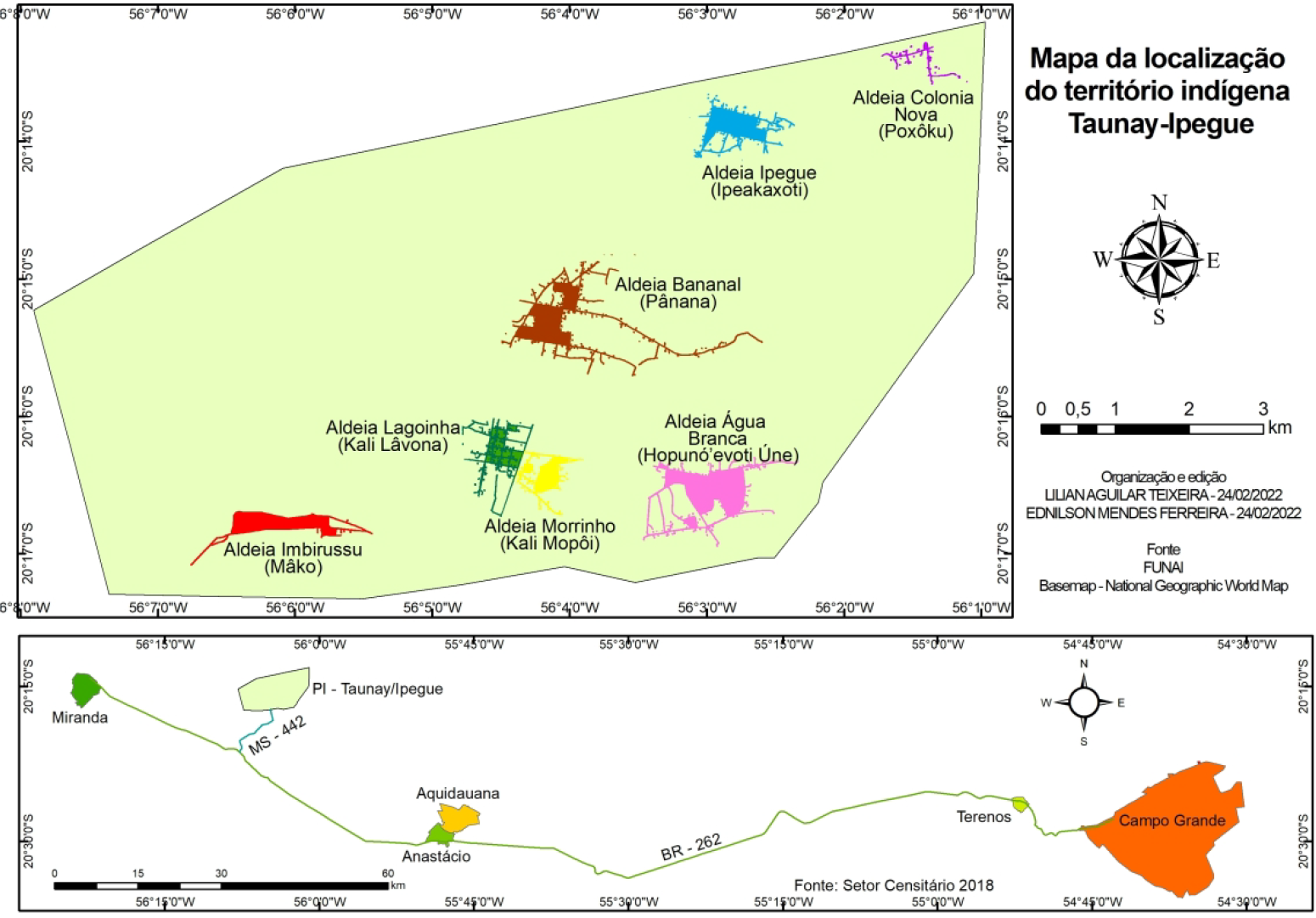
Location of the Taunay-Ipegue Indigenous Land and Bananal community.
Sampling and data collection instrument
In order to carry out research involving indigenous peoples, some regulatory procedures must be followed. The National Indian Foundation (Fundação Nacional dos Povos Indígenas) is the body that is responsible for regulating access to indigenous lands. Obtaining authorization from the head of the community and submitting the PhD research project and documentation to the National Indian Foundation and the National Research Ethics Committee were some of the steps required. Due to the COVID-19 pandemic, there was a delay in obtaining authorization from the National Indian Foundation. However, following approval by the relevant authorities, Scientific Merit Advice Number 5,074,596 was issued on 3 November 2021. This allowed for visits, interviews and observations, ensuring that all activities were conducted in accordance with the applicable laws.
Considering the research objectives and the impossibility of investigating the entire community, 10% (11) of the students from Prof. Domingos V. Marcos-MIHIN Indigenous Public School were interviewed. This school has a total of 111 students, according to data from the school office available in 2022, which has a total of 111 students, according to data from the school office available in 2022. Figure 2 is a photograph of the school and serves as a visual reference in this context. In addition to the students, 5 teachers, 1 elder and 1 head of community were included, totalling 18 research participants.
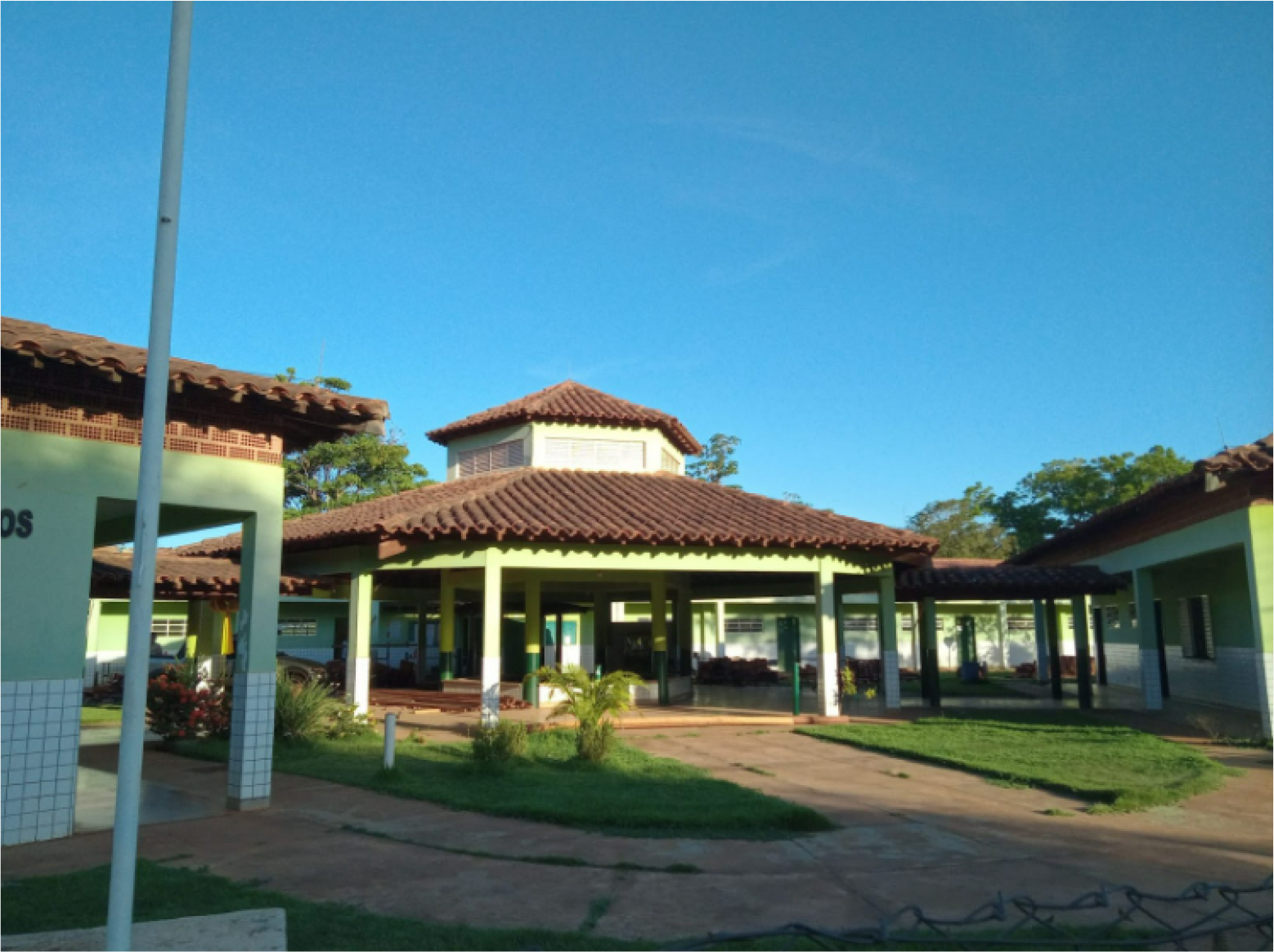
Exterior of Prof. Domingos V. Marcos-MIHIN Indigenous Public School.
The sample size was based on Fachin’s (2006) research, who suggests the use of 10% of the population, although, in ethnographic research, it is not necessary to select a proportional and representative sample, and the sampling choice is usually based on the researcher’s criteria (Gil, 2021). In this case, this sampling approach was chosen due to limited financial resources for frequent trips to the community and the geographical distance involved.
Ethnographic research often requires the use of various research tools. In this study, semi-structured interviews were used, following the guidelines of the IFLA/UNESCO Multicultural Library Manifesto Toolkit (IFLA, 2018). These guidelines include a template entitled ‘Community analysis and needs assessment’, which allows one to identify the cultural traits and linguistic characteristics of users in order to gain greater clarity about the community and develop materials, programmes and services that serve the diverse populations identified. The ideas in the questionnaire used in the research conducted by Du and Haines (2017), which addressed topics related to information, information search and use, needs and information sources also served as a reference for the development of the interview guide.
The script used for the interviews consisted of a comprehensive set of carefully crafted questions, which were addressed to the participants and divided into three distinct groups: teachers, students and community elders. These questions were designed with the purpose of responding to the objectives of the PhD thesis, which are related to the use of information in everyday life, information sources, access to technological resources, and the perception and use of libraries, as well as the preservation of Terena culture. This interview guide has been developed in order to obtain valuable and comprehensive information, allowing for a deep understanding of these issues within the context of the research.
Procedures
Interviews were scheduled with the head of community and the school coordinator in November 2021 and took place over three days. The coordinator was responsible for selecting the participants, taking into account those who felt more comfortable talking. This preference was considered due to the natural tendency of many students to be shy during interactions with unknown people. After presenting the project, the participants received a free and informed consent form to sign. With due authorization, the interviews lasted on average 20 to 30 minutes.
During this period, the second data-gathering technique was also implemented, which involved visual ethnography, guided by the principles of community-based participatory research, and visiting places in the community, such as the memory centre, the celebration centre, the health centre and the radio station. These face-to-face visits were complemented by virtual observations by using the Facebook profile of the community, as well as the radio station, and follow-up visits to the Bananal community and other communities of the Terena ethnic group in May 2022. The observations focused on facts that pointed to the way in which the members of this community were informed, the topics they addressed and the type of information resources they needed.
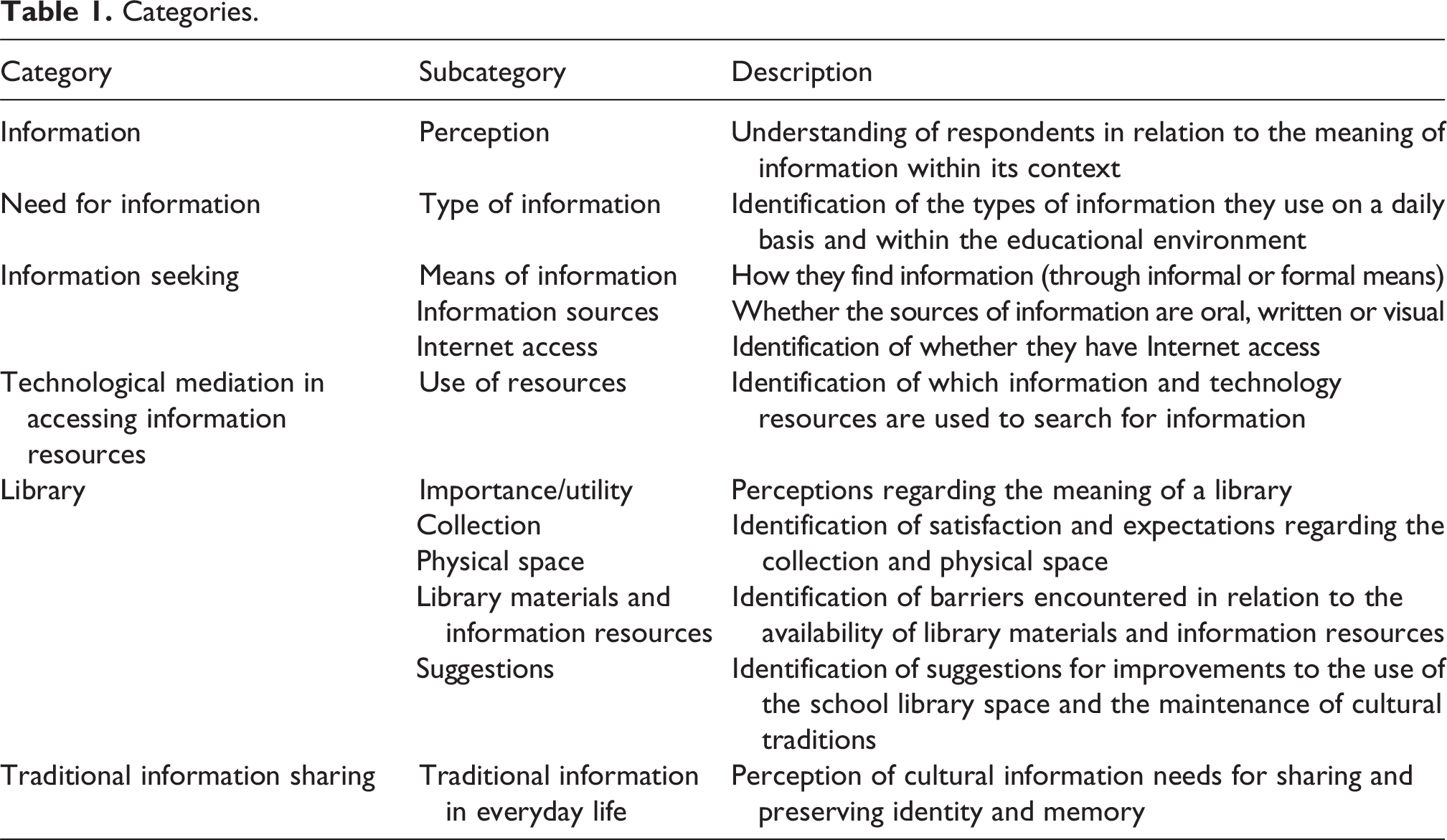
Following these steps, the interviews were transcribed and, for their interpretation, the content analysis technique proposed by Bardin (2011) was used in addition to successive readings of the interviews. Attending to the proposed objectives of the study and the literature on the subject of indigenous information behaviour and information behaviour in general, six categories were identified. These categories are aligned with the research objectives from the perspective of information behaviour, according to Table 1 with the categories chosen for the research. These categories are aligned with the research objectives and are presented in Table 1 with subcategories and short descriptions of each one.
Categories.
Findings
In this section, we present the categories identified during the analysis of the collected data (Table 1), providing related discussions in order to understand the research problem and answer the questions raised.
Information
The ‘Information’ category aims to explore the participants’ understanding of the meaning of information in their specific context. During the preliminary interviews, some relevant perceptions were identified: Information? It’s a source of knowledge that…ah, let me explain, it’s a source of oral knowledge, some kind of knowledge, something like that, I guess. (Participant 9) It’s easier to find information with my grandmother or my mother because they have a lot of information. (Participant 10)
Need for information
The category ‘Need for information’ aims to identify the types of information the participants use in their daily lives and in the educational environment. Some of the responses identified that they sought to update themselves on a variety of topics, such as culture, politics and everyday life, as well as Terena ethnicity, land reparations, politics, school research, history, YouTube videos, music and television series: Some things draw our attention, right? But not much, just this issue of demarcation, these things we monitor more, right? Now there’s no way not to talk about the price increase, you know? We see these things in the newspaper, right? (Participant 3) I try to find out more, like, when the teacher asks us to research about school. (Participant 4)
Information seeking
In the category ‘Information seeking’, we have attempted to identify which sources and means the participants used to access information. It was found that most of the interviewees who used the Internet were teachers and they used it as a work tool to help plan their classes. On the other hand, some of the participants mentioned the difficulties of accessing the Internet due to the high cost for a residential connection: I think that if they improve access to infrastructure in terms of the Internet, the information here would improve a lot – that the Internet here is very precarious, indeed. Taunay is the only place where Internet access is really good, but it’s still expensive, you know? (Participant 9) It got better a lot, you know! There wasn’t before, right? Before it was…we learned things from others, or those who had time to watch the news watched it, right? But now it’s improved, these years. I think that after this pandemic, when it started, it seems that everything sped up, the process was faster to acquire, right? Studying at home and remote classes transformed the Internet into a working tool for students. (Participant 3)
Library
The ‘Library’ category aims to identify the usefulness and importance of the library to the community. However, in the reports, it was evident that most of the respondents preferred to use the Internet due to the scarcity of specific books that addressed their culture. They mentioned that the material available in the library came from the Federal Government of Brazil and was only available in Portuguese (see Figure 3). It’s complicated to find what you are looking up in a book. If you got it, you are in luck. (Participant 9) There is no material. Unfortunately, we get everything, I mean, not everything, but almost everything over the Internet, right? (Participant 3)
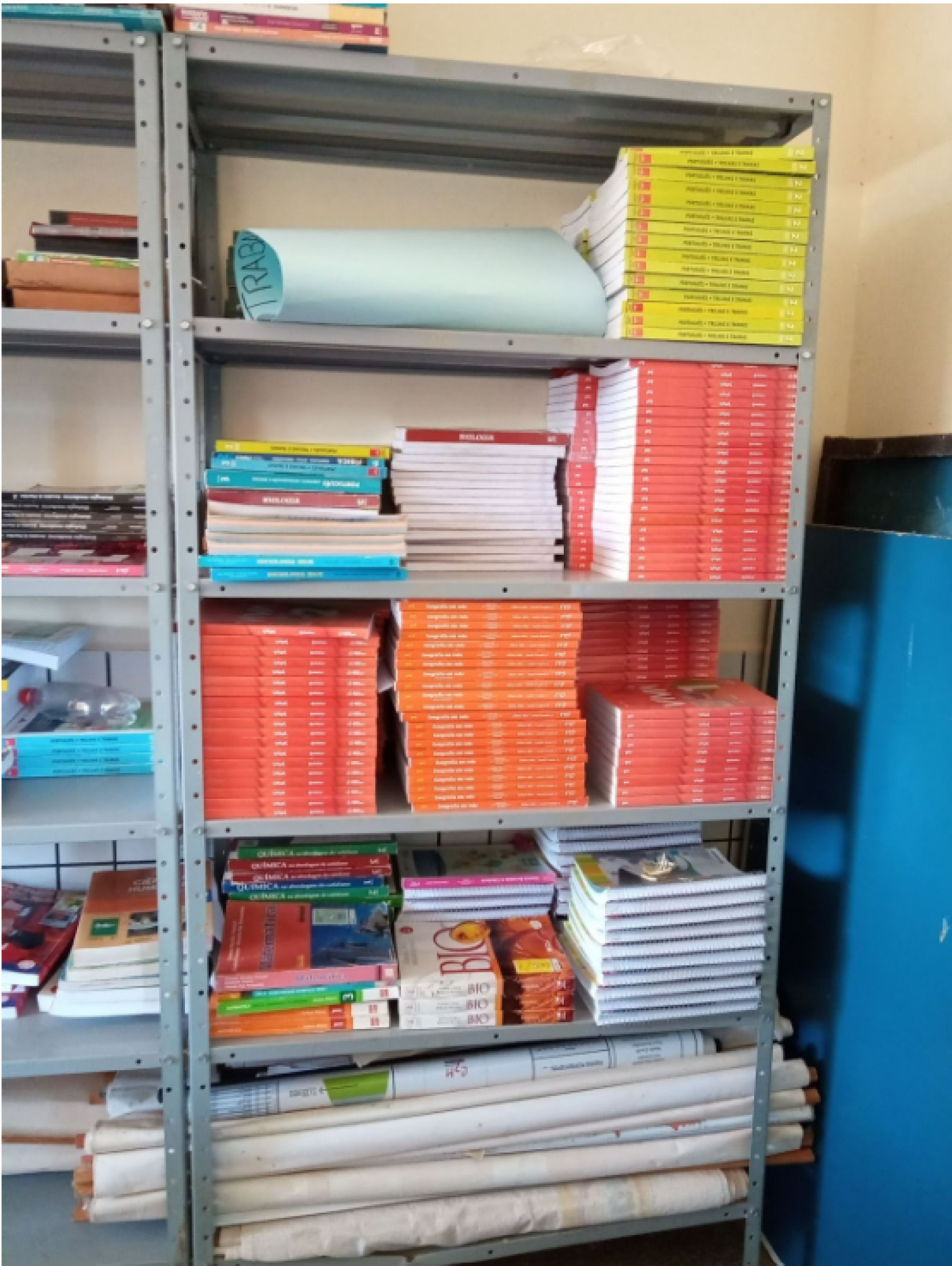
Government textbooks in the library of Prof. Domingos V. Marcos-MIHIN Indigenous Public School.
The interviews highlighted the need to improve the library’s collection, which would be fundamental to providing a more comprehensive and enriching education for students. By offering a wide selection of books that cover a variety of topics and cultures, the library has the potential to encourage students to explore new perspectives and cultivate a deeper interest in reading and learning. An example of an initiative that aims to overcome some of the difficulties mentioned is the ‘Saberes Indígenas na Escola’ (Indigenous Knowledge at School) project. This project is a partnership between the Ministry of Education, some universities in Mato Grosso do Sul and indigenous teachers. One of the main actions of this project is the continuous training of indigenous teachers, as well as the production and printing of textbooks in their mother tongues, taking into account the specificities of community organization and the importance of literacy in the mother tongue.
Taking linguistic diversity into account, including resources in the Terena language and not just Portuguese, is a way of disseminating, preserving and helping to keep a native language alive. As a consequence, the inclusion of materials in the Terena language would help to preserve and transmit the world view of indigenous peoples – to the extent that language is a way of categorizing and fixing a certain view of the world (Hill and Mannheim, 1992).
Technological mediation in accessing information resources
The category of ‘Technological mediation in accessing information resources’ aims to identify whether these resources are being used in information seeking. When considering access to information devices, it was observed that most of the survey participants had access to some electronic resources. However, it is important to emphasize that not all residents of the indigenous community had the ability to carry out their activities through these means: At work, nowadays, we use a lot of information via the Internet. At home, with family, for example my parents are illiterate, so information comes more from the television, right? They watch the television, they also listen to the radio. (Participant 2)
Traditional information sharing
The category of ‘Traditional information sharing’ aims to identify the sharing and preservation of memory. For indigenous peoples, information is traditionally transmitted orally, with elders being responsible for passing on their stories. However, it is important to analyse how this practice is currently being carried out and if it has been modified with the advent of existing technologies. As Participant 3 observed: ‘Here, in our community, our radio, right? There is a radio here, so we listen to it and stay on top of things that happen, right?’
The interviews identified that, over time, the practice of sharing information exclusively orally had decreased, but that it had been improved with the use of the community radio as a means of communication between the head of the community and the indigenous residents. The Bananal community has a radio station (Figure 4), which allows the dissemination of information orally to people who do not have access to other technological means. In this way, the radio is incorporated into community practices to share information, preserving the oral essence of its indigenous culture. This is due to the technological challenges faced by the community and the limited familiarity and lack of technological resources of some of its members.
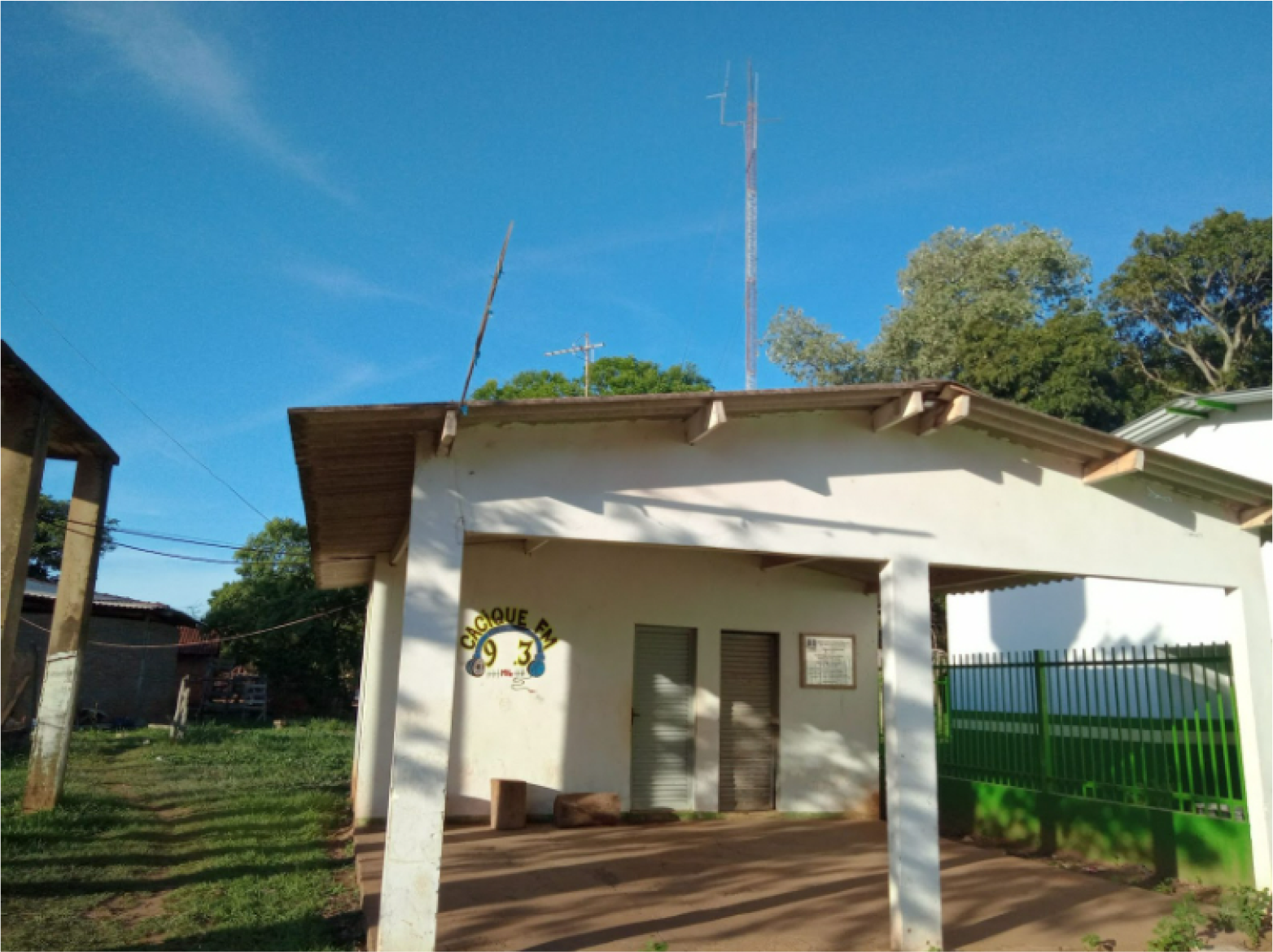
Bananal community’s radio station, Cacique FM.
Acculturation has had a significant impact on modifying some of the traditions of indigenous peoples. However, it is important to note that they still strive to preserve their cultures and keep the practice of sharing their stories alive. The participants’ interviews emphasized the diversity of their interests, the active search for external information and the challenges faced, such as limited access to the Internet and the scarcity of specific materials in the library. In addition, the importance of preserving indigenous traditions was highlighted, such as the oral sharing of stories and the use of community radio as a means of communication. These reflections contribute to a deeper understanding of the role of information in the indigenous community and highlight the need to promote equity of access to information, valuing traditions and stimulating educational and cultural development.
Discussion
Several of the categories analysed in this research have been previously addressed in different contexts, covering several ethnicities, languages, places and social conditions. While every situation is unique, by comparing our findings with previous research, we have been able to identify some significant similarities.
This research highlights the main types of information sought by the participants related to their interest in historical events in the community and school topics. These findings are similar to those of Ramírez Velásquez’s (2006) study, who found young people from an indigenous community in Mexico very curious about studying historical events, as well as Valdez Angeles’s (2010) research, who demonstrated the interest of indigenous migrant students from Mexico in school issues. However, they differ from Du and Haines’ (2017) study, in which participants from a community in Australia demonstrated a desire to obtain information on weather forecasts mainly because most of them were foresters who needed to know the weather conditions to better prepare for their work.
The Internet was widely recognized as a primary source of information to meet the daily needs of the interviewed teachers, corroborating Du and Haines’ (2017) study conducted in an indigenous community in Australia. However, Internet access at the Bananal community school is restricted to employees only, which is in line with Lilley’s (2008) research. In his research, it was found that access to the Internet by students at a school in an indigenous community in New Zealand was limited due to strict filtering by the school, which blocked access to suspicious websites.
The use of the Internet outside the school environment in the Bananal community was reported by the interviewees as a challenge due to the high costs, which reinforces a common problem faced by indigenous communities. This is supported by a study carried out by Alfaro Rincón (2014) in an indigenous community in Mexico, in which more than half of the interviewees also faced difficulties in accessing the Internet.
The lack of use of the library by students at the Bananal community school is mainly due to the scarcity of materials. The library’s collection consists mainly of textbooks provided by the federal government, which limits reading and research options. This scenario is similar to that found in Lilley’s (2008) research, where only a minority used the library due to the lack of adequate resources and limited availability when they needed to use it. Similar findings were observed in a study conducted by Hunt and Shoaps (2018) in Guatemala, in which virtually no adults used a library.
Indigenous peoples have power structures established by elders and leaders within their communities, where they coordinate the population and are responsible for transmitting knowledge. In the Bananal community, the head of the community is responsible for the community radio, playing a crucial role as a source of information. A similar situation is evidenced in a study conducted by Chakrabarti (2001) in an indigenous community in India, where orality emerged as the main and fundamental source of information. However, it is important to note that studies carried out by other researchers, such as Hunt and Shoaps (2018), show that most people use television as their main means of obtaining information.
The preliminary findings highlight that information behaviour is influenced by cultural context, pointing to the importance of a library model that is able to meet the multiculturalism of a given location. It is crucial to preserve the culture of a people, but it is also essential to provide them with relevant information that can help them, considering that social changes have a significant impact on their lives. In this sense, it is necessary to find a balance between maintaining the culture and including the people, guaranteeing access to the information needed for their development and welfare.
Conclusion
The preliminary findings of this PhD research have sought to analyse the information behaviour of the Terena indigenous people of the Bananal community, with the aim of recognizing the importance of cultural diversity and indigenous knowledge, and highlighting the need to implement a multicultural library model that meets the community’s needs. The proposal is to implement such a library model. This model will seek to create an inclusive and welcoming environment, in which resources and activities meet the specific demands and interests of the indigenous people identified in the present study.
During the analysis, difficulties in accessing information were identified, including the lack of equitable access and information materials that address the Terena language. By improving access to information in the Bananal community, we will contribute to the objectives of the United Nations 2030 Agenda, which aim to guarantee the right to freedom and equity of access to information and knowledge for all.
The results of this phase of the research show that the multicultural library should be beyond traditional physical books, also covering digital resources, media files, interactive programmes and cultural events. It is essential that it is a dynamic space and that it promotes the appreciation and preservation of indigenous culture, providing access to a wide range of information related to both academic matters and the rich cultural heritage of the indigenous peoples of the region. To achieve this objective, it is important to design and implement activities that actively involve members of the indigenous community, creating a space for horizontal meeting and sharing. Community members should be not only library users, but also active participants in developing the services and activities offered, transforming the library into a participatory space. By offering a diverse collection that represents indigenous culture, knowledge and traditions, the multicultural library will become a meeting and learning place, strengthening the cultural identity of the community. In addition, it is essential to allow the active participation of the community, encouraging the creation and exchange of local knowledge.
The establishment of such a multicultural library in the Bananal community is essential to guarantee access to relevant information and promote inclusive and culturally sensitive education. This library model will contribute to strengthening indigenous identity, valuing traditional knowledge and promoting the self-esteem of community members. This is an important step towards building a fairer and more respectful society that recognizes and values cultural diversity and indigenous knowledge.
It is important to emphasize that, although this study has contributed to the understanding of the information behaviour of the Terena people from the Bananal community, research on this topic in the field of information science is still scarce in Brazil when compared to Mexico, a country that stands out for the largest number of publications on the subject. Therefore, it is essential to promote interdisciplinary studies in Brazil that address the information behaviour of indigenous communities, taking into account their cultural characteristics, languages and specific ways of life, with the aim of identifying their needs as well as facilitating broader and more relevant access to information in a significant way, promoting respect for their rights in the context of Brazilian society and supporting the preservation and dissemination of their culture.
Footnotes
Declaration of conflicting interests
The authors declared no potential conflicts of interest with respect to the research, authorship and/or publication of this article.
Funding
The authors received no financial support for the research, authorship and/or publication of this article.